NFHS-5: Indians are getting fatter – and it's a big problem
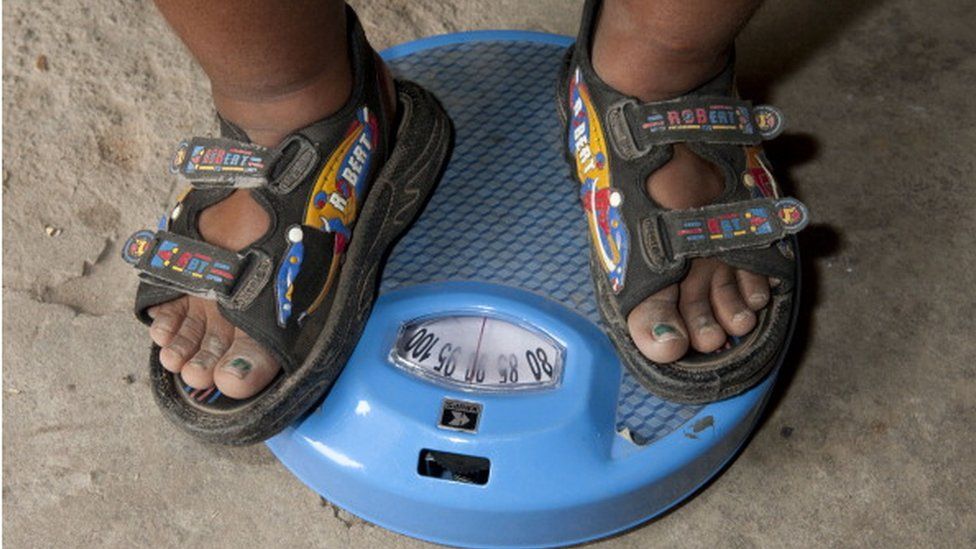
SharecloseShare pageCopy linkAbout sharingImage source, Getty ImagesIndians are getting fatter, according to a new government survey, and experts are warning about a health emergency unless the growing obesity problem is tackled on a war footing.Once considered a problem of the affluent West, obesity has been spreading in recent years in low and middle-income countries – and nowhere is it spreading more rapidly than in India.Long known as a country of malnourished, underweight people, it has broken into the top five countries in terms of obesity in the past few years.One estimate in 2016 put 135 million Indians as overweight or obese. That number, health experts say, has been growing rapidly and the country’s undernourished population is being replaced by an overweight one.According to the latest National Family Health Survey (NFHS-5), the most comprehensive household survey of health and social indicators by the government, nearly 23% of men and 24% of women were found to have a body mass index (BMI) of 25 or more – a 4% increase for both genders over 2015-16. The data also shows that 3.4% of children under five are now overweight compared with 2.1% in 2015-16.”We are in an obesity epidemic in India and globally, and I fear it could soon become a pandemic if we don’t address it soon,” warns Dr Ravindran Kumeran, a surgeon in the southern city of Chennai (Madras) and founder of the Obesity Foundation of India.Dr Kumeran blames sedentary lifestyles and the easy availability of cheap, fattening foods as the main reasons why “most of us, particularly in urban India, are now out of shape”.BMI, which is calculated by taking an individual’s height and weight into account, is the most accepted measure globally to classify people into “normal”, “overweight”, “obese” and “morbidly obese”. According to the World Health Organization (WHO), a BMI of 25 or above is considered overweight.But Dr Kumeran and many other health experts believe that for South Asian populations, it needs to be adjusted at least two points lower at each stage because we are prone to “central obesity”, which means that we easily put on belly fat, and that’s more unhealthy than weight anywhere else on the body. This would mean that an Indian with a BMI of 23 would be overweight.”If you take 23 as the cut-off point for overweight, I think half the population of India – certainly the urban population – would be overweight,” says Dr Kumeran. According to WHO, too much body fat increases the risk of non-communicable diseases, including 13 types of cancer, type-2 diabetes, heart problems and lung conditions. And last year, obesity accounted for 2.8 million deaths globally. Dr Pradeep Chowbey, former president of the International Federation for the Surgery of Obesity and Metabolic Disorders (Ifso), says “every 10kg of extra weight reduces life by three years. So, if someone is overweight by 50kg, they might end up losing 15 years of life. We also saw that mortality during Covid was three times higher for overweight and obese patients.” Policemen told to slim down or lose jobI’m slim so why am I at risk of diabetes?Dr Chowbey, who pioneered bariatric surgery in India 20 years ago – used as a last resort to treat dangerously obese people with a BMI of 40 or above – says obesity’s medical impact is well known, but what is less talked about is its psychological and social impact.”We did a survey of a 1,000 individuals three years back and we found that being overweight impacted sexual health, it led to poor self-image which could impact people’s psyche and lead to marital disharmony.”And no-one knows it better than Siddharth Mukherjee, a 56-year-old actor who underwent bariatric surgery in 2015.An athlete, he weighed 80-85kg until a few years ago when an accident put an end to his sporting career.”But I had a sportsperson’s diet. I ate a lot of oily, spicy food and I enjoyed drinking, so I kept putting on weight and it went up to 188kg,” he said.And with that came a host of illnesses – diabetes, high cholesterol levels, and thyroid problems – and during a holiday in 2014, he suddenly developed breathing difficulties. “I couldn’t breathe lying down so I had to sleep sitting up,” he said. “But Dr Chowbey has given me a new life. My weight is generally down to 96kg. I go riding my bike, I act on stage, I go on holidays. “There was a time when I couldn’t climb a set of stairs, now I can walk for 17 to 18km in a day, I can eat sweets, I can wear fashionable clothes now.” He said to be fat was a curse for him. “The world is a beautiful place, and we have a commitment to our families so I would tell people to stop being selfish and take care of their health.”Dr Chowbey says for people like Mr Mukherjee, bariatric surgery can be life-saving, but the most important thing is to create awareness about the perils of putting on weight in the first place. But his efforts to get the government to recognise obesity as a disease have remained unsuccessful.Food apps and online gaming driving obesity – WHOKeep your waistline to less than half your height”The government has been busy trying to control infectious diseases and their focus is on communicable diseases, they have very little resources for lifestyle diseases. But obesity is very difficult and expensive to manage, it puts a huge burden on the healthcare system.”A few years ago, there was talk of a “sin tax” which would raise prices of unhealthy foods and drinks to discourage their consumption, but health experts say it never happened because of pushback from companies that market them.Dr Kumeran says that India must adopt the same strategy to discourage unhealthy eating as it did with smoking.He adds that once smoking was allowed in public places, including in flights and offices, but it’s banned now. The government has made it mandatory for TV soaps and films to carry disclaimers and all cigarette packets have pictorial warnings.Dr Kumeran says such repeated warnings help in reinforcing the message and the same needs to be done for obesity. Data interpretation and graphics by the BBC’s Shadab NazmiRead more on India’s family survey from the BBC:Does India really have more women than men?Indian Muslim women fight ‘abhorrent’ polygamyWhat a breakfast murder says about wife beating in IndiaIndia’s preference for sons over daughters remainsMore on this storyI’m slim so why am I at risk of diabetes?Policemen told to slim down or lose jobLiving with obesity: Hard-wired to store fat

Read more →

US Begins Inquiry Into Industry’s Role in Infant Formula Supply Shortages

A severe shortage of baby formula has prompted the Federal Trade Commission to begin an inquiry into the industry’s consolidation and whether online resellers have taken advantage of desperate families struggling to find formula.“The F.T.C. is launching a public inquiry to identify the factors that contributed to the shortage or hampered our ability to respond to it,” Lina M. Khan, the agency’s chair, said in a statement on Tuesday. “Learning from this experience can help determine how we can minimize the risk of similar shortages in the markets for other life-sustaining products.”The agency said it would examine patterns of mergers and acquisitions to better understand how the industry — which is now dominated by four manufacturers — became so concentrated and how that consolidation should inform future merger reviews. The F.T.C. will also examine federal regulations and trade barriers that prevent foreign companies from entering the infant formula market.Read More on the Baby Formula ShortageUnderstand the Shortage: With just a handful of companies making infant formula for the U.S. market, the shutdown of an Abbott Laboratories plant had an outsize effect.Missing Safeguards: The shortage has revealed regulation gaps that make it hard to monitor the deadly bacterium that led to a recall. A Desperate Search: As the United States faces a baby formula shortage, some parents are rationing supplies, or driving for hours in search of them. A Misleading Narrative: Amid the crisis, Republicans have suggested that the Biden administration is sending baby formula to immigrants at the expense of American families. An Emotional Toll: The shortage is forcing many new mothers to push themselves harder to breastfeed, with some even looking for ways to start again after having stopped.Federal officials are also seeking public input about instances in which families believe they have been scammed when trying to buy formula or been forced to pay exorbitant prices from online resellers.The U.S. infant formula industry has come under intense scrutiny in recent weeks, with lawmakers and consumer advocates questioning why the production of a critical source of infant nutrition has long been controlled by only a handful of players. Abbott Nutrition, which controls about 48 percent of the market, threw the baby formula market into disarray in February when it voluntarily recalled some of its most popular powdered formulas and shut down a plant after four babies who had consumed some of Abbott’s products became sick with bacterial infections. Abbott has said there is no evidence that its formula caused the four illnesses, and no samples of the bacteria, Cronobacter sakazakii, from the infants have matched strains found at the plant.The dire shortages have left parents frantically searching for food for their children and stores limiting sales of infant formula. The Biden administration has taken steps to ease the lack of supply, including by invoking the Defense Production Act to ramp up manufacturing.The inquiry follows growing calls from lawmakers to investigate and overhaul the industry. Senator Tammy Duckworth, an Illinois Democrat, urged the F.T.C. this month to start an expansive study into the industry and the market conditions that have led to the shortages.Navigating the Baby Formula Shortage in the U.S.Card 1 of 6A growing problem.

Read more →

Monkeypox: Cases detected in three more countries for first time

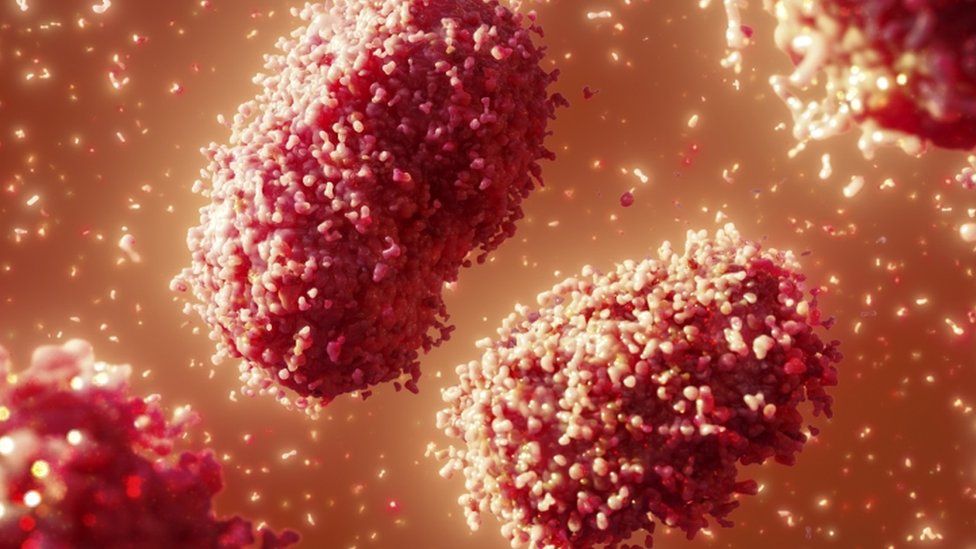
SharecloseShare pageCopy linkAbout sharingImage source, Science Photo LibraryThe United Arab Emirates (UAE) has became the first Gulf state to record a case of monkeypox.The Czech Republic and Slovenia also reported their first cases on Tuesday, joining 18 other countries to detect the virus outside its usual Africa base.That number is expected to rise further still, but experts say the overall risk to the general population remains low.Outbreaks of the virus have been found in Europe, Australia and America.The symptoms often include a fever and rash – but the infection is usually mild.In the UAE, health officials announced a case had been detected in a traveller who had recently visited west Africa and is now receiving medical treatment.Authorities there say they are “fully prepared” to handle any outbreak, adding that early surveillance protocols for detecting the disease were in place.The World Health Organization (WHO) says the virus can be contained with the right response in countries outside of Africa where it is not usually detected.”We encourage you all to increase the surveillance of monkeypox to see where transmission levels are and understand where it is going,” the WHO’s director for Global Infectious Hazard Preparedness, Sylvie Briand, said at a conference on Tuesday.The outbreaks may not be normal but remain containable, she added.EXPLAINER: What is monkeypox? ANALYSIS: Time to worry or one to ignore?Outside Africa there are now 237 confirmed and suspected cases of monkeypox and health authorities around the world have announced plans to contain the virus.Germany says it has ordered up to 40,000 doses of the Imvanex vaccine – used to treat smallpox, but also effective against monkeypox – to be ready in case the outbreak worsens.Anyone already vaccinated with a smallpox vaccine years ago as part of a global bid to eradicate the disease should have existing immunity, German health officials said. But they added that the older treatment has more side-effects so is not suitable for fighting monkeypox today.And in France, which has detected three cases, officials announced a targeted vaccination campaign of adults who had been recently exposed.Authorities there are recommending that a vaccine be given within four days of exposure, but up to 14 days afterwards if necessary. In England, officials announced on Tuesday that 14 more cases of the virus had been detected – bringing the total number of cases in the UK to 71.Monkeypox is usually associated with travel to Central or West Africa, but some of the cases which have been occurring outside these countries have had no travel link. It does not spread easily between people, but it can be spread through:touching clothing, bedding or towels used by someone with the monkeypox rashtouching monkeypox skin blisters or scabsthe coughs or sneezes of a person with the monkeypox rashIf you get infected with monkeypox, it usually takes between five and 21 days for the first symptoms to appear.Symptoms include fever, headache, muscle aches, backache, swollen lymph nodes, chills and exhaustion.A rash can develop, often beginning on the face, then spreading to other parts of the body. The rash changes and goes through different stages – a bit like chicken pox – before finally forming a scab, which later falls off.Read more about the virus here.More on this storyMonkeypox cases rise to 71 in the UKMonkeypox outbreaks are containable – WHO

Read more →

New gene identified in arrhythmogenic cardiomyopathy

Researchers from the group of Eva van Rooij used advanced sequencing technology to better understand the heart disease arrhythmogenic cardiomyopathy, in which heart muscle tissue is replaced by fat cells. Using explanted human hearts, they found regions in which heart muscle was actively degenerated and identified a new gene, ZBTB11, that drives heart muscle cell degradation. The results were published in Cardiovascular Research on 17 May 2022.
Arrhythmogenic cardiomyopathy (ACM) is a familial heart disease in which heart muscle tissue is replaced by fat cells. It can lead to life threatening, irregular heartbeats. Currently, no therapy exists to cure arrhythmogenic cardiomyopathy and patients may ultimately need a heart transplantation. Therefore, the group of Eva van Rooij at the Hubrecht Institute collaborated with the UMC Utrecht with the aim to better understand the process of heart muscle degeneration in ACM, to ultimately contribute to the identification of new therapeutic targets to treat the disease.
Local differences
Previous studies on ACM used methods that take a snapshot of the gene expression in diseased tissue to aim at understanding what happens in the disease, but lacked the spatial resolution that is required to identify local differences within the heart. Therefore, the group of Eva van Rooij collaborated with the group of Alexander van Oudenaarden to use a technique called Tomo-Seq, that enabled the researchers to study gene expression within different areas of the heart. It turned out that knowing the location of the cells with changed gene activity was key to the discovery of novel areas of heart muscle degeneration.
Human hearts
The researchers used explanted hearts from ACM patients that received a heart transplantation. Heart disease is often studied in cultured cells or animal models, since the use of patient heart tissue is usually not possible. However, due to a collaboration with Aryan Vink from the Pathology Department of UMC Utrecht, the researchers had access to one of the largest and best documented heart tissue biobanks of the world. This gave them the unique opportunity to study the disease process in patient material. The researchers were able to closely look at the patient heart muscle cells that are degenerating, and identified new genes that may play an important role in this process. Among these genes is the transcription factor ZBTB11, a gene that was not previously known to be involved in arrhythmogenic cardiomyopathy.
Fat cells
The gene ZBTB11 is specifically expressed in the heart muscle cells that are close to the fat cells. The researchers showed that the activity of ZBTB11 induced degeneration of heart muscle cells, a process that is key in arrhythmogenic cardiomyopathy. This indicates that the fatty regions in the heart induce damage to the neighboring heart muscle cells. In the future, the researchers aim to study if heart muscle damage can be slowed down or even reversed in arrhythmogenic cardiomyopathy.
Story Source:
Materials provided by Hubrecht Institute. Note: Content may be edited for style and length.

Read more →

Scientists discover gene plays critical role in embryo development

A new study co-led by a Cedars-Sinai investigator identified a gene thatplays an important role in a biological pathway involved in embryo development. The gene’s impact at the cellular level could explain why some babies are born with physical abnormalities and why some adults develop diseases such as cancer. The findings are published in Nature Communications.
Human embryos develop by way of many complex cellular processes. Chemical reactions known as “signaling pathways” activate molecules in a cell to guide its functions. For this study, investigators sought to better understand the so-called Hedgehog signaling pathway, which regulates growth of the human embryo but also is active in adulthood. They discovered that a gene, Cnpy4, can affect the ability of a cell to carry out the Hedgehog pathway.
“There are a handful of signaling pathways that are critical regulators of all biological processes that occur during development and are also involved in disease, so we want to understand how these pathways function,” said Ophir Klein, MD, PhD, co-senior author of the study and executive director of Cedars-Sinai Guerin Children’s. “What we’ve identified here is a gene that is a very important modulator of the critical Hedgehog pathway.”
The investigators observed that laboratory mouse embryos with a mutation in the Cnpy4 gene were born with polydactyly, a birth defect involving extra fingers or toes. Some of the mice also had abnormalities in their spines and ribs. Prior studies have shown that alterations to the Hedgehog pathway can cause these congenital malformations.
The team discovered that the Cnpy4 gene affects levels of lipids found on the cellular membrane, or the area that separates the interior of the cell from its external environment. The changes in the levels of lipids affect an important protein called Smoothened that is a vital component of the Hedgehog pathway. Mice that lacked Cnpy4 had elevated levels of accessible cholesterol on their cellular membranes, which caused Smoothened to signal more strongly. Thisled to hyperactivity of the pathway and the uncontrolled generation of new cells.
“This pathway is one of a handful that are central to human development,” said Klein, who holds the David and Meredith Kaplan Distinguished Chair in Children’s Health at Cedars-Sinai. “And because the same pathways are affected in various disorders, we think they could be a target for therapies for cancers that we know are related to Hedgehog signaling.”
Klein said developing drugs that affect the function of the Cnpy4 gene may provide potential new treatment options for diseases, including cancer.
Klein previously directed the Institute of Human Genetics at the University of California, San Francisco (UCSF), where he completed the study and remains an adjunct professor. The co-senior author of the study is Natalia Jura, PhD, associate professor in the Department of Cellular and Molecular Pharmacology and an investigator in the Cardiovascular Research Institute at UCSF.
Funding: The study was funded by the UCSF Sandler Program for Breakthrough Biomedical Research and by the National Institute of Dental and Craniofacial Research under award numbers R01-DE028496 and R35-DE026602.
Story Source:
Materials provided by Cedars-Sinai Medical Center. Note: Content may be edited for style and length.

Read more →

Researchers shed light on genetic mechanisms of Wilms tumor

New research from Ann & Robert H. Lurie Children’s Hospital of Chicago and collaborators from other institutions provides insights into some of the genetic characteristics resulting in the development of relapse in patients with Wilms tumor (nephroblastoma), the most common type of pediatric cancer of the kidney. The study published in Cell Reports Medicine identified mutations in key genes, including two that had not been previously recognized in Wilms tumor, which offers promise for improving ways to better identify patients who are at risk of relapse and tailoring therapies for these patients.
There are two major types of Wilms tumor based on their histology, or how they look under a microscope. Approximately 95 percent of Wilms tumors have a favorable histology, and the overall survival rate of children with tumors of this type is 90 percent. Unfavorable histology, or anaplasia, describes tumors with increase in cell size, increased irregularity in the shape of the cells, and abnormalities of DNA. These tumors are more difficult to treat. Even though children with favorable histology Wilms tumor have a very high rate of overall survival, they still require treatment with chemotherapy, and often with radiation as well.
To gain a better understanding of the genetic mechanisms of relapse in Wilms tumors, the researchers conducted genetic sequencing of samples from primary and relapse tumors as well as normal kidney or peripheral blood samples of patients with favorable histology Wilms tumor who relapsed following therapy. The patients were part of the Children’s Oncology Group AREN03B2 umbrella biology and classification study from 2006 to 2017.
“One of the remarkable characteristics of this study is that it is a comprehensive analysis of the largest number of relapse samples of Wilms tumor to date,” said lead author Elizabeth J. Perlman, Head of the Department of Pathology and Laboratory Medicine, Arthur C. King Board Designated Professor at Lurie Children’s Hospital, and Professor of Pathology at Northwestern University Feinberg School of Medicine. “We were also able to build upon current evidence suggesting that genetic variants may play key roles in tumor evolution.”
Story Source:
Materials provided by Ann & Robert H. Lurie Children’s Hospital of Chicago. Note: Content may be edited for style and length.

Read more →

How eating eggs can boost heart health

Researchers have shown how moderate egg consumption can increase the amount of heart-healthy metabolites in the blood, publishing their results today in eLife.
The findings suggest that eating up to one egg per day may help lower the risk of developing cardiovascular disease.
Eggs are a rich source of dietary cholesterol, but they also contain a variety of essential nutrients. There is conflicting evidence as to whether egg consumption is beneficial or harmful to heart health. A 2018 study published in the journal Heart, which included approximately half a million adults in China, found that those who ate eggs daily (about one egg per day) had a substantially lower risk of heart disease and stroke than those who ate eggs less frequently*. Now, to better understand this relationship, the authors of this work have carried out a population-based study exploring how egg consumption affects markers of cardiovascular health in the blood.
“Few studies have looked at the role that plasma cholesterol metabolism plays in the association between egg consumption and the risk of cardiovascular diseases, so we wanted to help address this gap,” explains first author Lang Pan, MSc at the Department of Epidemiology and Biostatistics, Peking University, Beijing, China.
Pan and the team selected 4,778 participants from the China Kadoorie Biobank, of whom 3,401 had a cardiovascular disease and 1,377 did not. They used a technique called targeted nuclear magnetic resonance to measure 225 metabolites in plasma samples taken from the participants’ blood. Of these metabolites, they identified 24 that were associated with self-reported levels of egg consumption.
Their analyses showed that individuals who ate a moderate amount of eggs had higher levels of a protein in their blood called apolipoprotein A1- a building-block of high-density lipoprotein (HDL), also known as ‘good lipoprotein’. These individuals especially had more large HDL molecules in their blood, which help clear cholesterol from the blood vessels and thereby protect against blockages that can lead to heart attacks and stroke.
The researchers further identified 14 metabolites that are linked to heart disease. They found that participants who ate fewer eggs had lower levels of beneficial metabolites and higher levels of harmful ones in their blood, compared to those who ate eggs more regularly.
“Together, our results provide a potential explanation for how eating a moderate amount of eggs can help protect against heart disease,” says author Canqing Yu, Associate Professor at the Department of Epidemiology and Biostatistics, Peking University. “More studies are needed to verify the causal roles that lipid metabolites play in the association between egg consumption and the risk of cardiovascular disease.”
“This study may also have implications for Chinese national dietary guidelines,” adds senior author Liming Li, Boya Distinguished Professor at the Department of Epidemiology and Biostatistics, Peking University. “Current health guidelines in China suggest eating one egg a day, but data indicate that the average consumption is lower than this. Our work highlights the need for more strategies to encourage moderate egg consumption among the population, to help lower the overall risk of cardiovascular disease.”
Story Source:
Materials provided by eLife. Note: Content may be edited for style and length.

Read more →

Living with dogs (but not cats) as a toddler might protect against Crohn's disease

Young children who grow up with a dog or in a large family may have some protection later in life from a common inflammatory bowel disease known as Crohn’s disease, according to a study to be presented at Digestive Disease Week® (DDW) 2022.
“Our study seems to add to others that have explored the ‘hygiene hypothesis’ which suggests that the lack of exposure to microbes early in life may lead to lack of immune regulation toward environmental microbes,” said Williams Turpin, PhD, the study’s senior author and a research associate with Mount Sinai Hospital and the University of Toronto.
Researchers used an environmental questionnaire to collect information from nearly 4,300 first-degree relatives of people with Crohn’s disease enrolled in the Crohn’s and Colitis Canada Genetic, Environmental, and Microbial (CCC-GEM) project. Using responses to the questionnaire and historical data collected at the time of recruitment, Dr. Turpin and his team analyzed several environmental factors, including family size, the presence of dogs or cats as household pets, the number of bathrooms in the house, living on a farm, drinking unpasteurized milk and drinking well water. The analysis also included age at the time of exposure.
The study found that exposure to dogs, particularly from ages 5 to 15, was linked with healthy gut permeability and balance between the microbes in the gut and the body’s immune response, all of which might help protect against Crohn’s disease. Similar effects were observed with exposure to dogs across all age groups.
“We did not see the same results with cats, though we are still trying to determine why,” Dr. Turpin said. “It could potentially be because dog owners get outside more often with their pets or live in areas with more green space, which has been shown previously to protect against Crohn’s.”
Another protective factor seemed to be living with three or more family members in the first year of life, which was associated with microbiome composition later in life. The gut microbiome is believed to play a role in a number of health conditions, such as inflammatory bowel disease, colorectal cancer, diabetes, and high blood pressure.
Dr. Turpin and his colleagues hope their findings may assist physicians in asking detailed questions of patients to determine who is at highest risk. However, he noted that the early life environmental factors were assessed by questionnaires, so caution is warranted in interpreting these results due to possible recall bias at recruitment. The reasons dog ownership and larger families appear to provide protection from Crohn’s remain unclear.
Crohn’s disease is a type of inflammatory bowel disease that affects around half a million people in the U.S. It most often develops in young adults, people who smoke, and those with a close family member who has IBD. Symptoms include diarrhea, abdominal pain and weight loss. Treatments currently aim to prevent symptom flare-ups through diet modification, medication, and surgery.
Dr. Turpin will present data from the study, “Environmental factors associated with risk of Crohn’s disease (CD) development in a prospective cohort of healthy first-degree relatives of CD patients,” on Monday, May 23.
Story Source:
Materials provided by Digestive Disease Week. Note: Content may be edited for style and length.

Read more →

U.S. Birthrate Ticks Up 1 Percent, Halting a Steady Decline

Data from the federal government showed last year’s increase was the first since 2014, and followed a sharp drop in 2020, the first full year of the coronavirus pandemic.The birthrate in the United States increased slightly last year, ending what had been a consistent decline since 2014, the federal government reported on Tuesday.The country recorded 56.6 births per 1,000 women aged 15 to 44 in 2021, an increase of 1 percent from the year before, when there was a sharp drop, according to provisional data released by the National Vital Statistics System, part of the Centers for Disease Control and Prevention. There were 3,659,289 births in 2021, an increase of about 46,000, or 1 percent, from 2020.Until last year, the birthrate had declined by an average of 2 percent every year since 2014.The figures further muddled the question of how the pandemic has affected the birthrate. Early evidence from 2020, when births dropped 4 percent from the previous year, suggested women might have been delaying pregnancy.The birthrate is just one piece of the nation’s larger population puzzle. With low birthrates, declining immigration and rising deaths, the country’s population has expanded slowly over the past decade. High birthrates can lead to a crunch of resources, as during the postwar baby boom years, while low birthrates can leave a country with too few people to take over jobs or care for its older population.A complicated web of factors goes into a nation’s birthrate, including its economy — births tend to dip during periods of economic distress. Women are waiting longer to have babies, and more are choosing to not have them at all.Since 2007, the birthrate in the United States had declined every year except 2014, when there was a modest increase before continuing the descent in 2015.That decline matches with the beginning of the Great Recession, when millions of Americans lost their jobs and homes. (Despite frequent speculation, there typically isn’t a baby boom nine months after blizzards, blackouts and other one-off events that leave couples home alone and bored.)In addition to the overall numbers, the newly released data showed that birthrates declined among women 15 to 24, including a 6 percent drop to record lows among women 15 to 19 years old, and an increase among women 25 to 49 years old.

Read more →

Cornea T cells protect eyes from viral infections, researchers discover

The cornea — the transparent protective outer layer of the eye critical to helping us see — produces a delicate and limited immune response to fight infections without damaging our vision, according to a ground-breaking new study from the Peter Doherty Institute for Infection and Immunity (Doherty Institute).
Published today in Cell Reports, the study has shown long-living memory T cells that patrol and fight viral infections are present in the cornea, upending current thought that T cells are not found in healthy corneas — expanding our understanding of the eye’s immune response to infections.
The team used a multiphoton microscope that provides live images of living, intact biological tissues to study cornea cells in mice infected with Herpes Simplex Virus.
Their images revealed long-living memory T cells produced in the mice’s eyes to fight the infection. The memory T cells remained in the cornea after the virus was eliminated to ward off any future reinfection.
Advanced imaging of the eye in healthy people also revealed immune cells patrolling the cornea — the first time that cells have been imaged moving in human eyes.
For humans to see, the cornea must remain transparent to ensure focused light is received by the retina through the iris.
The presence of T cells in the corneas was previously not considered, given the eyes produce only a dampened immune response to avoid inflammation that would obstruct our vision.
Lead author University of Melbourne Professor Scott Mueller, laboratory head at the Doherty Institute said that these discoveries have important implications for understanding how eyes ward off dangerous infections.
“Current understanding that T cells are not found in healthy corneas needs to be reconsidered, as our discovery shows tissue-resident memory T cells entering the cornea and remaining there for long periods,” Professor Mueller said.
“Our findings will improve the understanding of how to protect our eyes from infections that cause permanent blindness, such as Herpes Simplex Virus.
“This also has implications for understanding chronic conditions such as dry eye disease and common eye allergies where unwanted T cells might also cause disease.”
This study was conducted in collaboration with the University of Melbourne’s Department of Optometry and Vision Sciences and Department of Anatomy and Neuroscience, and Monash University’s Institute of Pharmaceutical Sciences.
Story Source:
Materials provided by The Peter Doherty Institute for Infection and Immunity. Note: Content may be edited for style and length.

Read more →