F.D.A. Chief Details ‘Shocking’ Conditions at Baby Formula Plant

Agency inspectors found a leaking roof, standing water and cracked production equipment before a facility shutdown that led to major shortages.The Abbott Nutrition plant in Michigan that was shut down in February, sparking a widespread baby formula shortage crisis, had a leaking roof, water pooled on the floor and cracks in key production equipment that allowed bacteria to get in and persist, Dr. Robert Califf, the head of the Food and Drug Administration, told a House panel on Wednesday.He detailed “egregiously unsanitary” conditions in the Sturgis, Mich., plant to lawmakers during a hearing, but he also acknowledged that his agency’s response was too slow in addressing problems at the plant.“Frankly, the inspection results were shocking,” Dr. Califf told members of the House Energy and Commerce Subcommittee on Oversight and Investigations. “We had no confidence in integrity of the quality program at the facility,” noting the agency worked with Justice Department officials to dictate steps the company needed to take to turn the facility around.That effort is expected to result in the plant reopening on June 4, Jonathon Hamilton, an Abbott spokesman, said, with some formula expected to begin rolling out June 20. Officials hope new shipments will reach store shelves within six to eight weeks, although resumption of full production at the plant will take longer.Abbott has replaced the leaking roof at the plant as well as the floor, Dr. Califf said.House panel members sharply questioned the commissioner and other agency officials at the hearing. They also demanded answers from an Abbott executive about the plant’s troubled history as well as to how the company would correct glaring deficiencies and ease shortages that have agonized families across the country.Christopher Calamari, an Abbott Nutrition senior vice president, offered little explanation for conditions at the Michigan factory but said he was “deeply, deeply sorry” about the shortages. He said the company was coordinating 50 flights a week from its formula plant in Ireland to a dozen U.S. airports to increase supplies.“We are committed to ensuring that this never happens again,” Mr. Calamari said.Representative Gary Palmer, a Republican of Alabama, pressed Mr. Calamari for specifics about why the company did not fix problems at the plant before the F.D.A. forced its hand.“We prioritize safety and compliance in our plants,” Mr. Calamari said. “And we’re committed to doing so and getting better coming out of this event.”Mr. Palmer replied that he was not satisfied with that response.Committee members pushed back against F.D.A. and Biden administration assertions that it was difficult to recognize in real time the extent of the contamination and the resulting nationwide breakdown in the supply chain. The Abbott plant had produced one-fourth of the nation’s infant formula, including tailored formulas for people with specialized nutritional needs.“There was a life-and-death crisis in front of the F.D.A., but they failed to see the severity of the situations,” said Representative Cathy McMorris Rodgers, a Republican of Washington. “We must solve the immediate issue and also ensure that we are taking action so this situation never happens again.”Read More on the Baby Formula ShortageUnderstand the Shortage: With just a handful of companies making infant formula for the U.S. market, the shutdown of an Abbott Laboratories plant had an outsize effect.Missing Safeguards: The shortage has revealed regulation gaps that make it hard to monitor the deadly bacterium that led to a recall.A Desperate Search: As the United States faces a baby formula shortage, some parents are rationing supplies, or driving for hours in search of them.An Emotional Toll: The shortage is forcing many new mothers to push themselves harder to breastfeed, with some even looking for ways to start again after having stopped.The agency had discovered a battery of problems at the plant last fall. At the same time, reports began emerging of babies who had been hospitalized with a rare bacteria. Cronobacter sakazakii, which can be deadly to infants, was found in four babies who had consumed formula from the plant, according to the Centers for Disease Control and Prevention.Testimony during the hearing made it clear that the F.D.A. took months to try to match the bacteria that sickened the first baby to bacteria that was later found throughout the plant.Dr. Califf testified to the House Oversight Committee about the Abbott Nutrition plant virtually on Wednesday.Brendan Smialowski/Agence France-Presse — Getty ImagesCronobacter strains related to two of the babies did not match samples of the bacteria later found at the plant, although Dr. Califf said the agency considered those results “inconclusive” given shortcomings with genome sequencing.The illnesses set the recall in motion this year. The plant shutdown began Feb. 17 and exacerbated shortages that had been intermittent during the height of the pandemic. Empty shelves have left parents struggling, driving hundreds of miles to find baby formula and, at times, improvising to feed hungry infants.Dr. Califf also acknowledged several ways that the F.D.A. had erred in addressing this problem: Its follow-up inspection in January should have started sooner, he said, adding that the agency took too long to circulate a whistleblower report that arrived in October but did not reach top officials until February.“It was too slow, and there were decisions that were suboptimal along the way,” Dr. Califf said.He told lawmakers that the agency did not receive an immediate notice when a formula plant found the deadly Cronobacter bacteria. Nor does the agency have access to the supply chain information that each of the three main U.S. baby formula manufacturers have in-house.The report of an anonymous whistleblower who said he worked in the Sturgis plant came up repeatedly during the hearing. The whistleblower alleged that safety staff there “celebrated” the F.D.A. overlooking problems after a 2019 inspection and did not destroy enough product when it found Cronobacter in finished products. That top agency officials did not see those claims until February “is stunning to me,” Mr. Palmer said.Details in the report suggested there was “corruption” at the plant, Representative Kim Schrier, Democrat of Washington, charged. Dr. Califf said he could neither confirm nor deny whether there might be criminal proceedings in the future.Mr. Calamari emphasized that the whistleblower’s claims had not been proven. “That’s an open investigation,” he said. “And it’s ongoing.”The report’s allegations resonated with panel members of both parties, including Representative Larry Bucshon, Republican of Indiana, who described himself as a “private-sector guy.”“It seems like that facility’s culture is a problem,” Mr. Bucshon said. “It seems to me that the company needs to do better with oversight.”Mr. Calamari contended that Abbott had invested tens of millions of dollars toward quality and maintenance, and he praised the dedication of employees at the 700,000-square-foot facility, which he visited last week.“I saw the team members there,” he said. “They are empowered to speak up and they are passionate about what they make and they make those products as it was for their own family.”Several panel members called for stricter agency oversight of food safety and more frequent inspections of troubled plants.Navigating the Baby Formula Shortage in the U.S.Card 1 of 6A growing problem.

Read more →

Who Is Protected Against Monkeypox?

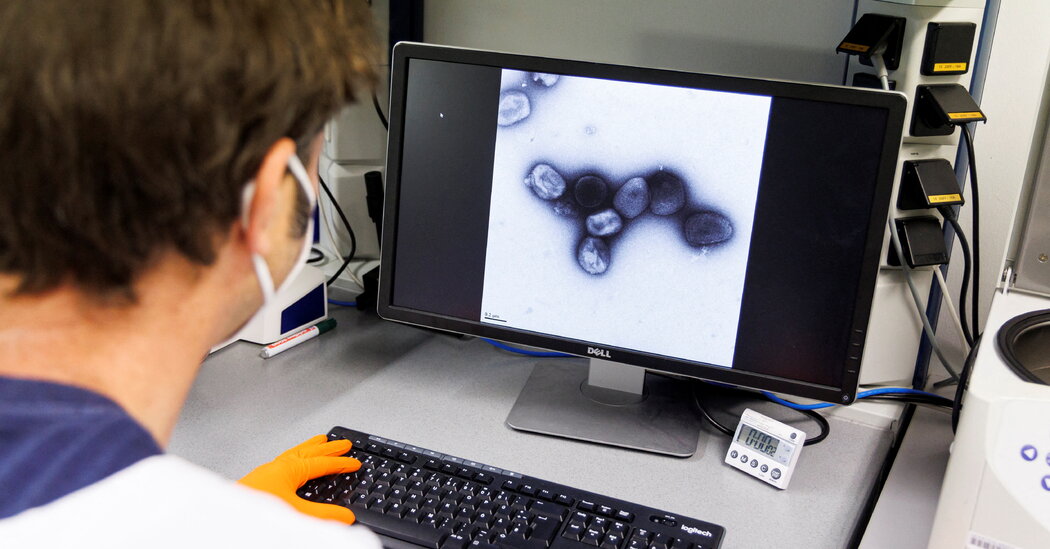
Older people who received smallpox vaccinations may yet have some immunity, researchers say. Healthy children and adults generally do not become severely ill.For a world weary of fighting the coronavirus, the monkeypox outbreak poses a key question: Am I at risk? The answer is reassuring. Most children and adults with healthy immune systems are likely to dodge severe illness, experts said in interviews. But there are two high-risk groups.One comprises infants younger than six months. But they are not yet affected by the current outbreak. And many older adults, the group most likely to succumb to the monkeypox virus, are at least somewhat protected by decades-old smallpox vaccinations, studies suggest.Vaccinated older adults may become infected but are likely to escape with only mild symptoms.“The bottom line is that even those that were vaccinated many decades before maintain a very, very high level of antibodies and the ability to neutralize the virus,” said Dr. Luigi Ferrucci, scientific director of the National Institute on Aging.“Even if they were vaccinated 50 years ago, that protection should still be there,” he said.In the United States, routine immunization for smallpox ceased in 1972. The military continued its vaccination program until 1991 as a precaution against a bioterrorism attack.Questions about the smallpox vaccine’s durability rose after an anthrax attack in 2001, said Dr. Anthony S. Fauci, the Biden administration’s top adviser on infectious diseases. It was reasonable to assume that most vaccinated people were still protected, he said, “but durability of protection varies from person to person.”“We can’t guarantee that a person who was vaccinated against smallpox is still going to be protected against monkeypox,” Dr. Fauci said.The monkeypox outbreak has grown to include about 260 confirmed cases and scores more under investigation in 21 countries. The infection begins with respiratory symptoms but blooms into a distinct rash, first in the mouth, then the palms of the hand and soles of the feet, and gradually the rest of the body. The rash eventually becomes raised, growing into pus-filled blisters.Each pustule contains live virus, and a ruptured blister can contaminate bed linens and other items, putting close contacts at risk. Infected people should also be very careful about rubbing their eyes because the virus can destroy sight.“Before Jenner had developed the smallpox vaccine, the number one cause of blindness in the world was smallpox,” said Mark Slifka, an immunologist at Oregon Health and Science University. Infected people are contagious until the pustules scab over and slough off, he said.Dr. Slifka and other experts emphasized that while monkeypox can be severe and even fatal, the current outbreak is unlikely to swell into a large epidemic.“We’re lucky to have vaccines and therapeutics — things that can mitigate all that,” said Anne Rimoin, an epidemiologist at the University of California, Los Angeles, who has studied monkeypox in Africa. “We do have the ability to stop this virus.”A line for smallpox vaccinations in New York after a reported outbreak in 1947.FPG/Hulton Archive/Getty ImagesMonkeypox takes up to 12 days to cause symptoms, giving doctors a window of at least five days after exposure to vaccinate and forestall disease. (The approach, called post-exposure prophylaxis, is not an option for Covid patients because the coronavirus can start to ravage the body just a couple days after exposure.)The monkeypox virus does not spread in the absence of symptoms. Careful surveillance, isolation of infected people, contact tracing and quarantine of contacts should contain the outbreak, Dr. Rimoin said.A majority of those infected currently are men under 50, and many identify as gay or bisexual, which may reflect the outbreak’s possible origins at a Gay Pride event in the Canary Islands. (The outbreak could just as easily have started among heterosexual people at a large event, experts said.)No deaths have been reported. But experts are particularly concerned about close contacts who are children, older adults or who have weak immune systems for other reasons.There are conflicting opinions on how long immunity from a smallpox vaccination lasts.The Centers for Disease Control and Prevention recommends boosters of smallpox vaccines every three years but only “for persons at risk of occupation exposure,” David Daigle, a spokesman for the agency, said in a statement.“Until we know more, we will be using available vaccine stocks for people who’ve had close contact with known cases, and people at highest risk for exposure through their jobs, like health care workers treating monkeypox patients,” he said.The United States and several European countries have begun immunizing close contacts of infected patients, an approach called ring vaccination.Many of the most vulnerable groups may already be protected. In one study, Dr. Slifka and his colleagues drew blood from 306 vaccinated volunteers, some of whom had been immunized decades earlier, including one who had been immunized 75 years before. Most of them maintained high levels of antibodies to smallpox.In another study, Dr. Slifka and his colleagues showed that antibodies produced by even a single dose of the smallpox vaccine decline very slowly in the body, dropping to half after about 92 years.Dr. Ferrucci and his colleagues at the N.I.H., as well as other teams, have also found that antibody levels persist for decades after vaccination. Some studies have found that other branches of the immune system also wane slowly, but antibodies produced from smallpox vaccination may be enough on their own to protect against monkeypox.If smallpox were to start spreading, it would make sense to immunize anyone who is exposed because of its high mortality rate, regardless of a previous vaccination, said Gigi Gronvall, a biosecurity expert at the Johns Hopkins Center for Health Security.“We wouldn’t want to take the chance that somebody was left unprotected,” she said.But that is not necessary now, she added: “This is monkeypox.”What to Know About the Monkeypox VirusCard 1 of 6What is monkeypox?

Read more →

Months After a Stroke, the Man Was Wasting Away. What Was Wrong?

Swallowing food was strangely difficult, and he was getting weaker by the day.“You have to take your husband to the hospital right now,” the doctor urged over the phone. “His kidneys aren’t working at all, and we need to find out why.” The woman looked at her 82-year-old spouse. He was so thin and pale. She thanked the doctor and called 911.For the past couple of months, every meal was a struggle. Swallowing food was strangely difficult. Liquids were even worse. Whatever he drank seemed to go down the wrong pipe, and he coughed and sputtered after almost every sip. It was terrifying.He saw an ear, nose and throat specialist, who scoped his mouth and esophagus. There wasn’t anything blocking the way. The doctor recommended that he get some therapy to help him strengthen the muscles he used to swallow, and until he did that, he should thicken his liquids to make drinking easier. The patient tried that once, but it was so disgusting he gave up on it.His wife was worried as she watched him eat and drink less and less. She could see that he was getting weaker every day. He had a stroke four months earlier, and since then his right foot dragged a little. But now she had to help him get out of his recliner. And he wasn’t able to drive — she had to make the 45-minute trip with him each day to his office.Finally, he agreed to see Dr. Richard Kaufman, their primary-care doctor. Kaufman was shocked by the man’s appearance, how the skin on his face hung in folds as if air had been let out of his cheeks. He’d lost nearly 40 pounds. He struggled to walk the few steps to the exam table. His right side, which was weakened by his stroke, was now matched by weakness on his left side. His stroke hadn’t done this. There was something else going on. Kaufman ordered some preliminary blood tests to try to see where the problem might lie. Those were the results that sent the couple to the emergency room.A Single Cause or Many?It was early afternoon when Dr. Osama Kandalaft, the hospitalist on duty, found the couple. This was December 2021, and the E.R. was bursting with a new surge of Covid cases. The patient was on a stretcher in the hallway. His wife sat on a stool next to him. Before meeting the man, Kandalaft reviewed the results of the tests done in the E.R. His kidneys were in bad shape.Kandalaft saw a pattern in the other labs that he recognized. One test showed the presence of a lot of blood in the man’s urine. And yet when the urine was examined under a microscope, no blood was seen. That’s because this wasn’t blood; it was a hemoglobin cousin, myoglobin, the oxygen-​carrying component of muscle, which is released into the bloodstream after an injury. Widespread muscle damage could certainly explain the man’s weakness. Moreover, he was taking a cholesterol-​lowering medication, a statin called rosuvastatin, which is known to cause muscle injury in some who take it. Kandalaft wasn’t sure if the statin could cause the patient’s trouble swallowing. Still, he would put a hold on the medication and order a test to look for creatine kinase, another protein released by injured muscles.Doctors often invoke the principle of Occam’s razor, articulated by the 14th-​century philosopher William of Occam, who posited that the simplest interpretation of any phenomenon is most likely the right one. A single, elegant explanation of suffering is often more welcome by both doctors and patients than the more contemporary principle, attributed to the 20th-century physician John Hickam, that “patients can have as many diseases as they damn well please.” But in Kandalaft’s experience, Hickam’s complexity often fit better. Especially with a patient who was 82 and had diabetes and heart disease and had suffered a recent stroke.The patient and his wife spent most of the night in the emergency room, waiting for a bed to open for someone who didn’t have Covid-19. He was moved to one just before dawn. Dr. Andrew Sanchez, the intern assigned to care for the patient, woke him early the next morning to introduce himself and try to figure out how to proceed. The blood test sent by Kandalaft to look for muscle injury had been helpful. It was 40 times higher than it should have been, indicating severe damage.Given the patient’s age and his rapid weight loss, Sanchez was worried about two muscle diseases often associated with cancer. First, Lambert-Eaton myasthenic syndrome (LEMS), a disorder in which the immune system attacks the neuromuscular junctions, causing weakness, which often lessens with use. But on exam, Sanchez found that the patient’s muscles started off weak and never got stronger. Those results made LEMS less likely.Another possibility was polymyositis, an autoimmune disorder in which the patient’s immune system attacks the muscles. In this disease, the muscles closest to the trunk — the thigh and shoulder muscles — will be weaker than the distal muscles of the feet and hands. That was certainly the case with this patient, who could flex and point his left foot but couldn’t lift his left thigh off the bed.Sanchez also considered another type of myositis that is specifically associated with the use of the cholesterol-lowering drug the patient was taking, called statin-​associated immune-mediated necrotizing myopathy (I.M.N.M.). Like polymyositis, it is characterized by weakness of the shoulders and thighs and retained strength in the hands and feet. Sanchez ordered blood tests for each of these oddities. It would take a while for these test results to come back. In the meantime, the patient would need a tube that ran from his nose into his stomach so he could get some nutrition.Sanchez debated whether to start the patient on intravenous steroids. If this were an autoimmune process like polymyositis or statin-induced I.M.N.M., he figured, the steroids would suppress the destructive and abnormal immune response and allow the muscles to heal. The consulting neurologist agreed, and the steroids were started.Photo illustration by Ina JangImprovement on SteroidsThe first test results confirmed what Sanchez already suspected: The patient didn’t have LEMS. The following week, blood tests and a muscle biopsy showed that it wasn’t polymyositis either. As the team waited for the results of the other studies, the patient reported that he felt stronger since getting the steroids. He felt ready to try to eat. His doctors saw no improvement in their exams, but were encouraged. Patients can often sense improvement well before it is appreciable.It took another week for the last results to come in. Finally it was clear: There was a single cause for all of his symptoms after all. An antibody triggered by his cholesterol-​lowering medication caused the muscle destruction, the weakness, the difficulty swallowing, everything. He had a statin-​induced myopathy, an I.M.N.M.Statins are one of the most widely prescribed medications in the country. They reduce the rate of heart attacks and strokes — among the most common causes of death in America — in those at increased risk. Moreover, statins are usually well tolerated. Still, muscle injury, ranging from mild to cases like this of severe injury, have been recognized for decades. This kind of statin-induced myopathy was described in 1994, but exactly how or why statins do this remains unclear. What is known is, first, it is very rare — it occurs at a rate of two cases per million people, according to a recent report. Second, the disease is associated with an inherited characteristic of white blood cells. And finally, the damage won’t stop when the medication is stopped. Because the statin triggered the immune system to attack the muscles, treatment requires steroids or other immune-suppressing medications.After months of recovery, the patient is finally back home. He’ll never take another statin. But he can eat again. And he can walk again — though he still needs a walker. He has decided not to go back to work. Retirement is much nicer than he imagined. But his wife is certain that by fall, he’ll be itching to do something more. Then and only then, she tells me, will they know for certain that this terrible episode is really over.Lisa Sanders, M.D., is a contributing writer for the magazine. Her latest book is “Diagnosis: Solving the Most Baffling Medical Mysteries.” If you have a solved case to share, write her at Lisa.Sandersmdnyt@gmail.com.

Read more →

Man's double hand transplant is 'space-age stuff'

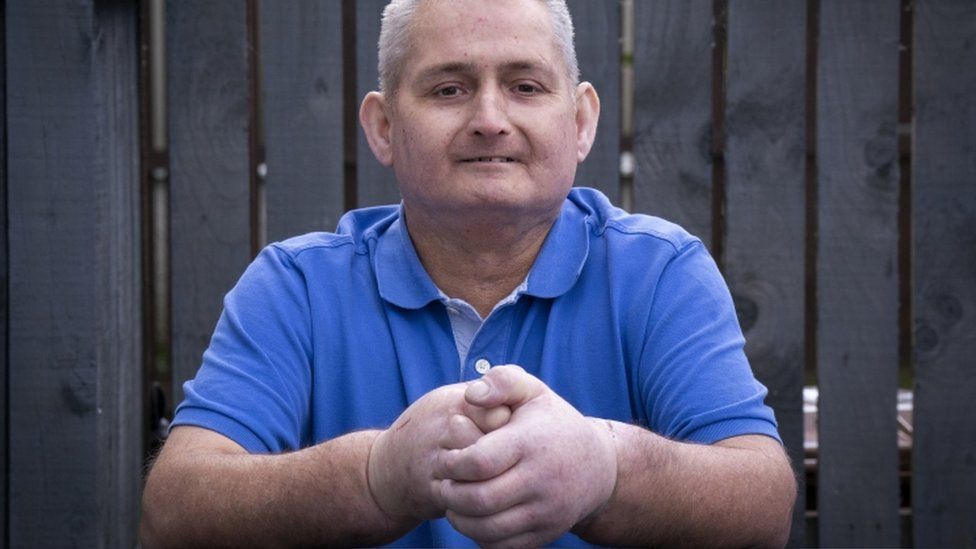
SharecloseShare pageCopy linkAbout sharingImage source, PA MediaSteven Gallagher laughed when it was first suggested he could have a double hand transplant.But five months on from pioneering surgery that could have cost him all use of his hands, he is now pain-free and enjoying “a new lease of life”.Steven, 48, developed an unusual rash on his cheeks and nose about 13 years ago, and pains in his right arm.Doctors initially thought it was lupus and then carpal tunnel syndrome, and the father-of-three had an operation.But when the pain returned in both arms, he was referred to a specialist who confirmed he had scleroderma, an autoimmune disease that causes scarring of the skin and internal organs.The condition affected areas including his nose, mouth and hands. About seven years ago, his fingers started curling in until they were in a fist position. He was suffering “horrendous” pain.”My hands started to close, it got to the point where it was basically two fists, my hands were unusable,” he recalled. “I couldn’t do a thing apart from lift things with two hands.”I could not grab anything, it was a struggle to get dressed and things like that.”Doctors hail first face and double hand transplantQuadruple amputee given double hand transplantUK’s first double hand transplant operation ‘tremendous’ successSteven, from Dreghorn in North Ayrshire, was forced to give up his work as a roof tiler.He was referred to Professor Andrew Hart, a consultant plastic and hand surgeon based in Glasgow, who first raised the possibility of a double hand transplant. “At the time I laughed and thought, that’s space-age kind of things,” he said. Image source, PA MediaAfter further conversations with Prof Hart, Steven also spoke to Professor Simon Kay, a consultant plastic surgeon at Leeds Teaching Hospitals NHS Trust who led the UK’s first double hand transplant operation in 2016.Both outlined the risks involved.”They were really understanding and really open about what might happen, that I could lose my hands altogether,” he recalled. “They said it was unlikely but it was a risk.”My wife and I spoke about it and came to the agreement to go for it. I could end up losing my hands anyway, so it was just a case of letting them know I was going to go with it.”Steven, who has three daughters aged 12, 24 and 27, had to undergo psychological evaluation to ensure he was prepared for the transplant.’These hands are amazing’He is believed to be the first person in the world with his condition to have the surgery. It involved a 30-strong team of professionals from many disciplines and was carried out in Leeds over a 12-hour period in December 2021 after a suitable donor was found.”After the operation, I woke up and it was quite surreal,” Steven said.”These hands are amazing, everything has happened so quickly. From the moment I woke up from the operation I could move them.”After spending four weeks in Leeds General Infirmary following the operation, Steven now makes regular visits to hospitals in Glasgow for physiotherapy and monitoring.Although dexterous tasks such as doing up buttons are still beyond him, his improving condition means he can do things like stroke his dog, turn on the tap and fill a glass of water.Image source, PA Media”It has given me a new lease of life,” he added. “I’m still finding things hard just now but things are getting better every week with the physio and the occupational therapists. Everything is just slowly getting better.”The pain is the big thing. Before the operation it was horrendous, I was on so much pain relief it was unbelievable, but now I’ve no pain at all.”Prof Kay said the operation had been a “huge team effort” and a hand transplant was “very different from a kidney or other organ transplant”.”Hands are something we see every day and we use them in so many ways,” he explained.”For this reason, we and our expert clinical psychologists assess and prepare patients, in order to be sure that they will be able to cope psychologically with the permanent reminder of their transplant, and the risk the body may reject the transplanted hands.”For Steven, the operation has been transformative. He now hopes to return to some kind of work once his hands have improved enough.More on this storyNew hands put end to ‘horrendous pain’Woman with no hands or feet in record climbScot to have double hand transplant

Read more →

Researchers identify biomarker panel that could help predict gestational diabetes in early pregnancy

UCLA researchers have taken the initial step in identifying what may be an effective way to detect gestational diabetes mellitus (GDM) earlier in pregnancy, potentially improving diagnosis and treatment for what is the most common disorder of pregnancy.
The study is published in the peer-reviewed journal PLOS ONE.
Gestational diabetes causes blood sugar levels to rise, creating risks for baby and mother alike. It can lead to high blood pressure, risk of future diabetes and a higher chance of c-section in the mother as well as excessive birth weight, premature delivery and other issues in her baby. Diagnosing the condition currently relies on conventional screening and lab work in the late second and third trimesters. The ability to predict the condition earlier is one key to reducing its impact.
“As pregnancy complications continue to rise worldwide, there have been increasing efforts to study with urgency the first-trimester as a window of opportunity for early identification and prediction of GDM, and the optimal point to take action to prevent maternal disease,” said Dr. Sherin Devaskar, lead author of the study and physician-in-chief of UCLA Mattel Children’s Hospital and distinguished professor of pediatrics at the David Geffen School of Medicine at UCLA.
Identifying biomarkers of GDM in early pregnancy could lead to better monitoring and development of safe and timely interventions and treatments that would reduce disease severity, thus improving long-term health prospects for mother and offspring.
For the current study, researchers focused on extracellular vesicles (EVs), circulating “communicators” that carry and deliver microRNA genes (miRNAs) within maternal blood. They are secreted from the placenta, and play a key role in pregnancy and in complications of pregnancy, including GDM. Researchers took blood samples during each trimester and at delivery from miRNA expression in EVs in 24 pregnant women and found there was distinct expression of miRNA in EVs isolated from blood samples taken in the first trimester, from women eventually diagnosed with GDM compared to those with normal healthy pregnancies. The authors noted changes in these miRNAs prior to clinical diagnosis, suggesting that they were involved in the development of the disease rather than due to factors secondary to the condition itself or treatments like insulin, which may influence miRNA content of circulating EVs.
Researchers also found upregulation in certain miRNA in first trimester pregnancies that went on to be diagnosed with GDM, further suggesting that the miRNA cargo within circulating EVs may be communicating with other maternal organs and cell types, and interacting with signaling pathways involved in metabolism and inflammation, which could be influencing the maternal metabolic adaptions observed in women who develop GDM.
“This is a promising initial step in finding a robust and accurate biomarker panel that performs much better than one single feature in predicting GDM during early pregnancy,” said Dr. Devaskar. “This study provides more evidence that GDM is a condition that begins developing far earlier than when currently clinically diagnosed, after the midpoint of pregnancy — when sadly, complications may already be irreversible. As providers of care for high risk pregnant patients and their babies, we are excited about this step towards the potential of more reliable and earlier diagnosis so that we may intervene before the development of adverse conditions for mother and baby that are often lifelong.”
The authors say further study is needed to investigate the mechanistic role of circulating EVs during pregnancy, their role in pregnancy complications and utilization of EV associated miRNAs as noninvasive predictors of disease in pregnancy, but that EV-associated miRNAs from the first trimester of pregnancy have the potential to act as an early gestation predictor of the subsequent development of GDM, prior to the emergence of characteristic clinical or biochemical features.
Other authors on the study included Shanthie Thamotharan, staff research associate, Shubhamoy Ghosh, PhD, assistant project scientist, and Laura James-Allan, PhD, post-doctoral fellow, all three in the department of Pediatrics-Neonatology at UCLA; Margarida Y.Y. Lei, staff research associate and Dr. Carla Janzen, associate professor, in the department of obstetrics and gynecology, division of maternal-fetal medicine at UCLA.
Research was supported by the National Institutes of Health under grant numbers NU01HD087221 (to SUD, CJ, KS), R01HD089714 (to SUD) and R01HD100015 (to SUD).

Read more →

Seven healthy habits linked to lower risk of dementia in those with genetic risk

Seven healthy habits and lifestyle factors may play a role in lowering the risk of dementia in people with the highest genetic risk, according to research published in the May 25, 2022, online issue of Neurology®, the medical journal of the American Academy of Neurology.
The seven cardiovascular and brain health factors, known as the American Heart Association’s Life’s Simple 7, are: being active, eating better, losing weight, not smoking, maintaining a healthy blood pressure, controlling cholesterol, and reducing blood sugar.
“These healthy habits in the Life’s Simple 7 have been linked to a lower risk of dementia overall, but it is uncertain whether the same applies to people with a high genetic risk,” said study author Adrienne Tin, PhD, of the University of Mississippi Medical Center in Jackson. “The good news is that even for people who are at the highest genetic risk, living by this same healthier lifestyle are likely to have a lower risk of dementia.”
The study looked at 8,823 people with European ancestry and 2,738 people with African ancestry who were followed for 30 years. People had an average age of 54 at the beginning of the study.
Study participants reported their levels in all seven health factors. Total scores ranged from 0 to 14, with 0 representing the most unhealthy score and 14 representing the most healthy score. The average score among those with European ancestry was 8.3 and the average score amongst those with African ancestry was 6.6.
Researchers calculated genetic risk scores at the start of the study using genome-wide statistics of Alzheimer’s disease, which have been used to study the genetic risk for dementia.

Read more →

Missing link between Alzheimer's and vascular disease found?

For more than 20 years, scientists have known that people with hypertension, diabetes, high cholesterol, or obesity have a higher likelihood of developing Alzheimer’s disease.
The conditions can all affect the brain, damaging blood vessels and leading to strokes. But the connection between vascular disease in the brain and Alzheimer’s has remained unexplained despite the intense efforts of researchers.
Now, a study led by researchers at Columbia University’s Vagelos College of Physicians and Surgeons has uncovered a possible mechanism. The study found a gene called FMNL2 links cerebrovascular disease and Alzheimer’s and suggests changes in FMNL2 activity caused by cerebrovascular disease prevent the efficient clearance of toxic proteins from the brain, eventually leading to Alzheimer’s disease.
The finding could lead to a way to prevent Alzheimer’s in people with hypertension, diabetes, obesity, or heart disease.
“Not only do we have a gene, but we have a potential mechanism,” says senior author Richard Mayeux, MD, chair of neurology at Columbia and NewYork-Presbyterian/Columbia University Irving Medical Center. “People have been trying to figure this out for a couple of decades, and I think we have our foot in the door now. We feel there must be other genes involved and that we’ve just scratched the surface.”
Mayeux and his colleagues found FMNL2 in a genome-wide hunt designed to uncover genes associated with both vascular risk factors and Alzheimer’s disease. The search involved five groups of patients representing different ethnic groups.

Read more →

Common prostate cancer medications may be less safe than previously thought

Men taking either of the two most common oral medications for advanced prostate cancer who had also undergone hormone therapy to treat their disease were at higher risk of serious metabolic or cardiovascular issues than patients who were only receiving hormone therapy, Michigan Medicine researchers found.
Patients taking abiraterone had 1.77 times the risk of being admitted to the emergency room or the hospital due to diabetes, hypertension or heart disease compared to those who were only on hormone therapy. Those receiving enzalutamide were at 1.22 times the risk of these issues.
Compared to patients not receiving abiraterone, those taking abiraterone were also more likely to need an outpatient visit with their physician related to at least one of these health conditions. That was not the case if the man was taking enzalutamide.
Abiraterone and enzalutamide were both found to be relatively safe in clinical trials, but concerns that the population of patients who participated in the trials was different than those in real-life settings prompted the researchers to take another look at the effects of the drugs.
For instance, this research exclusively analyzed patients with Medicare health insurance, and the majority of men studied were significantly older than those in the drugs’ clinical trials.
“Patients enrolled in clinical trials tend to be highly selected and often times do not reflect the patient population in day-to-day practice,” said Lillian Y. Lai, M.D., M.S., a National Institutes of Health T32 Urologic Oncology Research Fellow at Michigan Medicine and the first author of the study. “Trial participants also undergo stringent safety evaluations that some of our patients do not have access to. By studying adverse events in real-life settings, we can better understand the risks of these life-prolonging cancer treatments and help clinicians and patients make informed decisions regarding treatment.”
Since metabolic and cardiovascular conditions tend to be under the purview of primary care providers, Lai and her fellow authors recommend team-based care that involves PCPs for patients with advanced prostate cancer as a way to manage these higher risks.
“With continued expansion of the indications for abiraterone and enzalutamide to earlier stages of the disease, increasing numbers of men will be receiving these therapies for longer periods of time,” Lai said. “This will potentially amplify the scope of men affected and increase the magnitude of the risks of adverse events, making careful attention to management of these issues crucial.”
Other authors include Mary K. Oerline, M.S.; Megan E.V. Caram, M.D., M.S.; Phoebe A. Tsao, M.D.; Samuel R. Kaufman, M.A.; Brent K. Hollenbeck, M.D., M.S.; and Vahakn B. Shahinian, M.D., M.S.
Story Source:
Materials provided by Michigan Medicine – University of Michigan. Original written by Mary Clare Fischer. Note: Content may be edited for style and length.

Read more →

Cryogenic electron microscopy reveals drug targets against common fungus

Most people carry the fungus Candida albicans on their bodies, without this causing many problems. However, a systemic infection with this fungus is dangerous and difficult to treat. Few antimicrobials are effective and drug resistance is increasing. An international group of scientists, including Albert Guskov, associate professor at the University of Groningen, have used single-particle cryogenic electron microscopy to determine the structure of the fungal ribosome. Their results, which were published in Science Advances on 25 May, reveal a potential target for new drugs.
Candida albicans usually causes no problems or just an itchy skin infection that is easily treated. However, in rare cases, it may cause systemic infections that can be fatal. Existing antifungal drugs cause a lot of side effects and are expensive. Furthermore, C. albicans isbecoming more drug resistant, so there is a real need for new drug targets. ‘We noted that no antifungal drugs are targeting protein synthesis, while half of the antibacterial drugs interfere with this system,’ says Guskov. A reason for this is that fungal ribosomes, the cellular machineries that translate the genetic code into proteins, are very similar in humans and fungi. ‘So, you would need a very selective drug to avoid killing our own cells.’
Atomic resolution
Therefore, Guskov and his collaborators reasoned that obtaining the structure of the C. albicans ribosomes would be valuable in finding drug targets. The classical approach is to grow crystals from purified ribosomes and to determine their structure using X-ray crystallography; however, this is a laborious technique. Instead, they used single-particle cryogenic electron microscopy, where a large number of single particles are imaged at very low temperatures in an electron microscope. The images of single particles — seen from different angles — are subsequently combined to produce an atomic-resolution structure.
Mutation
‘In this way, we solved the structures of vacant and inhibitor-bound fungal ribosomes and compared their functions to those of ribosomes from yeast and rabbit — the latter as a model for the human ribosome — and repeated this for ribosomes bound to different inhibitors,’ explains Guskov. One of these inhibitors was the antimicrobial cycloheximide (CHX), to which C. albicans is known to be resistant. By comparing the structures, the scientists noted that a single mutation in the E-site, which plays a key part in protein synthesis, prevents CHX from binding to C. albicans ribosomes. ‘The mutation changed one amino acid in the structure of this E-site from proline to glutamine. This substitution reduces the size of the binding site, so the inhibitor can’t attach and is therefore ineffective.’ Another inhibitor, phyllanthoside, is not blocked by the mutation.
Threat
‘By comparing the structures of the E-sites in vacant ribosomes in C. albicans and humans and information on the way that different inhibitors bind to the site, we can develop a specific inhibitor that blocks fungal ribosomes but not those of humans. This would then be a selective drug to treat fungal infections.’ The scientists are currently screening libraries of molecules to find drug leads. ‘It is extremely challenging to develop a vaccine against C. albicans, like we did for the coronavirus. So, we need drugs to treat systemic infections,’ Guskov explains. ‘The increasing drug resistance of this fungus is a real threat. If this continues, we could be in serious trouble unless new drugs are developed.’
Story Source:
Materials provided by University of Groningen. Note: Content may be edited for style and length.

Read more →

Julie Beckett, Who Helped Disabled Children Live at Home, Dies at 73

A waiver named for her daughter, Katie, has allowed hundreds of thousands of children to receive medical care without having to live in a hospital.Julie Beckett, who with her daughter, Katie, pushed for changes to Medicaid that enabled hundreds of thousands of families to raise and care for their disabled children at home, died on May 13 in Cedar Rapids, Iowa. She was 72.Her brother John O’Connell said she died at her home of a heart attack.Katie Beckett was born in March 1978, and just four months later she contracted viral encephalitis. The disease paralyzed her diaphragm and left her dependent on a ventilator and other equipment.Within three years, the Becketts had exhausted their $1 million health insurance policy. They applied for government support, but were told Medicaid would not cover in-home care.Faced with the prospect of seeing her daughter grow up in a hospital, Ms. Beckett invited her congressman, Tom Tauke, to visit Katie. She presented him with data she had collected showing that allowing children like her daughter to live at home was not just better for the families but would save the government money.On a flight to Iowa with Vice President George Bush, Mr. Tauke, a Republican, pleaded the Becketts’ case. Mr. Bush was so moved that he immediately told President Ronald Reagan about it.At a news conference in November 1981, Reagan singled out the Becketts’ story.“Now, by what sense do we have a regulation in government,” he asked, “that says we’ll pay $6,000 a month to keep someone in a hospital that we believe would be better off at home?”The White House paid attention to Ms. Beckett’s advocacy. In 1984, President Ronald Reagan (seen holding Katie Beckett) met with the Beckett family on the tarmac of Cedar Rapids Municipal Airport in Iowa.Courtesy Ronald Reagan LibraryTwo days later, Richard S. Schweiker, the secretary of health and human services, issued a waiver stating that Medicaid would in fact cover Katie’s care at home. By the next day, 247 families had called asking for the same treatment. They all got it.Reagan established a commission to work out the criteria for what came to be known as Katie Beckett waivers, and to encourage states, which administer Medicaid, to adopt them. Today every state has a Katie Beckett program.Katie Beckett became one of several children — like Ryan White, who contracted H.I.V. through a blood transfusion, and Amber Tatro, who was born with spina bifida — whose health struggles in the 1980s made them human-interest celebrities, the subjects of nightly news coverage, sympathetic newspaper profiles and, ultimately, state and federal legislation.Katie and her mother used their sudden media exposure to push for changes in government policy that would move the focus of long-term care away from institutions and toward a family-centered approach. That development has helped millions of children live significantly longer lives than they might have in the past.“When we have those who are directly affected at the table and able to share our stories, we’re able to put a human face on these issues,” Elena Hung, a co-founder of the disability-rights group Little Lobbyists, said in a phone interview. “We’re going to have all the data, all the policy analysis, all the experts speaking on these issues, but it really doesn’t bring it home until we can see who is directly affected, and humanize those issues. I think Julie and Katie did that expertly.”Ms. Beckett did not stop once her daughter returned home, just before Christmas in 1981. She left her job as a junior high school social studies teacher to care for Katie and work as an activist full time. She traveled the country, lecturing, lobbying and teaching parents of children with disabilities how to advocate for change in their communities.She testified before Congress, wrote opinion articles and co-founded the group Family Voices, a nonprofit organization that supports families of children with disabilities. She was also a leading figure behind the Family Opportunities Act, a 2005 law that further expanded Medicaid coverage such families and created a series of programs to help those families engage with one another.Even after Katie died, in 2012, Ms. Beckett continued her activism. She helped lead the charge in 2017 against Republican efforts to repeal the Affordable Care Act and turn Medicaid into a program of block grants to states — two moves that could have meant drastic reductions in funding for families on Katie Beckett waivers.“It’s unacceptable to Katie’s memory and to people with disabilities across the country that the services I fought so hard for are now being threatened by Republican members of Congress,” she wrote in a 2017 article for the website of the American Civil Liberties Union.By then, it was a given that the campaign to protect the Affordable Care Act would feature the faces and families of people directly affected by the proposed changes — a humanizing strategy pioneered by Ms. Beckett.“She was truly a groundbreaking hero,” said Alison Barkoff, the acting head of the Administration for Community Living, a federal agency that facilitates family- and community-based care. “Julie, together with her daughter Katie, changed the world for millions of people with disabilities.”Julianne Ethel O’Connell was born on Nov. 9, 1949, in Cedar Rapids. Her father, John O’Connell, owned a wholesale lumber company, and her mother, Barbara (Ryan) O’Connell, was a homemaker.Julie graduated from Clarke College, in Dubuque, Iowa, in 1971 with a degree in history, and later received a master’s degree, also in history, from the University of Dayton in Ohio.She married Mark Beckett in 1978. They later divorced. Along with her brother John, she is survived by her sister, Barbara Lenz, and four other brothers, William, Patrick, Michael and Jamie.Though she was widely regarded as one of the most significant figures in the history of the disability rights movement, Ms. Beckett insisted that she was simply looking out for her daughter, and that everything flowed from there.“There comes a moment in parenting,” she wrote in 2017, “where you discover strength you didn’t know you had — all because your child needs you.”

Read more →