Common drug-resistant superbug develops fast resistance to 'last resort' antibiotic

A study published today in Cell Reports reveals how populations of a bacterium called Pseudomonas respond to being treated with Colistin, a ‘last resort’ antibiotic for patients who have developed multi-drug resistant infections.
Antibiotics play a key role in human health by helping to combat bacterial infection, but bacteria can evolve resistance to antibiotics patients rely on. Antibiotic-resistant infections now cause >1 million deaths worldwide per year.
With a small number of ‘last-resort’ antibiotics available, researchers from the University of Oxford are investigating the processes that drive the rise, and fall, of resistance in common bacterial pathogen populations, which is key to tackling the increase in antimicrobial resistance (AMR).
Professor Craig MacLean, Department of Biology, University of Oxford, said:
‘Our work has shown that a gene involved in resistance to a last resort antibiotic mutates at an incredibly high rate, allowing bacteria to quickly evolve antibiotic resistance.’ ‘Our research suggests that, for this particular case, selective pressures generated by this gene’s association with the immune system may have driven the evolution of extra-fast mutation rate, that be quickly evolving to make bacteria resistant to antibiotics.’
Pseudomonas is a bacterium that commonly causes lung infections in hospital patients. The researchers cultured over 900 populations of Pseudomonas and treated them with Colistin. By counting bacteria and sequencing their genome, the researchers could assess how quickly the different populations evolved resistance to the antibiotic and the genetic mutation that causes the resistance.
The results showed that the Pseudomonas infections quickly evolved resistance to this last-resort antibiotic — due to a gene that mutates at a rate 1,000 times higher than the ‘normal’ background rate of mutation. Mutations in this gene, known as pmrB, allowed the bacteria to evolve their resistance to Colistin.
Researchers suggest the reason for this fast mutation rate could be that the pmrB gene is associated with the human immune system. A rapid mutation rate would help the bacterium to survive by adapting to the fluctuating changes in the immune system.
Although the bacteria evolved their resistance to Colistin at a much higher rate than expected, the research also revealed a positive outcome. When the antibiotic was withdrawn, the pathogen populations quickly lost resistance as a consequence of the high mutation rate.
The researchers now plan to extend their study to investigate what other attributes of Pseudomonas might be involved in enabling such high levels of antimicrobial resistance.
Story Source:
Materials provided by University of Oxford. Note: Content may be edited for style and length.

Read more →

Neuroscientists identify role of basolateral amygdala neurons

The basolateral amygdala (BLA) is a region of the brain that has been almost exclusively studied in the context of fear and emotion. Only recently have researchers begun to question whether the BLA may play a larger, overarching role in memory and behaviour. Yet almost nothing is known about the neuronal activity of the BLA during naturalistic behaviour.
To address these questions, neuroscientists at the Sainsbury Wellcome Centre at UCL observed the neuronal activity in this brain region while rats freely engaged with a variety of different ethological stimuli. Interactions with ethological stimuli are relevant to the animal’s survival and to the propagation of its genes, and include food, prey and conspecifics. In a new study, published today in Cell Reports, the researchers demonstrate strong responses to these classes of events in the BLA.
The naturalistic stimuli in this study were important to the animals in their everyday life and the rats were naturally curious to interact with them. They included complex multisensory stimuli like male and female rats, food and a moving toy mouse. “Traditionally, research has focused on studying the BLA in rats during trained tasks. Instead, we wanted to observe neuronal activity while rats were freely behaving to see if we could find an overarching role for the BLA during natural behaviour that might tie together the previous lines of research,” said Cristina Mazuski, Research Fellow in the O’Keefe Lab at the Sainsbury Wellcome Centre and lead author on the paper.
Using Neuropixels, Mazuski and O’Keefe simultaneously recorded from hundreds of neurons in the rat BLA and correlated single-cell neural activity with complex behaviour to identify different classes of cells within the BLA that respond to the ethological stimuli. They identified and described two novel categories of cells in the BLA; event-specificneurons, which responded to only one of the four classes of stimuli, and panresponsive neurons, which responded equally well to most or all of the stimuli.
Strikingly, 1/3 of the cells showed an active memory response: not only did the neural response last throughout the entire event but it continued after the end of the event for many minutes. The authors speculate that these after-responses might be acting as a memory system telling the rest of the brain that an important event had just occurred and perhaps alerting other brain regions to store information about other aspects of the event and the circumstances surrounding it.
Commenting on these aspects of the results, Prof. O’Keefe, the senior author on the paper, said “These findings position the basolateral amygdala at the centre of the social/ethological brain and open up a whole research programme investigating what other naturally-occuring stimuli the rest of the (normally silent) BLA cells are interested in. They also direct our attention to the memory functions of the amygdala which have not, to date, received sufficient consideration.”
As the researchers were recording from many neurons simultaneously using Neuropixels probes, they were also able to look at the circuit connectivity. By delving into the correlated activity between different single neurons, they could infer the flow of information from more-specific neurons such as those responding to female rats or food to the less-specific panresponsive neurons.
“This initial study opens up a lot of future avenues for research. The next steps are to find out what the responses are sensitive to, how robust they are and confirm whether they play a role in memory,” concluded Cristina.
This research received funding from the European Union’s Horizon 2020 research and innovation programme under the Marie-Sklodowska-Curie grant agreement No. 840562 to Cristina Mazuski, the Sainsbury Wellcome Centre Core Grant from the Gatsby Charitable Foundation and Wellcome Trust (090843/F/09/Z), and Wellcome Trust Principal Research Fellowship (Wt203020/z/16/z) to John O’Keefe.
Story Source:
Materials provided by Sainsbury Wellcome Centre. Note: Content may be edited for style and length.

Read more →

Deep nerve stimulation consistently reduces blood pressure

A University of Houston biomedical engineer is expanding the study of wireless electrodes to treat hypertension and is reporting that blood pressure and renal sympathetic nerve activity (RSNA) is controlled by bioelectronic treatment. RSNA is often increased in hypertension and renal disease.
Using a custom-wired electrode, Mario Romero-Ortega, Cullen Endowed Professor of biomedical engineering, previously reported that deep peroneal nerve stimulation (DPNS) elicits an acute reduction in blood pressure. The current study, published in Frontiers in Neuroscience, advances that work, focusing on his development of a small implantable wireless neural stimulation system and exploration of different stimulation parameters to achieve a maximum lowered response.
Romero-Ortega integrated a sub-millimeter nerve stimulation circuit with a novel nerve attachment microchannel electrode that facilitates implantation into small nerves and allows external power and DPNS modulation control.
Using this implantable device, his team demonstrated that systolic blood pressure can be lowered 10% in one hour and 16% two hours after nerve stimulation.
“Our results indicate that DPNS consistently induces an immediate and reproducible arterial depressor effect in response to electrical stimulation of the deep peroneal nerve,” reports Romero-Ortega.
Hypertension, often called the ‘silent killer’ speaks loudly in statistics. In the United States, it is the number one cause of death. Globally it is the number one risk factor for death, impacting more than 1 billion people and is to blame for about half of all stroke and heart related deaths. The American College of Cardiology/American Heart Association 2018 guidelines classified average systolic blood pressure as greater than 130 mmHg and diastolic BP greater than 80 mmHg, on at least two separate occasions, as hypertension.
While pharmacological treatments are effective, blood pressure remains uncontrolled in 50-60% of resistant hypertensive subjects. Unfortunately, despite the use of multiple antihypertensive drugs in combination, blood pressure remains poorly controlled in 50-60% of the hypertensive population and approximately 12-18% of them develop resistant hypertension, defined as blood pressure greater than 140/90 mmHg despite the use of antihypertensive drugs.
“In this study, DPNS induced an initial increase in RSNA during the first 2-3 seconds, followed by a reduction in renal activity and mean arterial pressure, despite the increase in heart rate,” said Romero-Ortega. The observed activation of the RSNA during the DPNS was not expected since its activity is associated with hypertension.”
Story Source:
Materials provided by University of Houston. Original written by Laurie Fickman. Note: Content may be edited for style and length.

Read more →

Using AI to Advance Understanding of Long COVID Syndrome

The COVID-19 pandemic continues to present considerable public health challenges in the United States and around the globe. One of the most puzzling is why many people who get over an initial and often relatively mild COVID illness later develop new and potentially debilitating symptoms. These symptoms run the gamut including fatigue, shortness of breath, brain fog, anxiety, and gastrointestinal trouble.

People understandably want answers to help them manage this complex condition referred to as Long COVID syndrome. But because Long COVID is so variable from person to person, it’s extremely difficult to work backwards and determine what these people had in common that might have made them susceptible to Long COVID. The variability also makes it difficult to identify all those who have Long COVID, whether they realize it or not. But a recent study, published in the journal Lancet Digital Health, shows that a well-trained computer and its artificial intelligence can help.

Researchers found that computers, after scanning thousands of electronic health records (EHRs) from people with Long COVID, could reliably make the call. The results, though still preliminary and in need of further validation, point the way to developing a fast, easy-to-use computer algorithm to help determine whether a person with a positive COVID test is likely to battle Long COVID.

In this groundbreaking study, NIH-supported researchers led by Emily Pfaff, University of North Carolina, Chapel Hill, and Melissa Haendel, the University of Colorado Anschutz Medical Campus, Aurora, relied on machine learning. In machine learning, a computer sifts through vast amounts of data to look for patterns. One reason machine learning is so powerful is that it doesn’t require humans to tell the computer which features it should look for. As such, machine learning can pick up on subtle patterns that people would otherwise miss.

In this case, Pfaff, Haendel, and team decided to “train” their computer on EHRs from people who had reported a COVID-19 infection. (The records are de-identified to protect patient privacy.) The researchers found just what they needed in the National COVID Cohort Collaborative (N3C), a national, publicly available data resource sponsored by NIH’s National Center for Advancing Translational Sciences. It is part of NIH’s Researching COVID to Enhance Recovery (RECOVER) initiative, which aims to improve understanding of Long COVID.

The researchers defined a group of more than 1.5 million adults in N3C who either had been diagnosed with COVID-19 or had a record of a positive COVID-19 test at least 90 days prior. Next, they examined common features, including any doctor visits, diagnoses, or medications, from the group’s roughly 100,000 adults.

They fed that EHR data into a computer, along with health information from almost 600 patients who’d been seen at a Long COVID clinic. They developed three machine learning models: one to identify potential long COVID patients across the whole dataset and two others that focused separately on people who had or hadn’t been hospitalized.

All three models proved effective for identifying people with potential Long-COVID. Each of the models had an 85 percent or better discrimination threshold, indicating they are highly accurate. That’s important because, once researchers can identify those with Long COVID in a large database of people such as N3C, they can begin to ask and answer many critical questions about any differences in an individual’s risk factors or treatment that might explain why some get Long COVID and others don’t.

This new study is also an excellent example of N3C’s goal to assemble data from EHRs that enable researchers around the world to get rapid answers and seek effective interventions for COVID-19, including its long-term health effects. It’s also made important progress toward the urgent goal of the RECOVER initiative to identify people with or at risk for Long COVID who may be eligible to participate in clinical trials of promising new treatment approaches.

Long COVID remains a puzzling public health challenge. Another recent NIH study published in the journal Annals of Internal Medicine set out to identify people with symptoms of Long COVID, most of whom had recovered from mild-to-moderate COVID-19 [2]. More than half had signs of Long COVID. But, despite extensive testing, the NIH researchers were unable to pinpoint any underlying cause of the Long COVID symptoms in most cases.

So if you’d like to help researchers solve this puzzle, RECOVER is now enrolling adults and kids—including those who have and have not had COVID—at more than 80 study sites around the country.

References:

[1] Identifying who has long COVID in the USA: a machine learning approach using N3C data. Pfaff ER, Girvin AT, Bennett TD, Bhatia A, Brooks IM, Deer RR, Dekermanjian JP, Jolley SE, Kahn MG, Kostka K, McMurry JA, Moffitt R, Walden A, Chute CG, Haendel MA; N3C Consortium. Lancet Digit Health. 2022 May 16:S2589-7500(22)00048-6.

[2] A longitudinal study of COVID-19 sequelae and immunity: baseline findings. Sneller MC, Liang CJ, Marques AR, Chung JY, Shanbhag SM, Fontana JR, Raza H, Okeke O, Dewar RL, Higgins BP, Tolstenko K, Kwan RW, Gittens KR, Seamon CA, McCormack G, Shaw JS, Okpali GM, Law M, Trihemasava K, Kennedy BD, Shi V, Justement JS, Buckner CM, Blazkova J, Moir S, Chun TW, Lane HC. Ann Intern Med. 2022 May 24:M21-4905.

Links:COVID-19 Research (NIH)

National COVID Cohort Collaborative (N3C) (National Center for Advancing Translational Sciences/NIH)

RECOVER Initiative

Emily Pfaff (University of North Carolina, Chapel Hill)

Melissa Haendel (University of Colorado, Aurora)

NIH Support: National Center for Advancing Translational Sciences; National Institute of General Medical Sciences; National Institute of Allergy and Infectious Diseases

Read more →

F.D.A. Advisers To Weigh In On Covid Shots by Novavax

A federal advisory committee on Tuesday will vote on whether regulators should authorize a Covid-19 vaccine made by Novavax, an early beneficiary of the government’s Operation Warp Speed program.The experts to the Food and Drug Administration, whose meeting is scheduled to begin at 8:30 a.m. Eastern, will base their recommendation on the company’s clinical trial data, which is strong. But before the agency could authorize the shots, the F.D.A. would also need to sign off on Novavax’s manufacturing process, which has stumbled again and again over the course of two years.If the F.D.A. authorizes the Novavax two-dose vaccine, it would become the fourth shot to win clearance for adults in the United States. But even if the company does get the green light, it is unclear when or how widely the vaccine might be available. Shots from Pfizer-BioNTech, Moderna and Johnson & Johnson have been authorized for well over a year, and the country is not short of doses. And in a number of countries where Novavax has already earned authorization, uptake has been low.The federal government is coordinating with Novavax to receive “a limited quantity of vaccine” if it is authorized and recommended in the United States, Jorge Silva, a spokesman for the Department of Health and Human Services, said in an email. “We remain committed to ensuring that any American who wants a vaccine can get one, including those that prefer a non-mRNA option.” (Pfizer and Moderna’s shots are made with mRNA.)The Novavax vaccine contains nanoparticles made up of proteins from the surface of the coronavirus, a fundamentally different design than the three authorized shots.In clinical trials, the Novavax vaccine was found to have an efficacy of 90.4 percent at preventing mild, moderate or severe infection with older variants of the virus. None of the volunteers who got the vaccine experienced moderate or severe infection, translating to an efficacy of 100 percent.The trial took place before the rise of the Delta and Omicron variants, which have evaded some of the immunity from other vaccines.In briefing documents released on Friday, F.D.A. scientists identified six cases of myocarditis and pericarditis, forms of heart inflammation, in about 40,000 trial volunteers.“These events raise the concern for a causal association with this vaccine,” the F.D.A. documents stated.“We believe there is insufficient evidence to establish a causal relationship,” Novavax said in a statement. “We will continue to monitor all adverse events, including myocarditis and pericarditis.”Moderna and Pfizer-BioNTech did not find any cases of myocarditis or pericarditis in their initial clinical trials. But after authorization, once the vaccines were given to millions of people, they were both found to create a small extra risk of myocarditis in boys and young men.The Novavax vaccine has been authorized in dozens of countries, including India, South Africa and Britain, and has also received clearance from the European Union and World Health Organization.But the vaccine is falling far short of initial hopes, both in terms of the number of vaccines distributed around the world and the number of people who are receiving them. In February 2021, Novavax pledged 1.1 billion doses to Covax, the United Nations program supplying shots to developing countries. But because of the delays, Covax has not yet ordered any doses from Novavax.Demand for the vaccine also appears to be tepid in other countries. Novavax has shipped 42 million doses through the first quarter of this year, to 41 countries. In its briefing documents, the F.D.A. said that Australia, Canada, the European Union, New Zealand and South Korea provide data on how many people have actually received the vaccine. The grand total in these countries came to fewer than 750,000 doses.When contacted for comment, Novavax did not provide a total number of doses administered worldwide in other countries, such as India.As part of its initial support for Novavax’s research, the United States agreed to buy 110 million doses of the vaccine if it won authorization. But two years later, with the country already flush with effective mRNA vaccines, the government has little need for more.Novavax had planned for factories around the world to manufacture its vaccine, but the company had trouble scaling up production and was slow to demonstrate that its process met F.D.A. standards. The Serum Institute of India, the world’s largest vaccine producer, is now manufacturing Novavax’s vaccine and would be the supplier of any doses sold in the United States.The F.D.A. said in its briefing documents that testing and submission of manufacturing data on the vaccine “were still in process” at the time of its review.In an interview, Stanley Erck, the chief executive of Novavax, said that the company was in discussions with the government about how many doses it will supply. “I anticipate that there will be several million doses coming into the U.S. within weeks of the E.U.A.,” he said, referring to an emergency use authorization.

Read more →

Can I Withhold Medical Care From a Bigot?

The magazine’s Ethicist columnist on a physician’s duties.I am a physician, and last year, I took care of a white female patient in the hospital for a bacterial bloodstream infection. A few days into her stay, she began referring to Black staff members by the N-word and to our receptionist by an anti-gay slur. As the supervising physician, I made it clear that this was unacceptable. In general, with challenging patient behavior, I find it best to clearly lay out expectations and the consequences for violating them. So before talking to her, I discussed the situation with the nursing staff and hospital risk management, and we concluded that if she persisted in using this language, we would discharge her from the hospital, against her will if necessary.I made all this clear to the patient. Thankfully, she stopped and completed the rest of her hospital treatment. But if she had continued using racist and homophobic slurs, would I have been wrong to force her to leave the hospital? Although she was medically stable, and we would have sent her home with oral antibiotics, a discharge would have been substandard care: Had she been discharged and not sought care with IV antibiotics elsewhere, there is a very real possibility that she could have died from her infection.Is hate speech grounds for refusing medically necessary care? I was taught in medical school that physical violence against staff, or the credible threat of violence, is grounds for refusing care, whereas rude, insulting or mean behavior from a patient is not. Hate speech seems to me to fall between these two categories.Several Black nursing staff members felt strongly that this is what we needed to do, and I felt it was important to unequivocally support them. (I am a Hispanic, cisgender male.) But the patient had a substance-use disorder. This does not excuse her behavior, but it does put her in a more vulnerable category of patients. My assessment was that she was competent to make medical decisions, but I worry that her disease might have interfered with her ability to fully appreciate the consequences of her actions. Name WithheldThe responsibilities of clinicians should be configured in the light of the long experience of their professions. But these are social roles, and — given that we can all end up as patients, and we all contribute to the provision of health care resources — society has a part to play in determining what they should be. What we’ve decided is that the norms governing medical care are to be primarily concerned with the welfare of the sick. The workplace environment should minimize avoidable injury and insult to health care providers, but not at the expense of that basic aim.It was entirely proper to tell this patient to stop using racist or homophobic slurs — language that’s offensive whether or not it is addressed to those it derogates. And the Black members of your nursing staff justly value a workplace in which they are treated respectfully; that’s surely something every employee deserves. The question is what you should do when someone ignores this simple moral demand. And here your first consideration must be the risk to a patient of discharging her.Clinicians have duties of care to patients, even odious ones.This woman wasn’t in your hospital for some optional cosmetic procedure. She was being hospitalized for a possibly lethal condition, and as you say, discharging her meant providing her with substandard care. Had you done so, you would have violated a central ethic of your profession: that every life is of equal worth (even the lives of those who deny that tenet), that nobody should come to unnecessary harm owing to a caregiver’s decision.The reason you can discharge someone who poses a serious threat of violence to others in the facility is, roughly, that if we face a choice between seriously endangering Jamie and seriously endangering Alex, and Jamie is the source of the danger to Alex, we should prefer the threatened person to the threatener. We’re essentially choosing between bad medical outcomes; in a clinical setting, knives should be wielded only by surgeons. That wasn’t the situation you faced. Hate speech produces what some legal scholars would deem a “dignitary affront”; and a dignitary affront, however much we deplore it, is not a medical crisis. Your primary brief wasn’t to calibrate the harms done by hate speech to the climate of your workplace. It was to ensure your patient received appropriate care, whether in your hands or others’.Let me note, too, that the freight of words is affected by who’s speaking them. Patients — perhaps as a result of sepsis-associated delirium or certain neurological disorders — may not be in control of their speech; people who are subject to Tourette-syndrome-related coprolalia should not be denied medical treatment because their words make clinicians uncomfortable. And your patient? She had a problem with substance use and employed language that is, increasingly, stigmatizing of the user. She had no power over the clinicians who attended to her and to whose decisions she was subject. One indication of her lack of status is that your hospital’s risk managers evidently decided that the institution could safely eject her without being held accountable for the consequences. Though they didn’t intend to mete out a punishment that might have amounted to a death sentence, the risk managers effectively put the hospital ahead of the patient.The duties of medical professionals are demanding. In wartime, a medic can have the responsibility of saving the life of a wounded enemy soldier, even if the soldier has just killed one of that medic’s friends. The fundamental clinical imperatives — evolved, collectively, over generations — shouldn’t be hastily set aside. Clinicians have duties of care to patients, even odious ones. And the more serious the likely consequences of refusing care, the larger the burdens they should be willing to accept.My elderly mother began talking to a romance scammer on social media a few months ago. He claims to be building a bridge in South America and has asked her for money to support the project. She has given him tens of thousands of dollars — her entire savings. Given the convoluted stories she has told me, I have no doubt this man is scamming her, and she and I have fought about her continuing to talk to him. I love her, and it really upsets me that this man defrauded her of her money! Here is the thing, though. She talks to him via internet chat twice a day, and it genuinely makes her happy! She is the happiest I’ve seen her in a long time. She has had few friends over her life as well as disappointing romantic partners, and this is someone she actually enjoys talking to. Her savings are gone, and I think she will continue to use her Social Security and pension income to pay her bills. That is, I don’t think she will give this man much money in the future. Should I keep trying to persuade my mom to stop talking to this man, given that I think the “relationship” may end once the money flow stops, and she may feel very sad about the ending? Should I be worried about her physical safety if she stops giving this man money? Our arguments are really bad, and she definitely prefers I stop talking about it altogether. Name WithheldA lot has been published about romance scams, including by law enforcement, and I don’t see that, in the usual course of things, its victims are in physical danger — the scammers often live in another hemisphere, for one thing. (You could contact the F.B.I. if you want further guidance.) But the financial and the emotional depredations are very real. Once the money stops, naturally, the scammers move on. There will be heartbreak ahead for your mother.You’ve done what you can do. You have repeatedly pointed out the problem; you’ve warned her that the rewards of her relationship are predicated on a lie, and you no doubt have told her about the proliferation of such scams. She doesn’t want to go on talking about it. At this point, I don’t see what choice you have other than to let her be. As long as your mother remains competent, it’s up to her to manage her dealings with this man. There’s the minor solace that, as you indicate, the only ongoing risk is a continuing loss of relatively small sums of money, and she has enough to live on. It’s painful to watch someone you love being exploited, but you can’t lead her life for her.To submit a query: Send an email to ethicist@nytimes.com; or send mail to The Ethicist, The New York Times Magazine, 620 Eighth Avenue, New York, N.Y. 10018. (Include a daytime phone number.) Kwame Anthony Appiah teaches philosophy at N.Y.U. His books include “Cosmopolitanism,” “The Honor Code” and “The Lies That Bind: Rethinking Identity.”

Read more →

A Prominent Manhattan Doctor Is Accused of Sexual Assault

Dr. Kevin M. Cahill performed abusive and unnecessary examinations, a former patient claims in a lawsuit, and pursued her romantically for years. His lawyer says the exams were appropriate.Dr. Kevin M. Cahill has been a New York institution for decades. As a close friend and senior adviser to Gov. Hugh Carey in the 1970s, he helped shape the state’s health agencies and was considered the administration’s most influential voice on health policy.Celebrities like Leonard Bernstein visited Dr. Cahill’s private practice on Fifth Avenue, as did Ronald Reagan and Pope John Paul II. Dr. Cahill and his family have for years run the American Irish Historical Society from an ornate mansion nearby.Then, two years ago, a Colorado woman sued Dr. Cahill, 86, in federal court, alleging that he began pursuing a romantic relationship with her 13 years ago, when she was 19 and made an appointment to see him for a bad case of traveler’s diarrhea.The patient’s lawsuit claims that Dr. Cahill sexually assaulted her during medical exams, ripping open her paper gown, fondling her breasts, penetrating her anus with his finger or an object, forcefully kissing her and telling her that he loved her.Another former patient has come forward with similar allegations about the doctor since the suit was filed. The State Health Department has begun an investigation, according to Leo F. McGinity Jr., the doctor’s lawyer.He said that the allegations were false and that Dr. Cahill had behaved professionally at all times. Dr. Cahill, who has not been charged with any crimes, did not respond to requests for an interview.Mr. McGinity said the woman who sued Dr. Cahill, whose practice has been closed since the beginning of the pandemic, was exploiting a friendship for financial gain and had demanded compensation even before she took legal action. “I don’t believe there’s any truth whatsoever to the suggestion that he pressured her for something more than friendship,” he said.The case joins a litany of others recently in which patients have alleged that they were sexually abused by doctors, members of a profession that is largely self-regulated and accustomed to deferential treatment from the public.The former patient who sued Dr. Cahill is Megan Wesko, 32, who is identifying herself publicly for the first time in this article.Because of statutes of limitations that were in effect when her lawsuit was filed in 2020, Ms. Wesko’s lawsuit sought damages only for alleged events dating back two years. But legal experts are expecting a flood of similar litigation next year.In May, New York State passed the Adult Survivors Act, giving sexual assault victims one year, beginning at the end of 2022, to file civil suits against their assailants — even if the assaults occurred decades ago. The law allows for the expansion of existing civil suits, like Ms. Wesko’s, to include instances of abuse over longer periods of time.The New York Times has reviewed hundreds of emails and dozens of handwritten cards and voice messages from Dr. Cahill to Ms. Wesko that appear to support her contention that the physician pursued a romantic relationship with her for a decade after meeting her as a teenage patient.Megan Wesko, 32, who sued Dr. Cahill, claiming that he sexually assaulted her during medical exams. Rachel Woolf for The New York TimesIn interviews with The Times, Ms. Wesko said she made clear to Dr. Cahill that she valued his support but was not interested in an intimate relationship with him.“I care about you deeply, but in my heart I know I would like nothing more than a friendship,” she said in an email on Feb. 5, 2011.“Can a younger beautiful woman fall in love with an old widower?” he mused in an email on Feb. 6, 2011. “Maybe that will not happen for us and love will vanish in the stars.”Sexual contact between a physician and a patient is forbidden by the American Medical Association and has been proscribed by codes of medical ethics crafted as early as the Hippocratic oath.“Romantic relationships between physicians and patients are absolutely prohibited,” Dr. Joseph A. Carrese, a professor of medicine at the Johns Hopkins Berman Institute of Bioethics, said in an interview. “There is no controversy about that. It is absolutely forbidden.”Ms. Wesko did not cut off communications with Dr. Cahill. That is not uncommon, said Dr. Paul Appelbaum, a professor of psychiatry at Columbia University, as patients are often uncertain about whether exams are inappropriate and fear no one will take their word.“They worry, ‘I’ll end his career, and he was so nice to me and has done so many good things and helped so many people,’” Dr. Appelbaum added.Ms. Wesko said she first consulted Dr. Cahill, who is a tropical disease specialist, on Sept. 2, 2009, after a trip to Nepal. There was no chaperone in the room, and Dr. Cahill performed an intrusive physical exam, penetrating her anally with his finger or an object, she said. (She was not sure which.)No such exam is necessary at a first appointment like this, according to travel-medicine experts and medical association guidelines. Normally, doctors prescribe an antibiotic.After the exam, Dr. Cahill spoke to Ms. Wesko in his office, she recalled, asking about her travels, suggesting he could open doors for her to the world of international humanitarian work, and reciting a poem by W.B. Yeats.“I thought, ‘Wow, this guy is the smartest, most charming, well-read person,’” Ms. Wesko said. “I thought he would be a kind of mentor.”After the appointment, Dr. Cahill called Ms. Wesko at her home several times, and said she must come for a follow-up visit and attend a concert that evening at the American Irish Historical Society. He told her she could stay overnight in a room he had at Lenox Hill Hospital in New York City, she said.He repeated the intrusive exam at the follow-up visit, and when he showed Ms. Wesko to his office in Lenox Hill Hospital’s tropical disease center after the concert, he tried to kiss her, she said.Dr. Cahill, right, with Mayor Michael Bloomberg of New York in 2011 at the American Irish Historical Society, which Dr. Cahill and his family ran.Michael Appleton for The New York TimesShe turned away, and he apologized, saying, as she recalled, “I’m sorry, I thought there was a connection.”Margarita Oksenkrug, a spokeswoman for Lenox Hill Hospital, which is now part of Northwell Health, declined to comment. She said Dr. Cahill had not worked for the hospital since 2020, the year Ms. Wesko filed her lawsuit.Ms. Wesko moved to the West and did not see Dr. Cahill again for 10 years. But Dr. Cahill emailed, wrote letters and called, leaving scores of voice messages. He repeatedly invited her to visit, saying he wanted to show his Manhattan apartment to her.He replied to an email saying she wanted only a friendship with a string of messages, demanding to know how she could be so certain and accusing her of spurning his love because she was immature and cowardly.Ms. Wesko responded less often and more tersely. But over the next few years, she started experiencing severe, unexplained pain, she said, was repeatedly taken to emergency rooms. She could not locate a doctor able to treat her condition, she said, and in desperation she emailed Dr. Cahill in 2018 to ask if he knew of a good physician in Colorado, where she was living.She eventually got a diagnosis of endometriosis that required a specific kind of surgery. Specialists were located in New York, at Lenox Hill Hospital, and Dr. Cahill arranged for them to take her case. “He jumped in and took over everything,” she said.Her health plan would not cover procedures done out of state, so Dr. Cahill arranged for both the hospital and the surgeons to waive their fees. But he insisted that Ms. Wesko come to him for two preoperative exams.When Ms. Wesko objected to an exam on Jan. 30, 2019, according to her lawsuit, “Dr. Cahill insisted that as her referring physician he needed to complete it. The implication was clear: She needed to meet Dr. Cahill’s demand or else she would not be able to receive the surgery that he had arranged and that she desperately needed.”During that exam and a subsequent one, Dr. Cahill again penetrated her anally, and during the second exam, Dr. Cahill fondled her breasts, ripped open her paper gown, touched her stomach and pelvic area, and kissed her on the mouth, according to Ms. Wesko’s lawsuit.There was no nurse or chaperone in the exam room, as is standard in most doctors’ offices, she said.Dr. Cahill again told Ms. Wesko he loved her, later lamenting in a Feb. 7, 2019, voice message that he could not address “the insurmountable barriers you have erected. I can’t make myself young.”Ms. Wesko believes Dr. Cahill preyed on her when she was sick and vulnerable and used his position as a doctor to touch her sexually.Rachel Woolf for The New York TimesA few months after her surgery, Ms. Wesko started talking with a therapist about her experience with Dr. Cahill. She came to believe he had preyed on her when she was vulnerable and used his position as a doctor to touch her sexually.“I was just being groomed the whole time,” Ms. Wesko said.Enraged, she said, she emailed him and demanded that he hand over the title to the Manhattan apartment that he had pressured her to visit, in order to make up for the trauma she felt he had inflicted.She received a reply from Mr. McGinity, Dr. Cahill’s lawyer, saying that her email was an extortion attempt and that she could go to jail if Dr. Cahill pressed charges.Even if Ms. Wesko prevails, she is unlikely to receive a big payout. Around the time that she filed her lawsuit, she declared bankruptcy because of mounting medical bills, and a judge has ruled that any monetary compensation in the case be capped at the amount of her debt, about $30,000, and go to reimburse her creditors.“If all I wanted was his money, I could have married him,” Ms. Wesko said.“Holding an abuser accountable is such a grueling process that not many women do it, and abusers know they can count on that,” she added. “But certain evils are too big to ignore.”In an interview with The Times, another former patient described a similar exam.Natalie Mauro, 35, said Fordham University referred her to Dr. Cahill for shots before a trip to Guyana in 2006 sponsored by a global outreach program. She was sick when she returned, and was again referred to Dr. Cahill.Dr. Cahill gave Ms. Mauro a paper gown to change into, she said, but it was so small that it did not close, so Ms. Mauro put it on with the opening to the back. “He came in — there was no nurse — and immediately walked up beside me and ripped the front of my gown open,” Ms. Mauro said in an interview.Though she was experiencing gastrointestinal problems, he examined her breasts and then had her lie on her side and inserted something — she is not sure what — into her anus, she said. “I remember gasping,” Ms. Mauro said.She recalled telling her boyfriend afterward, “I feel like I just got raped by a 70-year-old doctor.”Natalie Mauro recalled saying after an exam with Dr. Cahill, “I feel like I just got raped by a 70-year-old doctor.”Alisha Jucevic for The New York TimesBob Howe, a spokesman for Fordham, said that any referrals made by university representatives to Dr. Cahill were “informal.” Dr. Cahill held numerous positions at the university, but, Mr. Howe said, they were honorary. Fordham also severed ties with Dr. Cahill in 2020, he said.Mr. McGinity, Dr. Cahill’s lawyer, said that the doctor “categorically denies these allegations” but that he does not deny conducting anal exams. “He is a doctor, and as a doctor performs rectal exams,” Mr. McGinity said.The lawyer said that there was nothing unusual about the gowns that Dr. Cahill provided to the young women, and that they were standard gowns that should have fit an adult woman.He did not deny that Dr. Cahill tore patients’ gowns open, but said that the behavior was appropriate, adding that Dr. Cahill only ripped the gown “if the patient put it on backwards.”

Read more →

Mouse study shows gene therapy may correct creatine deficiency disorder

A new study in mice finds that a gene therapy developed by a UCLA researcher appears to correct a rare creatine deficiency disorder that commonly results in intellectual disabilities, problems with speech, involuntary movements and recurrent seizures. The treatment potentially could represent an improvement upon available therapy for the inheritable disorder, known as guanidinoacetate methyltransferase deficiency (GAMT).
Researchers found their gene therapy approach increased creatine in treated mice to normal levels and reduced toxic levels of guanidinoacetic acid (GAA), which is implicated in the pathology of the disease.
Creatine plays an important role in regulating the body’s energy, particularly in muscle and the brain. GAMT is one of several creatine deficiency disorders, and it occurs in an estimated 1 in 114,000 to 1 in 250,000 live births. The only therapy now available for GAMT patients is a dietary treatment of high-dose creatine, which frequently has limited effectiveness and leaves some patients at risk of recurrent seizures and other symptoms.
The researchers altered a gene therapy viral vector system to carry a normal copy of GAMT, which was administered intravenously to mice genetically modified to have GAMT deficiency. Researchers studied the mice for one year to understand how the therapy altered their biochemistry, brain metabolism and behavior.
Creatine levels and GAA levels were normalized in the blood of treated mice within 30 days. Testing during the study period found the mice had normal creatine levels in the tissues and organs studied by the researchers. GAA levels were normal in all but the kidney and brain, though GAA in the brain was reduced by approximately 60%. Behavioral testing found brain function in the treated mice was normalized compared to untreated mice. Brain metabolism was also normalized, which was not found with the currently available diet-based therapy when examined in mice.
“What we’ve been able to demonstrate is that adult mice treated with this therapy now have normal cognitive activity, which was abnormal before the gene therapy,” said the corresponding author of the study, Gerald S. Lipshutz, MD, of the UCLA Department of Surgery and the Intellectual and Developmental Disabilities Research Center at the Jane and Terry Semel Institute for Neuroscience and Human Behavior at UCLA. “While the human brain and learning is more complex than that of the mouse, we would hope that permanently lowering GAA toxin levels in the brain will lead to correction of cognitive and behavioral abnormalities for human patients.”
The researchers plan to further refine their gene therapy approach with the goal of a lower dose for effective treatment, which could translate to greater safety for afflicted patients.
Funding was provided by NIH grant R01NS110596, and additional funding was provided by the Association for Creatine Deficiencies.
Story Source:
Materials provided by University of California – Los Angeles Health Sciences. Note: Content may be edited for style and length.

Read more →

AstraZeneca boss: I don't think I would do anything differently

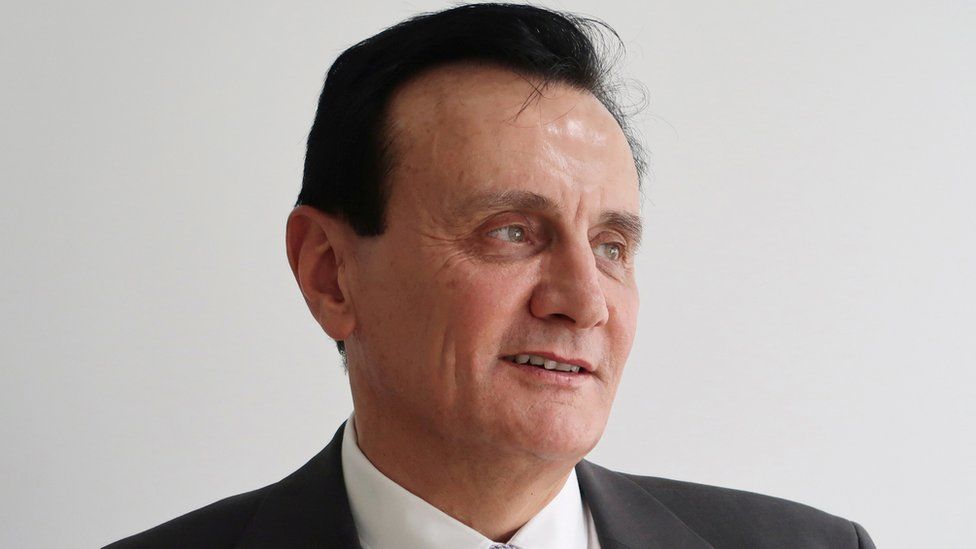
SharecloseShare pageCopy linkAbout sharingImage source, ReutersThe head of the drugs giant behind the Oxford-AstraZeneca Covid-19 vaccine says the jab managed to save a million lives despite facing “setbacks”.AstraZeneca boss Pascal Soriot also addressed studies linking the vaccine to rare but dangerous blood clots.Looking back on its development, he said: “I don’t think I would do anything differently from what we did.”Many countries in Europe and Asia have placed age restrictions on the vaccine and the US has yet to approve it.Mr Soriot received a knighthood in the Queen’s Jubilee birthday honours last week for his contributions to science.He was honoured for services to the UK in “life sciences and leadership in the global response to the Covid pandemic”, AstraZeneca said in a statement on Wednesday.Mr Soriot, who is chief executive of the British-Swedish firm, told the BBC during a recent visit to Singapore that the vaccine’s quick development and distribution prevented a million people from dying of Covid-19.He said this came despite “setbacks” including concerns around rare but dangerous blood clots, which emerged last year.”We decided to do it at no profit, we decided to partner with a network of partners around the world to scale up manufacturing. Despite the setbacks, we delivered three billion doses [of the vaccine] and saved a million lives,” he said.”When you launch yourself in something like this, which is a huge undertaking, you have to accept that you will have setbacks,” he added.Covid jabs: Did nationalism spoil UK’s ‘gift to world’?Scientists find trigger for rare AstraZeneca clotsAstraZeneca developed the vaccine in collaboration with the University of Oxford. It was first approved by the UK in December 2020 as countries raced to contain the growing numbers of coronavirus infections.Nearly half of the adult population in the UK has received two doses of the vaccine, where it is believed to have saved more lives to date than the Pfizer and Moderna jabs combined.Last year, UK regulators recommended the AstraZeneca jab for over-40s after its use was linked to extremely rare blood clots.According to the UK’s Medicines and Healthcare products Regulatory Agency, the risk of developing a blood clot was about four in one million.However, many other European countries suspended their use of the vaccine. They only lifted their curbs and put age restrictions on the jab when European Union (EU) regulators declared that the benefits outweighed the risks.The restrictions mean AstraZeneca’s vaccine is now approved for use for a smaller segment of the population than several other Covid vaccines.Mr Soriot said: “It is important to remember that those side effects are extremely rare. When you start vaccinating millions of people, very rare side effects will emerge that remain very rare. And this is common to all vaccines.”EU regulators only approved the vaccine’s use as a “third dose booster” for adults last month.Although the vaccine can be safely refrigerated for up to six months, several African states have destroyed or returned their stocks, as they said they could not use the jabs before they expired.Meanwhile, Mr Soriot said in less developed economies – including in Asia – some people were reluctant to get vaccinated.”In the emerging, developing countries, there’s quite a bit of hesitancy. Of course, China is a different story where they’re still managing a ‘zero-Covid’ policy. So it depends where you are in the world,” he added.This video can not be playedTo play this video you need to enable JavaScript in your browser.Mr Soriot said the firm was still in discussions with US authorities about submitting the vaccine for approval in the country, as the “need for a new vaccine is much less in the US than it was”.”Today, there is [an] over supply. We do have too many vaccines. So the question is how do we deliver? How do we administer those vaccines and how do we manage vaccine hesitancy? So we are in a very different place,” Mr Soriot said.In November, AstraZeneca said it will move away from providing its Covid vaccine to countries on a not-for-profit basis, as the disease was becoming endemic.It said it expected to make a modest income from the vaccine from a series of for-profit agreements.The jab will continue to be supplied on a not-for-profit basis to poorer countries.More on this storyCovid vaccines: How fast is worldwide progress?Covid jabs: Did nationalism spoil UK’s ‘gift to world’?How vaccines changed the course of the pandemicScientists find trigger for rare AstraZeneca clotsVaccine complications dwarfed by virus risksOxford vaccine: How did they make it so quickly?

Read more →

Long Covid patients face lottery over treatment

SharecloseShare pageCopy linkAbout sharingImage source, Getty ImagesPatients with long Covid are facing a postcode lottery across the UK when it comes to getting care, nurses say.The Royal College of Nursing (RCN) said treatment varied hugely with some services treating it as a physical condition, but others as psychological.The union also highlighted long waits in parts of England, which has a network of specialist clinics.It warned that patients in Scotland and Wales may be missing out because of a lack of dedicated clinics.But officials there say patients are getting support via core NHS services.What are the symptoms of long Covid?Access to long Covid services and support is for patients with persistent symptoms following an infection. These are defined as ones that continue for more than 12 weeks, and which cannot be explained by an alternative diagnosis.More than 200 symptoms have been linked to long Covid but some of the main symptoms are extreme fatigue, breathlessness, brain fog, heart problems and severe headaches.’Unable to work’Speaking at the RCN’s conference in Glasgow, nurses said they had seen first-hand how debilitating the symptoms could be.Nearly half of patients referred to specialist services are aged 35 to 54.Jo Strucke, a mental health nurse who works in a specialist service in Yorkshire, said: “Some of our patients have really complex physical health problems and their lives have been transformed. “They may be unable to work, socialise and do things they previously enjoyed.”Helen Donovan, the RCN’s public health lead, added: “As nursing staff we see first-hand how life-limiting long Covid can be.”But she said: “There aren’t enough specialist services to meet growing demand and the help patients get varies hugely across the country.”Image source, Getty ImagesFigures in England show of the 4,400 people who got their initial assessment at one of the country’s 90 dedicated adult clinics in the most recent month, 30% had been waiting more than 15 weeks for an initial assessment.The union also highlighted the wide variation in waits, with nearly half of patients waiting more than 15 weeks in the south-east and south-west, compared with 20% in the north-west.NHS England said local services were working hard to reduce waiting times.Similar data is not available for Northern Ireland, which also has dedicated services.In Wales and Scotland it is left to core NHS services to see patients, but extra investment has been made to support patients.The Welsh government said its support package still represented an “individual and tailored” programme, which included both support in the community close to home – such as rehab aimed at improving breathing – through to hospital care for the most complex cases.A Scottish government spokeswoman said it was drawing on the full range of services, from GPs and community-based rehab teams, to hospitals for tests and more complex support for patients.More on this storyDedicated long Covid clinics launched across NIWhat are the symptoms of long Covid?Long Covid: Will I ever get better?

Read more →