Thailand legalises cannabis trade but still bans recreational use
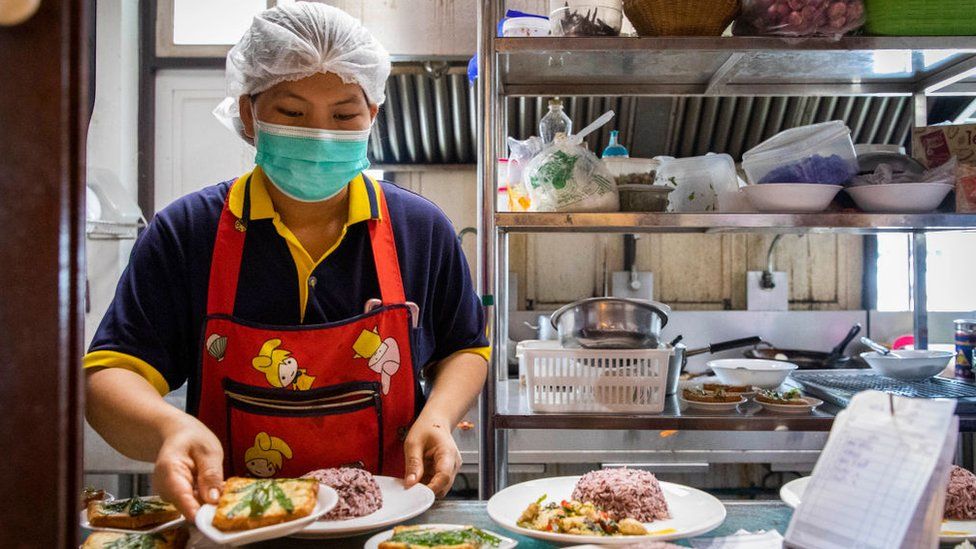
SharecloseShare pageCopy linkAbout sharingImage source, Getty ImagesPeople in Thailand can now grow cannabis plants at home and sell the crop after the nation removed marijuana from its banned narcotics list.The nation is the first to advance such a move in South-East Asia, a region known for its stringent drug laws.But recreational use is still banned, even though advocates say the easing effectively decriminalises marijuana.The government is hoping that developing a local cannabis trade will boost agriculture and tourism.It’s even giving away one million cannabis seedlings to citizens to encourage pick-up.”It is an opportunity for people and the state to earn income from marijuana and hemp,” said Anutin Charnvirakul, deputy prime minister and health minister, on his social media accounts last month. Why are so many countries now saying cannabis is OK?‘It’s either cannabis or die’He shared a photo on Facebook of a chicken dish cooked with cannabis, adding that anyone could sell the dish if they followed the rules – the main one being that products must contain less than 0.2% of tetrahydrocannabinol (THC), the compound that gives users that “high” feeling.From Thursday, households will be able to cultivate up to six cannabis pot plants at home if they register with authorities, and companies can also farm the plant with a permit. Diners will also be able to order cannabis-infused dishes and drinks at restaurants.Image source, SOPA Images/Getty ImagesClinics across the country can also more freely offer cannabis as a treatment. Thailand was the first in Asia to legalise medicinal cannabis use in 2018.However, using the drug for personal use is still illegal. Officials have warned people against smoking in public, saying it’s considered a public nuisance and offenders risked arrest.Under the plan the government says it also aims to release about 4,000 prisoners convicted of cannabis-related offences.Thailand, with its year-round tropical climate, has long had a history with cannabis which many locals commonly used in traditional medicines.A wider draft law on cannabis control is currently being considered in Thai parliament. Advocates believe that coming years could see a gradual relaxing on the rules governing use.So is it legal or isn’t it? As Thailand’s tourist economy recovers from its long Covid slumber, many visitors will be wondering whether the new liberal regime governing cannabis means they can light up a joint wherever and whenever they please.The answer from the government is no, you cannot smoke marijuana in public, and it is still illegal to sell or supply any products containing more than 0.2% of the main hallucinogenic compound THC.The official goal is for Thailand to get a head start on its neighbours in winning a large slice of the lucrative market for health treatments using cannabis derivatives, in particular the milder compound CBD. But there is another motive; to reducing overcrowding in some of the world’s most overcrowded jails.Which means, in theory, with cultivation of the plant in any quantities now completely legalised, that the police are now unlikely to arrest people just for possession of marijuana. Already there are hundreds of businesses in Thailand, operating even before the new law, offering a whole range of marijuana products, like restaurants putting the leaves in Thai curries. It is hard to see how the authorities can regulate how much THC they contain. The government insists they are permitting production and consumption solely for medical, not recreational purposes, but in practice that line is already blurred.More on this storyWhy are so many countries now saying cannabis is OK?Thailand approves medicinal cannabis‘It’s either cannabis or die’

Read more →
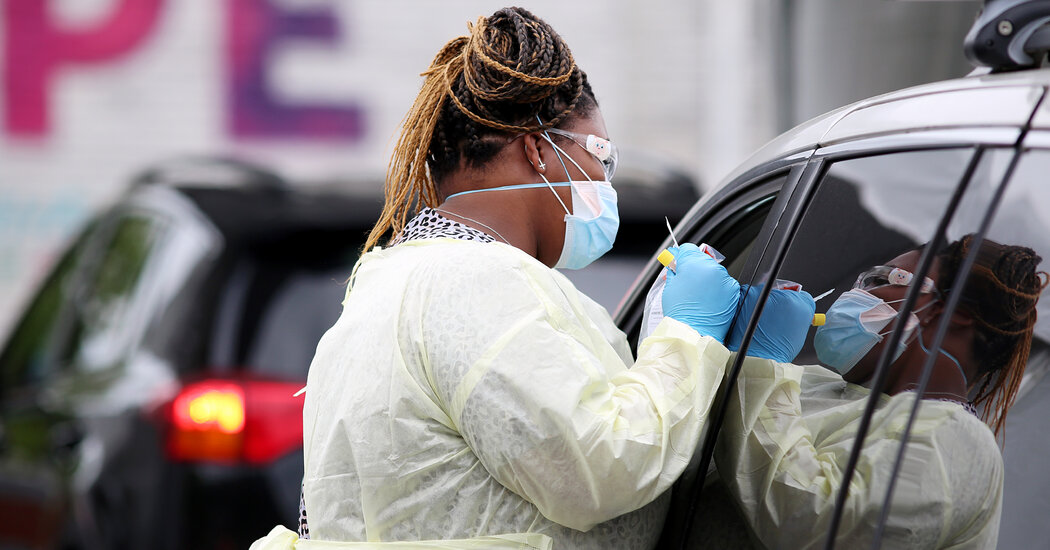
Moderna Says Its Revised Covid Vaccine Works Better Against Omicron

Moderna released preliminary results on Wednesday on an updated coronavirus vaccine that targets the Omicron variant, calling it “our lead candidate” to serve as a U.S. booster shot in the fall.The firm’s researchers tested a booster dose combining the original vaccine with one that specifically targeted Omicron, the variant that became dominant last winter. They found that among those with no evidence of prior coronavirus infection, the combination produced 1.75 times the level of neutralizing antibodies against Omicron as the existing Moderna vaccine did alone.While those results may seem encouraging on their face, many experts worry that the virus is evolving so quickly that it is outpacing the ability to modify vaccines, at least as long as the United States relies on human clinical trials for results.Moderna’s new findings, from a clinical trial involving 814 volunteers, indicate that the updated vaccine produced a significantly stronger immune response against Omicron than the existing vaccine a month after the booster shot was given. The booster shots followed three earlier doses of Moderna’s vaccine.But Omicron has been spawning subvariants for months, and some vaccine experts say that what matters now is how well a new booster formulation would protect against the latest subvariants, BA.4 and BA.5, not Omicron itself. First detected in South Africa early this year, those two subvariants now account for 13 percent of new cases in the United States, and are spreading fast. By some estimates, within a month they could outcompete two other Omicron subvariants, BA.2 and BA.2.12.1, which are dominant at present.Moderna did not release any data on how the updated vaccine worked against BA.4 or BA.5. In a presentation Wednesday morning, Dr. Stephen Hoge, the firm’s president, said that researchers were still gathering data on those and other subvariants.But he said that a very small sample, together with isolated other studies, suggested that the levels of neutralizing antibodies triggered by the updated vaccine were two to threefold lower against the BA.4 and BA.5 subvariants, compared to those triggered against Omicron. But he said those levels were “still a very comfortable place,” a view echoed by at least one federal health official who has reviewed the data.Moderna officials said they could not say yet whether the reconfigured vaccine will offer more lasting protection than the existing one, but they were hopeful it would, based on earlier findings from a study of a vaccine reconfigured against a different variant, released in April.The newest subvariants seem to spread even more quickly than earlier versions of Omicron, and may be better at dodging the immune system’s defenses. It is unclear whether they cause more severe disease. Dr. Anthony S. Fauci, the chief medical adviser to the White House, said in an interview on Tuesday that South Africa, where BA.4 and BA.5 have been widespread, had “seen a slight uptick in hospitalizations, but I.C.U. utilization and deaths are really staying stably low.”In any case, given how fast the virus is mutating, some vaccine experts say it makes more sense to target its most recent versions, rather than forms of the virus that have already been overtaken, or soon will be.The problem is that Moderna and Pfizer — the maker of the other main coronavirus vaccine in the United States — do not have enough time now to run more human clinical trials and still manufacture shots before the fall, when the Biden administration is hoping to be able to offer an updated vaccine to counter what public health experts predict will be a winter surge.That might force regulators to choose updated vaccines based on data from laboratory tests and trials involving mice or other animals, rather than robust human trials. It is also possible that another new variant or subvariant of concern will appear by the fall, further complicating the picture.Outside advisers to the Food and Drug Administration are scheduled to meet June 28 to discuss which vaccine formulation would work best as a fall booster; vaccine manufacturers have said they would need to start production soon.“Of course, the final decision is always left to the F.D.A.,” Dr. Fauci said. “But what the F.D.A. will likely do is keep as many irons on the fire as they possibly can. And they may need to revert to alternative pathways of decision, which are laboratory data and possible animal data.”Asked if Americans would accept a booster formulation without lengthy human trials, he said, “People who really are very concerned about protecting themselves will.”John Moore, a virologist at Weill Cornell Medicine in New York, said many health care professionals would be comfortable at this point in the pandemic switching to a different model for coronavirus vaccine development, more like the one used to modify the flu vaccine every year. Federal health officials said that the composition of the annual flu vaccine is changed to meet new variants with minimal new human tests.Moderna’s trial of the vaccine targeting Omicron began in late February. The average age of the participants was 57. All volunteers had received three shots of Moderna’s existing vaccine — two shots, followed by a booster dose given an average of eight months after the second shot.About four and a half months after that first booster, 377 volunteers received a second booster with the existing vaccine, while 437 received the booster designed to work against Omicron. The updated booster produced a stronger immune response among both those who had previously been infected with the virus and those who had not.Overall, those who got the updated booster had a 59 percent higher level of neutralizing antibodies than those who got the existing booster, according to data released by Moderna.Antibodies are the body’s first line of defense in warding off infection from the coronavirus. Other immune responses that also defend against Covid-19 were not measured; those tests are far more complex and time-consuming to conduct.Dr. Paul Burton, Moderna’s chief medical officer, described the results as highly encouraging. “We really feel like this is a sort of fundamental turning point in our fight against this virus — that we can adapt to a variant,” he said.But Dr. Moore said that a less than twofold increase in neutralizing antibodies over the existing vaccine is “only a modest benefit.”“Does that justify switching vaccine composition, given the cost and the logistics and everything else that’s involved?” he asked. “That’s what the argument is going to be about.”Pfizer and BioNTech, its German partner, are also testing an Omicron-specific vaccine and are expected to release their results soon.In April, Moderna released preliminary results on a vaccine retooled to attack the Beta variant, which was first detected in late 2020. That version of the vaccine, the firm said, triggered a stronger immune response than the initial formulation not only against Beta, but also against the Delta and Omicron variants. Although Moderna officials said the added protection against Omicron persisted for six months, they said that they expected an Omicron-specific vaccine would be a better candidate.

Read more →

More Omicron Variants Gain Ground U.S., According to C.D.C. Estimates

The Omicron subvariants known as BA.4 and BA.5 now represent 13 percent of new coronavirus cases in the United States, up from 7.5 percent a week ago and 1 percent in early May, according to new estimates from the Centers for Disease Control and Prevention.The spread of the subvariants adds more uncertainty to the trajectory of the pandemic in the United States, where current case counts are likely to be a significant underestimate. But whether it leads to a major new wave of infections, or spikes in hospitalizations and deaths, remains unclear, scientists cautioned.The new figures, which were released on Tuesday, are based on modeling, and the C.D.C.’s estimates have missed the mark before. But the overall trend suggests that BA.4 and BA.5 could outcompete the two other Omicron subvariants, BA.2 and BA.2.12.1, which together account for most U.S. cases, said Denis Nash, an epidemiologist at the CUNY Graduate School of Public Health & Health Policy.“This could happen very quickly,” Dr. Nash said.Data on BA.4 and BA.5, which were first detected in South Africa in early 2022, remain limited. But these variants seem to spread more quickly than earlier versions of Omicron, such as BA.2, and may be better at dodging the immune system’s defenses. So far, there is not much evidence that they cause more severe disease, although more studies are needed.In April and May, the BA.4 and BA.5 subvariants fueled a surge of cases in South Africa, despite widespread pre-existing immunity to the virus. But the wave was not as large as the nation’s previous waves, and deaths did not rise as sharply, said Jeffrey Shaman, an infectious disease epidemiologist at Columbia University.Testing last month for the coronavirus in Soweto, South Africa, where Omicron subvaraints known as BA.4 and BA.5 were first detected.Denis Farrell/Associated Press“How analogous is that for us?” he said. “I think it’s possible that we could see another wave” fueled by BA.4 and BA.5. But, if the United States follows South Africa’s example — which is not a guarantee — the wave might be more modest than previous surges and cause less pronounced increases in hospitalizations and deaths, he said.Over the last few weeks, the United States has been averaging roughly 100,000 new cases a day, according to a New York Times database, up from less than 30,000 in late March.And while hospitalizations have begun to decline in the Northeast, they are rising elsewhere. Trends in the number of new deaths, which have fluctuated between about 250 and 400 a day over the last month, are less clear, though the metric is averaging much lower than during the winter Omicron surge. (Data reporting delays around the Memorial Day holiday make recent statistics less reliable.)Globally, the most recent data suggest that BA.4 and BA.5 still represent a relatively small share of cases, but that could change in the weeks ahead. In a recent report, the U.K. Health Security Agency noted that in many countries, the two subvariants were replacing BA.2 about as quickly as BA.2 replaced the original version of Omicron.In the United States, the new subvariants have been gaining ground. During the week ending on June 4, BA.5 accounted for an estimated 7.6 percent of cases and BA.4 accounted for 5.4 percent of cases, up from 4.2 percent and 3.3 percent, respectively, the previous week.The subvariants have become especially common in parts of the southern United States. In the region comprising Arkansas, Louisiana, New Mexico, Oklahoma and Texas, BA.4 and BA.5 account for more than one in five infections, according to the new figures.Wastewater data also highlight the spread of the subvariants. In Missouri in early May, for instance, BA.4 and BA.5 showed up in a small number of the state’s sewersheds, or geographic areas in which the wastewater feeds into a single treatment plant or other collection point. The subvariants are now detectable in more than half of them, said Marc Johnson, a virologist at the University of Missouri who has been analyzing the state’s wastewater.Preliminary evidence from laboratory research suggests that unvaccinated people who were infected with the original version of Omicron, known as BA.1, might be easily reinfected by BA.4 or BA.5. (Vaccinated people are likely to fare somewhat better, the study suggests.)This immune evasiveness, in addition to the natural waning of protection against infection over time, could explain why the newest subvariants have been able to spread so quickly.Sarah Cahalan

Read more →

New CDC study details county-level distribution of seven diseases spread by blacklegged ticks

As surveillance for ticks and the disease-causing germs they spread improves, so does Americans’ access to knowledge about where the risk of tickborne disease is greatest.
“The more we look for ticks and tickborne pathogens, the more we find — and the more information we have to help protect people from the diseases ticks spread.” says Erik Foster, MS, BCE., medical entomologist in the U.S. Centers for Disease Control and Prevention’s Division of Vector-Borne Diseases. Foster and CDC colleagues have assembled that surveillance data into a new report, published May 18 in the Entomological Society of America’s Journal of Medical Entomology. The report offers up-to-date county-level maps of both where blacklegged ticks are prevalent and where they’ve been found infected with any of seven different disease-causing germs, or pathogens.
Of all diseases transmitted to humans by insects and related arthropods, those spread by ticks account for more than 75% of infections reported every year. The maps provided in the new CDC study are important for raising awareness both among the public and healthcare providers about the tickborne diseases present in their communities and the signs and symptoms to look for in patients. Making that possible is CDC’s growing national tick and tickborne pathogen surveillance program, launched in 2018.
Previously, knowledge of the distribution of ticks and tickborne human pathogens was limited to data shared by local public health agencies or in academic research.
“Collection efforts were not standardized, and data were often lost because there was no national repository for such information,” Foster says.
Since 2018, CDC has established a nationwide program that guides local agencies and academic partners on tick surveillance and pathogen testing and gathers all that data in one place.

Read more →

Higher rate of COVID-19 death before vaccination linked to certain common inflammatory immune conditions

People with certain inflammatory immune conditions affecting the joints, bowel and skin, such as rheumatoid arthritis, may have been more at risk of dying or needing hospital care if they got COVID-19 before vaccination compared with the general population, according to a new study published in The Lancet Rheumatology.
The findings are based on analysis of 17 million patient GP records in England during the first phase of the pandemic from March-September 2020, when the UK was in lockdown and before vaccines were available. Since then, many of the people treated with medicines analysed in this study have been specifically targeted for third primary vaccine doses followed by boosters and are on a list of people to offered anti-viral treatments.
The study was conducted by a team from the London School of Hygiene & Tropical Medicine (LSHTM) using the OpenSAFELY platform with colleagues from the St John’s Institute of Dermatology at Guy’s and St Thomas’ NHS Foundation Trust, University of Oxford, King’s College London, the University of Exeter and University of Edinburgh.
More than one million patients in the analysis had immune mediated inflammatory diseases (IMIDs). These included inflammatory bowel disease such as Crohn’s disease and ulcerative colitis, conditions affecting the joints such as rheumatoid arthritis, and skin conditions including psoriasis.
After accounting for age, sex, deprivation, and smoking status, the research suggests that people with IMIDs affecting the bowel, joints and skin had a 23% increased risk of COVID-19-related death and 23% increased risk of COVID-related hospitalisation compared to people without IMIDs before the introduction of vaccines and anti-viral treatments. People with inflammatory joint disease appeared to be at greatest risk compared to those with gut or skin disease. Compared to the general population, the risk of death was estimated by the researchers to be approximately eight extra deaths per 1,000 people with joint disease in a year (without taking into account other differences between people with and without joint disease, e.g. age and other health conditions).
Study author Professor Sinéad Langan, Wellcome Senior Clinical Fellow and Professor of Clinical Epidemiology at LSHTM, said: “During the height of the pandemic in England in 2020, many people with inflammatory conditions affecting the bowel, joints and skin were advised to stay at home and shield because doctors did not know how COVID-19 would affect them, or what the effects of drugs such as immune modifying therapies used to treat IMIDs would be.

Read more →

Multiple heart-related conditions linked to triple dementia risk, regardless of genetics

Having multiple conditions that affect the heart are linked to a greater risk of dementia than having high genetic risk, according to a largescale new study.
Led by Oxford University and the University of Exeter, the study is among the largest ever to examine the link between several heart-related conditions and dementia, and one of the few to look at the complex issue of multiple health conditions.
Published in The Lancet Healthy Longevity, the paper looked at data from more than 200,000 people, aged 60 or above, and of European ancestry in UK Biobank. The international research team identified those who had been diagnosed with the cardiometabolic conditions diabetes, stroke, or a heart attack, or any combination of the three, and those who went on to develop dementia.
Within this study population, the researchers found that the more of these three conditions a person had, the higher their risk of dementia. People who had all three conditions were three times more likely to develop dementia than people who had a high genetic risk.
Dr Xin You Tai, Lead Author and Doctoral Student at University of Oxford, said: “Dementia is a major global issue, with predictions that 135 million worldwide will have the devastating condition by 2050. We found that having such heart-related conditions is linked to dementia risk to a greater extent than genetic risk. So whatever genetic risk you were born with, you can potentially make a big impact on reducing risk of dementia by looking after heart and metabolic health throughout life.”
The team, which included the universities of Glasgow and Michigan, found that nearly 20,000 of the UK Biobank participants they studied had been diagnosed with one of the three conditions. Just over 2,000 had two conditions, and 122 had all three.
Professor David Llewellyn, Senior Author, Professor of Clinical Epidemiology and Clinical Health at the University of Exeter, said: “Many studies look at the risk of a single condition in relation to dementia, but health is more complex than that. We know that many patients actually have a range of conditions. Our study tells us that for people who have a diagnosis of diabetes, stroke or a heart attack it is particularly important to look after their health and ensure they are on the right treatment, to prevent further problems as well as to reduce their dementia risk.”
The team divided the 200,000 participants into three categories of genetic risk from high to low, based on a comprehensive risk score reflecting multiple genetic risk traits relevant to individuals of European ancestry. They also had brain imaging data for over 12,000 participants, and found widespread damage across the brain for those with more than one cardiometabolic condition. By contrast, high genetic risk was linked to deterioration only in specific parts of the brain.
Dr Kenneth M. Langa, Study Co-author, Professor of Medicine at the University of Michigan and Veteran Affairs Ann Arbor Healthcare System, said: “Our research indicates that protecting the heart throughout life likely also has significant benefits for the brain. To look after your heart, you can engage in regular exercise, eat a healthy diet and do everything possible to ensure blood pressure, blood sugar and cholesterol levels fall within guidelines.”
Dr Sara Imarisio, Head of Research at Alzheimer’s Research UK, said: “The evidence is clear that what’s good for your heart is also good for your head. A person’s risk of developing dementia is a complex mix of their age, their genes, and aspects of their lifestyle. In this study, researchers looked at data from a population of 60 years and older, including whether they had particular heart conditions, information about their genetics, and how these affected their risk of developing dementia. They found that people with multiple heart health conditions were even more likely to develop dementia than people who had an increased risk of Alzheimer’s disease due to their genetics
“These findings reiterate the importance of treating the causes of poor heart health, not just for its own sake, but also the added benefit in terms of reducing the number of dementia cases. From the generosity of our supporters who enabled us to fund this work, to the selflessness of the volunteers that made it possible, we want to say thank you, without you research like this cannot take place.
“If anyone is worried about the health of your heart or your brain, please speak to your doctor.”

Read more →

A bellwether for COVID-19

Omicron was first reported in South Africa on Nov. 24, 2021, and within mere days it was already making the rounds in the United States, spiking SARS-CoV-2 case numbers as it infiltrated every school, restaurant, and family gathering. But when exactly did omicron unseat the delta variant to become dominant? And how quickly did it actually take over?
These are the questions that a team led by researchers at Harvard Medical School set out to study in real time using a new, faster, variant-determining technique to analyze SARS-CoV-2 samples from screening programs across area universities.
Their analysis, published May 25 in Clinical Infectious Diseases, shows that omicron arrived in Massachusetts earlier than experts predicted, and took over in a matter of days — information that the study authors immediately presented to local hospitals and public health departments to inform preparations for a surge of COVID-19 cases.
“Omicron’s rise to global dominance was extremely rapid, and so was its emergence here in Boston. It moved so fast that we’d have missed a lot of cases if it weren’t for these screening programs run by colleges, but with them we were able to document the takeover,” said Bill Hanage, an associate professor of epidemiology at Harvard T.H. Chan School of Public Health and an author on the paper.
Researchers from Boston University, Harvard University, and Northeastern University collaborated to analyze SARS-CoV-2 samples from their asymptomatic screening programs. They found that omicron accounted for over 90 percent of SARS-CoV-2 infections as early as nine days after it arrived in a community. Moreover, 10 percent of cases in university communities were from omicron up to 10 days before omicron hit the 10 percent mark in Massachusetts.
Omicron outcompeted the delta variant at universities one to two weeks earlier than it did in the state as a whole. Additionally, patients infected with omicron had a lower viral load than those infected with delta — indicating that increased transmission of omicron was due to characteristics of the variant itself, rather than the presence of more virus.

Read more →

Study identifies receptor that could alleviate need for chemo, radiation pre-T cell therapy

Before a patient can undergo T cell therapy designed to target cancerous tumors, the patient’s entire immune system must be destroyed with chemotherapy or radiation. The toxic side effects are well known, including nausea, extreme fatigue and hair loss.
Now a research team, led by UCLA’s Anusha Kalbasi, MD, in collaboration with scientists from Stanford and the University of Pennsylvania, has shown that a synthetic IL-9 receptor allows those cancer-fighting T cells to do their work without the need for chemo or radiation. T cells engineered with the synthetic IL-9 receptor, designed in the laboratory of Christopher Garcia, PhD, at Stanford, were potent against tumors in mice, as published Wednesday in Nature.
“When T cells are signaling through the synthetic IL-9 receptor, they gain new functions that help them not only outcompete the existing immune system but also kill cancer cells more efficiently,” Kalbasi said. “I have a patient right now struggling through toxic chemotherapy just to wipe out his existing immune system so T cell therapy can have a fighting chance. But with this technology you might give T cell therapy without having to wipe out the immune system beforehand.”
Kalbasi, a researcher at the UCLA Jonsson Comprehensive Cancer Center and an assistant professor of radiation oncology at the David Geffen School of Medicine at UCLA, began the work while under the mentorship of Antoni Ribas, MD, PhD, a senior investigator on the study. The study was also led by Mikko Siurala, PhD, from the laboratory of Carl June, MD, at Penn, and Leon L. Su, PhD, of the Garcia Lab at Stanford.
“This finding opens a door for us to be able to give T cells a lot like we give a blood transfusion,” Ribas said.
Ribas and Garcia collaborated on a paper published in 2018 that focused on the concept that a synthetic version of interleukin-2 (IL-2), a critical T cell growth cytokine, could be used to stimulate T cells engineered with a matching synthetic receptor for the synthetic IL-2. With this system, T cells can be manipulated even after they have been given to a patient, by treating the patient with the synthetic cytokine (which has no effect on other cells in the body). Intrigued by that work, Kalbasi and colleagues were interested in testing modified versions of the synthetic receptor that transmit other cytokine signals from the common-gamma chain family: IL-4, -7, -9 and -21.
“It was clear early on that, among the synthetic common-gamma chain signals, the IL-9 signal was worth investigating,” Kalbasi said, adding that unlike other common-gamma chain cytokines, IL-9 signaling is not typically active in naturally occurring T cells. The synthetic IL-9 signal made T cells take on a unique mix of both stem-cell and killer-like qualities that made them more robust in fighting tumors. “In one of our cancer models, we cured over half the mice that were treated with the synthetic IL-9 receptor T cells.”
Kalbasi said the therapy proved to be effective in multiple systems. They targeted two types of hard-to-treat cancer models in mice — pancreatic cancer and melanoma — and used T cells targeted to cancer cells through the natural T cell receptor or a chimeric antigen receptor (CAR). “The therapy also worked whether we gave the cytokine to the whole mouse or directly to the tumor. In all cases, T cells engineered with synthetic IL-9 receptor signaling were superior and helped us cure some tumors in mice when we couldn’t do it otherwise.”

Read more →

Social isolation is directly associated with later dementia

Social isolation is directly linked with changes in the brain structures associated with memory, making it a clear risk factor for dementia, scientists have found.
Setting out to investigate how social isolation and loneliness were related to later dementia, researchers at the University of Warwick, University of Cambridge and Fudan University used neuroimaging data from more than 30,000 participants in the UK Biobank data set. Socially isolated individuals were found to have lower gray matter volumes of brain regions involved in memory and learning.
The results of the study are published online today (June 8, 2022) in Neurology, the medical journal of the American Academy of Neurology, in a paper entitled “Associations of social isolation and loneliness with later dementia” by Shen, Rolls, Cheng, Kang, Dong, Xie, Zhao, Sahakian and Feng.
Based on data from the UK Biobank, an extremely large longitudinal cohort, the researchers used modelling techniques to investigate the relative associations of social isolation and loneliness with incident all-cause dementia. After adjusting for various risk factors (including socio-economic factors, chronic illness, lifestyle, depression and APOE genotype), socially isolated individuals were shown to have a 26% increased likelihood of developing dementia.
Loneliness was also associated with later dementia, but that association was not significant after adjusting for depression, which explained 75% of the relationship between loneliness and dementia. Therefore, relative to the subjective feeling of loneliness, objective social isolation is an independent risk factor for later dementia. Further subgroup analysis showed that the effect was prominent in those over 60 years old.
Professor Edmund Rolls, neuroscientist from the University of Warwick Department of Computer Science, said: “There is a difference between social isolation, which is an objective state of low social connections, and loneliness, which is subjectively perceived social isolation.
“Both have risks to health but, using the extensive multi-modal data set from the UK Biobank, and working in a multidisciplinary way linking computational sciences and neuroscience, we have been able to show that it is social isolation, rather than the feeling of loneliness, which is an independent risk factor for later dementia. This means it can be used as a predictor or biomarker for dementia in the UK.
“With the growing prevalence of social isolation and loneliness over the past decades, this has been a serious yet underappreciated public health problem. Now, in the shadow of the COVID-19 pandemic there are implications for social relationship interventions and care — particularly in the older population.”
Professor Jianfeng Feng, from the University of Warwick Department of Computer Science, said: “We highlight the importance of an environmental method of reducing risk of dementia in older adults through ensuring that they are not socially isolated. During any future pandemic lockdowns, it is important that individuals, especially older adults, do not experience social isolation.”
Professor Barbara J Sahakian, of the University of Cambridge Department of Psychiatry, said: “Now that we know the risk to brain health and dementia of social isolation, it is important that the government and communities take action to ensure that older individuals have communication and interactions with others on a regular basis.”

Read more →

High optimism linked with longer life and living past 90 in women across racial, ethnic groups

Higher levels of optimism were associated with longer lifespan and living beyond age 90 in women across racial and ethnic groups in a study led by researchers at Harvard T.H. Chan School of Public Health.
“Although optimism itself may be affected by social structural factors, such as race and ethnicity, our research suggests that the benefits of optimism may hold across diverse groups,” said Hayami Koga, a PhD candidate in the Department of Social and Behavioral Sciences at Harvard Chan School and lead author of the study. “A lot of previous work has focused on deficits or risk factors that increase the risks for diseases and premature death. Our findings suggest that there’s value to focusing on positive psychological factors, like optimism, as possible new ways of promoting longevity and healthy aging across diverse groups.”
The study will be published online on June 8, 2022, in the Journal of the American Geriatrics Society.
In a previous study, the research group determined that optimism was linked to a longer lifespan and exceptional longevity, which was defined as living beyond 85 years of age. Because they had looked at mostly white populations in that previous study, Koga and her colleagues broadened the participant pool in the current study to include women from across racial and ethnic groups. According to Koga, including diverse populations in research is important to public health because these groups have higher mortality rates than white populations, and there is limited research about them to help inform health policy decisions.
For this study, the researchers analyzed data and survey responses from 159,255 participants in the Women’s Health Initiative, which included postmenopausal women in the U.S. The women enrolled at ages 50-79 from 1993 to 1998 and were followed for up to 26 years.
Of the participants, the 25% who were the most optimistic were likely to have a 5.4% longer lifespan and a 10% greater likelihood of living beyond 90 years than the 25% who were the least optimistic. The researchers also found no interaction between optimism and any categories of race and ethnicity, and these trends held true after taking into account demographics, chronic conditions, and depression. Lifestyle factors, such as regular exercise and healthy eating, accounted for less than a quarter of the optimism-lifespan association, indicating that other factors may be at play.
Koga said that the study’s results could reframe how people view the decisions that affect their health.
“We tend to focus on the negative risk factors that affect our health,” said Koga. “It is also important to think about the positive resources such as optimism that may be beneficial to our health, especially if we see that these benefits are seen across racial and ethnic groups.”
This research was supported by the National Institutes of Health (R01AG053273, K08048221). The Women’s Health Initiative is funded by the National Heart, Lung, and Blood Institute of the National Institutes of Health, and the Department of Health and Human Services.
Story Source:
Materials provided by Harvard T.H. Chan School of Public Health. Note: Content may be edited for style and length.

Read more →