Monkeypox Outbreak Poses ‘Real Threat’ to Public Health, W.H.O. Official Says
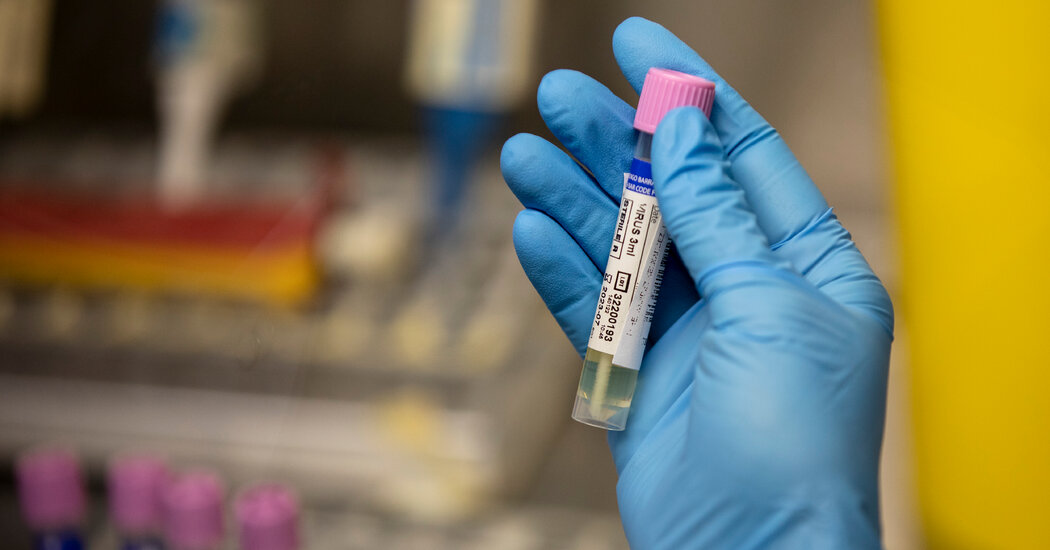
Dr. Hans Kluge, the organization’s director for Europe, said that the longer the virus circulated, the wider its reach would be.GENEVA — The World Health Organization’s top official in Europe called on Wednesday for urgent action by the authorities and civic groups to control fast-rising cases of monkeypox that he said posed a real risk to public health.Europe has emerged as the epicenter of an outbreak of monkeypox, with more than 1,500 cases identified in 25 European countries, which account for 85 percent of global cases, the official, Dr. Hans Kluge, the W.H.O.’s director of its European region, said at a news conference.The W.H.O. will convene its emergency committee in Geneva next week, Dr. Kluge added, to determine if the outbreak constitutes a public health emergency of international concern, a formal declaration that calls for a coordinated response between countries.“The magnitude of this outbreak poses a real risk,” Dr. Kluge said. “The longer the virus circulates, the more it will extend its reach, and the stronger the disease’s foothold will get in nonendemic countries.”Monkeypox is a viral infection endemic in West Africa, but it has now spread to 39 countries, including 32 that have no previous experience of it, the W.H.O. director, Dr. Tedros Adhanom Ghebreyesus, told reporters on Tuesday. Countries outside Africa and Europe that have identified cases of monkeypox include Australia, Brazil, Canada, Israel and the United States.Infections mostly result from close physical contact and mainly affect men who have sex with men, but it can also spread through respiratory droplets in prolonged face-to-face contact, Andrea Ammon, director of the European Center for Disease Prevention and Control, said at the news conference on Wednesday. Monkeypox cases have also been found among close family members, but the risks of transmission among the general population, Dr. Ammon said, were “rather low.”Monkeypox is not attached to any single social group, Dr. Kluge said, cautioning that stigmatizing the virus as a gay disease would undermine efforts to develop an effective public health response, as it had in tackling H.I.V. and AIDS.The W.H.O. has recorded 27 deaths from the disease in Africa this year but none in Europe. Infections are mostly mild and do not require hospitalization, but people in close contact with those infected with the virus should also isolate for 21 days.Dr. Kluge repeated his fears that the spread of monkeypox might accelerate during the summer months in Europe when hundreds of Pride events, music festivals and other mass gatherings will be held, but he said that monkeypox was not a reason to cancel events. The gatherings provided a valuable opportunity to raise awareness of the disease, he said, urging event organizers, local communities and dating apps to provide clear messaging on how to prevent or deal with the illness.Dr. Kluge called for urgent action by European countries to scale up surveillance, diagnostic testing and genetic sequencing, and tracing the contacts and sexual partners of infected people. The W.H.O. has released emergency funds to bolster laboratory capacity for identifying the monkeypox virus in countries that lacked it, he said.What to Know About the Monkeypox VirusCard 1 of 5What is monkeypox?

Read more →

Androgen receptor signaling contributes to targeted therapy resistance in melanoma

Androgen receptor (AR) signaling affects response to BRAF/MEK inhibitor therapy in both males and females with melanoma, researchers from The University of Texas MD Anderson Cancer Center showed in a study published today in Nature. The findings provide a new target to combat therapeutic resistance and one possible answer to why men face a poorer prognosis than women when diagnosed with melanoma.
The AR is a type of nuclear receptor that’s activated by the male sex hormone testosterone. Females have lower levels of androgens, including testosterone. This research confirms the impact of biological sex on response to BRAF/MEK targeted therapy and shows for the first time that these inhibitors increase AR signaling, leading to therapeutic resistance and poor response to treatment. In preclinical models of melanoma, blocking the AR improved response to BRAF/MEK targeted therapy in both males and females.
“This study, coupled with other recent publications looking at the impact of AR signaling on response to other types of cancer therapies, such as immune checkpoint blockade, has enormous implications for the field,” said senior corresponding author Jennifer Wargo, M.D., professor of Genomic Medicine and Surgical Oncology. “We know males and females get cancer at different rates and have different mortality. Our research raises the possibility that the AR and testosterone may be at play and offers a new target to improve response to treatment in both sexes.”
Biological sex matters for targeted therapy response in melanoma
The study began with an observation from a neoadjuvant clinical trial for BRAF/MEK inhibitors in stage III melanoma (NCT02231775) where female patients had a higher rate of major pathologic response (MPR, defined as

Read more →

Sampling surfaces for COVID-19 virus at public health laboratories

Surface sampling for SARS-CoV-2 RNA has shown promise to detect the exposure of environments to infected individuals shedding the virus who would not otherwise be detected. Now a new study, published in mSystems, an open access journal of the American Society for Microbiology, shows that the methodology used to detect the COVID-19 virus in nasal swabs at public health clinics, viral transport medium (VTM)/PerkinElmer pipeline, can be used to detect the virus on surfaces in indoor settings such as schools.
“Public health labs can now test for the virus that causes COVID-19 not just in people but also for traces left behind in the environment with equipment that they already have,” said senior study author Rob Knight, Ph.D., professor of pediatrics, computer science and engineering, and bioengineering at the University of California San Diego.
In the study, the researchers compared sampling and testing methods they developed at the university (the sodium dodecyl sulfate (SDS)/Thermo pipeline) to methods used in public health settings (the VTM/Perkin Elmer pipeline). The SDS/Thermo methodology uses robotic automation and specific reagents that are often not available at public health laboratories. The researchers put SARS-CoV-2 on laminated cards in the laboratories and then tested the two methods at detecting the virus.
The researchers found that the university-developed method, SDS/Thermo pipeline, shows superior sensitivity and specificity, but that the VTM/PerkinElmer pipeline is still sufficient to support surface surveillance in indoor settings such as schools, prisons and group homes. The SDS/Thermo pipeline showed superior sensitivity with a false negative rate of 9% compared with 27% for the VTM/PerkinElmer pipeline.
“This study is a comparison of research lab versus public health technique for measuring SARS-CoV-2 in the environment,” said Dr. Knight. “Although the VTM/Perkin Elmer pipeline was less sensitive, it was still useful to use in surface sampling programs such as the Safer at School Early Alert (SASEA) program. The equipment that many public health labs already have for clinical testing can be used to also test environmental surfaces. This is going to be very useful and implementable in public health labs as a surveillance method for schools and other environments where you need to detect the virus that causes COVID without having to administer a clinical test.”
Story Source:
Materials provided by American Society for Microbiology. Note: Content may be edited for style and length.

Read more →

Preadolescents exposed to high levels of air pollution in their first years of life display changes in brain connectivity

Higher exposure to air pollution is associated with higher functional brain connectivity among several brain regions in preadolescents, while exposure to traffic noise was not, according to a study led by ISGlobal, an institution supported by “la Caixa” Foundation. The findings also identify the first years of life as the most sensitive period of exposure to air pollution.
Traffic-related air pollution and noise are affecting an increasing number of people worldwide. “We already know that children are particularly vulnerable to the effect of these exposures, because of their immature metabolism and developing brain,” says ISGlobal researcher and senior author Mónica Guxens. In fact, several studies by Guxens and others have found an association between exposure to traffic-related air pollution during early childhood and alterations in the brain structure.
In this study, the research team used magnetic resonance imaging (MRI) to explore whether higher exposure to air pollution or noise could also be associated with possible alterations in brain connectivity (i.e. the way in which different brain regions interact). “The use of MRI has opened up new possibilities in epidemiological research for investigating the structure and the functioning of the brain,” says Guxens.
The researchers used data of 2,197 children from the Generation R Study, born between April 2002 and Jan 2006 and living in Rotterdam, the Netherlands. Using land use models, they estimated levels of nitrogen oxides (NOx and NO2) and particulate matter (PM) at the participants’ homes at different time periods: during pregnancy, from birth to 3 years, from 3 to 6 years, and from 6 years of age to the age at which the MRI scan was performed. Noise levels due to traffic road were estimated using existing noise maps. Between 9 and 12 years of age, the participants were invited to undergo an MRI scan in the resting state (i.e. with no external stimuli).
The findings show that higher exposures to NO2 and PM2.5 absorbance (an indicator of black carbon particles) from birth to 3 years, and to NOx from 3 to 6 years of age were associated with higher functional brain connectivity among several brain regions in the preadolescents. The associations were identified in brain areas predominantly involved in two networks that have strongly opposing functions: the task negative (or “default-mode”) network tends to be activated in resting conditions and the task positive network tends to be activated during tasks that demand attention. “We still have to understand the consequences of this increased activity of both networks in resting conditions, but for now we can say that the brain connectivity in children exposed to higher levels of air pollution is different from what we would expect,” says Laura Pérez-Crespo, first author of the study.
The period from birth to 3 years was the one with the highest susceptibility to air pollution, and black carbon was the pollutant most associated with brain connectivity changes. As the authors note, the main source of black carbon and nitrogen oxide gases in European cities are diesel vehicles. Noise exposure at home was not associated with differences in brain connectivity, even though several studies show that noise affects cognitive development in children.
Story Source:
Materials provided by Barcelona Institute for Global Health (ISGlobal). Note: Content may be edited for style and length.

Read more →

Opioid use disorder: Flexible treatment at home proves effective

Did you know that more than 26,500 Canadians died from opioid intoxication between January 2016 and September 2021? Or that more than 350,000 people who used drugs containing opioids to relieve their pain did so problematically?
In Quebec alone, 339 people died from opioid intoxication between January and September 2021, according to the latest data from the Public Health Agency of Canada.
Today, Canada is among the world’s top consumers of opioids, whether they’re medically prescribed or obtained illegally from illicit producers of very powerful substances such as fentanyl.
Now there’s new evidence that a more flexible model of care than methadone can be as effective in treating opioid use disorder, according to research led by Université de Montréal psychiatry and addictology professor Didier Jutras-Aswad.
Working with other colleagues involved in the Canadian Research Initiative in Substance Misuse, the CHUM Research Centre clinical scientist has published the results of a randomized controlled study in the American Journal of Psychiatry.
Rather than methadone, which has to be taken under close supervision at a pharmacy, their model of care is based on prescribing buprenorphine-naloxone, known commercially as Suboxone.

Read more →

Origins of the Black Death identified

The Black Death, the biggest pandemic of our history, was caused by the bacterium Yersinia pestis and lasted in Europe between the years 1346 and 1353. Despite the pandemic’s immense demographic and societal impacts, its origins have long been elusive. Now, a multidisciplinary team of scientists, including researchers from the Max Planck Institute for Evolutionary Anthropology in Leipzig, the University of Tübingen, in Germany, and the University of Stirling, in the United Kingdom, have obtained and studied ancient Y. pestis genomes that trace the pandemic’s origins to Central Asia.
In 1347, plague first entered the Mediterranean via trade ships transporting goods from the territories of the Golden Horde in the Black Sea. The disease then disseminated across Europe, the Middle East and northern Africa claiming up to 60 percent of the population in a large-scale outbreak known as the Black Death. This first wave further extended into a 500-year-long pandemic, the so-called Second Plague Pandemic, which lasted until the early 19th century.
The origins of the Second Plague Pandemic have long been debated. One of the most popular theories has supported its source in East Asia, specifically in China. To the contrary, the only so-far available archaeological findings come from Central Asia, close to Lake Issyk Kul, in what is now Kyrgyzstan. These findings show that an epidemic devastated a local trading community in the years 1338 and 1339. Specifically, excavations that took place almost 140 years ago revealed tombstones indicating that individuals died in those years of an unknown epidemic or “pestilence.” Since their first discovery, the tombstones inscribed in Syriac language, have been a cornerstone of controversy among scholars regarding their relevance to the Black Death of Europe.
In this study, an international team of researchers analysed ancient DNA from human remains as well as historical and archaeological data from two sites that were found to contain “pestilence” inscriptions. The team’s first results were very encouraging, as DNA from the plague bacterium, Yersinia pestis, was identified in individuals with the year 1338 inscribed on their tombstones. “We could finally show that the epidemic mentioned on the tombstones was indeed caused by plague,” says Phil Slavin, one of the senior authors of the study and historian at the University of Sterling, UK.
Researchers found the Black Death’s source strain
But could this have been the origin of the Black Death? Researchers have previously associated the Black Death’s initiation with a massive diversification of plague strains, a so-called Big Bang event of plague diversity. But the exact date of this event could not be precisely estimated, and was thought to have happened sometime between the 10th and 14th centuries. The team now pieced together complete ancient plague genomes from the sites in Kyrgyzstan and investigated how they might relate with this Big Bang event. “We found that the ancient strains from Kyrgyzstan are positioned exactly at the node of this massive diversification event. In other words, we found the Black Death’s source strain and we even know its exact date [meaning the year 1338],” says Maria Spyrou, lead author and researcher at the University of Tübingen.
But where did this strain come from? Did it evolve locally or did it spread in this region from elsewhere? Plague is not a disease of humans; the bacterium survives within wild rodent populations across the world, in so-called plague reservoirs. Hence, the ancient Central Asian strain that caused the 1338-1339 epidemic around Lake Issyk Kul must have come from one such reservoir. “We found that modern strains most closely related to the ancient strain are today found in plague reservoirs around the Tian Shan mountains, so very close to where the ancient strain was found. This points to an origin of Black Death’s ancestor in Central Asia,” explains Johannes Krause, senior author of the study and director at the Max Planck Institute for Evolutionary Anthropology.
The study demonstrates how investigations of well-defined archaeological contexts, and close collaborations among historians, archaeologists and geneticists can resolve big mysteries of our past, such as the infamous Black Death’s origins, with unprecedented precision.

Read more →

The benefits of exercise in a pill? Science is closer to that goal

Researchers at Baylor College of Medicine, Stanford School of Medicine and collaborating institutions report today in the journal Nature that they have identified a molecule in the blood that is produced during exercise and can effectively reduce food intake and obesity in mice. The findings improve our understanding of the physiological processes that underlie the interplay between exercise and hunger.
“Regular exercise has been proven to help weight loss, regulate appetite and improve the metabolic profile, especially for people who are overweight and obese,” said co-corresponding author Dr. Yong Xu, professor of pediatrics- nutrition and molecular and cellular biology at Baylor. “If we can understand the mechanism by which exercise triggers these benefits, then we are closer to helping many people improve their health.”
“We wanted to understand how exercise works at the molecular level to be able to capture some of its benefits,” said co-corresponding author Jonathan Long, MD, assistant professor of pathology at Stanford Medicine and an Institute Scholar of Stanford ChEM-H (Chemistry, Engineering & Medicine for Human Health). “For example, older or frail people who cannot exercise enough, may one day benefit from taking a medication that can help slow down osteoporosis, heart disease or other conditions.”
Xu, Long and their colleagues conducted comprehensive analyses of blood plasma compounds from mice following intense treadmill running. The most significantly induced molecule was a modified amino acid called Lac-Phe. It is synthesized from lactate (a byproduct of strenuous exercise that is responsible for the burning sensation in muscles) and phenylalanine (an amino acid that is one of the building blocks of proteins).
In mice with diet-induced obesity (fed a high-fat diet), a high dose of Lac-Phe suppressed food intake by about 50% compared to control mice over a period of 12 hours without affecting their movement or energy expenditure. When administered to the mice for 10 days, Lac-Phe reduced cumulative food intake and body weight (owing to loss of body fat) and improved glucose tolerance.
The researchers also identified an enzyme called CNDP2 that is involved in the production of Lac-Phe and showed that mice lacking this enzyme did not lose as much weight on an exercise regime as a control group on the same exercise plan.
Interestingly, the team also found robust elevations in plasma Lac-Phe levels following physical activity in racehorses and humans. Data from a human exercise cohort showed that sprint exercise induced the most dramatic increase in plasma Lac-Phe, followed by resistance training and then endurance training. “This suggests that Lac-Phe is an ancient and conserved system that regulates feeding and is associated with physical activity in many animal species,” Long said.
“Our next steps include finding more details about how Lac-Phe mediates its effects in the body, including the brain,” Xu said. “Our goal is to learn to modulate this exercise pathway for therapeutic interventions.”
Story Source:
Materials provided by Baylor College of Medicine. Note: Content may be edited for style and length.

Read more →

Ageism and health: Study shows close links

Nearly all older adults have experienced some form of ageism in their everyday lives, a new study finds — whether it’s seeing ageist messages and images on television or the internet, encountering people who imply that they’re less capable just because they’re older, or believing stereotypes about aging.
Older adults with more health concerns, though, appear most likely to have experienced this kind of “everyday ageism,” according to new findings published by a team from the University of Oklahoma, Norman and the University of Michigan. The data, from a survey of more than 2,000 people between ages of 50 and 80, come from the National Poll on Healthy Aging.
The higher a person’s score on a scale of everyday ageism experiences, the more likely they were to be in poor physical or mental health, to have more chronic health conditions, or to show signs of depression.
Though the study, published in JAMA Network Open, can’t show cause and effect, the authors note that the linkages between ageism and health need to be explored further and taken into account when designing programs to encourage good health and well-being among older adults.
“These findings raise the question of whether aging-related health problems reflect the adverse influences of ageism and present the possibility that anti-ageism efforts could be a strategy for promoting older adult health and well-being,” says first author Julie Ober Allen, Ph.D., M.P.H., Department of Health and Exercise Science, University of Oklahoma, Norman.
Allen worked on the survey during her time as a postdoctoral fellow at the Population Studies Center at U-M’s Institute for Social Research.

Read more →

Mechanism of expanding bacteria revealed

A new study published in Nature today has identified a potential Achilles heel in the protective layers surrounding Gram-negative bacteria that could aid in the development of next-generation antibiotics. The study, carried out jointly by Professor Waldemar Vollmer and Dr Federico Coronaat Newcastle University, alongside Professor Colin Kleanthous and Dr Gideon Mamouin the Department of Biochemistry at the University of Oxford, shows that Gram-negative bacteria depend on the cell wall to synchronise building of the outer membrane.
The World Health Organization (WHO) has declared Antimicrobial Resistance (AMR) one of the top 10 global public health threats. Some bacteria have already become resistant to all known antibiotics. Particularly problematic are multidrug resistant Gram-negative bacteria such as Escherichia coli, Pseudomonas aeruginosa and Klebsiella pneumoniae that cause pneumonias and sepsis. Their outer membrane resides beyond the cell wall and excludes many classes of antibiotics that would otherwise target it.
The research reveals that the cell wall, which is composed of a tough material known as peptidoglycan, exerts surprising control over where new proteins are introduced into the outer membrane by an essential biogenesis protein known as BamA. This helps bacteria coordinate these layers, which is crucial for the way they grow.
Professor Vollmer from the Centre for Bacterial Cell Biology at Newcastle University Biosciences Institute explains: “Bacteria are tiny yet have a very high internal pressure, like a car tyre. They have a strong cell wall to withstand this pressure and prevent them bursting while still allowing them to grow and divide. What we have revealed for the first time is as they grow, how the process of wall expansion is linked to that of the outer membrane beyond it.”
The research revealed that the age of the mesh-like peptidoglycan — composed of amino acids and sugars — is the key factor. ‘Old’ peptidoglycan that occurs primarily at the poles (ends) of cells completely shuts down new outer membrane protein biogenesis. By contrast, ‘new’ peptidoglycan that occurs primarily at sites where cells are about to divide, allows the greatest amount of outer membrane growth. This simple yet elegant mechanism ensures bacteria maintain a tight control over both cell envelope layers.
Professor Kleanthous from Oxford added: “We never suspected that Gram-negative bacteria were so reliant on the cell wall to coordinate growth of the outer membrane. Disrupting this cross-talk would literally ‘open up’ Gram-negative bacteria, making them vulnerable to antibiotics that the outer membrane otherwise excludes.”
The work was supported by the European Union’s Horizon 2020 programme, the European Research Council, the Wellcome Trust, the Biotechnology and Biological Sciences Research Council and the Medical Research Council.
Story Source:
Materials provided by Newcastle University. Note: Content may be edited for style and length.

Read more →

Tumor 'signatures' could provide key to more accurate treatment for deadliest cancers

Scientists have found a way to identify and interpret ‘signatures’ that reveal the complex genetic causes of some of the deadliest cancers — which often have a survival rate of less than 10%. The results, published today in Nature, could allow them to develop more accurate treatments and significantly improve survival rates.
Currently, scientists use individual genetic changes to develop mutational signatures, which can be used to understand the origin of a cancer, and to predict how a cancer progresses. However, so far, there has not been a framework to interpret the larger, more complex patterns of genetic changes seen in chromosome instability in the same way.
Our genetic code is stored on 23 pairs of chromosomes, the ‘chapters’ that make up to the genome. But when our genome gets copied, these chromosomes can become unstable and segments of DNA can get duplicated, deleted or re-arranged.
Chromosomal instability is a common feature of cancer, occurring in around 80% of tumours, but this jumble of fragments can be difficult to read, making it hard to understand exactly what types or ‘patterns’ of instability are present in any given tumour. Instead, tumours are divided into broad categories of having either high or low amounts of chromosomal instability.
Cancers with high levels of chromosomal instability are extremely deadly, often having survival rates of less than 10%. As such, understanding and treating chromosomal instability is central to improving the outcomes for millions of cancer patients worldwide.
Now, for the first time, scientists at the University of Cambridge and the National Cancer Research Center, Madrid, have published a robust framework to allow them to analyse chromosomal instability in human cancers.
Dr Florian Markowetz and colleagues investigated patterns of chromosomal instability across 7,880 tumours, representing 33 types of cancer, such as liver and lung cancer, from The Cancer Genome Atlas. By analysing the differences in the number of repetitions of sequences of DNA within the tumours, they were able to characterise 17 different types of chromosomal instability. These chromosomal instability signatures were able to predict how tumours might respond to drugs, as well as helping in the identification of future drug targets.
This research has led to the formation of Tailor Bio, a spin-out company from the Cancer Research UK Cambridge Institute, which aims to build a new pan-cancer precision medicine platform. This platform will allow the team to develop better drugs for a wide range of cancers and to group patients according to their cancer type more accurately, ensuring they get the best, most targeted treatment for their tumour.
Dr Markowetz, Senior Group Leader at the Cancer Research UK Cambridge Institute, said: “The more complex the genetic changes that underlie a cancer, the more difficult they are to interpret and the more challenging it is to treat the tumour. This is tragically clear from the very low survival rates for cancers that arise as a result of chromosomal instability.
“Our discovery offers hope that we can turn things around, providing much more sophisticated and accurate treatments. With Tailor Bio, we are now working hard to bring our technology to patients and develop it to a level where it can transform patients’ lives.”
Story Source:
Materials provided by University of Cambridge. The original text of this story is licensed under a Creative Commons License. Note: Content may be edited for style and length.

Read more →