Gold ribbon not necessary: Healthy brain and body function are the rewards in this game

As human lifespans increase, new societal challenges arise. In a “superaging society,” in which young people are few and older people are many, caring for the older adult population adequately with limited resources is a difficult balancing act to perform. However, the hope is that by implementing new knowledge of how to keep aging adults healthy, caring responsibilities may be lightened.
In an article that was recently published in Alzheimer’s & Dementia, a research team from the University of Tsukuba puts their findings that a game-like intervention called Synapsology helps to improve cognitive function and physical capabilities in older adults and its implications into perspective.
In areas of research such as pathological changes to the brain during aging (for example, mild cognitive impairment and dementia), a lot remains unknown. Although drug therapies to treat dementia are available and more are continually being developed, prevention is arguably the most important area of focus in working toward humankind’s goal of healthy long life. Convincing evidence exists that dual-task exercises, which are performed by the brain and body simultaneously, have the potential to be beneficial for the physical and mental health of older adults. However, as highlighted by the World Health Organization, the weak link in this area of research was the lack of translation of dual-task exercises into practice to yield concrete evidence on efficacy.
“We conducted a study to assess the effects of 60-minute sessions of Synapsology twice per week,” says Professor Jieun Yoon. “The exercises combined body movement with tasks that stimulate frontal, temporal, and occipital brain activity. We found that, in comparison with older adults aged 85 to 97 who did not take part, those who did maintained or improved their cognitive and physical abilities over a period of 24 weeks.”
Synapsology is also a cost-effective intervention, because it doesn’t require special tools or facilities. This means that the findings of the study were likely to be useful because Synapsology can be scaled and adapted.
“Furthermore, we used well-known measures to quantify the changes to cognitive and physical function,” adds Professor Yoon, “which means that both the intervention and the assessment can be extended to different populations of older adults to yield sufficient evidence to support the use of this dual-task intervention at a scale that can have a societal impact.”
Some questions remain — such as, can an intervention help prevent or delay the onset of Alzheimer disease? The team has already begun research that will address this question by simultaneously monitoring biological changes in the brain from the disease and those that may represent cognitive and physical improvements from Synapsology.
Story Source:
Materials provided by University of Tsukuba. Note: Content may be edited for style and length.

Read more →

Global warming is threatening the health of people in Britain

Heatwaves are making more people in rural areas of England severely ill today than they were in the 1980s, according to new research from the University of Surrey.
Researchers from Surrey’s Global Centre for Clean Air Research (GCARE) are now calling on policymakers and fellow scientists to not forget the countryside when formulating solutions to combat the damaging effects of climate change.
Professor Prashant Kumar, Director of GCARE, said: “Heatwaves are getting deadlier, even in Britain. We already knew that the urban heat island effect exacerbates the problem in cities, but now we also have proof that people living in less built-up areas are also threatened.”
The research examined mortality and maximum daily temperatures across 38 years — from 1981 and 2018 — in Southeast England and Aberdeenshire.
The GCARE team found that people living in the Southeast of England are now seven per cent more likely to die prematurely when the temperature rises significantly (about 6 degrees Centigrade) above 26.5 degrees Centigrade. In Aberdeenshire, the risk of dying prematurely increases by four per cent, compared to the Southeast of England, when the temperature increases by just two degrees from 24.5 degrees C to 26.7 degrees C.
Professor Kumar continued: “The problem of rising temperatures is pronounced in southern England, but it’s probably only a matter of time before northern areas experience the same. More needs to be done to prepare for hot weather, and leaders in government — whether national, devolved or local — need to update their heat action plans and identify how to protect vulnerable people during heatwaves.”
The research has been published by Sustainable Cities and Society.
Story Source:
Materials provided by University of Surrey. Note: Content may be edited for style and length.

Read more →

Nanochannels light the way towards new medicine

To develop new drugs and vaccines, detailed knowledge about nature’s smallest biological building blocks — the biomolecules — is required. Researchers at Chalmers University of Technology, Sweden, are now presenting a groundbreaking microscopy technique that allows proteins, DNA and other tiny biological particles to be studied in their natural state in a completely new way.
A great deal of time and money is required when developing medicines and vaccines. It is therefore crucial to be able to streamline the work by studying how, for example, individual proteins behave and interact with one another. The new microscopy method from Chalmers can enable the most promising candidates to be found at an earlier stage. The technique also has the potential for use in conducting research into the way cells communicate with one another by secreting molecules and other biological nanoparticles.These processes play an important role in our immune response, for example.
Revealing its silhouette
Biomolecules are both small and elusive, but vital since they are the building blocks of everything living. In order to get them to reveal their secrets using optical microscopy, researchers currently need to either mark them with a fluorescent label or attach them to a surface.
“With current methods you can never quite be sure that the labelling or the surface to which the molecule is attached does not affect the molecule’s properties. With the aid of our technology, which does not require anything like that, it shows its completely natural silhouette, or optical signature, which means that we can analyse the molecule just as it is,” says research leader Christoph Langhammer, professor at the Department of Physics at Chalmers. He has developed the new method together with researchers in both physics and biology at Chalmers and the University of Gothenburg.
The unique microscopy method is based on those molecules or particles that the researchers want to study being flushed through a chip containing tiny nano-sized tubes, known as nanochannels. A test fluid is added to the chip which is then illuminated with visible light. The interaction that then occurs between the light, the molecule and the small fluid-filled channels makes the molecule inside show up as a dark shadow and it can be seen on the screen connected to the microscope. By studying it, researchers can not only see but also determine the mass and size of the biomolecule, and obtain indirect information about its shape — something that was not previously possible with a single technique.
Acclaimed innovation
The new technique, nanofluidic scattering microscopy, was recently presented in the scientific journal Nature Methods. The Royal Swedish Academy of Engineering Sciences, which every year lists a number of research projects with the potential to change the world and provide real benefits, has also paid tribute to the progress made. The innovation has also taken a step out into society through the start-up company Envue Technologies, which was awarded the “Game Changer” prize in this year’s Venture Cup competition in Western Sweden.
“Our method makes the work more efficient, for example when you need to study the contents of a sample, but don’t know in advance what it contains and thus what needs to be marked,” says researcher Barbora Špačková, who during her time at Chalmers derived the theoretical basis for the new technique and then also conducted the first experimental study with the technology.
The researchers are now continuing to optimise the design of the nanochannels in order to find even smaller molecules and particles that are not yet visible today.
“The aim is to further hone our technique so that it can help to increase our basic understanding of how life works, and contribute to making the development of the next generation medicines more efficient” says Langhammer. Jungová, David Albinsson, Quentin Lubart, Daniel van Leeuwen, Fredrik Westerlund, Daniel Midtvedt, Elin K. Esbjörner, Mikael Käll, Giovanni Volpe and Christoph Langhammer.
How the technique works The molecules or particles that the researchers want to study are placed in a chip containing tiny nano-sized tubes, nanochannels, that are filled with test fluid. The chip is secured in a specially adapted optical dark-field microscope and illuminated with visible light. On the screen that shows what can be seen in the microscope, the molecule appears as a dark shadow moving freely inside the nanochannel. This is due to the fact that the light interacts with both the channel and the biomolecule. The interference effect that then arises significantly enhances the molecule’s optical signature by weakening the light just at the point where the molecule is located. The smaller the nanochannel, the greater the amplification effect and the smaller the molecules that can be seen. With this technique it is currently possible to analyse biomolecules from a molecular weight of around 60 kilodaltons and upwards. It is also possible to study larger biological particles, such as extracellular vesicles and lipoproteins, as well as inorganic nanoparticles.
Story Source:
Materials provided by Chalmers University of Technology. Note: Content may be edited for style and length.

Read more →

North Korea announces outbreak of intestinal sickness

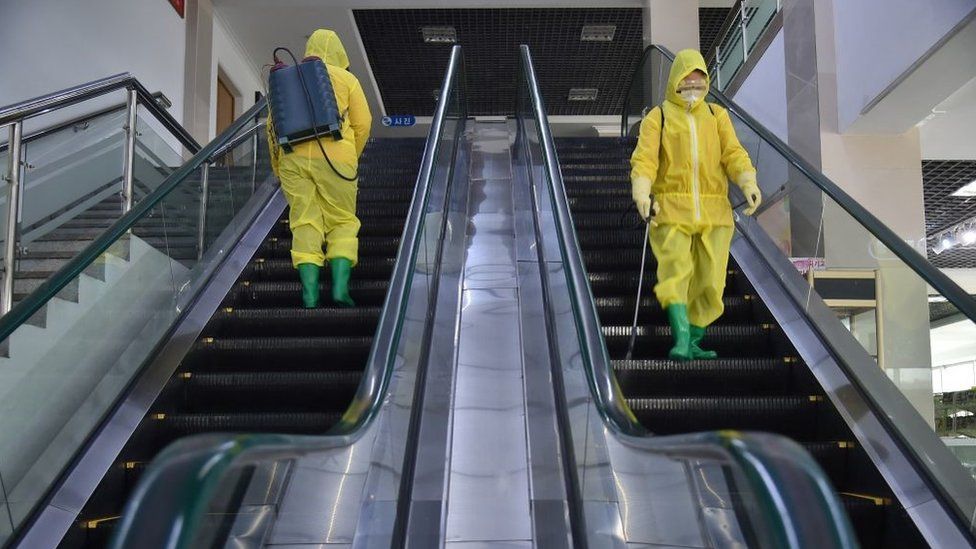
SharecloseShare pageCopy linkAbout sharingImage source, Getty ImagesNorth Korea says it is dealing with an outbreak of an unidentified intestinal sickness, adding to the strain caused by the spread of Covid-19.The country’s leader, Kim Jong-un, has ordered quarantine measures be implemented, the official KCNA news agency reports.It said he sent medicine to Haeju city on Wednesday to help patients suffering from the “acute enteric epidemic”. Health experts suspect the illness could be typhoid or cholera. North Korea declared a state of emergency in May after it said millions of people were experiencing “fever”, believed to be untested Covid-19 cases.It has not reported the number of people affected by the latest sickness outbreak, or elaborated on what the disease is, but enteric refers to the gastrointestinal tract.”[Kim] stressed the need to contain the epidemic at the earliest date possible by taking a well-knit measure to quarantine the suspected cases to thoroughly curb its spread, confirming cases through epidemiological examination and scientific tests”, KCNA said.An official at South Korea’s Unification Ministry handling inter-Korean affairs told Reuters news agency that the government suspects the outbreak to be cholera or typhoid.South Hwanghae province, where Haeju is located, is North Korea’s main agricultural region, which could worsen the country’s widespread food shortage.The mystery of North Korea’s Covid outbreakNorth Korea fighting Covid with tea and salt waterPyongyang has been announcing the number of fever patients, but the country lacks Covid testing kits. Many also suspect the government of underreporting new cases. North Korea reported 26,010 more people with fever symptoms on Thursday, with the total number of fever patients recorded across the country since late April nearing 4.56 million. The death toll linked to the outbreak is at 73, the government says, but the World Health Organization and others have said they fear the situation is much worse. North Korea has a dire healthcare system and has turned down international offers of vaccines for its population.More on this storyNo response from North Korea to US vaccine offerOver a million Covid cases feared in North Korea

Read more →

Monkeypox Is Spreading in New York, Making Education Urgent

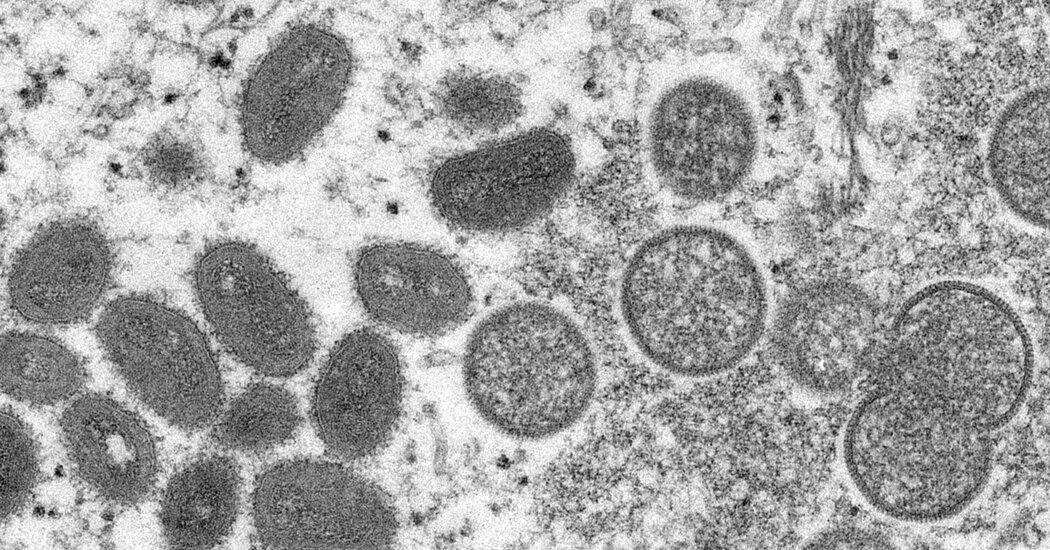
Be aware but don’t panic, say health officials and advocates as cases of the disease tick upward in New York and around the country.Grindr, the social networking app, sent a pop-up message about the risk of monkeypox to millions of European and American users. A sex party organizer in New York asked invitees to check themselves for lesions before showing up. And the organizers of the city’s main Pride celebrations posted a monkeypox notice Sunday on their Instagram account.As hundreds of thousands of people gather in New York City and elsewhere to celebrate Pride this month, city and federal officials, health advocates and party organizers are rushing to disseminate an increasingly urgent health warning about the risk of monkeypox.“Be aware, but don’t panic,” said Jason Cianciotto, the vice president of communications and policy at the Gay Men’s Health Crisis, summing up the message the group is trying to convey.The virus, long endemic in parts of Africa, is now transmitting globally, and, while it can infect anyone, at the moment it is spreading primarily through networks of men who have sex with men, officials say.André Thomas, the co-chair of NYC Pride, says people who don’t feel well should not attend events: “Take care of yourself and take care of each other.”Dieu-Nalio Chéry for The New York TimesSince May 13, when the first case in the outbreak was reported in Europe, more than 2,000 people in 35 countries outside Africa have been diagnosed with the virus. As of Wednesday, there were 16 cases identified in New York City, among 84 around the country. The most recent New York cases are not linked to travel, suggesting person-to-person transmission is taking place in New York City, the city health department said.While the raw numbers are still low, epidemiologists are concerned because of the level of global transmission and because cases are cropping up without clear links to one another, suggesting broader spread. The World Health Organization will be meeting next week to determine if monkeypox now qualifies as a global health emergency.Monkeypox, so named because it was first discovered by European researchers in captive monkeys in 1958, can infect anyone, regardless of gender, age or sexual orientation. While it mostly spreads through direct contact with lesions, it can also be spread via shared objects such as towels, as well as by droplets emitted when speaking, coughing or sneezing.Scientists believe it may also be transmitted through tiny aerosol particles, though that would probably require a long period of close contact. The virus in general is much less contagious than Covid-19.Monkeypox has caused at least 72 deaths this year within African nations where the virus is endemic, the W.H.O. director general, Dr. Tedros Adhanom Ghebreyesus, said Tuesday, but no other deaths have been linked definitively to the global outbreak outside Africa.The first 10 cases in New York were all detected in men between ages 27 and 50, and most have identified as men who have sex with men, following the global pattern, according to the city health department. Most of the New York cases have resulted in mild symptoms, officials said, but even mild cases can involve an itchy and painful rash, lasting for two to four weeks.Two types of vaccination are effective against monkeypox.Christinne Muschi/ReutersPublic awareness about the outbreak, which would lead to more demand for tests, is still at an early stage, and the virus sometimes causes only a few lesions in the genital area, which can make it difficult to differentiate from other sexually transmitted diseases. Two vaccines, as well as antivirals, are available, though for now vaccines are primarily being offered in America to close contacts of identified or suspected cases.Pride celebrations are the perfect time to increase awareness among people in the L.G.B.T.Q. community who are most at risk, health officials said in interviews, but also create a challenge for those seeking to get out a message about protecting the community without creating alarm or stigma. More broadly, organizers and health officials do not want to put a damper on Pride celebrations and their positive messages about sexual identity.Working with advocates and partners in the L.G.B.T.Q. community, federal and local health officials have in recent weeks begun to craft social media posts, write fact sheets and post images of what the pox look like to help people know what to look for.Pride gatherings also are coming at a crucial time, when there is still a chance that aggressive public health actions could keep monkeypox under control, but increased contact during the celebrations might create additional disease spread, particularly if people are not educated about the virus.“We need everybody to step up their game, because if we’re going to contain it, we need a real ramping-up of efforts across the board,” said Gregg Gonsalves, a longtime AIDS activist and epidemiologist at the Yale School of Public Health, in an interview. “We’re walking the line between containment and persistent spread, and containment would be better.”Health officials’ focus for now is to provide information about how the disease transmits — primarily through skin-to-skin contact — and to urge people to seek care if they have a rash or feel unwell. While the messages are targeted particularly to the gay and bisexual community, public health officials also stress that anyone can get infected.Although the current risk for the general public remains low, it could rise if the virus establishes itself in the United States and other countries outside Africa, infecting a wider swath of people, the W.H.O. warned in a recent update. The organization is also working on changing the name of the virus, which they acknowledge may be increasing the stigma surrounding it.Still, many health experts are warning that the public health messaging, which for now is mostly online, has to move quicker, and that education alone will not be enough to stem the outbreak.All aspects of the monkeypox response — from education to identification of cases to isolating those infected — should be ramped up, said Dr. Carlos Del Rio, chair of the Department of Global Health at the Rollins School of Public Health at Emory University and the incoming president of the Infectious Disease Society of America.What to Know About the Monkeypox VirusCard 1 of 5What is monkeypox?

Read more →

More than a quarter of people with asthma still over-using rescue inhalers, putting them at increased risk of severe attacks

Asthma is a common lung condition that affects 5.4 million people in the UK and can lead to symptoms such as coughing, wheezing or feeling breathless. Asthma is best controlled by regular use of a corticosteroid inhaler, which prevents symptoms from occurring. People with asthma may also use rescue or ‘SABA’ (short-acting beta-agonist) inhalers to quickly relieve symptoms when needed.
However, research has shown that it’s common for people with asthma to overuse SABA inhalers (defined as six or more prescriptions per year), and that relying on SABA for relief instead of using corticosteroids to prevent symptoms is linked to poor asthma control and an increased risk of severe asthma attacks and hospital admissions. The National Review of Asthma Deaths in 2014 found evidence of overuse of or over-reliance on reliever inhalers in people who died of asthma. Electronic surveillance of prescribing in primary care was recommended as a matter of urgency.
In East London, where Queen Mary University of London is based, hospitalisation for acute asthma is 14% above the London average. Given the impact this has on our community, researchers at Queen Mary’s Clinical Effectiveness Group (CEG) analysed over 700,000 anonymised patient records at 117 GP practices in East London. They found that 26% of patients with asthma are still overprescribed SABA inhalers. Out of this group, a quarter of those were also underusing preventative (corticosteroid) inhalers, raising concerns about inadequate prevention in a group of people with significant asthma.
Anna De Simoni, Lead author and GP and Clinical Lecturer in Primary Care at Queen Mary University of London, said:
“Working with patients to improve regular use of preventative inhalers should be central to reducing asthma-related hospital admissions. There is still significant room for improvement — we calculated that supporting patients who use more than 12 SABA inhalers per year to reduce their use to 4-12 could result in 70% fewer asthma-related hospital admissions in that group.
“There is also a need to provide GPs and pharmacists with the right tools to support patients to do this. In the next phase of this research programme, we plan to provide practices with tools to support the identification and management of high-risk patients based on prescribing records.”
The study also revealed that prescribing varies significantly between GP practices, with some overprescribing to 6% of their asthma patients and some overprescribing to as many as 60%. Further analysis of the variation revealed that overprescribing was strongly linked to repeat dispensing (where prescriptions are issued automatically by community pharmacists).
Paul Pfeffer, co-author and Consultant Respiratory Physician with special interest in asthma at Barts Health NHS Trust, said:
“There is an ongoing major burden of inappropriate and dangerous rescue inhaler overuse in asthma, and our paper highlights the complexity of the problem with multiple reasons patients are over-prescribed SABA inhalers. The findings are a call for more detailed research into interventions to reduce inappropriate SABA overuse in different patient groups.”
Story Source:
Materials provided by Queen Mary University of London. Note: Content may be edited for style and length.

Read more →

Polio outbreak risk increases in western Ukraine as war ensues

The reintroduction of the wild-type poliovirus or circulating vaccine-derived poliovirus (cVDPV) is a sizeable threat in Ukraine, which is considered a high-risk country for vaccine-preventable infections, including poliomyelitis, an extremely dangerous disease that causes paralysis in children. The situation has been exacerbated by the COVID-19 pandemic, the war in eastern Ukraine, and ongoing healthcare reforms, scientists from Ukraine explained at the annual meeting of the American Society for Microbiology.
On October 6, 2021, a case of paralytic poliomyelitis was confirmed in a 1.5-year-old child from Western Ukraine with a poliovirus shedding genetically similar to an environmental sample from Dushanbe, Tajikistan. Since January 2022, 19 cases of paralytic polio have been confirmed in western Ukraine, leading to a declaration of a public health emergency in the Rivne and Zakarpattia provinces.
“The invasion of the Russian Federation into Ukraine on February 24, 2022 led to thousands of victims, occupied territories, millions of refugees and internally displaced persons. All this disrupted access to medical care, significantly disrupted routine vaccinations and the response to the polio outbreak in Ukraine,” the scientists wrote.
The high risk of spread is due to low immunization — 73.3% as of December, 2021 — as well as to gaps in immunization at the regional level, said presenting author Dmytro Stepanskyi, head of the Department of Microbiology, Virology, Immunology and Epidemiology, Dnipropetrovsk Medical Academy of the Ministry of Health of Ukraine. These factors lead to high risks of international spread of the virus to polio-free countries.
The Ministry of Health of Ukraine has worked with international partners to develop a unified strategy to respond to the outbreak. These measures include strengthening surveillance nationally, immunization efforts for unvaccinated children under 6 years of age, as well as advocacy and communications activities.
Story Source:
Materials provided by American Society for Microbiology. Note: Content may be edited for style and length.

Read more →

Biotechnology platforms enable fast, customizable vaccine production

When COVID-19 created an urgent need for vaccines that could be made quickly, safely and cost-effectively, traditional manufacturing approaches were not sufficient to meet the demand. Biopharmaceutical companies therefore shifted to novel biotechnology platform-based techniques that could be more quickly adapted to manufacture COVID-19 vaccines, and that were more robust, customizable and flexible than traditional approaches. An examination of this transition by a Penn State-led team concludes that such smart manufacturing techniques could in the future be applied to other viruses, potentially allowing vaccine development to keep pace with constantly evolving pathogens, according to project lead Soundar Kumara, Allen E. Pearce and Allen M. Pearce Professor of Industrial Engineering at Penn State.
The findings were published online by the American Society of Mechanical Engineers’ Journal of Computing and Information Science in Engineering and will appear in the journal’s August print issue.
“Vaccines based on biotechnology platform-based techniques have ‘smart’ characteristics that are more versatile than vaccines designed and manufactured using traditional methods,” said Vishnu Kumar, industrial engineering doctoral candidate and co-author of the paper.
Biotechnology platform-based vaccine development involves cultivating a flexible baseline structure that can be customized as needed to create new vaccines for related viruses. When pathogens mutate, researchers identify the changes and then apply them to the existing structure. This approach was underway when the COVID-19 pandemic began, and the massive global demand accelerated the large-scale and widespread adoption of the platform, Kumar said.
Pfizer/BioNTech and Moderna used one such platform, based on messenger RNA, to develop their vaccines. The mRNA platform had already been designed to serve as the basis of a vaccine for coronaviruses, which include the common cold and mutate rapidly. SARS-CoV-2, the virus that causes COVID-19, was sequenced within one year of the start of the pandemic. Researchers used this information to modify the existing mRNA platform to develop a vaccine tailored to that version of SARS-CoV-2 — a process that took less than a week once they had the genetic data. Johnson & Johnson used a similar approach called viral vector. In contrast, traditional vaccine manufacturing, which involves the culture of disease-causing pathogens and the injection of some form of these pathogens, can take 10 to 15 years to develop.
Biotechnology-based techniques have the potential to drive future research for viruses beyond COVID-19, such as the flu, according to Kumar. A smart manufacturing approach using systems that gather, store and transmit high-quality process data could facilitate connections between devices during each stage of the vaccine development and manufacturing process.
“With an in-depth understanding of the COVID-19 vaccine as a ‘product,’ biopharmaceutical firms can appropriately identify and apply strategies, such as modular manufacturing, mass customization, automation and knowledge management to boost the vaccine development and manufacturing process,” Kumar said.
Vijay Srinivasan of the Engineering Laboratory at the National Institute of Standards and Technology co-authored the paper.
The Penn State Allen E. Pearce and Allen M. Pearce Professorship partially funded this research.
Story Source:
Materials provided by Penn State. Original written by Mary Fetzer. Note: Content may be edited for style and length.

Read more →

F.D.A. Panel Recommends Pfizer and Moderna Vaccines for Youngest Children

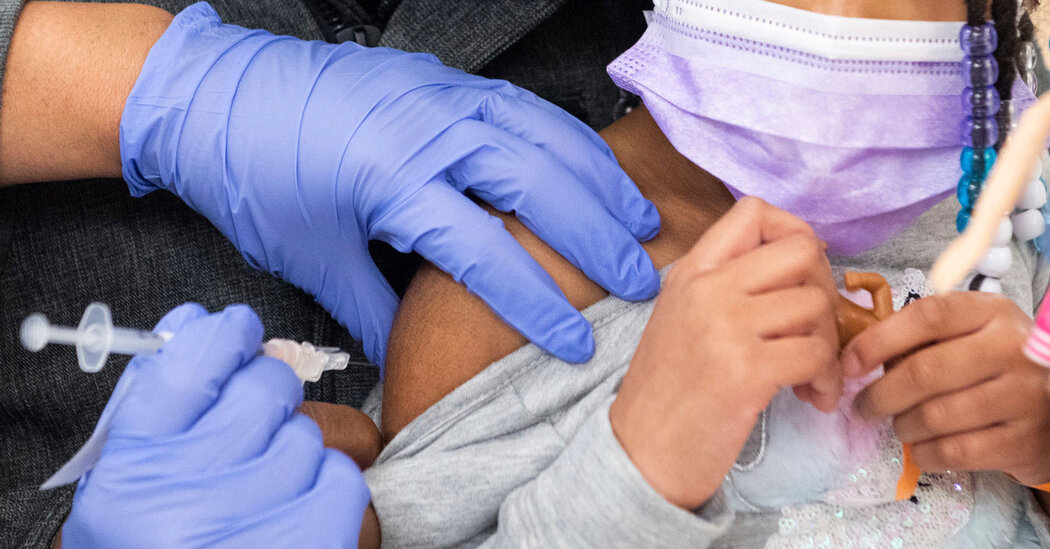
States have already ordered millions of doses; if the agency authorizes them in the coming days, babies, toddlers and preschoolers could start receiving shots next week.WASHINGTON — The only Americans still not eligible for coronavirus vaccines — babies, toddlers and preschoolers — appear on the verge of finally getting cleared to receive them after an advisory panel to the Food and Drug Administration voted unanimously on Wednesday to recommend the Pfizer and Moderna vaccines for the group.The F.D.A. appears poised to authorize Moderna’s vaccine for children younger than 6 and Pfizer’s for those younger than 5 as soon as Friday. States have already ordered millions of doses, and White House officials have said shots could roll out as early as next week.The committee’s 21-0 votes came after a daylong review of clinical trial data and signaled the end of a process that involved months of false starts and dashed hopes for a vaccine to cover the youngest Americans. Except for the roughly 20 million children under 5, everyone has had access to coronavirus shots for many months and is eligible now for booster shots.The F.D.A. and the Centers for Disease Control and Prevention jointly made a strong push for a positive recommendation, showering the committee with 230 pages of data that they said showed the vaccines were safe and provoked a strong immune response in children. Regulators also emphasized that even though young children are generally at low risk for serious illness from the virus, vaccinating the group would save lives.“We have to be careful that we don’t become numb to the number of pediatric deaths because of the overwhelming number of older deaths here,” Dr. Peter Marks, the F.D.A.’s top vaccine regulator said. “The intervention we’re talking about here is one that is something that we have accepted in the past to try to prevent deaths from influenza,” he added.Officials from the C.D.C. said that more than half of young children hospitalized with Covid had no underlying medical conditions. During the Omicron wave in the winter, young children were hospitalized at a higher rate than older children and adolescents, and their illness tended to be at least as severe. More than 200 children aged 6 months through 4 years old have died of Covid, according to death certificate data that is one of the most conservative estimates.The panel members, some of whom have treated hospitalized children for Covid and have comforted terrified parents, seemed eager to act.“There are so many parents who are absolutely desperate to get this vaccine,” said Dr. Jay Portnoy, a professor of pediatrics at the University of Missouri-Kansas City medical school. “I think we owe it to them to give them the choice.”Dr. Arthur Reingold, an epidemiologist at the University of California, Berkeley, School of Public Health, said the nation already vaccinates children against diseases “where the risk of a child dying or being hospitalized of those diseases was pretty close to zero.”The C.D.C.’s own panel of vaccine experts is set to take up the matter over two days this weekend. If that committee also gives a favorable recommendation, Dr. Rochelle P. Walensky, the agency’s director, would issue her decision, the final step in the process.Neither vaccine has been tested against new subvariants that are circulating in the United States. The clinical trials were largely conducted when the Omicron variant prevailed. Two subvariants, BA.4 and BA.5, could become dominant within a month.The virus is evolving so fast that some panelists expressed fear that the clinical trial results on which their decisions were based were already outdated. “We’re really trying to predict the future,” Dr. Paul Offit, a vaccine expert with the Children’s Hospital of Philadelphia and an F.D.A. panelist, said in an interview. “This is a problem.”But the panel’s biggest worry seemed to be whether Pfizer’s three-dose vaccine, which it developed with its German partner, BioNTech, was effective enough. Pfizer has reported that two doses of its vaccine were only about 28 percent effective in preventing symptomatic disease; Dr. Susan Wollersheim, an F.D.A. reviewer, said the company’s data did not clearly show that two doses drove down the incidence of Covid.Pfizer argued that three doses were 80 percent effective, but the finding was based on only 10 cases out of a subset of 1,678 trial participants. Dr. Doran Fink, a senior F.D.A. vaccine regulator, cast doubt on the company’s estimate, describing it as “preliminary” and “imprecise.”He said the F.D.A. was “very confident” from the immune response data that Pfizer’s vaccine, like Moderna’s, met the criteria for emergency use authorization, which requires that benefits outweigh risks. But some panel members were clearly worried that parents might be misled.Dr. Amanda Cohn, a top C.D.C. official and panel member, said she did not have “any idea” what the efficacy rate after three doses of Pfizer will end up being, and that officials should not embrace the 80 percent estimate.Jeannette Y. Lee, a biostatistician at the University of Arkansas for Medical Sciences, raised another concern: that some parents might skip the crucial third dose for their children. “As we know, it’s a struggle to get people in for two,” she said.Pfizer officials said the data showed the vaccine’s effectiveness built over time. “It’s not as if there’s no efficacy at all,” Dr. William C. Gruber, a senior vice president at Pfizer, said.For some parents, the bar is low. Some of the more than 1,600 parents who responded a New York Times query about life with an unvaccinated young child said they would accept any efficacy above zero to give their children some protection.“To keep her safe from illness and potential death or lifelong hardship? Why is this a question?” wrote Cayla Miller, a mother in Swanville, Maine. “We’ve been waiting so long to protect our whole family. I’ve nearly lost my job and my mind trying to keep her safe.”Scientists and federal officials have warned against directly comparing the Moderna and Pfizer vaccines. Not only did the companies conduct their clinical trials at different times, with different populations, but the dosing and regimens differ.Pfizer has proposed a three-dose regimen at one-tenth the strength of its adult dosage, with the first two doses spaced by three weeks and the third at least two months after the second. Moderna wants to offer two doses of vaccine, four weeks apart, at one-fourth the strength of its adult dose. Moderna’s adult dose is significantly stronger than Pfizer’s.Dr. Wollersheim of the F.D.A. declined to answer when one panelist asked for a comparison of the vaccines’ effectiveness in young children. But as some parents will likely do, some panel members tried to do their own matchup.Dr. Offit noted that Moderna’s efficacy data was somewhat stronger than Pfizer’s: about 51 percent effective in preventing symptomatic infection in children 6 months to 2 years old and 37 percent effective in children 2 through 5.Even though protection against symptomatic infection was limited, he said, it was possible to predict that Moderna’s vaccine would ward off severe disease.“I’m not so sure you can predict that with Pfizer’s vaccine,” he said. “I fear that they may have under dosed.”Both vaccines provoked levels of neutralizing, or virus-blocking, antibodies among children comparable to those in younger adults. Pfizer’s vaccine has been authorized for children 5 to 15 since last year, and regulators said it helped prevent hospitalization and deaths.Still, both appear significantly less effective against symptomatic infection than the adult vaccines when they were introduced 18 months ago. The F.D.A. said that was because Omicron proved far more adept at evading the vaccines’ defenses against infection than previous versions of the virus.Given evidence of waning potency over time, the FD.A. has said that young children who get Pfizer and Moderna shots will likely require booster shots, just as older recipients have. That would mean Pfizer’s vaccine could wind up as four doses, while Moderna’s could be three.Neither vaccine provoked serious safety concerns. The vast majority of side effects were mild — irritability and crying, sleepiness, fatigue and loss of appetite. Recipients of Moderna’s vaccine appeared more likely to experience fevers, but in line with those provoked by other pediatric vaccines, the F.D.A. said.Federal health officials have said they expect many children under 5 to be vaccinated by pediatricians and primary care physicians, a contrast to older age groups. But the uptake is expected to be low; children aged 5 to 11 became eligible to be vaccinated late last year, but only about 37 percent of them have gotten at least one dose.Doses are packaged by the hundred to reach smaller practices and rural locations. The Biden administration has also advertised a network of other locations that would work to reach families, including pharmacies and children’s hospitals, while groups such the Association of Children’s Museums and the National Diaper Bank Network will help with education efforts.One topic of discussion among the F.D.A. panel members was how to address the many parents whose children already have acquired some natural immunity. Federal health officials presented data to the committee this week suggesting that more than two-thirds of children aged 1 to 4 years old have already been infected with the virus.A Moderna official told the committee that the company’s trial found that young children who had gotten the virus and were vaccinated had greater levels of protection, a conclusion backed by outside research.Dr. James E.K. Hildreth, a committee member and the president of Meharry Medical College in Nashville, noted that many children had been infected “and have done just fine.”“But for those parents who choose to do so, especially for those parents of kids with underlying conditions,” he added, “this is a choice they should have.”Emily Erdos

Read more →

Factors causing low COVID-19 vaccination have spilled over to lower flu vaccination rates, study finds

A new study from UCLA researchers indicates a previously undocumented impact of widespread Covid-19 vaccine promotion on other public health behaviors. Adult flu vaccination rates have declined in states with low rates of Covid-19 vaccination, which the authors say may be a harbinger of declining trust in public health, suggesting that Covid-19 vaccination behavior has spilled over to flu vaccination behavior. The finding is published in The New England Journal of Medicine as a letter to the editor.
“It is alarming that controversy surrounding Covid-19 vaccination may be undermining separate public health efforts that save thousands of lives each year,” says the study’s lead author Richard Leuchter, MD, a resident physician at UCLA Health and the David Geffen School of Medicine. “Many Americans who never before declined a routine, potentially life-saving vaccine have started to do so. This supports what I have seen in my clinical practice and suggests that information and policies specific to Covid-19 vaccines may be eroding more general faith in medicine and our government’s role in public health.”
The authors used publicly available data from the Centers for Disease Control and Prevention (CDC) collected through January 2022 to evaluate how flu vaccination rates changed during the pandemic based on state-wide rates of Covid-19 vaccination.
Flu vaccination rates for the first flu season of the pandemic (2020-2021), which pre-dated the widespread availability of Covid-19 vaccines, remained relatively stable across all states. However, in the second flu season of the pandemic (2021-2022), which was after widespread promotion of Covid-19 vaccines, flu vaccination rates dropped 4.5 percentage points (from 43.7% to 39.2%) in states with below-average rates of Covid-19 vaccination. Conversely, states with the highest uptake of Covid-19 vaccines saw increases in average flu vaccination rates of 3.8 percentage points (from 49.0% to 52.8%).
The authors say these findings taken together suggest that Covid-19 vaccination behaviors have spilled over to other public health behaviors, in this case flu vaccination. They explain that this relationship works in both directions: factors causing low Covid-19 vaccination rates (e.g., mistrust of Covid-19 vaccines, concerns about side effects, lack of trust in government) are linked to declines in flu vaccination compared to pre-pandemic times, whereas factors causing high rates of Covid-19 vaccination are spilling over to increase flu vaccination rates.
The authors propose that both of these trends may be explained by something called belief generalization. “Much as someone’s decision to wear or forgo a mask in public during the early pandemic was linked with their more general beliefs through the idea of ‘belief signaling’, we propose that ‘belief generalization’ may account for Covid-19 vaccine-specific opinions being generalized to other vaccines,” says Leuchter. “People who feel compelled to oppose or support Covid-19 vaccines may feel that they should in turn oppose or support other vaccines.”
Rates of full vaccination against Covid-19 (i.e., both doses of a two-dose vaccine or one dose of a single-dose vaccine) varied from 50% (Alabama) to 81% (Rhode Island) through January 2022. Flu vaccination rates through January of the 2021-2022 flu season were also highly variable, ranging from 31% (Mississippi) to 59% (Connecticut). The study authors found that 60% of the variation in a state’s flu vaccination rate could be explained solely by that state’s average Covid-19 vaccination rate. “This is compelling evidence that the vaccination behaviors for flu and Covid-19 vaccines are inextricably linked,” said Leuchter.
The authors note that these findings apply only to the general adult population. Flu vaccination rates among children fell uniformly and precipitously across both the 2020-2021 and 2021-2022 flu seasons, regardless of when Covid-19 vaccines were introduced or state-wide rates of Covid-19 vaccination. The authors point out that previous studies have reported similar dramatic national declines in rates of childhood vaccination against measles, mumps, and rubella (MMR). Leuchter says that while belief generalization in the negative direction may partially explain why parents are opting out of routine vaccines for their children, the fact that childhood flu vaccination declined even among states with high rates of Covid-19 vaccination suggests that belief generalization from Covid-19 vaccines does not fully account for this trend. Reassuringly, flu vaccination rates among adults over 65 years of age remained relatively stable during these two flu seasons compared to the 2019-2020 season, albeit persistently underutilized in this population.
This study had some limitations. For instance, it did not directly measure individuals’ beliefs or reasons for forgoing vaccination. As an observational study, it does not prove that lack of trust of the vaccines or government caused the new decline in flu vaccination rates. In addition, the CDC reports flu vaccination rates based on self-report surveys and has not made county-level data for the 2021-2022 flu season available, so only state-wide data were used.
Despite these limitations, the researchers state that these findings should raise alarm and prompt rigorous study of the causes of decreases in non-Covid-19 vaccination rates to inform urgent action and corrective policies.
This research was supported by the NIH-National Heart, Lung, and Blood Institute — Stimulating Access to Research in Residency (StARR) program at UCLA, the NIH-National Institute on Aging, the National Center for Advancing Translational Science (NCATS) UCLA Clinical and Translational Science Institute (CTSI), and the UCLA Value-Based Care Research Consortium (VBCRC).
Co-authors of the study are Drs. Nick Jackson, John Mafi, and Catherine Sarkisian, all faculty members in the UCLA Department of Medicine, Division of General Internal Medicine and Health Services Research.

Read more →