Researchers propose widespread banking of stool samples for fecal transplants later in life

Changes in the way that humans live and eat have resulted in tremendous alterations in the gut microbiome, especially over the past few decades. These changes have been linked to increased rates of asthma, allergies, diseases of the digestive system, type 2 diabetes, and other conditions. In an opinion article published June 30 in the journal Trends in Molecular Medicine, a team from Harvard Medical School and Brigham and Women’s Hospital (BWH) proposes that we can combat these trends by having individuals bank samples of their own gut microbiota when they are young and healthy for potential use later in life in an autologous fecal microbiota transplant (FMT).
“The idea of ‘rewilding’ the human microbiome has taken off in recent years and has been hotly debated from medical, ethical, and evolutionary perspectives,” says corresponding author Yang-Yu Liu, an Associate Professor of Medicine at Harvard and an Associate Scientist in the Channing Division of Network Medicine at BWH. “It is still unknown if people in industrialized societies can gain some health benefit by restoring their microbiome to an ancestral state. In this paper, we proposed a way to rejuvenate the human gut microbiome.”
FMTs using donor stool have shown benefit for treating some conditions, primarily infections with Clostridioides difficile (C. diff), which affect about half a million people and kill about 29,000 in the United States every year. However, one limitation of using donor stool is variability in the host’s response, likely due to genetic and environmental differences between the donor and host.
Efforts in Yang’s lab focus on understanding the ecological dynamics and organizational principles of the human microbiome to inform the design of microbiome-based therapeutics. OpenBiome, a nonprofit stool bank based in Somerville, Massachusetts, is the first stool bank to offer an option for individuals to bank their own stool for future treatment of C. diff infection. Yang and his colleagues looked at whether this approach might be feasible on a large scale for many other diseases.
“Conceptually, the idea of stool banking for autologous FMT is similar to when parents bank their baby’s cord blood for possible future use,” says Yang. “However, there is greater potential for stool banking, and we anticipate that the chance of using stool samples is much higher than for cord blood.”
“But there are many practical issues to implementing this idea,” says Yang. The article takes a closer look at some of those issues, including optimal storage methods, how much stool should be banked, and what the costs might be.
“Autologous transplants would naturally avoid or at least mitigate donor-recipient compatibility issues, but a major disadvantage of autologous transplants is the need for long-term cryopreservation of stool samples, typically requiring liquid nitrogen storage,” says co-author Shanlin Ke, a postdoctoral research fellow in Yang’s lab. “The long-term safe storage and subsequent resuscitation and cultivation of stool samples is a fundamental research question by itself. To inform practical guidelines for stool banking, further research is needed to systematically test longer storage times and preservation, resuscitation, and cultivation procedures.”
Yang acknowledges that widespread banking could lead to a system in which those with more financial resources are more likely to have banked stool for future use. “We do not anticipate that all individuals in our society are willing or able to pay the cost associated with the service of ‘rejuvenating’ their gut microbiome, in the same way that not all parents pay the cost of cord blood banking for their newborns,” he says. “But as scientists our job is to provide a scientific solution that may eventually benefit human well-being. Developing a reasonable business model and pricing strategy so that the solution is affordable to everyone would require the joint force of entrepreneurs, scientists, and perhaps governments.”
“Autologous FMTs have the potential to treat autoimmune diseases like asthma, multiple sclerosis, inflammatory bowel disease, diabetes, obesity, and even heart disease and aging,” says co-author Scott T. Weiss, a Professor of Medicine at Harvard and Associate Director of the Channing Division of Network Medicine at BWH. “We hope this paper will prompt some long-term trials of autologous FMTs to prevent disease.”
This work is supported by grants from the National Institutes of Health (R01AI141529, R01HD093761, RF1AG067744, UH3OD023268, U19AI095219, and U01HL089856).
Story Source:
Materials provided by Cell Press. Note: Content may be edited for style and length.

Read more →

Some viruses make you smell tastier to mosquitoes

Zika and dengue fever viruses alter the scent of mice and humans they infect, researchers report in the 30 June issue of Cell. The altered scent attracts mosquitoes, which bite the host, drink their infected blood and then carry the virus to its next victim.
Dengue is spread by mosquitoes in tropical areas around the world, and occasionally in subtropical areas such as the southeastern US. It causes fever, rash, and painful aches, and sometimes hemorrhage and death. More than 50 million dengue cases occur every year, and about 20,000 deaths, most of them in children, according to the National Institutes of Health (NIH) National Institute for Allergy and Infectious Disease.
Zika is another mosquito-spread viral disease in the same family as dengue. Although it is uncommon for Zika to cause serious disease in adults, a recent outbreak in South America caused serious birth defects in the unborn children of infected pregnant women. Yellow fever, Japanese encephalitis, and West Nile are also members of this virus family.
These viruses require ongoing infections in animal hosts as well as mosquitoes in order to spread. If either of these are missing — if all the susceptible hosts clear the virus, or all the mosquitoes die — the virus disappears. For example, during the yellow fever outbreak in Philadelphia in 1793, the coming of the fall frosts killed the local mosquitoes, and the outbreak ended.
In tropical climates without killing frosts, there are always mosquitoes; the virus just needs one to bite an infected host animal in order to spread. Zika and dengue viruses seem to have developed a sneaky way of increasing the odds.
A team of researchers from UConn Health, Tsinghua University in Beijing, the Institute of Infectious Diseases in Shenzhen, the Ruili Hospital of Chinese Medicine and Dai Medicine, the Yunnan Tropical and Subtropical Animal Virus Disease Laboratory, and the Chinese Center for Disease Control and Prevention, suspected that dengue and Zika might be manipulating the hosts in some way to attract mosquitoes. Both malaria and general inflammation can change people’s scent. Viral infection by dengue and Zika, they thought, might do the same thing.
First the team tested whether mosquitoes showed a preference for infected mice. And indeed, when mosquitoes were offered a choice of healthy mice or mice sick with dengue, the mosquitoes were more attracted to the dengue-infected mice.
Then they analyzed the smelly molecules on the skin of infected and healthy mice. They identified several molecules that were more common on infected animals, and tested them individually. They applied them both to clean mice, and to the hands of human volunteers, and found that one odoriferous molecule, acetophenone, was especially attractive to mosquitoes. Skin odorants collected from human dengue patients showed the same thing: more attractive to mosquitoes and more acetophenone production.
Acetophenone is made by some Bacillus bacteria that grow on human (and mouse) skin. Normally skin produces an antimicrobial peptide that keeps Bacillus populations in check. But it turns out that when mice are infected with dengue and Zika, they don’t produce as much of the antimicrobial peptide, and the Bacillus grows faster.
“The virus can manipulate the hosts’ skin microbiome to attract more mosquitoes to spread faster!” says Penghua Wang, an immunologist at UConn Health and one of the study authors. The findings could explain how mosquito viruses manage to persist for such a long time.
Wang and his coauthors also tested a potential preventative. They gave mice with dengue fever a type of vitamin A derivative, isotretinoin, known to increase the production of the skin’s antimicrobial peptide. The isotretinoin-treated mice gave off less acetophenone, reducing their attractiveness to mosquitoes and potentially reducing the risk of infecting others with the virus.
Wang says the next step is to analyze more human patients with dengue and Zika to see if the skin odor-microbiome connection is generally true in real world conditions, and to see if isotretinoin reduces acetophenone production in sick humans as well as it does in sick mice.
Story Source:
Materials provided by University of Connecticut. Original written by Kim Krieger. Note: Content may be edited for style and length.

Read more →

Winning by default: Tonsillectomy study shows power of pre-set opioid Rx size

A small tweak to hospitals’ prescribing systems might make a big difference in reducing risk from leftover opioid pain medication, while still making sure surgery patients get relief from their post-operation pain, a new study suggests.
In teens and young adults having their tonsils taken out at a major children’s hospital, patients went home with 29% fewer doses of opioid painkillers, but reported similar pain control, after researchers reduced the default opioid prescription size that doctors saw in their ordering system. Leftover doses raise the risk of long-term opioid use and the potential for misuse.
Meanwhile, prescription sizes remained high in a comparison group of young adults who had their tonsils out during the same time in nearby surgical centers that didn’t change the default prescription size. The study, from a team at Michigan Medicine, the University of Michigan’s academic medical center, is published in JAMA Network Open.
The new default prescription size — 12 doses — at U-M Health C.S. Mott Children’s Hospital was based on a survey on how many opioid doses young patients actually take for tonsillectomy pain. It replaced the previous default size of 30 doses, though doctors were always free to prescribe more or less.
After the default changed in October 2020, the percentage of patients who left the hospital with 12 doses went from 1% to 44%, the average prescription size went from 22 to 16 doses, and there was no significant change in pain control satisfaction scores or the number of prescription refills within two weeks of the operation.
Meanwhile, young adults who had their tonsils out at U-M’s University Hospital or other U-M Health surgical centers during the same time saw little change in prescribing. They received around 30 doses of opioids on average.

Read more →

The mere sight of a meal triggers an inflammatory response in the brain

Even before carbohydrates reach the bloodstream, the very sight and smell of a meal trigger the release of insulin. For the first time, researchers from the University of Basel and University Hospital Basel have shown that this insulin release depends on a short-term inflammatory response that takes place in these circumstances. In overweight individuals, however, this inflammatory response is so excessive that it can impair insulin secretion.
Even the anticipation of a forthcoming meal triggers a series of responses in the body, perhaps the most familiar of which is the watering of the mouth. But the hormone insulin, which regulates blood sugar, also arrives on the scene even before we tuck into the first mouthful of food. Experts refer to this as the neurally mediated (or cephalic) phase of insulin secretion.
Meal stimulates immune defense
In the past, however, it was unclear how the sensory perception of a meal generated a signal to the pancreas to ramp up insulin production. Now, researchers from the University of Basel and University Hospital Basel have identified an important piece of the puzzle: an inflammatory factor known as interleukin 1 beta (IL1B), which is also involved in the immune response to pathogens or in tissue damage. The team have reported their findings in the journal Cell Metabolism.
“The fact that this inflammatory factor is responsible for a considerable proportion of normal insulin secretion in healthy individuals is surprising, because it’s also involved in the development of type 2 diabetes,” explains study leader Professor Marc Donath from the Department of Biomedicine and the Clinic of Endocrinology.
Also known as “adult-onset diabetes,” this form of diabetes is caused by chronic inflammation that damages the insulin-producing cells of the pancreas, among other things. This is another situation in which IL1B plays a key role — in this case, it is produced and secreted in excessively large quantities. With this in mind, clinical studies are now examining whether inhibitors against this inflammatory factor are suitable for use as therapeutic agents for diabetes.
Short-lived inflammatory response
Circumstances are different when it comes to neurally mediated insulin secretion: “The smell and sight of a meal stimulate specific immune cells in the brain known as the microglia,” says study author Dr. Sophia Wiedemann, resident physician for internal medicine. “These cells briefly secrete IL1B, which in turn affects the autonomic nervous system via the vagus nerve.” This system then relays the signal to the site of insulin secretion — that is, the pancreas.
In the case of morbid obesity, however, this neurally mediated phase of insulin secretion is disrupted. Specifically, by the initial excessive inflammatory response, as explained by doctoral candidate Kelly Trimigliozzi, who carried out the main part of the study in collaboration with Wiedemann.
“Our results indicate that IL1B plays an important role in linking up sensory information such as the sight and smell of a meal with subsequent neurally mediated insulin secretion — and in regulating this connection,” summarizes Marc Donath.
Story Source:
Materials provided by University of Basel. Note: Content may be edited for style and length.

Read more →

Novel gene for Alzheimer's disease in women identified

Alzheimer’s disease (AD) is a progressive neurodegenerative disorder and the most common cause of dementia, affecting more than 5.8 million individuals in the U.S. Scientists have discovered some genetic variants that increase the risk for developing Alzheimer’s; the most well-known of these for people over the age of 65 is the APOE ε4 allele. Approximately 60 percent of people from European ancestry with Alzheimer’s carry this genetic variant, compared to just 26 percent of the general population, implying that other genes contribute to the genetic makeup of the disease.
In a new study published this week in Alzheimer’s Disease & Dementia: The Journal of the Alzheimer’s Association, researchers at the University of Chicago and Boston University School of Medicine (BUSM) have identified a new gene called MGMT that increases the risk of Alzheimer’s in women.
The researchers conducted a genome-wide association study (GWAS) for Alzheimer’s in two independent datasets using different methods. One approach focused on dementia in a large extended family of Hutterites, a founder population of central European ancestry who settled in the mid-west region of the country. Hutterites are often studied for genetic determinants of disease because they have a relatively small gene pool due to their isolated, insular culture. In this study, the individuals with Alzheimer’s were all women. The second approach, predicated on evidence suggesting a link between Alzheimer’s and breast cancer, analyzed genetic data from a national group of 10,340 women who lacked APOE ε4. In both datasets, MGMT was significantly associated with developing AD.
“This is one of a few and perhaps the strongest associations of a genetic risk factor for Alzheimer’s that is specific to women,” said Lindsay Farrer, PhD, chief of biomedical genetics at BUSM and a senior author of the study. “This finding is particularly robust because it was discovered independently in two distinct populations using different approaches. While the finding in the large dataset was most pronounced in women who don’t have APOE ε4, the Hutterite sample was too small to evaluate this pattern with any certainty.”
The researchers then further evaluated MGMT using multiple types of molecular data and other AD-related traits derived from human brain tissue. After thorough analysis, they found that that epigenetically regulated gene expression (i.e., one of the ways cells control gene activity without changing the DNA sequence) of MGMT, which has a role in repairing DNA damage, is significantly associated with the development of the hallmark AD proteins, amyloid-β and tau, especially in women.
“This study highlighted the value of founder populations for genetic mapping studies of diseases like Alzheimer’s,” said Carole Ober, PhD, Chair of Human Genetics at UChicago and a senior author of the study. “The relatively uniform environment and reduced genetic variation in Hutterites increases our power to find associations in smaller sample sizes than required for studies in the general population. The validation of our findings in the larger dataset used by the Boston University group was enormously gratifying and ultimately led to supportive epigenetic mechanisms that connected both sets of GWAS results to the MGMT gene.”
According to the researchers, this study demonstrates the importance of searching for genetic risk factors for AD that may be specific to one gender. Further studies are needed to understand why MGMT influences AD risk greater in women than men.
Story Source:
Materials provided by Boston University School of Medicine. Note: Content may be edited for style and length.

Read more →

'I never thought it would be something that I would get'

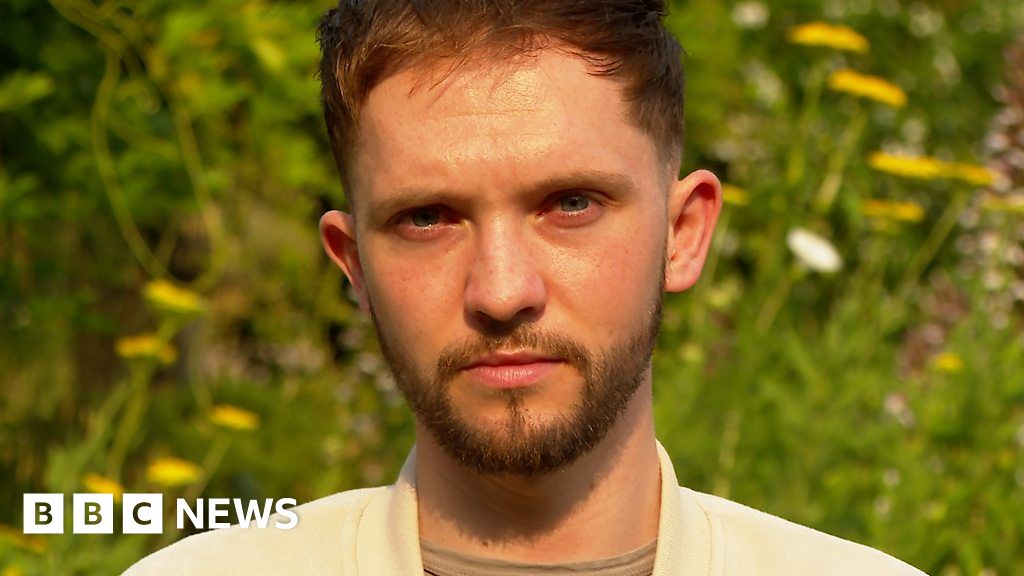
Dan has described his experience of contracting monkeypox at the start of June.He said he felt tired and nauseous before developing “blister spots” which spread across his genitals and lower body. Speaking to BBC journalist Nick Raikes, he said: “I never thought it would be something that I would get”.According to the UK Health Security Agency, there have been more than 1,000 cases of monkeypox identified in the UK since the start of May.The majority of people infected have been men who are gay, bisexual or have sex with men, with most living in London. Monkeypox is spread through close contact, such as touching skin or sharing bedding with someone who has monkeypox or has monkeypox symptoms.

Read more →

He Could Barely Walk and Had to Give Up Golf. What Was Wrong?

Over six years, many doctors told the patient he had peripheral neuropathy. What they couldn’t tell him was why — or how to treat it.It was in spring that the 69-year-old man missed playing golf the most. How he loved the cool South Carolina mornings, the feel of the club in his hands, his arms and his body moving in that perfect arc. But even before he had to stop, he noticed changes. The sensation in his fingers slowly disappeared, then their strength. He gave up the game after he nearly clobbered a friend; his club flew right out of his hands at the end of his stroke. Missed him by inches.There was so much he couldn’t do. He couldn’t open jars, couldn’t turn a doorknob. His wife got him a special tool so he could button his own shirts. He had to wear slip-on shoes. He couldn’t even cut up his own meat. He had always been independent, and each new loss felt devastating.He told his doctor about it a few years before he had to give up the game. She was concerned and sent him to a neurologist. The specialist diagnosed him with carpal-tunnel syndrome. She explained that the nerve that brings sensation from his fingers to his brain was getting squeezed as it traveled through the bony passage in his wrist called the carpal tunnel. It was an overuse injury, and rest and the use of splints usually helped. Not this time. And soon it became clear that it wasn’t just his hands. His feet began to burn, and then they, too, lost their ability to feel. Ultimately he felt as if he were walking on wooden blocks. Then his legs started to feel weak.Show Me How You WalkAs he got worse, he saw a whole lineup of specialists. More neurologists and rheumatologists — and because he had cancer 20 years earlier and radiation therapy to his neck and chest to treat it, he saw a couple of oncologists. Virtually everyone could tell him what he had: a peripheral neuropathy, a loss of nerve function in his hands and feet and, more recently, his arms and legs. But why he had it, where it came from and how it could be stopped — those essentials continued to elude them.He had tests on his blood, his urine, his nerves. After six years, he knew that there were dozens of terrible diseases he did not have. It wasn’t diabetes, H.I.V., Lyme disease or hepatitis. His thyroid was shut down by the radiation treatment that he had for his cancer, but he took thyroid hormone every day. His level was always perfect. His vitamin levels were fine.Most recently a rheumatologist tested him for every autoimmune disease he could think of, and when none of the tests were revealing, still tried a course of high-dose prednisone. If it was his immune system going wrong, then suppressing that system, which is what prednisone does, would help. When it didn’t, the doctor told him he didn’t know what more he could do. What the patient needed, at this point, were specialists at an academic medical center. They saw a wider range of disease and kept up with the newest research. He suggested a rheumatology group at the Medical University of South Carolina in Charleston, a couple of hours south. The man called them immediately but couldn’t get an appointment for months. And by then, he and his wife would be in coastal New Jersey, where they spent every summer with their grown children.Instead, he reached out to the University of Pennsylvania Health System in Philadelphia. It was just an hour away from their beach house, and he got a pacemaker there a few years earlier. A single call got him a telehealth appointment with a Penn neurologist the following week, from his home in North Myrtle Beach, S.C.After the patient signed on for his video visit, Dr. Mariam Saleeb listened carefully as he recounted the activities he can no longer pursue and his worsening weakness and disability. He could hardly walk, and he’d lost nearly 40 pounds over the past few years. He was only 69 but felt like an old man. Saleeb asked him to get up and show her how he walked. He leaned forward and used his arms to push himself to an upright position.Even on the video, Saleeb could see that the patient’s hands were almost skeletal, as if the fat and muscle had simply melted away. His arms were also much thinner than she would expect from his build. His walk was awkward, his legs splayed far beyond the width of his hips, giving his movement a Frankenstein’s-monster quality, and he couldn’t lift the toes on his right foot, so it dragged as he walked. She needed to do some additional testing. When could he come to her office? Soon, he told her. They were traveling north in six weeks.When she finally saw the patient, Saleeb noted that the man was even thinner than he looked on the video visit. And he had almost no feeling in his legs. When she pricked him with the point of a safety pin, he didn’t even blink until she got above the knees. His hands were almost as bad. And he was right — he was very weak. She tested the nerves in his arms and legs by shooting tiny pulses of electricity to one nerve and measuring the strength of the signal and how long it took to get from one point to another. There was almost no signal getting from his lower legs to his feet, and just a trace from his hands to his arms.There are hundreds of possible causes of peripheral neuropathy. Diabetes is probably the most common. Alcohol abuse can do it. So can too little vitamin B12 or too much vitamin B6. Several drugs can cause this kind of neuropathy, as well as some toxins. Autoimmune diseases and inherited diseases can too.Most peripheral neuropathies affect sensation first. He had what was called a stocking-and-glove neuropathy: one that starts in the feet and moves upward to the hands and keeps going. Most of the time, the feet and hands burn and sting as if they were being stuck with pins and needles, and then slowly, usually over years, sensation dies. But this kind of rapidly progressive and profound sensory loss combined with weakness was a red flag. Saleeb wasn’t sure what he had, but she was certain that he needed to see someone even more specialized and referred him to the clinic that focused on neuromuscular disease.Photo illustration by Ina JangA Special TestDr. Margaret Means was the first doctor to express confidence that a diagnosis could be found. After her exam, she said, “You’ve really had a lot on your plate, but I know we are going to get to the bottom of this.” Then she disappeared. Ten minutes later she returned with a tall man dressed in scrubs whom she introduced as Dr. Chafic Karam.Karam asked a few questions and reviewed the records the patient had brought. After a brief examination, he told the patient that they would send him to the lab for more blood work, but first they wanted to take a biopsy of the subcutaneous fat on his abdomen to look for a condition known as amyloidosis. In this disorder, the liver creates abnormal proteins that form fibers that circulate throughout the body, invading organs and nerves and even the fat and skin. These fibers interfere with the body’s normal function just by being there. They are one cause of peripheral neuropathy.Two weeks later Karam called with the results. What he had, Karam explained, was very rare, with maybe 10,000 cases in the entire world. It was a type of amyloidosis caused by a genetic abnormality that he inherited from one of his parents. And this abnormality was the cause of many of his medical problems. It was why he needed a pacemaker — because the fibers had interfered with his heart’s ability to regulate its rhythm. It was why he was losing weight. His digestive system had trouble absorbing the nutrients he ate. And it was certainly why he had this debilitating neuropathy. The patient thought about his parents, both dead for many years. Both had many health problems, but he had no idea which one might have had this amyloidosis.His children were at risk, Karam told him: There was a 50-50 chance that he had passed this abnormal gene on to them. None of his children have yet gotten tested, and the patient is worried about what they might find. Still, there are new medications that can slow this process, though they can’t repair the damage already done. The patient is now on two of these drugs, and the deterioration of his physical abilities has stopped. He can still walk, albeit slowly. And he has accepted the fact that he will never play golf again. These days, somehow it’s enough just to watch.Lisa Sanders, M.D., is a contributing writer for the magazine. Her latest book is “Diagnosis: Solving the Most Baffling Medical Mysteries.” If you have a solved case to share, write her at Lisa.Sandersmdnyt@gmail.com.

Read more →

Invisible disabilities: How an autism diagnosis changed my life

What’s it like living with an invisible disability in London? In the UK one in 100 people are on the autism spectrum and there are around 700,000 autistic adults and children. (Source: National Autistic Society)Barrington Campbell received an autism diagnosis at 30 years old. He said he had struggles making friends while growing up and felt isolated.Five years later he’s created Kagai Games, designed to provide tabletop games and events for people with social anxiety. He said: “I wanted to provide a space that was inclusive for everyone with social anxiety.”Video by Gem O’Reilly

Read more →

Road injuries are killing young people, and it's hardly slowing down

New research led by UNSW Sydney reveals traffic-related fatalities and injuries are the biggest killers of young people worldwide – causing more deaths than communicable and non-communicable diseases or self-harm. The findings are published todayin The Lancet Public Health in thefirst global analysis of transport and unintended injury-related morbidity and mortality of young people aged 10-24.
Using the latest data from the Global Burden of Disease (GBD) 2019 Study, the researchers analysed deaths and Disability-Adjusted Life Years (DALYs) from transport and unintentional injuries in adolescents across 204 countries in the past three decades. They found that despite transport injury death rates falling by a third since 1990, the number of deaths attributed to road fatalities for adolescents still increased in some countries.
“We’ve seen a high increase in the absolute number of injury-related deaths and DALYs, specifically in low and low-middle income countries. It indicates neglect for a growing population at risk of injury,” says lead author Dr Amy Peden, research fellow with the School of Population Health at UNSW Medicine & Health.
Prevention progress stalling
According to the research, reductions in transport injury and death rates in high-income countries have slowed in the most recent decade. They dropped just 1.7 per cent a year between 2010 and 2019 compared to the fall of 2.4 per cent a year between 1990 and 2010.
“In high-income countries like Australia, there’s been a real decline in progress. In the past 10 years, we’ve seen reductions in rates of road transport injury essentially stall, showing a lack of attention to the issue,” Dr Peden says.

Read more →

Up to 540,000 lives could be saved worldwide by targeting speed and other main areas

A new series published in The Lancet today highlights the growing problem of road traffic injuries and lays out some opportunities for preventing injuries and saving lives. The series comes at the same time as the United Nations General Assembly launches a high-level meeting on global road safety June 30-July 1 in New York. The series offers a comprehensive analysis of this rising public health threat.
An estimated 1.35 million people lose their lives and more than 50 million are injured or disabled as a result of road traffic injuries every year. “The death toll from traffic injuries around the world is far too high,” Adnan Hyder, professor of global health at the George Washington University Milken Institute School of Public Health, said. “Despite a United Nations goal to reduce this heavy burden, people everywhere continue to be at great risk of injury and death unless current road traffic strategies are changed to put protections in place.”
Hyder, who is Senior Associate Dean for Research and also the Director of the Center on Commercial Determinants of Health at the GW Milken Institute School of Public Health, serves as the lead author of an analytic commentary and is the senior author on two other papers published as part of the three-part series.The analytic commentary reviews events that occurred from 1999 to the present and describes ten challenges that provide an opportunity to make faster progress on road safety.
Two other papers in the series address the issue of road safety around the world. In the first, Junaid Razzak at the Weill Cornell Medical Center, Hyder and their colleagues looked at trauma care for road injuries. They found that approximately 200,000 lives per year could be saved with improved trauma systems in low and middle income countries.
In the second paper, Hyder, Nino Paichadze from GW, Andres Vecino-Ortiz at the Johns Hopkins University and their colleagues studied four road safety risk factors-speed, drunk driving, helmet and seatbelt use. They found that full implementation of already proven road safety interventions targeting those four main areas could save up to 540,000 lives around the world.
In the United States, a total of about 43,000 lives could be saved by focusing on those four road safety areas, including more than 22,000 lives saved by restricting speed and more than 5100 with interventions on drunk driving. Another 14,000 and 2400 lives could be saved with better use of seatbelts and helmets, respectively.
In the analytic commentary, Hyder and his colleagues outline some of the pitfalls that must be overcome to make the roadways safer. They point out that road safety involves many sectors, including health, transportation and other areas; and suggest addressing commercial determinants of road safety. To address road safety the roles of each sector must be clear and one sector should take the lead on developing a strategy, Hyder said.
Finally, the authors recommend reframing road safety so that the issue resonates with the public and political leaders. At the same time, there must be the political will to put enough resources toward this problem to address it, Hyder said.
Articles in the Lancet: https://www.thelancet.com/series/road-safety
Story Source:
Materials provided by George Washington University. Note: Content may be edited for style and length.

Read more →