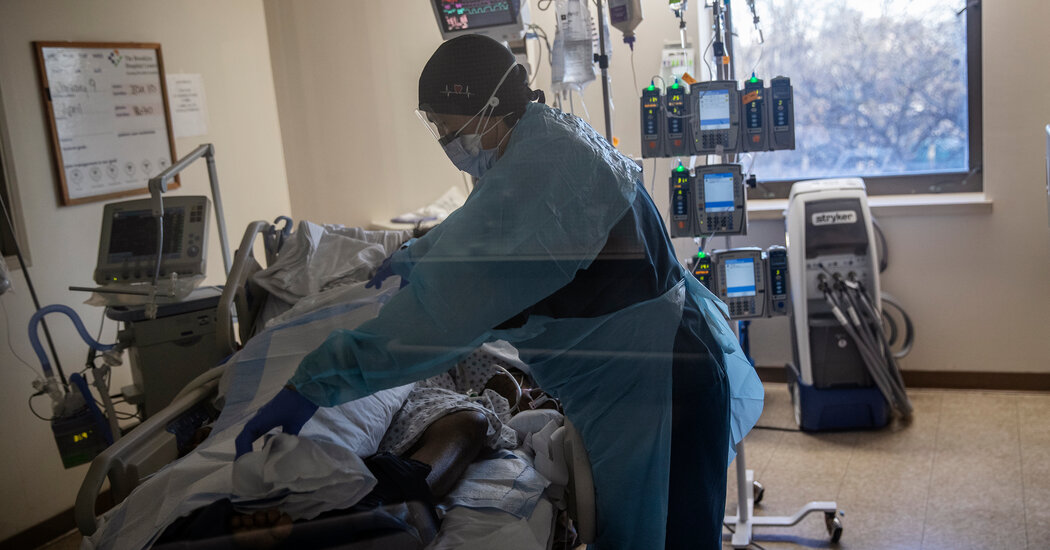
Listen to This ArticleAudio Recording by AudmTo hear more audio stories from publications like The New York Times, download Audm for iPhone or Android.“Time,” when we give it any thought, tends to strike us as extrinsic, a feature of our landscape: We track our passage through it as if traversing an invisible geography, our progress charted by wristwatch, clock, calendar. Humans didn’t invent time, of course, but you might reasonably argue that because we invented the units we use to keep track of it — hours, minutes, seconds — we have every right to tinker with them when we want to. This, at least, was the position the Senate took on March 15, when in a surprise, and surprisingly uncontested, vote it passed the Sunshine Protection Act. The new law would, if the House concurs and the president signs, make daylight saving time permanent, beginning on Nov. 5, 2023.The change has long been a desire of the retail industry because it is convinced that shoppers spend more money when it stays light out later. But lawmakers also seem to have regarded the annual rolling back of the clock as a personal affront: the groggy mornings that result from turning 6 a.m. into 5 a.m., the morale killer for Boston and Billings alike when darkness abruptly descends shortly after 4 in the afternoon. When the yeas prevailed, there was bipartisan applause, as if a particularly hostile foreign adversary had been defeated.What most of those lawmakers very likely didn’t realize was that the enemy was not just outside us — a social agreement about how to label every moment of our existence relative to the sun — it was also inside us, where our internal organs are keeping time, too. In fact, most of our physiological functions are governed by an untold number of carefully synchronized biological clocks that each complete one cycle about every 24 hours. Those cycles are known as circadian rhythms, after the Latin for “about” (circa) and “day” (dies).Many of us are passingly familiar with circadian rhythms as a way to refer to our sleep cycle. In 1972, scientists discovered that that cycle is mediated by an area in the brain’s hypothalamus called the suprachiasmatic nucleus. This structure coordinates the release of hormones — among them dopamine — that lower body temperature and blood pressure and make us feel sleepy; in the morning, cortisol and other hormones restore our alertness, make us warmer and increase blood pressure. The a.m. surge in blood pressure is believed to be one reason heart attacks occur more often then than in the p.m. In the past two decades, however, researchers have discovered that the clock in the brain is by no means the only one in our body. It turns out that most of our cells contain a group of genes that might be thought of as gears in a mechanical watch, keeping time everywhere internally. These “clock genes” — there are at least six that are considered integral to the watch’s operation — work together the same way in each cell. And just as they cause the release of hormones in the brain, they dictate other processes in other parts of the body. In the early 2000s, advances in the ability to detect the activity of genes in various tissues revealed that the cell clocks are organized into separate organ-level clocks representing every physiological system: There’s a skin clock and a liver clock and an immune-system clock; there’s a clock for the kidney, heart, lungs, muscles and reproductive system. Each of those clocks syncs itself to the central clock in the brain like an orchestra section following its conductor. But those sections also adjust how and when they perform based on guidance they receive both from the environment and from one another, and their timing can provide feedback to the central clock and cause it to adjust the time it keeps too. The liver, for instance, determines when to rev up your metabolism based on when you eat; if you do that in the middle of the night, the liver will be receiving contradictory cues from the brain, which is telling it to rest. As a result, when the liver starts processing the midnight food, it will do so less efficiently than it would have done after a daytime meal — and it sends conflicting signals back to the brain and other organ systems.Such internal misalignment, or dysregulation, can throw our physiology out of whack. Perhaps the most familiar way we experience this sort of internal chaos is when traveling across multiple time zones: As we eat, sleep or engage in other activities based on the local time, our central and peripheral clocks reset themselves at different rates to match the new environment. The symptoms of jet lag — insomnia, exhaustion and stomach problems, sluggishness and distractedness — are examples of the sort of overall malaise caused by circadian confusion. Staying up hours later on the weekend than you do during the week has the same effect: This has been dubbed “social jet lag.”Circadian rhythms, in other words, are relevant to more than sleep. But few realized how relevant until 2014, when a professor of pharmacology at the University of Pennsylvania named John Hogenesch published a paper with his colleagues showing that almost half of the genes in mice produce proteins on a 24-hour schedule. This means that as the clock genes cycle through their functions, their work is activating or deactivating thousands of other, nonclock genes in consistent daily patterns. The finding astonished circadian experts. After giving a talk about the paper at a conference, Hogenesch went to the bathroom and encountered at the urinal Horacio de la Iglesia, a prominent biologist at the University of Washington with decades of circadian research to his name. De la Iglesia was incredulous about what he had just heard. Until then, it was thought that at most 30 percent of our genome was under circadian regulation. The mouse study implied that the number was far greater. “This was a mind-blowing idea,” de la Iglesia says.Hogenesch, an imposing figure, 6-foot-1 with an indifference to fashion mores and a naturally dubious expression, felt awkward but compelled to engage on the spot. He remembers explaining further that hundreds of the time-regulated genes he had identified in the mice were already being targeted in their human equivalents by existing drugs or were potential drug targets. The fact that the genes oscillated — became active or inactive in a predictable pattern — meant that those drugs might be very effective at certain times of the day and less so at others. And they might trigger side effects at certain times but not others, depending on the phase of the clocks in affected tissues. Hogenesch has since found that 50 percent of our genes are controlled by the clock. That amounts to about 10,000 of the roughly 20,000 genes we have.“It was very hard to accept,” de la Iglesia, who is also the president of the Society for Research on Biological Rhythms, told me recently, recalling their conversation. “I love the idea, because I’m a circadian biologist. But it’s hard to believe.”Hogenesch has been explaining himself, and the relevance of clock genes to medicine, ever since. In 2018, he moved to Cincinnati Children’s Hospital Medical Center, where he was given a lab in the human-genetics division. (Before his appointment at Penn, he had a leadership role at the Genomics Institute at the pharmaceutical company Novartis, which jump-started the careers of numerous leaders in molecular biology.) Hogenesch hoped that being in daily proximity to patients and doctors would give him a chance to use circadian research to help people directly. Western medicine has long been skeptical of studies that tout the health benefits of synchronizing treatments with biological cycles — as traditional Chinese medicine does — in large part because there was no scientific explanation for the results. The relatively recent revelation of the genetic underpinnings of circadian rhythms has sparked a re-evaluation of many decades-old ideas. Previously, those ideas were tested by seeing whether people who received a particular health intervention had different outcomes depending on when they received it, or by observing associations between the timing of certain behaviors, like sleep, and people’s risk of disease. Now scientists possess the technology to see how circadian rhythms oscillate at a molecular level based on behavior and time of day in both mice and people. Hogenesch is one of those scientists, and his effort to bridge the divide between the lab and the clinic has been its own kind of experiment in moving circadian biology from the fringes to the center of mainstream medical treatment. Ultimately, he and others hope, figuring out how the clocks in us work will enable us to control them in ways that improve our health — keeping us vigorous longer. At the moment, they tick relentlessly toward one end. Conceptually speaking, at least, if you could slow them down or pause them at will, you would be altering humanity’s relationship with time itself.Photo Illustration by Bobby Doherty for The New York TimesAll creatures, humans included, tend to behave differently during the day than they do at night. The two periods reward opposing sensory strengths when it comes to hunting and hiding. For most of modern history, before we understood that the suprachiasmatic nucleus drives the sleep-wake cycle, it was assumed that we and other creatures simply took our cues from our surroundings — Is it light out? Dark? — when it comes to being active or resting. But by 1971, Ronald Konopka, a graduate student at the California Institute of Technology, had begun testing a theory that certain behavior was, in fact, innate — driven by genes rather than external signals. To many, the notion sounded crazy; behavior was far too complex to be hereditary. Konopka, however, had observed that fruit-fly pupae usually emerged from their chrysalis-like shell at dawn, when the humidity enabled them to unfold their wings. How could the pupae, lacking a timer as they metamorphosed inside their cocoons, know when it was morning? Konopka and his professor Seymour Benzer — a molecular biologist at the forefront of the field that became known as behavioral genetics — began inducing random DNA mutations in fruit flies and watched for pupae that emerged at the wrong time of day. They produced three lineages that did: One emerged seemingly at random; one emerged too early; and one emerged too late. Remarkably, all three had mutations in the same gene. In ordinary flies, it seemed, that gene ran a 24-hour clock that was reset each day; the period of the clock in the mutants was too short, too long or nonexistent. Gradually it became clear that humans and other mammals had evolved similar clock genes that allowed them to anticipate — rather than simply react to — day and night. Scientists are now confident they know basically how they work. “It’s a little bit like looking at something mechanical, an engine in a car — there’s pistons and a crank shaft,” says Michael Young, a professor of genetics at Rockefeller University who shared the 2017 Nobel Prize in Physiology or Medicine for his work on clock mechanisms. Two genes (one of which Hogenesch identified early in his career) produce proteins that activate another pair of genes, causing them to start making proteins of their own. When these reach a certain level in the cell, they interfere with the gearworks, so to speak, keeping them from turning. Eventually, the proteins degrade, and the process (which several other genes also participate in) begins again. Each on-off cycle takes about 24 hours. Our cellular clocks are running essentially the same way in a liver cell as they are in a neuron, but what those cells accomplish as a result is quite different. As Joseph S. Takahashi, the chair of the neuroscience department at the O’Donnell Brain Institute at the University of Texas Southwestern Medical Center, who identified the first clock gene in mammals, put it to me: “Once you find that every cell in your body has a clock, then you want to know, Well, what’s it doing? In a way we’re still in that phase.”The suprachiasmatic nucleus is wired directly to the retina, and in the 1980s, it was confirmed that the brain clock could be calibrated by sunlight or artificial light, which signals when it’s daytime. Getting light consistently when you first wake up, and waking up at the same time each day, can help keep the clock on track so that, in turn, you fall asleep at an optimal hour; it can also prevent a weakening of your circadian rhythms or a decrease in their amplitude. This results in less contrast between your active phase and your rest phase, which, in the case of sleep, can potentially translate into feeling more tired during the day and waking more often at night. Robust rhythms, however, require that the brain does not receive light signals at night. Some studies show that even while you’re sleeping, dim light can penetrate your closed eyelids and confuse the clock.Maintaining healthy circadian rhythms in the brain can improve the duration and quality of sleep, and better sleep correlates with better neural function and a reduced risk of Alzheimer’s disease, which has been associated with fragmented sleep. Adjusting the central clock, though, can also shift the sleep cycle to coincide with the optimal time for neurological repair during the brain’s 24-hour cycle. Scott Killgore, a professor at the University of Arizona, has explored light as a treatment for military veterans who have suffered traumatic brain injuries or have post-traumatic stress disorder. His findings suggest that exposure to blue light (a proxy for sunlight) in the morning could make therapy for PTSD more effective by improving his subjects’ sleep. But when veterans get sleep — not just its quantity and quality — also seems to be important. Morning blue light (as opposed to a placebo of amber light) helped people recover from brain injuries and concussions largely by prompting them to fall asleep an hour earlier and awaken an hour earlier, which, Killgore says, appeared to equate to a “better time of night” for brain repair. After six weeks, subjects with traumatic brain injuries felt less sleepy, had better balance and did better on planning and sequencing tests; functional M.R.I.s showed that a brain region associated with visual attention had grown larger and had faster communication between neurons. Being exposed to light when your body ought to be resting, on the other hand, can have a significant negative impact. In March, Phyllis Zee, a neurologist at Northwestern University, and her colleagues reported in PNAS that just one night of moderate light exposure during sleep — roughly what you would get by leaving the bedroom shades open to the streetlights — impaired glucose and cardiovascular regulation in otherwise healthy young study participants; over time, these changes could increase the risk of heart disease and diabetes. Last month, a publication in Sleep co-authored by Zee linked any nighttime light exposure during sleep to a substantial increased risk of obesity, diabetes and hypertension in older adults. The findings lend support to large epidemiological studies that have shown that light during sleep — particularly from a TV left on in the bedroom — is a risk factor for obesity. (Some 40 percent of Americans report leaving a TV or bedside lamp on at night.) A 2019 study in The Journal of Health Economics looked at people living in adjacent counties on either side of a time-zone border, a circumstance akin to comparing the impacts of daylight time versus standard. Those on the western side, for whom it was dark in the morning and light at night for an extra hour, slept less, were more likely to be overweight and obese and had higher risks of diabetes, heart attacks and cancer.Widespread exposure to bright light at night has only been possible within the past 100 years. Until the invention of electricity and air travel, it would have been relatively tough to throw your brain clock out of alignment with the sun. Now, however, at least 20 percent of Americans work a shift that requires them to sleep during the day and be active at night for part of the week; this means they are likely to be exposed to daylight when they should be resting and often getting no comparable light when they’re up and about. Such shift work — required of hospital and factory workers, restaurant staff, transportation providers, the military, first responders, new parents — has been associated with a wide range of health disorders. To figure out why, Kenneth Wright, who directs the Sleep and Chronobiology Laboratory at the University of Colorado, has had healthy volunteers sleep during the day and stay awake all night. It doesn’t take long for that schedule to significantly alter the sorts of proteins their bodies create in ways that are known to increase the risk of chronic disease. “Shift work goes against our fundamental biology,” Wright says. “It’s not going to go away. So what can we do? We have to come up with effective strategies to help them.”That, he and others believe, will most likely include advising them to eat, exercise and get the right sort of light at times that offset some of the health risks they face. For example, consider the timing of meals. Eating at night increases the risk of glucose intolerance, which causes diabetes, because the kidney, pancreas and liver are primed to be resting then. But a 2021 study in Science Advances demonstrated that when subjects were kept up at night, as shift workers are, but were awakened during the day to eat, they did not experience glucose intolerance. (It is possible for you to effectively become nocturnal by manipulating the time you get light, melatonin and other circadian cues — so that the active phase for your liver, brain and other organs occurs at night — but this is often impractical for shift workers who want or need to spend part of the week awake during the day.) Charles Czeisler, one of the study’s authors and chief of the division of sleep and circadian disorders at Brigham and Women’s Hospital in Boston, also directs the division of sleep medicine at Harvard Medical School. He began his career as a sleep researcher in the early 1970s, before the importance of sleep to overall health was as widely appreciated as it is now. Currently, the application of circadian rhythms to health care — some speak of it as “circadian medicine,” while others use “chronomedicine” — is often considered just a facet of sleep medicine, and it lacks the cohesion and influence that discipline has achieved. “Circadian medicine extends so far from sleep medicine,” Czeisler told me. “We need to develop a new clinical specialty — in the same way sleep medicine was developed half a century ago.” Photo Illustration by Bobby Doherty for The New York TimesHospitals are, perhaps paradoxically, one of the worst environments imaginable for maintaining optimal circadian health. This goes for both staff and patients. Typically there is little natural light, and what there is is far dimmer indoors than out; patients’ sleep is constantly interrupted by noises and procedures, many of which take place overnight and are thus performed by shift workers. When Hogenesch arrived at his Cincinnati hospital four years ago, he saw opportunities for improvement everywhere, starting with the lights. Cincinnati happened to be designing a new building, and he got involved in planning a lighting system for its neonatal intensive care unit that could mimic the full spectrum of daylight outside at any given hour. Right now, lights aren’t considered “medical devices,” meaning they are not regulated by the Food and Drug Administration the way, say, pacemakers or bandages are. Instead, lighting schemes are largely based on habit and assumption rather than evidence of their effects on patient health. “The culture of neonatal intensive care is that darker is better,” Jim Greenberg, the co-director of the hospital’s perinatal unit, told me. “There’s a misconception that the womb is a dark, quiet place. Part of standard practice is putting shrouds over isolettes to keep them in the dark.” Research has repeatedly shown, however, that premature infants who receive 12 hours of light followed by 12 hours of darkness are discharged an average of two weeks earlier than those who are exposed to near constant darkness or near constant light. The new system will allow the hospital to go a step further and investigate for the first time the optimal lighting conditions for premature infants. This fall, doctors plan to test the effect of both various spectra and light-dark cycles on the metabolism and growth of newborns with gastrointestinal disorders. It’s easy to imagine similar experiments revolutionizing the best practices for illuminating nursing homes, schools and office buildings. Oftentimes, as is true in the NICU, there is a presumption that drawn curtains and darkness bring tranquillity to the elderly and those suffering from pain or illness — when in fact the absence of light most likely results in worse moods, sleep and health.After his encounter with de la Iglesia, Hogensch decided to go on a public-relations offensive. If circadian scientists were startled by one another’s work, it was no wonder that clinicians in other disciplines weren’t aware of their research and thus weren’t using it to help patients. I heard him exhort a handful of circadian researchers at a lunch in early 2020. “It’s time for us to get out of our labs,” he told them, “and into our colleagues’ offices.” He meant this literally, David Smith, a pediatric ear, nose and throat doctor at Cincinnati, says. “It’s like a political candidate doing house to house — John has given I don’t know how many talks.” This has required a certain willingness to set aside his ego. Hogenesch is internationally known in his field. But, he says, the reaction of specialists at the hospital when he barged into their units wielding PowerPoint slides and an encyclopedic knowledge of circadian research relevant to their disciplines tended to be, “Who’s this Häagen-Dazs guy?”It was at one such talk that Hogenesch discovered a probable circadian-rhythm malfunction that wasn’t caused by poor light or fragmented sleep. Several doctors from Cincinnati’s bone-marrow transplantation and immune-deficiency division happened to be in attendance. In their unit, children with leukemia are given chemotherapy to kill abnormal cells and suppress the immune system before a transplant, so that they don’t reject a donor’s marrow. The procedure often results in life-threatening complications. Afterward, patients typically spend three to eight weeks recovering in the hospital. During that time, the doctors told Hogenesch, the children often developed hypertension that was difficult to medicate. They also described an effort they had been making to improve sleep in the unit by limiting disruptive noise at night — unnecessary monitor alarms, janitorial services, the clank of doors against metal doorstops. Curious, Hogenesch followed them up to their floor, hoping he might be able to suggest some useful additional tweaks. I visited the hospital in 2020, and while I was there, he and one of the transplant researchers, Christopher Dandoy, re-enacted this episode for me. Inside an empty room, Dandoy flicked a switch by the door. “I was pretty sure the lighting would be crappy, and you guys did not disappoint,” Hogenesch said cheerfully. For confirmation, he opened up a light-meter app on his phone and waved it at the anemic overhead lights and a window the size of a pizza box. He pointed at all the blue lights glowing on various medical devices. “Clock resetters,” he announced. (He duct-tapes over the unblinking blue eye of electronics in his own home and travels with a roll of tape for hotel-room makeovers.) A television was mounted above the bed, too, one that patients were free to leave on all night. The room’s poor lighting and lack of total darkness didn’t surprise Hogenesch, but he was startled to learn that the patients were fed intravenously 24 hours per day, a protocol based partly on the delivery and expiration times of the nutritional formula. Hogenesch explained to his colleagues that people often develop hypertension and other problems if they eat during their circadian rest phase, which is usually at night. “We had never thought about that in a clinical sense,” Dandoy told me. It took a year for Hogenesch, Dandoy and others to get the transplant division to agree to run a trial in which some patients would be fed for only 12 hours during the day instead of constantly. The hypothesis was that these children would experience better metabolic and immune-system regulation than those who received the current standard of care. “It could be a huge game-changer,” Dandoy told me. By the end of last year, a dozen patients had tried the 12-hour regimen with no ill effects, though it is too early to say how much patients may benefit from it relative to their peers in a control group. The unit’s dietitian, Cindy Taggart, was initially skeptical that the logistics would work. (Sometimes 14 hours for feeding is the best she can do.) Anecdotally, she thinks it is helping. “I do feel like my patients return to eating faster,” she says.Metabolism isn’t just about the digestion of food. It’s also about how all our cells use energy to perform the tasks required to keep us alive and functioning. The more efficiently they can do that — while simultaneously replicating and repairing themselves — the better off we tend to be. Phyllis Zee, the neurologist who in 2014 founded the Center for Circadian and Sleep Medicine at the Feinberg School of Medicine, the first place in the United States to consider circadian medicine as a separate specialty, thinks patients with lots of common chronic diseases — from diabetes to heart disease to cognitive decline — might see improvement by changing their behaviors to improve the synchronization of their internal clocks. “You don’t need to do the fancy stuff,” she says. Keeping a log of when you sleep and wake, eat and take medications — as well as how the night goes and how you feel — could give you and your primary care doctor plenty of information to act on.Indeed, one of the great promises of circadian medicine is its D.I.Y. appeal: If we could figure out the optimal time to eat or exercise, for example, we could change our behavior immediately — free of charge — not only to minimize the harm but also to maximize the health benefits of given activities. Professional athletes and their trainers, for instance, know that physical performance peaks in the late afternoon or early evening. (Most world records are broken in the evening.) In February, Cell Metabolism published an “atlas of exercise metabolism” that showed how, for mice, the metabolic effects of running on mini-treadmills changed over 24 hours. It may be, says Juleen Zierath, a physiologist at the Karolinska Institute in Sweden and one of the study’s authors, that certain types of activity — like low-intensity exercise versus high-intensity — are ideally undertaken at certain times depending on the outcome you prioritize (weight loss, blood-sugar control, strength). “These are small changes for small improvements,” she says. “I would call it fine-tuning.”For elite athletes, though, the slightest advantage can make the difference between a loss and a victory. Charles Czeisler has served as a sleep consultant for professional sports teams, including the Boston Celtics and the Red Sox, since 2009. The Celtics schedule, he says by way of example, was “inadvertently inducing tremendous circadian disruption.” Their games often ended at 11 p.m.; they finished up at the arena, ate dinner and arrived home as late as 4 a.m. Then many had to get treatment for injuries at 7 a.m. before practice at 9 a.m. Fixing the problem didn’t require any special therapy or high-tech equipment. Czeisler just persuaded them to maintain consistent sleep-wake times throughout the week and weekend: practicing in the afternoon, going to bed at 3 a.m. and sleeping until 11 a.m. He insisted that they not schedule early-morning flights. When they traveled to the West Coast, he advised them to shift their schedule by three hours to keep their bodies on East Coast time. It’s impossible to quantify the exact impact Czeisler’s adjustments have had on performance, but a 2017 study in the journal PNAS analyzed 20 years of Major League Baseball statistics and was able to ascribe a dip in teams’ winning percentage to the circadian disruptions that cause jet lag.Nonathletes and circadian researchers have focused more interest on the question of when to eat or fast — whether to skip breakfast or dinner, for example. Some of the most convincing answers have come from randomized controlled trials by researchers at Tel Aviv University and the Hebrew University of Jerusalem. Separate trials with participants who were overweight and who had diabetes showed that consuming most of your calories early — having a large breakfast, a medium lunch and a small dinner — leads to lower blood-sugar levels and greater weight loss compared with sizing the meals in reverse order. On average, Americans eat within a 12-hour window. But Courtney Peterson, an associate professor of nutrition sciences at the University of Alabama at Birmingham, has found that shrinking that to a six-to-eight-hour window and eating more of the day’s calories earlier can lower blood pressure and blood sugar, which may help people with diabetes and high blood pressure. Depriving cells of nutrients can initiate different metabolic processes. Studies involving mice have found that when the animals’ caloric input is restricted to 30 percent below what they typically consume, they live 30 percent longer than usual. Looking at those experiments, Joseph Takahashi, the Texas Southwestern neuroscientist, who is also an investigator at the Howard Hughes Medical Institute, wondered how much influence circadian rhythms, as opposed to caloric restriction and the fasting period, had on the mice’s longevity. In a study published in Science last month, he and his colleagues managed to tease apart this correlation. When the restricted diet was meted out to mice around the clock, their life spans were only 10 percent longer than those of mice in a control group that ate as much as they wanted whenever they wanted. Mice on the restricted diet that got their food all at once ate all their calories within a two-hour window — and lived an additional 10 percent longer. Finally, when the mice ate during their active phase, rather than during their rest phase, they lived another 15 percent longer yet. This suggests that the time of day when the mice ate was just as important to their longevity as any other factor. To try to figure out why, Takahashi and his team examined the liver tissue after the mice died. They discovered that the longer the mice lived, the more active were the genes regulating immune function and inflammation; the genes associated with metabolism were less active. “Aging you can think of as really a disease of inflammation,” Takahashi told me. The implication is that by figuring out the relationship between our clock genes and the genes governing metabolism and inflammation — and modifying the workings of clock genes to speed up or slow down those processes throughout the body — we may be able to prevent disease and thereby remain healthy into old age. Researchers have long known that the immune system, which generates inflammation in response to harmful stimuli like injury, toxins and germs, oscillates in a 24-hour rhythm. Since 1960, studies of mice have repeatedly demonstrated that the time of day they are injected with a bacterial toxin that prompts an immune reaction significantly affects their mortality: the infection kills about 80 percent of the mice that are exposed to the pathogen during their rest phase; it kills only 30 percent of those exposed in the middle of their active period. When we are awake, immune cells are poised to respond to damage in our tissues; at night, they circulate in the bloodstream and collect information about any threats encountered that day. Wounds heal faster during the day. Flu vaccines are more effective if given in the morning. In 2015, Aziz Sancar, a professor at the University of North Carolina School of Medicine, won the Nobel Prize for his discovery that a skin protein that repairs damage from ultraviolet exposure is controlled by a clock gene and thus operates with circadian rhythmicity. Rodents exposed to UV radiation at 4 a.m., for example, are five times more likely to develop invasive skin cancer than those exposed at 4 p.m. There is a growing interest in exploiting circadian rhythms — by aligning our behavior with our clocks or our clocks with our behavior — to improve the efficacy and reduce the side effects of treatments for diseases, especially cancer. Changing our behavior, of course, is much easier. Decades ago, studies led by Francis Lévi, a medical oncology specialist at Paris-Saclay University, conducted before the cellular clock mechanisms were well understood, found that the toxicity of cancer drugs — responsible for the harmful side effects that accompany chemotherapy — could be reduced and the drugs’ effectiveness against cancer cells boosted if the drugs were infused at certain times of day. But follow-up studies showed that a particular infusion schedule improved the length of survival for men with colorectal cancer by nearly 40 percent, whereas the same schedule reduced survival for women by 25 percent. Lévi has since found that another colorectal drug was least toxic for men at 9 a.m., when it was most toxic for women; their least toxic window was 3 to 4 p.m. Lévi is now conducting trials in France to figure out more precisely how sex and other factors influence patients’ response to and tolerance for chemotherapy. He is also studying how the circadian timing of tumors may differ from those of their hosts, which could reveal when they are most vulnerable to destruction. Lévi believes this work can help patients soon. Sancar, who is also doing research on tumors, is more cautious. “There’s been a great deal of wishful thinking unfortunately in our field,” he says. “You have to be realistic with what you have. You cannot be optimistic.”As you get older, you are more vulnerable to cancer, as well as Alzheimer’s, diabetes and hypertension. And it’s clear that the strength of our circadian rhythms — how distinct our active and rest phases are — weakens with age. “If you look at little kids, they run around all day, and they sleep like a log at night,” says Erik Musiek, a neurologist and a director of the Center on Biological Rhythms and Sleep at Washington University School of Medicine in St. Louis. An 80-year-old, by contrast, may wake 15 times a night and nap frequently during the day. “We don’t know how to improve that,” Musiek says, except by advising older patients to get sunlight and keep moving during the day, and to avoid light at night. If the relationship between clock genes and the diseases of aging could be understood, the thinking goes, we could change the way those genes work by targeting them more precisely and effectively with drugs, Musiek says. “We don’t know how to do that now without completely messing up someone’s circadian rhythms.” Photo Illustration by Bobby Doherty for The New York TimesA new drug usually takes at least a decade to develop. Hogenesch thinks that we could take advantage of our biological clocks to improve the efficacy and reduce the side effects of the drugs we already have. In August 2019, he and his colleagues published a paper in Science noting that the circadian half of our genome includes many targets of the roughly 2,000 prescription drugs available in the United States. Very few of those medicines have been tested clinically at multiple times of day. Only four of the top 50 most-prescribed drugs come with F.D.A.-approved recommendations for when they should be taken.Hogenesch had hoped that pharmaceutical company executives would read the Science paper and be inspired to retest their existing drugs with timing as a variable. Besides improving those on the market, the companies might also find that experimental drugs that did not work well enough to obtain federal approval previously would do so if given at a different hour. Hogenesch says he has personally raised the paper’s conclusions with executives from at least two major drug companies. Their response: “ ‘That’s really interesting. Great paper,’” Hogenesch says. “And then they change nothing.” That may be because it’s easier to make drugs that remain active all day in the body than it is to get people to take a pill, or multiple pills, at specified times. This is perhaps the single biggest obstacle in translating into practice the circadian research that could help us now: If we knew the optimal time to take medicine or get treatment, would we — could we — hit that window? “It’s a big question,” says Zachary Buchwald, a radiation oncologist at the Winship Cancer Institute at Emory University Medical Center. Already, according to one 2010 study, half of all prescription drugs are taken incorrectly.Last year, Buchwald and his colleagues published a paper in Lancet Oncology showing that patients with metastatic melanoma who received at least 20 percent of their immunotherapy drug infusions after 4:30 p.m. did not live as long, on average, as those who received them earlier. But the study was purely observational. To be sure that it was the timing of the drug that affected survival — and not, for instance, because patients with other health disadvantages, like fewer financial resources, tend to schedule later appointments — Buchwald needs to be able to assign patients to random time slots, and he’s not sure any of them will be willing to accept that. It’s hard enough for them to come in at an hour of their choosing. And if timing does affect survival, what he dreams of is a drug he can administer shortly before an infusion that shifts the clock in the immune system and the affected tissues to the ideal time. Without that, determining each patient’s clock phases to identify the best time for an infusion and then getting the patient to the clinic in that interval feels out of reach, he says. “An hour here or there — if that’s what matters, we’re kind of doomed to failure.”The conundrum Buchwald, Hogenesch and others face is that to determine how critical the timing of drug taking is, you need large data sets with hundreds — preferably thousands — of diverse patients taking a drug across 24 hours. Otherwise, you risk not seeing small effects, or believing that an anomalously large effect is representative. But before institutions with the resources to run those studies will undertake them, they want proof that doing so will be worth it. Takahashi points out that cancer research is the largest biomedical field in the United States, yet relatively few people are working on circadian rhythms and cancer. “For them to have any impact on the field of cancer in the U.S., which has more than 5,000 labs, it’s like a drop in the bucket.”Unable to persuade pharmaceutical companies that retesting drugs is in their financial interest, Hogenesch has pressed his case at his hospital and others. Initial drug doses given in hospitals, his team has learned, are most likely to happen at specific times of day, usually corresponding to shift changes and when medical teams make their rounds. “Clinical decisions should be made around the clock,” he and his co-authors wrote in a 2019 PNAS publication. “Pain, infection, hypertensive crisis and other conditions do not occur selectively in the morning.” In person, he is blunter: “No matter how dumb it is,” he says, referring to conventional hospital practices involving lighting, for example, or drug delivery, “they don’t want to change it.”His observations have resonated with circadian scientists struggling to make headway at their own institutions. “John has managed to elevate the discussion or the awareness of the discussion that needed to happen,” says Elizabeth Klerman, a professor of neurology at Harvard Medical School who works in the sleep division at Massachusetts General Hospital. Frank Scheer, director of the Medical Chronobiology Program at Brigham and Women’s Hospital, has also been impressed. “We’re trying to improve the health of the most vulnerable, we have a responsibility to take care of them, and despite that, they’re in environments not conducive to sleep,” he says, of hospital patients. “I think his work is beautiful. He’s making great headway in this area.”Though the PNAS data revealed that when hospitals deliver drugs very likely makes more operational than medical sense, it wasn’t able to show whether that timing harms patients. If it doesn’t, why change it? Hogenesch’s team and collaborators at other hospitals are now analyzing electronic medical records to see if they can show that the times certain common drugs are given affect how well they work. This is harder than it sounds, because the data hospitals collect is primarily for billing, not research, and when patients receive services and medications isn’t always noted. If logging the times of procedures — of blood draws, vaccines, urine and other samples — in patients’ electronic medical records were standard practice, it could vastly improve our understanding, Zee notes. “Nowhere in your vaccination record does it say when you got it.” But doing that ought to be “so easy,” she adds. “This is all electronic.”Any data gleaned from medical records will still be observational, but the more such data you have from a variety of sources, the more persuasive it can be. In the meantime, researchers can create larger and more representative samples by looking at multiple small studies collectively in what’s called a metanalysis. Last year, to help make the case that medication timing could have a major impact, Hogenesch and colleagues released as a preprint, ahead of peer review, a metanalysis of previous clinical trials that included the time of day that subjects received one of 48 pharmacological or surgical treatments. Unexpectedly, low-dose aspirin, which millions of people take daily to prevent cardiovascular disease and which doesn’t come with guidance for when to take it, proved to be the most time-sensitive: Eight out of 10 studies found it to be more effective when given in the evening as opposed to in the morning.Personalized circadian medicine may be the future. The timing of our clocks varies by individual, set by the sun, indoor lighting, genetic predisposition, our behavior, our age, one another. Scientists are still scrambling to develop a quick and easy method for telling what phase, or phases, your organs are in. But for now, absolute precision isn’t required to improve the coordination and strength of your biological rhythms. Circadian researchers generally suggest getting as much sunlight as you can during your day, especially upon waking, dimming the lights before sleep and making your bedroom dark. (Parking America on standard time, not daylight, would help accomplish that.) Front-load your calories earlier in the day. Most of all, try to keep your schedule comparable across the week, including weekends. “There’s room here to think about overall health optimization — improving mood, improving overall health,” Helen Burgess, a professor of psychiatry and co-director of the Sleep and Circadian Research Laboratory at the University of Michigan, told me. “We’re all getting older. Many of us feel like we’re languishing,” she added. “What are the tiny little things I can do to feel better?”Circadian medicine may enhance our well-being, in other words, but most of us should not expect it to transform our lives anytime soon. There are, though, exceptions to that rule whose unusual circumstances may point toward broader applications later. As Hogenesch put it to me, “You learn from the edge cases.”Soon after he arrived at Cincinnati, a colleague in Boston forwarded him an email from the parents of Jack Groseclose, a teenager with Smith-Kingsmore syndrome, an exceedingly rare condition caused by a mutation in a single gene that brings about pain and seizures, developmental delays, autism and a disposition to self-harm. In their letter, Mike and Kristen Groseclose explained that Jack was taking a drug to turn off the gene. It had improved many of his symptoms, but his sleep had taken on a bizarre pattern. For more than a week, he wouldn’t sleep longer than an hour or two and instead paced constantly. (A Fitbit his parents purchased to track his activity showered them with congratulations.) Then, for seven to 10 days, he would sleep for 14 hours. “After 10 days of little to no sleep, his body starts to break down,” they wrote. “He becomes shaky and unsteady, breaks out with eczema.” Jack’s doctors were baffled. Hoping to generate an explanation, the Grosecloses had included in their email a bar graph of Jack’s sleep cycle and a photo of him. “He was looking poorly,” Mike told me. Kristen added, “We thought a visual aid might help.” Hogenesch saw the name of Jack’s specialist, stood up, walked down the hall and knocked on the specialist’s door. Carlos Prada was an expert in rare genetic diseases in Hogenesch’s own division at Cincinnati. “He was 60 meters from where I was,” Hogenesch says, “and we had never talked about it.” By happenstance, Hogenesch had recently discovered that turning off the same gene in mice increased the period of their circadian rhythm, making a cycle more than 24 hours long, and dampened its amplitude, blurring the boundaries between their phases of activity and rest. He explained to Prada that the drug Jack was taking might be having a similar effect on him. Prada, who has since moved to Lurie Children’s Hospital of Chicago, and his colleagues began incrementally changing Jack’s dose until they found one that maintained the drug’s benefits without dysregulating sleep. When I talked with the Grosecloses, Jack had slept through the night for 30 days in a row. He was 17, and it was the most sleep the three of them had ever gotten as a family. That, Hogenesch says, is the kind of meaningful, real-world change he has been pushing for. Inspired, he founded and began directing a sleep-and-circadian-medicine center at the hospital to treat complex cases, which includes assessing patients’ genetic profiles. The center opened in 2020 and has been booked solid ever since. In May, Hogenesch was elected president of the Society for Research on Biological Rhythms; he will take the helm in 2024. A lot of new researchers are joining the field, he told me, and he hopes to use his role to promote their work — to make it relevant not just to doctors and patients but to everyone. To you. “I think,” he says, “this is our time.”Kim Tingley is a contributing writer for the magazine and has been the Studies Show columnist for the past three years. She was a fellow at the Nieman Foundation for Journalism at Harvard University in 2016. Her article for the magazine about wave-piloting in the Marshall Islands is anthologized in “The Best American Science and Nature Writing 2017.” Pablo Delcan is a graphic designer and an art director from Spain. In 2014, he founded Delcan & Company, a design studio based in New York.
Read more →