Macau shuts down casinos following Covid outbreak

Published4 hours agoSharecloseShare pageCopy linkAbout sharingImage source, Getty ImagesMacau closed all its casinos for the first time in more than two years on Monday after a coronavirus outbreak in the world’s biggest gambling hub.Authorities have ordered non-essential businesses, which includes over 30 casinos, to shut for a week.The city has recorded 1,526 Covid cases since the middle of June according to official figures.Gaming shares slipped on Monday over concerns of tougher rules in the Chinese special administrative region.Around 19,000 people have been put in mandatory quarantine as the city tackles its worse Covid-19 outbreak since early 2020. Schools and entertainment venues, including bars and cinemas, had already been closed under earlier guidelines.Over the weekend, Macau’s Government Information Bureau said all businesses would be required to suspend their operations unless they were “deemed essential to the community and to the day-to-day lives of the members of the public”.”The latest step is in order to contain the spread of Covid-19 in the community,” the bureau said in a statement on Saturday.It has also instructed people to stay at home, and stopped dining-in services at restaurants.Zero Covid holds danger for China’s XiMacau police arrest casino boss amid crackdownMore than 90% of Macau’s residents have received two doses of Covid vaccines. It’s unclear how many have also received their booster doses, but the city is facing the fast-spreading Omicron variant for the first time.In recent weeks, officials have set up a makeshift hospital and turned several casino resorts into medical facilities, as the former Portuguese colony only has one public hospital serving more than 600,000 residents.They have also mass tested residents and locked down apartment buildings and hotels where infections were found. Macau follows China’s strict “zero Covid” strategy, where even handful of cases have led to mass testing, forced quarantine and lockdowns of neighbourhoods and even cities. While Macau has not imposed the type of city-wide lockdown seen in mainland China, it’s virtually closed as most services have been halted.Terry Ng, an equity research analyst at Daiwa Capital Markets Hong Kong, told the BBC that Macau authorities were “stuck between a rock and a hard place”.”Because mainland Chinese tourists accounted for 71% of all tourists and more than 90% of gross gaming revenue, they have to duly follow mainland China’s zero-Covid policy which is highly restrictive,” he said.Gambling is illegal in mainland China but is allowed in Macau, which like Hong Kong is a special administrative region of China.Macau casino shares slipped on Monday as the restrictions kicked into effect.Shares in Sands China, a subsidiary of casino giant Las Vegas Sands, were trading 7% lower by mid-day in Hong Kong. That of SJM Holdings, which was founded by the late Hong Kong tycoon Stanley Ho, fell by 6.1%.You may also be interested in:This video can not be playedTo play this video you need to enable JavaScript in your browser.More on this storyMacau casino shares fall after weekend arrests29 November 2021Crackdown fears put Macau casinos on losing streak16 September 2021Sands pulling out of Las Vegas to bet big on Asia4 March 2021Macau gambles on tech for its Covid-19 recovery23 December 2020

Read more →

Adding salt to your food at the table is linked to higher risk of premature death

People who add extra salt to their food at the table are at higher risk of dying prematurely from any cause, according to a study of more than 500,000 people, published in the European Heart Journal today (Monday).
Compared to those who never or rarely added salt, those who always added salt to their food had a 28% increased risk of dying prematurely. In the general population about three in every hundred people aged between 40 and 69 die prematurely. The increased risk from always adding salt to food seen in the current study suggests that one more person in every hundred may die prematurely in this age group.
In addition, the study found a lower life expectancy among people who always added salt compared to those who never, or rarely added salt. At the age of 50, 1.5 years and 2.28 years were knocked off the life expectancy of women and men, respectively, who always added salt to their food compared to those who never, or rarely, did.
The researchers, led by Professor Lu Qi, of Tulane University School of Public Health and Tropical Medicine, New Orleans, USA, say their findings have several public health implications.
“To my knowledge, our study is the first to assess the relation between adding salt to foods and premature death,” he said. “It provides novel evidence to support recommendations to modify eating behaviours for improving health. Even a modest reduction in sodium intake, by adding less or no salt to food at the table, is likely to result in substantial health benefits, especially when it is achieved in the general population.”
Assessing overall sodium intake is notoriously difficult as many foods, particularly pre-prepared and processed foods, have high levels of salt added before they even reach the table. Studies assessing salt intake by means of urine tests often only take one urine test and so do not necessarily reflect usual behaviour. In addition, foods that are high in salt are often accompanied by foods rich in potassium, such as fruit and vegetables, which is good for us [1]. Potassium is known to protect against the risk of heart diseases and metabolic diseases such as diabetes, whereas sodium increases the risk of conditions such as cancer, high blood pressure and stroke.

Read more →

The Aids activists who took on big pharma in South Africa

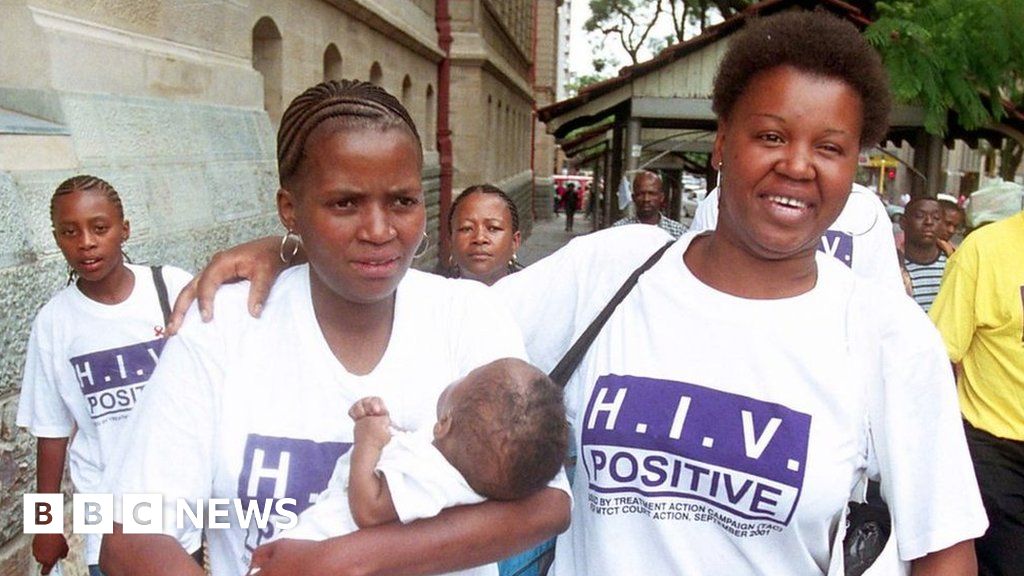
In the late 1990s cases of HIV/Aids soared in South Africa. By 1998 almost 3 million people were infected, and Aids was the country’s leading cause of death.Yet anti-retroviral drugs were too expensive for all but the richest South Africans. Activists began a long campaign for the right to import and use cheaper versions of the vital drugs. Witness History spoke to Mark Heywood, one of the founders of the ‘Treatment Action Campaign’ about taking on both the major pharmaceutical companies and the South African government.Witness History: The stories of our times told by the people who were there.

Read more →

Mindfulness meditation reduces pain by separating it from the self

For centuries, people have been using mindfulness meditation to try to relieve their pain, but neuroscientists have only recently been able to test if and how this actually works. In the latest of these efforts, researchers at University of California San Diego School of Medicine measured the effects of mindfulness on pain perception and brain activity.
The study, published July 7, 2022 in PAIN, showed that mindfulness meditation interrupted the communication between brain areas involved in pain sensation and those that produce the sense of self. In the proposed mechanism, pain signals still move from the body to the brain, but the individual does not feel as much ownership over those pain sensations, so their pain and suffering are reduced.
“One of the central tenets of mindfulness is the principle that you are not your experiences,” said senior author Fadel Zeidan, PhD, associate professor of anesthesiology at UC San Diego School of Medicine. “You train yourself to experience thoughts and sensations without attaching your ego or sense of self to them, and we’re now finally seeing how this plays out in the brain during the experience of acute pain.”
On the first day of the study, 40 participants had their brains scanned while painful heat was applied to their leg. After experiencing a series of these heat stimuli, participants had to rate their average pain levels during the experiment.
Participants were then split into two groups. Members of the mindfulness group completed four separate 20-minute mindfulness training sessions. During these visits, they were instructed to focus on their breath and reduce self-referential processing by first acknowledging their thoughts, sensations and emotions but then letting them go without judging or reacting to them. Members of the control group spent their four sessions listening to an audio book.
On the final day of the study, both groups had their brain activity measured again, but participants in the mindfulness group were now instructed to meditate during the painful heat, while the control group rested with their eyes closed.

Read more →

Universal influenza B vaccine induces broad, sustained protection, biomedical sciences researchers find

A new universal flu vaccine protects against influenza B viruses, offering broad defense against different strains and improved immune protection, according to a new study by researchers in the Institute for Biomedical Sciences at Georgia State University.
The double-layered protein nanoparticle vaccine, which is constructed with a stabilized portion of the influenza virus (the hemagglutinin (HA) stalk), induced broadly reactive immune responses and conferred robust and sustained cross-immune protection against influenza B virus strains of both lineages. The findings are published in the journal Biomaterials.
Influenza epidemics pose a major threat to public health, and type B influenza has coincided with several severe flu outbreaks. About one-fourth of clinical infection cases are caused by influenza B viruses each year. Influenza B viruses are sometimes the dominant circulating strains during influenza seasons, such as the 2019-20 U.S. flu season when influenza B caused more than 50 percent of the infections.
Influenza B has two lineages that are genetically distinct and trigger different immune responses. Seasonal flu vaccines are developed with one or both lineages of influenza B viruses, but they’re limited by the ability of circulating strains to escape the immune system or vaccination. These vaccines are often ineffective because the variable portion of the influenza virus (the HA head) evolves. As a result, seasonal influenza vaccines need to be reformulated and updated frequently. To overcome these limitations, a universal influenza vaccine containing conserved parts of the virus and providing substantial broad cross-protection against diverse virus strains is urgently needed.
“In this study, we generated structure-stabilized HA stalk antigens from influenza B and fabricated double-layered protein nanoparticles as universal influenza B vaccine candidates,” said Dr. Baozhong Wang, senior author of the study and Distinguished University Professor in the Institute for Biomedical Sciences at Georgia State University. “We found that layered protein nanoparticles incorporated with structure-stabilized constant antigens have potential as a universal influenza vaccine with improved immune protective potency and breadth.”
The nanoparticle vaccine was tested in cell culture and in mice. Studies in cell culture found the protein nanoparticles were effectively taken up to activate dendritic cells, which are critical for inducing protective immune responses against pathogens. The vaccine was found to be safe, biocompatible, biodegradable and highly immunogenic in animals.
“Our next aim is to combine the influenza A nanoparticles from our previous study with the influenza B nanoparticles we have fabricated and tested here to create a multivalent universal influenza nanoparticle vaccine against both influenza A and B,” Wang said.
Co-authors of the study include Yufeng Song (first author), Wandi Zhu, Ye Wang, Lei Deng, Yao Ma, Chunhong Dong, Gilbert X. Gonzalez, Joo Kim, Lai Wei, Sang-Moo Kang and Bao-Zhong Wang of the Center for Inflammation, Immunity & Infection in the Institute for Biomedical Sciences at Georgia State. Deng is also affiliated with Hunan University in Changsha, China.
The study is funded by the National Institute of Allergy and Infectious Diseases (NIAID) of the National Institutes of Health (NIH).
Story Source:
Materials provided by Georgia State University. Note: Content may be edited for style and length.

Read more →

Scientists analyze structure of antibodies that could be key to more effective cancer treatments

Researchers at the University of Southampton have gained unprecedented new insight into the key properties of an antibody needed to fight off cancer.
The interdisciplinary study, published in Science Immunology, revealed how changing the flexibility of the antibody could stimulate a stronger immune response.
The findings have enabled the Southampton team to design antibodies to activate important receptors on immune cells to “fire them up” and deliver more powerful anti-cancer effects.
The scientists believe their findings could pave the way to improve antibody drugs that target cancer as well as other automimmune diseases.
In the study, the team investigated antibody drugs targeting the receptor CD40 for cancer treatment. Clinical development has been hampered by a lack of understanding of how to stimulate the receptors to the right level. The problem being that if antibodies are too active they can become toxic.
Previous Southampton research has shown that a specific type of antibody called IgG2 is uniquely suited as a template for pharmaceutical intervention, since it is more active than other antibody types. However, the reason why it is more active had not been determined.

Read more →

Joyce C. Lashof, Doctor Who Shattered Glass Ceilings, Dies at 96

In Illinois, she was the first woman to head a state public health department. She went on to become dean of the School of Public Health at Berkeley.Dr. Joyce C. Lashof, who fought for health equity and broke barriers as the first woman to head a state public health department and the first to serve as dean of the School of Public Health at the University of California, Berkeley, died on June 4 at an assisted living community in Berkeley. She was 96.Her daughter, Carol Lashof, said he cause was heart failure.Over a long and varied career, friends and family members said, Dr. Lashof always prioritized the fight for social justice. In the 1960s, she founded a community health center to provide medical care in a low-income section of Chicago. After her appointment as director of the Illinois Department of Public Health in 1973, the year of the Supreme Court’s Roe v. Wade decision codifying the constitutional right to abortion, Dr. Lashof established protocols to provide women access to safe abortion in the state, Carol Lashof said.In the 1980s, Dr. Lashof leveraged her powers as a top university administrator to organize initiatives to fight discrimination against people with AIDS and to protest Apartheid in South Africa.She championed social justice outside of her professional life as well, taking her family on so many marches for peace and civil rights in the 1960s that they came to view mass protests as “a family outing,” her son, Dan, recalled. Joan Baez once performed in their living room in Chicago, the family said, for a fund-raiser for the anti-segregation Student Non-Violent Coordinating Committee.“From the start, her work in medicine and public health was deeply animated by a profound commitment to issues of social justice in our society,” said Nancy Krieger, a professor of social epidemiology at Harvard who worked on AIDS policy with Dr. Lashof as a Berkeley graduate student in the 1980s. “That included issues around racism, that included issues around social class, that included issues around gender.”After a brief tenure as a deputy assistant secretary at the federal Department of Health, Education and Welfare and a longer tenure as assistant director of the Office of Technology Assessment, she was appointed to run Berkeley’s School of Public Health in 1981. In that post, Dr. Krieger said, she was not content to limit her scope to administrative tasks.At the height of the AIDS epidemic in 1986, for example, she set her sights on defeating Proposition 64, a California ballot initiative spearheaded by the far-right political agitator Lyndon LaRouche that would have mandated mass testing for AIDS and, critics feared, mass quarantines.Dr. Lashof secured the cooperation of all four public health schools in the California university system to prepare a policy analysis on the initiative, which Dr. Krieger said was their first such joint project. The analysis, presented to the California State Assembly, demonstrated the potentially harmful effects of the measure and, Dr. Krieger said, contributed to its defeat.Dr. Lashof’s friends said she approached activism with the mind of a scientist. “It was about always wanting to bring the evidence to bear on what the problems were that were causing health inequities,” Dr. Krieger said.Those efforts often started at the neighborhood level. In 1967, Dr. Lashof, then on the faculty of the University of Illinois College of Medicine, opened the Mile Square Health Center in Chicago, a community health clinic financed by the federal Office of Equal Opportunity that provided medical care to an impoverished area of the city.“She was one of the key people in helping get community health centers federally funded and viable in this country,” Dr. Krieger said.The Mile Square center, the second such community health center in the country, never achieved the same level of renown as the first, in Mound Bayou, Miss., which made Dr. H. Jack Geiger, one if its founders, nationally known.“Joyce often was overshadowed, in particular by men who were more charismatic at a time when sexism was more common,” said Meredith Minkler, a professor emerita of health and social behavior at Berkeley who worked with Dr. Lashof on social justice issues over the years. “But she wasn’t concerned about being in the limelight. She was concerned about creating change.”Among her many accomplishments, Dr. Lashof helped develop federally financed community health centers.University of California Berkeley School of Public HealthJoyce Ruth Cohen was born on March 27, 1926, in Philadelphia, the daughter of Harry Cohen, a certified public accountant whose parents were Jewish immigrants from Ukraine, and Rose (Brodsky) Cohen, a homemaker who was born in Ukraine and served as a volunteer with the Hebrew Immigrant Aid Society, helping settle German Jewish refugees in the United States during and after World War II.“Her mother clearly instilled in her an ambition to take a full role in society,” Dan Lashof said. “She had been interested in medicine from an early age, and at some point said she wanted to be a nurse. Her mother said, ‘Well, if you’re going to be a nurse and do all that work, you might as well be a doctor and be in charge.’”But after graduating from Duke University with honors in 1946, she found her path to top graduate medical programs blocked. Many then restricted the number of Jewish applicants they accepted and, as the war ended, were giving admissions priority to men returning from the armed services, according to the National Library of Medicine. She finally earned a spot at the Women’s Medical College of Pennsylvania in Philadelphia.She married Richard K. Lashof, a theoretical mathematician, in 1950. By the mid-1950s, both she and her husband were junior faculty members at the University of Chicago. In 1960, she once again faced gender discrimination when the department chairman denied her a promotion.“The chair informed me that he could not recommend a woman for a tenure-track appointment, especially a married woman, because she undoubtedly would follow her husband wherever he would go,” Dr. Lashof said at a health conference in 1990. “C’est la vie.”Undeterred, she joined the faculty at the University of Illinois College of Medicine. There she was appointed to direct a study of health needs, a project that led to her work developing community health centers.In addition to her children, Dr. Lashof is survived by six grandchildren and two great-grandchildren. Her husband died in 2010. Their eldest daughter, Judith Lashof, died of breast cancer in 2018.In the early 1980s, Dr. Lashof donned a cap and gown to march in a protest urging the University of California to divest from South Africa. She was, Dr. Minkler said, the only campus dean to do so.“She would stick her neck out,” Dr. Minkler said. “It didn’t matter who she needed to cross.”When she was 91, Dr. Lashof carried a sign that read “End the Muslim Ban Now” at a protest in Alameda, Calif., against the Trump administration’s ban on travel to the United States by citizens of five predominantly Muslim countries.Toward the end of her life, Dr. Lashof was heartened by the many advances in social justice that had been made over the years, Carol Lashof said. But in recent months, she was aghast to hear that the Supreme Court was considering overturning Roe v. Wade.“She was absolutely baffled,” Carol Lashof said. “She just looked at me and said, ‘How could that have happened?’”Dr. Lashof’s many accomplishments were all the more significant because she was a woman.“Breaking numerous glass ceilings was critical in her career,” Dr. Minkler said, “and it was one of her most important legacies.”

Read more →

Whole exome sequencing predicts whether patients respond to cancer immunotherapy

Immunotherapies, such as immune checkpoint inhibitors, have transformed the treatment of advanced stage cancers. Unlike chemotherapies that kill cancer cells, these drugs help the body’s immune system to find and destroy cancer cells themselves. Unfortunately, only a subset of patients responds long-term to immune checkpoint inhibitors — and these treatments can come at a high cost and with side effects.
Researchers have developed a two-step approach using whole exome sequencing to zero in on genes and pathways that predict whether cancer patients will respond to immunotherapy. The study, published in Nature Communications and conducted by researchers at New York University, Weill Cornell Medicine, and the New York Genome Center, illustrates how the use of whole exome sequencing can better predict treatment response than current laboratory tests.
“Can we better predict who will benefit from immunotherapy? Scientists have developed various biomarkers that help anticipate immunotherapy treatment response, but there’s still an unmet need for a robust, clinically practical predictive model,” said Neville Sanjana, assistant professor of biology at NYU, assistant professor of neuroscience and physiology at NYU Grossman School of Medicine, a core faculty member at New York Genome Center, and the study’s co-senior author.
Several biomarkers — including age, tumor type, and the number of mutations found in cancer cells, known as tumor mutational burden — are already known to correlate with responses to immunotherapy. Tumor mutational burden, which is calculated by analyzing a few hundred genes, is the most well-established predictor and is often used to determine a patient’s eligibility for immune checkpoint inhibitors.
If scientists look at a much larger portion of our genes, could that help to better predict which patients will respond to immunotherapy? Whole exome sequencing is a method for sequencing the part of the genome that codes for proteins — around 20,000 genes, or two percent of the genome — to look for mutations that may be involved in disease.
While whole exome sequencing is not widely used in cancer treatment, some recent studies of immunotherapies have started to include sequencing. These studies are small, but together can help illuminate the relationship between genomic factors and how patients respond to immunotherapy.

Read more →

Immune system uses two-step verification to defend against HIV

Human immunodeficiency virus 1, more commonly known as HIV-1, is known for its uncanny ability to evade the immune system. Scientists at Scripps Research and collaborators have now uncovered how our innate immune system — the body’s first line of quick defense in attacking foreign invaders — detects HIV-1, even when the virus is present in very small amounts.
The findings, published on July 8, 2022, in Molecular Cell, reveal the two-step molecular strategy that jolts the innate immune response into action when exposed to HIV-1. This discovery could impact drug development for HIV treatments and vaccines, as well as shape our understanding of how the innate immune response is implicated in other areas — including neurodegenerative disorders such as Alzheimer’s.
“This research delineates how the immune system can recognize a very cryptic virus, and then activate the downstream cascade that leads to immunological activation,” says Sumit Chanda, PhD, professor in the Department of Immunology and Microbiology. “From a therapeutic potential perspective, these findings open up new avenues for vaccines and adjuvants that mimic the immune response and offer additional solutions for preventing HIV infection.”
The innate immune system is activated before the adaptive immune system, which is the body’s secondary line of defense that involves more specialized functions, such as generating antibodies. One of the innate immune system’s primary responsibilities is recognizing between “self” (our own proteins and genetic material) and foreign elements (such as viruses or other pathogens). Cyclic GMP-AMP synthase (cGAS) is a key signaling protein in the innate immune system that senses DNA floating in a cell. If cGAS does detect a foreign presence, it activates a molecular pathway to fight off the invader.
However, because HIV-1 is an RNA virus, it produces very little DNA — so little, in fact, that scientists have not understood how cGAS and the innate immune system are able to detect it and distinguish it from our own DNA.
Scripps Research scientists discovered that the innate immune system requires a two-step security check for it to activate against HIV-1. The first step involves an essential protein — polyglutamine binding protein 1 (PQBP1) — recognizing the HIV-1 outer shell as soon as it enters the cell and before it can replicate. PQBP1 then coats and decorates the virus, acting as an alert signal to summon cGAS. Once the viral shell begins to disassemble, cGAS activates additional immune-related pathways against the virus.
The researchers were initially surprised to find that two steps are required for innate immune activation against HIV-1, as most other DNA-encoding viruses only activate cGAS in one step. This is a similar concept to technologies that use two-factor authentication, such as requiring users to enter a password and then respond to a confirmation email.
This two-part mechanism also opens the door to vaccination approaches that can exploit the immune cascade that is initiated before the virus can start to replicate in the host cell, after PQBP1 has decorated the molecule.
“While the adaptive immune system has been a main focus for HIV research and vaccine development, our discoveries clearly show the critical role the innate immune response plays in detecting the virus,” says Sunnie Yoh, PhD, first author of the study and senior staff scientist in Chanda’s lab. “In modulating the narrow window in this two-step process — after PQBP1 has decorated the viral capsid, and before the virus is able to insert itself into the host genome and replicate — there is the potential to develop novel adjuvanted vaccine strategies against HIV-1.”
By shedding light on the workings of the innate immune system, these findings also illuminate how our bodies respond to other autoimmune or neurodegenerative inflammatory diseases. For example, PQBP1 has been shown to interact with tau — the protein that becomes dysregulated in Alzheimer’s disease — and activate the same inflammatory cGAS pathway. The researchers will continue to investigate how the innate immune system is involved in disease onset and progression, as well as how it distinguishes between self and foreign cells.
In addition to Yoh and Chanda, authors of the study, “Recognition of HIV-1 Capsid Licenses Innate Immune Response to Viral Infection,” include Na Rae Ahn and Heather Curry of Scripps Research; Joa?o I. Mamede of Northwestern University and Rush University Medical Center; Gianguido C. Cianci, Lacy M. Simons, Judd F. Hultquist and Thomas J. Hope of Northwestern University; Derrick Lau, Andrew Tuckwell and Till Bo?cking of the University of New South Wales; Maria T Sa?nchez-Aparicio and Adolfo Garci?a-Sastre of the Icahn School of Medicine at Mount Sinai; Joshua Temple and Yong Xiong of Yale University; Nina V. Fuchs and Renate Ko?nig of Paul-Ehrlich-Institute; Ste?phanie Gambut of Rush University Medical Center; Laura Riva of Calibr; and Xin Yin of the Harbin Veterinary Research Institute.
Funding was provided by NIAID of the National Institutes of Health, the Gilead Sciences Research Scholars Program in HIV and the German Research Foundation.

Read more →

A major step forward for organ biofabrication

Heart disease — the leading cause of death in the U.S. — is so deadly in part because the heart, unlike other organs, cannot repair itself after injury. That is why tissue engineering, ultimately including the wholesale fabrication of an entire human heart for transplant, is so important for the future of cardiac medicine.
To build a human heart from the ground up, researchers need to replicate the unique structures that make up the heart. This includes recreating helical geometries, which create a twisting motion as the heart beats. It’s been long theorized that this twisting motion is critical for pumping blood at high volumes, but proving that has been difficult, in part because creating hearts with different geometries and alignments has been challenging.
Now, bioengineers from the Harvard John A. Paulson School of Engineering and Applied Sciences (SEAS) have developed the first biohybrid model of human ventricles with helically aligned beating cardiac cells, and have shown that muscle alignment does, in fact, dramatically increases how much blood the ventricle can pump with each contraction.
This advancement was made possible using a new method of additive textile manufacturing, Focused Rotary Jet Spinning (FRJS), which enabled the high-throughput fabrication of helically aligned fibers with diameters ranging from several micrometers to hundreds of nanometers. Developed at SEAS by Kit Parker’s Disease Biophysics Group, FRJS fibers direct cell alignment, allowing for the formation of controlled tissue engineered structures.
The research is published in Science.
“This work is a major step forward for organ biofabrication and brings us closer to our ultimate goal of building a human heart for transplant,” said Parker, the Tarr Family Professor of Bioengineering and Applied Physics at SEAS and senior author of the paper.

Read more →