New stem cell mechanism in your gut

Your gut is a wondrous place. A special layer of cells that coats the insides of your small and large intestines takes in nutrients and water from what you ate while keeping anything bad out of your system. This layer is called the intestinal epithelium. It completely renews itself every four to seven days using stem cells. These are a special cell type that can both self-renew by dividing and differentiated to give rise to any other types of cells to renew your organs. Scientists still do not know how exactly they make these decisions however, or what defines a stem cell.
Bernat Corominas-Murtra, previously postdoc at the Institute of Science and Technology Austria (ISTA) and now assistant professor at the University of Graz, and Edouard Hannezo, professor at ISTA, worked together with an international group of experimental researchers led by the Jacco Van Rheenen team in Amsterdam to study the stem cells in the intestinal epithelium. They found an exciting new mechanism that could change our understanding of what a stem cell is. Their findings have now been published in the journal Nature.
The intestinal epithelium is just one layer of cells thick and constantly renewed. It is all over the villi which look like tiny tentacles covering the insides of the small and large intestines. Between the villi, there are tiny pockets in the tissue called intestinal crypts. That name may invoke some mystery and that may be not too far off what really happens there. “At the bottom of the crypts, stem cells in the epithelium are constantly dividing. Some of the resulting cells remain as stem cells in the crypt and the others are pushed outwards towards to tip of the surrounding villi,” Corominas-Murtra explains, “there, in the end, they differentiate into functional cell types that allow intestinal function and which are discarded after a few days. This happens all the time inside your body and if this mechanism breaks down, you can get into serious medical trouble.”
While studying these stem cells in the small and large intestines, the scientists were initially perplexed. “How we usually think of stem cells is that being a stem cell is determined by intrinsic biochemical properties of a cell — something like a biochemical marker we can identify,” Corominas-Murtra continues. “We found that among the cells that had this traditional stem cell marker, many of them never actually worked as stem cells but were pushed out of the crypts to be discarded instead, without contributing at all to the long-term renewal of the gut. We also saw that while classical markers predicted about the same number of stem cells in both the small and large intestines, there were about twice as many of them actually working as stem cells in the small intestine than in the large intestine.” The scientists therefore wanted to understand what determines which cells actually act as stem cells and they found a surprising new mechanism that regulates the stem cells in the crypts.
“We found that whether these cells behave as a stem cell or not is all about their location! Cells in the epithelium are not just pushed outwards from the crypt by the cell divisions below them — like on a conveyor belt — but there is another kind of motion involved,” Corominas-Murtra explains. The scientists found that cells in the epithelium layer also actively move around in random directions — back and forth along the conveyor belt if you will. This way, cells that were already pushed along the conveyor belt for a bit can end up back at the base of the crypt, and act there again as stem cells to divide and replenish the epithelium. Edouard Hannezo explains the possible implications of these findings, “These movements constitute a new environmental mechanism that determines which cells get to functionally act as stem cells. In the small intestine, the molecular signal regulating the movements is stronger than in the large intestine, so cells can move more frequently back into the crypt. This explains why there are more actually working stem cells in the small intestine than in the large ones. This could have major implications for our understanding of what a stem cell actually is and how to use them in medical applications.”
This insight builds on previous research by Bernat Corominas-Murtra and Edouard Hannezo at ISTA and the work of the Van Rheenen group. Originally coming from a physics background, Corominas-Murtra and Hannezo created an advanced mathematical model of the intestinal epithelium layer which included the motion of the cells both away from and back towards the crypt. Using their model, they could predict the number of actually working stem cells in the small and large intestines. A number of other research groups from all around Europe designed experiments using the latest methods in microscopy and genetics to test the predictions and found them to be accurate. They even tried to inhibit the chemical signal in the crypts and saw that this reduced the number of working stem cells as predicted.
Story Source:
Materials provided by Institute of Science and Technology Austria. Note: Content may be edited for style and length.

Read more →

Maternal milk tied to better school-age outcomes for children born preterm

Children who were born preterm are at heightened risk of lower academic achievement in math, reading and other skills and are also at greater risk for attention-deficit/hyperactivity disorder (ADHD). But a new study suggests that an intervention in the first weeks and months of a preterm infant’s life may lead to better neurodevelopmental outcomes in later years. In a study that followed preterm infants for seven years, investigators from Brigham and Women’s Hospital together with collaborators at the South Australian Health and Medical Research Institute found that children who received greater quantities of maternal milk both during and after time in the neonatal intensive care unit (NICU) had greater academic achievement, higher IQs and reduced ADHD symptoms. Results are published in JAMA Network Open.
“Our study finds that there may be long-term neurodevelopmental benefits to providing maternal milk to preterm infants,” said corresponding author Mandy Brown Belfort, MD, MPH, of the Department of Pediatric Newborn Medicine. “A lot of families are dedicated to the idea of providing maternal milk but may face steep challenges. Our findings emphasize the importance of providing support for initiating and sustaining lactation because maternal milk at this early age can provide benefits years later.”
Belfort and colleagues looked at neurodevelopmental outcomes for 586 infants born at less than 33 weeks’ gestation at one of five Australian perinatal centers. Children were evaluated at age 7 (corrected for prematurity). The team looked at data on maternal milk dose (volume of maternal milk infants received each day) and maternal milk duration (how long parents continued breastfeeding) predicted several neurodevelopmental outcomes. These outcomes included academic achievement, Verbal and Performance IQ, symptoms of ADHD, executive function, and behavior.
Overall, the team found that higher maternal milk intake was associated with higher Performance IQ and higher reading and math scores. Parents also reported fewer ADHD symptoms for children who consumed more maternal milk during infancy. Duration of maternal milk intake (up to 18 months corrected age) was also associated with higher reading, spelling and math scores. The researchers controlled for confounders, including clinical and social factors. These beneficial associations were stronger for infants born at the lowest gestational ages, particularly those born below 30 weeks of gestation.
The authors note that their study is observational — they cannot determine causality as there may be other, unaccounted factors that influence both the ability to provide maternal milk and academic achievement. The study’s strengths include its large size, the range of outcomes examined, and that the researchers could assess school-age outcomes. Other studies have only followed children through preschool age, making it difficult to assess the full range of neurodevelopmental outcomes.
Overall, Belfort sees the team’s findings as an affirmation of guidance from the American Academy of Pediatrics and World Health Organization, both of which recommend maternal milk for infants.
“Our study confirms recommended strategies for supporting parents to provide maternal milk for preterm infants,” said Belfort. “And it strengthens the call for health policies and parental leave policies that support rather than work against parents. As a society, we need to invest in families — it’s an investment that will continue to benefit children when they reach school age.”
Story Source:
Materials provided by Brigham and Women’s Hospital. Note: Content may be edited for style and length.

Read more →

In a Post-Roe World, the Future of Digital Privacy Looks Even Grimmer

The sheer amount of tech tools and knowledge required to discreetly seek an abortion underlines how wide open we are to surveillance.Welcome to the post-Roe era of digital privacy, a moment that underscores how the use of technology has made it practically impossible for Americans to evade ubiquitous tracking.In states that have banned abortion, some women seeking out-of-state options to terminate pregnancies may end up following a long list of steps to try to shirk surveillance — like connecting to the internet through an encrypted tunnel and using burner email addresses — and reduce the likelihood of prosecution.Even so, they could still be tracked. Law enforcement agencies can obtain court orders for access to detailed information, including location data logged by phone networks. And many police departments have their own surveillance technologies, like license plate readers.That makes privacy-enhancing tools for consumers seem about as effective as rearranging the furniture in a room with no window drapes.“There’s no perfect solution,” said Sinan Eren, an executive at Barracuda, a security firm. “Your telecom network is your weakest link.”In other words, the state of digital privacy is already so far gone that forgoing the use of digital tools altogether may be the only way to keep information secure, security researchers said. Leaving mobile phones at home would help evade the persistent location tracking deployed by wireless carriers. Payments for prescription drugs and health services would ideally be made in cash. For travel, public transportation like a bus or a train would be more discreet than ride-hailing apps.Reproductive privacy has become so fraught that government officials and lawmakers are rushing to introduce new policies and bills to safeguard Americans’ data.President Biden issued an executive order last week to shore up patient privacy, partly by combating digital surveillance. Civil liberties groups said the burden should not be on individual women to protect themselves from reproductive health tracking, the kind of police snooping that Senator Ron Wyden, a Democrat of Oregon, has called “uterus surveillance.”“There are two things that need to happen,” said Adam Schwartz, a senior staff attorney at the Electronic Frontier Foundation, a digital rights group in San Francisco. “One is surveillance self-defense, which is important but not sufficient. And the second is to enact legislation that protects reproductive privacy.”In Congress, one of the toughest new legislative proposals is the My Body, My Data Act. Introduced in June by Representative Sara Jacobs, a California Democrat, the bill would prohibit companies and nonprofits from collecting, keeping, using or sharing a person’s reproductive or sexual health details without the person’s written consent.Read More on the End of Roe v. WadeA Culture Warrior Goes Quiet: Gov. Ron DeSantis of Florida celebrated the end of Roe. But his hesitance to detail his plans for abortion policy in his state reflects the new and difficult political terrain for Republicans.Under Pressure to Act: Democrats in Congress are moving ahead on measures to preserve abortion access, but with Republicans and at least one Democrat opposed in the Senate, the bills are all but certain to fail.The Right to Travel?: Justice Brett M. Kavanaugh said the Constitution did not allow states to stop women from traveling to get abortions. But what a state may choose to do if a resident travels to get an abortion is not clear.‘Pro-Life Generation’: Many young women mourned the Supreme Court decision to overturn Roe. For others it was a moment of triumph and a matter of human rights.Another bill, the Fourth Amendment Is Not for Sale Act, would prevent law enforcement and intelligence agencies from buying a person’s location records and other personal details from data brokers.To be sure, it is too soon to tell how states that have banned abortion might try to prosecute residents for seeking medical treatments that are legal in other states. But some government officials are not waiting to find out.The governors of Massachusetts and Colorado recently issued executive orders that prohibit local government agencies from assisting other states’ investigations into individuals receiving reproductive health services that are legal in their states, unless required by a court order.“Everybody is waking up to the realization that privacy is central — central to human dignity and central to democracy,” said Kade Crockford, director of the Technology for Liberty Program at the American Civil Liberties Union of Massachusetts. “And unfortunately, it is now central to reproductive autonomy in half the states in the country.”How much change might take place is unclear. The tech giants that control how our data is collected — the same ones that have professed for years in marketing campaigns that they care about privacy — have not made plans to substantially change the way they hoover up information.Google said this month that it would delete entries to location data when people visited sensitive places like abortion clinics. But it declined to say whether detailed geodata — like GPS coordinates and routing information — would also be purged.Some location data analytics companies, including Foursquare, recently announced that they were restricting the use, sharing and sale of data on consumers’ visits to sensitive locations like reproductive health clinics. But law enforcement agencies with warrants may still obtain such location records.The phone carriers that operate the backbone of the wireless internet for smartphones have been mum about plans to modify data policies after the reversal of Roe v. Wade. AT&T, T-Mobile and CTIA, a trade group representing the carriers, declined to comment, and Frank Boulben, Verizon’s chief revenue officer, said the company had nothing new to announce.For now, those seeking to obscure their digital tracks have limited options. Here’s what they are.Surveillance Self-DefenseSeveral tools can be employed to combat surveillance, including virtual private networks, encrypted messaging apps, private web browsers and burner email accounts, civil liberties groups and privacy experts said.Virtual private networkWhat it does: A VPN creates a virtual tunnel that shields browsing information from an internet service provider. When people use VPN software, their device connects to a VPN provider’s servers. All their web traffic passes through the VPN provider’s internet connection. So if their internet provider was trying to listen in on their web traffic while they were browsing Planned Parenthood’s website, the provider would see only the VPN server’s internet address connected to the VPN service.What it doesn’t do: A VPN does not conceal a device’s location from a cellular network. That’s because a device has to register to a nearby cell tower before connecting to the VPN, which would reveal the device location to the phone carrier, Mr. Eren said.Encrypted messagingWhat it does: When a message is encrypted through a chat service like Apple’s iMessage, Meta’s WhatsApp or Signal, it is scrambled when sent so that it becomes indecipherable to anyone but its intended recipient, and it remains so when it passes through the app’s server and reaches the recipient.What it doesn’t do: Encryption makes it harder, but not impossible, for law enforcement to get access to the contents of messages. Agencies can, for example, use court orders to seek contents inside an Apple iMessage by requesting access to an iPhone user’s data backed up to iCloud. But Signal, an app funded by donations and grants, retains minimal data on its users, which makes it a must-have app in an anti-surveillance toolbox, researchers said.Private browserWhat it does: Private web browsers like DuckDuckGo and Firefox Focus surf the web in private mode by default, which prevents a device from creating a record of web searches and visits.What it doesn’t do: While a private web browser would prevent law enforcement agencies with physical access to a device from viewing a browsing history, it would not conceal browsing data from an internet provider. Also, it would not hide browsing activity from a website operator like Google or Facebook, so users would have to stay logged out of their internet accounts.Anonymous email addressWhat it does: People can set up anonymous email addresses with services like ProtonMail, a free encrypted email service, to try to be unidentifiable.What it doesn’t do: Prosecutors with court orders may compel email services to provide personal data, like a user’s IP address, the string of digits associated with a device, which could be used to identify the person.Bottom LineEven if all of the above were followed, there would be no foolproof way to escape digital surveillance, and each piece of tech that’s used becomes a new vector for law enforcement to seek data.There are more extreme techniques for hindering snooping — like using a cheap computer and drilling a hole in its hard drive before tossing it. But those are methods for spies and security professionals, not everyday people.So leaving the personal tech at home wouldn’t be going overboard, security researchers said. It’s important, they said, that the phone stay powered on to remain connected to the nearby cell tower recording its location. That would cover up a digital trail by creating the illusion that a person never left home.

Read more →

A Mysterious Fall Was the First Sign Something Was Wrong

What felt like a shove brought her to her knees. It wasn’t until a year later that an ultrasound revealed the cause — and rushed her into surgery.“OK, let’s go,” the hairdresser cheerfully instructed the 67-year-old woman reclining at the hair-washing basin. The woman rose, her hair swathed in a fluffy towel, but at the first step she stumbled. She smiled, a little embarrassed, and looked behind her. Did someone bump into her? As she reached the doorway to the room of mirrors and styling chairs, the woman again felt a shove. This time it sent her up against the doorway, and she dropped to her knees. The hairdresser grabbed her arm and steadied her. “You OK?” she asked, helping the woman to her feet. “I guess so,” the older woman answered. But she hadn’t been, for those two brief moments.On the drive back to her home near Pittsburgh, the woman worried about what happened. She’d never felt anything like that before. Weeks later, at her annual physical, she tried to describe the experience to her primary-care doctor, Rajiv Jana. He wasn’t sure what to make of it either. But he didn’t seem worried once he understood that it hadn’t happened since then. “Do you think I had a stroke?” she queried insistently. He asked again: “You felt completely fine afterward? No weakness anywhere?” “Completely fine,” she replied. “I still feel fine. I work in my garden and ride my bike every day. Nothing has changed.” “Then I don’t think it was a stroke,” Jana reassured her. “Let me know if it happens again.”It didn’t happen again, and eventually she stopped worrying. She didn’t go back to Jana’s office for another year, and when she did, it was for an infection in her leg that she got while gardening. She had taken antibiotics, and it was healing well. “Anything else?” the doctor asked after examining her leg. There was one other thing: She had a pain in her left side. She wasn’t sure what it was, but it didn’t feel like strained muscle. It started a few months earlier. Did he think she needed an X-ray?Jana shook his head. “I don’t think an X-ray would tell us anything. Let’s get an ultrasound instead,” he suggested.Two days later, the woman was lying on an exam table, her bare abdomen slick with the clear, cool gel the ultrasonographer spread to help the probe see through the skin into her belly and chest. She’d had an ultrasound before, and this seemed to be taking a really long time. Finally she had to ask: Did the technician see anything abnormal? The woman wielding the probe shook her head; the radiologist would have to read the scan. But, she added, the patient should check her chart when she got home. The whole encounter seemed strange and a little disturbing.A Referral From a FriendThe patient was still on the road when her phone rang. “Are you at home?” the familiar voice of Rajiv Jana asked. “I’m still driving, but tell me anyway,” she said a little impatiently. What did the scan show? Silence filled the car. Finally he said, “The scan shows that there might be something inside your heart,” a mass in one of the heart’s chambers. Maybe it was a blood clot. Maybe it was a tumor. In either case, she needed a cardiologist and a CT scan. He’d let her know when the test was scheduled.The unsettling news was still visible on her face at a funeral she attended that weekend. A friend, Sandi, immediately saw that something was wrong. “I think I need a cardiologist,” the worried woman told her. She briefly explained what her doctor had said. Sandi knew a great cardiologist, she told her friend: Dr. Ricci Minella. He saved her husband’s life after his heart attack. Thank you, the woman replied gratefully. I will call him on Monday.It was a call she didn’t have to make. That evening just before dinner, her cellphone rang. It was Minella. He introduced himself and got right to the point. That mass in your heart needs to be evaluated, he said. It could be a serious problem. Come to the University of Pittsburgh Medical Center Shadyside first thing Monday morning — 7 a.m. — and we will figure it out.Photo illustration by Ina JangAnother Kind of UltrasoundHer husband drove her to the medical center in Pittsburgh’s East End. Minella met them in the cardiology suite. He was a middle-aged man with an air of easy confidence. He had already reviewed her ultrasound, and he was concerned. Her primary-care doctor was right — they did need a better look at the mass — but rather than a CT scan, he wanted to get an ultrasound from inside her chest. In the procedure room, Minella held up a metal instrument attached to a long, slender rubber tube. At the far end, Minella showed her, was an ultrasound probe. He explained that he wanted to place the probe in her mouth and down her esophagus, which runs next to the heart. He’d be able to get a good look at the mass that way. He gave her some sedating medicine and narrated what he saw to her worried husband. There was a mass. It looked to be about the size of a golf ball and was tethered to the right side of the heart by a narrow stalk. It looked like a benign tumor, called a myxoma, Minella said. It was not a cancer, but it still had to come out.Myxomas are rare. In autopsy studies, around 100 myxomas are seen per one million population. For reasons that are not well understood, they are more common in women than in men. Size at the time of diagnosis can be variable. Most are ovoid, and they can range from as small as a pea to the size of a large grapefruit. These tumors are often found accidentally, as in this case, in ultrasounds ordered to look for something else. But they can cause symptoms and, rarely, even death.To understand the harm, it is important to know the anatomy, Minella explained. The heart is divided into four chambers — the right side of the heart receives the oxygen-poor blood from the rest of the body. When the heart beats, the blood in the right side is squeezed into the lungs, where it is reloaded with oxygen. When the heart relaxes, that newly oxygenated blood flows into the left side of the heart. Both sides are divided into two parts: the atrium, a thin walled chamber that receives the blood, and the more muscular ventricle, which pushes the blood to its next stop, either the lungs (from the right side) or the rest of the body (from the left side). These tumors can have tiny clots on their surface. If the mass is on the left side of the heart — where most are — a loosened clot could travel to the brain and cause a stroke. If on the right side, where this patient’s mass was seen, the clot would travel to the lung, cutting off blood flow there.Less common but more concerning was the possibility of obstruction within the heart. When the heart squeezed with each beat, the mass would be pushed toward the valve that separates the atrium from the ventricle. If it somehow blocked that opening, no blood would be able to get through. That was probably what happened to her in the beauty parlor, Minella explained. That episode was most likely caused by this sudden loss of blood flow to the brain. And when she stumbled, she jostled the mass out of the valve, and the blood flow resumed. The myxoma looked as if it was just the right size to block that opening. She was lucky it hadn’t happened more often.The tumor would have to be removed as soon as possible, Minella told the patient and her husband. The risk was small but real. The surgery took place three days later. The surgeon had to cut her chest wide open from neck to the bottom of her sternum. Only then could he safely remove the tumor.Once the woman was home, her friend Sandi came by to see her. Sandi had been worried since the woman first described what the ultrasound showed. When Sandi got home from the funeral, she read up on those tumors. That’s why she called Minella’s office that afternoon. She wanted to make sure that the next funeral she went to wasn’t her friend’s.As for the patient, she feels great. After the surgery, she wasn’t able to ride her bike or work in her garden for a couple of months — not until her chest healed. But once she recovered from that, she was fine. It is still hard for her to imagine that she could have something so large and so dangerous in her heart and not even know it. Minella didn’t think that the pain she had — the one that led to the ultrasound — had anything to do with the tumor. So what would have happened if she hadn’t gotten that ultrasound? She worried about that for a while, but now she finds that she is too busy enjoying her life to worry anymore.Lisa Sanders, M.D., is a contributing writer for the magazine. Her latest book is “Diagnosis: Solving the Most Baffling Medical Mysteries.” If you have a solved case to share, write her at Lisa.Sandersmdnyt@gmail.com.

Read more →

Abortion Insurance Coverage Is Now Much More Complicated

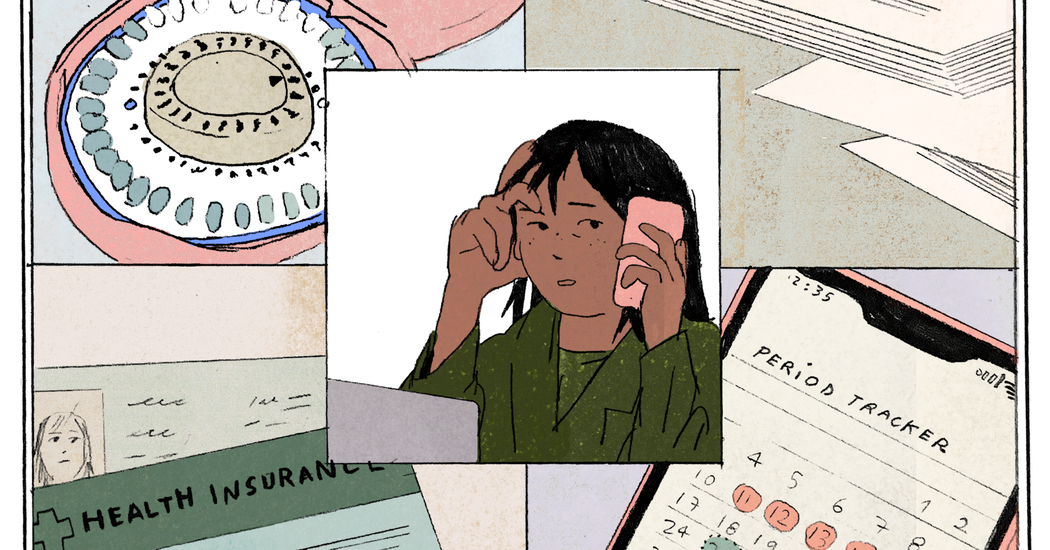
In the wake of the Supreme Court ruling, abortion benefits will depend even more on where a woman lives and who provides her insurance.Even before the constitutional right to an abortion was struck down last month, health insurance coverage for it was spotty. Abortion benefits largely depended on where a woman lived or whom she worked for.Those factors have become even more crucial now that the Supreme Court has left it to the states to regulate abortion. The existing patchwork of coverage is likely to become more restrictive, and the gulf will widen between states that had already banned abortion-related benefits and those that mandate coverage.Dozens of large employers are attempting to fill the gaps by paying expenses for workers who need to cross state lines for a legal abortion, though there are still questions about how much risk companies are taking on and how far an anti-abortion state — or an aggressive prosecutor — could go to stop them.For women without that extra support or coverage, the new logistical challenges and the added costs may be impossible to overcome.“People with financial resources will find ways to get the treatment they want or need,” said Susan M. Nash, a benefits lawyer and partner at Winston & Strawn with expertise in health care. “But the people who can’t travel or have limited means to access treatment outside of the health plan will be adversely impacted here.”Here’s a look at how the decision, Dobbs v. Jackson, may affect insurance coverage across the country:How much does an abortion cost?The median cost to a patient for a medication abortion — which involves two drugs, generally taken up to 10 to 12 weeks of pregnancy — was $560 in 2020, according to a recent study at the University of California San Francisco’s Advancing New Standards in Reproductive Health program. A procedural abortion was $575 during the first trimester and $895 during the second trimester. That doesn’t include travel costs and other expenses, such as child care and time off from work, which will be increasingly necessary for women in a growing number of states. And costs varied substantially by region.Most patients pay out of pocket, research has found, in large part because their insurance doesn’t cover the procedure. Even before the Dobbs decision, 11 states restricted the type of abortion coverage private health insurance plans could cover, and 26 states barred all plans in their state’s health insurance exchange from covering abortion, researchers found.“The people who can’t travel or have limited means to access treatment outside of the health plan will be adversely impacted here,” said Susan M. Nash, a benefits lawyer.Callaghan O’Hare for The New York TimesWill Medicaid cover abortion?Just like before the ruling, that largely depends on where you live.Medicaid, a public health program largely for low-income households that is administered by the states, is financed by federal and state money. Even before the Dobbs decision, federal law — known as the Hyde Amendment — didn’t allow federal funds to pay for abortions, except in limited circumstances: if the pregnancy was the result of rape or incest or caused a life-endangering condition for the woman. States could choose to use their own money to pay for abortions beyond those situations, and 16 states had such policies last year, according to the Kaiser Family Foundation (though nine were ordered by courts to have them).The vast majority of states don’t pay for anything beyond those limited circumstances — and South Dakota, in violation of federal law, covers abortions only in the case of life endangerment, according to a 2019 study by the Government Accountability Office.Read More on the End of Roe v. WadeA Culture Warrior Goes Quiet: Gov. Ron DeSantis of Florida celebrated the end of Roe. But his hesitance to detail his plans for abortion policy in his state reflects the new and difficult political terrain for Republicans.Under Pressure to Act: Democrats in Congress are moving ahead on measures to preserve abortion access, but with Republicans and at least one Democrat opposed in the Senate, the bills are all but certain to fail.The Right to Travel?: Justice Brett M. Kavanaugh said the Constitution did not allow states to stop women from traveling to get abortions. But what a state may choose to do if a resident travels to get an abortion is not clear.‘Pro-Life Generation’: Many young women mourned the Supreme Court decision to overturn Roe. For others it was a moment of triumph and a matter of human rights.Like South Dakota, a growing list of states that ban abortions — including Alabama, Arkansas, Louisiana and Missouri — make exceptions only when the woman’s life is endangered. That puts them in conflict with federal law that also requires abortion coverage in cases of rape or incest.The Centers for Medicare & Medicaid Services said it would notify states when they were out of compliance with federal requirements, and added that the Department of Health and Human Services was taking steps to expand access to medication abortion in those limited circumstances. Details on how that will happen are still vague.What about marketplace plans?The health insurance marketplace created under the Affordable Care Act has similar restrictions. Plans offered within the marketplace are not required to cover abortion, and federal money — including premium subsidies in the form of tax credits — cannot be used to pay for them. Here, too, there are exceptions for rape, incest and life endangerment, but they are not universal.There are 26 states that ban marketplace plan coverage of abortions, said Alina Salganicoff, director of women’s health policy at Kaiser. But a few states don’t make exceptions for rape or incest, and some states make no exceptions at all, she added.In contrast, insurers in seven states are required to include abortion coverage in all plans sold on the marketplace, according to Kaiser, but no federal dollars are used.For example, in states like New York, where abortion is legal under state law, policy holders with subsidized marketplace plans have $1 of their monthly premium held separately to be used for abortion and other services.But if an individual with a marketplace plan lives in a state where abortion is banned, it’s likely their policy won’t provide coverage in their own state or across state lines.Abortion rights protesters at the Utah State Capitol in Salt Lake City after the Supreme Court overturned Roe v. Wade last month.Kim Raff for The New York TimesI’m covered by my employer’s plan. Will my benefits change?That will depend on where you live, the type of insurance plan your employer uses and their stance on coverage.Basically, if a company pays for its employees’ health care from its own coffers, workers, even those in states where abortion is illegal, may have broader access to benefits. But employers that buy insurance policies for workers could be further restricted.Large employers are often self-insured, which means they collect a share of their workers’ premiums and pay for their health care (though an insurer or administrator usually processes claims). These plans generally follow federal rules under the Employee Retirement Income Security Act of 1974, known as ERISA, which provide broad flexibility in designing a health care plan.Other employers buy insurance on behalf of their workers, and the insurer is responsible for costs. Health insurers are regulated by the states and must follow their rules — if abortion is banned there, you’re unlikely to receive any coverage, even if you travel out of state. Many larger employers are providing travel benefits for workers who would need to cross state lines for abortion. This is often an extension of existing policies. Typically these plans have offered travel benefits for people seeking cancer treatments, transplants or other specialized therapies if they don’t have access to a provider in their state or have to travel a certain number of miles to reach one, benefits lawyers said.But there are still concerns about employers’ criminal and civil liability, particularly in states with laws that would call for criminal prosecution of anyone in the state who “aids and abets” an abortion, even if it occurs in another state where abortion is legal.Health plans governed by federal ERISA regulations may have additional protections against legal actions brought under state law, benefits experts said, as long as the services are legal in the state where they are provided. Benefits lawyers also point to Justice Brett Kavanaugh’s concurrence in Dobbs, in which he said states with abortion bans could not stop women from seeking the procedure elsewhere. But while ERISA regulations often supersede state laws that may apply to plans, that doesn’t extend to state criminal laws.“This issue will likely be the subject of continuing litigation and debate,” according to the reproductive rights task force at Morgan Lewis, a law firm in Washington.Traveling to another state for an abortion raises a host of unanswered questions. “If there is a criminal statute in the state you live in, you need to be concerned,” said Amy M. Gordon, a lawyer.Jamie Kelter Davis for The New York TimesWill my employer coverage work differently if I travel out of state?That depends on your plan.But when an insured person travels out of state for an abortion or related medication, it’s more likely the providers will fall outside the plan’s network, which generally costs the insured person more or means expenses will be reimbursed at a lower rate, said Sarah Raaii, a senior associate at McDermott, Will & Emery. Some employers could decide to ease that burden by making up the difference and covering certain out-of-network procedures and services at the in-network rate, she added.What does the ruling mean for telehealth coverage?Women in states with abortion bans may consider getting prescriptions for abortion-related drugs through a telehealth visit from a provider located in a state where abortion is permitted.It may not be easy. Even before the Dobbs decision, some states banned telehealth visits from prescribing abortion-inducing medications or had other rules that limited the feasibility of remote visits anyway. And six states had laws that banned the mailing of abortion drugs, according to Kaiser.With broader abortion bans, the rules around telehealth visits and insurance coverage may become trickier. But one aspect is relatively clear: The location of the patient during the telehealth visit will determine whether it’s legal to prescribe abortion medication at that time, said Marshall E. Jackson Jr., a partner with McDermott Will & Emery who focuses on digital health care.For example, a patient living in Missouri, where abortion is banned, could not have abortion medication prescribed during a telehealth consultation while she was in her home state. But if the telehealth visit occurred while she was working from her employer’s office in Illinois — and the medication was mailed there — that would be generally permitted, he said.How much do I have to worry about privacy if I use insurance? That will also depend on your location.“If there is a criminal statute in the state you live in, you need to be concerned,” said Amy M. Gordon, a partner and benefits lawyer at Winston & Strawn. “It depends on how aggressive prosecutors will be prosecuting those outside of their state. Therefore, the risks are still open questions.”Let’s say you live in a state where abortion is banned but you travel to another state to receive a prescription for abortion-inducing drugs or to have the procedure. When plan benefits are used to pay, that information is generally protected under the Health Insurance Portability and Accountability Act, known as HIPAA, the federal rule that governs the privacy of a patient’s health records.But medical and billing records that are typically kept private can be released without the patient’s written permission in response to a warrant or subpoena.“An employer that sponsors a group health plan can argue this is protected health information, and therefore it should not be turned over,” Ms. Gordon said. “However, this is not bulletproof. There are provisions in HIPAA that permit disclosure to law enforcement seeking to enforce the law.”There are now questions about whether traveling out of state for an abortion will be covered by insurance plans.Anna Rose Layden for The New York TimesAre there resources for people without insurance?Yes. The federal government is encouraging people to visit reproductiverights.gov, which includes links to other resources that can help users find abortion providers and so-called abortion funds, which can provide financial assistance.According to the Guttmacher Institute, a reproductive health research group that supports abortion rights, there are more than 80 abortion funds that help patients seeking the procedure or medication. Other groups, including the Brigid Alliance, help provide travel, lodging and logistical support to patients.Is coverage for infertility treatments or contraceptives affected?Contraceptive coverage is not affected by the ruling. Most private health plans, including plans in the health insurance marketplace, must cover contraceptive methods and counseling, including emergency contraceptives, as prescribed by a health care provider, according to Ellen Montz, director of the Center for Consumer Information and Insurance Oversight at the Center for Medicare & Medicaid Services.These plans must cover these services without charging a co-payment or coinsurance when provided by an in-network provider — even if someone hasn’t met the deductible, she added.But there are fears that some types of infertility treatments, which are increasingly covered by employer-provided insurance, could be restricted, depending on the legal language included in abortion bans.Legal experts say new rules don’t pose an immediate threat to infertility patients, their health care providers and embryos created in labs, but that could quickly change, depending on how the new abortion bans are enforced.“That could be the next frontier,” said Ms. Raaii of McDermott, Will & Emery, “through which states try to enforce these laws against patients, providers, employers, payers or others.”

Read more →

Cancer cells can migrate toward certain 'sweet spot' environments

An international team of researchers led by University of Minnesota Twin Cities engineers have found that cancer cells can gravitate toward certain mechanical “sweet spot” environments, providing new insights into how cancer invades the body. The findings could help scientists and engineers better understand how cancer spreads and could improve future treatments.
The study is published in Nature Materials.
In a previous study, the University of Minnesota-led team found that cells have the ability to sense the stiffness of their environment — which ranges from stiff (bone tissue) to soft (fatty tissue) to medium stiffness (muscle tissue) — and their ability to move is dependent upon that environment. Their research showed that the cells can have a “sweet spot” of stiffness, that isn’t too hard or too soft, in which they have better traction and can move faster.
In this study, the researchers found that not only does the stiffness of the environment impact the speed at which cells move, but it also affects the direction in which they move.
For many years, scientists have thought that cells would always gravitate toward a stiffer environment, but the University of Minnesota researchers observed for the first time that cells can actually move toward a “sweet spot” that’s more in the middle.
“This discovery challenges the current thinking in the field, which is that cells only move toward stiffer environments,” said David Odde, a professor in the University of Minnesota Twin Cities Department of Biomedical Engineering and senior author of the study. “I think that this finding will change how people think about this phenomenon. Our mathematical model predicted, and we’ve shown through experiments, that cells actually can move toward the softer side.”
During the study, Odde and his team looked at both brain cancer and breast cancer cells. They placed cells between two environments — a stiffer region and a softer region — and observed where they accumulated.
The research team also found that some cells, like the breast cancer cells they studied, have a feedback mechanism that causes them to grip more strongly onto stiffer environments, which explains why many previous studies showed cells moving to the stiffer side. However, if you turn that mechanism off genetically, the cells will then gravitate more toward the middle.
“We’re basically decoding how cancer cells invade tissue,” Odde said. “They don’t just move randomly. They actually have particular ways in which they like to move, and if we can understand that, we may be better able to trip them up.”
The next step for the researchers is to use this information to build a simulator that shows how cancer cells move through an entire tumor, which will help them better predict cells’ movements based on their environments.
This research was supported primarily by the National Institutes of Health and the National Science Foundation Science and Technology Center for Engineering Mechanobiology with additional support from the University of Turku Doctoral Programme in Molecular Life Sciences, the Company of Biologists Travelling Fellowship, the Finnish Cultural Foundation, the Academy of Finland, the Sigrid Juselius Foundation, the Finnish Cancer Organization, the National Natural Science Foundation of China, the Natural Science Basic Research Plan in Shaanxi Province of China, the Shaanxi Province Youth Talent Support Program, and the Young Talent Support Plan of Xi’an Jiaotong University.
In addition to Odde, the research team included University of Minnesota Department of Biomedical Engineering researchers Jay Hou, Ghaidan Shamsan, Benjamin Fuller, and Jesse Kasim; University of Minnesota Twin Cities Department of Chemistry researchers Keun-Young Park, M. Mohsen Mahmoodi, and Professor Mark Distefano; University of Turku, Finland, researchers Aleksi Isomursu, Mathilde Mathieu, and Professor Johanna Ivaska; and Xi’an Jiaotong University researchers Bo Cheng, Tian Jian Lu, Guy Genin, Feng Xu, and Professor Min Lin.

Read more →

Successful heart xenotransplant experiments set protocol for pig-to-human organ transplantation

A team at NYU Langone Health successfully transplanted two genetically engineered pig hearts into recently deceased humans in June and July, marking the latest advances toward addressing the nationwide organ shortage and developing a clinical protocol that would provide an alternative supply of organs for people with life-threatening heart disease.
The surgeries, known as xenotransplants, were performed on Thursday, June 16, 2022, and Wednesday, July 6, 2022, at NYU Langone’s Tisch Hospital. Nader Moazami, MD, surgical director of heart transplantation at the NYU Langone Transplant Institute, led the investigational procedures using hearts procured from a facility hundreds of miles away and transplanted into recently deceased donors maintained on ventilator support.
The transplant surgeries were performed over several hours and heart function was monitored for three days. The first heart xenotransplant concluded on Sunday, June 19, 2022, and the second on Saturday, July 9, 2022. No signs of early rejection were observed in either organ and the hearts functioned normally with standard post-transplant medications and without additional mechanical support. Using a new infectious disease protocol, no presence of porcine cytomegalovirus (pCMV) was detected in either case. Strict protocols to prevent and monitor potential zoonotic transmission of porcine endogenous retrovirus (PERV) were also carried out. The operating room used for this study has been taken offline to be used only for future xenotransplantation research.
The hearts were procured from pigs that had 10 genetic modifications, including 4 porcine gene “knockouts” to prevent rejection and abnormal organ growth as well as 6 human transgenes (“knock-ins”) to promote expression of proteins that regulate important biologic pathways that can be disrupted by incompatibilities between pigs and humans. No other investigational devices or medications were used in this NYU Langone Health study. The procurement, transport, transplant surgery, and immunosuppression were aligned with current clinical standards used in heart transplantation.
“Our goal is to integrate the practices used in a typical, everyday heart transplant, only with a nonhuman organ that will function normally without additional aid from untested devices or medicines,” said Dr. Moazami. “We seek to confirm that clinical trials can move ahead using this new supply of organs with the tried-and-true transplant practices we have perfected at the NYU Langone Transplant Institute.”
Alex Reyentovich, MD, medical director of heart transplantation and director of the NYU Langone Advanced Heart Failure program, said these latest advances in xenotransplantation move the field closer to realizing a new supply of organs for those facing life-threatening disease.

Read more →

New structure found in cells

Every cell contains millions of protein molecules. Some of them have the ability to phase-separate to form non-membrane-bound compartments, called biomolecular condensates, inside a cell. It has long been assumed that there was no further structure underlying these condensates, only solution-soluble proteins.
A research group led by Rohit Pappu, the Gene K. Beare Distinguished Professor of biomedical engineering in the McKelvey School of Engineering at Washington University in St. Louis, and Anthony Hyman, director at the Max Planck Institute of Molecular Cell Biology and Genetics (MPI-CBG) in Dresden, Germany, uncovered that there is, in fact, relevant structure underlying condensates.
The finding, a collaboration with scientists at the University of Cambridge, Heinrich Heine University Düsseldorf and Technische Universität Dresden, was published July 5, 2022, in the Proceedings of the National Academy of Sciences.
The team found proteins formed dynamic structures at concentrations too low to form condensates. “Because of specific interactions, you can make lots of small ‘clusters,'” Pappu said. “The clusters have structures, and the structures encode function.”
“Knowing that such clusters exist opens the door to assessing their functional relevance,” said Hyman, whose research group was responsible for initially discovering how widespread and relevant condensates are to cellular function.
The function of these protein clusters is still unknown and will be the subject of future studies. “Our findings highlight the totality of species that can form by proteins that are drivers of phase separation. Clearly, the next steps require that we determine the functions of clusters in subsaturated solutions because these concentrations at which they form are relevant in live cells,” Pappu said.
“Without a blueprint, we cannot describe the cellular process.”
Read more at the Max Planck Institute of Molecular Cell Biology and Genetics: https://www.mpi-cbg.de/news-outreach/news-media/article/protein-friends
Story Source:
Materials provided by Washington University in St. Louis. Original written by Brandie Jefferson. Note: Content may be edited for style and length.

Read more →

Coinfection with influenza A could suppress replication in SARS-CoV-2, study shows

Coinfection of SARS-CoV-2 and influenza A virus changes neither the trajectory, nor the severity of influenza A virus, regardless of timing. But should the host contract influenza A virus first, the response to that infection can significantly suppress SARS-CoV-2, according to research published this week in the Journal of Virology, a publication of the American Society for Microbiology.
“The research is important, because the human population now has 2 circulating respiratory RNA viruses with high pandemic potential: SARS-CoV-2 and influenza A,” the investigators wrote. “As both viruses infect the airways, and can result in significant morbidity and mortality, it is imperative that we also understand the consequences of coinfection.”
Several clinical studies had previously reported on co-infection of SARS-CoV-2 with other viruses. “In particular, coinfection with SARS-CoV-2 and influenza A virus was common early in the COVID-19 pandemic, prior to the enforcement of masks and social distancing,” said corresponding author Benjamin R. tenOever, Ph.D., professor of microbiology, New York University, Langone Health, New York, N.Y.. These viruses infect the same cells within the airway.
Notably, the investigators found that influenza A virus interferes with SARS-CoV-2 replication in the lung and can continue to do so even more than 1 week after clearance of influenza A according to the research.
“These data suggest the presence of factors intrinsic to or induced by [influenza A virus] that may restrict the growth of SARS-CoV-2, but it remains unclear whether this effect plays a role on disease severity,” the researchers wrote.
The investigators performed the experiments in cultured cells, as well as in a golden hamster animal model. “… animals were administered the 2 viruses simultaneously, and examined at days 1,3, 5, 7 and 14 post infection,” said tenOever. The researchers also conducted experiments in which they first challenged the animals with either virus, followed three days later by the other virus, monitoring [them] at days 1, 3, and 5 post-second challenge.
“This study could be used as an example of how an immune response to something unrelated can provide protection against SARS-CoV-2,” said tenOever.
The team demonstrated that coinfection does not result in a worse outcome of disease in an animal model. “These results suggest that coinfection with SARS-CoV-2 and influenza A virus does not represent a looming threat for humanity,” said tenOever.
Story Source:
Materials provided by American Society for Microbiology. Note: Content may be edited for style and length.

Read more →

Spirituality linked with better health outcomes, patient care

Spirituality should be incorporated into care for both serious illness and overall health, according to a study led by researchers at Harvard T.H. Chan School of Public Health and Brigham and Women’s Hospital.
“This study represents the most rigorous and comprehensive systematic analysis of the modern day literature regarding health and spirituality to date,” said Tracy Balboni, lead author and senior physician at the Dana-Farber/Brigham and Women’s Cancer Center and professor of radiation oncology at Harvard Medical School. “Our findings indicate that attention to spirituality in serious illness and in health should be a vital part of future whole person-centered care, and the results should stimulate more national discussion and progress on how spirituality can be incorporated into this type of value-sensitive care.”
“Spirituality is important to many patients as they think about their health,” said Tyler VanderWeele, the John L. Loeb and Frances Lehman Loeb Professor of Epidemiology in the Departments of Epidemiology and Biostatistics at Harvard Chan School. “Focusing on spirituality in health care means caring for the whole person, not just their disease.”
The study, which was co-authored by Balboni, VanderWeele, and senior author Howard Koh, the Harvey V. Fineberg Professor of the Practice of Public Health Leadership at Harvard Chan School, will be published online in JAMA on July 12, 2022. Balboni, VanderWeele, and Koh are also co-chairs of the Interfaculty Initiative on Health, Spirituality, and Religion at Harvard University.
According to the International Consensus Conference on Spiritual Care in Health Care, spirituality is “the way individuals seek ultimate meaning, purpose, connection, value, or transcendence.” This could include organized religion but extends well beyond to include ways of finding ultimate meaning by connecting, for example, to family, community, or nature.
In the study, Balboni, VanderWeele, Koh, and colleagues systematically identified and analyzed the highest-quality evidence on spirituality in serious illness and health published between January 2000 and April 2022. Of the 8,946 articles concerned with serious illness, 371 articles met the study’s strict inclusion criteria, as did 215 of the 6,485 articles focused on health outcomes.

Read more →