Hidden consciousness detected with EEG predicts recovery of unresponsive patients

A new study finds that signs of covert consciousness — subtle brainwaves detectable with EEG — are the strongest predictor of eventual recovery for brain-injured patients who otherwise appear completely unresponsive.
The findings suggest brainwave analysis has the potential to completely change how unresponsive patients with acute brain injury are managed.
The study was published online in The Lancet Neurology.
“One of the most difficult challenges in ICU care is determining whether an unresponsive patient with a brain injury is likely to recover and to identify those that may benefit most from rehabilitation,” says study leader Jan Claassen, MD, associate professor of neurology and chief of critical care and hospitalist neurology at Columbia University Vagelos College of Physicians and Surgeons.
Standard bedside assessments alone do not always predict clinical outcomes. In the intensive care unit, doctors routinely assess the prognosis of brain-injured patients by asking them to respond to a simple verbal command, such as “move your hand” or “stick out your tongue.” Those who do not respond to these commands are thought to be unconscious. In the absence of any other explanations for this unresponsiveness, injuries may be considered so severe that patients are unlikely to regain consciousness.
“But in some rare cases, unresponsive patients do eventually regain consciousness and may make meaningful progress toward recovering many day-to-day functions many months later,” says Claassen, who also is an associate attending neurologist at NewYork-Presbyterian/Columbia University Irving Medical Center. “We just don’t have a reliable way to predict who those patients are.”
In a previous study, Claassen and colleagues found that while many brain-injured patients cannot physically respond to verbal commands, a few of them generate brainwave activity in response to those commands, suggesting they have some level of consciousness.

Read more →

U.S. Tells Pharmacists Not to Withhold Pills That Can Cause Abortion

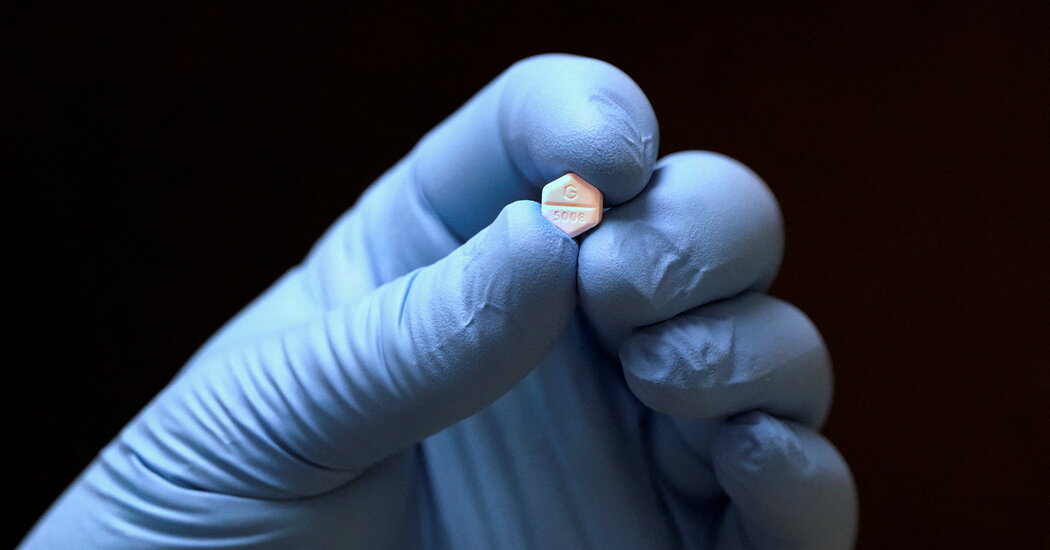
New Biden administration guidance warned that failing to dispense such drugs “may be discriminating” on the basis of sex or disability, citing other conditions that they can treat.WASHINGTON — The Biden administration warned the nation’s 60,000 retail pharmacies on Wednesday that they risk violating federal civil rights law if they refuse to fill prescriptions for pills that can induce abortion — the second time this week that it has used its executive authority to set up showdowns with states where abortion is now illegal.In four pages of guidance, the federal Department of Health and Human Services ticked off a series of conditions — including miscarriage, stomach ulcers and ectopic pregnancy — that are commonly treated with drugs that can induce abortion. It warned that failing to dispense such pills “may be discriminating” on the basis of sex or disability.The guidance came two days after Xavier Becerra, President Biden’s health secretary, instructed hospitals that even in states where abortion is now illegal, federal law requires doctors to perform abortions for pregnant women who show up in their emergency departments if they believe it is “the stabilizing treatment necessary” to resolve an emergency medical condition.The back-to-back actions make clear that while Mr. Biden’s authority to preserve access to abortion is limited after the Supreme Court eliminated the constitutional right to the procedure last month, he will push those limits where he can. Legal experts on both sides of the issue agreed in interviews that the administration was trying to assert that federal law pre-empts that of states that have banned abortion, a move that would almost surely be challenged in court.“They are trying to identify federal statutes that in some way will supersede state abortion restrictions and bans,” said Lawrence O. Gostin, an expert in public health law at Georgetown University. Of the guidance for pharmacists, he said, “The obvious goal is to have abortion medication in stock to treat a range of medical conditions and to be available for an abortion.”Yet the new guidance is cautiously written, and steers clear of telling pharmacies that they have to provide the drugs for the purpose of medication abortion, which is banned or restricted in certain states. Nor does the guidance address how a provision in federal law called the Church Amendments would apply. That measure allows health care providers, including pharmacists, not to perform or assist in abortions if they have religious or moral objections.At issue are three drugs — mifepristone, misoprostol and methotrexate — that are often prescribed for other conditions but can also induce abortions. Experts said the administration was reacting to reports that women of childbearing age are being denied the drugs after the ruling.Mifepristone is used to manage certain patients with a hormonal disorder called Cushing’s syndrome, and misoprostol is prescribed for ulcers. But they are also authorized by the Food and Drug Administration as a two-drug combination that can be taken to terminate a pregnancy during the first 10 weeks, and can also be used in combination following miscarriages. Methotrexate is used to treat autoimmune disorders, such as rheumatoid arthritis, as well as cancer.“These are very legitimate issues in terms of people being concerned about having access to the basic medications that they have been receiving for years, just because those medications have the capacity to end a pregnancy,” said Alina Salganicoff, the director of women’s health policy at the Kaiser Family Foundation. “It doesn’t sound like they are blocking this for men.”The administration’s moves will almost certainly be challenged in court, and advocates for abortion rights concede that it could be a losing battle. If legal challenges work their way up to the Supreme Court, the administration will have to make its case before the same conservative supermajority of six justices who voted to overturn Roe v. Wade, the landmark legal case that established a right to abortion in 1973.“They’re trying to mandate the stocking of abortion-inducing drugs and the performance of abortions across the nation using tools that don’t grant the federal government that authority,” said Roger Severino, who ran the Office of Civil Rights within the Department of Health and Human Services when Donald J. Trump was president. “They are trying to shoehorn abortion into laws that clearly weren’t designed to address abortion.”Wednesday’s action could put pharmacists in a thorny position. The National Community Pharmacists Association, which represents 19,400 independent pharmacies across the country, said pharmacists “acting in good faith in accordance with their state’s laws” lacked “a clear pathway forward” and needed more guidance from states.“States have provided very little clarity on how pharmacists should proceed in light of conflicting state and federal laws and regulations,” B. Douglas Hoey, the organization’s chief executive, said in a statement. “It is highly unfair for state and federal governments to threaten aggressive action against pharmacists who are just trying to serve their patients within new legal boundaries that are still taking shape.”A spokesman for Walgreens, one of the nation’s largest pharmacy chains, said the company would review the guidelines; he had no further comment.During a background call with reporters, an official from the Department of Health and Human Services said that when state and federal laws conflicted, federal law took precedent. Mr. Biden has been under intense pressure from Democrats and advocates for reproductive rights to take bold steps to preserve the right to abortion after the court’s decision in Dobbs v. Jackson Women’s Health Organization. Among other things, they have been pushing for him to declare a public health emergency — something his administration seems unwilling to do.Wednesday’s guidance was issued by the health department’s Office of Civil Rights. Monday’s guidance for hospitals was accompanied by a letter to health care providers, delineating their responsibilities under the Emergency Medical Treatment and Active Labor Act, known as EMTALA, a 1986 law that requires anyone coming to an emergency department to be stabilized and treated regardless of insurance status or ability to pay.Mr. Severino argued that the guidance to hospitals “flips EMTALA on its head,” because the law defines an emergency as a condition in which the absence of immediate medical attention “could reasonably be expected to result in placing the health of the patient, or (in case of pregnancy, the unborn child) in serious jeopardy.” But Mr. Gostin took the administration’s position, saying that in the case of a pregnant woman in distress, the law permitted abortion “if it was necessary to save her life and there was no other way to stabilize her.”

Read more →

Florida Company Recalls Ice Cream Linked to Listeria Outbreak, F.D.A. Says

The recall by Big Olaf Creamery came as federal authorities are investigating its products, which have been linked to infections that led to one person’s death and the hospitalization of two dozen.A Florida business is recalling its ice cream amid an investigation into a listeria outbreak that has been blamed for the death of one person and the hospitalization of two dozen, the Food and Drug Administration said on Wednesday.The company, Big Olaf Creamery, a family-owned business in Sarasota, Fla., recalled all flavors of its ice cream with expiration dates through June 30 “because it has the potential to be contaminated” with listeria bacteria, the F.D.A. said. Listeria causes an illness that can be fatal, especially among children, older adults and those with weakened immune systems, and an infection can also cause miscarriages and stillbirths among pregnant women.Big Olaf Creamery stopped producing and distributing its ice cream on July 1 after the Florida Department of Health told the company that it was investigating an outbreak tied to its products, the F.D.A. said in a statement.The ice cream is made by Amish craftsmen at a creamery in Pinecraft, a neighborhood in Sarasota. The products had been sold to retailers, restaurants and senior homes in Florida, and at one undisclosed location in Fredericksburg, Ohio, the F.D.A. said.“Big Olaf is cooperating fully with regulatory authorities to successfully return all suspected products and has requested retailers to stop sales and dispose of product,” the agency said in a statement. The F.D.A. added that its investigation was continuing, and that other ice cream brands could also have caused infections.Big Olaf Creamery did not immediately respond to a phone call seeking comment on Wednesday evening.Earlier this month, the Centers for Disease Control and Prevention said the company was tied to a listeria outbreak in 10 states. Of those hospitalized, 10 people lived out of state and had visited Florida in the previous month, the C.D.C. said.The people who were infected live in Colorado, Florida, Georgia, Illinois, Kansas, Massachusetts, Minnesota, New Jersey, New York and Pennsylvania, according to the C.D.C.Infections had occurred over the last six months and affected people less than a year old to 92 years old, the agency said. Five became ill during pregnancy, with one experiencing a fetal loss, the C.D.C. said.As of July 8, 23 people had been infected with the outbreak strain of listeria, according to the agency’s website. About 1,600 people contract listeriosis in the United States each year from contaminated food.Infections can cause flulike symptoms, including fever, muscle aches, vomiting and diarrhea, which generally begin roughly two weeks after ingesting food laced with the bacteria, though the onset can vary, the C.D.C. said. Severe cases can take months to develop, the Food and Drug Administration said.About one in five people with listeriosis die, according to the C.D.C. The infection is particularly dangerous during pregnancy, causing fetal loss in about 20 percent of cases.Past outbreaks have been connected to undercooked poultry, raw vegetables and unpasteurized milks and ice cream, the F.D.A. said.

Read more →

Studies Probe Adenovirus Link to Childhood Hepatitis Cases

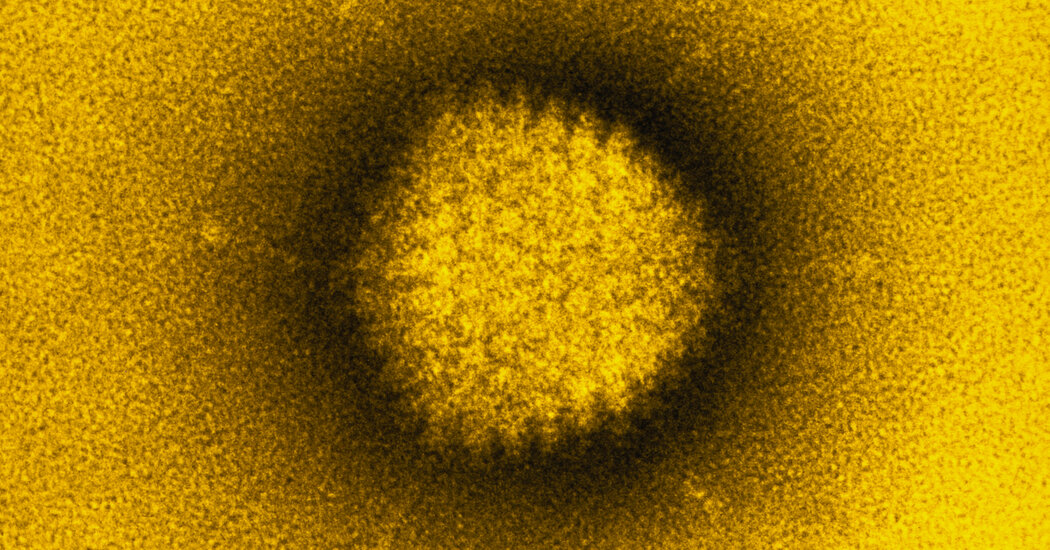
Two new papers add to the circumstantial evidence that a common childhood virus might be involved in the rare hepatitis cases, but many questions remain.For months, scientists around the world have been investigating cases of severe, unexplained hepatitis, or liver inflammation, in previously healthy children. At least 920 probable cases have been detected in 33 countries since October, according to the World Health Organization. About 5 percent have required liver transplants, and 18 deaths have been reported.So far, explanations have remained elusive. A significant share of hepatitis cases in children have always been unexplained. There is still no consensus on whether such cases have become more common, and it is not clear whether the recently reported cases, which remain rare, are part of a new medical phenomenon or share an underlying cause.But more detailed case investigations are beginning to provide clues.Two new studies, published in the New England Journal of Medicine on Wednesday, report that two medical centers — one in Birmingham, Ala., and another in Birmingham, England — have seen increases in the number of children with acute, unexplained hepatitis in recent months.The research also presents more circumstantial evidence that adenovirus 41, which often causes gastrointestinal symptoms, may be a contributing factor. In both studies, adenovirus infections were detected in about 90 percent of children tested, and children who developed acute liver failure or required transplants had higher average levels of the virus in their blood than those with milder cases.“I think that adenovirus could be a player,” said Dr. Helena Gutierrez Sanchez, medical director of the pediatric liver transplant program at the University of Alabama at Birmingham and an author of one of the new papers. “It seems to be that common signal, not only in our cohort but across the globe.”But the evidence is far from definitive. And neither study found clear evidence that the virus was in the liver cells of any of the affected children, which suggested that if there were a link between adenovirus infections and hepatitis, it might not be a straightforward one.“I don’t think that’s a subtle point,” said Dr. Saul Karpen, a pediatric hepatologist at Emory University and Children’s Healthcare of Atlanta who wrote an editorial that accompanied the two new papers. “I think that’s a main point.”Not all medical centers have seen the same increase in cases, he noted, and a recent study from the Centers for Disease Control and Prevention did not find evidence that unexplained hepatitis had become more common among American children overall.The new cases may not necessarily represent “something new and frightening,” he said. “On the other side, you can’t ignore it.”Hepatitis has a variety of causes, including certain medications and medical conditions, toxins, heavy alcohol use and the hepatitis A through E viruses.Understanding HepatitisAn inflammation of the liver generally caused by a virus, hepatitis carries a host of complicating factors, side effects and stigma.Symptoms in Children: Understand the warning signs of hepatitis parents should watch out for as a series of rare, but unusual cases are reported across the United States.Searching for Answers: Recent studies suggest that a common childhood virus might be involved in the hepatitis cases in children, but many questions remain.Preventing Transmission: With infections on the rise, most adults should be getting screened for hepatitis.Pandemic’s Effect: A wave of diagnostics ushered in by Covid could help revive flagging efforts to eliminate hepatitis C, one of the most common forms of the disease.Adenoviruses, a family of viruses that usually cause cold- or flulike symptoms, are not typically associated with liver inflammation in otherwise healthy children.But clinicians have detected adenovirus infections in many of the recent cases, including in a group of children in Alabama, the first cluster of cases reported in the United States.One of the new papers provides more details about hepatitis cases at the Children’s of Alabama hospital in Birmingham. During the five-month period from October 2021 through February 2022, the hospital admitted nine children with acute, unexplained hepatitis, three times as many as were admitted in the entire previous year. “At least in our center, we had a spike,” Dr. Gutierrez said.Blood samples from eight of those nine children tested positive for an adenovirus. Viral samples from five children yielded genomic sequences good enough to be analyzed further; all turned out to be adenovirus 41.(During that same time period, the hospital also admitted six children whose hepatitis had a known cause. Of the five tested for adenovirus, all were negative, and a review of lab records suggested that the infections were not widespread in the hospital’s overall patient population at the time.)In Britain, 44 children with acute, unexplained hepatitis were referred to the pediatric liver transplantation center at Birmingham Women’s and Children’s between Jan. 1 and April 11 in 2022. Thirteen were admitted, more than the one to five patients admitted in the same time frame in previous years.Of the 30 children tested for adenovirus, 27 were positive. The U.K. Health Security Agency later determined that the virus was adenovirus 41, said Dr. Chayarani Kelgeri, consultant pediatric hepatologist at Birmingham Women’s and Children’s and an author of the study.The picture became more complicated when the scientists analyzed liver samples from a subset of affected children. Laboratory tests turned up no evidence of viral proteins or particles in the liver cells themselves.(P.C.R. testing did find adenovirus DNA in liver samples from several children, but these samples might have included blood mixed with liver tissue, making it difficult to determine whether the genetic material came from the liver or the blood, the scientists said.)“That leads us to question whether virus was there but what we are seeing in the liver samples is an aftermath of the viral injury,” Dr. Kelgeri said.Perhaps, she said, an adenovirus infection triggers an abnormal immune response in some children, and it is that immune response, rather than the virus, that damages the liver.Why some hospitals are seeing a rise in cases remains unknown, though. If hepatitis has always been a rare outcome of adenovirus infections in children, cases could rise when the virus becomes more prevalent. The new hepatitis cases in Britain did coincide with “a report of increased adenovirus” in the broader population, Dr. Kelgeri noted.It is also possible that the virus has changed or that other factors — such as a previous bout of Covid-19 — might have left some children more vulnerable to a subsequent adenovirus infection, scientists said. (Of those tested, 28 percent of the British children tested positive for the coronavirus, while 38 percent tested positive for coronavirus antibodies.)Dr. Karpen said that he was not yet convinced that there was a link between adenovirus infection and pediatric hepatitis — or that the incidence of either was increasing overall. Regardless, more systematic data collection and analysis is needed, he said.“I’m very happy that registries are being created so that we will know whether or not there truly is a new virus in town that needs attention,” Dr. Karpen said. “We really need to just continue to collect information and keep our eyes open.”

Read more →

F.D.A. Authorizes Novavax’s Covid-19 Vaccine, a Latecomer

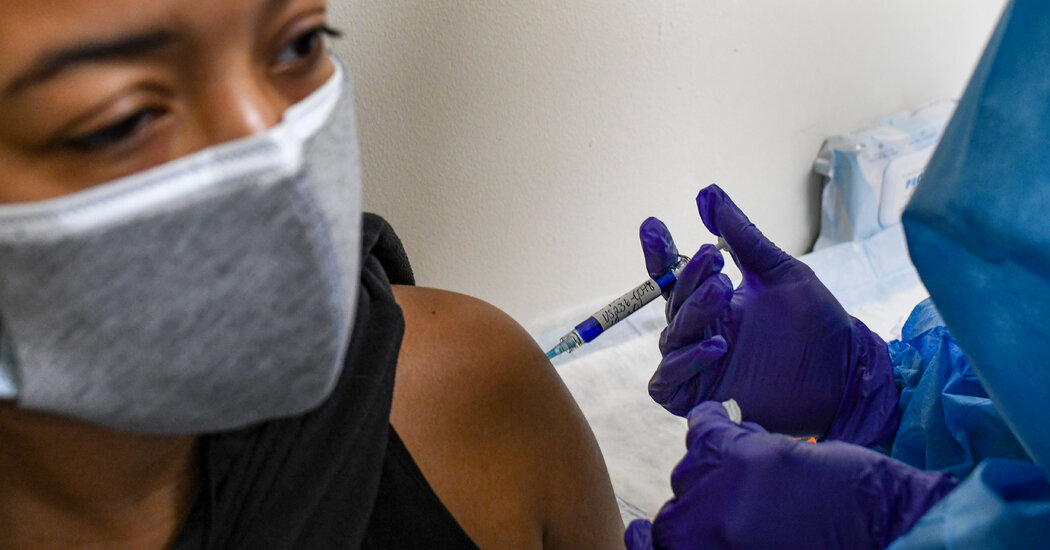
The Food and Drug Administration on Wednesday authorized a Covid-19 vaccine developed by Novavax, a biotechnology company in Maryland that received significant federal funding to produce the shot. The vaccine will be a new option for Americans as vaccination rates stagnate.After two years of development, the vaccine has finally overcome manufacturing problems to become the fourth shot to earn clearance in the United States. Advisers to the Centers for Disease Control and Prevention will meet next week and are expected to discuss who should get the Novavax vaccine.The two-dose vaccine was authorized as a primary immunization series for adults, rather than a booster, which is likely to limit its market at first. The Biden administration said earlier this week that it would buy 3.2 million doses, enough to fully vaccinate 1.6 million people in the United States. In announcing its purchase, the government said that Novavax was expected to finish its quality testing “in the next few weeks,” a necessary step before the doses are released.Novavax hopes that its vaccine will appeal to people who have spurned the shots from Pfizer-BioNTech and Moderna, which use messenger RNA technology. About 22 percent of people in the United States have not received a single Covid vaccine dose.Novavax’s vaccine, given in doses spread three weeks apart, works differently from mRNA vaccines. It provokes an immune response with nanoparticles made up of proteins from the surface of the coronavirus that causes Covid-19. Similar protein-based vaccines have been widely used around the world for decades.But modest demand for the Novavax shot in other wealthy countries leaves it unclear if the company’s prediction for the United States will hold up. In Europe, only 12.6 million Novavax doses were distributed between December, when the vaccine was authorized there, and June 30. In contrast, more than a billion doses of Pfizer-BioNTech and Moderna vaccines have been distributed in Europe.A Morning Consult poll released earlier this month suggests that Novavax may meet a similar lack of enthusiasm in the United States. Only 10 percent of unvaccinated people contacted for the poll said they would definitely or probably get a protein-based vaccine.The authorization comes with a warning that Novavax’s vaccine is linked to an elevated but small risk of forms of heart inflammation known as myocarditis and pericarditis. In their review of Novavax’s data, F.D.A. scientists identified six cases of the side effect in about 40,000 trial volunteers.The mRNA vaccines from Moderna and Pfizer-BioNTech are also linked to an elevated risk of these conditions, but that link did not emerge until after they were put into large-scale use. A warning about the risk was also added to their packaging.Before the pandemic, Novavax was a little-known biotechnology company with several vaccines in the research pipeline, but no approved products. It rose to prominence when Operation Warp Speed, the federal government’s 2020 campaign to develop coronavirus vaccines, picked it out for support. The program initially agreed to pay up to $1.6 billion to fund the development of the vaccine and to purchase up to 100 million doses of the shot.But a series of manufacturing delays meant that the shot was not available for the initial surge of vaccinations in the United States in early 2021.The manufacturing woes have continued to dog the company. Even after an F.D.A. advisory committee recommended authorizing the vaccine in early June, the agency took weeks to give it the green light, because it needed more time to sign off on Novavax’s manufacturing process. The Serum Institute of India, the world’s largest vaccine producer, is manufacturing Novavax’s vaccine.In a number of clinical trials, Novavax found that its vaccine was highly protective against symptomatic infection. But the original formulation is probably not as effective against the Omicron variant, which emerged in November and has evaded some of the protection afforded by authorized vaccines from other companies.Novavax is developing new versions of its vaccine that target Omicron and its highly contagious subvariants. Preliminary data from laboratory and animal studies indicate that a booster shot aimed at a previous Omicron subvariant, BA.1, generates strong immune responses to the virus. The company says it expects to have results from a clinical trial of that shot in September, with doses ready in the last three months of this year.The company says it plans to accelerate its research on shots specifically tailored for two newer versions of Omicron, known as BA.4 and BA.5.Trials have also shown that Novavax’s shot works well as a booster, and the company is expected to seek authorization for boosters soon. The company may then be able to attract vaccinated people who want to switch to a new option to protect against new variants.John Moore, a virologist at Weill Cornell, said he considered Novavax an excellent vaccine but was not yet convinced that an Omicron-based booster would provide much extra protection compared with the original version. “There’s too little information,” he said.Dr. Moore speculated that some people might switch to Novavax for a booster this fall because it produced relatively few cases of aches, fatigue and other passing side effects in clinical trials. That was his experience as a volunteer in one of Novavax’s trials. “The only way I could tell the next day which arm I had the needle in was the Band-Aid,” he said.If Novavax is authorized for a booster, Dr. Moore would happily return for another shot, he said: “At some point in the fall, I’ll have another dose, and it would be Novavax.”

Read more →

Is stroke linked to depression before it occurs?

While depression is a common problem for people who have had a stroke, some people may have symptoms of depression years before their stroke, according to a study published in the July 13, 2022, online issue of Neurology®, the medical journal of the American Academy of Neurology. Researchers foundthat, in people who developed a stroke, symptoms of depression preceded the onset of stroke and further worsened after the stroke.
“Depression is among the most pressing problems in people who have had a stroke and it is so common it is referred to as post-stroke depression,” said study author Maria Blöchl, PhD, of the University of Münster in Germany. “But our study found depressive symptoms not only markedly increase after stroke, it found people already had developed some depressive symptoms before the stroke even occurred.”
For the study, researchers looked at 10,797 adults with an average age of 65 and without a history of stroke at the start of the study. Participants were followed for up to 12 years. During that time, 425 people had a stroke. They were matched with 4,249 people who did not have a stroke but were similar in their age, gender, racial or ethnic identity, and other health conditions.
Participants took a survey every two years asking whether they experienced symptoms of depression in the past week, including: feeling depressed; feeling lonely; feeling sad; everything was an effort; and restless sleep. The more symptoms participants had, the higher their score.
Researchers found that six years before the time of the stroke, people who later had a stroke and those who did not had scores roughly the same, about 1.6 points. But at about two years before the stroke, scores of people who had a stroke started increasing, on average by 0.33 points. Following stroke, depressive symptoms increased an additional 0.23 points for this group, reaching a total of about 2.1 points and they stayed that high for 10 years after the stroke. In contrast, the scores of people who did not have a stroke remained roughly the same throughout the study.
When evaluating whether people could be considered clinically depressed, scoring three points or higher on the scale, researchers found a slightly different pattern of results emerged. At the assessment before the stroke, 29% of people who were about to have a stroke met the criteria for having probable depression, compared to 24% of those who did not have a stroke. But at the time of the stroke, 34% of the people who had a stroke met the criteria for having probable depression, compared to 24% of those who did not have a stroke. Those numbers were about the same six years after the stroke. “This suggests that increasing symptoms of depression before stroke are mostly subtle changes and may not always be clinically detectable. But even slight increases in depressive symptoms, especially mood and fatigue-related symptoms, may be a signal a stroke that is about to occur,” noted Blöchl.
“Depression is not only a post-stroke issue, but also a pre-stroke phenomenon,” said Blöchl. “Whether these pre-stroke changes can be used to predict who will have a stroke is unclear. Exactly why depressive symptoms occur pre-stroke needs to be investigated in future research. Also, the study underscores why doctors need to monitor for symptoms of depression long term in people who have had strokes.”
A limitation of the study was that researchers did not have enough data on treatments for depression. So, it is possible that some people received antidepressants that could have improved their symptoms of depression following stroke.
Story Source:
Materials provided by American Academy of Neurology. Note: Content may be edited for style and length.

Read more →

Scientists pinpoint reason why women may not respond to depression treatments the same as men

Although treatments for depression exist, sometimes these treatments don’t work for many who use them. Furthermore, women experience higher rates of depression than men, yet the cause for this difference is unknown, making their illnesses, at times, more complicated to treat.
University of California, Davis, researchers teamed up with scientists from Mt. Sinai Hospital, Princeton University, and Laval University, Quebec, to try to understand how a specific part of the brain, the nucleus accumbens, is affected during depression. The nucleus accumbens is important for motivation, response to rewarding experiences and social interactions — all of which are affected by depression.
Previous analyses within the nucleus accumbens showed that different genes were turned on or off in women, but not in men diagnosed with depression. These changes could have caused symptoms of depression, or alternatively, the experience of being depressed could have changed the brain. To differentiate between these possibilities, the researchers studied mice that had experienced negative social interactions, which induce stronger depression-related behavior in females than males.
“These high-throughput analyses are very informative for understanding long-lasting effects of stress on the brain. In our rodent model, negative social interactions changed gene expression patterns in female mice that mirrored patterns observed in women with depression,” said Alexia Williams, a doctoral researcher and recent UC Davis graduate who designed and led these studies. “This is exciting because women are understudied in this field, and this finding allowed me to focus my attention on the relevance of these data for women’s health.”
The study “Comparative transcriptional analyses in the nucleus accumbens identifies RGS2 as a key mediator of depression-related behavior,” was published this month in the journal Biological Psychiatry.
After identifying similar molecular changes in the brains of mice and humans, researchers chose one gene, regulator of g protein signaling-2, or Rgs2, to manipulate. This gene controls the expression of a protein that regulates neurotransmitter receptors that are targeted by antidepressant medications such as Prozac and Zoloft. “In humans, less stable versions of the Rgs2 protein are associated with increased risk of depression, so we were curious to see whether increasing Rgs2 in the nucleus accumbens could reduce depression-related behaviors,” said Brian Trainor, UC Davis professor of psychology and senior author on the study. He is also an affiliated faculty member with the Center for Neuroscience and directs the Behavioral Neuroendocrinology Lab at UC Davis.
When the researchers experimentally increased Rgs2 protein in the nucleus accumbens of the mice, they effectively reversed the effects of stress on these female mice, noting that social approach and preferences for preferred foods increased to levels observed in females that did not experience any stress.
“These results highlight a molecular mechanism contributing to the lack of motivation often observed in depressed patients. Reduced function of proteins like Rgs2 may contribute to symptoms that are difficult to treat in those struggling with mental illnesses,” Williams said.
Findings from basic science studies such as this one may guide the development of pharmacotherapies to effectively treat individuals suffering from depression, the researchers said.
“Our hope is that by doing studies such as these, which focus on elucidating mechanisms of specific symptoms of complex mental illnesses, we will bring science one step closer to developing new treatments for those in need,” said Williams.
In addition to Trainor and Williams, co-authors include, from Princeton University, Catherine Peña; from Icahn School of Medicine at Mount Sinai, Randal Serafini, Anne Ruiz, Venetia Zachariou and Eric Nestler; from Laval University, Benoit Labonte; from Massachusetts General Hospital, Rachel Neve; and Stephanie Ramos-Maciel, Abigail Laman-Maharg, Evelyn Ordoñez-Sanchez, Monica Britton, Blyther Durbin-Johnson, Matt Settles, Rebecca Hao, Sae Yokoyama, Christine Xu, Pei Luo, Tjien Dwyer, Shanu Bhela and Alexis Black, all UC Davis researchers.

Read more →

Patients with lupus benefit from COVID-19 vaccine booster

People with systemic lupus erythematosus, or SLE, who received a “booster” dose of SARS-CoV-2 vaccine after full vaccination are roughly half as likely to have a subsequent “breakthrough” COVID-19 infection, a new study shows.
The finding, researchers say, should offer reassurance to the more than 200,000 Americans who have SLE, a condition in which the body’s immune system mistakenly attacks its own healthy tissues, especially joints and skin. Immune-suppressing drugs, such as steroids, needed to control symptoms of the disease, place them at increased risk of infections, including SARS-CoV-2.
Led by researchers at NYU Grossman School of Medicine, the new study tracked the health of 163 fully vaccinated men and women being treated for SLE at its affiliated hospitals in New York City. The researchers’ goal was to see who became infected with the virus over at least six months, given that more than half were taking at least one immune-suppressing medication for their SLE. All had received some combination of the vaccines manufactured by Pfizer, Moderna, or Johnson & Johnson prior to June 2021, but only 125 had received a third or booster dose of vaccine.
Publishing in the journal The Lancet Rheumatology online July 12, the study showed that at the end of the monitoring period (April 24, 2022), 44 vaccinated SLE patients had had breakthrough infections, with two needing hospitalization (but both surviving their infection).
Among those with breakthrough infections, 28 of 125, or 22%, had received a booster, while 16 of 38, or 42%, had not. Notably, according to investigators, the majority of breakthrough infections (42 of 44) occurred after Dec. 2, 2021, when the city detected its first case of the highly contagious omicron variant.
Another key study finding was among 57 of the study participants who agreed to have their blood antibody levels checked, once after full vaccination and again after receiving their booster.

Read more →

How mitochondrial damage ignites the 'auto-inflammatory fire'

Mitochondria are self-contained organelles (they possess their own mini-chromosome and DNA) residing within cells and are charged with the job of generating the chemical energy needed to fuel functions essential to life and well-being.
When stressed, damaged or dysfunctional, mitochondria expel their DNA (mtDNA), oxidized and cleaved, into the cytosol — the fluid within a cell in which organelles float — and beyond into the bloodstream, triggering inflammation. In autoimmune conditions like lupus and rheumatoid arthritis, the amounts of circulating oxidized mtDNA correlate with disease severity, flare-ups and how well patients respond to therapies.
An unanswered question that has plagued the field is whether oxidized mtDNA is simply a biomarker or indicator of disease or something more: a critical player in disease pathology.
In a new study, published the July 13, 2022 issue of the journal Immunity, researchers at University of California San Diego School of Medicine, with colleagues elsewhere, describe the biochemical pathway that results in the generation of oxidized mtDNA, how it is expelled by mitochondria and how it triggers the complex and destructive inflammatory response that follows.
“In addition to charting a new pathway responsible for the generation of inflammation-provoking fragments of oxidized mtDNA, this work opens the door to the development of new anti-inflammatory agents,” said senior study author Michael Karin, PhD, Distinguished Professor of Pharmacology and Pathology at UC San Diego School of Medicine.
When macrophages — a type of white blood cell that detects infections and tissue damage and marshals other immune system cells to respond — are exposed to metabolic danger signals, one of the immediate responses is for mitochondria to rapidly take up calcium ions from the cytosol, which results in the generation of reactive oxygen species that lead to formation of oxidized mtDNA and the opening of pores in the mitochondrial membranes through which oxidized mtDNA escapes.
“However this oxidized mtDNA is large and before it can sneak through the mitochondrial pores, it needs to be chopped into smaller fragments,” said Hongxu Xian, PhD, the study’s first author and a postdoctoral scholar in Karin’s lab. “That job is carried out by an enzyme called FEN1.”
Once chopped by FEN1, oxidized mtDNA fragments enter the cytosol where they can bind with two different sensors: NLRP3 and cGAS. NLRP3 is part of a multi-protein complex called the inflammasome that activates inflammatory responses. cGAS is an enzyme that generates a small molecule that acts as a chemical messenger to encourage production of other cytokines — proteins that stimulate, recruit and proliferate immune cells.
Together, NLRP3 and cGAS spur inflammation, which in autoimmune diseases has characteristically run amok, prompting the immune system to attack and destroy healthy cells and tissues.
The new findings, said Xian, highlight the critical role of FEN1 in fueling the “auto-inflammatory fire.” Importantly, Xian and colleagues have demonstrated that FEN1 inhibitors block NLRP3 and cGAS signaling and thereby prevent the onset of the inflammatory process.
“This work is important not only because it can explain the origin and pathogenesis of common rheumatic diseases, but it can also lead to the development of new biomarkers and treatments for lupus and arthritis,” said Monica Guma, MD, PhD, an associate professor in the UC San Diego School of Medicine and rheumatologist at UC San Diego Health who was not involved in the study.
Story Source:
Materials provided by University of California – San Diego. Original written by Scott LaFee. Note: Content may be edited for style and length.

Read more →

Corrupted proteins in focus: How shape gives rise to variations of fatal brain disease

Prion diseases are incurable, deadly neurological disorders that can affect both humans and animals-including Creutzfeldt-Jakob Disease (CJD) in people, Bovine Spongiform Encephalopathy (also known as Mad Cow Disease) and Chronic Wasting Disease found in deer.
Scientists have spent decades working to better understand how prions cause these diseases. But new research from the Case Western Reserve University School of Medicine and the National Institutes of Health (NIH) Rocky Mountain Laboratories brings into focus how prions might be formed and how they can result in different disease outcomes.
This collaborative research team discovered a new prion structure through revolutionary new imaging using specialized electron microscopes at the Cleveland Center for Structural and Membrane Biology Cryo-Electron Microscopy Core and the Rocky Mountain Laboratories. The new structure is of a second prion strain, providing an atomic-level view into how corrupted prion proteins self-convert and assemble.
“Prions are unusual pathogens. Different prions result in different disease lengths and symptoms in their host,” said Allison Kraus, assistant professor of pathology at the School of Medicine, who co-led the research with Byron Caughey at NIH. “This has long perplexed scientists because different diseases occur with corruption of the same protein from its original shape.”
The research was published this month in Nature Communications.
“Our study identifies the key similarities and differences in prions and how these features compare to other types of self-converting proteins,” Kraus said. “We can now begin to appreciate how those key similarities and differences shape disease outcomes of prion disease and compare the outcomes to other brain diseases.”
Prion disease occurs when prion proteins are refolded, causing a chain reaction where other prion proteins refold and accumulate in the brain, according to the NIH.
Kraus said the new prion imaging could play a key role towards understanding prion disease outcomes.
“Neurodegenerative brain diseases are incredibly complex,” she said. “With indications that corrupted shapes do indeed occur with different prion diseases, and with further research into more prion strains, we can begin to understand how specific prion shapes relate to disease outcomes.”
Study authors include: Kraus, Heidi Standke, Kunpeng Li, Matteo Manca and Olivia Thomas from Case Western Reserve; and Forrest Hoyt, Efrosini Artikis, Cindi Schwartz, Bryan Hansen, Andrew Hughson, Gregory Raymond, Brent Race, Gerald Baron and Caughey from NIH.
Story Source:
Materials provided by Case Western Reserve University. Note: Content may be edited for style and length.

Read more →