Review outlines methods to estimate life expectancy

Five key methods have been explored by Leicester researchers to calculate life expectancy and the life years lost due to disease and illness.
Life expectancy measures, particularly years of life lost or gained, have captured a great interest in the last years by public health institutions and healthcare professionals given their immediate and actionable interpretation.
Academics from the University of Leicester investigated the common methods used to predict the ‘years of life lost’ by reviewing a range of methods: from basic methods — such as life tables — to most recent and advanced methods using statistical modelling.
They highlighted the important differences between the methods, current software used, and how they can be implemented in healthcare research and real-world settings using an example from a clinically-relevant topic of multimorbidity in the UK Biobank.
According to the findings, the review found that using the same data and research question, the estimated years of life lost value differed among methods, as each method focused on estimating different quantities.
The research was supported by the National Institute for Health Research (NIHR) Applied Research Collaboration (ARC) East Midlands.

Read more →

A new measure of psychological safety for patients

A new scale for measuring the psychological safety of patients has been developed at the University of Strathclyde.
Researchers devised the scale, consisting of 29 items, to assess how safe a person feels. It is further divided into three sub-scales of Social Engagement, Compassion and Bodily Sensations.
The items were identified from the responses to a questionnaire, in which participants were asked how strongly they agreed with 107 statements such as: ‘I felt understood’; ‘I felt compassion for others,’ and ‘my heart rate felt steady.’
Using statistical methods, the researchers established which statements were most associated with feeling safe, leading to the 29-item scale.
The measure, which has been named the Neuroception of Psychological Safety Scale (NPSS), is the first of its kind, combining psychological, physiological and social components. It has the potential to be used in a broad range of settings, such as tracking progress in psychological therapy or assessing whether a sense of psychological safety enhances learning or improves hospital outcomes.
It can also be applied to psychological safety in the wake of the COVID-19 pandemic.

Read more →

Women Face Risks as Doctors Struggle With Medical Exceptions on Abortion

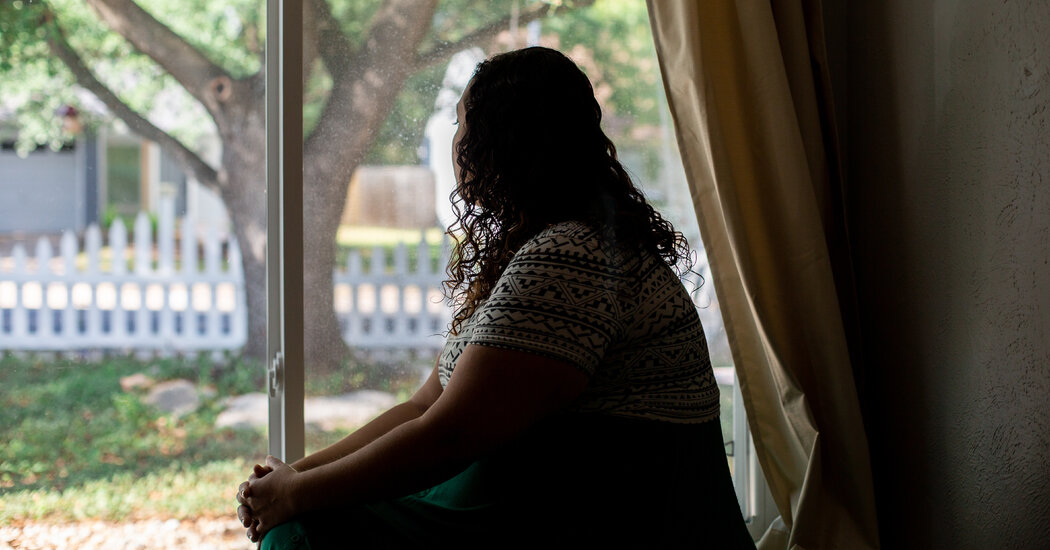
Of the 13 states with trigger bans, all make exceptions for abortions to save the life of the mother. But what defines a medical emergency?HOUSTON — Dr. Amanda Horton, an obstetrician who specializes in high-risk pregnancies, had been counseling pregnant patients at a small hospital in rural Texas last month when a woman arrived in crisis: It was only 17 weeks into her pregnancy and her water had broken.The fetus would not be viable outside the womb, and without the protection of the amniotic sac, the woman was vulnerable to an infection could threaten her life. In Colorado or Illinois, states where Dr. Horton also practices and where abortion is generally legal, there would have been an option to end her pregnancy.Texas has a ban on most abortions, providing an exception when a woman’s life is threatened. But the patient’s life in this case was not in immediate danger — yet. The hospital sent her home to wait for signs of infection or labor, Dr. Horton said.Worried and with nowhere else to turn, the woman instead traveled hundreds of miles to New Mexico for an abortion.“She ended up taking matters into her own hands,” Dr. Horton said. Her patient, she added, made a choice “for her life.”Each of the 13 states with bans on abortions allows for some exemption to save the life of the mother or to address a serious risk of “substantial and irreversible impairment of a major bodily function.”But making that determination has become fraught with uncertainty and legal risk, doctors in several states said, with many adding that they have already been forced to significantly alter the care they provide to women whose pregnancy complications put them at high risk of harm.Last week, the Texas attorney general, Ken Paxton, sued the Biden administration over federal guidelines that required doctors to perform an abortion, even in states with abortion bans, if they determined it was necessary to treat dangerous pregnancy complications.Amid the legal wrangling, hospitals have struggled with where and how to draw the line. Some have enlisted special panels of doctors and lawyers to decide when a pregnancy can be prematurely. ended. Others have required multiple doctors to sign off on any such decision and document in detail why an abortion was necessary.The result has delayed treatment and heightened risk, doctors said.“It’s like you bring lots of people to the top of a high rise and push them to the edge and then catch them before they fall,” said Dr. Alireza A. Shamshirsaz, an obstetrician and fetal surgeon who practiced in Houston until last month. “It’s a very dangerous way of practicing. All of us know some of them will die.”The impact in these cases is on women who want to have children, only to encounter complications during pregnancy. The option to terminate the pregnancy has long been part of the standard care offered by doctors in situations where there is a risk of harm — or even death — to the mother. Dr. Alireza A. Shamshirsaz, a high-risk obstetrician who until recently practiced in Houston.Annie Mulligan for The New York TimesThe effect has been most visible in Texas, which passed a law prohibiting most abortions after six weeks of pregnancy last September — well ahead of the bans that began taking effect after the Supreme Court’s decision to overturn Roe v. Wade on June 24.A new study of two hospitals in Dallas County found that after the Texas law went into effect, pregnant women facing serious complications before fetal viability — mostly because their water broke prematurely — suffered because they were not allowed to end their pregnancies.Read More on the End of Roe v. WadeIn Ohio: The case of a 10-year-old rape victim became the focus of a heated debate after the girl was forced to travel out of state for an abortion.The Youngest Abortion Patients: The number of pregnancies in the United States among girls under 15 has fallen sharply in recent decades, but there are still thousands of such cases each year.Hurdles to Miscarriage Care: Since the reversal of Roe, some patients have had trouble obtaining miscarriage treatments, which are identical to those for abortions.A Long Fight: The end of Roe has only meant the prospect of more work for veterans of the anti-abortion movement in liberal states like New York.Out of 28 women who met the criteria for the study, more than half experienced “significant” medical problems, including infections and hemorrhaging, in the face of state-mandated limits on treatment, the study found. One woman required a hysterectomy. And the rate of maternal health problems was far higher than the rate in other states where patients were offered the option to end their pregnancies, according to the study, which has been accepted for publication in the American Journal of Obstetrics and Gynecology.“You nearly doubled the complication rate for the mother,” said Dr. Judy Levison, a Houston obstetrician, referring to the study, which she was not involved in. She added that all but one of the pregnancies ended with the death of the fetus. “So why did they put them through that?” she said of the women.Last week, the Texas Medical Association sent a letter to state regulators asking them to step in after the association received complaints from doctors that hospitals were preventing them from providing abortions when medically necessary to women because of fear of running afoul of the law, The Dallas Morning News reported.In Missouri, an abortion ban went into effect in June with an exception for medical emergencies that required immediate abortions to avoid death or injury. The word “immediate” is being pored over by hospital administrations across the state, with questions about whether it refers to an imminent danger of death or an urgent threat to a woman’s health.Some hospitals, as in Texas, have considered internal review panels to approve medically necessary abortions to reduce their legal liability. Others are requiring that multiple doctors sign off.“The law does not require two physicians,” said Dr. David Eisenberg, who specializes in complex family planning at Washington University in St. Louis. “But many institutions have felt like it is best to have more than one physician document the nature of the medical emergency and the need for abortion care.”Care can differ from town to town, and hospital to hospital, doctors said.Dozens of medical buildings make up the Texas Medical Center in Houston. Texas became an early case study with new abortion restrictions adopted last fall. Women — and their doctors — have found themselves navigating uncertain legal territory.Annie Mulligan for The New York TimesThe uncertain legal landscape has made even statewide medical associations wary of providing direction on what treatments the “life of the mother” exceptions provide.“It is nontraditional for us to be sitting on the sidelines,” said Dave Dillon, a spokesman for the Missouri Hospital Association. Ultimately, he said, the meaning of the exception “will be decided probably by litigation.”Until then, he said, hospitals would need to make decisions based on “whatever their pain threshold is on this individually.” For physicians, that means making decisions knowing that lawsuits or prosecutions might come later. In Texas, doctors accused of violating abortion laws face fines and unlimited civil lawsuits; when the trigger law goes into effect in the coming weeks, it could result in felony charges. “All the physicians are complaining, but no one wants to speak up because of the possible consequences; we can be fired,” said Dr. Shamshirsaz, the Houston surgeon.He described a colleague who had a patient with twins. At 15 weeks, she delivered one stillborn and asked to abort the other because of the risk of infection. Her case went before the hospital’s committee — what Dr. Shamshirsaz called a “termination board” — but the abortion was denied because the fetus still had a heartbeat.“We sent the patient home against her will,” he said.The woman returned to the hospital about two weeks later feeling sick. Her pregnancy was terminated out of concern for her health, Dr. Shamshirsaz said, but she had to be admitted to the intensive care unit for sepsis and acute kidney injury — both life-threatening conditions.“We have to wait until the mom comes with those symptoms,” he said.All pregnancies come with risks to the health and life of the mother. Researchers have found the risk of complications and death are higher for pregnancy than for abortion. Determining whether a woman’s life is at risk at any given point has always been a gray area, shifting as medicine advanced and as social mores changed around the acceptance of abortion.While abortion was once mostly legal, by 1900 every state had banned abortions throughout all stages of pregnancy, with the only exception being if the life of the mother was in danger, said Jennifer Holland, a University of Oklahoma historian. Some of those laws, such as a 1925 law in Texas, have recently been revived by the overturning of Roe.The reality during that period was that decisions about abortions were left to a family’s doctor.There was a degree of “flexibility” over what constituted a threat to the mother, Dr. Holland said, “especially if you had access to a sympathetic family physician.”After Roe was decided in 1973, states began passing legislation that banned abortions after fetal viability but made exceptions for “life and health,” said Elizabeth Nash, state policy analyst at the Guttmacher Institute, which supports abortion rights. Over the last decade, as state legislatures steadily passed hundreds of abortion restrictions, that language has narrowed substantially, but it has rarely been challenged in the courts.Now with the new abortion restrictions, women — and their doctors — have found themselves traversing uncertain legal territory,A critical care nurse in Texas, who requested anonymity to discuss her experience, became pregnant just after the restrictive abortion law went into effect last year. It was a happy occasion, but then her water broke at 19 weeks. She went to the hospital emergency room, terrified. She already knew her baby was probably going to die. But as a nurse, she also knew that her own condition was precarious. She wanted to abort the fetus but was told that all she could do was wait.“I fought with the doctors for a while, but none of them would help me until I was actively sick,” she said. “I was just dumbfounded. I was so confused. Especially as a nurse, no one comes into an E.R. and we wait to see how sick they can get.”She and her husband flew to Colorado for an abortion. The day of the procedure, she had a fever of 101 degrees. “I was starting to get sick that day,” she said.After her water broke, she knew as a nurse that her her baby would not survive and her own health situation was precarious. But was told that all she could do was wait.Liz Moskowitz or The New York TimesMiscarriages occur in 15 percent of all pregnancies and may require a procedure — also used in some abortions — to remove the fetus. Pre-eclampsia, or pregnancy-induced high blood pressure, occurs in 5 to 8 percent of all pregnancies and can be deadly. There is a 2 percent chance a pregnancy can be ectopic, meaning the fertilized egg has implanted outside of the uterus, making the pregnancy nonviable and seriously threatening the life of the mother.But in the new legal landscape, no one is certain how serious those conditions must get before they justify an abortion under the law.“It’s all odds,” said Dr. Charles Brown, the Texas district chair of the American College of Obstetricians and Gynecologists. “How high a percentage does it need to take before you get everyone to agree this woman’s life is in danger?”After Oklahoma’s abortion ban went into effect in May, Dr. Christina Bourne got a call from a patient who had an ectopic pregnancy that her obstetrician had refused to treat.Dr. Bourne is the medical director at two abortion clinics, one in Oklahoma City and one just over the state border in Wichita, Kan., where abortion is still legal. After consultation with the clinics’ lawyers, she said, they had the woman come in to their Wichita clinic. By that time, she was already experiencing abdominal pain and bleeding and had to be transferred to a hospital for treatment; doctors there terminated the pregnancy.“The people that we are seeing are much sicker than they were before,” Dr. Bourne said. “We are seeing the effects of a failed system. Pregnancy is where all the failed systems come to coalesce.”

Read more →

'iTEARS' could help diagnose diseases by isolating biomarkers in tears

Going to the doctor might make you want to cry, and according to a new study, doctors could someday put those tears to good use. In ACS Nano, researchers report a nanomembrane system that harvests and purifies tiny blobs called exosomes from tears, allowing researchers to quickly analyze them for disease biomarkers. Dubbed iTEARS, the platform could enable more efficient and less invasive molecular diagnoses for many diseases and conditions, without relying solely on symptoms.
Diagnosing diseases often hinges on assessing a patient’s symptoms, which can be unobservable at early stages, or unreliably reported. Identifying molecular clues in samples from patients, such as specific proteins or genes from vesicular structures called exosomes, could improve the accuracy of diagnoses. However, current methods for isolating exosomes from these samples require long, complicated processing steps or large sample volumes. Tears are well-suited for sample collection because the fluid can be collected quickly and non-invasively, though only tiny amounts can be harvested at a time. So, Luke Lee, Fei Liu and colleagues wondered if a nanomembrane system, which they originally developed for isolating exosomes from urine and plasma, could allow them to quickly obtain these vesicles from tears and then analyze them for disease biomarkers.
The team modified their original system to handle the low volume of tears. The new system, called “Incorporated Tear Exosomes Analysis via Rapid-isolation System” (iTEARS), separated out exosomes in just 5 minutes by filtering tear solutions over nanoporous membranes with an oscillating pressure flow to reduce clogging. Proteins from the exosomes could be tagged with fluorescent probes while they were still on the device and then transferred to other instruments for further analysis. Nucleic acids were also extracted from the exosomes and analyzed. The researchers successfully distinguished between healthy controls and patients with various types of dry eye disease based on a proteomic assessment of extracted proteins. Similarly, iTEARS enabled researchers to observe differences in microRNAs between patients with diabetic retinopathy and those that didn’t have the eye condition, suggesting that the system could help track disease progression. The team says that this work could lead to a more sensitive, faster and less invasive molecular diagnosis of various diseases — using only tears.
The researchers acknowledge funding from the National Natural Science Foundation of China; the Zhejiang Provincial and Ministry of Health Research Fund for Medical Sciences; the Basic Scientific Research Project of Wenzhou City; and Wenzhou Institute, University of Chinese Academy of Sciences.
Story Source:
Materials provided by American Chemical Society. Note: Content may be edited for style and length.

Read more →

New findings reveal how neurons build and maintain their capacity to communicate

The nervous system works because neurons communicate across connections called synapses. They “talk” when calcium ions flow through channels into “active zones” that are loaded with vesicles carrying molecular messages. The electrically charged calcium causes vesicles to “fuse” to the outer membrane of presynaptic neurons, releasing their communicative chemical cargo to the postsynaptic cell. In a new study, scientists at The Picower Institute for Learning and Memory at MIT provide several revelations about how neurons set up and sustain this vital infrastructure.
“Calcium channels are the major determinant of calcium influx, which then triggers vesicle fusion, so it is a critical component of the engine on the presynaptic side that converts electrical signals to chemical synaptic transmission,” said Troy Littleton, senior author of the new study in eLife and Menicon Professor of Neuroscience in MIT’s Departments of Biology and Brain and Cognitive Sciences. “How they accumulate at active zones was really unclear. Our study reveals clues into how active zones accumulate and regulate the abundance of calcium channels.”
Neuroscientists have wanted these clues. One reason is that understanding this process can help reveal how neurons change how they communicate, an ability called “plasticity” that underlies learning and memory and other important brain functions. Another is that drugs such as gabapentin, which treats conditions as diverse as epilepsy, anxiety and nerve pain, binds a protein called alpha2delta that is closely associated with calcium channels. By revealing more about alpha2delta’s exact function, the study better explains what those treatments affect.
The more scientists knocked out a protein called alpha2delta with different manipulations (right two columns), the less Cac calcium channel accrued in synaptic active zones of a fly neuron (brightness and number of green dots) compared to unaltered controls (left column).
“Modulation of the function of presynaptic calcium channels is known to have very important clinical effects,” Littleton said. “Understanding the baseline of how these channels are regulated is really important.”
MIT postdoc Karen Cunningham led the study, which was her doctoral thesis work in Littleton’s lab. Using the model system of fruit fly motor neurons, she employed a wide variety of techniques and experiments to show for the first time the step by step process that accounts for the distribution and upkeep of calcium channels at active zones.

Read more →

Learning to fight infection

Scientific advancements have often been held back by the need for high volumes of data, which can be costly, time-consuming, and sometimes difficult to collect. But there may be a solution to this problem when investigating how our bodies fight illness: a new machine learning method called “MotifBoost.” This approach can help interpret data from T-cell receptors (TCRs) in identifying past infections to specific pathogens. By focusing on a collection of short sequences of amino acids in the TCRs, a research team achieved more accurate results with smaller datasets. This work may shed light on the way the human immune system recognizes germs, which may lead to improved health outcomes.
The recent pandemic has highlighted the vital importance of the human body’s ability to fight back against novel threats. The adaptive immune system uses specialized cells, including T-cells, which prepare an array of diverse receptors that can recognize antigens specific to invading germs even before they arrive for the first time. Therefore, the diversity of the receptors is an important topic of investigation. However, the correspondence between receptors and the antigens they recognize is often difficult to determine experimentally, and current computational methods often fail if not provided with enough data.
Now, scientists from the Institute of Industrial Science at The University of Tokyo have developed a new machine learning method that can predict the infection of a donor based on limited data of TCRs. “MotifBoost” focuses on very short segments, called k-mers, in each receptor. Although the protein motifs considered by scientists are usually much longer, the team found that extracting the frequency of each combination of three consecutive amino acids was highly effective. “Our machine learning methods trained on small-scale datasets can supplement conventional classification methods which only work on very large datasets,” first author Yotaro Katayama says. MotifBoost was inspired by the fact that different people usually produce similar TCRs when exposed to the same pathogen.
First, the researchers employed an unsupervised learning approach, in which donors were automatically sorted based on patterns found in the data, and showed that donors formed distinct clusters using the k-mer distribution based on having previous infection by cytomegalovirus (CMV) or not. Because unsupervised learning algorithms do not have information about which donors had been infected with CMV, this result indicated that the k-mer information is effective in capturing characteristics of a patient’s immune status. Then, the scientists used the k-mer distribution data for a supervised learning task, in which the algorithm was given the TCR data of each donor, along with labels for which donors were infected with a specific disease. The algorithm was then trained to predict the label for unseen samples, and the prediction performance was tested for CMV and HIV.
“We found that existing machine learning methods can suffer from learning instability and reduced accuracy when the number of samples drops below a certain critical size. In contrast, MotifBoost performed just as well on the large dataset, and still provided a good result on the small dataset,” says senior author Tetsuya J. Kobayashi. This research may lead to new tests for viral exposure and immune status based on T-cell composition.
This research is published in Frontiers in Immunology as “Comparative study of repertoire classification methods reveals data efficiency of k-mer feature extraction.”
Story Source:
Materials provided by Institute of Industrial Science, The University of Tokyo. Note: Content may be edited for style and length.

Read more →

A healthy lifestyle can offset a high genetic risk for stroke

People who are genetically at higher risk for stroke can lower that risk by as much as 43% by adopting a healthy cardiovascular lifestyle, according to new research led by UTHealth Houston, which was published today in the Journal of the American Heart Association.
The study included 11,568 adults from ages 45 to 64 who were stroke-free at baseline and followed for a median of 28 years. The levels of cardiovascular health were based on the American Heart Association’s Life’s Simple 7 recommendations, which include stopping smoking, eating better, getting activity, losing weight, managing blood pressure, controlling cholesterol, and reducing blood sugar. The lifetime risk of stroke was computed according to what is called a stroke polygenic risk score, with people who had more genetic risk factors linked to the risk of stroke scoring higher.
“Our study confirmed that modifying lifestyle risk factors, such as controlling blood pressure, can offset a genetic risk of stroke,” said Myriam Fornage, PhD, senior author and professor of molecular medicine and human genetics at the Institute of Molecular Medicine at UTHealth Houston. “We can use genetic information to determine who is at higher risk and encourage them to adopt a healthy cardiovascular lifestyle, such as following the AHA’s Life’s Simple 7, to lower that risk and live a longer, healthier life.” Fornage is The Laurence and Johanna Favrot Distinguished Professor in Cardiology at McGovern Medical School at UTHealth Houston.
Each year, 795,000 people in the U.S. suffer a stroke, according to the Centers for Disease Control and Prevention. That equates to someone having a stroke every 40 seconds, and someone dies from a stroke every 3.5 minutes. Stroke is a leading cause of long-term serious disability with stroke reducing mobility in more than half of stroke survivors age 65 and older. But stroke also occurs in younger adults — in 2014, 38% of people hospitalized for stroke were less than 65 years old.
People in the study who scored the highest for genetic risk of stroke and the poorest for cardiovascular health had the highest lifetime risk of having a stroke at 25%. Regardless of the level of genetic risk of stroke, those who had practiced optimal cardiovascular health lowered that risk by 30% to 45%. That added up to nearly six more years of life free of stroke.
Overall, people with a low adherence to Life’s Simple 7 suffered the most stroke events (56.8%) while those with a high adherence had 71 strokes (6.2%).
A limitation of the paper is the polygenic risk score has not been validated broadly, so its clinical utility is not optimal, particularly for people from diverse racial or ethnic backgrounds.
Co-authors from UTHealth Houston were Nitesh Enduru, MPH; a graduate research assistant with UTHealth Houston School of Biomedical Informatics; and Eric Boerwinkle, PhD, dean of UTHealth School of Public Health. Other contributors were Adrienne Tin, PhD; Michael E. Griswold, PhD; and Thomas H. Mosley, PhD, from the University of Mississippi in Jackson, Mississippi; and Rebecca F. Gottesman, MD, PhD, from the National Institute of Neurological Disorders and Stroke (NINDS). First author of the paper was Emy A. Thomas, formerly with UTHealth Houston.
Fornage and Boerwinkle are also members of The University of Texas MD Anderson Cancer Center UTHealth Houston Graduate School of Biomedical Sciences.
The study was funded by the NINDS (including grants U19-NS120384 and UH3-NS100605), part of the National Institutes of Health.

Read more →

Women's health: 'I had periods that lasted for months'

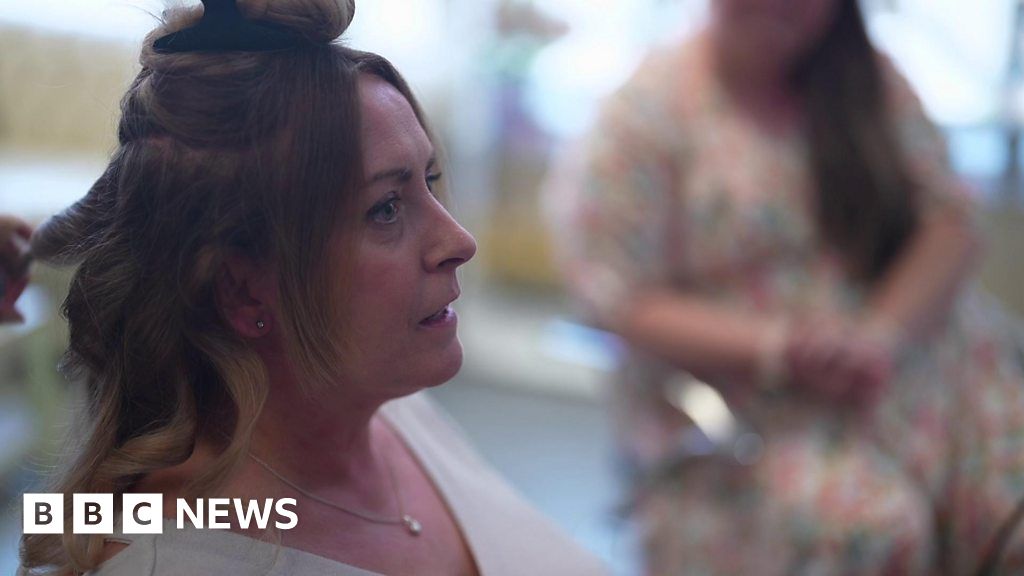
Medical students in England will have to pass mandatory training to diagnose and treat female health conditions under plans to improve women’s health, as part of a new health strategy announced by the government. The government opened a call for evidence in Spring 2021 to collect views on women’s health from members of the public, academics, charities and campaigners.The BBC spoke to Zoe Trafford, a hairdresser in Liverpool, who has suffered from the gynaecological condition endometriosis since she was a teen. Along with her clients, Sharon and Victoria, they discuss how some of their problems have gone ignored.

Read more →

Snakebites becoming more common in the UK

Published1 day agocommentsCommentsSharecloseShare pageCopy linkAbout sharingImage source, Getty ImagesA rise in exotic pet ownership means snakebite injuries are becoming more common in the UK, doctors are warning. In the last 11 years medics have seen and treated 300 victims. Some 72 of the patients were teenagers or children – 13 were under the age of five. Most of the people who had been bitten made a complete recovery, but some had to be treated in intensive care. One patient needed part of their finger amputating, and one man died.He was a reptile conservationist who had been bitten by a king cobra – the world’s longest venomous snake. Measuring around 13 feet long, these snakes can rise or “stand up” to reach an adult’s eye level. Snake venom is a neurotoxin that can stop the victim’s breathing and heartbeat.Those who saw the incident said that, after being bitten, the man staggered about “as if drunk” and then collapsed. Image source, Getty ImagesWitnesses tried to resuscitate him while waiting for the ambulance to arrive. Despite being given 10 vials of antivenom by the emergency services, he died from a cardiac arrest. It’s possible he had an allergic reaction to the antivenom, say doctors in the journal Clinical Toxicology. The amateur snake keeper who lost part of their finger because the tissue died was also treated with antivenom. They had been bitten by a highly venomous species of Mozambique spitting cobra.Image source, Getty ImagesThey are considered to be among the most dangerous snakes in Africa. Their fangs can spray venom up to three metres, and their bite can be lethal. According to the World Health Organization, there are more than 250 species of venomous snake – most are native to Asia, Africa, Latin America and Oceania. The UK has three native snake species – the adder, the grass snake and the smooth snake. Only the adder is venomous. It is not illegal to keep some exotic reptiles as pets. The RSPCA advises people to research as much as possible about what it entails before buying one, since caring for them properly can be challenging. If you have a pet python, for example, it advises: “Do not handle your python after handling prey as the snake may smell food and try to bite; wash hands well first.”In the study, the researchers logged 321 exotic snakebites from 68 different species between 2009 and 2020. Of those who were bitten, 15 had severe symptoms.This was more frequent than previously recorded by the UK National Poisons Information Service between 2004 and 2010, they say, although bites are still uncommon.One of the study authors, Prof David Warrell from Oxford University, said: “Most of these bites occur to fingers, hands and wrists following deliberate handling interaction by people who keep snakes as part of their occupation or hobby.”Prof Nicholas Casewell is the director of the Centre for Snakebite Research & Interventions at the Liverpool School of Tropical Medicine. He said it was important to distinguish between venomous snakes and non-venomous ones, such as corn snakes, which many High Street pet shops sell. Snakes, like other animals that bite, can be a safe pet.Ownership of many venomous species requires a special licence in the UK, meaning children shouldn’t be handling them. “People keeping venomous ones should be careful and have a mitigation plan in place for if they are bitten,” said Prof Casewell. He added that native adder bites in the UK were extremely rare. “You can find adders in some coastal areas – parts of the south-east, north Wales and the Yorkshire moors. Most snakes are not aggressive. You would have to be quite unfortunate to be bitten. “Very occasionally someone might step on one and get bitten. Or they might pick one up not realising it’s an adder. The NHS has access to different antivenoms for these rare emergencies.”More on this storyWhy are so many people still dying from snake bites?21 January 2019Around the BBCThe global fight against snake bites – BBC FutureRelated Internet LinksPage not foundThe BBC is not responsible for the content of external sites.

Read more →

Soaring Overdose Rates in the Pandemic Reflected Widening Racial Disparities

A new federal report found that fatal overdoses jumped 44 percent among Black people, twice the increase among white people, from 2019 to the end of 2020.The pandemic’s devastating impact on drug overdose deaths in the United States hit people of color the hardest, with rates among young Black people rising the most sharply, according to a federal report that was released on Tuesday and that analyzed overdose data by race, age and income.Overall, overdose deaths jumped 30 percent from 2019 to 2020, the report from the Centers for Disease Control and Prevention said. Deaths among Black people rose 44 percent, about twice the increase in deaths among white people (22 percent) or Hispanic people (21 percent). Deaths among American Indians and Alaska Natives increased 39 percent.Measured as a portion of the population, in 2020, deaths among Black people were higher than in any other racial or ethnic group — 39 per 100,000, compared with 31 for white people, 36 for American Indian and Alaska Native people and 21 for Hispanic people.“The disproportionate increase in overdose death rates among Blacks and American Indian and Alaska Native people may partly be due to health inequities, like unequal access to substance use treatment and treatment biases,” said Dr. Debra Houry, acting principal deputy director of the C.D.C.The racial breakouts were based on data from Washington, D.C., and 25 states that had completed analyses. The study included data from some states where overdose death rates rose, such as Georgia, Kentucky and Maine, but not from others with high rates, like Florida, New York and Michigan. C.D.C. researchers said that, nonetheless, the trends they saw in this data mirrored statistical racial breakouts across the country.Nationwide, overdose deaths have continued to rise since 2020, although the rate has slowed somewhat. The impact on different races became even more striking when age was factored in. In 2020, the death rate from overdoses in men 65 and older was nearly seven times greater for Black men than for white men. In Black people ages 15 to 24, the overdose death rate rose 86 percent from 2019 to 2020.Authors of the study said the deaths were driven largely by illicitly produced fentanyl, with some triggered by the combination of other drugs with the opioids, such as methamphetamine and cocaine.The pandemic exacerbated the spiral, the authors said. With people young and old isolated from social services, peers, family and treatment centers, to say nothing of a drop in income for many, drugs became a distraction and a solace.The results showed in harsh relief the racial divide with respect to access to treatment for substance abuse. Although the data showed that treatment was sparse among all those who died, the portion of people who had received treatment for substance abuse was smallest among Black people (8.3 percent), or about half that of white people who had sought treatment and later died.Income inequality also deepened that chasm, the report said.Perhaps surprisingly, the report said that overdose death rates generally were higher in counties with more treatment services and mental health care providers. Again, the impact varied according to race. Among American Indian and Alaska Native people and Black people, for example, the rate in 2020 in counties with at least one opioid treatment program was more than twice that in counties that lacked such services.Among counties with comparatively more treatment options than others, overdose death rates from 2019 to 2020 increased 49 percent among Black people, compared with 19 percent among white people.“Just because there’s the availability of services doesn’t mean that those services are actually accessible,” said Mbabazi Kariisa, the lead author of the report and a health scientist with the Division of Overdose Prevention at the C.D.C. She noted that limited transportation and insurance options could be problematic. In addition, she said, fear of being stigmatized and a pervasive mistrust of the health care system could also be significant factors.The report also noted that in counties that were geographically large, a treatment center might be located in a dense population center, which would make access challenging for those in far-flung areas. But it is difficult to pinpoint a causal relationship between the presence of a clinic and death rates: A county with high rates of drug abuse and overdose deaths might simply be more likely to have a clinic.

Read more →