Is Bio-Designed Collagen the Next Step in Animal Protein Replacement?
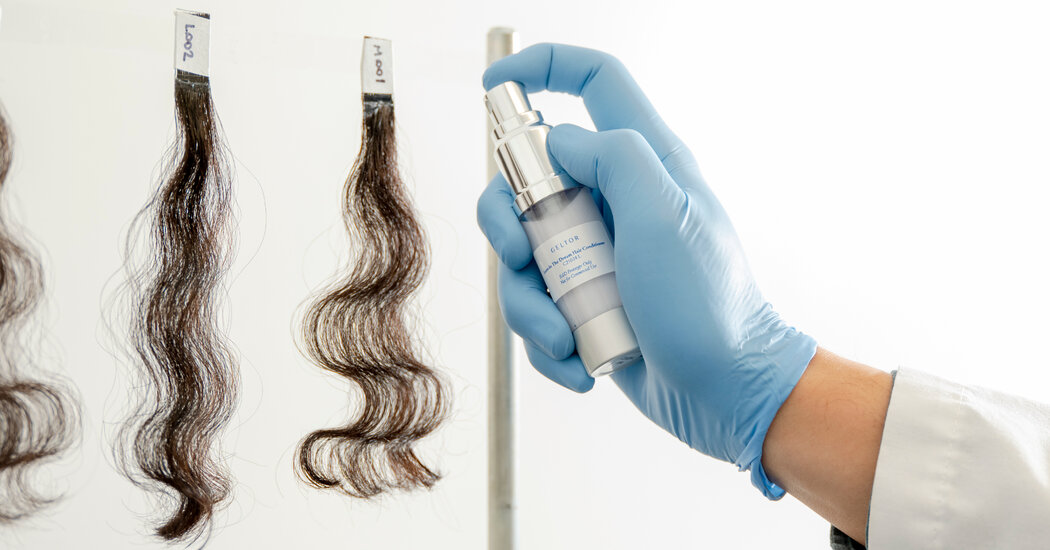
One company believes the possibilities go beyond vegan “meat,” from faux leather to luxury skin-care products. But is there enough demand outside of food alternatives?This article is part of Upstart, a series about companies harnessing new science and technology to solve challenges in their industries.The multibillion push to make animals obsolete in the food industry has already produced pea-protein “bratwurst,” fungus molded into “ham” and “leather,” and “meat” cultured from chicken cells. Geltor, a seven-year-old company based in the Bay Area, is taking a different tack: bioengineering bacteria cells to produce animal proteins you’ll likely never taste.Geltor is producing forms of collagen they say are identical to the proteins extracted from skin and bones. For now, those vegan collagens can be found in high-end skin care creams. But as the company grows, it’s eyeing other ingredients few Americans associate with animal farming, such as the elastin in your shampoo, the collagen peptides in your smoothie, and even the gelatin (which is hydrolyzed, or slightly broken-down, collagen) in your marshmallows. Alex Lorestani, co-founder and chief executive of Geltor, likes to talk about how the company’s proteins impose a lighter burden on the environment than the meat industry. The challenge, however, is how the company gets to the scale necessary to exert that kind of impact.Alex Lorestani, chief executive of Geltor, at the company’s. Dr. Lorenstani founded the company with Nick Ouzounov in 2015. Cayce Clifford for The New York TimesIn 2012, Dr. Lorestani and co-founder Nick Ouzounov, both 35, were both pursuing doctorates in molecular biology at Princeton University when the invention of Crispr turbocharged the field of bio-design. “We can bio-design medicine,” Dr. Lorestani recalled discussing with his labmates that summer. “Why can’t we bio-design everything?”Dr. Ouzounov eventually came up with a method — which he and Dr. Lorestani, in typical Bay Area techspeak, call “a platform” — for genetically modifying bacteria cells to reproduce a wide variety of animal proteins, a process that biotech firms are calling “precision fermentation.” In 2015, the two scientists formed Geltor. Soon after, the new company was accepted into IndieBio, a biotech venture capital firm based in San Francisco that has incubated a host of alt-protein companies including Upside Foods (which cultures cow and chicken cells to make meat) and Perfect Day (which bioengineers microbes to produce milk proteins).IndieBio’s leaders convinced Dr. Lorestani and Dr. Ouzounov that Geltor needed to sell a product, not a platform, and the partners settled on bio-designed collagen. Collagen is plentiful in all animal bodies, but Americans often encounter it in food-grade gelatin, nutritional supplements, and hair and skin-care products. They saw a growing market for collagen in luxury skin-care products, particularly in Asia.The company’s focus is bio-designed collagen, for which they saw a growing market in luxury skin-care products.Cayce Clifford for The New York TimesTesting Geltor products at the company’s headquarters.Cayce Clifford for The New York TimesGeltor introduced itself to the world in 2018 with a series of experiments that verged on conceptual art. Dr. Lorestani and Dr. Ouzounov programmed bacteria to reproduce collagen from extinct mastodon, then ate the resultant gummies (elephant-shaped; mastodon molds were unavailable). They mimicked jellyfish collagen, forming jiggly sheets that they “tanned” to make a bioengineered “leather” book cover.More than 90 percent of collagen and gelatin on the market comes from hogs and cattle, a byproduct of the slaughter industry. The goal of Geltor’s theoretical experiments wasn’t just to generate hype but to convince potential clients they could make products the current supply chain couldn’t. “What if you weren’t constrained by what kind of animal is available to source your collagen?” Dr. Lorestani recalled asking. Then he suggested one mammal in particular, which is how Geltor settled on its first creation: HumaColl21, which the company calls “a virtually colorless and odorless solution.” In 2019, the Korean company AHC released an eye cream containing HumaColl21. Orora Skin Science, based in Canada, followed with creams and serums in 2021. In the past two years, Geltor has released biologically similar marine collagen and human elastin (as the name implies, a particularly stretchy protein) for skin care, as well as a poultry-like collagen intended for use in nutritional supplements. Microbes growing in giant fermenters express each of these collagens, which are strained and refined into pure protein. “The protein is just like what you would find in the original source,” Dr. Lorestani said. (The third-party IGEN certification program confirmed there was no detectable genetic material in the final product.)A $91.3 million investment round in 2020 allowed Geltor to ramp up production from 35,000 liters in 2019 to 2.2 million liters in 2021, which is still a relatively small amount. Tiny bottles of luxury eye creams require very little HumaColl21; large shampoo bottles and jars of collagen powder require more. Enough gelatin to supply Midwest potlucks with vegan Jell-O salads would require exponential growth.Those limits have determined the company’s commercial path. “The volumes of product required for the beauty and personal care customers are different than what are required for food and nutrition customers,” Dr. Lorestani said.Despite all that investment, there are skeptics. Julie Guthman, a geographer at University of California, Santa Cruz, who investigates Silicon Valley’s forays into agriculture and food, questions the “magical disruption” behind the alternative-protein industry’s promises.“There’s this idea that if you produce protein from cells or fermentation in a lab, somehow it removes us from land-based meat production,” she said; these companies still require energy, metal and food for the microbes themselves. And, she noted, there’s little transparency into their environmental claims, since their patented processes are closely guarded secrets.From left, Ani Tejirian, Andrew Hagen and Ray Tsao from the company’s discovery and strain engineering team.Cayce Clifford for The New York TimesThe potential market for collagen as a bio-designed ingredient exists thanks to a desire for eco-conscious and ethical alternatives. The U.N. Food and Agriculture Organization has estimated that raising livestock for food contributes 14.5 percent of the world’s annual greenhouse gas emissions. A third-party study that Geltor commissioned from MMG Consulting in 2020 estimated that its proteins require 73 percent less water to produce and resulted in 49 percent fewer greenhouse gas emissions, reductions that Geltor claims will grow as their production capacity increases. The company also has obtained halal, kosher and vegan certification for most of its products.If Geltor proves able to produce large enough qualities of gelatin and collagen to sell to food manufacturers, replacing a commodity ingredient derived from animals with an identical commodity derived from microbes seems like a less disruptive swap than reinventing steak or tuna.“Collagen is a very functional protein,” said Andrew Gravelle, a food chemist at the University of California, Davis: it melts just below body temperature, dissolving much like fat. Gelatin binds water molecules together (as in Jell-O) and is used to clarify juices and stabilize whipped creams. But seaweed-derived gelling agents such as carrageenan and agar, Dr. Gravelle added, don’t offer the same luxe texture and broad spectrum of uses as their animal-derived counterparts.Across the alternative-protein industry, however, it’s easier to talk about growth in terms of investment rather than concrete commercial impact. Take the market for plant-based meats: According to the Plant-Based Foods Association, in 2021, they accounted for 1.4 percent of the total meat market. Yet a 2022 market research report from the Good Food Institute, or G.F.I., an advocacy group for alternative-protein manufacturers, reported that, since 2020, investors worldwide have poured $8 billion into protein alternatives. In 2021 alone, $1.69 billion went to companies that, like Geltor, use precision fermentation, according to G.F.I.Dr. Lorestani with one of the products, lipstick in this case, that uses the company’s bio-designed collagen.Cayce Clifford for The New York TimesThe consumer innovation and applications lab at Geltor headquarters.Cayce Clifford for The New York TimesRegulators may pose another challenge to Geltor’s growth. The F.D.A. does not have an approval process for using novel ingredients like bioengineered proteins in cosmetics. And although the F.D.A. has approved other ingredients produced through bioengineering, such as chymosin (an enzyme used in the cheese industry to curdle milk) and EVERY Foods’ egg white replacer, neither the U.S.D.A. nor F.D.A. have allowed cultured beef or chicken meat to be sold in the United States.That raises the question of whether Geltor’s future needs to include food production. For Dr. Lorestani, growing Geltor’s capacity isn’t just about making skin care vegan or gelatin kosher. It’s about using their technology to produce other proteins, too. “We want to make the appeal of Geltor’s bio-designed products so obvious from a performance and sustainability standpoint that choosing something else extracted from petroleum or animal byproducts is simply unimaginable,” he said.

Read more →

Breaking Nicotine’s Powerful Draw

Millions of smokers could be forced to confront the agony of nicotine withdrawal as the F.D.A. weighs calling for a drastic reduction in the addictive lure of cigarettes.At some point in the next few years, the 30 million smokers in the United States could wake up one day to find that cigarettes sold at gas stations, convenience stores and smoke shops contain such minuscule amounts of nicotine that they cannot get their usual fix when lighting up.Would the smokers be plunged into the agonizing throes of nicotine withdrawal and seek out their favorite, full-nicotine brand on illicit markets, or would they turn to vaping, nicotine gum and other less harmful ways to get that angst-soothing rush?Such scenarios inched closer to the realm of possibility in June, when the Food and Drug Administration said that it would move toward slashing nicotine levels in cigarettes in an effort to reduce the health effects of an addiction that claims 480,000 lives a year.The agency set next May as its timetable for introducing a fully developed proposal. But many experts hope regulators will champion an immediate 95 percent reduction in nicotine levels — the amount federally funded studies have determined is most effective for helping smokers kick the habit.It could be years before any new policy takes effect, if it survives opposition from the tobacco industry. Even so, health experts say any effort to decrease nicotine in cigarettes to nonaddictive levels would be a radical experiment, one that has never been implemented by any other country.The science of nicotine addiction has come a long way since 1964, when a U.S. Surgeon General report first linked smoking to cancer and heart disease, although it would take another two decades for the mechanics of nicotine dependence to be understood and widely accepted.Tobacco contains more than 7,000 chemicals, many of them harmful when burned and inhaled, but it is nicotine that keeps smokers coming back for more. Nicotine stimulates a surge of adrenaline in the brain while indirectly producing a flood of dopamine, the chemical that promotes feelings of contentment and relaxation. The effects, however, are short-lived, which is why heavy smokers need a fresh injection a dozen or more times a day.Eric Donny, a tobacco expert at Wake Forest University School of Medicine who has conducted experiments with low nicotine cigarettes, says many scientists have come to embrace a 95 percent reduction in nicotine levels as ideal for helping study subjects smoke less. Anything higher, he said, can encourage participants to engage in so-called compensatory smoking — inhaling more deeply or smoking more frequently.The studies he and other scientists have run recently used genetically modified tobacco bred to express less nicotine; bringing nicotine down to zero is not an option under the Tobacco Control Act, a 2009 law that gave the F.D.A. the power to regulate the manufacture and marketing of tobacco.“When you get the nicotine in tobacco low enough, you just can’t get enough nicotine to maintain the dependence,” Dr. Donny said. “Smoking more creates adverse effects, like nausea, because the lungs can only handle so much of a burned substance.”But even as tobacco control researchers cheered the F.D.A. announcement, they acknowledged that any move to lower nicotine in cigarettes would be enormously challenging for inveterate smokers — even among the 70 percent who have said they would like to stop. As it is, fewer than one in 10 adults who try to quit smoking succeed, a reflection of nicotine’s addictive prowess and the limitations of nicotine replacement therapy.Low-nicotine VLN cigarettes, which use genetically modified tobacco, were sold at a Circle K store in Chicago, as part of a pilot project to see if they could help wean people off smoking.Taylor Glascock for The New York TimesDr. Nora Volkow, director of the National Institute on Drug Abuse, expressed confidence in the studies that backed an immediate cut in nicotine levels versus a gradual tapering. But she said that scientists and regulators still needed to address the welter of unforeseen consequences that could prove disruptive to determined smokers and could fuel the creation of underground markets for full-nicotine cigarettes. “You cannot completely predict outcomes based on a clinical randomized study,” she said. “Biology and life are not so precise.”Some scientists have urged caution for any plan that would drastically cut nicotine levels in one fell swoop, warning that the existing research on low-nicotine cigarettes is imperfect, given the high number of study participants who cheat. The skeptics, among them tobacco company executives, warn that banning conventional cigarettes would drive determined smokers to seek imports from Mexico and Canada. They also argue that some smokers, including teenagers, could develop a habit that pairs vaping or nicotine gum with low-nicotine cigarettes, which are just as carcinogenic as traditional cigarettes.Lynn T. Kozlowski, a tobacco researcher at the University at Buffalo who has contributed to four Surgeon General reports on smoking since 1981, said nicotine was a highly addictive drug, with a stranglehold on users that could rival cocaine and heroin, and that the F.D.A. needed to consider how a sweeping decrease of nicotine in cigarettes would affect smoker behavior.“What scares me is a national experiment with very low nicotine cigarette that is done without some testing in the real world,” he said. The studies many experts cite when promoting a 95 percent drop in nicotine levels relied upon paid participants, he noted, adding that some of them secretly smoked their own brands at the same time that researchers were plying them with low-nicotine cigarettes.In interviews, smokers who had heard about the F.D.A.’s announcement said they were conflicted by the prospect of being forced to abandon their addiction, despite knowing full well that it damaged their health and would likely shorten their life span. Mike Harrigan, an options trader who was taking a smoking break outside the Chicago Board of Trade, said he feared he might actually end up smoking more if cigarettes contained significantly lower amounts of nicotine. “It may help newer smokers, but it will hurt people who are used to a certain level of nicotine,” said Mr. Harrigan, 55, who has been a pack-a-day smoker for three decades.Dr. Kozlowski said he was especially concerned by the agency’s mixed messaging and seemingly conflicted stance on e-cigarettes, which deliver nicotine without the tar and many other toxins that are inhaled when tobacco is ignited. Even if the long-term impacts of vaping remain unknown — though health experts agree that teenagers should be discouraged from trying e-cigarettes — there is mounting consensus that such products are useful for helping adult smokers quit.The F.D.A. has so far approved just six vaping products and has denied more than a million others, including those made by Juul Labs. Earlier this summer, the agency ordered Juul off shelves, citing the potential harm from chemicals that could leach out of its e-liquid cartridges. But the F.D.A. has since granted the company further review.Dr. Judith Prochaska, an addiction specialist at Stanford University who runs a smoking cessation clinic for patients with cancer and their families, said lighting up during a stressful phone call, while sipping a cocktail or following a meal creates a powerful memory that conditions the mind into associating a cigarette with the stimulation or succor that it delivers via the rush of nicotine.“All these everyday behaviors cue your brain that nicotine is coming,” she said. “It’s basically the Pavlovian dog effect but conditioned here with a highly addictive drug.”Dr. Judith Prochaska, an addiction specialist at Stanford University, said certain activities that people associate with smoking can signal their brain that nicotine is coming, which deepens dependency.Mike Kai Chen for The New York TimesOver time, the dependency deepens. Regular smoking promotes the formation of additional dopamine receptors — sometimes millions more. When a smoker goes cold turkey, those unrequited receptors prompt the anxiety, irritability and depression that can make nicotine withdrawal so hard to bear.Nicotine patches, gum and vapes can help to satisfy some of the cravings, but they cannot replace the rituals of having a cigarette: the retreat outside with a co-conspirator, the crinkling of cellophane and foil as you open a new pack, the heady buzz of that first drag.Bruce Holaday, 69, a retired educator from Mill Valley, Calif., knows full well the power of nicotine. Over the past five decades, Mr. Holaday reckons he has tried to quit 100 times, often relying on nicotine replacement products. But he invariably returned to his lifelong, pack-a-day affair with Marlboro Lights.His last attempt in August, a cold turkey gambit without nicotine replacement therapy, triggered an excruciating maelstrom of cravings that lasted several months. “It was like a sudden earthquake of desire and need, and then there would be these tremors for the next 10 to 15 minutes,” he said.But this time, Mr. Holaday joined a support group at Stanford Health Care, which introduced a powerful social component into his quest. He described the effect as “not wanting to let the team down” and said he learned to avoid stressful situations, like watching the news. He discovered that if he could face down the initial waves of craving, they invariably subsided.In late June, he passed the one-year mark since taking his last drag.He gained weight but no longer gets easily winded on hikes. And he is confident he will never go back to smoking.Asked about the prospect of drastic government intervention to compel Americans to quit, Mr. Holaday paused and thought about the first puff he took a half-century ago as a college freshman. “Without that nicotine rush, I would have probably walked away and never smoked again,” he said. “It will be rough for smokers, but anything we can do to prevent a new generation from getting hooked is a good thing.”Robert Chiarito contributed reporting from Chicago.

Read more →

3D model of brain tumor environment could aid personalized treatment

Glioblastoma, a rare but deadly brain cancer, is wickedly sturdy. Surgeons remove tumors only to see the cancer come back ferociously. Chemotherapy and radiation therapy have limited effects. About half of patients die within 18 months.
But now Virginia Tech scientists have developed a novel 3D tissue-engineered model of the glioblastoma tumor microenvironment that can be used to learn why the tumors return and what treatments will be most effective at eradicating them — right down to a patient-specific level.
The model and its development are described in a paper published July 29 in Nature Partner Journals Precision Oncology.
“Our goal is ultimately to develop a personalized medicine approach in which we can take a patient’s tumor, build a model of that tumor in a dish, test drugs on it, and tell a clinician which therapy will work best to treat it,” said Jennifer Munson, associate professor at the Fralin Biomedical Research Institute at VTC and the paper’s corresponding author.
The model is an important step to identify new markers and therapies for the cancer. Research using the new model has already identified a new measure for understanding a patient’s tumor, including the capability of the cancer cells to renew and differentiate themselves, which is an indicator of how the cancer will respond to drug treatments.
About 15,000 people a year are diagnosed with glioblastoma, according to the National Cancer Institute.

Read more →

New US population study projects steep rise in cardiovascular diseases by 2060

By the year 2060, projected rates of cardiovascular risk factors and disease will increase significantly in the United States, according to a study published today in the Journal of the American College of Cardiology. Substantial increases in cardiovascular trends may contribute to a rising burden on the U.S. health care system and highlight the need for equitable access to prevention education and treatments now to prevent future disease.
The researchers used data from the 2020 U.S. Census Bureau report for the years 2025 to 2060, and combined these census counts with the prevalence of cardiovascular risk factors or disease based on the U.S. National Health and Nutrition Examination Survey. From these estimates, the investigators evaluated projected cardiovascular risk factors and diseases in groups based on sex (male and female), age (18-44 years; 45-64; 67-79; >80) and race and ethnicity (Asian, Black, Hispanic, White and other). The researchers analyzed projected rates for the following cardiovascular risk factors: diabetes, hypertension, dyslipidemia, obesity; and the following cardiovascular diseases: ischemic heart disease, heart failure, heart attack and stroke.
Among the general U.S. population, all four CV risk factors are expected to increase from 2025 to 2060, with the largest percentage increase in diabetes (39.3% increase to 55 million persons), followed by dyslipidemia (27.6% to 126M), hypertension (25.1% to 162M) and obesity (18.3% to 126M). The researchers found that stroke (33.8% to 15M) and heart failure (33.4% to 13M) were the highest projected increases in rates of cardiovascular diseases, followed by ischemic heart disease (30.7% to 29M) and heart attack (16.9% to 16M).
Projections for CV risk factors or diseases from 2025 to 2060 are expected to stabilize for males versus females (apart from obesity, where women are projected to continue to have higher prevalence) as well as across age. However, all projections for race and ethnicity minority groups exponentially rose, while projections for White persons gradually decreased. The Black population is expected to experience the highest CV risk factor burden among all race and ethnicity increases. In addition, CVD rate increases are projected to have the highest impact on the Black and Hispanic populations.
“Our analysis projects that that the prevalence of cardiovascular risk factors and diseases will continue to rise with worrisome trends,” said James L. Januzzi Jr., MD, cardiologist at Massachusetts General Hospital, Cardiology Division, Hutter Family Professor of Medicine at Harvard Medical School, Trustee of the ACC, and senior author of the study. “These striking projections will disproportionately affect racial and ethnic minority populations in the U.S. Understanding these results will hopefully inform future public health policy efforts and allow us to implement prevention and treatment measures in an equitable manner.”
The researchers recommend emphasizing education regarding CV risk factors, improving access to quality health care and facilitating lower-cost access to effective treatment therapies to stem the rising tide of CVD in at-risk individuals. In addition, health policy will need to be developed to improve health care access to historically neglected populations, implement customized preventive strategies and dismantle broader systems leaving racial and ethnic minorities with inferior care.
“Ultimately, as prevention is imperative to tackle the future burden of cardiovascular disease, the results from this study pose an important challenge,” said Reza Mohebi, MD, the Dennis and Marilyn Barry Fellow in Cardiology at Massachusetts General Hospital and lead author of the study. “In order to reduce the burden of cardiovascular disease in the U.S. population, health care policymakers will need to allocate preventive measures and health care resources to the more vulnerable populations we projected to have higher percentage rise in disease.”
“Despite that several assumptions underlie these projections, the importance of this work cannot be overestimated,” said Andreas Kalogeropoulos, MD, MPH, PhD, clinical and outcomes researcher at Stony Brook University Medical Center and author of the accompanying editorial comment. “The absolute numbers are staggering and suggest that by year 2060, compared to 2025, the numbers of people, particularly minorities, with CV risk factors are expected to increase dramatically. Unless targeted action is taken, disparities in the burden of cardiovascular disease are only going to be exacerbated over time.”
The study has several limitations, including the conventional method of generating predictions for future CV disease by assuming future patterns of CV risk factors. The study authors did not factor in COVID-19 to the estimates or potential long-term impacts of COVID-19 on the cardiovascular system. Lastly, CVDs were defined based on self-report.

Read more →

The lining of children's noses may provide protection from SARS-CoV-2 infection

SARS-CoV-2 causes a broad range of clinical symptoms, including potentially fatal acute respiratory distress syndrome (ARDS). A study published August 1 in the open access journal PLOS Biology by Kirsty Short at University of Queensland, Queensland, Australia, and colleagues suggests the nasal epithelium (the lining of the nose) of children inhibits infection and replication of the ancestral strain of the SARS-CoV-2 virus and the Delta variant, but not the Omicron variant.
Children have a lower COVID-19 infection rate and milder symptoms than adults. However, the factors driving this apparent pediatric resistance to COVID-19 infections are unknown. In order to better understand lower infection and replication of ancestral SARS-CoV-2 virus in children, researchers obtained samples of primary nasal epithelium cells (NEC) from twenty-three healthy children aged 2-11 and fifteen healthy adults aged 19-66 in Australia. They exposed the cells of adults and children to SARS-CoV-2 and then observed the infection kinetics and antiviral responses in children compared to adults.
The researchers found that ancestral SARS-CoV-2 replicated less efficiently and was associated with a heightened antiviral response in the nasal epithelial cells of children. This lower viral replication rate was also observed with the Delta variant, but not the more recent Omicron variant. The study had several limitations however, including a small sample size, so future clinical studies will be needed to validate these preliminary findings in a larger population and to determine the role of other factors, such as antibodies in protecting children from SARS-CoV-2 infection. Additionally, pediatric protection from emerging variants has yet to be quantified.
According to the authors, “We have provided the first experimental evidence that the pediatric nasal epithelium may play an important role in reducing the susceptibility of children to SARS-CoV-2. The data strongly suggest that the nasal epithelium of children is distinct and that it may afford children some level of protection from ancestral SARS-CoV-2.”
Short adds, “We use nasal epithelial cells from children and adults to show that the ancestral SARS-CoV-2 and Delta, but not Omicron, replicate less efficiently in pediatric nasal epithelial cells.”
Story Source:
Materials provided by PLOS. Note: Content may be edited for style and length.

Read more →

Iron buildup in brain linked to higher risk for movement disorders

A disorder called hereditary hemochromatosis, caused by a gene mutation, results in the body absorbing too much iron, leading to tissue damage and conditions like liver disease, heart problems and diabetes. Scant and conflicting research had suggested, however, that the brain was spared from iron accumulation by the blood-brain barrier, a network of blood vessels and tissue composed of closely spaced cells that protects against invasive pathogens and toxins.
But in a new study published in the August 1, 2022 online issue of JAMA Neurology, researchers at University of California San Diego, with colleagues at UC San Francisco, Johns Hopkins Bloomberg School of Public Health and Laureate Institute for Brain Research, report that individuals with two copies of the gene mutation (one inherited from each parent) show evidence of substantial iron buildup in regions of the brain responsible for movement.
The findings suggest that the gene mutation principally responsible for hereditary hemochromatosis may be a risk factor for developing movement disorders, such as Parkinson’s disease, which is caused by a loss of nerve cells that produce the chemical messenger dopamine.
Additionally, the researchers found that males of European descent who carry two of the gene mutations were at greatest risk; females were not.
“The sex-specific effect is consistent with other secondary disorders of hemochromatosis,” said first author Robert Loughnan, PhD, a postdoctoral scholar in the Population Neuroscience and Genetics Lab at UC San Diego. “Males show a higher disease burden than females due to natural processes, such as menstruation and childbirth that expel from the body excess iron build-up in women.”
The observational study involved conducting MRI scans of 836 participants, 165 of who were at high genetic risk for developing hereditary hemochromatosis, which affects approximately 1 in 300 non-Hispanic White people, according to the Centers for Disease Control and Prevention. The scans detected substantial iron deposits localized to motor circuits of the brain for these high risk individuals.
The researchers then analyzed data representing almost 500,000 individuals and found that males, but not females, with high genetic risk for hemochromatosis were at 1.80-fold increased risk for developing a movement disorder, with many of these persons not having a concurrent diagnosis for hemochromatosis.
“We hope our study can bring more awareness to hemochromatosis, as many high-risk individuals are not aware of the abnormal amounts of iron accumulating in their brains,” said senior corresponding author Chun Chieh Fan, MD, PhD, an assistant adjunct professor at UC San Diego and principal investigator at the Laureate Institute for Brain Research, based in Tulsa, OK. “Screening high-risk individuals for early detection may be helpful in determining when to intervene to avoid more severe consequences.”
Loughnan said the findings have immediate clinical import because there already exist safe and approved treatments to reduce excess iron resulting from the gene mutation. Additionally, the new data may lead to further revelations about how iron accumulates in the brain and increases the risk of movement disorders.
Approximately 60,000 Americans are diagnosed with Parkinson’s disease annually, with 60 percent being male. Late-onset Parkinson’s disease (after the age of 60) is most common, but rates are rising among younger adults.
More broadly, an estimated 42 million people in the United States suffer from some form of movement disorder, such as essential tremor, dystonia and Huntington’s disease.
Co-authors include: Jonathan Ahern, Cherisse Tompkins, Clare E. Palmer, John Iversen, Terry Jernigan and Anders Dale, all at UC San Diego; Ole Andreassen, University of Oslo, Norway; Leo Sugrue, UC San Francisco; Mary ET Boyle, UC San Diego and Johns Hopkins Bloomberg School of Public Health; and Wesley K. Thompson at UC San Diego and Laureate Institute for Brain Research.

Read more →

New molecule may prevent age-related diseases and increase life expectancy and wellness, study suggests

While breakthroughs in the world of medicine and technology account for the global increase in life expectancy, improvements in quality of life for the elderly population lag far behind. Longevity without a decline in health is one of the major challenges that faces the world of medicine.
A new study led by Professors Einav Gross and Shmuel Ben-Sasson of the Faculty of Medicine at the Hebrew University of Jerusalem (HU) has identified a group of molecules that enable cells to repair damaged components, making it possible for those tissues to retain proper function. The efficacy of the molecules was demonstrated on a model-organism. The research team examined the effect of various therapies on longevity and quality of life, and successfully proved they can protect the organism’s and human cells from damage. Their findings were published in Autophagy.
Currently, a major factor in aging tissues is the reduced effectiveness of the cell’s quality-control mechanism, which leads to the accumulation of defective mitochondria. As Gross explained, “mitochondria, the cell’s ‘power plants,’ are responsible for energy production. They can be compared to tiny electric batteries that help cells function properly. Although these ‘batteries’ wear out constantly, our cells have a sophisticated mechanism that removes defective mitochondria and replaces them with new ones.” However, this mechanism declines with age, leading to cell dysfunction and deterioration in tissue activity.
This degenerative process lies at the heart of many age-related diseases, such as Alzheimer’s disease, Parkinson’s disease, heart failure and sarcopenia, which are on the rise. Gross and Ben-Sasson’s study may have far-reaching practical applications since their new technology, developed at Hebrew U., helped create innovative compounds to treat diseases that are currently incurable. The study also showed that these molecules can be used preventively. “In the future, we hope we will be able to significantly delay the development of many age-related diseases and improve people’ quality of life,” shared Ben-Sasson. Further, these compounds are user-friendly and can be taken orally.
To advance their important research and translate it into medical treatment for a variety of patients, the research team, together with Yissum, Hebrew University’s tech transfer company, established Vitalunga, a startup that is currently developing this drug. “Ben-Sasson’s and Gross’s findings have significant value for the global aging population,” noted Itzik Goldwaser, CEO of Yissum. “As Vitalunga advances towards pre-clinical studies, they’re closer than ever to minimizing the unbearable burden that aging-related diseases, such as Alzheimer’s and Parkinson’s, has on individuals, their families and our health care systems.”
Story Source:
Materials provided by The Hebrew University of Jerusalem. Note: Content may be edited for style and length.

Read more →

Using iPSCs, researchers create cells that represent the airways of cystic fibrosis patients

Cystic fibrosis (CF) is caused by a mutation of the CFTR gene. While there are many hundreds of known mutations, not all of them are currently treatable which means a significant number of CF patients lack targeted therapies.
In an effort to identify new treatments for these patients, researchers from Boston University School of Medicine (BUSM) set out to use blood cells from individuals with CF to make patient-specific induced pluripotent stem cells (iPSCs) and generate lung epithelial cells in the lab. These lung cells are functional and highly similar to the lung cells of the patient. Using these “lung cells in a dish,” they have created a novel platform to discover effective drugs for those patients who currently don’t have any treatment options.
“This model system can be used to identify new treatments for those CF patients who continue to struggle without therapies. More broadly, the functional lung cells we are able to create have the power and potential to model various lung-specific diseases including asthma, COPD, CF, primary ciliary dyskinesia, as well as viral infections,” explains lead author Andrew Berical, MD, assistant professor of medicine at BUSM.
The researchers generated lung cells from 12 different donors and tested both approved and experimental CF drugs. Cells from patients with treatable mutations showed expected responses. Cells from patients with untreatable mutations could be used to discover novel and experimental therapies, in a safe non-invasive manner.
According to Berical and Finn Hawkins, MBBCh, who is the senior author of the study, this work opens the door to wide possibilities for the use of iPSC-derived lung cells. “To generate cells (initially from a blood draw) that are similar to actual lung cells, suggests the possibility of using these cells as both a safe drug testing platform as well as a potential treatment themselves. For example if a genetic alteration (such as a CFTR mutation) can be corrected (in the lab), we may one day have the ability to make genetically-edited lung cells and put them back into a patient, thus curing them of their lung disease,” adds Berical who also is a member of the BU/BMC Center for Regenerative Medicine.
The researchers hope that by generating lung cells that are similar in makeup and function to an individual’s own lung cells, they may one day be able to discover safe, effective and life changing medications for those who continue to struggle without adequate treatments.
These findings appear online in the journal Nature Communications.
Funding for this study was provided by the National Institute of Health and the Cystic Fibrosis Foundation.
Story Source:
Materials provided by Boston University School of Medicine. Note: Content may be edited for style and length.

Read more →

Scientists uncover mechanism that shapes centromere distribution

Since the 1800s, scientists have noted configuration of centromeres, a special chromosomal region that is vital for cell division, in the nucleus. Up until this point, however, the determining mechanisms and the biological significance of centromere distribution were poorly understood. A team led by researchers from the University of Tokyo and their collaborators recently proposed a two-step regulatory mechanism that shapes centromere distribution. Their findings also suggest that centromere configuration in the nucleus plays a role in maintaining genome integrity.
The results were published in Nature Plants.
During the process of cell division, special chromosomal domains called centromeres are pulled to the opposite ends of the cell. After cell division is completed and the cell nucleus is constructed, centromeres spatially distributed in the nucleus. If the distribution of centromeres pulled to the two poles remains unchanged, the cell nucleus will have centromeres grouped at only one side of the nucleus. This uneven distribution of centromeres is called Rabl configuration, after the 19th-century cytologist Carl Rabl. Some species’ nuclei show a dispersed distribution of centromeres instead, which is known as non-Rabl configuration.
“The biological function and molecular mechanism of the Rabl or non-Rabl configuration has been a mystery across the centuries,” said corresponding author Sachihiro Matsunaga, professor at the University of Tokyo’s Graduate School of Frontier Sciences. “We successfully revealed the molecular mechanism to construct the non-Rabl configuration.”
The researchers studied the plant Arabidopsis thaliana, known also as thale cress and a specimen that is known to have non-Rabl configuration, and its mutant form that had a Rabl configuration. Through their work, they found that protein complexes known as condensin II (CII) and protein complexes known as the linker of nucleoskeleton and cotoskeleton (LINC) complex work together to determine centromere distribution during cell division.
“The centromere distribution for non-Rabl configuration is regulated independently by the CII- LINC complex and a nuclear lamina protein known as CROWDED NUCLEI (CRWN),” Matsunaga said.
The first step of the two-step regulatory mechanism of centromere distribution that the researchers uncovered was that the CII-LINC complex mediates the scattering of centromeres from late anaphase to telophase — two phases at the end of cell division. The second step of the process is that the CRWNs stabilize the scattered centromeres on nuclear lamina within the nucleus.
Next, to explore the biological significance, the researchers analyzed the gene expression in A. thaliana and in its Rabl-structure mutant. Because a change in the spatial arrangement of centromeres also changes the spatial arrangement of genes, the researchers expected to find differences in gene expression, but this hypothesis proved to be incorrect. However, when DNA damage stress was applied, the mutant grew organs at a slower rate than the normal plant.
“This suggests that precise control of centromere spatial arrangement is required for organ growth in response to DNA damage stress, and there is no difference in tolerance to DNA damage stress between organisms with the non-Rabl and Rabl,” Matsunaga said. “This suggests that the appropriate spatial arrangement of DNA in the nucleus regardless of Rabl configuration is important for stress response.”
According to Matsunaga, the next steps are to identify the power source that changes the spatial arrangement of specific DNA regions and the mechanism that recognizes specific DNA.
“Such findings will lead to the development of technology for artificially arranging DNA in the cell nucleus in an appropriate spatial arrangement,” he said. “It is expected that this technology will make it possible to create stress-resistant organisms, as well as to impart new properties and functions by altering the spatial arrangement of DNA rather than editing its nucleotide sequence.”
Story Source:
Materials provided by University of Tokyo. Note: Content may be edited for style and length.

Read more →

Fewer people tried to quit smoking during COVID-19 pandemic, study shows

A new study led by researchers atthe American Cancer Society (ACS), shows serious smoking cessation activity declined among adults in the United States immediately after the onset of COVID-19 and persisted for over a year. Declines in attempts to quit smoking were largest among persons experiencing disproportionately negative outcomes during COVID-19, including Black people, people with comorbidities, middle-aged people, and lower educated people. The data was published today in the Journal of the American Medical Association (JAMA) Network Open.
“Smoking cessation is an urgent public health priority given that smoking is associated with an increased risk of severe COVID-19 outcomes and at least 12 cancers,” said Dr. Priti Bandi, principal scientist, risk factors & screening surveillance research at the American Cancer Society and lead author of the study. “It is essential to re-engage persons who smoke in serious attempts to quit smoking, considering a typical smoker tries to quit on average six times before being successful.”
Researchers conducted this cross-sectional study using 2011 to 2020 data on close to 800 thousand individuals who had smoked in the past year from the nationally representative Behavioral Risk Factor Surveillance System (BRFSS) survey. Representative retail scanner sales data between January 2017 and July 2021 for 1004 unique nicotine replacement therapy (NRT) universal produce codes in 31 U.S. states from NielsenIQ were also used.
The results showed the annual prevalence of past-year quit attempts among U.S. smokers decreased for the first time since 2011, from 65.2% in 2019 to 63.2% in 2020. Declines began in the first quarter of 2020 and quit attempt prevalence remained depressed through the year. The report also shows relative decreases between 2019 and 2020 were the largest among persons known to have experienced disproportionately negative outcomes during the COVID-19 pandemic, including middle-aged persons, those with 2 or more comorbidities, Black persons, and lower educated persons. According to the authors, observed sales of NRT products from representative retail scanner data in 31 states declined by between 1% and 13% compared to expected sales. Declines began immediately after COVID-19 onset (April 2020) and persisted through the first quarter of 2021.
“These results remind us how critical it is for clinicians and healthcare systems to support persons who smoke with evidence-based quitting strategies,” said Dr. William Dahut, chief scientific officer at the American Cancer Society. “Such efforts must be particularly targeted to persons disproportionately impacted by the COVID-19 pandemic, including Black persons, middle-aged persons, those with comorbidities and lower educated persons.”
“Tobacco is the number one, preventable cause of cancer and is responsible for up to one-third of all cancer deaths,” said Lisa Lacasse, president of the American Cancer Society Cancer Action Network (ACS CAN), ACS’s advocacy affiliate. “We know quitting tobacco isn’t easy, so we must do everything in our power to ensure individuals trying to quit have access to the cessation services they need. By ensuring Medicaid programs cover all FDA-approved cessation treatments and services in every state and that state tobacco prevention and cessation programs are adequately funded, we can help more people quit and help reduce cancer disparities driven by this deadly product.”
Dr. Ahmedin Jemal is senior author of the study. Other ACS authors include: Dr. Samuel Asare, Dr. J. Lee Westmaas, Dr. Anuja Majmundar, Dr. Xuesong Han, Zheng Xue, and Dr. Nigar Nargis.
Story Source:
Materials provided by American Cancer Society. Note: Content may be edited for style and length.

Read more →