Medieval monks were 'riddled with parasites'

A new analysis of remains from medieval Cambridge shows that local Augustinian friars were almost twice as likely as the city’s general population to be infected by intestinal parasites.
This is despite most Augustinian monasteries of the period having latrine blocks and hand-washing facilities, unlike the houses of ordinary working people.
Researchers from the University of Cambridge’s Department of Archaeology say the difference in parasitic infection may be down to monks manuring crops in friary gardens with their own faeces, or purchasing fertiliser containing human or pig excrement.
The study, published today in the International Journal of Paleopathology, is the first to compare parasite prevalence in people from the same medieval community who were living different lifestyles, and so might have differed in their infection risk.
The population of medieval Cambridge consisted of residents of monasteries, friaries and nunneries of various major Christian orders, along with merchants, traders, craftsmen, labourers, farmers, and staff and students at the early university.
Cambridge archaeologists investigated samples of soil taken from around the pelvises of adult remains from the former cemetery of All Saints by the Castle parish church, as well as from the grounds where the city’s Augustinian Friary once stood.

Read more →

Monkeypox Vaccine Plan Prods Cities and States to Adopt New Dosing Regimen

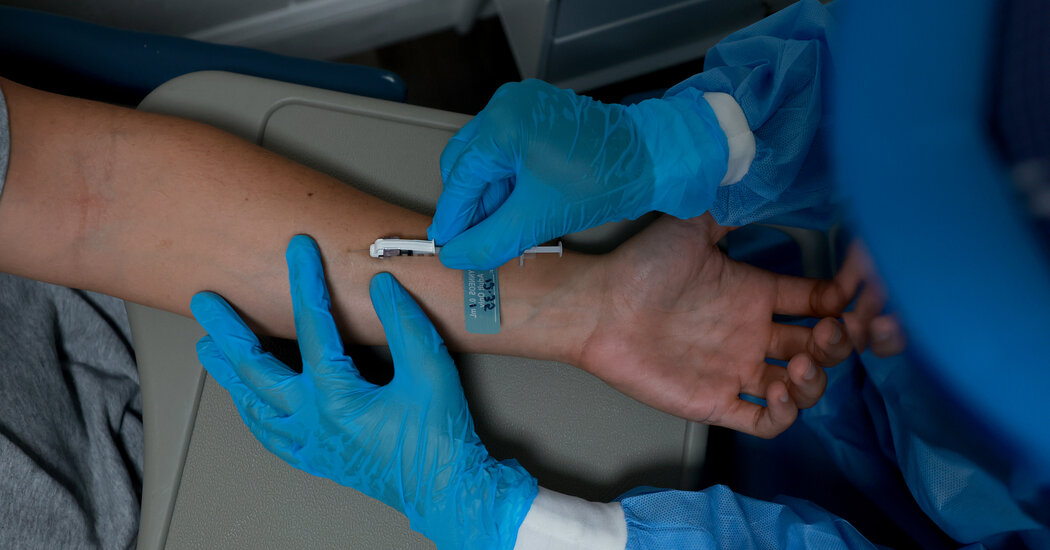
The Biden administration will distribute monkeypox vaccine to jurisdictions that adopt a new protocol using one-fifth the regular dose. Critics called the plan “unscientific.”WASHINGTON — The White House, under pressure to contain a growing monkeypox outbreak, announced on Thursday that it was sending 1.8 million vaccine doses to jurisdictions that agree to use a new vaccination protocol, as public health officials prepare for Gay Pride events and the return to college campuses, which they fear could hasten spread of the virus.The Biden administration has not acquired additional doses of the monkeypox vaccine. Instead, it is trying to stretch the existing stockpile by promoting a different method of administration that uses one-fifth as much per shot. Federal health officials say that is just as effective when injected into the skin instead of a full dose into underlying fat.The White House plan is an effort to encourage cities and states to switch to the so-called intradermal method. Those that have done so, and used 90 percent of their current supplies of vaccine, will be able to order additional doses beginning on Monday, officials said.“More shots in arms is how we get the outbreak under control,” Robert J. Fenton Jr., the White House monkeypox response coordinator, told reporters on Thursday.But not all jurisdictions have switched to intradermal dosing — New York City, the epicenter of the U.S. outbreak, has yet to begin such a change. And the protocol has raised concerns from some scientists, activists and the vaccine’s manufacturer, Bavarian Nordic.In a letter last week to President Biden’s health secretary, Xavier Becerra, the company expressed “some reservations” about the system, citing “very limited safety data” and concerns that patients might not receive a required second dose. On Thursday, the company said it had reached an agreement with a U.S.-based contract manufacturer to bottle doses of the vaccine, known as Jynneos, which will ease the current shortage.The administration’s vaccine distribution plan drew criticism from activists, who said that the better response would be to work with cities and states on a more flexible plan for mixed dosing. In that proposed regimen, some shots would be given into the skin — most likely by major health centers that were equipped to do so — and some would be given in the more traditional way, by providers who were not trained or equipped to switch.“What they are doing now, first and foremost, is unscientific,” said Joseph Osmundson, a virologist at New York University. “To pretend that 100 percent of doses will be given intradermally is incorrect.”James Krellenstein, a founder of PrEP4All, an advocacy group for H.I.V. patient care, called Thursday’s announcement about the distribution of vaccine doses “a complete accounting trick.” Activists also say the new protocol could exacerbate existing racial disparities and signal to people of color that they might be getting a lesser dose, despite health officials’ approval.“Once it starts becoming equitable, now it’s not, ‘We’ll give you the dosage that everyone was getting prior,’ it’s, ‘We’ll give you the shorter doses,’” said Jennifer Barnes-Balenciaga, a Black transgender woman who is helping to lead RESPND-MI, an epidemiological study on monkeypox.What to Know About the Monkeypox VirusCard 1 of 7What to Know About the Monkeypox VirusWhat is monkeypox?

Read more →

Researchers examine link between pesticides and thyroid cancer risk in Central California area

In single pollutant models and within a 20-year period, 10 out of 29 reviewed pesticides were associated with thyroid cancer, including several of the most widely used ones in the U.S. These included paraquat dichloride, glyphosate and oxyfluorfen.
Additionally, the risk of thyroid cancer increased proportionally to the total number of pesticides subjects were exposed to 20 years before diagnosis or the research interview. In all models, paraquat dichloride was associated with thyroid cancer.
The study appears in The Journal of Clinical Endocrinology & Metabolism.
The authors say this study provides the first evidence supporting the hypothesis that residential pesticide exposure from agricultural use is associated with an increased risk of thyroid cancer.
Thyroid cancer incidence has increased substantially in the U.S. during the past 30 years, rising by 3% annually. Some experts attribute the increase to better detection methods, but other reports suggest environmental, genetic and lifestyle risk factors may also explain the upward trend. Few studies have examined environmental exposures on thyroid cancer occurrence, except those focusing on radiation exposure. Previous studies found higher risks for those working in the leather, wood and paper industries, as well as those exposed to environmental solvents, flame retardants and pesticides.
Certain pesticides are established mutagens or have been shown to induce tumor growth and chromosomal abnormalities in vitro. These include glyphosate — the active ingredient in widely used herbicides — and 19 pesticides that induce DNA cell damage in vitro. Pesticides also can alter thyroid hormone production, which has been associated with thyroid cancer risk.

Read more →

Racial Disparities Have Marked the Monkeypox Vaccine Rollout

New York City has released new data showing that Black men have received far fewer monkeypox vaccines than their share of the at-risk population.New York City released new data on Thursday showing stark disparities in monkeypox vaccine access, with Black men receiving the vaccine at a much lower rate than members of other racial groups.White New Yorkers represent about 45 percent of people at heightened risk of monkeypox infection, and received 46 percent of vaccine doses. Black New Yorkers, who make up 31 percent of the at-risk population, received only 12 percent of doses administered so far, according to data from the city’s Health Department.Hispanic residents were overrepresented among vaccine recipients. They made up 16 percent of the at-risk population, but received 23 percent of shots. Hispanic men so far represent the largest share of monkeypox patients.Racial and ethnic imbalances in vaccine distribution are also happening elsewhere, as a highly limited supply of monkeypox vaccine has often gone first to those with better access to the health care system and more time to figure out when doses will be released. There are also concerns among advocates that a new method of administering the vaccines favored by the federal government, which uses only a fraction of the current dose, may inadvertently deepen disparities.New York City has vaccinated more people for monkeypox so far than any other jurisdiction. Some 64,000 of the roughly 130,000 people whom it deems most at risk have gotten the first of two doses. New York City estimates that there are about 134,000 people — primarily men who have sex with men — who are at heightened risk of infection, based on a 2020 city health survey.The racial disparities have left public health experts and activists frustrated that lessons from the Covid-19 response remain unlearned. Black and Hispanic New Yorkers were far more likely than white New Yorkers to be infected with Covid, and to be hospitalized and die during the deadly first wave in the spring of 2020. They were also less likely to receive vaccinations early on, and less likely to receive early treatments, such as monoclonal antibodies.Public health experts and activists were particularly dismayed that appointments for the monkeypox vaccine had been doled out largely on a first-come, first-serve basis, just as they were in an early phase of the Covid vaccine drive. Public health experts say that has meant that vaccine recipients have tended to be whiter and wealthier than other eligible New Yorkers because they are more likely to have flexible schedules, enabling them to spend the hours it can take to find a vaccine appointment.“We went back to vaccine cattle calls — everyone come — even though we know that if we do broad-based, top-down, no-nuance messaging, it is not going to reach everyone who needs it,” said Matthew Rose, a Black H.I.V. and social justice activist. “This was a foreseeable problem. We ran the same play we have run every other time before.”In New York City, the first batch of vaccines were given with little advance notice, midday on a Thursday, at a sexual health clinic in Chelsea, Manhattan, to a mostly white crowd. Later vaccine offerings relied on a glitchy internet appointment system.A clinic was set up in Harlem, but those who came appeared to be mostly white and lived elsewhere. Neighborhood residents weren’t able to walk in and get shots, a decision that came under deep criticism from community members who felt excluded. Some Black men have said the city didn’t do enough to warn them about the disease or how to protect themselves.What to Know About the Monkeypox VirusCard 1 of 7What to Know About the Monkeypox VirusWhat is monkeypox?

Read more →

Facebook and Instagram Remove Robert Kennedy Jr.’s Nonprofit for Misinformation

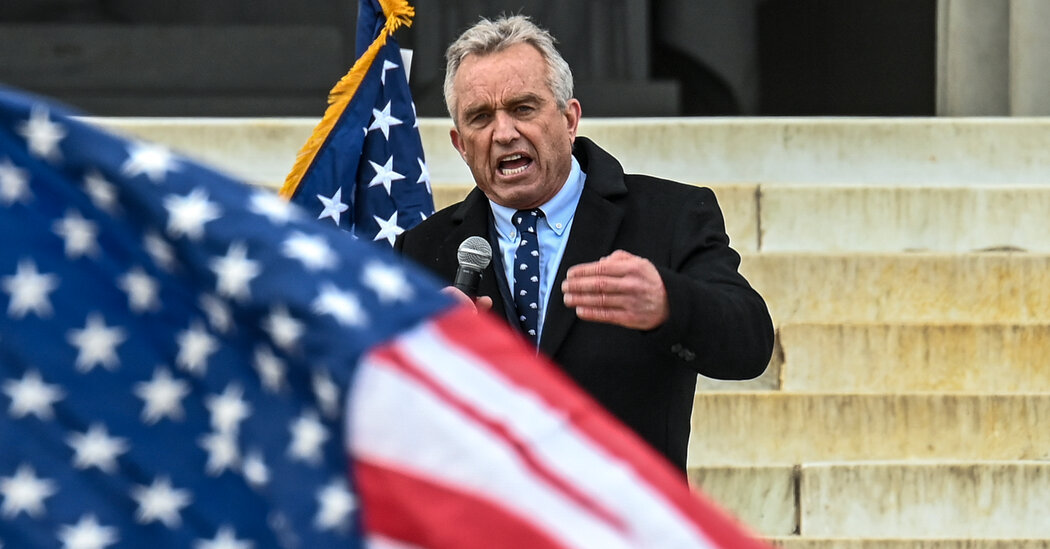
Facebook said that Children’s Health Defense, a group led by Mr. Kennedy, an anti-vaccine activist, had “repeatedly” violated its guidelines by spreading medical misinformation.Facebook and Instagram on Thursday removed the accounts of Children’s Health Defense, an organization led by Robert F. Kennedy Jr. that is one of the largest U.S. anti-vaccine groups, for spreading medical misinformation.In an emailed newsletter, Children’s Health Defense said Facebook and Instagram had taken down its accounts after a 30-day ban by the social networks. The nonprofit, which Mr. Kennedy has run since 2018, accused the apps of censorship.“Removing CHD accounts is evidence of a clearly orchestrated attempt to stop the impact we have during a time of heightened criticism of our public health institutions,” the group said.In a statement, Mr. Kennedy said, “Facebook is acting here as a surrogate for the Federal government’s crusade to silence all criticism of draconian government policies.”Children’s Health Defense is widely regarded as a symbol of the vaccine resistance movement. Last year, the organization was named one of the “Disinformation Dozen,” which refers to the top 12 superspreaders of misinformation about Covid-19 on the internet, according to the Center for Countering Digital Hate.Read More on Facebook and MetaA New Name: In 2021, Mark Zuckerberg announced that Facebook would change its name to Meta, as part of a wider strategy shift toward the so-called metaverse that aims at introducing people to shared virtual worlds.Morphing Into Meta: Mr. Zuckerberg is setting a relentless pace as he leads the company into the next phase. But the pivot  is causing internal disruption and uncertainty.Zuckerberg’s No. 2: In June, Sheryl Sandberg, the company’s chief financing officer announced she would step down from Meta, depriving Mr. Zuckerberg of his top deputy.Tough Times Ahead: After years of financial strength, the company is now grappling with upheaval in the global economy, a blow to its advertising business and a Federal Trade Commission lawsuit.Meta, which owns Facebook and Instagram, said it removed the main accounts of Children’s Health Defense because the group had “repeatedly” violated the company’s policies on medical misinformation during the coronavirus pandemic. Children’s Health Defense said that in total, it had more than half a million followers on its main Facebook and Instagram pages.Facebook’s and Instagram’s actions are a blow to Mr. Kennedy, who is the son of the former senator and U.S. Attorney General Robert F. Kennedy. But the account removals do not completely block him from speaking online. While Mr. Kennedy was personally barred from Instagram in February 2021, his personal Facebook page — with nearly 247,000 followers — is still up.Other Facebook pages dedicated to Children’s Health Defense, including those of its California, Florida and Arizona chapters, also remain online and have thousands of followers, according to a review by The New York Times.Over the course of the pandemic, Children’s Health Defense has repeatedly questioned the safety of Covid-19 vaccines, falsely saying that the vaccines cause organ damage and harm pregnant women. The organization has also tried sowing doubt about other kinds of vaccines. Over the last two months, it claimed that vaccines for tetanus caused infertility and that polio vaccines were responsible for a global rise in polio cases.Meta has policies forbidding medical misinformation but has struggled with how to enforce them. The company has had over a dozen discussions about removing the accounts of Children’s Health Defense from Facebook and Instagram over the last year, said two people with knowledge of the conversations, who asked to remain anonymous because they were not authorized to speak publicly.Last month, Nick Clegg, Meta’s president of global affairs, wrote an open letter about the company’s medical misinformation policies. He said its strict policies about Covid-19 misinformation, which were put in place at the start of the pandemic, might need to be reconsidered as many parts of the world returned to normal.Before the pandemic, Meta removed only posts that could “contribute to a risk of imminent physical harm,” Mr. Clegg said. During the pandemic, the company broadened that to remove false claims about “masking, social distancing and the transmissibility of the virus.” Those latter measures may no longer need to stay in place, he suggested.He added that over 25 million pieces of content related to Covid-19 misinformation had been removed since the start of the pandemic.Misinformation experts have said that conspiracy theories and falsehoods about Covid-19 remain prominent on Facebook and Instagram and have continued to attract attention.

Read more →

Natural substances show promise against coronavirus

Three natural compounds present in foods like green tea, olive oil and red wine are promising candidates for the development of drugs against the coronavirus. In a comprehensive screening of a large library of natural substances at DESY’s X-ray source PETRA III the compounds bound to a central enzyme vital for the replication of the coronavirus. All three compounds are already used as active substances in existing drugs, as the team headed by Christian Betzel from the University of Hamburg and Alke Meents from DESY reports in the journal Communications Biology. However, if and when a corona drug can be developed on the basis of these compounds remains to be investigated.
“We tested 500 substances from the Karachi Library of Natural Compounds if they bind to the papain-like protease of the novel coronavirus, which is one of the main targets for an antiviral drug,” explains the study’s main author Vasundara Srinivasan from the University of Hamburg. “A compound that binds to the enzyme at the right place can stop it from working.”
The papain-like protease (PLpro) is a vital enzyme for virus replication: When a cell is hijacked by the coronavirus, it is forced to produce building blocks for new virus particles. These proteins are manufactured as a long string. PLpro then acts like a molecular pair of scissors, cutting the proteins from the string. If this process is blocked, the proteins cannot assemble new virus particles.
“However, PLpro has another vital function for the virus,” says Srinivasan. “It blocks a protein of the immune system, called ISG15, and that severely weakens the cell’s self-defense. With inhibiting PLpro we can also enhance the cell’s immune response.”
For the experiments, PLpro was mixed with each of the 500 natural substances in a solution, giving them the chance to bind to the enzyme. It is not possible to see if a substance binds to the enzyme with a conventional light microscope. Instead, tiny crystals were grown from the mixtures. When illuminated with the bright X-rays from PETRA III at the experimental station P11, the crystals produced a characteristic diffraction pattern from which the structure of the enzyme can be reconstructed down to the level of individual atoms. “From this information we can produce 3-dimensional models of the enzyme with atomic resolution and see if and where a substance binds to it,” explains Meents.
The screening showed that three phenols bind to the enzyme: hydroxyethylphenol (YRL), isolated for the experiments from the henna tree Lawsonia alba, is a compound present in many foods such as red wine and virgin olive oil and used as anti-arrhythmia agent. Hydroxybenzaldehyde (HBA) is a known anti-tumor agent and accelerates wound healing. It was isolated from the copperleaf Acalypha torta. Methyldihydroxybenzoate (HE9), isolated from the French marigold Tagetes patula, is an anti-oxidant with anti-inflammatory effect and is found in green tea.
In subsequent lab tests, established and performed by Hévila Brognaro in Betzel’s group, the three phenols reduced PLpro’s activity by 50 to 70 per cent in living cells. “The advantage of these substances is their proven safety,” says Betzel, who is also a member of the cluster of excellence CUI: Advanced Imaging of Matter. “These compounds naturally occur in many foods. However, drinking green tea will not cure your corona infection! Like it will not heal your wounds or cure your cancer. If and how a corona drug can be developed from these phenols is subject to further studies.”
In a different screening, a team consisting largely of the same scientists had already screened thousands of existing drugs at PETRA III as possible inhibitors of the coronavirus’ main protease (Mpro), also a molecular pair of scissors and a main potential drug target. The screening identified several corona drug candidates, and the most promising have entered preclinical testing. “The corona initiative from DESY and University of Hamburg is one of the very few worldwide that investigated both of Covid-19’s main targets,” emphasises Betzel.
In the new study, scientists from the University of Hamburg, the University of Sao Paulo in Brazil, Diamond Light Source in the United Kingdom, European XFEL, Bahauddin Zakariya University in Pakistan, Hospital Israelita Albert Einstein in Brazil, Scientific Platform Pasteur in Brazil, the European Molecular Biology Laboratory in Hamburg, Fraunhofer Institute for Translational Medicine and Pharmacology in Hamburg, Jozef Stefan Institute in Slovenia, Centre of Excellence for Integrated Approaches in Chemistry and Biology of Proteins in Slovenia, the University of Greifswald and DESY contributed to the work.

Read more →

Next generation patient avatars: Expanding the possibilities with micro-organospheres

A team of scientists, led by Xiling Shen, Ph.D., Chief Scientific Officer, and Professor at the Terasaki Institute for Biomedical Innovation (TIBI), has reached new levels in patient model development. They have developed improved methods for generating micro-organospheres (MOS) and have shown that these MOS have superior capabilities for a variety of clinical uses. As documented in a recent publication in Stem Cell Reports, their MOS can be used as patient avatars for studies involving direct viral infection, immune cell penetration and high-throughput therapeutic drug screening, something that is not obtainable with conventional patient-derived models.
Dr. Shen’s team has developed emulsion microfluidic technology for creating MOS, tiny, nanoliter-sized basal membrane extract (BME) droplets composed of tissue cell mixtures which can be generated at a rapid pace from an automated device. After the droplets are created, excess oil is removed by an innovative membrane demulsification process, leaving behind thousands of viscous, uniformly sized droplets which contain tiny 3D tissue structures.
The team went on to demonstrate unique MOS capabilities and features in several first-of-its-kind experiments. They were able to show that the MOS could be created from a variety of different tissue sources and the resultant MOS had retention of histopathological morphology, capacity for differentiation and genetic expression, and the ability to be frozen and sub-cultured, as in conventional organoids.
Experiments were conducted to test the ability to infect MOS with viruses. Unlike with conventional organoids, MOS can be directly infected with viruses without the removal and suspension of cells from its surrounding BME scaffold, hence recapitulating the process of viral infection of the host tissue. Dr. Shen’s team was able to create a MOS atlas of human respiratory and digestive tissues from patient autopsies and infect them with SARS-COV-2 viruses, followed by drug screening to identify drugs that block viral infection and replication within those tissues.
MOS also provide a unique platform for studying and developing immune cell therapy. Within natural diffusion limit of vascularized tissue, tumor-derived MOS allowed sufficient penetration by therapeutic immune T-cells such as CAR-T, enabling a novel T cell potency assay to assess tumor killing by the engineered T-cells. Such a model would be highly useful in investigating tumor responsiveness and in developing anti-tumor immune cell therapies.
MOS could be further integrated with deep-learning imaging analysis for rapid drug testing of small and heterogeneous clinical tumor biopsies. Moreover, the algorithm was able to distinguish cytotoxic vs. cytostatic drug effects and drug-resistant clones that will give rise to later relapse. This groundbreaking capability will pave the way for MOS to be used in the clinic to inform therapeutic decisions.
“Dr. Shen and his team continue to refine and improve upon the MOS technology and to spotlight its versatility, not only as a physiological model for screening potential personalized treatments, but for disease studies and a variety of other applications as well,” said Ali Khademhosseini, Ph.D., TIBI’s Director and CEO. “It looks to be the wave of the future for precision medicine.”
Authors are: Zhaohui Wang, Matteo Boretto2, Rosemary Millen, Naveen Natesh, Elena S. Reckzeh, Carolyn Hsu, Marcos Negrete, Haipei Yao, William Quayle, Brook E. Heaton, Alfred T. Harding, Else Driehuis, Joep Beumer, Grecia O. Rivera, Ravian L van Ineveld, Donald Gex, Jessica DeVilla, Daisong Wang, Jens Puschhof, Maarten H. Geurts, Shree Bose, Athena Yeung, Cait Hamele, Amber Smith, Eric Bankaitis, Kun Xiang, Shengli Ding, Daniel Nelson, Daniel Delubac, Anne Rios, Ralph Abi-Hachem1, David Jang, Bradley J. Goldstein, Carolyn Glass, Nicholas S. Heaton, David Hsu, Hans Clevers, Xiling Shen.
This work was supported by funding from the National Institutes of Health (R35GM122465, U01CA217514, U01CA214300) and the Duke Woo Center for Big Data and Precision Health.

Read more →

Polio Was Almost Eradicated. This Year It Staged a Comeback.

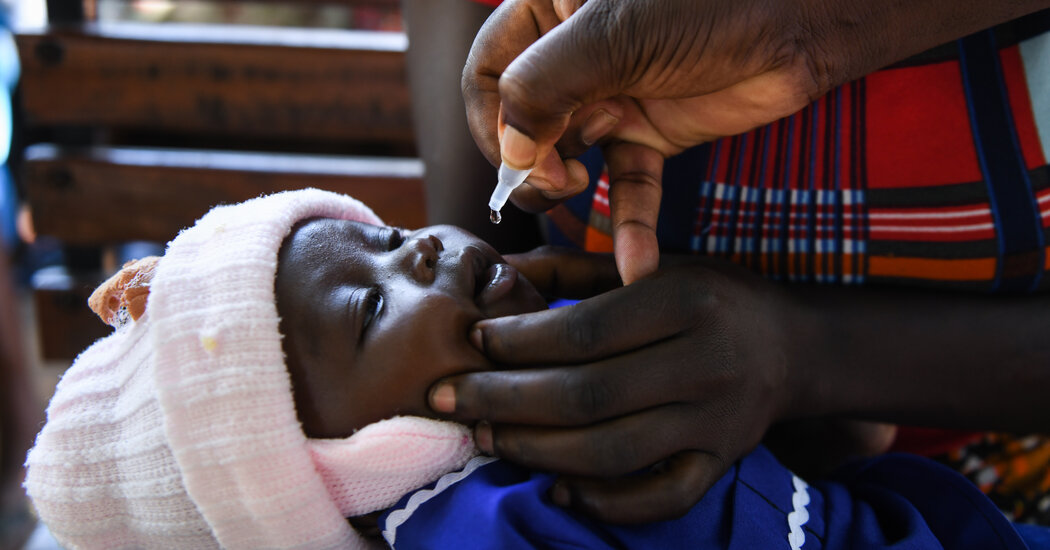
Before its discovery in New York’s wastewater, the virus made a series of ominous appearances around the world.At the beginning of this year, there was a thrum of excitement among global health experts: Eradication of polio, a centuries-old foe that has paralyzed legions of children around the globe, seemed tantalizingly close.Pakistan, one of only two countries where wild poliovirus still circulates, had not recorded cases in more than a year. Afghanistan had reported only four.But eradication is an uncompromising goal. The virus must disappear from every part of the world and stay gone, regardless of wars, political disinterest, funding gaps or conspiracy theories. New signs of the virus in a single country can derail the effort.In polio’s case, there were several ominous setbacks.Malawi in February announced its first case in 30 years, a 3-year-old girl who became paralyzed following infection with a virus that appeared to be from Pakistan. Pakistan itself went on to report 14 cases, eight of them in a single month this spring.In March, Israel reported its first case since 1988. Then, in June, British authorities declared an “incident of national concern” when they discovered the virus in sewage. By the time New York City detected the virus in wastewater last week, polio eradication seemed as elusive as ever.“It’s a poignant and stark reminder that polio-free countries are not really polio-risk free,” said Dr. Ananda Bandyopadhyay, deputy director for polio at the Bill & Melinda Gates Foundation, the largest supporter of polio eradication efforts.The virus is always “a plane ride away,” he added.Polio is a highly contagious and sometimes deadly enemy, capable of ravaging the nervous system and causing paralysis within hours. Those who recover could relapse and become seriously ill years later.The virus multiplies in the intestine for weeks and could spread through feces or contaminated food or water — for example, when an infected child uses the toilet, neglects washing hands and then touches food.Dr. Jai Das visited the neighborhood of Rheri Goth in Karachi, Pakistan, hoping to convince residents to get the polio vaccine.Khaula Jamil for The New York TimesFor decades the virus terrorized families, causing paralysis among more than 15,000 American children each year and hundreds of thousands more worldwide. Its retreat is a triumph of vaccination. After the first vaccine arrived in 1955, the number of cases dropped precipitously, and by 1979 the United States was declared polio-free.Although the United States and Britain have high immunization rates, they also have pockets of low immunity that allow the virus to flourish. In those communities, all unvaccinated people — not just children — are at risk. If polio continues to spread in the United States for a year, the country may lose its polio-free status under W.H.O. guidelines. The Covid-19 pandemic left many other countries vulnerable to a resurgence of polio: It disrupted vaccination drives for months and diverted staff and resources away from prevention programs, resulting in the worst backslide in immunization rates in 30 years.“The moment you take your eye off the ball, you know that the virus will simply reappear,” said Aidan O’Leary, director for polio eradication at the World Health Organization. “We have to literally face down every single chain of transmission that we can identify.”Reporting From AfghanistanInside the Fall of Kabul: ​In the summer of 2021, the Taliban took the Afghan capital with a speed that shocked the world. Our reporter and photographer witnessed it.On Patrol: A group of Times journalists spent 12 days with a Taliban police unit in Kabul. Here is what they saw.Face to Face: ​​A Times reporter who served as a Marine in Afghanistan returned to interview a Taliban commander he once fought.A Photographer’s Journal: A look at 20 years of war in Afghanistan, chronicled through one Times photographer’s lens.Aid organizations first aspired to eradicate polio in 1988 and poured billions of dollars into the Global Polio Eradication Initiative, a consortium of six partners, including the Gates Foundation, the W.H.O. and the Centers for Disease Control and Prevention.Despite the recent cases, the progress is unmistakable: Global cases of polio have fallen by 99 percent — from 350,000 cases of paralysis in 1988 to about 240 so far this year.That success “is both a miraculous thing and a thing that’s taken way, way longer than people expected,” said Bill Gates, who has taken a pointed interest in polio, in an interview in February. “Eradications are super hard, and they rarely should be undertaken.”Ending polio has been particularly challenging.There are three strains of the wild poliovirus. Type 2 was declared eradicated in 2015, and Type 3 in 2019. Only Type 1 poliovirus remains at large, and only in Pakistan and Afghanistan.Until recently, there was good reason to be optimistic about Type 1’s demise. India and Nigeria were both considered impossible targets for polio elimination, but both achieved that goal.“There were so many people who kept telling us you will never succeed in India,” said Dr. Hamid Jafari, W.H.O.’s director of polio eradication for the eastern Mediterranean region.Mr. Bizimaki has been the vaccine manager for six villages in Malawi since 2007. Until recently, he had never needed to conduct a door-to-door vaccination campaign for polio.Thoko Chikondi for The New York TimesAfghanistan and Pakistan have proven more difficult because of their nomadic populations, rough terrain and the baseless notion that the vaccine is a Western tool for sterilizing the population, Dr. Jafari said.In Afghanistan, polio thrived in areas where immunization bans were imposed by the Taliban. In late March, the Taliban allowed vaccinations to resume, but the doses are administered in door-to-door campaigns, often by female health care workers. Some have been assaulted and killed.Only one human viral disease, smallpox, has ever been eradicated. For all its deadliness, smallpox was relatively simple to dispatch because every infection resulted in dramatic, unmistakable symptoms.Polio is much more sly: It can spread silently, causing mild flulike symptoms or none at all, and yet the disease paralyzes one of every 200 infected children. Even one case of paralysis is a signal that there may be hundreds or even thousands of undetected infections.“Paralysis is the tip of the iceberg,” said Dr. Walter Orenstein, associate director of the Emory Vaccine Center and a former director of the United States’ Immunization Program.But in some countries, polio has become such a dim and distant threat that health officials have stopped looking for it. While Britain and Israel monitor sewage for the virus — ideal because polio spreads through fecal matter — many others, including those in the United States, have ceased active surveillance. “There’s no doubt that there are places where it needs to be reinforced,” said Dr. Matshidiso Moeti, W.H.O.’s regional director for Africa.The single case imported into Malawi from Pakistan resulted in mass immunizations of nearly 28 million children in Malawi and its neighbors. But health care workers had become unaccustomed to door-to-door campaigns.In the Chikwawa district in southern Malawi in March, Charles Bizimaki woke at 5 a.m., took the lunch his wife had packed for him and walked several kilometers to a nearby village. Mr. Bizimaki has been the vaccine manager for six villages since 2007.But he had not conducted a door-to-door vaccination campaign since a tetanus outbreak in 2013 and had never led one for polio.The campaign was physically exhausting and frustrating because it sometimes took multiple visits before he could find a child at home. “It was not an easy job,” Mr. Bizimaki said. It took him six days to vaccinate every child under 5 in the nearby villages.Mr. Bizimaki recorded vaccine data for a Malawian health registry during a springtime campaign. Thoko Chikondi for The New York TimesImmunization for polio can be done in one of two ways. The injected vaccine used in the United States and most rich countries contains killed virus, is powerfully protective against illness but doesn’t prevent the vaccinated from spreading the virus to others.Mass vaccination campaigns rely on the oral polio vaccine, which delivers weakened virus in just a few drops on the tongue. The oral vaccine is inexpensive, easy to administer and can prevent infected people from spreading the virus to others, a method better suited to extinguishing outbreaks.But it has one paradoxical flaw: Vaccinated children can shed the weakened virus in feces, and from there it can sometimes find its way back into people, occasionally setting off a chain of infections in communities with low immunization rates.If the weakened virus circulates for long enough, it can slowly mutate back into a more virulent form that can cause paralysis.Even as wild poliovirus has been on the decline, so-called vaccine-derived polio has been on the upswing. Cases tripled between 2018 and 2019, and again between 2019 and 2020. Between January 2020 and April 2022, 33 countries reported a total of nearly 1,900 cases of paralysis from vaccine-derived polio.The samples found in London sewage, in Israel and in New York are all vaccine-derived virus. They carry the same genetic fingerprint, suggesting that the virus may have been circulating undetected for about a year somewhere in the world.Eradicating polio would require wiping out the vaccine-derived type, not just the few remaining hot spots of wild virus. “We definitely need to stop all polio transmission, whether wild poliovirus or whether circulating vaccine-derived poliovirus,” said John Vertefeuille, who heads polio eradication at the C.D.C.Vaccine-derived polio has become more prevalent because the oral vaccine in use now protects against only Types 1 and 3 of the virus. In 2016, buoyed by the seeming eradication of Type 2 virus, the W.H.O. withdrew it from the oral vaccine. That move left the world increasingly vulnerable to outbreaks of residual Type 2 virus.At the same time, global health organizations shifted away from maintaining nimble teams that can swiftly stamp out outbreaks to strengthening health care systems overall. Regions that struggle to contain polio tend to have other public health problems, such as poor nutrition, access to safe drinking water and other infectious disease outbreaks.But the response to an outbreak of polio — or to other infectious diseases like Covid-19 or monkeypox — requires dedicated teams and programs, said Kimberly M. Thompson, a health care economist whose work focuses on polio eradication.Dr. Das, of Aga Khan University in Karachi, has found that offering communities incentives like water pumps if they raise vaccination rates may be more effective than cash prizes for individuals.Khaula Jamil for The New York TimesThe W.H.O. has not delivered on that goal for decades, “but there is no accountability for performance,” Dr. Thompson said. Likewise, countries that receive funding for polio are rarely held responsible for diverting the money to other programs, she added.As a result of the dismantling of outbreak teams, the response to vaccine-derived polio has often been sluggish and inefficient.“The speed and the quality of the responses will have to go up in order for us to stop these outbreaks,” Dr. Vertefeuille said.In November 2019, the W.H.O. granted an emergency use authorization for a novel oral vaccine that is specific to the Type 2 virus. The vaccine, which took a decade to develop, is more genetically stable than the widely used oral vaccine and less likely to revert to a form that can cause paralysis.The eventual goal for polio eradication is to immunize children in every country with the injected vaccine used in the United States, said Jalaa’ Abdelwahab, director of vaccine programs at Gavi, which helps increase immunizations in poor countries. Supplies of oral vaccine would be stockpiled only to respond to unexpected outbreaks, Mr. Abdelwahab said.The recent cases have forced a reassessment of the strategies being used to detect and contain polio. The C.D.C. is planning to introduce wastewater surveillance at strategic sites in the country, according to a statement from the agency. Pakistan has among the largest wastewater surveillance systems for polio, but vaccine hesitancy is rampant. One team of scientists, led by Dr. Jai Das at Aga Khan University in Karachi, has found that offering communities an incentive — installing water pumps, for example — if they raise vaccination rates may be more effective than unconditional cash prizes for individuals. Eradicating polio by 2026, the current goal, will require innovative strategies, patience and persistence — and an estimated $4.8 billion.“That last mile, those last cases, are always the hardest,” said Simon Bland, chief executive officer of the Global Institute for Disease Elimination.

Read more →

New dementia risk genes identified through novel testing approach

A new UCLA-led study has identified multiple new risk genes for Alzheimer’s disease and a rare, related brain disorder called progressive supranuclear palsy (PSP) by using a combination of new testing methods allowing for mass screening of genetic variants in a single experiment.
The study, published today in the journal Science, also presents a revised, new model showing how common genetic variants, while individually having a very small impact on disease, collectively may raise the risk of disease by disrupting specific transcriptional programs across the genome.
Typically, researchers have relied on genome-wide association studies (GWAS) in which they survey the genomes of a large group of people to identify genetic variants that increase risk for the disease. This is done by testing for markers along the chromosome, or loci, associated with a disease. Each locus on average has dozens — and sometimes hundreds or thousands — of genetic markers in common that are co-inherited and therefore associated with the disease, making it difficult to identify which are actually the functional variants that cause disease.
Identifying the causal variants and the genes they impact is a major challenge in modern genetics and biomedicine. This study provides an efficient roadmap for tackling this problem.
For this this study, the authors conducted one of the first known uses of high-throughput testing to study neurodegenerative disease. The authors ran massively parallel reporter assays (MPRAs) to simultaneously test 5,706 genetic variants in 25 loci associated with Alzheimer’s and nine loci associated with PSP, a neurological disease that is much rarer than Alzheimer’s but has a similar pathology.
From that test, the authors with high confidence were able to identify 320 genetic variants that were functional. To validate the results, they ran a pooled CRISPR screen on 42 of those high-confidence variants in multiple cell types.

Read more →