Team developing oral insulin tablet sees breakthrough results

A team of University of British Columbia researchers working on developing oral insulin tablets as a replacement for daily insulin injections have made a game-changing discovery.
Researchers have discovered that insulin from the latest version of their oral tablets is absorbed by rats in the same way that injected insulin is.
“These exciting results show that we are on the right track in developing an insulin formulation that will no longer need to be injected before every meal, improving the quality of life, as well as mental health, of more than nine million Type 1 diabetics around the world.” says professor Dr. Anubhav Pratap-Singh (he/him), the principal investigator from the faculty of land and food systems.
He explains the inspiration behind the search for a non-injectable insulin comes from his diabetic father who has been injecting insulin 3-4 times a day for the past 15 years.
According to Dr. Alberto Baldelli (he/him), a senior fellow in Dr. Pratap-Singh’s lab, they are now seeing nearly 100 per cent of the insulin from their tablets go straight into the liver. In previous attempts to develop a drinkable insulin, most of the insulin would accumulate in the stomach.
“Even after two hours of delivery, we did not find any insulin in the stomachs of the rats we tested. It was all in the liver and this is the ideal target for insulin — it’s really what we wanted to see,” says Yigong Guo (he/him), first author of the study and a PhD candidate working closely on the project.

Read more →

California Approves Bill to Punish Doctors Who Spread False Information

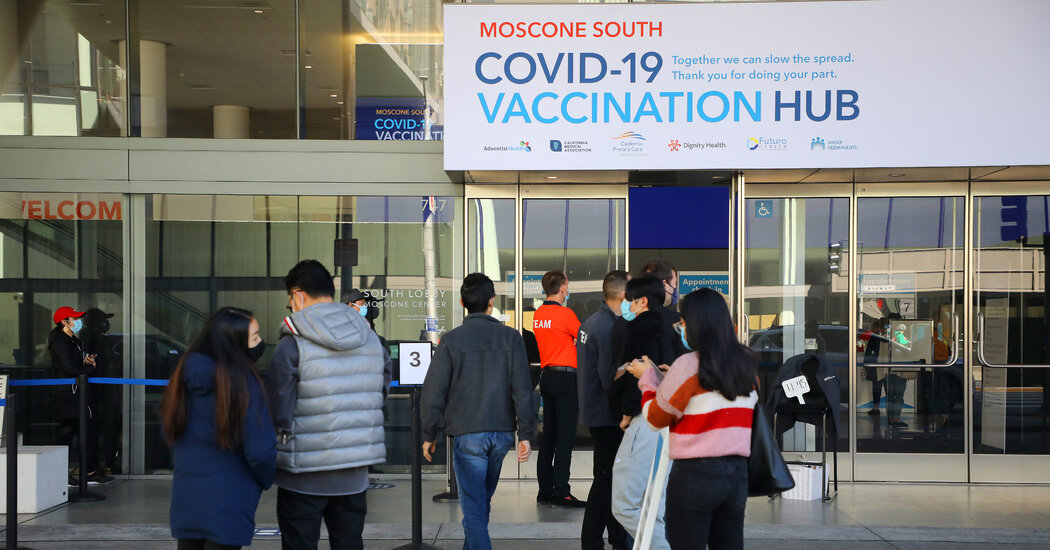
Weighing into the fierce national debate over Covid-19 prevention and treatments, the state would be the first to try a legal remedy for vaccine disinformation.Trying to strike a balance between free speech and public health, California’s Legislature on Monday approved a bill that would allow regulators to punish doctors for spreading false information about Covid-19 vaccinations and treatments.The legislation, if signed by Gov. Gavin Newsom, would make the state the first to try to legislate a remedy to a problem that the American Medical Association, among other medical groups and experts, says has worsened the impact of the pandemic, resulting in thousands of unnecessary hospitalizations and deaths.The law would designate spreading false or misleading medical information to patients as “unprofessional conduct,” subject to punishment by the agency that licenses doctors, the Medical Board of California. That could include suspending or revoking a doctor’s license to practice medicine in the state.While the legislation has raised concerns over freedom of speech, the bill’s sponsors said the extensive harm caused by false information required holding incompetent or ill-intentioned doctors accountable.“In order for a patient to give informed consent, they have to be well informed,” said State Senator Richard Pan, a Democrat from Sacramento and a co-author of the bill. A pediatrician himself and a prominent proponent of stronger vaccination requirements, he said the law was intended to address “the most egregious cases” of deliberately misleading patients.More on Misinformation and FalsehoodsA Web of Lies: Researchers looked at thousands of spider news stories to study how sensationalized information spreads. Their findings could be broadly applicable.A Familiar Playbook: As another U.S. election approaches, social media companies are readying a series of anti-misinformation strategies that resemble those used in 2020.TikTok’s Struggles: The platform is becoming a primary incubator of election misinformation because the qualities that allow TikTok to fuel dance fads can also make inaccurate claims difficult to contain.Russian Propaganda: Social media giants have taken steps to curb the Kremlin’s reach. But misinformation on Ukraine still spreads in Spanish, Arabic and other languages.California’s legislation reflects the growing political and regional divisions that have dogged the pandemic from the beginning. Other states have gone in the other direction, seeking to protect doctors from punishment by regulatory boards, including for advocating treatments involving hydroxychloroquine, ivermectin and other medications that the American Medical Association says remain unproven.If enacted, the law could face a legal challenge. Governor Newsom, who has three weeks to sign the legislation, has not yet taken a public position on it.While other nations have criminalized the spread of vaccine misinformation — and have higher vaccination rates — the response by states and the U.S. government has largely been limited to combating misconceptions with accurate information, said Michelle M. Mello, a professor of law and health policy at Stanford University.She noted that even laws that cited a “compelling interest,” like public health and safety, to police disinformation ran the risk of having a chilling effect, a First Amendment standard for many courts.“Initiatives like this will be challenged in court and will be hard to sustain,” she said in an interview. “That doesn’t mean it’s not a good idea.”California’s response follows a warning last year by the national Federation of State Medical Boards that licensing boards should do more to discipline doctors who share false claims. The American Medical Association has also warned that spreading disinformation violates the code of ethics that licensed doctors agree to follow.The measure was among a flurry of Covid-related bills proposed by a legislative working group that drew fierce opposition from lawmakers and voters. Some of the most contentious bills have stalled or died, including one that would have required all California schoolchildren to be vaccinated.As the legislation moved through the Legislature, its sponsors narrowed its scope to deal directly with doctors’ direct interaction with patients. It does not address comments online or on television, though those have been the cause of some of the most impactful instances of Covid misinformation and disinformation.“Inaccurate information spread by physicians can have pernicious influences on individuals with widespread negative impact, especially through the ubiquity of smartphones and other internet-connected devises on wrists, desktops and laptops reaching across thousands of miles to other individuals in an instant,” the Federation of State Medical Boards wrote in a report in April. “Physicians’ status and titles lend credence to their claims.”The legislation would not require the suspension or revocation of a doctor’s license, leaving such determinations to the Medical Board of California. It is intended to make the dissemination of false information about Covid-19 subject to the same rules as other kinds of “unprofessional conduct” taken up by the board.The legislation defines disinformation as falsehoods “deliberately disseminated with malicious intent or an intent to mislead.” Treading into the at times contentious debates over alternative, often unproven Covid treatments, the bill defines misinformation as spreading information “that is contradicted by contemporary scientific consensus contrary to the standard of care.”It says doctors have “a duty to provide their patients with accurate, science-based information.” That would include the use of approved vaccines, which have been subject to fierce debates and political activism across the country, though there is broad agreement among medical professionals about their effectiveness.A group called Physicians for Informed Consent opposed the legislation, saying it would silence doctors. The group filed a lawsuit this month to seek an injunction preventing the Medical Board of California from disciplining doctors based on accusations of disinformation. In its lawsuit, it called the legislation’s definition of misinformation “hopelessly vague.”In a recent letter to Surgeon General Vivek H. Murthy, James L. Madara, chief executive of the American Medical Association, said disinformation swirling around vaccines had contributed to ignorance among the public that had worsened the pandemic’s impact.“The most unfortunate result of this has been significant vaccine hesitancy and refusal among certain communities and within certain demographics, ultimately resulting in continued higher rates of severe illness, hospitalization and death due to Covid-19 in these populations — outcomes largely preventable with vaccination,” he wrote.

Read more →

Water flouridation: Effective prevention for tooth decay and a win for the environment

Trinity College Dublin researchers collaborating with University College London have demonstrated for the first time the low environmental footprint of water fluoridation compared to other preventive measures for tooth decay. The study is published in the British Dental Journal today [Monday 29th August 2022].
Water fluoridation is regarded as one of the most significant public health interventions of the twentieth century. But as the climate crisis worsens, the contribution of healthcare and the prevention of disease to the crisis must be considered. Action is urgent.
Influenced by this urgency, researchers quantified the environmental impact of water fluoridation for an individual five year-old child over a one-year period and compared this to the traditional use of fluoride varnish and toothbrushing programmes, which take place in selected schools across the UK, and internationally.
Today, over 35% of the world’s population have access to water fluoridation, with studies showing significant reductions in dental caries. Whilst data on the clinical effectiveness and cost analysis of water fluoridation are available, there has been no data regarding its environmental impact up to now.
To quantify this impact, the research team performed a Life Cycle Assessment (LCA) by carefully measuring the combined travel, the weight and amounts of all products and the processes involved in all three preventive programmes (toothbrushing, fluoride varnish programmes and water fluoridation) . Data was inputted into a specific environmental programme (OpenLCA) and the team used the Ecoinvent database, enabling them to calculate environmental outputs, including the carbon footprint, the amount of water used for each product and the amount of land use.
The results of the study, led by Brett Duane, Associate Professor in Dental Public Health at Trinity College, concluded that water fluoridation had the lowest environmental impact in all categories studied, and had the lowest disability-adjusted life years impact when compared to all other community-level caries prevention programmes. The study also found that water fluoridation gives the greatest return on investment.
Considering the balance between clinical effectiveness, cost effectiveness and environmental sustainability, researchers believe that water fluoridation should be the preventive intervention of choice.
This research strengthens the case internationally for water fluoridation programmes to reduce dental decay, especially in the most vulnerable populations.
Associate Professor Duane said:
” As the climate crisis starts to worsen, we need to find ways of preventing disease to reduce the environmental impact of our health systems. This research clearly demonstrates the low carbon impact of water fluoridation as an effective prevention tool. ”
Professor Paul Ashley, Senior Clinical Lecturer (Honorary NHS Consultant), UCL Eastman Dental Institute added:
“Renewed efforts should be made to increase access to this intervention.”
Story Source:
Materials provided by Trinity College Dublin. Note: Content may be edited for style and length.

Read more →

SARS-CoV-2 antigen levels linked to patient outcomes

The amount of SARS-CoV-2 antigen measured in the blood of patients hospitalized with COVID-19 is associated with illness severity and other clinical outcomes, according to a new study published in the Annals of Internal Medicine.
Following the ACTIV-3 trial of COVID-19 therapeutics in people hospitalized with COVID-19, researchers from the National Institute of Allergy and Infectious Diseases (NIAID), part of the National Institutes of Health, and their collaborators analyzed levels of SARS-COV-2 antigen in blood samples taken from study participants and assessed the association of those levels with disease progression. Higher levels of viral antigen in the blood, which could indicate ongoing SARS-CoV-2 replication, correlated with more severe disease. The authors suggest that SARS-CoV-2 antigen levels hold promise as a biomarker, or a measurable substance, to predict which patients hospitalized with COVID-19 have a higher risk of worse outcomes.
The ACTIV-3 trial enrolled people hospitalized with COVID-19 between August 2020 and November 2021. Participants contributed a baseline blood sample and were then randomized to receive either an experimental COVID-19 therapeutic or a placebo. All participants received the antiviral remdesivir unless contraindicated. In this follow-up analysis, the researchers examined 2540 participant baseline blood samples for SARS-CoV-2 antigen levels.
The researchers assessed the relationship between each participant’s SARS-CoV-2 blood antigen levels and their time to discharge from the hospital, as well as their pulmonary symptoms at Day 5 of the trial — whether they had stayed the same, worsened, or improved since enrollment. With all this information in hand, the researchers conducted statistical analyses to determine if plasma antigen levels were associated with the participants’ pulmonary function when they gave the blood sample — and whether they could predict how the participants would fare over time. In addition, the researchers examined the relationship between a number of participant and viral characteristics and antigen levels.
The analysis revealed a strong correlation between higher SARS-CoV-2 antigen levels (≥1000 nanograms per liter) and worse pulmonary function at the time of enrollment. Importantly, participants with higher SARS-CoV-2 antigen levels in the blood at enrollment generally had decreased pulmonary function at Day 5, regardless of the severity of their illness at the time of study entry, and took longer to be released from the hospital. High blood antigen levels also correlated with some known risk factors for worse illness, such as being male. Three additional participant characteristics were found to correlate with lower antigen levels: the presence of SARS-CoV-2 antibodies, exposure to remdesivir prior to enrollment and longer time in hospital prior to enrollment. Finally, participants infected with the delta variant had higher antigen levels than those infected with prior circulating strains. The researchers concluded that antigen levels in the blood are likely a marker of ongoing viral replication and could be useful for predicting a patient’s disease progression and likely outcomes once they are admitted to the hospital. The authors note that these results suggest that a precision medicine approach could be helpful in future clinical trials of antiviral therapy. For instance, antigen levels could help determine those patients most likely to benefit from therapies directed at fighting the virus.
Story Source:
Materials provided by NIH/National Institute of Allergy and Infectious Diseases. Note: Content may be edited for style and length.

Read more →

New preclinical model could accelerate research on thymic cancer

A new preclinical model for thymic cancer developed by Weill Cornell Medicine investigators has revealed insights into how a common mutation found in thymic epithelial tumors sparks their formation. The model may help speed the development of targeted therapies for cancer of the thymus, a gland that makes immune cells that help protect the body from infections.
In a study published Aug. 29 in the Journal of Thoracic Oncology, senior author Dr. Giuseppe Giaccone, professor of medicine and associate director of clinical research at the Sandra and Edward Meyer Cancer Center at Weill Cornell Medicine, and his colleagues describe a genetically engineered mouse model in which the animals’ thymic epithelial cells harbor a genetic variant called GTF2I L424H, the most common mutation in thymic cancers.
“Having a mouse model of thymic epithelial tumors will help us learn more about how these tumors form and allow us to test new therapies,” said Dr. Giaccone, who is also an oncologist at NewYork-Presbyterian/Weill Cornell Medical Center.
The study’s lead author Dr. Yongfeng He, instructor of cancer biology in medicine at Weill Cornell Medicine, explained that thymic cancers are a rare, complex and understudied type of cancer. Certain autoimmune conditions are associated with thymic epithelial tumors, but the reason why is unclear. There are currently no good preclinical models that recreate the disease features in humans, and only a handful of cell lines are available for study, he said.
This lack of experimental models has hampered research on new therapies for the condition. Surgery is usually the first-choice treatment, but if that fails, patients with thymic cancer may undergo chemotherapy, immunotherapy or other targeted therapies developed for different cancers. However, these second-line therapies aren’t curative, Dr. Giaccone said.
“We wanted to understand why these tumors happen and how we can develop curative therapies,” Dr. He said.
The team genetically engineered mice to have the GTF2I L424H mutation in thymic epithelial cells and found abnormal development of the cells in young animals. As the animals age, they develop tumors in their thymus. They found that expression of many genes involved in the production of new thymic cells are altered in the mice, including genes previously implicated in other cancers. When the team compared the mouse tumors with human thymic cancer samples, they found that the mouse tumors share many molecular characteristics with type B1 and B2 human thymic tumors.
“We think the GTF2I L424H mutation starts the process of tumor formation,” Dr. Giaccone said. “Adding more mutations may make the tumors more aggressive.”
The next step for the team will be studying precisely how this mutation causes cancerous changes in the thymus and what other genetic pathways are involved, Dr. He said. Because the gene affected by the GTF2I L424H mutations controls the expression of many other genes, Dr. He said it is probably not a good target for anti-cancer therapies. But some of the other genes it turns on or off might be potential targets.
“We can use our mouse model to test drugs that target these other genes to find better therapies specific to thymic epithelial tumors,” Dr. He said.
Story Source:
Materials provided by Weill Cornell Medicine. Note: Content may be edited for style and length.

Read more →

Sugar disrupts microbiome, eliminates protection against obesity and diabetes

A study of mice found that dietary sugar alters the gut microbiome, setting off a chain of events that leads to metabolic disease, pre-diabetes, and weight gain.
The findings, published today in Cell, suggest that diet matters, but an optimal microbiome is equally important for the prevention of metabolic syndrome, diabetes, and obesity.
Diet alters microbiome
A Western-style high-fat, high-sugar diet can lead to obesity, metabolic syndrome, and diabetes, but how the diet kickstarts unhealthy changes in the body is unknown.
The gut microbiome is indispensable for an animal’s nutrition, so Ivalyo Ivanov, PhD, associate professor of microbiology & immunology at Columbia University Vagelos College of Physicians and Surgeons, and his colleagues investigated the initial effects of the Western-style diet on the microbiome of mice.
After four weeks on the diet, the animals showed characteristics of metabolic syndrome, such as weight gain, insulin resistance, and glucose intolerance. And their microbiomes had changed dramatically, with the amount of segmented filamentous bacteria — common in the gut microbiota of rodents, fish, and chickens — falling sharply and other bacteria increasing in abundance.

Read more →

Music helps patients with dementia connect with loved ones

People with dementia often lose their ability to communicate verbally with loved ones in later stages of the disease. But a Northwestern Medicine study, in collaboration with Institute for Therapy through the Arts (ITA), shows how that gap can be bridged with a new music intervention.
In the intervention — developed at ITA and called “Musical Bridges to Memory” — a live ensemble plays music from a patient’s youth such as songs from the musicals “Oklahoma” or “The Sound of Music.” This creates an emotional connection between a patient and their caregiver by allowing them to interact with the music together via singing, dancing and playing simple instruments, the study authors said.
The program also enhanced patients’ social engagement and reduced neuropsychiatric symptoms such as agitation, anxiety and depression in both patients and caregivers.
More than 6 million people in the U.S. have Alzheimer’s disease.
The study is unusual because it targeted patients with dementia and their caregivers, said lead study author Dr. Borna Bonakdarpour. Most prior studies using music for dementia patients have focused only on the patients.
“Patients were able to connect with partners through music, a connection that was not available to them verbally,” said Bonakdarpour, an associate professor of neurology at Northwestern University Feinberg School of Medicine and a Northwestern Medicine neurologist. “The family and friends of people with dementia also are affected by it. It’s painful for them when they can’t connect with a loved one. When language is no longer possible, music gives them a bridge to each other.”
The study was published Aug. 25 in Alzheimer Disease and Associated Disorders.

Read more →

Deep brain stimulation shows promise against binge eating disorder

A small device that detects food craving-related brain activity in a key brain region, and responds by electrically stimulating that region, has shown promise in a pilot clinical trial in two patients with loss-of-control binge eating disorder (BED), according to researchers at the Perelman School of Medicine at the University of Pennsylvania.
The trial, described in a paper that appears today in Nature Medicine, followed the two patients for six months, during which the implanted device — of a type normally used to treat drug-resistant epilepsy — monitored activity in a brain region called the nucleus accumbens. The nucleus accumbens is involved in processing pleasure and reward, and has been implicated in addiction. Whenever the device sensed nucleus accumbens signals that had been found to predict food cravings in prior studies, it automatically stimulated that brain region, disrupting the craving-related signals. Over six months of treatment, the patients reported far fewer binge episodes, and lost weight.
“This was an early feasibility study in which we were primarily assessing safety, but certainly the robust clinical benefits these patients reported to us are really impressive and exciting,” said study senior author Casey Halpern, MD, an associate professor of Neurosurgery and chief of Stereotactic and Functional Neurosurgery at Penn Medicine and the Corporal Michael J. Crescenz Veterans Affairs Medical Center.
BED is considered the most common eating disorder in the United States, affecting at least a few million people. It features frequent binge-eating episodes without the purging of bulimia, and typically is associated with obesity. The bingeing individual has a sense of losing control over eating, so that he or she continues to eat beyond the usual point of feeling sated.
BED episodes are preceded by cravings for specific desired foods. Halpern and colleagues, in a 2018 study with experiments on mice and humans, found evidence that distinctive low-frequency electrical activity in the nucleus accumbens arises just before these cravings — but not before normal, non-binge eating. The researchers stimulated the nucleus accumbens in mice to disrupt this craving-related activity whenever it occurred, and found that the mice ate significantly less of a tasty, high-calorie food they otherwise would have gorged themselves upon.
The device the team used to record signals from and stimulate the brains of the mice is commercially available and approved for treating drug-resistant epilepsy. It is surgically placed beneath the scalp, with wires running through the skull to the nucleus accumbens in each hemisphere of the brain.
The new study was a preliminary test of the same device and strategy in human subjects. Halpern’s team fitted each of two severely obese BED patients with the brain-stimulation devices, and, for six months, recorded signals from the devices. At times, the patients were in the laboratory, presented with buffets of their favorite foods — fast-food and candy were common items — but mostly they were at home going about their daily routines. The researchers could film the patients’ binge-eating episodes in the lab, and when the patients were at home, they self-reported the times of their episodes. The scientists observed that, as in their prior study, a distinctive low-frequency signal in the nucleus accumbens appeared in the seconds before the patients’ first bites of their binge meals.
In the next phase of the study, the brain-stimulation devices automatically delivered high-frequency electrical stimulation to the nucleus accumbens whenever the low-frequency craving-associated signals occurred. During this six-month interval, the patients reported sharp reductions in their feelings of loss-of-control, and in the frequencies of their bingeing episodes — each also lost more than 11 pounds. One of the subjects improved so much that she no longer met criteria for binge-eating disorder. There appeared to be no significant adverse side-effects.
“This was a beautiful demonstration of how translational science can work in the best of cases,” said study co-lead author Camarin Rolle, PhD, a postdoctoral researcher with Halpern’s group.
The scientists have continued to follow the subjects for another six months, and have begun enrolling new patients for a larger study. They note that, in principle, the same treatment approach could be applied to other loss-of-control-related disorders including bulimia.
Funding for the study was provided by the National Institutes of Health (5UH3NS103446-02).

Read more →

Food texture key to eating habits in children with Down syndrome

Children with Down syndrome prefer food with a crispy, oily mouthfeel and don’t like brittle or gooey foods. But those preferences can lead to a less nutritious diet, according to Washington State University research published in the Journal of Texture Studies.
“Children with Down syndrome really enjoy foods like Pirate’s Booty and puffed corn,” said Carolyn Ross, a professor in WSU’s School of Food Science. “Those foods aren’t of high nutritional value, but they’re dissolvable — a huge plus for these children. Now the challenge is making nutritious foods with those characteristics.”
The paper examined what food textures children with Down syndrome liked or didn’t like and how those preferences compared to typically developing children’s preferences.
In the U.S., one in 772 babies (around 5,100 each year), are born with Down syndrome, a genetic condition caused by a full or partial extra copy of chromosome 21. Feeding and swallowing impairments are common, and a key predictor of increased death among those individuals.
It’s been known for years that children with Down syndrome don’t eat as much as typically developing children, but nobody has studied food textures as a factor. This research could help clinicians and parents determine what foods will get eaten, while hopefully prompting food manufacturers to tailor products to this population’s specific needs, Ross said.
“This was a huge area of missing research,” Ross said. “There are many anecdotal stories, and you can go down an online rabbit hole to find information. But studies like this can help parents and clinicians know what these children will be most likely to eat and help reduce incidence of choking. If we can add nutritional value to those foods, then we’ll really help a lot of people.”
Choking is one of the leading causes of death among people with Down syndrome because they may not chew food enough or “pack” it, overfilling their mouths and cheeks without swallowing.

Read more →

Driving simulations that look more life-like

Today’s driving simulators have a big problem: They don’t look realistic enough, particularly background objects, such as trees, and road markings. But researchers have developed a new way to create photorealistic images for simulators, paving the way for better testing of driverless cars.
Conventional computer graphics use detailed models, meshes and textures to render 2D images from 3D scenes, a labor-intensive process which produces images that often fall short of being realistic, particularly in the background. Yet by using a machine learning framework called a Generative Adversarial Network (GAN), researchers were able to train their program to randomly generate life-like environments by improving the program’s visual fidelity — the level of representation computer graphics share with reality.
This is especially important when testing how humans react when they are in driverless vehicles or, alternatively, on the road with them.
“When driving simulations look like computer games, most people don’t take them seriously,” said Ekim Yurtsever, lead author of the study and a research associate of electrical and computer engineering at The Ohio State University. “That’s why we want to make our simulations look as similar to the real world as possible.”
The study was published in the journal IEEE Transactions on Intelligent Transportation Systems.
The researchers started with CARLA, an open-source driving simulator, as their base. They then used a GAN-based image synthesizer to render the background elements like buildings, vegetation and even the sky, and combine them with more traditionally rendered objects.

Read more →