How stressed tumor cells escape cell death: New mechanism discovered

Because of their highly active metabolism, many tumors are susceptible to a special type of cell death, ferroptosis. Nevertheless, cancer cells often manage to escape this fate. Scientists at the German Cancer Research Center have now discovered a new mechanism by which normal as well as cancer cells protect themselves against ferroptosis. Knowledge of these molecular connections could provide new starting points for the treatment of tumors.
A cell dies of ferroptosis when free radicals get out of control and destroy the protective cell membrane in a chain reaction. Healthy cells are occasionally affected when they come under oxidative stress. But cancer cells in particular are susceptible to ferroptosis due to their highly active metabolism — yet many of the malignant cells escape this fate. Researchers worldwide are searching for the factors that make a cell susceptible or resistant to ferroptosis in order to potentially influence this type of cell death therapeutically. Researchers led by Tobias Dick at the German Cancer Research Center have now discovered a new, unexpected mechanism by which cells protect themselves from ferroptosis.
It has only recently become known that human cells can produce so-called persulfides from the sulfur-containing amino acid cysteine. These small molecules are characterized by a group of two sulfur atoms and one hydrogen atom. However, the importance of persulfides inside the cell was mysterious from the beginning and remained unknown.
Uladzimir Barayeu of DKFZ, first author of the current publication, observed that cells boost their production of persulfides as soon as they are stressed by radicals and are at risk of ferroptotic cell death. This was the first indication that cells try to protect themselves with persulfides. The research team showed that persulfides efficiently suppress membrane damage and ferroptosis and also disclosed the mode of action of these molecules: Persulfides proved to be highly efficient radical scavengers. They interrupt the destructive chain reaction that threatens the integrity of the cell membrane.
The action of persulfides is based on an unusual chemical mechanism. When a persulfide encounters a free radical, it takes on its radical character, thus becoming a radical itself. But the new radical behaves in an unusual way. Unlike other radicals, it is extremely inert and incapable of causing damage. It reacts exclusively with itself and produces persulfides again in a subsequent reaction. This means that persulfides hardly consume themselves in the elimination of free radicals. Therefore, even a very low concentration of persulfides can effectively eliminate a much higher concentration of radicals, as the researchers found to their surprise.
The Heidelberg scientists also showed that a cell’s ferroptosis sensitivity depends on certain enzymes of sulfur metabolism that generate persulfides. “Our new results could open up completely new starting points for attacking the internal resistance of cancer cells, for example by pharmacological inhibitors of the enzymes responsible for persulfide production,” says Tobias Dick, senior author of the current publication.
The research project is part of the DFG-funded priority program SPP 2306 “Ferroptosis: from basic research to clinical application.”
Story Source:
Materials provided by German Cancer Research Center (Deutsches Krebsforschungszentrum, DKFZ). Note: Content may be edited for style and length.

Read more →

Development defect in macrophages causes lung disease

New discovery on the causes of PAP lung disease can also offer solutions for treating obesity and heart disease. The research group has identified a genetic defect that causes the accumulation of lipids in the pulmonary alveoli.Pulmonary alveoli are tiny bubble-like air sacs at the end of bronchial tubes. They are vital for survival as they exchange oxygen for carbon dioxide.
The alveoli are covered by a thin fluid film called surfactant which consists mainly of lipids. Surfactant does not only protect the lungs against airborne pathogens and dust, but also facilitates proper respiration by reducing the alveolar surface tension.
Surfactant lipids are constantly produced and cleared from the alveoli. Alveolar macrophages, the immune scavenger cells of the lungs, degrade and recycle surfactant lipids. Defects in the development and function of alveolar macrophages lead to a disturbed surfactant balance and a pathological accumulation of surfactant lipids which ultimately clogs the alveolar space. The accumulated lipids make the macrophages bloated and foamy.
“We can observe this phenomenon in patients with pulmonary alveolar proteinosis (PAP). They suffer from shortness of breath, an impaired respiratory function and an increased risk of lung infections. It is a relatively rare disease,” says Associate Professor Alexander Mildner from the InFLAMES Flagship Programme at the University of Turku, Finland, who was leading the research in cooperation with Prof. Achim Leutz group at the Max-Delbrück Center in Berlin, Germany.
Macrophages lack essential cellular tools
A disturbance in gene regulation causes the defect in the macrophages. One of these disturbances has already been identified, but Mildner and his group discovered that the lack of a second regulator makes the macrophages unable to clear the lipids in the surfactant.
“This regulatory gene is the transcription factor C/EBPb. We observed that C/EBPb-deficient macrophages lacked the cellular tools required for the clearance of lipids,” Mildner explains.
The significance of the new discovery is not just limited to the PAP disease. Bloated, foamy macrophages are also found in people with obesity or atherosclerosis.
“Maybe we can learn from alveolar macrophages in the lungs and translate our findings to other macrophages and help them to digest lipids more effectively. In the future, it could be possible to pharmacologically activate the macrophage C/EBPb-Pparg2 network in patients with obesity, PAP or atherosclerosis and promote lipid digestion in these cells. This could provide new strategies to treat these patients,” says Mildner.
Story Source:
Materials provided by University of Turku. Note: Content may be edited for style and length.

Read more →

Cilia in 3D: Miniature train station discovered

Cilia are small hair-like organelles that extend from cells and perform many functions, including motility and signaling. Researchers have now revealed that cilia have a specialized transport hub at their base, where trains and cargos are assembled for transport throughout the cilia. Since defects in this cilia transport system can lead to e.g. cystic kidneys or blindness, the results published in Science also provide new insights into molecular basis for a variety of diseases.
Cilia perform numerous functions for the cell: they help cells swim, move fluid, and send messages to each other. Cilia ensure that we can see, they remove substances from the lungs, move fluid in the brain, and enable us to perceive smells and sound. They are also essential for our development and the correct arrangement of our organs. If their function is disturbed, a wide variety of diseases can result, including heart, kidney, and lung diseases, blindness or infertility.
The assembly and function of cilia relies on large trains of proteins that carry important cargos out to the ciliary tip and back to the base. Even the smallest mutations in individual components can paralyze the traffic inside cilia.
The research team led by Professor Ben Engel at the Biozentrum of the University of Basel together with colleagues at the University of Geneva and the research institute Human Technopole in Milan has now succeeded in examining cilia in their natural environment. Their analysis revealed the native 3D structure of the ciliary base for the first time. Here, they discovered a busy transport hub, with trains being assembled and loaded in preparation for their journey into the cilia.
Loading station for cilia transport
Cilia are firmly anchored to the cell at their base. “Here is the start station for cilia transport,” explains Hugo van den Hoek, first author of the study. “Trains are assembled here, loaded with cargo and placed on the rails.” There are a total of nine different rails inside cilia, called microtubules. Each of them consists of two tracks, one for outbound trains and one for inbound. The trains transport proteins such as signaling molecules and building materials to the tip of the cilia. At their destination station, the train is unloaded and disassembled.
The team examined the composition of the assembling trains in detail, revealing the order with which the train components are put together at the ciliary base. They also imaged structures at the base that serve as a selective barrier. “This regulates the entry of large trains until they are fully assembled and loaded with the cargo proteins required for the construction and maintenance of the cilia,” says van den Hoek. “From fluorescence microscopy, we also know the exact timetable of the trains. Trains leave the start station within nine seconds, and then the whole train assembly process starts again.”
Organelles in 3D
The researchers resolved the structure and composition of the ciliary base with the help of two complementary imaging methods. The research groups of Ben Engel in Basel and Dr. Gaia Pigino in Milan performed cryo-electron tomography, which reveals native cellular structures with exquisite molecular detail. Researchers headed by Dr. Virginie Hamel and Professor Paul Guichard in Geneva added data from Expansion Microscopy, which allowed numerous proteins to be localized and mapped onto the tomography structures. “This powerful combination of technologies has allowed us to reconstruct the first molecular model of the ciliary base and observe how it regulates the assembly and entry of these large protein trains,” explains Paul Guichard.
“Understanding the transport system and its logistics in detail helps us understand how cilia are built and function, which may also provide new ideas for therapies to cilia diseases,” says Ben Engel. In a next step, he and his collaborators would like to examine what happens at the ciliary tip: how this end station is structured and how the return transport is organized.
Story Source:
Materials provided by University of Basel. Note: Content may be edited for style and length.

Read more →

Scientists identify key biomarkers that reliably predict response to immune checkpoint inhibitor therapy for melanoma

Immune checkpoint inhibitor (ICI) therapy is a type of treatment for melanoma, the deadliest form of skin cancer, which blocks proteins on tumor or immune cells that prevent the immune system from killing cancer cells. While this treatment has shown some clinical success in patients with advanced stages of melanoma, its efficacy depends on reliable predictors of a patient’s response to the therapy. Currently, the only FDA approved biomarker for ICI melanoma treatment is the tumor mutation burden assay, but the mechanisms linking it to ICI remain unclear. However, new research now provides evidence of novel, reliable biomarkers that predict therapy response using advanced computer technology.
In a paper published in Nature Communications, Noam Auslander, Ph.D., assistant professor in the Molecular & Cellular Oncogenesis Program of Wistar’s Ellen and Ronald Caplan Cancer Center, and Andrew Patterson, graduate student in the Auslander lab, identify novel predictors of ICI therapy for melanoma. In particular, mutations in the processes of leukocyte and T-cell proliferation regulation show potential as biomarkers with reliable and stable prediction of ICI therapy response across multiple different datasets of melanoma patients.
“This work aims to identify better and more biologically interpretable genomic predictors for immunotherapy responses,” notes Auslander. “We need better biomarkers to help select patients that are more likely to respond to ICI therapy and understand what factors can help to enhance responses and increase those numbers.”
Using machine learning and publicly available de-identified clinical data, researchers investigated why some melanoma patients responded to ICI therapy and others did not. Patterson, first author on the paper, details that their research process involved training machine learning models on a dataset to predict whether a patient responds to ICI therapy, and then confirming that the model was able to continually predict response or resistance to this treatment over multiple other datasets.
The team found that leukocyte and T-cell proliferation regulation processes have some mutated genes that contribute to ICI treatment response and resistance. This knowledge could be used to identify targets to enhance responses or mitigate resistance in patients with melanoma.
“We were able to better predict if a patient would respond to ICI therapy than the current clinical standard method as well as extract biological information that could help in further understanding the mechanisms behind ICI therapy response and resistance.” Patterson explains.
The scientists intend to continue this work with the goals of increasing prediction accuracy, further understanding biological mechanisms underpinning patient resistance or responsiveness to ICI therapy, and determining whether the processes distinguished in the paper can also serve as predictors of ICI treatment response for other cancer types.
Story Source:
Materials provided by The Wistar Institute. Note: Content may be edited for style and length.

Read more →

A Rural Doctor Gave Her All. Then Her Heart Broke.

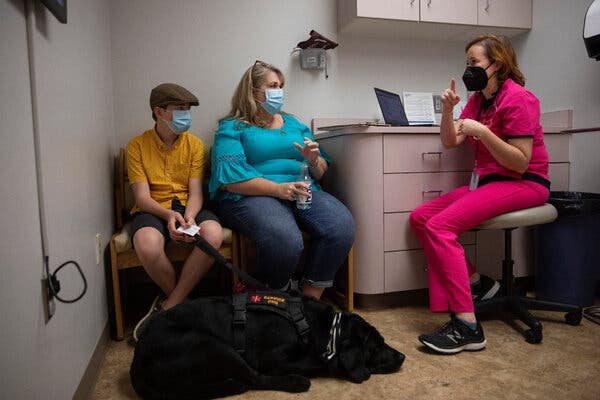
CLAY, W.Va. — For most of her life, Dr. Kimberly Becher has moved fast. She was married at 21, started medical school with a 3-month-old and has trained for two marathons. In the halls of her clinic, between a bank and a Baptist church in Clay — the county seat of Clay County with a population of 396 — she walks fast, often looking down at her phone as she speeds around corners. She talks fast, too, organizing her staff and speaking crisply with a mountain accent.But her aspect changes when she enters an exam room where a patient is waiting. She slows perceptibly, and the otherwise intense beam of her attention softens.Recently, Dr. Becher, in bright pink scrubs, sat with Zane Wilkinson, 15, who had come in for a monthly checkup in the company of his mother, Julia Wilkinson. He wore a newsboy cap and a blue surgical mask; he has Behcet’s disease, a rare autoimmune disorder that, as Ms. Wilkinson described it, “is like having multiple sclerosis, Crohn’s, lupus and arthritis in one bundle.” Zane had been on chemotherapy for five years with mixed results and had not attended school in person since before the pandemic. But the recent combination of drugs was working well, his mother told the doctor: “He’s almost back to being a normal boy.”Dr. Becher made the diagnosis in 2017, after the family had spent years bouncing among doctors in confusion. (“They call her Dr. House, because she can figure out things nobody else can,” Ms. Wilkinson said of Dr. Becher.) The question in July was whether Zane could safely return to the classroom despite the risk of Covid-19.“So, what do you think about school?” Ms. Wilkinson asked Dr. Becher.The doctor tilted her head. “Well, I think you might be at a point where you have to consider the social benefits in addition to the health risks,” she said. “Like, I don’t want you to feel like you can’t have quality of life just because you might get Covid. You’ve got to live your life.” Zane and his mother nodded.“Hoover over Clay?” Dr. Becher asked Zane, referring to two nearby high schools that he could attend, Clay County High School and Herbert Hoover High School. Ms. Wilkinson, who teaches at Hoover, laughed. “Would you like to talk about that?” she asked Zane.“No, not really,” he said.It was the first thing he had said during the visit, and all three of them laughed.Dr. Becher has spent eight years as a family physician in Clay, working for Community Care of West Virginia, a federally qualified health center. West Virginia tops most national lists of poverty and poor health outcomes: the highest prevalence of obesity, coronary disease and diabetes; the fourth-highest poverty rate; the second-highest prevalence of depression; the shortest life expectancy. In Clay County, there is no public transportation, no stoplight, no hospital. Most residents live in a food desert. And as one of only two family doctors in the county, Dr. Becher has an all-encompassing job. She visits children in their living rooms to vaccinate them, organizes food drives and administers Suboxone to treat opioid addiction.Zane Wilkinson, 15, and his mother, Julia, meeting with Dr. Becher. Dr. Becher, on the roadside, reading a patient’s EKG before driving out of phone-service range.But as the political climate around Covid-19 grew heated, and as some of Dr. Becher’s patients and neighbors began to dismiss the science, she became frustrated, then angry. She began to run more, sometimes twice a day, for hours at a time, “raging down the road.” She was mad about the widespread distrust of vaccines; mad about teachers who went to school even after testing positive for the virus; mad about the endemic food insecurity, the county’s lack of affordable transportation, the high rate of fatty liver disease.The indignities layered one atop the next, forming a suffocating stack. More than anything, Dr. Becher was mad at how she couldn’t seem to do anything about any of it. Some days she went home from work, chugged a beer and ran for miles. Then, on April 17, 2021, her heart broke.Anger, Exhaustion, DespairIn 1981, two psychologists at the University of California, Berkeley, published a paper in the Journal of Occupational Behavior on “the burnout syndrome.” The authors, Christina Maslach and Susan E. Jackson, set out to measure the degree of stress and emotional exhaustion experienced by professionals like doctors, social workers, therapists and teachers who, they noted, must constantly navigate complicated interactions “charged with feelings of anger, embarrassment, fear or despair.”Their questionnaire — the Maslach Burnout Inventory, or M.B.I. — is now a scientific standard. Among physicians, a high score on the M.B.I. has been linked to increased errors, decreased patient satisfaction and quick turnover. Burned-out doctors show higher rates of cardiovascular disease, substance abuse and divorce. A 2017 study of about 5,000 physicians published in Mayo Clinic Proceedings found that some 44 percent exhibited at least one sign of burnout. A 2019 report by the National Academy of Medicine pointed to studies showing that 54 percent of physicians and nurses were burned out.“Your patients kind of embrace you as a part of their community; they almost become a part of your family,” said Dr. Tate Hinkle, a family doctor in Lanett, Ala. Many physicians cite these interpersonal connections as the primary reason they go into family medicine. But the sense of dependency can place a significant emotional burden on doctors, Dr. Hinkle said, especially in isolated rural areas, where chronic illnesses and social disadvantages superimpose: “It just adds that sense of pressure on yourself to make sure you take care of people.”Dr. Becher taking her own blood pressure at home in Clendenin, W. Va., in July. After receiving a diagnosis of takotsubo cardiomypathy in April 2021, she recalled, “the first emotion I felt was actually anger.”Dr. Becher and her husband, Mike, in their kitchen. “She’s been pretty much the same since we first met: intense,” he said.On that April day in 2021, Dr. Becher was at a chess tournament with her teenage son when she suddenly felt as if she were having a heart attack. She left for the emergency room, barely able to see, her blood pressure dangerously high.Read More on the Coronavirus PandemicEducational Declines: Test results show the pandemic’s effect on U.S. students: The math and reading scores of 9-year-olds dropped steeply, erasing two decades of progress.Heavy Toll: The average life expectancy of Americans fell precipitously in 2020 and 2021. The decline, largely driven by the pandemic, was particularly pronounced among Indigenous communities.Boosters: An influential panel of expert advisers to the Centers for Disease Control and Prevention recommended updated coronavirus booster shots to the vast majority of Americans, clearing the way for health workers to begin giving people the redesigned shots within days.Paxlovid Study: The Covid-19 medication Paxlovid reduced hospitalizations and deaths in older patients, but made no difference for patients under 65, new research from Israel found.Tests soon revealed that she had a rare disease called takotsubo cardiomyopathy, which forces the tip of the heart’s left ventricle to stretch. Most cases occur in older women who have recently experienced some type of intense physical or emotional distress, like the loss of a loved one or a serious accident. It has gained a catchy moniker — broken heart syndrome — but its causes remain unknown.In the hospital, Dr. Becher argued with the doctors as they tried to treat her. Her clinic’s answering service called her three times while she was being diagnosed; her husband, Mike Becher, had to take away her phone. She protested until she saw the medical imagery: a portion of her heart had been paralyzed, and her left ventricle had ballooned.“The first emotion I felt was actually anger — the very thing that brought me to this cold, hard table,” Dr. Becher wrote in a blog post months later. “Quickly the anger faded, and I felt utterly mortified. I wasn’t tough enough to follow the path I’d set myself on.”She added: “No one put me in this position. I applied to medical school, I sought a job in rural primary care and I poured my identity into it. Takotsubo’s is typically caused by severe acute stress, something traumatic and abrupt. Mine was just from going to work every day and seemed super lame to me in the moment.”An Hour to the Nearest GroceryDr. Becher grew up in Sissonville, a small community an hour west of Clay. Her aim was to leave West Virginia and never return. She graduated as valedictorian of her high school class and went to Denison University, in Ohio, where, in one of her first courses, she met her future husband. After college the couple moved to Cincinnati, where he studied environmental law and she worked at an Olive Garden, then in a medical lab.Three years later she was back in West Virginia, with a newborn, studying medicine at Marshall University. “I realized that I liked living here better than I liked living in places with everything I wanted,” she said. In 2014, immediately after finishing her residency, she and her husband and son moved into a house atop a hill in Clendenin, about 30 minutes away from the clinic in Clay. She had $180,000 in debt from student loans.“Mike had two requirements when we were choosing where to live,” Dr. Becher said recently, looking out at the trees and pond at the bottom of her hill. “We couldn’t be able to see any neighbors, and he had to be able to shoot things from the porch.” She liked it. “I need to feel tortured and alone, for some reason,” she said.Downtown Clay. West Virginia has the nation’s highest prevalence of obesity, coronary disease and diabetes; the fourth-highest poverty rate; the second-highest prevalence of depression and the shortest life expectancy. Clay County has no public transportation, stoplight or hospital.Dr. Becher with patients at the Community Care of West Virginia in Clay, W. Va. in July. “They call her Dr. House, because she can figure out things nobody else can,” another patient said.Dr. Becher spent her first years in Clay building up what she called “patient equity.” She slowed down in her characteristic way when talking to her patients and learning about their lives and health issues, which could stem from causes as varied as diabetes, opioid addiction, anxiety, loss of electricity or an old car that had recently broken down. But outside of these interpersonal relationships, she continued apace. She began blogging for the American Association of Family Physicians, took on advisory roles in local government, increased the number of patients she saw and made more home visits to people unable to drive to the clinic.“Every couple days Kimberly would come back ranting about insurance companies,” Mr. Becher said. “But she’s been pretty much the same since we first met: intense.”In 2016 a flood destroyed houses along the banks of the Elk River and closed the only grocery store in the county. Dr. Becher visited the local dollar store and came up with a list of inexpensive, minimally processed foods to recommend to her patients. By 2020, with the pandemic in high gear, she was lobbying town officials to bring in a new grocery store and helping to organize monthly food distributions.I was living in eastern Kentucky at the time, reporting on how the pandemic was affecting food access in Appalachian communities, and on a sunny day that autumn I drove out to talk with her. We met behind her clinic, near a parking lot crowded with cars where a half-dozen nurses were busy administering Covid tests through rolled-down windows. Over the next several days, nearly 200 families would benefit from a food giveaway that Dr. Becher had helped coordinate at the high school.“When we have meetings with people involved in the town or the county, there’s this level of, ‘Well, if you keep giving out enough food for two weeks every month, we’re never going to get a store,’” she told me. “But there’s not a store. So I’m going to give out food until there’s a store.”The primary health issues that her patients faced, Dr. Becher said, were hunger and a poor diet. Most of them had the means to buy healthy food, she added, but many drank multiple cans of soda a day. Some could not afford to fix their car and so were unable to drive to the nearest grocery store, an hour away; others had to choose between paying for internet service or fresh produce. With grants from nonprofits, Dr. Becher began paying some people’s bills, but blood-sugar levels and blood-pressure readings kept rising.“You have no way to make that impact,” she said, “and you’re just looking at them like: ‘I know your heart rate is going up. I’m sorry you can’t get food. That really sucks.’”Late Nights, Long WeeksA tattoo of West Virginia on Dr. Becher’s arm.Sydney King, a young patient of Dr. Becher, outside her home in Clay.Several months later, early in February 2021, I drove to Clay again. The morning air was crisp, the ground frosty, and I met Dr. Becher in the doorway of her clinic as she was talking to one of her nurses, Cristine Dean. The first Covid vaccine had been released just weeks earlier, and West Virginia had one of the highest vaccination rates in the country; Dr. Becher had been helping lead the region’s efforts. That day she was quarterbacking an operation to bring vaccines to homebound patients. At her disposal were two nurses, 10 vaccine doses, six hours and a four-wheel drive.“I’m excited for you guys,” Dr. Becher told Ms. Dean, who was also her marathon training partner. “I want to do it.”“Yeah, but you got a full schedule,” Ms. Dean replied.Dr. Becher had been working in the clinic seven days a week most weeks, and often stayed up late at her kitchen counter, writing notes on patients’ charts and grant applications for food vouchers. She had begun encountering resistance to Covid science, which added to the strain on her, she said; patients she had seen for years were suddenly questioning her judgment.Friends and colleagues described similar experiences. Dr. Hinkle, in Alabama, whom Dr. Becher had known since residency, described a longtime patient who came in with symptoms of Covid. When the doctor recommended testing, the patient responded, “We’re not going to talk about that; it’s all made up,” Dr. Hinkle said. “And he stormed out of the office and fired me as a doctor.”Several studies have found that the pandemic significantly increased levels of burnout among physicians and health care workers. More than 20 percent of respondents in one study reported being bullied, threatened or harassed by their patients at work. “What Covid has done is taken many people who had no margins left and it pushed them over the edge,” said Dr. Mark Greenawald, a family doctor in Roanoke, Va., who studies burnout among doctors.Later that day in February, Ms. Dean visited the mountaintop home of Bonnie White, one of Dr. Becher’s patients, to administer a second dose of the Covid vaccine. “Do I really need to get the second dose?” Ms. White asked. Ms. Dean replied: “Well, let me put it this way — Dr. Becher thinks you should get it, and Dr. Becher herself got hers. So I think if she wants you to get it, then you can trust her to get it.”Ms. White said: “I do what she tells me to do. She’s the best doctor I’ve ever had.”Dr. Becher at a meeting at the Braxton County Health Department.Sydney and Autumn King played outside their home while their grandmother, Helen, who has Covid, isolated on the porch.In practice, most of Dr. Becher’s patients took her advice and got the vaccine. But even as the pandemic introduced an element of distrust to her work, older patients begun coming to her depressed, unable see their children or grandchildren. Dr. Becher and Dr. Joanna Bailey, a family doctor in Wyoming County, W.Va., talked almost every day in a group chat about vaccine distribution, their mounting paperwork and the need to make long-term plans for their communities.“I’ve felt myself getting angry with a patient over this Covid vaccine,” Dr. Bailey told me. “That’s where I decided, I cannot argue about this anymore. I’m going to tell them it’s recommended; I’m going to have my little three lines to say, and that’s it. It’s too big for me.”But Dr. Becher couldn’t let it go. She joined more boards, saw more patients, considered running for a government seat, tried to channel her frustration. Her husband knew that the pace she was keeping was not sustainable, but when they talked about it late at night, they realized there was no stopping, he said: “It was like, she was helping people, and if she didn’t do it, then no one would.”‘I’m Completely Broken’That April, when her heart broke, Dr. Becher stopped seeing patients. She quit every board she was on. For a couple of weeks, on bed rest, she tried to figure out what had gone wrong. “Why had I said yes to doing so many home visits?” she later wrote on the blog. “Why did I work so hard to make food accessible in this town that I don’t even live in?” And: “Why did I keep saying yes to everything anyone asked me to do?”How could she return to her previous life, knowing it had almost killed her?Dr. Becher’s heart medication. Several studies have found that the pandemic significantly increased levels of burnout among physicians and health care workers. Dr. Becher on her day off. An avid runner, she has had to take a break from intense exercise.The roots of the challenge ran deep, Dr. Becher came to realize. Many new physicians, often carrying hundreds of thousands of dollars in student loans, face a dichotomy once they start practicing.“Rarely is there a health care organization that is able to say that we value your well-being as health care providers above our productivity,” Dr. Becher said recently. Her student debt has gone down but remains above $60,000. “But it’s not just a financial thing,” she said. “It’s that people need care, and when you’re in more rural areas like this, you might be the only source.”In early 2022, Dr. Becher moved to a more administrative role at Community Care of West Virginia and reduced her time in the clinic to one day a week. “I am shifting my focus toward helping other physicians learn from my mistakes, which means I have to actually tell my story,” she wrote in her blog in February. “I am definitely a work in progress, and I am always on the edge of a cliff, at risk of jumping back into being angry and putting myself in a position to be hurt again. But at least now I know there is a cliff.”Dr. Lisa Lavadie-Gomez, a family doctor in Iowa City, Iowa, who had recently experienced a health scare of her own, reached out after reading the post. The two physicians talked about their experiences and later recounted the exchange.“The empathy and altruism wears you out to the point where you’re depleted, and I was depleted,” Dr. Lavadie-Gomez said. “I’m taking care of people with my whole heart, yet I’m completely broken. How do you keep going amid the moral overwhelm?”Dr. Becher responded: “There have been moments, since last April, where it’ll hit me, like, my life is so different from before. Because I had a couple runs of heart rhythms that are not good, there’s also this fear I have, like, what if I literally just die?”Recently Dr. Lavadie-Gomez confided that she had decided to leave medicine. “I will always be a doctor; that will never change,” she said. “I will always have the same skills and empathy, care and ability to solve problems. I’m just choosing to use that energy somewhere else. And I probably just haven’t admitted that I’m leaving my job until right now — today — and my conversation with Kimberly.”Creating a New PathOn a Friday in late July, Dr. Becher invited Dr. Anne Jarrell, a third-year medical resident from Eastern Tennessee State University, to tag along as she worked her day in the clinic. The region had been without a regular family doctor since April 2021, and Dr. Becher was hoping that Dr. Jarrell, who grew up in West Virginia, could fill that hole.“Like, this is why you do medicine,” Dr. Jarrell said, as the two physicians squeezed into the nurses’ office at midday. Dr. Jarrell, cheerful and energetic with a bandanna holding back her long hair, peppered Dr. Becher with logistical questions. The closest hospital? About 45 minutes from the clinic on the interstate — but it depended on where you were coming from. Dr. Becher’s threshold for prescribing opiates? Very high. The patient population? All over the county. Did she prescribe Plan B, the morning-after contraception pill? “Yes,” Dr. Becher said. Dr. Jarrell voiced her support with a small fist pump.The next appointment was with a young transgender woman, Dany Frye, whom Dr. Becher had been seeing for a couple of years, and who was now weighing the options for surgery.“Do you have her on hormone therapy?” Dr. Jarrell asked.“Yeah,” Dr. Becher said.“Awesome,” Dr. Jarrell said. “So you do that here?”“I do that here,” said Dr. Becher, who has more than a dozen transgender patients. “I would love it if you came here and did it.”Afterward, Ms. Frye reflected on the appointment. “I didn’t know how life-changing it would be,” she said. “Having that resource in such a small county is so shocking. It’s crazy how we just have her here.”Dr. Becher with Dany Frye, a transgender patient. “Having that resource in such a small county is so shocking,” Ms. Frye said. “It’s crazy how we just have her here.”Larry O’Dell and his daughter, Shelia Basham, spoke with Dr. Becher as Dr. Anne Jarrell, a third-year medical resident at Eastern Tennessee State University, observed.Although Dr. Becher’s most recent echocardiogram was normal and her cardiologist cleared her to exercise regularly again, she had not run since April 2021. Mentally she was working up to a turkey trot in November with her husband and son, but her marathon dreams were over. “I just can’t do distance running ever again,” she said. “I mean, that was what I did. That was my hobby. That was all I did.”In her new role at Community Care, Dr. Becher has been developing a support group for rural physicians through the Robert C. Byrd Center for Rural Health at Marshall University. “She kept all this close to her vest for a long time,” said Jennifer Plymale, the director of the center, who has known Dr. Becher since she was in medical school. “But I believe she’s creating a new path for her that’s not all about patient care.”Later that day in the clinic, Dr. Becher and Dr. Jarrell squeezed into a room with Larry O’Dell, a longtime patient whose wife of more than 60 years had recently died. Mr. O’Dell was healthy and cognitively sharp, working in his garden most days, although he had lost most of his hearing. His daughter Sheila accompanied him for the visit, often repeating into his ear, loudly, things that the doctors said.Dr. Becher ran a physical exam, prescribed some medication, then sat and chatted with Mr. O’Dell about his garden and his daughters.“You know what,” he said, suddenly shifting the topic. “You look better than you did the last time I saw you.”“Thank you,” said Dr. Becher, slightly taken aback.“Are you better?” he asked.“I am better,” she said. “I’m a lot better.” There was a pause, then she added, “I was wondering why you were staring at me so weird.” And everyone in the room laughed.

Read more →

How Health Care Workers Got Me Through the Pandemic

This article is part of the I Want to Thank You series. We asked readers to tell us about who helped get them through the pandemic; this is a selection of their stories about health care workers. We’ve published an article about family and friends, and a forthcoming article will focus on inspirational figures.Health care workers on the front lines of the coronavirus pandemic offered more than just medical services. They gave Americans emotional support, connection and innovative solutions.Here are the stories of a disabled woman, her father and her caretakers; a lawyer and her late mother’s physician; a woman with paraplegia and her home health aide; and a contact tracer.Thank You for Caring for My ‘Profoundly Disabled’ DaughterIn 2001, Doug Jacoby was reading to his 5-year-old daughter, Devon, in their Easton, Conn., home when the book fell on the floor. She climbed off his lap and scooped it up — an innocuous moment for most families, but for the Jacobys it was groundbreaking.With that simple action, Devon, who has brain damage and is nonverbal, defied the doctors who had told her parents she would always be slow to respond to stimuli. (She does not have an official diagnosis but is “profoundly disabled,” her father said.)In 2020, Ms. Jacoby was receiving assistance at the Saint Catherine Center for Special Needs in Fairfield, Conn., and had been since she turned 21. But when the pandemic shut down the center, her progress was threatened: Constant engagement is crucial to Ms. Jacoby’s development, Mr. Jacoby said.“You fear that lacking the stimulus, lacking seeing the faces, lacking the experience, she will backslide and she will lose awareness,” Mr. Jacoby, 72, said.Then, in April 2020, the center began to offer virtual programming over Zoom, and for two to three hours per day Ms. Jacoby was engaged and happy. (Ms. Jacoby’s parents are divorced, and she splits time living with each of them.) During music therapy sessions, she would bop her head to the beat. When the center reopened in July 2020, Mr. Jacoby knew he was sending Ms. Jacoby, now 26, back to people who genuinely cared for her.“You don’t work with people like my daughter and do it well because it’s a job. You do it because it’s a calling,” Mr. Jacoby said. “I have too much gratitude to have the ability to express it.”The center’s virtual sessions also included weather updates and story time. During music therapy, Mr. Jacoby, who works from home as a freelance writer, would hold a wooden spoon in Ms. Jacoby’s hand and help her bang it against a pot.“It takes time to really get to know her, but when you do you can sense when she’s happy,” Mr. Jacoby said. “Most of the time with the music, most of the time during story time, you can tell that she was engaged.”Dr. Vanessa Tiongson, a neurologist at Mount Sinai Hospital, earned the trust of one of her patients, Aura Shirley Sarmiento.Jasmine Clarke for The New York TimesThank You for Being More Than Just a Doctor to My Ill MotherMost of the calls Jackie Marzan made to her mother’s doctors to inform them of her death from Covid-19 in November 2020 followed a familiar script: The doctors expressed shock, offered their condolences and said goodbye.And then Ms. Marzan, sitting in her mother’s apartment in Queens, called Dr. Vanessa Tiongson, her mother’s neurologist at Mount Sinai Hospital. They spoke for more than two hours.Read More on the Coronavirus PandemicEducational Declines: Test results show the pandemic’s effect on U.S. students: The math and reading scores of 9-year-olds dropped steeply, erasing two decades of progress.Heavy Toll: The average life expectancy of Americans fell precipitously in 2020 and 2021. The decline, largely driven by the pandemic, was particularly pronounced among Indigenous communities.Boosters: An influential panel of expert advisers to the Centers for Disease Control and Prevention recommended updated coronavirus booster shots to the vast majority of Americans, clearing the way for health workers to begin giving people the redesigned shots within days.Paxlovid Study: The Covid-19 medication Paxlovid reduced hospitalizations and deaths in older patients, but made no difference for patients under 65, new research from Israel found.“She was asking me, ‘How do you feel?’ And then she was sharing with me how she felt,” Ms. Marzan, 51, said. “She said, ‘Oh, your mom — I’m going to miss her. She was my favorite.’”Ms. Marzan’s mother, Aura Shirley Sarmiento, typically preferred that her doctors spoke Spanish; Dr. Tiongson did not, but earned Ms. Sarmiento’s trust nonetheless. Not long before her death, Ms. Sarmiento called Ms. Marzan crying tears of joy: Dr. Tiongson’s positive attitude had given her hope.Dr. Tiongson’s empathy stuck with Ms. Marzan as the pandemic decimated her family: Over the next year Ms. Marzan would lose her grandmother and two aunts to Covid. In April, her father-in-law also died from the virus.“Imagine the holidays, and you go home for the holidays and you see the kitchen full of women cooking,” Ms. Marzan said. “In my case, those are all the women cooking. They’re all gone.”As the months wore on, she found fewer conversation partners willing to discuss Covid and her family.“People don’t want to hear about Covid,” she said. “They say, ‘Oh, it’s not that bad anymore.’ It’s like, yeah, but Covid, it permeated our lives.”Dr. Tiongson didn’t forget. In January, Ms. Marzan received a holiday card from Dr. Tiongson, with a photo of the doctor’s children and a note expressing her love for Ms. Sarmiento. “I thought, Who does this?” Ms. Marzan said.Although she considers herself a minimalist, she said, she’ll always have room in her home for that card.Thank You for Being My Home Aide and Having CompassionAnnie Verchick, a woman with paraplegia and a traumatic brain injury living in rural Laporte, Colo., has worked with a revolving door of home aides. But over the past couple of years, as the pandemic compounded Ms. Verchick’s isolation, her relationship with Karen Coty, a home aide, blossomed into friendship.In the spring of 2021, when Ms. Verchick was diagnosed with endometrial cancer, Ms. Coty accompanied Ms. Verchick to her appointments and brought her ginger ale and ice packs.“Again and again and again, she just showed up,” Ms. Verchick, 57, said.Ms. Coty first started working with Ms. Verchick in 2016, and soon they were playfully arguing about werewolf romance novels and dissecting “M*A*S*H,” the hit TV show that ran from 1972 to 1983.“It was OK to have things be silly and not be tragic all the time,” Ms. Verchick said. “Karen is really disinterested in treating people as though they’re special and precious, which makes her a big win for me. You don’t get to be special. You’re a whole human being — who’s in a chair. That’s a really rare attitude.”Ms. Coty stopped working with Ms. Verchick in November 2018 so she could attend school, before returning in the summer of 2019. When Ms. Verchick, who has neurogenic bowel dysfunction, had what she called an “incontinent disaster” and the aides scheduled to work that day couldn’t show up, she called Ms. Coty, who was there 10 minutes later. Ms. Coty cleaned everything up and slept over the next two nights.Ms. Coty resumed her post with Ms. Verchick and stayed through the pandemic. She left in July of this year to pursue other opportunities, but not before training Ms. Verchick’s new aides.“I don’t know that she realizes on any level how meaningful it is,” Ms. Verchick said of Ms. Coty’s friendship.Jennifer Guy Cook at her home in Brighton, N.Y.Lauren Petracca for The New York TimesThank You for Letting Me Help You as a Contact TracerJennifer Guy Cook’s home was eerily quiet. So she filled it with the voices of strangers.Ms. Cook, 68, had spent the past three-plus decades running a day care out of her home in Brighton, N.Y. When she shut down the business because of the pandemic, she landed a position with New York State’s Covid contact tracing initiative. She had found a purpose: helping people through a tough time in their lives.For 20 hours per week, Ms. Cook would call people who had been in close contact with someone who had tested positive for Covid. Ms. Cook held the job only from December 2020 to June 2021, but she’s grateful for the connections she made.“I wanted to be a part of helping,” Ms. Cook said. “I could certainly make phone calls.”Amid the gray Brighton winter, Ms. Cook relished the human connection. (She would tease fathers who had forgotten their children’s birthdays, joking that mothers normally had a less difficult time remembering them.) Her job was, on the surface, informational: She was to provide facts about the virus and potential warning signs. But it turned into much more.“Some of the people that I talked to were just in that situation of being scared, and being worried, and being worried for their children, or being worried for their parents,” Ms. Cook said.That’s where Ms. Cook would interject with a light joke or words of encouragement. “It’s injecting your own humanity in the conversation,” she said. “And just by doing that, it changes everything.”Ms. Cook holding the headset she used as a contact tracer.Lauren Petracca for The New York Times

Read more →

Uganda's transplant revolution brings hope to thousands

Published11 minutes agoSharecloseShare pageCopy linkAbout sharingUganda’s parliament is scrutinising a proposed law that would enable organ transplants to happen in the country for the first time, transforming the lives of thousands hoping for operations.Annita Twongyeirwe had pictured a different future for herself.But since being diagnosed with kidney failure three years ago, the 28-year-old is preoccupied either by having dialysis or thinking about the next session.”It has taken over my life,” she says, looking defeated. During dialysis a machine essentially performs the kidneys’ function and cleans the blood of waste products and excess fluids. Each session lasts about four hours and she has to go to hospital twice a week. In between sessions she spends most of her time at home – a relative’s house – helping out with chores where she can, and keeping an eye on a WhatsApp group she created through which friends and well-wishers can donate money. “I was this ambitious girl. I wanted to go further with studies. I would probably be somebody’s girlfriend or wife, so all that life is cut short. It took away all the dreams I had,” she adds.A kidney transplant could bring them back. But an operation abroad, currently the only option, comes with a price tag of about $30,000 (£26,000) – and is out of reach of most.Hundreds of Ugandans, who like Ms Twongyeirwe cannot afford this, live on dialysis for as long as possible. But even at the subsidised price of around $100 a week for the treatment and drugs, that is more than five times the average total income in Uganda and so is only an option for a small fraction of the population.The ward at Kiruddu National Referral Hospital on the edge of the capital, Kampala, is the only public health facility in the country that offers this service. Almost 200 patients attend the clinic regularly, many of them traveling long distances.But they represent only a fraction of those countrywide living with kidney failure and in need of specialised care. “They leave their families and livelihoods behind to live close to the hospital. This is an unnatural situation,” Dr Daniel Kiggundu, the only kidney specialist working at the unit, tells the BBC. The ward is a cacophony of beeping machines, as nurses weave through dialysis stations attending to patients. Some of those getting treatment seem extremely weak, drifting in and out of sleep, while others sit up and chat with their carers. The clinic runs two shifts each day, each of them taking in about 30 patients. It operates dangerously close to full capacity and there is little spare time to prepare the patients for treatment.When Ms Twongyeirwe is due for a session, she spends the night at the hospital in order to be ready in time.She first realised she was unwell when her entire body began to swell in 2018 and she spent 18 months going from clinic to clinic before she got the right diagnosis.Her life was turned upside-down.She had to drop out of university where she was studying law and she lost her job. She also moved from her family home in western Uganda to Kampala, to live close to the hospital. At home, the soft-spoken woman goes about washing dishes with such grace that, save for the plaster on her arm, it is hard to tell that she has just returned from a dialysis session.’I feel like a burden'”When I return from the hospital I rest because the whole body is weak. Later, I do some work around the house to stay active,” she explains.Ms Twongyeirwe raises the money needed each week from friends and family.”I feel like a burden to people who help me pay for dialysis. Whenever somebody sees your call, they know you want money from them.”She has also turned to family members to see if someone would want to donate a kidney.She says a cousin had been willing but then changed their mind.Even if that offer had remained, Ms Twongyeirwe would still have had to raise more money and get approval from the medical authorities to fly abroad for the operation. If the new law is passed then one of the hurdles would be removed.Uganda would be joining a short list of African countries, including South Africa, Tunisia and Kenya, that have both the regulations and health facilities for organ transplants to be possible within their borders.At the moment India and Turkey are the most popular destinations for Ugandan kidney patients. Only close relatives are allowed to be donors and trips have to be approved by the Uganda Medical Board – to prevent organ trafficking or people being coerced to offer their organs.But if parliament approves the new measure, then the process should be more straightforward and the cost for surgery and recovery care could come down to about $8,000.Those backing it say Uganda needs special legislation to create a safe framework under strict regulation to make sure there is no abuse.The proposal includes the creation of a national waiting list of organ recipients as well as the establishment of specialised transplant centres around the country. An operating theatre has already been set up at the main national hospital in Mulago, Kampala. Organ banks will also be created for those who want to donate – and not just for kidneys”We are [also] thinking of corneal transplants for the eyes [and] skin banks for patients who have burns,” says Dr Fualal Jane Odubu, chairperson of the Uganda Medical Board.About 100 Ugandan health workers, including surgeons, nurses and post-surgery specialists have already been trained abroad, mostly in carrying out kidney transplantations. Despite the hope that this could bring, there will still be a waiting list and the need to raise money.Ms Twongyeirwe says that despair is never far away.”The other patients and I have become family. The most difficult days are when you turn up at the clinic and find that someone died. We lost a little boy recently and that was very hard to cope with,” she says, holding back tears.But for her the new law could be transformational.”It would help patients like us be able to get transplants. Donating a kidney is giving someone another life. “Some people fear incurring all the costs of traveling abroad, and you might get there, and the donor changes their mind. So if the transplant is being done here at home it’s less stressful.”More on this storyInside the ‘world’s fittest country’15 September 2018No doctors, no drugs17 November 2017Painful wait for cancer treatment17 June 2016

Read more →

Kevin M. Cahill, 86, Dies; Tropical Disease Expert With a Political Bent

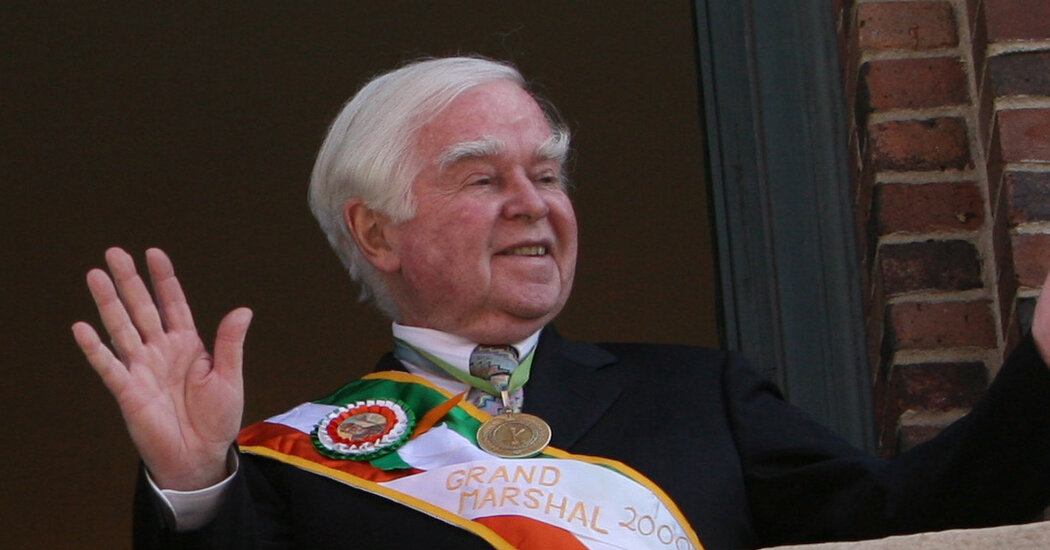
He treated celebrities, advised a governor and saved an Irish historical society. But he died under a cloud of sexual assault allegations.Kevin M. Cahill, who managed to pack several careers into a single life as a leading expert on tropical diseases, a doctor to celebrities and politicians, a close adviser to Gov. Hugh L. Carey of New York and a savior to the ailing American Irish Historical Society, but who later faced allegations of sexual assault by two women, died on Wednesday at his home in Point Lookout, N.Y., on Long Island. He was 86.His son Brendan said that the cause of death had not been determined, but that his father had been in failing health.A short, stocky man with big, bushy eyebrows and an accent that tilted between Gaelic brogue and Noo Yawkese, Dr. Cahill managed to become a globe-trotting humanitarian while keeping thick roots planted in New York’s Irish American community.After an early stint as a doctor in Cairo and India, where he worked alongside Mother Teresa, Dr. Cahill returned to New York, where he established one of the country’s first centers for tropical disease, at Lenox Hill Hospital in Manhattan. He was among the first doctors to call attention to the city’s emerging AIDS crisis, organizing a groundbreaking conference on the disease in 1983.He spent the late 1970s commuting to Albany, where, as Governor Carey’s health policy expert, he moved mountains to reshape the state’s flailing medical bureaucracy, making a host of enemies but impressing even his detractors as a quick study and an effective political infighter.A top expert in humanitarian medicine who worked in 65 countries, Dr. Cahill established an amputee clinic in Somalia and directed earthquake relief in Nicaragua, experiences he discussed in 1993 on the NPR program “Fresh Air With Terry Gross.”He was the personal physician to a long list of elite New Yorkers, including the top figures in the city’s Roman Catholic hierarchy. He was with Leonard Bernstein when Bernstein took his last breath. He was one of two American doctors invited to Rome to assess the health of Pope John Paul II after he was shot in 1981.And as a prominent figure among Irish Americans who quoted Yeats with ease, he revived the American Irish Historical Society, which was founded in 1897 and occupies a stately former townhouse on Fifth Avenue, across from the Metropolitan Museum of Art.The society had practically ceased to exist when Dr. Cahill took it over in the early 1970s. He raised funds to renovate its home and made its annual gala a must-do on the city’s social calendar, in the process helping to make Ireland a subject of popular fascination.“Dr. Cahill was a pioneer in bringing a prominence and seriousness to the study of Irish and Irish American culture that had long been lacking,” Peter Quinn, a writer and former member of the historical society’s board, said in a phone interview.Dr. Cahill’s life was not without controversy. His critics found him self-serious, nepotistic and egotistic.As his time as the head of the American Irish Historical Society wore on, he was accused of treating it more and more like his personal kingdom. He installed his sons as officers, booted officials who crossed him and unilaterally announced a plan to sell the townhouse in 2021, a move that has been under review by the state government.“The building on Fifth Avenue is something that stands for all of us,” Brian McCabe, a former leading figure in the society, told The New York Times that year. “This is about a very small group controlling what is held in trust for the Irish in America and around the world.”In 2020 a former patient, Megan Wesko, sued Dr. Cahill in federal court, alleging that he had pursued a romantic relationship with her and sexually assaulted her during an examination, a development reported in The Times in June. In 2022 another woman, Natalie Mauro, said that he had also sexually assaulted her at his office.Dr. Cahill was not charged with any crimes. He denied the allegations, and the lawsuit was still pending at his death.Dr. Cahill, left, with Cardinal Francis Spellman at the Tropical Disease Research Center of St. Clare’s Hospital in Manhattan in 1966. Dr. Cahill was the personal physician to a long list of elite New Yorkers, including the top figures in the city’s Roman Catholic hierarchy.Meyer Liebowitz/The New York TimesA grandson of Irish immigrants, Kevin Michael Cahill was born on May 5, 1936, in the Bronx. His father, John, was a doctor. His mother, Genevieve (Campion) Cahill, was a teacher and homemaker.He studied classics at Fordham University, graduating in 1957, and received his medical degree from Cornell in 1961. As a medical student, and later as a fellow at the London School of Hygiene and Tropical Medicine, he traveled to Calcutta, India (now Kolkata), where he worked in a local clinic alongside Mother Teresa, then a little-known Albanian nun.“I find romance in settings that others might — quite legitimately — see only as dirty, broken-down wastelands,” he said in a graduation address at the College of the Holy Cross in Massachusetts in 2008. “Surely those negatives existed in Calcutta. But amidst the fetid stenches of Indian urban decay, I mainly recall the strong aroma of exotic spices.”He served in the Navy Medical Corps from 1963 to 1965, working at a research facility in Cairo, after which he returned to New York to establish his medical practice.He married Kathryn McGinity in 1961. She died in 2004. Along with his son Brendan, he is survived by four other sons, Christopher, Kevin, Sean and Denis, and nine grandchildren.Dr. Cahill’s experience made him an obvious choice by Lenox Hill Hospital to lead its Tropical Disease Center, which opened in 1966. In 1970 he was named chairman of the department of tropical diseases at the Royal College of Surgeons in Dublin, a post he held until 2006.After he became governor in 1975, Mr. Carey, himself a product of New York City’s Irish Catholic political scene, took Dr. Cahill with him to Albany and gave him the task of cleaning up the state’s sprawling, nearly insolvent health care system.The two were old friends, and Dr. Cahill served as one of the governor’s closest advisers. He worked for $1 a day, one day a week, often staying overnight at the governor’s mansion.“He’s very single‐minded, quite stubborn and rigid,” Albert H. Blumenthal, a Democrat who served as majority leader in the State Assembly, told The Times in 1977. “but he’s an easy man to deal with. There’s no deceit to him.”The relationship didn’t last, though; Dr. Cahill and Mr. Carey reportedly had a falling-out, and Dr. Cahill left the governor’s office in 1980.He went on to work for the New York City Board of Health, advise the United Nations on global health and direct the Institute of International Humanitarian Affairs at Fordham. He also wrote several books, including, most recently, “Tropical Medicine: A Clinical Text” (2021). He left both Fordham and Lenox Hill Hospital in 2020.

Read more →

US abortion bans leave grey areas for complicated pregnancies

Published2 hours agoSharecloseShare pageCopy linkAbout sharingImage source, Getty ImagesMoments after unveiling a bill that would ban all abortions in the United States at 15-weeks, US Senator Lindsey Graham was interrupted by a mother with a devastating story.”I did everything right and at 16 weeks we found out that our son would likely not live,” Ashbey Beasley told a crowded room. “When he was born, for eight days he bled from every orifice of his body,” she said.But, she said, at least she got to choose how to handle her difficult pregnancy, while Mr Graham’s law would take away that choice.”What do you say to someone like me?”Mr Graham is not the only lawmaker who has been asked tough questions about his abortion stance, and how it might affect women with complicated or dangerous pregnancies.Since the Supreme Court struck down Roe v Wade this summer, states across the US have pushed through abortion bans or severely restricted the procedure. But as such laws have gone into effect, unintended consequences have followed.Doctors and patients say that confusing standards and the vague language of these laws have had a chilling effect on the medical field in anti-abortion states, leaving tragedies in their wake – and more in the making.’We can’t help you, good luck’Abortions for medical reasons are rare, constituting less than 4% of all such procedures in the US in 2004, according to the Guttmacher Institute.But for certain pregnancy complications, they are an accepted and not uncommon procedure to save lives.The model Chrissy Teigen, for example, said on Friday an abortion was used to save her life when she was 20 weeks along with a pregnancy that was unviable.Teigen says she realised baby loss was an abortionBut today, in states with strict abortion limits, that option is becoming increasingly complicated.For the last year, Amanda Horton, a Texas doctor who specialises in high-risk pregnancies, has struggled to care for patients with pregnancy complications.At times, Dr Horton must inform families that their babies have been diagnosed with a fatal foetal anomaly. These conditions are rare and likely to lead to the death of a foetus in utero, or shortly after birth.But under a strict abortion ban in Texas, her hands are tied.”We can say, ‘If you’re interested in pregnancy termination, that’s always an option. But it’s not an option for you in Texas. And that’s really where the counselling begins and ends,” she said.”These are people who love their unborn baby, and who, through no fault of their own, have been challenged in ways that they never expected,” she said. But because her state bans all abortions except in life-threatening circumstances, “now, the answer is, ‘We can’t help you, good luck.'”Defining emergencyTexas has one of the country’s most restrictive abortion bans. But like all such bans passed this year, the state allows an exception when a pregnancy is a threat to the mother’s life.Indeed, all states that ban abortion include similar exceptions when the life of a mother is threatened.About a dozen states’ laws include language allowing abortions in cases of a “medical emergency”, and three specifically include an exception for foetal anomalies. West Virginia, which just passed an abortion ban this week, outlaws the procedure “except in a medical emergency or a non-medically viable foetus”.Mr Graham’s proposal for a national law would come with broadly worded exemptions for a woman whose “life is endangered”.Image source, Getty ImagesHowever, critics say that in practice these laws give little guidance on broad terms like “life-threatening”, or what constitutes a medical emergency that would permit an abortion.That leaves ample room for debate over when a doctor should act, and in some cases, has even altered options that would have been considered a standard of care.In July, a Texas woman identified only as Amanda, told the New York Times that she spent 48 hours in agony, sitting in a bathtub while the water turned “dark red” as she waited for her body to expel the pregnancy after suffering a miscarriage.’I need an abortion’: The text that gets pills sent in secretCould US abortion bans affect miscarriage treatment?Previously, when she had a miscarriage, doctors had performed a dilation and curettage (also known as a “D & C”) procedure, in which tissue is removed from the uterus. But at the time of her second miscarriage, Texas had implemented a ban allowing private citizens to sue anyone who helps perform an abortion after six weeks of pregnancy. Amanda was not given the procedure.”It was so different from my first experience where they were so nice and so comforting, to now just feeling alone and terrified,” she said.Such cases have highlighted the gap between written policies over abortion limits and the medical reality, and it has doctors worried.”It’s very dangerous when legislators who have no experience in the area of medicine are legislating about how we can practise medicine, and prohibiting us from providing the standard of care,” said Daniel Grossman, an obstetrician at the University of California in San Francisco.’Reasonable medical judgment’Many of the bans are modelled after draft legislation proposed by the National Right to Life (NRL), the nation’s oldest anti-abortion organisation. Their model legislation allows for abortions when the mother’s life is threatened. “Our model law language says, ‘reasonable medical judgement’ of the attending physician, which is the usual case in all medical situations, not just abortions,” NRL told BBC News in a statement.”We’re not aware of any pro-life legislation, including our model law, that would prevent appropriate medical treatment in any of these cases.”Image source, Getty ImagesBut for people facing difficult pregnancies, these laws, in practice, can get in the way of medical care.In Louisiana, the story of Nancy Davis made national headlines after she said doctors would not terminate her non-viable pregnancy. At a press conference, Ms Davis told reporters her baby had acrania, a condition that causes a foetus to develop without a skull and is incompatible with life.”Basically, they said I had to carry my baby, to bury my baby,” she said, adding doctors “seemed confused about the law and afraid of what would happen to them if they performed a ‘criminal abortion’ according to the law.””I want you to imagine what it’s been like to continue this pregnancy for another six weeks after this diagnosis,” she said. “This is not fair to me, and it should not happen to any other woman.”In South Carolina, a Republican state senator, Neal Collins, went viral for confessing he regretted voting for a six-week abortion ban, after a local OB-GYN told him the story of a 19-year-old who faced a harrowing miscarriage but was denied care.”That whole week, I did not sleep,” Mr Collins said in a speech before the state’s judiciary committee. He said he followed up and, two weeks later, the ER was able to “extract” the foetus, but only after it had died.Medicine by exemptionDays after expressing his regret, Mr Collins voted in favour of a near-total abortion ban that includes a list of some dozen situations that qualify as exceptions.And last month, after Ms Davis miscarried, Louisiana’s health department issued a list of conditions that would render a pregnancy “medically futile” and qualify for an exception to the state’s near-total abortion ban.But Dr Grossman says it’s impossible to make a list of the conditions that meet the “medical emergency” exception.”It doesn’t work that way. In medicine there’s a lot of grey areas and uncertainty,” he said. “If there’s a 20% risk of death in the next month if they continue the pregnancy, that’s a tremendously high risk. It would be the standard of care to offer that patient termination.”More on this storyThe Americans turning to Mexico to get abortions25 AugustAnti-abortion Gen Z-ers see cause as social justice8 AugustCould US abortion bans affect miscarriage treatment?25 JulyThe woman who helped to end Roe v Wade21 JuneTop US court ends constitutional right to abortion24 June

Read more →

Algorithm sheds new light on ICU patients' consciousness

Visit a neurological ICU during a consultant’s morning rounds, and you’re likely to see physicians conducting painstaking tests to assess each patients’ level of consciousness. These tests are the only way to accurately gauge a patient’s prognosis, or to spot vital warning signs that a patient’s health is declining — but with each test taking as long as an hour to complete, they place an enormous burden on clinical teams.
Now, researchers at Stevens Institute of Technology have developed an algorithm that can accurately track patients’ level of consciousness based on simple physiological markers that are already routinely monitored in hospital settings. Though still in its early stages, the team’s work — published in the Sept. 15 issue of Neurocritical Care — promises to significantly ease the strain on medical staff, and could also provide vital new data to guide clinical decisions and enable the development of new treatments.
“Consciousness isn’t a light switch that’s either on or off — it’s more like a dimmer switch, with degrees of consciousness that change over the course of the day,” said Samantha Kleinberg, an associate professor in Stevens’ department of Computer Science. “If you only check patients once per day, you just get one data point. With our algorithm, you could track consciousness continuously, giving you a far clearer picture.”
To develop their algorithm, Kleinberg and her Ph.D. student Louis A. Gomez partnered with Jan Claassen, director of Critical Care Neurology at Columbia University, to collect data from a range of ICU sensors — from simple heart rate monitors up to sophisticated devices that measure brain temperature — and used it to forecast the results of a clinician’s assessment of a patient’s level of consciousness. The results were startling: using only the simplest physiological data, the algorithm proved as accurate as a trained clinical examiner, and only slightly less accurate than tests conducted with expensive imaging equipment such as fMRI machines.
“That’s hugely important, because it means this tool could potentially be deployed in virtually any hospital setting — not just neurological ICUs where they have more sophisticated technology,” Kleinberg explained. The algorithm could be installed as a simple software module on existing bedside patient-monitoring systems, she noted, making it relatively cheap and easy to roll out at scale.
Besides giving doctors better clinical information, and patients’ families a clearer idea of their loved ones’ prognosis, continuous monitoring could help to drive new research and ultimately improve patient outcomes.
“Consciousness is incredibly hard to study, and part of the reason is that there simply isn’t much data to work with,” said Kleinberg. “Having round-the-clock data showing how patients’ consciousness changes could one day make it possible to treat these patients far more effectively.”
More work will be needed before the team’s algorithm can be rolled out in clinical settings. The team’s algorithm was trained based on data collected immediately prior to a clinician’s assessment, and further development will be needed to show that it can accurately track consciousness around the clock. Additional data will also be required to train the algorithm for use in other clinical settings such as pediatric ICUs.
Kleinberg also hopes to improve the algorithm’s accuracy by cross-referencing different kinds of physiological data, and studying the way they coincide or lag one another over time. Some such relationships are known to correlate with consciousness, potentially making it possible to validate the algorithm’s consciousness ratings during periods when assessments by human clinicians aren’t available.
For now, though, the Stevens’ team is thrilled to have found a simple, broadly applicable model for automatically assessing patient consciousness in clinical settings. “It was a high-risk, high-reward project,” Kleinberg said. “It was extremely exciting to find we could use these signals to classify patients’ levels of consciousness.”
Story Source:
Materials provided by Stevens Institute of Technology. Note: Content may be edited for style and length.

Read more →