NJIT researchers unlock a new method for testing protein-based drugs

New Jersey Institute of Technology (NJIT) researchers have unveiled a new lab technique they say represents a “paradigm shift” in how pharmaceutical laboratories test and produce new protein-based drugs, such as therapeutic monoclonal antibodies being developed to treat a variety of diseases, from cancers to infectious diseases.
Researchers say their electrochemistry-based approach, described in the journal Analytical Chemistry, could allow for safety and quality testing of up-and-coming biotherapeutics to be done at a fraction of the time required by conventional methods, which typically require the lengthy and costly production of certain biomaterials used for sample testing.
The study was conducted in collaboration with researchers from Merck, Johnson & Johnson and Ohio University, and was supported by a $379,397 grant from the National Institutes of Health.
“This method we’ve developed at NJIT has the potential to have a major impact in quantitative proteomics, and it represents a paradigm shift in pharmaceutical industry in terms of monitoring biopharmaceutical product and process impurities for quality control,” said Hao Chen, the paper’s corresponding author and professor at NJIT’s Department of Chemistry and Environmental Sciences.
“With this study, we’ve now demonstrated an approach that can quantify drug product and process impurities much more quickly and accurately than had been possible. … We expect it to become very useful to facilitate therapeutic protein and vaccine development for treatment and prevention of different diseases in the future.”
Traditionally such testing, or protein quantitation, involves time-consuming preparation of synthetic isotope-labeled peptides which are used as internal standards to measure total protein concentrations in a sample — helping researchers actively monitor the efficacy and safety of therapeutic protein components throughout the drug development process.

Read more →

Flu and Covid could make this a hard winter for UK

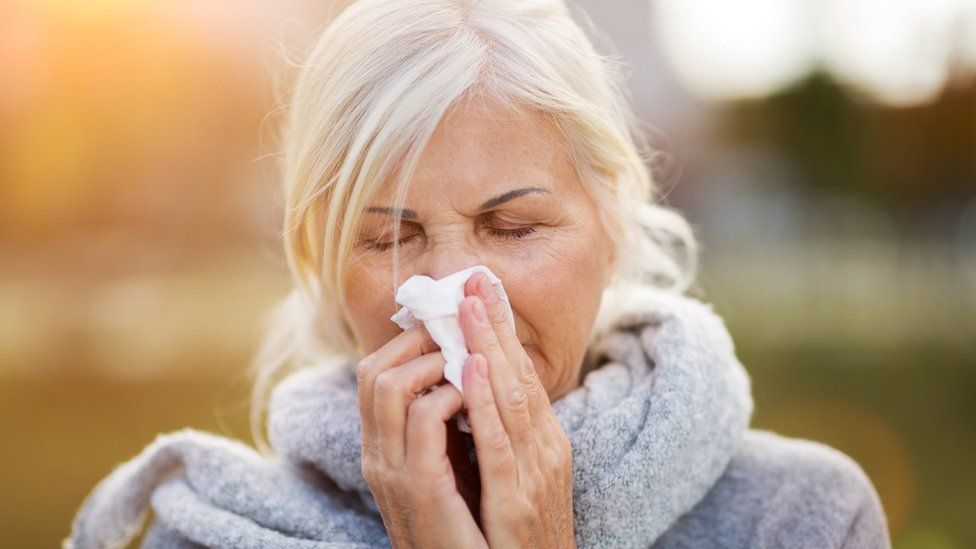
Published8 hours agoSharecloseShare pageCopy linkAbout sharingImage source, Getty ImagesThe UK must prepare for a big, early wave of flu, experts warn, based on what Australia has just experienced during its winter. Many Southern Hemisphere nations have had their most rampant flu season for years. It is largely because people mixed more once Covid restrictions had eased, but had little immunity to the influenza virus after a break from the disease.Health experts are urging anyone who is eligible for a flu shot to get one. After two years with almost zero flu circulating – and all the focus on Covid jabs – there is concern that vaccine fatigue may have set in. Covid cases are starting to rise again in the UK too. NHS director for vaccinations and screening Steve Russell said: “This winter could be the first time we see the effects of the so called ‘twindemic’ with both Covid and flu in full circulation, so it is vital that those most susceptible to serious illness from these viruses come forward for vaccines in order to protect themselves and those around them.”The UK Health Security Agency (UKHSA) says this year’s flu jab is a good match for the type of seasonal influenza that is circulating – a strain called H3N2. It is the same one that caused a bad flu season for the UK in 2017/18. The number of excess deaths that winter in England and Wales exceeded 50,000 – the highest recorded since the winter of 1975/76 – with around 22,000 thought to be associated with flu. Get booster jab Vaccination can help prevent people getting very sick, and the NHS is offering free flu shots to around 33m people in the UK this autumn. About 26m people are also eligible for a free Covid booster to top up their immunity. Covid and flu vaccines are recommended for those at higher risk of illness, which includes: Everyone over 50Pregnant womenPeople with certain underlying health conditionsCare home residentsFrontline health and social care workersThe UK is using an updated vaccine for the Covid booster, targeting both the original and the Omicron version of the pandemic virus. It is safe to receive the flu shot at the same appointment. Meanwhile, all primary school children and some secondary school children, as well as youngsters aged two or three, can get a free nasal spray flu vaccine. Most young children will not have encountered flu yet. This means they will not have built up any natural immunity to this virus, so it is particularly important for them to take up the flu vaccine this year, say experts.How to get a flu vaccineHow to get a Covid vaccineFind out about flu vaccination for childrenDr Susan Hopkins, Chief Medical Advisor at UKHSA, said: “I am more worried about flu than I have been for the last few years because of the reduction of immunity that is around.”She said there were “strong indications” that the UK could face the threat of widely circulating flu along with new Covid variants that might evade the immune response. “This combination poses a serious risk to our health, particularly those in high-risk groups. So, if you are offered a jab, please come forward to protect yourself.”GP surgeries and pharmacies get the flu vaccine in batches throughout the flu season. If you cannot get an appointment straight away, ask if you can book one for when more vaccines are available.More on this storyCan I get a free flu jab?23 AugustWho can get a Covid booster this autumn?15 SeptemberRelated Internet LinksFlu vaccine – NHSThe BBC is not responsible for the content of external sites.

Read more →

Fasting-mimicking diet reduces signs of dementia in mice

Cycles of a diet that mimics fasting appear to reduce signs of Alzheimer’s in mice genetically engineered to develop the illness, according to a new USC Leonard Davis School of Gerontology-led study.
The study appeared in Cell Reports on Sept. 27.
The researchers, led by Professor Valter Longo in collaboration with Professors Christian Pike and Pinchas Cohen, found that mice that had undergone several cycles of the fasting-mimicking diet showed less Alzheimer’s pathology. The researchers found lower levels of two major hallmarks of the disease: amyloid beta — the primary driver of plaque buildup in the brain — and hyperphosphorylated tau protein, which forms tangles in the brain. They also found that brain inflammation lessened and better performance on cognitive tests compared to the mice that were fed a standard diet.
The fasting-mimicking diet (FMD) is high in unsaturated fats and low in overall calories, protein, and carbohydrates and is designed to mimic the effects of a water-only fast while still providing necessary nutrients. Previous research led by Longo has indicated that brief, periodic FMD cycles are associated with a range of beneficial effects, including the promotion of stem cell regeneration, lessening of chemotherapy side effects, and lowering risk factors for cancer, diabetes, heart disease and other age-related diseases in mice and humans.
Promising results in mouse models of Alzheimer’s
Alongside healthy mice, the team investigated two mouse models of Alzheimer’s, E4FAD and 3xTg. During the study, mice were fed the fasting-mimicking diet for 4 or 5 days twice per month and were allowed to eat normally between FMD cycles. In a long-term experiment to see the effects in aged mice, 3xTg mice were placed on the diet for 30 cycles in 15 months. Shorter-term experiments in both 3xTg and E4FAD mice ranged from a single FMD cycle to 12 cycles in 6 months.

Read more →

New model of Alzheimer's as an autoimmune disease

Scientists at the Krembil Brain Institute, part of the University Health Network, have proposed a new mechanistic model (AD2) for Alzheimer’s, looking at it not as a brain disease, but as a chronic autoimmune condition that attacks the brain.
This novel research is published today, in Alzheimer’s & Dementia.
“We don’t think of Alzheimer’s as fundamentally a disease of the brain. We think of it as a disease of the immune system within the brain,” says Dr. Donald Weaver, co-Director of the Krembil Brain Institute and author of the paper.
Alzheimer’s disease, the most common form of dementia, impacts more than 50 million people around the world, with a new person being diagnosed every three seconds. Yet, despite more than 200 clinical trials in the past 30 years, there are no disease modifying therapeutics to prevent, halt or treat Alzheimer’s.
“We need new ways of thinking about this disease, and we need them now,” says Dr. Weaver. “To date, most of the approaches in Alzheimer’s research have been based upon the theory that a protein called beta-amyloid, which is supposedly abnormal in the brain, clumps up. And when it clumps up, it kills brain cells.”
“But we believe beta-amyloid is right where it should be. It acts as an immunopeptide — a messenger within our immune system — so that, if we have head trauma, beta-amyloid repairs it. If a virus or a bacteria comes along, beta-amyloid is there to fight it.”
That’s where the problem occurs, says Dr. Weaver. “Beta-amyloid gets confused and can’t tell the difference between a bacteria and a brain cell and so it inadvertently attacks our own brain cells. This, then, becomes what we call an autoimmune disease. The immune system is actually attacking the host, our brain.”

Read more →

New findings on the effects of COVID-19 on the colon

Although SARS-CoV-2 infections mainly attack the lungs, in many cases they can also damage other organs, such as the colon: around 60% of patients experienced digestive tract impacts. Researchers at MedUni Vienna have analysed the manifestations of Covid-19 in the lungs and colon and pinpointed the differences at a molecular level.
Their findings, recently published in the International Journal of Molecular Sciences, form the basis for the identification of novel biomarkers and the development of new treatment strategies.
The scientific team, led by Diana Mechtcheriakova from MedUni Vienna’s Institute of Pathophysiology and Allergy Research, studied the singularities and commonalities in the impact of Covid-19 on the lungs and other organs. Using complex dataset analyses, the researchers recognised that a different molecular mechanism is at work in pulmonary and gastrointestinal manifestations. While SARS-CoV-2 infections of the lungs evoke classic immune system responses, in the gastrointestinal tract they evoke responses related to liver and lipid metabolism.
Better understanding of responses to SARS-CoV-2
The fact that SARS-CoV-2 infections not only manifest in the lungs but frequently also manifest in other organs, such as the heart, kidneys, skin or gut, can be attributed to the particular structure of the virus. During the course of Covid-19, up to 60% of patients experience gastrointestinal symptoms, which may be associated with a longer duration of disease and/or a worse outcome. The results of this study will add to our understanding of the organ- and tissue-specific molecular processes triggered by SARS-CoV-2.
“Our findings can advance the identification of new biomarkers and treatment strategies for Covid-19, taking account of the specific responses in manifestations outside the lung,” says Diana Mechtcheriakova, Head of the Molecular Systems Biology and Pathophysiology Research Group at MedUni Vienna, holding out the prospect of promising follow-up studies.
Story Source:
Materials provided by Medical University of Vienna. Note: Content may be edited for style and length.

Read more →

Lassa virus endemic area may expand dramatically in coming decades

In the study, which appeared on September 27 in Nature Communications, scientists analyzed decades of environmental data associated with Lassa virus outbreaks, revealing temperature, rainfall and the presence of pastureland areas as key factors contributing to viral transmission. The researchers projected that areas hospitable to Lassa virus spread may extend from West Africa into Central and East Africa in the next several decades. With this expansion and expected African population growth, the human population living in the areas where the virus should — in theory — be able to circulate may rise by more than 600 million.
“Our analysis shows how climate, land use, and population changes in the next 50 years could dramatically increase the risk of Lassa fever in Africa,” says first author Raphaëlle Klitting, PhD, a postdoctoral researcher at Scripps Research during the study.
Klitting is a member of the laboratory of study co-author and Scripps Research professor Kristian Andersen, PhD. The study’s senior author was Simon Dellicour, PhD, of the University of Brussels.
Lassa virus is a “zoonotic” virus that spreads to humans from other animals — in this case, the Natal multimammate rat (Mastomys natalensis), most likely via its droppings. While an estimated 80% of infections are mild or asymptomatic, the remaining cases are more severe, with signs and symptoms that can include hemorrhaging from the mouth and gut, low blood pressure (shock), and potentially permanent hearing loss. The fatality rate for hospitalized patients is generally high, sometimes reaching 80%.
An estimated several hundred thousand infections occur each year, chiefly in Nigeria and several other West African countries. So far there is no approved vaccine or highly effective drug treatment.
Although the primary animal reservoir for Lassa virus is known, the virus spreads in only some — not all — areas where these animals are present. Thus, it is possible that environmental factors also help determine whether and where significant viral transmission can occur. In the study, the researchers developed an ‘ecological niche’ model of Lassa virus transmission, using data on environmental conditions at sites of known spread.

Read more →

Yes, men run faster than women, but over shorter distances — not by much

Conventional wisdom holds that men run 10-12 percent faster than women regardless of the distance raced. But new research suggests that the between-sex performance gap is much narrower at shorter sprint distances.
It has long been established that men outpace women by relatively large margins in mid- and longer-distance events. But speed over short distances is determined by different factors — specifically, the magnitude of the ground forces athletes can apply in relation to their body mass. Women tend to be smaller than men and, all things being equal, muscular force to body mass ratios are greater in smaller individuals.
Ph.D. candidate Emily McClelland, working with Peter Weyand, the Director of SMU’s Locomotor Performance Lab, quantified sex performance differences using data from sanctioned international athletic competitions such as the Olympics and World Championships. They hypothesized that these data would reveal smaller male-female performance differences at shorter distances.
An accomplished athlete and former assistant director of strength and conditioning at Bowling Green State University, McClelland has always had a natural interest in the scientific basis of human performance.
More broadly, the understanding of comparative strength, speed and endurance capabilities of male and female athletes has been a highly challenging issue for modern sport. Yet, prior to the new SMU study, quantitative understanding of sex performance differences for short sprint events had received little attention. McClelland’s background, male-female differences in force/mass capabilities, and existing data trends led her to hypothesize that sex differences in sprint running performance might be relatively small and increase with distance.
Her analysis of race data from sanctioned international competitions between 2003 and 2018 supported her initial hypothesis. These data revealed that the difference between male and female performance time increased with event distance from 8.6 percent to 11 percent from shortest to longest sprint events (60 to 400meters). Additionally, within-race analysis of each 10-meter segment of the 100-meter event revealed a more pronounced pattern across distance — sex differences increased from a low of 5.6 percent for the first segment to a high of 14.2 percent in the last segment.
Why then are women potentially less disadvantaged versus men at shorter sprint distances?
In contrast to other running species like horses and dogs, there is significant variation in body size between human males and females. If all other factors are held equal, body size differences result in muscular force to body mass ratios that are greater in relatively smaller individuals. Since sprinting velocities are directly dependent on the mass-specific forces runners can apply during the foot-to-ground contact phase of the stride, greater force/mass ratios of smaller individuals provide a theoretical relative advantage. Additionally, the shorter legs of a female runner may confer the advantage of more steps and pushing cycles per unit time during the acceleration phase of a race. These factors offset the advantages of males (longer legs and greater muscularity) that become more influential over longer distances.
Consider the example of Shelly-Ann Fraser Pryce, a Jamaican track and field star who is 5’0″ tall, 115 pounds, and who holds two Olympic and five World Championship gold medals in her signature 100-meter event. Her time at the 40-yard mark of a 100-meter race has been estimated to be as brief as 4.51 seconds — a time faster than nearly half of all the wide receivers and running backs that tested in the National Football League’s Scouting Combine in 2022. In contrast to Shelly-Ann Fraser-Pryce, most of these aspiring NFL football players are over 6′ tall and 200 pounds.
The research study “Sex differences in human running performance: Smaller gaps at shorter distances?,” was conducted by McClelland and Weyand and has been published in the Journal of Applied Physiology.
Story Source:
Materials provided by Southern Methodist University. Note: Content may be edited for style and length.

Read more →

A New Shot Guards Against H.I.V., but Access for Africans Is Uncertain

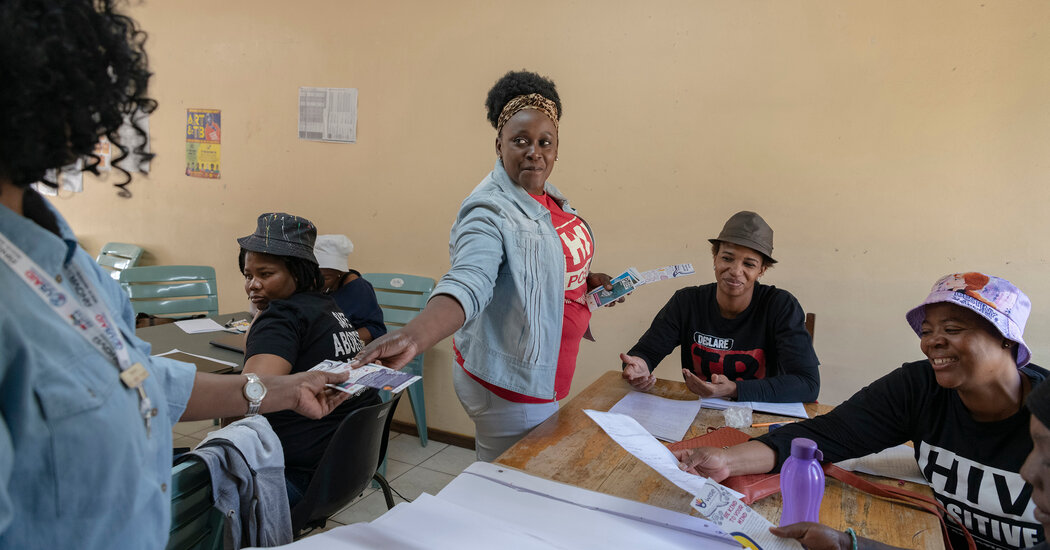
An injection every two months rather than a daily pill could shield many more women from the virus, but it is unavailable in places that need it most.SOWETO, South Africa — For seven years, a daily pill has been available in South Africa to protect people from getting H.I.V. But when Victoria Makhandule, a community health worker, counsels the young women in her township about the medication, they tell her it doesn’t work for them.These young women are among the most vulnerable in the world to H.I.V., the virus that causes AIDS, but they say the daily pills, known as PrEP, bring their own challenges. The women may spend an unexpected night away from home and miss a dose, or forget for a day or two. Or their mothers or cousins snoop through their drawers, find the pills and know their business. Or their boyfriends see them taking the drug and get suspicious: Is that really for prevention, or do you have H.I.V.?Lots of young women here start PrEP (short for pre-exposure prophylaxis). Few stay on it.So when Ms. Makhandule, who volunteers with the Treatment Action Campaign, heard a few years ago that a clinical trial in South Africa was testing PrEP as a shot delivered once every couple of months, she thought: This is the solution we need. It would be private and invisible, and a woman would need to remember it only six times a year.The clinical trial found the injectable PrEP to be a huge success, nearly eliminating women’s risk of contracting H.I.V., and to be 88 percent more effective than the daily pill. But there’s still no sign of those injections in Soweto.“It will take long because money is always the problem,” said Ms. Makhandule, a veteran of South Africans’ fight for access to H.I.V. medications.Talk of PrEP — and the promise of the long-acting, injectable version — dominated the global AIDS conference, an annual gathering of researchers, policymakers and activists, held in Montreal last month. The rate of H.I.V. infections has plateaued in recent years, at about 1.5 million new infections a year, and injectable PrEP is the first promising new H.I.V. prevention technology in a long time.“This is the best chance we’ve ever had, in probably the entire history of the AIDS pandemic, to reimagine prevention and to do it with equity and with impact,” said Mitchell Warren, executive director of the H.I.V. prevention advocacy organization AVAC. “History will judge us very harshly if in five or 10 years, we go back to AIDS conferences and report on low uptake, and if we don’t see the rate of new infections begin to truly be pulled down.”PrEP taken as a daily pill has been responsible for a decline in infection rates among men who have sex with men in high-income countries. However, the prophylactic has been slow to reach developing countries and has proved far less effective at blocking the virus in most groups, including young women, who make up a majority of new infections in sub-Saharan Africa.Educational pamphlets for PrEP at the Diepkloof Clinic in Soweto.Ihsaan Haffejee for The New York TimesThe persistent stigma surrounding H.I.V. and the visibility of the drugs are big deterrents, said Dr. Linda-Gail Bekker, director of the Desmond Tutu H.I.V. Center at the University of Cape Town.But the path to getting a more discreet, injectable PrEP to where it’s most needed is proving to be uncertain. As Ms. Makhandule noted, cost is a critical factor — as it has been through much of the global response to H.I.V. over 40 years.The drug that aced the clinical trial is called long-acting cabotegravir, or Cab-LA, and it is made by the British pharmaceutical company ViiV Healthcare. ViiV is majority owned by the pharmaceutical giant GSK, with Pfizer and the Japanese drug company Shionogi as shareholders.The only country where regulators have approved Cab-LA is the United States; the Food and Drug Administration authorized the injectable drug’s use in December. Cab-LA is priced at $22,200 per patient per year in the United States and will most likely be covered by private insurance plans and Medicaid, which already cover oral PrEP.The Fight Against H.I.V.An estimated 40 million people are living with H.I.V. worldwide. About 10 million of them do not have access to treatment.Pandemic Setbacks: Before Covid-19, the world had been making strides against global illnesses like H.I.V. The pandemic has changed that for the worse.A Visionary: Ravindra Gupta led the efforts that resulted in the second case of a patient being cured of H.I.V. Then he was drawn into Covid research.A Promising Treatment: A woman became the third person ever to be cured of H.I.V. thanks to a new transplant method that could help more people from racially diverse backgrounds.Lessons From Africa: The story of a Kenyan woman diagnosed with H.I.V. in 2001 is emblematic of how the fight against the virus has unfolded in the past two decades.In the euphoric period after the clinical trial results were announced in 2020, Viiv said that it would apply immediately to have the drug approved by regulators in all the African countries where it was tested.Dr. Kimberly Smith, ViiV’s head of research and development, said, “Given how many disappointments we’ve had, including the vaccine studies that have not been successful, we have obviously got to do something dramatic, and this is potentially that dramatic thing.” She added that ViiV would aim for a “not-for-profit, not-for-loss price.”The usual path to broaden access would be for the company to license generics makers to produce a cheaper version of the injectable for markets such as South Africa. But in March, Viiv announced that for the foreseeable future, it would not be granting licenses for generic makers, saying the company could find no partner capable of making the drug.ViiV would not tell The New York Times the price it was proposing in developing countries, but Mr. Warren of AVAC said that the company told those working on the rollout that it expected the drug would cost $250 per person per year. Although that price is far lower than that in the United States, it is not nearly low enough for a country such as South Africa, which needs to administer hundreds of thousands of doses and where oral PrEP costs about $50 per person per year.Drug access activists responded angrily to the idea that $250 a year was “accessible pricing” and demanded that ViiV commit to voluntary licensing of the drug.Two days before the AIDS conference began, ViiV announced an agreement with the Medicines Patent Pool, a United Nations-backed nonprofit that works to make medical treatment and technologies accessible. The deal permits up to three generics companies to make the drug for sale in 90 low- and middle-income countries. It will take at least three years for a generic to be available for regulatory approval. ViiV has also submitted an application to the World Health Organization for prequalification of the drug, which could help expedite those approvals.Ms. Makhandule has worked for years to expand access to H.I.V. medications. “It will take long because money is always the problem,” she said.Ihsaan Haffejee for The New York TimesDrug access activists called the limited voluntary license progress less than ideal. Leena Menghaney, who leads the South Asia access campaign of Doctors Without Borders, said the agreement was “limited and disappointing.” The organization helped pioneer AIDS treatment in sub-Saharan Africa.The deal leaves out all the countries where ViiV holds a patent on Cab-LA — including Brazil, where gay men and trans women volunteered for the trials in which the drug was tested.“ViiV has not learned the lessons of the last 40 years because right out of the gate their pricing strategy is one that obstructs rather than conveys access,” said Asia Russell, executive director of the group Health GAP, which campaigns for drug access. “This is a pandemic-altering intervention, and any day lost is measured in preventable infections. ViiV must cut the price.”AIDS researchers and activists believe that the company is worried about how much it may earn on Cab-LA because other H.I.V. prevention drugs are in trials as injectable PrEP, too. Some of these drugs have longer dosing cycles — that is, they could be injected only two or three times a year, which would probably appeal to more women, and could be synced with shots for contraception. Researchers also believe that ViiV might be concerned about what it would earn in the United States, typically a company’s most lucrative market. Cab-LA costs roughly the same as the brand-name oral PrEP drug Truvada in the United States, but a far cheaper generic oral PrEP is available.A cost-of-goods study by the Clinton Health Access Initiative compared Cab-LA with similar products and concluded that Cab-LA could profitably be produced for $16 per patient per year — one-third the cost of oral PrEP in South Africa — assuming a volume of 800,000 patients. That price is estimated for production by a generic maker, most likely in India, not at ViiV’s plant in Britain. The analysis noted that the amount of active pharmaceutical ingredient — a key cost in drug production — for six injections per year would be far lower than that in 365 pills.Dr. Smith of Viiv said that the study seriously underestimated the cost. “The complexity of cabotegravir manufacturing is significant,” she said.At the recent AIDS conference, major global health agencies announced a new collaboration with charitable agencies and advocacy groups to try to broaden access to the injectable drug. They will work first on getting ViiV’s product into low-income markets, most likely by negotiating with the company over guarantees for purchase volumes that may entice it to agree to lower prices.And in the longer term, the partners will provide funding to help makers of generic versions speed up manufacturing. The partners include the Children’s Investment Fund Foundation, which pledged $33 million to the effort this month, and the Bill & Melinda Gates Foundation.But generics makers would be watching the other drugs in the pipeline and could act accordingly. “If you’re a generic company and you know that there may be a product that supersedes this in three to five years, it’s a very real question whether you spend money to make this one now,” Mr. Warren said.Street art encouraging H.I.V. treatment on the walls of a taxi station in Kliptown, a suburb of Soweto.Ihsaan Haffejee for The New York TimesAnother obstacle is that injectable PrEP programs will need funding for more than just the cost of the drug. The shots would need to be administered by health care workers and would require syringes and other medical supplies. African governments that are considering rolling out injectable PrEP would need financial support from multilateral agencies such as the Global Fund to Fight AIDS, Tuberculosis and Malaria, so as not to take funds from other H.I.V. education and prevention initiatives, Ms. Russell said.Donors committed $14.3 billion to the Global Fund at a meeting in New York last week, with many countries, including the United States, significantly raising pledges over those they had made in previous years. While further commitments are expected in the coming days from Italy and Britain, the fund is still likely to fall significantly short of its funding target of $18 billion.As Ms. Makhandule, the community health worker, has found in Soweto, there is excitement all over sub-Saharan Africa about the idea of injectable PrEP. But there is also a need to prove that women will want and use it.“We hear from many young people this would be ideal, but the proof is in the pudding,” Dr. Bekker said. It’s far from certain that healthy women will show up at a clinic every two months to get the shot, she said, and the key would be making it available in community clinics and framing it as part of a healthy sex life rather than as a medication associated with risk.Dr. Smith said ViiV was hoping to learn from the history of long-acting injectable contraception such as Depo-Provera, which is delivered in a shot four times a year and which many women in the developing world choose as their preferred method of birth control. But there is no guarantee that bimonthly PrEP shots will gain favor because H.I.V. has a unique stigma.Mr. Warren said that by the end of 2023, the new coalition hopes to have five large projects in different parts of the world. Each project would have about 50,000 participants, including sex workers and teenage girls, and would test whether they want the medication, will take it regularly or develop drug resistance.ViiV has committed to supplying the drugs for only an initial implementation study in South Africa, and no donor has yet committed to funding others.“The most important thing is to get this out there, into clinics and into people’s hands,” Dr. Bekker said.

Read more →

Coffee drinking is associated with increased longevity

Drinking two to three cups of coffee a day is linked with a longer lifespan and lower risk of cardiovascular disease compared with avoiding coffee, according to research published today in the European Journal of Preventive Cardiology, a journal of the ESC.1 The findings applied to ground, instant and decaffeinated varieties.
“In this large, observational study, ground, instant and decaffeinated coffee were associated with equivalent reductions in the incidence of cardiovascular disease and death from cardiovascular disease or any cause,” said study author Professor Peter Kistler of the Baker Heart and Diabetes Research Institute, Melbourne, Australia. “The results suggest that mild to moderate intake of ground, instant and decaffeinated coffee should be considered part of a healthy lifestyle.”
There is little information on the impact of different coffee preparations on heart health and survival. This study examined the associations between types of coffee and incident arrhythmias, cardiovascular disease and death using data from the UK Biobank, which recruited adults between 40 and 69 years of age. Cardiovascular disease was comprised of coronary heart disease, congestive heart failure and ischaemic stroke.
The study included 449,563 participants free of arrhythmias or other cardiovascular disease at baseline. The median age was 58 years and 55.3% were women. Participants completed a questionnaire asking how many cups of coffee they drank each day and whether they usually drank instant, ground (such as cappuccino or filtered coffee), or decaffeinated coffee. They were then grouped into six daily intake categories, consisting of none, less than one, one, two to three, four to five, and more than five cups per day. The usual coffee type was instant in 198,062 (44.1%) participants, ground in 82,575 (18.4%), and decaffeinated in 68,416 (15.2%). There were 100,510 (22.4%) non-coffee drinkers who served as the comparator group.
Coffee drinkers were compared to non-drinkers for the incidence of arrhythmias, cardiovascular disease and death, after adjusting for age, sex, ethnicity, obesity, high blood pressure, diabetes, obstructive sleep apnoea, smoking status, and tea and alcohol consumption. Outcome information was obtained from medical records and death records. The median follow up was 12.5 years.
A total of 27,809 (6.2%) participants died during follow up. All types of coffee were linked with a reduction in death from any cause. The greatest risk reduction seen with two to three cups per day, which compared to no coffee drinking was associated with a 14%, 27% and 11% lower likelihood of death for decaffeinated, ground, and instant preparations, respectively.

Read more →

Study confirms that mRNA vaccines protect against serious COVID-19 during pregnancy

The first large, real-world study of the effectiveness of mRNA COVID-19 vaccines during pregnancy found these vaccines, especially two initial doses followed by a booster, are effective in protecting against serious disease in expectant mothers whether the shots are administered before or during pregnancy.
Pregnant women were excluded from COVID-19 mRNA vaccine clinical trials, so this new study fills a significant knowledge gap, providing strong evidence that vaccinating women who are or might become pregnant protects against hospitalization for the disease during pregnancy.
“That two doses plus a booster are known to be safe and demonstrate protection against severe disease in pregnant women is reassuring, given growing evidence of increased risk of poor maternal outcomes associated with COVID-19 infection during pregnancy,” said study co-author Brian Dixon, PhD, MPA, director of public health informatics for Regenstrief Institute and Indiana University Richard M. Fairbanks School of Public Health. “This strongly suggests that, along with other preventive measures that expectant mothers or women who are considering getting pregnant can take to promote a healthy pregnancy, getting vaccinated and boosted against COVID should be high on the list.” Dr. Dixon also is the interim director of the Regenstrief Center for Biomedical Informatics.
The researchers found that mRNA COVID-19 vaccination protects pregnant women against emergency department (E.D.) or urgent care center visits and protects even more strongly against hospitalizations for COVID-19, three venues for receipt of medical attention for the disease. As with other evaluations of mRNA COVID-19 vaccines in adults, a lower effectiveness in protecting against E.D. and urgent care visits than for hospitalizations was seen in pregnant women, most significantly in the Omicron period among those receiving only two vaccine doses.
Also, similar to findings among non-pregnant adults, two-dose protection waned over time (after four months) and vaccine effectiveness was highest among pregnant women with three doses (initial two vaccinations plus a booster shot).
Data on a total of 3,445 E.D. or urgent care visits and 781 hospitalizations among pregnant women with COVID-19 confirmed by molecular testing was extracted from electronic medical records from 306 hospitals and 164 E.D. and urgent care facilities in eight health systems across 10 U.S. states. This information was analyzed by the VISION network, which includes Baylor Scott & White Health (Texas), Columbia University Irving Medical Center (New York), HealthPartners (Minnesota and Wisconsin), Intermountain Healthcare (Utah), Kaiser Permanente Northern California (California), Kaiser Permanente Northwest (Oregon and Washington), Regenstrief Institute (Indiana), and University of Colorado (Colorado).
“This study indicates that pregnancy doesn’t diminish mRNA vaccine performance in protecting against severe COVID-19 despite immune differences between pregnant and non-pregnant women,” said study co-author Shaun Grannis, M.D., M.S., vice president for data and analytics at Regenstrief Institute, Regenstrief Professor of Medical Informatics and professor of family medicine at Indiana University School of Medicine. “Vaccine utilization among expectant mothers remains low compared to similarly aged non-pregnant individuals for both the first two vaccines and a booster dose. Hopefully this study will provide pregnant women with the evidence they need to get vaccinated and boosted.”
Current guidance from the Centers for Disease Control and Prevention and the American College of Obstetricians and Gynecologists recommends that all pregnant women receive two vaccine doses and a booster dose, with a preference for mRNA vaccines.
“Estimation of COVID-19 mRNA Vaccine Effectiveness Against Medically Attended COVID-19 in Pregnancy During Periods of Delta and Omicron Variant Predominance in the United States” is published in JAMA Network Open.
Regenstrief Institute contributors to the study, in addition to Drs. Dixon and Grannis are William F. Fadel, PhD, Regenstrief Institute Center for Biomedical Informatics and IU Fairbanks School of Public Health; and Nimish R. Valvi, DrPH, Regenstrief Institute Center for Biomedical Informatics.
Authors of the study are Stephanie Schrag, DPhil, CDC COVID-19 Emergency Response Team; Jennifer R. Verani, M.D., CDC COVID-19 Emergency Response Team; Brian E. Dixon, PhD, Center for Biomedical Informatics, Regenstrief Institute, Fairbanks School of Public Health, Indiana University; Jessica M. Page, MD, Division of Maternal Fetal Medicine, Department of Obstetrics and Gynecology, Intermountain Healthcare, University of Utah; Kristen A. Butterfield, MPH, Westat; Manjusha Gaglani, MBBS, Baylor Scott & White Health Temple, Texas A&M University College of Medicine; Gabriela Vazquez Benitez, PhD, HealthPartners Institute; Ousseny Zerbo, PhD, Kaiser Permanente Vaccine Study Center, Kaiser Permanente Northern California Division of Research; Karthik Natarajan, PhD, Department of Biomedical Informatics, Columbia University Irving Medical Center, New York-Presbyterian Hospital; Toan C. Ong, PhD, School of Medicine, University of Colorado Anschutz Medical Campus; Victoria Lazariu, PhD, Westat; Suchitra Rao, MBBS, School of Medicine, University of Colorado Anschutz Medical Campus; Ryan Beaver, D.O., Baylor Scott & White Health Temple; Sascha R. Ellington, PhD, CDC COVID-19 Emergency Response Team; Nicola P. Klein, MD, PhD, Kaiser Permanente Vaccine Study Center, Kaiser Permanente Northern California Division of Research; Stephanie A. Irving, MHS, Center for Health Research, Kaiser Permanente Northwest; Shaun J. Grannis, MD, Center for Biomedical Informatics, Regenstrief Institute, Indiana University School of Medicine; Salome Kiduko, MPH, Westat; Michelle A. Barron, MD, School of Medicine, University of Colorado Anschutz Medical Campus; John Midturi, D.O., Baylor Scott & White Health Temple; Monica Dickerson, CDC COVID-19 Emergency Response Team; Ned Lewis, MPH, Kaiser Permanente Vaccine Study Center, Kaiser Permanente Northern California Division of Research; Melissa Stockwell, MD, New York-Presbyterian Hospital, Division of Child and Adolescent Health, Department of Pediatrics, Columbia University Vagelos College of Physicians and Surgeons, Department of Population and Family Health, Columbia University Mailman School of Public Health; Edward Stenehjem, MD, Division of Maternal Fetal Medicine, Department of Obstetrics and Gynecology, Intermountain Healthcare, University of Utah;?William F. Fadel, PhD, Center for Biomedical Informatics, Regenstrief Institute, Fairbanks School of Public Health, Indiana University; Ruth Link-Gelles, CDC COVID-19 Emergency Response Team; Kempapura Murthy, MBBS, Baylor Scott & White Health Temple; Kristin Goddard, MPH, Kaiser Permanente Vaccine Study Center, Kaiser Permanente Northern California Division of Research; Nancy Grisel, MPP, Division of Maternal Fetal Medicine, Department of Obstetrics and Gynecology, Intermountain Healthcare, University of Utah;?Nimish R. Valvi, DrPH, Center for Biomedical Informatics, Regenstrief Institute; Bruce Fireman, Kaiser Permanente Vaccine Study Center, Kaiser Permanente Northern California Division of Research; Julie Arndorfer, MPH, Division of Maternal Fetal Medicine, Department of Obstetrics and Gynecology, Intermountain Healthcare, University of Utah; Deepika Konatham, Baylor Scott & White Health Temple; Sarah Ball, PhD, Westat; Mark G. Thompson, PhD, CDC COVID-19 Emergency Response Team; and Allison L. Naleway, PhD, Center for Health Research, Kaiser Permanente Northwest.
This work was supported by the U.S. Centers for Disease Control and Prevention (CDC).

Read more →