Understanding Long-Term COVID-19 Symptoms and Enhancing Recovery

We are in the third year of the COVID-19 pandemic, and across the world, most restrictions have lifted, and society is trying to get back to “normal.” But for many people—potentially millions globally—there is no getting back to normal just yet.

They are still living with the long-term effects of a COVID-19 infection, known as the post-acute sequelae of SARS-CoV-2 infection (PASC), including Long COVID. These people continue to experience debilitating fatigue, shortness of breath, pain, difficulty sleeping, racing heart rate, exercise intolerance, gastrointestinal and other symptoms, as well as cognitive problems that make it difficult to perform at work or school.

This is a public health issue that is in desperate need of answers. Research is essential to address the many puzzling aspects of Long COVID and guide us to effective responses that protect the nation’s long-term health.

For the past two years, NIH’s National Heart, Lung, and Blood Institute (NHLBI), the National Institute of Allergy and Infectious Diseases (NIAID), and my National Institute of Neurological Disorders and Stroke (NINDS) along with several other NIH institutes and the office of the NIH Director, have been leading NIH’s Researching COVID to Enhance Recovery (RECOVER) initiative, a national research program to understand PASC.

The initiative studies core questions such as why COVID-19 infections can have lingering effects, why new symptoms may develop, and what is the impact of SARS-CoV-2, the virus that causes COVID-19, on other diseases and conditions? Answering these fundamental questions will help to determine the underlying biologic basis of Long COVID. The answers will also help to tell us who is at risk for Long COVID and identify therapies to prevent or treat the condition.

The RECOVER initiative’s wide scope of research is also unprecedented. It is needed because Long COVID is so complex, and history indicates that similar post infectious conditions have defied definitive explanation or effective treatment. Indeed, those experiencing Long COVID report varying symptoms, making it highly unlikely that a single therapy will work for everyone, underscoring the need to pursue multiple therapeutic strategies.

To understand Long COVID fully, hundreds of RECOVER investigators are recruiting more than 17,000 adults (including pregnant people) and more than 18,000 children to take part in cohort studies. Hundreds of enrolling sites have been set up across the country. An autopsy research cohort will also provide further insight into how COVID-19 affects the body’s organs and tissues.

In addition, researchers will analyze electronic health records from millions of people to understand how Long COVID and its symptoms change over time. The RECOVER initiative is also utilizing consistent research protocols across all the study sites. The protocols have been carefully developed with input from patients and advocates, and they are designed to allow for consistent data collection, improve data sharing, and help to accelerate the pace of research.

From the very beginning, people suffering from Long COVID have been our partners in RECOVER. Patients and advocates have contributed important perspectives and provided valuable input into the master protocols and research plans.

Now, with RECOVER underway, individuals with Long COVID, their caregivers, and community members continue to serve a critical role in the Initiative. The National Community Engagement Group (NCEG) has been established to make certain that RECOVER meets the needs of all people affected by Long COVID. The RECOVER Patient and Community Engagement Strategy outlines all the approaches that RECOVER is using to engage with and gather input from individuals impacted by Long COVID.

The NIH recently made more than 40 awards to improve understanding of the underlying biology and pathology of Long COVID. There have already been several important findings published by RECOVER scientists.

For example, in a recent study published in the journal Lancet Digital Health, RECOVER investigators used machine learning to comb through electronic health records to look for signals that may predict whether someone has Long COVID [1]. As new findings, tools, and technologies continue to emerge that help advance our knowledge of the condition, the RECOVER Research Review (R3) Seminar Series will provide a forum for researchers and our partners with up-to-date information about Long COVID research.

It is important to note that post-viral conditions are not a new concept. Many, but not all, of the symptoms reported in Long COVID, including fatigue, post-exertional malaise, chronic musculoskeletal pain, sleep disorders, postural orthostatic tachycardia (POTS), and cognitive issues, overlap with myalgic encephalomyelitis/chronic fatigue syndrome (ME/CFS).

ME/CFS is a serious disease that can occur following infection and make people profoundly sick for decades. Like Long COVID, ME/CFS is a heterogenous condition that does not affect everybody in the same way, and the knowledge gained through research on Long COVID may also positively impact the understanding, treatment, and prevention of POTS, ME/CFS, and other chronic diseases.

Unlike other post-viral conditions, people who experience Long COVID were all infected by the same virus—albeit different variants—at a similar point in time. This creates a unique opportunity for RECOVER researchers to study post-viral conditions in real-time.

The opportunity enables scientists to study many people simultaneously while they are still infected to monitor their progress and recovery, and to try to understand why some individuals develop ongoing symptoms. A better understanding of the transition from acute to chronic disease may offer an opportunity to intervene, identify who is at risk of the transition, and develop therapies for people who experience symptoms long after the acute infection has resolved.

The RECOVER initiative will soon announce clinical trials, leveraging data from clinicians and patients in which symptom clusters were identified and can be targeted by various interventions. These trials will investigate therapies that are indicated for other non-COVID conditions and novel treatments for Long COVID.

Through extensive collaboration across the multiple NIH institutes and offices that contribute to the RECOVER effort, our hope is critical answers will emerge soon. These answers will help us to recognize the full range of outcomes and needs resulting from PASC and, most important, enable many people to make a full recovery from COVID-19. We are indebted to the over 10,000 subjects who have already enrolled in RECOVER. Their contributions and the hard work of the RECOVER investigators offer hope for the future to the millions still suffering from the pandemic.

Reference:

[1] Identifying who has long COVID in the USA: a machine learning approach using N3C data. Pfaff ER, Girvin AT, Bennett TD, Bhatia A, Brooks IM, Deer RR, Dekermanjian JP, Jolley SE, Kahn MG, Kostka K, McMurry JA, Moffitt R, Walden A, Chute CG, Haendel MA; N3C Consortium. Lancet Digit Health. 2022 Jul;4(7):e532-e541.

Links:

COVID-19 Research (NIH)

Long COVID (NIH)

RECOVER: Researching COVID to Enhance Recovery (NIH)

“NIH builds large nationwide study population of tens of thousands to support research on long-term effects of COVID-19,” NIH News Release, September 15, 2021.

Director’s Messages (National Institute of Neurological Disorders and Stroke/NIH)

Note: Dr. Lawrence Tabak, who performs the duties of the NIH Director, has asked the heads of NIH’s Institutes and Centers (ICs) to contribute occasional guest posts to the blog to highlight some of the interesting science that they support and conduct. This is the 18th in the series of NIH IC guest posts that will run until a new permanent NIH director is in place.

Read more →
At Long Last, Can Malaria Be Eradicated?

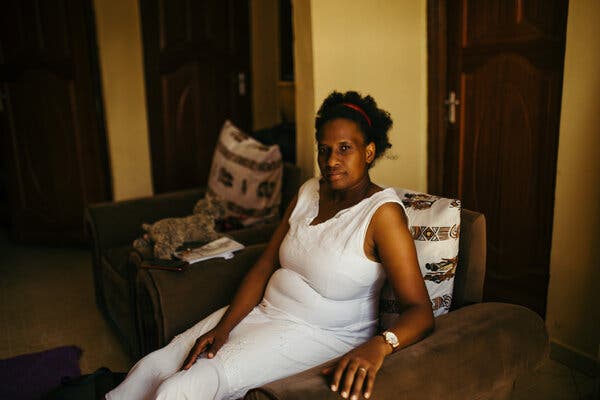
All through childhood, Miriam Abdullah was shuttled in and out of hospitals, her thin body wracked with fever and ravaged by malaria. She was so sick so often that her constant treatments drained her parents, who also cared for her many siblings, both financially and emotionally.“At some point, even my mum gave up,” recalled Ms. Abdullah, now 35.In Nyalenda, the poor community in Kisumu, Kenya, where Ms. Abdullah lives, malaria is endemic and ubiquitous. Some of her friends developed meningitis after becoming infected; one died. “Malaria has really tormented us as a country,” she said.There are tens of millions of horror stories like Ms. Abdullah’s, handed down from generation to generation. But now change is in the air: Malaria is the rare global health scourge about which experts are sanguine — so much so that some have begun to talk about eradicating the disease.“I think there’s so much room for optimism,” said Philip Welkhoff, director for malaria programs at the Bill and Melinda Gates Foundation. “Later this decade, we could actually launch a push that gets us all the way to zero.”China and El Salvador were certified malaria-free last year, and the six countries in the Greater Mekong region, including Vietnam and Thailand, have driven down cases by about 90 percent. About 25 countries are expected to have eliminated malaria by 2025.The bulk of infections now occur in Africa. Even there, despite the limitations imposed by the coronavirus pandemic, nearly 12 million more African children received preventive malaria drugs in 2020 than in 2019.But it is the arrival of two new vaccines that portend a sea change. The first, called Mosquirix, was 35 years in the making. It was approved by the World Health Organization just last year and may be distributed as soon as late next year.A more powerful malaria vaccine, developed by the Oxford team that created the AstraZeneca Covid vaccine, may be just a year or two away. Many experts believe it is this formulation, which has shown an efficacy of up to 80 percent in clinical trials, that may transform the fight against malaria.Miriam Abdullah at home in Nyalenda, a poor community in Kisumu. Some of her friends developed meningitis after becoming infected with malaria; one died. “Malaria has really tormented us as a country,” she said.Malaria medication in Ms. Abdullah’s purse.A woman, shrouded by a blue mosquito net, smiling at her son while sitting on a bed.Still more options are on the horizon, including an mRNA vaccine being developed by the German company BioNTech; monoclonal antibodies that can prevent malaria for six months or longer; bed nets coated with long-lasting insecticides or with chemicals that paralyze mosquitoes; as well as new ways to trap and kill mosquitoes.“It’s an exciting time,” said Dr. Rose Jalang’o, who led a pilot test of the Mosquirix vaccine in Kenya, where it was given to children alongside other immunizations.But getting to a malaria-free world will require more than promising tools. In many African countries, distribution of vaccines, drugs and bed nets requires overcoming myriad challenges, including rough terrain, other urgent medical priorities and misinformation.While the funding for malaria programs is more generous than for many other diseases that plague the poorest nations, resources are still limited. Money devoted to one approach often leads funders to neglect others, fueling competition and sometimes rancor.Mosquirix cost more than $200 million to develop over more than 30 years, but its efficacy is roughly half that of the Oxford vaccine, called R21. The first doses of Mosquirix will not be delivered to African children until late 2023 or early 2024. The supply will be severely constrained for a number of reasons, and is expected to remain so for years.In December, Gavi, a nongovernmental organization that supports vaccinations worldwide, committed $156 million to distribute Mosquirix. And in August, Unicef granted the vaccine’s manufacturer, GlaxoSmithKline, a $170 million contract, enough to produce 18 million doses over the next three years.But that is a far cry from the estimated 100 million doses that will be needed each year.R21, the second vaccine, appears to be more powerful, cheaper and easier to manufacture. And the Serum Institute of India is prepared to produce more than 200 million doses of R21 per year.Some malaria experts note that given the urgent need, the world needs every option it can get. But others worry that every dollar directed to Mosquirix now is a dollar less for developing other tools.“Existing malaria control measures are already underfunded,” said Dr. Javier Guzman, director for global health policy at the Center for Global Development in Washington. “I don’t want to be negative, but a new tool without additional funding basically means sacrifices and means an opportunity cost.”‘It Just Progresses Too Fast’A sunset on the banks of the Wigwa River, which flows through Nyalenda and is a breeding site for mosquitoes.Malaria is among the oldest infectious diseases and one of the deadliest. Years of rapid progress stalled about a decade ago, leaving the toll in 2019 at a staggering 229 million new infections and 558,000 deaths.While the Covid pandemic did not send malaria infections skyrocketing, as happened with tuberculosis, the pandemic reversed a slow downward trend in malaria deaths, which ratcheted up to 627,000 in 2020.Nearly all of the lives lost to malaria are in sub-Saharan Africa, where about 80 percent of the deaths are in children younger than 5.Many strategies to fight malaria are dated, yet still inaccessible to millions. Only about half of African children sleep under insecticide-treated bed nets, for instance, and even fewer receive seasonal drugs that prevent the infection.Malaria compounds social inequities. It robs children of the ability to fight other pathogens, overwhelms health care systems and devastates entire communities. One untreated person with malaria can remain ill for six months, giving mosquitoes the opportunity to spread the parasite to as many as 100 other people.Designing a vaccine against a parasite has proved much more challenging than creating one against a virus or bacterium. Plasmodium falciparum, the organism that causes malaria in Africa, rapidly cycles through several life stages, morphing into a new form each time.The body struggles to recognize and defend itself against this shape-shifter, leaving people vulnerable to repeated bouts of disease.A mosquito bite delivers only about 10 “sporozoites,” the form of the parasite that can be transmitted. But within 30 minutes of infection, the sporozoites invade the liver, and begin multiply into an unbeatable army of thousands. Mosquirix and R21 target sporozoites in the few minutes before they enter the liver.The parasite wrecks the body so quickly that by the time children are taken to the hospital, many are in dire need of a blood transfusion. But blood is often in short supply in sub-Saharan Africa, and using a bag for a small child can mean that half or more will be discarded, said Dr. Mary Hamel, who leads the W.H.O.’s malaria vaccine implementation program.“You see a child who is so pale and floppy and breathing so rapidly, and they’re just splayed on the cot — and there’s nothing you can do,” she said. “You’ve got to prevent malaria — it just progresses too fast,” she added.A girl about to receive a dose of malaria vaccine at the Ring Road Clinic in Nyalenda.A laboratory at the Ring Road Clinic.A boy getting tested for malaria at Dunga Nursing and Maternity Ward in Kisumu. Roughly a third to half of the patients they see have malaria concerns or infections. Mosquirix, the first vaccine against any parasite, is a technical triumph. But its efficacy, at about 40 percent, is much lower than scientists had hoped.Ideally, the vaccine would be deployed alongside existing controls, like insecticide-treated bed nets and preventive drugs, based on data indicating where the tools are most needed and delivered by a robust health care work force.“If you combine with the right tool, you can get a much, much bigger impact,” said Dr. Thomas Breuer, chief global health officer at GlaxoSmithKline, which manufactures Mosquirix.The vaccine, which can be refrigerated, was tested in Kenya, Ghana and Malawi in children younger than 2 years — and more easily than some experts had feared. “It is more deliverable in rural, remote settings than many other vaccines have been,” said Prashant Yadav, an expert in health care supply chains at the Center for Global Development.Community health workers went door-to-door to publicize Mosquirix, and governments spread the word via local television and radio shows. Despite misinformation that circulated on WhatsApp and social media, uptake of the vaccine was comparable to that of routine immunizations.But in many African countries, mistrust of vaccines is high. In one survey, about half of people in Niger and the Democratic Republic of Congo said they would not trust a malaria vaccine.Moreover, Mosquirix must be given in four doses, the first at 5 months of age and the fourth after 18 months of age. But few other vaccines are given to children older than 18 months, and many parents in Africa face enormous logistical hurdles in taking children to a clinic.Parents may also wrongly assume that the first three doses of Mosquirix are protective enough, researchers said. (By contrast, R21 has an efficacy of 70 percent after three doses given before 17 months of age. A booster given a year later maintains and even enhances its potency.)“It would be easier if the last shot was at 18 months,” Dr. Kwame Amponsa-Achiano, a physician and epidemiologist who leads the vaccine program at Ghana’s ministry of health, said of Mosquirix.Limited ResourcesA physician at the Ring Road Clinic.Compared to the billions of dollars poured into Covid vaccines, the funds for malaria are a pittance. The Gates Foundation spends about $270 million a year fighting the disease, not counting its contributions to the Global Fund to Fight AIDS, Tuberculosis and Malaria.The scarcity of resources means that people — and organizations — end up picking favorite strategies. Some maintain that controlling mosquitoes is the logical path, while others push vaccines. Still others say monoclonal antibodies are the way forward.In such a highly competitive arena, Mosquirix does not emerge as the obvious winner.“Deploying a tool which is expensive, and not that effective, with a short duration of action, may not be the thing that you want to lead to first,” said Dr. Scott Filler, head of malaria programs for the Global Fund, which supports more than half of malaria programs worldwide.The money might be better spent increasing use of bed nets, or ensuring that people have access to basic primary health services, including testing, treating and tracking for malaria, Dr. Filler said.Even the Gates Foundation, which has poured more than $200 million into the development of Mosquirix, is now lukewarm on the vaccine and is focusing instead on speeding newer tools to Africa.“Some of this other stuff in the portfolio is going to be better, cheaper, easier to deploy and easier to scale up,” Dr. Welkhoff said.But other experts believe that given malaria’s devastation, a vaccine with low efficacy is better than none.A woman changing a baby’s diaper at the Dunga Nursing and Maternity Ward.Mosquito nets in a garden in Kisumu. Ms. Abdullah in her daughter’s room. Next to the baby photos on the wall are letters the child wrote thanking her mother for protecting her from mosquitoes with nets and vigilance.“We have this vaccine that has been tested very, very extensively — more than any vaccine prior to approval,” said Michael Anderson, a former director general of Britain’s Department for International Development who now heads MedAccess, a nonprofit group financed by the British government.R21 has cost less than $100 million to develop. If regulators are as fast and nimble as they were with Covid vaccines, it could be authorized a few months after the researchers submit final data at the end of this year.The two vaccines are not necessarily in competition, said Dr. Adrian Hill, R21’s architect and director of the Jenner Institute at the University of Oxford.The biggest problem with Mosquirix “is there isn’t enough of it,” Dr. Hill said. Still, R21 would be simpler to deliver because it’s “a more modern product,” he added. “It was designed in 2012, not in the 1980s and 1990s.”For many parents in Africa, a vaccine cannot come soon enough. In Kisumu, Ms. Abdullah is anxious to immunize her 2-year-old daughter, who has already had malaria once, against the illness that marred her own childhood.“I would go for it immediately,” she said. “In fact, I would go for it before I even go for the Covid-19 vaccine.”

Read more →

For Autistic Mothers, Breastfeeding Is Complicated

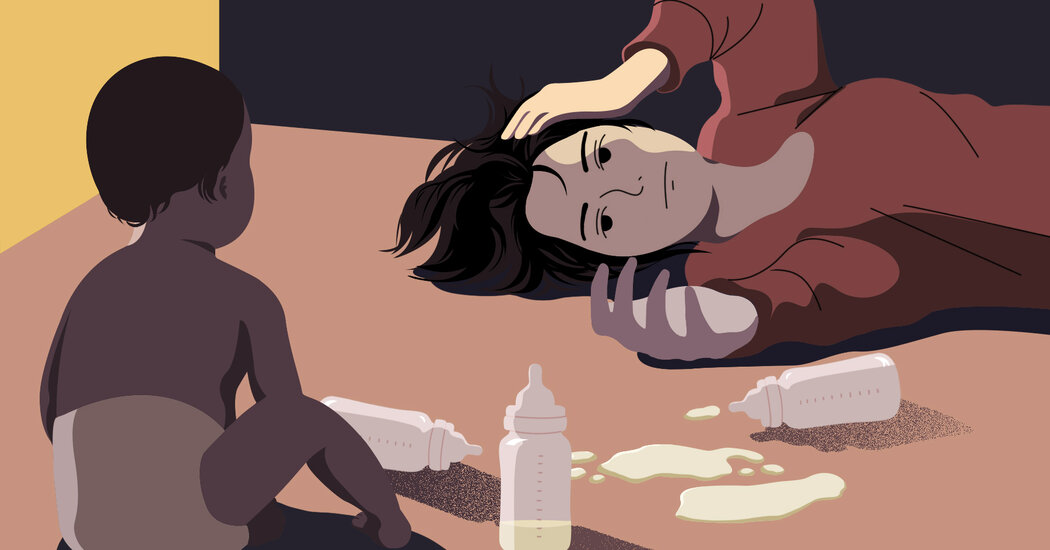
Mothers with autism, who are less likely than others to breastfeed, have been hit particularly hard by the baby formula shortage.Wendy Graves couldn’t shake her growing sense of dread. Even before reports of a severe shortage of baby formula emerged in early May, she had returned from two grocery shopping trips empty-handed.Mx. Graves, who is autistic and particularly sensitive to touch, has relied on formula since giving birth to her daughter in 2018. She had wanted to breastfeed, at first, but changed her mind when the hospital’s lactation consultant grabbed her breasts without warning.Her daughter, now 4, is also autistic and doesn’t eat much beyond pasta and veggie straws. To fulfill her nutritional needs, Mx. Graves needs about six cans of hypoallergenic formula a month. But that specialized type has been especially limited during the shortage, requiring her to drive hours from her home in Hope, Ark., to find a store with some in stock. She has even enlisted friends, family and strangers on Facebook support groups for neurodivergent parents to ship her whatever they can find.“I’m in a hole, and it’s just snowballing,” Mx. Graves said. “I’ve had to pay hundreds of additional dollars to cover shipping and just get the formula she’s dependent on.”Months into the formula crisis, millions of American families are still in the lurch. In mid-September, stores were about 19 percent short of being fully stocked for powdered formula, according to the market research firm IRI. Mothers with autism, who are less likely to breastfeed, have been hit particularly hard.In a recent review, British researchers found several reasons for low breastfeeding rates among autistic women. For some, motherhood means less control over day-to-day routines and a higher risk of anxiety and depression. Lactation services are rarely tailored for autistic people, leading to uncomfortable situations that may deter women like Mx. Graves, who also has Ehlers-Danlos syndrome, a rare connective tissue disorder.“The gap is already there for the white middle-class mum, who is still not getting enough support,” said Aimee Grant, a researcher at Swansea University’s center for Lactation, Infant Feeding and Translational Research, who helped write the review. “So when we add in extra barriers like being autistic and from a marginalized group, then those issues get worse.”Dr. Grant has studied breastfeeding for years. She decided to look at autistic mothers in 2019, when she was diagnosed with autism.One of the most common hurdles for autistic mothers is their sensitivity to touch, researchers said. Breastfeeding is an intense physical experience. A hungry infant, snuggled warm against the chest, might kick or send her fists flailing, only to latch onto a breast that is sore and engorged.These sensations are uncomfortable and painful for many women, but autistic mothers’ heightened perception can make breastfeeding “a sensory nightmare,” said Jane Wilson, an associate professor of nursing at Palm Beach Atlantic University who specializes in maternal and child health.In 2020, Dr. Wilson teamed up with a colleague, Bri Andrassy, to run a small study on the breastfeeding experiences of autistic mothers around the world. They interviewed 23 autistic women, 14 of whom lived in the U.S., asking only one question: “Can you tell us about your breastfeeding experience?”Most women answered the question by talking about feeling “touched out” while breastfeeding. Studies have shown that autistic individuals experience body cues — like shivers, a tight stomach or a full bladder — differently from people who don’t have autism. Some mothers in Dr. Wilson’s study tended to have muted signals and couldn’t sense pain until their nipples were a bloody mess. Others, however, had overactive body cues, making the act of breastfeeding incredibly painful.Sam, a 40-year-old woman in Washington, struggled to produce enough milk after giving birth to her daughter. Her lactation specialist advised her to pump regularly. But the cold, hard pumping parts and the machine’s loud, rhythmic noise was too stressful to bear.The impact of this stress wasn’t only psychological; it affected how much milk Sam could produce after 30 minutes of pumping. “I would sometimes look at it and just want to cry,” said Sam, who asked to withhold her last name to protect her privacy. “You couldn’t even fill a shot glass.”At five months, doctors advised feeding her baby a hypoallergenic formula to help her gain weight. Although Sam still tried to occasionally breastfeed her daughter, she experienced intense grief for not being able to reach her breastfeeding goals.To improve these mothers’ experiences with maternity care, experts said that professionals should ideally be trained by an autistic individual on how to communicate with and support autistic parents. Even simple considerations — like never touching a mother’s breasts without asking for permission, or dimming bright lights in the hospital room — can make a big difference, they said.Researchers also have tips for autistic people expecting a child. Speaking with a lactation consultant ahead of time can ease anxiety around breastfeeding. Some mothers may also find comfort in connecting with other autistic parents who chose to breastfeed.Jay Eveson-Egler and Tayler Egler are autistic and expecting a baby girl in October. Although the couple have been preparing for months with the help of a care team that specializes in advising neurodiverse individuals on childbirth, breastfeeding and postpartum depression, the formula shortage has left them feeling anxious and uncertain.Jay, who is carrying the fetus, fully expects to have sensory overload from breastfeeding, and baby formula was going to be the family’s backup. With that support in jeopardy because of the long formula shortage, Jay has been having recurring nightmares of not being able to adequately care for the pair’s newborn.As a result of these uncertain circumstances, Tayler, who is more sensitive to sensory stimuli than is Jay, has nevertheless started taking medication to induce lactation. The parents are both determined to breastfeed their baby, despite their sensory challenges.“People oftentimes don’t think that autistic people can be parents or even have the capacity to be parents,” Tayler said. “We do need more understanding from the medical system.”

Read more →

Nick Kyrgios seeks dismissal of assault case on mental health grounds

Published6 hours agoSharecloseShare pageCopy linkAbout sharingImage source, Getty ImagesBy Simon Atkinson in CanberraBBC NewsLawyers for Australian tennis star Nick Kyrgios have said they will apply to have an assault charge against him dismissed on mental health grounds.Kyrgios, who is currently playing in the Japan Open in Tokyo, was not required to attend the hearing in Canberra on Tuesday.The charge against the 27-year-old relates to an alleged assault in December 2021 on a former partner. If convicted, he faces a maximum sentence of two years in prison.Kyrgios’s lawyer Michael Kukulies-Smith said he was making the application having reviewed his client’s “medical history since 2015, including public disclosures of his mental health struggles”.Under section 334 of the Australian Capital Territory’s Crimes Act, the magistrates court has the power to dismiss a case if it is satisfied the accused is mentally impaired and the facts or other relevant evidence supports the person being dealt with under this rule.However, the bar for a case to be thrown out on these grounds is high, and needs approval from the director of public prosecutions. A hearing on the application will take place on 3 February. Mr Kukulies-Smith told Magistrate Glenn Theakston that his client’s work meant he spent large periods of time overseas.But it was Kyrgios’s preference for the hearing to take place as soon as possible and for him to attend in person, the ACT Magistrates Court heard.The tennis star, currently ranked number 20 in the world, has spoken openly about his mental health struggles in the past, including in posts on Instagram.This week he insisted that the looming court case was not making it difficult to focus on his tennis.More on this storyWimbledon fan to take legal action against Kyrgios23 AugustKyrgios has demons but tennis needs him – McEnroe12 July

Read more →

Covid inquiry first preliminary hearing to begin

Published7 hours agoSharecloseShare pageCopy linkAbout sharingImage source, Getty ImagesBy Nick TriggleHealth correspondentThe first preliminary hearing of the UK Covid public inquiry will begin later.The one-day hearing had originally been scheduled last month but was delayed after the death of Queen Elizabeth II.The session, in London, will focus on the UK’s pandemic preparedness before 2020.It will be largely procedural, involving lawyers and an announcement about who will be giving evidence. Public hearings where witnesses are called will not start until the spring.The inquiry formally started in the summer, with a listening exercise.But this first preliminary hearing is still being seen as an important milestone for the families who lost loved ones.’We need answers and people held to account’Image source, Family photoLindsay Jackson’s mother, Sylvia, 87, died from Covid during the first lockdown, after contracting it at a care home.Ms Jackson, of the Covid-19 Bereaved Families for Justice campaign group, said it was essential lessons were learned.She was “really pleased” the inquiry was finally starting but it had taken too long to reach this stage. “It’s two-and-a-half years since the pandemic started,” she said.”We lost so many people. If people have done things wrong, they need to be held accountable.”For me, my family and the others who lost loved ones, it’s important that answers are found to the questions that we have.”The inquiry: What you need to knowImage source, UK ParliamentChaired by former High Court judge Baroness Hallett, the inquiry is so wide ranging it has had to be split into separate sections – or modules, as they are being called.The content of the first three has been announced|:planning and preparednesspolitical decision-making health careThe topics of further modules will be announced in 2023.They are likely to cover issues such as:vaccinesthe care sectorgovernment procurementtest-and-tracebusiness and financedevolutioneducationhealth inequalitiesThe preliminary hearing for module two – political decision-making at the start of the pandemic between January and March 2020, including the timing of the first lockdown – is expected to be in NovemberPublic hearings for module one are expected to start in the spring and then for module two later in 2023.The inquiry can compel witnesses to give evidence and release documents but cannot prosecute or fine anyone.Covid pandemic public inquiry terms finalisedLearn lessons before next pandemic, inquiry pledgesSeveral reports have already put the UK government’s handling of the pandemic at the start under the spotlight.Last year, a report by MPs on the Health and Social Care Committee and the Science and Technology Committee said the UK’s failure to do more to stop Covid spreading early in the pandemic was one of the country’s worst public health failures.It said the government approach – backed by its scientists – to try to manage the situation and in effect achieve herd immunity by infection had delayed the first lockdown, costing thousands of lives.And a report by spending watchdog the National Audit Office, published in late 2021, found ministers had not been properly prepared for a pandemic like Covid-19 and lacked detailed plans on:shieldingjob-support schemes school disruptionOne issue likely to come under scrutiny in module one is how much was learned from Exercise Cygnus, a 2016 government exercise simulating a flu pandemic. Meanwhile, Lady Poole, the judge appointed, in December, to lead the inquiry into the Scottish government’s Covid response has resigned from the role for personal reasons.More on this storyUK Covid infections continuing to rise24 JuneCovid-19 in the UK3 days agoCovid inquiry’s public hearings to begin in 202311 MarchUK Covid inquiry draft terms of reference set out11 MarchEx-judge to chair Covid pandemic inquiry15 December 2021

Read more →

Machine learning model predicts health conditions of people with MS during stay-at-home periods

Research led by Carnegie Mellon University has developed a model that can accurately predict how stay-at-home orders like those put in place during the COVID-19 pandemic affect the mental health of people with chronic neurological disorders such as multiple sclerosis.
Researchers from CMU, the University of Pittsburgh and the University of Washington gathered data from the smartphones and fitness trackers of people with MS both before and during the early wave of the pandemic. Specifically, they used the passively collected sensor data to build machine learning models to predict depression, fatigue, poor sleep quality and worsening MS symptoms during the unprecedented stay-at-home period.
Before the pandemic began, the original research question was whether digital data from the smartphones and fitness trackers of people with MS could predict clinical outcomes. By March 2020, as study participants were required to stay at home, their daily behavior patterns were significantly altered. The research team realized the data being collected could inform the effect of the stay-at-home orders on people with MS.
“It presented us with an exciting opportunity,” said Mayank Goel, head of the Smart Sensing for Humans (SMASH) Lab at CMU. “If we look at the data points before and during the stay-at-home period, can we identify factors that signal changes in the health of people with MS?”
The team gathered data passively over three to six months, collecting information such as the number of calls on the participants’ smartphones and the duration of those calls; the number of missed calls; and the participants’ location and screen activity data. The team also collected heart rate, sleep information and step count data from their fitness trackers. The research, “Predicting Multiple Sclerosis Outcomes During the COVID-19 Stay-at-Home Period: Observational Study Using Passively Sensed Behaviors and Digital Phenotyping,” was recently published in the Journal of Medical Internet Research Mental Health. Goel, an associate professor in the School of Computer Science’s Software and Societal Systems Department (S3D) and Human-Computer Interaction Institute (HCII), collaborated with Prerna Chikersal, a Ph.D. student in the HCII; Dr. Zongqi Xia, an associate professor of Neurology and director of the Translational and Computational Neuroimmunology Research Program at the University of Pittsburgh; and Anind Dey, a professor and dean of the University of Washington’s Information School.
The work was based on previous studies from Goel’s and Dey’s research groups. In 2020, a CMU team published research that presented a machine learning model that could identify depression in college students at the end of the semester using smartphone and fitness tracker data. Participants in the earlier study, specifically 138 first-year CMU students, were relatively similar to each other when compared to the larger population beyond the university. The researchers set out to test whether their modeling approach could accurately predict clinically relevant health outcomes in a real-world patient population with greater demographic and clinical diversity, leading them to collaborate with Xia’s MS research program.
People with MS can experience several chronic comorbidities, which gave the team a chance to test if their model could predict adverse health outcomes such as severe fatigue, poor sleep quality and worsening of MS symptoms in addition to depression. Building on this study, the team hopes to advance precision medicine for people with MS by improving early detection of disease progression and implementing targeted interventions based on digital phenotyping.
The work could also help inform policymakers tasked with issuing future stay-at-home orders or other similar responses during pandemics or natural disasters. When the original COVID-19 stay-at-home orders were issued, there were early concerns about its economic impacts but only a belated appreciation for the toll on peoples’ mental and physical health — particularly among vulnerable populations such as those with chronic neurological conditions.
“We were able to capture the change in people’s behaviors and accurately predict clinical outcomes when they are forced to stay at home for prolonged periods,” Goel said. “Now that we have a working model, we could evaluate who is at risk for worsening mental health or physical health, inform clinical triage decisions, or shape future public health policies.”
Story Source:
Materials provided by Carnegie Mellon University. Original written by Aaron Aupperlee. Note: Content may be edited for style and length.

Read more →

Coronavirus formation is successfully modeled

A physicist at the University of California, Riverside, and her former graduate student have successfully modeled the formation of SARS-CoV-2, the virus that spreads COVID-19, for the first time.
In a paper published in Viruses, a journal, Roya Zandi, a professor of physics and astronomy at UCR, and Siyu Li, a postdoctoral researcher at Songshan Lake Materials Laboratory in China, offer an overall understanding of the assembly and formation of SARS-CoV-2 from its constituent components.
“Understanding viral assembly has always been a key step leading to therapeutic strategies,” Zandi said. “Numerous experiments and simulations of viruses such as HIV and hepatitis B virus have had a remarkable impact on elucidating their assembly and providing means to combat them. Even the simplest questions regarding the formation of SARS-CoV-2 remain unanswered.”
Zandi explained that a critical step in the life cycle of any virus is the packaging of its genome into new virions or virus particles. This is an especially challenging task for coronaviruses, like SARS-CoV-2, with their very large RNA genomes. Indeed, coronaviruses have the largest genome known for a virus that uses RNA as its genetic material.
SARS-CoV-2 has four structural proteins: Envelope (E), Membrane (M), Nucleocapsid (N), and Spike (S). The structural proteins M, E, and N are essential for the assembly and formation of the viral envelope — the outermost layer of the virus that protects the virus and helps facilitate entry into host cells. This process occurs at the membrane of the Endoplasmic Reticulum Golgi Intermediate Compartment, or ERGIC, a complex membrane system that provides the coronavirus its lipid envelope. The assembly of coronaviruses is unique compared to many other viruses as this process occurs at the ERGIC membrane.
Most computational studies to date use coarse-grained models where only details relevant at large length scales are used to mimic viral components. Over the years, the coarse-grained models have explained several virus assembly processes leading to important discoveries.

Read more →

Disruption of MTSS2 function causes a new syndromic intellectual disability

An Undiagnosed Diseases Network (UDN) study led by Dr. Hugo Bellen, investigator at the Jan and Dan Duncan Neurological Research Institute (NRI) at Texas Children’s Hospital and distinguished service professor at the Baylor College of Medicine, has found a spontaneous mutation in MTSS2 gene to be the underlying cause of a new syndromic intellectual disability.
The study provides the first experimental evidence of the association between a variant in MTSS2 gene and a novel neurological disorder in humans. It was published in the American Journal of Human Genetics.
The study was initiated when an individual with global developmental delay, intellectual disability, eye defects, microcephaly, facial features, and other symptoms but with no definitive clinical diagnosis presented to UDN physicians. The UDN is a unique national collaborative team that brings together clinical and research experts from across the country to solve the most challenging rare disease cases using advanced technologies. The network assists patients, who despite years of testing have been unable to receive a definitive diagnosis for their medical conditions (‘medical mystery cases’), severely limiting their options to receive appropriate clinical treatments and support.
Through genomic matchmaking tools such as MatchMaker Exchange, the researchers identified a cohort of five individuals who shared similar symptoms. Interestingly, exome sequencing showed that all of them had the same single amino acid change in one copy of MTSS2 gene.
MTSS2 is known to be ubiquitously expressed in the human brain and previous studies in mice had shown that this gene is highly expressed in the developing central nervous system (CNS). However, prior to this study, this gene had not been associated with any human disease and very little was known about its biological role.
Based on available human genetic data the team conducted a statistical analysis which showed that slight variations in this gene may result in deleterious effects, providing a clue that the observed mutation in MTSS2 may cause the observed symptoms in these patients. Moreover, the team found that although this genetic variant reduced the level of the intermediate mRNA transcript, it did not reduce the amount of encoded MTSS2 protein, an indication that the genetic alteration likely results in a functionally-altered MTSS2 protein that is somehow unable to function as effectively as its normal version.
Fruit flies as a diagnostic tool
To investigate how this variation in MTSS2 gene results in the symptoms seen in these patients, researchers in the Bellen lab conducted further studies using the fruit fly version of this gene, known as ‘missing-in-metastasis’ (mim) — which shares significant sequence homology with the human version of this gene.
“Since this gene had never been studied in flies before, our first order of business was to generate a transgenic fly line in which mim gene and all its isoforms were disrupted,” said Dr. Yan Huang, a postdoctoral associate in the Bellen lab and first author of the study. “Using these flies, we found that this gene is widely expressed in the neurons and glia of the developing and adult CNS. These mutants had reduced lifespan, impaired locomotion and vision, and mild ‘bang sensitivity’, a model of inducing mechanical injury in flies that has long served as a readout for human seizures and epilepsy.”
To assess if human MTSS2 gene can revert (‘rescue’) these symptoms, they generated transgenic flies which carried either the normal human MTSS2 gene (reference) or the disease-causing version of the human MTSS2 gene. The reference was able to rescue all the observed defects associated with the loss of mim function while the mutant was only able to partially restore the function, indicating that the variant encodes an MTSS2 protein with partial function. Moreover, based on other experiments, they found that this partially-functioning MTSS2 protein produced by the pathogenic variants causes some of these defects by interfering with the function of the normal MTSS2 protein (i.e. acts in a dominant-negative fashion).
“Using a combination of in-depth clinical evaluations, exome sequencing and functional studies in fruit flies, our international team has found that disruption of the MTSS2 protein function is the likely cause of the symptoms in these patients,” Dr. Bellen said. “This is the first experimental evidence for a role of MTSS2 in a neurological disorder and provides a foundation to further dissect the underlying mechanisms, which could eventually lead to a therapy for this novel disorder.”
Others involved in the study are Gabrielle Lemire, Lauren Briere, Fang Liu, Marja Wessels, Xueqi Wang, Matthew Osmond, Oguz Kanca, Shenzao Lu, Frances High, Melissa Walker, Lance Rodan, Kristin Kernohan, David Sweetser and Kym Boycott, Undiagnosed Diseases Network and Care4Rare Canada Consortium. Their institutional affiliations and funding sources can be found here.
Story Source:
Materials provided by Texas Children’s Hospital. Original written by Rajalaxmi Natarajan. Note: Content may be edited for style and length.

Read more →

Pakistan floods: 'It’s like fighting a war with no end'

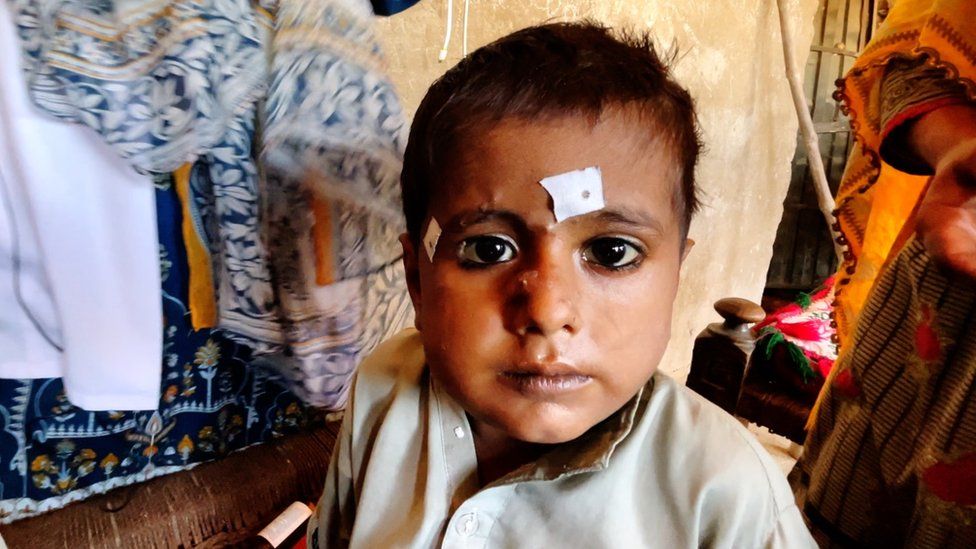
Published8 hours agoSharecloseShare pageCopy linkAbout sharingBy Rajini VaidyanathanBBC News, Sindh province, PakistanMore than 2,000 hospitals and health centres were damaged or destroyed in recent floods in Pakistan – and families and their children are battling malnutrition and infection in what’s now a public health emergency. Doctors like Ammara Gohar are on the front lines of the crisis as the UN launches a fresh appeal for the world to send more aid.”It’s very difficult for us. We attended to patients during Covid, but this is tougher because it involves environmental hazards,” says Dr Ammara, a gynaecologist four years into her medical career. She is working out of a school in rural Sindh province, the area worst affected in the floods, which has temporarily become the headquarters for the district health office after it was submerged. Here, Dr Ammara and her team load a van with boxes of medical supplies – everything from bandages to malaria tablets, hepatitis test kits to oral rehydration salts.”We’re taking this to people who’ve been completely cut off since the floods,” she explains. Pakistan flood survivors battle rising tide of diseasePakistan floods: Images show huge scale of devastationWith around 75% of districts in Sindh province still flooded – and many roads underwater – the only way people in isolated communities can access medical help is if it travels to them.So after an hour’s drive, we reach the banks of a huge lake which a few months ago was fertile land that fed people in this area. Having swallowed their crops, it’s now stagnant water where mosquitoes multiply, and a breeding ground for disease.Across the vast expanse live villagers who’ve been stranded for weeks.”These people cannot survive without support in disaster-hit areas,” Dr Ammara tells us.Her team of government doctors take to wooden boats to reach them, their efforts supported by the United Nations Children’s Fund (Unicef). “This is a medical crisis,” Unicef’s Aadarsh Laghari tells us, as the medical team paddle to a village needing help. “Access is one of the biggest problems – every day the medical needs of these communities are rising.”In the first three weeks of September alone, more than 140,000 cases of malaria were reported in Sindh, health officials say. But with many people in far-flung areas unable to get tested, it’s likely the true scale is much higher.And that’s why mobile medical units are so urgently needed.After we reach the shore, the team set up a health camp under the shade of a tree on the edge of the village, where cows had earlier been taking shelter from the sun.A banner is hung from the branches to advertise the clinic; supplies which had been carried here by land and by water, are now being unpacked and laid out on plastic tables.As a tannoy announces the arrival of the medical staff, a steady stream of villagers arrive, many of them women carrying young children. The village of Noor Shah was already impoverished but the floods have pushed people right to the edge.As patients line up, a nurse measures the arm of baby Saima, with Dr Ammara looking on. The tape wound around her tiny arm moves to the red area of the scale, indicating that Saima is perilously thin.”There are so many people like this baby,” Dr Ammara says. “At just nine months old she’s severely malnourished.”Many families are sleeping in the open in flimsy tents next to homes which were washed away, or have crumbled to rock.Marooned for weeks, they’re finally getting much needed medical help – but many say they’re still waiting to get food and access to clean water to drink and wash with.At another village close by, three-year-old Gulbahar is examined by Dr Ammara. He has scabs on his face and body and is weak – the result, Dr Ammara says, of drinking and washing with contaminated water.The UN says a lack of toilets has left people with no choice but to defecate in the same water, leading to outbreaks of illnesses. “Because of the floods we are seeing so many young children with these skin infections,” Dr Ammara says, opening Gulbahar’s mouth to examine his diseased gums.She hands his mother some medicines, but concedes her supplies will soon run out.While diseases spike, Pakistan’s already overwhelmed healthcare system lacks the resources to help all those who need treatment. Boats are also in short supply, as are doctors – meaning efforts like this remain limited.Many people we met in these remote communities blame the government for not doing enough. Dr Azra Afzal Pechuho, the Sindh health minister, said: “It’s like fighting a war which has no end to it. Until the water recedes, which is going to take another two, three months, we will still be seeing a lot of health issues.”She has called for doctors to volunteer extra hours. “Ten days, three days, four days – whatever they feel they can give to the flood-affected areas,” she told the BBC.Dr Ammara and her team are already working around the clock. Without the camps, Dr Ammara fears people won’t be able to survive.”It hurts, it really hurts, I can’t see people like this,” she says. “I feel bad that we can’t do more.”More on this storyPakistan dengue cases soaring after record floods15 SeptemberPakistan floods ‘likely’ made worse by warming15 SeptemberPakistan floods put pressure on faltering economy19 September

Read more →

Does mask-wearing affect behavior?

Since 2020, the Covid-19 pandemic has led to a global increase in the number of people wearing masks to limit the spread of illness. Now, new research co-authored by MIT scholars suggests that, in China at least, wearing masks also influences how people act.
The research, conducted across 10 studies focused on deviant behavior — such as running red lights, violating parking rules, and cheating for money — shows that people wearing masks were less likely to behave deviantly than those who were not wearing them. The researchers say this is not just happenstance, but that in China using masks increases moral awareness and thus spurs some people to be more rule-abiding.
“We found that masks, in China, function as a moral symbol that reduces the wearer’s deviant behavior,” says Jackson Lu, an associate professor at the MIT Sloan School of Management and co-author of a newly published paper detailing the findings.
As Lu and his co-authors note, a variety of factors, not just masks, can influence behavior. Overall, they estimate, mask-wearing accounts for about 4 percent of the variance in deviant behavior they observed, when comparing those wearing masks to those not wearing them.
“Mask-wearing explains a meaningful but reasonable proportion of the variance,” Lu says, adding: “We’re talking about likelihoods here.”
The paper, “Masks as a Moral Symbol: Masks Reduce Wearers’ Deviant Behavior in China During COVID-19,” appears today in Proceedings of the National Academy of Sciences. The authors are Lu, who is the Sloan School Career Development Associate Professor of Work and Organization Studies; Lesley Luyang Song, a PhD student in marketing at Tsinghua University in China; Yuhuang Zheng, an associate professor of marketing at Tsinghua University; and Laura Changlan Wang, a PhD student at the MIT Sloan School of Management.

Read more →