Widespread metabolic dysregulation in different organs in type 2 diabetes

Using state of the art techniques, researchers from Uppsala University have shown that the metabolism in patients with type 2 diabetes and prediabetes was much more disturbed than previously known, and that it varied between organs and severity of the disease. The study is a collaboration with e.g. Copenhagen University and AstraZeneca and it has been published in the journal Cell Reports Medicine.
The most typical alterations in people with type 2 diabetes are insufficient secretion of insulin and reduced sensitivity to insulin in different organs. To examine what happens in these organs when type 2 diabetes develops, the researchers in the current study have looked at proteins both in the cell islets in the pancreas where insulin is produced, and in the main tissues that insulin acts on, namely the liver, skeletal muscle, fat and blood.
The researchers compared proteins in samples from people with type 2 diabetes, prediabetes, i.e. a stage before fully developed type 2 diabetes, and without any diabetes. The results showed far more disturbances in metabolic pathways than previously known. There was also a correlation between the alterations and the different stages of the disease.
“We detected many protein levels that were either higher or lower than normal in tissues from people at different stages of disease. People with prediabetes displayed major alterations that are associated with inflammation, coagulation and the immune system in the pancreatic islets. In fully developed type 2 diabetes there were more widespread abnormalities, for example in lipid and glucose metabolism and in energy production in the liver, muscle and fat,” says Professor Claes Wadelius, who coordinated the study.
The study builds on tissue samples collected from donors at different stages of disease and healthy individuals. The samples have been collected in the strategic initiative EXODIAB, which is led in Uppsala by Professor Olle Korsgren.
Using novel techniques, the researchers could quantify thousands of proteins from each organ and therefore obtain a view of the metabolism that has not been possible before.
“The techniques for measuring proteins have evolved rapidly in recent years and our colleagues at Copenhagen University who participated in the study are world leaders in the field,” says Dr Klev Diamanti, who performed the analyses in Uppsala together with Associate Professor Marco Cavalli and Professor Jan Eriksson.
In summary, the findings show a highly disturbed metabolism in different pathways in examined organs and at different stages of disease. The data points to new potentially causal mechanisms of the disease, which can be further investigated in the search for new ways of preventing or treating type 2 diabetes.
“Our results may also support the development of simple tests that can identify people at high risk of diabetes and its complications, and also guide which type of intervention is best for the individual,” says clinical diabetologist Jan Eriksson.
Story Source:
Materials provided by Uppsala University. Original written by Kerstin Henriksson. Note: Content may be edited for style and length.

Read more →

An Abortion Ban With Unexpected Consequences for Older Mothers

Older women are more likely to carry fetuses with genetic disorders that often can’t be detected until 15 weeks of pregnancy, beyond the limit set in a Senate proposal.When Senator Lindsey Graham, Republican of South Carolina, proposed a national ban on abortions after 15 weeks of pregnancy, the bill sparked controversy across the political spectrum. But few spoke of its potential impact on the growing number of women who are having children in their 30s.The proposed ban would allow exceptions to save a woman’s life and for some pregnancies resulting from rape and incest, but it notably lacks exceptions for fetal abnormalities. As such, it would sharply restrict options for the growing numbers of older women with pregnancies that are long-delayed and much wanted — but also come with a greater risk of conditions like Down syndrome.The median childbearing age in the United States has increased in recent decades, reaching 30 in 2019, up from 27 in 1990. But older mothers are more likely to conceive fetuses with chromosomal abnormalities, and the test most commonly used to detect those disorders can only be performed after a pregnancy is 15 weeks along, beyond Mr. Graham’s proposed window for abortion.Some anatomical anomalies, too, cannot be diagnosed until later in pregnancy. Older mothers are also more likely to enter pregnancy with health conditions that can worsen as gestation progresses and can require termination to save the woman’s life or prevent disability.While highly educated women have long delayed childbearing, American women from all economic, racial and ethnic backgrounds are having children at older ages, according to Anne Morse, a survey statistician at the Census Bureau. The most significant changes have occurred among Black mothers and women who were not born in the United States, whose median age of giving birth increased to 28 from 24 and to 32 from 27, respectively, over the past 30 years.“There have been large declines in births to women in their 20s in every single demographic group,” Dr. Morse said. And every demographic group, with the exception of Native American and Alaska Native women, has seen an increase in birthrates among women aged 35 to 39, she said.Mr. Graham’s bill, which is not expected to pass in a Congress narrowly controlled by Democrats, has been controversial even among Republicans who oppose abortion, and several Republican senators told reporters that the issue is best left to the states to decide.Only a small percentage of abortions take place after 15 weeks gestation: In 2019, 95.6 percent of abortions reported to the Centers for Disease Control and Prevention occurred before the 16th week. Most of these rare procedures are performed for younger women and those with unplanned pregnancies, low incomes or limited access to care. But older women who have planned their pregnancies may be more likely to pursue an abortion after 15 weeks because of the higher risk of fetal abnormalities.While a woman in her early 20s has a 1 in 500 chance of conceiving a child with a chromosomal abnormality, the risk increases to 1 in 270 for a 30-year-old woman and to 1 in 60 for a 40-year-old.Studies have found that 67 percent to 85 percent of women chose termination after diagnoses of Down syndrome, the most common chromosomal abnormality, which results in a range of physical and developmental problems.Amniocentesis, a procedure in which amniotic fluid is removed from the uterus and tested for chromosomal abnormalities in the fetus, and the all-important mid-pregnancy ultrasound that detects structural anomalies, can only be carried out after 15 weeks and at 20 weeks of gestation, respectively.Moreover, conditions that can make for a risky pregnancy, like hypertension, asthma, obesity, diabetes and cardiovascular disease, are more prevalent among older women and pose more problems as pregnancies progress, straining the heart, lungs and kidney, several doctors noted.Women with college degrees have children an average of seven years later than those without degrees, and the average age of first marriage has risen to 28, up from 24 in 1990.“A lot of women, including myself, delayed childbearing to get through at least part of their career trajectory,” said Dr. Melissa Simon, vice chair for research in the obstetrics and gynecology department at Northwestern University Feinberg School of Medicine in Chicago.“It puts you in your mid- to late 30s, and you’re considered high-risk in the maternal care world,” she added. “You are at higher risk for genetic anomalies and at higher risk for more complications.”At least 13 states have banned abortion altogether, and Georgia has banned the procedure at six weeks’ pregnancy. But among states where abortion is legal, Florida is the only one with a 15-week cutoff. (Utah has an 18-week cutoff, while others allow later terminations.)Mr. Graham’s rationale for setting 15 weeks as the national cutoff is embedded in his legislation’s title, “Protecting Pain-Capable Unborn Children From Late-Term Abortions Act.” The measure contends that after 15 weeks, a fetus feels pain.But medical experts say the experience of pain requires the brain’s cortex, which doesn’t develop until the end of the second trimester or the beginning of the third trimester — somewhere between 24 weeks and 28 weeks.Asked about the scientific basis for the assertion, a spokesman for Mr. Graham’s office directed a reporter to the website of the Charlotte Lozier Institute, the research institute of Susan B. Anthony Pro-Life America, which seeks to end all abortions.While a woman in her early 20s has a 1 in 500 chance of conceiving a child with a chromosomal abnormality, the risk increases to 1 in 270 for a 30-year-old woman and to 1 in 60 for a 40-year-old.Ted Jackson/Associated PressThe entry regarding pain relies primarily on a paper published in a journal of medical ethics, which does not dispute the developmental timeline for the fetal cortex, but suggests that other brain structures developing earlier may be sufficient for an experience that resembles pain.But in an interview, the author of that paper, Stuart Derbyshire, an associate professor at the National University of Singapore, said he did not know why Mr. Graham’s bill picked 15 weeks as a cutoff. The American College of Obstetricians and Gynecologists, which represents some 60,000 providers, called the gestational age cited in the law arbitrary and unscientific.Many scientists say pain-sensing ability depends on consciousness, which, Dr. Derbyshire emphasized, the fetus does not have.“We were very clear in this paper that we were not saying the fetus in the womb is going, ‘Oooh no, that really hurts, damn this is a bad day,’” Dr. Derbyshire said. “The fetus doesn’t have the self-conscious, reflective experience you and I have.”The proposed bill also requires that if an abortion takes place after 15 weeks, the fetus should be hospitalized and a physician trained in neonatal resuscitation should be present to provide care. But the earliest viability outside the womb is 22 weeks, according to a study published this year, and experts says that fetuses born before then cannot survive.While technological advances have made it possible to screen for chromosomal abnormalities earlier in pregnancy than in the past, obtaining a definitive diagnosis depends on prenatal testing: either chorionic villus sampling, which involves taking a sample of tissue from the placenta to test for chromosomal abnormalities, or amniocentesis.The sampling method can be done earlier than amniocentesis, but it cannot be done safely until after 10 weeks of pregnancy, and the result is often not known till the 12th or 14th week. It is also not readily available at all medical centers, according to Dr. Stephen Chasen, a maternal and fetal medicine specialist at Weill Cornell Medicine.Many centers rely on amniocentesis, which is not offered before the 15th week of pregnancy because the risks of complications are too high.Ultrasound scans to check for structural fetal anomalies — which are not the same as chromosomal abnormalities — are done as early as around 10 weeks to 12 weeks of pregnancy, but the comprehensive head-to-toe anatomy scan is done at 20 weeks.“There are many structural abnormalities, including some really severe conditions involving the brain, heart, kidneys and skeletal structure that can’t be suspected until late in the second trimester or even the third trimester,” Dr. Chasen said.“The majority of structural abnormalities would not be diagnosed or suspected before 15 weeks,” he added. “A 15-week ban would preclude women with those pregnancies from the opportunity to consider an abortion.”

Read more →

Covid: Protect elderly from rising virus levels in UK

Published1 hour agoSharecloseShare pageCopy linkAbout sharingImage source, Getty ImagesBy Michelle RobertsDigital health editorCovid is on the rise again in the UK and people who feel unwell should avoid vulnerable friends, colleagues and relatives as a precaution, say experts. Data suggests 1.3 million or one in 50 has Covid, with a “marked increase” in infections among over-70s in England.There are no new restrictions, but people are being reminded to take extra care and protect the elderly. There are fears of a flu and Covid “twindemic” this winter, and those who qualify for free jabs should get them.Reminder texts, emails and letters will be sent out next week to more than 6m people in at risk groups, says NHS England. The UK’s National Statistician Sir Ian Diamond told the BBC it was too soon to call what was happening a “winter wave”, but it could turn into one. “It is incredibly important that we maintain very high levels of vaccine uptake across our country,” he said.Who can get a Covid booster this autumn?The latest Office for National Statistics (ONS) figures suggest Covid is infecting:one in 50 people in England (up from one in 65)one in 50 people in Wales (the same as before)one in 40 in Northern Ireland (from one in 80)one in 45 in Scotland (the same as before)The estimates are based on thousands of random tests on people in private households across the UK a couple of weeks ago, whether or not they have symptoms.Meanwhile, Covid hospital admissions in England are rising too.Rates are highest among people aged 85 and over, at 132.3 per 100,000.This is up from 80.1 and is the highest rate for this age group since late July.About two-thirds of patients in hospital who test positive for Covid are being treated primarily for something else, however.Not alarming, but concerningDr Mary Ramsay from the UK Health Security Agency (UKHSA) said that with people back from holidays and children back in school, the rises were to be expected. She told the BBC most of the infections are due to Omicron variants of Covid, which have been circulating for some time. “This isn’t being driven by a new variant, so it is difficult to say how much this is going to carry on through the winter now that people are in that mode – back at work, back at school. We are keeping a very close eye,” she said.Prof Mark Woolhouse, an expert in infectious diseases at the University of Edinburgh, said the figures were “not yet alarming” but they were concerning.Dr Susan Hopkins, chief medical adviser at the UK Health Security Agency (UKHSA), warned that cases and hospitalisation rates were at their “highest level in months”.With more outbreaks happening, she asked people to help protect the most vulnerable.”If you are unwell, it is particularly important to avoid contact with elderly people or those who are more likely to have severe disease because of their ongoing health conditions. “If you have symptoms of a respiratory infection, wearing a face covering will also help stop infections spreading,” she said. More on this storyLoss and suffering at heart of Covid inquiry3 days agoCovid vulnerable lacked help from NHS 111 – report29 SeptemberWho can get a Covid booster this autumn?4 days agoRelated Internet LinksOffice for National StatisticsThe BBC is not responsible for the content of external sites.

Read more →

Number of children hospitalized for E-scooter injuries surge from 2011-2020

Standing electric scooters, commonly referred to as e-scooters, have been increasing in popularity across the country over the past decade. According to a new research abstract presented during the 2022 American Academy of Pediatrics National Conference & Exhibition, e-scooter injuries are becoming much more common and increasingly severe.
Authors of the abstract, “National Trends in Pediatric e-Scooter Injury,” found hundreds of e-scooter injuries between 2011-2020. The rate of hospital admittance for patients increased from fewer than 1 out of every 20 e-scooter injuries in 2011 to 1 out of every 8 requiring admittance into a hospital for care in 2020.
“The number of annual e-scooter injuries has increased from 2011 to 2020, likely due in some part to the rise in popularity of rideshare e-scooter apps,” said lead author Harrison Hayward, MD, Emergency Medicine fellow at Children’s National Hospital. “Our study has characterized the spectrum of injuries that occur in children, which helps emergency room doctors prepare for taking care of them and helps parents and families to practice better safety.”
Researchers examined a national database of pediatric e-scooter injuries that were seen in emergency departments at over 100 US hospitals from 2011-2020 to find out what kinds of injuries children were sustaining and if any trends existed. Over 10% of all patients had a head injury, including a concussion, skull fractures, and internal bleeding. The most common injuries were arm fractures (27%), followed by minor abrasions (22%) and lacerations needing stitches (17%). The average age was 11.1 years and 59% of patients were male. Admittance to a hospital rose from 4.2% in 2011 to 12.9% in 2020.
“Parents whose children are riding e-scooters need to know how best to be safe. To that end, helmets are a must, since over 10% of the reported cases were head injuries,” said Dr. Hayward. “Children should absolutely be wearing helmets while riding an e-scooter. Research has broadly demonstrated that helmets save lives for bicycle riders, and we should think similarly about e-scooters.”
The authors did not receive financial support for this research.
Story Source:
Materials provided by American Academy of Pediatrics. Note: Content may be edited for style and length.

Read more →

Teen drivers often unsafe on the road with speeding and handheld cellphone use

Motor vehicle crashes are a leading cause of death in adolescents, and risky driving behaviors like speeding, rapid accelerations, and cellphone use can contribute to crashes. New research presented during the 2022 American Academy of Pediatrics National Conference & Exhibition finds many teens struggle to abide the rules of the road.
Authors of the abstract, “Using a Novel cellphone Telematic App to Measure Adolescent Driving Behaviors,” found that all teens, no matter their sex, behind the wheel of a car were prone to risky behaviors, particularly handheld cellphone use and speeding. Among teen drivers studied, speeding occurred in approximately 40% of trips, and handheld phone use was detected in just over 30% of trips. In 5% of trips tracked by the study, teenagers were using a cellphone while speeding.
“Our data gives us another insight into teen driving behaviors. Teens were speeding and using their cellphone while driving, but it did not occur in every trip. We want to encourage safe driving and find ways to help prevent those risky driving behaviors that can lead to a crash,” said lead author Catherine McDonald, PhD, RN, FAAN, Associate Professor at the University of Pennsylvania School of Nursing and Co-Director of the PENN Injury Science Center.
The researchers used a cellphone application to track the driving skills of 165 adolescents in Pennsylvania. The average age of teens in the study was 17.3 years, and the average length of licensure was 8 months. The study found that most adolescents drove short trips, an average of under 6 miles per trip, and less than 2% of trips were at night.
There were a couple differences between the driving habits of males and females. Hard braking and rapid accelerations occurred in only about 10% of trips, but males in the sample engaged in this risky driving behavior more often than females. However, there were no significant differences between the males and females in speeding, cellphone use, or nighttime driving.
“Given the rapidly changing technology in the daily life of adolescents, this study also builds on previous research and helps to identify patterns related to cellphone use while driving among adolescents,” Dr. McDonald said. “Behavioral variations in this sample highlight opportunities for targeted interventions on risky driving.”
This research was supported by the Centers for Disease Control and Prevention and by the National Institute of Nursing Research of the National Institutes of Health.
Story Source:
Materials provided by American Academy of Pediatrics. Note: Content may be edited for style and length.

Read more →

Detecting Alzheimer's disease from blood samples

Researchers from Hokkaido University and Toppan have developed a method to detect build-up of amyloid beta in the brain, a characteristic of Alzheimer’s disease, from biomarkers in blood samples.
Alzheimer’s disease is a neurodegenerative disease, characterised by a gradual loss of neurons and synapses in the brain. One of the primary causes of Alzheimer’s disease is the accumulation of amyloid beta (Aβ) in the brain, where it forms plaques. Alzheimer’s disease is mostly seen in individuals over 65 years of age, and cannot currently be stopped or reversed. Thus, Alzheimer’s disease is a major concern for nations with ageing populations, such as Japan.
A team of scientists from Hokkaido University and Toppan, led by Specially Appointed Associate Professor Kohei Yuyama at the Faculty of Advanced Life Science, Hokkaido University, have developed a biosensing technology that can detect Aβ-binding exosomes in the blood of mice, which increase as Aβ accumulates in the brain. Their research was published in the journal Alzheimer’s Research & Therapy.
When tested on mice models, the Aβ-binding exosome Digital ICATM (idICA) showed that the concentration of Aβ-binding exosomes increased with the increase in age of the mice. This is significant as the mice used were Alzheimer’s disease model mice, where Aβ builds up in the brain with age.
In addition to the lack of effective treatments of Alzheimer’s, there are few methods to diagnose Alzheimer’s. Alzheimer’s can only be definitively diagnosed by direct examination of the brain — which can only be done after death. Aβ accumulation in the brain can be measured by cerebrospinal fluid testing or by positron emission tomography; however, the former is an extremely invasive test that cannot be repeated, and the latter is quite expensive. Thus, there is a need for a diagnostic test that is economical, accurate and widely available.
Previous work by Yuyama’s group has shown that Aβ build-up in the brain is associated with Aβ-binding exosomes secreted from neurons, which degrade and transport Aβ to the microglial cells of the brain. Exosomes are membrane-enclosed sacs secreted by cells that possess cell markers on their surface. The team adapted Toppan’s proprietary Digital Invasive Cleavage Assay (Digital ICATM) to quantify the concentration of Aβ-binding exosomes in as little as 100 µL of blood. The device they developed traps molecules and particles in a sample one-by-one in a million micrometer-sized microscopic wells on a measurement chip and detects the presence or absence of fluorescent signals emitted by the cleaving of the Aβ-binding exosomes.
Clinical trials of the technology are currently underway in humans. This highly sensitive idICA technology is the first application of ICA that enables highly sensitive detection of exosomes that retain specific surface molecules from a small amount of blood without the need to learn special techniques; as it is applicable to exosome biomarkers in general, it can also be adapted for use in the diagnosis of other diseases.
Story Source:
Materials provided by Hokkaido University. Note: Content may be edited for style and length.

Read more →

Broken bones, fractured skulls remain common bicycle injuries, especially among teen boys: 20-year review

More than one million U.S. children fractured a bone while riding a bicycle over the past 20 years, and most of them were boys between ages 10 to 15 years old, according to research presented during the 2022 American Academy of Pediatrics National Conference & Exhibition.
Authors of the abstract, “Pediatric Fractures Associated with Riding Bicycles: A National Twenty-Year Analysis,” found that, despite efforts to make roads more bike-friendly, over 65,000 injuries occurred in an accident involving a motor vehicle. About 85% of children who sustained a skull fracture while riding bicycles were not wearing helmets.
“The results of our study suggest that continued efforts teaching road safety and promoting helmet use should be targeted towards all children, but with additional efforts being directed towards the most affected population, namely 10- to 15-year-old boys,” said J. Todd R. Lawrence, MD, PhD, at Children’s Hospital of Philadelphia. “Municipalities should continue to evaluate traffic patterns on their local roads to improve bike safety for children.”
The researchers examined information provided in the National Electronic Injury Surveillance System database for the years 2001 through 2020 to identify patients ages 18 or younger who showed up at U.S. emergency departments with fractures associated with bicycles. They found an average 50,975 fractures reported annually, with about 71% of patients being male. Only a small minority of patients with skull fractures were wearing helmets; nearly 87% of patients were not wearing helmets at the time of the skull fracture.
While the number of fractures from children riding bicycles has decreased over the past two decades, researchers noted an increase in fractures in 2020 that is consistent with literature showing a significant increase in other injuries during the COVID-19 pandemic. This is potentially due to an increased use of bicycles from stay-at-home orders and cancellation of school and summer camps.
“Given the results of our study, we recommend targeting bicycle safety efforts toward the most affected populations, largely 10- to 15-year-old boys,” said William Huffman, a medical student. “Teaching road and helmet safety for bicycle riders is paramount to keeping children safe.”
Story Source:
Materials provided by American Academy of Pediatrics. Note: Content may be edited for style and length.

Read more →

A Canadian Family Is Seeing the World Before Their Children’s Vision Falters

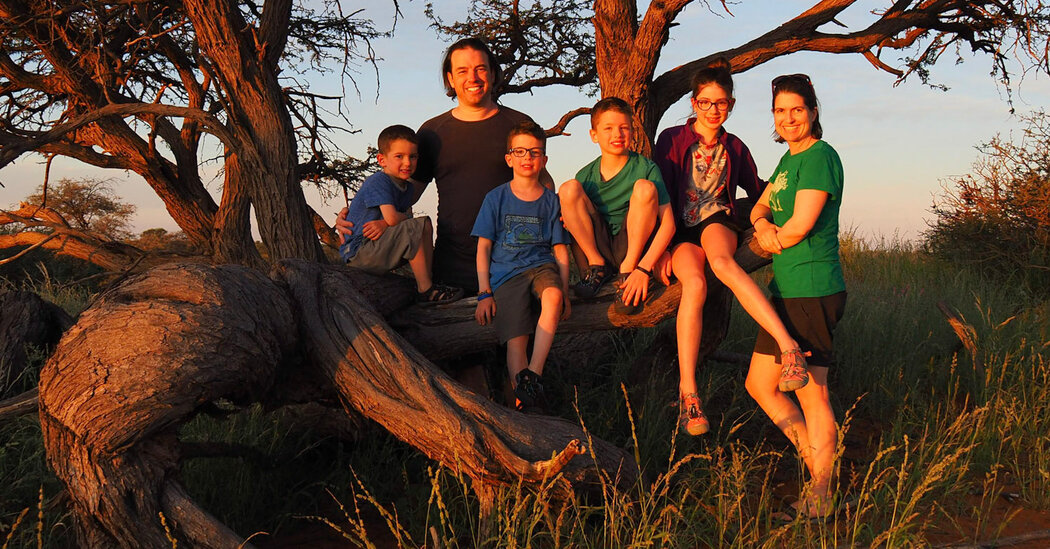
A Canadian family is on a yearlong journey across Asia and Africa because three of their four children have an eye condition that causes blindness.For their youngest son’s fifth birthday this summer, Edith Lemay and her husband took their children on a hot-air balloon ride above central Turkey that began before dawn.As the sun rose over the Cappadocia region, it revealed other balloons floating in the sky and some chimney-like rock formations on the ground below — a transcendent experience that her 9-year-old likened to a dream. “That’s what we all felt because it was way too magical,” Ms. Lemay said.Six months ago, Ms. Lemay, 44, and her husband, Sebastien Pelletier, 45, left their home in the Montreal area for a yearlong trip across Asia and Africa. Three of the French Canadian couple’s four children have a rare eye condition that has already impaired their vision and will slowly destroy it entirely unless an effective treatment materializes. The trip is a chance for them to see memorable sites while they still can.Mia Pelletier, 11, on a hot-air balloon ride in central Turkey in July.Edith LemayIn another sense, Ms. Lemay said, her family’s journey across Asia and Africa is a catalyst for her three children with retinitis pigmentosa — Laurent, 5, Colin, 7, and Mia, 11 — to develop what she called “solution-oriented” behavior in the face of setbacks large and small, a habit that could prove useful as their eyesight continues to diminish. (Her oldest boy, Leo, 9, does not have the condition.)Ms. Lemay said she also hoped the trip would force her children to appreciate how lucky they are in a world where many of their peers do not have electricity in their homes, books in their schools or other comforts that people in wealthy countries take for granted.“I want them to look at their life and see what’s good, what’s beautiful in it,” she said by phone last month from Indonesia, as Laurent splashed in a nearby swimming pool. “Not the little problem with their eyes.”The prognosisRetinitis pigmentosa encompasses a group of hereditary disorders that affect an estimated one in 3,000 to 4,000 people worldwide, including as many as 110,000 in the United States, according to the National Organization for Rare Disorders, a nonprofit in Massachusetts. It causes slow degradation of the retina, and the symptoms can develop over decades.The family walking through a spice market in Zanzibar, off the coast of Tanzania, after an overland trip across southern Africa in the spring.Edith LemayPeople with retinitis pigmentosa typically begin to lose their vision during childhood. In the next phase of the disease’s progression, they start to lose their peripheral vision, making it hard for some children to play sports or to avoid bumping into their classmates in the hallways, said Alfred S. Lewin, a professor emeritus of molecular genetics and microbiology at the University of Florida in Gainesville.In advanced stages of the condition, their vision becomes so impaired that they are considered legally blind, though most do not completely lose their ability to detect light, Dr. Lewin said. But several promising new experimental therapies are in human clinical trials and could be approved in the next few years, potentially helping many children and young adults with the condition avoid blindness, he added.Playing soccer with local boys in Zanzibar.Edith LemayMeeting an eagle hunter near Ulan Bator, the capital of Mongolia.Edith LemayFor now, existing therapies can help slow the progression of the condition, said Lin Bin, a professor of optometry at Hong Kong Polytechnic University.“These treatments can buy time for the patients for new research breakthroughs and new and more effective treatments,” he said.Facing realityMs. Lemay said that while she and her husband were cautiously hoping for a breakthrough treatment, they did not want to set themselves or their children up for disappointment.“If a new treatment comes, good, we’ll be super happy,” she said in mid-September from the Gili Islands of Indonesia, where her children had just snorkeled with turtles. “But we’re not going to be sitting there waiting on a cure. We want our children to accept their situation and learn how to make the best of it.”Swimming in a cave in Zanzibar.Edith LemayAt this early stage, the children do not talk much about their eyesight, and they occasionally even crack jokes about their condition, Ms. Lemay said. The only reason she has been discussing it so much lately is because reporters keep calling to ask about the round-the-world trip.“It’s not something sad in our family,” she said. “It’s just something that’s going to happen, and we’re going to face it.”At the same time, she said, it can be hard to discuss retinitis pigmentosa with her children, especially Laurent, who doesn’t yet understand its full implications. “How am I going to cross the street?” he asked her this summer as the family drove through the Mongolian Steppes in a Russian-built van. “Will my wife be blind?”Looking at wildlife on a Serengeti safari in Tanzania.Edith LemayAnother time in Mongolia, Ms. Lemay was gazing at the Gobi Desert’s night sky when she remembered that her three children who have the condition cannot see stars because of their night-vision loss. She did not bother to wake them up.Seeing the sitesMs. Lemay said that the trip so far had been loaded with adventure and serendipity, and that her children never seemed to become bored.Their journey began with a three-month, coast-to-coast, overland trip across southern Africa. An early highlight for the children, she said, was a 24-hour train ride across Tanzania, where they slept in bunk beds and watched in awe as vendors approached the windows to hawk bananas.Mia, 11, looking at a rainbow from the roof of the family van in Mongolia.Edith LemayRiding an overnight train across Tanzania.Edith LemayAfter a month in Turkey, the family traveled to Mongolia and spent more than a month on a road trip through the countryside, staying in yurts and eating boiled mutton.The children loved that, too, even if the toilet facilities along the way ranged from “abominable to bearable,” as Ms. Lemay put it on her Facebook page. Her daughter, Mia, enjoyed riding horses so much that she cried tears of joy. And even though Mia and two of her brothers can no longer see stars, they enjoyed looking at pictures of the Gobi’s night sky on their mother’s laptop.Soyolsaikhan Baljinnyum, the family’s tour guide in Mongolia, said by phone that the family was one of the kindest he had ever met.“It really hurts me when I think about them losing their vision,” he said of the three children with the eye condition. “But there’s always hope; there could be a miracle.”Ms. Lemay, who works in health care logistics, said her family planned to spend the next two months island-hopping across Indonesia by boat and bus. From there, they intend to visit Malaysian Borneo, Thailand, Cambodia and Vietnam, with a potential stop in Hawaii on their way back to Canada. But it’s all subject to change: Their itinerary is fixed only about a month in advance.Sitting in an ancient theater near Pamukkale, Turkey, in July.Edith LemayAmong the surprises so far, Ms. Lemay said, is the way her children tend to fixate on things that seem peripheral to whatever their parents had planned to show them, such as stray cats and dogs, or a tiny beetle they spotted at the base of a colossal red sand dune in Namibia.“Hey, we came all the way around the world to see that, and you’re looking at a little bug?” Ms. Lemay said she asked them at the UNESCO World Heritage site.“But if we listen to them,” she added, “they show us that there is beauty everywhere.”

Read more →

Record excess deaths in UK's heatwave summer

Published4 hours agocommentsCommentsSharecloseShare pageCopy linkAbout sharingImage source, Getty ImagesAs the UK endured record high temperatures of 40C this summer, there were around 3,000 more deaths in the over-65s than usual in England and Wales – the highest figure since 2004.Many happened during the hottest days towards the end of July and in early August.The data comes from a report by the Office for National Statistics (ONS) and UK Health Security Agency (UKHSA). Experts say it shows just how dangerous hot weather can be.”These estimates show clearly that high temperatures can lead to premature death for those who are vulnerable,” said Isabel Oliver, chief scientific officer at the UKHSA.”A warming climate means we must adapt to living safely with hotter summers in the future.”There were five heat-periods between June and August 2022 – defined as days when the average temperature is greater than 20°C in central England.During those periods, there were 3,271 excess deaths – 6.2% above the five-year average – out of a total of 56,303 deaths in England and Wales.And among those aged 65 years and over, there were 2,803 excess deaths – the highest number since 2004, when England introduced a plan to prepare for heatwaves.The UK recorded temperatures of over 40C (104F) for the first time between 17 and 20 July, during one of the hottest summers on record.The report also found:more excess deaths in women (2,159) compared with men (1,115)each heat-period was followed by a fall in deaths to below the average, suggesting deaths among the most vulnerable happened earlier than they would have donethere were 1,458 excess deaths in over-65s from 8-17 August – the deadliest period of heatThe analysis of deaths was compiled by the ONS using information from death registrations. The UKHSA also used a statistical model to estimate excess mortality, excluding Covid-19, during heat-periods.Sarah Caul, head of mortality analysis at the ONS, said: “During the UK summer of record-breaking temperatures, there was an increase in deaths. “However, these spikes around the hottest days were followed by periods of below average mortality. “This is likely to be a result of short-term mortality displacement, especially among older age groups, where people died a few days or weeks earlier than expected.”Most of those who died had dementia and Alzheimer’s disease, making it the leading cause of excess deaths, the ONS said.People in older age groups with these conditions are most at risk during periods of intense heat.The 3,000 extra deaths seen during the hottest days only go a small way to explaining the high rates of deaths seen this summer, however. In England and Wales, there were about 16,000 more deaths from June to August than we might expect based on previous summers. During the winter months, there are still more deaths on most days than during a hot summer like 2022.Image source, Getty ImagesHow hot was summer 2022?It was the joint hottest summer in England, tied with 2018 in records going back to 1884, and the fourth warmest summer for the UK overall. Temperatures in the UK rose above 40C for the first time – with a new record-high temperature of 40.3C being set at Coningsby, Lincolnshire.33 other locations went past the UK’s previous highest temperature of 38.7C, set in 2019.New record-high temperatures were also set in Scotland and Wales in July – 34.8C and 37.1C respectively.Heat-health alert issued as UK braced for heatwaveFires blaze after UK passes 40C for first timeFinal day of ‘extreme’ heat with thunder on way‘It’s like an oven’: Life in Britain’s hottest areasMore on this storyEngland has had joint hottest summer on record1 SeptemberFinal day of ‘extreme’ heat with thunder on way15 AugustFires blaze after UK passes 40C for first time19 JulyHeat-health alert issued as UK braced for heatwave8 JulyRelated Internet LinksExcess mortality during heat-periods – Office for National StatisticsThe BBC is not responsible for the content of external sites.

Read more →

Daughter's plea over vulval cancer embarrassment

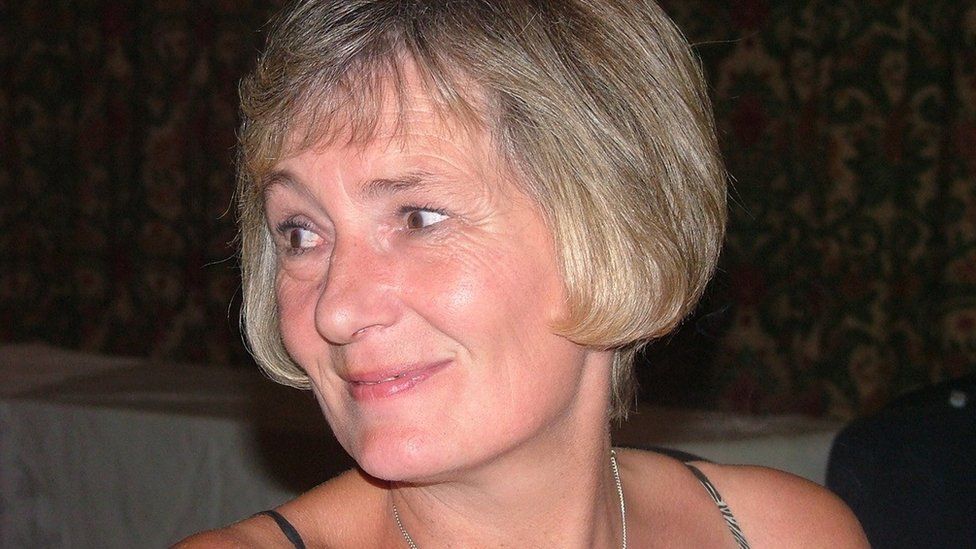
Published2 hours agoSharecloseShare pageCopy linkAbout sharingImage source, Laura ChristieBy Louise CowieBBC ScotlandIsobel Florence died just six months after being told she had a rare cancer.The vulval cancer which claimed the life of the 71-year-old from Aberdeen is only diagnosed in just over 100 women in Scotland every year.Her daughter Laura Christie is now determined to raise awareness.”Nobody likes speaking about their nether regions do they, let alone having to go to a doctor and show them, but don’t be embarrassed if you see any changes you’ve got to go,” she said.Mrs Florence had symptoms which included itching and bleeding and underwent test after test.She was told she had vulval cancer in January and died in July.Her daughter fears a lack of information and possible embarrassment is putting women’s lives at risk.There have been high-profile campaigns to raise awareness of both cervical and ovarian cancer but vulval cancer is rarely spoken about.Now Mrs Christie is urging women to get themselves checked out if they have any concerns.”She was itchy, she was bleeding, and she had a small kind of like wart, a lump, seen the doctors, been to A&E, and everyone kind of dismissed it as nothing much to worry about,” she said.Her symptoms worsened and she was admitted to hospital.”The word that kept being used was unknown, it’s unknown, no-one really knew for sure what it was, she had so many scans, and they were all having to consult with other teams throughout the UK,” Mrs Christie explained.After weeks of tests, Mrs Florence was diagnosed with vulval cancer.More stories from North East Scotland, Orkney and Shetland’Many GPs have never seen this illness’Consultant gynaecological oncologist Adeola Olaitan said there needs to be more awareness among the medical community.”GPs don’t see vulval cancer very often so they may not consider it,” she told BBC Scotland.”I mean, for example, ovarian cancer is much more common and the average GP sees one case every five years so it’s not surprising that it’s not perhaps top of people’s differential diagnosis.”But I think that illustrates the importance of raising awareness so that people know not to ignore any vulval symptoms.”I always say if a woman presents with new vulval symptoms look at the area I don’t think there is any room for guessing here and if anything looks unusual the key to diagnosis is a biopsy.”Image source, Laura ChristieMrs Christie said her mother wanted to live and described her experience as “horrific”.”More needs to be done, if the doctors knew more about it, you just don’t know what the outcome would have been, could have been better, treatment could have started quicker, she wouldn’t have been suffering for as long, that’s for sure.”She is now raising money to boost awareness of vulval cancer.”I wouldn’t like any other family to go through what my mum went through,” she said.More on this story’Many GPs have never seen this illness’10 May 2019

Read more →