Health: 'My illness is so rare it doesn't have a name'

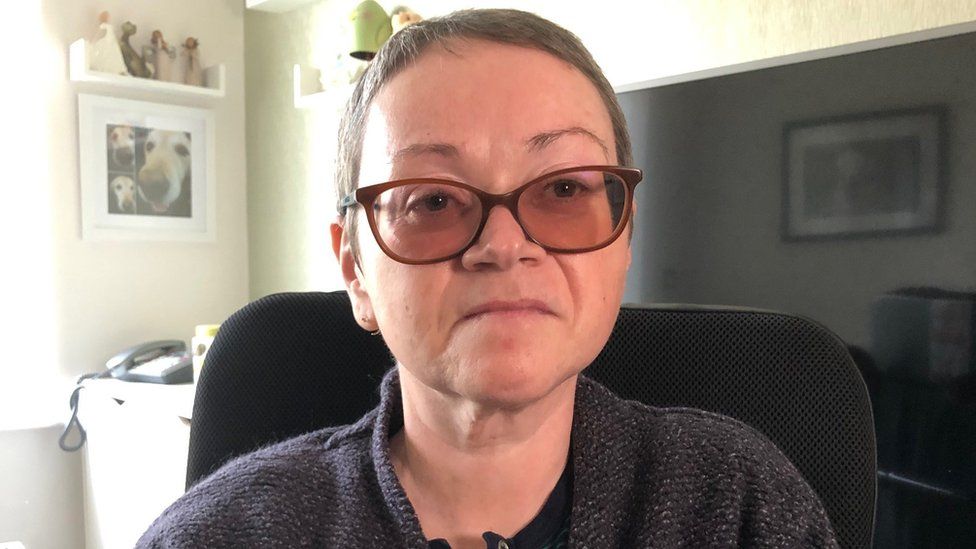
Published19 minutes agoSharecloseShare pageCopy linkAbout sharingBy Owain ClarkeBBC Wales health correspondentAs a teenager, Debbie Schwartz felt humiliated as doctors said her illnesses were all in her head.”It was soul destroying,” said the 47-year-old former teacher. “I felt hopeless, isolated and humiliated.”Debbie has an illness so rare, experts have not been able to identify it – and she is among thousands of people looking for answers.Now, she is among the first at the UK’s first specialist clinic of its type for patients with syndromes without a name.Debbie spent many of her teenage years being taken the length and breadth of the country by her worried parents who were trying to figure out what was wrong with their only daughter.The boy who baffles doctorsFriendship forged through rare disease connectionMothers raising awareness of rare disease”I felt like I was letting my parents down,” she recalled. “They were traipsing me around back and forth to hospitals in Newcastle and London.”As an 11-year-old being told the tests aren’t showing anything and your parents are hearing that, there’s no thoughts the doctors are wrong because they’ve done all these tests, they are the doctors, they know. So the diagnosis must be that I’ve made it up.”The onus was very much on me and I felt pressured by that. I was in school and just a child. It was difficult.”Debbie felt the medical experts had been “very dismissive” and then, in her late teens, her eyesight, speech, hearing and mobility deteriorated.Image source, Debbie SchwartzIt did not stop her, however, completing a biochemistry degree in London and qualifying to become a science teacher.But Debbie collapsed in 2000, spent 10 months in hospital and has not walked – or worked – since.”It was then decided it wasn’t asthma and I started having a lot of different tests with different doctors,” she recalled.”They would start off excited because I was a unique case and thought it was interesting but they’d lose interest when they did the tests and they still couldn’t come to a diagnosis.”They didn’t find much wrong so put everything down to being psychosomatic or depression and anxiety.”The soul destroying part was just because they said there was nothing wrong, I didn’t go home and everything became good… I kept deteriorating.”I felt like a failure – and the doctors were quite humiliating.”After years of fighting, Debbie finally got a partial diagnosis in 2005 of mitochondrial disease – a group of conditions caused by defects in key parts of the body’s cells.Subsequently she has also been diagnosed with three more “very rare disorders” – a neurological condition, another affecting her immunology and movement disorder dystonia.She has hearing loss, is partially sighted, struggled with balance and has no feeling in her hands and below her knees and needs the help of carers three times a day and her quality of life is “getting worse.”One of the things that frustrates Debbie most is although she is convinced her conditions are linked, until now they have been looked at in isolation.Now, with the help of consultants at the UK’s first national all-Wales syndromes without a name clinic in her home city of Cardiff, Debbie hopes can get closer to identifying what her underlying condition might be.It has been set up by specialists because Debbie is not alone in having such a rare condition.Image source, Getty ImagesAlthough individually these conditions are very rare, all together they can affect thousands of people.Previously Debbie had to rely on several specialists to manage her various conditions.”But they’re different teams that stick within their specialty,” she said.”They don’t look at me as a whole person and my symptoms as a whole, which is what this new clinic will do.”Now, after a 35-year battle, she is hoping she will get the one overall diagnosis that she believes has had a “profound effect” on her life for so long. “I’m hoping that with a team of multi-disciplinary doctors looking at me as one, they might come to one conclusion that it is one disorder instead of all of these separate ones.”‘Everybody was telling me there was nothing wrong’It is estimated that 6,000 babies are born every year with an illness so rare it does not have a name – an estimated 350,000 people in the UK.Experts estimate there could be more than 8,000 rare diseases and children are disproportionally affected with 50% of rare diseases affecting children – and almost a third of them will die before the age of five.The new SWAN (syndromes without a name) clinic at Cardiff’s University Hospital of Wales can be accessed by adults and children across Wales through a referral by a hospital doctor – with an estimated 150,000 people in Wales affected.”Rare diseases are a significant health problem that are unfortunately associated with poor outcomes,” said Dr Graham Shortland, clinical lead for the new clinic.”The impact on patients and their families is considerable, with the majority of patients who do receive a diagnosis waiting an average of four years. “A diagnosis brings hopes and reassurance to families and the goal of the clinic is to shorten the diagnostic journey, improve access to specialist care and support those who continue to await a diagnosis.”As many of these diseases often have a genetic cause, it is hoped the clinic will also be able to give advice to families about the risks of a child inheriting rare conditions.Medical experts in Wales said the clinic is another example of Wales leading the way in the field of rare illnesses after becoming the first UK nation to offer whole genome genetic tests to very ill children.”The SWAN clinic is the first commissioned clinic of its type in the UK and as far as we’re aware there are no others in Europe,” said Prof Iolo Doull, chairman of the Rare Diseases Implementation Group.”It’ll be a one stop shop. You can look at Wales as being either very small place or big enough to do important things. In this case Wales has been big enough to do this which perhaps in other places would have fallen under the radar.”More on this storyHundreds with rare diseases get genetic diagnosis11 November 2021New test for suspected genetic illness children3 August 2020

Read more →

With Promise of Legalization, Psychedelic Companies Joust Over Future Profits

One patent application for psilocybin therapy claimed its treatment rooms were unique because they featured “muted colors,” high-fidelity sound systems and cozy furniture. Another sought exclusivity on a therapist reassuringly holding the hand of a patient. Then there’s the patent seeking a monopoly on nearly all methods of delivering the drug to patients, including vaginally and rectally.Humans have been consuming psilocybin, or “magic,” mushrooms for millenniums, and most synthetic hallucinogens have been around for decades. But as excitement about the promise of psychedelic medicine reaches a fever pitch, drawing hundreds of millions in investment, there is a growing scrum of psychedelic companies seeking to gain a financial edge through a blizzard of patent claims — or at least to scare off potential competitors.The patent application that described therapy room décor and drug delivery methods was filed by Compass Pathways, a psychedelic medicine company valued at $450 million, that, with at least 50 claims, has been especially aggressive with its intellectual property filings. Over the past three years, its competitors have collectively filed more than a hundred applications with the U.S. Patent and Trademark Office, some of which have been granted and others rejected.George Goldsmith, the co-founder and executive chairman of Compass, said the company’s patent strategy was necessary to ensure that psilocybin therapy would one day be available to people across the globe. He said that required raising hundreds of millions of dollars to conduct clinical trials at 150 sites in Europe and North America, the key to winning over regulators in multiple countries and for convincing both private and government insurers to cover psychedelic therapies. “It’s hard, tedious work that can’t be done as a philanthropic venture,” he said.Granted developing new drugs, proving their efficacy and safety through clinical trials and then winning approval from regulators is hugely expensive, and patents are often necessary to protect a company’s investment in that process.But the patent claims by Compass and other companies have provoked howls of derision from some scientists and patient advocates, who warn that corporate efforts to profit from existing drugs like psilocybin, LSD and Ecstasy could chill academic research and throttle public access by making new therapies prohibitively expensive.A treatment room of Compass Pathways, which is described in the patent, at King’s College Hospital in London.Tom Jamieson for The New York Times“I’m not anticapitalist or anti-profit making, but I am opposed to patent trolling, which is when you claim you invented something you didn’t invent,” said Carey Turnbull, who founded two psychedelic companies and now runs Freedom to Operate, an advocacy group that has been challenging psychedelic patent claims it views as flawed, including those filed by Compass. The clash over psychedelic-related intellectual property highlights the soaring expectations of investors, philanthropists and researchers who are rushing to shape an emerging field that many believe could revolutionize the treatment of depression, substance abuse, post-traumatic stress disorder and other mental health conditions.Robin Feldman, an expert on pharmaceutical intellectual property at the University of California Hastings College of Law, said the conflict over psychedelics reflects the larger problems of a patent system that saddles Americans with some of the highest prescription drug prices in the world. “It’s not pretty when you look under the hood,” she said. “With psychedelics, what we’re seeing is a clash of cultures between the altruism of those who want to use existing compounds in new and exciting ways crashing up against the realities of the patent system.”Though most psychedelic drugs remain illegal under federal law, the Food and Drug Administration has become more receptive to new uses for them. The agency is weighing approval of the therapeutic uses of MDMA, better known as Ecstasy, and psilocybin, which is undergoing accelerated review. Three years ago, the F.D.A. approved esketamine, a nasal spray derived from the anesthetic ketamine, for depression that is resistant to other types of treatment.For the first time in decades, the National Institutes of Health has begun funding psychedelic research, and many of the country’s premier universities have been racing to set up psychedelic research centers. A number of them have also entered into partnerships with drug companies, which are seeking to patent new therapies — and share any future profits.Seattle, Denver, Oakland, Calif., and Washington, D.C. are among a score of municipalities that have decriminalized psilocybin mushrooms. In January, Oregon will become to first state to offer psilocybin therapy in a clinical setting.Investment has been pouring into the three dozen publicly listed companies — most of which didn’t exist four years ago. According to InsightAce Analytic, a market research firm, the psychedelic therapeutics market was worth $3.6 billion in 2021 and is expected to reach $8.3 billion by 2028, though many companies, like their biotech start-up cousins and the overall market, have been buffeted by declining stock prices in recent months.“It feels like it came out of nowhere with a very powerful, attention-grabbing debut,” said Ritu Baral, an analyst who follows the psychedelics sector for the investment bank Cowen.The shifting terrain is bracing for veteran psychedelic researchers who kept the flame alive during the nation’s concerted war on drugs, when funding evaporated. On one hand, they are thrilled by the gush of promising new studies, positive media coverage and unexpected support from conservative politicians moved by the stories of traumatized combat veterans healed by psychedelic-assisted therapy.A lab-grown Psilocybe mushroom in Canada.Alana Paterson for The New York TimesBut like many longtime researchers, Robert Jesse, who helped start the psilocybin research division at Johns Hopkins University over two decades ago, sees potential pitfalls. To him, psychedelics are spiritual tools that belong to all of humanity, not just those wealthy enough to afford a $5,000 psychedelic retreat.“While I’m not a conventionally religious person, my early experiences with psychedelics changed my worldview in religious ways,” said Mr. Jesse, who in 2005 filed an amicus brief to the U.S. Supreme Court on behalf of a religious group that was seeking to import the natural hallucinogenic ayahuasca for its ceremonies. The court ruled unanimously in the group’s favor.Mr. Jesse said corporatization threatens to take the psychedelic field in potentially troubling directions. The surge of money is luring away talented scientists from research at academic institutions. The promise of hefty returns for investors, he and other experts have said, has also led to a decline in the philanthropic largess that has sustained psychedelic research in recent years.But it’s the flood of patent filings that most worries Mr. Jesse, given the time and the millions of dollars it can take to fight a patent claim, even one that a court eventually dismisses as meritless. “It’s a scorched-earth approach, in that a company can generate intellectual property that scares others from entering the field,” he said.Mr. Goldsmith, the Compass executive, looks visibly pained when he hears such criticisms. In a video interview, he spoke about why he and his wife started the company: their frustration over the failure of existing drugs to treat their college-age son when he was struggling with depression. “Do we try to change the system, or do we try to help those people in an imperfect system?” Mr. Goldsmith asked. “We chose the latter.”The company’s patent strategy, Mr. Goldsmith said, has been instrumental in coaxing more than $400 million from investors, among them the PayPal co-founder Peter Thiel. Compass is headquartered in London, though its stock trades on the Nasdaq.Other drug company executives disputed the idea that patent filings were cynical attempts to gain a monopoly over existing drugs. Doug Drysdale, the chief executive of Cybin, a three-year-old psychedelics company based in Canada, said patents protect the work of scientists trying to enhance the therapeutic value of existing drugs.He cited DMT, or dimenthyltryptamine, a naturally occurring hallucinogen known to produce intense experiences. The problem, he said, is that they are notably brief, sometimes lasting just five minutes to 10 minutes — perhaps not quite long enough to disrupt ingrained ways of thinking and help people with severe depression find new ways to apprehend their illness.Mr. Drysdale said the company had recently obtained a patent for an altered version of DMT that opened up the possibility of sessions lasting 30 minutes to 40 minutes. “It’s not modifying the molecule for modification’s sake,” he said. “If you’re asking investors for hundreds of millions of dollars, you need to have the intellectual property, otherwise there’s no way to get a return on investment.”A number of companies, including Cybin, have been working to create psilocybin analogues that produce experiences lasting two to three hours, roughly half the time required for the current therapy. Here, the goal is to lower the cost of treatment, given that many psychedelic sessions require the participation of two licensed professionals, a safeguard against potential patient abuse that markedly increases costs.Robert Jesse, who has studied psilocybin for twenty years, worried about the surge of patent filings. “It’s a scorched-earth approach,” he said.Brian L. Frank for The New York TimesDr. Stephen Ross, a founding member of New York University’s Psychedelic Research Group, said he feared that efforts to create much shorter psychedelic episodes without requiring psychotherapy could lead to bad experiences for patients and negative media attention, potentially spurring the kind of backlash that strangled the nascent field four decades ago during the nation’s war on drugs. “It could completely destroy all the progress of the past few years,” he said.In some ways, the business model for psychedelics is deeply problematic, analysts say. Most psychedelic therapies are based on just a handful of sessions, a potential obstacle to big profits. By contrast, many of the most lucrative drugs on the market — like those that treat diabetes, hypertension or kidney failure — are taken over the course of a lifetime.Psychedelic medicine is also complicated in another way: Most researchers are not seeking F.D.A. approval for the compounds alone, but rather for a package that pairs the drugs with talk therapy.The therapy, which often includes preparing patients for taking the drugs and helping them process the experience, is key to successful treatment, researchers say. Giving short shrift to it or overlooking the mind-set of the patient and the place where the sessions take place can lead to bad trips, especially for those with pre-existing psychiatric conditions like schizophrenia or bipolar disorder.Dr. Yvan Beaussant, a palliative care specialist at the Dana Farber Cancer Institute who has been studying psilocybin therapy for terminally ill patients, said that he worried the profit-driven model of drug development would shortchange psychotherapy.He and other researchers say they struggle to obtain grant money for clinical trials to determine the kind of talk therapy that works best. “Psychotherapy is not where the profit is for these companies,” he said.For now, the effort to rein in excessive patent claims is led by a group of four dozen intellectual property wonks and archivists who volunteer to trawl university libraries and scour long-forgotten research papers. Their database, Porta Sophia, or “Doorway to Wisdom,” aims to help U.S. patent officials assemble what’s known as “prior art,” evidence about a drug or therapy that has been overlooked or lost to time that patent examiners can use to reject a flawed or excessively broad patent application.David Casimir, a patent lawyer who started Porta Sophia, said that much of the earlier research on psychedelics was done before the advent of electronic databases, much of it by researchers who abandoned the field amid the government crackdown of the 1970s and 1980s.“We’re talking about sources of information that would be challenging for a patent reviewer to find on their own,” said Mr. Casimir, who began the project two years ago after becoming alarmed by what he saw as questionable patent claims. “If we’re doing our job correctly, the worst, most egregiously overreaching patents will have prior art available on our website for examiners to find.”In some cases, the organization itself challenges patent approvals. Mr. Casimir laughed when recalling one claim by a company that a combination of MDMA and LSD was novel. As any psychedelic aficionado well knows, he said, that combination has been around for decades and is fondly referred to as “candy flipping.”A month after Porta Sophia challenged the application, the company voluntarily scaled back its claims. Earlier this year, Porta Sophia also challenged the claims filed by Compass Pathways, the company that had described room décor and music in its patent application. In August, Compass withdrew the claims.The company, however, is still pursuing them abroad.

Read more →

'I feel less alone': The pandemic's varied effects on wellbeing

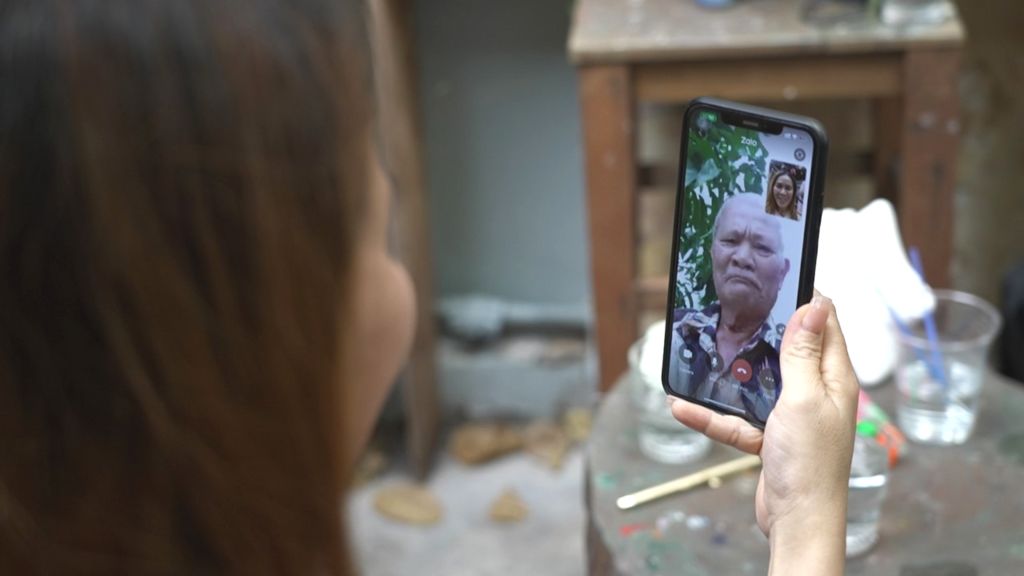
Published10 hours agoSharecloseShare pageCopy linkAbout sharingBy Stephanie HegartyPopulation correspondent A global poll commissioned by the BBC highlights the profound and diverse effect that the pandemic had on mental health, says the World Health Organization. A surprising number of people questioned, in 30 countries, report feeling better now than they did before Covid-19. The poll also suggests the effect of the pandemic on wellbeing is more pronounced in women and young people.Nguyen Thanh Giang is on the phone to her dad as he marches through his garden, keen to show her his fruiting mango trees. He’s delighted to hear from his daughter who lives 400km away in Ho Chi Minh city. Before lockdown, Giang was busy running her printing business and raising her teenage son. She rarely called and could go two or three years without seeing her parents. “We didn’t really have a great relationship in the past but, after Covid, I realised I needed to get in touch with them more,” she says.”It really makes me feel like I’m not alone.”In a poll commissioned from GlobeScan by the BBC World Service, 36% of people around the world said they felt better now than before the pandemic, while 27% said they felt worse. Many said that spending more time with family and having a better connection to their community and to nature had all had a positive effect, and they felt clearer about their overall priorities in life.People in Vietnam, India, Egypt, and Nigeria were most likely to say they felt better, while in Japan, South Korea, and Hong Kong they were most likely to say the opposite.People in the UK who said they felt worse than before the pandemic narrowly outnumbered those who said they felt better, while in the US it was the other way round. In seven other European countries people were also more likely to respond negatively.The poll was conducted online in June and July this year and reached more than 29,000 people.”The GlobeScan findings show that the pandemic had a profound effect on the mental health of many people,” a WHO spokesperson said. “This effect was not uniform, but diverse and differed between population groups.”Like many young mothers, Tran Nguyen Kim Ngan struggled during Ho Chi Minh City’s fourth and harshest lockdown, which started in June last year. She had a new job and a one-year-old to contend with. “I was so exhausted that to find time for myself I just went to the toilet and stayed there for a few minutes. I took a breath in and out and then continued with my day,” she says.In almost all of the countries surveyed, women were more likely than men to report that the pandemic had a negative impact on their mental health. But the same factors that caused Ngan stress then are now helping her to feel better.Parents living with children under 18 were more likely than others to say their mental health was better than before the pandemic.”I think for me it was easy to recover because I was so busy in my daily life, with work and my child,” Ngan says.The last two years also saw some major changes in her life. She was headhunted for a new job, bought an apartment with her husband and adopted a cat. She’s even started learning Japanese.”I think I’m braver after Covid,” she says. “If I want to do something I just do it now. I don’t delay.”But there were areas where men and women had much more in common, such as their increased sense of community and connectedness after the pandemic. Andrew Oswald, professor of economics and behavioural science at the University of Warwick, cautions against reading too much into people’s accounts of how they felt in the past.”What we know is that there is a persistent kind of optimism-today bias. People look back and incorrectly tend to think that things were worse then and that they are happier now,” he says. “This has been demonstrated in long-running longitudinal research by comparing recall levels of happiness with the actual levels of happiness when measured at the time.”But he says the findings on gender are consistent with his own work.The World Happiness Report, which uses survey data from Gallup gathered each year for the past 10 years in 150 countries, suggests a long-term upward trend in stress, worry and sadness in most countries and a slight decline in the enjoyment of life.However, it suggests that how people rate their lives has remained remarkably resilient during Covid-19. There has also been a global upsurge in the proportion of people reporting that they give money to charity, help strangers and do voluntary work.Vietnam moved up two places in the World Happiness rankings this year.At the University of Social Sciences in Ho Chi Minh city, therapist Trinh Thanh Vi has seen a vast improvement in the mental health of her clients in the past year. She’s part of a programme called Vaccine for the Mind that started during the pandemic.It began with a mental health hotline providing support to people during last year’s lockdown, as the city saw a surge in reports of anxiety and suicidal thoughts. Many were also suffering from grief and loss. Three-quarters of Vietnam’s reported Covid deaths happened here. Globally, a third of people surveyed say they lost a close loved one during the pandemic, with 56% of them saying that the death was influenced “a great deal” by Covid-19.But Vi sees a silver lining in all of this – she believes that the past year has raised awareness of mental health in Vietnam. “Now people know where to seek help when they have mental health issues. When they have anxiety or a panic attack, they know where to go,” she says.She also found that during the city’s harsh lockdown, people came together to provide food and support to one another.”This belief in kindness helped people overcome the pandemic,” she says. “In the Vaccine for the Mind programme, there were so many people who decided to come and volunteer for us. After the pandemic I realised my contact list had exploded.”The GlobeScan poll suggests that the pandemic’s impact varied for different generations.When Vietnam went into lockdown, Dang Quang Dung, author of the popular comic Meo Moc, started getting disturbing messages from his readers. Dang’s comic is written as a diary of his own life, his experience of studying abroad, of personal loss, of lockdown – in it he appears as a black cat. He shares these things with his readers, and this encourages them to share their experiences with him.”There were a lot of messages with red flags about trauma, PTSD, things like that,” his partner Wendy Truong explains. “And these were very young people as well.”Together they decided to start a new comic, one that focuses on mental health and offers advice from professionals. In his research in the UK, Prof Andrew Oswald found that young people took the biggest wellbeing “hit” while the old were much less affected psychologically.In GlobeScan’s poll, young people aged 18-24 were much more likely to say the pandemic had a major effect on their mental health – either positive or negative. Older people were more likely to say it had no effect at all. This may suggest varying attitudes to, or awareness of, mental health. “My dad’s a doctor but he doesn’t recognise mental health as a real issue,” Wendy says. “In Vietnam, it’s really divided right now.”The younger people she knows are taking care of themselves now more than ever, organising group calls, checking up on each other more regularly or taking part in yoga or meditation. Others who seem to have benefited more are those on higher incomes and people who live in cities. This makes sense to Wendy, in a country where younger people are more likely to be urban white-collar workers.”We didn’t get hit, at least financially,” she says. “We could afford to stay indoors and still do work and be employed. But I don’t think that’s the case for everybody. Think of the older uncles and aunties who had to work in factories.”I think for millennials, it’s a lot easier.”A WHO spokesperson said the findings of the poll emphasised that further research was needed on the pandemic’s impact on mental health among specific at-risk populations. The spokesperson noted that outpatient mental health services had been particularly disrupted during the pandemic and that this had “further widened the mental health treatment gap”.”Future studies should therefore focus on scaling up mental health services and psychosocial support as a fundamental component in preparedness and response plans for future public health emergencies.”Additional reporting by Sarah HabershonThe full poll results can be downloaded on the GlobeScan website

Read more →

Research finds that life-saving intervention is not risk-free in pediatric patients

Blood transfusion is a vital and lifesaving intervention in a broad range of scenarios, from trauma response to cancer treatment. However, it is not entirely without risk.
Recently published research found that blood transfusion is associated with adverse outcomes — including infection and higher rates of tumor recurrence — in pediatric solid tumor oncology patients following surgical removal of the tumor.
“Blood transfusion is obviously hugely important when used in the appropriate clinical scenario, but there are some downsides,” says study author Shannon Acker, MD, an assistant professor of pediatric surgery in the University of Colorado School of Medicine. “It’s pro-inflammatory and suppresses the immune system because your body reacts to foreign tissue. It can be a vital intervention, but I think we’re starting to be a little more thoughtful about giving patients blood products.”
Understanding pediatric blood transfusion
Acker and her co-researchers pursued this research, in part, because while the effects of packed red blood cell (PRBC) transfusion in adult populations have been widely studied, data are sparser for pediatric patients.
“It’s fairly well-documented that in adult patients, perioperative blood transfusion for solid tumor resection is associated with certain adverse outcomes,” Acker explains. “But pediatric cancers are more rare, so they’re more challenging to study. We need more data to understand whether what we know to be true in adult cancers is also true in pediatric cancers.”
Drawing retrospective data from Children’s Hospital Colorado pediatric patients over 11 years, Acker and her co-researchers included malignant solid tumors removed by surgeons across all surgical disciplines. Acker acknowledges that grouping different types of cancer into one study lessens the validity of the research because different cancers have different outcomes, “but we needed a place to start so we can begin working toward more collaborative, multi-center pediatric oncology research,” she says.

Read more →

Research shows care from an allergist results in lower health care costs for children with peanut allergy

Care from an allergist is associated with a reduction in total health care costs for U.S. children with peanut allergy, new research finds.
In a study published in the Journal of Allergy and Clinical Immunology: In Practice, principal investigator Matthew Greenhawt, MD, a professor of pediatric allergy and immunology in the University of Colorado School of Medicine, and his co-researchers found that annual health care costs were significantly higher among children who don’t receive care from an allergist for peanut allergy (PA) compared with those who do.
“One of the outcomes of this research is that these data show that for peanut allergic children, care from an allergy specialist can result in money saved. That is important for payers to realize.”
Using data to track costs
In this and previous research, Greenhawt has worked to “build a story of why peanut allergy is important to treat, why the FDA should be approving products to treat it, and why insurance companies should be paying for these products.”
Greenhawt and his co-researchers used specific diagnostic codes from IBM MarketScan Commercial Claims and Encounters data gathered between January 2010 and June 2019 to demographically matched a total of 72,854 patients with peanut allergy and 166,825 patients with non-peanut food allergy controls (NPAFAC). Outcomes were measured and compared for 12 months before and after first claim date.

Read more →

Study shows inexpensive, readily available chemical may limit impact of COVID-19

Preclinical studies in mice that model human COVID-19 suggest that an inexpensive, readily available amino acid might limit the effects of the disease and provide a new off-the-shelf therapeutic option for infections with SARS-CoV-2 variants and perhaps future novel coronaviruses.
A team led by researchers at the David Geffen School of Medicine at UCLA report that an amino acid called GABA, which is available over-the-counter in many countries, reduced disease severity, viral load in the lungs, and death rates in SARS-CoV-2-infected mice. This follows up on their previous finding that GABA consumption also protected mice from another lethal mouse coronavirus called MHV-1. In both cases, GABA treatment was effective when given just after infection or several days later near the peak of virus production. The protective effects of GABA against two different types of coronaviruses suggest that GABA may provide a generalizable therapy to help treat diseases induced by new SARS-CoV-2 variants and novel beta-coronaviruses.
“SARS-CoV-2 variants and novel coronaviruses will continue to arise, and they may not be efficiently controlled by available vaccines and antiviral medications. Furthermore, the generation of new vaccines is likely to be much slower than the spread of new variants,” said senior author Daniel L. Kaufman, a researcher and professor in Molecular and Medical Pharmacology at the David Geffen School of Medicine at UCLA. Accordingly, new therapeutic options are needed to limit the severity of these infections. Their previous studies showed that GABA administration protected mice from developing severe disease after infection with a mouse coronavirus called MHV-1. To more stringently test the potential of GABA as a therapy for COVID-19, they studied transgenic mice that when infected with SARS-CoV-2 develop severe pneumonia with a high mortality rate. “If our observations of the protective effects of GABA therapy in SARS-CoV-2-infected mice are confirmed in clinical trials, GABA could provide an off-the-shelf treatment to help ameliorate infections with SARS-CoV-2 variants. GABA is inexpensive and stable at room temperature, which could make it widely and easily accessible, and especially beneficial in developing countries.”
The researchers said that GABA and GABA receptors are most often thought of as a major neurotransmitter system in the brain. Years ago, they, as well as other researchers, found that cells of the immune system also possessed GABA receptors and that the activation of these receptors inhibited the inflammatory actions of immune cells. Taking advantage of this property, the authors reported in a series of studies that GABA administration inhibited autoimmune diseases such as type 1 diabetes, multiple sclerosis, and rheumatoid arthritis in mouse models of these ailments.
Other scientists who study gas anesthetics have found that lung epithelial cells also possess GABA receptors and that drugs that activate these receptors could limit lung injuries and inflammation in the lung. The dual actions of GABA in inflammatory immune cells and lung epithelial cells, along with its safety for clinical use, made GABA a theoretically appealing candidate for limiting the overreactive immune responses and lung damage due to coronavirus infection.
Working with colleagues at the University of Southern California, the UCLA research team in this study administered GABA to the mice just after infection with SARS-CoV-2, or two days later when the virus levels are near their peak in the mouse lungs. While the vast majority of untreated mice did not survive this infection, those given GABA just after infection, or two days later, had less illness severity and a lower mortality rate over the course of the study. Treated mice also displayed reduced levels of virus in their lungs and changes in circulating immune signaling molecules, known as cytokines and chemokines, toward patterns that were associated with better outcomes in COVID-19 patients. Thus, GABA receptor activation had multiple beneficial effects in this mouse model that are also desirable for the treatment of COVID-19.

Read more →

Study uncovers mechanisms necessary for SARS-CoV-2 infection in macrophages

Dysregulation of macrophages during SARS-CoV-2 infection and the over-exuberant production of pro-inflammatory cytokines by these macrophages has been hypothesized to contribute to severity of COVID-19 disease. However, the mechanisms that contribute to the hyper-inflammatory response of macrophages has remained unclear.
Now, researchers from Boston University Chobanian & Avedisian School of Medicine have identified a receptor, CD169 (also called Siglec1), that is exclusively expressed on macrophages and contributes to the hyper-inflammatory response of macrophages upon infection with SARS-CoV-2. These findings, they believe, may provide an explanation of how SARS-CoV-2 infection of macrophages in lungs of COVID-19 patients promote inflammatory responses.
“These macrophages do not express ACE2, the SARS-CoV-2 receptor. Rather SARS-CoV-2 entry in macrophages was facilitated by a lectin, CD169, which recognizes the spike protein of SARS-CoV-2,” explained corresponding author Suryaram Gummuluru, PhD, professor of microbiology.
To test their theory, the researchers compared human macrophages that expressed CD169 and those that did not, and then exposed these cells to SARS-CoV-2. “We found that macrophages expressing CD169 were highly permissive for viral entry and initiation of virus replication, but completion of the viral life cycle was blocked and prevented production of new infectious virus particles. Surprisingly, initiation of virus replication and expression of abortive viral transcripts in CD169+ macrophages, was sufficient to activate host surveillance mechanisms (innate immune response) and induce expression of pro-inflammatory responses,” said Gummuluru.
The researchers hypothesize that persistent activation of viral sensing mechanisms that detect these viral replication intermediates in macrophages might contribute to aberrant inflammation associated with severe COVID-19 disease.
According to the researchers, future studies are needed to address the molecular details of this unique virus entry mechanism and the restricted virus replication in macrophages, and how this entry mechanism differs from the conventional ACE2-mediated entry pathway. “Importantly, consideration of therapies that target this alternative virus entry mechanism are needed, as they might prove useful in ameliorating the harmful effects of SARS-CoV-2 infection in macrophages,” he adds.
These findings appear online in the journal in PLoS Pathogens.
Funding for this study was provided by NIH grants R01AI064099 1041 (SG), R01DA051889 (SG), R01AG060890 (SG), P30AI042853 (SG), R01CA2 27292 1042 (ST), R01AI106036 (YB and ST), R01AI133486 (EM), and R21AI135912 (EM) as well 1043 as Fast Grants (EM) and Evergrande MassCPR (EM).
Story Source:
Materials provided by Boston University School of Medicine. Note: Content may be edited for style and length.

Read more →

A new approach, not currently described by the Clean Air Act, could eliminate air pollution disparities

While air quality has improved dramatically over the past 50 years thanks in part to the Clean Air Act, people of color at every income level in the United States are still exposed to higher-than-average levels of air pollution.
A team led by researchers at the University of Washington wanted to know if the Clean Air Act is capable of reducing these disparities or if a new approach would be needed. The team compared two approaches that mirror main aspects of the Clean Air Act and a third approach that is not commonly used to see if it would be better at addressing disparities across the contiguous U.S. The researchers used national emissions data to model each strategy: targeting specific emissions sources across the U.S.; requiring regions to adhere to specific concentration standards; or reducing emissions in specific communities.
While the first two approaches — based on the Clean Air Act — didn’t get rid of disparities, the community-specific approach eliminated pollution disparities and reduced pollution exposure overall.
The team published these findings Oct. 24 in the Proceedings of the National Academy of Sciences.
“In earlier research, we wanted to know which pollution sources were responsible for these disparities, but we found that nearly all sources lead to unequal exposures. So we thought, what’s it going to take? Here, we tried three approaches to see which would be the best for addressing these disparities,” said senior author Julian Marshall, a UW professor of civil and environmental engineering. “The two approaches that mirror aspects of the Clean Air Act were pretty weak at addressing disparities. The third approach, targeting emissions in specific locations, is not commonly done, but is something overburdened communities have been asking for for years.”
Fine particulate matter pollution, or PM2.5, is less than 2.5 micrometers in diameter — about 3% of the diameter of a human hair. PM2.5 comes from vehicle exhaust; fertilizer and other agricultural emissions; electricity generation from fossil fuels; forest fires; and burning of fuels such as wood, oil, diesel, gasoline and coal. These tiny particles can lead to heart attacks, strokes, lung cancer and other diseases, and are estimated to be responsible for about 90,000 deaths each year in the U.S.

Read more →

Real-time air quality data 'life saving'

Research co-led by The University of Queensland has found sharing real-time air quality readings in developing countries can reduce air pollution and lead to lower mortality rates.
Dr Andrea La Nauze from UQ’s School of Economics said the project, in conjunction with Carnegie Mellon University in the United States, was sparked by live air quality updates being posted to Twitter.
“In 2008, the US Embassy in Beijing began tweeting hourly air quality information from a new pollution monitor, which dramatically increased attention to air pollution in China,” Dr La Nauze said.
“US embassies now tweet live air quality readings in 38 non-OECD countries worldwide.
“We looked at 36 of those countries and found the sharing of real-time data increased local public interest in air quality and led to reduced air pollution levels.”
The researchers used air pollution measurements taken from satellite data to evaluate levels before and after the US embassy in a city began tweeting air quality readings, and compared the results with other non-OECD cities without embassy monitors.

Read more →

Evidence for new theory of genetic recombination

In most higher organisms, including humans, every cell carries two versions of each gene, which are referred to as alleles. Each parent passes on one allele to each offspring. As they are linked together on chromosomes, adjacent genes are usually inherited together. However, this is not always the case. Why?
The answer is recombination, a process that shuffles the allele content between homologous chromosomes during cell division. Mechanistically, recombination is achieved by crossovers, where homologous chromosomes contact each other, resulting in the exchange of genetic material.
Crossovers have long fascinated scientists and especially plant breeders because manipulating the crossover process offers the potential of increasing genetic diversity and of assembling desired combinations of alleles that boost crop productivity. Crossovers are subject to a “Goldilocks principle”; at least one is required per chromosome pair for successful sexual reproduction; indeed, a lack of crossovers is a major cause of human trisomy such as in the case of Down’s Syndrome. Crossover numbers are also tightly regulated and generally do not exceed three. This limit on crossover number, and therefore, recombination, is achieved by crossover interference, a phenomenon through which crossovers inhibit additional crossovers in their vicinity. However, how this interference works has remained a mystery since it was first described some 120 years ago.
New model of crossover interference
Now, a team led by Raphael Mercier at the Max Planck Institute for Plant Breeding Research in Cologne, Germany, have found convincing evidence in support of a recently proposed model of crossover interference. Mercier and his team, together with collaborators, in work spearheaded by Stéphanie Durand, Qichao Lian, and Juli Jing, achieved these insights by manipulating the expression of proteins known to be involved in either promoting crossovers or in connecting chromosomes together in the model plant Arabidopsis thaliana, a species which Mercier and his colleagues use to gain fundamental insights into the mechanisms of heredity. Boosting expression of the pro-crossover protein HEI10 resulted in a significant increase in crossovers, as did disrupting the expression of the protein ZYP1, a constituent of the synaptonemal complex, a protein structure that forms between homologous chromosomes.
When the scientists combined the two interventions, they were surprised to observe a massive increase in crossovers, showing that HE10 dosage and ZYP1 jointly control CO patterning. Importantly, massively increasing crossovers in this way barely affected cell division.
The considerable increase in crossovers upon increasing HEI10 levels chimes well with an emerging model for how crossover number is regulated. This model, formulated by David Zwicker and his team at the Max Planck Institute for Dynamics and Self-Organization in Göttingen, Germany, is based on diffusion of the HEI10 protein along the synaptonemal complex and a coarsening process leading to well-spaced HEI10 foci that promote crossovers. In the model, HEI10 initially forms multiple small foci and is progressively consolidated into a small number of large foci that co-localize with sites of crossovers. In this simple model, increasing the levels of HEI10 will result in more foci and therefore more crossovers; thus, the formation of droplets along an axis appears to be the determinant of crossover sites.
Mercier is excited by the team’s findings but is also already looking ahead: “These results are an exciting insight into a process that has baffled scientists for over a hundred years. Next, we want to better understand what controls the dynamics of the HEI10 droplets and how they promote crossovers. If we can get a better handle on how the process works, this may allow us selectively boost recombination during plant breeding, enabling the assembly of combinations of beneficial alleles that have remained out of reach.”
Story Source:
Materials provided by Max-Planck-Gesellschaft. Note: Content may be edited for style and length.

Read more →