How a hidden brain circuit fuels fibromyalgia, migraines, and PTSD
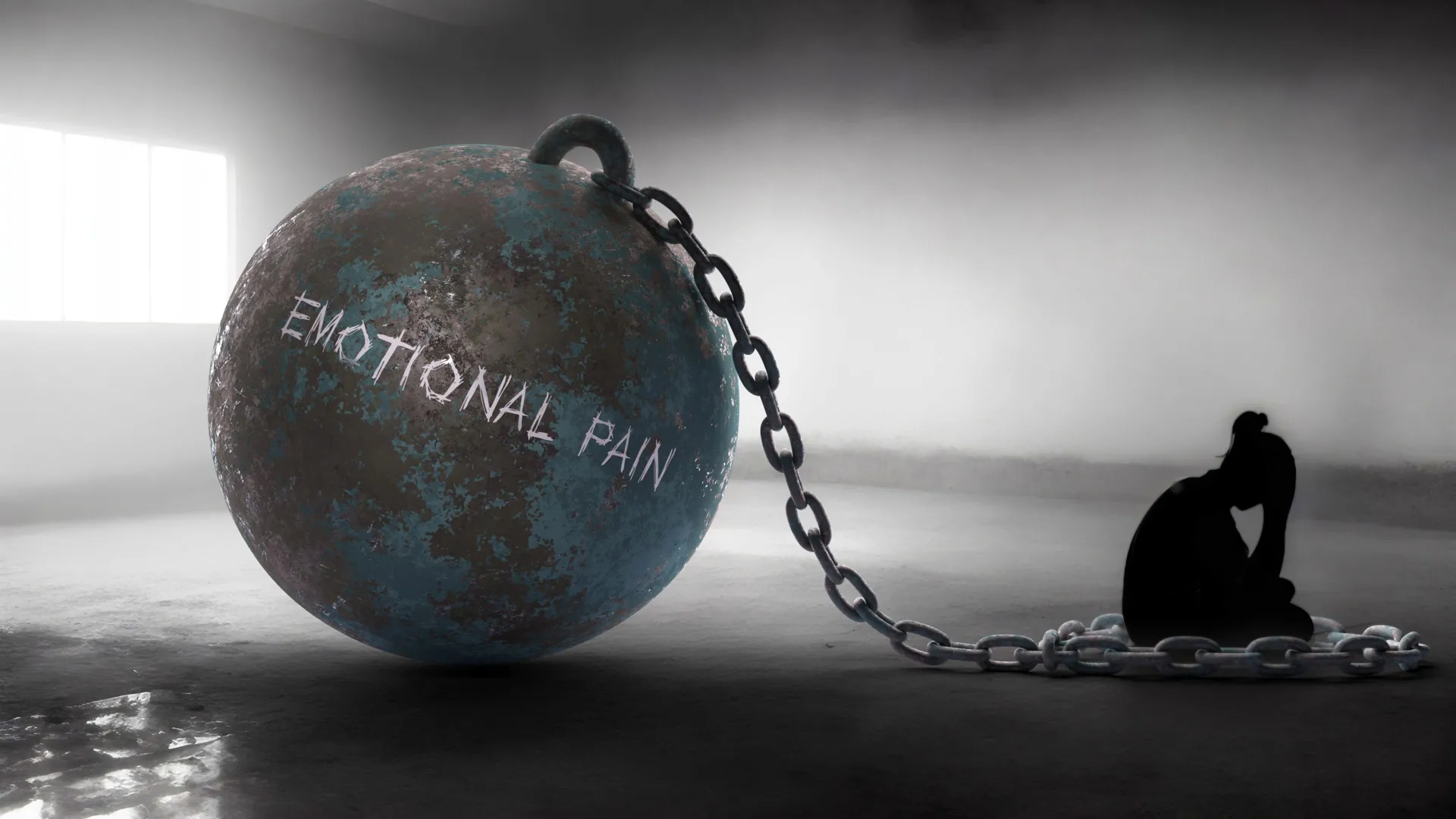
Pain isn’t just a physical sensation — it also carries emotional weight. That distress, anguish, and anxiety can turn a fleeting injury into long-term suffering.
Researchers at the Salk Institute have now identified a brain circuit that gives physical pain its emotional tone, revealing a new potential target for treating chronic and affective pain conditions such as fibromyalgia, migraine, and post-traumatic stress disorder (PTSD).
Published on July 9, 2025, in Proceedings of the National Academy of Sciences, the study identifies a group of neurons in a central brain area called the thalamus that appears to mediate the emotional or affective side of pain in mice. This new pathway challenges the textbook understanding of how pain is processed in the brain and body.
“For decades, the prevailing view was that the brain processes sensory and emotional aspects of pain through separate pathways,” says senior author Sung Han, associate professor and holder of the Pioneer Fund Developmental Chair at Salk. “But there’s been debate about whether the sensory pain pathway might also contribute to the emotional side of pain. Our study provides strong evidence that a branch of the sensory pain pathway directly mediates the affective experience of pain.”
The physical sensation of pain is what allows you to immediately detect it, assess its intensity, and identify its source. The affective part of pain is what makes it so unpleasant. This emotional discomfort motivates you to take action and helps you learn to associate negative feelings with the situation so you can avoid it in the future.
This is a critical distinction. Most people start to perceive pain at the same stimulus intensities, meaning we all process the sensory side of pain fairly similarly. In comparison, our ability to tolerate pain varies greatly. How much we suffer or feel threatened by pain is determined by our affective processing, and if that becomes too sensitive or lasts too long, it can result in a pain disorder. This makes it important to understand which parts of the brain control these different dimensions of pain.
Sensory pain was thought to be mediated by the spinothalamic tract, a pathway that sends pain signals from the spinal cord to the thalamus, which then relays them to sensory processing areas across the brain.

Affective pain was generally thought to be mediated by a second pathway called the spinoparabrachial tract, which sends pain information from the spinal cord into the brainstem.
However, previous studies using older research methods have suggested the circuitry of pain may be more complex. This long-standing debate inspired Han and his team to revisit the question with modern research tools.
Using advanced techniques to manipulate the activity of specific brain cells, the researchers discovered a new spinothalamic pathway in mice. In this circuit, pain signals are sent from the spinal cord into a different part of the thalamus, which has connections to the amygdala, the brain’s emotional processing center. This particular group of neurons in the thalamus can be identified by their expression of CGRP (calcitonin gene-related peptide), a neuropeptide originally discovered in Professor Ronald Evans’ lab at Salk.
When the researchers “turned off” (genetically silenced) these CGRP neurons, the mice still reacted to mild pain stimuli, such as heat or pressure, indicating their sensory processing was intact. However, they didn’t seem to associate lasting negative feelings with these situations, failing to show any learned fear or avoidance behaviors in future trials. On the other hand, when these same neurons were “turned on” (optogenetically activated), the mice showed clear signs of distress and learned to avoid that area, even when no pain stimuli had been used.
“Pain processing is not just about nerves detecting pain; it’s about the brain deciding how much that pain matters,” says first author Sukjae Kang, a senior research associate in Han’s lab. “Understanding the biology behind these two distinct processes will help us find treatments for the kinds of pain that don’t respond to traditional drugs.”
Many chronic pain conditions — such as fibromyalgia and migraine — involve long, intense, unpleasant experiences of pain, often without a clear physical source or injury. Some patients also report extreme sensitivity to ordinary stimuli like light, sound, or touch, which others would not perceive as painful.

Han says overactivation of the CGRP spinothalamic pathway may contribute to these conditions by making the brain misinterpret or overreact to sensory inputs. In fact, transcriptomic analysis of the CGRP neurons showed that they express many of the genes associated with migraine and other pain disorders.
Notably, several CGRP blockers are already being used to treat migraines. This study may help explain why these medications work and could inspire new nonaddictive treatments for affective pain disorders.
Han also sees potential relevance for psychiatric conditions that involve heightened threat perception, such as PTSD. Growing evidence from his lab suggests that the CGRP affective pain pathway acts as part of the brain’s broader alarm system, detecting and responding to not only pain but a wide range of unpleasant sensations. Quieting this pathway with CGRP blockers could offer a new approach to easing fear, avoidance, and hypervigilance in trauma-related disorders.
Importantly, the relationship between the CGRP pathway and the psychological pain associated with social experiences like grief, loneliness, and heartbreak remains unclear and requires further study.
“Our discovery of the CGRP affective pain pathway gives us a molecular and circuit-level explanation for the difference between detecting physical pain and suffering from it,” says Han. “We’re excited to continue exploring this pathway and enabling future therapies that can reduce this suffering.”
Other authors include Shijia Liu, Jong-Hyun Kim, Dong-Il Kim, Tae Gyu Oh, Jiahang Peng, Mao Ye, Kuo-Fen Lee, Ronald M. Evans, and Martyn Goulding of Salk.
The work was supported by the National Institutes of Mental Health (BRAINS grant 1R01MH116203) and the Simons Foundation (Bridge to Independence award SFARI #388708).

Read more →

Surgeon banned by private practice is working for NHS

9 hours agoShareSaveMichael BuchananSocial Affairs CorrespondentCharlotte RowlesBBC NewsShareSaveBBCA surgeon banned from working for a private healthcare company, following an investigation into patient safety, continues to work in the NHS, the BBC understands.Nuffield Health has stopped Marc Lamah from working in their hospitals, but he is still operating on patients for the University Hospitals Sussex NHS Foundation Trust.An NHS patient left with a twisted bowel following an operation he carried out said he should never work again.Mr Lamah did not respond to the BBC’s request for comment sent via his employer.In January the BBC revealed concerns had been raised about Mr Lamah’s complication rate and that he was no longer practising at Nuffield Health’s hospital in Brighton pending an investigation. A former employee at the hospital told the BBC that internal data showed one third of Mr Lamah’s patients had experienced a “moderate harm event”, where, for instance, a patient had to be transferred to another hospital or re-admitted, over a 12-month period. The figure should be 5%, the BBC was told.In a statement to the BBC, Nuffield Health said following an independent investigation, “we can confirm Mr Lamah’s practicing privileges with Nuffield Health have been withdrawn.”His conduct did not meet the standards of medical practice and governance we expect. Patient safety is our top priority, and we hold all consultants to the highest standards.”Mr Lamah continues to operate as a colorectal surgeon at the Royal Sussex County Hospital in Brighton. The University Hospitals Sussex NHS Trust, which runs the hospital, told the BBC it had audited Mr Lamah’s NHS data, which showed his outcomes were within the expected national range. The trust added that Nuffield’s investigation had found “no concerns with regard to technical abilities, surgical practice or patient safety”.The trust is at the centre of a large police investigation, Operation Bramber, looking into at least 200 cases of alleged medical negligence.Sussex Police is examining concerns about avoidable harm and cover-ups in the trust’s neurosurgery and general surgery departments between 2015 and 2021. The trust runs seven hospitals across East and West Sussex and is one of the largest organisations within the NHS, providing care to a population of almost two million people.Sheryl Hunter says she has suffered “five years of hell” after an NHS operation carried out by Mr Lamah. She has to manually excavate her bowels and has needed several emergency admissions.After suffering from endometriosis for a number of years, in 2019 doctors decided that Ms Hunter, a mother of one, needed an operation to ease her pain.Mr Lamah decided the best approach was to remove a part of her large intestine, the colon, and connect it to her small intestine.A few days after she was discharged, said Ms Hunter, “I felt something pop, and this very awful fluid was coming out of me”.She was rushed back to the Royal Sussex where they discovered the joint between the two intestines had torn, and “for 10 days it had been filling up my abdomen with bowel matter.” This is a known complication of this type of surgery, the BBC understands.Despite that problem being resolved, Ms Hunter continued to suffer extreme pain for several years, necessitating repeated visits to both her GP and the Royal Sussex hospital.She said: “I have very little good days. By that, I mean I am curled up in a ball crying. “When I try to go to the toilet, I scream on the toilet in tears because it is so painful to go, to open up my bowels. I have to manually do that, which means I have to wear gloves.”The pain is very severe – it’s in my stomach, it gets into my spine, down my legs, my arms.”Letters shared with the BBC by Ms Hunter show her GP wrote to Mr Lamah repeatedly requesting he see her again.In January, 2023 the GP wrote that “we have written to you on multiple occasions to review her and discuss her options”.A few days later Mr Lamah replied to say he had not received any previous letters. But almost 12 months later, in December 2023, the GP wrote another letter urging Mr Lamah to see her.Ms Hunter told the BBC he was “begged” by colleagues to see her but “he refused”.Finally, in April 2024, she was seen by another consultant at a different hospital run by the same trust – the Princess Royal Hospital in Haywards Heath – when she found out what was causing her pain.”The main problem is a 180 degree twist on the small bowel causing an internal hernia and twisting the anastomosis [the surgical joint],” said the discharge sheet given to Ms Hunter by the hospital after the procedure.”When they did the reconnection [of the intestines], they put it on backwards,” Sheryl said she was told. “That [creates] a risk of rupture. If you rupture, it’s a two-hour window before death.”Had I not been manually opening my bowels for five years, they said that would have happened.”The trust said surgical error was only presented as one of a range of possibilities.The BBC passed the details to an independent medical expert who said the twist “certainly is a consequence of the 2019 operation”. The trust said only a further operation would confirm if Mr Lamah had made an error or whether the twist had occurred naturally.However, the damage is now more extensive than it would have been had Ms Hunter been treated earlier.She has been told she will need pelvic reconstruction surgery before she can have another operation to try to fix her intestines. She is on a waiting list for the first procedure and has spoken to Sussex Police about her experience.Former NHS colleagues have also raised concerns to the BBC about Mr Lamah, but he continues to practise at the Royal Sussex County Hospital.”I think it’s disgusting. That man shouldn’t be allowed to touch any other patients,” said Ms Hunter.”I was told Marc Lamah has a terrible bedside manner, but he’s a fantastic surgeon. “Marc Lamar has a terrible bedside manner, and he’s a terrible surgeon. He shouldn’t be allowed to operate, as far as I’m concerned.”‘Robust systems’In a statement, Prof Katie Urch, chief medical officer for the University Hospitals Sussex NHS Foundation Trust, told the BBC: “We can’t publicly discuss an individual’s care, but we absolutely understand the distress and difficulty anyone living with ongoing complex health issues can face.”Our clinical teams are dedicated to understanding their patients’ needs and providing the highest standard of care.”Whilst no medical procedure can guarantee a successful outcome, our teams strive for the best possible results every day – and if we ever have cause to think we could have done more for a patient we have robust systems, including the routine use of independent experts, to help us learn and improve.”More on this storyRelated internet links

Read more →

Kennedy Cancels Meeting of Key Preventive Health Panel

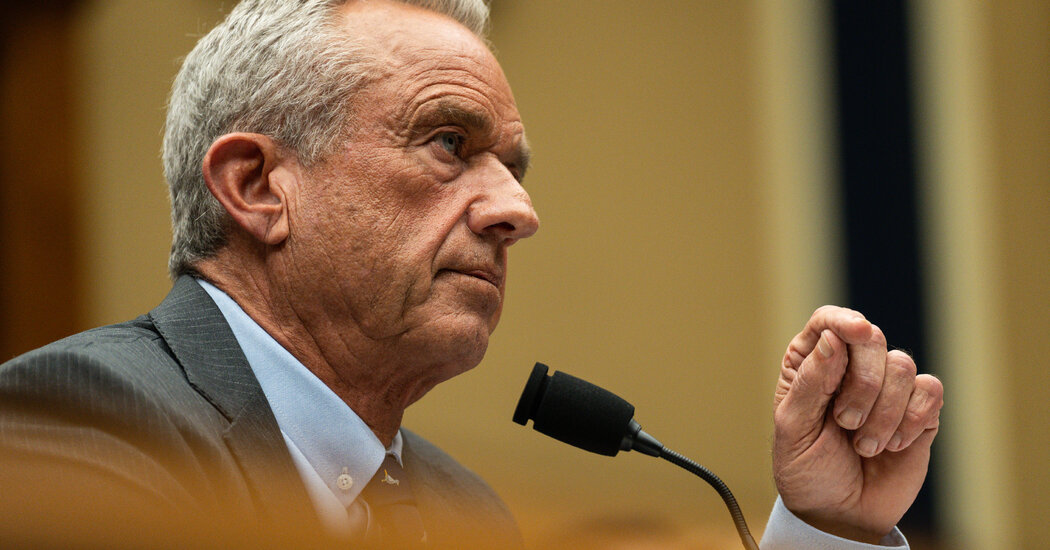
The task force recommends which screenings and other preventive health measures must be covered by insurance.Robert F. Kennedy Jr., the health and human services secretary, abruptly canceled a meeting this week of a federal task force that helps determine which preventive health measures must be covered fully by insurance companies, raising concerns about the future of the nonpartisan panel.The U.S. Preventative Services Task Force had been scheduled to meet Thursday, but its members were informed by email Monday, without explanation, that the meeting would be postponed, according to several participants.“Moving forward, HHS looks forward to engaging with the task force to promote the health and well-being of the American people,” the notice said.The agency did not respond to a request for comment.Created in 1984, the 16-member panel of doctors and other health experts plays a pivotal role in determining whether tens of millions of Americans are eligible for lung cancer screenings, stroke reduction medication and scores of other drugs and preventative services.Members of the all-volunteer panel are chosen by the health secretary. They meet three times a year in person and also take part remotely in weekly meetings.The decision to cancel the July meeting follows a Supreme Court ruling last month that upheld the work of the task force — but also affirmed Mr. Kennedy’s authority to disregard its recommendations or to remove members before their terms have expired.We are having trouble retrieving the article content.Please enable JavaScript in your browser settings.Thank you for your patience while we verify access. If you are in Reader mode please exit and log into your Times account, or subscribe for all of The Times.Thank you for your patience while we verify access.Already a subscriber? Log in.Want all of The Times? Subscribe.

Read more →

F.D.A. Posts Collection of Letters Outlining Concerns About New Drugs

The letters, many of which were already available online, detail why the regulators initially declined to approve some drugs. All eventually passed muster.The Food and Drug Administration on Thursday published a database containing more than 200 letters to pharmaceutical companies detailing why the agency initially refused to approve their products, shedding light on an obscure and contentious aspect of drug development.F.D.A. officials described the move as a form of “radical transparency.” But many of the documents were already available on the agency website, albeit often difficult to find and typically posted weeks after a drug’s approval.The documents, referred to as “complete response letters,” are akin to rejection letters. Some outline problems with an experimental drug that cannot be remedied; those letters are never made public.But the letters released on Thursday described the agency’s early concerns about drugs that were eventually approved.In the past, some drug makers have informed investors that the agency has sent such a letter; that decision is often prompted by securities laws. But it has been left to the companies to explain what the F.D.A.’s worries were.In a 2015 analysis, federal researchers discovered that the companies avoided publicly describing 85 percent of the agency’s concerns about safety and efficacy when a drug eventually gained approval.We are having trouble retrieving the article content.Please enable JavaScript in your browser settings.Thank you for your patience while we verify access. If you are in Reader mode please exit and log into your Times account, or subscribe for all of The Times.Thank you for your patience while we verify access.Already a subscriber? Log in.Want all of The Times? Subscribe.

Read more →

Justice Dept. Demands Private Patient Info From Trans Youth Medicine Providers

Doctors and hospitals were subpoenaed for private information on gender-related care for minors, the latest move by the Trump administration to stop the treatments.The Justice Department has issued subpoenas demanding confidential patient information from more than 20 doctors and hospitals that provide gender-related treatments to minors, according to officials with knowledge of the move.The action marks a new turn in the Trump administration’s efforts to limit transgender medical care. Most of the subpoenas, issued through a unit that typically investigates health care fraud, attempt to pierce powerful federal confidentiality protections for patients and their medical providers.Officials briefed on the investigation described the action as a fact-finding mission, an effort to determine whether any laws have been broken and a spur to kick-start negotiations with the providers over transgender treatment policy.Investigators could eventually seek criminal charges if evidence of fraud is uncovered, officials said. But critics say the motivation is more political than investigative — a campaign of intimidation.The subpoenas are part of a coordinated effort between the Justice Department and the White House to fulfill President Trump’s promises to curtail pediatric gender care. Pam Bondi, the attorney general, said in a statement Wednesday that “medical professionals and organizations that mutilated children in the service of a warped ideology will be held accountable.”Revelations of the subpoenas come in the wake of a Supreme Court decision that upheld state laws banning youth gender medicine in about half the country. Hospitals and doctors in other states, where legislatures are unlikely to enact such bans, have faced increasing threats from the federal government. In response, a small number of clinics have limited their treatments or closed altogether.We are having trouble retrieving the article content.Please enable JavaScript in your browser settings.Thank you for your patience while we verify access. If you are in Reader mode please exit and log into your Times account, or subscribe for all of The Times.Thank you for your patience while we verify access.Already a subscriber? Log in.Want all of The Times? Subscribe.

Read more →

Lemurs age without inflammation—and it could change human health forever

What can lemurs tell us about inflammation and aging, aka “inflammaging” in humans? That’s the question Elaine Guevara, a biological anthropologist who studies the evolution of life history and aging in primates, set out to understand.
In newly published research on age-related inflammation in ring-tailed and sifaka lemurs, Guevara discovered that perhaps we should rethink the inevitability of inflammaging in humans.
Although similar in many ways, ring-tailed and sifaka lemurs show differences in life pacing and lifespan, making useful comparisons. Because lemurs and humans are primates and share a common ancestor that lived millions of years ago, they offer valuable insights into human evolution.
Her findings, she said, were “surprising.”
“Contrary to our predictions, neither species showed age-related change in either marker of oxidative stress. Neither lemur species exhibited age-related change in inflammation; if anything, contrary to our prediction, ring-tailed lemurs showed marginal declines in inflammation with age,” Guevara said.
This finding, consistent with a few recent studies of other non-human primates, suggests that lemurs avoid the phenomenon of “inflammaging” widely observed in humans.
The study shows inflammaging is not a universal feature of primates, pointing to some differences that might suggest it turns out it’s not even a universal feature of humans, according to Christine Drea, a professor of evolutionary anthropology who was one of the researchers working with Guevara.

What is Inflammaging?
As we grow older, low-grade chronic inflammation sets in, which in turn can cause health problems such as heart disease, strokes, diabetes, cancer and osteoarthritis.
Why inflammaging increases with age in humans, what causes it and how it can be prevented are answers to questions that can unlock critical information to help humans live longer and healthier lives.
Collecting Data from Lemurs
Drea said the team first had to find a way to measure oxidative stress, which can be found in blood, urine and saliva. They settled on urine.
“Our role at the beginning was planning, designing, brainstorming, comparing and getting these samples,” said Drea, who has worked with the Duke Lemur Center since 1999. The Lemur Center does not allow research that will harm the animals.

The next step says Guevara is to conduct similar research with lemurs in the wild.
“There are a lot of good reasons to think that aging can be quite different in captivity and in the wild, and that in itself, is informative to evaluating the degree to which human inflammation is intrinsic versus environmental,” she said.
In the meantime, Guevara says this study serves as the first step in unraveling the question of why humans are suffering from inflammatory-related and age-related conditions and finding ways to treat them.
With a rapidly aging global population, “these insights are essential for mitigating disability and improving quality of life in later years,” she said.

Read more →

This tiny implant could save diabetics from silent, deadly crashes

For people with Type 1 diabetes, developing hypoglycemia, or low blood sugar, is an ever-present threat. When glucose levels become extremely low, it creates a life-threatening situation for which the standard treatment of care is injecting a hormone called glucagon.
As an emergency backup, for cases where patients may not realize that their blood sugar is dropping to dangerous levels, MIT engineers have designed an implantable reservoir that can remain under the skin and be triggered to release glucagon when blood sugar levels get too low.
This approach could also help in cases where hypoglycemia occurs during sleep, or for diabetic children who are unable to administer injections on their own.
“This is a small, emergency-event device that can be placed under the skin, where it is ready to act if the patient’s blood sugar drops too low,” says Daniel Anderson, a professor in MIT’s Department of Chemical Engineering, a member of MIT’s Koch Institute for Integrative Cancer Research and Institute for Medical Engineering and Science (IMES), and the senior author of the study. “Our goal was to build a device that is always ready to protect patients from low blood sugar. We think this can also help relieve the fear of hypoglycemia that many patients, and their parents, suffer from.”
The researchers showed that this device could also be used to deliver emergency doses of epinephrine, a drug that is used to treat heart attacks and can also prevent severe allergic reactions, including anaphylactic shock.
Siddharth Krishnan, a former MIT research scientist who is now an assistant professor of electrical engineering at Stanford University, is the lead author of the study, which was published on July 9 in Nature Biomedical Engineering.
Emergency response
Most patients with type 1 diabetes use daily insulin injections to help their body absorb sugar and prevent their blood sugar levels from getting too high. However, if their blood sugar levels get too low, they develop hypoglycemia, which can lead to confusion and seizures, and may be fatal if it goes untreated.

To combat hypoglycemia, some patients carry preloaded syringes of glucagon, a hormone that stimulates the liver to release glucose into the bloodstream. However, it isn’t always easy for people, especially children, to know when they are becoming hypoglycemic.
“Some patients can sense when they’re getting low blood sugar, and go eat something or give themselves glucagon,” Anderson says. “But some are unaware that they’re hypoglycemic, and they can just slip into confusion and coma. This is also a problem when patients sleep, as they are reliant on glucose sensor alarms to wake them when sugar drops dangerously low.”
To make it easier to counteract hypoglycemia, the MIT team set out to design an emergency device that could be triggered either by the person using it, or automatically by a sensor.
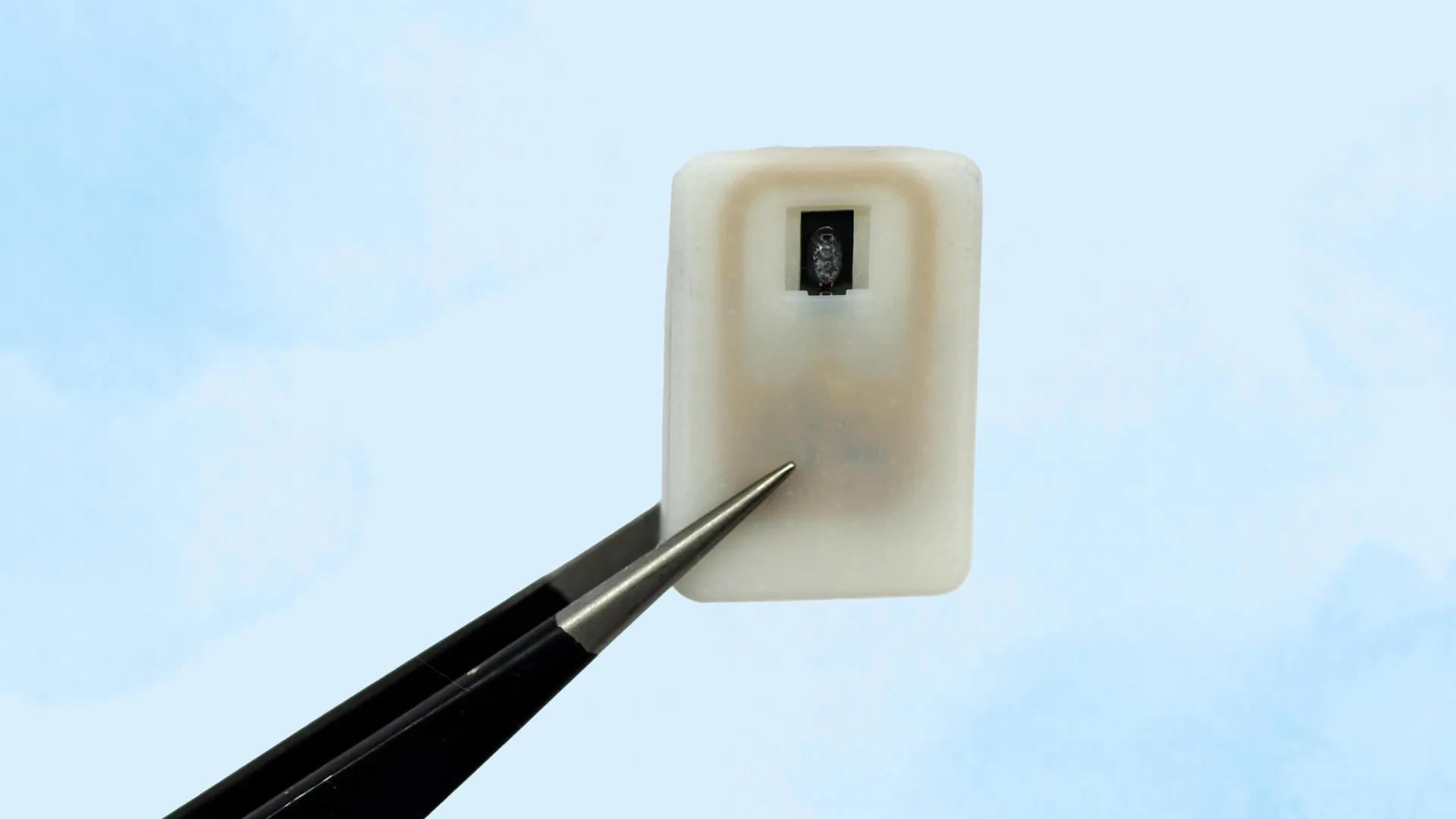
The device, which is about the size of a quarter, contains a small drug reservoir made of a 3D-printed polymer. The reservoir is sealed with a special material known as a shape-memory alloy, which can be programmed to change its shape when heated. In this case, the researcher used a nickel-titanium alloy that is programmed to curl from a flat slab into a U-shape when heated to 40 degrees Celsius.
Like many other protein or peptide drugs, glucagon tends to break down quickly, so the liquid form can’t be stored long-term in the body. Instead, the MIT team created a powdered version of the drug, which remains stable for much longer and stays in the reservoir until released.
Each device can carry either one or four doses of glucagon, and it also includes an antenna tuned to respond to a specific frequency in the radiofrequency range. That allows it to be remotely triggered to turn on a small electrical current, which is used to heat the shape-memory alloy. When the temperature reaches the 40-degree threshold, the slab bends into a U shape, releasing the contents of the reservoir.

Because the device can receive wireless signals, it could also be designed so that drug release is triggered by a glucose monitor when the wearer’s blood sugar drops below a certain level.
“One of the key features of this type of digital drug delivery system is that you can have it talk to sensors,” Krishnan says. “In this case, the continuous glucose-monitoring technology that a lot of patients use is something that would be easy for these types of devices to interface with.”
Reversing hypoglycemia
After implanting the device in diabetic mice, the researchers used it to trigger glucagon release as the animals’ blood sugar levels were dropping. Within less than 10 minutes of activating the drug release, blood sugar levels began to level off, allowing them to remain within the normal range and avert hypoglycemia.
The researchers also tested the device with a powdered version of epinephrine. They found that within 10 minutes of drug release, epinephrine levels in the bloodstream became elevated and heart rate increased.
In this study, the researchers kept the devices implanted for up to four weeks, but they now plan to see if they can extend that time up to at least a year.
“The idea is you would have enough doses that can provide this therapeutic rescue event over a significant period of time. We don’t know exactly what that is — maybe a year, maybe a few years, and we’re currently working on establishing what the optimal lifetime is. But then after that, it would need to be replaced,” Krishnan says.
Typically, when a medical device is implanted in the body, scar tissue develops around the device, which can interfere with its function. However, in this study, the researchers showed that even after fibrotic tissue formed around the implant, they were able to successfully trigger the drug release.
The researchers are now planning for additional animal studies and hope to begin testing the device in clinical trials within the next three years.
“It’s really exciting to see our team accomplish this, which I hope will someday help diabetic patients and could more broadly provide a new paradigm for delivering any emergency medicine,” says Robert Langer, the David H. Koch Institute Professor at MIT and an author of the paper.
Other authors of the paper include Laura O’Keeffe, Arnab Rudra, Derin Gumustop, Nima Khatib, Claudia Liu, Jiawei Yang, Athena Wang, Matthew Bochenek, Yen-Chun Lu, Suman Bose, and Kaelan Reed.
The research was funded by the Leona M. and Harry B. Helmsley Charitable Trust, the National Institutes of Health, a JDRF postdoctoral fellowship, and the National Institute of Biomedical Imaging and Bioengineering.

Read more →

Trump Seeks to Cut Basic Scientific Research by Roughly One-Third, Report Shows

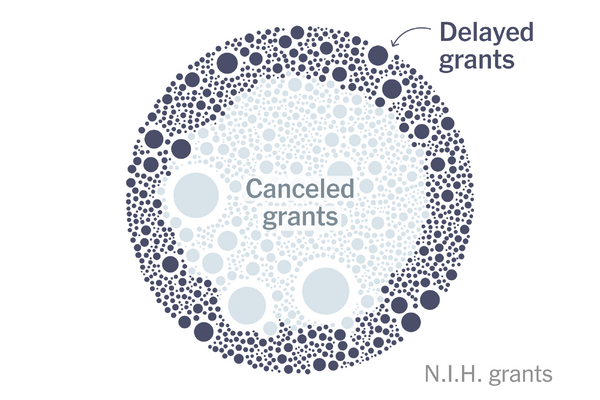
An analysis by the American Association for the Advancement of Science shows the impact of the administration’s budget plan on the kind of studies that produce the most breakthroughs.President Trump’s budget plan guts federal science funding for the next fiscal year, according to an overview published by an external group. Particularly at risk is the category of basic research — the blue-sky variety meant to push back the frontiers of human knowledge and sow practical spinoffs and breakthroughs in such everyday fields as health care and artificial intelligence.The group says it would fall by more than one-third.The new analysis, made public Wednesday by the American Association for the Advancement of Science, a general scientific society based in Washington, D.C., added up cuts to the budgets of hundreds of federal agencies and programs that do scientific research or provide grants to universities and research bodies. It then compared the funding appropriated for the current fiscal year with the administration’s proposals for fiscal year 2026.For basic science research, the association reported that the overall budget would fall to $30 billion from $45 billion, a drop of roughly 34 percent. For science funding overall — which includes money for basic, applied and developmental work, as well as for facilities for research and development — the analysis found that the federal budget would fall to $154 billion from $198 billion, a drop of 22 percent.The new analysis shows that the Trump administration’s budget plan, if adopted, “would essentially end America’s longstanding role as the world leader in science and innovation,” said Toby Smith, senior vice president for government relations and public policy at the Association of American Universities.His group, Mr. Smith added, is working with Congress to develop “a funding plan for strategic investment that would help to sustain continued American scientific leadership rather than destroying it.”Mary Woolley, president of Research America, a nonprofit group that promotes science, said the new analysis showed that the budget plan “is threatening not only science but the American public. If approved by Congress, it will make the public less safe, poorer and sicker.”The Gutting of America’s Medical Research: Here Is Every Canceled or Delayed N.I.H. GrantSome cuts have been starkly visible, but the country’s medical grant-making machinery has also radically transformed outside the public eye.We are having trouble retrieving the article content.Please enable JavaScript in your browser settings.Thank you for your patience while we verify access. If you are in Reader mode please exit and log into your Times account, or subscribe for all of The Times.Thank you for your patience while we verify access.Already a subscriber? Log in.Want all of The Times? Subscribe.

Read more →

‘Both my daughters needed new hearts’

1 hour agoShareSaveCash MurphyBBC News, South EastShareSaveGetty ImagesA mum from Surrey who was not on the organ donor register until her two young daughters needed heart transplants has said she realised “how important it is” after her children spent time on the waiting list.According to new figures by NHS Blood and Transplant, 8,096 patients were on the transplant waiting list as of 31 March – the highest number on record. This record number includes 95 people in Surrey and does not include the 3,883 patients suspended due to being unfit for transplant or temporarily unavailable.Jo Perry, from Leatherhead, said she owed both her daughters’ lives to organ donors and called for more people to be on the register. Her daughters Lucie and Isobel, now 16 and 10 respectively, have each had a heart transplant after being diagnosed with dilated cardiomyopathy, a condition where the left ventricle becomes enlarged and weakened.Mrs Perry told Radio Surrey that Lucie was diagnosed “out of the blue” at the age of two, before Isobel was confirmed to have the same condition during a check up seven years later.Referencing Lucie’s diagnosis, she said: “I went from being with the GP in the morning to that in the evening… it’s a lot to get your head around.”Going through the process again with Isobel was “horrific”, Mrs Perry admitted.Lucie got a new heart within eight days of being listed, while Isobel – who had complications prior to joining the list – waited just 10 days. Mrs Perry said the disease meant both children had enlarged hearts.”It meant that there was more space for a larger heart… so they could have an older child’s heart,” she said.While in hospital with Isobel, she said the stark reality became apparent.”There were four children waiting for hearts, and two of them didn’t make it,” she said.Admitting that she wasn’t previously on the donor register, Mrs Perry said that these experiences shifted her perspective.”I believe you can’t be willing to take something without being willing to give back,” she said. “My daughters would have both died if they hadn’t got that heart… we got very lucky, twice.”Opt-in systemDave Webb from Walton-on-Thames now lives a full life, but it was an entirely different story just six years ago as the 52-year-old awaited a new heart.Mr Webb was born with hypertrophic cardiomyopathy, a condition in which muscle tissues of the heart become thickened without an obvious cause.”In my adult years – in my 20s onwards – I begun to realise that I did have some symptoms and I couldn’t function as well as, say, other people,” he told BBC Radio Surrey.The 52-year-old’s deteriorating condition meant that he reached a crossroad by his mid-40s.”If I didn’t receive a transplant, I wouldn’t last for many more years,” he said.Mr Webb was “very, very fortunate” to only be on the waiting list for four weeks, and after receiving a new heart at the age of 46, said he felt completely rejuvenated.Alongside getting back into sport, he spends time meeting other transplant patients and has really relished “celebrating the gift of life that we’ve been given”.Referencing the opt-in system that has been in place since 2020, Mr Webb says the most important thing is that people “make their wishes known” to family.”They hold the ultimate key, because when something does happen, they have to be referenced and they have to agree,” he added.Related storiesRelated internet links

Read more →

South Africans fear spike in HIV infections as US aid cuts bite

10 July 2025ShareSaveMayeni JonesBBC News, JohannesburgShareSaveReutersGugu used to collect her antiretrovirals from a USAID-funded clinic in central Johannesburg.But when President Trump’s cuts to aid funding were announced earlier this year, she and thousands of other HIV-positive patients across South Africa suddenly faced an uncertain future.Gugu was lucky, the clinic where she got the medication that helps suppress her symptoms contacted her before it closed down.”I was one of the people who was able to get their medication in bulk. I usually collect a three-month prescription. But before my clinic closed, they gave me nine months’ worth of medication.”She will run out of antiretrovirals (ARVs) in September, and then plans on going to her local public hospital for more.A former sex worker, the 54-year-old found out she was HIV-positive after she’d quit the industry.Ten years ago she got a chesty cough, and initially thought it was tuberculosis. She went to a doctor who told her she had a chest infection and treated her for it.But when the treatment failed, she went to a clinic to get an HIV test.”By then I already assumed that I was HIV-positive, and I told the nurse this.”She was right, and she has been on ARVs ever since. We’re not using her real name at her request.She currently works as a project coordinator for an NGO.”We help pregnant sex workers get their ARVs, to ensure their children are born HIV-negative. We also do home visits to make sure that the mothers take their medication on time, and to look after their babies when they go for their monthly check-ups.”Many HIV-positive sex workers in South Africa relied on private clinics funded by the US government’s now-defunct aid agency, USAID, to get their prescriptions and treatments.But most of the facilities closed after US President Donald Trump cut most foreign aid earlier this year.Gugu believes that many sex workers could be discouraged from going to public hospitals for their ARVs if they can no longer get them from clinics.”The problem with going to public hospitals is the time factor. In order to get serviced at these facilities, you have to arrive at 4 or 5am, and they may spend the whole day waiting for their medication. For sex workers, time is money,” Gugu says.She adds that she recently went to her local hospital with some friends to register her details and build a relationship with staff.”The nurse who attended to us was very rude. She told us there was nothing special about sex workers.”She thinks this could lead to many sex workers defaulting on their medication, “especially because their hospital files contain a lot of personal information, and the concern is that sometimes the nurses at these local clinics aren’t always the most sensitive in dealing with this kind of information”.Getty ImagesIn a report released on Thursday, the UN body in charge of fighting HIV/Aids does not single out the US, but says that drastic cuts from a number of donors have sent shockwaves around the world, that the “phenomenal progress” in tackling the illness risks being reversed.”New HIV infections have been reduced by 40% since 2010, and 4.4 million children have been protected from acquiring HIV since 2000. More than 26 million lives have been saved,” UNAids says, warning that if the world does not act, there could be an extra six million new HIV infections and four million Aids-related deaths by 2029.UNAids said that, before the funding cuts, the annual numbers of new HIV infections and Aids-related deaths had sunk to their lowest levels in more than 30 years.All of the data published in the report is from before the US and other donors slashed funding earlier this year. But it does highlight how much progress could be lost as a result of these cuts.Sub-Saharan Africa has seen a 56% decline in the number of new infections. The region is still the epicentre of the epidemic – half of all new infections last year were from the continent. But four African countries – Lesotho, Malawi, Rwanda and Zimbabwe – were on track to achieve a 90% decline in new infections by 2030 compared with 2010.Another success story for Africa has been the performance of antiretrovirals, which help suppress HIV symptoms. Along with other medical advances in the field, they helped increase life in sub-Saharan Africa from 56 years in 2010 to 62 years in 2024.The turnaround began when then-US President George W Bush launched an ambitious programme to combat HIV/Aids in 2003, saying it would serve the “strategic and moral interests” of the US.Known as the President’s Emergency Plan for Aids Relief (Pepfar), it led to the investment of more than $100bn (£74bn) in the global HIV/Aids response – the largest commitment by any nation to address a single disease in the world.South Africa has about 7.7 million people living with HIV, the highest number in the world, according to UNAids.About 5.9 million of them receive antiretroviral treatment, resulting in a 66% decrease in Aids-related deaths since 2010, the UN agency adds.South Africa’s government says Pepfar funding contributed about 17% to its HIV/Aids programme. The money was used for various projects, including running mobile clinics to make it easier for patients to get treatment.The Trump administration’s cuts have raised concern that infection rates could spike again. “I think we’re going to start seeing an increase in the number of HIV infections, the number of TB cases, the number of other infectious diseases,” Prof Lynn Morris, Deputy Vice-Chancellor of Johannesburg’s Wits University, tells the BBC.”And we’re going to start seeing a reversal of what was essentially a real success story. We were getting on top of some of these things.”Gugu points out that treatment is a matter of life and death, especially for vulnerable populations like sex workers.”People don’t want to default on their ARVs. They’re scared that they’re going to die if they don’t get access to them.The cuts have also affected research aimed at finding an HIV vaccine and a cure for Aids.”There’s the long-term impact, which is that we’re not going to be getting new vaccines for HIV,” Prof Morris adds. “We’re not going to be keeping on top of viruses that are circulating. Even with new viruses that might appear, we’re not going to have the surveillance infrastructure that we once had.”South Africa has been one of the global leaders in HIV research. Many of the medications that help prevent the virus, and which have benefitted people around the world, were trialled in South Africa.This includes Prep (pre-exposure prophylaxis), a medication which stops HIV-negative people from catching the virus.Another breakthrough preventive drug released this year, Lenacapavir, an injection taken twice a year and that offers total protection from HIV, was also tried in South Africa.In a lab at Wits University’s Health Sciences campus, a small group of scientists are still working on a vaccine for HIV. They are part of the Brilliant Consortium, a group of labs working across eight African countries to develop a vaccine for the virus.”We were developing a vaccine test to see how well that works, and then we would trial it on humans,” Abdullah Ely, an Associate Professor at Wits University, tells the BBC in his lab. “The plan was to run the trials in Africa based on research carried out by Africans because we want that research to actually benefit our community as well as all mankind.”But the US funding cuts threw their work into doubt. “When the stop order came, it meant we had to stop everything. Only some of us have been able to get additional funding so we could continue our work. It’s set us back months, probably could even be a year,” Prof Ely says.The lab lacks funding to carry out clinical trials scheduled for later this year.”That is a very big loss to South Africa and the continent. It means that any potential research that comes out of Africa will have to be tested in Europe, or the US,” Prof Ely says.In June, universities asked the government for a bailout of 4.6bn South African rand ($260m; £190m) over the next three years to cover some of the funding lost from the US. “We are pleading for support because South Africa is leading in HIV research, but it’s not leading for itself. This has ramifications on the practice and policies of the entire globe,” says Dr Phethiwe Matutu, head of Universities South Africa. South Africa’s Health Minister Aaron Motsoaledi announced on Wednesday that some alternative funding for research had been secured. The Bill and Melinda Gates Foundation and the Wellcome Trust have agreed to donate 100m rand each with immediate effect, while the government would make available 400m rand over the next three years, he said. This would bring the total to 600m rand, way below the 4.6bn rand requested by researchers.As for Gugu, she had hoped that by the time she was elderly, a cure for HIV/Aids would have been found, but she is less optimistic now.”I look after a nine-year-old. I want to live as long as I can to keep taking care of him,” she tells the BBC. “This isn’t just a problem for right now, we have to think about how it’s going to affect the next generation of women and young people.”You may also be interested in:Getty Images/BBCBBC Africa podcasts

Read more →