Antioxidant flavonols linked to slower memory decline

People who eat or drink more foods with antioxidant flavonols, which are found in several fruits and vegetables as well as tea and wine, may have a slower rate of memory decline, according to a study published in the November 22, 2022, online issue of Neurology®, the medical journal of the American Academy of Neurology.
“It’s exciting that our study shows making specific diet choices may lead to a slower rate of cognitive decline,” said study author Thomas M. Holland, MD, MS of Rush University Medical Center in Chicago. “Something as simple as eating more fruits and vegetables and drinking more tea is an easy way for people to take an active role in maintaining their brain health.”
Flavonols are a type of flavonoid, a group of phytochemicals found in plant pigments known for its beneficial effects on health.
The study involved 961 people with an average age of 81 without dementia. They filled out a questionnaire each year on how often they ate certain foods. They also completed annual cognitive and memory tests including recalling lists of words, remembering numbers and putting them in the correct order. They were also asked about other factors, such as their level of education, how much time they spent doing physical activities and how much time they spent doing mentally engaging activities such as reading and playing games. They were followed for an average of seven years.
The people were divided into five equal groups based on the amount of flavonols they had in their diet. While the average amount of flavonol intake in US adults is about 16 to 20 milligrams (mg) per day, the study population had an average dietary intake of total flavonols of approximately 10 mg per day. The lowest group had an intake of about 5 mg per day and the highest group consumed an average of 15 mg per day; which is equivalent to about one cup of dark leafy greens.
To determine rates of cognitive decline, researchers used an overall global cognition score summarizing 19 cognitive tests. The average score ranged from 0.5 for people with no thinking problems to 0.2 for people with mild cognitive impairment to -0.5 for people with Alzheimer’s disease.
After adjusting for other factors that could affect the rate of memory decline, such as age, sex and smoking, researchers found that the cognitive score of people who had the highest intake of flavonols declined at a rate of 0.4 units per decade more slowly than people whose had the lowest intake. Holland noted this is probably due to the inherent antioxidant and anti-inflammatory properties of flavonols.
The study also broke the flavonol class down into the four constituents: kaempferol, quercetin, myricetin and isorhamnetin. The top food contributors for each category were: kale, beans, tea, spinach and broccoli for kaempferol; tomatoes, kale, apples and tea for quercetin; tea, wine, kale, oranges and tomatoes for myricetin; and pears, olive oil, wine and tomato sauce for isorhamnetin.
People who had the highest intake of kaempferol had a 0.4 units per decade slower rate of cognitive decline compared to those in the lowest group. Those with the highest intake of quercetin had a 0.2 units per decade slower rate of cognitive decline compared to those in the lowest group. And people with the highest intake of myricetin had a 0.3 units per decade slower rate of cognitive decline compared to those in the lowest group. Dietary isorhamnetin was not tied to global cognition.
Holland noted that the study shows an association between higher amounts of dietary flavonols and slower cognitive decline but does not prove that flavonols directly cause a slower rate of cognitive decline.
Other limitations of the study are that the food frequency questionnaire, although valid, was self-reported, so people may not accurately remember what they eat.
The study was supported by the National Institutes of Health, National Institute on Aging, and USDA Agricultural Research Service.
Story Source:
Materials provided by American Academy of Neurology. Note: Content may be edited for style and length.

Read more →

Pregnant soon after miscarriage no more risky – study

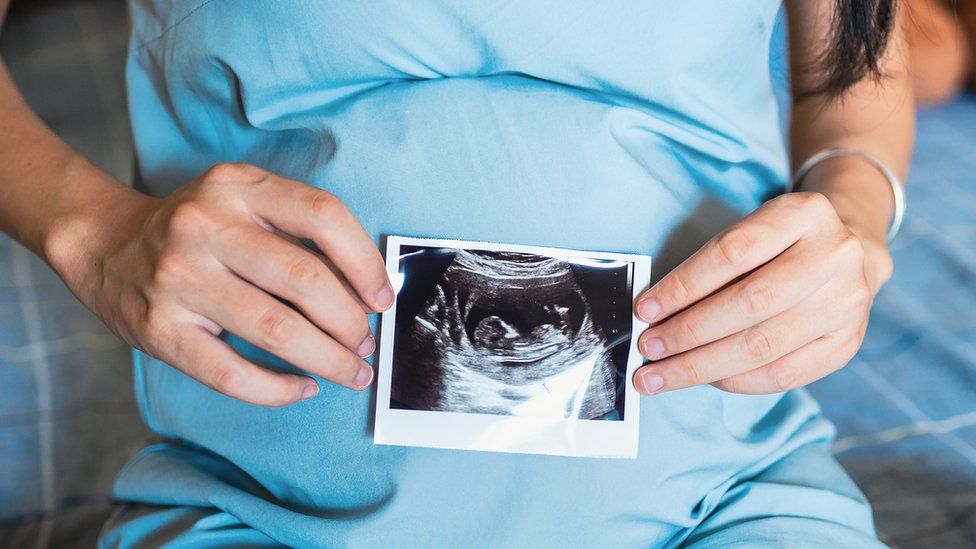
Published7 hours agoSharecloseShare pageCopy linkAbout sharingImage source, Getty ImagesBy Michelle RobertsDigital health editorContrary to current advice, getting pregnant within a few months of an abortion or a miscarriage does not appear to be extra risky for the mum and baby, say researchers who have looked at recent real-life data. The World Health Organization (WHO) recommends at least a six-month gap. This is to give the woman time to recover. But a study in PLoS Medicine, analysing 72,000 conceptions, suggests couples might safely try sooner for a baby. The baby loss support charity Tommy’s says women who feel ready to try again immediately after a miscarriage should do so if there is no medical reason against it.The WHO says more research into pregnancy spacing is already under way and would inform any future updates to the advice. The research from Norway, spanning eight years from 2008 to 2016, found no major differences in outcomes when a new pregnancy happened sooner than a six-month delay. That is a different finding to earlier work in Latin America that – along with other studies – informed the WHO recommendations on pregnancy spacing. The authors of the latest Norwegian analysis say the advice needs reviewing so that couples can make an informed decision about when to try for a baby. Asking parents to wait six months after a miscarriage or an abortion may be unacceptably too long for some, particularly when the emerging medical evidence does not appear to support it, they say.They recommend more studies. Pregnancy after miscarriageExperts agree that being in good health increases your chance of conceiving.Women are advised to take folic acid tablets daily while trying to get pregnant and up until 12 weeks of pregnancy.It reduces the risk of having a baby born with defects of the brain, spine or spinal cord, such as spina bifida. Early miscarriage happens to about 1 in 5 (20%) women in their lifetime. Often, no cause is found. If you have had one miscarriage there is usually a very good chance that your next pregnancy will be successful. Recurrent miscarriage is rare.NHS advice on planning another pregnancyTommy’s – Baby loss supportNHS miscarriage informationThe charity Tommy’s says if you have had a miscarriage before, it may be helpful to ask your doctor whether there are any medical reasons why you should wait for a while before trying to get pregnant again.But emotional health is also a consideration. Some couples feel they need some time to prepare themselves emotionally and physically for a new pregnancy. “You may need to allow yourself time to grieve for your lost baby before you think about the future. Other couples feel trying again will help them come to terms with what has happened,” says Tommy’s.”It is an individual choice or one you need to make as a couple if you have a partner.”Miscarriage: The Search for AnswersBBC health correspondent Tulip Mazumdar investigates the impact, both physically and mentally, on families around the world, and what’s being done to try and improve care. Watch now on BBC iPlayer, in the UK. Viewers around the world can watch the programme on the BBC World News channel.More on this storyMiscarriage: ‘I had to give birth to my dead baby alone’30 April’We had to put our baby’s remains in the fridge’30 MayRelated Internet LinksPLoS MedicineThe BBC is not responsible for the content of external sites.

Read more →

New study brings personalized immunotherapy prescriptions a step closer

In a step likely to advance personalised cancer treatment, scientists have for the first time shown in patients that levels of biomarkers are not enough to tell which patients are likely to respond best to immunotherapy.
Instead, clinicians need to understand how immune cells and tumours are interacting within a patient, rather than simply the levels of each associated proteins present, to prescribe the best treatment.
The research team, from the University of Bath’s Centre for Therapeutic Innovation (CTI-Bath) alongside colleagues in Bordeaux, France have published the study in the journal Cancers, as a featured article.
The results validate a quantitative imaging platform used at CTI-Bath which can predict whether a cancer patient would respond to immunotherapy treatment.
Cancers evade detection by the immune system, making themselves invisible to the natural anti-tumour response and actively blocking it. One type of immunotherapy, called immune checkpoint inhibitors, are antibodies that remove the brakes which the tumour has applied to the immune system. This re-activates the patients’ natural anti-cancer response, which then destroys the tumour.
Currently clinicians use commercial methods to determine levels of immune check point regulators (proteins) within patients to evaluate whether immunotherapy is needed.

Read more →

COVID-19 vaccine gives substantial protection against reinfection, study finds

Individuals previously infected with SARS-CoV-2, the virus that causes COVID-19, still benefit from vaccination, gaining 60% to 94% protection against reinfection, depending on the variant. A new study led by Katrine Finderup Nielsen at Statens Serum Institut, Denmark, reports these findings November 22 in the open access journal PLOS Medicine.
During the recent pandemic, vaccination has been one of the best tools available for curbing the spread of COVID-19. People infected with the virus are known to develop long-lasting natural immunity, but Finderup Nielsen and her team wanted to know whether these individuals would still benefit from receiving the vaccine. The team analyzed infection and vaccination data from nationwide Danish registers that included all people living in Denmark who tested positive for the virus or were vaccinated between January 2020 and January 2022. The data set included more than 200,000 people who tested positive for SARS-CoV-2 during each of the Alpha, Delta and Omicron waves. Their analysis showed that for people with previous infections, vaccination offered up to 71% protection against reinfection during the Alpha period, 94% during the Delta period and 60% during the Omicron period, with protection lasting up to nine months.
These findings show vaccination protected people against SARS-CoV-2, over and above the protection offered by natural immunity during all three waves of variants. The authors point out that the current study was too short to determine whether the vaccine protects against severe outcomes, such as death and hospitalization, and that future studies with longer follow-up times will be necessary to answer this question. From a public health perspective, these insight into vaccine effectiveness can help decision makers plan the timing and execution of vaccination strategies to make them most effective.
Finderup Nielsenadds, “In our study we find a significant vaccine effectiveness against SARS-CoV-2 reinfection, and this shows the importance of vaccination also for those who might be protected by natural immunity.”
Story Source:
Materials provided by PLOS. Note: Content may be edited for style and length.

Read more →

Birth choices after previous cesarean and risk of pelvic floor surgery

Vaginal birth after a previous cesarean section is associated with an increased risk of pelvic floor surgery compared with planning another cesarean, according to research publishing November 22 in the open access journal PLOS Medicine. The findings provide useful information to help women who have had a previous cesarean section when planning how to give birth in their next pregnancy.
Cesarean section births have risen sharply around the world: in the UK over 30% of all births now occur in this way. Guidelines recommend that pregnant women be counseled on the associated risks and benefits of subsequent births after a cesarean compared with planning a vaginal birth so they can make an informed decision about this choice. Yet there is limited evidence about how this choice affects women’s risk of pelvic floor disorders, including pelvic organ prolapse, urinary incontinence, rectal prolapse and fecal incontinence.
Dr Kathryn Fitzpatrick of Oxford Population Health, University of Oxford, UK, and colleagues conducted a cohort study of 47,414 births in Scotland to women with one or more previous cesarean sections. All births took place between January 1983 and December 1996, were at full term and were for just one baby. Almost 67% planned for a vaginal birth after a cesarean and 33% planned another cesarean. Having followed up with women for an average of just over 22 years, 1,159 had pelvic floor surgery, and this was more than twice as likely in women who planned a vaginal birth: over 1,000 person-years, the rate was 1.75 in the planned vaginal birth group and 0.66 in the women who planned another cesarean. The risk of surgery for pelvic organ prolapse was three times more likely and urinary incontinence was twice as likely in those who planned a vaginal birth (hazard ratios of 3.17 and 2.26 respectively).
The risks were only elevated in women who gave birth vaginally as planned. Those who planned a vaginal birth but had an unplanned cesarean when they were in labor had a comparable risk with those who planned another cesarean. The authors hope that their research will provide useful information for women who have had previous cesarean sections when making future birth choices.
Dr Kathryn Fitzpatrick who led the study adds, “Our study shows that for pregnant women who have had a caesarean birth in the past, those who have a vaginal birth rather than plan another caesarean are more likely to go on to have an operation for some type of pelvic floor disorder such as urinary incontinence. Our findings provide important new information to counsel the increasing numbers of women who have had a caesarean birth in the past about the risks and benefits associated with their future birth choices.”
Story Source:
Materials provided by PLOS. Note: Content may be edited for style and length.

Read more →

Challenging guidelines on pregnancy interval following miscarriage or abortion

Conception within three months of a miscarriage or an abortion is not associated with increased risks of adverse pregnancy outcomes, according to new research publishing November 22 in the open access journal PLOS Medicine. The study suggests that, contrary to current advice, women could attempt pregnancy after a previous miscarriage or induced abortion without elevated perinatal risks and reassures those who want to try again sooner than guidelines recommend.
The World Health Organization recommends waiting six months after miscarriage or abortion before becoming pregnant again to avoid complications in the next pregnancy, yet evidence for this is scarce. Gizachew Tessema of the Curtin School of Population Health, Australia, and colleagues conducted a cohort study with a total of 49,058 births following miscarriage and 23,707 births following abortion in Norway between 2008-2016. They looked at six adverse outcomes: preterm birth, spontaneous preterm birth, small for gestational age, large for gestational age, preeclampsia and gestational diabetes.
Compared with waiting 6-11 months after miscarriage, there were lower risks of small for gestational age for babies conceived in less than six months and a lower risk of gestational diabetes in women conceiving in under three months. Following abortion there was a slight but non-significant increased risk of small for gestational age for conception in less than three months compared with 6-11 months but the risk of large for gestational age was lower in the group with an interpregnancy interval of 3-5 months.
There was no evidence of higher risks of adverse pregnancy outcomes among women with an IPI of greater than 12 months after miscarriages or induced abortions, with the exception of a modest increased risk of gestational diabetes. The authors acknowledge that the study was limited in that it lacked information on potential confounders, including pregnancy intention and health seeking behavior. Additionally, the data only included miscarriages recorded through the healthcare system.
The findings do not support current guidelines to wait six months after miscarriage or abortion, and suggest a need to review these guidelines and provide up to date, evidence based, recommendations for women.
The authors add, “Based on this study and others, we called for a review of the existing World Health Organization recommendations for pregnancy spacing following pregnancy loss.”
Story Source:
Materials provided by PLOS. Note: Content may be edited for style and length.

Read more →

A growing trend of antibody evasion by new omicron subvariants

Three currently circulating omicron subvariants of SARS-CoV-2 — including two that currently make up almost 50% of reported COVID-19 infections in the U.S. — are better at evading vaccine- and infection-generated neutralizing antibodies than earlier versions of omicron, new research suggests.
Scientists tested neutralizing antibodies in blood serum samples from vaccinated and once-boosted or recently infected health care professionals against several subvariants in circulation. Three subvariants stood out for their resistance to the antibody immune response: BQ.1, BQ.1.1 and BA.2.75.2.
BQ.1 and BQ.1.1 are subvariants of the BA.4/5 omicron variants that have been dominating the last few months in the U.S., and each now accounts for about a quarter of current infections, according to the Centers for Disease Control and Prevention (CDC). BA.2.75.2, a mutant of the BA.2 omicron variant, was the best of all variants tested at evading neutralizing antibodies, but currently accounts for only a very small proportion of reported illnesses in the United States.
“In general, the subvariants BQ.1 and BQ.1.1 are much better compared to prior variants at evading the booster-mediated antibody response — the neutralizing antibody titers are clearly much lower. And those two variants are becoming dominant,” said Shan-Lu Liu, senior author the study and a virology professor in the Department of Veterinary Biosciences at The Ohio State University.
“It is important to be aware while traveling and gathering over the holidays that SARS-CoV-2 variants are continuing to evolve,” said Liu, also a professor in the Department of Microbial Infection and Immunity. “If you were vaccinated with the first booster more than six months ago, you might consider getting a second booster because the antibodies from a single booster are now likely too low to be protective.”
The study is published today in the journal Cell Host & Microbe.

Read more →

Of mice and men: Treating acne with systemic antibiotics can have unintended consequences on the maturing skeleton during adolescence

During adolescence, sex hormones drive significant physiologic changes. One of the most universal, and sometimes distressing, experiences during adolescence is the development of acne — a skin condition that results from the plugging of hair follicles with oil and dead skin cells. For some individuals whose acne is resistant to topical therapies, systemic antibiotics are used to help to alleviate symptoms and clear up the skin.
Treating acne with systemic antibiotics, such as minocycline, often requires long-term use — sometimes up to two years; however, the effects of such long-term use of antibiotics are unknown. Researchers at the Medical University of South Carolina (MUSC) show in work published online on Nov. 22 in the Journal of Clinical Investigation (JCI) Insight that there is a strong link between the makeup of the gut microbiome — a community of microorganisms that live together in the gut — and healthy skeletal maturation. Long-term use of a systemic antibiotic, such as minocycline, may have unintended consequences during the critical stage of adolescent bone development.
“There are sustained changes to the gut microbiome following long-term systemic minocycline therapy that lead to reduced bone maturation,” said Matthew Carson, first author on this study and graduate student studying the effects of the gut microbiome on skeletal development in the Novince lab.
“From a clinical perspective, not only is minocycline treatment causing changes to the maturing skeleton, the microbiome and the skeleton aren’t able to recover fully after antibiotic therapy,” added Chad Novince, D.D.S., Ph.D., principal investigator and associate professor in the Department of Oral Health Sciences in the College of Dental Medicine.
This work builds off of previous work from the Novince lab that showed a high-dose antibiotic cocktail activated a proinflammatory immune response that increased the activity of bone-eating osteoclasts and impaired bone maturation. Findings from this study led the Novince team to ask if there were clinical scenarios in which systemic antibiotics might have effects on the maturing skeleton.
They learned that physicians prescribe minocycline as a systemic antibiotic therapy to treat adolescent acne. Minocycline is a member of the tetracycline class of antibiotics, which also includes tetracycline, doxycycline and sarecycline. These antibiotics work by preventing the growth and spread of bacteria; in acne, they kill the bacteria that infect pores and decrease certain natural oily substances that cause acne.

Read more →

U.S. Officials Offer Hopeful Tone on Covid as Winter Nears

Dr. Anthony S. Fauci said the administration was optimistic that “we’re not going to see a repeat of what we saw last year,” when the Omicron variant swept through the country.Federal health officials expressed optimism on Tuesday that the nation was better prepared to weather a surge of Covid-19 infections this winter compared with a year earlier, and they renewed their pleas for Americans to get an updated booster shot ahead of the holidays.While the trajectory of the virus remains uncertain, Dr. Anthony S. Fauci, President Biden’s chief medical adviser, said the administration was hopeful that the combination of infections and vaccinations had created “enough community protection that we’re not going to see a repeat of what we saw last year at this time” when a brand-new variant, Omicron, emerged seemingly out of the blue.As families gather for Thanksgiving, officials have been watching a new subvariant of Omicron, XBB, with some trepidation. That subvariant, which drove a wave of infections in Singapore and India, appears much better able to evade the antibodies that are created by prior infection or vaccination. Antibody protection, which forms the body’s first line of defense against the virus, “is diminished multifold with XBB,” Dr. Fauci said at a White House briefing.But he said officials were encouraged by data showing that the surge of infections from XBB in countries like Singapore was not matched by a commensurate rise in hospitalizations. Experts have long said that other parts of the immune system can kick in to ward off severe disease if the virus dodges the antibodies.Federal officials emphasized the importance of booster shots in helping to fortify the country against a potential uptick in cases, but Americans have so far been slow to embrace the new shots. Nearly three months after the administration rolled out the updated doses, only about 35 million people have received one of the new shots from Pfizer-BioNTech or Moderna.Zolan Kanno-Youngs

Read more →

Richard Hammond reveals Top Gear crash coma dream

TV presenter Richard Hammond has gone viral on TikTok recounting a story from his time in a coma, following a high-speed car crash in 2006.Mr Hammond was lucky to survive the crash, which occurred whilst filming an episode of the BBC’s Top Gear.Speaking to Evan Davis from BBC Radio 4’s PM programme, he said he was telling his story now, as he “hoped it would connect with people”.

Read more →