Heightened activity of specific brain cells following traumatic social experience blocks social reward and promotes sustained social avoidance

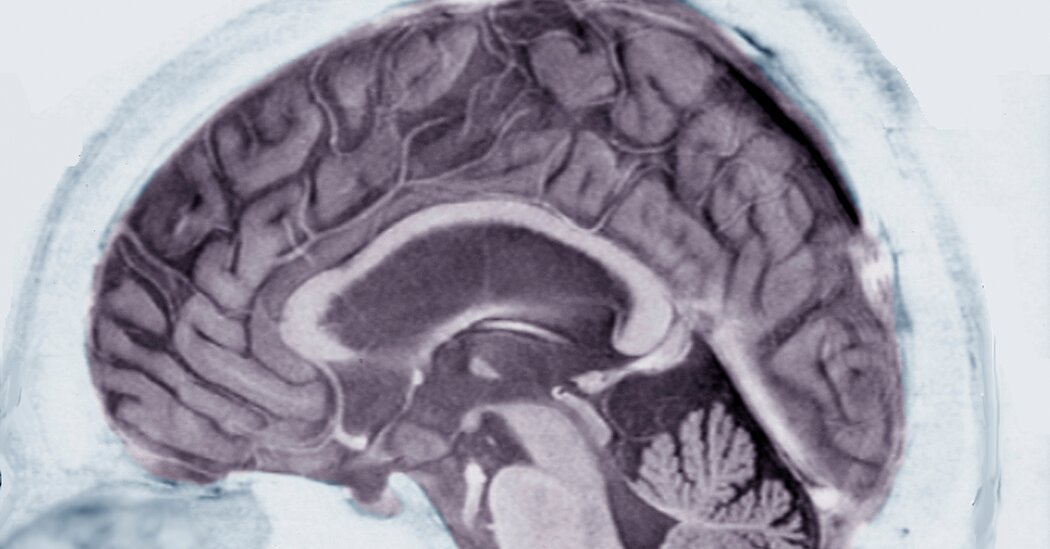
Past social trauma is encoded by a population of stress/threat-responsive brain cells that become hyperactivated during subsequent interaction with non-threatening social targets. As a consequence, previously rewarding social targets are now perceived as social threats, which promotes generalized social avoidance and impaired social reward processing that can contribute to psychiatric disorders, according to a study conducted by researchers at the Brain and Body Research Center at Mount Sinai and published November 30 in Nature.
In humans, studies have shown that social trauma impairs brain reward function to the extent that social interaction is no longer rewarding, leading to severe social avoidance. In rodents, chronic social defeat stress, a model of social trauma, has been used to understand the brain circuit mechanisms underlying stress susceptibility versus resilience, yet little is known regarding its impact on social reward. Previous studies have assessed social interaction with an adult mouse similar to those used as aggressors to induce the social trauma. Social avoidance under these circumstances likely reflects fear or submissive behavior, rather than altered social reward.
“To better understand how traumatic social experience affects social reward, we tested social interaction and social preference with a same-sex juvenile mouse that, under control conditions, is rewarding,” said Long Li, PhD, Instructor of Neuroscience at the Icahn School of Medicine at Mount Sinai and lead author of the study. “We found that, following chronic social defeat stress, a subset of male and female mice termed susceptible avoid social interactions with juvenile mice and do not develop context-dependent social reward following encounters with them.”
In the study, adult male and female mice underwent chronic social defeat stress, in which they were repeatedly subordinated by aggressive mice, followed by social interaction testing, where an experimental mouse is placed in a cage with a larger aggressive mouse behind a barrier and the amount of time spent interacting is measured. The mice were classified as resilient or susceptible to the stressor based on their social interaction behavior. This was followed by an additional social interaction test called resident-intruder test in which a 4-6-week-old (juvenile) same-sex mouse was introduced into the subjects’ homecage and allowed to freely interact. This was then followed by a social conditioned place preference test in which the subject mice were conditioned with the juvenile mice to assess their preference for rewarding social targets. During the resident-intruder test, control and resilient mice exhibited similar social behaviors towards the juvenile, including the amount of active interaction (approach, close following, and sniffing). Mice in these groups rarely withdrew from social contact with the juvenile and freely approached and investigated them. Conversely, stress-susceptible mice exhibited much less active social investigation, a longer delay before the first social bout (“latency”), and significantly more social avoidance. Furthermore, social investigation time, social avoidance, and latency to investigate correlated with social interaction ratios during testing with an aggressive adult mouse. These results show that susceptible mice not only exhibit avoidance towards aggressive adult male mice, but also to non-threatening same-sex juvenile mice.
To identify the potential brain regions involved in heightened social threat, advanced histological and imaging techniques were used to identify a population of stress/threat responsive lateral septum neurotensin (NTLS) neurons that are activated by juvenile social interactions only in susceptible mice, but not in resilient or unstressed control mice.
Lastly the team used optogenetic and chemogenetic strategies to either activate or inhibit NTLS neurons and their downstream connections.
“What was so surprising is that when NTLS neurons were activated in a social threat context, they inhibited centers in the brain that encode information about social rewards,” said Scott Russo, PhD, Professor of Neuroscience and Director of the Center for Affective Neuroscience and Brain Body Research Center. “So ultimately we believe that when mice experience social trauma their ability to experience social reward is occluded by these NTLS cells.”
These findings provide an important foundation for understanding the neural mechanisms underlying post-trauma social reward processing. The Mount Sinai team is planning studies in humans to test the relevance of lateral septum circuitry in mediating social threat perception and reward sensitivity in victims of trauma.

Read more →

Antibiotics' effect on the mycobiome varies from person to person

Antibiotic treatment disrupts the balance of beneficial and harmful bacteria in a person’s gut. That disruption can lead to the overgrowth of fungal species in the gut mycobiota, including the common intestinal yeast Candida albicans. However, researchers only have a limited understanding of the underlying mechanisms.
This week in mBio, an open-access journal of the American Society for Microbiology, in a first of its kind study on human subjects, researchers in Europe report on how treatment with a common beta-lactam antibiotic led to significant changes in C. albicans in patients. Notably, they found that not all patients responded in the same way, and the degree to which C. albicans populations increased depended in large part on the microbiota of the individual. That variation suggests that the risk for C. albicans overgrowth, in response to antibiotic treatment, is not the same for everyone.
“This study shows that the situation is more complex than previously thought, and with certain antibiotics such as beta-lactam, this increase in C. albicans varies from one person to another,” said microbiologist and senior author Marie-Elisabeth Bougnoux, M.D., Ph.D., at the Institut Pasteur in Paris, France.
Researchers have long studied the effects of antibiotics on the gut microbiota, but less attention has been paid to the mycobiota, or collection of gut fungal species. The authors of the new study point to 2 reasons.
“First, the mycobiota is difficult to study with metagenomics techniques,” said Margot Delavy, a Ph.D. student at the institute and first author on the paper, “and second, the concentration of fungi is much lower than that of bacteria,” making them harder to measure. “Repeatable metagenomic techniques to study the fungi of the gut have become available only recently,” she said.
For the new study, Bougnoux and her colleagues used fecal samples to track the changes in the gut mycobiota in 2 groups of 11 healthy patients before, during, and after they were treated with cefotaxime (in one group) or ceftriaxone (in the other). Both drugs are third-generation cephalosporin antibiotics. The group first identified the fraction of the fecal DNA that was associated with fungal species. Then, they used high-throughput sequencing to identify which fungal species were present in the healthy gut of the volunteers, before antibiotic treatment. They found that both diversity and abundance of species varied not only from person to person, but also from one collection to another in the same individual. The team used specific qPCR to quantify levels of C. albicans and found the fungus present in 95% of the participants.
The researchers carried out similar analyses during and after antibiotic treatment. They found that across the board, the fungal load — the fraction of fecal DNA — increased in all patients following treatment with antibiotics. But at the species level, those responses varied considerably. Some individuals experienced a significant increase in abundance of C. albicans and other species, while others didn’t. (At least one participant even showed a decrease.)
Further analyses of the samples revealed that the variations in fungal response to antibiotic treatment was connected to the activity of the enzyme beta-lactamase, which is produced by endogenous bacteria from the subject’s microbiota. People with lower levels of beta-lactamase experienced more growth of fungi, including C. albicans, than those with higher levels of the enzyme.
Bougnoux, whose previous work has focused on how intestinal C. albicans colonization leads to infection, said the group wanted to focus on antibiotic use because it’s a major risk factor for colonization. The new study, she noted, is a promising first step toward understanding how the mycobiota responds to treatment — but it’s only the beginning.
“Our study was done on human volunteers who received only one antibiotic, but actual patients often receive several,” Bougnoux said. And those who receive the most are most likely to develop fungal infections, she added. “It remains to be seen if the relation we found between beta-lactams and reduced intestinal C. albicans colonization is also true in these patients.”

Read more →

Is Spreading Medical Misinformation a Doctor’s Free Speech Right?

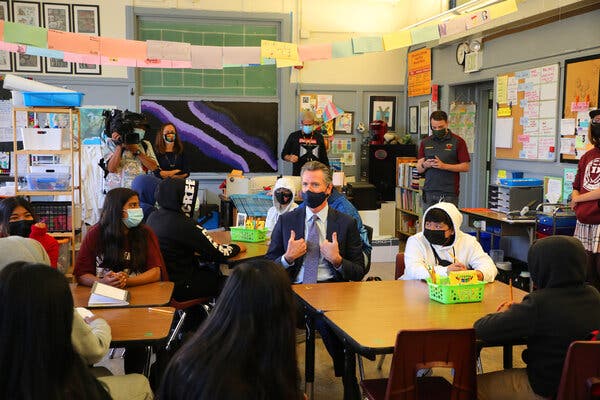
When Gov. Gavin Newsom signed into law a bill that would punish California doctors for spreading false information about Covid-19 vaccines and treatments, he pledged that it would apply only in the most “egregious instances” of misleading patients.It may never have the chance.Even before the law, the nation’s first of its kind, takes effect on Jan. 1, it faces two legal challenges seeking to declare it an unconstitutional infringement of free speech. The plaintiffs include doctors who have spoken out against government and expert recommendations during the pandemic, as well as legal organizations from both sides of the political spectrum.“Our system opts toward a presumption that speech is protected,” said Hannah Kieschnick, a lawyer for the Northern California branch of the American Civil Liberties Union, which submitted a friend-of-the-court brief in favor of one of the challenges, filed last month in U.S. District Court for the Central District of California.That lawsuit and another, filed this month in the Eastern District of California, have become an extension of the broader cultural battle over the Covid-19 pandemic, which continues to divide Americans along stark partisan lines.They could also more broadly test what steps — if any — the government can take to combat the scourge of misinformation and disinformation, even in cases where it affects personal and public health.Gov. Gavin Newsom said a California law that would punish doctors for spreading false Covid-19 information was narrowly focused on malicious intent.Jim Wilson/The New York TimesThe law, narrowly written in hopes of avoiding First Amendment entanglements, would designate the spread of false or misleading information to patients as “unprofessional conduct,” subject to punishment by the agency that regulates the profession, the Medical Board of California. That could result in fines, or a suspension or revocation of a doctor’s license to practice in the state.The California Medical Association, which represents nearly 50,000 physicians in the state, sponsored the legislation, but the doctors involved in the two lawsuits argue that the law’s provisions remain both vague and excessively intrusive.They warn that the law’s definition of misinformation as falsehoods that violate “contemporary scientific consensus” would stifle doctors’ abilities to advise patients honestly about the pros and cons of Covid-19 treatment and practices.Republican-controlled states have gone in the opposite direction. Texas has adopted a law to allow citizens or the state’s attorney general to sue social media companies for removing posts because of political points of view. Legal challenges to it — and another in Florida involving candidates for elected office — have swung back and forth and could reach the Supreme Court.The Spread of Misinformation and FalsehoodsCovid Myths: Experts say the spread of coronavirus misinformation — particularly on far-right platforms like Gab — is likely to be a lasting legacy of the pandemic. And there are no easy solutions.Midterms Misinformation: Social media platforms struggled to combat false narratives during the 2022 U.S. midterm elections, but it appeared most efforts to stoke doubt about the results did not spread widely.A ‘War for Talent’: Seeing misinformation as a possibly expensive liability, several companies are angling to hire former Twitter employees with the expertise to keep it in check. A New Misinformation Hub?: Misleading edits, fake news stories and deepfake images of politicians are starting to warp reality on TikTok.The plaintiffs in California have sought injunctions to block the law even before it goes into effect, arguing that it was intended to silence dissenting views.Dr. Tracy Hoeg said the law would “cause this very broad self-censorship and self-silencing from physicians with their patients.”Anne Chadwick Williams for The New York TimesOne of them, Dr. Tracy Hoeg, a physician and epidemiologist who works in Grass Valley, near Sacramento, has written peer-reviewed studies since the pandemic began that questioned some aspects of government policies adopted to halt the spread of Covid-19.Those studies, on the efficacy of masks for schoolchildren and the side effects of vaccines on young men, exposed her to vehement criticism on social media, she said, partly because they fell outside the scientific consensus of the moment.She noted that the medical understanding of the coronavirus continues to evolve, and that doctors should be open to following new evidence about treatment and prevention.“It’s going to cause this very broad self-censorship and self-silencing from physicians with their patients because it’s not clear what we are and aren’t allowed to say,” said Dr. Hoeg, one of five doctors who filed a challenge in the Eastern District. “We have no way of knowing if some new information or some new studies that come out are accepted by the California Medical Board as consensus yet.”The lawsuits highlight the legal hurdles facing states that have sought to curb misinformation or disinformation, especially online. While states controlled by Democrats have sought to compel the social media giants to do more to stop the spread of conspiracy theories around the Covid-19 pandemic, Republican states have moved to punish the companies for removing accounts based on political points of view.Ethan W. Blevins, a lawyer for the Pacific Legal Foundation, a conservative legal organization that has criticized the law but is not involved in either challenge, said the state would have a burden to prove that medical disinformation created actual harm and that it was spread deliberately.“The Supreme Court has already said many times that false information is still protected under the First Amendment,” he said.In a statement issued when he approved the law on Sept. 30, Governor Newsom, a Democrat, acknowledged the challenge of protecting doctors’ freedom of speech but said the law narrowly focused on malicious intent and clear deviations from established standards of care.“I am concerned about the chilling effect other potential laws may have on physicians and surgeons who need to be able to effectively talk to patients about the risks and benefits of treatments for a disease that appeared in just the last few years,” he wrote. “However, I am confident that discussing emerging ideas or treatments including the subsequent risks and benefits does not constitute misinformation or disinformation under this bill’s criteria.”The law’s supporters argue that it was needed to protect patients from doctors who had fueled skepticism about vaccines and mask mandates or encouraged the use of drugs like ivermectin and hydroxychloroquine, which have not proved to be effective against the coronavirus.A protest against mandated Covid-19 vaccines outside City Hall in Los Angeles last year.Etienne Laurent/EPA, via ShutterstockEven so, lawmakers narrowed the legislation’s scope to include only direct conversations with patients. Posts on social media, opinion articles or other public statements doctors might make are not subject to the law.The American Medical Association has blamed disinformation for worsening the pandemic’s toll. In June, it adopted a policy that, among other things, called for empowering state licensing boards to discipline doctors who spread it in their capacity as health professionals.Dr. Jeff Barke, a physician who has treated Covid patients at his office in Newport Beach in Southern California, said the law was an attempt by the state to impose a rigid orthodoxy on the profession that would rule out experimental or untested treatments.Those include treatments with ivermectin and hydroxychloroquine that he said he had found to be effective at treating the coronavirus, despite studies suggesting otherwise. “Who determines what false information is?” he said.Dr. Barke joined another outspoken doctor, Mark McDonald, in filing the challenge in the Central District Court last month, represented by two conservative legal groups, Advocates for Faith and Freedom, and the Liberty Justice Center. He said they were defending patients from a “huge medical bureaucracy,” dominated by pharmaceutical lobbies and the state.“What comes next?” he said. “How I talk to patients about cancer? How I talk to patients about obesity or diabetes or asthma or any other illnesses? When they have a standard of care that they think is appropriate and they don’t want me going against their narrative, then they’ll say Barke’s spreading misinformation.”Judge Fred W. Slaughter, who was appointed by President Biden and confirmed by the Senate in March, held a hearing on Dr. Barke’s case this month. He questioned lawyers on both sides about whether the plaintiffs had standing in the case and whether the new law could regulate misinformation as a matter of professional conduct, as opposed to speech.“The statute is clear, especially to trained medical professionals who know what the standard of care is,” Kristin Liska, deputy attorney general for the state’s Department of Justice, told the judge.The challenge in the Eastern District is scheduled to be heard in December by Senior Judge William B. Shubb, who was appointed by President George H.W. Bush in 1990.Richard J. Baron, who heads the American Board of Internal Medicine, said the fight over medical misinformation and disinformation reflected a deeper erosion of trust in society.Certain types of information were undoubtedly harmful, Dr. Baron argued, and doctors have an obligation to protect patients from them, regardless of their political views about public health policies.“It’s the state that gives you a license, and it’s the state that assures that that license gives you a lot of ability that people who don’t have that license don’t have,” he said. “And with that comes the responsibilities of fidelity to the community of experts that generate things like the standard of care that patients are entitled to.”

Read more →

When He Stood Up Quickly, He Sometimes Fainted. What Was It?

The attending physician, a doctor for 45 years, had never seen the obscure problem causing these symptoms.The 69-year-old man rose from his desk at the guard station in the front hall of the Veterans Administration Medical Center in Birmingham, Ala. He usually patrolled the entrance to the busy clinic once or twice an hour. This time, he didn’t take more than a dozen steps into the humid spring warmth before he felt the familiar symptoms he’d come to dread. His vision blurred. And he was lightheaded, but at the same time, he could sense his legs trembling as if he weighed much more than usual. He leaned against the cool brick wall but knew from experience he wouldn’t stay upright for long. He pulled out the radio at his belt and called for help.Within moments he was in a wheelchair, heading for the emergency department. The man was embarrassed by his transient helplessness, even though it had happened many times before. He was supposed to be assisting those who came to the V.A. for their care. Instead, he was the one needing help.In the E.D., the nurse confirmed what he already knew — he had what’s called orthostatic hypotension (O.H.). When his blood pressure was measured while lying flat, it was normal. But it plunged when he sat up. And when the nurse helped him to his feet, it dropped so low he almost fainted. This had been a problem for several years, off and on, but recently, it had become much worse. He ended up in the E.D. a half-​dozen times these past few months. His doctors advised him to drink more water. He did. And he tried to wear the compression stockings he was prescribed. It was hard because they were hot, and when he wore shorts, he felt ridiculous. He tried to remember to get up slowly. That was the only thing that really helped.Orthostatic hypotension occurs when inadequate blood gets to the brain because of a change in position. Normally, sitting or standing will signal the blood vessels in the legs and lower body to constrict, sending blood upward to the heart and ultimately to the brain. That change also tells the heart to beat more rapidly to help the blood get to the brain faster. Dehydration is a common cause of a positional drop in blood pressure. The blood vessels can’t constrict enough to send the blood to where it’s needed because there’s just not enough fluid in the circulation. Nerve problems can also cause O.H. It’s the nerves that tell the heart to beat faster and the vessels to squeeze a little tighter.When this patient came to the E.D., he was often given intravenous fluids to try to fill up a suspected empty tank. It never seemed to help. That made his doctors think that in his case the cause was neurogenic — his nerves weren’t delivering their essential messages. And for this patient, that seemed a reasonable explanation, because it was clear that at least some of his nerves weren’t working well. He had a severe peripheral neuropathy that left his feet mostly numb, though occasionally they burned and tingled as if they were asleep.Photo illustration by Ina JangChecking His Heart RateIt was early morning when Dr. Matt Slief, a resident at the end of his first year of training, saw his newest patient. The cheerful silver-haired man described the strange spells he had when he stood up that more than once had landed him on the floor in a dead faint. “It doesn’t last long,” he told the young doctor, “but it sure is embarrassing.” Slief quickly examined the patient and promised to return later that morning with the rest of the team. After he finished seeing his patients, he hurried to the team room where he was to meet with Dr. Robert Centor, the attending physician. Centor was a couple of years older than the patient but still hard at work — though he described himself as semiretired.After hearing about the patient with the positional changes in blood pressure, Centor asked the young doctor: “What was his heart rate?” Slief quickly checked. Every time the patient’s blood pressure went down, his heart rate went up, he reported. Centor nodded. “In that case, I doubt that his orthostatic blood pressure is caused by his nerves,” he said. If the nerves can’t tell the blood vessels to squeeze, they also won’t be able to tell the heart to beat faster — so in neurogenic O.H., the heart rate remains stable even when the blood pressure drops. And that’s not what happened with this patient.Clearly his problem wasn’t in his nerves. And it didn’t seem to be a problem with blood volume, because giving him fluids never helped. There were other, less common causes to be considered. Centor challenged his team: What else could this be? By the time they next met, Slief had come up with an alternate possibility, but he worried it would sound far-fetched.Years before, the patient had fallen in the bathtub, broken his ribs and punctured a lung. Blood filled his chest and collapsed the lung. He had to be rushed to the hospital. Patients who are stuck in bed while in the hospital are at risk of developing blood clots in the veins of their legs because they are immobilized. Clots form when blood isn’t moving. These patients are usually started on blood thinners to reduce that risk. Because this man had bled into his chest, blood thinners weren’t a good option for him. Clots that form because of immobility block veins and cause swelling and pain, but they can also be deadly if they travel through the body and end up in the lungs or brain. So his doctors had chosen to put a filter in the main vein that brought blood from his legs back to his heart — a vessel called the inferior vena cava — to catch any clots that formed and broke free.These filters are supposed to be removed a few months later when the risk of clotting goes down, but many are not removed on schedule. This one had been left in place for more than 15 years. What if, Slief suggested after explaining this history, the filter had done its job and captured clots and they were now blocking the entire vessel? Could that cause his positional hypotension? Centor listened thoughtfully. He’d been a doctor for 45 years and had never seen this. And yet it was an interesting idea. Certainly worth considering.One of the many advantages of the V.A. Hospital system is that it has computerized medical records going back decades. Slief did a deep dive into this man’s medical history and hit what looked like some promising results. Seven years earlier, the man had a CT scan that showed an almost total blockage of his vena cava. Was it possible that the extra blood that was supposed to go from the legs to the brain when the man stood up didn’t get there fast enough because of the narrowed vena cava?The Daddy-Longlegs DeviceThere was really no way to test this hypothesis, but it made sense. They explained to the patient that the next step was to get the filter out. The patient was eager to try. The team reached out to Dr. Bill Parkhurst at the University of Alabama at Birmingham Hospital, who specialized in this kind of procedure.The patient was sedated for the operation. Parkhurst put a tiny tube through an incision into the patient’s jugular vein in his neck and slowly advanced it down past the heart into the vena cava where the filter was located. These contraptions look like daddy longlegs with tiny hooks at each foot to hold them in place in the vein. Where the body of the insect would be located was a small hook. Parkhurst used a tiny gripping tool to grasp the hook and pull the filter up through the vena cava and out through the small incision in the patient’s neck. Next Parkhurst inserted tiny balloons that he inflated to reopen the threadlike stream through the narrowed vena cava. He then positioned a stent to hold the vessel open. He continued this process down the primary vein of each leg. The procedure took six hours and required nine stents, but finally there was good blood flow between the legs and the heart.The first time the patient stood up after this procedure, he was amazed. The dizziness was gone. It has been four months and it hasn’t come back. No weak legs, no lightheadedness, no falls. His feet are still numb, but he can live with that so long as they remain on the ground and he remains upright.Slief is modest about making this obscure diagnosis. There are only a handful of case reports in the medical literature. Still, Slief told me, it does make you wonder if maybe this is happening more often than reported. He’s certainly going to be looking for it.Lisa Sanders, M.D., is a contributing writer for the magazine. Her latest book is “Diagnosis: Solving the Most Baffling Medical Mysteries.” If you have a solved case to share, write her at Lisa.Sandersmdnyt@gmail.com.

Read more →

Is It Toxic to Tell Everyone to Get Therapy?

It has become a social credential to be in therapy. It’s also incredibly difficult to access.About 30 minutes into “Stutz,” a new Netflix documentary from Jonah Hill, the movie’s slick veneer cracks open to expose a deeper artifice. We see Hill and his therapist, the 70-something Phil Stutz, shot in crisp black and white, sitting side by side in what appears to be Stutz’s Los Angeles office. Hill has long hair and a scraggly beard; he says he’s going to use one of Stutz’s treasured “tools,” and he closes his eyes and takes a deep breath. Then he makes a confession: “I’ve been lying to you in our private therapy sessions.” As he reveals this, the film flips into color and lays bare that they are actually on a set, in front of a green-screen simulation of Stutz’s office. Hill removes the wig he has been wearing to hide a haircut. The film’s initial premise was that we were seeing a single session unfold, but we now learn that it has been filmed over the course of two years — and Hill, in his real sessions, has been hiding his feeling that the project is stuck.Hill’s mission, announced early in the film, is to spread the healing power of therapy and share Stutz’s psychological tools with Netflix’s enormous audience. But the whole endeavor, he now tells Stutz, has felt “weird and false.” For half an hour, Hill has played the role of a distanced documentarian, interviewing Stutz while dodging any personal questions he received in return — like one about being an overweight kid and the conflict that generated with his mother. “I’m not going to go into it because this film is about you, not me,” Hill says. But the film, he eventually comes to realize, is like therapy itself: It can’t work unless he is willing to be vulnerable and share his own grief, fear and insecurity. The movie’s breakdown, however contrived, is meant to replicate a breakthrough — an opportunity to take a risk, connect with others and move forward.In today’s therapy-saturated culture, you hear countless messages about what therapy is and what it is for, many of them starkly different from Hill’s. Back in 1979, the historian and critic Christopher Lasch wrote that the New Left had retreated from politics and turned inward, focusing on personal psychological well-being instead of external collective struggles. These days that is funnily reversed: Psychology is often used, especially online, as a way to collectively press others. In some corners therapy has become a kind of social imperative, something anyone can urge strangers to engage in — not so they can explore their own experiences, but so their psychic toxicity can be contained before it spills onto others. Social media is filled with memes and jokes in which people “beg” men to get therapy, or deploy variations of the formula that “men will literally do anything but go to therapy.” On dating apps, being in therapy can vouch for your emotional soundness, while not being in therapy may be considered a red flag. Articles suggest, in the words of one writer, that “therapy could be the secret to a flourishing love life.”Hill had to confront the fact that therapy is irreducible to a set of abstract tools.These competing images of therapy — one personal, the other social — each stem from the basic assumption that therapy can do a lot of people a lot of good, and from the impulse to share it widely. The version we see in “Stutz” is based largely on self-exploration; by revealing the parts of ourselves we often hide, it suggests, we come to know ourselves more deeply and live our lives more fully. (Hill says he originally came to Stutz “out of desperation to get happier,” having “no healthy self-esteem” despite his wild success in Hollywood.) Therapy as a kind of social credential, meanwhile, is more about proving to others that you are safe to engage — that your projections, defenses and unresolved traumas won’t hurt those around you. One is akin to cleaning up roadside litter because you think it’s the right thing to do; the other is like slipping on a fluorescent vest and picking up garbage because a court so ordered.It did not take long for therapy to go from a social taboo to something very much out in the open. The pandemic only furthered this shift, leaving countless Americans alone (meaning, for some, in bad company) amid incessant talk of mental health and an ever-growing bombardment of content taking therapy to the masses. Young people have been especially hard hit: In 2021, 44 percent of high schoolers reported persistently feeling sad or hopeless. No wonder that young people have also seemed especially receptive to absorbing the ideas of therapy into their lives and their lexicons — speaking with casual familiarity about triggers and traumas and diagnoses.On “therapy TikTok,” therapists amass millions of followers, to whom they offer tidbits and buzzwords about things like attachment styles. Pop stars like Ariana Grande and Demi Lovato serve as spokespeople for teletherapy companies. Other celebrities incorporate mental-health awareness into their work. The singer-actor Selena Gomez has released a documentary, “My Mind & Me,” about her own mental illness; in September, the rapper Megan Thee Stallion introduced a mental-health website linked to her album “Traumazine,” which features a song called “Anxiety” (“I’m a bad bitch, and I got bad anxiety”). Divulging mental-health struggles has become routine among pop figures, a way of both connecting with young fans and offering a message that it’s OK to seek help.And yet high-quality psychotherapy remains staggeringly expensive and hard to find. According to the American Psychological Association, six in 10 psychologists say they don’t have openings for new patients. (My own therapist’s website says there’s a waiting list for teletherapy.) Reading about therapy on social media, I came across a popular post from the writer Casey Johnston, who summed up the search for a therapist like this: “Finding a therapist is simple, just contact 50 people, 25 are no longer in network, 15 don’t answer, 5 have switched to $600/hr life coaching, 2 don’t like your vibe, one now only does pets.” The shortage is especially acute for professionals who work with children and teenagers.In lieu of access to actual therapy, we seem to be inundated with content about therapy, as though its material scarcity creates an urge to spread the gospel by other means. You can devour never-ending media feeds promising tools to help process trauma, techniques to regulate emotions, tips for setting healthful boundaries. But something crucial to therapy feels missing when we’re absorbing these ideas passively, in solitude.What Hill came to realize while making “Stutz,” after all, is that his true subject isn’t his therapist or the tools he has learned. The real action is found in the sui generis nature of the patient-therapist relationship itself — one that is vulnerable, endearing and genuinely moving to watch. Those of us doing the watching are mere viewers engaged in a risk-free parasocial relationship, connecting to someone else’s connection. Hill had to confront the fact that therapy is irreducible to a set of abstract tools. This is something different from any of the millions of articles or TikTok videos offering, say, nine tips for handling a narcissist. All the therapy content online helps to demystify something that long operated behind closed doors, but it also underlines a new problem — that many of us are facing these challenges alone.Source photographs: Netflix

Read more →

Fresh Covid clashes break out in China

Published4 hours agoSharecloseShare pageCopy linkAbout sharingImage source, ReutersBy Yvette TanBBC News People in the southern Chinese city of Guangzhou have clashed with police overnight in the latest protest against the country’s strict Covid rules.Footage online showed police in white hazmat suits clutching riot shields to protect themselves from debris and glass thrown at them by protesters.Another video showed people being taken away in handcuffs.On Wednesday city officials said Covid restrictions would be relaxed in several districts.China has seen record numbers of new cases in recent days.According to posts on social media, the protests took place late on Tuesday and into the early hours of Wednesday in the district of Haizhu.One Guangzhou resident told news agency AFP that he saw around 100 police officers converge on Houjiao village in Haizhu and arrest at least three men. Haizhu was also the scene of angry Covid protests earlier this month.A quick guide to China’s white paper protestsThe latest unrest follows a wave of protest in China over the weekend, triggered by a fire in a high-rise block in the western Xinjiang region that killed 10 people on Thursday. Many Chinese believe long-running Covid restrictions in the city contributed to the deaths, although the authorities deny this.That prompted people in Shanghai and Beijing and other big cities to take to the streets, demanding an end to strict Covid measures – with some also calling for President Xi Jinping to stand down. Those protests later ebbed amid heavy a heavy police presence where demonstrations had taken place. This video can not be playedTo play this video you need to enable JavaScript in your browser.The country’s top security agency has since called for a crackdown on “hostile forces” and there have been reports of police contacting protesters, demanding information about where they had been. On Tuesday health officials were asked if there were any plans to relax Covid measures in light of the protests – one official said China would “fine tune and modify” measures to control the “negative impact to people’s livelihoods and lives”.China’s fury and fear of Covid puts Xi in a bindBlank paper becomes the symbol of China’s protestsChina remains the only major economy with a strict zero-Covid policy, with local authorities clamping down on even small outbreaks with mass testing, quarantines and snap lockdowns.While China developed its own Covid vaccines, they are not as good as the mRNA technology – such as the Pfizer and Moderna shots – used elsewhere.Two doses of the Pfizer/BioNTech vaccine gives 90% protection against severe disease or death versus 70% with China’s Sinovac.The vaccines have also not been given to enough people. Far too few of the elderly – who are most likely to die from Covid – have been immunised.There is also very little “natural immunity” from people surviving infections as a consequence of stopping the virus in its tracks.It means new variants spread far more quickly than the virus that emerged three years ago and there is a constant risk of it being imported from countries that are letting the virus spread.More on this storyA quick guide to China’s white paper protests1 day agoChina’s fury and fear of Covid puts Xi in a bind2 days agoBlank paper becomes the symbol of China’s protests2 days ago

Read more →

Alzheimer's drug lecanemab hailed as momentous breakthrough

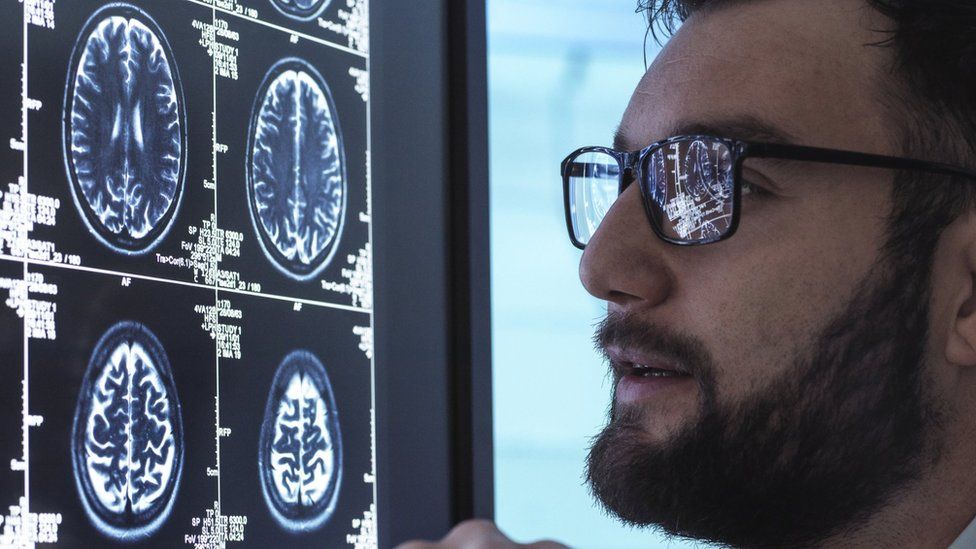
Published30 minutes agoSharecloseShare pageCopy linkAbout sharingImage source, Getty ImagesBy James GallagherHealth and science correspondentThe first drug to slow the destruction of the brain in Alzheimer’s has been heralded as momentous and historic.The research breakthrough ends decades of failure and shows a new era of drugs to treat Alzheimer’s – the most common form of dementia – is possible. Yet the medicine, lecanemab, has only a small effect and its impact on people’s daily lives is debated. And the drug works in the early stages of the disease, so most would miss out without a revolution in spotting it.Lecanemab attacks the sticky gunge – called beta amyloid – that builds up in the brains of people with Alzheimer’s. For a medical field littered with duds, despair and disappointment, some see these trial results as a triumphant turning point. Alzheimer’s Research UK said the findings were “momentous”. One of the world’s leading researchers behind the whole idea of targeting amyloid 30 years ago, Prof John Hardy, said it was “historic” and was optimistic “we’re seeing the beginning of Alzheimer’s therapies”. Prof Tara Spires-Jones, from the University of Edinburgh, said the results were “a big deal because we’ve had a 100% failure rate for a long time”.Dementia: Lifestyle changes that could lower your riskFresh clue to mystery of elderly super brains’Just like that – the woman I love changed’Calls for support for young Alzheimer’s sufferersCurrently, people with Alzheimer’s are given other drugs to help manage their symptoms, but none change the course of the disease.Lecanemab is an antibody – like those the body makes to attack viruses or bacteria – that has been engineered to tell the immune system to clear amyloid from the brain.Amyloid is a protein that clumps together in the spaces between neurons in the brain and forms distinctive plaques that are one of the hallmarks of Alzheimer’s.The large-scale trial involved 1,795 volunteers with early stage Alzheimer’s. Infusions of lecanemab were given every fortnight. The results, presented at the Clinical Trials on Alzheimer’s Disease conference in San Francisco and published in the New England Journal of Medicine, are not a miracle cure. The disease continued to rob people of their brain power, but that decline was slowed by around a quarter over the course of the 18 months of treatment. The data is already being assessed by regulators in the US who will soon decide whether lecanemab can be approved for wider use. The developers – the pharmaceutical companies Eisai and Biogen – plan to begin the approval process in other countries next year. David Essam, who is 78 and from Kent in the UK, took part in the international trial. His Alzheimer’s meant he had to give up work as a joiner – he could no longer remember how to build a cabinet or use his tools. He now uses a digital watch as he can’t tell time using a clock face. “He’s not the man he was, he needs help with most things, his memory in general is almost non-existent,” said his wife Cheryl. But she said the trial had given the family hope. David said: “If somebody can slow it [Alzheimer’s] down and eventually stop it all together that would be brilliant, it’s just a horrible nasty thing.”There are more than 55 million people in the world like David and the numbers with Alzheimer’s disease are projected to exceed 139 million by 2050.Will it make a difference?There is debate among scientists and doctors about the “real world” impact of lecanemab. The slower decline with the drug was noticed using ratings of a person’s symptoms. It’s an 18-point scale, ranging from normal through to severe dementia. Those getting the drug were 0.45 points better off. Prof Spires-Jones said that was a “small effect” on the disease, but “even though it is not dramatic, I would take it”. Dr Susan Kohlhaas, from Alzheimer’s Research UK, said it was a “modest effect… but it gives us a little bit of a foothold” and the next generation of drugs would be better.There are also risks. Brain scans showed a risk of brain bleeds (17% of participants) and brain swelling (13%). Overall, 7% of people given the drug had to stop because of side effects.A crucial question is what happens after the 18 months of the trial, and the answers are still speculation. Dr Elizabeth Coulthard, who treats patients at North Bristol NHS Trust, says that people have, on average, six years of living independently once mild cognitive impairment starts.Slow that decline by a quarter and it could equate to an extra 19 months of independent life, “but we don’t know that yet”, she says.It is even scientifically plausible that the effectiveness could be greater in longer trials. “I don’t think we can assume that this is it,” says Dr Kohlhass.The emergence of drugs that do alter the course of the disease asks big questions of whether the health service is ready to use them. The drugs have to be given early in the disease before too much damage to the brain is done, whereas most people referred to memory services are in the later stages of the disease. That requires people coming forward at the earliest signs of memory problems and doctors being able to send them for amyloid tests – either brain scans or spinal fluid analysis – to a determine if they have Alzheimer’s or another form of dementia. At the moment only 1-2% of people with dementia have such tests. “There’s an enormous gulf between current service provision and what we need to do, to deliver disease modifying therapies,” said Dr Coulthard.She said that, currently, only those living near big medical centres or paying privately were likely to benefit. Scientists also stressed that amyloid was only one part of the complex picture of Alzheimer’s disease and should not become the sole focus of therapies.The immune system and inflammation are heavily involved in the disease and another toxic protein called tau is the one that’s found where brain cells are actually dying. “That’s where I would put my money,” said Prof Spires-Jones. She added: “I’m very excited we’re on the cusp of understanding enough to get a hold of the problem and we should have something that will make a bigger difference in a decade or so.”Follow James on Twitter.More on this storyAlzheimer’s-slowing drug labelled historic28 September

Read more →

Alzheimer’s Drug May Benefit Some Patients, New Data Shows

The drug, lecanemab, made by Eisai and Biogen, also carried risks of brain swelling and bleeding and should be studied further, a report of the findings said.The hotly anticipated results of a clinical trial of an experimental Alzheimer’s drug suggest that the treatment slowed cognitive decline somewhat for people in the early stages of the disease but also caused some patients to experience brain swelling or brain bleeding.The new data, released Tuesday evening, offered the first detailed look at the effects of the drug, lecanemab, and comes two months after its manufacturers, Eisai and Biogen, stoked excitement by announcing that the drug had shown positive results. Alzheimer’s experts said the new information showed reason for both optimism and caution.“The benefit is real; so too are the risks,” said Dr. Jason Karlawish, a co-director of the University of Pennsylvania’s Penn Memory Center, who was not involved in the research.A report of the findings published in the New England Journal of Medicine said that over 18 months, lecanemab “resulted in moderately less decline on measures of cognition and function,” compared with patients receiving a placebo. Still, the study of nearly 1,800 patients with mild symptoms, which was funded by the companies and co-written by scientists at Eisai, concluded that “longer trials are warranted to determine the efficacy and safety of lecanemab in early Alzheimer’s disease.”The companies’ initial announcement in September had sent their stock prices soaring because the field of Alzheimer’s drug development has been marked by years of failures.It also followed months of controversy over the Food and Drug Administration’s decision last year to approve another Alzheimer’s drug, Aduhelm, also manufactured by Biogen, despite studies that did not prove the treatment worked and showed it carried significant safety risks. After Medicare decided to sharply limit its coverage of Aduhelm, citing risks and unclear benefit, the expensive drug was essentially sidelined from the marketplace.Like Aduhelm, lecanemab — given as an intravenous infusion every two weeks — is a monoclonal antibody that targets a protein, amyloid, which clumps into plaques in the brains of people with Alzheimer’s. Years of trials of various anti-amyloid compounds have not conclusively shown that clearing or reducing levels of the protein can help patients’ memory or thinking problems. Earlier this month, another anti-amyloid monoclonal antibody, gantenerumab, made by Roche and Genentech, failed to show any cognitive benefit.That history gives the lecanemab trial added significance, marking the first time that attacking amyloid has clearly correlated with a slower rate of cognitive decline, experts say. But because the rate was not dramatically slower, several doctors who treat Alzheimer’s questioned whether the effect would be noticeable to patients or their families.The clinical trial found that after 18 months, patients receiving lecanemab declined 27 percent slower — a difference of 0.45 of a point on an 18-point cognitive scale.“The clear issue is what does this small benefit mean in terms of meaningful change for patients and caregivers,” said Dr. Kristine Yaffe, a professor of neurology and psychiatry at the University of California, San Francisco, who was not involved in the study. “And how do we balance that” with significant safety risks, the requirement for frequent infusions and “what will be, undoubtedly, a high financial cost,” she said.Dr. Madhav Thambisetty, a neurologist and a senior investigator at the National Institute on Aging, said that “from the perspective of a scientist, it is exciting that an experimental treatment targeting brain amyloid in Alzheimer’s disease appears to slow cognitive decline.” But, Dr. Thambisetty, who was not speaking on behalf of the federal aging agency, added: “From the perspective of a physician caring for Alzheimer’s patients, the difference between lecanemab and placebo is well below what is considered to be a clinically meaningful treatment effect.” About six million people in the United States and roughly 30 million globally have Alzheimer’s, a number expected to double by 2050. Lecanemab was tested on patients with mild cognitive impairment or early-stage Alzheimer’s, whose brains contained higher-than-normal levels of amyloid — a description that applies to about 1.5 million Americans.An illustration of amyloid protein disrupting the function of nerve cells in a brain with Alzheimer’s disease. nobeastsofierce/ShutterstockThe F.D.A. is expected to decide by Jan. 6 whether to grant lecanemab the type of approval it gave Aduhelm — a designation called “accelerated approval,” which can be given to drugs with uncertain benefit if they are for serious diseases with few treatments and attack a biological element of the disease. Accelerated approval requires companies to conduct further trials to prove whether the drug works.Eisai, which was presenting its data Tuesday night at a conference in San Francisco, has said it will use the new information to seek full approval early next year if the the January decision is favorable.“While the prediction is that the F.D.A. will approve lecanemab, there are issues of safety,” said Dr. Sam Gandy, an Alzheimer’s clinician who is director of the Mount Sinai Center for Cognitive Health and was not involved in the study.Concerns about the safety of lecanemab — at least for some types of patients, especially those taking blood thinners — have been fueled recently by news reports of the deaths of two patients who experienced brain swelling and brain bleeding. Swelling and bleeding are known side effects of several anti-amyloid drugs. If lecanemab ends up being considered unsafe for people taking blood thinners, then tens of thousands of patients could be excluded.The study published Tuesday reported six deaths among the trial’s 898 lecanemab patients and seven deaths among the 897 patients receiving placebo. The authors wrote that no deaths were considered to be related to lecanemab or to have occurred with brain swelling or bleeding.The two recently reported deaths occurred after the 18-month randomized portion of the trial, so the deaths of those trial participants are not included in the study and it is not known if those patients received lecanemab or placebo during that time. But after the 18 months, both patients opted to receive lecanemab in an open-label extension study.The patients, whose cases were reported by the journal Science and STAT, had other medical complications. One case involved a 65-year-old woman who suffered a stroke and, after receiving a standard treatment for stroke-related blood clots, suffered serious brain bleeding and died a few days later. A neuropathologist who conducted an autopsy at the request of the woman’s husband told the journal that lecanemab likely weakened her blood vessels and made them vulnerable to bursting when she received the blood-clotting treatment.The other case involved a man in his late 80s who was taking a blood thinner for a heart condition and had also experienced falls and ministroke-like events shortly before his death.In a statement, Eisai, citing the patients’ other medical conditions and blood-thinning medication, said, “It is Eisai’s assessment that the deaths cannot be attributed to lecanemab.” The company said that in the trial’s randomized and open-label phases, the total rate of deaths with major brain bleeds was 0.1 percent for patients in both the lecanemab and placebo groups.Dr. Thambisetty said the two deaths add to questions about lecanemab’s safety issues “in real world clinical practice where patients are likely to be sicker and have multiple other medical conditions in contrast to carefully selected patients in clinical trials.”Nonetheless, the data on lecanemab, which Dr. Gandy noted attacks a different form of amyloid than previously tested drugs do, showed significantly lower rates of swelling and bleeding than with Aduhelm.Nearly 13 percent of patients receiving lecanemab experienced brain swelling, which was mild or moderate in most cases, while less than 2 percent of patients receiving the placebo experienced such swelling, the study reported. Most brain swelling did not cause any symptoms and generally resolved within a few months. About 17 percent of lecanemab patients experienced brain bleeding, compared with 9 percent of patients receiving the placebo. The most common symptom from brain bleeds was dizziness, the study said.The authors reported that “serious adverse events” occurred in 14 percent of lecanemab patients and 11 percent of those receiving placebo. Nearly 7 percent of lecanemab patients dropped out of the trial because of negative side effects, more than twice the percentage of placebo recipients who dropped out. More than a quarter of the lecanemab patients experienced adverse infusion-related reactions, which included fever and flu-like symptoms, usually with the first dose. A much smaller percentage of placebo patients experienced those reactions, the study found.The main positive outcome of the study was that lecanemab patients declined cognitively by 1.21 points, while patients receiving placebo declined by 1.66 points on the 18-point scale, which assesses functions like memory, problem-solving and daily activities via interviews with patients and caregivers.This result was supported by secondary measures in the trial, including three other cognitive tests, bolstering the possibility that the drug is having a real effect, experts said. In addition, on all the measures, patients began showing slower decline several months after starting lecanemab, and the pace slowed further during the 18-month trial.The trial made an effort to include more participants of color than have typically been enrolled in Alzheimer’s trials. About 25 percent of those who participated in the trial in the United States were Black or Hispanic, the study reported. It also allowed people with various medical conditions to participate, including hypertension, diabetes, heart disease, obesity and kidney disease.Experts noted that because patients in trials are carefully monitored, implications for the general population of Alzheimer’s patients can be harder to predict.Dr. Yaffe said that “of all the amyloid antibody trials, this one seems most clearly positive and convincing,” which, she added, can be considered “good news overall for the field.”Still, for “real world” patients with more varied Alzheimer’s pathology, “the effect will be most likely even less,” she said, adding, “I wonder if there are some folks who really benefit, but this trial cannot say.”

Read more →

Michael Pertschuk, Antismoking and Auto Safety Crusader, Dies at 89

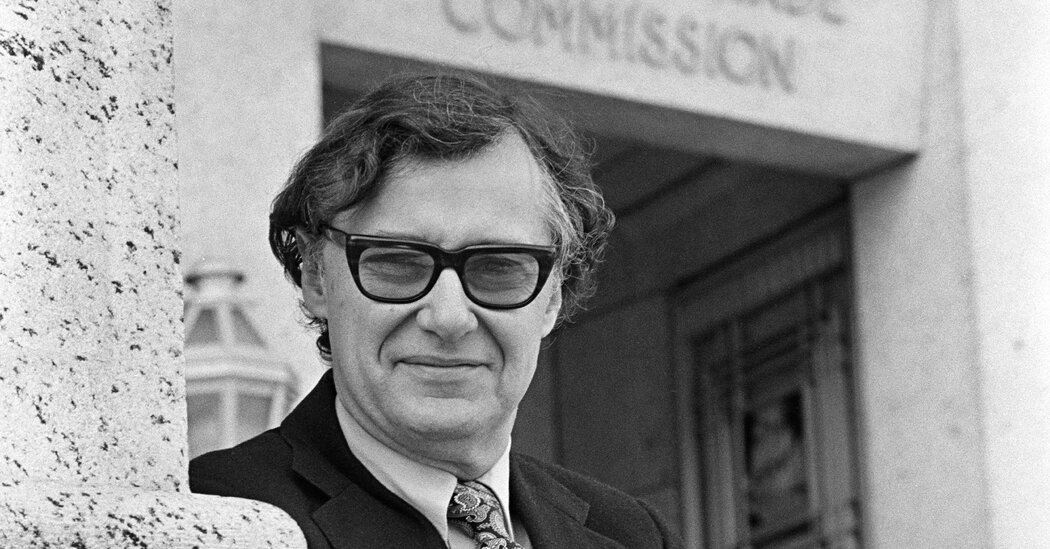
As an obscure but muscular congressional staffer and chairman of the Federal Trade Commission, he helped usher into law a raft of consumer protections.Few people outside Washington had ever heard of the consumer advocate Michael Pertschuk by the mid-1970s, but he was considered so influential in Congress that friends and foes alike anointed him “the 101st senator,” and the cigarette maker Philip Morris proclaimed him the company’s “number one enemy.”While he never held elective public office, Mr. Pertschuk occupied, as The Washington Post wrote in 1977, “the top stratum of an invisible network of staff power and influence in the Senate, with impact on the life of every citizen of the United States.”Probably more than any other individual, he was responsible for the government’s placing warning labels on cigarettes, banning tobacco advertising from television and radio, requiring seatbelts in cars and putting in place other consumer protections — all by helping to draft those measures into law as the chief counsel and staff director of the Senate Commerce Committee and later as the chairman of the Federal Trade Commission under President Jimmy Carter.“I spent a good part of my life making life miserable for the tobacco companies,” Mr. Pertschuk had said, “and I’m not sorry about that.”He died on Nov. 16 at his home in Santa Fe, N.M. He was 89. His wife, Anna Sofaer, said the cause was complications of pneumonia.Mr. Pertschuk, second from right in the foreground, and other appointees take the oath office in a White House ceremony in April 1977. He was named F.T.C. chairman. His wife, Anna Sofaer, is at right. Justice William J. Brennan of the Supreme Court administered the oath, with President Jimmy Carter flanking him. Associated PressFor ordinary consumers who were vexed by the government’s lax oversight of the tobacco and auto industries beginning in the mid-1960s, Mr. Pertschuk was their unseen legal guardian.He helped draft the Natural Gas Pipeline Safety Act, the Recreational Boat Safety Act, the Federal Railroad Safety Act, the Consumer Product Safety Act, the Toxic Substances Act and the Safe Drinking Water Act. Decades later, he lifted the veil on government sausage-making in his book “When the Senate Worked for Us: The Invisible Role of Staffers in Countering Corporate Lobbies” (2017).“Few have done more to reduce tobacco use in the United States and to galvanize and empower the tobacco control movement than Mike Pertschuk,” Matthew L. Myers, the president of the Campaign for Tobacco-Free Kids, said in a statement.He added, “He arguably became the most aggressive Federal Trade Commission chair in history and pursued powerful preventive health measures, including a proposed ban on advertising targeted at children.”The consumer advocate Ralph Nader, with whom Mr. Pertschuk collaborated closely on auto safety and other issues, described him as “a brilliant strategist, organizer and human relations genius while he was reshaping the Commerce Committee into the ‘Grand Central Station’ of consumer protection.”“He also ignited the anti-tobacco industry movement on Capitol Hill and later traveled the world motivating other countries to do the same,” Mr. Nader said in a statement.Mr. Pertschuck in 1984. He remained an F.T.C. commissioner after Ronald Reagan became president. Stepping down, he said the administration’s “ideological blindness led to a new era of regulatory nihilism and just plain nuttiness.” George Tames/The New York TimesMichael Pertschuk was born on Jan. 12, 1933, in London to a Jewish family who had sold furs in Europe for generations but who fled in 1937 as Nazi Germany codified anti-Semitism and girded for war. His father, David, opened a fur store in Manhattan. His mother, Sarah (Baumgarten) Pertschuk, was a homemaker.He graduated from Woodmere Academy on Long Island, where he grew up, earned a bachelor’s degree in literature from Yale in 1954, served in an Army artillery unit from 1954 to 1956 and was discharged as a first lieutenant. He received his law degree from Yale Law School in 1959.After clerking for Chief Judge Gus J. Solomon of the U.S. District Court in Oregon, he was hired in Washington in 1964 as a legislative assistant to Senator Maurine B. Neuberger, an Oregon Democrat. About the same time, the United States surgeon general released his groundbreaking report linking smoking to cancer and probably heart disease, and a year later Mr. Nader published his book “Unsafe at Any Speed,” which labeled the compact Chevrolet Corvair, with its engine mounted in the rear, as a “One-Car Accident.” Emerging as the Senate’s leading staff expert on tobacco control legislation, Mr. Pertschuk was recruited by Senator Warren G. Magnuson, the Oregon Democrat who was chairman of the Commerce Committee. Mr. Pertschuk served as a counsel to the committee from 1964 to 1968 and as chief counsel and staff director from 1968 to 1977, when he was named chairman of the Federal Trade Commission.He relinquished the chairmanship after Ronald Reagan was elected president in 1980 but remained a commissioner until 1984. During his tenure he forced the funeral industry to itemize its charges, but as the climate for regulation cooled, he failed in his effort to ban TV commercials aimed at marketing sugary foods to children.On leaving office, Mr. Pertschuk blamed the Republican administration for fostering de-regulaton, he said, whose “extremism and ideological blindness led to a new era of regulatory nihilism and just plain nuttiness.”Mr. Pertschuk’s first marriage, in 1954, to Carleen Joyce Dooley, ended in divorce in 1976. He married Anna Phillips Sofaer in 1977.In addition to his wife, he is survived by two children from his first marriage, Amy and Mark Pertschuk; a stepson, Daniel Sofaer; and three grandchildren.He and his wife moved from Washington to Santa Fe in 2003.Asked what motivated Mr. Pertschuk to embark on his consumer crusade, Joan Claybrook, who headed another of his progenies, the National Highway Traffic Safety Administration, during the Carter administration, said in a phone interview: “The facts. The more he learned, the more adamant he became. The more he learned about tobacco, the more outraged he became and the more determined he was to do something about it. And he was in a position of enormous power to do something about it.”After leaving government, Mr. Pertschuk founded, with David Cohen, a former president of Common Cause, the Advocacy Institute, which trained social justice adherents in the United States and emerging democracies.Mr. Pertschuk explained why he hadn’t capitalized on his enormous congressional and commission experience by going to work for a law firm, or for corporate clients or for foreign governments.“There is a career to be made out of the craft of lobbying for things you believe in,” he told The New York Times in 1987. “You may lag behind your contemporaries in BMW’s, if not Cuisinarts, but it really is worth it.”“This is more fun,” he said.

Read more →

Carbon ultrafine particles accelerate lung cancer progression

While it may seem common knowledge that smoking is bad for your lungs, if and how ultrafine particles present in cigarette smoke impact the development and progression of lung cancer remains unclear. Working with animal models, researchers at Baylor College of Medicine sought to find how airborne ultrafine particles in smoke can change a host’s defense against lung cancer.
In a study published in the current edition of Science Advances, Dr. Cheng-Yen Chang, a postdoctoral fellow in Dr. Farrah Kheradmand’s lab in the Department of Medicine — Pulmonary at Baylor, and their team discovered that exposure to ultrafine particles alters the function of immune cells in the lungs, disabling their natural defense mechanism against tumors. They found that ultrafine particles change the cell’s primary energy source, creating new byproducts in the lungs. Accumulation of the new byproducts can decrease the host’s immune defense, allowing tumors to escape detection.
These particles are not just found in cigarette smoke; environmental and other natural fires also incompletely combust organic matter that generates ultrafine particles. Kheradmand and colleagues at Rice University had previously found that immune cells in the lungs of heavy smokers contain particles that they identified as nano-sized elemental carbon black.
“When we breathe, we inhale many particles of different sizes. They are lodged somewhere along the airways, like in the nose or trachea, depending on their size.”
“Ultrafine particles are so small they can navigate the respiratory system and deposit in the far distal part of the lung that is used for gas exchange — the process of breathing,” Kheradmand said. “It is at that point where these particles can collect and begin to alter the way lung immune cells function.”
The study illuminates how ultrafine particles promote cancer progression
Using two different mouse models of lung cancer, Chang was able to replicate the same type of exposure to ultrafine particles typically seen in a heavy smoker.

Read more →