What is Strep A and what are the symptoms to look out for?

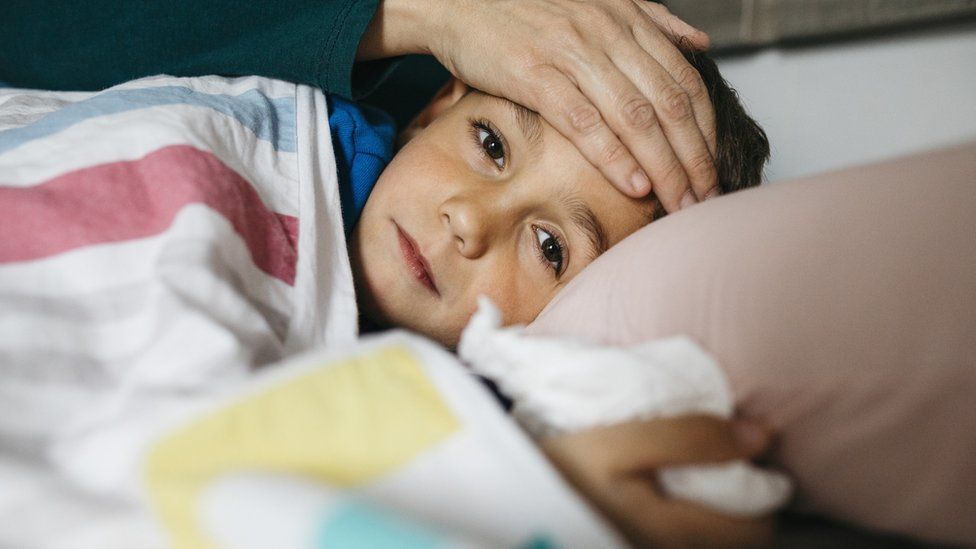
Published5 minutes agoSharecloseShare pageCopy linkAbout sharingImage source, Getty ImagesBy Michelle RobertsDigital health editorHealth officials say parents should be aware of an infection called Strep A, after children in the UK died from it.Since Covid restrictions eased, there are more opportunities for infections like this to spread. Cases have been increasing in recent weeks.While most people do not get extremely sick, the highly contagious bacteria that causes the infection can cause serious illness and complications. Fourth child dies with Strep A bacterial diseaseWhat is Strep A?It’s a bacteria sometimes found in the throat or on the skin. Many people carry it harmlessly without even knowing, but they can spread it to others who might become ill. How can you get it?People can catch it through close contact and from coughs and sneezes. Outbreaks can sometimes happen in places like schools and care homes.What are the symptoms?Most often, symptoms are mild – a sore throat or a skin infection that can be easily treated with antibiotics. But Strep A can cause a range of things – and some of them are more serious. One is scarlet fever, which mostly affects young children and, again, needs antibiotics. What is scarlet fever?It is a notifiable disease, meaning health professionals must inform local health protection teams of suspected cases. This is so they can be treated quickly and possible outbreaks brought under control.Image source, Getty ImagesIt causes a rash and flu-like symptoms, including a temperature, sore throat and swollen neck glands. Someone who has scarlet fever may have what doctors call a strawberry tongue – because its appearance looks a bit like a strawberry.Is Strep A dangerous?Very rarely, Strep A can also cause something called invasive group A streptococcal infection or iGAS. This can be deadly. Invasive disease happens when the bacteria get past your body’s immune defences. This can happen when you are already ill or are on treatments, such as some cancer therapies, that affect your immune system.Warning signs of invasive disease include:fever (a high temperature above 38C)severe muscle aches Urgent, early medical help is essential.The UK Health Security Agency advises: “Anyone with high fever, severe muscle aches, pain in one area of the body and unexplained vomiting or diarrhoea should call NHS 111 and seek medical help immediately.”What to do if your child is unwellIf you think your child may have any symptoms from Strep A then you should speak with your doctor. Tell them if you have been in contact with someone who has had Strep A recently.Is there a vaccine?No. Strep A is treated with antibiotics. More on this storyFourth child dies with Strep A bacterial disease58 minutes agoPrimary school pupil dies after catching disease18 hours agoRelated Internet LinksStrep A infectionsThe BBC is not responsible for the content of external sites.

Read more →

Strep A: Fourth child dies from bacterial disease

Published59 minutes agoSharecloseShare pageCopy linkAbout sharingImage source, GoogleA fourth child has died after contracting Strep A, the UK Health Security Agency (UKHSA) has confirmed.The latest death from the bacterial disease was of a child who attended St John’s School in Ealing, west London.It has also been confirmed a boy aged four from High Wycombe, Buckinghamshire died with Strep A last month. The two other children to have died were primary school pupils in Penarth, Vale of Glamorgan, and in Ashford, Surrey.The Group A Streptococcal (GAS) infection can cause scarlet fever.However, the UKHSA told the BBC it was important people understand scarlet fever is a mild illness and the GAS bacteria which causes it only rarely becomes invasive, leading to serious illness.The UKHSA said it was working with Ealing Council to provide public health advice and support to the school.What is Strep A?Image source, BSIP/Getty ImagesGroup A streptococcal (GAS) infection is caused by strains of the streptococcus pyogenes bacteriumThe bacteria can live on hands or the throat for long enough to allow easy spread between people through sneezing, kissing and skin contactMost infections cause mild illnesses such as “strep throat”, scarlet fever or skin infectionsThe bacteria rarely infects healthy people but if it does get into the body, causing serious and even life-threatening conditions it is known as invasive GAS (iGAS).You can read more about Strep A here.Dr Yimmy Chow, health protection consultant at UKHSA London, said: “We are extremely saddened to hear about the death of a child at St John’s Primary School, and our thoughts are with their family, friends and the school community.”Working with Ealing Council public health team, we have provided precautionary advice to the school community to help prevent further cases and we continue to monitor the situation closely.”Strep A: Why it can be dangerous and what to know The UKHSA said the symptoms of Group A streptococcal infection include a sore throat, fever and minor skin infections, and can be treated with a full course of antibiotics prescribed by a GP.”In rare incidences, it can be a severe illness and anyone with high fever, severe muscle aches, pain in one area of the body and unexplained vomiting or diarrhoea should call NHS 111 and seek medical help immediately,” Dr Chow added.Follow BBC London on Facebook, Twitter and Instagram. Send your story ideas to hellobbclondon@bbc.co.ukMore on this storyPrimary school pupil dies after catching disease18 hours agoPupil dies after primary school bacteria outbreak24 NovemberRelated Internet LinksNHS scarlet fever symptomsThe BBC is not responsible for the content of external sites.

Read more →

Dog Flu Is Back, Too

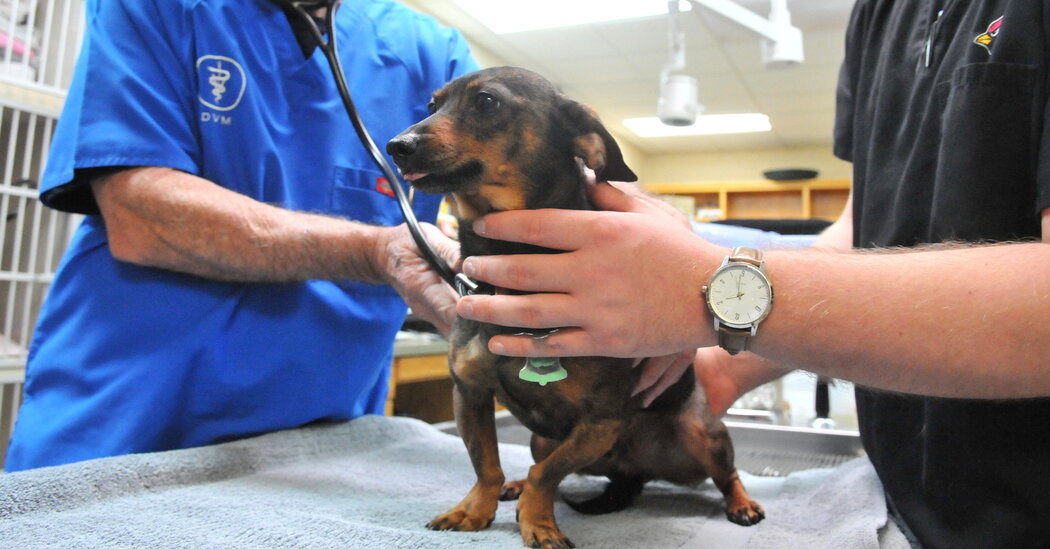
Canine influenza can spread quickly through shelters, kennels and day care facilities, although most dogs will recover on their own, experts said.When a few dogs started coughing at a Texas animal shelter in October, veterinarians were not initially alarmed. The shelter, Operation Kindness, had seen its share of sick dogs.But these coughs seemed to linger, and the handful of hacking dogs soon turned into dozens. By mid-November, 86 percent of the shelter’s roughly 150 dogs were ill.“This was just so fast-acting,” said Ed Jamison, the chief executive of Operation Kindness.Laboratory testing revealed that the dogs had contracted a highly contagious strain of canine influenza, known as H3N2, which has caused a spate of recent outbreaks across the South. Veterinarians have warned clients about the virus on social media, doggy day care facilities have closed and shelters, including Operation Kindness, have suspended adoptions.The virus, which has caused periodic outbreaks in the United States since 2015, does not currently pose a risk to humans, experts stressed, and most dogs that contract it do not become severely ill. But the disease can progress to pneumonia, or even be fatal, in a small percentage of dogs.Although canine influenza can flare up at any time, the recent rash of cases could be fueled, in part, by recent changes in Americans’ behaviors, some veterinarians suggested. Shelters that emptied out during the pandemic are full again, they said, and the resurgence of travel and reopening of offices means that more dogs are spending time together in kennels and at day care, where the virus can easily gain a foothold.“We had a bit of a quiet period during the first couple years of Covid,” said Dr. Silene St. Bernard, the regional medical director for Southern California at VCA Animal Hospitals. “While people were home, their pets were home. And we didn’t see as many of these contagious viruses spreading around.”Experts are urging dog owners to remain alert for symptoms — which may include coughing, fever and loss of appetite — especially if the virus has been reported in their area. And those whose dogs spend time in social settings may want to consider a canine influenza vaccine.“You need to think about what risks you take,” said Edward Dubovi, a virologist at the Cornell University College of Veterinary Medicine who was part of the team that identified the first strain of canine influenza. “If you go to a dog park — we have one here in Ithaca, and there may be 30 or 40 dogs running around in there — that’s a risk. If that’s part of your daily routine, and flu is in the area, then you just might want to go get a vaccine.”There are two strains of canine influenza. The first, known as H3N8, originated in horses and was first detected in Florida among greyhounds in 2004.But the most recent outbreaks have been caused by H3N2, which originated in birds. It was initially detected in dogs in South Korea in 2007, although it began circulating earlier, and spread in several countries in Asia.In 2015, it showed up in Chicago, tearing through kennels, veterinary clinics and animal shelters. “In the shelter setting, flu is not super subtle because it comes in like a tidal wave,” said Dr. Sandra Newbury, who directs the University of Wisconsin Shelter Medicine Program. (Dr. Newbury, who was part of the team that responded to and studied the Chicago outbreak, has also been working with Operation Kindness in recent weeks.)The virus spread through the Midwest and seeded additional outbreaks across the country before eventually fading out.H3N2 has been reintroduced to the United States numerous times since, research suggests. (Regulations surrounding the importation of dogs are “minimal,” said Dr. Dubovi, adding that the Healthy Dog Importation Act, introduced in Congress last year, would impose more safeguards.)Canine influenza, which is transmitted through respiratory droplets and aerosols, tends to spread quickly in group settings and can jump between states as infected dogs travel.“There’s a tendency to move animals from one part of the country to another, or from one shelter to another,” said Colin Parrish, a virologist at Cornell’s College of Veterinary Medicine and an expert on canine influenza. “So the virus gets moved along with the dogs.”Last year, the virus took hold in Los Angeles, resulting in more than 1,300 cases from July 2021 to January 2022.This summer, it showed up in Birmingham, Ala. “And it exploded,” said Dr. Lindy Alverson, the chief veterinary officer at the Greater Birmingham Humane Society. “Day cares were closing, groomers were closing.”The Humane Society, which suspended canine adoptions for six weeks, had to euthanize several severely ill dogs before the outbreak ebbed, Dr. Alverson said. Now, after a brief respite, the virus is back, she added.Cases have also been reported in Tennessee, South Carolina, Texas and elsewhere, experts noted.And influenza is not the only respiratory infection making the rounds. In Charlotte, N.C., veterinary facilities and doggy day cares said that they had seen a surge of coughing, sniffling dogs this fall. “By mid-October it got really bad,” said Kim Lovingood-Owens, the co-owner of NoDa Bark and Board. “We closed for an entire week, sanitized the building.”Some local dogs have tested positive for flu, while others have contracted different respiratory pathogens, such as the bacteria Bordetella bronchiseptica.In recent weeks, Charlotte Animal Referral & Emergency, a veterinary hospital, has seen a flood of dogs with respiratory infections resulting in severe pneumonia. “We are running out of room to place animals, we’re running out of oxygen to put them on,” said Dr. Kelly Lang, an emergency and critical care veterinarian at the facility. “I’ve never dealt with anything like this before.”At Operation Kindness, the peak of the outbreak has passed with no canine deaths, although some dogs are still finishing up their courses of treatment, Mr. Jamison said. Last weekend, adoptions at the shelter resumed, and 21 dogs found new homes.“It was so nice to finally see some dogs get adopted,” Mr. Jamison said.

Read more →

As Officials Ease Restrictions, China Faces New Pandemic Risks

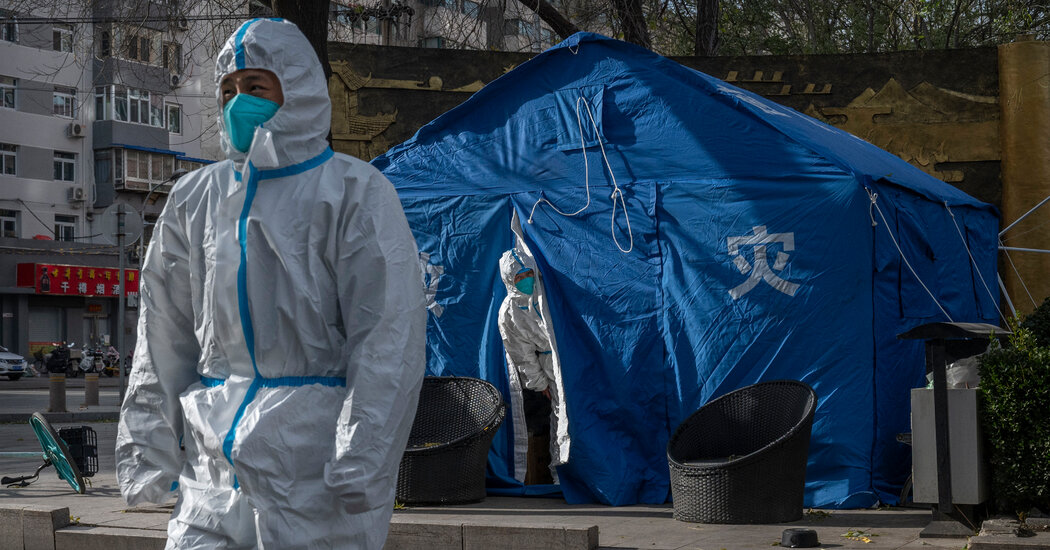
Huge swaths of the nation’s elderly remain vulnerable, scientists say, and a surge in deaths and hospitalizations may be inevitable.As one country after another succumbed to outbreaks this year, China kept the coronavirus at bay, buying valuable time to prepare for the inevitable: a variant of the virus so shifty and contagious that China, too, would struggle to contain it.But rather than laying the groundwork for that scenario, China stepped up its commitment to “zero Covid,” deploying snap lockdowns and contact tracing. In the meantime, daily vaccinations fell to record lows. Critical-care beds remained in short supply, even as workers built testing booths and isolation facilities. Research on homegrown mRNA vaccines failed to keep up with the fast-mutating virus.Now, the costs of that approach are piling up, putting China in a bind from which there appears to be no easy escape, scientists said in interviews.Even as new Covid cases have reached all-time highs, residents have taken to the streets to protest lockdowns that have ground daily life to a halt in many cities. Alarmed, officials have begun easing restrictions.Researchers worry that China may struggle to reopen the country and relieve the strain on its economy without risking a tide of deaths. Such a catastrophic surge could pose a significant threat to the political leadership.“We often pretend that China has a choice in terms of ‘zero Covid’ versus opening up,” said Dr. Siddharth Sridhar, a virologist at the University of Hong Kong. “There never was a choice. The simple fact is that China is not ready for a wave on that scale.”Nothing has set back China’s preparations as extensively as its difficulty in vaccinating older people. Two-thirds of people ages 80 and older are vaccinated, but only 40 percent have received a booster dose, a critical shortcoming because Chinese-made vaccines offer weaker protection than the Pfizer-BioNTech and Moderna vaccines.In a study during Hong Kong’s Omicron surge, two doses of China’s main domestic vaccine, Sinovac, were only 58 percent effective against severe Covid or death in people ages 80 and older. Two Pfizer-BioNTech doses, by contrast, were 87 percent effective in the same group. An earlier study in Brazil similarly found that two Sinovac doses were only 61 percent effective in preventing Covid deaths.Police officers watched as protesters demonstrated against Covid restrictions in Shanghai this week.The New York TimesThose results have cemented an impression among scientists that the Chinese shots, which rely on killed viruses to prompt an immune response, are effectively a three-dose, rather than a two-dose, vaccine.Read More on the Coronavirus PandemicLong Covid: People who took the antiviral drug Paxlovid within a few days after being infected with the coronavirus were less likely to experience long Covid months later, a study found.Updated Boosters: New findings show that updated boosters by Pfizer and Moderna are better than their predecessors at increasing antibody levels against the most common version of the virus now circulating.Calls for a New Strategy: Covid boosters can help vulnerable Americans dodge serious illness or death, but some experts believe the shots must be improved to prevent new waves.Future Vaccines: Financial and bureaucratic barriers in the United States mean that the next generation of Covid vaccines may well be designed here, but used elsewhere.Making matters more difficult, China’s last major vaccination push was in the spring, an interval of eight months or more since the last dose for many recipients.That could put a dent in their immune defenses. A study in Malaysia found that while the Pfizer-BioNTech vaccine elicited relatively steady protection against intensive-care admissions three to five months later, the effectiveness of the Sinovac vaccine against intensive-care admissions fell to 29 percent from 56 percent over that period.The Chinese vaccines stack up relatively well against the world’s other non-mRNA Covid shots, said Dr. Paul Hunter, an infectious disease specialist at the University of East Anglia in England. But reopening the country so long after the last vaccination campaign could be damaging.“I think that’s more of an issue than the quality” of China’s vaccines, Dr. Hunter said.The vaccination gaps in China’s older population are all the more glaring because the country has achieved relatively strong coverage overall. Nearly 90 percent of the population has received a primary vaccine series, generally comprising two doses of Sinovac or Sinopharm, another Chinese-made shot.The disparity results in part from an outdated theory that so long as younger and more active Chinese were immunized, the country could establish a sort of herd immunity and protect older people, said Andy Chen, a Shanghai-based analyst at Trivium, a consulting firm.Older people in China often avoid health risks, Mr. Chen said, and so the chances of even minor vaccine side effects may have seemed threatening to many. China’s reluctance to provide data on the efficacy and side effects of its vaccines created a vacuum in which those worries flourished, other experts said. Misinformation about side effects spread on Chinese social media.And while health officials have encouraged older adults with chronic illnesses to get shots, vaccinators are often reluctant to administer them without access to the medical histories of more vulnerable recipients.The “zero Covid” strategy only complicated the vaccination drive. By limiting infections, it saved lives but also eroded many older people’s sense of urgency about the need for a shot.Masks were given out at a vaccination site in Hong Kong in March.Dale De La Rey/Agence France-Presse — Getty ImagesAn emphasis on swabbing throats instead of administering shots drew further attention from the vaccination campaign. In the aftermath of a springtime surge, China erected tens of thousands of testing booths in cities like Shanghai and Beijing and built huge facilities to isolate millions. The vaccination rate stagnated.“There is always a shortage of staff members in the health care system,” said Xi Chen, an associate professor of public health at Yale University. “People told me at the time they were told to focus on mass testing.”China said this week that it would renew efforts to vaccinate its oldest citizens, announcing measures to use mobile vaccination stations, bring shots into nursing homes and go door-to-door to reach the most vulnerable, according to a statement from the country’s National Health Commission.But some experts, like Yanzhong Huang, a global health specialist and a senior fellow at the Council on Foreign Relations, expressed skepticism that the move was much more than lip service.“It is about tinkering with the current approach,” he said. “But that approach fundamentally doesn’t make any sense from a public health policy perspective anymore.”The authorities did not provide a detailed plan for the new efforts and stopped short of mandating vaccinations. As powerful as the country’s leadership is, forcing older people to get shots is seen as a potential overreach, experts said, bringing with it the risk of a public backlash.“From a local government official’s perspective, if even just one person dies from the adverse effects of vaccines, that’s blood on your hands,” said Mr. Chen, the Trivium analyst. “It’s really hard to recover from that.”If cases keep climbing, gaps in vaccine coverage could pile more pressure on hospitals that may also need to confront a winter cold and flu season. China has fewer intensive care beds per capita than many other Asian countries.The country once dealt with shortages of doctors and nurses, especially in rural areas, by moving health workers from one province to another when the virus flared up. A nationwide torrent of Omicron infections would make that impossible.A study from Shanghai’s Fudan University in May warned of a “tsunami” of Covid cases and roughly 1.6 million deaths if China abandoned its “zero Covid” policy. China has since acquired more options for antiviral treatments. But its hospital capacity is limited enough that a sudden lifting of “zero Covid” restrictions would still create a health crisis, said Ben Cowling, a professor of epidemiology at the University of Hong Kong.Construction on a makeshift hospital in the southwestern city of Chongqing last month.Agence France-Presse — Getty ImagesGiven the inevitability that cases will surge whenever China reopens, Yang Yang, an associate professor of biostatistics at the University of Florida, said that efforts “to prepare the medical system” were a priority. Already there are some signs that the leadership is shifting focus from building quarantine facilities to fortifying its best hospitals, he added.China’s floundering retreat from the emergency phase of the pandemic contrasts with the exits made by places like New Zealand and Taiwan. There, lockdowns brought breathing room while the population was being vaccinated; when the measures were lifted, deaths surged, but to levels far lower than in countries like the United States.China’s strategy so far has limited Covid deaths, too, scientists said, but without also mapping an exit from restrictions.“Restrictions and lockdowns can help buy time to get crucial public health measures in place and save lives, but they are not an exit strategy by themselves,” said Jeremy Farrar, the director of Wellcome, a global health foundation.China, which has spurned the Pfizer and Moderna vaccines, appears to be leaning on hopes for locally made mRNA alternatives. Government scientists have been running a head-to-head trial of more than a dozen new vaccine candidates, including some mRNA doses, experts said. Public data is sparse, but Indonesia recently authorized China’s mRNA shot, and some vaccine makers appear to be moving closer to seeking authorization from Chinese officials.“The formulation of getting an mRNA vaccine correct might have taken a few shots on goal, but early data suggests it’s heading in the right direction,” said James Bellush, a medical science expert at RTW Investments in New York.China’s top leadership has signaled a recognition that its blanket approach to controlling the virus is taking an increasingly large economic and social toll, calling for measures to adjust what has been a “one-size-fits-all” approach. In recent days, several cities have loosened some of their harshest restrictions following a wave of mass protests.But there still seemed to be some debate about whether backing down from Covid restrictions was the right approach. In the northeastern city of Jinzhou, in China’s Liaoning province, officials said that they had already begun to loosen some measures but still pushed back on deserting the “zero Covid” strategy. “There’s no need for us to abandon our defenses when we can reach zero, avoiding large-scale infections,” officials said.David Pierson

Read more →

Peanuts and herbs and spices may positively impact gut microbiome

Adding a daily ounce of peanuts or about a teaspoon of herbs and spices to your diet may affect the composition of gut bacteria, an indicator of overall health, according to new research from Penn State. In two separate studies, nutritional scientists studied the effects of small changes to the average American diet and found improvements to the gut microbiome.
The human gut microbiome is a collection of trillions of microorganisms that live inside the intestinal tract. The bacteria there can affect nearly all systems of the body, including metabolism and the building and maintaining of the immune system.
“Research has shown that people who have a lot of different microbes have better health, and a better diet, than those who don’t have much bacterial diversity,” said Penny M. Kris-Etherton, Evan Pugh University Professor of Nutritional Sciences, Penn State.
For the peanut study, which published in the journal Clinical Nutrition, Kris-Etherton and her colleagues compared the effects of snacking on 28 grams (approx. 1 ounce) of peanuts per day, versus a higher carbohydrate snack — crackers and cheese. At the end of six weeks, participants who ate the peanut snack showed an increased abundance of Ruminococcaceae, a group of bacteria linked to healthy liver metabolism and immune function.
In the herbs and spices study, which published in The Journal of Nutrition, scientists analyzed the impact of adding blends of herbs and spices — such as cinnamon, ginger, cumin, turmeric, rosemary, oregano, basil and thyme — to the controlled diets of participants at risk for cardiovascular disease. The team examined three doses — about 1/8 teaspoon per day, a little more than 3/4 teaspoon per day and about 1 1/2 teaspoon per day. At the end of four weeks, participants showed an increase in gut bacteria diversity, including an increase in Ruminococcaceae, most notably with the medium and high doses of herbs and spices.
“It’s such a simple thing that people can do,” said Kris-Etherton. “The average American diet is far from ideal, so I think everyone could benefit by adding herbs and spices. It’s also a way of decreasing sodium in your diet but flavoring foods in a way that makes them palatable and, in fact, delicious! Taste is really a top criterion for why people choose the foods they do.”
In both studies, the increase in Ruminococcaceae and bacterial diversity was viewed positively, as scientists continue to learn more about the connection between the gut microbiota and a spectrum of health factors, from blood pressure to weight. However, Kris-Etherton is quick to point out that more research is needed to understand all of the implications.

Read more →

Muscle wasting severity linked to type, size and location of tumor in mice

About 80% of people with cancer suffer from significant muscle wasting, or loss of muscle tissue, and 30% of these patients die from this condition. New research in mice finds that the severity of muscle wasting is related to the type, size and location of the tumor.
“Muscle wasting, and not the tumor itself, is often the killer,” said Gustavo Nader, associate professor of kinesiology, Penn State. “That’s why it is important to study what is happening at the cellular level in skeletal muscle that may be contributing to the wasting problem.”
Nader’s previous research in ovarian cancer revealed that muscle wasting is related to reduced production of ribosomes — or particles in the cell that make proteins. Yet, he said, relatively little is known about the mechanisms driving down muscle protein synthesis and wasting in cancer patients.
In new research published in two papers appearing in the same issue of the Journal of Applied Physiology, the team investigated the mechanisms involved in muscle wasting in lung cancer and colorectal cancer in mice. The researchers found that the type, size and location of the tumor influenced the severity of muscle wasting through divergent mechanisms.
In the lung cancer study, the team examined the effects of two different types of lung cancer-derived tumors — LP07 and Lewis lung carcinoma (LLC). Tumor growth resulted in significant muscle weakness in mice with the LP07 tumor type, which was also associated with a reduction in ribosome production, while muscle wasting in the LLC tumor type caused muscle wasting but did not produce weakness or lowered ribosomal levels.
In the colorectal cancer study, the team examined two types of colorectal tumors — HCT116 and C26 — and studied them using two models to define the role of tumor burden on muscle wasting. Tumor burden is the number of cancer cells, the size of a tumor, the amount of cancer in the body or the disease severity associated with the tumor. The findings indicate that the location of the tumor is an important factor in determining the severity of muscle wasting but this also depends on the type of tumor.
“There are no effective treatments for muscle wasting in cancer patients,” said Nader. “We are beginning to understand how different tumors cause muscle wasting, which is crucial because cancer treatments are less effective in patients with low muscle mass.”
The Penn State team collaborated with David Waning from Hershey Medical Center, Esther Barreiro from the Universitat Pompeu Fabra in Barcelona, and Andrea Bonetto from Indiana University. Research in the Nader lab is supported by The National Institutes of Health.
Story Source:
Materials provided by Penn State. Original written by Sara LaJeunesse. Note: Content may be edited for style and length.

Read more →

Infectious Covid virus can stay on some groceries for days

Published41 minutes agoSharecloseShare pageCopy linkAbout sharingImage source, Getty ImagesBy Michelle RobertsDigital health editorThe Covid virus can reside on some ready-to-eat groceries for days, UK experts have confirmed. Scientists carried out tests for the Food Standards Agency (FSA), purposely smearing the virus on to packaging and food products, including fruit, pastries and bottled drinks. They chose items that people might put in their mouth without cooking or washing.The risk to consumers remains very low, they say. Their report says it should be noted that “foods and packaging considered as part of this study were artificially inoculated with Sars-Cov-2 and therefore are not a reflection of contamination levels found on these foods at retail, and lower levels of contamination will require less time to decline to undetectable levels.”‘Noteworthy’ findingsFor most food products tested there was a “significant drop” in the levels of virus over the first 24 hours. But in some cases traces survived for about a week, the University of Southampton team found. “For a highly infectious agent such as Sars-Cov-2, which can be transmitted through touching contaminated surfaces and then the face, these findings are highly noteworthy,” they say. “The public may be interested in the finding that virus may persist in an infectious state, on foods and food packaging surfaces, for several days under certain common conditions.”But they add that there is no need for shoppers to take extra precautions when handling food – other than washing your hands before preparing and eating it, and rinsing fresh produce to help to remove any contamination on the surface. They picked foods often sold loose at grocery, deli or bakery counters, such as apples, peppers, cheese, ham, olives, crusty bread and croissants. The packaging tested included drink bottles, cartons and cans. The amount of virus they applied was designed to simulate how much might land on food if someone who was infected coughed or sneezed near it, for example, because Covid is spread by respiratory droplets.Breathing in infected droplets, rather than touching infected surfaces, is still the main way people catch Covid.Anthony Wilson, microbiological risk assessment team leader at the FSA, said: “In the early stages of the pandemic, we didn’t know much about how the virus would survive on different food surfaces and packaging, so the risk assessment was based on a worst-case assumption.”This research gives us additional insight into the stability of coronavirus on the surfaces of a variety of foods and confirms that assumptions we made in the early stages of the pandemic were appropriate, and that the probability that you can catch Covid via food is very low.”Food testsThe team examined a range of temperatures and humidity levels to mimic typical storage conditions, measuring the rate of inactivation of the virus, and found: Fresh fruit and veg The virus appears to last longer on produce with uneven surfaces – broccoli and raspberries – than on smooth skinned ones such as apples (although some chilled fresh peppers had detectable virus a week later). Apples contain natural chemicals in their skin that may start to break down the Covid virus within minutes or hours, the scientists say. Baked goods Pastries such as pain au chocolat appeared to have little virus after a few hours – perhaps because they are coated in a fine layer of egg wash during baking, say the FSA scientists. Eggs contain arachidonic acid which might have an antiviral effect. Deli items Cheese and cold meat, with a high protein and fat content, appear to allow the virus to survive for days – possibly a week. Drinks and ready meal containersCovid can survive for up to a week on plastic surfaces. For cartons, it could be several days. For aluminium cans, it is probably only hours, say the researchers.More on this storyStudy finds Covid survives three days on fabric24 February 2021No Covid variants found on London Tubes and buses19 February 2021

Read more →

India makes big strides in African healthcare

Published1 hour agoSharecloseShare pageCopy linkAbout sharingImage source, Getty ImagesBy Priti GuptaMumbaiLike many African doctors, Peter Mativo had to travel overseas to complete his training.In 2007 he left Kenya for Bangalore to pursue his goal of becoming a neurologist. After 18 months in India, he returned to Kenya and now works at the Aga Khan University Hospital in Nairobi.”Most of us train in India, as Africa is not a developed continent. We have a very poor economy with no medical infrastructure in place nor specialised training,” he says.”I would have never been able to get a specialised degree if I would have not opted for India,” Mr Mativo says.India is keen to strengthen such ties with Africa. It has identified the healthcare sector as one area where trade between the continents can flourish.So young African doctors are encouraged to finish their training in India, meanwhile Indian healthcare firms are expanding all over Africa.Image source, Peter Mativo”The African market is a natural fit for Indian pharmaceutical companies, as India is the largest provider of generic medicine in the world,” says Nisht Dubey.Generic drugs made in India can sell at a quarter of the price of a branded equivalent, which makes them a popular choice in less well-off parts of the world.”There is a big gap between demand and supply of medicines in Africa, with a huge disparity among rich and poor,” says Mr Dubey.Spurred by a shortage of medicine and hospital equipment in Kenya during the Covid crisis, Mr Dubey set-up Goodstrain Pharma in 2020. It imports medicine and medical products from all over the world into Kenya.Goodstrain’s warehouse and corporate offices are in Nairobi, but Mr Dubey wants it to expand across East Africa.”Africa is the only pharmaceutical market where genuinely high growth is still achievable,” says Mr Dubey, who is originally from Uttar Pradesh in northern India.But getting a firm going in Kenya has not been easy. Goodstrain’s very first shipment to Kenya was held up at customs for weeks – a major setback for the young firm.Mr Dubey says they were not ready for the web of regulations covering imports. Now a third party, which specialises in clearing imports, handles that for them.Image source, Getty ImagesAfricure Pharmaceuticals, has gone one step further than Goodstrain, by manufacturing pharmaceuticals in Africa.The company, only founded in 2017, already has nine manufacturing facilities in Africa, employing 300 people across Cameroon, Namibia, Botswana and Côte d’Ivoire, with plans to build plants in Ethiopia and Zimbabwe.Africure’s factories make medications to treat pain, fever, inflammation, malaria, diabetes andhypertension, as well as a wide range of antibiotics.”Africa over the years has been dependent on imports of medication from Europe, India, and China, which has resulted in the draining of precious foreign exchange, non-creation of job opportunities, and suffering the vagaries of supply and demand,” says Sinhue Noronha, founder and chief executive of Africure Pharmaceuticals.Originally from Mumbai, Mr Noronha, hopes his firm will help tackle some of the problems in African healthcare.”Our primary objective is to solve the persistent issues such as affordability, availability, low quality, technological dependence, and reliance on imports.”All of our plants and distribution setups are engaged primarily to provide an uninterrupted supply of essential medicines.”Image source, Goodstrain PharmaMr Noronha says that Indian firms have a head start over rivals from elsewhere in the world.”Indian manufacturers and importers are able to understand the African market because of our large diaspora presence in Africa.”Even with those connections, Mr Noronha, has found building a business in Africa a bumpy experience.”The biggest challenge is political instability. I may get a permission today to set up a manufacturing unit, and tomorrow the government or the health minister may resign. One has to be ready for any kind of eventuality,” he says.He also says that personal safety is a consideration.”Security is another big concern. murder and kidnapping are common in Africa. We Indians have to be very careful,” he says.Broadly, Indian healthcare firms have a good reputation in Africa, but that hard won image has recently suffered significant damage.This video can not be playedTo play this video you need to enable JavaScript in your browser.Police in The Gambia are investigating the deaths of 66 children, which have been linked to four brands of imported Indian cough syrup.In October, the World Health Organization (WHO) issued a global alert over the cough syrups – warning they could be linked to acute kidney injuries and the children’s deaths in July, August and September.”The Gambia incident is an aberration and we should feel bad about it,” says Udaya Bhaskar, director general of Pharmexcil, which promotes the export of Indian pharmaceuticals.”This incident will certainly be a dent in our exports and the image of Indian pharma,” he says.But he thinks the reputational damage will be short-lived.”The important factor is that Africa is very dependent on other countries and India produces very good quality medicine, so the Gambia impact will be short-term.”Back in Nairobi, Dr Mativo says the problem is the lack of testing facilities in Africa.”The Gambia incident is sad. The biggest problem is we are not financially strong, nor do we have facilities which can check the standards of medicine supplied to us.”He would like to see more products produced locally.”In Africa most of the population cannot afford branded medicine… what we need is training and setting up manufacturing units in Africa.”

Read more →

China Has an Extraordinary Covid-19 Dilemma

More than one in six people on the planet live in China. That’s 1.4 billion people who have spent the last three years in the world’s most intrusive pandemic surveillance state, designed to limit the spread of Covid-19 at almost any cost.Americans, particularly on the right, have spent an awful lot of time and political energy complaining about pandemic overreach for the last two years. But our restrictions had nothing on China’s. In the United States, many statewide stay-at-home orders lasted just a few weeks. None exceeded three months, and most were only sporadically enforced. As protests erupted across China last month, one-third of the country was in partial or total lockdown — workers stuck in quarantine facilities, neighborhoods sealed, businesses and schools closed.It is too soon to say whether the protests will mark the beginning of a true phase shift in China’s pandemic policy — so far, they have produced both a dramatic police crackdown and the relaxation of restrictions in some cities. But to a worldwide audience watching China with a mix of fascination and horror, mass public protest in the world’s last large “zero Covid” holdout seems to mark a global turning point. For several years now, many public health experts have acknowledged privately that the opportunity to contain and eradicate Covid-19 might have been lost as early as the winter of 2020. And for several years now China has tried to beat the disease back at the border anyway.Remarkably, it has basically succeeded, almost entirely suppressing disease spread within the country’s borders for three years now, an effort that has put it on an entirely different pandemic timeline from most of the rest of the world. It has also made reflexive efforts to analogize the situation in China a bit suspect. Some Americans who believed our pandemic response was excessive have treated the protests as a tacit endorsement of the more laissez-faire approach we’ve embraced post-vaccines; others who might’ve argued for doing more here are also taking the protests as a sign that, in the end, compared with China, the United States got things right.But however it may look from outside, China’s leaders are not operating in a risk landscape like the one Americans are in today, where more than 90 percent of the country has probably gotten Covid at least once and more than 90 percent of people over age 65 are vaccinated. They are looking at one somewhat more like the one we faced years ago, when immunity from vaccines and infections was substantially lower. And Hong Kong’s deadly brush with the Omicron variant this year — death rates were about twice as bad there as in Britain or the United States — may prove to be the closest harbinger of what’s to come.Ninety percent of people in China are now vaccinated. But many fewer infections there and a low uptake of vaccines among older people — only 65.8 percent of those over 80 are fully vaccinated — means an enormous population of vulnerable, immunologically naïve people. Considerably more could still be done to protect the population going forward, such as more fully embracing imported mRNA vaccines, which seem to offer greater protection than the vaccines produced in China, and pushing even harder to vaccinate vulnerable older people. In the meantime, the risks of reopening are still large. A true reopening, however unlikely, could lead to millions of deaths.There is no easy or obvious resolution to that dilemma, no matter how intuitive a return to normalcy may seem to those of us living in pandemic-battered parts of the world. Here a new normal was won through vaccination, to a large degree, but also through near-universal infection and mass death. So far, American Covid mortality in 2022 is below the levels of 2020 and 2021, but not that far below, with deaths this year two-thirds of those in 2020 and half as high as those in 2021. Covid-19 is on track to be the country’s third leading cause of death for the third straight year, behind only heart disease and cancer.Something like that could well lie ahead for China, given a vaccine rollout that prioritized uptake by the young and healthy and discouraged it by the older and more vulnerable. (At first, vaccination was only approved for the young and healthy.) Exactly why they did this is still not clear, at least to international observers, many of whom may have wondered why it is so much harder for an outwardly authoritarian regime to mandate vaccination for the old, or even very aggressively promote it, than it has been to lock down entire cities for weeks at a time.Perhaps it is a sign, like the protests themselves, that the party’s grip is less strong than we imagine it to be; perhaps that the government missed its good-will window for pushing more aggressively for shots; or perhaps it’s an indication that bodily autonomy is a different and more deeply held kind of liberty than political autonomy. Perhaps the regime distrusted its vaccines even more than the rest of the world did, or worried more about their side effects. Perhaps it was more concerned about the accumulating effect of reinfections and was waiting for nasal spray vaccines more capable not just of limiting disease severity but of stopping transmission. (Such vaccines, stuck in bureaucratic and developmental bottlenecks here, have been approved in China, though they haven’t been rolled out at scale yet.) Perhaps it was just more confident that zero Covid could work indefinitely, or so invested in the political narrative of the country’s exceptional pandemic success that a change of course was, to Xi, unthinkable.Is it thinkable now? This week, my colleague Paul Krugman wrote that the protests were a sign that “China lost the Covid war,” emphasizing that, despite appearances early in the pandemic, democracies now seem to have definitely outperformed autocracies, and calling on Chinese leaders to recognize the error of their ways and change course. In The Guardian, Yu Jie wrote that “zero Covid can’t continue,” with reopening “the only way to quell public anger.” But personally, I would bet only on much smaller-scale adjustments, of the kind that had already been floated by Beijing in the weeks before the protests began.That’s because the best model of what might transpire in a truly opened-up China is Hong Kong’s experience with Omicron. By mid-February 2022, there had been a reported total of just over 200 deaths in the city since the beginning of the pandemic. By mid-April, it was over 9,000. And while a much more aggressive mainland campaign to deliver mRNA vaccines to older people could lessen the death toll, the experience of other countries largely credited with doing everything right suggests that even best-case exits from the emergency phase of the pandemic can be quite messy.Consider the experience in Japan, one of the world’s most celebrated pandemic success stories. Covid deaths there are 70 percent higher this calendar year than they were in the first two years of the pandemic combined. In Iceland, another often-cited success story, five times as many people have died from Covid in 2022 as in the first two years of the pandemic. In Australia, it is six times as many. This past January, Taiwan had registered under 1,000 deaths; today that figure is over 14,000. According to The Economist’s gold standard tracker, New Zealand is now the only nation in the world with negative excess mortality across the whole span of the pandemic — meaning that the country has had fewer deaths since 2020 than would have been expected in a world without SARS-CoV-2. And yet even there, the last year has upended some narratives: As recently as January 2022, only 52 New Zealanders had died from Covid; today the figure is above 2,000, more than 40 times as high.In each of these countries, rapid increases in Covid mortality this year come from very low and presumably unsustainable baselines, but even so, they tell a striking story. Mitigation measures mattered, particularly until the arrival of vaccines, when vaccination mattered even more. But in any particular country the dream of actually defeating the pandemic outright — or even holding it at bay long enough to fully protect the population through universal vaccination — was no match for the disease itself. Eventually, every country got it.Or almost every country. Throughout the pandemic, many international observers questioned the reliability of official Chinese data about the toll of the pandemic. But given the global context, that data remains pretty astonishing, even correcting for its unreliability: In January, China reported just under 5,000 total Covid deaths. Today that figure is just over 5,000. A nation of 1.4 billion registered barely 500 official deaths over the course of the year in which their pandemic policy began to crumble. In total, over three years, the country has reported only 1.6 million official infections, and while that is surely a gross underestimate, it suggests that only about one-tenth of 1 percent of the country has ever gotten sick with Covid. In the United States, a larger share of our population has died from it — nearing 1.1 million deaths in total.That isn’t at all to suggest that China’s permanent lockdowns are a better model, or that any of the world’s major countries would or should want to trade places with China. But the binary contrast between the approaches is not as illuminating as it may seem.In the United States, where people sometimes say “lockdowns” and mean “mask mandates” and “school closures” or sometimes just “widespread testing,” even relatively mild mitigation measures have grown politically and socially toxic. But the most obvious tools to limit ongoing spread are not especially obtrusive: investments in air quality and better workplace safety standards, paid sick leave, aggressive rollout of those nasal vaccines and an emphasis on the vulnerability of the country’s older people, who make up about 90 percent of its distressingly high ongoing deaths. In China, pandemic policy only became significantly more restrictive than it was in the United States and Britain in the summer of 2021, according to a “stringency index” calculated by the University of Oxford’s government response tracker, and the country faces tough choices now not because of how effective those restrictions have been but because of unrelated problems in vaccine rollout and efficacy.When most of the world, armed with vaccines, pulled back from aggressive mitigation, it was in part an act of resignation — an acknowledgment that the cat was out of the bag, that the virus was irretrievably in circulation and had conferred considerable natural immunity already, and that while continuing infections were regrettable, vaccination and treatments could blunt the impact. In China, where there has been much less infection and much less death, the protests appear to express something more like pure pandemic exhaustion. By its own standards, China’s zero Covid policy didn’t really fail. But the country is running out of patience for it anyway.David Wallace-Wells (@dwallacewells), a writer for Opinion and a columnist for The New York Times Magazine, is the author of “The Uninhabitable Earth.”

Read more →

Small studies of 40Hz sensory stimulation confirm safety, suggest Alzheimer's benefits

A pair of early stage clinical studies testing the safety and efficacy of 40Hz sensory stimulation to treat Alzheimer’s disease has found that the potential therapy was well tolerated, produced no serious adverse effects and was associated with some significant neurological and behavioral benefits among a small cohort of participants.
“In these clinical studies we were pleased to see that volunteers did not experience any safety issues and used our experimental light and sound devices in their homes consistently,” said Li-Huei Tsai, Picower Professor in the The Picower Institute for Learning and Memory at MIT and senior author of the paper describing the studies in PLOS ONE Dec. 1. “While we are also encouraged to see some significant positive effects on the brain and behavior, we are interpreting them cautiously given our study’s small sample size and brief duration. These results are not sufficient evidence of efficacy, but we believe they clearly support proceeding with more extensive study of 40Hz sensory stimulation as a potential non-invasive therapeutic for Alzheimer’s disease.”
In three studies spanning 2016-2019, Tsai’s lab discovered that exposing mice to light flickering or sound clicking at the gamma-band brain rhythm frequency of 40Hz — or employing the light and sound together — produced widespread beneficial effects. Treated mice modeling Alzheimer’s disease pathology experienced improvements in learning and memory; reduced brain atrophy, neuron and synapse loss; and showed lower levels of the hallmark Alzheimer’s proteins amyloid beta and phosphorylated tau compared to untreated controls. The stimulation appears to produce these effects by increasing the power and synchrony of the 40Hz brain rhythm, which the lab has shown profoundly affects the activity of several types of brain cells, including the brain’s vasculature.
Study designs
Based on those encouraging results, Diane Chan, a neurologist at Massachusetts General Hospital and a postdoctoral clinical fellow in Tsai’s lab, led the two new clinical studies at MIT. One set of tests, a “Phase 1” study, enrolled 43 volunteers of various ages including 16 people with early stage Alzheimer’s to confirm that exposure to 40Hz light and sound was safe and test whether it increased 40Hz rhythm and synchrony after a few minutes of exposure, as measured with EEG electrodes. The study also included two patients with epilepsy at the University of Iowa who consented to having measurements taken in deeper brain structures during exposure to 40Hz sensory stimulation while undergoing epilepsy-related surgery.
The second set of tests, a “Phase 2A” pilot study, enrolled 15 people with early stage Alzheimer’s disease in a single-blinded, randomized, controlled study to receive exposure to 40Hz light and sound (or non-40Hz “sham” stimulation for experimental controls) for an hour a day for at least three months. They underwent baseline and follow-up visits including EEG measurements during stimulation, MRI scans of brain volume, and cognitive testing. The stimulation device the volunteers used in their homes (a light panel synchronized with a speaker) was equipped with video cameras to monitor device usage. Participants also wore sleep-monitoring bracelets during their participation in the trial.

Read more →