What to Know About Strep A Infections Among Children in the UK
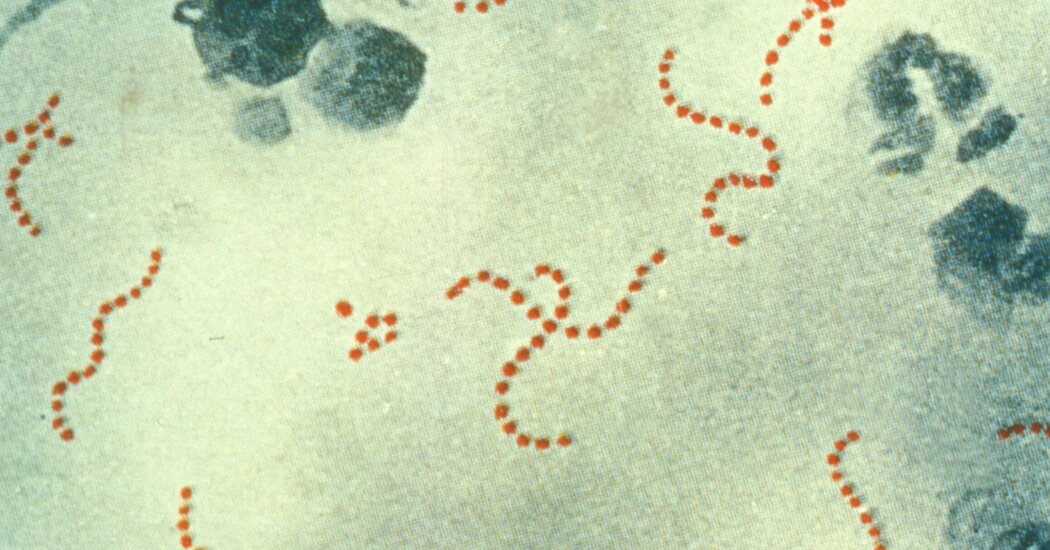
Several children have died from strep A this season, health officials said on Tuesday. Here is a quick list of symptoms and other important information.Health officials in Britain said several children had recently died after being diagnosed with invasive Group A streptococcus, sounding the alarm for schools and prompting parents to spring to action.“We are seeing a higher number of cases of Group A strep this year than usual,” Dr. Colin Brown, the deputy director of the U.K. Health Security Agency, said in a news release on Friday. While the bacteria usually causes mild infections, he said, in rare circumstances it can cause more serious illnesses.He urged parents to be vigilant of symptoms and to seek medical attention as quickly as possible if their child began showing signs of deteriorating health.Jim McManus, president of the Association of Directors of Public Health in Britain, expressed similar concerns to the BBC, telling the network that the number of severe cases would rise.“We seem to have forgotten that strep A is around,” he said. “In some cases perhaps we had thought this had gone away because we had been thinking about other infections.”Here’s a breakdown of what we know.What is Group A streptococcus?Group A streptococcus is a common bacteria that can be found in the throat or on the skin, according to the U.K. Health Security Agency. The bacteria doesn’t always cause illness, but it can cause tonsillitis, sore throat, skin rashes, scarlet fever and impetigo.In older adults, very young children or immunocompromised people, the bacteria can also sometimes get into the bloodstream and cause a more serious illness known as invasive Group A streptococcus, or iGAS.Necrotizing fasciitis, necrotizing pneumonia and streptococcal toxic shock syndrome are some of the infections caused by iGAS. They are frequently fatal.Is it contagious?Yes. Group A streptococcus is highly contagious and spreads through close contact with an infected person. It could be passed through a few different ways, including coughs, sneezes or by contact with a wound, health officials said.Even if a person isn’t feeling sick or showing symptoms of infection, the bacteria can be passed on. The risk of spread is greater, however, when a person is visibly unwell.Officials note that infections rarely become serious and that, when treated with antibiotics, a patient with a mild illness stops being contagious about 24 hours after starting medication.What are the symptoms?Symptoms can include sore throat, fever, chills, headache, muscle aches and a rash.How serious is the situation?As of Tuesday, seven children in England had died after being diagnosed with invasive Group A streptococcus, a U.K. Health Security Agency spokesman said. Additional deaths have been reported in Northern Ireland and Wales.Government officials have said there has been an increase in invasive Group A strep cases this year, mostly in children under 10. So far this year, there have been 2.3 cases per 100,000 children 1 to 4 years old. Between 2017 and 2019 there were an average of 0.5 cases in that age group. The next age group older has seen a similar increase in cases: 1.1 per 100,000 children between 5 and 9 this year, compared with 0.3 from 2017 to 2019.In the 2017 to 2018 winter season, four children in England under 10 died.Why are cases rising now?It is unclear. Health officials have said that there is no evidence that a new strain is circulating but that the increase in infections is most likely related to high amounts of circulating bacteria.Doctors said a combination of factors, including more social mixing compared with previous years and a rise in other respiratory viruses, may be contributing.I’m a parent. What can I do?Trust your own judgment, health officials said. You may want to contact a doctor for a number of reasons, including if your child is getting worse, if you observe your child eating less than normal, if you notice signs of dehydration or if your child is feeling very tired.Parents may want to call emergency services if they notice their child having difficulty breathing or observe pauses in a child’s breathing.Also, do not underestimate the importance of good hand and respiratory hygiene — washing hands with soap and warm water for 20 seconds and using tissues to cover coughs and sneezes — to help stop the spread of viruses.

Read more →

Experimental mRNA Vaccine May Protect Against All 20 Influenza Virus Subtypes

Caption: Messenger RNA (mRNA)– nanoparticle vaccine encoding hemagglutinin antigens (H with number) from all 20 known influenza subtypes.

Flu season is now upon us, and protecting yourself and loved ones is still as easy as heading to the nearest pharmacy for your annual flu shot. These vaccines are formulated each year to protect against up to four circulating strains of influenza virus, and they generally do a good job of this. What they can’t do is prevent future outbreaks of more novel flu viruses that occasionally spill over from other species into humans, thereby avoiding a future influenza pandemic.

On this latter and more-challenging front, there’s some encouraging news that was published recently in the journal Science [1]. An NIH-funded team has developed a unique “universal flu vaccine” that, with one seasonal shot, that has the potential to build immune protection against any of the 20 known subtypes of influenza virus and protect against future outbreaks.

While this experimental flu vaccine hasn’t yet been tested in people, the concept has shown great promise in advanced pre-clinical studies. Human clinical trials will hopefully start in the coming year. The researchers don’t expect that this universal flu vaccine will prevent influenza infection altogether. But, like COVID-19 vaccines, the new flu vaccine should help to reduce severe influenza illnesses and deaths when a person does get sick.

So, how does one develop a 20-in-1“multivalent” flu vaccine? It turns out that the key is the same messenger RNA (mRNA) technology that’s enabled two of the safe and effective vaccines against COVID-19, which have been so instrumental in fighting the pandemic. This includes the latest boosters from both Pfizer and Moderna, which now offer updated protection against currently circulating Omicron variants.

While this isn’t the first attempt to develop a universal flu vaccine, past attempts had primarily focused on a limited number of conserved antigens. An antigen is a protein or other substance that produces an immune response. Conserved antigens are those that tend to stay the same over time.

Because conserved antigens will look similar in many different influenza viruses, the hope was that vaccines targeting a small number of them would afford some broad influenza protection. But the focus on a strategy involving few antigens was driven largely by practical limitations. Using traditional methods to produce vaccines by growing flu viruses in eggs and isolating proteins, it simply isn’t feasible to include more than about four targets.

That’s where recent advances in mRNA technology come in. What makes mRNA so nifty for vaccines is that all you need to know is the letters, or sequence, that encodes the genetic material of a virus, including the sequences that get translated into proteins.

A research team led by Scott Hensley, Perelman School of Medicine at the University of Pennsylvania, Philadelphia, recognized that the ease of designing and manufacturing mRNA vaccines opened the door to an alternate approach to developing a universal flu vaccine. Rather than limiting themselves to a few antigens, the researchers could make an all-in-one influenza vaccine, encoding antigens from every known influenza virus subtype.

Influenza vaccines generally target portions of a plentiful protein on the viral surface known as hemagglutinin (H). In earlier work, Hensley’s team, in collaboration with Perelman’s mRNA vaccine pioneer Drew Weissman, showed they could use mRNA technology to produce vaccines with H antigens from single influenza viruses [2, 3]. To protect the fragile mRNA molecules that encode a selected H antigen, researchers deliver them to cells inside well-tolerated microscopic lipid shells, or nanoparticles. The same is true of mRNA COVID-19 vaccines. In their earlier studies, the researchers found that when an mRNA vaccine aimed at one flu virus subtype was given to mice and ferrets in the lab, their cells made the encoded H antigen, eliciting protective antibodies.

In this latest study, they threw antigens from all 20 known flu viruses into the mix. This included H antigens from 18 known types of influenza A and two lineages of influenza B. The goal was to develop a vaccine that could teach the immune system to recognize and respond to any of them.

More study is needed, of course, but early indications are encouraging. The vaccine generated strong and broad antibody responses in animals. Importantly, it worked both in animals with no previous immunity to the flu and in those previously infected with flu viruses. That came as good news because past infections and resulting antibodies sometimes can interfere with the development of new antibodies against related viral subtypes.

In more good news, the researchers found that vaccinated mice and ferrets were protected against severe illness when later challenged with flu viruses. Those viruses included some that were closely matched to antigens in the vaccine, along with some that weren’t.

The findings offer proof-of-principle that mRNA vaccines containing a wide range of antigens can offer broad protection against influenza and likely other viruses as well, including the coronavirus strains responsible for COVID-19. The researchers report that they’re moving toward clinical trials in people, with the goal of beginning an early phase 1 trial in the coming year. The hope is that these developments—driven in part by technological advances and lessons learned over the course of the COVID-19 pandemic—will help to mitigate or perhaps even prevent future pandemics.

References:

[1] A multivalent nucleoside-modified mRNA vaccine against all known influenza virus subtypes. Arevalo CP, Bolton MJ, Le Sage V, Ye N, Furey C, Muramatsu H, Alameh MG, Pardi N, Drapeau EM, Parkhouse K, Garretson T, Morris JS, Moncla LH, Tam YK, Fan SHY, Lakdawala SS, Weissman D, Hensley SE. Science. 2022 Nov 25;378(6622):899-904.[2] Nucleoside-modified mRNA vaccination partially overcomes maternal antibody inhibition of de novo immune responses in mice. Willis E, Pardi N, Parkhouse K, Mui BL, Tam YK, Weissman D, Hensley SE. Sci Transl Med. 2020 Jan 8;12(525):eaav5701.[3] Nucleoside-modified mRNA immunization elicits influenza virus hemagglutinin stalk-specific antibodies. Pardi N, Parkhouse K, Kirkpatrick E, McMahon M, Zost SJ, Mui BL, Tam YK, Karikó K, Barbosa CJ, Madden TD, Hope MJ, Krammer F, Hensley SE, Weissman D. Nat Commun. 2018 Aug 22;9(1):3361.Links:

Understanding Flu Viruses (Centers for Disease Control and Prevention, Atlanta)

COVID Research (NIH)

Decades in the Making: mRNA COVID-19 Vaccines (NIH)

Video: mRNA Flu Vaccines: Preventing the Next Pandemic (Penn Medicine, Philadelphia)

Scott Hensley (Perelman School of Medicine at the University of Pennsylvania, Philadelphia)

Weissman Lab (Perelman School of Medicine)

Video: The Story Behind mRNA COVID Vaccines: Katalin Karikó and Drew Weissman (Penn Medicine, Philadelphia)

NIH Support: National Institute for Allergy and Infectious Diseases

Read more →

Decrease in Japanese children's ability to balance during movement related to COVID-19 activity restrictions

A team of researchers from Nagoya University in central Japan investigated how restrictions on children’s activities during the COVID-19 pandemic affected their life habits and their abilities to perform physical activities. By comparing medical examination data before and after the onset of the pandemic, they found that physical functions among adolescents deteriorated, including their dynamic balance. They also found that the children had higher body fat levels and worse life habits. Rather than a lack of exercise time, this may have been because of a lack of quality exercise due to activity restrictions.
During the COVID-19 pandemic, in Japan, as in other countries, schools and sports clubs tried to prevent the spread of infection by reducing physical education and restricting outdoor physical activities, club activities, and sports. However, children who are denied opportunities for physical activity with social elements may develop bad habits. During the pandemic, children, like adults, increased the time they spent looking at television, smartphone, and computer screens, exercised less, and slept less. Such changes in lifestyle can harm adolescent bodies, leading to weight gain and health problems.
Visiting Researcher Tadashi Ito and Professor Hideshi Sugiura from the Department of Biological Functional Science at the Nagoya University Graduate School of Medicine, together with Dr. Yuji Ito from the Department of Pediatrics at Nagoya University Hospital, and Dr. Nobuhiko Ochi and Dr. Koji Noritake from Aichi Prefectural Mikawa Aoitori Medical and Rehabilitation Center for Developmental Disabilities, conducted a study of Japanese children and students in elementary and junior high schools, aged 9-15, by analyzing data from physical examinations before and during the COVID-19 pandemic. They evaluated the children’s muscle strength, dynamic balance functions, walking speed, body fat percentage, screen time, sleep time, quality of life, and physical activity time.
The researchers found that after the onset of the pandemic, children were more likely to have decreased balance ability when moving, larger body fat percentage, report spending more time looking at TV, computers or smartphones, and sleep less. Since there were no changes in the time spent on physical activity or the number of meals eaten, Sugiura and his colleagues suggest that the worsening of physical functions was related to the quality of exercise of the children. The researchers reported their findings in the International Journal of Environmental Research and Public Health.
“Since the outbreak of the novel coronavirus in Japan after April 2020, children have not been able to engage in sufficient physical education, sports activities, and outdoor play at school. It became clear that balance ability during movement was easily affected, lifestyle habits were disrupted, and the percentage of body fat was likely to increase,” explained Ito. “This may have been because of shorter outdoor playtime and club activities, which impeded children’s ability to learn the motor skills necessary to balance during movement.”
“Limitations on children’s opportunities for physical activity because of the outbreak of the novel coronavirus have had a significant impact on the development of physical function and lifestyle and may cause physical deterioration and health problems in the future,” warned Ito. “Especially, the risk of injury to children may increase because of a reduced dynamic balance function.”
The results suggest that even after the novel coronavirus becomes endemic, it is important to consider the effects of social restrictions on the body composition of adolescents. Since physical activities with a social element may be important for health, authorities should prioritize preventing the reduction of children’s physical inactivity and actively encourage them to play outdoors and exercise. The group has some recommendations for families worried about the effects of school closings and other coronavirus measures on their children. “It is important for children to practice dynamic balance ability, maintaining balance to avoid falling over while performing movements,” Ito advised. “To improve balance function in children, it is important to incorporate enhanced content, such as short-term exercise programs specifically designed to improve balance functions.”
Story Source:
Materials provided by Nagoya University. Note: Content may be edited for style and length.

Read more →

Scientists uncover biological explanation behind why upper respiratory infections are more common in colder temperatures

Researchers at Mass Eye and Ear and Northeastern University have discovered a previously unidentified immune response inside the nose that fights off viruses responsible for upper respiratory infections. Further testing revealed this protective response becomes inhibited in colder temperatures, making an infection more likely to occur.
The new study, published December 6 in The Journal of Allergy and Clinical Immunology, offers the first biological mechanism to explain why viruses like the common cold, flu and COVID-19 are more likely to spike in colder seasons, according to the authors.
“Conventionally, it was thought that cold and flu season occurred in cooler months because people are stuck indoors more where airborne viruses could spread more easily,” said Benjamin S. Bleier, MD, FACS, director of Otolaryngology Translational Research at Mass Eye and Ear and senior author of the study. “Our study however points to a biological root cause for the seasonal variation in upper respiratory viral infections we see each year, most recently demonstrated throughout the COVID-19 pandemic.”
First-line defense in the nose
The nose is one of the first points of contact between the outside environment and inside the body and, as such, a likely entry point for disease-causing pathogens. Pathogens are inhaled or directly deposited (such as by the hands) into the front of the nose where they work their way backwards through the airway and into the body infecting cells, which can lead to an upper respiratory infection. How the airway protects itself against these pathogens has long been poorly understood.
That is until a 2018 study led by Dr. Bleier and Mansoor Amiji, PhD, Distinguished Professor of Pharmaceutical Sciences at Northeastern University, uncovered an innate immune response triggered when bacteria is inhaled through the nose: Cells in the front of the nose detected the bacteria and then released billions of tiny fluid-filled sacs called extracellular vesicles (or EVs, known previously as exosomes) into the mucus to surround and attack the bacteria. Dr. Bleier compares the release of this EV swarm to “kicking a hornets’ nest.”
The 2018 study also showed that the EVs shuttle protective antibacterial proteins through the mucus from the front of the nose to the back of it along the airway, which then protects other cells against the bacteria before it gets too far into the body.

Read more →

Parkinson's medication improved blood pressure in teens with Type 1 diabetes

Teens with Type 1 diabetes (T1D) who took bromocriptine, a medication used to treat Parkinson’s disease and Type 2 diabetes, had lower blood pressure and less stiff arteries after one month of treatment compared to those who did not take the medicine, according to a small study published today in Hypertension, an American Heart Association journal.
High blood pressure and stiff arteries contribute to the development of heart disease. People with T1D, a lifelong, chronic condition in which the pancreas doesn’t produce enough insulin to control blood sugar levels, have a higher risk of developing heart disease than those without the condition. Those diagnosed with T1D as children have even higher risks for heart disease than people diagnosed in adulthood. Therefore, researchers are interested in ways to slow down the onset of vascular disease in children with T1D.
“We know that abnormalities in the large vessels around the heart, the aorta and its primary branches, begin to develop in early childhood in people with Type 1 diabetes,” said lead study author Michal Schäfer, Ph.D., a researcher and fourth-year medical student at the University of Colorado School of Medicine in Aurora, Colorado. “We found that bromocriptine has the potential to slow down the development of those abnormalities and decrease the risk for cardiovascular disease in this population.”
The multidisciplinary team conducted this study to examine the impact of bromocriptine on blood pressure and aortic stiffness compared with a placebo in adolescents with Type 1 diabetes. Bromocriptine is in a class of medications called dopamine receptor agonists. It increases levels of dopamine, a chemical in the brain, which leads to an increase in the body’s responsiveness to insulin, called insulin sensitivity. Bromocriptine has been FDA-approved since 2009 to treat adults with Type 2 diabetes due to its effect on insulin sensitivity.
The study included 34 participants (13 male, 21 female) ages 12 to 21 years who had been diagnosed with Type 1 diabetes for at least a year, and their HbA1c (glycosylated hemoglobin — a measure of blood glucose) was 12% or less. An HbA1c level of 6.5% or higher indicates diabetes. They were randomly divided into two groups of 17, with one group receiving bromocriptine quick-release therapy and the other receiving a placebo once daily. The study was conducted in two phases. Participants took the first treatment or placebo for 4 weeks in phase 1, then had no treatment for a 4-week “wash-out” period, followed by phase 2 with 4 weeks on the opposite treatment. In this “crossover” design, each participant served as their own control for comparison.
Blood pressure and aortic stiffness were measured at the start of the study and at the end of each phase. Aortic stiffness was determined by assessing the large arteries with cardiovascular magnetic resonance imaging (MRI) and a measurement of the velocity of the blood pressure pulse called pulse wave velocity.
The study found: Compared to placebo, blood pressure was significantly decreased with bromocriptine. On average, bromocriptine therapy resulted in a systolic blood pressure decrease of 5 mm Hg and a diastolic blood pressure decrease of 2 mm Hg at the end of 4 weeks of treatment. Aortic stiffness was also reduced with bromocriptine therapy. The improvement in aortic stiffness was most pronounced in the ascending aorta with a lowered pulse wave velocity of about 0.4 meters/second, and an increase in distensibility, or elasticity, of 8%. In the thoraco-abdominal aorta, bromocriptine was associated with a lowered pulse wave velocity of about 0.2 meters/second, with a 5% increase in distensibility.”A stiff aorta predisposes a patient to other health issues, such as organ dysfunction or atherosclerosis and higher stress or strain on cardiac muscle,” Schäfer said. “We were able to take it a notch further and show, using more sophisticated metrics, that these central large arteries are impaired, and impairment among adolescents and young adults with Type 1 diabetes may be decelerated with this drug.”
The study’s small size is a limitation. However, the researchers note that further research into bromocriptine’s impact on vascular health in a greater number of people with Type 1 diabetes is warranted; they are planning larger trials.
Co-authors are Lorna P. Browne, M.D.; Uyen Truong, M.D.; Petter Bjornstad, M.D.; Shoshana Tell, M.D.; Janet Snell-Bergeon, Ph.D.; Amy Baumgartner, M.S.; Kendall S. Hunter, Ph.D.; Jane E. B. Reusch, M.D.; Alex J. Barker, Ph.D.; Kristen J. Nadeau, M.D., M.S.; and Irene E. Schauer, M.D., Ph.D.
The National Institutes of Health funded the study.
Story Source:
Materials provided by American Heart Association. Note: Content may be edited for style and length.

Read more →

Twin study links exercise to beneficial epigenetic changes

Consistent exercise can change not just waistlines but the very molecules in the human body that influence how genes behave, a new study of twins indicates.
The Washington State University study, published in the journal Scientific Reports, found that the more physically active siblings in identical twin pairs had lower signs of metabolic disease, measured by waist size and body mass index. This also correlated with differences in their epigenomes, the molecular processes that are around DNA and independent of DNA sequence, but influence gene expression. The more active twins had epigenetic marks linked to lowered metabolic syndrome, a condition that can lead to heart disease, stroke and type 2 diabetes.
Since the identical twins have the same genetics, the study suggests that markers of metabolic disease are strongly influenced by how a person interacts with their environment as opposed to just their inherited genetics.
“The findings provide a molecular mechanism for the link between physical activity and metabolic disease,” said Michael Skinner, WSU biologist and the study’s corresponding author. “Physical exercise is known to reduce the susceptibility to obesity, but now it looks like exercise through epigenetics is affecting a lot of cell types, many of them involved in metabolic disease.”
The researchers collected cheek swabs of 70 pairs of identical twins who also participated in an exercise study through the Washington State Twin Registry. A team led by WSU Professor and Registry Director Glenn Duncan collected data on the twins at several different points in time from 2012 to 2019. They used fitness trackers to measure physical activity and measured the participants’ waistlines and body mass indexes. The twins also answered survey questions about their lifestyle and neighborhoods.
Many of the twin pairs were found to be discordant, meaning they differed from each other, on measures of physical activity, neighborhood walkability and body mass index.
An analysis by Skinner’s lab of the cells in the discordant twins’ cheek swabs revealed epigenetic differences too. The twin in the discordant pair with a high level of physical activity, defined as more than 150 minutes a week of exercise, had epigenetic alterations in areas called DNA methylation regions that correlated with reduced body mass index and waist circumference. Those regions are also associated with over fifty genes that have already been identified as specific to vigorous physical activity and metabolic risk factors.
Scientists have previously noted that the majority of identical twins develop different diseases as they get older even though they have the same genes. Epigenetics may help explain the reason why, said Skinner.
“If genetics and DNA sequence were the only driver for biology, then essentially twins should have the same diseases. But they don’t,” said Skinner. “So that means there has to be an environmental impact on the twins that is driving the development of disease.”
This study received support from the John Templeton Foundation and National Institutes of Health. In addition to Skinner and Duncan, co-authors include Jennifer Thorson, Eric Nilsson and Daniel Beck from WSU School of Biological Sciences as well as Ally Avery from the WSU Elson S. Floyd College of Medicine in Spokane.
Story Source:
Materials provided by Washington State University. Original written by Sara Zaske. Note: Content may be edited for style and length.

Read more →

Number of smokers drops as vaping rises, data shows

Published40 minutes agoSharecloseShare pageCopy linkAbout sharingImage source, PA MediaBy Rachel RussellBBC NewsThe number of people smoking in the UK dropped to its lowest level on record last year but more people were using e-cigarettes, new figures have revealed. Data from the Office for National Statistics found around 13.3% of people aged 18 or over smoked cigarettes in 2021, down from 14.0% in 2020. But 7.7% of those aged 16 and over said they used e-cigarettes – compared to 6.4% in 2020.The first ONS records on smoking were in 2011 and found 20.2% had smoked.The ONS said the latest data was a “statistically significant” drop.Vaping – is it a risk-free option?Should disposable vapes be banned?The decrease in the numbers of smokers may be partly due to more people turning to electronic cigarettes, James Tucker, data and analysis for social care and health division at the ONS, said.He said: “This is the lowest proportion of current smokers since 2011, when we began recording smoking prevalence from the annual population survey (APS).”The ONS said that vaping devices such as e-cigarettes had played a “major role” in reducing the numbers of smoking across the UK.It added that e-cigarette use was highest among current cigarette smokers at 25.3% and ex-cigarette smokers at 15.0%, with only 1.5% of people who have never smoked saying that they currently vape.But it added that vaping may not be the only factor for a drop in smoking numbers.It could also be due to increased public awareness campaigns and smoke-free places such as pubs and offices. The government’s tobacco control plan aims to reduce smoking prevalence among adults in England to 12% or less by the end of 2022.The UK nation with the biggest proportion of current smokers in 2021 was Scotland at 14.8%, with the lowest being England at 13.0%, the ONS added.Elsewhere, Wales and Northern Ireland reported 14.1% and 13.8% current smokers respectively.Men were more likely to be current smokers in 2021 with 15.1% of men smoking compared with 11.5% of women in the UK.The highest number of current smokers was found in the 25 to 34-year-old age bracket at 15.8%, while the lowest was those aged 65 and over at 8%The ONS said that people who had no qualifications were more likely to be current smokers at 28.2%, compared to those whose highest level of education was a degree or equivalent at 6.6%. The NHS website says that, while not risk-free, vaping poses less of a risk than tobacco cigarettes. However, the long-term effects of vaping are not yet known.It is against the law to sell e-cigarettes to those aged under-18.More on this storyIllegal vapes seized by trading standards18 NovemberIsle of Man to ban sale of vapes to under-18s8 NovemberYoung non-smokers told not to take up vaping29 SeptemberRise in teenage vaping, as drug use falls – survey6 SeptemberShould disposable vapes be banned?24 October

Read more →

I’m Having an Operation to Lose Weight. Do I Have to Tell People?

Early next year, I will have bariatric surgery. My surgeon has told me that my initial weight loss will be significant and very noticeable. What is my obligation to share the reason for my future weight loss with people outside my family and close friends?I am not ashamed of having the operation, and I will not lie and say I experienced some sort of miracle wherein diets and exercise suddenly started to work for me. When I was pregnant, however, people seemed unable to resist commenting on my size. (“You’re huge!” and “Are you sure it’s not twins?”) This experience has put me on guard; I don’t feel I owe colleagues and strangers answers about my health or my body. But, for instance, my boss and I work together very closely, though I do my best to maintain personal boundaries. Do I owe her an explanation for why I will take a period of sick leave and thereafter look quite different? How do I negotiate the line between the truth of my weight loss and the truth of “it’s none of your business”? Name WithheldI agree that you have no obligation to explain to anyone what’s happening. It’s your body. Still, people in your life, including colleagues, may want reassurance that you’re OK. Sudden substantial weight loss can be a sign of disease. It would be courteous to assure people who care about you that they don’t have to worry. If they ask, you can let them know that you’re well and that the weight loss is intended; you can even signal — if you’re comfortable doing so — that it’s a result of a medical intervention, while also signaling that you’re not eager to discuss it. (“The wonders of modern medicine. Next subject?”) Personal boundaries are valuable, but relationships among human beings are seldom purely transactional, and sometimes it’s hard to harmonize privacy with caring and curiosity.My mother-in-law has always had poor impulse control, speaking without considering the consequences of how her statements might affect others. In addition, she has been racist and antisemitic for years. Now she has medical issues, including a form of dementia, and she needs care in order to stay in her home. Her lack of impulse control and abhorrent language have only gotten worse.My husband and I are torn about how to address this with her home-care service. We want her to have the best help so that she can stay in her home as long as possible, as is her preference. But we don’t want to subject home-health-care workers to verbal abuse. We also feel strongly as a matter of principle that acceding to racist or discriminatory behavior serves to endorse and perpetuate that behavior. Should we stay silent, hoping that whoever is assigned her care is acceptable or superhuman in their tolerance, or should we discuss this with the agency? Name WithheldOffensive remarks are easier to deal with when taken to be a sign of someone’s condition, not of her character.Do tell the agency in advance about your mother-in-law’s needs and propensities; they won’t stay secret for long. The agency and its employees can make decisions that they consider appropriate for such a patient. I assume that before your mother-in-law had dementia, you protested when she said abhorrent things. There’s no reason to stop doing that, and you can tell the helpers that they should feel free to express their objections, too. Bear in mind that many professional caregivers will have training and experience when it comes to the inappropriate verbal and physical behaviors that certain patients with dementia can be prone to. That a caregiver won’t have known her before may have advantages. Offensive remarks are easier to deal with when taken to be a sign of someone’s condition, not of her character. In my work as an immigration-policy analyst, I often hear, by email or telephone, from a sad group of U.S. citizens. They report having been tricked into marriages with noncitizens who were only after green cards. The noncitizen, in all cases, has broken off the marriage. The citizens are heartbroken and, often, financially broken. These citizens are routinely much older and, I suspect, less marriageable than their noncitizen partners. Sometimes the noncitizens claim (falsely, the citizens say) that they have been abused by the citizens; this usually results in a green card for the noncitizen, who becomes a successful “self-petitioned” immediate relative of the citizen. Often the citizen tells me that it actually is the noncitizen who has beaten them, ignored “stay-away orders” and/or broken other laws. Should I bring these seemingly illegal acts to the attention of law-enforcement officials, even though I have only one side of the dispute? David S. North, Arlington, Va.The exploitation you’re describing is obviously wrong, even if the inequitable circumstances that prompt the wrongdoing are also morally wrong. But these are cases in which authorities have already reviewed the evidence and decided that an applicant is eligible for permanent residency; it isn’t apparent why they should revisit their determinations on the word of a third party who has no independent access to the facts.The self-petitioning provision you refer to has a compelling rationale. Noncitizens who are victims of domestic violence or cruelty can be particularly vulnerable: They may not know English or be familiar with American laws, and they may fear deportation if they seek help. But the authorities are well aware that the system can be abused. While these petitions have substantially increased in the past several years, so has the number flagged as potentially fraudulent. The Government Accountability Office, which conducts audits and evaluations for Congress, has asked the United States Citizenship and Immigration Services to develop an anti-fraud strategy, and the agency has undertaken to do so. The objective is to try to protect victims of abuse without encouraging wrongful claims against the innocent — no easy thing to calibrate. The mills of bureaucracy grind slowly, but they do grind.What you can do, though, is to make sure that your correspondents seek assistance from law enforcement if they are being assaulted. Nothing prohibits the authorities from investigating if the victims themselves are able to report evidence of their mistreatment.I wrote a book and self-published it through Amazon, which lets the author mask that fact by listing a faux publisher on the title page. My first question is whether using the identification of a faux publisher is ethical. My second one concerns the following incident. In a local bookstore I inquired about leaving some copies of my book on consignment. The owner agreed. As I was leaving, he asked who my publisher was. Knowing that some bookstores don’t like to sell self-published books, I named my faux publisher. Was my answer ethical? Name WithheldVast numbers of self-published books appear each year, often ornamented with the names of fanciful presses. The practice isn’t really troubling. Had you chosen a vanity publisher instead, they would have decorated your book with a grand name that, while referring to an actual commercial enterprise, would have been no more or less misleading. We can easily imagine invented names that would be deliberately deceptive: Random Home, Farrah Strauss. But you’re not appropriating the cachet of an existing publishing house.As for your exchange with the bookstore owner: Had he typed your putative publisher into a search engine (as I’ve just done), he would have immediately seen that it wasn’t a real entity. Anyway, self-published authors are going to be the ones consigning books on their own account. That you hoped to mislead him, though, puts you in the wrong. He may not see a big distinction between Kindle Direct Publishing, vanity presses and publishing outfits so obscure they have never appeared on his inventory lists. But even if he wasn’t seriously misled, he would have reason to wonder about your honesty. A personal inventory might be in order.Kwame Anthony Appiah teaches philosophy at N.Y.U. His books include “Cosmopolitanism,” “The Honor Code” and “The Lies That Bind: Rethinking Identity.” To submit a query: Send an email to ethicists@nytimes.com; or send mail to The Ethicist, The New York Times Magazine, 620 Eighth Avenue, New York, N.Y. 10018. (Include a daytime phone number.)

Read more →

Strep A: Five-year-old dies from illness linked to bacterial infection

Published7 minutes agoSharecloseShare pageCopy linkAbout sharingImage source, GoogleBy Marie-Louise ConnollyBBC News NI Health CorrespondentA five-year-old girl has died from an illness linked to the bacterial infection strep A, BBC News NI understands.The Black Mountain Primary School pupil became severely ill last week and was treated at the Royal Belfast Hospital for Sick Children. On Friday the Public Health Agency (PHA) sent a letter to parents of P1 to P3 children at the school.It said one of its pupils was diagnosed with a severe form of strep A. Children were asked to attend a clinic to be seen by a doctor and receive a preventative course of antibiotics. BBC News NI understands the girl had been treated in intensive care but passed away on Monday. On Monday the principal of Brackenagh West Primary School near Kilkeel in County down said dozens of pupils were suffering from strep A infections.The PHA is asking parents to be vigilant. BBC News NI understands the authorities are working closely with those schools that are affected. Black Mountain Primary is undergoing a deep clean.Community groups are also being contacted about affected children who may have used their facilities. What is strep A?Most strep A infections are mild – a sore throat or a skin infection that can be easily treated with antibiotics. But some people who catch it can get very sick.Some people develop scarlet fever, which causes a skin rash (that feels like sandpaper) and flu-like symptoms, including a high temperature.Figures show there were at least 104 cases of scarlet fever in Northern Ireland in November, up from 43 in October.Very rarely, strep A can cause something called invasive group A streptococcal infection or iGAS, which can be deadly.Strep A: Why it can be dangerous and what to knowInvasive disease happens when the bacteria get past your body’s immune defences.In the rest of the UK, eight children have died due to complications from strep A bacterial infections since September.Of those, seven were in England and the other was a seven-year-old in Wales.The government said that during a similar period in 2017-18 – the last “high season for iGAS infection” – there were four deaths in England.Warning signs of invasive disease include:fever (a high temperature above 38C)severe muscle achesUrgent, early medical help is essential.The UKHSA advises that anyone with a high fever, severe muscle aches, pain in one area of the body and unexplained vomiting or diarrhoea should seek medical help immediately.A strep A infection becomes dangerous when a child suddenly deteriorates, deputy chairperson of the Northern Ireland General Practitioners Committee Dr Frances O’Hagan said.In these cases children should be taken to A&E as quickly as possible.”The other thing to be aware of is that the treatment for strep A is an antibiotic called Penicillin V,” Dr O’Hagan said.”Penicillin V does not taste very nice so children will not like it, but it’s very important that you get it into your child. “And it’s a 10-day course, so it’s really important that you finish the 10 days.”Analysis: Cases are likely to riseParents need to be vigilant – that is the message from health officials and local doctors.While those looking after children may be nervous about this unfolding story, it is important to remember a majority of cases are mild.The UK is experiencing an outbreak because for two years, and during the pandemic, children didn’t mix and their systems are not immune to a number of different infections.There is a warning that the number of cases of both strep A and scarlet fever will rise over the coming weeks.It is highly contagious so the advice from experts is keep sick children at home.Parents of children who deteriorate quickly should seek urgent medical advice.What should parents do?As a parent, if you feel that your child seems seriously unwell, you should trust your own judgement. Contact your GP if:your child is getting worseyour child is feeding or eating much less than normalyour child has had a dry nappy for 12 hours or more or shows other signs of dehydrationyour baby is under three months old and has a temperature of 38°C, or is older than three months and has a temperature of 39°C or higheryour baby feels hotter than usual when you touch their back or chest, or feels sweatyyour child is very tired or irritableCall 999 or go to A&E if:your child is having difficulty breathing – you may notice grunting noises or their tummy sucking under their ribsthere are pauses when your child breathesyour child’s skin, tongue or lips are blueyour child is floppy and will not wake up or stay awakeMore on this storyStrep A: Why it can be dangerous and what to know3 days agoScarlet fever cluster found at County Down school12 hours agoStrep A death of eighth child confirmed14 hours ago

Read more →

Covid Care Has Entered a New Stage of Crisis for the Uninsured

As federal funding for the pandemic response dries up, Americans without health insurance risk being left footing the bill for coronavirus tests and treatments.WASHINGTON — When Mandy Alderman caught the coronavirus in June for a second time, she hoped her usual primary care physician could prescribe a monoclonal antibody treatment or Paxlovid, the antiviral pill that has been shown to reduce the severity of an infection. But without health insurance, she could not afford a visit.Ms. Alderman, 44, a former medical assistant in Lawrenceville, Ga., found a doctor willing to prescribe a cocktail of other drugs, but not the proven Covid-19 medications she wanted. She took what she could get. She had to lean on her aunt for the $85 it cost to retrieve the drugs from a Publix grocery store pharmacy near her home.“I felt like I was irrelevant,” Ms. Alderman said, recounting the ordeal. “I felt like I didn’t matter.”Difficulty getting care for Covid-19 has become an increasingly common problem for poor, uninsured Americans. After paying about $25 billion to health care providers over the course of the pandemic to reimburse them for vaccinating, testing and treating people without insurance, the federal government is running low on funds for Covid care for the nearly 30 million Americans who are uninsured.The Biden administration is asking Congress to replenish its coffers, but its pleas to lawmakers this year have so far been unsuccessful. Warning about the threat of new subvariants as winter approaches, the White House asked Congress last month for more than $9 billion in additional funding for the pandemic response. Some of that money would go toward ensuring that Americans, including those without insurance, continue to have access to vaccines and treatments.Republicans in Congress have resisted the White House’s requests. They have accused the administration of spending pandemic relief money in a wasteful manner and have shown little appetite for providing more funding, especially after President Biden declared in September that “the pandemic is over.”Adding to the dilemma for the uninsured, the administration is planning to allow vaccines and treatments for Covid-19 to hit the commercial market by next summer — a move that could further hinder access for those without health coverage.The result, public health experts say, is the end of the universal access that Americans have had to Covid care during the pandemic, a rare exception in the fragmented U.S. health care system. As federal funding dries up, people without insurance may be left footing the bill for tests and treatments, or they may be discouraged from seeking care altogether.Over the course of the pandemic, the federal government has paid about $25 billion to health care providers to reimburse them for vaccinating, testing and treating the uninsured.Scott Olson/Getty ImagesThe problem is especially acute in states that have yet to expand Medicaid under the Affordable Care Act. Those areas, where Republicans partly or entirely control state government, tend to have a larger share of residents without health insurance than the states that have adopted the expansion.“Because of Covid, we’ve been able to temporarily create a bright spot for care,” said Kody H. Kinsley, the top health official in North Carolina, one of the states that has not expanded Medicaid. He added, “That island is slowly vanishing.”The Biden PresidencyHere’s where the president stands after the midterm elections.A Defining Issue: The shape of Russia’s war in Ukraine — and its effects on global markets —  in the months and years to come could determine President Biden’s political fate.Beating the Odds: Mr. Biden had the best midterms of any president in 20 years, but he still faces the sobering reality of a Republican-controlled House for the next two years.2024 Questions: Mr. Biden feels buoyant after the better-than-expected midterms, but as he turns 80, he confronts a decision on whether to run again that has some Democrats uncomfortable.Legislative Agenda: The Times analyzed every detail of Mr. Biden’s major legislative victories and his foiled ambitions. Here’s what we found.Michele Johnson, the executive director of the Tennessee Justice Center, a legal aid group that helps poor residents in the state, which is one of those that has not adopted the expansion, warned that people without coverage were facing a new risk of Covid-induced medical debt.“We’re back to the old ways,” Ms. Johnson said, adding, “People are going without vitally important services, and/or they’re going into debt for the rest of their lives.”For much of the pandemic, the federal government covered the cost of vaccinating, testing and treating the uninsured through a fund run by the Department of Health and Human Services. But that program shut down in the spring because of a lack of funding, and in September, the government stopped providing free at-home tests through the Postal Service for the same reason.Roughly 50,000 coronavirus cases — a figure that is almost certainly a significant undercount — are being reported in the United States each day, and people without insurance can face an array of costs. Bills for tests can be large and unpredictable; some people have faced charges of more than $3,000 for the routine nasal swab. For those who become seriously ill, a hospitalization can cost more than $1 million.The government continues to offer Covid-19 treatments like Paxlovid for free to patients. But without the federal uninsured fund, Americans without health coverage can still be charged for outpatient visits needed for a diagnosis or a prescription.Once the government’s supply of treatments runs out, health care providers will need to purchase them on their own, with insurers covering the costs for Americans just as they do for other treatments. People without coverage will in most instances pay for the drugs out of pocket. The same is true for coronavirus tests.And with the prices of coronavirus vaccines expected to increase on the commercial market, the shots could eventually become less accessible to people without insurance. The federal government has purchased a large supply of the updated booster doses, but another round of shots is expected to be needed next year.The Biden administration has proposed a new program called Vaccines for Adults that is modeled after a federal program that provides vaccines to children at no cost. If funded by Congress, the program would supply coronavirus shots and other vaccines while reimbursing providers for administration fees.The government has also talked to manufacturers of vaccines and treatments about funding their own programs for the uninsured, Dawn O’Connell, the assistant secretary for preparedness and response at the Department of Health and Human Services, said at an event hosted by the Kaiser Family Foundation this fall.“We’re trying to pull a few levers all at once,” she said.In 15 states, a temporary federal provision allows Medicaid funds to be used to cover vaccine-related fees, treatments and tests for the uninsured. But that program will expire when the federal government lifts its declaration of a public health emergency for the pandemic, a move it could make as soon as next year.The Biden administration has also experimented with a smaller program that could offer a template for future distribution methods. In September, weeks after an Eli Lilly monoclonal antibody treatment moved to the commercial market, the administration announced that it would make 60,000 doses available to health care providers. Each time a provider used a commercially purchased dose for an uninsured patient, the federal government offered to replace that dose. (The Food and Drug Administration said last week that the drug, which is not expected to work against newer coronavirus variants, was no longer authorized for emergency use.)There were warning signs even before the federal uninsured fund lapsed of the hassles to come. Anthony Lund, a professional health insurance counselor who previously worked at a Mayo Clinic testing center in Minnesota, once offered reassurances to uninsured patients he scheduled for coronavirus tests: The federal government would pick up the cost.During a gap without health coverage, Anthony Lund was charged $520 for a coronavirus test. He later got the bill dropped.Jenn Ackerman for The New York TimesBut then Mr. Lund lost his own health insurance when he switched jobs and had to wait for his new benefits to kick in. With a fever and a runny nose in January, he suddenly needed a test at Mayo. A surprise bill arrived in May: $520 for the nasal swab.“If we knew it was going to be charged, I wouldn’t have gone in for testing,” he said, recounting his shock.Mr. Lund’s saga ended with persistence. After corresponding with the Mayo Clinic for weeks and citing the policies he had previously counseled others about, Mr. Lund got the testing bill dropped. A spokeswoman for the clinic said it had reversed the charge as a courtesy to the patient.The end of the uninsured fund has already led to a shrinking of the nation’s Covid infrastructure. In North Carolina, some privately run testing sites have closed in part because contractors could no longer bill the government for tests given to people without insurance, said Mr. Kinsley, the top state health official.Providers in the state that relied on the fund are now left with few options. Resourceful Clinical Laboratory, which oversaw testing and vaccination sites in rural eastern North Carolina that predominantly served the uninsured, leaned heavily on federal reimbursement. The company no longer operates the sites, said Stephanie Tyson, its chief executive.The end of the fund has also added to the financial pressures on hospitals. Beth Feldpush, the senior vice president for policy and advocacy at America’s Essential Hospitals, which represents safety-net hospitals, said that hospitals that care for the uninsured had been left to balance the costs of treating those patients with rising salaries for nurses and administrative staff members.As federal funding dwindles, Mr. Kinsley said the consequences were clear: Covid-19 was heading the way of illnesses such as diabetes or high blood pressure.“We’re going to be back in a place that unfortunately we know really well,” he said. “We’ll have people showing up in emergency departments that could have been handled with more access to prevention.”

Read more →