Scientists studied 47,000 dogs on CBD and found a surprising behavior shift

CBD is already used by many people for issues such as chronic pain, nausea, and inflammation. A new analysis suggests that dogs might also experience some of these benefits. Researchers in the US examined information from the Dog Aging Project to better understand the characteristics, health patterns, and behavior of dogs that received CBD or hemp supplements. Their findings were published in Frontiers in Veterinary Science.
“Behaviorally, dogs given CBD products for multiple years are initially more aggressive compared to dogs not receiving those products, but their aggression becomes less intense over time,” said senior author Dr. Maxwell Leung, an assistant professor and the director of Cannabis Analytics, Safety and Health Initiative at Arizona State University.
“This long-term behavioral change highlights the potential of CBD as a therapy for canine behavioral issues,” added co-author Dr. Julia Albright, an associate professor at the College of Veterinary Medicine at the University of Tennessee.
Large-Scale Study Tracks CBD Use in U.S. Companion Dogs
This research represents the most extensive effort so far to investigate CBD use among pet dogs in the US. The team relied on the Dog Aging Project, a long-term community science initiative in which owners provide yearly updates on their pets’ diet, lifestyle, health, and living conditions. A total of 47,355 dogs were included, with data collected through annual surveys between 2019 and 2023.
Owners detailed how often their dogs consumed CBD or hemp products. Frequent users received a supplement every day, while infrequent users were given supplements less often than once a day. Owners could also indicate that their dogs had never been given CBD.
Who Receives CBD? Age, Health Conditions, and Household Patterns
Clear patterns emerged when the researchers examined which dogs were most likely to be given CBD. “In our sample, 7.3% of the companion dogs in the US have been given CBD and hemp products,” said Leung. Of these, 2,759 dogs (5.8%) were frequent users. Dogs receiving the supplements tended to be older; on average, they were three years older than dogs that did not receive CBD.

Several health issues were linked to higher CBD use. The strongest association was seen in dogs with dementia (18.2%), followed by those with osteoarthritis joint problems (12.5%) and those diagnosed with cancer (10%).
Dogs living in states where human medical cannabis is legal were also more likely to receive CBD. This may reflect how owners’ attitudes toward cannabis influence their decisions for their pets. Male dogs were given CBD more often, with a 9% higher likelihood than female dogs. However, activity levels did not differ significantly between dogs that used CBD and those that did not.
Behavioral Changes Suggest a Gradual Calming Effect
The study also documented behavioral differences. Dogs that received CBD for extended periods were described as having lower-than-average aggression levels compared to dogs with no CBD use. This pattern suggests that CBD could play a role in reducing aggressive behaviors. Other behavioral traits, such as agitation or anxiety, did not show the same association. “Most canine aggression is related to underlying stress or anxiety — a fight or flight response that kicks in. It is unclear why only aggression but not other types of anxious or agitated behaviors seemed to be improved with CBD treatment,” Albright said.
Research Gaps, Safety Concerns, and the Need for Better Data
The team noted that the study did not explore the biological reasons behind these behavioral shifts, and controlled research will be necessary to confirm CBD’s calming potential. They also pointed out several limitations in the available data, including possible owner bias and the lack of detailed information about CBD dosage, product formulations, administration methods, and sources. “At this point, we do not have a complete picture about the behavioral treatment plan,” Albright pointed out.
Owners considering CBD for their dogs should purchase reliable products and be cautious with dosing, since CBD can cause side effects such as gastrointestinal upset and diarrhea.
According to the team, this study provides an early framework for examining how CBD might help address health and behavior problems in older dogs, as well as in humans with similar concerns. “There are many similarities in how CBD can benefit dogs and humans medically,” Leung concluded.

Read more →

Bird flu’s surprising heat tolerance has scientists worried

Bird flu viruses pose a significant danger to humans because they can continue multiplying at temperatures warmer than a normal fever. Fever is one of the body’s main tools for slowing down viral infections, yet new research led by the universities of Cambridge and Glasgow shows that these avian viruses can keep going even under conditions that usually shut other viruses down.
A study published on November 28 in Science reports the discovery of a gene that strongly influences how sensitive a virus is to heat. During the major flu pandemics of 1957 and 1968, this gene moved from bird flu viruses into circulating human flu strains, which helped those strains thrive.
Seasonal human flu viruses infect millions of people each year. These common influenza A viruses usually multiply most effectively in the cooler upper airways, where temperatures average about 33°C. They do not spread as efficiently in the warmer lower respiratory tract, which is typically closer to 37°C.
How Fever Limits Infection and Why Bird Flu Can Resist It
Viruses spread through the body when left unchecked, sometimes leading to severe illness. Fever is one of the body’s natural responses and can raise core temperature to as high as 41°C. Until recently, the exact way fever slows down viruses, and why some can withstand such heat, had not been fully understood.
Avian influenza viruses operate differently from human strains. They tend to multiply in the lower respiratory tract, and in their usual hosts, such as ducks and seagulls, they often infect the gut. Temperatures in these environments can reach 40-42°C.
Earlier work in cultured cells suggested that bird flu viruses are more tolerant of fever-level temperatures than human flu viruses. The new study uses in vivo experiments with mice infected with influenza viruses to shed light on how fever provides protection and why this protection may not be enough against avian strains.

Experiments Show Why Fever Slows Human Flu but Not Avian Flu
In the new research, scientists from Cambridge and Glasgow recreated fever conditions in mice to observe how the virus responded. They used a laboratory-adapted human-origin influenza strain known as PR8, which is not a risk to people.
Mice do not usually develop a fever when infected with influenza A viruses, so the researchers simulated one by increasing the temperature of the environment where the mice were kept (elevating the body temperature of the mice).
The results showed that raising body temperature to fever levels was highly effective at preventing human-origin flu viruses from replicating. However, similar temperature increases did not stop avian influenza viruses. A rise of just 2C was enough to turn what would normally be a deadly human-origin influenza infection into a mild one.
The PB1 Gene Helps Bird Flu Withstand Fever
The team also found that the PB1 gene, which is essential for copying the viral genome inside infected cells, plays a central role in temperature resistance. Viruses containing an avian-like PB1 gene were able to tolerate the high temperatures associated with fever and caused serious disease in mice. This discovery is notable because bird and human flu viruses can exchange genetic material when they infect the same host, such as pigs.

Dr. Matt Turnbull, the study’s first author from the Medical Research Council Centre for Virus Research at the University of Glasgow, said: “The ability of viruses to swap genes is a continued source of threat for emerging flu viruses. We’ve seen it happen before during previous pandemics, such as in 1957 and 1968, where a human virus swapped its PB1 gene with that from an avian strain. This may help explain why these pandemics caused serious illness in people.
“It’s crucial that we monitor bird flu strains to help us prepare for potential outbreaks. Testing potential spillover viruses for how resistant they are likely to be to fever may help us identify more virulent strains.”
High Fatality Rates Make Bird Flu a Persistent Global Threat
Senior author Professor Sam Wilson, from the Cambridge Institute of Therapeutic Immunology and Infectious Disease at the University of Cambridge, said: “Thankfully, humans don’t tend to get infected by bird flu viruses very frequently, but we still see dozens of human cases a year. Bird flu fatality rates in humans have traditionally been worryingly high, such as in historic H5N1 infections that caused more than 40% mortality.
“Understanding what makes bird flu viruses cause serious illness in humans is crucial for surveillance and pandemic preparedness efforts. This is especially important because of the pandemic threat posed by avian H5N1 viruses.”
Implications for Fever Treatment and Future Research
According to the researchers, the findings may eventually affect treatment recommendations, although more studies will be necessary before any changes are made. Fever is often treated with antipyretic medications, including ibuprofen and aspirin. Some clinical evidence suggests that lowering fever might not always help patients and may even support the spread of influenza A viruses in humans.
The research received primary funding from the Medical Research Council, with additional support from the Wellcome Trust, Biotechnology and Biological Sciences Research Council, European Research Council, European Union Horizon 2020, UK Department for Environment, Food & Rural Affairs, and US Department of Agriculture.

Read more →

Polluted air quietly erases the benefits of exercise

Long-term exposure to polluted air may significantly reduce the positive health effects of regular physical activity, according to new research from an international team that included experts from UCL (University College London).
The study, published in BMC Medicine, examined information from over 1.5 million adults who were monitored for more than ten years across several countries, including the UK, Taiwan, China, Denmark and the United States.
Researchers found that people living in areas with substantial air pollution experienced a noticeably smaller reduction in their risk of death during the study period. This applied to deaths from any cause, as well as from cancer and heart disease specifically, although some benefit from exercise still remained.
Fine Particle Pollution and Its Impact on the Body
The team focused on levels of fine particulate matter, or PM2.5s, which are extremely small particles less than 2.5 micrometers in diameter. Because of their size, they can travel deep into the lungs and even enter the bloodstream.
The analysis showed that exercise benefits declined sharply when yearly average PM2.5 levels reached 25 micrograms per cubic meter (μg/m3) or higher. Nearly half (46%) of the global population lives in regions where pollution is at or above this level.
Lead researcher Professor Po-Wen Ku of National Chung Hsing University, Taiwan, said: “Our findings emphasize that exercise remains beneficial even in polluted environments. However, improving air quality can greatly enhance these health gains.”
Co-author Professor Andrew Steptoe from UCL’s Department of Behavioural Science & Health added: “Our study shows that toxic air can to some extent block the benefits of exercise, although not eliminate them. The findings are further evidence of the damage that fine particle pollution can do to our health.

“We believe clean air and physical activity are both important for healthy aging and so we encourage greater efforts to curb health-harming pollution levels.”
Large-Scale Analysis Reveals Clear Risk Patterns
To conduct the investigation, the research team combined data from seven existing studies, three of which had not previously been published. They included both summary data and, for three studies, a new analysis of individual participant records.
Across all studies, adults who completed at least two and a half hours of moderate or vigorous exercise* each week had a 30% lower risk of death during the study period compared with people who did not reach this level of activity.
For highly active people living in areas where PM2.5 pollution exceeded 25 μg/m3, this protective effect dropped to just 12-15%.
Higher Pollution Levels Further Reduce Exercise Benefits
When pollution levels rose above 35 μg/m3, the benefit of exercise weakened even more, particularly for deaths linked to cancer. In these conditions, the protective effects were no longer strong. About 36% of the global population lives in places where yearly PM2.5 averages exceed 35 μg/m3.

Participants from the UK experienced average PM2.5 levels of 10 μg/m3, which are below the thresholds associated with strong reductions in exercise benefits. However, pollution in UK cities fluctuates significantly, and wintertime spikes commonly exceed 25 μg/m3, the study’s critical threshold.
Co-author Professor Paola Zaninotto from UCL’s Department of Epidemiology & Public Health said: “We don’t want to discourage people from exercising outdoors. Checking air quality, choosing cleaner routes, or easing off intensity on polluted days can help you get the most health benefits from your exercise.”
Study Limitations and Broader Context
The authors noted several limitations. Most of the data came from high-income countries, so the conclusions may not fully apply to low-income regions where pollution levels are often much higher, sometimes surpassing 50 μg/m3. Additional missing information included indoor air quality and details about participants’ diets.
Despite these gaps, the research accounted for many other variables, such as income, education, smoking habits, and whether participants had existing chronic conditions.
Researchers from the UK, the United States, Australia and Asia participated in the project. The UK analysis used data from the UK Biobank.
Funding for the study was provided by Taiwan’s National Science and Technology Council, Taichung Veterans General Hospital (TCVGH) and National Chung Hsing University.
Notes
*Moderate to vigorous exercise, such as jogging or other sports, is often defined as an activity that makes people breathless and causes perspiration.

Read more →

Hidden mitochondrial DNA damage may be a missing link in disease

A newly identified kind of DNA damage inside mitochondria, the small structures that supply cells with energy, may help explain how the body detects and reacts to stress. The work, led by researchers at UC Riverside and published in the Proceedings of the National Academy of Sciences, suggests that this discovery could be relevant to diseases linked to faulty mitochondrial function, including cancer and diabetes.
Mitochondria carry their own genetic material, known as mitochondrial DNA (mtDNA). This genetic code is essential for generating cellular energy and for sending important signals both within the cell and beyond it. Although scientists have long known that mtDNA is easily damaged, the biological details were not fully understood. The new study identifies a specific source of harm: glutathionylated DNA (GSH-DNA) adducts.
An adduct is a bulky chemical attachment that forms when a compound, such as a carcinogen, binds directly to DNA. When the cell cannot repair this kind of damage, mutations can occur and the likelihood of disease increases.
Mitochondrial DNA Shows Extreme Vulnerability
In experiments using cultured human cells, the team found that these GSH-DNA adducts build up in mtDNA at levels up to 80 times higher than in nuclear DNA. This large difference highlights how exposed mtDNA is to this form of injury.
Linlin Zhao, the study’s senior author and an associate professor of chemistry at UCR, noted that mtDNA represents only about 1-5% of a cell’s total DNA. It has a circular structure, contains 37 genes, and is inherited exclusively from the mother. In contrast, nuclear DNA (nDNA) is linear and is passed down from both parents.
“mtDNA is more prone to damage than nDNA,” Zhao said. “Each mitochondrion has many copies of mtDNA, which provides some backup protection. The repair systems for mtDNA are not as strong or efficient as those for nuclear DNA.”
Yu Hsuan Chen, the study’s first author and a doctoral student in Zhao’s laboratory, compared the mitochondrion to both an engine and a communication center for the cell.

“When the engine’s manual — the mtDNA — gets damaged, it’s not always by a spelling mistake, a mutation,” Chen said. “Sometimes, it’s more like a sticky note that gets stuck to the pages, making it hard to read and use. That’s what these GSH-DNA adducts are doing.”
How Sticky DNA Lesions Affect Cell Function
The scientists observed that as these sticky lesions accumulate, they disrupt normal mitochondrial activity. Proteins needed for producing energy decline, while proteins involved in stress responses and mitochondrial repair increase, indicating that the cell attempts to counteract the damage.
The team also relied on advanced computer modeling to understand how the adducts influence the structure of mtDNA.
“We found that the sticky tags can actually make the mtDNA less flexible and more rigid,” Chen said. “This might be a way the cell ‘marks’ damaged DNA for disposal, preventing it from being copied and passed on.”
Implications for Stress, Immunity, and Disease
According to Zhao, the discovery of GSH-DNA adducts creates new opportunities to study how damaged mtDNA functions as a warning signal inside the body.

“Problems with mitochondria and inflammation linked to damaged mtDNA have been connected to diseases such as neurodegeneration and diabetes,” he said. “When mtDNA is damaged, it can escape from the mitochondria and trigger immune and inflammatory responses. The new type of mtDNA modification we’ve discovered could open new research directions to understand how it influences immune activity and inflammation.”
Zhao and Chen collaborated with scientists from UCR and the University of Texas MD Anderson Cancer Center.
The research was funded by grants from the National Institutes of Health and UCR.

Read more →

Call for medical notes alert for maternity scandal families

3 hours agoShareSaveJoanne WrittleWest Midlands health correspondent, in ShropshireShareSaveBBCWhen Kayleigh Griffiths lost her baby daughter, Pippa, in 2016 through maternity failings in Shropshire, she had no idea how many times she would have to retell her traumatic story at future medical appointments. She has worked to get a so-called “Ockenden alert” on her medical notes – an idea which came out of meetings with other traumatised families. Donna Ockenden is the senior midwife who led the 2022 review which found more than 200 babies and nine mothers in Shropshire could have survived with better care.Mrs Grifiths wants the alert to be offered to more affected families, and eventually to people nationally.She said it meant health workers “can see that alert and have a look at what that means for us”.”And it might just mean that they take a bit of extra time to read our notes, to understand what our history is, so that we don’t have to keep going over that same story at every single appointment because it is retraumatising,” she added.Pippa was her second daughter. She died of an infection, Group B Strep. In 2017 a coroner ruled her death was preventable. At the time of the inquest, Mrs Griffiths was pregnant with her third child, who is now eight. When she gave birth to him, he was temporarily taken to neonatal care, but she was not told this before being taken to see him. She said it was “so traumatising to see him like that”.Thankfully, he was ok. But Mrs Griffiths said that “having that alert on our records would probably have stopped all of that, because people would have known at each stage of our care that we’d been through so much already”.The Reverend Charlotte Cheshire also has the Ockenden alert on her notes, and is waiting for it to be added to those of her 14-year-old son, Adam. Adam suffered multiple disabilities after developing an infection. The Ockenden review in 2022 found that 94 children, like Adam, suffered life-changing injuries.Rev Cheshire has to attend frequent medical appointments with Adam, who is autistic, including for his profound learning difficulties, as well as hearing and sight impairments. Before the alert was added, she frequently had to retell the story of how he was failed.”In a situation where there is admitted medical negligence and harm at birth, that’s revisiting the trauma every single time, and I genuinely believe that if they are seeing us, if they are treating us, they need to at least know the overview,” she said.”Nothing can undo the harm now that’s been done to us, but it wasn’t just a moment in time that fades into history. “This is a harm that stays with me and Adam for the rest of our lives, so it matters that they know, ‘oh, this is one of those families that carries a very complex level of trauma’, and have no option but to trust another clinician with our medical care, despite everything that we’ve already been through.”Mrs Griffiths is pushing for other improvements in Shropshire too, including reviewing how doctors in training learn about baby loss. She also wants the medical notes alert to be offered to other people.”Nationally we know there’s a problem in maternity, so other people could have something similar to this alert on their records,” she said. “We could look to roll it out in other services. People have such varied experiences, sexual abuse, mental health. It could be rolled out so much wider that [it] makes people’s care easier.”The Shrewsbury and Telford Hospital NHS Trust said it hoped to roll out the alert to other areas of care across the organisation. “We will listen and learn from families, with the support of Donna Ockenden, as we strive to provide excellent maternity and neonatal services,” said group chief executive Jo Williams. “We hope that the alert will provide positive and lasting change,” she added. More on this story

Read more →

This simple warm-up trick instantly boosts speed and power

Whether preparing for a marathon, squeezing in an after-work gym session, or stepping onto the field for a professional game, warming up appears to play a role that is nearly as crucial as the workout or competition itself.
New research from Edith Cowan University (ECU) explored whether warm-up routines could influence exercise performance and found that elevated muscle temperature improves the speed and force of muscle contractions. This effect was especially noticeable during rapid, high-power movements.
“The research found that for every 1°C increase in muscle temperature, performance improved by about 3.5%, with the greatest benefits seen in rate-dependent muscle properties like speed and power, but not in maximum strength,” said lead researcher Dr. Cody Wilson.
Comparing Passive and Active Warm-Up Approaches
The study assessed how different types of warm-ups influence muscular performance. Passive warm-ups relied on external heat sources, such as heat pads or a hot shower, to increase muscle temperature without movement. Active warm-ups involved gentle activity like ten minutes on a stationary bike or completing a lighter version of the upcoming exercise.
Despite expectations, the researchers did not observe major differences between these two approaches. They suggest this may be because many studies used active warm-ups that did not closely match the exercises used during performance testing.
“While both active and passive warm-ups result in better speed and power, a lot of research shows that the warm-up exercises should be similar to the exercise you will be doing. If you are lifting weights, starting out by doing the exercise with lighter weights, because the practice actually helps us to activate our muscles more and to use more efficient movement patterns — the nervous system can learn on-the-spot,” fellow author and PhD student JP Nunes said.

Why Exercise-Specific Warm-Ups Matter
Dr. Wilson agrees that warm-ups that resemble the main workout can support better performance outcomes.
“Any warm-up is important, whether that’s just walking to the gym or doing a ten-minute cycle before your work-out. But there is some indication that warm-ups not related to the exercise being performed do not have as great an effect on performance as just ‘practicing’ the performance.”
Knowing When You’re Ready to Begin the Workout
When it comes to deciding the right moment to shift from warming up to working out, ECU Professor of Biomechanics Tony Blazevich notes that there is no universal guideline.
“As you are warming up, you will feel the movements become easier, and you will get more accurate and coordinated. You might even start to sweat. We often say that once you get that light sweat, you have probably raised your temperature sufficiently to start your work-out.
“The important thing is to start moving. Whether that is with a light walk or taking a few flights of stairs. Eventually you can work up to a full work out, when a proper warm-up will have its greatest effect,” Professor Blazevich said.

Read more →

Why more cannabis users are landing in the ER with severe vomiting

Over the past ten years, emergency departments have seen a steady rise in patients seeking help for abdominal pain and episodes of intense or long-lasting vomiting. What these cases often share is chronic cannabis use.
Until last month, clinicians lacked a standardized way to document this condition. They now have a diagnostic code for “cannabis hyperemesis syndrome,” a gastrointestinal disorder that begins within 24 hours of the most recent cannabis use and can continue for several days. People who experience it typically face these symptoms three or four times each year.
New ICD Code Helps Clinicians Identify Cannabis Hyperemesis
On Oct. 1, the World Health Organization added a formal entry for the condition to its International Classification of Diseases manual (ICD-10, currently). The Centers for Disease Control and Prevention also incorporated the new code, R11.16, into U.S. diagnostic systems.
This update offers several benefits. Clinicians can now document the syndrome with a single, specific billing code instead of relying on multiple, less precise ones. Having the code appear in a patient’s medical record also helps providers recognize repeat episodes during future visits.
An important gain is improved data reliability. Investigators such as Beatriz Carlini can now track cases more accurately and look for patterns that were previously difficult to identify.
“It helps us count and monitor these cases,” said Carlini, a research associate professor at the University of Washington School of Medicine who studies adverse health effects of cannabis use. “In studying addiction and other public health concerns, we have three sources of data: what clinicians tell us, what people in the communities tell us, and what health records tell us. A new code for cannabis hyperemesis syndrome will supply important hard evidence on cannabis-adverse events, which physicians tell us is a growing problem.”
Limited Awareness Contributes to Delayed Diagnosis

Although hospitals are seeing more patients with these symptoms, many providers are still unfamiliar with the condition because it has only recently been defined.
“A person often will have multiple [emergency department] visits until it is correctly recognized, costing thousands of dollars each time,” Carlini said.
Even after an accurate diagnosis, some patients struggle to accept that cannabis is the source of their severe nausea and vomiting, said Dr. Chris Buresh, an emergency medicine specialist with UW Medicine and Seattle Children’s. Cannabis is widely known for easing nausea in people undergoing chemotherapy or living with chronic conditions such as HIV and migraines, which adds to the confusion.
“Some people say they’ve used cannabis without a problem for decades. Or they smoke pot because they think it treats their nausea,” he said. “It seems like there’s a threshold when people can become vulnerable to this condition, and that threshold is different for everyone. Even using in small amounts can make these people start throwing up.”
Uncertain Causes and Challenging Treatment
Why the syndrome affects some cannabis users but not others remains unclear.

“We don’t know if it’s related to the greater general availability of cannabis or the higher THC potency of some products or something else,” Buresh said.
Treating the condition is difficult. Standard anti-nausea medications often do not work reliably, he said, which sometimes forces clinicians to turn to second and third-line options such as Haldol, a medication more commonly used for psychotic episodes.
Some individuals find limited relief through capsaicin cream, an over-the-counter analgesic that creates a warming sensation. According to Buresh, some patients apply it to their abdomen during episodes. Hot showers are also widely reported as helpful.
“That’s something that can clinch the diagnosis for me, when someone says they’re better with a hot shower. Patients describe going through all the hot water in their house,” he said.
Why Recovery Can Be Difficult
Several factors can slow recovery. Because the syndrome appears intermittently, some cannabis users may assume a recent episode was unrelated and continue using the substance without immediate problems, only to suddenly become severely ill again. For those who accept the diagnosis and try to stop cannabis use to ease their symptoms, addiction can make abstinence difficult, Carlini said.

Read more →

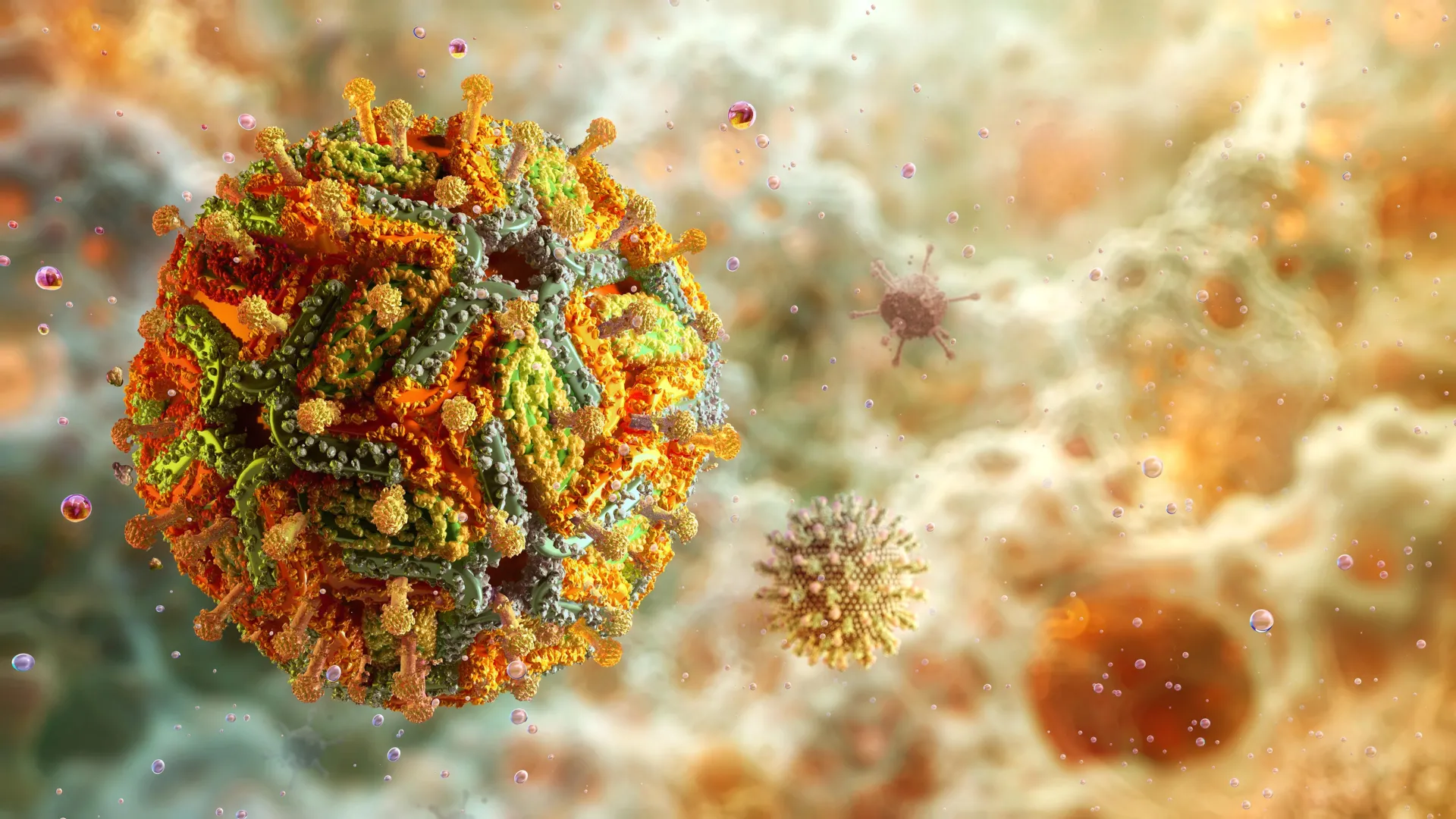
Stunning new 3D images reveal yellow fever’s hidden structure

Researchers at the University of Queensland have produced the first detailed, high-resolution images of the yellow fever virus (YFV). Yellow fever is a mosquito-borne infection that can severely damage the liver and is potentially fatal.
Their work uncovered clear structural distinctions between the long-used vaccine strain (YFV-17D) and the strains responsible for serious illness.
Capturing the Virus in Near-Atomic Detail
According to Dr. Summa Bibby of UQ’s School of Chemistry and Molecular Bioscience, scientists have studied yellow fever for many decades, yet this is the first time a complete 3D model of a fully mature yellow fever virus particle has been captured at near-atomic resolution.
“By utilizing the well-established Binjari virus platform developed here at UQ, we combined yellow fever’s structural genes with the backbone of the harmless Binjari virus and produced virus particles that could be safely examined with a cryo-electron microscope,” Dr. Bibby said.
She explained that the vaccine strain appears smooth and stable at the surface, while the virulent strain has a noticeably uneven, textured exterior.
How Surface Structure Shapes Immune Recognition
These differences influence the way the immune system identifies the virus.

“The bumpier, irregular surface of the virulent strains exposes parts of the virus that are normally hidden, allowing certain antibodies to attach more easily,” Dr. Bibby said.
“The smooth vaccine particles keep those regions covered, making them harder for particular antibodies to reach.”
Implications for Vaccines and Global Health
Yellow fever continues to pose a significant public health threat in areas of South America and Africa. Because there are no approved antiviral treatments, vaccination remains essential for prevention.
Professor Daniel Watterson noted that the new findings offer important insights into the biology of yellow fever and could guide the development of improved vaccines and antiviral tools for this virus and other orthoflaviviruses.
“The yellow fever vaccine remains effective against modern strains and seeing the virus in such fine detail lets us better understand why the vaccine strain behaves the way it does,” Professor Watterson said.

“We can now pinpoint the structural features that make the current vaccine safe and effective.
“The findings could even inform future vaccine design for related viruses like dengue, Zika and West Nile.”
The research was published in Nature Communications.

Read more →

Half of heart attacks strike people told they’re low risk

A new study led by Mount Sinai researchers reports that commonly used cardiac screening methods fail to identify almost half of the people who are actually at risk of having a heart attack. The findings were released on November 21 in a brief report in the Journal of the American College of Cardiology: Advances. According to the authors, the results point to a significant weakness in current prevention practices because today’s guidelines may overlook individuals who would benefit from earlier detection and protective treatment.
The team evaluated the accuracy of the widely used atherosclerotic cardiovascular disease (ASCVD) risk score and a newer tool known as PREVENT. PREVENT incorporates additional variables and is designed to offer a broader picture of cardiovascular risk alongside screening for symptoms.
Risk Scores Often Underestimate Individual Danger
“Our research shows that population-based risk tools often fail to reflect the true risk for many individual patients,” says corresponding author Amir Ahmadi, MD, Clinical Associate Professor of Medicine (Cardiology) at the Icahn School of Medicine at Mount Sinai. “If we had seen these patients just two days before their heart attack, nearly half would NOT have been recommended for further testing or preventive therapy guided by current risk estimate scores and guidelines.”
Dr. Ahmadi adds that relying heavily on risk assessments and symptom reports may not be the best strategy for prevention. “This study suggests that the current approach of relying on risk scores and symptoms as primary gatekeepers for prevention is not optimal,” he says. “It may be time to fundamentally reconsider this model and move toward atherosclerosis imaging to identify the silent plaque — early atherosclerosis- before it has a chance to rupture.”
How ASCVD and PREVENT Are Used in Routine Care
In everyday practice, physicians calculate a person’s ASCVD risk score during routine primary care visits, typically for adults aged 40 through 75 who do not have known heart disease. The score estimates the likelihood of a heart attack or stroke within 10 years by factoring in age, sex, race, blood pressure, cholesterol, diabetes, and smoking. Results from the ASCVD or PREVENT calculators guide decisions about preventive therapy, including whether to start statins.

Cardiologists also use these scores to help determine treatment. Patients with intermediate or high scores are usually offered cholesterol-lowering medication and sometimes additional diagnostic testing. Individuals with low or borderline scores, particularly if they report no chest pain or shortness of breath, are frequently reassured and discharged without further evaluation. The study found, however, that if patients who ultimately had their first heart attack had been assessed two days before the event, nearly half would have been classified as low or borderline risk by ASCVD, and more than half would have been categorized that way by PREVENT.
Study Examined Nearly 500 Patients With First Heart Attacks
To examine how well current tools perform, the researchers conducted a retrospective review of 474 patients younger than 66 who had no known coronary artery disease. All were treated for their first heart attack at Mount Sinai Morningside or The Mount Sinai Hospital between January 2020 and July 2025. Investigators collected demographic information, medical history, cholesterol levels, blood pressure readings, and the timing of symptoms such as chest pain or shortness of breath. Each patient’s 10-year ASCVD risk score was calculated, and the team simulated how the patient would have been evaluated two days before their heart attack. Patients were sorted into four categories: low (under 5 percent), borderline (5-7.5 percent), intermediate (7.5-20 percent), and high (more than 20 percent).
Symptoms Appear Too Late for Effective Prevention
The analysis focused on two areas: which patients would have qualified for preventive measures based on their score, and when symptoms began. Overall, 45 percent of patients would not have been recommended for preventive therapy or further diagnostic testing under ASCVD-based guidelines. This proportion rose to 61 percent when PREVENT was used. In addition, most patients (60 percent) noticed symptoms fewer than two days before their heart attack. This pattern shows how often symptoms emerge only when the disease has already advanced. The combined findings reveal a serious gap in prevention: people who appear healthy according to standard assessments may already have significant and silent atherosclerosis. Because of this, depending solely on symptoms and risk calculators can delay detection until meaningful prevention is no longer possible.
Researchers Call for Earlier Detection of Silent Plaque
“When we look at heart attacks and trace them backwards, most heart attacks occur in patients in the low or intermediate risk groups. This study highlights that a lower risk score, along with not having classic heart attack symptoms like chest pain or shortness of breath, which is common, is no guarantee of safety on an individual level,” says first author Anna Mueller, MD, an internal medicine resident at the Icahn School of Medicine at Mount Sinai. “Our study exposes a major flaw where tools effective for tracking large populations fall short when guiding individualized care. Instead, doctors should shift their focus from detecting symptomatic heart disease to detecting the plaque itself for earlier treatment, which could save lives.”
The researchers note that more work is needed to refine these methods, and future studies should explore ways to improve early identification and prevention approaches, including the use of cardiovascular imaging.

Read more →