UK did ‘too little, too late’, leading to thousands more Covid deaths – inquiry

17 hours agoShareSaveNick TriggleHealth correspondentShareSaveThe UK response to Covid was “too little, too late” and led to thousands more deaths in the first wave, an inquiry into government decision-making says.The report also said lockdown may have been avoided if voluntary steps such as social distancing and isolating those with symptoms along with household members had been brought in earlier than 16 March 2020.By the time ministers acted it was too late and lockdown was inevitable, the report said, then a week-long delay introducing it led to 23,000 more deaths in England in the first wave than would have been seen otherwise.The report criticised the governments of all four nations and described a “chaotic culture” in Downing Street.Getty ImagesInquiry chair Baroness Hallett said that while government was presented with unenviable choices under extreme pressure, “all four governments failed to appreciate the scale of the threat or the urgency of response it demanded in the early part of 2020.”Ministers were in part relying on “misleading assurances” that the UK was prepared, she said.Government scientists underestimated how quickly the virus was spreading and in the early days were advising restrictions should not be introduced until the spread of the virus was nearer its peak to help build up herd immunity, Lady Hallett added.Across nearly 800 pages the report – which is the second of 10 planned by the inquiry – also set out a number of other failings:It described it as “inexcusable” that the same mistakes of spring 2020 were repeated in the autumn as the second wave began to build and Prime Minister Boris Johnson repeatedly changed his mind about the need for tougher restrictions, which meant the second lockdown in England was only introduced in November when control was lostRule-breaking by politicians and their advisers – Dominic Cummings’ trip to Durham and Barnard Castle in March 2020 was listed – undermined public confidence in decision-making and significantly increased the risk of people not sticking to the measuresThe report described a “toxic and chaotic” culture at the heart of the government during its response to the pandemic, which it said affected the quality of advice and decision-making.All four nations were criticised for their planning and decision-making, which the report said was hampered by the lack of trust between Boris Johnson and the first ministersThe Eat Out to Help Out Scheme, suggested by Chancellor Rishi Sunak and agreed by Johnson to support hospitality venues in August 2020, was “devised in the absence of any scientific advice” and “undermined public health messaging”The impact on vulnerable groups – older people, the disabled and some ethnic minorities – was not adequately considered when deciding how to respond to the virus, despite harm to them being foreseeableChildren were not prioritised enough with ministers failing to consider properly the consequences of school closures.The report said lockdowns, while helping save lives, left lasting scars on society, bringing ordinary childhood to a halt, delaying treatment of non-Covid health conditions and worsening inequalities.The modelling which shows 23,000 deaths could have been saved by locking down a week earlier than 23 March 2020 was produced in 2021. The figure would have equated to 48% fewer deaths in the first wave to 1 July 2020.But the report does not suggest the overall death toll for the pandemic – 227,000 in the UK by the time it was declared over in 2023 – would have been reduced.That is very difficult to tell, as it depends on a variety of other factors that could have reduced or increased the number of deaths as the pandemic progressed.The inquiry did however praise the government for the “remarkable” rollout of the vaccination programme and how it exited the lockdown of early 2021, allowing time for vulnerable groups to get the jab. The report described this as a turning point for the UK.The report made a range of different recommendations, including:Better considering the impact decisions might have on those most at risk – both by the illness and the steps taken to respond to itBroadening participation in the Sage advisory group of scientists – including with representatives from the devolved governments – alongside creating other expert groups to advise on economic and social implicationsReforming and clarifying decision-making structures during emergencies within each nationImproving communication between the four nations during an emergencyDeborah Doyle, of the Covid-19 Bereaved Families for Justice, said it was “devastating to think of the lives that could have been saved” under different leadership.”We now know that many of our family members would still be alive today if it weren’t for the leadership of Boris Johnson and his colleagues.”Throughout the pandemic, Boris Johnson put his political reputation ahead of public safety. He pandered to his critics when the UK needed decisive action.”Johnson has yet to respond to the findings. But Cummings, who was chief adviser to Boris Johnson at the start of the pandemic, accused the inquiry of a mix of “cover-ups and rewriting history”.In a social media post, he said he was offered the chance to respond to the inquiry’s findings before the report was released, but declined, declaring it “insider corruption”.He said experts “advised us to do almost nothing” and “advised against any serious restrictions” as the country would reach “natural herd immunity” by September.Prime Minister Sir Keir Starmer said the government would “carefully consider” the findings and recommendations.He said that improvements have been made in how the government would react to a major crisis, but added: “It is clear that local government and our public services, including the NHS, are under immense pressure and in many cases have not fully recovered from the pandemic.””The cost of the pandemic still weighs heavily on the public purse.”Leader of the Liberal Democrats, Sir Ed Davey has called for Conservative Party leader Kemi Badenoch to apologise on behalf of her party as he said the news that the lockdown could have been avoided is “shattering”.”This tragedy must never be repeated,” he added.Additional reporting by Cachella Smith

Read more →

Lockdown could have been avoided – key findings from Covid inquiry

19 minutes agoShareSaveNick Triggle, Jim Reed, Dom Hughes and Michelle RobertsBBC NewsShareSaveGetty ImagesThe long-awaited independent report into how well or badly the government handled the Covid pandemic has been published. Chairwoman of the inquiry, former judge Baroness Hallett, said the UK’s response could be summarised as “too little, too late”.The report looks at whether lockdowns were timely and reasonable, and what impact rule-breaking at the heart of government had on public confidence.Here are some of the main findings. We’re still reading through the 800-page document and will keep updating this page.Lockdown could have been avoided – but action came too lateLockdown could have been avoided if steps such as social distancing and isolating those with symptoms along with members of their household had been introduced earlier than mid-March 2020, the report says.But by the time ministers took action it was already too late and a lockdown was inevitable.Voluntary measures were brought in on 16 March 2020, followed by the full stay-at home lockdown seven days later.An immediate lockdown on 16 March would have meant 23,000 fewer deaths in England in the first wave, modelling suggests.Lockdowns left ‘lasting scars’Children were not prioritised enough, with ministers failing to consider properly the consequences of school closures, the report says.It says lockdowns left “lasting scars” on society, bringing ordinary childhood to a halt, delaying treatment of non-Covid health conditions and worsening inequalities.None of the UK’s four nations were adequately prepared for the sudden and enormous task of educating most children in their homes, the inquiry adds.Politicians breaking rules undermined public confidencePA MediaThe report says that rule-breaking by politicians and their advisers undermined public confidence in decision-making and significantly increased the risk that people wouldn’t stick to the measures being put in place.It lists events such as Dominic Cummings’ trip to Durham and Barnard Castle in March 2020; two visits to a second home during lockdown by the chief medical officer for Scotland, Dr Catherine Calderwood; and visits to the home of scientific adviser Prof Neil Ferguson by a woman with whom he was in relationship during lockdown.By the time details of parties and social events in Downing Street emerged in November 2021, there was a “public outcry”, the report says.Johnson and Sunak subsequently received fixed penalty notices for their actions.Devolved governments relied too much on UKAll four nations were criticised for their planning and decision-making, which the inquiry says was hampered by the lack of trust between Boris Johnson and the first ministersThe inquiry found that at the start of 2020, while all four nations lacked urgency in their response, the devolved administrations were overly reliant on the UK government to lead the response.The four nations then differed in their strategy for exiting the first national lockdown, with Scotland, Wales and Northern Ireland adopting a more cautious approach – but this was undermined by no restrictions on travel from England, where many restrictions had been eased.The report finds that in Autumn 2020, Holyrood was the only government to learn lessons from the first lockdown, and introduced tough, locally-targeted measures which helped avoid the need for a nationwide lockdown.On the other hand, decision making in Northern Ireland was described as “chaotic”, while the Welsh government’s approach resulted in the highest age-standardised mortality rate of the four nations between August and December 2020.How could the UK have done better?The report gives a long list of recommendations, including:To establish structures to improve communication between the four nations during an emergencyImprove consideration of the impact decisions might have on people – both by the illness and the steps taken to respond to itCreate expert groups to advise on economic and social implications, not just the scienceEnsure decisions – and their implications – are clearly communicated to the publicEnable greater parliamentary scrutiny of emergency powersThe government doesn’t have to adopt the inquiry’s recommendations, but it must respond to them, which could shape future policies.The inquiry has already reported back on Britain’s preparedness for the pandemic, concluding that the UK failed citizens with flawed plans.

Read more →

Trans people could be barred from services based on appearance

Trans people could be asked about whether they should be accessing single-sex services based on their physical appearance or behaviour, new guidance seen by the BBC has said.A code of practice, produced by the equalities watchdog and awaiting ministerial approval, says it may be legitimate for businesses or services to ask individuals to provide confirmation that they are of the eligible sex “by proportionate means”. It acknowledges that there is “no type of official record or document in the UK which provides reliable evidence of sex” because people can self-identify on documents such as passports.Equalities minister Bridget Phillipson said she’d take the time needed to “get this right”.Phillipson, who received the code nearly three months ago, added that it was important to make sure women had access to single-service provisions such as rape crisis centres while ensuring that trans people are treated with “dignity and respect”.The 300-page document was drawn up by the Equality and Human Rights Commission (EHRC) after the Supreme Court unanimously ruled that legally a woman should be defined by biological sex for the purposes of the Equality Act. The EHRC has to provide practical advice to businesses and services about how this should work. Following the Supreme Court ruling in April, the EHRC guidance says single-sex spaces should only be open to people of the same biological sex, otherwise they cease to be single-sex areas. That would mean, for instance, that a trans woman – a biological male who identifies as a woman – would not be able to use women’s toilets and changing rooms. The guidance says transgender people, who are also protected by equalities law, should be treated with dignity and respect.The updated code of practice is awaiting approval. It can only gain legal force once it has been signed off by ministers and laid in Parliament for 40 days. The guidance, first reported by The Times, says that if there are concerns then decisions about access to spaces may need to be based on how someone looks. It also says that if a transgender person is excluded from a space, the organisation should consider alternatives and that it would not be proportionate to leave the person without essential services, such as toilets. The guidance acknowledges that providing alternatives may not always be possible due to space constraints or cost.Last month, interim guidance was withdrawn and EHRC chair Baroness Falkner urged the government to speed up its approval of the new code, warning that some organisations were operating under old guidance, which had become unlawful in the light of the court’s decision.Conservative shadow women and equalities minister Mims Davies has previously suggested Phillipson had chosen not to sign off the guidance because she did not want to damage her chances in the Labour Party deputy leadership election, which ended last month.A source close to Phillipson described the claim as “utter nonsense”. Approving the guidance could be unpopular in some parts of the Labour Party.During the deputy leadership contest, Lucy Powell, who eventually beat Phillipson to the job, said “I think we have got some of the language not right on this, and particularly around some of the guidance that’s coming forward.”Last month, 32 Labour MPs wrote to the EHRC arguing that the interim guidance it issued in April, would “open the door to discrimination and harassment against trans people”. The interim guidance, which was withdrawn in October, is being challenged in the courts. During the hearing in the High Court, the lawyer, representing the government, suggested the interim guidance may have been too simplistic and that access to spaces such as toilets could be judged on a case-by-case basis.Speaking to Times Radio, education minister Josh MacAllister said the government was working “as fast as we can” but that there was no deadline for reaching a decision. “We want to get it right, and if we don’t get it right it does risk putting this back into the courts and providing even greater uncertainty for people.”Asked if the government was avoiding making a decision in the hope the issue would be forgotten about, he said that would be “really bad politics… because the problem isn’t going to go away”.”These are massive issues… when you drill down into examples of how this might be applied, it has big implications for individuals, it has big implications for businesses and public services,” he said.”The guidance, as it’s written, has implications for both how physical buildings are set up, but also how staff in those settings would need to determine and judge even whether somebody might look like a woman.”And so we want to avoid being in a position where toilets are being policed by people.”

Read more →

Scientists grow a tiny human “blood factory” that actually works

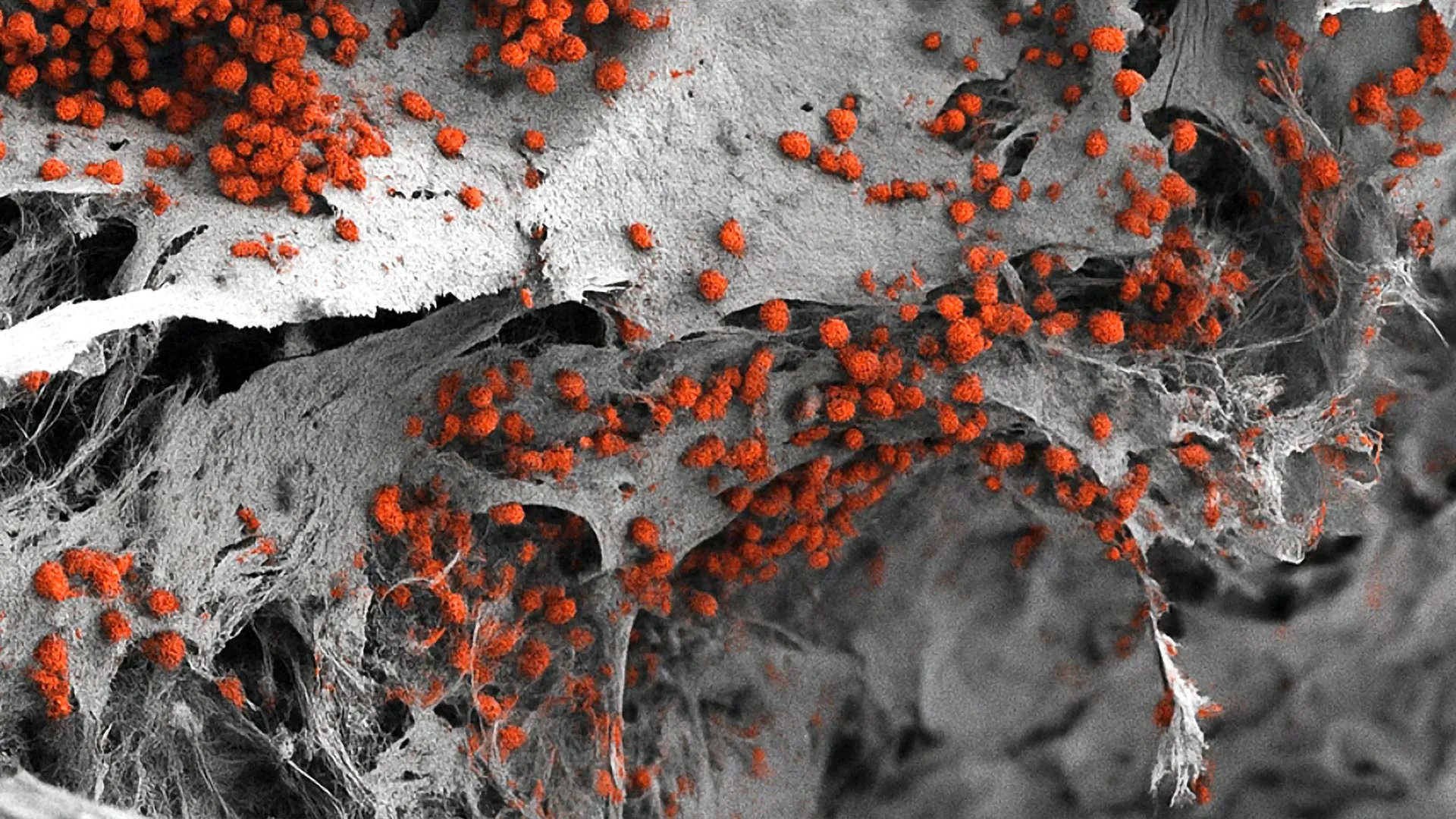
Our body’s “blood factory” is made of highly specialized tissue containing bone cells, nerves, blood vessels and several other cell types. Researchers have now recreated this complex network in the laboratory using only human cells, marking a first in the field. This new system could help reduce the number of animal experiments needed for many types of research.
The bone marrow usually operates quietly and goes largely unnoticed. It becomes a focus of attention only when its function falters, such as in blood cancers. In those moments, knowing how blood is normally produced, and what causes that process to break down, becomes essential.
Human Cell Model Offers a New Research Tool
For decades, most studies on bone marrow have relied on animal research or simplified cell systems that cannot fully mimic the human environment. Scientists from the Department of Biomedicine at the University of Basel and University Hospital Basel have now produced a realistic bone marrow model made entirely from human cells. The team, led by Professor Ivan Martin and Dr Andrés García García, reports in Cell Stem Cell that this platform may support blood cancer studies, drug testing and possibly future personalized treatments.
Understanding Bone Marrow Niches
Bone marrow contains several specialized microenvironments known as “niches.” One niche that plays a central role in creating new blood cells lies near the bone surface and is linked to blood cancer’s ability to resist treatment. Called the endosteal niche, it features blood vessels, immune cells, nerves and bone cells. Until now, no human model had managed to include all of these components in a single system.
The researchers have now developed a model that replicates this complexity. Their work began with an artificial bone framework made of hydroxyapatite, a natural mineral found in teeth and bones. They then used human cells that had been reprogrammed into pluripotent stem cells through molecular biology techniques. These stem cells can develop into many different cell types based on the signals present in their environment.

Building a Functional 3D Bone Marrow System
The team introduced these stem cells into the artificial bone scaffold and guided them through controlled developmental steps to produce a diverse range of bone marrow cell types. Their analysis showed that the resulting three-dimensional structure closely matches the human endosteal niche. It is also larger than previous models, measuring eight millimeters in diameter and four millimeters in thickness. Using this model, the researchers were able to maintain human blood cell formation in the laboratory for several weeks.
Potential to Reduce Animal Experiments
“We have learned a great deal about how bone marrow works from mouse studies,” says Ivan Martin. “However, our model brings us closer to the biology of the human organism. It could serve as a complement to many animal experiments in the study of blood formation in both healthy and diseased conditions.” This goal aligns with the university’s broader effort to reduce, refine and replace animal experiments whenever feasible.
The system could also support drug development. “However, for this specific purpose, the size of our bone marrow model might be too large,” explains Andrés García García. To test many drugs or doses at the same time, the platform would need to be made smaller.
In the future, this approach could help guide personalized treatment decisions for blood cancers. Researchers envision creating patient-specific bone marrow models that allow doctors to test therapies and identify the most effective option for each individual. Further improvements will be necessary before this becomes possible, but the study represents an important early step.

Read more →

Nearly 47 million Americans live near hidden fossil fuel sites

Fossil fuels pollute the air when they are extracted and when they are burned, but the steps between those two points involve far more than familiar scenes of drilling equipment and smoke-filled power plants. These visible operations represent only the beginning and end of a five-stage process that brings fossil fuels from the ground to their final use.
Oil and gas move through several additional stages before reaching power facilities. They are refined to remove unwanted materials, stored in specialized facilities, and transported across the country. These activities form a vast mid-supply chain network that stretches across the United States and often operates out of public view.
Millions Live Near Fossil Fuel Infrastructure
A new analysis led by Boston University researchers provides the first nationwide estimate of how many people live close to this infrastructure. Published in Environmental Research Letters, the study finds that 46.6 million people in the contiguous United States live within 1.6 km (roughly a mile) of at least one component of the fossil fuel supply chain. This accounts for 14.1% of the population.
Previous studies have shown that communities near extraction sites and end-use facilities experience higher rates of adverse birth outcomes and asthma, and there is growing interest in potential links to other conditions, including leukemia. However, the health effects of living near facilities in the middle of the supply chain remain far less understood. Some sites in these stages have been found to emit volatile organic compounds and other harmful pollutants.
“This study helps us get a general size of the potential problem, and really starts the process of doing a better job of understanding exactly what the hazards are and how many people are potentially exposed,” said Jonathan Buonocore, the paper’s first author, an assistant professor of environmental health at BU’s School of Public Health (SPH), and core faculty at BU’s Institute for Global Sustainability (IGS). “Especially for these more obscure pieces of energy infrastructure, this is the first step to tracking what emissions and stressors those are imposing on the communities.”
Where Americans Live Along the Energy Supply Chain
The researchers also examined how exposure varies across different types of infrastructure. Nearly 21 million Americans live near end-use facilities such as power plants. More than 20 million live within a mile of extraction sites, including oil and gas wells. Storage locations, which include peak shaving facilities, underground gas storage sites, and petroleum product terminals, have over 6 million nearby residents. Fewer people reside near refining or transportation facilities. About 9 million people live close to multiple infrastructure types, meaning they are counted in more than one category.

“There is reason to believe that there could be air pollution coming from each of these stages, from consistent pollution, gas leaks, or blowouts, when gas or oil flows from a well uncontrollably,” said Mary Willis, the study’s senior author, an assistant professor of epidemiology at SPH, and core faculty at IGS. “All of these stages can reasonably impact a range of population health outcomes, yet the basic information of who is even near the infrastructure components has not been examined to date.”
Environmental Inequities and Urban Concentration
The study highlights clear disparities in where fossil fuel infrastructure is located. Communities that are predominantly non-white experience higher exposure across all stages of the supply chain, reinforcing findings from previous environmental justice research.
The analysis also shows that proximity is far more common in urban areas. Almost 90% of the people living near end-use, transportation, refining, and storage sites are located in cities.
Looking at individual infrastructure types revealed trends that could guide future policy. A single piece of storage infrastructure has, on average, 2,900 residents living within a mile, while an extraction site typically has only 17. This reflects the fact that extraction sites are more numerous but located in less populated regions, whereas storage facilities are fewer in number but tend to be placed in densely populated areas.
“That means that if a local policymaker in an urban area were to take interest in reducing exposures, they may receive the most impact per piece of infrastructure if they focus on storage,” Buonocore said.

A New National Database Makes This Research Possible
This study is the first to use the Energy Infrastructure Exposure Intensity and Equity Indices (EI3) Database for Public Health, introduced by Buonocore and Willis in spring 2024 at the Power & People Symposium. The research team also included Fintan Mooney, Erin Campbell, Brian Sousa, Breanna van Loenen, Patricia Fabian, and Amruta Nori-Sarma.
Before EI3, information on fossil fuel infrastructure was scattered across local, state, and federal databases, and some data sources required payment or special access. With support from an IGS Sustainability Research Grant jointly funded by IGS and SPH, the team combined available data into a single national resource. Their dataset is hosted on Harvard Dataverse. The grant also helped launch the SPH Energy and Health Lab, which Buonocore and Willis co-direct.
“The study really shows that there are big knowledge gaps across the supply chain, in terms of the hazards people are being exposed to, the consequent health impacts, and who is being exposed,” Buonocore said. “With a lot of these different types of infrastructure, the hazards have not been fully characterized. Characterizing hazards and understanding who is most heavily exposed should be the first steps of understanding the possible health impacts. This research takes the first steps down that path.”
Looking Ahead to Better Policies and Future Research
Although some states and municipalities regulate where fossil fuel operations can take place, many areas still allow infrastructure to be located very close to homes and schools. The team hopes their work will lead to more studies that can support informed policymaking and improve public health. Future research may include detailed monitoring of air, water, noise, and light pollution near facilities, and investigations using new datasets such as Medicaid records or information on specific groups like pregnancy planners.
“We’re really the first group thinking about this as an integrated system. By quantifying all of these factors at once, we’re potentially able to, down the line, directly compare: what are the health effects of living near an extraction site, compared to living near a storage site?” Willis said. “Having that in one database is the first step to doing any health studies in the future on this integrated system.”

Read more →

Is Scalp Care the New Big Beauty Trend?

For up to two hours each day this summer, Mekalah El-Amin massaged her scalp in hopes of increasing hair growth and density.Using her fingers or an electric, hand-held massager — changing its position every few minutes so no area was neglected — she would gently rub her scalp with the hopes of stimulating her curly coils from their follicles.“For the sake of content and my own personal research, let me dedicate a stretch of time to see what works,” Ms. El-Amin said in a phone interview from her home in Los Angeles, referring to her TikTok account, where she regularly shared her progress.More people are focusing their attention on their scalps to combat itching and dryness and to increase hair density. They’re turning to TikTok tutorials, pricey serums containing peptides, ceramides and hyaluronic acid and are even visiting head spas for a microscopic look at their hair follicles. (Some people are even traveling to Asia to try out these spas.)Some in the beauty industry might say that the scalp is the new “it” body part.Mekalah El-Amin browsing scalp and hair products at Saint Mauve, a beauty supply store in Los Angeles. She spent up to two hours a day massaging her scalp this summer, trying to increase her hair density.Philip Cheung for The New York TimesThe term “scalp serum” had an average monthly popularity of more than 910,000 searches, views and posts across Google, TikTok and Instagram combined between September 2024 and August 2025, a 77 percent increase compared with the previous year, according to Spate, a market insights company. Meanwhile, the term “scalp massagers” grew 57.7 percent and “scalp treatment” grew 4.3 percent across the same platforms during that same period, compared with the year before, the company reported.We are having trouble retrieving the article content.Please enable JavaScript in your browser settings.Thank you for your patience while we verify access. If you are in Reader mode please exit and log into your Times account, or subscribe for all of The Times.Thank you for your patience while we verify access.Already a subscriber? Log in.Want all of The Times? Subscribe.

Read more →

Scientists reawaken exhausted T cells to supercharge cancer immunity

A new study has identified a molecular cue that cancer cells use to exhaust the T cells responsible for destroying them, and the findings show that shutting down this signal may help restore the body’s immune defenses. The work, led by researchers at Weill Cornell Medicine and published Nov. 17 in Nature Immunology, reveals that tumors do more than slip past the immune system. They can also alter immune cells in ways that reduce their ability to fight back.
“Our dream is to make immune-based therapies available to every patient. To overcome resistance, we must unlock the power of exhausted T cells, reviving them to destroy cancer. This discovery moves us closer to a future where the immune system itself defeats tumors,” said the study’s co-senior author, Dr. Taha Merghoub, Margaret and Herman Sokol Professor in Oncology Research, and professor of pharmacology at Weill Cornell Medicine.
Why Immunotherapies Sometimes Fall Short
Modern immunotherapies have reshaped cancer treatment by boosting the body’s own defense system. However, not all patients benefit, and even those who do may see their response diminish as their T cells become overworked.
“Our findings reveal a completely new way that tumors suppress the immune system,” said co-senior author Dr. Jedd Wolchok, the Meyer Director of the Sandra and Edward Meyer Cancer Center, professor of medicine at Weill Cornell and an oncologist at NewYork-Presbyterian/Weill Cornell Medical Center. “By blocking this pathway, we can help exhausted T cells recover their strength and make existing immunotherapies work better for more patients.”
How T Cells Lose Their Ability to Fight
T cell exhaustion occurs when the immune system faces long-term infections or persistent tumor activity. Under these conditions, T cells can still recognize harmful cells, yet they stop attacking. “So, they’re primed, but they’re no longer killing,” explained Dr. Merghoub, who is also deputy director of the Meyer Cancer Center and co-director of the Parker Institute of Cancer Immunotherapy at Weill Cornell. He added that although this loss of activity seems harmful, it can prevent uncontrolled inflammation and sepsis.

Earlier studies showed that a surface protein called PD1 contributes to this exhaustion process. Drugs known as checkpoint inhibitors target PD1 and have already proven effective at reviving T cells in cancers such as melanoma.
CD47 Emerges as a Second Immune Brake
The research team set out to determine whether CD47, a molecule found on cancer cells, also plays a role in pushing T cells toward exhaustion. Previous work revealed that tumors use CD47 as a “don’t eat me signal” to prevent certain immune cells from ingesting them.
What surprised the scientists was discovering that T cells themselves display CD47. “When T cells are activated, they express CD47. And when they get exhausted, they increase CD47 to very high levels,” Dr. Merghoub said.
Experiments showed that mice lacking CD47 had slower tumor growth, suggesting the exhaustion effect came from CD47 on immune cells rather than on cancer cells. In further tests, T cells missing CD47 were more effective against melanoma tumors than T cells that still carried the protein.
Thrombospondin-1 and CD47 Work Together to Exhaust T Cells
The team then investigated how cancer cells might manipulate this process. Their attention turned to thrombospondin-1, a large protein produced by metastatic cancer cells that binds to CD47. When mice were engineered to lack thrombospondin-1, their T cells showed fewer signs of exhaustion.

“That was the real eureka moment,” said Dr. Merghoub. “It showed us that CD47 and thrombospondin are clearly key players because eliminating either one gives you the same effect.”
Disrupting the Exhaustion Signal With TAX2
To understand the interaction more closely, the researchers used a peptide called TAX2, which was designed to block the connection between CD47 and thrombospondin-1. The results were clear: TAX2 helped maintain T cell activity and slowed tumor progression in mice with melanoma or colorectal cancer.
T cells in treated animals stayed more active, released more immune-boosting cytokines, and were better at entering tumors. TAX2 also enhanced the effectiveness of PD1 immunotherapy in colorectal tumor models.
“We used the TAX2 peptide as a proof-of-concept to confirm that disrupting the crosstalk between TSP-1 and CD47 prevents T cell exhaustion in mice with tumors,” said Dr. Chien-Huan (Gil) Weng, an instructor in pharmacology and the study’s lead author. “Next, we plan to study both upstream and downstream modulators that regulate the TSP-1:CD47 pathway and develop means to selectively, effectively and safely disrupt this pathway to improve T cell-based cancer immunotherapy.”
Toward Stronger, Longer-Lasting Immune Therapies
Blocking this interaction could serve as an effective therapy by itself and may also help sustain tumor-targeting T cells in patients who are at risk of becoming resistant to current immune checkpoint treatments. According to Dr. Merghoub, early experiments in animal models suggest that inhibiting both PD1 and CD47 creates T cells that are significantly better at destroying cancer cells. “We plan to explore this therapeutic angle.”
Many Weill Cornell Medicine physicians and scientists collaborate with external organizations to advance scientific research and provide expert guidance. These relationships are disclosed publicly for transparency. Profiles for Dr. Taha Merghoub and Dr. Jedd Wolchok contain details about these affiliations.
This research received support from the National Institutes of Health grant #R01-CA249294; National Cancer Institute, Cancer Center Support Grant P30CA008748; the Department of Defense grants W81XWH-21-1-0101 and W81XWH-20-1-0723; Swim Across America; the Ludwig Institute for Cancer Research; the Ludwig Center for Cancer Immunotherapy at Memorial Sloan Kettering; the Cancer Research Institute; the Parker Institute for Cancer Immunotherapy; and the Breast Cancer Research Foundation grants BCRF-22-176 and BCRF-23-176.

Read more →

New research shows hot tubs trigger surprising health benefits saunas don’t

Hot tubs and saunas are both known for helping tired muscles relax and providing comforting warmth. However, recent research indicates that hot tubs may deliver more noticeable health benefits.
A team at the Bowerman Sports Science Center at the University of Oregon examined how the body responds to three types of passive heating. Their study compared time spent soaking in a hot tub with sitting in a traditional dry sauna or a modern far-infrared sauna.
How Hot Water Affects the Body
Raising core body temperature through hot-water immersion can support several important physiological processes. According to the researchers, this type of heating can help lower blood pressure, activate parts of the immune system and gradually improve how the body handles heat stress. Many of these effects continue even after the heating session ends.
“We compared the most commonly utilized modalities of passive heating as they’re used in everyday life and studied in scientific research,” said study lead author Jessica Atencio, a doctoral student in the lab of Christopher Minson. “No studies have compared the acute responses between the three.”
The findings were recently published in the American Journal of Physiology.
What the Researchers Measured
Under Minson’s guidance, who is the Kenneth M. and Kenda H. Singer Endowed Professor of Human Physiology and director of the Bowerman Center, the team tracked several key indicators. These included body temperature, blood pressure, heart rate, cardiac output (the amount of blood the heart pumps per minute), immune cell levels and inflammation-related biomarkers. Measurements were taken before, during and after each type of heat exposure.

The study involved 10 men and 10 women between 20 and 28 years old who exercised regularly. This allowed the researchers to focus specifically on how each heat method affects a young, healthy population.
Hot Water Immersion Stands Out
“We saw that hot water immersion was the most impactful in increasing core body temperature, which is the main stimulus for these subsequent responses,” Atencio said. “Increasing body temperature causes an increase in blood flow, and just the force of blood moving across your vessels is beneficial for your vascular health.”
When blood samples were analyzed, hot-water immersion was the only method that produced an inflammatory response as shown by increases in inflammatory cytokines and specific immune cell populations.
Atencio noted that these findings were expected.
“Hot water immersion gives you the most robust changes in core temperature because you can’t effectively dissipate heat as you can if you have contact with the air and you’re sweating to cool the body,” she said. “When you’re submerged in water, the sweat mechanisms aren’t efficient.”
Long-Term Interest in Heat Therapy

Minson has spent more than twenty years studying the effects of heat exposure and how it relates to factors such as age, fitness level and illness.
“There’s no doubt in my mind that if people are willing to do some heat therapy, it’s going to align with improved health, as long as it’s done in moderation,” Minson said. “If you repeat these stresses over time, our lab and many others have shown that they are consistent with improved health.”
He noted that exercise can offer similar or even greater advantages, but for people who cannot or prefer not to exercise, heat therapy may serve as an appealing alternative.
“It can be a very peaceful, sometimes religious, sometimes cultural and sometimes social experience,” Minson said. “And I think those aspects contribute to the health benefits and are critically important.”
Using Heat Therapy Safely
“We want people to be smart and safe about it,” he added. “We need to make sure that they are cleared by their physicians or others for heat therapy or for exercise, whether it’s mild to moderate walking or jogging or strength training. Then they’ll be fine to do heat therapy.”
As a runner, Atencio is familiar with people who mix heat therapy with physical activity.
“We always say that exercise is the primary nonpharmacological treatment that people should be doing to promote health, but some people can’t or just won’t exercise,” she said. “Heat therapy is good supplementation.”

Read more →

Blocking a single protein forces cancer cells to self-destruct

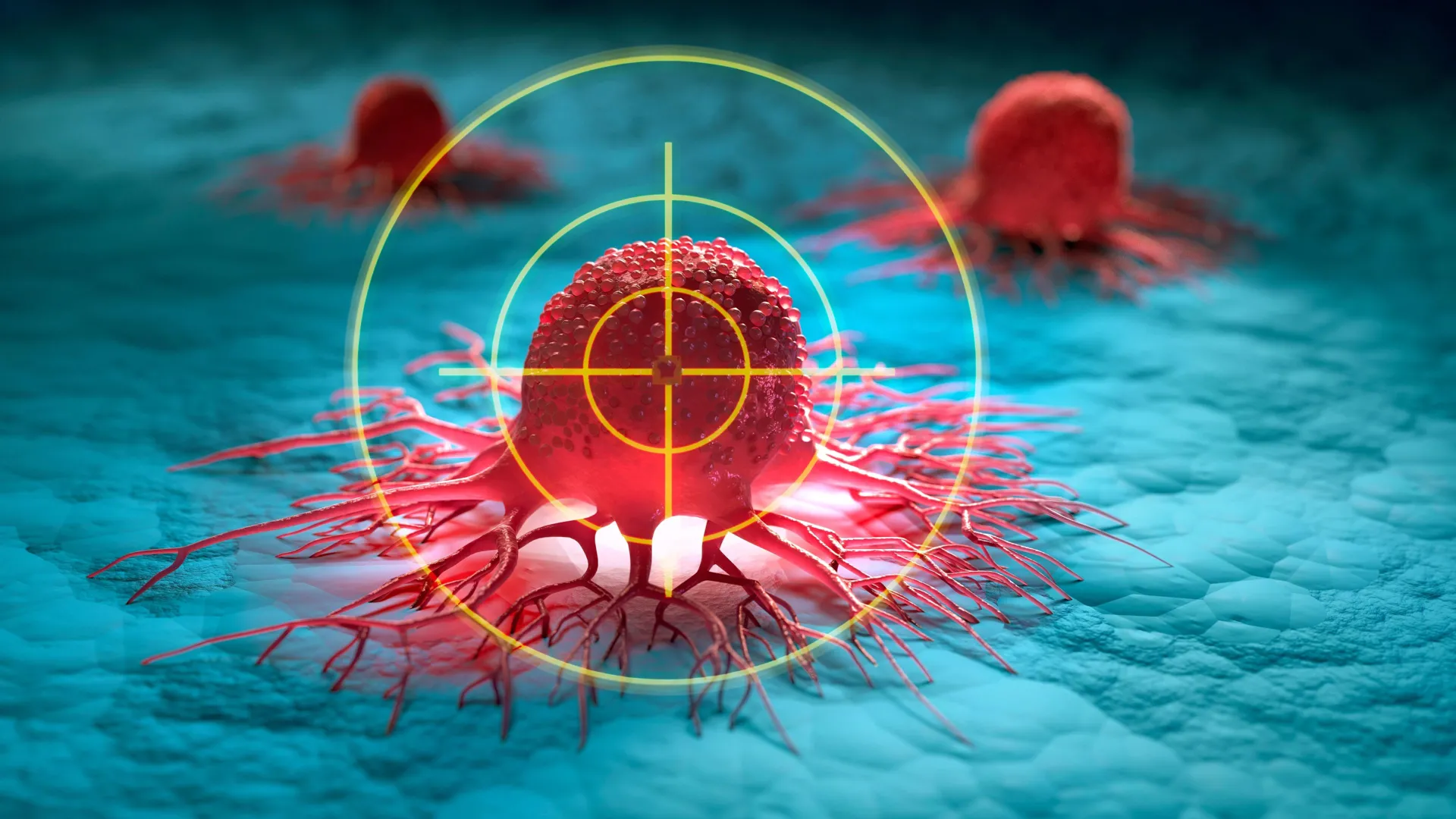
Researchers at NYU Langone Health have identified how a specific form of cell death linked to the buildup of highly reactive molecules can slow the growth of lung tumors.
This type of cell death, known as ferroptosis, originally evolved as a way for the body to clear out cells that become overly stressed. Cancer cells fall into this category, yet over time they have developed ways to block ferroptosis so they can continue multiplying even under damaging conditions.
Blocking FSP1 Dramatically Weakens Lung Tumors
A study published online November 5 in Nature showed that an experimental therapy targeting a protein called ferroptosis suppressor protein 1 (FSP1) significantly reduced tumor growth in mice with lung adenocarcinoma (LUAD). Blocking this protein, which helps cancer cells avoid ferroptosis, shrank tumors by as much as 80%. Lung cancer remains the world’s leading cause of cancer-related deaths, and LUAD is the most common form among nonsmokers, accounting for about 40% of cases.
“This first test of a drug that blocks ferroptosis suppression highlights the importance of the process to cancer cell survivaland paves the way for a new treatment strategy,” said senior study author Thales Papagiannakopoulos, PhD[GW1], an associate professor in the Department of Pathology[GW2] at the NYU Grossman School of Medicine.
Reactive Molecules and Their Role in Cell Damage
Ferroptosis takes place when iron levels rise inside cells, fueling the production of highly reactive molecules made from oxygen, water, and hydrogen peroxide known as reactive oxygen species (ROS). In small amounts, ROS help cells communicate. In excess, they create oxidative stress, which occurs when ROS add oxygen molecules to vital proteins and DNA, damaging or breaking them apart. ROS can also harm fats that form the outer membranes of cells, contributing to cell death and tissue injury.

Blocking FSP1 Shows Strong Tumor-Suppressing Effects
To investigate how FSP1 affects lung cancer, the research team genetically modified mice so that their lung cancer cells lacked the FSP1 gene. These mice developed smaller tumors due to increased cancer cell death. The researchers also tested icFSP1, a newer drug designed to inhibit FSP1. Mice treated with icFSP1 lived longer and experienced tumor reductions similar to those seen in mice whose cancer cells were engineered to lack FSP1.
The study also found that FSP1 may be a more promising treatment target than another ferroptosis-blocking protein, glutathione peroxidase 4 (GPX4), which has been studied in cancer research for a longer period. The findings suggest that FSP1 is more actively involved in preventing ferroptosis in lung cancer cells while playing a smaller role in normal cell function (which could translate to fewer side effects). Increased levels of FSP1 were also associated with poorer survival rates in human LUAD patients, unlike GPX4.
Future Directions and Ongoing Research
“Our future research will focus on optimizing FSP1 inhibitors and investigating the potential of harnessing ferroptosis as a treatment strategy for other solid tumors, such as pancreatic cancer,” said lead study author Katherine Wu, an MD/PhD student working in the Papagiannakopoulos lab. “We aim to translate these findings from the lab into novel clinical therapies for cancer patients.”
In addition to Wu and Pagagiannakopoulos, contributors from the Department of Pathology at NYU Langone include co-first author Alec Vaughan, Jozef Bossowski, Yuan Hao, Aikaterini Ziogou, Mari Nakamura, Ray Pillai, Mariana Mancini, Sahith Rajalingam, and Suckwoo Chung. Other study authors include Seon Min Kim, Tae Ha Kim, and Yun Pyo Kang of the College of Pharmacy and Research Institute of Pharmaceutical Sciences at Seoul National University; Mingqi Han and David Shackelford from the Department of Pulmonary and Critical Care Medicine at the David Geffen School of Medicine, University of California Los Angeles; Toshitaka Nakamura and Marcus Conrad of the Institute of Metabolism and Cell Death, Molecular Targets and Therapeutics Center at Helmholtz Munich in Germany; and Lidong Wang and Diane Simeone of the Moores Cancer Center, University of California, San Diego, La Jolla.
The study received funding from National Institutes of Health grants S10RR027926, S10OD032292, R37CA222504, R01CA227649, R01CA283049, R01CA262562, T32GM136542, T32GM136573, and T32GM136542. Additional support was provided by the American Cancer Society Research Scholar Grant (RSG-17-20001-TBE), the Ruth L. Kirschstein Individual Predoctoral National Research Service Award fellowship (F30CA275258), the Deutsche Forschungsgemeinschaft (DFG) (CO 291/7-1 Priority Program SPP 2306 [CO 291/9-1, #461385412; CO 291/10-1, #461507177], the European Research Council under the European Union’s Horizon 2020 research and innovation program (grant GA 884754), and the Perlmutter Cancer Center Support Grant P30CA016087.
Papagiannakopoulos received funding from the Pfizer Medical Education Group, Dracen Pharmaceuticals, Kymera Therapeutics, Bristol Myers Squibb, and Agios available under an aCC-BY-NC-ND 4.0 international license. These relationships are being managed in accordance with NYU Langone Health policies.

Read more →

The private notes and secret documents that tell the inside story of the UK’s Covid response

8 hours agoShareSaveJim ReedHealth reporterShareSaveBBCIt was the most momentous event in UK history since World War Two. As a new virus took hold, millions of us were told to stay at home and billions of pounds were spent propping up the country’s economy.The Covid inquiry will publish its second set of findings later today, looking in detail at the huge political choices made at the time – including how lockdowns were introduced, the closure of businesses and schools, and bringing in previously unthinkable social restrictions. “Did the government serve the people well, or did it fail them?” asked the lead counsel at the start of this part of the inquiry in 2023. Since then more than 7,000 documents have been made public from the time, including WhatsApp chats and emails, private diaries and confidential files.Here, BBC News has picked out some of the urgent messages and scribbled notes that shine a light on how critical decisions were taken in 2020.The early warningsOn 2 January 2020 an update appears on ProMed, a service used by health workers to warn of emerging diseases.”World Health Organization in touch with Beijing after mystery viral pneumonia outbreak,” it says.”Twenty-seven people – most of them stallholders at the Huanan Seafood Wholesale Market – treated in hospital.”The next day England’s deputy chief medical officer, Jonathan Van Tam, sends the bulletin on to Peter Horby, a professor at Oxford University and chair of Nervtag, a group that advises the government on new viral threats.A week later, on 5 November 2020, England does enter its second national lockdown, this time lasting four weeks, although most schools remain open.By this point many decisions are being taken independently by the four nations of the UK. Both Wales and Northern Ireland put in place versions of a circuit breaker lockdown, while in Scotland stricter rules are imposed in the central belt.The plan is still to allow families and friends to meet up at Christmas. But by mid-December a new, more infectious variant of the virus is spreading and millions living in the south-east of England are told at short notice that Christmas mixing will be cancelled.In January 2021, a third and final full national lockdown follows across the UK, as the winter wave peaks and the NHS starts rolling out millions of doses of the first Covid vaccines.Lessons learnt Five years on from those dramatic 12 months, the inquiry’s findings are long-awaited, particularly by the 235,000 families who lost loved ones in the pandemic.The messages and documents highlighted here are just a snapshot – the report due later will run to around 800 pages.It will examine some of the key questions in much more detail: the timing of lockdowns, the impact of restrictions on the most vulnerable, and public confidence in the rules amid reports of partying in Downing Street and other alleged rule breaches.Groups representing thousands of bereaved families want individuals working in government at the time to be held to account for any pandemic failings. But – above all – they want the state to learn lessons from any mistakes and be better prepared if and when the next unknown virus arrives on our shores.Some documents in this article have been recreated. All contain the original texts including spelling mistakes and typographical errors.Additional reporting: Pilar Tomas and Ely Justiniani, BBC Visual Journalism Unit.Top image credit: Getty/BBC

Read more →