Can a Federally Funded ‘Netflix Model’ Fix the Broken Market for Antibiotics?
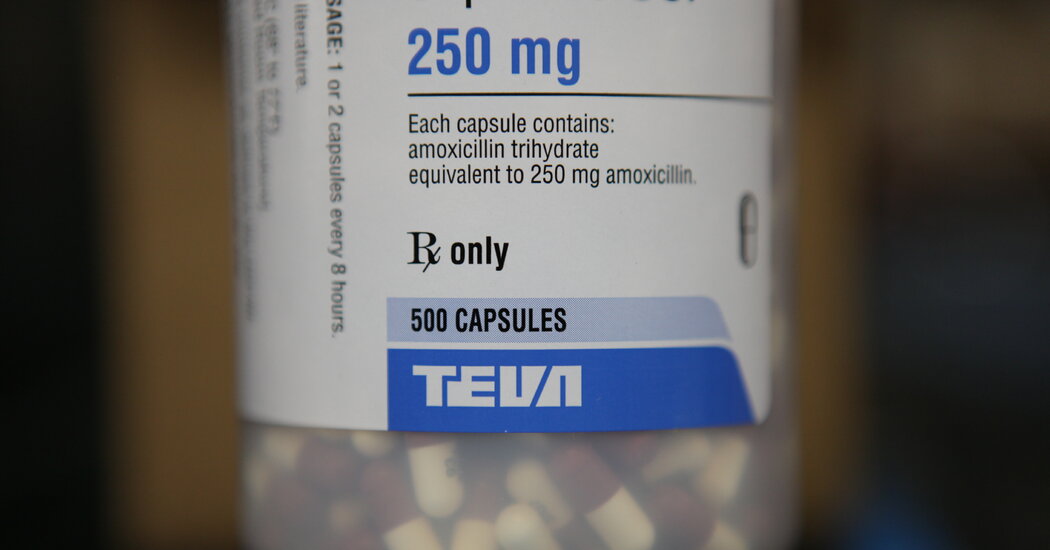
Shortages and drug-resistant germs have renewed attention on a $6 billion proposal in Congress that would reconfigure the way antimicrobial drugs are developed and sold.Recent shortages of amoxicillin, an effective antibiotic that pediatricians have long relied upon to treat strep throat and ear infections in children, have put a spotlight on an urgent global threat: the world’s shrinking arsenal of potent antibiotics and the lack of incentives to develop them.The broken marketplace for new antimicrobial drugs has stirred debate over a bill, languishing in Congress, that would dramatically reconfigure the way antibiotics are discovered and sold in the United States.The $6 billion measure, the Pasteur Act, would upend the conventional model that ties antibiotic profits to sales volume by creating a subscription-like system that would provide pharmaceutical companies an upfront payment in exchange for unlimited access to a drug once it is approved by the Food and Drug Administration.Some call it the Netflix model for antibiotics.The measure attempts to address the vexing economics of antibiotics: Promising new drugs often gather dust on pharmacy shelves because health providers would rather save them for patients whose infections don’t respond to existing ones. That’s because the more frequently an antibiotic is used, the more quickly it will lose its curative punch as the targeted bacteria develop the ability to survive.New antibiotics also tend to be expensive, a disincentive for hospital-based prescribers who will often turn to cheaper ones, making it even harder for drug companies to earn back their initial investmentAside from the shortages of drugs that still work, the shrinking toolbox of effective antimicrobials has become a silent global crisis that claims nearly 1.3 million lives a year. By 2050, the United Nations estimates that drug-resistant pathogens could kill 10 million people annually.“If we want antibiotics to work for our kids, our grandkids or ourselves in 10 years, we have to invest in the infrastructure today,” said Kevin Outterson, executive director of CARB-X, a nonprofit that provides funding for small biotechs developing novel antibiotics.By separating profits from sales volume, supporters of the bill hope that prescribers will save new drugs for patients whose infections are resistant to existing medications. Limiting their use, experts say, can help extend the life of a new antibiotic before evolutionary pressure creates a “superbug” all but impervious to available antimicrobials.The bill, a decade in the making, has bipartisan support and is widely backed by researchers, health care policy experts and drug company executives. But as momentum for the bill has gained steam, opposition has emerged from a small group of doctors and health care advocates, many of them critics of Big Pharma. They say the bill is a drug-industry giveaway — and unlikely to address the problem of antibiotic resistance.Senator Todd Young, a Republican of Indiana, is one of the bill’s co-sponsors. Michael A. McCoy for The New York TimesThe legislation’s prospects seemed grim in the final weeks of a lame duck session during which lawmakers often race to push through unfinished legislation. Concerns over cost had already prompted mainly Republican lawmakers to reduce its price tag by $5 billion, and Congress has been anxious to push through a final spending deal before the holidays.“The Covid-19 pandemic demonstrated America’s vulnerability to catastrophic public health crises, and it highlighted the urgency of taking reasonable measures to prevent them in the future,” Senator Todd Young, an Indiana Republican and one of the bill’s co-sponsors, said in an email. “The next public health crisis is already here: the emergence of bacteria resistant to antibiotic treatment.”In a letter to Congress in November, opponents of the measure said it would encourage the development of ineffective drugs, in part because of what they describe as flaws in the F.D.A.’s existing approval process for antibiotics. “Under the Pasteur Act, taxpayer dollars will be wasted as a blank check to pharmaceutical manufacturers for antimicrobials of limited benefit,” they wrote.One of the signers, Dr. Reshma Ramachandran, an assistant professor at the Yale School of Medicine, said the bill leaves in place a regulatory regimen for antibiotics that she and others contend allows companies to market drugs of questionable value. Her objection to the status quo centers on a central tenet of the F.D.A.’s antibiotics review process: New drugs can be approved under a concept known as noninferiority, which allows novel medications to be less effective than existing ones. Dr. Ramachandran, whose work focuses on antimicrobial resistance and health policy, and other critics of the bill said that the F.D.A. should adopt a system that requires drugmakers to prove that new antibiotics are superior to current ones.“As a clinician, it’s a huge concern for me that we could have new costly drugs on the market without regulatory oversight to actually ensure these drugs are clinically meaningful or that they even address resistant infections,” Dr. Ramachandran said.Many experts, however, say that such an approach is impractical and raises ethical questions. To establish whether a new antibiotic is superior to existing ones, researchers would have to conduct clinical trials that test the new therapy against a placebo or a drug they know to be less effective. For study participants battling an infection, getting a placebo or an inferior drug could prove deadly.“This whole superiority notion makes no sense. We don’t hold any drug to that standard,” said Kenneth E. Thorpe, a health policy official in the Clinton administration who is an adviser to the advocacy group Partnership to Fight Infectious Disease. “We need to spur innovation and get as many novel antibiotics as we can given the diversity of infections and the threat to human health if we fail.”Mr. Thorpe and others say that criticism of the legislation overlooks a key provision: The decision to fund any antibiotic must consider whether the drug meets a critical need. Such a determination will be guided by a panel of experts from the Department of Health and Human Services, the Centers for Disease Control and Prevention and a half-dozen other federal health agencies. The system would mirror the advisory committees that guide decision making at the F.D.A.“Components of the bill are designed to ensure this valuable funding goes to the right drugs,” said Dr. David Hyun, who directs the Antibiotic Resistance Project at the Pew Charitable Trusts.Diane Shader Smith, right, with her daughter, Mallory Smith, as seen in the documentary “Salt in My Soul.” Mallory Smith died in 2017 from a drug-resistant infection when she was 25.Giant PicturesOver the 10-year life of the legislation, the federal government would make payments ranging from $750,000 to $3 billion to companies making “critical need antimicrobials.” An analysis by the Center for Global Development estimated that the $6 billion price tag for the legislation would yield $32 billion in savings over a decade and save 20,000 lives in the United States and 518,000 around the world.It can cost a $1 billion or more to bring a new drug to market, but earning back that investment has proved increasingly elusive. Unlike blockbuster medications for chronic conditions like diabetes or high blood pressure, most antibiotics are prescribed for just days or weeks. Many hospitals, unwilling to pay the high prices that accompany new therapies, prefer to rely on cheaper but less effective options, experts say.A number of antibiotic start-ups have gone bankrupt in recent years, sending a chill through the industry.The crisis has barely pierced the public’s consciousness, in part because many of those who succumb to drug-resistant infections are already battling other health problems. When a cancer patient dies from drug-resistant bacterial pneumonia, family members are likely to blame the cancer, not the infection.Diane Shader Smith has a firsthand appreciation for the challenges of trying to draw attention to abstract threats like antimicrobial resistance. Five years ago her daughter, Mallory, who had cystic fibrosis, died at 25 from a drug-resistant lung infection she contracted at age 12. The coroner noted her cause of death as cystic fibrosis.“I know what it’s like to live with a superbug and the damage it does to patients and their families,” said Ms. Shader Smith, a writer from California who has spent the past few years raising awareness about resistant infections.“I may end up in the hospital one day for a hip replacement, melanoma or some other illness, and I don’t want to contract an untreatable superbug,” said Ms. Shader Smith, who last month wrote a column in USA Today, urging Congress to pass the Pasteur Act. “The truth is that drug-resistant infections are a threat many of us will face at some point in our lives. The hard part is getting that threat to penetrate the consciousness of Americans.”Emily Cochrane contributed reporting from Washington, D.C.

Read more →

Opposition to School Vaccine Mandates Has Grown Significantly, Study Finds

A third of parents now feel they should be the ones to decide whether to get their children immunized against measles, mumps and other childhood diseases.For generations of most American families, getting children vaccinated was just something to check off on the list of back-to-school chores. But after the ferocious battles over Covid shots of the past two years, simmering resistance to general school vaccine mandates has grown significantly. Now, 35 percent of parents oppose requirements that children receive routine immunizations in order to attend school, according to a new survey released Friday by the Kaiser Family Foundation.All of the states and the District of Columbia mandate that children receive vaccinations against measles, mumps, rubella and other highly contagious, deadly childhood diseases. (Most permit a few limited exemptions.)Throughout the pandemic, the Kaiser foundation, a nonpartisan health care research organization, has been issuing monthly reports on changing attitudes toward Covid vaccines. The surveys have showed a growing political divide over the issue, and the latest study indicates that division now extends to routine childhood vaccinations.Forty-four percent of adults who either identify as Republicans or lean that way said in the latest survey that parents should have the right to opt out of school vaccine mandates, up from 20 percent in a prepandemic poll conducted in 2019 by the Pew Research Center. In contrast, 88 percent of adults who identify as or lean Democratic endorsed childhood vaccine requirements, a slight increase from 86 percent in 2019.The survey found that 28 percent of adults overall believed parents should have the authority to make school vaccine decisions for their children, a stance that in the 2019 Pew poll was held by just 16 percent of adults.Read More on the Coronavirus PandemicUpdated Shots: The Food and Drug Administration expanded eligibility for the updated coronavirus boosters to children as young as 6 months old.Plummeting Demand: A key partner of Covax, the organization leading efforts to bring Covid vaccines to poor and middle-income countries, will stop supplying the shots to a huge part of the global population in 2023.Pregnant Women: Even though studies have shown that the Covid vaccine is safe for expectant women, many have avoided getting the shots, unaware of the risks that the virus poses.Pandemic Response: Some experts fear that the chance to create an independent panel to investigate the pandemic response is slipping away.The shift in positions appears to be less about rejecting the shots than a growing endorsement of the so-called parents’ rights movement. Indeed, 80 percent of parents said that the benefits of vaccines for measles, mumps and rubella outweighed the risks, down only slightly from 83 percent in 2019. “The talking point that has been circulated is the concept of taking away parents’ rights,” said Dr. Sean O’Leary, chairman of the American Academy of Pediatrics’ committee on infectious diseases. “And when you frame it that simply, it’s very appealing to a certain segment of the population. But what about the right to have your children be safe in school from vaccine-preventable diseases?”An anti-vaccine demonstration outside the California Capitol in Sacramento in 2020. Rich Pedroncelli/Associated Press Still, Dr. O’Leary said that he wasn’t overly worried that school vaccine mandates would be lifted but that the growing embrace of parents’ rights might further slow compliance with state-required immunization schedules, a timeline that has long been endorsed by pediatricians.“We know a lot of kids missed their vaccines during the pandemic, not because they were refusing, but because, for many reasons, people weren’t going to the doctor,” he said. “And we do have a global dip in vaccine coverage. So this is not a time to be considering a rollback of these laws.”The latest survey was based on interviews with a nationally representative sample of 1,259 adults and was conducted from Nov. 29 through Dec. 8.It showed disappointing rates of uptake of the latest Covid booster, a “bivalent” shot that targets both the original coronavirus and the Omicron variant and has been available since September. Just four in 10 adults said they had either gotten the booster or intended to do so. Among those 65 and older — the age group at the highest risk — about one in four said they had been too busy to get it or hadn’t found the time to do so.Even among adults who had received previous Covid vaccines, the survey found that more than four in 10 said they felt they did not need this latest shot.Only about a third of respondents said they personally feared getting very ill from Covid, though half expressed concerns in general about rising rates of Covid this winter. About two-thirds of Black and Latino adults were apprehensive about Covid rates, compared with about four in 10 white adults.The survey also found that about half of parents worried that their children could fall sick this winter from Covid-19, the flu or R.S.V. (respiratory syncytial virus), a sign that Covid-19 was increasingly becoming normalized in the public’s perception and joining the landscape of seasonal illnesses.

Read more →

'Impressive results' with long COVID rehab program

A rehabilitation programme that helps people with long COVID reduce their symptoms and increase activity levels has shown “impressive” results, say scientists.
It is based on a gradual or paced increase in a patient’s physical activity.
Before the start of the programme, the people taking part in the programme were reporting on average three “crashes” a week where they were left physically, emotionally or cognitively exhausted after mild physical or mental exertion. Six weeks later, at the end of the programme, that was reduced to an average of one crash a week.
The patients also experienced a “moderate improvement” in their ability to be active and better quality of life.
The pacing programme was run by the long COVID service at Leeds Community Healthcare NHS Trust and evaluated by clinicians and scientists at the University of Leeds and Leeds Beckett University. The findings are reported today (16/12) in the Journal of Medical Virology.
Writing in the paper, the research team say the programme, which involves a supervised increase in physical activity, has the potential to be an effective treatment option.

Read more →

Artificial Intelligence searches an early sign of osteoarthritis from an x-ray image

Researchers from the University of Jyväskylä and the Central Finland Health Care District have developed an AI based neural network to detect an early knee osteoarthritis from x-ray images. AI was able to match a doctors’ diagnosis in 87% of cases. The result is important because x-rays are the primary diagnostic method for early knee osteoarthritis. An early diagnosis can save the patient from unnecessary examinations, treatments and even knee joint replacement surgery.
Osteoarthritis is the most common joint-related ailment globally. In Finland alone, it causes as many as 600,000 medical visits every year. It has been estimated to cost the national economy up to €1 billion every year.
The new AI based method was trained to detect a radiological feature predictive of osteoarthritis from x-rays. The finding is not at the moment included in the diagnostic criteria, but orthopaedic specialists consider it as an early sign of osteoarthritis. The method was developed in Digital Health Intelligence Lab at the University of Jyväskylä as a part of the AI Hub Central Finland project. It utilises neural network technologies that are widely used globally.
“The aim of the project was to train the AI to recognise an early feature of osteoarthritis from an x-ray. Something that experienced doctors can visually distinguish from the image, but cannot be done automatically,” explains Anri Patron, the researcher responsible for the development of the method.
In practice, the AI tries to detect whether there is spiking on the tibial tubercles in the knee joint or not. Tibial spiking can be a sign of osteoarthritis.
The reliability of the method was evaluated together with specialists from the Central Finland Healthcare District.

Read more →

Study probes how plague spreads through wild rodent populations

Scientists have long been puzzled how the bubonic plague bacteria, Yersinia pestis, can cause both stable, enzootic disease among rodents, as well as sudden, lethal epizootic outbreaks that decimate the same rodent populations. A new study concludes that the difference might relate to the fleas that carry Y. pestis between animals. Fleas with only early-phase infection are insufficient to drive an epizootic among most wild rodents, and favor a more stable enzootic state, according to the research published this week in PLOS Pathogens by Joseph Hinnebusch of the National Institute of Allergy and Infections Diseases Rocky Mountain Laboratories, U.S., and colleagues.
Plague primarily afflicts rodents, including rats, mice, gerbils, squirrels, marmots and prairie dogs. The bacteria circulate within these host populations through several flea vector species. Fleas can transmit Y. pestis in different stages following an infectious blood meal; transmission can occur the very next time they feed, a phenomenon referred to as early-phase transmission. Later, “blockage-dependent transmission” occurs after Y. pestis forms a bacterial biofilm in the fleas’ digestive systems, blocking the flow of an incoming meal and causing blood to recoil back into the bite site after mixing with the biofilm.
In the new study, researchers for the first time empirically evaluated the relative efficiency of the different phases of transmission by individual fleas. Cohorts of a ground squirrel flea, Oropsylla montana, were infected by feeding on mouse or rat blood infected with Y. pestis. Transmission efficiency of individual O. montana fleas was then measured over a four-week period and the researchers created models to show how this efficiency would translate to the spread of Y. pestis through a rodent population.
The results indicated that blockage-dependent transmission is much more efficient than early-phase transmission, in terms of the probability of transmission, the number of bacteria transmitted, and the capability of driving an epizootic outbreak. Early-phase transmission, the models showed, could drive an epizootic only in naïve, very susceptible host populations and when the flea burden is high. Moreover, the low dose of bacteria typically transmitted in early-phase transmission may “immunize” many individuals, acting to promote an enzootic state.
“Our models suggest that exposure of most wild rodents to sublethal, immunizing doses of Y. pestis transmitted during the early phase may ameliorate rapid epizootic spread by reducing the number of susceptible individuals in the population,” the authors say. “In many situations early-phase transmission may be more important in maintaining the enzootic state than in driving an epizootic.”
Story Source:
Materials provided by PLOS. Note: Content may be edited for style and length.

Read more →

Looking for an early sign of LATE

Limbic predominate age-related TDP-43 encephalopathy or LATE is a recently recognized form of dementia that affects memory, thinking and social skills. It mimics Alzheimer’s disease or AD (and sometimes co-exists with it), but LATE is a different condition, with its own risks and causes.
In a new study, published December 15, 2022 in the journal Alzheimer’s & Dementia, researchers at University of California San Diego School of Medicine, with colleagues elsewhere, provide new insights into the pathology of LATE, which could help lead to development of diagnostics for a disease that is currently poorly understood and very difficult to identify in living patients.
Specifically, the researchers, led by senior study author Robert Rissman, PhD, professor of neurosciences at UC San Diego School of Medicine, reported significantly elevated plasma levels of TDP-43, a DNA-binding protein that has previously been associated with other neurodegenerative diseases, such as frontotemporal lobar degeneration, amyotrophic lateral sclerosis and AD, though the last condition is much more commonly characterized by accumulation of two other proteins: amyloid-beta and tau.
The study analyzed levels of TDP-43 extracted from the exosomes secreted into the blood stream by various cell types, including neurons and glial cells. Exosomes are extracellular vesicles or sacs that transport DNA, RNA and proteins inside the cell until their release. Researchers analyzed the brains of 64 patients post-mortem, 22 with autopsy-confirmed LATE and 42 patients who died without an indication of LATE.
The effect was detected only in astrocyte-derived exosomes, not neuronal or microglial. Astrocytes are a sub-type of glial cell that perform many essential functions in the central nervous system, from regulating blood flow to providing the building blocks of neurotransmitters. They outnumber neurons more than fivefold.
Effective treatment of all neurological diseases depends greatly upon early diagnosis. At the moment, however, LATE can only be diagnosed after death, and it is often confounded by the fact that living patients may have both LATE and AD. The findings that increased plasma concentrations of TDP-43 could be a tell-tale indicator of LATE are encouraging, said Rissman.

Read more →

Quenchbody immunosensors pave the way to quick and sensitive COVID-19 diagnostics

The incredibly fast spread of COVID-19 throughout the world brought to light a very important fact: we need better methods to diagnose infectious diseases quickly and efficiently. During the early months of the pandemic, polymerase chain reaction (PCR) tests were one of the most widely used techniques to detect COVID-19. However, these viral RNA-based techniques require expensive equipment and reaction times longer than an hour, which renders them less than ideal for point-of-care testing.
The limitations of PCR fueled the development of various immunoassay methods, which use specially engineered antibodies to detect SARS-CoV-2 antigens with high sensitivity in little time. Today, scientists are still improving immunoassay technology to make available tools more convenient, sensitive, and cost-effective.
Against this backdrop, a team of researchers led by Professor Hiroshi Ueda from Tokyo Institute of Technology (Tokyo Tech), Japan, has been working on a promising emerging technology for diagnosing COVID-19 and possibly other infectious diseases. Their latest paper, which was published in Analyst, not only details a new Quenchbody fluorescent immunosensor that can detect SARS-CoV-2 with exceptional speed and sensitivity, but also a simple way to greatly enhance the immunosensor’s performance using a crowding agent.
But what exactly are Quenchbodies? A Quenchbody is a molecular sensor originally developed by Professor Ueda and colleagues using antibody fragments and fluorescent tags. The antibody fragment, which can be an antigen-binding region (or ‘Fab’), targets a specific viral molecule (antigen). Meanwhile, the fluorescent tags are small fluorescent dye molecules attached by a peptide linker to the Quenchbody, near the antigen-binding region. When the antigen is absent, the fluorescent tags are attracted to the Fab and intrinsic amino acids (mainly tryptophan) interact with the dyes and quench the fluorescence. However, when the antigen appears, it replaces the fluorescent tag at the Fab, causing it to move away and recover its fluorescence. Thus, in a Quenchbody test, an increase in fluorescence indicates the detection of the target antigen.
In this study, the research team developed a double-tagged Quenchbody targeting the nucleocapsid protein (N protein) of SARS-CoV-2. To take things one step further, they also tested whether various commercially available compounds could improve the immunosensor’s sensitivity and detection time. In particular, adding polyethylene glycol 6000 (PEG6000) at the right concentration as a crowding agent increased performance quite significantly. “The enhanced limit of detection against the N protein was lower than 0.3 nM within 5 minutes of incubation, which is an order of magnitude more sensitive than without adding a crowding agent,” remarks Professor Ueda.
To further validate their approach, the team tested their immunosensor on leftover clinical samples from COVID-19 positive patients. After careful analysis of the results, they concluded that their newly developed Quenchbody could measure N protein more easily and quantitatively than a commercial lateral flow antigen test. Excited about these findings, Professor Ueda concludes: “Our work shows the feasibility of using Quenchbody immunosensors as rapid and cost-efficient tools for the diagnosis and high-throughput analysis of swab samples in large-scale monitoring and epidemiological studies of COVID-19, as well as other emerging infectious diseases.”
This study was selected to be included in the Analyst HOT Articles 2022 collection and also featured in the back cover of Issue 22 of the journal. Let us hope this helps bring Quenchbody technology to the limelight so that we can be better prepared to deal with future pandemics.
Story Source:
Materials provided by Tokyo Institute of Technology. Note: Content may be edited for style and length.

Read more →

Relatively few hospital NICUs screen for social determinants of health, study finds

Social determinants of health (SDH) are the conditions in which people are born, grow, work, live and age that contribute to health outcomes across the lifespan. Adverse SDH, such as housing instability and food insecurity, occur more often among families living in poverty or near poverty and are associated with worse child health and health care utilization.
In 2016 the American Academy of Pediatrics (AAP) recommended universal screening for adverse SDH and referrals to community resources when needed at pediatric clinical care visits. However the extent to which these screenings occur in inpatient settings caring for high risk infants such as neonatal intensive care units (NICUs) is unknown.
In what is believed to be the first study to examine the prevalence of standardized SDH screening and referral among a nationally representative sample of level 2 to 4 neonatal NICUs in the U.S., researchers from Boston University Chobanian & Avedisian School of Medicine found only 23 percent of NICUs had implemented this recommended practice.
“Given the extended opportunities for provider-family interaction over the prolonged neonatal hospitalization, this represents a missed opportunity to address the high burden of unmet social needs among families of high-risk infants,” said first author Erika Cordova Ramos, MD, assistant professor of pediatrics.
The researchers randomly selected 100 hospitals with level 2 to 4 NICUs among each of the five U.S. regions and surveyed clinical leaders from January to November 2021 regarding standardized SDH screening. The higher the NICU level, the more comprehensive care (surgery) is provided to more seriously ill newborns.
Although many clinical leaders believed that addressing SDH was feasible, beneficial for infants and families and a priority for neonatal care, less than one quarter of the units reported standardized SDH screening and referral processes.
According to the researchers, reported barriers to implementation included perceived lack of resources, inadequate referrals and lack of an inpatient screening tool. “Further investigation of optimal implementation strategies of SDH screening in U.S. NICUs is needed,” added Cordova Ramos, who also is a neonatologist at Boston Medical Center.
These findings appear online in the journal Hospital Pediatrics.
Funding for this study was provided by the W.K. Kellogg Foundation (P0131665 PI Parker) and the Evans Center for Implementation and Improvement Sciences (CIIS Department of Medicine, Boston University School of Medicine. Dr Cordova-Ramos is supported by BU-CTSI grant 1KL2TR001411. This work used Research Electronic Data Capture (REDCap) database, which was made available by Q:4 the Boston University CTSI supported by 1UL1TR001430.
Story Source:
Materials provided by Boston University School of Medicine. Note: Content may be edited for style and length.

Read more →

Large, real-world study finds COVID-19 vaccination more effective than natural immunity in protecting against all causes of death, hospitalization and emergency department visits

In one of the first large, real-world studies comparing the effectiveness of COVID-19 vaccines versus natural immunity in protecting against death, hospitalizations and emergency department (ED) visits for any cause, including COVID, research-scientists from Regenstrief Institute, Indiana University School of Medicine and Vanderbilt University Medical Center report that people of all age groups benefited significantly more from vaccination than natural immunity acquired from a previous COVID infection. The lower death rate of vaccinated individuals was especially impressive for adults ages 60 years or older.
Significantly, the all-cause death and hospital admission rates for vaccinated individuals were 37 percent lower than the rates for those with natural immunity acquired from previous COVID infection. The rate of ED visits for all causes was 24 percent lower for vaccinated individuals than for the previously infected.
“This large population study of the entire state of Indiana should encourage individuals everywhere to get themselves and their children vaccinated and not rely on natural immunity. While the incidence of COVID infection was higher in vaccine recipients (6.7 percent) than in individuals previously infected (2.9 percent), the vaccine protected against severe disease while natural immunity did not confer the same benefit,” said study corresponding author and Regenstrief Institute Vice President for Data and Analytics Shaun Grannis, M.D. “As vaccinated individuals were more likely to actually get COVID than those with natural immunity, the lower death rate of vaccine recipients who develop COVID appears to be due to vaccination and not to a tendency for risk-averse behaviors, such as mask-wearing, hand sanitizing and social distancing.”
Data on pairs of vaccine recipients and individuals with prior infections, aged between 12 and 110 years, matched on age, sex, CDC-defined COVID risk scores and dates of initial exposure (to the vaccines or the virus itself) were compared. This information was extracted from the Indiana Network for Patient Care, one of the nation’s largest health information exchanges. Death reports from the State of Indiana were also analyzed.
“This study has important public health implications as previous studies investigated COVID-specific ED visits, hospitalizations and mortality but didn’t capture the non-COVID related ones,” said study first author Regenstrief Institute Research Scientist Wanzhu Tu, Ph.D. “Our work confirms that mRNA vaccines have kept people out of the ED and the hospital as well as lowered the likelihood of death from any cause. And we saw this pattern in every age group.”
The study concludes, “The significantly lower rates of all-cause ED visits, hospitalization and mortality in the vaccinated highlight the real-world benefits of vaccination. The data raises questions about the wisdom of reliance on natural immunity when safe and effective vaccines are available.”
“SARS-CoV-2 infection, hospitalization and death in vaccinated and infected individuals in Indiana USA, November 2020 — February 2022,” is published in the American Journal of Public Health. In addition to Drs. Grannis and Tu, authors are Pengyue Zhang, PhD, IU School of Medicine; Anna Roberts, M.S. and Katie S. Allen, B.S., Regenstrief Institute; Jennifer Williams, MPH, formerly with Regenstrief Institute; and Peter Embi, former Regenstrief Institute president and CEO, currently at Vanderbilt University Medical Center.
Story Source:
Materials provided by Regenstrief Institute. Note: Content may be edited for style and length.

Read more →

Medical terminology can be confusing for patients

Published in JAMA Network Open, University of Minnesota Medical School researchers found there is often a disconnect between the medical language used by doctors and patient understanding. This mismatch in clinicians’ intent to speak plainly with the reality that they continue to use confusing terminology is known as jargon oblivion. Their findings suggest that several common phrases are misunderstood when used in a medical setting and can often be interpreted in the exact opposite way of what is intended.
“If a doctor’s communication with patients is not understood, their health care plan is meaningless,” said Michael Pitt, MD, an associate professor at the U of M Medical School and pediatric specialist with M Health Fairview. “With this study, we aim to highlight to medical providers, like ourselves, how many phrases we use with patients that are misunderstood.”
More than 200 adults were surveyed at the 2021 Minnesota State Fair. Each participant was given 13 phrases they may hear during a doctor’s visit and asked what they felt it meant. The results showed: While 96% of participants understood that negative cancer screening results meant they did not have cancer, only 67% correctly understood that having “positive” lymph nodes was bad news 21% of participants thought that the phrase “your tumor is progressing” was good news ;likely because progress has a positive connotation 79% of participants thought that if their clinician said their X-ray was ‘impressive’ it was considered good news; ‘impressive’ typically means a doctor is worried about the results. 2% of patients correctly understood what was meant by a doctor being concerned about them having an ‘occult infection.’ This means the doctor is worried about an infection that is hidden, but more people thought this meant the doctor was worried they had been cursed. By being aware of the phrases that are often misunderstood, healthcare providers can broaden their definition of what they see as jargon and work to improve their communication with patients.
The research team plans to continue to study strategies to identify and eliminate jargon with the goals of improving communication between patients and their healthcare providers. They also plan to be back at the Minnesota State Fair in 2023 to continue their work in this area.
This research was supported by the National Institutes of Health’s National Center for Advancing Translational Sciences grant UL1TR002494. Funding was also provided by the University of Minnesota Driven to Discover grant.
Story Source:
Materials provided by University of Minnesota Medical School. Original written by Alex Smith. Note: Content may be edited for style and length.

Read more →