FDA Approves New Treatment for Early Alzheimer’s

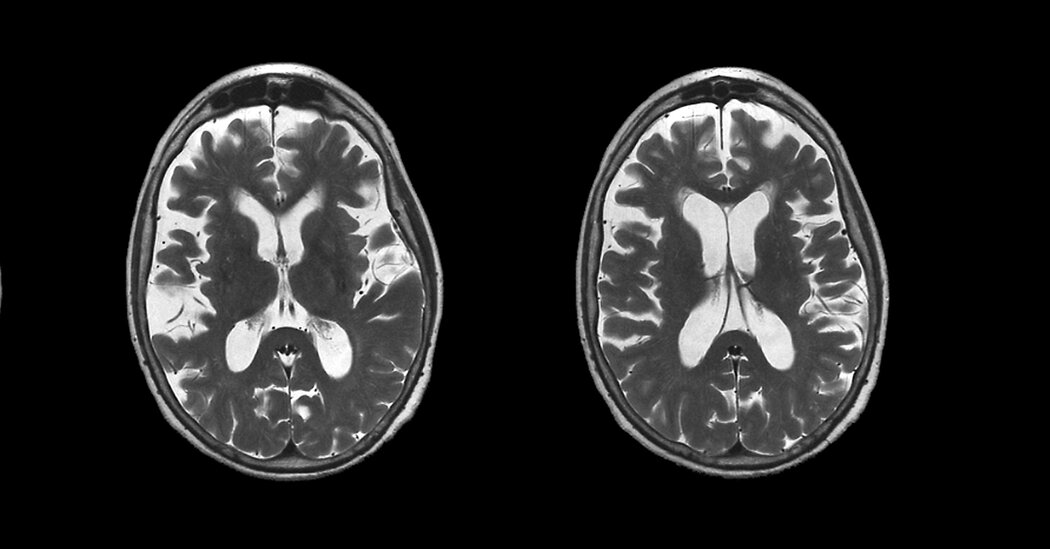
The drug, Leqembi, may modestly slow cognitive decline in early stages of the disease but carries some safety risks. Still, data suggests it is more promising than the small number of other available treatments.The Food and Drug Administration on Friday approved a new Alzheimer’s drug that may modestly slow the pace of cognitive decline early in the disease, but also carries risks of swelling and bleeding in the brain.The approval of the drug, lecanemab, to be marketed as Leqembi, is likely to generate considerable interest from patients and physicians. Studies of the drug — an intravenous infusion administered every two weeks — suggest it is more promising than the scant number of other treatments available. Still, several Alzheimer’s experts said it was unclear from the medical evidence whether Leqembi could slow cognitive decline enough to be noticeable to patients.Even a recent report of findings from a large 18-month clinical trial, published in the New England Journal of Medicine and co-written by scientists from the lead company making the drug, concluded that “longer trials are warranted to determine the efficacy and safety of lecanemab in early Alzheimer’s disease.”Eisai, a Japanese pharmaceutical company, led the development and testing of the drug. It is partnering with the American company Biogen, maker of the controversial Alzheimer’s drug Aduhelm, for its commercialization and marketing, and the companies will split the profits equally.Eisai said it planned to release information about the price of Leqembi (pronounced le-KEM-bee) a few hours after the approval was announced. A preliminary report by the Institute for Clinical and Economic Review, an independent nonprofit organization that assesses the value of medicines, said that to be cost-effective for patients the price should be set between $8,500 and $20,600 a year.In its decision, the F.D.A. appeared to be acknowledging the vehement criticism that erupted when it approved Aduhelm in 2021 after both a committee of independent advisers and an F.D.A. council of senior officials said there was not enough evidence that it worked.Last week, an 18-month investigation by two congressional committees found that the approval process for Aduhelm was “rife with irregularities” and involved an unusually close collaboration with Biogen. In response, the F.D.A. said “the agency has already started implementing changes consistent with the committees’ recommendations.”With Leqembi, the F.D.A. included narrower and more cautionary language on the drug label than it initially had with Aduhelm. (After an outcry from physicians and others, it changed the Aduhelm label a month after its approval.)The Leqembi label says the drug should be used only for patients in early and mild stages of Alzheimer’s disease, matching the status of patients in the clinical trials of the drug. It instructs doctors not to treat patients without doing tests to confirm that they have one of the hallmarks of Alzheimer’s: a buildup of the protein amyloid, which Leqembi (like Aduhelm) attacks.“We have worked very hard with the F.D.A. to narrow the population down to a very specific one, the same as the clinical trials,” Ivan Cheung, the chairman and chief executive of Eisai’s United States operations, said in an interview.The Controversy Surrounding the Aduhelm Alzheimer’s DrugCard 1 of 5A troubled approval.

Read more →

Scars mended using transplanted hair follicles

In a new study involving three volunteers, skin scars began to behave more like uninjured skin after they were treated with hair follicle transplants. The scarred skin harboured new cells and blood vessels, remodelled collagen to restore healthy patterns, and even expressed genes found in healthy unscarred skin.
The findings could lead to better treatments for scarring both on the skin and inside the body, leading to hope for patients with extensive scarring, which can impair organ function and cause disability.
Lead author Dr Claire Higgins, of Imperial’s Department of Bioengineering, said: “After scarring, the skin never truly regains its pre-wound functions, and until now all efforts to remodel scars have yielded poor results. Our findings lay the foundation for exciting new therapies that can rejuvenate even mature scars and restore the function of healthy skin.”
The research is published today in Nature Regenerative Medicine.
Hope in hair
Scar tissue in the skin lacks hair, sweat glands, blood vessels and nerves, which are vital for regulating body temperature and detecting pain and other sensations. Scarring can also impair movement as well as potentially causing discomfort and emotional distress.

Compared to scar tissue, healthy skin undergoes constant remodelling by the hair follicle. Hairy skin heals faster and scars less than non-hairy skin- and hair transplants had previously been shown to aid wound healing. Inspired by this, the researchers hypothesised that transplanting growing hair follicles into scar tissue might induce scars to remodel themselves.
To test their hypothesis, Imperial researchers worked with Dr Francisco Jiménez, lead hair transplant surgeon at the Mediteknia Clinic and Associate Research Professor at University Fernando Pessoa Canarias, in Gran Canaria, Spain. They transplanted hair follicles into the mature scars on the scalp of three participants in 2017. The researchers selected the most common type of scar, called normotrophic scars, which usually form after surgery.
They took and microscope imaged 3mm-thick biopsies of the scars just before transplantation, and then again at two, four, and six months afterwards.
The researchers found that the follicles inspired profound architectural and genetic shifts in the scars towards a profile of healthy, uninjured skin.
Dr Jiménez said: “Around 100 million people per year acquire scars in high-income countries alone, primarily as a result of surgeries. The global incidence of scars is much higher and includes extensive scarring formed after burn and traumatic injuries. Our work opens new avenues for treating scars and could even change our approach to preventing them.”
Architects of skin

After transplantation, the follicles continued to produce hair and induced restoration across skin layers.
Scarring causes the outermost layer of skin – the epidermis – to thin out, leaving it vulnerable to tears. At six months post-transplant, the epidermis had doubled in thickness alongside increased cell growth, bringing it to around the same thickness as uninjured skin.
The next skin layer down, the dermis, is populated with connective tissue, blood vessels, sweat glands, nerves, and hair follicles. Scar maturation leaves the dermis with fewer cells and blood vessels, but after transplantation the number of cells had doubled at six months, and the number of vessels had reached nearly healthy-skin levels by four months. This demonstrated that the follicles inspired the growth of new cells and blood vessels in the scars, which are unable to do this unaided.
Scarring also increases the density of collagen fibres — a major structural protein in skin – which causes them to align such that scar tissue is stiffer than healthy tissue. The hair transplants reduced the density of the fibres, which allowed them to form a healthier, ‘basket weave’ pattern, which reduced stiffness – a key factor in tears and discomfort.
The authors also found that after transplantation, the scars expressed 719 genes differently to before. Genes that promote cell and blood vessel growth were expressed more, while genes that promote scar-forming processes were expressed less.
Multi-pronged approach
The researchers are unsure precisely how the transplants facilitated such a change. In their study, the presence of a hair follicle in the scar was cosmetically acceptable as the scars were on the scalp. They are now working to uncover the underlying mechanisms so they can develop therapies that remodel scar tissue towards healthy skin, without requiring transplantation of a hair follicle and growth of a hair fibre. They can then test their findings on non-hairy skin, or on organs like the heart, which can suffer scarring after heart attacks, and the liver, which can suffer scarring through fatty liver disease and cirrhosis.
Dr Higgins said: “This work has obvious applications in restoring people’s confidence, but our approach goes beyond the cosmetic as scar tissue can cause problems in all our organs.
“While current treatments for scars like growth factors focus on single contributors to scarring, our new approach tackles multiple aspects, as the hair follicle likely delivers multiple growth factors all at once that remodel scar tissue. This lends further support to the use of treatments like hair transplantation that alter the very architecture and genetic expression of scars to restore function.”
This work was funded by the Medical Research Council and Engineering and Physical Sciences Research Council (part of UKRI).

Read more →

What a medication abortion is like, according to a doctor

CNN
 — 

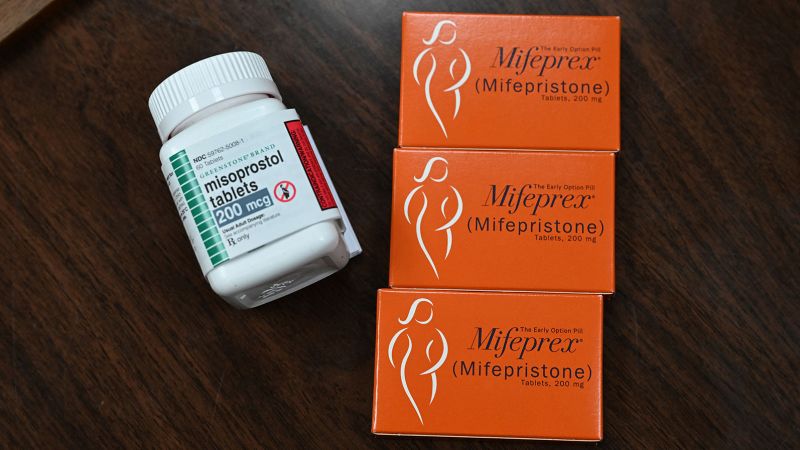
Mifepristone, one of two drugs used for medication abortions, can continue to be mailed to patients without an in-person visit with a doctor following the US Supreme Court rejection of a lawsuit challenging regulation of the abortion pill.

“While many women obtain medication abortion from a clinic or their OB-GYN, others obtain the pills on their own to self-induce or self-manage their abortion,” said Dr. Daniel Grossman, a professor of obstetrics, gynecology and reproductive sciences at the University of California, San Francisco.

“A growing body of research indicates that self-managed abortion is safe and effective,” he said.

Mifepristone blocks the hormone progesterone, which is needed for a pregnancy to continue. The drug isapproved to end a pregnancy through 10 weeks’ gestation, which is “70 days or less since the first day of the last menstrual period,” according to the US Food and Drug Administration.

In a medication abortion, a second drug, misoprostol, is taken within the next 24 to 48 hours. Misoprostol causes the uterus to contract, creating cramping and bleeding. Approved for use in other conditions, such as preventing stomach ulcers, the drug has been available at pharmacies for decades.

Together, the two drugs are commonly known as the “abortion pill,” which is now used in more than half of the abortions in the United States, according to the Guttmacher Institute, a research group that supports abortion rights.

“Some people do this because they cannot access a clinic — particularly in states with legal restrictions on abortion — or because they have a preference for self-care,” said Grossman, who is also the director of Advancing New Standards in Reproductive Health, a research group that evaluates the pros and cons of reproductive health policies and publishes studies on how abortion affects a woman’s health.

What happens in a medication abortion

What happens during a medication abortion? To find out, CNN spoke with Grossman. This conversation has been condensed and edited for clarity.

CNN: What is the difference between a first-trimester medication abortion and a vacuum aspiration in terms of what a woman experiences?

Dr. Daniel Grossman: A vacuum aspiration is most commonly performed under a combination of local anesthetic and oral pain medications or local anesthetic together with intravenous sedation, or what is called conscious sedation.

An injection of local anesthetic is given to the area around the cervix, and the cervix is gently dilated or opened up. Once the cervix is opened, a small straw-like tube is inserted into the uterus, and a gentle vacuum is used to remove the pregnancy tissue. Contrary to what some say, if the procedure is done before nine weeks or so, there’s nothing in the tissue that would be recognizable as a part of an embryo.

The aspiration procedure takes just a couple of minutes. Then the person is observed for one to two hours until any sedation has worn off. We also monitor each patient for very rare complications, such as heavy bleeding.

A medication abortion is a more prolonged process. After taking the pills, bleeding and cramping can occur over a period of days. Bleeding is typically heaviest when the actual pregnancy is expelled, but that bleeding usually eases within a few hours. On average people continue to have some mild bleeding for about two weeks or so, which is a bit longer than after a vacuum aspiration.

Nausea, vomiting, fever, chills, diarrhea and headache can occur after using the abortion pill, and everyone who has a successful medication abortion usually reports some pain.

In fact, the pain of medication abortion can be quite intense. In the studies that have looked at it, the average maximum level of pain that people report is about a seven to eight out of 10, with 10 being the highest. However, people also say that the pain can be brief, peaking just as the pregnancy is being expelled.

The level of cramping and pain can depend on the length of the pregnancy as well as whether or not someone has given birth before. For example, a medical abortion at six weeks or less gestation typically has less pain and cramping than one performed at nine weeks. People who have given birth generally have less pain.

CNN: What can be done to help with the pain of a medication abortion?

Grossman: There are definitely things that can be used to help with the pain. Research has shown that ibuprofen is better than acetaminophen for treating the pain of medication abortion. We typically advise people to take 600 milligrams every six hours or so as needed.

Some people take tramadol, a narcotic analgesic, or Vicodin, which is a combination of acetaminophen and hydrocodone. Recent research I was involved in found medications like tramadol can be helpful if taken prophylactically before the pain starts.

Another successful regimen that we studied combined ibuprofen with a nausea medicine called metoclopramide that also helped with pain. Other than ibuprofen, these medications require a prescription.

Another study found that a TENS device, which stands for transcutaneous electrical nerve stimulator, helps with the pain of medication abortion. It works through pads put on the abdomen that stimulate the nerves through mild electrical shocks, thus interfering with the pain signals. That’s something people could get without a prescription.

Pain can be an overlooked issue with medication abortion because, quite honestly, as clinicians, we’re not there with patients when they are in their homes going through this. But as we’ve been doing more research on people’s experiences with medication abortion, it’s become quite clear that pain control is really important. I think we need to do a better job of treating the pain and making these options available to patients.

CNN: Are there health conditions that make the use of a medication abortion unwise?

Grossman: Undergoing a medication abortion can be dangerous if the pregnancy is ectopic, meaning the embryo is developing outside of the uterus. It’s rare, happening in about 2 out of every 100 pregnancies — and it appears to be even rarer among people seeking medication abortion.

People who have undergone previous pelvic, fallopian tube or abdominal surgery are at higher risk of an ectopic pregnancy, as are those with a history of pelvic inflammatory disease. Certain sexually transmitted infections can raise risk, as does smoking, a history of infertility and use of infertility treatments such as in vitro fertilization.

If a person is on anticoagulant or blood thinning drugs or has a bleeding disorder, a medication abortion is not advised. The long-term use of steroids is another contraindication for using the abortion pill.

Anyone using an intrauterine device, or IUD, must have it removed before taking mifepristone because it may be partially expelled during the process, which can be painful.

People with chronic adrenal failure or who have inherited a rare disorder called porphyria are not good candidates.

CNN: Are there any signs of trouble a woman should watch for after undergoing a medication abortion?

Grossman: It can be common to have a low-grade fever in the first few hours after taking misoprostol, the second drug in a medication abortion. If someone has a low-grade fever — 100.4 degrees to 101 degrees Fahrenheit — that lasts more than four hours, or has a high fever of over 101 degrees Fahrenheit after taking the medications, they do need to be evaluated by a health care provider.

Heavy bleeding, which would be soaking two or more thick full-size pads an hour for two consecutive hours, or a foul-smelling vaginal discharge should be evaluated as well.

One of the warning signs of an ectopic pregnancy is severe pelvic pain, particularly on one side of the abdomen. The pain can also radiate to the back. Another sign is getting dizzy or fainting, which could indicate internal bleeding. These are all very rare complications, but it’s wise to be on the lookout.

We usually recommend that someone having a medication abortion have someone with them during the first 24 hours after taking misoprostol or until the pregnancy has passed. Many people specifically choose to have a medication abortion because they can be surrounded by a partner, family or friends.

Most people know that the abortion is complete because they stop feeling pregnant, and symptoms such as nausea and breast tenderness disappear, usually within a week of passing the pregnancy. A home urine pregnancy test may remain positive even four to five weeks after a successful medication abortion, just because it takes that long for the pregnancy hormone to disappear from the bloodstream.

If someone still feels pregnant, isn’t sure if the pregnancy fully passed or has a positive pregnancy test five weeks after taking mifepristone, they need to be evaluated by a clinician.

People should know that they can ovulate as soon as two weeks after a medication abortion. Most birth control options can be started immediately after a medication abortion.

This story was originally published in 2023 and has been updated.

Read more →

Mask wearing: Would you welcome the return of face coverings?

There have been sharp rises in the numbers of people in hospital with Covid and flu in recent weeks.About one in eight beds in England is now occupied by patients with these infections, government figures show.As a result, there have been some calls for a return to more mask wearing to help prevent the spread of viruses.Scotland’s national clinical director said people suffering from a virus should wear a face mask if they were out in public and they should not go to work.Prof Jason Leitch said there needed to be a “new culture” of making sure people did not pass diseases to others.The BBC spoke to people in Hull about whether they would be happy to mask up again.

Read more →

Spain tobacco firms to pay to clean up cigarette butts

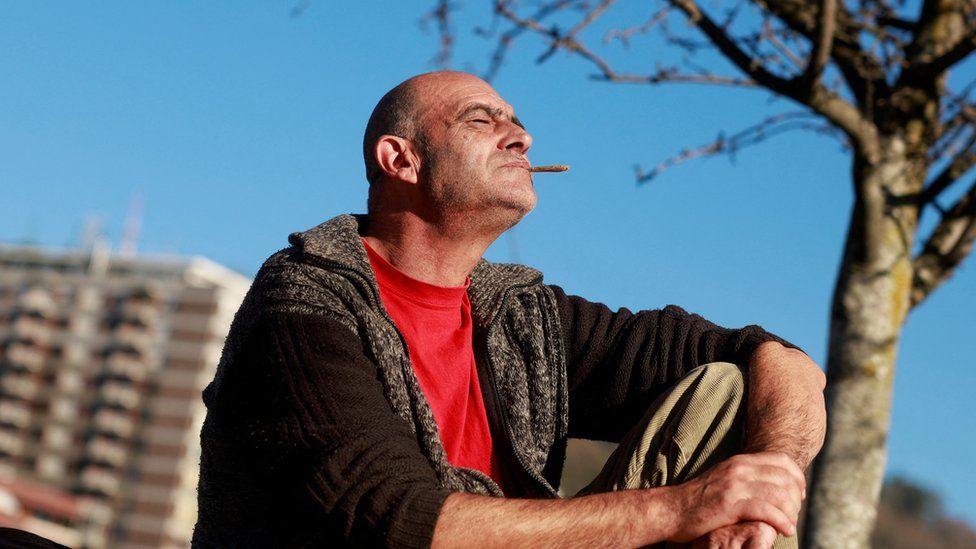
Published1 hour agoShareclose panelShare pageCopy linkAbout sharingImage source, ReutersBy Phelan ChatterjeeBBC NewsTobacco companies will now be charged to clean up cigarette butts off the streets and beaches of Spain, according to new environmental regulations.Millions of butts are thrown away each year – releasing toxic plastic waste which can take decades to break down.Figures from 2020 show around a fifth of adult Spaniards smoke everyday.The rules came into force on Friday, but it remains unclear how they will be implemented and whether costs are likely to be passed on to consumers.A report by the Catalan Rezero Foundation estimated that local authorities in Catalonia were paying between €12-21 (£11-19; $13-22) per inhabitant per year on road cleaning of cigarettes – with higher rates in coastal areas.The report called cigarette waste the “most abundant waste” on the beaches of the western Mediterranean, adding that existing measures to tackle it – such as awareness campaigns and portable beach ashtrays – had been insufficient.The new rules make manufacturers responsible for collecting discarded butts as well as transporting them for waste treatment.The Mesa del Tabaco industry association has said it is still waiting for details on how the rules will be implemented, local media say.Most cigarette butts contain filters made of cellulose acetate fibre, a type of a bioplastic.These can take years, if not decades, to break down – and microplastic pollution can hamper plant growth too, according to scientists.The new rules are part of a law passed last year banning single-use plastics like cutlery and straws – drawn up to comply with a European Union directive.Ireland introduced similar legislation on Thursday, requiring tobacco companies to contribute to the cost of cigarette litter.Almost half of litter in Ireland is cigarette-related, according to the country’s National Litter Pollution Monitoring System.Spain has introduced a host of sweeping measures to curb smoking in recent years. Last July, smoking was banned on all of Barcelona’s public beaches, with offenders fined €30 (£27; $32).More on this storyFirm can dock pay for smoking breaks, court rules11 February 2020Spanish regions ban smoking over Covid-19 risk13 August 2020Spanish smoking ban takes effect2 January 2011

Read more →

China Covid: Young people self-infect as fears for elderly grow

Published1 hour agoShareclose panelShare pageCopy linkAbout sharingImage source, Getty ImagesWhen Mr Chen’s 85-year-old father fell ill with Covid in December, it was impossible to get an ambulance or see a doctor.They went to Chaoyang Hospital in Beijing, where they were told to either try other hospitals or sit in the corridor with an IV drip.”There was no bed, no respiratory machine, no medical equipment” available, Mr Chen tells the BBC.His father managed to find a bed at another hospital, but only through a special contact, and had by then developed a severe lung infection.The elder Mr Chen has now recovered, but his son worries that a second infection in the future could kill him.Three years of Covid prevention measures were a complete waste and failure, he says, because the government eased controls too quickly, with no preparation, and so many have caught the virus.”The outbreak will come back again. For elderly people, they can only count on their own fate,” Mr Chen says. The final step in China’s swift reversal of its contentious zero-Covid policy comes on Sunday when it reopens borders for international travel. With mass testing, stringent quarantines and sudden, sweeping lockdowns gone, families like Mr Chen’s are wary of what lies ahead. But younger Chinese, all of whom did not wish to be named, feel differently – and some told the BBC they were voluntarily exposing themselves to infection. A 27-year-old coder in Shanghai, who did not receive any of the Chinese vaccines, says he voluntarily exposed himself to the virus.”Because I don’t want to change my holiday plan,” he explains, “and I could make sure I recovered and won’t be infected again during the holiday if I intentionally control the time I get infected.” He admits he did not expect the muscle aches that came with the infection, but says the symptoms have been largely as expected.Another Shanghai resident, a 26-year-old woman, tells the BBC she visited her friend who had tested positive “so I could get Covid as well”. But she says her recovery has been hard: “I thought it would be like getting a cold but it was much more painful.”Image source, Getty ImagesA 29-year-old who works for a state-run business based in Jiaxing, in the northern Zhejiang province, says she was thrilled when she heard the country’s borders were reopening. She is excited to travel to other parts of China again to see concerts. “Life was ridiculous when I had to ask my manager’s permission to travel. I just want life to get back to normal,” she says. “But I do worry about the elderly.”When her grandfather fell sick with Covid, he refused to go to hospital, even when his condition took a turn for the worse, she says. And reports of overwhelmed hospitals and crematoriums have only added to the worry – she says she has heard stories of corpses piled high in funeral parlours.She herself has not tested positive for the virus yet, but concedes that – when her husband did – she wore a mask 24/7 at home, even when she was sleeping.”I did not want us to be sick at the same time,” she says. “But I’m not scared of the virus, as the severe symptoms are rare.”Celebrity deaths spark fears over China Covid tollChina under-representing Covid deaths, WHO warnsAt least in the big cities, people have been returning to malls, restaurants and parks, and even queuing up for visas and tourist permits. The state-run Global Times newspaper declared “normal times are back”, attributing the line to interviews with Chinese. If normal days are indeed back, it is an uncomfortable return to normalcy for many.Mrs Liu’s husband never got vaccinated because he suffers from advanced diabetes. Since the re-opening, she has stayed indoors and has disinfected every home delivery that has arrived, but the couple still caught the virus.Their daughter, also sick with Covid, scoured various locations in the midst of a cold Beijing winter for Paxlovid, Pfizer’s anti-viral Covid medication, before finally purchasing a single box off the black market at 7500 CNY (£918).”My husband has recovered smoothly. It’s a big relief for me,” Mrs Liu says. “But when the second wave comes, what will happen to him?”Ms Wang, another Beijing resident, and her family have pre-purchased Paxlovid before it becomes too expensive, as well as an oxygenator and pulse oximeter, for her grandfather-in-law. He has not gotten the virus but is in his 90s.”Anyways, the open-up is good for the economy. Business has recovered quickly,” she remarks, adding that hotels, restaurants and shopping malls are all filling up with people again.Image source, Getty ImagesBut beyond the major cities, it is difficult to know how people – particularly in China’s rural regions – are responding to an about-face in government messaging.For three years, state-run media presented the virus as a dangerous menace to society, vowing that it would achieve “dynamic zero-Covid” to keep the population safe.But that rhetoric has been turned on its head in recent weeks, with doctors regularly trotted out to call for calm over confusion.Mrs Li, a 52-year-old in Beijing, argues the government “did the right thing” for the first two years but should have ended its zero-Covid policy in early 2022.”Now we finally have all controls eased, but it’s too sudden. The government could have done it phase by phase, region by region. Also winter is the worst season to do it. Why not wait until next spring? And why didn’t the government prepare enough resources before opening up?” she asks.”2022 was the worst year for us. I can only pray 2023 won’t be any worse.”More on this storyChina under-representing Covid deaths, WHO warns1 day agoCelebrity deaths spark fears over China Covid toll19 hours ago

Read more →

I drove patient to hospital myself, says Shropshire GP

A GP said she had to take a patient to casualty in her “little Fiat 500” when an ambulance did not come.Dr Charlotte Hart, based at Radbrook Green Surgery in Shrewsbury, added the festive period was the busiest she had experienced in a 20-year GP career.She described a peak in patients on 28 December as “horrendous”.Dr Hart said of the lift she gave a few weeks ago that the “ambulance hadn’t come because they were backed up at the hospital”.West Midlands Ambulance Service said it was working hard to prevent delays, but depended on hospitals admitting patients quickly.

Read more →

Damar Hamlin’s Neurological Recovery Reaches a ‘Turning Point’

The Buffalo Bills safety was on a good path for neurological recovery but might still face injuries to other organs, including his lungs.Damar Hamlin’s ability to communicate with medical personnel and members of his family after a cardiac arrest on Monday night bodes well for his brain’s recovery, according to the doctors caring for him and outside medical experts.“This marks a really good turning point in his ongoing care,” said Dr. William Knight IV, director of emergency medicine at the University of Cincinnati Medical Center, which has been treating Mr. Hamlin since he collapsed on the field during a Buffalo Bills-Cincinnati Bengals game. “But he still has significant progress that he needs to make.”While experts have reasons to anticipate that Mr. Hamlin may be on a good path for neurological recovery, questions remain about the health of his other organs, including his lungs.In a news conference on Thursday, Dr. Knight and Dr. Timothy A. Pritts said that Mr. Hamlin was still critically ill, was in intensive care and was still lightly sedated and on a ventilator, and so unable to talk. But he can now communicate by shaking his head and nodding. He even wrote a question on a pad of paper, asking his nurse who had won the game.Dr. Knight and Dr. Pritts said during the news conference that they were not yet certain why Mr. Hamlin had gone into cardiac arrest during the game. But one explanation they have not ruled out is that he had incredibly bad luck when he collided with a Bengals receiver, sustaining a severe blow to his chest. When that occurs at exactly the right 20-millisecond moment in the heart’s cycle, when the organ is relaxing and filling with blood, the blow can cause the heart to stop.More on Damar Hamlin’s CollapseA ‘True Leader’: As a professional football player and community mentor, Damar Hamlin has reached two of his life goals: making it to the N.F.L. and helping others along the way.N.F.L.’s Violent Spectacle: The appetite for football has never been higher, even as viewers look past the sport’s toll on players’ lives. Mr. Hamlin’s collapse should force a reconsideration, our columnist writes.Football’s Pull: After Mr. Hamlin’s collapse, fans, coaches and players processed what it meant to love a sport that carries the risk of bodily harm for its participants.Faith and Football: The outpouring of public piety from players and fans shows how Christianity is embedded in N.F.L. culture in a way that goes beyond most sports.The consequences can be dire even if, as in Mr. Hamlin’s case, the person receives immediate cardiopulmonary resuscitation and his heart is restarted with a defibrillator.“The big issue in cardiac arrest is no blood flow to the brain,” said Dr. Andrew Luks, a critical care and respiratory disease specialist at the University of Washington who is not involved with Mr. Hamlin’s care.Although it is impossible to do a complete neurological evaluation while Mr. Hamlin is on a respirator, “the fact that he follows commands and communicates in writing is very reassuring,” Dr. Luks said. “The likelihood of severe neurological damage is very low.”“There’s every reason to think he will return to a normal neurologic function,” said Dr. Michael Mack, chairman of cardiovascular services at Baylor Scott & White Health in Dallas.Players prayed around the spot where Mr. Hamlin had fallen on Monday.Joshua A. Bickel/Associated PressBut recovery is not instantaneous, he added. Patients go through a phase where they are slow to process and respond in conversation.Another major concern when a person has a cardiac arrest is damage to the lungs, a severe injury called acute respiratory distress syndrome, or ARDS. One study found that nearly half of people who had cardiac arrest developed the condition.Sometimes CPR injures the lungs during the repetitive, deep compressions of the chest wall. Patients may also breathe stomach fluids or saliva into their lungs, injuring them. And the impaired blood flow during CPR can contribute to lung injury.Mr. Hamlin did not escape this complication.There is no specific treatment for ARDS, said Dr. Douglas White, professor of critical care medicine at the University of Pittsburgh Medical Center, other than ensuring that the ventilator is set to deliver smaller breaths than normal to prevent additional injury to the lungs. Doctors then monitor patients and wait for them to heal, which can take days or weeks.While most patients fully recover, some are left with scar tissue in their lungs, Dr. White said. For many, the scar tissue is not serious — but, he said, “for a world-class athlete,” who performs at physical extremes, “it’s a different problem.”Scarring becomes a concern when someone has been on a ventilator for a week or more, Dr. White added. So far, Mr. Hamlin has been on a ventilator for three days.“The next big milestone,” Dr. Pitts said, “will be getting him to breathe on his own.”Mr. Hamlin’s doctors declined to predict when or if he would fully recover and whether he would be able to play football again. They said they were just taking things day by day.“It’s been a long and difficult road for the last three days,” Dr. Knight said. Mr. Hamlin, he said, was “incredibly sick.”But, he said, “he is now demonstrating signs of good neurological recovery.”

Read more →

Telling left from right: Cilia as cellular force sensors during embryogenesis

Although the human body is externally symmetric across the left-right axis, there are remarkable left-right asymmetries in the shape and positioning of most internal organs including the heart, lungs, liver, stomach, and brain.
Left-right asymmetry is known to be established during early embryogenesis by a small cluster of cells termed the left-right organizer. Within this organizer, motile cilia, hair-like structures on the cell surfaces, beat rapidly to create a leftward directional flow of extracellular fluid, which is the first outward sign of a left-right difference.
This early flow has been shown to be critical to the distinction of right from left; however, how this flow is sensed and translated into left-right asymmetry has been unknown.
A new study led by MGH researchers now reveal that cilia in the organizer function as the creators of the flow — they also act as sensors for the biomechanical forces exerted by the flow to shape the left-right body plan of the developing embryo.
The findings were published in the journal Science.
“Nearly 25 years of work by numerous groups have shown that cilia and flow in the organizer are absolutely essential for establishing body left-right asymmetry,” says Shiaulou Yuan, PhD, an investigator in the Cardiovascular Research Center at Massachusetts General Hospital and assistant professor of medicine at Harvard Medical School, and senior author of the study. “But we haven’t had the right tools or techniques to definitively study how this all works.”
To overcome this challenge, the researchers utilized zebrafish as a model for left-right development and employed a novel optical toolkit consisting of custom-built microscopy and machine learning analysis.

Their approach was unique as they developed and deployed optical tweezers — a biophysical tool that uses light to hold and move microscopic objects similar to a tractor beam — that enabled precise delivery of mechanical force onto cilia in an intact, living animal for the first time.
Utilizing these tools, the researchers discovered that cilia are cell-surface mechanosensors that are important for left-right asymmetry of the developing body and organs such as the heart.
By using optical tweezers to apply mechanical force onto cilia in the left-right organizer of zebrafish, they showed that a subset of organizer cilia sense and translate flow forces into calcium signals that control left-right development in zebrafish.
Defects in left-right asymmetry are associated with numerous human disorders, including heterotaxy syndrome, primary ciliary dyskinesia and congenital heart disease.
“The knowledge gleaned from this study not only advances our understanding of the fundamental cellular processes that govern the development of the human body, they may also open new avenues for the development of novel diagnostics of these disorders,” says Yuan. “Additionally, this work may pave the way for targeted therapies on cilia signaling and mechanosensing to improve outcomes.”
Yuan and his colleagues continue to investigate the molecular mechanisms that govern cilia force sensing. They also continue to develop new strategies to visualize and manipulate cilia signaling, with the long-term goal of developing novel tools for the treatment of cilia-associated disorders.

“These results, and the tools that made it possible, have provided a new window into the developmental patterning of the embryo, and also opened Pandora’s box,” says Scott E. Fraser, the Provost Professor of Biology and Bioengineering at the University of Southern California and a co-author on this study. “It reminds us that we have so much more to learn about how cilia signaling and mechanobiology impact development and disease.”
Additional MGH and Harvard Medical School authors include Lydia Djenoune, Mohammed Mahamdeh and Christopher Nguyen. Other authors include Thai V. Truong from the University of Southern California, and Martina Brueckner and Jonathon Howard from Yale University.
This research was supported by the National Heart, Lung and Blood Institute, the Eunice Kennedy Shriver National Institute of Child Health and Human Development, the American Heart Association, the Charles Hood Foundation, the National Science Foundation, the Gordon and Betty Moore Foundation, the USC Translational Imaging Center, and others.

Read more →

Newly discovered anatomy shields and monitors brain

From the complexity of neural networks to basic biological functions and structures, the human brain only reluctantly reveals its secrets. Advances in neuro-imaging and molecular biology have only recently enabled scientists to study the living brain at level of detail not previously achievable, unlocking many of its mysteries. The latest discovery, described today in the journal Science, is a previously unknown component of brain anatomy that acts as both a protective barrier and platform from which immune cells monitor the brain for infection and inflammation.
The new study comes from the labs of Maiken Nedergaard, co-director of the Center for Translational Neuromedicine at University of Rochester and the University of Copenhagen and Kjeld Møllgård, M.D., a professor of neuroanatomy at the University of Copenhagen. Nedergaard and her colleagues have transformed our understanding of the fundamental mechanics of the human brain and made significant findings to the field of neuroscience, including detailing the many critical functions of previously overlooked cells in the brain called glia and the brain’s unique process of waste removal, which the lab named the glymphatic system.
“The discovery of a new anatomic structure that segregates and helps control the flow of cerebrospinal fluid (CSF) in and around the brain now provides us much greater appreciation of the sophisticated role that CSF plays not only in transporting and removing waste from the brain, but also in supporting its immune defenses,” said Nedergaard.
The study focuses on the membranes that encase the brain, which create a barrier from the rest of the body, and keep it bathed in CSF. The traditional understanding of what is collectively called the meningeal layer, a barrier comprised of individual layers known as the dura, arachnoid, and pia matter.
The new layer discovered by the U.S. and Denmark-based research team further divides the space below the arachnoid layer, the subarachnoid space, into two compartments, separated by the newly described layer, which the researchers name the SLYM, an abbreviation of Subarachnoidal LYmphatic-like Membrane. While much of the research in the paper describes the function of SLYM in mice, they also report its actual presence in the adult human brain as well.
The SLYM is a type of membrane called mesothelium, which is known to line other organs in the body, including the lungs and heart. Mesothelia typically surround and protect organs, and harbor immune cells. The idea that a similar membrane might exist in the central nervous system was a question first posed by Møllgård, the first author of the study. His research focuses on developmental neurobiology, and on the systems of barriers that protect the brain.
The new membrane is very thin and delicate, and consists of only one or a few cells in thickness. Yet the SLYM is a tight barrier, and allows only very small molecules to transit; it seems to separate “clean” and “dirty” CSF. This last observation hints at the likely role played by SLYM in the glymphatic system, which requires a controlled flow and exchange of CSF, allowing the influx of fresh CSF while flushing the toxic proteins associated with Alzheimer’s and other neurological diseases from the central nervous system. This discovery will help researchers more precisely understand the mechanics of the glymphatic system, which was the subject of a recent $13 million grant from the National Institutes of Health’s BRAIN Initiative to the Center for Translational Neuromedicine at the University of Rochester.
The SLYM also appears important to the brain’s defenses. The central nervous system maintains its own native population of immune cells, and the membrane’s integrity prevents outside immune cells from entering. In addition, the SLYM appears to host its own population of central nervous system immune cells that use the SLYM for surveillance at the surface of brain, allowing them to scan passing CSF for signs of infection.
Discovery of the SLYM opens the door for further study of its role in brain disease. For example, the researchers note that larger and more diverse concentrations of immune cells congregate on the membrane during inflammation and aging. When the membrane was ruptured during traumatic brain injury, the resulting disruption in the flow of CSF impaired the glymphatic system and allowed non-central nervous system immune cells to enter the brain.
These and similar observations suggest that diseases as diverse as multiple sclerosis, central nervous system infections, and Alzheimer’s might be triggered or worsened by abnormalities in SLYM function. They also suggest that the delivery of drugs and gene therapeutics to the brain may be impacted by SLYM function, which will need to be considered as new generations of biologic therapies are being developed.
Additional co-authors include Felix Beinlich, Peter Kusk, Leo Miyakoshi, Christine Delle, Virginia Pla, Natalie Hauglund, Tina Esmail, Martin Rasmussen, Ryszard Gomolka, and Yuki Mori with Center for Translational Neuromedicine at the University of Copenhagen. The study was supported with funding from the Lundbeck Foundation, Novo Nordisk Foundation, the National Institute of Neurological Disorders and Stroke, the U.S. Army Research Office, the Human Frontier Science Program, the Dr. Miriam and Sheldon G. Adelson Medical Research Foundation and the Simons Foundation.

Read more →