Regulators Announce Changes to Nursing Home Rating System

The federal agency that oversees nursing homes has tightened rules around the use of powerful antipsychotic drugs.Federal regulators said Wednesday that they will begin penalizing nursing homes that give residents a false label of schizophrenia, a practice that many facilities have used to skirt restrictions on antipsychotic drugs, which can be especially dangerous for older people.In the announcement, officials at the Centers for Medicare and Medicaid Services said that facilities inflating the number of residents with schizophrenia could be punished with a lower ranking in the federal ratings system used to evaluate the quality of nursing homes.The move, part of a broader effort by the Biden administration to beef up regulation of nursing homes, could close a loophole that some nursing homes have exploited to sedate dementia patients who would otherwise require expensive round-the-clock care.Under the federal rating system, nursing homes must report the number of their residents taking antipsychotic drugs. But facilities are allowed to exclude residents who have certain other medical diagnoses, including schizophrenia.In a 2021 investigation, The New York Times reported that since 2012, when nursing homes were first required to report how many residents had received such drugs, the share of residents with a questionable schizophrenia diagnosis has soared by 70 percent. That year, one in nine residents had a schizophrenia diagnosis; in the general population, the disorder, which has strong genetic roots, afflicts roughly one in 150 people.“We support transparency for consumers and ensuring nursing home residents are properly diagnosed and receive the right care,” said Dr. David Gifford, the chief medical officer at the American Health Care Association, which represents nursing homes.“Our members have been active partners in a national effort to reduce the unnecessary use of antipsychotics in nursing homes, which in the past decade, has decreased by 40 percent,” he added.A 2021 report by a federal oversight agency concluded that nearly one-third of long-term nursing home residents with schizophrenia diagnoses in 2018 had no Medicare record of being treated for the condition. The Medicare agency, which oversees nursing homes, said it would conduct an audit of medical records in nursing homes to evaluate whether the diagnoses were correct.Black nursing home residents have been disproportionately affected by the surge in schizophrenia diagnoses. A 2021 study found that Black Americans with dementia have been 1.7 times as likely as white residents to be diagnosed with schizophrenia.In its latest announcement, the Medicare agency said it has already conducted a handful of audits of nursing homes’ medical records and spotted instances of residents saddled with phony diagnoses. Some nursing homes failed to perform psychiatric evaluations of the residents. Among those that did, some classified symptoms of dementia as signs of schizophrenia instead.The agency also said it would begin publishing citations against nursing homes even while the facilities were appealing the charges. The New York Times reported that thousands of problems uncovered by state health inspectors had been hidden from public view because they were being appealed by the nursing homes, in a secretive process. In many cases, inspectors had uncovered dangerous conditions that violated federal regulations, but the nursing homes were allowed to keep their high ratings during the appeals, which sometimes had lasted for years.The Medicare agency said that although the number of hidden citations is relatively small, the practice has obscured serious charges. Over the past two years, the agency said, 80 citations that placed residents in “immediate jeopardy” went through the appeals process and were not published on the site.

Read more →

Experimental HIV vaccine regimen safe but ineffective

An investigational HIV vaccine regimen tested among men who have sex with men (MSM) and transgender people was safe but did not provide protection against HIV acquisition, an independent data and safety monitoring board (DSMB) has determined. The HPX3002/HVTN 706, or “Mosaico,” Phase 3 clinical trial began in 2019 and involved 3,900 volunteers ages 18 to 60 years in Europe, North America and South America. Based on the DSMB’s recommendation, the study will be discontinued. Participants are being notified of the findings, and further analyses of the study data are planned.
Janssen Vaccines & Prevention B.V., part of the Janssen Pharmaceutical Companies of Johnson & Johnson, sponsored the Mosaico study with funding support from the National Institute of Allergy and Infectious Diseases (NIAID), part of the National Institutes of Health. The trial was conducted by the NIAID-funded HIV Vaccine Clinical Trials Network, based at the Fred Hutchinson Cancer Research Center in Seattle. The U.S. Army Medical Research and Development Command provided additional study support.
The experimental vaccine regimen was developed by Janssen. It was based on “mosaic” immunogens — vaccine components featuring elements of multiple HIV subtypes — with the goal of inducing immune responses against a wide variety of global HIV strains. The investigational vaccine regimen consisted of four injections over a year of Ad26.Mos4.HIV. This vaccine candidate uses a common-cold virus (adenovirus serotype 26, or Ad26) to deliver the mosaic immunogens. The final two vaccinations were accompanied by a bivalent (two-component) HIV envelope protein formulation, combining clade C gp140 and mosaic gp140 envelope proteins, adjuvanted by aluminum phosphate to boost immune responses. All study vaccinations were completed in October 2022.
In its scheduled data review, the DSMB determined there were no safety issues with the experimental vaccine regimen. However, the number of HIV infections were equivalent between the vaccine and placebo arms of the study. During the clinical trial, all participants were offered comprehensive HIV prevention tools, including pre-exposure prophylaxis, or PrEP. Study staff ensured that participants who acquired HIV during the trial were promptly referred for medical care and treatment.
The Mosaico findings track with developments in the Phase 2b “Imbokodo” (HPX2008/HVTN 705) clinical trial, which was testing a similar HIV vaccine regimen in young women in sub-Saharan Africa. A DSMB determined in 2021 that the experimental vaccine regimen in that study was also safe but ineffective in protecting against HIV acquisition.

Read more →

Simple laser treatments may help prevent nonmelanoma skin cancer

New research indicates that simple laser treatments to the skin may help to prevent the development of basal cell carcinoma and squamous cell carcinoma, which are collectively known as keratinocyte carcinoma and are the most common types of cancer diagnosed in the United States.
The work was conducted by a team of researchers from Massachusetts General Hospital, a founding member of Mass General Brigham. Published in Dermatologic Surgery, it reveals an easy-to-implement strategy to protect individuals’ skin health.
Nonablative fractional lasers (NAFL) deliver heat in a fractional manner that leaves it fully intact after treatment (unlike ablative fractional lasers that remove the top layer of skin), and they’re currently used to treat scars, sun-damaged skin, age spots, and more; however, their effectiveness for preventing skin damage is unknown.
To investigate, Mathew Avram, MD, JD, director of the Mass General Dermatology Laser & Cosmetic Center, and his colleagues studied patients who had been successfully treated for facial keratinocyte carcinoma in the past. Such patients have a 35% risk of experiencing a subsequent keratinocyte carcinoma within 3 years and a 50% risk within 5 years.
In the study, 43 patients received NAFL therapy and 52 served as controls and did not receive NAFL therapy.
The rate of subsequent facial keratinocyte carcinoma development over an average follow-up of more than 6 years was 20.9% in NAFL-treated patients and 40.4% in controls, indicating that patients treated with NAFL had about half the risk.

When controlling for age, gender, and skin type, control patients were 2.65-times more likely to develop a new facial keratinocyte carcinoma than NAFL-treated patients.
Also, among patients who developed a facial keratinocyte carcinoma, the time to development was significantly longer in patients treated with NAFL compared with untreated patients.
“These findings suggest that NAFL treatment may have an important role in protecting against subsequent keratinocyte carcinomas,” says Avram.
“While the mechanism of NAFL’s protective effect is not completely understood, it is suspected that NAFL treatment reduces the overall burden of photo damaged keratinocytes and may promote a wound healing response, which gives healthy skin cells a selective advantage.”
Avram noted that additional studies are warranted to more critically assess the role of NAFL in skin cancer prevention, to reveal the duration of its protective effects, and to determine optimal treatment parameters.
“Based on this research, it’s encouraged for patients to have nonablative laser treatments to help prevent skin cancer if they are at risk or notice abnormalities,” says Avram.
Additionally, it’s important to take propre precautions to reduce risk of skin cancer, including: Wearing sunscreen daily Wearing hats and protective clothing in the sun Performing self-skin examinationsAdditional co-authors include Travis A. Benson, MD, Brian P. Hibler, MD, and Dylan Kotliar, MD, PhD.

Read more →

Cause for excessive folding of gyri in human cerebral cortex

The outer layer of the human brain or cerebral cortex, characterized by its distinctive gyri and sulci (those distinctive ridges and furrows), controls cognitive and executive function, from conscious thought to speech to emotional control.
The cerebral cortex is composed of more than 10 billion cells and 100 trillion-plus connections, a layer of gray matter just five millimeters thick — a little less than three stacked quarters.
Most animals with large brains exhibit cortical folding, which allows a very large area of cerebral cortex tissue (approximately 2.6 square feet) to be compacted inside the confines of the skull. The more cortical folding, the more advanced and complex the cognitive functions of the species. Lower species like mice and rats have smaller, smooth surfaced brains; higher order species like elephants, porpoises and apes display different degrees of gyrification or folding of the cerebral cortex. Humans possess among the most wrinkly of brains, considered an indicator of advanced evolution.
In some humans, however, excess folding of the cerebral cortex is associated not with greater cognitive abilities, but the opposite and linked to neurodevelopmental delay, intellectual disability and epileptic seizures. The genes controlling this folding are mostly unknown.
Writing in the January 16, 2023 issue of PNAS, researchers at University of California San Diego School of Medicine and Rady Children’s institute for Genomic Medicine describe new findings that deepen understanding human gyrification.
Led by senior study author Joseph Gleeson, MD, Rady Professor of Neuroscience at UC San Diego School of Medicine and director of neuroscience research at the Rady Children’s Institute for Genomic Medicine, an international consortium of researchers called the Neurogenetics Consortium performed genomic analysis on nearly 10,000 families with pediatric brain disease over the course of 10 years to look for new causes of disease.

“From our cohort, we found four families with a condition called polymicrogyria, meaning too many gyri that are too tightly packed,” said Gleeson. “Until recently, most hospitals treating patients with this condition did not test for genetic causes. The Consortium was able to analyze all four families together, which aided in our discovery of a cause for this condition.”
Specifically, all four families displayed mutations in a gene called Transmembrane Protein 161B (TMEM161B), which produces a protein of previously unknown function on cell surfaces.
“Once we identified TMEM161B as the cause, we set out to understand how excessive folding occurs,” said first author Lu Wang, PhD, a postdoctoral fellow in the Gleeson lab. “We discovered the protein controls the cellular skeleton and polarity, and these control folding.”
Using stem cells derived from patient skin samples, and engineered mice, the researchers identified defects in neural cell interactions early in embryogenesis.
“We found the gene is necessary and sufficient for cytoskeletal changes required for how neural cells interact with one another,” said Wang. “It was interesting that the gene first appeared in evolution in sponges, which don’t even have a brain, so clearly the protein must have other functions. Here we found a critical role in regulating the number of folds in the human brain.”
The study authors emphasized that genetic discovery studies are important because they pinpoint causes of human disease, but that these discoveries can take many years to evolve into new treatments.
“We hope that physicians and scientists can expand upon our results to improve diagnosis and care of patients with brain disease,” said Gleeson.
Coauthors include: Caleb Heffner and Stephen A. Murray, Jackson Laboratory, Bar Harbor, ME; Keng loi Vonga, David Sieverta and Swapnil Mittala, Rady Children’s Institute for Genomic Medicine; Chelsea Barrows, Sangmoon Lee, Ishani Jhamb, UC San Diego and Rady Children’s Institute for Genomic Medicine; Yoo-Jin Haa, Yonsei University, Seoul; Pablo Lara-Gonzalez, UC Irvine; Dennis Van Der Meer, Nadine Parker and Ole A. Andreassen, University of Oslo; Robert Loughnan, UC San Diego; Mahmoud Y. Issa and Maha S. Zakih, National Research Centre, Cairo; Anders Dale, UC San Diego and University of Oslo; and William B. Dobyns, University of Minnesota.

Read more →

‘No explanation why my healthy child died’

Hannah and Claire’s sons both died suddenly and unexpectedly. William died after having a seizure in his highchair and Harry died in his sleep during a Friday afternoon nap. Their deaths were put down as Sudden Unexplained Death in Childhood (SUDC), a rare category of death in which the cause remains unknown even after thorough investigation. SUDC covers children aged one and above. Hannah and Claire now work to raise awareness of SUDC and visited Westminster as the issue was debated for the first time in Parliament.

Read more →

California Sues Companies Over Insulin Prices, Joining Other States

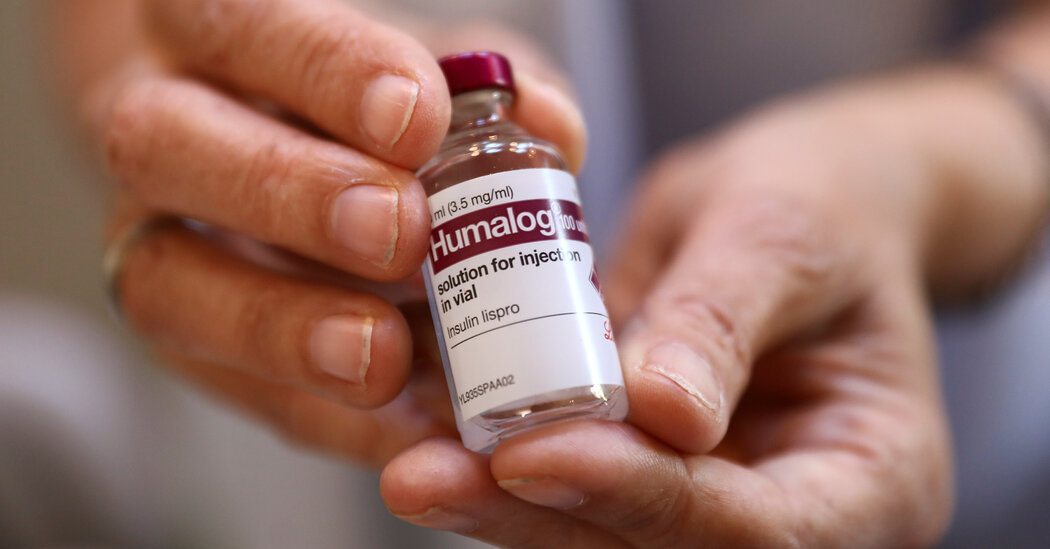
The state is taking action against three major drug companies and the big pharmacy benefit managers in an effort to temper costs for people with diabetes.Many Americans with diabetes still struggle to pay for their insulin, even though Medicare placed a cap on co-payments this month.With a population of 39 million, California has now become the largest state to sue the major companies on the insulin market, accusing them of illegally inflating the price of the treatment and spawning a financial and public health crisis.Rob Bonta, the state’s attorney general, said in announcing the lawsuit late last week that the companies had engaged in “unlawful, unfair and deceptive practices” in violation of California’s laws on competition.Characterizing the U.S. insulin market as “an oligopoly,” Mr. Bonta took aim in the state’s lawsuit at three pharmaceutical companies, Eli Lilly, Novo Nordisk and Sanofi, which control 90 percent of the global insulin supply, and the pharmacy benefit managers, CVS Health, Express Scripts and OptumRx, which manage 80 percent of the U.S. insulin market.Nearly 38 million Americans have diabetes, roughly 11 percent of the U.S. population. And about eight million people — including all of those with Type 1 diabetes and many with Type 2 — need insulin treatments. Well-insured patients owe nothing or a co-pay of $20 to $35 a month for insulin, while those without insurance or high deductible plans can be charged hundreds of dollars a month.President Joe Biden in August signed the Inflation Reduction Act, which now caps insulin’s monthly cost at $35 for the more than three million insulin users with Medicare Part D drug plans. Nearly half this population is expected to benefit from the cap, according to a study published Friday in JAMA Network Open. Researchers found that 45 percent of those with a Part D plan covering insulin paid at least $35 monthly for it between 2013 and 2019, up from 22 percent in 2006. The higher cost meant this group was 61 percent less likely to take their insulin doses as prescribed.But people under 65 will not benefit from the new caps, although lawmakers and public health experts have expressed hope that the Medicare pricing rules will put pressure on the industry overall.Insulin was discovered a century ago. In the wake of this medical advancement, researchers sold the patent to the University of Toronto for $1 in hopes of fostering affordable access in perpetuity.History, and the pharmaceutical industry, had other ideas. Explaining recent soaring prices for a drug long off patent, critics said that between them, the three major pharmaceutical players have stifled competition. They also point to a host of patent law maneuvers, including companies tweaking aspects of insulin’s formulation or how it is administered, such as through injector pens, to expand lucrative patent protection on branded insulin products.“The companies have been able to raise prices whenever they want, as a functional oligopoly with no major competitors in spite of patent expiration,” said Dr. Jeremy Greene, a professor of medicine at Johns Hopkins University. “They are locked into secret agreements with P.B.M.s — also an oligopoly with three major players — in which neither party will disclose what the true price of insulin products actually is.”Some of the companies that are targets of the California lawsuit contend that costs for many consumers were already lowering. And some experts have pointed to the entry of generics and biosimilars as helping to drive down costs.Daphne Dorsey, a spokesperson for Eli Lilly, said that the California lawsuit “ignores that anyone is eligible to purchase their monthly prescription of Lilly insulin for $35 or less. And the average monthly out-of-pocket cost for Lilly insulin is $21.80, a 44 percent decrease over the last five years.”California Attorney General Rob Bonta, center, announcing California’s lawsuit on Thursday.Adam Beam/Associated PressBoth the Eli Lilly and Novo Nordisk representatives highlighted company programs that provide financial assistance to those struggling to afford insulin.Representatives for both CVS Health and Optum Rx, pharmacy benefit managers that work on behalf of insurers and negotiate rebates off the list prices set by drug companies, rejected the state’s contention that the P.B.M.’s role fueled higher prices.Other states that have sued some drug companies over insulin costs include Arkansas, Kansas, Kentucky, Minnesota and Mississippi.A recent analysis by GoodRx of U.S. pharmacy and insurer data reported that the average insulin retail price rose 54 percent between 2014 and 2019, but noted a slight dip in the last few years. A RAND Corporation study in 2020 led by Andrew Mulcahy, a senior policy researcher, found that the average U.S. insulin list price — which he said had reached nearly $200 per vial, with higher prices for pre-filled pens — was 10 times that of other nations. Insulin users typically require two to three vials a month.According to the American Diabetes Association, 22 states and Washington D.C. have imposed insulin co-pay caps ranging from $25 to $100 for 30-day supplies, which some would like to expand nationwide. The association and others are also lobbying for Congress to consider bipartisan legislation called the Insulin Act, which would encourage insulin manufacturers to lower list prices and cap the monthly insulin costs for insured diabetics at $35.Dr. Kasia Lipska, an associate professor of medicine at the Yale School of Medicine, published a study in July finding that one in seven U.S. insulin users experienced “catastrophic spending” on the drug, meaning that more than 40 percent of their disposable income went toward their treatment. A survey study published in November found that 17 percent of insulin users reported rationing the drug to save money.People who require insulin but do not take it as prescribed are at substantial risk of heart attack, kidney failure, amputation, blindness and death.High insulin prices, the California lawsuit stated, also disproportionately affected Hispanic and Black people, who have higher Type 2 diabetes rates than whites and are at greater risk of dying from the disease.Larry Levitt, executive vice president for health policy at Kaiser Family Foundation, said the interaction between drug companies, pharmacy benefit managers and insurers “results in fairly modest costs for insurance companies, but has served to inflate the prices for patients who have to pay out of their own pockets,” including those with high deductibles and the uninsured.He and others hoped the lawsuits would help expose what they characterized as murky pricing schemes for insulin. But Mr. Bonta, a Democrat, disputed the idea that there was much mystery about the business relationships outlined in the lawsuit.“The broad strokes we know,” he said in an interview. “The P.B.M.s are a middle person that helps set the pricing and prepare the formulary for the insurance companies.” That industry’s symbiotic business relationship with pharmaceutical companies, he said, gives drug companies the incentives “to forever raise the price” of insulin.“It’s just pure profit padding,” Mr. Bonta said.The Federal Trade Commission in June announced an unrelated inquiry into the impact of pharmacy benefit managers on drug affordability and access.Isaac Sorensen, a spokesman for OptumRx, a subsidiary of UnitedHealth Group, said the California lawsuit mischaracterized the function of pharmacy benefit managers. He said such companies “are the only participants in the prescription drug supply chain whose role is to reduce drug costs.” OptumRx, he added, has eliminated out-of-pocket costs for insulin.“Pharmaceutical companies alone set the list price for their products,” Phil Blando, a spokesman for CVS Health, said. “Allegations that we play any role in determining the prices charged by manufacturers are false.”A University of Southern California research paper found that the rebate negotiation process among the industry’s players was a factor fueling rising drug costs and that reducing or eliminating rebates could lower list prices and out-of-pocket costs for some people.Los Angeles resident Sammi Lappin, 33, reported that living with Type 1 diabetes and depending on expensive insulin to live since she was 20 years old has narrowed her options in life.“I have had to move my career away from arts and education, where my passion lies, toward more corporate opportunities that specifically provide health insurance that covers insulin,” said Ms. Lappin, who works in talent acquisition in the medical aesthetics industry.

Read more →

Electromagnetic device could catapult advances in mechanobiology research into the clinical arena

A new electromagnetic device that enables high-precision measurements of a broad range of soft biological tissues, has established a new standard of precision in the mechanobiology field, say researchers. The method allows for the mechanical testing of tissues the size of human biopsy samples, making it particularly relevant for studies of human disease.
The body’s soft tissues exhibit a wide range of mechanical properties, such as stiffness and strength, which are critical to carry out their function. For example, the tissues of the gastrointestinal tract are soft to allow for the transit and digestion of food, whereas tendons are relatively more stiff to transmit force from muscle to bone allowing us to move.
The ability to accurately measure the mechanical properties of these tissues, which are subject to change during developmental processes or because of disease, has profound implications for the fields of biology and medicine. Methods to measure these properties are currently inadequate, and their accuracy and reliability remains limited — until now.
New research involving researchers from the University of Cambridge and the MIT Institute for Medical Engineering and Science (IMES) has resulted in a device that relies on magnetic actuation and optical sensing, thus potentially allowing for live imaging of the tissue under an inverted microscope. This way, insights can be gained into the behaviour of the tissue under mechanical forces at both a cellular and molecular level. The results are reported in the journal Science Advances.
An electromagnet exerts a pulling force on the tissue specimen which is mounted on the device, while an optical system measures the specimen’s change in size or shape.
“One of the most critical requirements for mechanical testing of soft biological tissues is the need to mimic the biological specimen’s physiological conditions (e.g., temperature, nutrients) as closely as possible, in order to keep the tissue alive and preserve its biomechanical properties,” said Dr Thierry Savin, Associate Professor in Bioengineering, who led the research team. “To this end, we designed a transparent mounting chamber to measure the mechanical properties of tissues — at the millimetre scale — in their native physiologic and chemical environment. The result is a more versatile, precise and robust device that shows high reliability and reproducibility.”
To directly assess the performance of their electromagnetic device, the researchers conducted a study on the biomechanics of a mouse esophagus and of its constitutive layers. The esophagus is the muscular tube connecting the throat with the stomach and it is composed of multiple tissue layers. The researchers used the device to conduct the first biomechanical investigation of each of the three individual layers of the mouse esophageal tissue. Their findings showed that the esophagus behaves like a three-layer composite material akin to those commonly used in several engineering applications. To the researchers’ knowledge, these are the first results acquired of the mechanical properties of each individual layer of the esophagus.
“Our study demonstrated the enhanced reliability of the electromagnetic device, yielding errors in the stress-strain response below 15% — a level of accuracy not seen before,” said Dr Adrien Hallou, Postdoctoral Fellow at the Wellcome Trust/Cancer Research UK Gurdon Institute. “We hope that this device may eventually become the new standard in the tissue biomechanics field, providing a standardised dataset for the characterisation of mouse and human soft tissue mechanics across the board.”
Luca Rosalia, PhD candidate at IMES, added: “Through analysis of the biomechanics of healthy tissues and their changes as they occur during disease, our device could eventually be used to identify alterations in tissue properties that are of diagnostic relevance, therefore becoming a valuable tool to inform clinical decisions.”

Read more →

Inner ear has a need for speed

The sensory organs that allow us to walk, dance and turn our heads without dizziness or loss of balance contain specialized synapses that process signals faster than any other in the human body.
In a discovery more than 15 years in the making, a small group of neuroscientists, physicists and engineers from several institutions has unlocked the mechanism of the synapses, paving the way for research that could improve treatments for vertigo and balance disorders that affect as many as 1 in 3 Americans over age 40.
The new study in the Proceedings of the National Academy of Sciences describes the workings of “vestibular hair cell-calyx synapses,” which are found in organs of the innermost ear that sense head position and movements in different directions.
“Nobody fully understood how this synapse can be so fast, but we have shed light on the mystery,” said Rob Raphael, a Rice University bioengineer who co-authored the study with the University of Chicago’s Ruth Anne Eatock, the University of Illinois Chicago’s Anna Lysakowski, current Rice graduate student Aravind Chenrayan Govindaraju and former Rice graduate student Imran Quraishi, now an assistant professor at Yale University.
Synapses are biological junctions where neurons can relay information to one another and other parts of the body. The human body contains hundreds of trillions of synapses, and almost all of them share information via quantal transmission, a form of chemical signaling via neurotransmitters that requires at least 0.5 milliseconds to send information across a synapse.
Prior experiments had shown a faster, “nonquantal” form of transmission occurs in vestibular hair cell-calyx synapses, the points where motion-sensing vestibular hair cells meet afferent neurons that connect directly to the brain. The new research explains how these synapses operate so quickly.

In each, a signal-receiving neuron surrounds the end of its partner hair cell with a large cuplike structure called a calyx. The calyx and hair cell remain separated by a tiny gap, or cleft, measuring just a few billionths of a meter.
“The vestibular calyx is a wonder of nature,” Lysakowski said. “Its large cup-shaped structure is the only one of its kind in the entire nervous system. Structure and function are intimately related, and nature obviously devoted a great deal of energy to produce this structure. We’ve been trying to figure out its special purpose for a long time.”
From the ion channels expressed in hair cells and their associated calyces, the authors created the first computational model capable of quantitatively describing the nonquantal transmission of signals across this nanoscale gap. Simulating nonquantal transmission allowed the team to investigate what happens throughout the synaptic cleft, which is more extensive in vestibular synapses than other synapses.
“The mechanism turns out to be quite subtle, with dynamic interactions giving rise to fast and slow forms of nonquantal transmission,” Raphael said. “To understand all this, we made a biophysical model of the synapse based on its detailed anatomy and physiology.”
The model simulates the voltage response of the calyx to mechanical and electrical stimuli, tracking the flow of potassium ions through low-voltage-activated ion channels from pre-synaptic hair cells to the post-synaptic calyx.

Raphael said the model accurately predicted changes in potassium in the synaptic cleft, providing key new insights about changes in electrical potential that are responsible for the fast component of nonquantal transmission; explained how nonquantal transmission alone could trigger action potentials in the post-synaptic neuron; and showed how both fast and slow transmission depend on the close and extensive cup formed by the calyx on the hair cell.
Eatock said, “The key capability was the ability to predict the potassium level and electrical potential at every location within the cleft. This allowed the team to illustrate that the size and speed of nonquantal transmission depend on the novel structure of the calyx. The study demonstrates the power of engineering approaches to elucidate fundamental biological mechanisms, one of the important but sometimes overlooked goals of bioengineering research.”
Quraishi began constructing the model and collaborating with Eatock in the mid-2000s when he was a graduate student in Raphael’s research group and she was on the faculty of Baylor College of Medicine, just a few blocks from Rice in Houston’s Texas Medical Center.
His first version of the model captured important features of the synapse, but he said gaps in “our knowledge of the specific potassium channels and other components that make up the model was too limited to claim it was entirely accurate.”
Since then, Eatock, Lysakowski and others discovered ion channels in the calyx that transformed scientists’ understanding of how ionic currents flow across hair cell and calyx membranes.
Qurashi said, “The unfinished work had weighed on me,” and he was both relieved and excited when Govindaraju, a Ph.D. student in applied physics, joined Raphael’s lab and resumed work on the model in 2018.
“By the time I started on the project, more data supported nonquantal transmission,” Govindaraju said. “But the mechanism, especially that of fast transmission, was unclear. Building the model has given us a better understanding of the interplay and purpose of different ion channels, the calyx structure and dynamic changes in potassium and electric potential in the synaptic cleft.”
Raphael said, “One of my very first grants was to develop a model of ion transport in the inner ear. It is always satisfying to achieve a unified mathematical model of a complex physiological process. For the past 30 years — since the original observation of nonquantal transmission — scientists have wondered, ‘Why is this synapse so fast?’ and, ‘Is the transmission speed related to the unique calyx structure?’ We have provided answers to both questions.”
He said the link between the structure and function of the calyx “is an example of how evolution drives morphological specialization. A compelling argument can be made that once animals emerged from the sea and began to move on land, swing in trees and fly, there were increased demands on the vestibular system to rapidly inform the brain about the position of the head in space. And at this point the calyx appeared.”
Raphael said the model opens the door for a deeper exploration of information processing in vestibular synapses, including research into the unique interactions between quantal and nonquantal transmission.
He said the model could also be a powerful tool for researchers who study electrical transmission in other parts of the nervous system, and he hopes it will aid those who design vestibular implants, neuroprosthetic devices that can restore function to those who have lost their balance.
Raphael is an associate professor of bioengineering in Rice’s George R. Brown School of Engineering. Eatock is a professor of neurobiology at the University of Chicago. Lysakowski is a professor of anatomy and cell biology at the University of Illinois Chicago.
The research was supported by the National Institutes of Health (DC012347, DC002290), the Hearing Health Foundation and a seed grant from Rice University’s ENRICH program.

Read more →

Early tastings shorten breastfeeding

The earlier infants begin to taste small samples of solid food, the earlier they eat more food and stop breastfeeding. This is shown in a new study from Uppsala University and Sophiahemmet University, in which the mothers of 1,251 infants from all over Sweden participated. Almost half of the infants received tastings at the age of four months.
“Existing research does not support the idea that the introduction of early tastings has health benefits for the child or the mother,” says Eva-Lotta Funkquist, Senior Lecturer and midwife, one of the researchers behind the article. “On the other hand, we know that breastfeeding has many health benefits for both the child and the mother. For example, the child is protected against infections while breastfeeding, and both mother and child have a reduced risk of cardiovascular diseases.”
Since 2011, the Swedish National Food Agency has advised parents that they can introduce tiny tastings for infants from four months of age. The World Health Organisation (WHO), in contrast, recommends breastfeeding exclusively for six months and continued breastfeeding for at least two years or longer. These recommendations apply to all the world’s countries, including Sweden, one reason being that breastfeeding has been scientifically confirmed to have major positive impacts on both women’s and children’s health. Breast milk contains substances that protect the child from infections such as pneumonia and urinary tract infections for the duration of breastfeeding. Breast milk also reduces the risk of the child being affected by cardiovascular disease, obesity and diabetes later in life. Women who breastfeed have a lower risk of being affected by cardiovascular diseases, ovarian cancer, breast cancer and type 2 diabetes.
A new study made by researchers at Uppsala University and Sophiahemmet University, published in the International Breastfeeding Journal, involved 1,251 infants from all over Sweden and their mothers. When the mothers answered questions about the child’s food during the first year of life by completing questionnaires, it emerged that around half of the children in the study, 48 per cent, received tastings as early as the fourth month. The earlier the infants started with tiny tastings, the earlier they ate larger quantities of solid food. This in turn led to an earlier end to breastfeeding and to a shorter duration of breastfeeding for these children.
Previous studies have shown that nearly all women say they want to breastfeed their child. Conflicting advice from the WHO and the Swedish National Food Agency, and recommendations unsupported by evidence, such as tiny tastings, make it more difficult for mothers who want to breastfeed to find support for doing so, and only 10 per cent of children in Sweden are fully breastfed for six months.
The United Nations (UN) states that breastfeeding ensures that the child can be fed safely in the event of war or crises, such as a failure of the energy supply or shortage of baby food. Previous research shows that more women’s lives than infants’ lives would be saved in western countries by following the recommendation of full breastfeeding for six months (Bartick MC, et al. (2016).
“For this reason, it is vitally important that public authorities in Sweden have recommendations that promote breastfeeding and are in line with the WHO recommendations. The risk otherwise is that mothers will stop breastfeeding earlier and that both the mother and the child will be at greater risk of adverse health consequences,” says Funkquist.

Read more →

The power of a genetic isolate: Hundreds of novel genetic discoveries from the FinnGen study

New results from the FinnGen research consortium demonstrate the undeniable benefits of Finnish health research environment for genomic research. Among the wealth of novel genetic discoveries are previously unknown genetic risk factors for many debilitating diseases. These findings have potential to facilitate the development of new therapies.
Since initiation in 2017, the FinnGen study has developed into one of the world’s leading biobank-based genomic research projects. Currently FinnGen is completing the construction of a resource that integrates genomic information from 500,000 Finns with more than half a century of national health registry data.
The FinnGen flagship study, just published in Nature, is a convincing demonstration of the opportunities unique to Finnish health data, population structure, legislative frameworks and biobanking organization that in combination exist nowhere else.
Here the FinnGen team describes results based on 224,737 Finnish biobank participants. After performing comprehensive genetic analyses for more than 1,900 diseases, the researchers identify almost 2,500 genomic regions that are linked with at least one of these diseases.
“Even with less than half of the recruited 500,000 participants analyzed at this stage, this snapshot of results describes a wealth of important genetic discoveries emerging from FinnGen, including novel risk and protective variants for both common and rare diseases,” says FinnGen Scientific Director, Professor Aarno Palotie from the Institute for Molecular Medicine Finland FIMM, University of Helsinki.
Finland’s health registers and biobanks provide unique opportunities
In Finland, health information such as medical diagnoses, procedures and drug prescriptions are captured for many decades in national electronic health registers for the entire population. This creates unique research opportunities.

In the flagship publication, the team first demonstrates that with skillful utilization of such register data, the health history of the study participants can be reliably composed and studied. For this, the authors compare the FinnGen results with earlier genetic findings for 15 previously well-studied common diseases, such as type 2 diabetes, asthma and Alzheimer’s disease.
In addition to verifying the validity of register data, the researchers show that identification of novel risk variants in FinnGen is possible with a much smaller number of patients compared to the largest published disease-specific genetic studies.
“The Finnish health registers containing health and medication data throughout an individual’s lifetime, allowed us to rapidly and accurately identify disease cases. This accurate phenotyping, coupled with Finnish population history is a very powerful combination for novel genetic discoveries in a wide variety of diseases,” comments Dr. Mitja Kurki, the first author of the study from the Broad Institute of MIT and Harvard and the University of Helsinki.
New entry points into the disease biology
Finland’s unique geographic position and linguistic isolation are such that Finns have a distinct ancestry dating back to a small founding population approximately 100-150 generations. As a result, the modern Finnish population, despite being broadly similar to Europeans genetically, has an unusual and large set of genetic variants not often found elsewhere in the world. Several hundred of the 2,500 disease linked variants described in the study are in this category.

Among these variants, the researchers highlight 29 that are located in genes not previously linked to any disease. One example is a variant in a gene called TNRC18 that predisposes to inflammatory bowel disease and other inflammatory conditions. Other examples include variants increasing the risk of hypothyroidism, hearing loss or endometriosis, and variants that offer protection from arthrosis, glaucoma or heart disease.
“These findings demonstrate the power of bottlenecked populations to find entry points into the biology of common diseases through variants that are rather rare, but have a strong biological impact,” says Mark Daly, the Director of the Institute for Molecular Medicine Finland FIMM at the University of Helsinki, the lead organization behind the study.
Additional FinnGen papers published this week provide fascinating examples of findings that increase our understanding of genetic predictors of medication use patterns as well as mechanisms leading to otosclerosis and respiratory infections, among other diseases. Furthermore, another FinnGen paper published in the same issue of Nature highlights that the classical inheritance models traditionally considered in genomic research and clinical diagnostics do not fully capture the range of genetic effects observed in populations.
One of the unique aspects of FinnGen is that in addition to public funding, FinnGen is supported by 13 pharmaceutical companies and has had shared scientific direction from academic and industry partners. The FinnGen study is thus ideally situated to address fundamental research questions with the potential to impact therapeutic development and delivery.
“With all this new information, the genetic composition of the Finnish population is now unquestionably among the best known in the world. However, the impact of our study is much broader and can benefit patients everywhere,” Professor Palotie emphasizes.

Read more →