Scientists explain emotional 'blunting' caused by common antidepressants

Scientists have worked out why common anti-depressants cause around a half of users to feel emotionally ‘blunted’. In a study published today, they show that the drugs affect reinforcement learning, an important behavioural process that allows us to learn from our environment.
According to the NHS, more than 8.3 million patients in England received an antidepressant drug in 2021/22. A widely-used class of antidepressants, particularly for persistent or severe cases, is selective serotonin reuptake inhibitors (SSRIs). These drugs target serotonin, a chemical that carries messages between nerve cells in the brain and has been dubbed the ‘pleasure chemical’.
One of the widely-reported side effects of SSRIs is ‘blunting’, where patients report feeling emotionally dull and no longer finding things as pleasurable as they used to. Between 40-60% of patients taking SSRIs are believed to experience this side effect.
To date, most studies of SSRIs have only examined their short term use, but, for clinical use in depression these drugs are taken chronically, over a longer period of time. A team led by researchers at the University of Cambridge, in collaboration with the University of Copenhagen, sought to address this by recruiting healthy volunteers and administering escitalopram, an SSRI known to be one of the best-tolerated, over several weeks and assessing the impact the drug had on their performance on a suite of cognitive tests.
In total, 66 volunteers took part in the experiment, 32 of whom were given escitalopram while the other 34 were given a placebo. Volunteers took the drug or placebo for at least 21 days and completed a comprehensive set of self-report questionnaires and were given a series of tests to assess cognitive functions including learning, inhibition, executive function, reinforcement behaviour, and decision-making.
The results of the study are published today in Neuropsychopharmacology.

The team found no significant group differences when it came to ‘cold’ cognition — such as attention and memory. There were no differences in most tests of ‘hot’ cognition — cognitive functions that involve our emotions.
However, the key novel finding was that there was reduced reinforcement sensitivity on two tasks for the escitalopram group compared to those on placebo. Reinforcement learning is how we learn from feedback from our actions and environment.
In order to assess reinforcement sensitivity, the researchers used a ‘probabilistic reversal test’. In this task, a participant would typically be shown two stimuli, A and B. If they chose A, then four out of five times, they would receive a reward; if they chose B, they would only receive a reward one time out of five. Volunteers would not be told this rule, but would have to learn it themselves, and at some point in the experiment, the probabilities would switch and participants would need to learn the new rule.
The team found that participants taking escitalopram were less likely to use the positive and negative feedback to guide their learning of the task compared with participants on placebo. This suggests that the drug affected their sensitivity to the rewards and their ability to respond accordingly.
The finding may also explain the one difference the team found in the self-reported questionnaires, that volunteers taking escitalopram had more trouble reaching orgasm when having sex, a side effect often reported by patients.
Professor Barbara Sahakian, senior author, from the Department of Psychiatry at the University of Cambridge and a Fellow at Clare Hall, said: “Emotional blunting is a common side effect of SSRI antidepressants. In a way, this may be in part how they work — they take away some of the emotional pain that people who experience depression feel, but, unfortunately, it seems that they also take away some of the enjoyment. From our study, we can now see that this is because they become less sensitive to rewards, which provide important feedback.”
Dr Christelle Langley, joint first author also from the Department of Psychiatry, added: “Our findings provide important evidence for the role of serotonin in reinforcement learning. We are following this work up with a study examining neuroimaging data to understand how escitalopram affects the brain during reward learning.”
The research was funded by the Lundbeck Foundation.

Read more →

‘Alexithymia means I can't explain how I’m feeling’

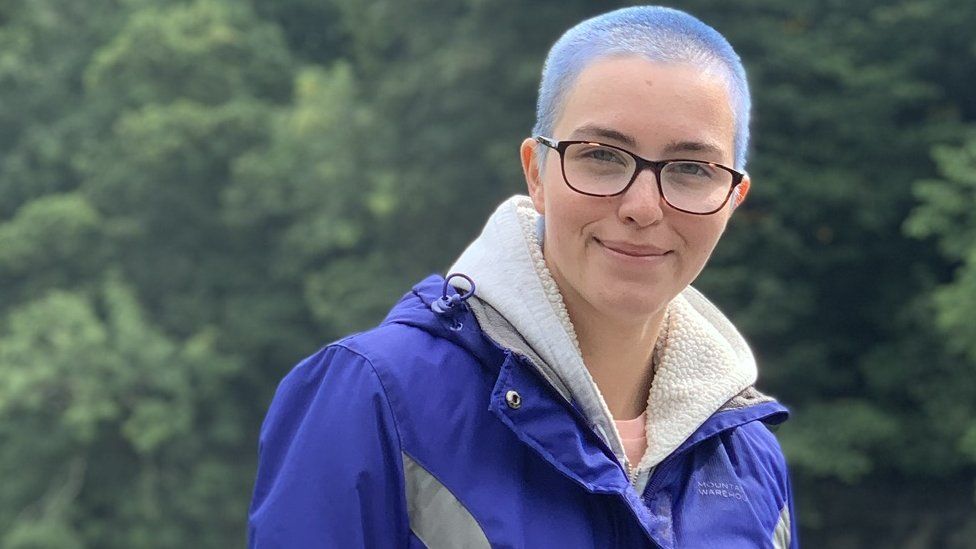
Published10 hours agoShareclose panelShare pageCopy linkAbout sharingImage source, Saffron AndertonSaffron Anderton was at university when she was diagnosed as autistic. The 22-year-old, from Newmarket, Suffolk, also discovered she experiences alexithymia, meaning she cannot identify emotions.Saffron similarly struggles to create mental images in her mind, a condition called aphantasia.Here, in her own words, Saffron, who now lives in Cambridge, details how these conditions work together and her hopes for the future.’I wanted to drop out of university’Image source, Saffron AndertonAt age 13, I first discovered I might be autistic. After the passing of my great grandpa, I reacted in such a way that appeared odd to those around me and I said some things that just weren’t socially acceptable.My eccentricities became more noticeable at secondary school, as I lost friends and began to be seen as weird. A number of reasons ultimately meant I failed my GCSEs, but after that my mum mentioned in passing that I might be autistic. It never went further than that suggestion.At college, I was always very isolated and didn’t make any friends. My A-levels were just as disastrous. Like my GCSEs, I failed those too and ended up getting rejected by my university. After pleading with them, I kept my place.Despite this success, after a month at university, where I was studying politics, I wanted to drop out. The social expectations were just so intense. Socials in some of my societies were compulsory, I had to talk to people in seminars and lectures, and I just couldn’t keep up or join in.It got to the point where I thought that university wasn’t made for people like me. It was a tough time, but eventually I got hold of student support and mentioned to them about possibly being autistic. I then did the screening test for it. The result put me above the threshold and so I was put forward for the assessment process. As they say, the rest is history. In the end, I really enjoyed university. I was independent, controlled my own finances, my own routine. It gave me confidence. Once I accepted I didn’t like socialising, I found comfort in house mates who were just like me.’I can’t form mental images’Image source, Saffron AndertonAutistic people are often thought to be visual, creative thinkers, but there are a selected few who are opposite to this and I am one of them.I have aphantasia, which is the inability to form mental images. Research into the condition is growing, but when someone tells me to ‘imagine a…’ I just cannot do this. There is literally nothing in my head that resembles the thing I am being asked to imagine. I first came across this term while accessing some post-diagnostic support. We were discussing how we all think and most people were saying how they can easily visualise images. I stepped in and said that this was difficult for me to think like that. I came across the term ‘aphantasia’ and found a test to see what level I was. I must say now that aphantasia is not linked to being autistic. Anyone can have this. Perhaps while reading you notice that you do not think in pictures either.Aphantasia is more a game of memory rather than a game of imagery. If I am asked to imagine something, with time, I will be able to compute something, but not because I can see it in my head, but because I can remember facts and information related to it rather than imagery. It is hard to grasp, especially if you do not think in this way. In the same way though, it’s hard for me to understand how people can visualise images when I have no clue about it either. It is so fascinating to now know that my mind is so dramatically different to most people I know.’I can’t tell you how I’m feeling’Image source, Saffron AndertonHas someone ever asked you ‘are you OK’ or ‘how are you feeling’? For most people, it’s easy to devise an immediate response. Some people though, however hard they try, just can’t give an answer. Well, this is another thing I can identify with, and it’s called alexithymia. It’s like there’s a connection missing between the neurons in my brain – I guess the emotions area and the communication area just aren’t getting on. Sometimes it’s chaos. Interestingly, there’s research suggesting the majority of autistic people also experience this.I can often tell that I am feeling something, but I just can’t express or explain what it feels like for me. I think I’m getting better at working out what is anger, sadness and happiness, but that is about it. Everything else is obscure and hidden to me. I know through education and reading that there are a wide range of words to describe and identify emotions and I know that they are there somewhere, I just can’t recognise what I am feeling at the time. Alexithymia does make things harder. I don’t know my own emotions and I find other people’s emotions really uncomfortable because I don’t know how to manage it, and I struggle to connect to people on an empathetic level too. So often I come across as cold, even if I do not mean to. There is a certain pressure when someone asks ‘how do you feel’ because I try and force an emotion I do not recognise and this makes my head feel even more exhausted. The number of times I just say ‘I don’t know’ to those types of questions and it is not because I can’t be bothered to give an answer, I genuinely mean it. I process information differently to other people and react differently to how people expect. But that’s OK. I manage in my own way.’The world needs to empower autistic people’Image source, Saffron AndertonMedia around autistic people is wide ranging and certainly improving. But when we are covered, it is generally told in a condescending, sometimes derogatory manner. I remember a recent news article about Paddy McGuinness’s family. I remember reading words like ‘suffering’ and ‘struggled’. Yes, we have challenges, but with accommodation and support, we can achieve. I’d rather you didn’t assume we’re automatically suffering.I mean, you can suffer with the flu; it will eventually go away. But you don’t stop being autistic. It’s a fundamental part of us and while there are many challenges, there is light. There is joy.There does need to be a greater balance in terms of representation. Too often, the focus is on men, and while autistic girls and women are slowly being given more of the spotlight, there’s a long way to go.Where are the other autistic experiences? The strengths, co-occurring conditions? There are non-binary autistic people, trans autistic people. Language is also critical to changing perceptions and changing attitudes. I prefer, like most autistic people, identity first language, so I’m autistic rather than a person with autism. Being more positive about autistic people will break down stereotypes and allow for more accommodations in public spaces.Ultimately, autistic children need to know that when they become an adult that help is still there, and that being an autistic adult in the world isn’t a bad thing.’I’m determined to make it as an MP’Image source, Saffron AndertonSince leaving university, I’ve been trying to find work in politics. I have applied to 15 jobs since finishing uni. All of them have ultimately been rejected and I’ve had just two interviews out of all of them. I can now see why just 22% of autistic people are currently in work. Employers think of the worst case scenario.I’ve listed that I am autistic on my CV and I do want to keep it that way. I tick a lot of boxes for companies and inclusivity. I am productive, I keep to time and I notice patterns. I love a routine and repetitive tasks. Yes, my social communication lacks sometimes but I am not defined by just this. I am defined by everything that makes me autistic. The challenge now is I’m more independent and I’m masking less. Masking is the exhausting process of trying to appear socially competent, suppressing autistic behaviours, putting on the ‘normal’ mask.Politics is a perfect place for me. I like systems, I like laws. Everything has a structure. It means I can be autistic, I certainly won’t break any rules. I’m more trustworthy because of how I communicate, I am blunt. If you want a straight answer then I’m the best person to give it to you. Hopefully people will be reassured that what I say is true because I am honest and find it hard to lie.I want to be an MP because I want to be able to bring societal change. I think my biggest barrier is society’s views on autism and autistic people. There just aren’t any positive autistic role models in politics and it’s so important. We need autistic people in society and in jobs. Around four in 10 autistic people have a learning difficulty, but we’re all still people at the end of the day and have some incredible strengths. A lot of us still have the same career goals as ordinary people. Just because I’m autistic it doesn’t mean I can’t aim high. As told to Nick Ransom.Find BBC News: East of England on Facebook, Instagram and Twitter. If you have a story suggestion email eastofenglandnews@bbc.co.ukMore on this storyAphantasia: A life without mental images26 August 2015’My mind’s eye is blind’ – ex-Pixar chief9 April 2019‘I can’t visualise my own children’6 November 2016’My autism made me an artist but I wanted a family’2 JanuaryCovid art ‘a way of expressing how I feel’17 March 2021

Read more →

Inside the Hospital Where Damar Hamlin’s Life Was Saved

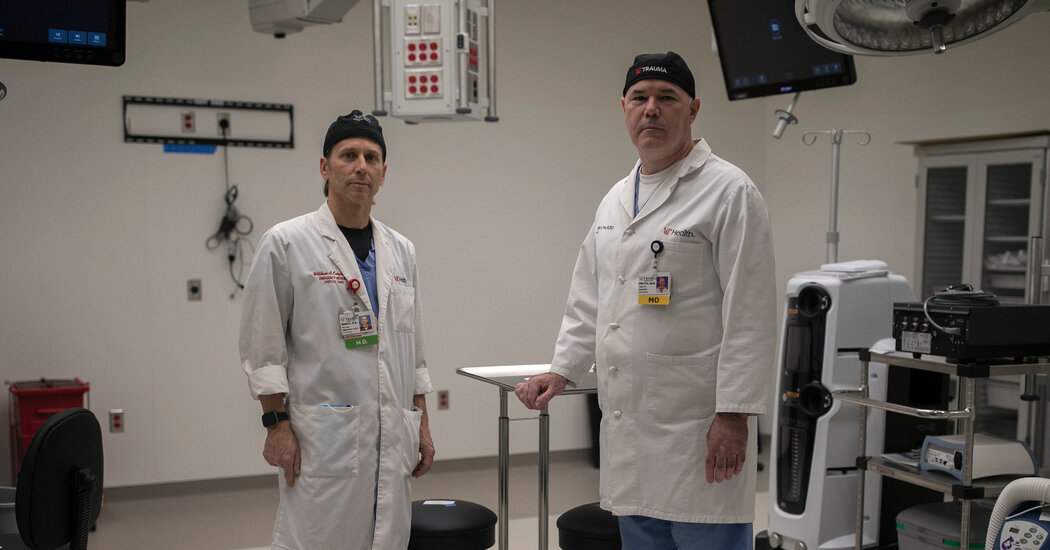
The trauma care of the Buffalo Bills player highlighted what is done to overcome cardiac arrest, a leading cause of death in the United States.CINCINNATI — Damar Hamlin, the Buffalo Bills player whose heart stopped during a game in Cincinnati on Jan. 2, should not have survived, if statistics on cardiac arrests are any guide.Mr. Hamlin “was dead,” when he fell to the ground, said Dr. Timothy A. Pritts, chief of the section of general surgery at the University of Cincinnati Medical Center, where Mr. Hamlin was treated.But the 24-year-old safety left the hospital a week after his cardiac arrest with no apparent neurological deficits. He beat the odds after a stunning incident that traumatized his loved ones, teammates, opponents and tens of millions of Monday Night Football viewers. A visit to the hospital and the doctors, nurses and other medical staff who helped bring him back to life highlighted the mix of good preparation and good fortune that allowed Mr. Hamlin to escape a leading cause of death in the United States.Cardiac arrest, when the heart stops, is distinct from a heart attack, which occurs when blood flow in an artery feeding the heart is blocked. Outside of a hospital, more than 300,000 people a year have a cardiac arrest, also known as sudden cardiac death. The survival rate for those who have cardiac arrests outside of hospitals and, like Mr. Hamlin, have bystander cardiopulmonary resuscitation, is just 11.2 percent. For the few like Mr. Hamlin who receive immediate defibrillation, survival rises to 41 percent.Mr. Hamlin’s doctors said they were unable to discuss many of the particulars of his case, but they were able to describe the procedures they use to treat patients like him.Minutes count.“A few extra minutes or even a few extra seconds and it could have been a different outcome,” said Dr. William Knight IV, an emergency medicine and trauma specialist at the medical center.Brain damage is likely if the person in cardiac arrest goes 4 to 6 minutes without CPR, and brain death occurs after 10 minutes. Only 8 percent of cardiac arrest survivors emerge with a good neurological outcome. Most, according to Monica Sales, a spokeswoman for the American Heart Association, “have some degree of brain injury.”Damar Hamlin of the Buffalo Bills “was dead” when he fell to the ground after a hit during a game on Jan 2.Greg M. Cooper/Associated PressMr. Hamlin’s treatment began on the field at Paycor Stadium.Joshua A. Bickel/Associated PressImmediate CPR and defibrillation by medical personnel at the football game who responded rapidly is “absolutely certainly” what saved Mr. Hamlin’s life and his brain, said Dr. Benjamin Levine, professor of medicine and cardiology at the University of Texas Southwestern Medical Center and Texas Health Dallas.Dr. Levine and Dr. Jeremy Cannon, a trauma and critical care specialist at the University of Pennsylvania, emphasized the paramount importance of rapid response to cardiac arrest. Medical research to improve outcomes for cardiac arrest patients now focuses on ways to teach the public that CPR and use of a defibrillator are easy and can be learned in minutes and that many 911 operators can walk them through the procedures. The idea is to empower people to save lives.Damar Hamlin’s CollapseThe Buffalo Bills safety went into cardiac arrest during an N.F.L. game in Cincinnati on Jan. 2. He was released from the hospital on Jan. 11.Injury and Reaction: The life-threatening injury to Damar Hamlin, which was televised on “Monday Night Football,” resonated around the league and the world of sports.His Recovery: Hamlin, who returned home nine days after his collapse, appears to be on a good path for neurological recovery, though doctors said it was too early to know how far he is from returning to normal life.In His Hometown: As the news about Hamlin became more hopeful, anguish turned to “happy tears” in the tight-knit Pennsylvania borough where he grew up.Emergency Response: When Hamlin’s heart stopped, medical personnel could be heard making clear the severity of his condition and the efforts to keep him alive. Listen to the audio.CPR has changed as well. Now, it is “hands only”— no more mouth-to-mouth.“Mission critical No. 1 is blood flow to the brain,” said Dr. Charles J. Prestigiacomo, a neurosurgeon at the University of Cincinnati. The brain is the neediest organ, requiring 15 to 20 percent of the body’s blood.People are now taught to press hard on the chest 100 times a minute — singing “Staying Alive,” by The Bee Gees will give the right rhythm.But research on how to improve the odds for cardiac arrest patients has languished, according to Dr. Benjamin Abella, a resuscitation expert and emergency physician at the University of Pennsylvania. Impediments include little national data reporting, a paucity of funding and a lack of accountability for hospitals’ outcomes for said patients.Mr. Hamlin’s treatment began on the field at Paycor Stadium, where the game was being played.The National Football League and its teams contract with Level 1 trauma centers — medical centers that can provide the most comprehensive care — near every stadium where they play. The University of Cincinnati Medical Center sends seven physicians to every Bengals home game. The center also sends paramedics, respiratory therapists and an ambulance crew.The University of Cincinnati’s trauma center sends several medical personnel to every Bengals home game: concussion watchers, emergency doctors, paramedics, respiratory therapists and an ambulance crew.Maddie McGarvey for The New York TimesA trauma room at the University of Cincinnati Medical Center emergency departmentMaddie McGarvey for The New York TimesAs soon as Mr. Hamlin fell to the ground on Jan. 2, that medical team rushed to the field, communicating by radio because the stadium was so loud it was impossible to hear one another speak. The air “was vibrating” with sound, said Dr. Brett Kissela, a neurologist at the medical center who was at the game.And thus it began — an elaborate process of treating a trauma patient that requires “teams of teams,” Dr. Pritts said. In the first few hours, a severe trauma patient like Mr. Hamlin is physically touched by as many as 50 people. By the end of the first 24 hours, that number swells to 100 people.The medical center, founded in 1823, works with the U.S. Air Force to train military trauma physicians and medical teams. Its emergency department treats around 4,800 trauma patients a year.Those who were at the ready when Mr. Hamlin came in are doctors, nurses and other medical professionals who have seen the worst of the worst. Every patient who arrives in the surgical trauma intensive care unit — where Mr. Hamlin was treated — “is having the worst day of their life,” Dr. Pritts said.The staff members are deeply affected by their work with trauma patients.“When I go home, I need down time. I sit by myself for 15 minutes to decompress,” said Michele Hodge, a nurse who manages the medical center’s emergency department.Hospital employees are quick to credit Mr. Hamlin’s recovery to his youth and health. But they also attribute their intricately choreographed care and experience to having an average of five cardiac arrest patients each week.Ashleigh Schmeltzer, a CT scanner technologist, said she is reminded of the crews at the Indianapolis 500 that swarm to a car needing attention.In the emergency room, “everyone has a job and a role,” she said.“When I go home I need down time. I sit by myself for 15 minutes to decompress,” said Michele Hodge, a nurse who manages the emergency department.Maddie McGarvey for The New York TimesAshleigh Schmeltzer, a C.T. scanner technologist, said she is reminded of Indianapolis 500 crews that swarm to a car needing attention. “Everyone has a job and a role,” she said.Maddie McGarvey for The New York TimesThe first team that responds to a case like Mr. Hamlin’s includes a “doc head,” who is an airway specialist and stands at the patient’s head, and a “doc foot,” the team leader, who stands at the patient’s feet. A respiratory therapist stands at one side of the patient’s head, and a supervising airway doctor stands at the other. Two nurses and two other doctors stand on either side of the patient, while a scribe stands to the side and writes everything down. Two additional doctors stand to the side of the stretcher.Within minutes, the team wheels the patient to an adjacent room for a rapid whole body CT scan by staff members like Ms. Schmeltzer.A CT scan is so fast — taking minutes — and so accurate “it’s like eyes looking into the body,” said Dr. Mary Mahoney, professor of radiology at the medical centerA scan can’t give doctors every bit of information they want but, Dr. Mahoney said, it is invaluable to the trauma team. “It can point you in the right direction.” It can show areas that where fluid is accumulating and can show, for example, if blood is pooling in the sac around the heart.Although Mr. Hamlin’s heart was beating again by the time he reached the emergency room, he had a common complication of a cardiac arrest known as acute respiratory distress syndrome, or A.R.D.S.Because of A.R.D.S., Mr. Hamlin needed to spend most of his time lying face down. When a patient has A.R.D.S., it typically means fluid has seeped out of the blood vessels and accumulated in lung tissue. Doctors have learned that patients with A.R.D.S. are more likely to get the oxygen they need and survive if they lay face down for about 16 hours each day and on their backs for the other 8 hours. The prone position, said Dr. Amy Makley, the medical director of trauma, shifts the fluid in the lungs.“We prone patients as long as they need it,” Dr. Makley said, which meant, in Mr. Hamlin’s case, from the time he arrived in the intensive care unit until the time his doctors were able to wean him from a ventilator five days later.During that time, cooling pads were placed on Mr. Hamlin’s chest and thighs to chill his body. The doctors’ hope was that lowering body temperature to about 92.3 degrees would help to protect the brain because chemical reactions that can damage injured cells slow down as body temperature falls. But patients’ bodies try to shiver, which raises the temperature, so they must be sedated or given paralytic agents.Mr. Hamlin was already sedated to allow him to tolerate a ventilator. He was kept chilled until his ventilator was removed.A hallway of the emergency department.Maddie McGarvey for The New York TimesFor the first few days in the unit, Mr. Hamlin’s doctors worried about whether he would recover at all and, if so, to what extent.But on Jan. 4, they said in a news conference at the hospital, Mr. Hamlin had begun to improve. He was awake enough to communicate by nodding and shaking his head. To the medical staff’s delight, he even wrote, “did we win?” on a pad provided by a bedside nurse.Finally, a week after his cardiac arrest, hospital staff secreted him out of the medical center to fly back to Buffalo. Dr. Knight accompanied him to the Cincinnati airport.It still is not known why Mr. Hamlin had a cardiac arrest. A likely explanation was a rare event, commotio cordis, in which a blow to the chest — in his case, from a tackle — at exactly the right 20-millisecond interval in the heart’s cycle can make the heart stop. But Mr. Hamlin’s doctors still need to eliminate other possible causes for his injury, like a heart defect. Sometimes, they never find a cause.The staff at the medical center insists that all patients are treated the same — from the 30 percent who are uninsured to the wealthy donors to celebrities.Of course, though, Mr. Hamlin was different.“We’ve taken care of his illness before, but what do you do when you have to drive past 20 interview trucks?” asked Dr. Stewart Wright, the hospital’s chief medical officer.Flowers and cards for Mr. Hamlin arrived by the truckload, and donated meals were constantly being delivered. Fans attached posters to a chain-link fence outside, flew balloons and held candlelight vigils.There were so many callers that the medical center had to hire additional operators, but the hospital would not even confirm to callers that he was a patient.Now, the crowds and the attention are gone. The hospital is back to normal, and its staff is breathing sighs of relief for Mr. Hamlin. Back in Buffalo, he faces what could be weeks to months of recuperation.“This is the beginning of the next stage of his recovery,” Dr. Knight said.He added that he was starting his own recovery from Mr. Hamlin’s episode.“I’m exhausted,” he said.“That was the longest week in my professional career.”

Read more →

I.V.F. Offers Hope in China, Even to the Government

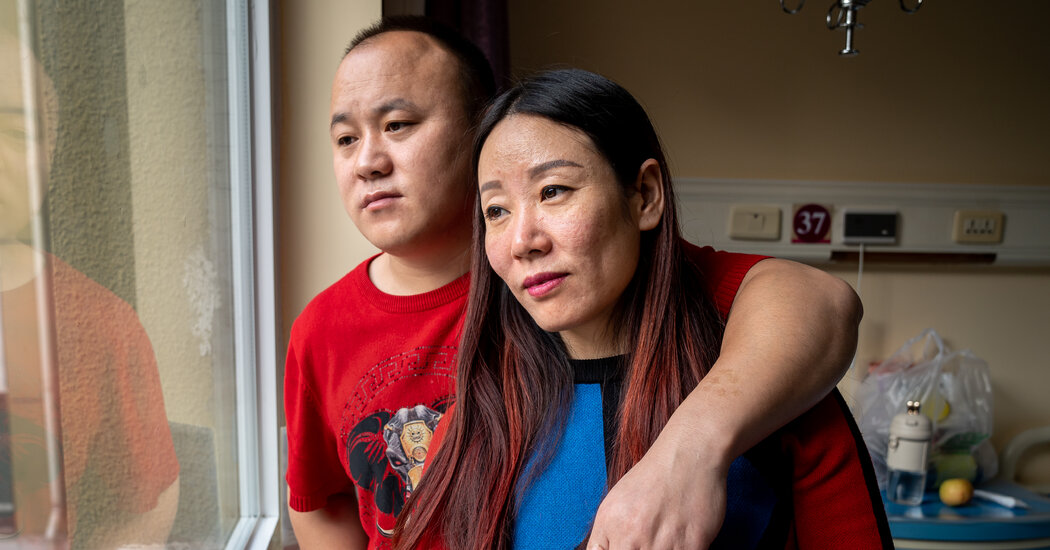
China is trying urgently to address its declining population. One idea is to subsidize assisted fertility procedures, which are often a last resort for couples and out of reach for many.It was a cold and overcast morning in November, but one full of promise for Guo Meiyan and her husband: They would finally get a chance to start a family.As Ms. Guo, 39, was wheeled on a gurney into a hospital room where a doctor transferred her eggs, which had been harvested and fertilized, back into her uterus, she also felt a sense of dread.“If the transplant is not successful, all the money we spent will be wasted, all the pain I endured will be wasted, and we will have to start over again,” said Ms. Guo, who had traveled 125 miles to Beijing from the northern city of Zhangjiakou. She and her husband had been living in hotels to be near the hospital for a month during the final stage of the in vitro fertilization process.They are among hundreds of thousands of Chinese couples who turn to assisted reproductive technology every year after exhausting other options to get pregnant. They travel from all corners of the country to big cities like Beijing in the hopes of beating the odds of infertility. Many wait in long lines outside hospitals before sunrise, just for the possibility of a consultation.Now, the Chinese government wants to make the technology, which it made legal in 2001, more accessible. It has promised to cover some of the cost — typically several thousand dollars for each round — under national medical insurance. It is one of more than a dozen policy measures that Chinese officials are throwing at what they see as a very big problem — a fertility rate so low that China’s population has started to shrink.Ms. Guo and her husband talking to a doctor before the procedure.Andrea Verdelli for The New York Times“If the transplant is not successful, all the money we spent will be wasted, all the pain I endured will be wasted, and we will have to start over again,” Ms. Guo said.Andrea Verdelli for The New York TimesChina has arrived at this turning point sooner than other countries at its stage of economic development, leading to what some demographers refer to as the curse of “getting old before getting rich.” As fewer babies are born each year and China’s oldest people live longer, the government is being forced to tackle a series of connected challenges — a shrinking labor force, a fledgling pension system and a generation of young people who aren’t interested in having babies.Subsidizing fertility services like I.V.F., a technology that fertilizes eggs with sperm in a lab and transplants an embryo into the womb, is “a big deal,” said Lin Haiwei, the chief executive at Beijing Perfect Family Hospital, where Ms. Guo had her procedure. Patients go to great lengths to pay for fertility services. Some of them pool loans from relatives. Farmers time their appointments with the autumn harvest when they have money to pay.But even as there is a clear demand for fertility services, Mr. Lin said, the number of patients visiting the hospital is lower each year. “The big picture is that people are less willing to have children,” he said.This is the single biggest challenge facing China as it tries to reverse its falling birthrate. Young people complain about the financial burden of having children and their own economic uncertainty, and push back on traditional ideas about the woman’s role as a caretaker at home. Many have expressed a desire to focus on their careers, while others have embraced a lifestyle known as “double income, no kids.”“The big picture is that people are less willing to have children,” said Lin Haiwei, who runs Beijing Perfect Family Hospital.Andrea Verdelli for The New York TimesDespite this hurdle, officials are trying to push up one of the lowest fertility rates in the world. While experts say it would be nearly impossible for China’s population to start growing again, the country could keep its birthrate steady. Making assisted reproductive technologies accessible to more people would help, just as it has helped in wealthier countries like Denmark, said Ayo Wahlberg, an anthropologist at the University of Copenhagen.China recently promised to build at least one facility offering I.V.F. for every 2.3 million to three million people by 2025. It currently has 539 medical institutions and 27 sperm banks that have been approved to carry out assisted reproductive technology. Each year these facilities provide more than a million cycles of I.V.F. and other assisted fertility services. Around 300,000 babies are conceived.Experts say these efforts are meaningful ways to help couples who want to have children. If China can scale up the services in an affordable way, it could even be a model for other countries that are facing similar challenges with infertility. But whether it will do much to change China’s demographic trajectory is another question.“The problem is that it is putting a Band-Aid on a gushing wound,” said Mr. Wahlberg, who is the author of a book on fertility in China.For couples like Wang Fang and her husband, I.V.F. changed their lives. Ms. Wang went through two rounds of I.V.F. in 2016 before she gave birth to twins in 2017. Her husband’s first marriage ended in divorce because they were unable to have a child.Both Ms. Wang, a factory worker, and her husband, an electrician, quit their jobs during the pregnancy to prepare for the birth.Ms. Guo undergoing the embryo transfer.Andrea Verdelli for The New York TimesEvery year, hundreds of thousands of Chinese couples turn to assisted reproductive technology.Andrea Verdelli for The New York TimesWhen the first round of I.V.F. failed, the couple felt broken. They learned that they might need a sperm donor, something that Ms. Wang has kept a secret from the family. Her parents think the couple’s fertility issues were due to her.“In our hometown, if you don’t have children, you would not be able to hold your head high,” Ms. Wang said. The second time they did I.V.F., the 14-day waiting period to determine if it was successful “felt like a half a century,” she said.As soon as they learned the outcome, they called everyone. Relatives offered to pitch in with their savings to help cover the costs, which exceeded $22,000, a huge sum for the couple, whose monthly household income was less than $1,200 when Ms. Wang and her husband were working.“I.V.F. is not a one-time deal, and we ran out of our money after several big items, so we had to borrow money to continue,” Ms. Wang said. If even some of those costs had been covered by medical insurance, as the government has said it will now start doing, “it would certainly have helped us and relieved some pressure.”Ms. Guo in her hospital room after the I.V.F. procedure.Andrea Verdelli for The New York TimesMs. Guo is back home after her successful procedure, helping out at the restaurant that she and her husband own.Andrea Verdelli for The New York TimesEach round of I.V.F. can cost $5,000 to $12,000, and many couples need to do it as many as four or five times; each round has a success rate of roughly 30 percent. Under the new government measures, medical insurance would likely cover about half the cost of a round of I.V.F., said Mr. Lin at Beijing Perfect Family Hospital.The policy has not been put into effect, its details are unclear and a deadly outbreak of Covid could delay things. Still, Mr. Lin is optimistic that some version of the policy will be put into place in the coming months.But he’s also realistic about its impact. “It is certainly hard to expect much growth in our industry when the overall fertility rate and the willingness to have children are shrinking,” Mr. Lin said.Patients of Beijing Perfect Family Hospital go to great lengths to pay for fertility services, even borrowing from family.Andrea Verdelli for The New York TimesEquipment and technology used for I.V.F.Andrea Verdelli for The New York TimesChina has a complicated relationship with fertility. For three decades, officials restricted families to one child — sometimes through brutal measures. Today, infertility affects 18 percent of couples in China, compared with a global average of around 15 percent. Researchers cite several factors, including the fact that Chinese couples often wait until later to have children and the common use of abortions, which experts have said could affect fertility.Su Yue, 32, never had a strong desire to have a baby, but her husband and in-laws did. After the couple tried for several years, her mother-in-law gave them money to start I.V.F. treatment. They were successful last year.Ms. Su loves her son, whom she refers to affectionately as “Cookie.” But she said giving birth had cost her her job. She had been breastfeeding while working remotely, but then her boss required her to come into the office. As a career-minded millennial, she laments having to resign.“The most stressful thing about I.V.F. is that I lost my job,” Ms. Su said.Since her transplant, which was successful, in late November, Ms. Guo has been taking it easy back at home in Zhangjiakou. The hot pot restaurant that she and her husband own has been busy during the current Lunar New Year period. She still helps out, and she has found time to knit two mattress quilts for the baby.Mostly, though, she tries to rest in bed, Ms. Guo said. “I feel sick and dizzy all the time.”Su Yue at home in Beijing with her son, whom she calls “Cookie.”Andrea Verdelli for The New York Times

Read more →

CPR and Defibrillators: What You Need to Know

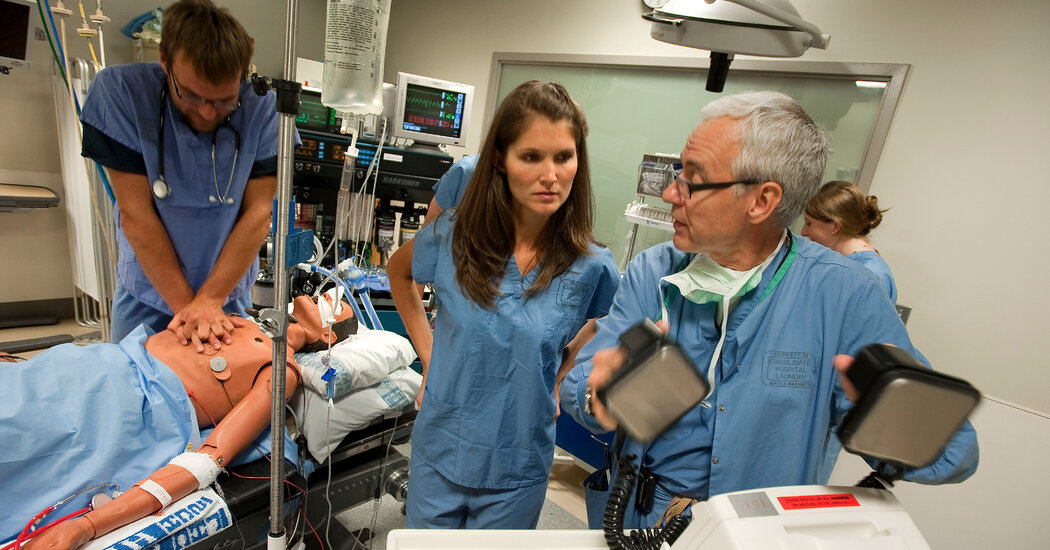
Helping someone in cardiac arrest is not as daunting as it seems.Before 1958, there was no such thing as CPR. If someone’s heart stopped because of cardiac arrest, that person fell to the ground, with no pulse, no breathing. And they were simply declared dead.All of that changed when doctors at Johns Hopkins Hospital in Baltimore discovered cardiopulmonary resuscitation by accident when studying how to shock a heart. When they pressed defibrillator panels to the chest of a lab dog, they saw a blip in blood pressure. They pressed harder and discovered they could push blood through the body. And thus was born CPR.The problem is that only a tiny fraction of people who have a cardiac arrest and are not at a hospital get CPR. That, said Dr. Benjamin Abella, medical director of the Center for Resuscitation Science at the University of Pennsylvania, is “a national tragedy.” Bystander CPR can be the difference between life and death, as the case of Damar Hamlin demonstrated during a Buffalo Bills-Cincinnati Bengals football game earlier this month.CPR is not as daunting as it seems; it can be learned in minutes. At the University of Cincinnati Medical Center, where Mr. Hamlin was treated, Dr. Jason McMullan, an emergency medicine physician, has taught CPR to everyone from Cub Scouts to people in nursing homes.Here is what you need to know about what it is and how to do it.What is a cardiac arrest and how do you know if someone is having one?A cardiac arrest, also known as sudden cardiac death, occurs when the heart suddenly stops beating.The person collapses to the ground and is unconscious, appears lifeless, has no pulse and is not breathing. There can be many causes.Why do you need to do CPR? Why not just call 911?“You should call 911 but it can take several minutes or more for the ambulance to arrive,” said Dr. Sumeet Chugh, director of the Center for Cardiac Arrest Prevention at Cedars-Sinai in Los Angeles. “In the meantime, with every minute that goes by the chances for a successful revival decrease by ten percent.”How do you perform CPR?It used to be more complicated — you had to alternately press on the person’s chest and give mouth-to-mouth resuscitation. But about a decade ago, medical experts realized that mouth-to-mouth was not making things better, was difficult for the public to do and was a disincentive for people to learn CPR.“Kissing dead people is gross,” Dr. McMullan said.Research studies suggested that survival is the same with or without mouth-to-mouth. Most people whose hearts stop have enough oxygen in their blood to survive if blood can be pumped through their bodies and, especially, to their brain.Now CPR is “hands only.” Aim for the center of the chest over the breastbone, or sternum.“Join your hands together and push hard and fast on the chest 100-120 times a minute to the beat of the song “Staying Alive,” by the Bee Gees, Dr. Chugh said.There are videos showing how to do it.And, Dr. McMullan said, even if you don’t push hard enough or fast enough, “any CPR is better than no CPR.”It is possible — though unusual — to break the person’s ribs. But when that happens it is “very unlikely to have any clinical consequences,” Dr. Abella said. “Being tentative about ribs can mean worse CPR and worse survival,” he added.You need to push fast to stimulate the heart.Justin Sullivan/Getty ImagesWhy do you have to push so fast in CPR?“You want to maximize the output from the heart,” Dr. Abella said. “CPR is not very efficient in moving blood. The heart is a better pump, so to make up for that you go faster. You can’t hurt someone. They are already dead.”How long do I keep doing CPR?You should keep it up until an ambulance arrives or until another rescuer can take over for you.What about using a defibrillator?An automated external defibrillator, or A.E.D., shocks the heart and resets it. When you open the glass box that holds an A.E.D., the device should speak to you, telling you to place two pads on the person’s body according to a diagram. It analyzes the heart’s rhythm and, if a shock is appropriate, tells you to stand back, press a button and shock the heart.“For the cardiac arrests that are shockable it is almost miraculous,” Dr. Abella said. “I have seen patients in cardiac arrest who, by the time they are in the emergency room, wake up and wonder why they are there.”But defibrillators have to be applied quickly, and so it is important to have more than one rescuer — one to do CPR while the other gets the defibrillator.“If you are doing CPR you should shout and shout for help,” Dr. Abella said. “If you are alone you should run and get an A.E.D.”Finding a defibrillator is not always easy. Airports often show their locations on terminal maps.“The problem is, if you are not in an airport, what do you do?” Dr. Abella said. “For example, I am in a parking structure in the hospital. I don’t know where the nearest A.E.D. is and I am a doctor in a hospital. I have no idea.”If you spend a lot of time in a public place, it could pay off to learn the location of the nearest A.E.D.What if you forget all of this when someone collapses?Many cities have dispatch-assisted CPR. When you call 911, the operator will walk you through the steps.What if I do it wrong? Can I get sued?“If they are unresponsive and there is no breathing or pulse beat, they are going to die without CPR and it is highly unlikely that you will make the situation worse,” Dr. Cheung said. There are good Samaritan laws in all 50 states that protect bystanders, he added. And the federal Cardiac Arrest Survival Act, signed into law in 2000, provided civil immunity for users of A.E.D.s. When someone is unresponsive, consent to CPR is implied.“There has never been a successful lawsuit against someone who has provided CPR with the intent of saving an individual’s life,” Dr. Cheung said.

Read more →

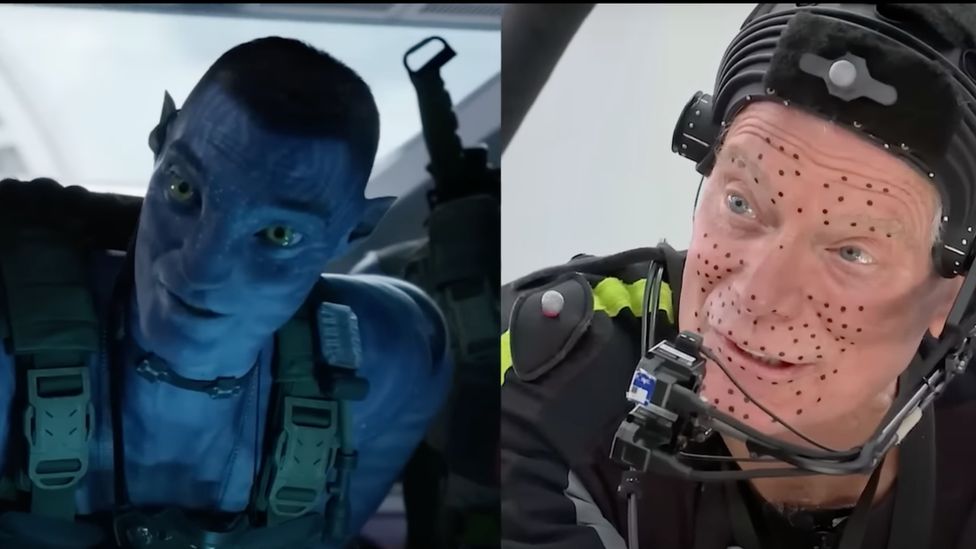
Motion capture tech from Avatar films used in disease research

Published1 day agoShareclose panelShare pageCopy linkAbout sharingImage source, 20th Century StudiosBy Pallab GhoshScience correspondentMotion capture suits that bring characters to life in films like Avatar are helping researchers track the onset of diseases which impair movement. In many cases, the quicker such conditions are assessed the sooner a patient is able to receive the appropriate support and treatment.The new system uses artificial intelligence to analyse body movements.In tests, the UK experts measured the severity of two genetic disorders twice as quickly as the best doctors. The researchers say it could also halve the time and greatly reduce the cost required to develop new drugs in clinical trials.The research has been published in the journal Nature Medicine. Dr Valeria Ricotti, of Great Ormond Street Institute for Child Health told BBC News that she was “completely blown away by the results”.”The impact on diagnosis and developing new drugs for a wide range of diseases could be absolutely massive.”Dr Ricotti was among a group of researchers at Imperial College and University College London who spent 10 years developing the new technology. They tested it on patients with Friedreich’s ataxia (FA) and Duchenne Muscular Dystrophy (DMD) in two separate studies. The researchers say it could also be used to monitor patients recovering from other diseases that affect movement. These include any condition involving the brain and nervous system, heart, lungs, muscles, bone and a number of psychiatric disorders.Image source, Great Ormand Street HospitalTracking the severity and likely progression of such diseases usually involves measuring in a clinic the speed and accuracy with which patients carry out a set of standardised movements. That assessment – vital to working out what support and treatment a patient needs – can take years.The two studies published on Thursday show that the motion capture system can do this much more quickly and accurately. It was adapted from the technology used by filmmakers to capture the movement of actors in the Avatar films in order to create lifelike aliens on screen.Prof Aldo Faisal of Imperial College, who was one of the scientists who came up with the idea, said it was an enormous improvement.”Our new approach detects subtle movements that humans can’t pick up on,” he said. “It has the capability to transform clinical trials as well as improve diagnosis and monitoring for patients.” Image source, Thmoas Angus/Imperial CollegeFA typically appears in adolescence and affects one in 50,000 people, whereas DMD affects 20,000 children, mostly boys, globally each year. There is currently no cure for either.A team at Imperial College first tested the motion sensor suits on patients with FA. They found that the AI could predict the worsening of the disease over twelve months, half the time it would normally take an expert. A separate team at Great Ormond Street tested the technology on 21 boys with DMD between the ages of five and 18. It predicted how their movement would be affected six months in the future much more accurately than a doctor.The researchers believe that their system could be used to speed up and lower the cost of clinical trials to test out new drugs for a wide range of conditions.In particular, it may make trials of new drugs for rare genetic disorders more cost effective.Image source, Thomas Angus/Imperial CollegeProfessor Paola Giunti, Head of UCL’s Ataxia Centre said: “We will be able to trial more drugs with less patients at a lower cost.”In the case of DMD a minimum of 100 patients are needed over the course of about 18 months to get statistically significant results relating to the effectiveness of a new drug. The study showed that using the new system it could potentially be done with 15 patients over six months.About 6,000 rare genetic diseases affect a total of about 1 in 17 people in the UK. The number of patients with each disease can amount to just a few hundred or less. That is a disincentive for drug companies to undertake expensive clinical trials to develop new medicines to treat them.Game changerProfessor Richard Festenstein from the Medical Research Council’s London Institute of Medical Sciences, told BBC News that the suit technology, which he helped to develop, had the potential to change the economics of drug discovery. ”This is going to attract the pharmaceutical industry to invest in rare diseases,” he said. “The main beneficiary from our research is going to be patients, because the technology is going to be able to come up with new treatments much more quickly.”The researchers are already seeking approval for the use of motion capture for drug trials for FA and DMD, which if successful could begin in two years. They are also gathering data for its use with Parkinson’s, Alzheimer’s and MS.Follow Pallab on TwitterMore on this storyAI system may diagnose dementia in a day10 August 2021

Read more →

New genetic disorder that causes susceptibility to opportunistic infections

An international consortium co-led by Vanderbilt University Medical Center immunogeneticist Rubén Martínez-Barricarte, PhD, has discovered a new genetic disorder that causes immunodeficiency and profound susceptibility to opportunistic infections including a life-threatening fungal pneumonia.
The discovery, reported Jan. 20 in the journal Science Immunology, will help identify people who carry this in-born error of immunity (IEI). “Our findings will provide the basis for genetic diagnosis and preventive treatment for these groups of patients,” Martínez-Barricarte said.
IEIs, also known as primary immunodeficiencies, are genetic defects characterized by increased susceptibility to infectious diseases, autoimmunity, anti-inflammatory disorders, allergy, and in some cases, cancer.
To date, 485 different IEIs have been identified. It is now thought that they occur in one of every 1,000 to 5,000 births, making them as prevalent as other genetic disorders, including cystic fibrosis and Duchene’s muscular dystrophy.
Despite recent medical advances, about half of patients with IEIs still lack a genetic diagnosis that could help them avoid debilitating illness and death. That’s why this research is so important.
The error in this case is a mutation in the gene for the protein IRF4, a transcription factor that is pivotal for the development and function of B and T white blood cells, as well as other immune cells.

As a postdoctoral fellow at The Rockefeller University, Martínez-Barricarte was part of an international research team that, in 2018, identified an IRF4 mutation associated with Whipple’s disease, a rare bacterial infection of the intestine that causes diarrhea, weight loss, and abdominal and joint pain.
Martínez-Barricarte is now an assistant professor of Medicine in the Division of Genetic Medicine, and of Pathology, Microbiology & Immunology in the Division of Molecular Pathogenesis.
In 2020, after moving his lab to VUMC, he began collaborating with Aide Tamara Staines-Boone, MD, and her colleagues in Monterrey, Mexico. They were caring for a young boy who was suffering from severe and recurrent fungal, viral, mycobacterial, and other infections.
Martínez-Barricarte and his team sequenced the protein-encoding regions of the boy’s genome and discovered a de novo IRF4 mutation, which originated in the patient and was not inherited from his parents.
Upon consulting with IRF4 experts at the Imagine Institute for the study and treatment of genetic diseases in Paris, they were told that seven other groups were independently characterizing the same mutation. They now collaborate as the IRF4 International Consortium.

In the current study, the consortium identified seven patients from six unrelated families across four continents with profound combination immunodeficiency who experienced recurrent and serious infections, including pneumonia caused by the fungus Pneumocystis jirovecii. Each patient had the same mutation in the DNA-binding domain of IRF4.
Extensive phenotyping of patients’ blood cells revealed immune cell abnormalities associated with the disease, including impaired maturation of antibody-producing B cells, and reduced T-cell production of infection-fighting cytokines.
Two knock-in mouse models, in which the mutation was inserted into the mouse genome, exhibited a severe defect in antibody production consistent with the combined immune deficiency observed in the patients.
The researchers also discovered the mutation had a “multimorphic” effect detrimental to the activation and differentiation of immune cells.
While the mutant IRF4 binds to DNA with a higher affinity than the native form of the protein (in a hypermorphic way), its transcriptional activity in common, canonical genes is reduced (hypomorphic), and it binds to other DNA sites (in a neomorphic way), altering the protein’s normal gene expression profile.
This multimorphic activity is a new mechanism for human disease. “We anticipate that variants with multimorphic activity may be more widespread in health and disease,” the researchers concluded.
Co-authors from Martínez-Barricarte’s lab included graduate students Jareb Pérez Caraballo and Xin Zhen, and research assistant Linh Tran. His research was supported by the National Institute of Allergy and Infectious Diseases of the National Institutes of Health (grant #AI171466).

Read more →

Justice Department Investigating Abbott Infant Formula Plant

Abbott shut down production at the plant last year amid “shocking” sanitation lapses, touching off a disruptive infant supply formula shortage.The U.S. Department of Justice has opened an investigation into operations at the Abbott Nutrition infant formula plant in Michigan that shut down over sanitation problems early last year, causing a lengthy and widespread infant formula shortage.The company confirmed the investigation in an email but offered no further details, other than that it was “cooperating fully,” according to an Abbott spokesman.The plant, in Sturgis, Mich., came to national attention in 2022 after the Food and Drug Administration, while fielding reports of infants sickened by formula produced there, found strikingly unsanitary conditions, including puddles of water on the floor near production lines. In February, the agency urged the company to recall Similac and other widely used infant formulas, F.D.A. records show. Abbott voluntarily ceased production at the plant for several months.Baby formula was already somewhat scarce because of pandemic-related supply chain issues, but the Abbott recall made the situation much worse. Stunned parents reported hunting for hours to find formula needed to feed their infants. By May, President Biden was deploying military planes to airlift infant formula into the United States.The investigation was previously reported by The Wall Street Journal. The Department of Justice declined to comment.Four infants in three states — Minnesota, Ohio and Texas — fell ill with the dangerous Cronobactor sakazakii bacteria starting in September 2021, and two of them died. Though F.D.A. inspectors who swabbed the area near production lines at the Sturgis plant found samples of the bacteria, F.D.A. records show, no strain associated with an infant was directly linked to the facility.Lawmakers held hearings about the crisis, discussing the F.D.A.’s fumbling of a whistle-blower complaint from an Abbott insider who asserted that the plant did not destroy a batch of formula found to include micro-organisms because “senior management was under significant pressure to meet its ‘numbers.’”In one House hearing in May, Dr. Robert Califf, the F.D.A. commissioner, acknowledged that the agency moved too slowly to address the supply chain crisis and made “decisions that were suboptimal along the way.”He also described “shocking” and “egregiously unsanitary” conditions at the Sturgis plant, including a leaking roof and pooled water near production areas.The F.D.A. released a review of its response in September, noting that the agency needs better information technology and visibility into the supply chain, even as formula supply remained low. Dr. Califf commissioned a more sweeping review of the F.D.A. food division, released last month, which called for a stronger new leadership structure.Glenn Thrush

Read more →

Finding a new way: Orienteering can train the brain, may help fight cognitive decline

The sport of orienteering, which draws on athleticism, navigational skills and memory, could be useful as an intervention or preventive measure to fight cognitive decline related to dementia, according to new research from McMaster University.
Researchers hypothesized that the physical and cognitive demands of orienteering, which integrates exercise with navigation, may stimulate parts of the brain that our ancient ancestors used for hunting and gathering. The brain evolved thousands of years ago to adapt to the harsh environment by creating new neural pathways.
Those same brain functions are not as necessary for survival today due to modern conveniences such as GPS apps and readily available food. Researchers suggest it is a case of “use it or lose it.”
“Modern life may lack the specific cognitive and physical challenges the brain needs to thrive,” says Jennifer Heisz, Canada Research Chair in Brain Health and Aging at McMaster University, who supervised the research. “In the absence of active navigation, we risk losing that neural architecture.”
Heisz points to Alzheimer’s disease, in which losing the ability to find one’s way is among the earliest symptoms, affecting half of all afflicted individuals, even in the mildest stage of the disease.
In the study, published today in the journal PLoS ONE, researchers surveyed healthy adults, ranging in age from 18 to 87 with varying degrees of orienteering expertise (none, intermediate, advanced and elite).

People who participate in orienteering reported better spatial navigation and memory, suggesting that adding elements of wayfinding into regular workouts could be beneficial over the span of a lifetime.
“When it comes to brain training, the physical and cognitive demands of orienteering have the potential to give you more bang for your buck compared to exercising only,” says lead author Emma Waddington, a grad student in the Department of Kinesiology who designed the study and is a coach and member of the national orienteering team.
The goal of orienteering is to navigate by running as quickly as possible over unfamiliar territory, finding a series of checkpoints using only a map and compass. The most skillful athletes must efficiently switch between several mental tasks, making quick decisions while moving across the terrain at a rapid pace.
The sport is unique because it requires active navigation while making quick transitions between parts of the brain that process spatial information in different ways. For example, reading a map depends on a third-person perspective relative to the environment. Orienteers must quickly translate that information relative to their own positions within the environment, in real-time, as they run the course.
It is a skill which GPS systems have engineered out of modern life, say researchers. That may affect not only our ability to navigate but also affect our spatial processing and memory more generally because these cognitive functions rely on overlapping neural structures.
Researchers suggest there are two simple ways to incorporate more orienteering into daily life: turn off the GPS and use a map to find your way when travelling and challenge yourself — spatially — by using a new route for your run, walk or bike ride.
“Orienteering is very much a sport for life. You can often see participants spanning the ages of 6 to 86 years old engaged in orienteering,” says Waddington. “My long-term involvement in this sport has allowed me to understand the process behind learning navigational skills and I have been inspired to research the uniqueness of orienteering and the scientific significance this sport may have on the aging population,” says Waddington.

Read more →

Regulating immunological memory may help immune system fight disease

Scientists have long sought to better understand the human body’s immune responses that occur during various diseases, including cancer and inflammatory diseases.
In a recent study at the University of Missouri, Emma Teixeiro, an associate professor in the MU School of Medicine, and her team analyzed how immunological memory — the memory the body’s immune system retains after an infection or vaccination that helps protect against reinfection — gets generated and maintained, as well as the role inflammation plays in shaping that immunological memory.
“Our immune system defends us from disease, but it is a very complicated system with many interactions occurring, and if things get dysregulated, it may actually play a role in causing disease,” said Teixeiro, who works in the NextGen Precision Health Institute on MU’s campus. “So, our research focuses on better understanding how these immune responses can be generated and controlled, specifically by looking at the critical role T cells play, as T cells help protect the body from infection and may play a role in attacking cancer.”
Using a mouse model, the researchers created various strains of pathogenic bacteria that increased levels of inflammation through the stimulator of interferon genes — or STING — proteins inside of T cells. While many scientists assumed this increase in inflammation would result in a stronger immune response and therefore stronger immunological memory, Teixeiro and her team found the opposite: immunological memory was reduced.
“Some scientists in the field believe STING activation may be targeted to improve cancer vaccines or immunotherapies, so gaining a basic understanding of all the interacting mechanisms at play is critical to reduce the chances of unintended consequences or harmful side effects,” Teixeiro said. “We want to better understand how to regulate immunological memory, which has implications for potential vaccines or immunotherapies that trigger T cells in a way that hopefully boosts long-term memory, so our bodies are protected from disease over time.”
While her research is fundamental in nature, Teixeiro’s findings have the potential to contribute to the development of more effective treatments to help patients suffering with cancer, chronic obstructive pulmonary disease (COPD), STING-associated vasculopathy with onset in infancy (SAVI), asthma and other chronic inflammatory syndromes.
“The pursuit of knowledge is what drives my curiosity as a scientist,” Teixeiro said. “While there are still more questions to answer, this research is a small step in the right direction, and I am proud to be a part of it.”
“STING controls T cell memory fitness during infection through T cell intrinsic and Indoleamine-pyrrole 2,3-dioxygenase (IDO) dependent mechanisms” was recently published in PNAS. Coauthors on the study include Michael Quaney, Curtis Pritzl, Rebecca Newth, Karin Knudson, Vikas Saxena, Caitlyn Guldenpfennig, Diana Gil, Chris Rae, Peter Lauer, Mark Daniels and Dezzarae Luera.

Read more →