New Medicare Rule Aims to Take Back $4.7 Billion From Insurers

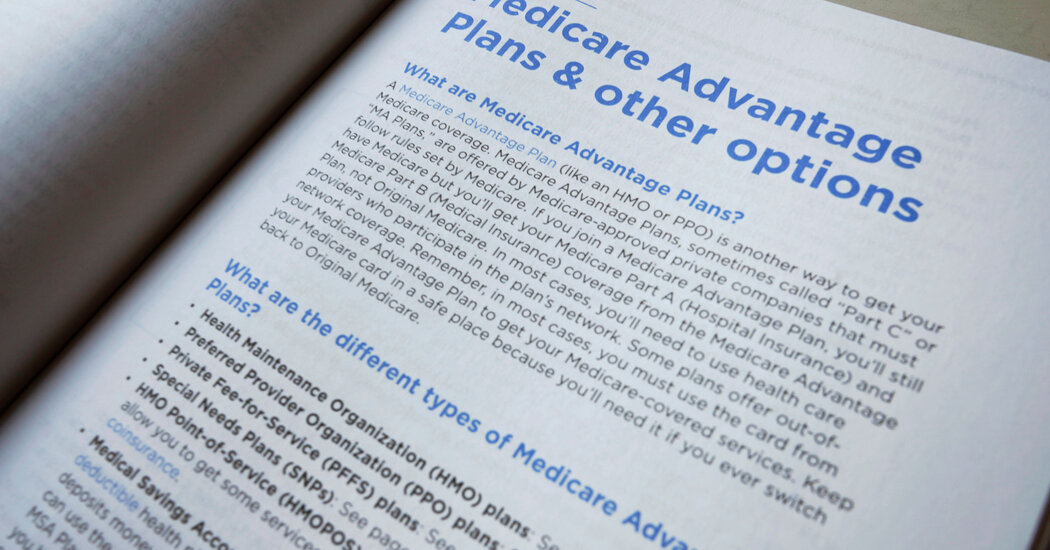
The government plans to aggressively audit Medicare Advantage plans for overbilling but may face lawsuits.The Biden administration announced a rule Monday cracking down on Medicare private plans that have overcharged the federal government. The rule calls for a more aggressive approach to how plans are audited in the Medicare Advantage program, which enrolls nearly half of all Medicare beneficiaries.The administration said it expects to collect as much as $4.7 billion over a decade from its heightened oversight. The rule strengthens the ability of the government to audit plans and recover the overpayments. It is the government’s strongest action against the practices in more than a decade.At a news conference announcing the change, Xavier Becerra, the health and human services secretary, acknowledged that Medicare had been criticized for not taking a hard enough stand against the plans’ pattern of overcharging. “Today, we are taking some long-overdue steps to move us in the direction of accountability,” he said.As Medicare Advantage has become increasingly popular with older Americans, he said the agency needed to make sure it was properly overseeing the private plans. “We want to encourage correct reporting across the program,” he said.Health insurers had lobbied heavily against the policies in the rule, which relate to a system of risk adjustment, and are likely to bring legal action against the government. Mr. Becerra said he could not speculate on any potential litigation, but he emphasized he thought the new rule was ready “for prime time.”Insurers were upset by the rule. “This rule is unlawful and fatally flawed, and it should have been withdrawn instead of finalized,” said Matt Eyles, president of AHIP, a large insurer trade group, in a statement.Health Care in the United StatesMedicare: The Biden administration announced a rule targeting Medicare private plans that overcharge the federal government. The change strengthens the ability to audit plans and recover overpayments.‘Hospital at Home’ Movement: In a time of strained capacity, some medical institutions are figuring out how to create an inpatient level of care outside of hospitals.Obamacare: A record 16.3 million Americans signed up for health insurance plans through the Affordable Care Act’s marketplaces.Omnibus Bill: The giant spending bill passed by Congress kept the government open. But it also quietly rewrote huge areas of health policy.Evidence from government audits, fraud lawsuits and academic analysis has shown that many plans have been systematically overcharging the federal government for years by exaggerating the health problems of their customers to collect extra payments. But the Centers for Medicare and Medicaid Services, which regulates the plans, has been reluctant to tackle the overcharging in the face of industry opposition, technical complexity and the plans’ popularity.Under current rules, regulators have been closely reviewing a small subset of patient medical records to compare them with billing codes sent to the federal government. Under the new policy, the error rate found in the sample will be extrapolated across all the records in the plans since 2018, a change that would substantially increase the magnitude of possible repayments. Officials said plans owe the government $479 million in overpayments from 2018 alone.The extrapolation approach was first proposed in 2018 by the Trump administration. Monday’s regulation makes the new audit system final. But the original proposal would not have made the payments retroactive. “It’s appropriate to have extrapolation going forward,” said Seema Verma, who was the C.M.S. administrator when the rule was first proposed in 2018. But she said the retroactive nature of the rule was “extremely unfair and problematic.”“They’re likely to get sued,” she saidBut some industry critics had been calling for Medicare to go even further, applying the broader penalties as far back as 2011, when the audits began.“At least we’re on the right track now,” said Ted Doolittle, a former senior Medicare official, who said he was disappointed the agency had gone back only to 2018. But he commended federal officials for their decision to extrapolate from the results of the audits.The rule also does not include a formula adjustment that insurers had asked for, which would have reduced the penalty amounts in some cases. Medicare officials said the change was not necessary.Medicare Advantage plans have become popular and are expected to cover the majority of Medicare beneficiaries by the end of this year. They often offer customers lower premiums than the government Medicare plan, and they cover additional benefits like dental care. Plans have warned that regulations that reduce payments to the plans could erode their ability to offer such extra benefits.The plans have become a major profit center for insurance companies. They earn more gross profit on Medicare plans than other types of insurance, according to a study from the Kaiser Family Foundation, a research group unaffiliated with the insurer Kaiser.In the press call, Dara Corrigan, the C.M.S. director of the center for program integrity, emphasized that even the billions in estimated recoveries from the plans were small compared with the scope of the program. She said the estimated $4.7 billion in recovered overpayments represented one fifth of one percent of federal payments to the plans over the period.The audits will focus on extra payments the plans receive when they care for patients who have serious health conditions. The extra payments are meant to compensate the companies for the additional costs associated with treating sicker patients, as part of risk adjustment. But identifying additional diagnoses in order to collect the extra payments has become a major strategic goal of industry players, which use software, home health visits and other measures to maximize the number of diagnoses for each patient, evidence has shown.Three of the five largest insurers in the industry have been accused of fraud by the Justice Department for inflating diagnoses.Medicare has come under particular criticism for its handling of audits. The audit details were secret until Kaiser Health News was able to review summaries of the examinations from 2011 to 2013 after it settled a three-year Freedom of Information Act lawsuit against the agency last fall. The reporting estimated there were millions of dollars in overpayments that would mean billions of dollars in penalties if they were extrapolated broadly.Insurance companies have long defended the current system of risk adjustment as essential to making sure health plans do not discriminate against older adults with potentially expensive illnesses. “Risk adjustment is critical in providing broad and equitable access to care for seniors,” said Tim Noel, UnitedHealthcare’s C.E.O. for Medicare and retirement, before the rule was announced.AHIP warned in a 2019 letter outlining its objections that “seniors and hardworking taxpayers might see higher costs, reduced benefits, and fewer” Medicare Advantage plan options.The group went on to question whether Medicare officials had the legal authority to extrapolate widespread errors from a limited audit and collect overpayments from mistakes made years before.The rule was released Monday after the closing of markets. Many of the major insurers are public companies, and investors have been awaiting its release.“The managed care companies will challenge the rule but, in any event, it’s only a slight negative for the stocks,” said Les Funtleyder, a health care portfolio manager at E Squared, which holds shares of UnitedHealth Group, in an email. “It could have been worse.”

Read more →

New breakthrough in the treatment of rheumatoid arthritis

A research team, led by Professor Sung Ho Park in the Department of Biological Sciences at UNIST announced the results of a study on osteoblasts that damage joint bones in patients with rheumatoid arthritis.
In this study, the research team studied the possibility of a treatment method targeting mechanisms related to the differentiation process of osteoblasts that melt bones through enzyme reactions. First, it was confirmed that a superinhancer is formed near the NFATC1 gene, which is known to be an important factor in the formation of osteoblasts, and it is formed only in osteoblasts.
In addition, it was confirmed that an enhancer RNA, a type of non-encrypted RNA, is formed in the NFATC1 superinhand during osteoblastic cell formation.
Non-encrypted RNA does not encode proteins, but plays an important role in regulating gene expression. In particular, due to the specificity of the molecular sequence, it can be easily targeted for treatment. In fact, we observed that interfering with NFATC1 superinhancer RNA inhibits the formation of osteoblasts together.
Through this study, it has been confirmed that NFATC1 super-in-hander RNA, which is formed during osteoblast differentiation, can be used as a treatment target.
“[O]ur study is the first to identify SEs and SE-eRNAs in human osteoclasts and provides a better understanding of human osteoclast biology, thereby opening new therapeutic avenues for human pathological bone destruction,” noted the research team.
The findings of this research were made available in December 2022, ahead of its publication in the journal, Cellular and Molecular Immunology. This study has been supported by the National Research Foundation of Korea (NRF) grants, funded by the Ministry of Science and ICT (MSIT).

Read more →

The Navy’s Dolphins Have a Few Things to Tell Us About Aging

SAN DIEGO — White caps were breaking in the bay and the rain was blowing sideways, but at Naval Base Point Loma, an elderly bottlenose dolphin named Blue was absolutely not acting her age. In a bay full of dolphins, she was impossible to miss, leaping from the water and whistling as a team of veterinarians approached along the floating docks.“She’s always really happy to see us,” said Dr. Barb Linnehan, the director of animal health and welfare at the National Marine Mammal Foundation, a nonprofit research organization. “She acts like she’s a 20-year-old dolphin.”But at 57, Blue is positively geriatric, one of the oldest dolphins in the U.S. Navy Marine Mammal Program. So the doctors had come to check on her heart.Dr. Linnehan unpacked a dolphin-friendly electrocardiogram and bent over the edge of the dock, where Blue had surfaced. Then she carefully pressed four rubber suction cups, each containing a Bluetooth-enabled electrode, onto the dolphin’s slippery skin.Dr. Linnehan wiped the rain off her tablet and studied the screen. “That’s her arrhythmia there,” she said, pointing to an oscillating wave marching across the display. The team first detected the irregular heartbeat several years earlier and had been monitoring it ever since.“What we are looking for is: Are we getting to a place where we need to start talking about intervention, like a pacemaker or medication,” Dr. Linnehan said. No one had ever put a pacemaker in a dolphin before, she noted, but “we’re willing to cross that bridge if she gets to that point.”For more than half a century, the Navy has run its marine mammal program from this base on the rocky Point Loma peninsula, training bottlenose dolphins and California sea lions to locate underwater mines, recover submerged objects and intercept rogue swimmers.In that time, marine mammal medicine has advanced enormously, in part as a result of the Navy’s research. Consequently, the program’s veterinarians find themselves caring for an increasingly aged population of animals. “We’re just seeing things that we weren’t necessarily seeing decades ago, conditions that are associated with old age,” Dr. Linnehan said.The Marine Mammal Program at Naval Base Point Loma in San Diego.Dr. Barb Linnehan, the director of animal health and welfare at the National Marine Mammal Foundation, in green-brown hat, gave Blue a dolphin-friendly electrocardiogram.So, in collaboration with researchers who study wild dolphins and with experts in human medicine, Navy scientists are now delving into geriatric marine mammal medicine. The pursuit could pay dividends not only for the Navy’s animals but also for wild ones — and, perhaps, even for people.It could be the final frontier for the program, which is likely to leave a rich but ethically complicated scientific legacy. The Navy plans to phase out the program in the coming decades, said Mark Xitco, the program’s director. It has already stopped breeding dolphins and has turned some of their tasks over to underwater drones, he said.In the years ahead, as the marine mammals are gradually replaced by technology, the animals will become less of a military asset and more of a scientific one.“They will continue to serve the nation as that population of federal marine mammals that can be a resource for science,” Dr. Xitco said. He added, “Until, someday, we’re gone.”More on U.S. Armed ForcesKorean War Wall of Remembrance: Many names of American service members who died in the conflict are misspelled or missing from the new memorial wall in Washington, relatives and researchers say.Parental Leave: The Pentagon announced a new policy that would double the amount of leave that is available to military service members.Defense Bill: Congress passed a $858 billion defense bill that would rescind the coronavirus vaccine mandate for troops and increase the defense budget $45 billion over President Biden’s request.A Boost for the N.R.A.: Instructors in military-sponsored J.R.O.T.C. classes have offered to promote the gun rights organization in high schools in exchange for money for their marksmanship programs.Early morning examsWhen Navy scientists began working with their first dolphin, in 1959, they hoped simply to imitate it and learn how to design more hydrodynamic torpedoes. But marine mammals proved to have talents — deep-diving skills, keen underwater vision and, in some cases, top-notch sonar — that neither humans nor machines could match. So the Navy began training the animals to perform underwater tasks, deploying them in Vietnam, the Persian Gulf and elsewhere.Technically, the marine mammal program was classified until the early 1990s, but it was a “pretty poorly kept secret,” Dr. Xitco said. Navy scientists helped create, and were heavily involved in, organizations for marine mammal researchers, he said, but “could neither confirm nor deny that we actually worked with the animals.”Today, 77 dolphins and 47 sea lions are part of the program, which is managed by the Naval Information Warfare Center Pacific and has an overall required budget of $40 million this year. About 300 people keep the program running. (Many are contractors; the National Marine Mammal Foundation, which was founded by several of the program’s veterinarians, helps provide veterinary care for the animals, for instance.)The work often begins before dawn, when the yellow-hatted interns arrive at the “Fish House” to prepare meals for the animals. One morning last November, just after 6 a.m., the interns were busy sorting through sinks full of frozen herring, capelin and squid; pressing vitamins into the gills of a few still-icy fish; and portioning the seafood out into insulated buckets.Dr. Linnehan with Blue during her checkup. “She’s always really happy to see us,” she said. “She acts like she’s a 20-year-old dolphin.”Morning meal prep at the Fish House, where interns packed vitamin-filled fish for the dolphins.The buckets were then hauled out onto a pier jutting into San Diego Bay. Rows of floating docks crisscrossed the dolphins’ underwater enclosures. Trainers began tossing out breakfast and performing quick tip-to-tail checkups. The dolphins have been trained to cooperate, presenting their various body parts — teeth, belly, flukes — while their trainers give them the once-over.Keeping the animals healthy is a critical part of the job, said Dr. Eric Jensen, the senior scientist for animal care. “You can’t go find mines, and you can’t go find bad people if you don’t feel good,” he said.But the program’s veterinarians repeatedly note that they feel an ethical obligation to provide top-notch health care. Their affection for the animals is obvious, and Dr. Jensen — who joined some of the marine mammals on a 2003 deployment to Iraq — said that being part of the program was less a job than a lifestyle. He and his colleagues frequently refer to the animals as partners or teammates.The animals have not volunteered for this life, however. In the program’s earlier years the Navy took dolphins from the wild. Although that practice ended decades ago, the program continues to draw criticism for keeping intelligent animals in captivity and conscripting them into human war efforts.“I am not in favor of keeping dolphins the way they do for the purposes that they do,” said Lori Marino, an expert on cetacean intelligence and president of the Whale Sanctuary Project, who visited the program and became friendly with some of its researchers early in her career.The Navy’s dolphins do have opportunities that are not afforded to some other captive dolphins, such as open-ocean swimming sessions, and they are clearly highly valued, said Janet Mann, a marine-mammal scientist and behavioral ecologist at Georgetown University. “The Navy has obviously perfected how you can keep a large number of dolphins in captivity with very high survival,” she said. Still, she added, “The dolphins don’t have agency like they do in the wild.”Dr. Xitco said that the animals have only been used for defensive purposes and that none have ever died in combat. But some details about the animals’ capabilities and assignments remain tightly held. (Although officials granted The Times permission to name Blue, they requested that the other animals’ names not be disclosed.) A two-day tour of the facilities last fall was closely chaperoned.“I guess in theory there could be some other program around the corner that I’m not going to show you, where we’re doing things that you wouldn’t be comfortable with or others wouldn’t be comfortable with,” Dr. Xitco said. “That’s not the case.”The Marine Mammal Program has its own laboratory and pharmacy.The program’s large, well-trained animal population allowed the Navy to pioneer new medical techniques that have since been used in wild populations.After completing Blue’s exam, Dr. Linnehan and her colleagues trudged back up the hill to their offices, the chatter of dolphins and sea lions fading behind them. But even indoors, it was impossible to escape the animals’ presence: There were photos of dolphins, dolphin cartoons and a plushy toy sea lion. Anatomical models of dolphins sat on numerous desks.The laboratory, located just a short walk away, is typically bustling after the animals’ morning medical checks, as technicians process any recently collected blood, urine, fecal or other samples. Later, the samples are stored in a small, windowless room across the street, where supercold freezers contain a marine-mammal biobank that dates back decades. “We’ve got animals here in their 50s,” Dr. Xitco said. “All their health records are upstairs, and their tissue samples are across the street. It’s just an amazing resource.”This biobank has made it possible for scientists to do longitudinal studies, charting, for instance, how dolphins’ blood chemistry changes as they age. And the large, well-trained animal population allowed the Navy to pioneer new medical techniques, such as portable ultrasounds for dolphins. Dr. Sam Ridgway, who was the program’s first veterinarian and continued to publish new research until his death last year, became known as the father of marine mammal medicine. To date, research on the Navy’s animals has yielded more than 1,200 scientific papers, conference presentations and book chapters, Navy officials said.“No question they have been a leader in terms of developing our understanding of dolphin medicine,” said Randy Wells, who directs the Chicago Zoological Society’s Sarasota Dolphin Research Program. (Dr. Wells frequently collaborates with the program’s researchers and has also received funding from the Navy.)After their morning exams, the animals have training or enrichment sessions, often in the open ocean, where their athleticism is on clear display. The dolphins swim alongside boats, retrieve brightly colored balls, launch themselves into the air, slip under the water’s surface and reappear in a flash.Dolphin day afternoonBut they do slow with age, Dr. Jensen said. Their energy levels flag, their joints stiffen and they put on some extra pounds. Some develop heart disease, kidney stones or vision problems, which can require surgical intervention.A few hours after examining Blue, Dr. Linnehan joined her colleagues at the Marine Mammal Surgical Center to talk through some upcoming cataract surgeries for sea lions. The team has become more proactive, said Dr. Jenny Meegan, a senior veterinarian at the National Marine Mammal Foundation. The veterinarians now perform cataract surgery before the animals’ vision deteriorates significantly, she said, and are studying new diets that they hope will prevent dolphins from developing kidney stones.“We want to give them the best health care, the best lives,” Dr. Meegan said. “What we can learn from them lives on by being able to help animals in the future.”Four dolphins leap and curl in the air during an enrichment session on a rainy day, while three trainers kneel on the edge of a floating dock.From left, feeding and play; the veterinary team discussed care plans and procedures; a dolphin caught a ball during an enrichment session.Blue is the program’s paragon. Focused and seemingly tireless, she was once one of the Navy’s star mine hunters, earning a Navy Achievement Medal for her efforts, according to Dr. Xitco. But when she unexpectedly became pregnant in her 30s, she stopped searching for mines and began participating in acoustics research instead, which remained her primary role as she aged.When Dr. Linnehan and her colleagues set out to create better ways to conduct cardiac assessments of dolphins, they tapped Blue to participate. Working with Blue and other Navy dolphins, the researchers developed a method for performing comprehensive cardiac exams on stationary dolphins while they were in the water. In the process, they discovered that Blue had a previously undetected arrhythmia.It was not the only surprise. The team, partnering with other researchers, went on to perform heart exams in the wild, on dolphins in Sarasota Bay in Florida and Barataria Bay in Louisiana. “A lot of them had murmurs,” Dr. Linnehan said, “which nobody had described before.” The scientists also found that a variety of cardiac abnormalities were especially prevalent in the Barataria Bay dolphins, which had been heavily exposed to oil after the Deepwater Horizon oil spill in 2010.The Navy’s dolphins have frequently served as pioneers, allowing scientists to develop and test new techniques before they take them into the field, where “the opportunities to examine the animals are much more rare and much more precious,” said Dr. Wells, who collaborated on the studies.Now, Dr. Linnehan is working with a biotech company to build an electrocardiogram harness that Blue can wear while freely swimming, diving or sleeping, a tool that might eventually help scientists study the hearts of wild dolphins under more natural conditions. “This would be a huge wealth of information that nobody’s gotten before,” Dr. Linnehan said.Myriad other projects are underway, including the development of an acoustic monitoring system to detect the sounds of dolphins in distress, and a low-gravity surgical table, to better replicate the dolphins’ marine environment. (On land, the tug of gravity can compromise the animals’ heart and lung function.) Researchers recently devised a ventilator specifically for marine mammals, which have unique styles of breathing.Surgical tools like these would be useful for the sick and injured animals that sometimes wash ashore with flipper injuries, fractured jaws or even gunshot wounds, said Dr. Cara Field, the medical director of the Marine Mammal Center in Sausalito, Calif. And a better understanding of what is and isn’t normal for marine mammals throughout their long life spans could help in evaluating the wild animals that appear without a detailed health history, she added. “When they wash ashore with disease or injury, we only get them at one point in time when they’re sick,” Dr. Field said.Some of the research might even benefit humans. “Older dolphins age a lot like older people,” said Dr. Stephanie Venn-Watson, a veterinary epidemiologist who was previously a researcher at the Navy program and the National Marine Mammal Foundation.From left, a dolphin has an open ocean swimming session; a sea lion on the pier; a new acoustic monitoring system that researchers hope might help them detect dolphins in distress.Trainers prepared one of the dolphins for an open-water enrichment session.In a series of studies, Dr. Venn-Watson and her colleagues found that aging in dolphins was associated with some familiar conditions, including chronic inflammation, high cholesterol and anemia. And despite their similar diets and environments, different Navy dolphins seemed to age at different rates; fast-aging dolphins experienced especially pronounced declines in hemoglobin, the oxygen-carrying protein in red blood cells.The team also identified two compounds in dolphin diets — odd-chain saturated fatty acids known as C15:0 and C17:0 — that were associated with better health, including higher hemoglobin levels.(Dr. Venn-Watson is now the co-founder and chief executive of Epitracker, a biotech company that has ongoing collaborations with the Navy, and Seraphina Therapuetics, which sells C15:0 supplements.)The findings have caught the attention of experts in human medicine, including Dr. Jeffrey Schwimmer, a pediatric gastroenterologist at the University of California, San Diego, who started his own studies on the compounds. These fatty acids, which have shown promise in other early studies, are also being investigated elsewhere. But, Dr. Schwimmer said, “It was the dolphin work that put it on my radar.”Other scientific teams have reported that dolphins can develop brain lesions that look similar to those in people with Alzheimer’s. Now, the Navy’s researchers are working to determine whether dolphins also experience similar cognitive symptoms. If they do, it might explain some marine mammal strandings, experts say, and could make dolphins a useful model for Alzheimer’s.“It’s really exciting from my perspective as a general marine mammal scientist to see these animals coming into their own as important models, if you like, that allow us to learn not only for their benefit but also for the benefit of others,” said Ailsa Hall, an emeritus professor of marine biology at the University of St. Andrews.The Navy also has a wealth of new data to mine, including the newly sequenced genomes of about 70 of the program’s dolphins, and it is partnering with Dr. Venn-Watson’s company, Epitracker, to look for genetic and metabolic predictors of health and disease. The priority is finding ways to improve the animals’ lives, Dr. Jensen said. But “if you can take it and have a spin off benefit for human health care, it’s a win-win,” he added.Into the sunsetNot all experts feel that way. The Navy has done some “really interesting, cutting-edge” research, Dr. Marino acknowledged. But some of its studies have also been “pretty unpalatable,” she said, pointing to one that made dolphins ingest seawater. Even a noninvasive imaging study requires an animal to leave the water and travel to a medical facility, she noted.“These are all things that a dolphin is not interested in really doing and do not make their life worthwhile,” said Dr. Marino, who used to conduct research on captive dolphins before becoming uneasy with the practice.Open-water enrichment in waters off the Naval Base Point Loma.Dr. Xitco said that he and his colleagues adhere to animal welfare and research regulations and make “every effort possible” to minimize negative effects on the animals. But sometimes the studies do require blood draws or milk samples or biopsies or brief exposure to noise. In those cases, he said, they have made the calculation that mild, temporary discomfort is outweighed by the value of the research. “We are the control population for the world of marine mammal medicine,” he said.(Although it is beyond the scope of the marine mammal program, some experts also noted longstanding concerns about how the Navy’s broader suite of ocean activities, including its use of sonar, might affect wild marine mammals.)Cutting-edge research is happening with wild dolphins, too, scientists said. But studies of captive animals are an important complement, said Austin Allen, a marine mammal scientist at Duke University. “There’s synergies between the two,” he said. “There’s just types of data that we can’t collect in the wild.”Since the marine mammal program began, public affection for marine mammals has grown, experts said, and scientists have learned much more about how sophisticated dolphins are and what they need in order to thrive — in part because of the Navy’s research.And when the sun does set on the marine mammal program, the world may never see another collection of animals quite like it. “There’s just no population like it in the world,” Dr. Venn-Watson said, “and it will not happen again.”

Read more →

Canada province experiments with decriminalising hard drugs

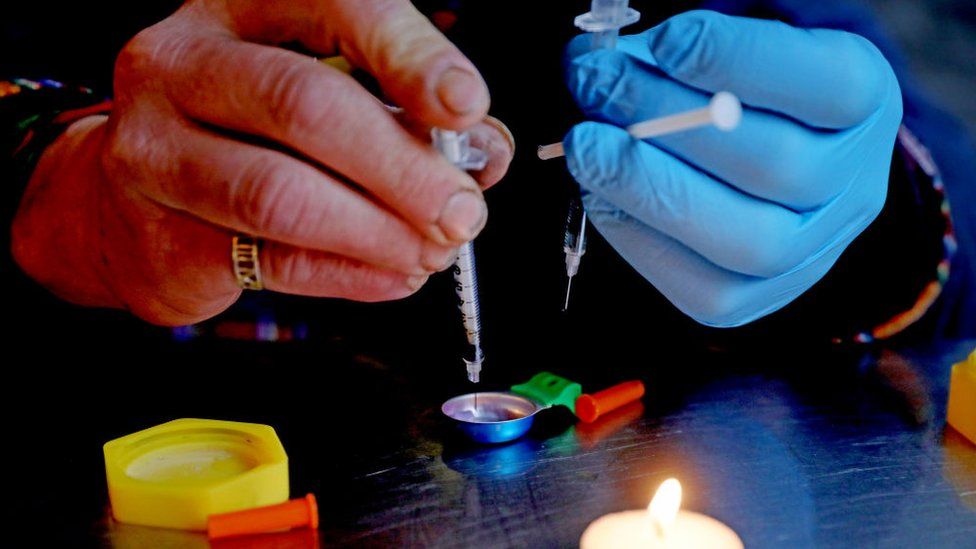
Published1 hour agoShareclose panelShare pageCopy linkAbout sharingImage source, Getty ImagesBy Max MatzaBBC News, SeattleCanada’s province of British Columbia is starting a first-in-the-nation trial decriminalising small amounts of hard drugs such as cocaine and heroin.From Tuesday, adults can possess up to 2.5g of such drugs, as well as methamphetamine, fentanyl and morphine.Canada’s federal government granted the request by the west coast province to try out the three-year experiment. It follows a similar policy in the nearby US state of Oregon, which decriminalised hard drugs in 2020. Ahead of the pilot’s launch, British Columbia and federal officials outlined the rules under the federally approved exemption from the Controlled Drugs and Substances Act.While those substances will remain illegal, adults found in possession of a combined total of less than 2.5g of the drugs will not be arrested, charged or have their substances seized. Instead, they will be offered information on available health and social services.The other public health crisis killing CanadiansCanada wrestles with euthanasia for the mentally ill Federal minister of mental health and addictions Carolyn Bennett on Monday called the move “a monumental shift in drug policy that favours fostering trusting and supportive relationships in health and social services over further criminalisation”.Some 10,000 residents have died from drug overdoses since British Columbia declared drugs to be a public health emergency in 2016, officials said. This video can not be playedTo play this video you need to enable JavaScript in your browser.”Decriminalising people who use drugs breaks down the fear and shame associated with substance use and ensures they feel safer reaching out for life-saving supports,” said Jennifer Whiteside, the British Columbia minister for mental health and addictions.Thousands of police officers in the province have been offered training on the rule change, including those in Vancouver, the largest city in the province. The programme will run from 31 January 2023 until 31 January 2026, unless it is revoked by the federal government.Some experts have questioned the 2.5g limit, saying that it is not enough to account for the habits of many addicts. The other public health crisis killing CanadiansThere are some exemptions to the scheme.The sale of drugs remains illegal. It is also illegal to possess drugs on the grounds of schools, childcare facilities and airports.Canada legalised the use of recreational cannabis for adults nationwide in 2018.But the four drugs now allowed in small quantities remain prohibited, meaning there are no plans to sell them in stores, unlike marijuana. Trafficking them across borders also remains illegal. You may also be interested in:What happened after Portgual decriminalised all drugs?More on this storyThe other public health crisis killing Canadians2 September 2020The city where addicts are allowed to inject7 August 2017Canada trials decriminalising cocaine and MDMA1 June 2022

Read more →

Three or more concussions linked with worse brain function in later life

Experiencing three or more concussions is linked with worsened brain function in later life, according to major new research.
The study — the largest of its kind — also found having just one moderate-to-severe concussion, or traumatic brain injury (TBI), can have a long-term impact on brain function, including memory.
Led by teams at the University of Oxford and the University of Exeter, the research included data from more than 15,000 participants of the online PROTECT study, who were aged between 50 and 90 and based in the UK. They reported the severity and frequency of concussions they had experienced throughout their lives, and completed annual, computerised tests for brain function.
Published in the Journal of Neurotrauma, the paper found that people who reported three or more concussions had significantly worse cognitive function, which got successively worse with each subsequent concussion after that. Attention and completion of complex tasks were particularly affected.
Researchers say people who have had concussions should be warned of the dangers of continuing high-risk sport or work.
Lead investigator Dr Vanessa Raymont, from the University of Oxford, said: “We know that head injuries are a major risk factor for dementia, and this large-scale study gives the greatest detail to date on a stark finding — the more times you injure your brain in life, the worse your brain function could be as you age.

“Our research indicates that people who have experienced three or more even mild episodes of concussion should be counselled on whether to continue high-risk activities. We should also encourage organisations operating in areas where head impact is more likely to consider how they can protect their athletes or employees.”
The team found that participants who reported three episodes of even mild concussion throughout their lives had significantly worse attention and ability to complete complex tasks. Those who had four or more mild concussion episodes also showed worsened processing speed and working memory. Each additional reported concussion was linked to progressively worse cognitive function.
Furthermore, the researchers found that reporting even one moderate-to-severe concussion was associated with worsened attention, completion of complex tasks and processing speed capacity.
In the online PROTECT study, participants share detailed lifestyle information, and complete a suite of cognitive tests every year, for up to 25 years. This rich mine of data helps researchers understand how the brain ages, and the factors involved in maintaining a healthier brain in later life.
Dr Helen Brooker, a study co-author from the University of Exeter, said: “As our population ages, we urgently need new ways to empower people to live healthier lives in later life. This paper highlights the importance of detailed long-term studies like PROTECT in better understating head injuries and the impact to long term cognitive function, particularly as concussion has also been linked to dementia. We’re learning that life events that might seem insignificant, life experiencing a mild concussion, can have an impact on the brain. Our findings indicate that cognitive rehabilitation should focus on key functions such as attention and completion of complex tasks, which we found to be susceptible to long-term damage.”
Dr Susan Kohlhaas, Director of Research at Alzheimer’s Research UK, said: “Studies like this are so important in unravelling the long-term risks of traumatic brain injury, including their effect on dementia risk. These findings should send a clear message to policy makers and sporting bodies, who need to put robust guidelines in place that reduce risk of head injury as much as possible.”
The research included collaboration with University of New South Wales, Australia, Kings College London and University College London, UK, Stavanger University Hospital in Norway and Harvard Medical School, in the US. The. paper is entitled ‘Lifetime TBI and cognitive domain deficits in late life: The PROTECT-TBI cohort study’, published in the Journal of Neurotrauma.

Read more →

U.S. Will End Covid Public Health Emergency in May

The end of the emergency will bring about a host of policy changes, and it signals a new chapter in the government’s pandemic response.WASHINGTON — The Biden administration plans to let the coronavirus public health emergency expire in May, the White House said on Monday, a sign that federal officials believe the pandemic has moved into a new, less dire phase.The White House wants to keep the emergency in place for several more months so hospitals, health providers and health officials can prepare for a host of changes that will come when it ends, officials said. Millions of Americans have received free Covid tests, treatments and vaccines during the pandemic, and not all of that will continue to be free once the emergency is declared over.An average of more than 500 Americans are still dying from Covid every day. But at the three-year mark, the coronavirus is no longer upending everyday life to the same extent, partly because much of the population has at least some protection against the virus from vaccinations and prior infections.Still, the White House said on Monday that the nation needed an orderly transition out of the public health emergency. The administration said it also intended to allow a separate declaration of a national emergency to expire in May.“An abrupt end to the emergency declarations would create wide-ranging chaos and uncertainty throughout the health care system — for states, for hospitals and doctors’ offices, and, most importantly, for tens of millions of Americans,” the White House said in a statement.

Read more →

Organ donation: 'My daughter was shot but lives on in those she saved'

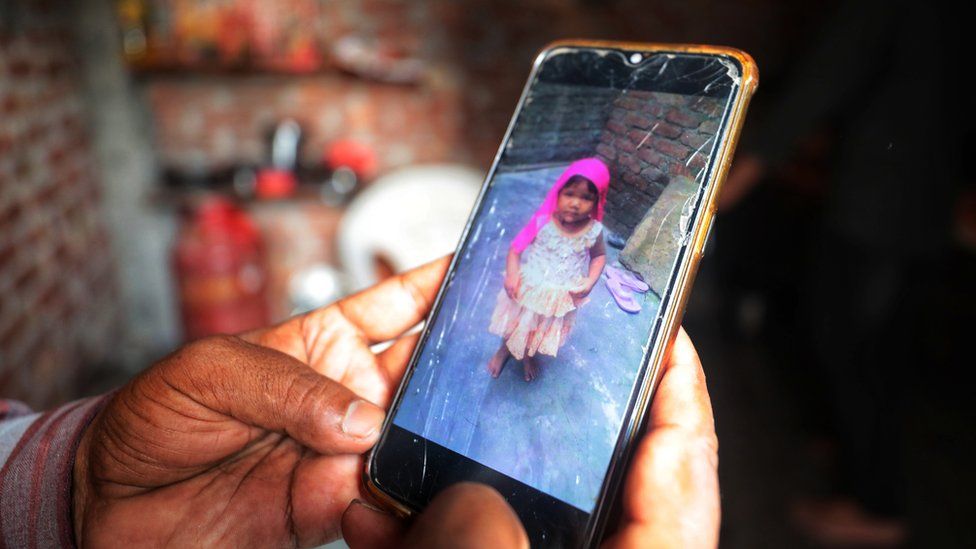
Published2 hours agoShareclose panelShare pageCopy linkAbout sharingImage source, Ankit Srinivas/BBCBy Harry LowBBC News, RomeAfter the fatal shooting of a six-year-old girl in India last year, her parents made a choice few in the country do – donating her organs. Despite being expected to surpass China this year as the world’s most populous nation, India is 62nd in the global donation league table. The BBC travelled to Rome, where a campaign sparked three decades ago by another child’s gun death could show how progress can be made.Rolly Prajapati was sleeping peacefully last April in the home she shared with her five brothers and sisters in suburban Delhi. In the next room, her parents were preparing dinner when they heard a loud bang and a scream.When they went into the room, Rolly cried out for her parents before falling unconscious.It was only when they saw blood trickling out of her right ear that they realised something awful had happened: a stray bullet had entered the family’s home in Noida and hit her.Image source, Ankit Srinivas/BBCRolly was rushed to hospital and, shortly after, declared brain dead. Police in Noida have told the BBC there is “no clear suspect” but they are continuing to investigate. After days of agonising, her parents made a decision few in India have done before: to donate her organs. Rolly became the youngest donor at the All India Institute of Medical Sciences (AIIMS) in New Delhi.Her father Harnarayan Prajapati explained that the decision to donate a child’s organs was not always straightforward.Image source, Ankit Srinivas/BBCHe said: “I didn’t know what to do. I kept thinking through the night. I told the [doctor] that we needed more time to think.”Eventually we decided to go ahead, thinking ‘if my daughter’s organs could save someone’s life, then we should do it’. “We think that our daughter is alive inside the young recipients – our daughter will live on this way.”Both of Rolly’s kidneys were transplanted to Dev Upadhyaya, 14, whose parents told the BBC it was “a miracle to us” that he received the organs. Image source, Kamlesh UpadhyayaThey had been waiting four years for a transplant and said their “life has been changed” because Rolly’s kidneys had “given new life” to Dev.Rolly’s liver went to a six-year-old boy, her heart valves to children aged one and four, and her corneas helped restore sight to two adults aged 35 and 71. Rolly’s death has parallels with the story of Nicholas Green.The seven-year-old was on holiday in Italy with his family in September 1994 when the car he was travelling in was shot at in a suspected case of mistaken identity.Image source, Reg GreenHis parents, Maggie and Reg, made the decision to donate Nicholas’s organs. Reg has dedicated much of his life since to a campaign to encourage more organ donation.My son died in 1994 but his heart only stopped beating this yearIn 1993, the year before Nicholas was shot, 6.2 people per million donated an organ in Italy – by 2006 the figure had reached 20 per million. This was partly due to the country moving to an opt-out system in 1999, which makes all adults potential donors unless they say otherwise. But bringing the idea of the lifesaving potential of donating into the minds of ordinary people was perhaps the most important factor.L’effetto Nicholas – the Nicholas effect – is clear to see. The hope is that a similar transformation will take place in India. Image source, Family handoutAt the forefront of this is Dr Deepak Gupta, who has travelled to Rome to meet Reg and other experts from the organ donation community.It was Dr Gupta who first spoke about the option of organ donation to Rolly’s parents – they, like many in the country, had never heard of it. He used Nicholas’s example to show Mr Prajapati, who is illiterate, the possible impact of donating.One person dies in India from a head injury every three minutes, according to the Lancet Neurology Commission, and so, as Dr Gupta says, there is “a lot of potential for donors”. On average, between 700 and 800 people have donated organs each year since 2000 in India, which has more than 1.4 billion people. Dr Gupta has conducted a survey which shows that factors such as religion and the attitudes of older family members can discourage donation.But since Rolly’s death last April, there have been more organ donations at AIIMS in Delhi than in the previous five years combined. India has seen 846 donations in 2022, more than ever before, according to figures from the National Organ and Tissue Transplant Organisation. Dr Gupta describes it as a “turning point”. He said: “I’m pretty confident – I’m a neurosurgeon and so confidence lives in my veins and the blood – and I believe we all are born with the ability to change.”I believe I am just a very small droplet in the ocean who is trying to bring a change for people.”Each time Reg, 94, returns to Italy from his home in Los Angeles, he meets some of Nicholas’s recipients – on this trip, he met two women bound together by the transformative effect of donation. Shana Parisella’s brother Davide was killed in a car crash in March 2013, and his heart was transplanted to Anna Iaquinta.Nine years after the operation, Anna decided to search for her donor’s family and formed a strong bond with Shana, who she says is like a sister to her.Shana, who has driven 140km from Fondi to Rome, said it was a dream to meet a “great man” who was “an example for everyone”.Anna said: “It’s not easy for the person that receives the heart because you have a lot of thoughts and you kind of feel bad because on their side there’s a lot of pain. But on your side there’s a lot of joy, so it’s kind of like two different emotions.”I’m really lucky that her family was so happy to meet me and, for them, it’s the biggest surprise and the biggest present.”The biggest gift of their life was to meet me. And for me just to be OK and to be with them, it’s my way of saying thank you, but thank you is never enough. “Nothing will ever be enough for having received life.”Donor dataSpain has led the way in organ donation for many years due to the presence of full-time doctors trained as transplant co-ordinators in the country’s biggest hospitals.”It’s not possible to perform the transplant if the population is not involved,” says Jose Luis Escalante, director of transplantation at Gregorio Marañon University Hospital in Madrid.In 2021, for the first time in two decades, the US overtook Spain to become the global leader for successful organ donations, partly due to more than 100,000 people dying amid the opioid epidemic.Italy is ninth globally, while the UK 13th. In May 2020, England switched to an opt-out system, which makes all adults automatic organ donors.Nearly 300 people donated organs under the new approach, which came in two months after Scotland adopted automatic donation. Wales introduced the system in 2015.After visiting Rome, Reg travelled to Messina where he met 24-year-old Nicholas, the son of Maria Pia Pedala who was in a coma when she received Nicholas’s liver 29 years ago.He says he will only stop speaking about the issue when he dies. “I’m 94 years old so I was quite old when I started this,” he told the BBC.”I think by now I would have hung up my tonsils but the thought that just by talking you can save lives has been a thought that motivates me every day.”Additional reporting by Ankit SrinivasFollow Harry Low on TwitterMore on this storyMy son died in 1994 but his heart only stopped beating this year5 May 2017

Read more →

This groundbreaking biomaterial heals tissues from the inside out

A new biomaterial that can be injected intravenously, reduces inflammation in tissue and promotes cell and tissue repair. The biomaterial was tested and proven effective in treating tissue damage caused by heart attacks in both rodent and large animal models. Researchers also provided proof of concept in a rodent model that the biomaterial could be beneficial to patients with traumatic brain injury and pulmonary arterial hypertension.
“This biomaterial allows for treating damaged tissue from the inside out,” said Karen Christman, a professor of bioengineering at the University of California San Diego, and the lead researcher on the team that developed the material. “It’s a new approach to regenerative engineering.”
A study on the safety and efficacy of the biomaterial in human subjects could start within one to two years, Christman added. The team, which brings together bioengineers and physicians, presented their findings in the Dec. 29 issue of Nature Biomedical Engineering.
There are an estimated 785,000 new heart attack cases in the United States each year, and there is no established treatment for repairing the resulting damage to cardiac tissue. After a heart attack, scar tissue develops, which diminishes muscle function and can lead to congestive heart failure.
“Coronary artery disease, acute myocardial infarction, and congestive heart failure continue to be the most burdensome public health problems affecting our society today,” said Dr. Ryan R. Reeves, a physician in the UC San Diego Division of Cardiovascular Medicine. “As an interventional cardiologist, who treats patients with coronary artery disease and congestive heart failure on a daily basis, I would love to have another therapy to improve patient outcomes and reduce debilitating symptoms.”
In previous studies, the team led by Christman developed a hydrogel made from the natural scaffolding of cardiac muscle tissue, also known as the extracellular matrix (ECM), that can be injected into damaged heart muscle tissue via a catheter. The gel forms a scaffold in damaged areas of the heart, encouraging new cell growth and repair. Results from a successful phase 1 human clinical trial were reported in fall 2019. But because it needs to be injected directly into heart muscle, it can only be used a week or more after a heart attack — sooner would risk causing damage because of the needle-based injection procedure.

The team wanted to develop a treatment that could be administered immediately after a heart attack. This meant developing a biomaterial that could be infused into a blood vessel in the heart at the same time as other treatments such as angioplasty or a stent, or injected intravenously.
“We sought to design a biomaterial therapy that could be delivered to difficult-to-access organs and tissues, and we came up with the method to take advantage of the bloodstream — the vessels that already supply blood to these organs and tissues,” said Martin Spang, the paper’s first author, who earned his Ph.D. in Christman’s group in the Shu Chien-Gene Lay Department of Bioengineering.
One advantage of the new biomaterial is that it gets evenly distributed throughout damaged tissue, because it’s infused or injected intravenously. By contrast, hydrogel injected via a catheter remains in specific locations and doesn’t spread out.
How the biomaterial is made
Researchers in Christman’s lab started with the hydrogel they developed, which was proven to be compatible with blood injections as part of safety trials. But the particle size in the hydrogel was too big to target leaky blood vessels. Spang, then a Ph.D. student in Christman’s lab, solved this issue by putting the liquid precursor of the hydrogel through a centrifuge, which allowed for sifting out bigger particles and keeping only nano-sized particles. The resulting material was put through dialysis and sterile filtering before being freeze dried. Adding sterile water to the final powder results in a biomaterial that can be injected intravenously or infused into a coronary artery in the heart.

How it works
Researchers then tested the biomaterial on a rodent model of heart attacks. They expected the material to pass through the blood vessels and into the tissue because gaps develop between endothelial cells in blood vessels after a heart attack.
But something else happened. The biomaterial bound to those cells, closing the gaps and accelerating healing of the blood vessels, reducing inflammation as a result. Researchers tested the biomaterial in a porcine model of heart attack as well, with similar results.
The team also successfully tested the hypothesis that the same biomaterial could help target other types of inflammation in rat models of traumatic brain injury and pulmonary arterial hypertension. Christman’s lab will undertake several preclinical studies for these conditions.
Next steps
“While the majority of work in this study involved the heart, the possibilities of treating other difficult-to-access organs and tissues can open up the field of biomaterials/tissue engineering into treating new diseases,” Spang said.
Meanwhile, Christman along with Ventrix Bio, Inc., a startup she cofounded, are planning to ask for authorization from the FDA to conduct a study in humans of the new biomaterial’s applications for heart conditions. This means that human clinical trials begin in be one or two years.
“One major reason we treat severe coronary artery disease and myocardial infarction is to prevent left ventricular dysfunction and progression to congestive heart failure,” said Dr. Reeves. “This easy-to-administer therapy has the potential to play a significant role in our treatment approach.”

Read more →