'Tiny but mighty' gene fragments are crucial for maintaining blood glucose levels

When cells copy DNA to produce RNA transcripts, they include only some chunks of genetic material known as exons and throw out the rest. The resulting product is a fully-mature RNA molecule, which can be used as a template to build a protein.
One of the features of gene expression is that, through a process known as alternative splicing, a cell can select different combinations of exons to make different RNA transcripts. Like movie producers creating a regular and director’s cut of a film, including or excluding a single exon can result in the production of proteins with different functions.
Living organisms use alternative splicing to enable complex functions. Different types of cells in different kinds of tissues produce different RNA transcripts from the same gene. Understanding how this process works provides new clues about human development, health and disease and paves the way for new diagnostic and therapeutic targets.
In recent years, researchers have discovered microexons, a type of protein-coding DNA sequence. At just three to 27 nucleotides long, microexons are much shorter than the average exon, the average size of which is around 150 nucleotides. The existence of microexons across many different species ranging from flies to mammals suggest they have an important function because they have been conserved by natural selection for hundreds of millions of years.
In humans, most microexons are exclusively found in neuronal cells, where the tiny gene fragments exert a mighty role. For example, recent studies show that they are crucial for the development of photoreceptors, a specialised type of neuron in the retina. Research has also shown that alterations to microexon activity are common in autistic brains, suggesting that the tiny gene fragments play an important role in the clinical characteristics of the condition.
“A microexon is a short fragment of DNA that codes for a few amino acids, the building blocks of proteins. Though we don’t know the exact mechanisms of action involved, including or excluding just a handful of these amino acids during splicing sculpts the surfaces of proteins in a highly precise manner. Therefore, microexon splicing can be seen as a way to perform microsurgery of proteins in the nervous system, modifying how they interact with other molecules in the highly-specialized synapses of neurons,” explains ICREA Research Professor Dr. Manuel Irimia, a researcher at the Centre for Genomic Regulation (CRG) who explores the functional role of microexons.

A research team led by Dr. Irimia and ICREA Research Professor Juan Valcárcel at the CRG has now discovered that microexons are also found in another type of cell that carries out highly-specialised functions within complex tissues and organs — endocrine cells in the pancreas. Microexon splicing is prevalent in pancreatic islets, tissues that host beta cells which make the hormone insulin. The findings are published today in the journal Nature Metabolism.
The researchers came across the discovery while they were studying the role of alternative splicing in the biology of pancreatic islets and maintenance of blood sugar levels. They studied RNA sequence data from different human and rodent tissues, specifically looking for exons that are differentially spliced in pancreatic islets compared to other tissues.
The data revealed that half the exons specifically enriched in pancreatic islets were microexons, almost all of which were also found in neuronal cells. The finding is in line with the idea that pancreatic islet cells have evolved by borrowing regulatory mechanisms from neuronal cells.
From the more than one hundred pancreatic islet microexons found, the majority were located on genes critical for insulin secretion or linked to type-2 diabetes risk. The research also revealed that microexon inclusion in RNA transcripts was controlled by SRRM3, a protein that binds to RNA molecules and is encoded by the SRRM3 gene. The authors of the study showed that high blood sugar levels induced both the expression of SRRM3 and the inclusion of microexons, hinting at the possibility that the regulation of microexon splicing could play a role in maintaining blood sugar levels.
To further understand the impact of islet microexons, the researchers carried out various functional experiments using human beta cells grown in the laboratory, as well as in vivo and ex vivo experiments with mice lacking the SRRM3 gene.

They found that depleting SRRM3 or repressing single microexons lead to impaired insulin secretion in beta cells. In mice, alterations to microexon splicing changed the shape of pancreatic islets, ultimately impacting the release of insulin.
The researchers teamed up with Dr. Jorge Ferrer’s research group, also at the CRG, to study genetic and RNA transcript data from diabetic and non-diabetic individuals and explore possible links between microexons and human metabolic disorders. They found that genetic variants which affect microexon inclusion are linked to variations in fasting blood sugar levels and also type-2 diabetes risk. They also found that type-2 diabetes patients have lower levels of microexons in their pancreatic islets.
The findings of the study pave the way to explore new therapeutic strategies to treat diabetes by modulating splicing. “Here we show that islet microexons play important roles in islet function and glucose homeostasis, potentially contributing to type-2 diabetes predisposition. For this reason, microexons may represent ideal therapeutic targets to treat dysfunctional beta cells in type-2 diabetes,” explains Dr. Jonas Juan Mateu, first author of the study and postdoctoral researcher at the CRG.
“A wide range of splicing modulators are available to treat a variety of human diseases. When I first started studying splicing in pancreatic islets eight years ago, I wanted to find out whether existing splicing modulators could be repurposed for diabetes. I think we’re one step closer to that,” adds Dr. Juan Mateu.
While the work shows microexons are important new players in pancreatic islet biology, further work will be needed to determine their precise impact during the tissue’s development. Researchers also lack mechanistic insight on how each individual microexon alters protein function and affects key pathways in islet cells. Understanding this will shed light on their exact physiological role in diabetes and other metabolic diseases linked to pancreatic islets.
The study adds to a growing body of evidence that microexons play crucial roles in human development, health and disease. “Less than 10 years after we first reported on their existence, we are seeing how microexons are key elements that modify how proteins interact with each other in cells with functions that require a high degree of specialization, such as neurotransmitter or insulin release and light transduction,” explains Dr. Irimia.
“Consequently, we expect mutations in microexons to lead to diseases whose genetic causes we have not yet understood. We are beginning to search for these mutations in patients with neurodevelopmental and metabolic disorders as well as retinopathies, to then devise possible interventions to treat them,” he concludes.
The findings were made by a team led by ICREA Research Professors Manuel Irimia and Juan Valcárcel, Group Leaders in the Systems and Synthetic Biology and Genome Biology research programmes at the Centre for Genomic Regulation. Collaborators include Dr. Jorge Ferrer, Coordinator of the Computational Biology and Health Genomics programme at the CRG and Group Leader at CIBERDEM.
The findings were supported through a Health Research grant from the “La Caixa” Foundation, the European Research Council (ERC), the EU Marie Skłodowska-Curie European Postdoctoral Fellowships, the European Foundation for the Study of Diabetes (EFSD) and Lilly European Diabetes Research Programme.

Read more →

Bite this! Mosquito feeding chamber uses fake skin, real blood

If watching animals feast on human blood for 30-plus hours isn’t your idea of fun, don’t worry. The robot can do it.
Rice University bioengineers have teamed up with tropical medicine experts from Tulane University to take some of the pain out of studying the feeding behavior of mosquitoes. The insects’ bites can spread diseases like malaria, dengue and yellow fever, but setting up experiments to examine their behavior can take a big bite out of lab budgets.
“Many mosquito experiments still rely on human volunteers and animal subjects,” said Kevin Janson, a Rice bioengineering graduate student and lead co-author of a study about the research published this week in Frontiers in Bioengineering and Biotechnology. Live subject testing can be expensive, and Janson said the “data can take many hours to process.”
So he and his co-authors found a way to automate the collection and processing of that data using inexpensive cameras and machine-learning software. To eliminate the need for live volunteers, their system uses patches of synthetic skin made with a 3D printer. Each patch of gelatin-like hydrogel comes complete with tiny passageways that can be filled with flowing blood.
To create the stand-ins for skin, Rice’s team, which included Janson and his Ph.D. adviser Omid Veiseh, used bioprinting techniques that were pioneered in the lab of former Rice professor Jordan Miller.
For feeding tests, as many as six of the hydrogels can be placed in a transparent plastic box about the size of a volleyball. The chambers are surrounded with cameras that point at each blood-infused hydrogel patch. Mosquitos are placed in the chamber, and the cameras record how often the insects land at each location, how long they stay, whether or not they bite, how long they feed and the like.

The system was tested at the laboratory of Dawn Wesson, a mosquito expert and associate professor of tropical medicine at Tulane’s School of Public Health and Tropical Medicine. Wesson’s research group has facilities for breeding and testing large populations of mosquitoes of varying species.
In the proof-of-concept experiments featured in the study, Wesson, Janson and co-authors used the system to examine the effectiveness of existing mosquito repellents made with either DEET or a plant-based repellent derived from the oil of lemon eucalyptus plants. Tests showed mosquitoes readily fed on hydrogels without any repellent and stayed away from hydrogel patches coated with either repellent. While DEET was slightly more effective, both tests showed each repellent deterred mosquitoes from feeding.
Veiseh, the study’s corresponding author and an assistant professor of bioengineering in Rice’s George R. Brown School of Engineering, said the results suggest the behavioral test system can be scaled up to test or discover new repellents and to study mosquito behavior more broadly. He said the system also could open the door for testing in labs that couldn’t previously afford it.
“It provides a consistent and controlled method of observation,” Veiseh said. “The hope is researchers will be able to use that to identify ways to prevent the spread of disease in the future.”
Wesson said her lab is already using the system to study viral transmission of dengue, and she plans to use it in future studies involving malaria parasites.
“We are using the system to examine virus transmission during blood feeding,” Wesson said. “We are interested both in how viruses get taken up by uninfected mosquitoes and how viruses get deposited, along with saliva, by infected mosquitoes.
“If we had a better understanding of the fine mechanics and proteins and other molecules that are involved, we might be able to develop some means of interfering in those processes,” she said.
This research was supported by the Robert J. Kleberg, Jr. and Helen C. Kleberg Foundation.

Read more →

Packaged DNA: New method to promote bone growth

DNA can help to stimulate bone healing in a localised and targeted manner, for example after a complicated fracture or after severe tissue loss following surgery. This has been demonstrated by researchers at Martin Luther University Halle-Wittenberg (MLU), the University of Leipzig, the University of Aveiro (Portugal) and the Fraunhofer Institute for Microstructure of Materials and Systems IMWS in Halle. They have developed a new process in which they coat implant materials with a gene-activated biomaterial that induces stem cells to produce bone tissue. Their findings were published in the journal Advanced Healthcare Materials.
Bones are a fascinating example of the body’s ability to regenerate. They are able to regain full functionality — even after a fracture — thanks to their ability to form new, resilient tissue at the fracture site. “However, when it comes to complicated fractures or major tissue loss, even a bone’s self-healing power is insufficient,” explains Professor Thomas Groth, head of the Biomedical Materials research group at MLU’s Institute of Pharmacy. “In such cases, implants are needed to stabilize the bone, replace parts of joints, or bridge larger defects with degradable materials.” The success of such implants depends largely on how well they are incorporated into the bone. Increased efforts have been made in recent years to support this process by coating implants with bioactive materials to activate bone cells and mesenchymal stem cells.
Mesenchymal stem cells are capable of generating different types of tissue, however activating them to specifically regenerate bone can be particularly challenging. In such cases, an extracellular matrix plays a crucial role. “The tissue between the bone cells is made up of collagens and chondroitin sulphate, among other things,” explains Groth. “It can be artificially replicated and applied to the surface of implants to make them bioactive.” This ensures that implants are incorporated better and are less likely to be rejected by the body. Drugs and activators can also be added to the artificial extracellular matrix to stimulate bone growth. One such activator is the protein BMP-2, which is already being used in spinal fusions or to treat complicated, non-healing fractures. However, studies have shown that the high dose of BMP-2 needed can lead to uncontrolled bone tissue formation in the surrounding muscle as well as to other undesirable side effects.
The researchers from Halle, Leipzig and Aveiro are therefore proposing a procedure that stimulates stem cells in a more targeted way and causes significantly fewer side effects. One thing they are focusing on is enhancing the design of the extracellular matrix. They use a special layer-by-layer technology to apply the biomaterial to the implant. This enables them to control its composition, structure and properties at the nano level. “It is a sophisticated process which we have perfected at MLU in collaboration with Fraunhofer IMWS,” explains Thomas Groth.
This design at the nano level is needed to functionalise the biomaterial; here they are leaning on the expertise of colleague Dr Christian Wölk from Leipzig. Instead of incorporating large amounts of BMP-2 directly into the biofilm and risking an uncontrolled release, he packages DNA fragments into lipid nanoparticles that act as transport containers. Only after the implant has been inserted does the DNA migrate into the cells of the bone tissue and stimulate them to produce BMP-2. This, in turn, activates the bone-forming stem cells.
“Mimicking the extracellular matrix as a thin-film surface coating and functionalising it with nanoparticles is a milestone in pharmaceutical materials research,” explains Thomas Groth. “DNA can be released in a targeted manner and limits the stimulation of tissue growth with respect to time and location, without causing undesirable side effects.” According to Groth, the method is also fundamentally suited for transporting mRNA and thus expands the possibilities of regenerative medicine — not only in the field of bone formation, but also for other therapeutic applications.

Read more →

New AI technology could change game prep for Super Bowl teams

Players and coaches for the Philadelphia Eagles and Kansas City Chiefs will spend hours and hours in film rooms this week in preparation for the Super Bowl. They’ll study positions, plays and formations, trying to pinpoint what opponent tendencies they can exploit while looking to their own film to shore up weaknesses.
New artificial intelligence technology being developed by engineers at Brigham Young University could significantly cut down on the time and cost that goes into film study for Super Bowl-bound teams (and all NFL and college football teams), while also enhancing game strategy by harnessing the power of big data.
BYU professor D.J. Lee, master’s student Jacob Newman and Ph.D. students Andrew Sumsion and Shad Torrie are using AI to automate the time-consuming process of analyzing and annotating game footage manually. Using deep learning and computer vision, the researchers have created an algorithm that can consistently locate and label players from game film and determine the formation of the offensive team — a process that can demand the time of a slew of video assistants.
“We were having a conversation about this and realized, whoa, we could probably teach an algorithm to do this,” said Lee, a professor of electrical and computer engineering. “So we set up a meeting with BYU Football to learn their process and immediately knew, yeah, we can do this a lot faster.”
While still early in the research, the team has already obtained better than 90% accuracy on player detection and labeling with their algorithm, along with 85% accuracy on determining formations. They believe the technology could eventually eliminate the need for the inefficient and tedious practice of manual annotation and analysis of recorded video used by NFL and college teams.
Lee and Newman first looked at real game footage provided by BYU’s football team. As they started to analyze it, they realized they needed some additional angles to properly train their algorithm. So they bought a copy of Madden 2020, which shows the field from above and behind the offense, and manually labeled 1,000 images and videos from the game.
They used those images to train a deep-learning algorithm to locate the players, which then feeds into a Residual Network framework to determine what position the players are playing. Finally, their neural network uses the location and position information to determine what formation (of more than 25 formations) the offense is using — anything from the Pistol Bunch TE to the I Form H Slot Open.
Lee said the algorithm can accurately identify formations 99.5% when the player location and labeling information is correct. The I Formation, where four players are lined up one in front of the next — center, quarterback, fullback and running back — proved to be one of the most challenging formations to identify.
Lee and Newman said the AI system could also have applications in other sports. For example, in baseball it could locate player positions on the field and identify common patterns to assist teams in refining how they defend against certain batters. Or it could be used to locate soccer players to help determine more efficient and effective formations.
“Once you have this data there will be a lot more you can do with it; you can take it to the next level,” Lee said. “Big data can help us know the strategies of this team, or the tendencies of that coach. It could help you know if they are likely to go for it on 4th Down and 2 or if they will punt. The idea of using AI for sports is really cool, and if we can give them even 1% of an advantage, it will be worth it.”

Read more →

Kizzmekia Corbett Unlocked the Science of the Covid Vaccine

“Transforming Spaces” is a series about women driving change in sometimes unexpected places.Kizzmekia Corbett had gone home to North Carolina for the holidays in 2019 when the headlines began to trickle in: A strange, pneumonialike illness was making dozens of people sick in China.By the first week of January 2020, the number of infected people in China had climbed to the hundreds, and Dr. Corbett, a viral immunologist, was back at her desk at the National Institutes of Health, where she served as a senior research fellow at the Vaccine Research Center at the National Institute of Allergy and Infectious Diseases. And that’s when the news was confirmed: The mysterious illness was a novel coronavirus, exactly the category of infection that she had been probing for the past five years in a bid to develop a vaccine.Coronaviruses can cause all kinds of illness, like the common cold or more crippling diseases like MERS and SARS. Novel coronaviruses are new strains that are identified in humans for the first time. And when it came to the race for a vaccine against Covid-19, Dr. Corbett, who was part of important work on other coronavirus outbreaks, was at the vanguard.Next month will be the three-year anniversary of the World Health Organization’s declaring Covid-19 a pandemic, on March 11, 2020. But in those fraught first few months of 2020, Dr. Corbett helped lead a team of scientists that contributed to one of the most stunning achievements in the history of immunizations: a highly effective, easily manufactured vaccine against Covid-19, delivered and authorized for use in under a year.On Jan. 6, 2020, that goal started to take on a new urgency. As the number of sick people in China began to climb, Dr. Corbett huddled with her supervisor, Dr. Barney Graham, the deputy director of the Vaccine Research Center and chief of the Viral Pathogenesis Laboratory. Both noted that this new disease bore eerie similarities to SARS and MERS, which each killed hundreds. Dr. Corbett’s work, and the work of her entire team, suddenly had urgent implications.“At the time, we had no idea it would become a global pandemic,” she said. “So what I felt was excitement about being able to prove myself and my work to the world.”Dr. Corbett, 37, was used to having to prove herself. As a Black woman in science, she is accustomed to asserting her worth in rooms filled with white men. In early 2020, she had been at the National Institutes of Health for five years, and had already published groundbreaking research about the structure of other coronaviruses, and how the viruses’ spike proteins — which form a distinctive crown shape on the surface of the virus and latch on to healthy cells in the body — act as the doorway to infection. This research was part of the foundation, laid by scientists including Dr. Graham, Katalin Kariko and Dr. Drew Weissman at the University of Pennsylvania, for the Covid-19 vaccine, the fastest vaccine ever developed.Dr. Corbett reviews data with Dr. Christian Dzuvor, a postdoctoral fellow, in her Harvard office. Kayana Szymczak for The New York TimesVaccines can take more than a decade to develop from scratch. The mumps vaccine, which was created in 1967 after four years, was considered a wild success of timing. By Jan. 10, 2020, at the urging of scientists including Dr. Graham, scientists in China shared the genetic makeup of the virus that was sweeping through Wuhan. He and Dr. Corbett immediately saw that their research on other illnesses caused by coronaviruses like SARS and MARS could be adapted relatively simply.“Over the course of five years,” Dr. Corbett said, “we had already determined which parts of the virus would excite the body’s immune system in a way that would cause protective immunity.”More on the Coronavirus PandemicCovid Vaccine Mandate: New York City will end its aggressive but contentious coronavirus vaccine mandate for municipal workers, Mayor Eric Adams announced, signaling a key moment in the city’s long battle against the pandemic.End of an Era: The Biden administration plans to let the coronavirus public health emergency expire in May, a sign that federal officials believe the pandemic has moved into a new, less dire phase.Canceled Doses: As global demand for Covid-19 vaccines dries up, the program responsible for vaccinating the world’s poor has been negotiating to try to get out of its deals with pharmaceutical companies for shots it no longer needs.Mask Rules: Many countries dropped pandemic mask requirements months ago. But in places like South Korea, which only recently got rid of its rule, masks remain common. This is why.Understanding that spike proteins were at the heart of an adequate defense against infection, Dr. Corbett and other scientists had created experimental vaccines against SARS and MERS. Now, by swapping in the genetic code for the virus that creates Covid-19 — so named by the World Health Organization because it emerged in 2019 — they had a prototype they could already use. Dr. Corbett has referred to this ability to apply a template as the “plug and play” approach.Dr. Graham credits her with playing a formative role in the vaccine’s development. “Around 2015, Kizzmekia decided that the coronavirus was the project she wanted to focus on,” he said, “and it was her work that led to what we knew about the coronavirus, and prepared us for making that vaccine so rapidly.”It took her only a few hours to prepare a modified sequence for a vaccine. By Jan. 14, the N.I.H. had shared that sequence with the vaccine developer Moderna, which used the code to create synthetic messenger RNA, the genetic material that holds instructions for how to build the spike proteins, which are recognized by the body’s immune system and teach it how to fight the virus. Messenger RNA is the backbone of Moderna’s Covid-19 vaccine, and Pfizer’s vaccine, which also uses synthetic mRNA.By March 2020, Moderna was running the first human trials of its vaccine, and by December 2020 — less than a year after the first deaths in Wuhan were reported — it was authorized by the Food and Drug Administration for emergency use.Thinking back on those intensely charged first days, Dr. Corbett, now at Harvard, said, “we weren’t racing against the pandemic.”“We were racing ourselves,” she continued. “It was all about proof of principle.” Initially, she was eager to prove that her earlier research could be widely applied. “But when hundreds of thousands of people start to die,” she said, “you realize how important the work you’re doing is.”She also felt pressure beyond the rapidly climbing death toll. Dr. Corbett, who has a sharp sense of humor and an easygoing style, grew up in Hillsborough, N.C., and earned her Ph.D. in microbiology and immunology from the University of North Carolina at Chapel Hill in 2014. She is still working to upend the status quo when it comes to who performs scientific research.“I try to make sure that my lab and the people I hire come from diverse backgrounds so that our thoughts and the way that we do our science shakes the table a little bit,” she said.On March 3, 2020, Dr. Corbett, who was then at the National Institutes of Health, talked to a group including President Donald J. Trump and Dr. Anthony Fauci as they toured the laboratory where she worked.Evan Vucci/Associated PressShe first came on the radar of many Americans on March 3, 2020, when photos circulated of her standing in the N.I.H. laboratory, in a crisp white lab coat, amid a crowd of influential white men: President Donald J. Trump; Dr. Anthony Fauci; Dr. Graham; John Mascola, director of the Vaccine Research Center; and Alex Azar, then the secretary of the Department of Health and Human Services.But just out of the frame, two other young Black women scientists — Cynthia Ziwawo and Olubukola Abiona, both researchers on Dr. Corbett’s team — were watching their leader carefully.“I had never seen a Black woman scientist before working with Dr. Corbett,” said Ms. Ziwawo, 25, who is now in medical school at Indiana University. “It definitely impacted how I view minorities in science, especially those running the room.”Ms. Abiona, 27, who is now in a dual M.D./Ph.D. program at Case Western Reserve University in Cleveland, also said she continued to emulate Dr. Corbett as she pursued her own training.“Seeing Kizzmekia in a leadership role expanded how I see myself, and how I move through this space,” she said. “I use her as a role model.”Dr. Corbett said she understood that in her work, she was still held accountable not just for herself, but also for hundreds of other scientists who look like her.“There are people who I have out-published and out-successed, who are 60 years old and who have the nerve to ask me what I’m going to do next and what’s my expertise,” she said. “And I’m like, ‘You took my vaccine.’”In May 2021, Dr. Corbett joined the faculty at Harvard’s T.H. Chan School of Public Health, where she is now an assistant professor in the Department of Immunology and Infectious Diseases. But she still carries the same kind of pressure she felt racing the clock in early 2020.“If I fail as a Black woman, this department at Harvard will overlook Black women until infinity,” she said. “People at the N.I.H. would have overlooked Black women if I failed. Being the first in so many kinds of these spaces has so much pressure.”She receives 10 to 20 emails a week from Black women and girls, she said, and whenever she talks to them, she makes a point to let them know that if they, too, want to be a scientist, “I will risk my all to make sure to stand up for them, as long as they are committed.”“Women need people to stand up for them,” she continued. “Especially Black women.”And in visits with Black churches, at community forums and on her active Twitter page, where she has more than 160,000 followers, she is vocal about combating vaccine hesitancy and decreasing barriers to health care, particularly among communities of color.Playing a pivotal role in the creation of a Covid-19 vaccine, she admits, is her own hard act to follow. So now she is also focused on paving a path to help other Black women scientists shatter boundaries.“At some point, you get to the point where you can’t beat what you already did,” she said. “But then you get to have a voice in spaces that you generally wouldn’t be able to. That’s where my mission and purpose is.”

Read more →

NHS to use test that prevents babies going deaf

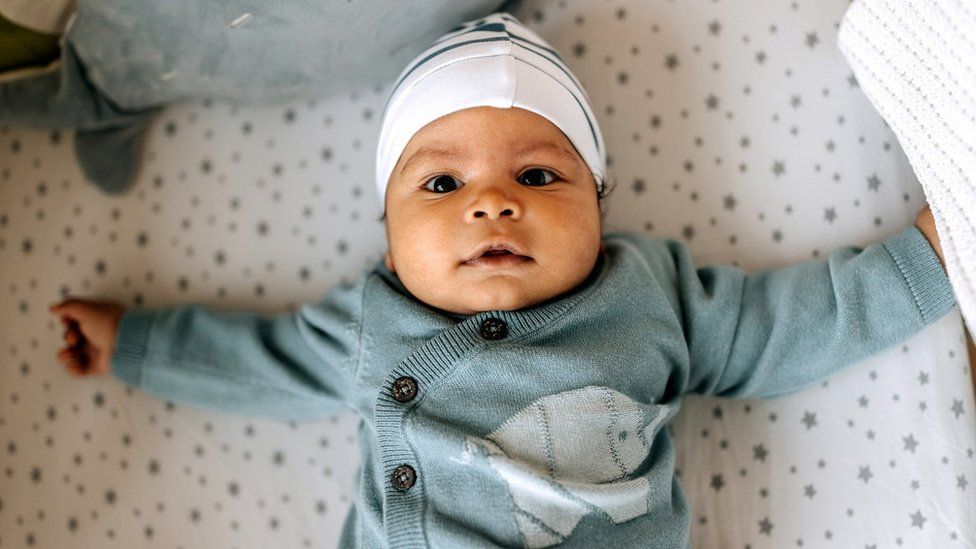
Published13 minutes agoShareclose panelShare pageCopy linkAbout sharingImage source, Getty ImagesBy James GallagherHealth and science correspondentA rapid test that can help preserve the hearing of newborn babies is set to be used by NHS hospitals. For some babies, commonly used antibiotics can become toxic. The drugs damage sensory cells inside the ear leading to permanent hearing loss. The test – which analyses babies’ DNA – can quickly spot those who are vulnerable.It means they can be given a different type of antibiotic and avoid having a lifetime of damaged hearing. Gentamicin is the first-choice antibiotic if a newborn develops a serious bacterial infection. It is life-saving and safe for the majority of people. However, it has a rare side effect. About 1,250 babies in England and Wales are born with a subtle change in their genetic code that allows the antibiotic to bind more strongly to the hair cells in their ears, where it becomes toxic.These tiny hairs help convert sounds into the electrical signals that are understood by the brain. If they are damaged, it results in hearing loss. The side effect is well known, but until now there was no test that could get the results fast enough. It would be dangerous to delay treatment, and alternative antibiotics are not used as they have their own side effects and because of concerns about antibiotic resistance.The new genedrive kit analyses a sample taken from inside the baby’s cheek. Tests at two neonatal intensive care units in Manchester and Liverpool showed it could spot who was susceptible to hearing loss in 26 minutes, and using it did not delay treatment.The National Institute for Health and Care Excellence (NICE) – which decides which drugs and technologies the NHS uses – has provisionally approved the test.Mark Chapman, interim director of medical technology at NICE, said: “Hearing loss has a substantial impact on the quality of the life of the baby and their family.”Having this test available to NHS staff can avoid the risk of hearing loss in babies with the variant who need treatment with antibiotics.”He also said the costs of treating hearing loss was “high”. Fitting a pair of cochlear implants – which use a microphone to convert sounds to an electrical signal – costs about £65,000. The NICE recommendations apply directly to England and Wales, but are often adopted more widely. The test will be made available as part of an early assessment to consider how well it works in a range of hospitals, and to see what impact it has on antibiotic use, before it gets final approval.Susan Daniels, chief executive of the National Deaf Children’s Society, said: “It’s very encouraging that more evidence will be gathered on this important development. “I hope this additional evidence will support the argument for the rollout of technology which could play a pivotal role in preventing deafness in a small number of babies in the future.”Follow James on TwitterMore on this storyMatching drugs to DNA is ‘new era of medicine’29 March 2022

Read more →

Unlocking the secrets to Strep A virulence

Griffith University researchers have unlocked one of the secrets as to why some forms of Strep A are associated with severe invasive infection.
Invasive Strep A diseases are responsible for more than 163,000 deaths each year globally and a recent increase in cases of invasive Strep A disease has been observed in Victoria, New South Wales and internationally.
For the past 10 years, Institute for Glycomics Associate Professor Manisha Pandey and Professor Michael Good have been researching the pathways in which Strep A can spread through the body.
“The findings from this study will have far-reaching implications as Strep A is responsible for a significant number of invasive and non-invasive infections which cause significant morbidity and mortality globally,” Associate Professor Pandey said.
“The reason for this is that invasive organisms express significantly more of the toxin, streptolysin O (SLO), which was the main focus of this study.
“SLO exerts potent cell and tissue destructive activity and promotes Strep A resistance to clearance by white cells in the body which is the critical first element of host defence against invasive Strep A infection.”
Professor Good said: “We found SLO alters interactions with host cell populations and increases Strep A viability at sites in the body such as the blood and spleen, and that its absence results in significantly less virulence.”

“Essentially, the less SLO present, the less severe the case of Strep A.”
SLO is secreted by nearly all Strep A isolates, but those that secrete the most SLO are the most virulent.
This work underscores the importance of SLO in Strep A virulence while highlighting the complex nature of Strep A pathogenesis.
This improved insight into host-pathogen interactions will enable a better understanding of host immune evasion mechanisms and inform streptococcal vaccine development programs.
Dr Pandey said a key finding was the presence of SLO in invasive organisms did not impair the ability of the Strep A vaccine candidate developed by Griffith University’s Institute for Glycomics and which is now in a clinical trial.
The Strep A virulence study was part of a PhD project undertaken by Dr Emma Langshaw.

Read more →

N.I.H. Leader Rebuts Covid Lab Leak Theory at House Hearing

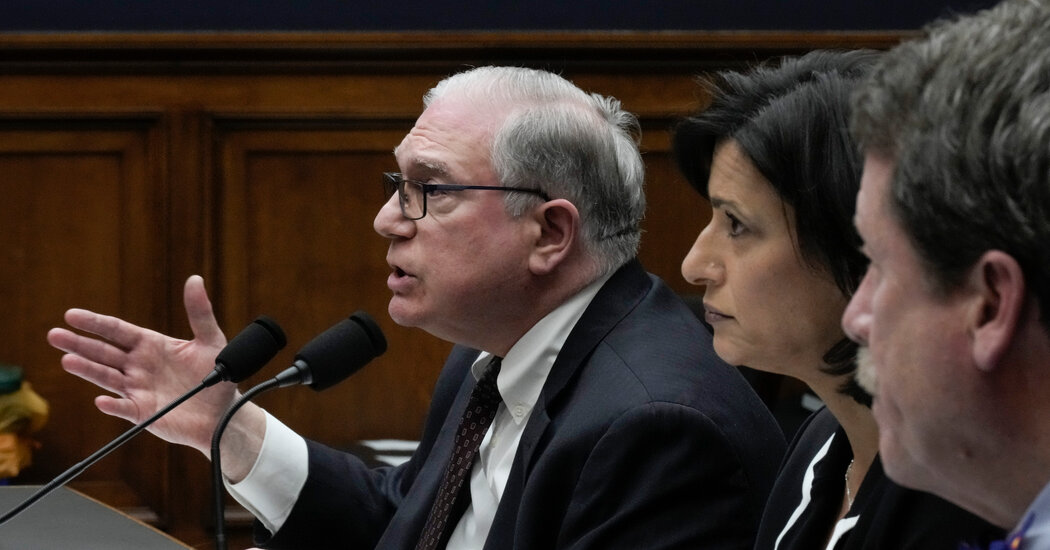
Now in the majority, House Republicans are eager to scrutinize the Biden administration’s Covid policies and the origins of the virus, as a hearing on Wednesday demonstrated.WASHINGTON — The acting director of the National Institutes of Health pushed back on Wednesday against Republicans’ assertions that a lab leak stemming from taxpayer-funded research may have caused the coronavirus pandemic, telling lawmakers that viruses being studied at a laboratory in Wuhan, China, bore no resemblance to the one that set off the worst public health crisis in a century.Those viruses “bear no relationship to SARS-CoV-2; they are genetically distinct,” the N.I.H. official, Dr. Lawrence A. Tabak, told a House panel, using the formal name for the virus. He added that to suggest otherwise would be akin to “saying that a human is equivalent to a cow.”Dr. Tabak’s comments came at a hearing before members of the House Energy and Commerce Committee, with the House newly under Republican control. For two years, Republicans in Washington seethed as Democrats investigated the Trump administration’s coronavirus response. On Wednesday, they flipped the script.During a public grilling that lasted nearly four hours, Republicans accused Dr. Tabak and two other top Biden administration officials — Dr. Robert M. Califf, the commissioner of the Food and Drug Administration, and Dr. Rochelle P. Walensky, the director of the Centers for Disease Control and Prevention — of stonewalling their requests for information, imposing unnecessary vaccine mandates and eroding Americans’ faith in public health institutions.“President Biden’s public health leaders are here today because they have broken the American people’s trust,” Representative Cathy McMorris Rodgers, Republican of Washington and the committee’s chairwoman, declared at the outset of the session.A Divided CongressThe 118th Congress is underway, with Republicans controlling the House and Democrats holding the Senate.Performative Patriotism: A 43-minute recitation of the Constitution by House Republicans was the latest in a series of acts of public patriotism, ranging from the sincere to the performative.Reviving an Old Debate: The House Republican majority is pursuing limits on how long members of Congress can serve. Similar proposals in the 1990s went nowhere; will the result be the same this time?Avoiding a Train Wreck: For the first time, the leaders of the House and Senate Appropriations Committees and the White House budget official are all women. Can they avert a fiscal disaster?Ilhan Omar: House Republicans voted to oust the Minnesota Democrat from the Foreign Affairs Committee over past comments about Israel, delivering retribution for the removal of G.O.P. members when Democrats held the majority.It was only a hint of things to come. Republicans have made clear that they intend to tap into Americans’ frustration with masking, mandates and other coronavirus restrictions to wage a broad assault on Mr. Biden and his administration. The House’s Select Subcommittee on the Coronavirus Pandemic expects to hold its own hearings beginning in March.Beyond hearings, Republicans are passing mostly symbolic measures to signal their discontent with Mr. Biden’s Covid policies. On Wednesday, the House passed, by a vote of 227 to 201, a bill that would end the C.D.C.’s requirement that most foreign air travelers entering the United States show proof of vaccination against Covid-19.Last week, Republicans pushed through legislation that would repeal the vaccine mandate for health care workers and end the public health emergency for Covid; shortly before those votes, the White House said it planned to allow the emergency to expire in May.Wednesday’s hearing laid bare the vast gulf in the way Democrats and Republicans perceive the risk posed by the virus, and the federal response. That gulf is particularly pronounced in the debate over the so-called “lab leak theory,” which is deeply intertwined with Republican suspicions that N.I.H.-funded research in Wuhan may have led to a laboratory leak that caused the pandemic. There is no direct evidence linking the Wuhan laboratory to the start of the pandemic.The suspicions revolve around $8 million in grants to EcoHealth Alliance, a nonprofit that was collaborating on coronavirus research with scientists at the Wuhan Institute of Virology, in the city where the pandemic began.Late last month, an internal federal watchdog agency found that the N.I.H. had made significant errors in its oversight of those grants. In a 64-page report, the Office of Inspector General at the federal Department of Health and Human Services outlined missed deadlines, confusing protocols and misspent funds — raising and reinforcing concerns about the government’s system for monitoring research on potentially risky pathogens.The Wuhan studies looked at how animal coronaviruses, especially bat coronaviruses, evolve naturally in the environment and have the potential to become transmissible to the human population. N.I.H. officials have long maintained that the viruses studied in Wuhan “could not have possibly been the source of SARS-CoV-2 or the Covid-19 pandemic,” as an agency website puts it — the sentiment Dr. Tabak reiterated on Wednesday.But Representative Morgan Griffith, Republican of Virginia, who leads one of the two subcommittees that convened Wednesday’s hearing, was not persuaded by Dr. Tabak.While he conceded that he did not have absolute proof that a lab leak caused the pandemic, Mr. Griffith said that, as a lawyer, he did not feel the need to eliminate “all doubts.” Rather, he said, he is convinced beyond “a reasonable doubt,” in part because China has withheld information from the United States and in part because of the irregularities uncovered by the inspector general.“What he has is a lack of evidence,” Mr. Griffith said of Dr. Tabak. “He does not have evidence that they didn’t study the coronavirus that became Covid-19.”Representative Diana DeGette, Democrat of Colorado and a longtime member of the committee, has come to the opposite conclusion with the same set of facts. After reviewing reports and attending a classified briefing, she said, she agrees with scientists who say the pandemic was most likely caused by “viral spillover” — the virus jumping from animals to humans — at a wet market in Wuhan.“I have looked at all the evidence, all of the reports,” she said. “And I haven’t seen definitive evidence that the virus came from a Wuhan lab.”Several Republicans on the committee who are medical professionals — both doctors and pharmacists — expressed deep frustration with federal officials, including the C.D.C., over vaccine mandates and messages about masking and vaccines to the public.“As a public health director, what I conveyed to my staff was that our credibility was the most important thing that we have in public health,” said Representative Mariannette Miller-Meeks, an ophthalmologist and former director of the Iowa Department of Public Health. She added, “It’s demoralizing, and it is depressing that agencies that were once held in such high esteem cannot translate and transfer research and evidence and respond to real-world evidence when they come up with strategies and policies.”The hearing brought a moment of satisfaction to one Republican in particular: Representative Greg Pence of Indiana, the brother of former Vice President Mike Pence, who oversaw the Trump administration’s Covid-19 response. The congressman took what he called a “shameless point of personal privilege” to thank his brother for his “humble leadership,” his wisdom and his “clear and transparent communications to the American public.”

Read more →

Why the Odds Are Stacked Against a Promising New Covid Drug

A new drug quashes all coronavirus variants. But regulatory hurdles and a lack of funding make it unlikely to reach the U.S. market anytime soon.Over the past year, America’s arsenal of Covid treatments has shrunk as new variants of the coronavirus have eroded the potency of drug after drug. Many patients are now left with a single option, Paxlovid. While highly effective, it poses problems for many people who need it because of dangerous interactions with other medications.But a new class of variant-proof treatments could help restock the country’s armory. Scientists on Wednesday reported in The New England Journal of Medicine that a single injection of a so-called interferon drug slashed by half a Covid patient’s odds of being hospitalized.The results, demonstrated in a clinical trial of nearly 2,000 patients, rivaled those achieved by Paxlovid. And the interferon shots hold even bigger promise, scientists said. By fortifying the body’s own mechanisms for quashing an invading virus, they can potentially help defend against not only Covid, but also the flu and other viruses with the potential to kindle future pandemics.“It doesn’t matter if the next pandemic is a coronavirus, an influenza virus, or another respiratory virus,” said Eleanor Fish, an immunologist at the University of Toronto who was not involved in the new study. “For all the viruses we’re seeing that are circulating now, there’s utility to using interferon.”For all of its promise, though, the drug — called pegylated interferon lambda — faces an uncertain road to the commercial market. Regulators at the Food and Drug Administration late last year told the drug’s maker, Eiger Biopharmaceuticals, that they were not prepared to authorize it for emergency use. Eiger executives said part of the problem seemed to be that the clinical trial did not include an American site, but rather only sites in Brazil and Canada, and that it was initiated and run by academic researchers, rather than the company itself.The regulators suggested that only a large clinical trial conducted at least in part in the United States and with more involvement from the company would suffice, Eiger executives said, a scenario that would require several years and considerably more funding. An F.D.A. spokeswoman said disclosure laws prevented the agency from commenting.Those barriers are indicative of problems that some experts worry are threatening the development of a wide range of next-generation Covid treatments and vaccines — products that may help address the ongoing toll from Covid and also give scientists a head start in preparing for the next pandemic.More on the Coronavirus PandemicCovid Vaccine Mandate: New York City will end its aggressive but contentious coronavirus vaccine mandate for municipal workers, Mayor Eric Adams announced, signaling a key moment in the city’s long battle against the pandemic.End of an Era: The Biden administration plans to let the coronavirus public health emergency expire in May, a sign that federal officials believe the pandemic has moved into a new, less dire phase.Canceled Doses: As global demand for Covid-19 vaccines dries up, the program responsible for vaccinating the world’s poor has been negotiating to try to get out of its deals with pharmaceutical companies for shots it no longer needs.Mask Rules: Many countries dropped pandemic mask requirements months ago. But in places like South Korea, which only recently got rid of its rule, masks remain common. This is why.As it stands, Eiger executives said that they might seek authorization for the interferon shot outside of the United States. China, for example, has been looking for new treatment options.Some scientists involved in the research expressed frustration that doctors could not already prescribe the shots. Despite vaccines and previous infections helping to contain the damage from the virus, Covid is still killing roughly 450 Americans daily.“I think it is a crazy situation that we’re still here now, three years into the pandemic, and I have one drug that I can prescribe with confidence to people who are getting infected,” said Dr. Jeffrey Glenn, a virologist and director of a pandemic preparedness initiative at Stanford University, who helped lead the study of the interferon shot. “We need more options.”Dr. Glenn founded Eiger, holds shares in Eiger and sits on its board of directors, but no longer works for the company.A participant in the interferon drug trial took a Covid test in Montes Claros, Brazil.CardResearch, Belo Horizonte, BrazilInterferons are a group of proteins that alert neighboring cells to fortify themselves in the hours after a virus invades. The coronavirus, like other viruses, is good at defusing the body’s natural interferon response. A drug that delivered extra interferons, researchers believed, could potentially help patients outmaneuver the virus.In targeting patients’ immune responses, rather than the virus itself, those treatments potentially offered another advantage over existing treatments, reducing the chance that a variant would evolve that could resist the drug, said Vineet Menachery, an immunologist at the University of Texas Medical Branch.A number of monoclonal antibodies have fallen out of use because they stopped working against new variants. Paxlovid has remained effective because it is much more difficult for the virus to get around, but new variants could one day render it less useful, too.“I don’t know of any virus that can navigate a cell where interferon got there first,” said Benjamin tenOever, a microbiologist at N.Y.U. Grossman School of Medicine.Harnessing those capabilities in a drug, though, is not easy. Interferons can trigger wide-ranging side effects, including inflammation, a risk in Covid cases because some patients have an overactive immune response.“You basically tell your body you’re being highly infected by a virus, and to fight, fight, fight at all costs,” said Juliet Morrison, a microbiologist at the University of California, Riverside.Previous studies had tested interferon treatments only on patients who were already sick and in the hospital. That meant that the drugs were often administered too late, leading to mixed or disappointing results.The scientists behind the Eiger drug envisioned a clever workaround.With hepatitis treatments in mind, they had previously acquired a drug based on lambda interferons, a lesser-known type of interferon whose receptors are largely restricted to specific areas, like the respiratory tract. That happened to be precisely where the coronavirus was replicating. And it meant that the side effects would theoretically be less intense than those from the more commonly used class of interferons, whose receptors are throughout the body.Those hopes were borne out in the latest trial. After administering the shot to about 900 patients and giving another 1,000 patients a placebo, the researchers found no appreciable difference in the incidence of side effects, they said.Vaccination kept the vast majority of patients in both groups safe from hospitalization or a prolonged emergency department visit. But treating patients with interferon within a week after they noticed symptoms halved their chances of being hospitalized: Twenty-five people given the shot were hospitalized, compared with 57 who had not been treated.The effects were even more pronounced when the drug was given within three days of symptoms developing, and when it was given to unvaccinated people. Most of the patients in the study were at relatively high risk from Covid — either because they were 50 or older, or because they had an underlying condition or a weakened immune system.And the drug appeared to work across variants, showing even more potency when Omicron was dominant, the study found.“Despite the pandemic being less of an emergency than it was at its peak, we’re still seeing people coming into the hospital and getting very sick with Covid,” said Dr. Jordan Feld, a specialist in viral hepatitis at the University of Toronto, who is a co-author of the study and has received funding from Eiger. “Having treatment options to try to prevent that from happening would be really helpful.”Some researchers said they envisioned testing interferon drugs in people who were seeking treatment for a range of respiratory viruses, including the flu and R.S.V., or respiratory syncytial virus, which put considerable pressure on hospitals this winter. Doctors could even treat patients before they knew which virus was causing them problems.Some studies have also suggested that the same class of drugs, if used quickly enough, could prevent people exposed to the virus from getting infected in the first place.“I suspect the greatest utility of all these interferons will be in prophylactic treatment,” said Dr. Fish of the University of Toronto, “especially in outbreak settings for high-risk individuals to protect them from infection.”

Read more →