To promote exercise, planners must look beyond cities

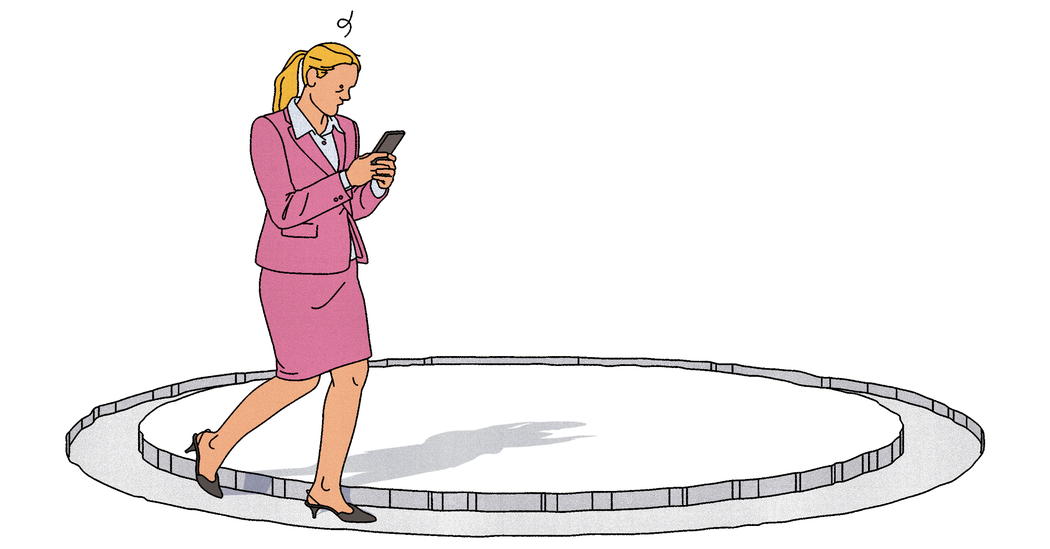
To encourage more active lifestyles, public health agencies recommend mixed-use neighborhoods and “complete” streets that are friendlier to walkers and bikers, but new Cornell University research finds that while those strategies increase physical activity, an urban bias limits their applicability in many parts of the country.
Planners in suburban and rural communities should focus more on promoting recreational programs, expanding transportation options and creating safer environments to help an aging population get more exercise, according to the researchers’ analysis of more than 1,300 U.S. counties and cities.
“These are things we can think about doing in any community,” said Mildred Warner, professor of global development and of city and regional planning. “If your community is investing in recreation and social activity, they’re more likely to address obesity and other problems linked to physical inactivity.”
Warner and Xue Zhang, a postdoctoral scholar at Syracuse University, are co-authors of “Linking Urban Planning, Community Environment and Physical Activity: A Socio-ecological Approach,” published in the International Journal of Environmental Research and Public Health.
The scholars’ recommendations emerged from models they developed to identify the most important factors — individual, community and policy — influencing physical activity.
Demographic factors mattered most, the models showed. For example, communities with higher minority populations exercised less, likely due to lower incomes and longer commutes, Zhang said. Rural communities, whose populations on average are older and less affluent, similarly report less physical activity.
To better support rural and under-resourced communities, the researchers said, planners should work to broaden transportation options and promote recreation services, emphasizing the importance of collaboration across public health, planning, transportation and parks and recreation agencies. They should also give more attention to concerns about traffic safety and crime, in addition to policies promoting complete streets or mixed-use neighborhoods.
“Our models show safety is as important as transportation and more important than the built environment,” the scholars wrote.
Examples of planning and policy changes that Warner and Zhang have explored in related research could include lowering the speed limit on rural roads to make them safer for walking or biking. Partnerships enabling schools, libraries and fire departments to share facilities for recreation programs, transportation or food distribution could also help overcome limitations in the built environment.
The COVID-19 pandemic, Warner said, demonstrated many local governments’ ability to pivot overnight to alternative ways of doing business, and that spirit of collaboration and creativity will be needed as the U.S. population grays.
“As more of us get older, we’ve got to start designing our communities for everybody,” Warner said. “We can’t just have urban-based recommendations; we also need to think about what you would do in other places.”
The research was supported by a grant from U.S. Department of Agriculture’s National Institute of Food and Agriculture.

Read more →

You’re an Anxious Person and Want to Quit Your Job. Here’s What to Do.

Leaving a job can create worry in anyone, but especially in people who are prone to anxiety. Preparation and knowing you’re not alone can help.Calling It Quits is a series about the current culture of quitting.As a person with generalized anxiety disorder, or GAD, I’m familiar with anxiety attacks. But they really kicked into overdrive after I gave notice at my job in 2016. I cried, a lot. A flittering nervous energy was planted in my body and would not budge. A chorus of unhelpful thoughts — What did you do? Why did you do it? — became a soundtrack in my brain. It was loud and on repeat.“Uncertainty is like gasoline on anxiety,” said Craig Sawchuk, co-chair for clinical practice at the department of psychiatry and psychology at the Mayo Clinic. I know this from experience: Major life changes have always catalyzed my worry and kick-started high-octane rumination.In 2021, when quitting numbers surged and Americans saw the highest quitting rates since the 1970s, according to the Department of Labor, I was envious but also perplexed. Joyfully abandoning stability in favor of winging it? I couldn’t imagine choosing uncertainty. I couldn’t imagine converting my life into an amorphous blob of time instead of neatly parceled segments of work hours.Anxiety can be constructiveAlmost nobody quits or considers quitting without worrying at least a little. There are concerns about putting food on the table, health insurance and child care, to name a few. But for clinically nervous people, the idea of quitting a job, even a bad one, could open up a can of worms.The latest edition of the Diagnostic and Statistical Manual of Mental Disorders, or DSM-V, lists multiple disorders under the umbrella of anxiety. They include GAD — “excessive anxiety and worry (apprehensive expectation), occurring more days than not for at least 6 months” — as well as phobias and panic disorder, which can overlap but are not synonymous, said Jennifer Villatte, a clinical psychologist and chief of the Adult Psychosocial Interventions Research Program at the National Institute of Mental Health.Illustration of a figure blowing into paper bag with a bead of sweat moving down their cheeks and their face turning a rosey color.Álvaro BernisDavid Rosmarin, an associate professor of psychology at Harvard Medical School and founder of the Center for Anxiety, said that when people have been in a job for a while, even one they dislike, the structure and repetition can be a calming force: “You know that the commute is 49 minutes and you have to go to that train station, which you don’t like going to. You know that your boss is a jerk. But when you leave, the reason specifically anxiety comes up is because you’re facing uncertainty.” Despite how it can feel, anxiety is not necessarily a sign of a bad decision. It might mean the opposite, said Dr. Rosmarin, whose book “Thriving With Anxiety” is publishing in the fall: “The crazy thing is that when people feel a spike in anxiety, often but not always, if it’s in the context of a life change, that’s actually an indication that they’re on the right track.”So what if you want to quit but feel stuck?The ability to weigh different outcomes without actual trial and error is what makes us uniquely human, Dr. Villatte said. The problems start when we can’t come to a decision and the consideration phase turns to worry. Once someone is stuck in a worry loop, she added, it usually causes them to do one of two things: respond impulsively or be stuck completely.“When that sympathetic nervous system is active, you stop digesting food,” Dr. Villate offered as an example. “You have to be digesting food, otherwise you’re not going to survive very long. But stress is so effective that it actually can shut down these essential functions.”This can also happen to anxious people who suspect it’s time to quit. Dr. Sawchuk said the key is to gently approach whatever it is that’s creating the discomfort, by doing “the opposite of what the anxiety is telling you to do.” He added, “If it’s saying ‘avoid, avoid, avoid,’ we’ve got to figure out ways to gradually approach.”Dr. Franklin Schneier, co-director of the Anxiety Disorders Clinic at the New York State Psychiatric Institute, said that to find a middle ground between impulsivity and immobility, it’s important to differentiate between “what’s unhelpful worry and what is useful problem-solving.” He explained: “Some people get caught up in anxious ruminations, repeated kinds of things; sometimes they believe that that’s actually helpful problem-solving when it may just be spinning their wheels.” Instead, he recommended that “if you find yourself with negative thoughts about the situation, think about it as constructive: ‘What do I actually need? What could be helpful to me to manage the thing that I fear?’”As Dr. Villatte noted, it’s the vacillation without a decision that’s the real anxiety maker. Deciding either way — to stay or go — will at least break that worry loop. If it turns out you regret your decision, you can always make a change.Perhaps the most important thing to remember for anyone in the throes of a prolonged period of worry or fixation, even if it’s cold comfort in the moment, is that it may feel bad, but it is not permanent, lethal or rare.Álvaro BernisBe prepared, realistic and kind to yourselfDr. Schneier says preparation is key if you’re headed into the uncharted territory of joblessness. “Prepare to expect anxiety and to accept it,” he said. “You need to create your own structure and routine, a place where you’re going to do things, the time frame of what you’re going to do when, maybe have accountability to share your plans with somebody you trust.”He also stressed the importance of being realistic and suggested setting small goals that you have control over, like spending three hours preparing your résumé as opposed to telling yourself that you’ll get a new job by next week. The second goal, Dr. Schneier said, is a “recipe for anxiety because that’s a goal you don’t have direct control over.” He also recommends exercise, meditation and relaxation as first steps, and therapy and medication if your anxiety becomes too much to bear.Most important, Dr. Rosmarin said, is not to catastrophize or judge yourself. “That’s usually where people start to get into trouble,” he added. “It’s when they feel nervous, afraid, stressed, and then they get upset about the fact that they feel stressed — meta-meta worried.” Instead, he suggests, go easy: “Notice that you’re feeling anxious; don’t just pretend nothing’s happening. Acknowledge it.”You’re not alone, especially right nowThe pandemic actually prepared us — or at least gave us a preview — of what post-quitting anxiety might feel like. According to the Substance Abuse and Mental Health Services Administration: “Rates of depression and anxiety were rising before the pandemic, but the grief, trauma and physical and social isolation that many people experienced during the pandemic exacerbated these issues.” Which is to say, there is a community out there of like-minded people, perhaps now more so than before. “We know for sure that there are people who had never met criteria for generalized anxiety disorder” before the pandemic, who now do, Dr. Villatte said.For better or worse, Covid ripped off that Band-Aid for us. “Do we wish a pandemic on the world? Of course not,” Dr. Sawchuk said. But there have been silver linings. The pandemic proved that many of us could acclimate quickly during a chaotic time, including those of us who are averse to chaos. The emergence of video calls and flexible schedules changed the traditional workweek in ways that have been beneficial for some people who are prone to anxiety.When I quit a different job in 2022, one I had been recruited for and had been doing for only three months, I did not have anxiety attack‌s. What changed? For one thing, I’d been down this road before, and familiar roads are less intimidating than new ones. I was a full-time freelancer before taking the job, so a return to gig life — something that had once scared me — also seemed fine. And in 2022, I was, like everyone else, exhausted; the idea of setting my own schedule and being able to take midday naps was appealing, not incapacitating.In addition, I had sold a book in 2021, and quitting meant I actually had time to write it. I had friends to see, money in the bank and antidepressants in my bloodstream. ‌And quitting did not lead to a major disruption in my routine because my full-time job had been remote, and now that I had quit I was … still remote.Once I decided to quit, I acted, with no endless vacillation. I was making a very big change in my life by quitting, but all things considered, it didn’t feel quite so big.

Read more →

How to Find More Joy in Your Day, According to Author Katherine May

Katherine May, the best-selling author, has one simple question to help you get started.It all started with a Post-it note.“Go for a walk,” it said, the no-nonsense command perched in a prominent spot above Katherine May’s desk.Ms. May, a British author who wrote the best-selling memoir “Wintering” about a fallow and difficult period of her life, had come across more hard times during the height of the pandemic. She was bored, restless, burned out. Her usual ritual — walking — had fallen away, along with other activities that used to bring her pleasure: collecting pebbles, swimming in the sea, savoring a book.“There was nothing that made the world feel interesting to me,” Ms. May said in a recent interview with The New York Times. “I felt like my head was kind of full and empty at the same time.”In Ms. May’s latest book, “Enchantment,” she describes how a simple series of actions, like writing that note, helped her to discover little things that filled her with wonder and awe — and, in turn, made her feel alive again.“You have to keep pursuing it until you get that tingle that tells you that you’ve found something that’s magical to you,” Ms. May said. “It’s trial and error, isn’t it?”We asked Ms. May for tips on how you can do the same.Commit to noticing the world around you“We have to find the humility to be open to experience every single day and to allow ourselves to learn something,” Ms. May wrote in “Enchantment.”This, she acknowledges, “is easier said than done.”“Let yourself go past those thoughts that tell you it’s silly or pointless or a waste of time, or you’re far too busy to possibly do this,” Ms. May said during the interview. “Instead give yourself permission to want that in the first place — to crave that contact with the sacred, and that feeling of being able to commune with something that’s bigger than you are.”Entering a state of wonder is akin to using a muscle, Ms. May said. Put yourself in that mind-set more often and it gradually becomes easier.First, you must “give in to the fascination” that you feel in everyday moments. For example, Ms. May gets “really excited” when she sees light dance across the surface of her coffee.Don’t force it, though. The key, she said, is to keep looking for the things that make you marvel — and have faith that you will encounter them.What you find pleasurable might be quite simple: Ms. May has often felt awe when examining a small bug in her garden.“We’ve told ourselves that everything needs to be so big,” she said. “Actually, we can just breathe out and live quite small lives.”Ask yourself one simple questionInstead of thinking about what you find enchanting, which may feel too difficult to answer, Ms. May suggests asking yourself a different question: What soothes you?It might be going on a walk. Or visiting an art museum. Maybe you enjoy watching the shifting clouds.Whatever it is, find a way to do it. Every morning, Ms. May goes outside and smells the air “like a dog,” she said with a laugh. She notices the color of the sky and the way her skin feels against the cool air.For some people, that soothing moment might be found in a place of worship, or while staring at the moon.“The moon is so beautiful, and when you look at the moon you can’t help but notice the stars and the planets that are out in the night sky,” said Ms. May, who observes the phase of the moon regularly. “It’s just a lovely, lovely thing to do. Every day. And it’s so easy.”Contemplate and reflect in your own wayIf you want to spend more time in personal reflection but you are concerned about doing it the “right” way, set aside that concern.When Ms. May was learning to meditate, for instance, she aimed to do so twice a day for 20 minutes, but not before or after sleep, and never after a meal. Then she became a mother and finding the time to meditate became more difficult.“You come to a point in your life when you think, ‘This is just simply impossible,’” she said. “For a long time I thought, ‘I’ve failed. Obviously I should be able to do this.’”Eventually, she had a realization: The problem wasn’t that she hadn’t tried hard enough, it was that those rules weren’t made for her. They had been created by someone who had never walked in her shoes.Now she meditates in a different way. Sometimes she does it for five minutes in the middle of the night, or while walking through the woods.“For me, it’s never been about clearing my mind,” Ms. May said. “It’s about undertaking the kind of slower work of processing all of those things that are itching at the back of your brain.”Do it because it feels goodPeople tend to think that seeking pleasure for pleasure’s sake is somehow naïve, Ms. May said. In other words, we are more likely to assign worth to things that are considered practical and efficient.But you don’t need a set of data or another compelling reason to do something that brings you joy.For example, one of Ms. May’s hobbies is cold water swimming. She doesn’t do it to burn calories. Rather, it’s for “the sheer pleasure of being in that incredible space,” she said, not to mention “how sensual it is, and the amazing happy hormones it releases.”And although Ms. May initially took a beekeeping class to learn how to make honey at home, this goal became less urgent when she became filled with awe as a student.“I could still, technically, do that, but I realise now that this is never what I really wanted,” Ms. May wrote in “Enchantment.”The enjoyment of it all — the connection with her teachers and classmates, the sensory delights — surpassed any practical ambitions.“I want to take it slowly, to absorb my lessons through the skin and the ears, to sometimes get stung,” she wrote of the experience. And she described the wonder she found in the class: “They are so loud when they all sing together, and with the smell of honey and propolis, the smoke, the way the whole box vibrates under your hands, it is quite absolute, this interaction of human and bee.”

Read more →

Lab Leak Most Likely Caused Pandemic, Energy Dept. Says

The conclusion, which was made with “low confidence,” came as America’s intelligence agencies remained divided over the origins of the coronavirus.WASHINGTON — New intelligence has prompted the Energy Department to conclude that an accidental laboratory leak in China most likely caused the coronavirus pandemic, though U.S. spy agencies remain divided over the origins of the virus, American officials said on Sunday.The conclusion was a change from the department’s earlier position that it was undecided on how the virus emerged.Some officials briefed on the intelligence said that it was relatively weak and that the Energy Department’s conclusion was made with “low confidence,” suggesting its level of certainty was not high. While the department shared the information with other agencies, none of them changed their conclusions, officials said.Officials would not disclose what the intelligence was. But many of the Energy Department’s insights come from its network of national laboratories, some of which conduct biological research, rather than more traditional forms of intelligence like spy networks or communications intercepts.Intelligence officials believe the scrutiny of the pandemic’s beginnings could be important to improving global response to future health crises, though they caution that finding an answer about the source of the virus may be difficult or even impossible given Chinese opposition to further research. Scientists say there is a responsibility to explain how a pandemic that has killed almost seven million people started, and learning more about its origins could help researchers understand what poses the biggest threats of future outbreaks.The new intelligence and the shift in the department’s view was first reported by The Wall Street Journal on Sunday.Jake Sullivan, the national security adviser, declined to confirm the intelligence. But he said President Biden had ordered that the national labs be brought into the effort to determine the origins of the outbreak so that the government was using “every tool” it had.More on the Coronavirus PandemicLeaving Millions on the Table: Stop-and-go federal funding floods public health agencies with cash during crises but starves them of funds afterward. In Mississippi, the pandemic showed the pitfalls of that approach.New Drug’s Long Odds: A promising new treatment quashes all Covid variants, but regulatory hurdles and a lack of funding make it unlikely to reach the United States market anytime soon.Dangers Remain for Seniors: For older Americans, the Covid pandemic still poses significant threats. But they are increasingly left to protect themselves as the rest of the country abandons precautions.N.Y.C.’s Mandate: New York City will end its aggressive but contentious vaccine mandate for municipal workers, Mayor Eric Adams announced, signaling a key moment in the city’s long battle against the pandemic.In addition to the Energy Department, the F.B.I. has also concluded, with moderate confidence, that the virus first emerged accidentally from the Wuhan Institute of Virology, a Chinese lab that worked on coronaviruses. Four other intelligence agencies and the National Intelligence Council have concluded, with low confidence, that the virus most likely emerged through natural transmission, the director of national intelligence’s office announced in October 2021.Mr. Sullivan said those divisions remain.“There is a variety of views in the intelligence community,” he said on CNN’s “State of the Union” on Sunday. “Some elements of the intelligence community have reached conclusions on one side, some on the other. A number of them have said they just don’t have enough information to be sure.”Mr. Sullivan said if more information was learned, the administration would report it to Congress and the public. “But right now, there is not a definitive answer that has emerged from the intelligence community on this question,” he said.Some scientists believe that the current evidence, including virus genes, points to a large food and live animal market in Wuhan as the most likely place the coronavirus emerged..css-1v2n82w{max-width:600px;width:calc(100% – 40px);margin-top:20px;margin-bottom:25px;height:auto;margin-left:auto;margin-right:auto;font-family:nyt-franklin;color:var(–color-content-secondary,#363636);}@media only screen and (max-width:480px){.css-1v2n82w{margin-left:20px;margin-right:20px;}}@media only screen and (min-width:1024px){.css-1v2n82w{width:600px;}}.css-161d8zr{width:40px;margin-bottom:18px;text-align:left;margin-left:0;color:var(–color-content-primary,#121212);border:1px solid var(–color-content-primary,#121212);}@media only screen and (max-width:480px){.css-161d8zr{width:30px;margin-bottom:15px;}}.css-tjtq43{line-height:25px;}@media only screen and (max-width:480px){.css-tjtq43{line-height:24px;}}.css-x1k33h{font-family:nyt-cheltenham;font-size:19px;font-weight:700;line-height:25px;}.css-1hvpcve{font-size:17px;font-weight:300;line-height:25px;}.css-1hvpcve em{font-style:italic;}.css-1hvpcve strong{font-weight:bold;}.css-1hvpcve a{font-weight:500;color:var(–color-content-secondary,#363636);}.css-1c013uz{margin-top:18px;margin-bottom:22px;}@media only screen and (max-width:480px){.css-1c013uz{font-size:14px;margin-top:15px;margin-bottom:20px;}}.css-1c013uz a{color:var(–color-signal-editorial,#326891);-webkit-text-decoration:underline;text-decoration:underline;font-weight:500;font-size:16px;}@media only screen and (max-width:480px){.css-1c013uz a{font-size:13px;}}.css-1c013uz a:hover{-webkit-text-decoration:none;text-decoration:none;}How Times reporters cover politics. We rely on our journalists to be independent observers. So while Times staff members may vote, they are not allowed to endorse or campaign for candidates or political causes. This includes participating in marches or rallies in support of a movement or giving money to, or raising money for, any political candidate or election cause.Learn more about our process.Leaders of the intelligence community are set to brief Congress on March 8 and 9 as part of annual hearings on global threats. Avril D. Haines, the director of national intelligence, and other senior officials would most likely be asked about the continuing inquiry into the virus’s origins.How the pandemic began has become a divisive line of intelligence reporting, and recent congressional reports have not been bipartisan.Many Democrats have not been persuaded by the lab leak hypothesis, with some saying they believe the natural causes explanation and others saying they are not certain that enough intelligence will emerge to draw a conclusion.But many Republicans on Capitol Hill have said they believe the virus could have come from one of China’s research labs in Wuhan. A congressional subcommittee, created when Republicans took over the House in January, has made examining the lab leak theory a central focus of its work. It is expected to convene the first of a series of hearings in March.“Evidence has been piling up for over a year in favor of the lab leak hypothesis,” said Representative Mike Gallagher, a Wisconsin Republican who sits on the House Intelligence Committee and leads a new House committee on China. “I am glad some of our agencies are starting to listen to common sense and change their assessment.”On Tuesday, Mr. Gallagher will hold the new committee’s first hearing, looking at the threat the Chinese Communist Party poses to the United States. Future hearings, Mr. Gallagher said, will look at biosecurity and China’s efforts to influence international organizations like the World Health Organization.“Where our committee can have a role is teasing out what this communicates about the DNA of the Chinese Communist Party, an organization that was willing to cover up the origins of the pandemic and thereby cost us critical days, months and weeks and millions of lives in the process,” Mr. Gallagher said in an interview on Sunday.Chinese officials have repeatedly called the lab leak hypothesis a lie that has no basis in science and is politically motivated.Early in the Biden administration, the president ordered the intelligence agencies to investigate the pandemic’s origins, after criticism of a W.H.O. report on the matter. While there was material that had not been thoroughly examined by intelligence officials, the review ultimately did not yield any new consensus inside the agencies.The March 2021 report by the W.H.O. said it was “extremely unlikely” that the virus emerged accidentally from a lab. But China appointed half the scientists who wrote the report and exerted major control over it. American officials have been largely dismissive of that work.The intelligence agencies have said they do not believe there is any evidence that the coronavirus that causes Covid-19 was created deliberately as a biological weapon. But they have said that whether it emerged naturally, perhaps from a market in Wuhan, or escaped accidentally from a lab is the subject of legitimate debate.Anthony Ruggiero, a scholar at the Foundation for Defense of Democracies and a former National Security Council staff member focusing on biodefense issues during the Trump administration, said he believed China is still “hiding crucial information” about how the virus emerged. He said the lab leak theory should not be dismissed.“The lab leak origin for the Covid-19 pandemic is not, and was not, a conspiracy theory,” he said.Benjamin Mueller

Read more →

Ward Stone, Wildlife Coroner Who Warned Against PCBs, Dies at 84

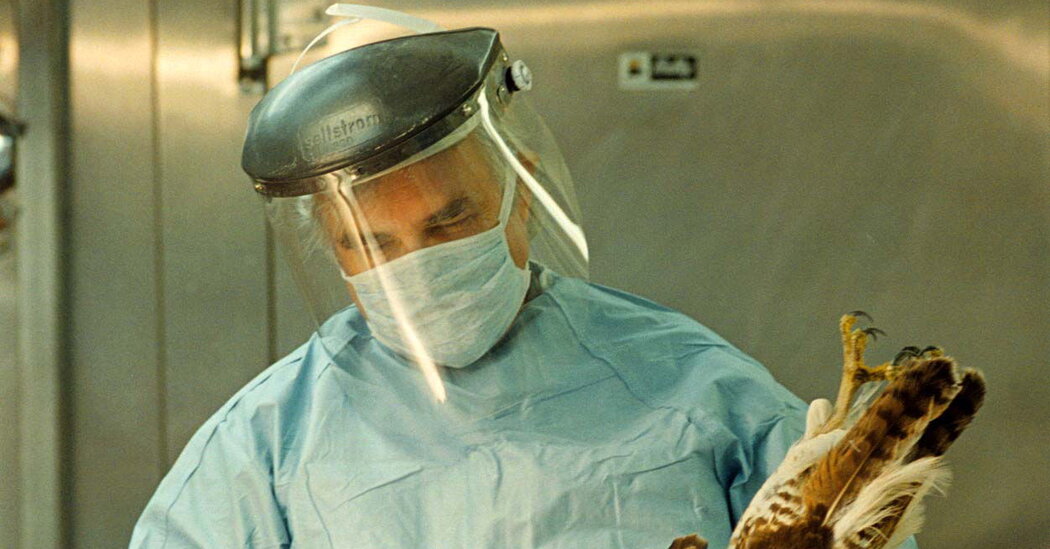
As New York State’s animal pathologist, he ventured far afield to investigate the impact of toxic chemicals on humans.Ward B. Stone, who as New York State’s maverick wildlife pathologist pleased environmentalists but angered his bosses and corporate polluters by going beyond his mandate to expose the dangers that PCBs and other toxic chemicals also posed to humans, died on Feb. 8 in Troy, N.Y. He was 84.The apparent cause was respiratory failure, his daughter Montana Stone said.During the nearly 42 years he was employed by the State Department of Environmental Conservation, Mr. Stone and his team performed thousands of necropsies on mammals ranging in size from mouse to moose, as well as on hawks, swans, deer, beavers and bears. The cause of death included accidents, illegal hunting, deliberate poisonings, and contamination by pesticides and other toxins.But in the course of his forensic investigations, and also on his own, he sampled soil, landfill, ash and other residue and was one of the pioneers — along with Gunnar Widmark and Soren Jensen of the University of Stockholm and the biologist Robert Riseborough of the University of California, Berkeley — in finding evidence that polychlorinated biphenyls, or PCBs, were ubiquitous in the environment.“In his position as state wildlife pathologist, Ward Stone shone a light on environmental threats long before others could notice them and gave a science-based voice to nature in times of crisis when few other state officials would listen,” Roger Downs, conservation director of the Sierra Club’s Atlantic chapter, said in a statement.“His methods were sometimes unconventional,” Mr. Downs added, “but he always chose to pursue environmental justice first before pointless bureaucracy, and the natural world is a better place because of his fearless advocacy.”Mr. Stone found PCBs at the base of utility poles and other sites; criticized fishermen for weighting their hooks with sinkers made of lead; and even discovered traces of the insecticide DDT on the grounds of one of his own department’s regional offices.Two decades ago, at the height of the West Nile virus epidemic, which Mr. Stone had helped identify, his laboratory was being inundated with an average of 300 wildlife corpses every day. A stainless steel refrigerated mobile chest designed for dead people was adapted for large turtles.Mr. Stone often ventured beyond his mandate as a pathologist and leaked his findings to the news media. This led some people to dismiss him as a brash, untutored interloper.He enjoyed his reputation as a renegade. “I have been called a loose cannon,” he once said, “but I always know exactly where I am firing.”But there were also other criticisms, which were substantiated in a report by the state inspector general.In 2012, two years after Mr. Stone retired, the inspector general, responding to years of complaints from state employees and disclosures in The Times-Union of Albany, concluded that he had “engaged in chronic misconduct with near impunity, including abuse of staff, misappropriation of state resources and insubordination.”The inquiry claimed that he had used the department’s Wildlife Resource Center in upstate Delmar as his residence; demoralized employees, who complained of verbal abuse and insufficient training in safety protocols; assigned them personal tasks, like caring for the chickens he kept as pets for his children; stored firearms at the center; and failed to submit records of the time he spent working for the state.While he collected tens of thousands of dollars in improper personal benefits during nearly four decades as a state employee, the inspector general’s report found, he was merely warned and not officially disciplined, because department executives overruled his direct supervisors “in part out of fear of negative reactions from his supporters and the news media.”Mr. Stone denied or downplayed most of the specific charges against him, although he did agree to make modest restitution. He said that he took early retirement because he had a family to support and the financial incentive was too tempting to refuse.“I hate to retire under fire,” he told The Times Union in 2010. “There’s still so much science to do.”Mr. Stone in 2007, with plastic bags containing items he found to contain high levels of lead. Stewart Cairns for The New York TimesWard Byron Stone Jr. was born on Sept. 28, 1938, in Hudson, N.Y., to Ward and Nellie (Smith) Stone.Raised in upstate Columbia County, he studied at the Spencertown Academy, a two-room schoolhouse, where he developed a passion for nature. He then attended the National Naval Medical School in Maryland and served in the Navy in Korea, the Philippines, Taiwan and Vietnam.At Syracuse University, he served on the varsity debate team and earned a Bachelor of Science degree in 1963 and then a master’s degree in animal pathology and parasitology. He joined the Department of Environmental Conservation in 1969.“While he loved pathology,” Montana Stone said of her father in a phone interview, “his love for life and living creatures was his true inspiration and motivation for continuing to rehabilitate wildlife of all types, and better understand diseases and toxins that inextricably affect humans, wildlife and the environment.”Mr. Stone and his partner, the ecologist Mary Bayham, who lived in Troy, had five children. She survives him; in addition to their daughter Montana, he is also survived by their children Johnathan, Jeremiah and Ethan Alan Stone; two stepchildren, Thomas and Emily Caraco; and a daughter, Denise Stone, from his marriage to Lorraine Cebula. Mr. Stone and Ms. Bayham’s daughter Therese Rose Stone died before him.“I’ve spent my life trying to do something about the terrible environmental destruction I saw, most of it done by industries with a lot of power,” Mr. Stone said in an interview with The Cobleskill Times-Journal in 2016. “I wasn’t popular, but I didn’t let that stop me.”

Read more →

Why Aren’t Doctors Screening Older Americans for Anxiety?

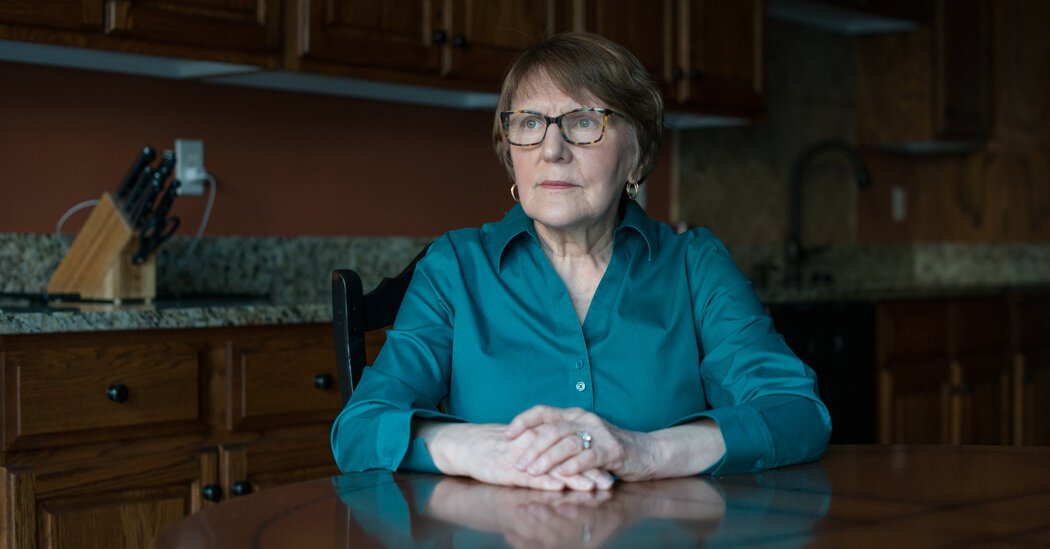
Anxiety disorders are common among seniors, but an influential panel seems likely to recommend against routine screening. Some experts disagree.Susan Tilton’s husband, Mike, was actually in good health. But after a friend’s husband developed terminal cancer, she began to worry that Mike would soon die, too.At night, “I’d lie down and start thinking about it,” recalled Ms. Tilton, 72, who lives in Clayton, Mo. “What would I do? What would I do?” The thought of life without her husband — they’d married at 17 and 18 — left her sleepless and dragging through the next day.“It was very hard to shut it off,” she said of her worrying. “How could I get along by myself? What would I do with the house?”Years earlier, Ms. Tilton had been seeing a therapist and taking medication for depression, but she ended therapy when her doctor retired. In late 2021, she consulted Dr. Eric Lenze, who heads the psychiatry department at the Washington University School of Medicine in St. Louis, for help with a different health problem, not fully recognizing that her anxiety was itself a diagnosable disorder.“I just thought it was the way things were — you worried,” she said. “I believe I’ve had it since I was a child. To me, it was my normal way of thinking.”A lot of older people can empathize. Anxiety is the most common mental health disorder; a 2017 study of older adults in six countries found that more than 17 percent had experienced an anxiety disorder within the past year.Generalized anxiety disorder, Ms. Tilton’s diagnosis, is the most common type among seniors. “The most prominent symptom is severe, difficult-to-control worry,” said Dr. Carmen Andreescu, a geriatric psychiatrist at the University of Pittsburgh School of Medicine and an author of a recent editorial on late-life anxiety in JAMA Psychiatry.“There’s this continuing fear that something bad is going to happen,” she added. “It can be all-consuming.”Other forms of anxiety include social anxiety disorder, phobias, panic disorder and post-traumatic stress disorder. Anxiety frequently occurs alongside depression, complicating diagnosis and treatment. The coronavirus pandemic, of course, led to rising anxiety and depression in all adult age groups.Recently, attention to anxiety has increased because of a draft recommendation from the United States Preventive Services Task Force, an independent expert panel that reviews research on preventive measures.The panel concluded that adults ages 18 to 64, including those who are pregnant and postpartum, should be screened for anxiety and gave that recommendation a “B” rating, meaning it had “moderate net benefit.” (Screening means testing patients who don’t exhibit symptoms or raise concerns about a particular health problem but may be experiencing it nonetheless.)For people 65 and older, though, the task force issued an “I” rating, meaning it found insufficient evidence of benefits and harms.“It’s a very scientifically rigorous process,” said Lori Pbert, a clinical psychologist and health behavior researcher at the University of Massachusetts Chan Medical School who served on the panel.When it came to older adults, “evidence was lacking on the accuracy of screening tools and the benefits and harms of screening,” she said. The team also wanted more evidence of treatment effectiveness.“It’s a strong call for the clinical research that’s needed,” Dr. Pbert said. The task force will publish its final recommendation later this year.Dr. Andreescu and the other authors of the editorial, including Dr. Lenze, politely but strongly disagree. An “I” rating “makes people not look for or treat something that’s already an undertreated condition,” Dr. Lenze said.“With a common disorder that causes a lot of impairment of quality of life and that has simple, inexpensive, straightforward kinds of treatment, I think screening is called for,” he added.Whatever the final task force recommendation, the discussion of anxiety in older people highlights a prevalent but often overlooked mental health concern. “A lot of these cases fly under the radar,” Dr. Andreescu said.That may reflect the way symptoms of anxiety can differ among older people, whose primary care doctors often lack the training to recognize mental health disorders. In addition to severe worry, seniors often experience insomnia or irritability; they may develop a fear of falling, engage in hoarding or complain of physical discomforts like muscle tension, a choking sensation, dizziness or shakiness.But underdiagnosis also stems from older patients’ reluctance to ascribe their problems to psychological issues. “Some resent a label of ‘anxious,’” Dr. Andreescu said. “They’d rather call it ‘high stress,’ something that doesn’t indicate psychological weakness.”And since aging involves genuine sources of fear and distress, from falls to bereavement, people may see anxiety as normal, as Ms. Tilton did.It has serious consequences, however. “It has an impact on the health of our brains and our bodies,” Dr. Andreescu said. Studies have demonstrated connections between anxiety and cardiovascular disease, with greatly increased risks of coronary heart disease, heart failure, stroke and death. Patients with higher anxiety levels are more likely to engage in substance abuse, too.Research also consistently shows that anxiety is linked to cognitive decline and dementia. Dr. Andreescu’s neuroimaging studies have found that “anxiety actually shrinks and ages the brain,” she said.And it degrades people’s everyday lives. Jim Wright, a Pittsburgh executive who has participated in Dr. Andreescu’s research, described having “a lot of sleepless nights.”“I’ll wake up at 2 a.m. and lie there worrying about every random thing you can think of,” said Mr. Wright, 60, who has also developed hypertension that has proved difficult to control.John Modell, 81, a retired history professor in Pittsburgh and another study participant, worries about memory loss and about getting lost on local walks or stranded by airlines on trips. “I’m aware of being anxious 20 or 50 times a day,” said Mr. Modell, whose father died of Alzheimer’s disease. His symptoms have led him to stop traveling and have curtailed his social life; he thinks they contributed to his divorce, too.Neither man has sought treatment for anxiety. “I’ve learned to live with it,” Mr. Wright said. Yet anxiety can be treated with antidepressants like Prozac, Lexapro and Zoloft, called selective serotonin reuptake inhibitors, combined with specialized forms of cognitive behavioral therapy.(Benzodiazepines and related drugs, which many seniors turn to for temporary relief from insomnia and anxiety, are not recommended for long-term use. “The risks of confusion and falls are well-known,” Dr. Lenze said. “And they’re habit-forming medications. They’re harder to stop.”)Because older people require higher doses of antidepressants and are already likely to be taking multiple medications, doctors proceed cautiously. “It’s a bigger challenge” to treat older anxious patients, Dr. Andreescu said. “It’s more complicated.”The drugs can take weeks longer to bring relief than in younger people, she said, which may lead patients to think they aren’t working and stop taking them. Older patients may also relapse and require a different regimen.With time, though, “we do get it under control,” Dr. Andreescu said. “People do respond to treatment.”Ms. Tilton, for instance, said she had regained her equilibrium. Dr. Lenze increased her dosage of duloxetine (sold under the brand name Cymbalta) and added mirtazapine (Remeron). “I’m feeling really good right now,” she said.A particular pleasure: improved sleep. “I can lie down on the bed and conk out in a second,” she said. “It’s a real treat.”

Read more →

First At-Home Test for Flu and Covid Is OK’d by the FDA

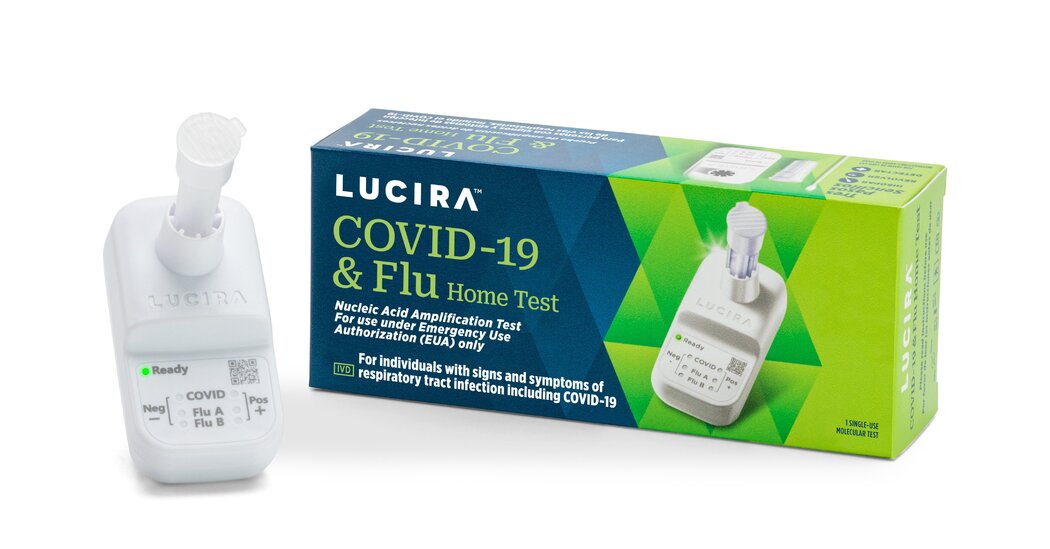
But the company that created the 30-minute, over-the-counter test has filed for bankruptcy, so the product’s eventual availability to consumers remains unclear.The Food and Drug Administration issued an emergency authorization for the first over-the-counter, at-home combination flu and Covid test on Friday, just two days after the company that makes the test announced that it had filed for bankruptcy protection based, in part, on the agency’s lengthy approval timeline.The single-use test works with a self-collected nasal swab and provides a result in about 30 minutes, according to the F.D.A. The test is meant to be used by people 14 and older, or by an adult collecting a sample from someone age 2 or older.The test’s developer, Lucira Health, based in California’s Bay Area, announced its bankruptcy plan on Wednesday, noting that it had expected its emergency-use authorization for the test in August before the onslaught of the flu season. The company said the agency’s authorization process “became protracted,” and said it had high expenditures as it moved forward with manufacturing the combination tests.Without revenue that the company expected from projected sales of the tests during this year’s flu season, Lucira decided that it would pursue a sale of its business but continue operations to serve customers, according to its news release. The bankruptcy plan was reported earlier in The Wall Street Journal.In a statement issued on Friday, Dr. Jeff Shuren, the director of the F.D.A.’s device division, called the test “a major milestone in bringing greater consumer access to diagnostic tests that can be performed entirely at home.”But even though public health experts and scientists welcomed the test authorization, it remained unclear when such a combined test would be widely available for sale to consumers. And that uncertainty compounded concerns that others have voiced about the Biden administration’s plans to end the coronavirus public health emergency in May, which could complicate access to testing.People with private insurance and those on Medicare, who have been eligible for eight free at-home tests per month, may have to pay out of pocket for the tests once the emergency ends.Erik Engelson, Lucira’s chief executive, said in a statement Friday that the company was “very excited” about the authorization. “I can’t thank our employees and partners enough for seeing this through, and of course, for the F.D.A.’s recognition,” he said.Lucira Health did not immediately respond to questions about its manufacturing capacity or how much the test would cost consumers. The combination test correctly identified 99 percent of negative and 90 percent of positive flu A samples, according to the F.D.A. It also detected 100 percent of the negative and 88 percent of the positive Covid samples. The agency said it expected the company to continue to test on the flu B strain, which was not prevalent this year.The product is a molecular test, which means it detects and amplifies the genetic material of the viruses, as a P.C.R. test does. These tests are generally more sensitive than antigen tests, and at-home molecular tests have been more expensive than rapid antigen tests. The new test will be the first of a series of combination diagnostics in different stages of development that will scan for multiple ailments at once, said Dr. Wilbur Lam, a pediatric hematologist and bioengineer at Emory University who has helped federal officials with test development and validation.“Now we’re in this new era that’s honestly pretty exciting,” Dr. Lam said. “It’s exciting for a health care provider, it’s exciting for the technology developers, and I think exciting for the public because we have this new test. And this is only the beginning.”Through the pandemic, some public health experts have criticized the F.D.A. for being slow to approve at-home Covid tests and the federal government for failing to make the tests more widely available to Americans at little or no cost. Even once at-home tests were approved, fluctuating demand prompted manufacturers to ramp down production, contributing to shortages of rapid tests when the virus came surging back.During the first years of the pandemic, flu activity was unusually low. But last fall, with most pandemic precautions gone, the flu re-emerged in alarming numbers so early in the flu season. Over the last several months, Americans have had to contend with waves of multiple viruses, including influenza, the coronavirus and respiratory syncytial virus, or R.S.V.

Read more →

12 States Sue F.D.A., Seeking Removal of Special Restrictions on Abortion Pill

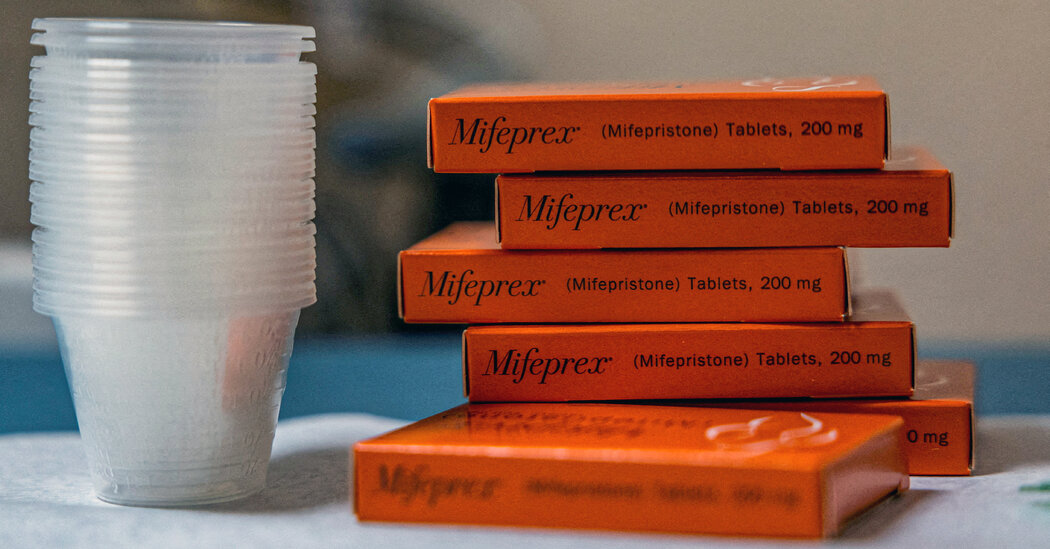
The suit argues that rules applying to mifepristone unnecessarily limit patients’ access to medication abortion.The attorneys general of a dozen Democratic-controlled states sued the Food and Drug Administration on Friday, asking a judge to remove special restrictions that the federal agency has long applied to the first of two drugs used in medication abortion.The suit, filed in a Federal District Court in Washington State, comes at a tense moment in the battle over the legal status of abortion pills, which are used in more than half of abortions in the United States. A federal judge in Texas is expected to issue an order soon in a case filed by anti-abortion groups that seeks to overturn the F.D.A.’s approval of the same abortion pill, mifepristone, and have it taken off the market.The potential consequences of the Texas case have set the reproductive health community on edge out of concern that the judge, a Trump appointee who is politically conservative and wrote an article that was critical of Roe v. Wade, could issue an order effectively blocking access to mifepristone across the country. Such a ruling would immediately be appealed, but if it ultimately stands, it would have far-reaching implications, affecting states where abortion is legal, not just states where abortion is already restricted.The new lawsuit filed by the 12 states does not address the possible outcomes of the Texas case, but it requests that the judge’s ruling in the Washington case include orders that would effectively contravene steps that might be imposed by the Texas judge. While the Washington case primarily asks the court to order the F.D.A. to eliminate a framework of extra restrictions applied to mifepristone, the suit also asks the judge to declare that the F.D.A.’s “approval of mifepristone is lawful and valid” and to enjoin the F.D.A. “from taking any action to remove mifepristone from the market or reduce its availability.”Ameet Sarpatwari, a lawyer and assistant professor of medicine at Harvard Medical School, said the timing and content of the lawsuit were strategic.“It is a legally and politically savvy move to file this complaint now,” he said. “If you have a federal judge in one jurisdiction saying the approval was lawful, and actually enjoining F.D.A. from taking action to restrict access, that would stand in exact conflict with what many presume the Texas judge may do, which is actually rescind the approval of the drug.”If two federal rulings were to conflict, said Dr. Sarpatwari, an expert on F.D.A. regulations, “that gives ground for the federal government to say, ‘Look, I’ve got two courts saying two fundamentally different things, and the best we can do right now is to not do anything.” That could result in both cases landing before the Supreme Court and in preserved access to mifepristone until a high court decision, he said.Kristin Beneski, first assistant attorney general for Washington State, said the goal of the new lawsuit “is to protect and expand access to medication abortion.”She added, “It’s not right for one judge in Texas to decide for all Americans whether they can access the gold standard of care for early pregnancy termination.”The F.D.A. declined to comment on the new case, saying it does not discuss pending litigation.In the Texas lawsuit, anti-abortion groups claim that the F.D.A. improperly approved mifepristone and ignored safety risks. In a filing in that case, the F.D.A. disputed those claims and said that revoking its drug approval would “cause significant harm, depriving patients of a safe and effective drug that has been on the market for more than two decades.”The filing on Friday was led by the attorneys general of Washington and Oregon, who were joined by their counterparts in Arizona, Colorado, Connecticut, Delaware, Illinois, Michigan, Nevada, New Mexico, Rhode Island and Vermont. The suit takes aim at a special framework of restrictions and monitoring that the F.D.A. currently applies to only about 60 drugs. Called a Risk Evaluation and Mitigation Strategy, or REMS, it has applied to mifepristone for about a dozen years.Initially, it was considerably more restrictive than it is now, with rules requiring that patients obtain mifepristone in person from a health care provider, although they could take the drug on their own at home or anywhere they chose.In recent years, the F.D.A. has extensively reviewed new data on mifepristone and lifted several of the restrictions, including the in-person requirement. It now allows the drug to be sent to patients by mail and recently authorized retail pharmacies to dispense the medication if they become specially certified.The agency’s remaining special requirements for mifepristone are that patients sign an agreement attesting that they have chosen to take the medication to terminate a pregnancy. Providers and pharmacies must become certified, which is not difficult but involves certain administrative and logistical steps.Ms. Beneski said the certification requirements and the agreement that patients must sign are burdensome, project an erroneous sense that the medication is unsafe and have deterred many providers who would otherwise prescribe mifepristone, limiting access to medication abortion. The requirements, which generate lists of certified providers, also make providers worry about their privacy in a political environment where, she said, “they are really concerned about being targets of violence and harassment.”“We are not arguing that the F.D.A. should not have approval authority over mifepristone, only that the REMS system is unnecessary for this drug and poses unnecessary risks to providers and patient in the current legal landscape,” Ms. Beneski said. “Those risks are real, and need to be addressed.”Mifepristone is also used for treatment of miscarriage, and the F.D.A. restrictions also apply for those patients, who must attest when signing the agreement that they have “decided” to end their pregnancy, the lawsuit says.While abortion opponents assert that medication abortion has serious safety risks, mainstream medical organizations and abortion rights groups have long said that special restrictions on mifepristone are unnecessary, citing years of data on safety and efficacy. But, in an unusual twist, since the Supreme Court decision overturning Roe v. Wade, some reproductive health legal experts have argued that officially keeping the REMS framework in place is beneficial in fighting against state laws that aim to ban or restrict abortion.Their argument is that the F.D.A.’s decision to apply special restrictions to mifepristone, and to gradually ease some of them as evidence of safety and efficacy has grown, shows how careful and rigorous the federal government has been with the drug and strengthens the case that the F.D.A. has ultimate authority over states. That argument was made recently in two lawsuits that challenge the constitutionality of state abortion bans and restrictions — one filed in West Virginia by a mifepristone manufacturer and the other in North Carolina by an obstetrician-gynecologist.On Friday, though, several of those experts said they supported the new lawsuit’s effort to lift the extra restrictions. David S. Cohen, a law professor at Drexel University, said that while lawsuits claiming that F.D.A. regulations pre-empt state laws “are ironically helped by these restrictions,” the cases do not need those restrictions to succeed.Dr. Cohen called the new lawsuit a “great strategy,” adding that “removing the needless restrictions the F.D.A. has imposed on the drug — restrictions not backed by any science — is one of the highest priorities.”

Read more →

Successful cure of HIV infection after stem cell transplantation, study suggests

Haematopoietic stem cell transplantation for the treatment of severe blood cancers is the only medical intervention that has cured two people living with HIV in the past. An international group of physicians and researchers from Germany, the Netherlands, France, Spain, and the United States has now identified another case in which HIV infection has been shown to be cured in the same way. In a study published this week in Nature Medicine, in which DZIF scientists from Hamburg and Cologne played a leading role, the successful healing process of this third patient was for the first time characterised in great detail virologically and immunologically over a time span of ten years.
An infection with the human immunodeficiency virus (HIV) was previously considered incurable. The reason for this is that the virus “sleeps” in the genome of infected cells for long periods of time, making it invisible and inaccessible to both the immune system and antiviral drugs. The “Düsseldorf patient,” a 53-year-old man, is now the third person in the world to be completely cured of the HI virus by a stem cell transplant.
The patient, treated at the University Hospital Düsseldorf for his HIV infection, had received a stem cell transplant due to a blood cancer. As in the cases of the first two patients named “Berlin” and “London,” the Düsseldorf patient received stem cells from a healthy donor whose genome contains a mutation in the gene for the HIV-1 co-receptor CCR5. This mutation makes it impossible for most HI viruses to enter human CD4+ T-lymphocytes, their major target cells.
Following transplantation, the patient was carefully monitored virologically and immunologically for almost ten years. Using a variety of sensitive techniques, the researchers analysed the patient’s blood and tissue samples to closely monitor immune responses to HIV and the continued presence or even replication of the virus. Already shortly after transplantation and over the entire course of the study years, neither replicating virus nor antibodies or reactive immune cells against HIV were detected. More than four years ago, the antiviral therapy against HIV was discontinued. Ten years after transplantation and four years after the end of anti-HIV therapy, the Düsseldorf patient could be declared cured by the international research consortium.
“This case of curing a chronic HIV infection by stem cell transplantation shows that HIV can in principle be cured,” says Prof. Julian Schulze zur Wiesch, DZIF scientist at the University Medical Center Hamburg-Eppendorf and one of the study leads. “In particular, the results of this study are also enormously important for further research into a cure for HIV for the vast majority of people living with HIV for whom stem cell transplantation is not an option.”

Read more →

Excess weight, obesity more deadly than previously believed

Excess weight or obesity boosts risk of death by anywhere from 22% to 91% — significantly more than previously believed — while the mortality risk of being slightly underweight has likely been overestimated, according to new CU Boulder research.
The findings, published Feb. 9 in the journal Population Studies, counter prevailing wisdom that excess weight boosts mortality risk only in extreme cases.
The statistical analysis of nearly 18,000 people also shines a light on the pitfalls of using body mass index (BMI) to study health outcomes, providing evidence that the go-to metric can potentially bias findings. After accounting for those biases, it estimates that about 1 in 6 U.S. deaths are related to excess weight or obesity.
“Existing studies have likely underestimated the mortality consequences of living in a country where cheap, unhealthy food has grown increasingly accessible, and sedentary lifestyles have become the norm,” said author Ryan Masters, associate professor of sociology at CU Boulder.
“This study and others are beginning to expose the true toll of this public health crisis.”
Challenging the obesity paradox
While numerous studies show that heart disease, high blood pressure and diabetes (which are often associated with being overweight) elevate mortality risk, very few have shown that groups with higher BMIs have higher mortality rates.

Instead, in what some call the “obesity paradox,” most studies show a U-shaped curve: Those in the “overweight” category (BMI 25-30) surprisingly have the lowest mortality risk. Those in the “obese” category (30-35) have little or no increased risk over the so-called “healthy” category (18.5-25). And both the “underweight” (less than 18.5) and extremely obese (35 and higher) are at increased risk of death.
“The conventional wisdom is that elevated BMI generally does not raise mortality risk until you get to very high levels, and that there are actually some survival benefits to being overweight,” said Masters, a social demographer who has spent his career studying mortality trends. “I have been suspicious of these claims.”
He noted that BMI, which doctors and scientists often use as a health measure, is based on weight and height only and doesn’t account for differences in body composition or how long a person has been overweight.
“It’s a reflection of stature at a point in time. That’s it,” said Masters, noting that Tom Cruise (at 5 feet 7 inches and an extremely muscular 201 pounds at one point), had a BMI of 31.5, famously putting him in the category of “obese.” “It isn’t fully capturing all of the nuances and different sizes and shapes the body comes in.”
To see what happened when those nuances were considered, Masters mined the National Health and Nutrition Examination Survey (NHANES) from 1988 to 2015, looking at data from 17,784 people, including 4,468 deaths.

He discovered that a full 20% of the sample characterized as “healthy” weight had been in the overweight or obese category in the decade prior. When set apart, this group had a substantially worse health profile than those in the category whose weight had been stable.
Masters pointed out that a lifetime carrying excess weight can lead to illnesses that, paradoxically, lead to rapid weight loss. If BMI data is captured during this time, it can skew study results.
“I would argue that we have been artificially inflating the mortality risk in the low-BMI category by including those who had been high BMI and had just lost weight recently,” he said.
Meanwhile, 37% of those characterized as overweight and 60% of those with obese BMI had been at lower BMIs in the decade prior. Notably, those who had only recently gained weight had better health profiles.
“The health and mortality consequences of high BMI are not like a light switch,” said Masters. “There’s an expanding body of work suggesting that the consequences are duration-dependent.”
By including people who had spent most of their life at low-BMI weight in the high-BMI categories, previous studies have inadvertently made high BMI look less risky than it is, he said.
When he looked at differences in fat distribution within BMI categories, he also found that variations made a huge difference in reported health outcomes.
Exposing a public health problem
Collectively, the findings confirm that studies have been “significantly affected” by BMI-related bias.
When re-crunching the numbers without these biases, he found not a U-shape but a straight upward line, with those with low BMI (18.5-22.5) having the lowest mortality risk.
Contrary to previous research, the study found no significant mortality risk increases for the “underweight” category.
While previous research estimated 2 to 3% of U.S. adult deaths were due to high BMI, his study pegs the toll at eight times that.
Masters said he hopes the research will alert scientists to be “extremely cautious” when making conclusions based on BMI. But he also hopes the work will draw attention to what he sees not as a problem for individuals alone to solve but rather a public health crisis fueled by an unhealthy or “obesogenic” environment in the U.S.
“For groups born in the 1970s or 1980s who have lived their whole lives in this obesogenic environment, the prospects of healthy aging into older adulthood does not look good right now,” he said. “I hope this work can influence higher-level discussions about what we as a society can do about it.”

Read more →