Premature Births Fell During Some Covid Lockdowns, Study Finds
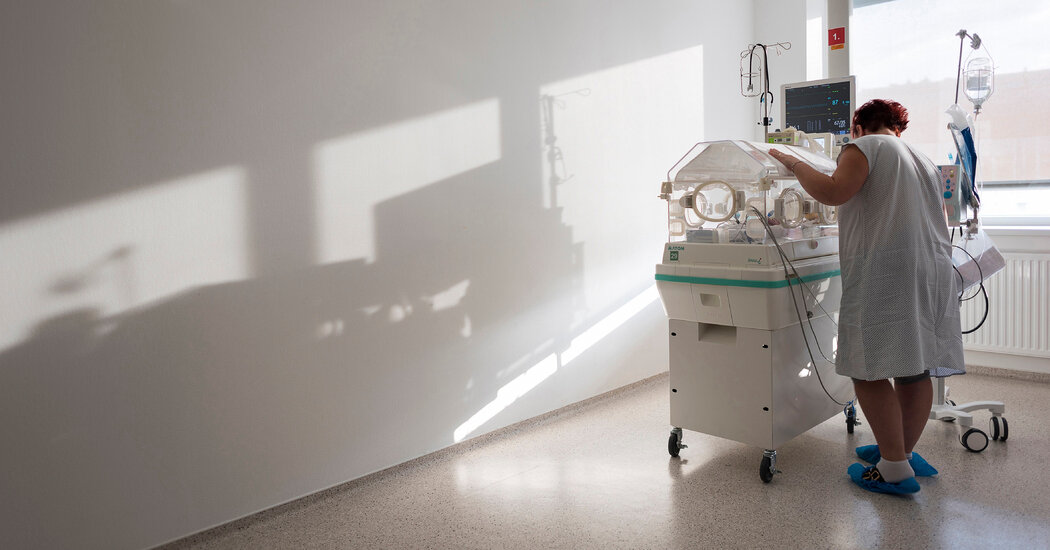
Nearly 50,000 preterm births may have been averted across a group of mostly high-income countries in one month alone.Elizabeth Decker had a stressful second pregnancy, plagued by daily vomiting and the worry that this baby, like her first, would drive her blood pressure dangerously high and need to be delivered preterm. Oddly, the most relaxing part was her final trimester, which overlapped with the world’s descent into Covid lockdown in spring 2020.Ms. Decker, who is 36 and lives in North Reading, Mass., decided to leave her high-pressure job as a lawyer and stay home. Her husband, a teacher, started working from home at that time, teaching online. He cared for their toddler and handled meals while Ms. Decker rested and slept. “I was able to really not do anything for the last three months of my pregnancy,” she said. The blood pressure spike that her doctor had expected didn’t arrive until late June, a week past Ms. Decker’s due date, at which point she delivered a healthy baby.An ambitious worldwide study of births suggests that Ms. Decker was not the only expectant parent who avoided the experience of a preterm delivery during the earliest months of lockdown. The study, published Monday in the journal Nature Human Behavior, showed that across a group of mostly high-income countries — such as the United States, Belgium, Canada, Chile, Denmark and Switzerland — in spring 2020, there were about 4 percent fewer preterm births than expected. At a global level, the study’s authors estimated, the change most likely added up to nearly 50,000 premature births averted in the first month of lockdown alone.The finding could help researchers better understand the causes of preterm birth, which remain frustratingly elusive to medical science.“This is a unique natural experiment, where the whole world experienced this pretty drastic lockdown at the same time,” said Meghan Azad, an associate professor of pediatrics and child health at the University of Manitoba and one of the study’s leaders. “So it was a neat opportunity to look at what that might mean for maternal-child health.”Around the time Ms. Decker was caring for her full-term infant, doctors in a variety of countries were also seeing fewer premature babies than they had expected. Some of their observations, shared before peer review but since formally published, were striking: Across Denmark, for instance, numbers of the smallest preemies were down by 90 percent. At a hospital in Ireland, very early births dropped by three-quarters or more.The Irish authors speculated that pregnant people who were locked down at home might be experiencing lower stress, less air pollution or fewer viral or bacterial infections, all of which might reduce their odds of delivering early.More on the Coronavirus PandemicLab Leak: New intelligence has prompted the Energy Department to conclude that an accidental laboratory leak in China most likely caused the pandemic, though U.S. spy agencies remain divided over Covid’s origins.New Drug’s Long Odds: A promising new treatment quashes all Covid variants, but regulatory hurdles and a lack of funding make it unlikely to reach the United States market anytime soon.Dangers Remain for Seniors: For older Americans, the Covid pandemic still poses significant threats. But they are increasingly left to protect themselves as the rest of the country abandons precautions.N.Y.C.’s Mandate: New York City will end its aggressive but contentious vaccine mandate for municipal workers, Mayor Eric Adams announced, signaling a key moment in the city’s long battle against the pandemic.Responding to the Irish study on Twitter, Dr. Azad wondered aloud — morbidly, she admitted — if doctors were seeing drops in premature births that spring because some of those babies had been lost to stillbirth or miscarriage.Within two days, Dr. Azad was teaming up with other scientists to study this very question. “It was this kind of crazy time,” she said. “A bunch of researchers had a lot of time on their hands, because their projects were slowed down or their conferences were canceled.” They were free to dive into a large-scale side project.The collaboration ultimately grew to include over 100 scientists from across the world, and 52 million births. Using data from 2015 to 2020, the scientists modeled the expected numbers of preterm births and stillbirths in the first months of each country’s strict lockdown period.A pregnant woman in Lima, Peru, received an ultrasound in the first summer of the pandemic. The findings highlighted how much is still unknown about what causes preterm birth. “Even if there are 52 million births in the study, it is not going to immediately answer all the questions,” said one of its authors.Paolo Aguilar/EPA, via ShutterstockThey realized that data from smaller samples, such as a single hospital, might not tell a full story. For example, Dr. Azad said, what if that hospital had become a dedicated site for Covid treatment and had simply diverted its pregnant patients elsewhere?For that reason, the researchers focused their main analysis on high-quality data sets that covered an entire country, or a large region of a country. That included 18 high-income and upper-middle-income nations, as defined by the World Bank. Although the results varied across sites, the researchers concluded that preterm births had dropped by an average of 4 percent during both the first and second months of lockdown.In the third month, the statistical signal was weaker. By the fourth month of lockdown — as countries were most likely diverging in their guidelines and in how strictly people adhered to them, Dr. Azad said — the drop in preterm births was gone.The authors did find a slight uptick in stillbirths in Brazil during the second and third months, and in Canada during the first month. “But that certainly didn’t seem to explain the overall decrease in preterm births” across the data set, Dr. Azad said.The authors noted that Covid itself raises a person’s risk of both premature birth and stillbirth. But because infection with the virus was less widespread in spring 2020 than later periods, this probably didn’t affect the study’s results.“The causes of preterm birth have been so elusive, despite considerable efforts,” said Dr. Denise Jamieson, an obstetrician at Emory University’s School of Medicine in Atlanta who was not involved in the new study. Even though the global study found a dip of only about 4 percent, “I think any reduction in preterm birth is noteworthy and important,” she said.“The next step is to really look at the why,” Dr. Jamieson added.Dr. Azad and Dr. Roy Philip, a co-author of the new paper and also the Irish neonatologist at University Maternity Hospital Limerick who in 2020 found a striking drop in very early births at his hospital, both said it was possible that lockdowns had quite different effects on different groups of people. A pregnant person like Ms. Becker who was able to stay home in a low-stress environment, with good support, might have benefited. A frontline worker without health insurance might have had a different experience.In this way, the findings highlighted how much is still unknown about what causes preterm birth. “Even if there are 52 million births in the study, it is not going to immediately answer all the questions,” Dr. Philip said. “But at least this should trigger people to look more closely at what is ideal during pregnancy.”The study also highlighted the uneven preterm birthrates across different countries. Across the five years of data, the United States had the highest preterm birthrate of any high-income nation included — just shy of 10 percent. Finland’s rate, by contrast, was below 6 percent.The disparity isn’t surprising, Dr. Jamieson said. “Unfortunately, the United States is an outlier for a lot of important maternal and infant health outcomes when you compare it to other high-income countries.”Future research could use this global data set to investigate such variations in maternal health. Dr. Azad said she had originally hoped to dig into the drivers of preterm birth during lockdown, not just its frequency: Were changes in air pollution correlated with changes in early births? What about hygiene, or income, or access to health care? But she lacked funding to investigate further, Dr. Azad said, and now those other projects that were deferred early in the pandemic have caught up with her and her colleagues.Dr. Azad doubts one of her tweets today could launch a huge international research effort. People in spring 2020 had “this burning desire to do something, to either help the pandemic or make something of it,” she said. Some researchers even worked on the project without pay. “I’m a scientist; I don’t like using the word ‘magical,’” she said. “But it was kind of magical.”Now the mysteries of preterm birth will have to wait for other investigators, Dr. Azad said, adding, “We don’t all have that extra time anymore.”

Read more →
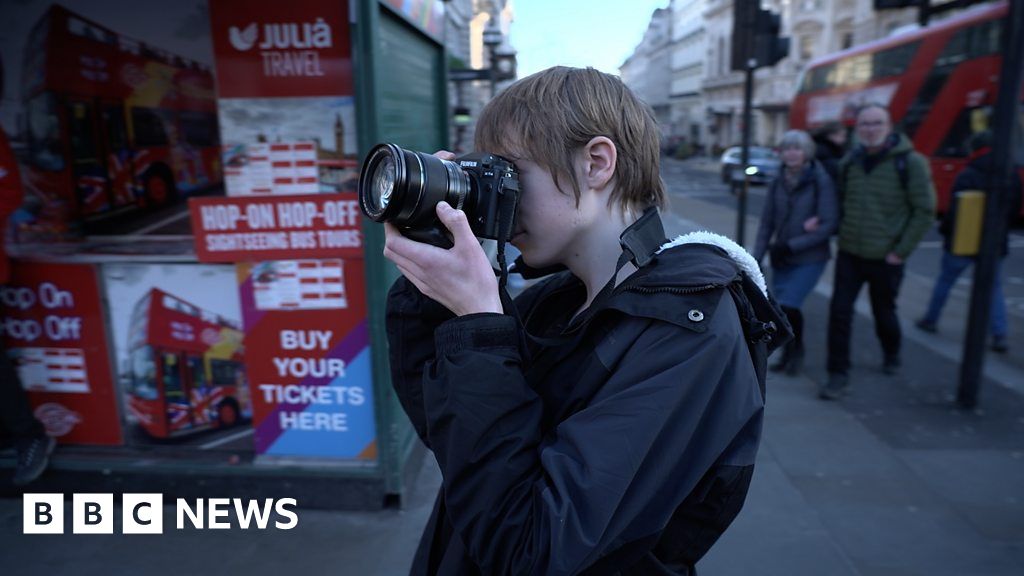
Boy recreates his gran's 1955 photos to help her with Alzheimer's

Over the past year, 16-year-old Philip Loveday has been following in his grandmother’s footsteps, from 1955, to take the same picture of famous London landmarks that she did almost 70 years ago. Scilla, who is now 83, was just 16 when she went around London taking photos because she was bored and wanted something to do.She was diagnosed with Alzheimer’s five years ago, a disease which causes memory loss, and as a gift to her and to try and help his grandmother’s memory Philip, from Barnet, north London, has been recreating those very same photos. Video by Ross Miklaszewicz

Read more →

Physical activity can help mental health in pre-teen years

Regular physical activity can improve adolescents’ mental health and help with behavioural difficulties, research suggests.
Engaging in regular moderate to vigorous physical activity at age 11 was associated with better mental health between the ages of 11 and 13, the study found.
Physical activity was also associated with reduced hyperactivity and behavioural problems, such as loss of temper, fighting with other children, lying, and stealing, in young people.
Researchers from the Universities of Edinburgh, Strathclyde, Bristol, and Georgia in the United States explored data from the Children of the 90s study (also known as the Avon Longitudinal Study of Parents and Children; ALSPAC). They looked at the levels of physical activity of 4755 11-year-olds which was measured using devices.
The devices recorded levels of moderate physical activity — typically defined as brisk walking or cycling — as well as vigorous activity which boosts heart rate and breathing, such as aerobic dancing, jogging or swimming.
The young people and their parents reported on their levels of depressive symptoms from age 11 and at age 13 years. Participants’ parents and teachers were also quizzed about the young people’s general behaviour and emotional difficulties.

In analysing the impact of moderate to vigorous exercise on the young people’s mental health and behaviour, the team also considered factors such as age, sex and socio-economic status.
They found that higher levels of moderate or intense physical activity had a small but detectable association with decreases in depressive symptoms and emotional difficulties.
Regular exercise had a small but detectable association with reduced behavioural problems, even after controlling for other possible influences, the study found.
The findings suggest regular moderate and intense physical activity may have a small protective influence on mental health in early adolescence, researchers say.
Dr Josie Booth, of the University of Edinburgh’s Moray House School of Education and Sport, said: “This study adds to the increasing evidence base about how important physical activity is for all aspects of young people’s development — it can help them feel better, and do better at school. Supporting young people to lead healthy active lives should be prioritised.”
Researchers say the study is the first to offer such a comprehensive approach to examining mental health and exercise in young people.

Professor John Reilly, at the University of Strathclyde, said: “While it might seem obvious that physical activity improves mental health the evidence for such a benefit in children and young people has been scarce, so the study findings are important. The findings are also important because levels of moderate-to-vigorous intensity activity globally are so low in pre-teens globally — less than a third achieve the 60 minutes per day recommended by the WHO and UK Health Departments.”
The study is published in Mental Health and Physical Activity.
The research was funded by the Bupa Foundation. Researchers used data from the Children of the 90s study, also known as the ALSPAC birth cohort, based at the University of Bristol. The study is a long-term health-research project that enrolled more than 14,000 pregnant women in 1991 and 1992.
Children of the 90s has been following the health and development of the parents and their children in detail and is currently recruiting the children and the siblings of the original children into the study. It receives core funding from the Medical Research Council, the Wellcome Trust and the University of Bristol.

Read more →

FDA Panel Recommends 2 RSV Vaccines for Older Adults

The shots, if approved by the agency, would be the first vaccines publicly available against a respiratory virus that kills thousands a year. Some advisers did cite a small but identifiable health risk.After hours of deliberation over safety concerns, a Food and Drug Administration advisory panel on Wednesday recommended approval of a second vaccine for the respiratory syncytial virus in older adults, advancing the first shots against an illness that can be deadly for the very young and the very old.Over two days this week, the panel debated and then voted in favor of two vaccines, one by Pfizer and one by GSK (GlaxoSmithKline), that would become available for adults 60 and older.The panels made their recommendations to the agency, which typically abides by advisory committee decisions and could grant formal approval within months.The F.D.A. estimates that R.S.V. is associated with 6,000 to 10,000 deaths each year in adults 65 and older and at least 60,000 hospitalizations in that group. It is a leading killer of children worldwide. This winter, R.S.V. contributed to the tripledemic also involving flu and Covid cases that swamped children’s hospitals and some I.C.U. wards. The caseloads have eased off recently.In addition to the vaccine candidates reviewed by the panel this week, AstraZeneca and Sanofi are seeking F.D.A. approval of a monoclonal antibody treatment aimed at protecting infants and toddlers up to 2 years old from R.S.V. infections. The companies reported findings from a major study indicating that the therapy reduced “medically attended” illnesses by 75 percent after one infusion, according to AstraZeneca.Pfizer is seeking separate approval for an R.S.V. vaccine given in the later stages of pregnancy to protect the youngest. It was 82 percent effective in keeping infants from developing severe R.S.V. in the first 90 days after they were born, the company said, though the effect fell to 69 percent by the time the infants were six months old.During two days of meetings this week, the F.D.A. advisers examining data on the proposed vaccines for older adults were not viewing the process as a simple pathway to approval. They debated the benefits of a vaccine for R.S.V. patients who overwhelmingly avoided hospitalization against the very few, but concerning, reports of autoimmune conditions like Guillain-Barré syndrome that emerged shortly after the shots were administered.On Tuesday, the panel voted in favor of the Pfizer vaccine by 7 to 4, with one abstention, on its safety and efficacy. On Wednesday, it voted 10 to 2 in favor of the GSK vaccine’s safety and unanimously on the shot’s efficacy.About 34,000 patients were studied in Pfizer’s trial, with half getting a placebo, according to an F.D.A. summary of the data. The vaccine was deemed nearly 67 percent effective in preventing R.S.V.-related lower respiratory tract illness, which can lead to pneumonia. That vaccine was nearly 86 percent effective in treating the disease with three or more symptoms, according to the data.The GSK vaccine was nearly 83 percent effective in lower respiratory tract illness in a study of about 25,000 patients — half on the vaccine and half on a placebo, according to data the company provided to the F.D.A. No R.S.V. deaths were reported among the patients in the GSK or Pfizer studies.Several panel members expressed concerns about side effects reported with each vaccine. After seven days, one patient who received the Pfizer vaccine developed Guillain-Barré syndrome, a condition where the immune system attacks the nervous system (but not the spine or brain). The case was considered life-threatening, F.D.A. records show, though a “potentially confounding factor” was that the patient had suffered a heart attack the day before the condition developed.Another Pfizer vaccine recipient developed Miller Fisher syndrome, which is considered to be a type of Guillain-Barré, eight days after getting the shot. That patient, from Japan, reported double vision and a tingling or burning feeling in her palms and the soles of her feet. Her symptoms were mostly resolved within 41 days, the F.D.A. records said.The two cases in the Pfizer study put the rate of the condition at about one in 9,000, even though it is typically about one in 100,000, according to Dr. Hana El Sahly, chairwoman of the vaccine advisory committee and a professor of virology at Baylor College of Medicine. “So this is major,” Dr. El Sahly said.Dr. Marie Griffin, a health policy professor at Vanderbilt University, said the Pfizer vaccine was difficult to evaluate given the low incidence of severe infections among those in the trial.“I think the benefit for relatively healthy, older people — you have to consider that — is not that great,” Dr. Griffin said. “Compared to a possible high risk of a very severe outcome.”One recipient of the GSK vaccine, who was 78 and from Japan, also developed Guillain-Barré nine days after getting the vaccine; she went on to spend six months in a rehabilitation hospital. The company and the F.D.A. considered the case to be related to the vaccine.Two recipients of the GSK vaccine, both 71 and from South Africa, developed acute disseminated encephalomyelitis, a neurological disorder with symptoms including weakness and loss of vision. One case resulted in death. The company and the F.D.A. considered the cases “possibly related” to the vaccine, noting that both patients also received a flu vaccine at the same time as the R.S.V. shot.Watching the safety of the vaccines after they are approved will be important, said Dr. Henry Bernstein of the Zucker School of Medicine at Hofstra University, and should be considered against the background that the effort to create an R.S.V. vaccine has gone on for years.“I don’t know that there’s a rush to get this to market if we’re going to take two steps forward, and three steps back as far as public health and optimizing vaccination rates,” Dr. Bernstein said.Pfizer and GSK said they would conduct continuing safety monitoring of the vaccines if they were approved by the F.D.A.Moderna is developing an mRNA-based vaccine for R.S.V. in older people, and said it plans to submit favorable data from a major trial to the F.D.A. for approval in the first half of this year. Janssen and Bavarian Nordic have also announced studies that are underway for their R.S.V. vaccines.Vaccine experts from the Centers for Disease Control and Prevention examined the Pfizer and GSK study data and determined that in one year, more than 21,000 people 65 and older would need to take the GSK vaccine to prevent one R.S.V. death; the number was nearly 25,000 for the Pfizer shot. They concluded that the data supported use of the vaccines for patients in that age group (but not in patients 60 and older).A C.D.C. survey of nearly 600 people who were 60 and older reported that 68 percent would “definitely” or “probably” get an R.S.V. vaccine if an option approved by the F.D.A. were available. Nearly 10 percent more said they would get the shot if a health care provider recommended it.

Read more →

Seizures can be predicted more than 30 minutes before onset in patients with temporal lobe epilepsy

Seizures can be predicted more than 30 minutes before onset in patients with temporal lobe epilepsy, opening the door to a therapy using electrodes that could be activated to prevent seizures from happening, according to new research from UTHealth Houston.
The study, led by Sandipan Pati, MD, associate professor in the Department of Neurology with McGovern Medical School at UTHealth Houston, was recently published in NEJM Evidence, a publication of the New England Journal of Medicine.
“The ability to predict seizures before they occur is a major step forward in the field of epilepsy research,” said Pati, senior author of the study and a member of the Texas Institute for Restorative Neurotechnologies at UTHealth Houston Neurosciences. “These findings are significant because they suggest that we may be able to develop more effective therapies for epilepsy, which could greatly improve the quality of life for patients who suffer from this condition.”
Surgery is a common treatment for many patients with epilepsy. But when seizures affect larger areas of the brain, removing part of the brain surgically is not an option. Neuromodulation therapy could offer an alternative solution for patients with these seizures, Pati said.
Past studies of continuous electroencephalography (EEG) — the measurement and recording of electrical activity in different parts of the brain — have suggested that seizures in people with focal-onset epilepsies tend to occur during periods of heightened risk, represented by pathologic brain activities known as “pro-ictal states.” The EEG-based detection of pro-ictal states is critical to the success of adaptive neuromodulation, with the early detection of seizures allowing electrodes to be applied therapeutically to the brain’s seizure onset zone and thalamus.
To distinguish these pro-ictal states, Pati’s team studied a prospective, consecutive series of 15 patients with temporal lobe epilepsy who underwent limbic thalamic recordings in addition to routine intracranial EEG for seizure localization. In total, they analyzed 1,800 patient hours of continuous EEG.
The researchers were able to detect pro-ictal states in patients with temporal lobe epilepsy at least 35 minutes before seizure onset. Pro-ictal states were distinguished at least 45 minutes before seizure onset in 13 of 15 participants. In two of 15 participants, they were distinguished up to 35 minutes prior.
While Pati believes that modulation of these brain regions during pro-ictal periods may be an effective therapeutic approach to the treatment of temporal lobe epilepsy, his theory still needs to be tested in clinical trials. However, this information could lead to the development of electrical or drug therapies aimed at preventing seizures.
“This study was made possible by the collaboration of a team of experts in neurology, neurosurgery, and neuroscience,” he said. “It highlights the importance of interdisciplinary research in advancing our understanding of brain disorders.”
Temporal lobe epilepsy is the most common seizure disorder, affecting some 50 million people globally. There are two temporal lobes, one on each side of the head behind the temples. Mesial temporal lobe epilepsy, which accounts for about 80% of all temporal lobe seizures, involves seizures starting in or near a part of the brain called the hippocampus, which controls memory and learning. Neocortical or lateral temporal lobe epilepsy involves seizures starting in the outer section of the temporal lobe.
Omar A. Alamoudi, PhD, postdoctoral research fellow in the Department of Neurology with McGovern Medical School at UTHealth Houston, contributed to the study. Other co-authors included Adeel Ilyas, MD, and Kristen O. Riley, MD, both with the University of Alabama at Birmingham.

Read more →

M&S: Store sorry for displaying daffodils alongside veg

Published15 hours agoShareclose panelShare pageCopy linkAbout sharingImage source, Twitter/James WongBy Sean SeddonBBC NewsMarks & Spencer has apologised after displaying daffodils alongside spring onions in one of its stores.The flowers, which can be poisonous if eaten, were displayed in the fruit and veg aisle under a “seasonal favourites” banner.Botanist and presenter James Wong drew attention to the display on Twitter, warning that eating daffodils “is like swallowing a box of tiny needles”.An M&S spokesperson said it was a “genuine error in one of our stores”.Daffodil stems, which are widely sold in supermarkets at this time of year, can bear a resemblance to some vegetables at first glance.Public Health England wrote to retailers in 2015 warning about the potentially nasty consequences if there was a mix-up with how they are labelled.It said they contain toxic alkaloids which can cause severe vomiting, noting 27 poisoning cases in the previous year.Health officials believe daffodil poisoning led to 10 hospitalisations in Bristol in 2012 because of their similarity to a chive used in Chinese cooking.Mr Wong said the error was originally spotted by his mum, who took a picture of the display. He said the poisoning caused by accidentally eating them can be “excruciating” and urged M&S to improve training for staff.Responding to him on Twitter, an M&S spokesperson said: “We have contacted the store and the signage has been updated and onions moved. “As a precaution we’re reminding all stores to make sure the flowers are displayed properly”, they added.”Customer safety is our priority and all daffodils have an on-pack warning that they are not safe to consume.”

Read more →