Ukraine war: The shrimp shell fabric saving lives

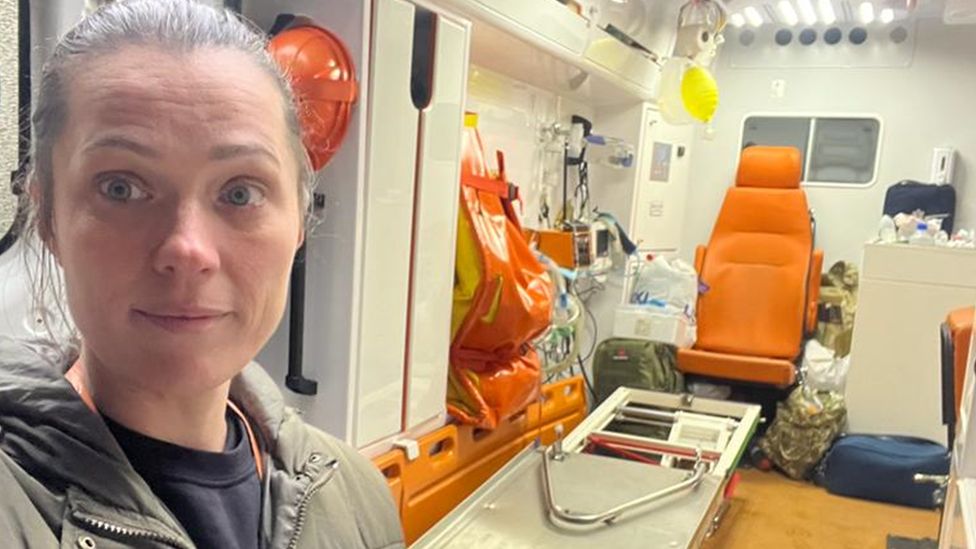
Published2 hours agoShareclose panelShare pageCopy linkAbout sharingBy Matthew HillBBC West health correspondentAn “anti-bleeding” fabric made from shrimp shells is saving thousands of lives in Ukraine, according to an NHS doctor working in the war-zone.The bandages are coated with an extract known as chitosan that can stem bleeding by forming clots.Made by Nonwovenn in Somerset, the bandages are in first-aid kits being sent out to the Ukrainian military.Dr Iryna Rybinkina said: “It’s been saving a lot of lives, thousands of them, I mean.”The consultant cardiac anaesthetist, who volunteers for the charity Smart Medical Aid, left her job in Brighton to train medics on the front line and has used the bandages many times. She says she uses them alongside other compression bandages on the battlefield.She said: “Our charity supplied about 110,000, and we get a lot of feedback from the people who are using them. “The first thing is your put a tourniquet on, and then you try to stop the bleed by packing the wound.”So if there is a re-bleed, then you repack the one you take out and you put that in.”The Bridgwater supplier said Ukrainian military rang shortly after the invasion asking for as many as they could make.The gauze aims to stop heavy bleeding from wounds with 60 seconds of compression, according to the manufacturer’s website.Chitosan is extracted from shrimp shells and then purified. When it comes into contact with blood it swells into a gel to make a clot. Dr Rybinkina added: “We get a lot of feedback from the people using them. “They say ‘you know what your first aid kit it, did save lives. We used the tourniquet and the Celox and the person actually arrived alive at the evacuation point’.” The coated bandages are also used by the US and UK military and were also deployed in the 2014 conflict between Russia and Ukraine.The bandages are incorporated into first-aid kits sent out by MedTrade in Crewe in Cheshire. Nonwovenn chairman, David Lamb, said: “Our Somerset team is part of a remarkable British success story which is saving the lives of Ukrainian soldiers and civilians caught up in Europe’s worst conflict since World War II.”Since I interviewed Dr Rybinkina, she was involved in a serious road traffic accident on her way back from duties in the Ukraine, and she is now being treated for a broken arm. Follow BBC West on Facebook, Twitter and Instagram. Send your story ideas to: bristol@bbc.co.uk More on this storyUK donates vital medical supplies to Ukraine24 JanuaryEx-Army medic witnessed ‘inhuman’ acts in Ukraine10 May 2022Shelling of Ukraine aid ambulance angers doctor6 April 2022Relief as Ukrainian sisters reunited in the UK20 March 2022Landlord uses pub vans to get medicine to Ukraine15 March 2022

Read more →

Bristol Parkinson's spin class helping people's symptoms

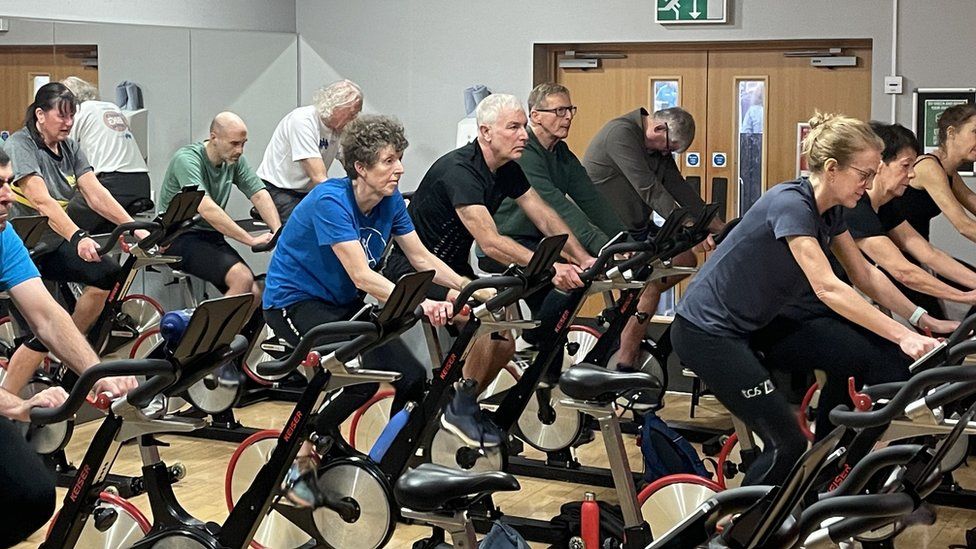
Published2 hours agoShareclose panelShare pageCopy linkAbout sharingImage source, Everyone ActiveA new spin class for those with Parkinson’s disease is helping to ease some of the symptoms of the degenerative disease.The weekly sessions at Horfield Leisure Centre in Bristol are run by Everyone Active and Bristol City Council.According to the Leisure centre, people with Parkinson’s experience significant benefits from pushing pedals on a regular basis.Steve Butt from Bristol said the class had already helped with his tremors.”I was diagnosed with Parkinson’s in 2021. It started with tremors in my hands and now my balance isn’t too good.Already showing benefits”This is the first time I have had an opportunity to do spin. The tremors are now slightly less and I feel better for the exercise and generally my balance is better,” he said.”Parkinson’s is a degenerative disease so if I can slow it down then I’ve got longer to live a normal life.”Class instructor Kevin said: “There’s a lady who did her first course. She hadn’t done much exercising before,” he said.”She was struggling to get into the garden. She told us that she recently went into the garden and the last time she could go into the garden was five years ago. “It’s absolutely insane that we’ve helped her get back into the garden, get confidence and go from there.”What is Parkinson’s disease?The three main symptoms are involuntary shaking, slow movement and stiff and inflexible musclesA person with Parkinson’s can also experience a wide range of other physical and psychological symptoms, including depression and anxiety, balance problems, loss of sense of smell, problems sleeping and memory problemsParkinson’s disease is caused by a loss of nerve cells in part of the brain called the substantia nigraExactly what causes it is unclear – most experts think a combination of genetic and environmental factors is responsibleAbout one in 500 people is affected by Parkinson’s diseaseAlthough there’s currently no cure, treatments including medication and physiotherapy can help reduce the main symptomsWith advances in treatment, most people with Parkinson’s now have a normal or near-normal life expectancySource: NHSFollow BBC West on Facebook, Twitter and Instagram. Send your story ideas to: bristol@bbc.co.uk More on this storyParkinson’s symptoms ‘reversed’ by mini implant26 April 2022Related Internet LinksBristol City CouncilEveryone Active – Leading Operator for Gym, Swim and ActivitiesThe BBC is not responsible for the content of external sites.

Read more →

Covid Worsened a Health Crisis Among Pregnant Women

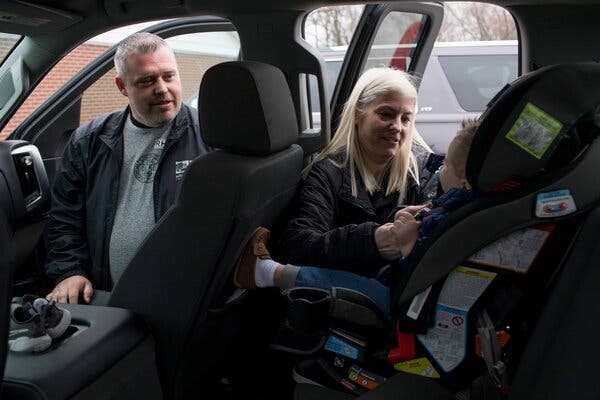
KOKOMO, Ind. — Tammy Cunningham doesn’t remember the birth of her son. She was not quite seven months pregnant when she became acutely ill with Covid-19 in May 2021. By the time she was taken by helicopter to an Indianapolis hospital, she was coughing and gasping for breath.The baby was not due for another 11 weeks, but Ms. Cunningham’s lungs were failing. The medical team, worried that neither she nor the fetus would survive so long as she was pregnant, asked her fiancé to authorize an emergency C-section.“I asked, ‘Are they both going to make it?’” recalled Matt Cunningham. “And they said they couldn’t answer that.”New government data suggest that scenes like this played out with shocking frequency in 2021, the second year of the pandemic.The National Center for Health Statistics reported on Thursday that 1,205 pregnant women died in 2021, representing a 40 percent increase in maternal deaths compared with 2020, when there were 861 deaths, and a 60 percent increase compared with 2019, when there were 754.The count includes deaths of women who were pregnant or had been pregnant within the last 42 days, from any cause related to or aggravated by the pregnancy. A separate report by the Government Accountability Office has cited Covid as a contributing factor in at least 400 maternal deaths in 2021, accounting for much of the increase.Matt and Tammy Cunningham with their son, Calum.Kaiti Sullivan for The New York TimesEven before the pandemic, the United States had the highest maternal mortality rate of any industrialized nation. The coronavirus worsened an already dire situation, pushing the rate to 32.9 per 100,000 births in 2021 from 20.1 per 100,000 live births in 2019.The racial disparities have been particularly acute. The maternal mortality rate among Black women rose to 69.9 deaths per 100,000 live births in 2021, 2.6 times the rate among white women. From 2020 to 2021, mortality rates doubled among Native American and Alaska Native women who were pregnant or had given birth within the previous year, according to a study published on Thursday in Obstetrics & Gynecology.The deaths tell only part of the story. For each woman who died of a pregnancy-related complication, there were many others, like Ms. Cunningham, who experienced the kind of severe illness that leads to premature birth and can compromise the long-term health of both mother and child. Lost wages, medical bills and psychological trauma add to the strain.Pregnancy leaves women uniquely vulnerable to infectious diseases like Covid. The heart, lungs and kidneys are all working harder during pregnancy. The immune system, while not exactly depressed, is retuned to accommodate the fetus.Abdominal pressure reduces excess lung capacity. Blood clots more easily, a tendency amplified by Covid, raising the risk of dangerous blockages. The infection also appears to damage the placenta, which delivers oxygen and nutrients to the fetus, and may increase the risk of a dangerous complication of pregnancy called pre-eclampsia.Pregnant women with Covid face a sevenfold risk of dying compared with uninfected pregnant women, according to one large meta-analysis tracking unvaccinated people. The infection also makes it more likely that a woman will give birth prematurely and that the baby will require neonatal intensive care.Ms. Cunningham and Calum, who was born prematurely. Doctors warned the Cunninghams that he might experience developmental delays, but so far he has not.Kaiti Sullivan for The New York TimesFortunately, the current Omicron variant appears to be less virulent than the Delta variant, which surfaced in the summer of 2021, and more people have acquired immunity to the coronavirus by now. Preliminary figures suggest maternal deaths dropped to roughly prepandemic levels in 2022.But pregnancy continues to be a factor that makes even young women uniquely vulnerable to severe illness. Ms. Cunningham, now 39, who was slightly overweight when she became pregnant, had just been diagnosed with gestational diabetes when she got sick.“It’s something I talk to all my patients about,” said Dr. Torri Metz, a maternal fetal medicine specialist at the University of Utah. “If they have some of these underlying medical conditions and they’re pregnant, both of which are high-risk categories, they have to be especially careful about putting themselves at risk of exposure to any kind of respiratory virus, because we know that pregnant people get sicker from those viruses.”Calum with his parents and Louann Gross, who runs a farm and day care center that the boy attends.Kaiti Sullivan for The New York TimesKaiti Sullivan for The New York TimesKaiti Sullivan for The New York TimesLagging VaccinationIn the summer of 2021, scientists were somewhat unsure of the safety of mRNA vaccines during pregnancy; pregnant women had been excluded from the clinical trials, as they often are. It was not until August 2021 that the Centers for Disease Control and Prevention came out with unambiguous guidance supporting vaccination for pregnant women.Most of the pregnant women who died of Covid had not been vaccinated. These days, more than 70 percent of pregnant women have gotten Covid vaccines, but only about 20 percent have received the bivalent boosters.“We know definitively that vaccination prevents severe disease and hospitalization and prevents poor maternal and infant outcomes,” said Dr. Dana Meaney-Delman, chief of the C.D.C.’s infant outcomes monitoring, research and prevention branch. “We have to keep emphasizing that point.”Ms. Cunningham’s obstetrician had encouraged her to get the shots, but she vacillated. She was “almost there” when she suddenly started having unusually heavy nosebleeds that produced blood clots “the size of golf balls,” she said.Ms. Cunningham was also feeling short of breath, but she ascribed that to the advancing pregnancy. (Many Covid symptoms can be missed because they resemble those normally occurring in pregnancy.)A Covid test came back negative, and Ms. Cunningham was happy to return to her job. She had already lost wages after earlier pandemic furloughs at the auto parts plant where she worked. On May 3, 2021, shortly after clocking in, she turned to a friend at the plant and said, “I can’t breathe.”By the time she arrived at IU Health Methodist Hospital in Indianapolis, she was in acute respiratory distress. Doctors diagnosed pneumonia and found patchy shadows in her lungs.Her oxygen levels continued falling even after she was put on undiluted oxygen, and even after the baby was delivered.“It was clear her lungs were extremely damaged and unable to work on their own,” said Dr. Omar Rahman, a critical care physician who treated Ms. Cunningham. Already on a ventilator, Ms. Cunningham was connected to a specialized heart-lung bypass machine.Calum at the day care center with his mother.Kaiti Sullivan for The New York TimesJennifer McGregor, a friend who visited Ms. Cunningham in the hospital, was shocked at how quickly her condition had deteriorated. “I can’t tell you how many bags were hanging there, and how many tubes were going into her body,” she said.But over the next 10 days, Ms. Cunningham started to recover. Once she was weaned off the heart-lung machine, she discovered she had missed a major life event while under sedation: She had a son.He was born 29 weeks and two days into the pregnancy, weighing three pounds.Premature births declined slightly during the first year of the pandemic. But they rose sharply in 2021, the year of the Delta surge, reaching the highest rate since 2007.Some 10.5 percent of all births were preterm that year, up from 10.1 percent in 2020, and from 10.2 percent in 2019, the year before the pandemic.Though the Cunninghams’ baby, Calum, never tested positive for Covid, he was hospitalized in the neonatal intensive care unit at Riley Hospital for Children in Indianapolis. He was on a breathing tube, and occasionally stopped breathing for seconds at a time.Doctors worried that he was not gaining weight quickly enough — “failure to thrive,” they wrote in his chart. They worried about possible vision and hearing loss.But after 66 days in the NICU, the Cunninghams were able to take Calum home. They learned how to use his feeding tube by practicing on a mannequin, and they prepared for the worst.“From everything they told us, he was going to have developmental delays and be really behind,” Mr. Cunningham said.After her discharge from the hospital, Ms. Cunningham was under strict orders to have a caretaker with her at all times and to rest. She didn’t return to work for seven months, after she finally secured her doctors’ approval.Ms. Cunningham has three teenage daughters, and Mr. Cunningham has another daughter from a previous relationship. Money was tight. Friends dropped off groceries, and the landlord accepted late payments. But the Cunninghams received no government aid: They were even turned down for food stamps.“We had never asked for assistance in our lives,” Ms. Cunningham said. “We were workers. We used to work seven days a week, eight-hour days, sometimes 12. But when the whole world shut down in 2020, we used up a lot of our savings, and then I got sick. We never got caught up.”A sign made by the hospital nurses who treated Ms. Cunningham and Calum.Kaiti Sullivan for The New York TimesThough she is back to work at the plant, Ms. Cunningham has lingering symptoms, including migraines and short-term memory problems. She forgets doctor’s appointments and what she went to the store for. Recently she left her card in an A.T.M.Many patients are so traumatized by their stays in intensive care units that they develop so-called post-intensive care syndrome. Ms. Cunningham has flashbacks and nightmares about being back in the hospital.“I wake up feeling like I’m being smothered at the hospital, or that they’re killing my whole family,” she said. Recently she was diagnosed with post-traumatic stress disorder.Calum, however, has surprised everyone. Within months of coming home from the hospital, he was reaching developmental milestones on time. He started walking soon after his first birthday, and likes to chime in with “What’s up?” and “Uh-oh!”He has been back to the hospital for viral infections, but his vocabulary and comprehension are superb, his father said. “If you ask if he wants a bath, he’ll take off all his clothes and meet you at the bath,” he said.Louann Gross, who owns the day care that Calum attends, said he has a hearty appetite — often asking for “thirds” — and more than keeps up with his peers. She added, “I nicknamed him our ‘Superbaby.’”

Read more →

Pregnancy and Covid: What Women Need to Know

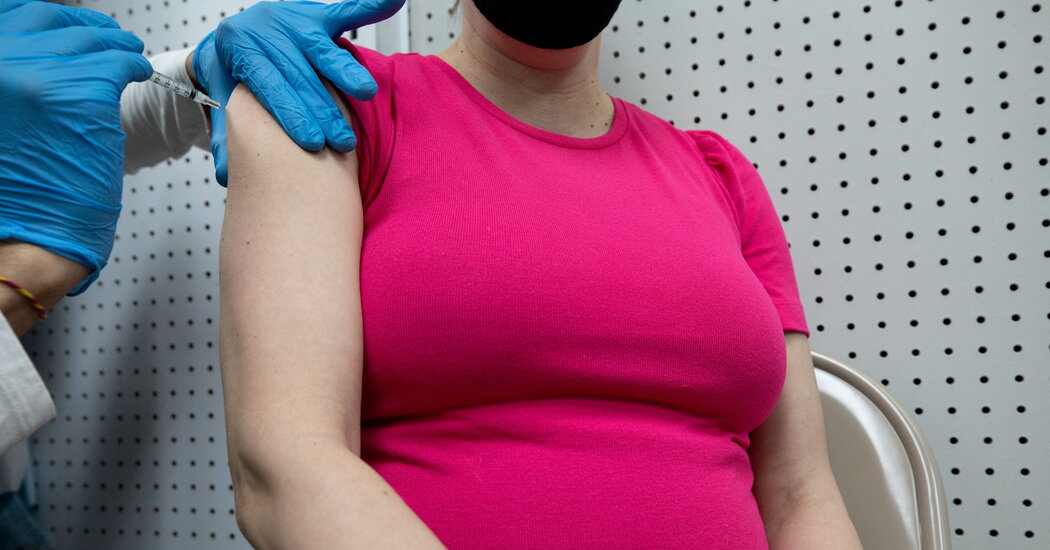
A pregnant woman is more likely to develop serious Covid-19 and to die of it. Several factors amplify the risks.Pregnant women are particularly vulnerable to Covid-19, and new government data show that maternal mortality rose sharply in 2021, the second year of the pandemic. Here’s what women need to know to keep themselves safe.If I’m pregnant or trying to get pregnant, how do I protect myself from Covid?The most important step is to get vaccinated if you have not done so already, and to make sure you are up-to-date on your booster shots. Covid can develop into a life-threatening condition during any pregnancy, but deaths and severe illnesses have been reported more often among women who were not vaccinated.The vaccines are effective during pregnancy, and a growing body of evidence tracking pregnancy outcomes has found no safety concerns.You can take other steps to protect yourself, like masking in public spaces, limiting your contacts, physical distancing and practicing good hand hygiene.What factors increase my risk?Pregnancy by itself increases the odds of developing severe Covid for a number of biological and physiological reasons. But that risk can be amplified by pre-existing chronic conditions, like diabetes or high blood pressure.Pregnant women with these conditions should consider taking extra precautions to avoid an infection, like staying away from crowds and people who are sick.Other factors that elevate a pregnant woman’s risk: age over 25; being overweight; chronic lung, liver or kidney disease; a heart condition; physical inactivity; and being a former or current smoker.The vulnerabilities don’t disappear immediately after giving birth. Women remain more susceptible through the postpartum period and should continue to take precautions.Covid infections also increase the risk of a premature birth, which can lead to serious health problems for a baby. Infants born to infected mothers have a slightly higher risk of congenital heart defects, heart rhythm abnormalities and metabolic and respiratory disorders, according to an analysis by the research arm of Epic, the electronic medical records company.What are the symptoms to look out for?If you’re pregnant or have recently given birth and have a fever, cough, trouble breathing, runny nose or other symptoms suggestive of Covid, you should take a Covid test and contact your doctor.The American College of Obstetricians and Gynecologists says you should call 911 or go to a hospital right away if you have any of the following symptoms:Trouble breathing or shortness of breath (more than what has been normal for you during pregnancy)Ongoing pain or pressure in the chestSudden confusionAn inability to respond to othersBlue lips or faceI’m pregnant and just tested positive for Covid. What now?Call your doctor or midwife right away. Your doctor may recommend a medication like Paxlovid, an antiviral therapy that reduces the risk of hospitalization and death and is safe for use during pregnancy. The treatment must be initiated within five days of the first symptoms.Since the Omicron variant became dominant, most people experience milder illnesses. But Covid still increases the odds of hospitalization and premature birth for pregnant women. Even if you have a mild bout, you may have symptoms for a prolonged period.

Read more →

Unions close to pay deal with government to avert more NHS strikes

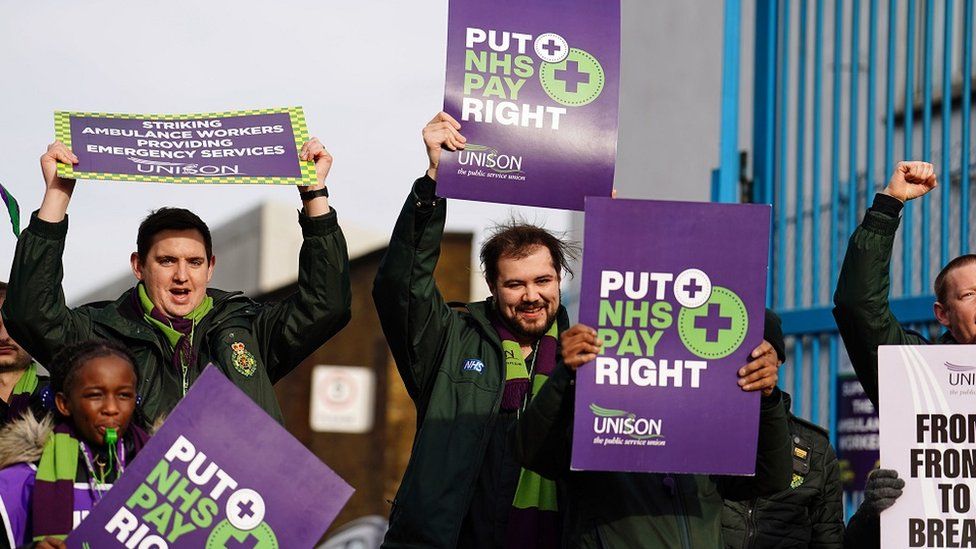
Published35 minutes agoShareclose panelShare pageCopy linkAbout sharingImage source, PA MediaBy Zoe Conway & Christy CooneyBBC NewsUnions representing hundreds of thousands of health staff are thought to be close to agreeing a pay deal that would avert more NHS strikes. The offer would cover ambulance workers, nurses, midwives and physiotherapists, although not doctors.It is believed an agreement could be announced as soon as Thursday afternoon.Recent months have seen numerous days of strike action by health workers over pay and working conditions.The unions involved in the current talks put further action on hold after the government agreed to enter discussions last month. The two sides have been negotiating for over a week, with the focus on the size of a one-off payment to health workers for this financial year. The BBC understands the payment is likely to be “substantial” to make up for the fact it will not carry into next year. For the next financial year, which begins in April, the government is also now expected to go above its previous offer of a 3.5% pay rise. Inflation over the 12 months to January stood at 10.1%.Any agreement would have to be voted on by the unions’ membership. A spokesperson for the Department of Health and Social Care said the government, NHS employers and unions had been holding constructive and meaningful discussions covering pay and non-pay matters and that the talks were ongoing.Nurses set for ‘intensive’ talks after strike pausedNHS ‘under major pressure’ as junior doctors strikeStrike action: What do rail workers, nurses and others want?A 72-hour strike by junior doctors, who say inflation means the real value of their pay has fallen 26% since 2008, went ahead on 13-15 March.They are asking for a 35% pay rise, but the government has said the request is “completely unaffordable”.The British Medical Association has called the strikes the “first round of action”.More on this storyDoctors’ strike fallout could take weeks to resolve1 hour agoStudent nurses struggling amid cost of living1 day agoWhen are the next train strikes?12 hours ago

Read more →

Doctors' strike fallout could take weeks to resolve, NHS bosses say

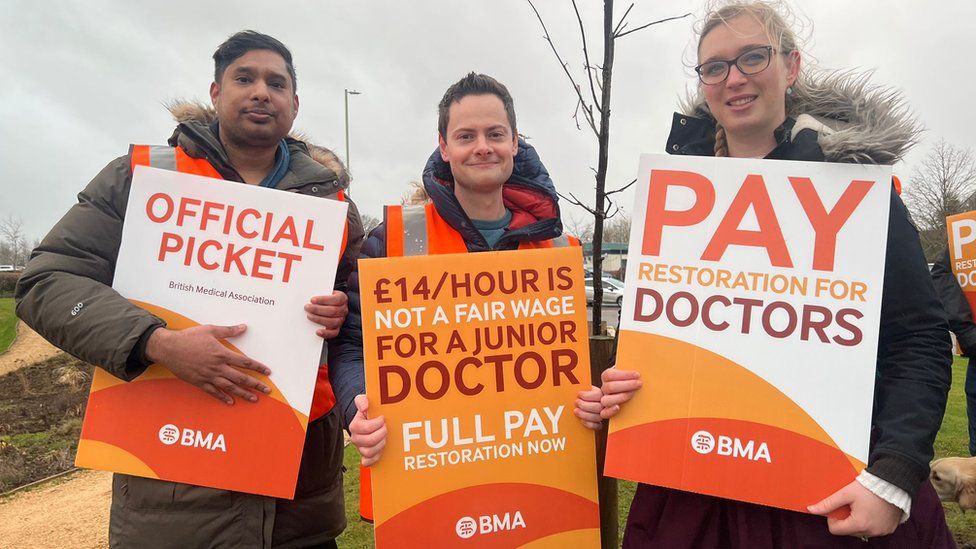
Published26 minutes agoShareclose panelShare pageCopy linkAbout sharingBy Nick TriggleHealth correspondentThe disruption caused by the junior-doctors’ strike in England could take weeks to resolve, health bosses say.Tens of thousands of appointments and treatments, including cancer care, had to be cancelled during the three-day walkout, which ends at 07:00.Patients with appointments coming up may see them cancelled to make room for high-priority cases hit by the strike.Hospitals are also reporting problems discharging patients from wards, as consultants were sent to cover A&E.’Big job’Saffron Cordery, of NHS Providers, which represents NHS trusts, said the scale and length of the walkout, coupled with the fact it started on a Monday – traditionally the busiest day of the week – had made it more difficult than previous strikes by nurses and ambulance staff.”It will take weeks to recover – just rebooking patients who have treatments and appointments cancelled is a big job,” she said.”Patients have to be individually prioritised – it may mean some patients with bookings in the coming weeks being pushed further back.”During the nurses’ strikes, some trusts reported up to a fifth of appointments being postponed – but those strikes affected only a third of NHS trusts at any one time.The walkout by British Medical Association members involved all NHS trusts. Why are doctors demanding the biggest pay rise?A year ago, Liz Slaughter, had a total knee replacement, which failed. After a second operation, the knee dislocated. And despite further surgery, the 60-year-old, from Worthing, Sussex, remains in significant pain.Her appointment with a hospital consultant, on Tuesday, was cancelled last week – and has yet to be rearranged.”I’m in constant pain and can only walk for about five minutes at most,” Ms Slaughter says.”It was really disappointing to be told the appointment was cancelled – I had been holding out for it as it’s been a really difficult period for me.”I understand the reason they’re striking. Whether they’re entitled to the 35% pay rise and whether that’s realistic I don’t know. I’m sorry for them they feel driven to do this.”The strike had also hit NHS trust finances, Ms Cordery said, with consultants demanding premium payments of up to £262 per hour to cover junior doctors.”We really cannot afford another strike, for the sake of patients and also NHS trust finances,” she said. “Consultants have been paid steep rates to provide cover.”The BMA is asking for 35% pay rise to make up for 15 years of below-inflation wage rises.On Saturday, its leaders turned down Health Secretary Steve Barclay’s last-minute offer of pay talks, as he was unwilling to discuss a rise of this scale.The government has suggested 3.5% next year.The BMA’s demands were “unaffordable”, Mr Barclay said, but he was keen to come to a “fair settlement”.Matthew Taylor, of the NHS Confederation, which represents health managers, urged the BMA and government to find a resolution, saying he hoped another walkout and disruption on this scale would “never happen again”. “The government and BMA need to find a way to move beyond their impasse,” he added. More on this storyDoctors want up to £262 an hour to cover strike4 MarchBacklog of longest-wait patients slashed in England9 August 2022’I’ve been let down – I shouldn’t have stage-4 cancer’10 August 2022NHS waits force patients to pay for private ops22 July 2022

Read more →

Scientists Investigate a Bird Flu Outbreak in Seals

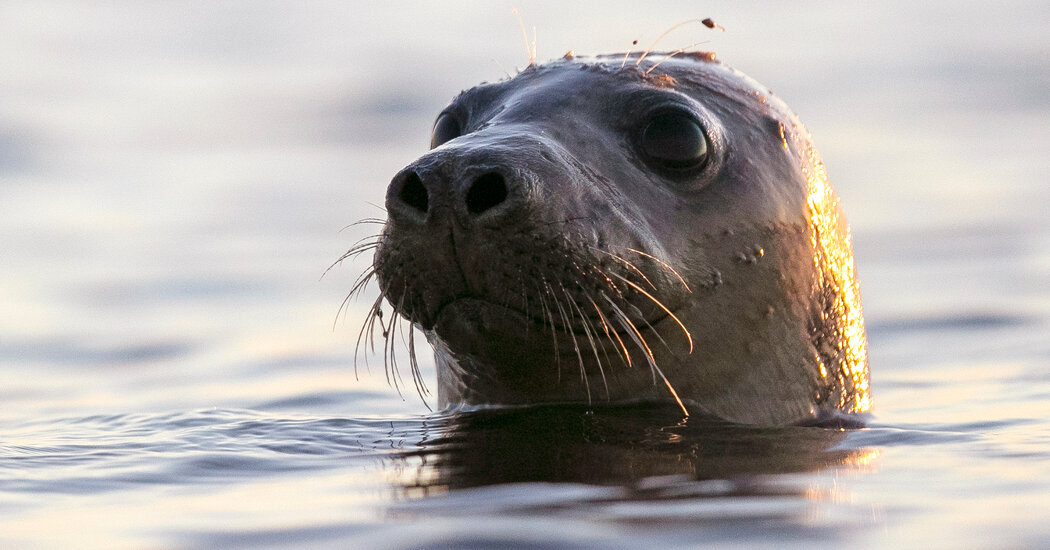
Wild birds passed the virus to seals in New England at least twice last summer, a new study suggests.Last summer, the highly contagious strain of avian influenza that had been spreading through North American birds made its way into marine mammals, causing a spike in seal strandings along the coast of Maine. In June and July, more than 150 dead or ailing seals washed ashore.Now, a study provides new insight into the outbreak. Of the 41 stranded seals tested for the virus, nearly half were infected with it, scientists reported on Wednesday in the journal Emerging Infectious Diseases. It is likely that wild birds introduced the virus to seals at least twice, the researchers concluded. In several seals, the virus had mutations that are associated with adaptation to mammals.The risk to humans remains low, and the seal outbreak waned quickly, the scientists said.“It was a dead-end event, as far as we can tell,” said Kaitlin Sawatzki, a postdoctoral researcher at the Cummings School of Veterinary Medicine at Tufts University and an author of the new paper. “The virus that entered into those seals has not persisted.”But the report comes amid growing concerns that the virus, which has already caused the largest bird flu outbreak in the nation’s history, could adapt to spread more efficiently among mammals, potentially sparking a new pandemic.It remains unclear whether the seals were spreading the virus to one another or primarily picking it up from birds. But the number of affected seals suggests that either the virus spreads easily among the marine mammals or that the barrier for bird-to-seal transmission is low.“We truly don’t know if it’s transmitting from bird to seal, bird to seal, bird to seal 100 times over or if it’s going into a couple of seals and then spreading,” said Wendy Puryear, a virologist at the Tufts veterinary school and an author of the new paper. “Both are possible,” she added. “Neither are great.”Either scenario calls for closer monitoring of seals, said David Stallknecht, an expert on wildlife diseases and influenza at the University of Georgia, who was not involved in the research.“We need to just keep our eyes on them,” he said. “The easiest way to tell if this persists in seals is to keep testing them.”The current version of H5N1 has become unusually widespread in wild birds and has spilled over repeatedly into mammals, including bobcats, raccoons and foxes. Scientists believe that most wild mammals are contracting the virus directly from birds.But a bird flu outbreak on a Spanish mink farm last fall suggested that the virus could spread efficiently among some mammalian species. And a mass die-off of sea lions in Peru has raised concerns that marine mammals might be spreading the virus to one another, too.Seals are known to be susceptible to avian influenza, and other versions of the virus have previously caused outbreaks in the animals.The new study is a collaboration between researchers at several academic institutions and wildlife organizations, including Marine Mammals of Maine and New England Wildlife Centers, as well as federal scientists.The researchers collected samples from 1,079 wild birds and 132 gray seals and harbor seals stranded along the North Atlantic coast from Jan. 20 to July 31, 2022. “That gave us a really powerful ability to see what is happening in the birds and the seals in the same time in the same region,” Dr. Puryear said.There were two waves of flu in wild birds, the researchers found. The first, which peaked in March 2022, primarily affected raptors, while the second, which began in June, hit gulls and sea ducks known as eiders.No seals tested positive for avian influenza during the first wave of bird infections. But during the summer stranding event, 19 of 41 seals tested positive.The researchers found two slightly different versions of the virus in the seals. One matched what was circulating in terns, while the other resembled what was circulating in a broader array of birds, including gulls and eiders. The finding suggests that the virus spilled over at least twice.Because these seals do not typically eat birds, the scientists suspect that the animals are picking up the virus from the environment, perhaps through contact with bird droppings.Viral samples from the seals also had mutations that were rare or absent in birds. Three seal samples had mutations that have been shown to improve viral replication or increase virulence in mammals.Such mutations are not unique. In another recent study, a team of Canadian scientists found the same mutations in some viral samples taken from bird-flu-infected foxes. “When there’s a bird-to-mammalian spillover event, they seem to be acquired to pretty quickly,” Dr. Sawatzki said.The presence of these mutations is not, in and of itself, a reason to “sound the alarm,” Dr. Stallknecht said. But continued surveillance is necessary not only to safeguard human health but also to protect wild animals from a virus that has already proved devastating.“These emerging diseases need to be looked at on a bigger scale than just ‘pandemic potential,’” he said, “because they affect a lot of other species on the globe.”

Read more →

The doctors selling false hope to people facing blindness

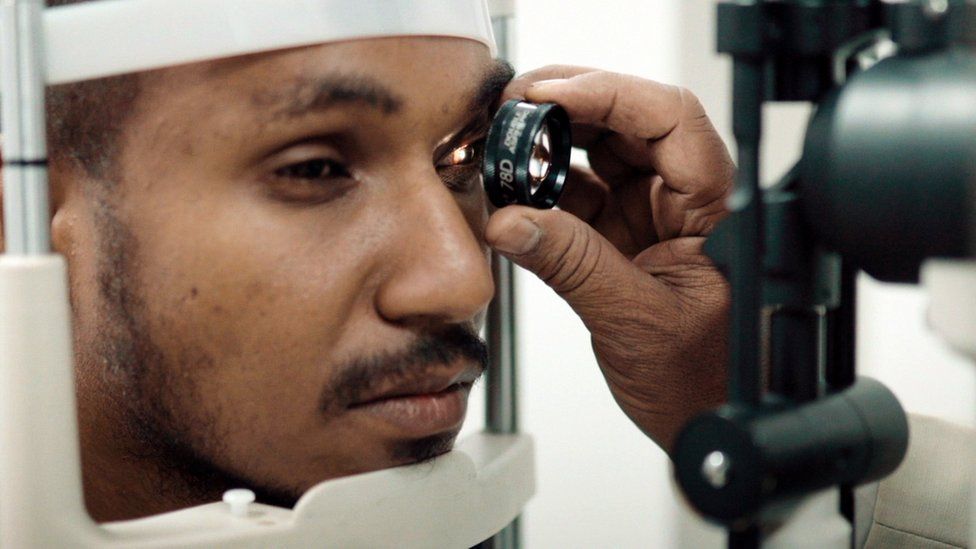
Published23 minutes agoShareclose panelShare pageCopy linkAbout sharingBy Ramadan YounesBBC News ArabicDoctors around the world are offering false hope and bogus treatments to millions of people with an incurable condition that can lead to blindness. BBC reporter Ramadan Younes, who has the disease himself, went undercover to expose them.Lying in hospital for five days in complete darkness, bandages covering my eyes, I imagined what my life would be like with my vision improved.It was 2013, and I had travelled to Beijing, China, after reading about a treatment for the genetic eye disease retinitis pigmentosa (RP). Six years earlier, I had been diagnosed with the condition, which means I’m gradually losing my vision and one day I could go blind.I raised $13,000 (£10,900) to pay for treatment that I was told could make my eyesight better and stop it deteriorating further. I was told it would change my life.When I returned to my home in Cairo, Egypt, I told friends and family that my sight was improving – but it wasn’t true. Nothing had changed.Month after month, I still feel my vision fading away. The condition means the millions of light sensitive cells at the back of my eye are gradually dying.There is currently no cure – just one approved genetic therapy that can stop the disease progressing, but only for some patients with a specific faulty gene. But it hasn’t stopped doctors around the world from claiming they can treat the untreatable, often at huge expense.In three years of investigating supposed treatments for RP, I spoke to dozens of patients like me who had been given false hope, and I met many doctors claiming to have miraculous therapies – in places as varied as Miami, USA, Russia and Gaza.In Gaza I met people living in refugee camps who had gathered thousands of dollars from friends and family to be treated with injections of glucose and vitamins, along with vibrating massage devices. I met patients in Sudan who were urged by doctors to travel to Russia every year and spend thousands of dollars on vitamin injections – which even a member of staff at the hospital admitted to me over the phone could not possibly work.But the case of Miami’s Dr Jeffrey Weiss – who says in his promotional videos, “I am treating the untreatable. I am treating people who have never had hope” – was the most disturbing, taking place in one of the most highly regulated healthcare systems in the world.The treatment is actually a clinical trial run by Dr Weiss, who performs the operation, and his colleague Dr Steven Levy, who is chair of the study and who has the initial discussions with patients.But unlike most trials in the US, which are funded by the government or private drug and medical device companies, in this case patients have to pay $20,000 (£16,750) to take part.One leading doctor – president of the American Society of Retina Specialists, Dr Judy Kim – told the BBC charging for a clinical trial went against widely accepted ethical guidelines and was “morally reprehensible”.I called Dr Levy, posing as a patient and secretly recording him, to see what he tells patients about the trial. He told me that it involved taking stem cells from the patient’s bone marrow and then injecting them under the eyelids and into the back of the eye sockets. He told me that Dr Weiss had treated about 700 patients with “no complications”, and “the vast majority” of patients experienced benefits.But former patients told me a different story. One, named Ahmed Farouki, said that after the procedure he found he could no longer see with his left eye.Since then, Mr Farouki said he has been telling his story on social media and warning others not to have the treatment. He said if he could speak to Dr Weiss, he would tell him: “Stop sabotaging people’s futures. Enough is enough.”Several other patients also told me they experienced complications after the procedure, including having debris in the eye.All the patients I spoke to in the United States found the treatment the same way: through a government website called Clinicaltrials.gov.It lists more than 400,000 trials and, in most cases, there is no way to tell what is regulated, and what is not.A short disclaimer tells users that “listing a study on this site does not mean it’s been evaluated by the US federal government”.So patients searching for a glimmer of hope are left with little guidance as to whether they are joining a valid trial or not.I struggled to believe that a doctor could operate so openly unless there was some scientific evidence behind his claims. So I played recordings of my call with Dr Levy to three professors of ophthalmology.Dr Byron Lam from the Bascom Palmer Eye Institute in Miami described Dr Levy’s claims as “really crazy” and said he did not believe there was “any scientific validity” to the idea that injecting bone marrow stem cells would help the condition.Responding to claims that there were “zero adverse events” from the procedure, Dr Thomas Albini – also from the Bascom Palmer Eye Institute – said it was “extremely difficult for me to believe”.”There are risks to anaesthesia, there are risks to the bone marrow biopsy and there are certainly risks to the eye procedure,” he said.Prof Robert MacLaren from the University of Oxford said: “This is not a valid clinical trial. This is a very worrying treatment that’s potentially damaging for the patients and it needs to stop.”After I revealed to Dr Levy I was a journalist investigating this treatment and requested an interview with Dr Weiss, he wrote back and said I was a sham.”Your self-serving desire for a tiny flicker of fame through harming our study, remains unbound.”You are a disgrace to your family, and to millions of people suffering from untreatable eye disease from across the world. “Best regards, Steven Levy, MD.”‘My sight’s deteriorating, my determination won’t’Gene therapy to halt rare form of sight loss I wondered how all of this was possible in a highly regulated country such as the US, especially as there is evidence of concerns about the two doctors’ methods.In 2021, the American Academy of Ophthalmology permanently terminated the membership of Dr Weiss after investigating the way the trial was run. It concluded that the study broke rules against giving “false, untrue, deceptive, or misleading information” to the public and creating “unjustified expectations of results”. The academy also judged that it breached the rules with results that did not “substantiate the publicly made claims for safety and efficacy of the research”.Dr Levy had surrendered his licence to practise medicine in 2004 in Connecticut and New York. In New York, the state’s Department of Health had charged him with 41 specifications of professional misconduct – including gross negligence, incompetence on more than one occasion, fraudulent practice and failing to comply with a federal law. Dr Levy did not contest the allegations.But Andrew Yaffa, a medical malpractice lawyer, told me it was hard to stop the two doctors from offering their treatment in Florida.Mr Yaffa said more than 15 patients had approached him with potential cases, but he said medical malpractice in the state is complex and expensive to pursue. Because the patients’ vision was already badly deteriorated by their illness, it would be hard to get sufficient damages awarded by a court to fund the expense of litigation, he said.”Florida requires that your hired hand that you bring to your house to cut your lawn has more insurance than any physician that’s going to operate on you,” he said.The US Food and Drug Administration regulates clinical trials and it seemed Dr Levy’s conversation with me might have broken the rules on how they should be run. But Mr Yaffa said the agency was understaffed and the regulations needed more clarity.The FDA did not respond to specific questions about Dr Levy and Dr Weiss.But in a statement, the agency said companies making unsubstantiated claims about unproven cell therapies were doing “a disservice to those innovators who are working to develop safe and effective stem cell products”.The FDA added that unproven and unapproved stem cell therapies can be “particularly unsafe and have led to serious infections, blindness, and death”.More on this story’My sight’s deteriorating, my determination won’t’28 November 2020Gene therapy to halt rare form of sight loss17 February 2020Algae proteins partially restore man’s sight24 May 2021

Read more →

Linfield footballer Ross Larkin 'lucky to be alive' after cancer

Published2 hours agoShareclose panelShare pageCopy linkAbout sharingThis video can not be playedTo play this video you need to enable JavaScript in your browser.By Mark SimpsonBBC News NI correspondentLinfield footballer Ross Larkin says he feels fortunate to be alive following a life-threatening brain tumour.The 23-year-old from Newry, County Down, has undergone surgery, radiotherapy and chemotherapy.The Northern Ireland under-21 defender hopes to make a full recovery but it is unclear whether he will be able to play top-flight football again.However he continues to build his fitness back up and is currently training for the Belfast City Marathon.Details of his illness were not made public when the brain tumour was discovered, just before Christmas in 2021.To protect his privacy, Linfield simply put out a statement saying the centre-half was in hospital for a “procedure”. It was, in fact, brain surgery.Image source, Linfield FCIn his first interview about his illness, Larkin told BBC News NI: “Thank God I had that surgery and it was successful.”I’d had no symptoms whatsoever and next thing I’m admitted to hospital for a brain tumour. “I just couldn’t believe it. My family couldn’t believe it. It was hard to take.”Before illness struck, he was riding high in life.By the age of 22, he had a university degree and a full-time football contract at the biggest club in Belfast.He had played 28 times for Linfield, after previously starring for Portadown as a teenager.At 6ft 4in (1.93m), he was making a name for himself as a defender who was good in the air as well as on the ground.After playing for Linfield against Warrenpoint at Windsor Park on 11 December 2021, he started preparing for his winter graduation at Queen’s University Belfast the following week. He had successfully completed a course in business management.Debutant Ross Larkin opens NI scoringOn the day of his graduation, he started to feel unwell, during the evening after the ceremony.”I felt a pressure at the side of my eye – I lost peripheral vision,” he said.Image source, Ross LarkinAfter being taken to hospital, he was examined and it was thought he may have had a stroke.After a scan, the brain tumour was discovered and, initially, it was feared it was untreatable.Further tests concluded that although it was cancerous, treatment might work.After surgery on Christmas Eve, a period of daily radiotherapy began and then chemotherapy. It was a grade-three oligodendroglioma tumour.”It’s such a rare disease and for it to happen to me was just hard to take,” he said.”But I got through it and am stronger for it now.”I feel so thankful to everyone for being so good to me.”He is grateful to the medical staff who saved his life as well as his family and friends. He also received constant support from Linfield and manager David Healy.’Not giving up’So, will he be able to play football again?”I’m not sure,” he says.”I’ve talked to the doctors and the brain surgeons. They’re not recommending it fully. “But I’m personally not giving up on it. I’ll see how I am, maybe in a year’s time and reassess.”I’m doing the Belfast marathon and I want to focus on this at the moment and after the marathon I’ll sit down and I’ll see where I am.”Preparing for the marathon on 30 April has given him a new goal to work towards. He is hoping to raise money for the Brainwaves NI charity.The marathon training has restored his competitive spirit after a gruelling 12 months of treatment.”I might try and win it,” he says, with a wide smile.

Read more →

The hidden cost of soothing my throat after cancer

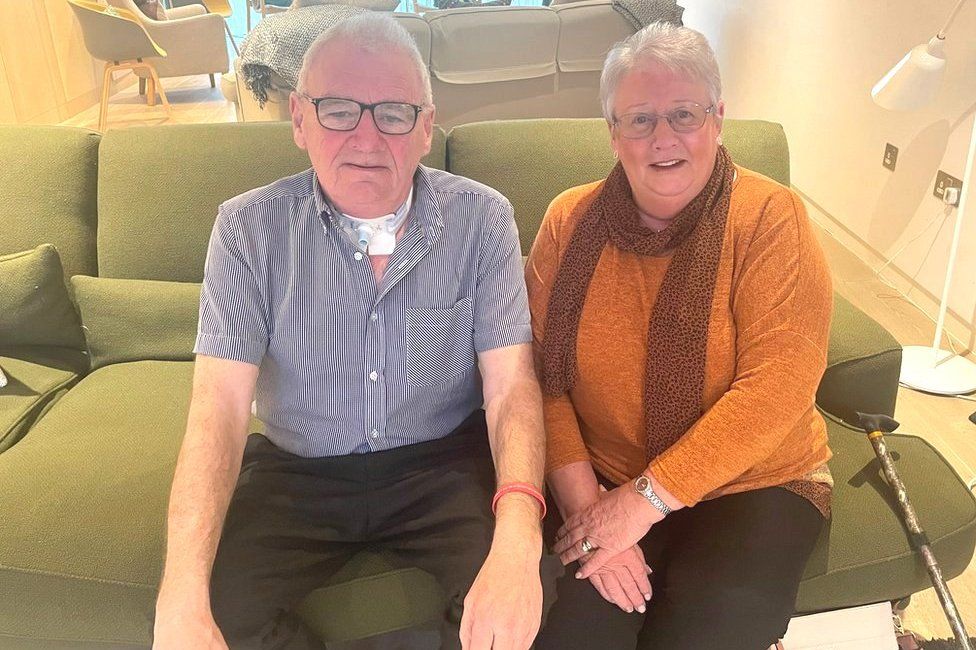
Published3 hours agoShareclose panelShare pageCopy linkAbout sharingImage source, Liz MelvinBy Angie BrownBBC Scotland NewsJim Melvin is recovering from throat cancer – but he and wife Liz are also having to deal with the emotional and financial costs of battling the disease.Retired taxi driver Jim, from East Kilbride, had to have a tracheotomy 18 months ago because of his radiotherapy treatment.That has left him with anxiety, while having to adapt to the physical impact of the surgical hole in his neck.And there is also a financial cost for the couple. Liz says they have to cut back on some of their weekly shopping to afford the things they need.Jim, 71, has three or four boxes of ice lollies a week to soothe his dry throat.Their weekly bill for tissues, which are needed to mop up saliva from the tracheotomy, has increased by £15.40 a week.In total, they are spending £52 a week on tissues and ice lollies.”It’s hard to afford these things. It sounds strange, but it all adds up,” said Liz, a retired office assistant.”Instead I cut a loaf of bread from the shopping and buy two pints of milk instead of four, things like that.”Image source, Liz MelvinThey also have to buy clothing which is wide enough for Jim’s breathing tube.”It also costs a lot to buy new tops all the time and I’m washing them all the time too, which costs a lot in laundry bills.”Liz was speaking to BBC Scotland on behalf of her husband as it is difficult for him to talk.Jim was diagnosed with oesophageal cancer after going to the doctor with a hoarse voice in March 2021, thinking he had a cold.He had radiotherapy every day for six weeks.Liz said this had made him anxious because he felt very claustrophobic in the plastic head mask that covered his head and shoulders. “We thought he was having panic attacks in the evenings after the daily radiotherapy sessions. “I would play him calming music but then the doctor saw on a scan his airway was closed and rushed him into hospital.”The side effects of radiotherapy can be that your airway closes up so you need to get a tracheotomy.”It was frightening for him not being able to breathe.”Image source, Liz MelvinJim uses up to 200 tissues a day to wipe away saliva.”It can be embarrassing for him as it can come out unexpectedly,” said Liz.”Jim suffers from anxiety as a result. At first he thought it was just happening to him, but now he’s found out it happens to everyone with a tracheotomy.”Father-of-three Jim is now recovering from throat cancer.Liz said: “We can’t say he’s over it until five years have passed, but the doctor says there are no lumps and bumps there now.”All this has been very bad for his mental health, it’s made him very anxious.”She added: “I’m glad Jim has survived, he’s come through a lot.”The worst he’s been through before this was man flu, so it’s been an horrendous step for him – but he’s getting there.”Dame Laura Lee, chief executive of cancer charity Maggie’s, said the unexpected additional costs of cancer could be as much as £900 a month for some people.”That then takes a toll on mental health, leading to increased anxiety and depression,” she said.”These hidden costs have always been there, but they are compounded by the drop in income that usually comes with a diagnosis and the current cost of living crisis.”Coping with the cost of cancer is far harder today.”Related Internet LinksMaggie’sThe BBC is not responsible for the content of external sites.

Read more →