Lighting up tumors could help surgeons remove them more precisely

A new technique that combines highly detailed, real-time images of inside the body with a type of infrared light has, for the first time, been used during surgery to differentiate between cancerous tumours and healthy tissue.
The pioneering technique, demonstrated in mice, has been developed by engineers at the Wellcome/EPSRC Centre for Interventional and Surgical Sciences (WEISS) at UCL and surgeons at Great Ormond Street Hospital (GOSH).
Researchers say, the development could have implications for treating neuroblastoma, which is the most common form of solid cancer tumour, other than brain tumours, found in children. Standard treatment typically involves surgery to completely remove cancerous cells, which can be difficult to see as they look similar to the surrounding healthy tissue.
For the study, published in Cancer Research, scientists at UCL and GOSH used a technique called ‘molecular imaging’ during surgery, where chemicals are injected into the bloodstream to act as imaging probes. These chemicals are attracted to cancerous cells in the body, and once attached, the probes light up through a process called ‘fluorescence’, which in turn lights up the tumour. The technique, used during preclinical testing in mice, successfully revealed part of a tumour that had not been removed during surgery.
Next the team wanted to test whether they could improve the visual quality of the images, by using a ‘new’ type of light, short wave infrared light (SWIR), that has only recently become accessible to scientists through new technology.
For this they used a special high definition camera to capture SWIR fluorescence. SWIR is invisible to the naked eye and has a longer wavelength than visible light, allowing it to penetrate deeper into the tissue to provide sharper, more detailed images. Using this technique, surgeons were able to distinguish between cancerous tumours and healthy tissue during the preclinical tests.

Team leader Dr Stefano Giuliani, Consultant Paediatric Surgeon at Great Ormond Street Hospital and Associate Professor at UCL Great Ormond Street Institute of Child Health, said: “Surgery to remove neuroblastoma requires a delicate balance. Remove too little and the tumour might grow back, but remove too much and the surgeon risks damaging the surrounding blood vessels, nerves and other healthy organs. This technique effectively lights up the tumour, allowing surgeons to remove it with unprecedented precision. We hope to be able to translate this innovative technology into clinical practice at GOSH as soon as possible to benefit the largest number of children with cancerous tumours.”
Neuroblastoma is a devasting childhood cancer and accounts for 8-10% of all childhood cancers and around 15% of childhood deaths from cancer. In around a third of patients the cancer has already spread to other parts of the body at the time of diagnosis, making it harder to treat.
Unlike X-ray or magnetic resonance imaging (MRI), which focus on organs and bones, molecular imaging produces detailed pictures of biological processes, and can be done live during surgery, meaning clinical teams don’t have to wait for biopsy or culture results when screening for diseases. The SWIR enhances the images in real time.
Dr Dale Waterhouse (Wellcome / EPSRC Centre for Interventional & Surgical Sciences (WEISS) at UCL) said: “This work shows that SWIR imaging, a technology first used for material inspection, can enhance the surgeon’s vision beyond the capabilities of the human eye, allowing more precise tumour surgery. It is very exciting to be part of an interdisciplinary team where surgeons and engineers work together, pioneering cutting-edge technologies that promise to improve the treatment of patients at GOSH.”
Dr Laura Privitera (UCL Great Ormond Street Institute of Child Health) said: “Paediatric surgical oncology faces an ever-increasing need for novel technologies and devices that can help visualise tumours intraoperatively. By using targeted fluorescence-guided surgery, we demonstrate the possibility of safely and specifically delineating tumour margins, allowing its differentiation from surrounding healthy tissue. Fluorescence-guided surgery is a game-changing innovation that will help surgeons to obtain safer and more complete resection. It is exciting to be part of this project, and I look forward to seeing this technology translated into the clinical environment.”
Scientists at GOSH and UCL WEISS are now working to fast-track the technology into the operating theatre at GOSH within the next 12 months to benefit children with cancerous tumours.
The study was supported by the Medical Research Council, WEISS, EPSRC, the Royal Academy of Engineering and GOSH.

Read more →

Transfer-tattoo-like cell-sheet delivery for wounds

Recently, a team of Korean and international researchers reported the successful development of a transfer-tattoo-like cell sheet that can be directly applied to targeted surfaces. The cell sheet delivery system has shown promising potential for facilitating cutaneous wound healing and promoting skin tissue regeneration, particularly in complex and broad injuries such as burn wounds.
A research team at POSTECH led by Professor Sungjune Jung from the Department of Materials Science and Engineering, in collaboration with researchers headed by Roisin M. Owens at the University of Cambridge and a team led by Professor Jae Ho Kim at Pusan National University’s School of Medicine have developed a cell sheet delivery system that allows for the direct transfer of a cell sheet to targeted tissues. The findings were published in Advanced Materials.
Traditional approaches for damaged tissue regeneration involve the injection of cell suspensions. However, this method often fails to ensure optimal adhesion of injected cells to targeted tissues, leading to suboptimal regenerative effects. In response, a novel cell sheet delivery system was introduced to enhance cellular adhesiveness. Yet, conventional cell sheet systems require the detachment of cell sheets from a surface triggered by detrimental external stimuli in order to deliver the sheets to target tissues.
The joint team used a mechanism of natural cell migration between surfaces to develop the world’s first cell sheet delivery system. This system enables the transfer of cell sheets to a target surface with different adhesion preferences without the need for deleterious external stimuli.
To achieve this, the team utilized a flexible parylene membrane approved by the FDA for use as a cell culture surface. The team’s UV-treated parylene surface demonstrated both stable cell binding during culture and adequate levels of cell adhesiveness for efficient transfer to a target tissue.
The team’s cell sheet engineering leverages the inherent migratory properties of cells, thereby removing the need for external stimuli and detachment processes. Compared to traditional techniques, their approach boasts high levels of biocompatibility, process simplification, and workflow convenience.
Moreover, their research demonstrated for the first time that the vertical migration of cells between two distinct surfaces is feasible, beyond the well-known horizontal migration. The team has termed this vertical migration process “interfacial cell migration,” which serves as the fundamental principle underlying their cell delivery platform.
The team’s research efforts also included successful demonstrations, via animal models, of the efficacy of their cell sheet system for different wound types, yielding rapid regenerative outcomes. Based on these findings, the team proposed future development of cultured cell sheets into “living cell hydrocolloid dressing(DuoDERM™),” which could be custom-tailored and applied to complex wounds. Furthermore, the team’s cell sheet technique exhibits the ability for multi-layer stacking, which enables the manufacturing of 3D tissues and the use of different cell types, facilitating the creation of artificial tissues with complex multi-cellular patterns.
“The research represents the first study to showcase 3D cell migration between surfaces and is poised to significantly expand our knowledge base in basic biological research,” explained Professor Sungjune Jung who led the research.
This study was conducted with the support from the Mid-career Researcher Program of the National Research Foundation of Korea.

Read more →

Can synthetic polymers replace the body's natural proteins?

Most life on Earth is based on polymers of 20 amino acids that have evolved into hundreds of thousands of different, highly specialized proteins. They catalyze reactions, form backbone and muscle and even generate movement.
But is all that variety necessary? Could biology work just as well with fewer building blocks and simpler polymers?
Ting Xu, a University of California, Berkeley, polymer scientist, thinks so. She has developed a way to mimic specific functions of natural proteins using only two, four or six different building blocks — ones currently used in plastics — and found that these alternative polymers work as well as the real protein and are a lot easier to synthesize than trying to replicate nature’s design.
As a proof of concept, she used her design method, which is based on machine learning or artificial intelligence, to synthesize polymers that mimic blood plasma. The artificial biological fluid kept natural protein biomarkers intact without refrigeration and even made the natural proteins more resistant to high temperatures — an improvement over real blood plasma.
The protein substitutes, or random heteropolymers (RHP), could be a game-changer for biomedical applications, since a lot of effort today is put into tweaking natural proteins to do things they were not originally designed to do, or trying to recreate the 3D structure of natural proteins. Drug delivery of small molecules that mimic natural human proteins is one hot research field.
Instead, AI could pick the right number, type and arrangement of plastic building blocks — similar to those used in dental fillings, for example — to mimic the desired function of a protein, and simple polymer chemistry could be used to make it.

In the case of blood plasma, for example, the artificial polymers were designed to dissolve and stabilize natural protein biomarkers in the blood. Xu and her team also created a mix of synthetic polymers to replace the guts of a cell, the so-called cytosol. In a test tube filled with artificial biological fluid, the cell’s nanomachines, the ribosomes, continued to pump out natural proteins as if they didn’t care whether the fluid was natural or artificial.
“Basically, all the data shows that we can use this design framework, this philosophy, to generate polymers to a point that the biological system would not be able to recognize if it is a polymer or if it is a protein,” said Xu, UC Berkeley professor of chemistry and of materials science and engineering. “We basically fool the biology. The whole idea is that if you really design it and inject your plastics as a part of an ecosystem, they should behave like a protein. If the other proteins are like, ‘Okay, you are part of us,’ then that’s OK.”
The design framework also opens the door to designing hybrid biological systems, where plastic polymers interact smoothly with natural proteins to improve a system, such as photosynthesis. And the polymers could be made to naturally degrade, making the system recyclable and sustainable.
“You start to think about a completely new future of plastic, instead of all this commodity stuff,” said Xu, who is also a faculty scientist at Lawrence Berkeley National Laboratory.
She and her colleagues published their results in the March 8 issue of the journal Nature.

A happy mix of biological and abiological polymers
Xu sees living tissue as a complex mix of proteins that evolved to work together flexibly, with less attention paid to the actual amino acid sequence of each protein than to the functional subunits of the protein, the places where these proteins interact. Just as in a lock-and-key mechanism, where it doesn’t make much difference whether the key is aluminum or steel, so the actual composition of the functional subunits is less important than what they do.
And since these natural protein mixtures evolved randomly over millions of years, it should be possible to create similar mixtures randomly, with a different alphabet of building blocks, if you use the right principles to design and select them, relieving scientists of the need to recreate the exact protein mixtures in living tissue.
“Nature doesn’t do a lot of bottom-up, molecular, precision-driven design like we do in the lab,” Xu said. “Nature needs flexibility in order to get where it is. Nature doesn’t say, let’s study the structure of this virus and make an antigen to attack it. It’s going to express a library of antigens and from there pick the one that works.”
That randomness can be leveraged to design synthetic polymers that mix well with natural proteins, creating biocompatible plastics more easily than today’s targeted techniques, Xu says.
Working with applied statistician Haiyan Huang, a UC Berkeley professor, the researchers developed deep learning methods to match natural protein properties with plastic polymer properties in order to design an artificial polymer that functions similarly, but not identically, to the natural protein. For example, in trying to design a fluid that stabilizes specific natural proteins, the most important properties of the fluid are the electric charges of the polymer subunits and whether or not these subunits like to interact with water — that is, whether they are hydrophilic or hydrophobic. The synthetic polymers were designed to match those properties, but not other characteristics of the natural proteins in the fluid.
Huang and graduate student Shuni Li trained the deep learning technique — a hybrid of classical artificial intelligence (AI) that Huang refers to as a modified variational autoencoder (VAE) — on a database of about 60,000 natural proteins. These proteins were broken down into 50-amino acid segments, and the segment properties were compared to those of artificial polymers composed of only four building blocks.
With feedback from experiments by graduate student Zhiyuan Ruan in Xu’s lab, the team was able to chemically synthesize a random group of polymers, RHPs, that mimicked the natural proteins in terms of charge and hydrophobicity.
“We look at the sequence space that nature has already designed, we analyze it, we make the polymer match to what nature already evolved, and they work,” Xu said. “How well you follow the protein sequence determines the performance of the polymer you get. Extracting information from an established system, such as naturally occurring proteins, is the easiest shortcut to enable us to tease out the right criteria for creating biologically compatible polymers.”
Colleagues in the lab of Carlos Bustamante, UC Berkeley professor of molecular and cell biology, of chemistry and of physics, performed single molecule optical tweezers studies and clearly showed that the RHPs can mimic how proteins behave.
Xu, Huang and their colleagues are now trying to mimic other protein characteristics to reproduce in plastic the many other functions of natural amino acid polymers.
“Right now, our goal is simply stabilizing proteins and mimicking the most basic protein functions,” Huang said. “But with a more refined design of the RHP system, I think it’s natural for us to explore enhancing other functions. We are trying to study what sequence compositions can be informative regarding the possible protein functions or behavior that the RHP can carry.”
The design platform opens the door to hybrid systems of natural and synthetic polymers, but also suggests ways to more easily make biocompatible materials, from artificial tears or cartilage to coatings that can be used to deliver drugs.
“If you want to develop biomaterials to interact with your body, to do tissue engineering or drug delivery, or you want to do a stent coating, you have to be compatible with biological systems,” Xu said. “What this paper is telling you is: Here are the design rules. This is how you should interface with biological fluids.”
Her ultimate goal is to totally rethink how biomaterials are currently designed, because current methods — focused primarily on mimicking the amino acid structures of natural proteins — are not working.
“The Food and Drug Administration hasn’t approved any new material for polymer biomaterials for decades, and I think the reason is that a lot of synthetic polymers are not really working — we are pursuing the wrong direction,” she said. “We are not letting the biology tell us how the material should be designed. We are looking at individual pathways, individual factors, and not looking at it holistically. The biology is really complicated, but it’s very random. You really have to speak the same language when dealing with materials. That’s what I want to share with the materials community.”
Other co-authors of the paper include UC Berkeley graduate students Alexandra Grigoropoulos, Haotian Chen and Ivan Jayapurna; UC Berkeley postdoctoral fellows Hossein Amiri and Tao Jiang; UC Berkeley undergraduate student Zhaoyi Gu; and Xu’s collaborators at MIT, Alfredo Alexander-Katz and Shayna Hilburg.
The work was funded by the U.S. Department of Defense (W911NF-13-1-0232, HDTRA1-19-1-0011), the National Science Foundation (DMR- 2104443), the Department of Energy’s Office of Science (DE-AC02-05-CH11231) and the Alfred P. Sloan Foundation’s Matter-to-Life initiative.

Read more →

DART VADAR harnesses the force of enzymes for better RNA drugs

More than twelve billion doses of mRNA vaccines have been administered globally since the start of the COVID pandemic, saving millions of lives. But RNA-based therapies for other diseases have so far proven more challenging to develop. The full-body immune response caused by mRNA vaccines is fantastic for fighting off invading pathogens, but many other conditions only affect a single organ or cell type. Engineering RNA molecules to only activate their therapeutic payloads when they find themselves in the right conditions is the key to the next generation of “smart” RNA-based therapies.
A new system created by researchers at the Wyss Institute at Harvard University and MIT may help unlock that potential, as reported in Nature Communications. The team, working in the lab of Wyss Core Faculty member Jim Collins, Ph.D., developed a novel RNA sense-and-respond circuit they call Detection and Amplification of RNA Triggers via ADAR, or DART VADAR. Taking advantage of an enzyme that edits RNA in the human body, DART VADAR allows researchers to easily design circuits that trigger the translation of a delivered genetic payload in response to the presence of a specific molecular marker of disease and/or cell type. This ability broadens the scope of conditions that can be addressed with RNA-based therapeutics and enables the development of highly specific treatments for a variety of diseases.
“I am particularly excited by the fact that our DART VADAR system is a clinically relevant, compact RNA-based circuit that enables one to direct therapies in a highly programmable manner to specific cell types and cells in certain states, thereby minimizing off-target effects,” said Collins, who is also the Termeer Professor of Medical Engineering & Science at MIT.
From trigger to translation to therapy
The Collins Lab has long been interested in finding ways to control the translation of RNAs in cells, and has developed several methods, including eToeholds, that allow them to initiate translation only in the presence of a specific “trigger” molecule. But the process of designing a new molecular structure for every new trigger was cumbersome and complicated. “Our technology grew from the idea that we could decouple the elements of responsive RNA sensors — sensing, actuation, etc. — so it’s much easier to design circuits for new targets. Ideally, we wanted to be able to change the payload without modifying the sensor element every time,” said co-first author Raphaël Gayet, Ph.D., a research scientist at the Wyss Institute.
The substance around which DART VADAR is built is called adenosine deaminases acting on RNA, or ADARs. ADARs are enzymes that bind to double-stranded RNA (dsRNA) molecules and make a specific base edit, converting a mismatched adenosine (A) molecule into inosine (I). This change destabilizes the dsRNA structure, and is thought to be involved in cells’ responses to different viruses, many of which carry their genetic material as RNA.

The researchers reasoned that they could use the natural dsRNA-editing ability of ADARs to create a new kind of responsive RNA sensor. So they designed a single-stranded RNA circuit containing multiple modular elements: A sequence complementary to an RNA of interest in a cell A “stop” codon sequence of uracil-adenosine-guanine (UAG) in the middle of the RNA strand A sequence coding for a fluorescent green protein as an observable signal moleculeThe UAG codon sequence prevents any genes encoded after it, like the green fluorescent protein, from being translated, as UAG is the natural signal to a ribosome that it should stop the translation process and fall off an RNA strand. However, if the circuit binds to a complementary target RNA strand in the cell, it becomes a double-stranded RNA molecule. The team engineered their circuit so that the A of the UAG sequence would “mismatch” with a cytosine (C) in the target strand, rather than its rightful partner of U. This mismatch essentially frees up the A to be found and converted to I by ADAR, and the resulting UIG sequence is no longer a “stop” codon, allowing translation to occur. Thus, the green fluorescent protein is produced, signaling that the sensor circuit has found and bound to its target.
ADARs are naturally found at high concentrations in neurons, but in low amounts in other cells, and the team found that while their ADAR-based sensor worked, its activity was low. To ensure that the sensor could work in different cell types, they added the sequence of the ADAR gene to their sensors. Now, activation of the sensor by ADAR naturally present in a cell could stimulate the production of more ADAR, creating a positive feedback loop that amplifies the sensor’s activity. They verified that this occurred in experiments in vitro, observing that cells that received the ADAR-containing DART VADAR sensor displayed a marked increase in fluorescent green protein levels.
“What’s really exciting about this sensor is that the green protein signal sequence can be easily replaced with the sequence for any therapeutic gene that you want to express in response to the presence of a trigger RNA in the cell. So not only does this sensor detect targets, it can automatically respond to them without requiring user input, automating the delivery of a therapeutic payload at the cellular level,” said co-first author Shiva Razavi, Ph.D., a Postdoctoral Fellow at MIT.
A highly sensitive sensor
While the team was thrilled that their first version of DART VADAR worked, they realized that they would have to make some modifications if it were to be useful as a therapeutic approach.

“While expressing naturally occurring ADAR via our sensor increased the A-to-I editing rate from about 3% to about 30%, that still falls short of being useful in a real-world context. Endogenous ADAR is insufficient to generate consistent results and too big to fit into clinically approved delivery vehicles, like AAV [adeno-associated virus]. In terms of translation potential, it’s important to make sure whatever you’re doing in the lab can realistically make it into a product one day,” said co-first-author Katherine Ilia, Ph.D., a Postdoctoral Researcher at MIT.
To address those limits, the team leveraged an engineered ADAR variant that was truncated to only contain its active RNA-editing region, and added two short regions that can bind to a “hairpin” RNA structure known as MS2, which they inserted into their sensor sequence flanking the UAG codon. This chimeric protein, which they named MCP-ADAR, is much smaller than naturally occurring ADAR, and has a reduced likelihood of binding to off-target molecules. They also modified the ADAR gene in their RNA sensor so that it would be translated into their modified MCP-ADAR version. Now, when a sensor was activated by naturally occurring ADAR in a cell, the MCP-ADAR produced could bind to other sensors via the MS2 hairpins, driving the production of more MCP-ADAR and amplifying the sensors’ activity.
To test the performance of their optimized DART VADAR system with its engineered enzyme, the team decided to see if it could detect a single-base mutation in the human p53 tumor
suppressor gene that is known to drive several kinds of cancer. They designed a DART VADAR sensor to detect the p53 mutant and introduced it into a line of human cells along with plasmids expressing either the normal or the mutant version of the gene. They found that cells that contained the mutant version of the gene also showed a five-fold activation of the reporter gene in the sensor, showing that the sensor did indeed register the presence of the aberrant genetic sequence with high specificity.
They next tested whether DART VADAR could distinguish between healthy cells that are in different stages of development, based on the presence of specific molecular markers of cell state. They used mouse cells called myoblasts, which are progenitor cells that can differentiate into multiple cell types including myotubes (which become muscle) and osteoblasts (which produce bone). They designed DART VADAR sensors to detect RNA markers of both cell fates, prodded the myoblasts to differentiate, and then added their sensors to the cells. They found that both sensors strongly produced their respective payload signal molecules in their corresponding cells, demonstrating that the sensors can detect molecular differences in both cell states and cell types.
The team points out that in order to apply DART VADAR to various clinical applications, additional aspects of the target site, such as the likelihood of triggering an immune response, will need to be considered during the sensor development process. They anticipate that recent computational advances in protein structure prediction could be used to further refine the selection of optimal target sites to guide the design of safe and effective DART VADAR sensors. They have applied for a grant to use DART VADAR to explore the stepwise differentiation of stem cells into other cell types, which in the future could be used to replace diseased cells in a patient with healthy cells.
“This team’s ability to combine preexisting biological components into a completely new engineered technology that has the potential to make the treatment of a wide range of diseases faster and easier is a great example of how synthetic biology can change the world for the better,” said Wyss Founding Director Don Ingber, M.D., Ph.D. Ingber is also the is also the Judah Folkman Professor of Vascular Biology at Harvard Medical School and Boston Children’s Hospital, and Hansjörg Wyss Professor of Bioinspired Engineering at the Harvard John A. Paulson School of Engineering and Applied Sciences.
Nathaniel Tippens is another co-first-author of the paper. Additional authors include Makoto Lalwani, Kehan Zhang, and Jack Chen from the Wyss Institute and MIT, Jonathan Chen from MIT and the Broad Institute, and Jose Vargas-Asencio from the MIT Picower Institute. This work was supported by NIH grants R01EB024591 and 5RC2DK120535-03, and the Wyss Institute for Biologically Inspired Engineering.

Read more →

Bruce Willis's wife speaks of her grief at his dementia on his 68th birthday

Published1 day agoShareclose panelShare pageCopy linkAbout sharingImage source, Getty ImagesBy Helen BushbyEntertainment reporterEmma Heming Willis, the wife of actor Bruce Willis, has spoken about the “grief and sadness” she feels over her husband’s dementia, as they celebrated his 68th birthday.”I have started the morning by crying, as you can see by my swollen eyes,” she said in an Instagram video.”It’s important that you see all sides of this,” she said, as she continues to raise awareness about his condition.Willis was diagnosed with frontotemporal dementia in February.This came after he developed aphasia, which causes difficulties with speech, last year. His family said last year that he was giving up acting as the condition was affecting his cognitive abilities. The actor’s dementia diagnosis affects language as well as behaviour and the ability to plan. There is no cure or intervention that can slow down the progress, so his symptoms will continue to worsen.Skip instagram post by emmahemingwillisAllow Instagram content?This article contains content provided by Instagram. We ask for your permission before anything is loaded, as they may be using cookies and other technologies. You may want to read Meta’s Instagram cookie policy,

Read more →

Lab Leak or Not? How Politics Shaped the Battle Over Covid’s Origin

A lab leak was once dismissed by many as a conspiracy theory. But the idea is gaining traction, even as evidence builds that the virus emerged from a market.WASHINGTON — In the spring of 2021, with studies of the coronavirus pandemic’s origins going nowhere and the issue embroiled in bitter partisan politics, David Relman, a microbiologist at Stanford, quietly made a request of his congresswoman.He told his representative, Anna Eshoo, that he was organizing a letter from leading scientists calling for an open and independent investigation into the origins of Covid-19 — including into whether it had come from a laboratory in Wuhan, China. He wanted to know if she would publicly endorse the idea.The outreach worked. As soon as the letter appeared online in the prestigious journal Science, Ms. Eshoo became one of the first Democrats in Congress to call for an investigation into the origins of Covid.It was the prelude to a political sea change on the issue: Within weeks, President Biden ordered a top-to-bottom intelligence review of how the pandemic began, which has since come to mixed conclusions.David Relman, a microbiologist at Stanford, who called for an independent investigation into the origins of Covid-19.Jason Henry for The New York TimesThe story of the hunt for Covid’s origin is partly about the stonewalling by China that has left scientists with incomplete evidence, all of it about a virus that is constantly changing. For all the data suggesting that the virus may have jumped into people from wild animals at a Chinese market, conclusive proof remains out of reach, as it does for the competing hypothesis that the virus leaked from a lab.But the story is also about politics and how both Democrats and Republicans have filtered the available evidence through their partisan lenses.Some Republicans grew fixated on idea of a lab leak after former President Donald J. Trump raised it in the early months of the pandemic despite scant evidence supporting it. That turned the theory toxic for many Democrats, who viewed it as an effort by Mr. Trump to distract from his administration’s failings in containing the spread of the virus.The intense political debate, now in its fourth year, has at times turned scientists into lobbyists, competing for policymakers’ time and favor. Dr. Relman is just one of several researchers and like-minded thinkers who has successfully worked the corridors of power in Washington to force journalists, policymakers and skeptical Democrats to take the lab leak idea seriously.But the political momentum has not always aligned with the evidence. Even as the idea of an accidental lab leak has now gained standing in Washington, findings reported last week bolstered the market theory. Mining a trove of genetic data taken from swabs at the Huanan Seafood Wholesale Market in Wuhan in early 2020, virus experts said they found samples containing genetic material from both the coronavirus and illegally traded raccoon dogs. The finding, while hardly conclusive, pointed to an infected animal.The new data from the market suggests that China is holding onto clues that could reshape the debate. But for now, at least, the idea of a lab leak seems to have prevailed in the court of public opinion: Two recent polls show that roughly two-thirds of Americans believe that Covid probably started in a lab.In January 2020, members of the Wuhan Hygiene Emergency Response Team searched the closed Huanan Seafood Wholesale Market in Wuhan.Noel Celis/Agence France-Presse — Getty Images‘Conspiracy Theories’In January 2020, as the virus began circulating in Wuhan, Matthew Pottinger, a deputy national security adviser to Mr. Trump who had worked as a reporter in China, developed suspicions about the Wuhan Institute of Virology, known for its advanced research on bat coronaviruses.Mr. Pottinger quietly made a formal request asking intelligence officials to investigate the new outbreak.In Washington’s polarized ecosystem, the notion that the virus could have come from the Wuhan lab was seeping into public debate. On Capitol Hill, Senator Tom Cotton, Republican of Arkansas, raised the idea in a Senate hearing and on Twitter.Around that same time, according to emails disclosed later, some American virologists privately told health officials, including Dr. Anthony S. Fauci, then the director of the National Institute of Allergy and Infectious Diseases, that the virus could have been engineered in a lab, but required more study.When they examined data, including on naturally occurring viruses that shared critical features with the new virus, they concluded the opposite. In a study, they wrote that the virus was “not a laboratory construct or a purposefully manipulated virus.”The study also said the virus was unlikely to have evolved in the course of certain laboratory experiments. (It did not look closely at whether a scientist collecting or isolating a natural virus could have accidentally released it, a hypothesis for which there remains no direct evidence.)Those findings reinforced the view from a February 2020 letter in The Lancet in which scientists, worried that lab leak fears threatened data sharing from China, condemned “conspiracy theories” about a lab-related origin.President Trump in April 2020, at one of the daily White House coronavirus briefings.Doug Mills/The New York TimesProminent scientists may have been publicly aligned, but the president did not share their view. At the end of April 2020, Mr. Trump announced that he had seen intelligence that supported a lab leak but was “not allowed” to share it. Mr. Pottinger said that he did not recall briefing Mr. Trump on the origins question, and that he did not see the president’s comment coming.Democrats showed little inclination to investigate the pandemic’s origins. Like the president’s references to the “China virus,” his suggestion of a lab leak sounded to them like xenophobia and risked fueling anti-Asian sentiment. They trusted Dr. Fauci, who had said that the evidence strongly suggested that the virus had not been manipulated. (He has since said he is open to the idea of a lab accident.) Ms. Eshoo said his comments made her doubt those espousing a lab leak theory.“It seemed to me that Dr. Fauci, whatever he knew, did not lead him to believe what they were believing,” Ms. Eshoo said.Rep. Anna Eshoo arrives at the Rayburn House Office Building for a hearing in May 2020.Anna Moneymaker/The New York TimesChanging Democrats’ MindsWhen Mr. Biden won the 2020 election, some experts who called for a fuller investigation of the lab leak hypothesis saw an opportunity to persuade Democrats to give the idea a closer look.In December 2020, Jamie Metzl, a biosecurity and technology expert at the Atlantic Council who had worked in the Clinton administration, arranged a private telephone call with Jake Sullivan, the incoming national security adviser. Mr. Metzl made the case, he said, “that a research-related origin was a very real possibility.”Mr. Metzl joined a small group, organized by French and Belgian scientists, who had said the lab leak hypothesis could not be ruled out. The scientists, he said, were having trouble getting letters published in science journals. With Mr. Metzl’s help, the group published its views in news outlets around the world.Around the same time, in March 2021, some virus experts became frustrated by a much-anticipated report on the pandemic’s origins by the World Health Organization and China.The report did not trace Covid cases as far back as experts wanted. And it ranked the idea of the virus being carried to Wuhan on frozen food packages — an improbable scenario, but one that China favored because it could push blame beyond the country’s borders — as more likely than a laboratory incident.There was still no evidence of a lab leak, but so much remained unknown — and China seemed so determined to stand in the way of answers — that more scientists began urging a closer look.Dr. Relman of Stanford organized the letter to Science with other prominent colleagues, including Alina Chan, a scientific adviser at the Broad Institute in Cambridge, Mass., and Jesse Bloom, a virologist at the Fred Hutchinson Cancer Center in Seattle.In August, Mr. Metzl helped plan a private bipartisan briefing for senators about the lab leak hypothesis, where Dr. Relman and Dr. Bloom spoke.“I left the meeting with a much more open mind,” said Senator Richard Blumenthal, Democrat of Connecticut.Market CluesAs backers of the lab leak idea made their case in Congress, Michael Worobey, an evolutionary biologist at the University of Arizona, set out to test those claims. Having once investigated — and helped to discredit — a theory that AIDS came from contaminated polio vaccines, he believed a lab leak was possible and so he signed the Science letter.He first nudged the scientific journal Nature, he said, to request that researchers from the Wuhan Institute of Virology make available genetic sequences of previous coronaviruses they had reported in the journal. They did, and shortly thereafter, in May 2021, posted a study describing those viruses, none of which was closely enough related to the pandemic virus that genetic tinkering could have produced it.Next, Dr. Worobey analyzed the earliest known Covid patients, finding that a disproportionate number had worked at or visited the market.Meanwhile, evidence emerged that live mammals known to spread coronaviruses — including raccoon dogs — were being sold at the Huanan market before the pandemic. And in September 2021, a report of coronaviruses recently discovered in Laotian bats showed that naturally occurring viruses were capable of latching onto human cells.Michael Worobey, an evolutionary biologist at the University of Arizona who studied the origins of Covid after calling for an open investigation of all hypotheses.University of ArizonaNew information about the work of the Wuhan Institute of Virology was also intensifying concerns about a lab leak, even as hard evidence of such an incident remained elusive.To some scientists, the institute’s efforts to study never-before-seen coronaviruses raised questions about what else it might have collected. Those questions turned more pointed with news in the fall of 2021 that EcoHealth Alliance, a research organization, had sought Defense Department funding in 2018 to partner with the virology institute on experiments that would have genetically altered coronaviruses.The proposal was not funded. But the concerns fueled Republican attacks on Dr. Fauci for his institute’s funding of other EcoHealth projects and drew attention to the lab leak theory.Richard Ebright, a molecular biologist at Rutgers University who had publicly argued that a lab leak should be considered, said he helped Congressional aides vet questions that Senator Rand Paul, a Republican, wanted to ask Dr. Fauci at upcoming hearings. And Dr. Relman said that he tried to help Republicans on the House Energy and Commerce Committee, who were examining the research, find common ground with Democrats.Congressional inquiries gained steam even as Dr. Worobey’s research leaned toward a market origin. In February 2022, he and others reported that the clustering of early Covid cases around the Huanan market could not be explained purely by chance. A second study by the team, looking at the genetic diversity of viruses collected early in the outbreak, also pointed to the market.The studies, published in Science, persuaded many virologists that the notoriously risky wild animal trade had, as on previous occasions in China, ignited a deadly outbreak.But some scientists and lawmakers were unconvinced. In the Senate, aides were many months into a bipartisan investigation of the origins of the pandemic, including the lab leak idea. The resulting report — in a sign of enduring partisan divisions, it was endorsed only by Republicans — said that safety risks at the Wuhan Institute of Virology made a lab leak likely. But it presented no direct evidence to suggest it had actually occurred.Weeks after the report’s release, Republicans won control of the House.Toxic PoliticsJamie Metzl, senior fellow at the Atlantic Council, testifies at a hearing on March 8 with fellow witnesses, from left, Nicholas Wade, former science editor at The New York Times, Paul Auwaerter, a professor at Johns Hopkins School of Medicine, and Robert Redfield, the former director of the Centers for Disease Control and Prevention.T.J. Kirkpatrick for The New York TimesThis month, the new House Subcommittee on the Coronavirus Pandemic convened its first hearing to examine the pandemic’s origins. The market theory was barely discussed.Some scientists saw the hearing as one-sided and rife with scientific inaccuracies. Dr. Ebright, though, saw an opportunity. With House Republicans leading Covid hearings and Democrats holding the Senate by only a slim majority, he hopes to mobilize the public to push for bipartisan Senate hearings on Covid origins.“The political balance is on the knife’s edge,” he said. “A very small amount of advocacy could have significant impact.”Other scientists, though, said that the campaign by lab leak proponents, far from creating a more open discussion, had given rise to such vitriolic attacks that many researchers are reluctant to speak publicly about the issue.The latest raccoon dog data, which virologists said added to compelling evidence for a market origin, created fresh pressure on China to share information that may link Covid’s origin to wild animals. But others said the new findings related to the market, like previous ones, contained holes.“I worry a lot about our jumping on tidbits that are incomplete and cannot be verified,” Dr. Relman said.After three years of divisive politics, Ms. Eshoo said she would like the Covid origins inquiry to be taken out of Congress’s hands and turned over to an independent panel.“If you take partisan politics and you mix that with science,” she said, “it’s a toxic combination.”Kitty Bennett

Read more →

Weight-loss: Are injections the answer to tackling obesity?

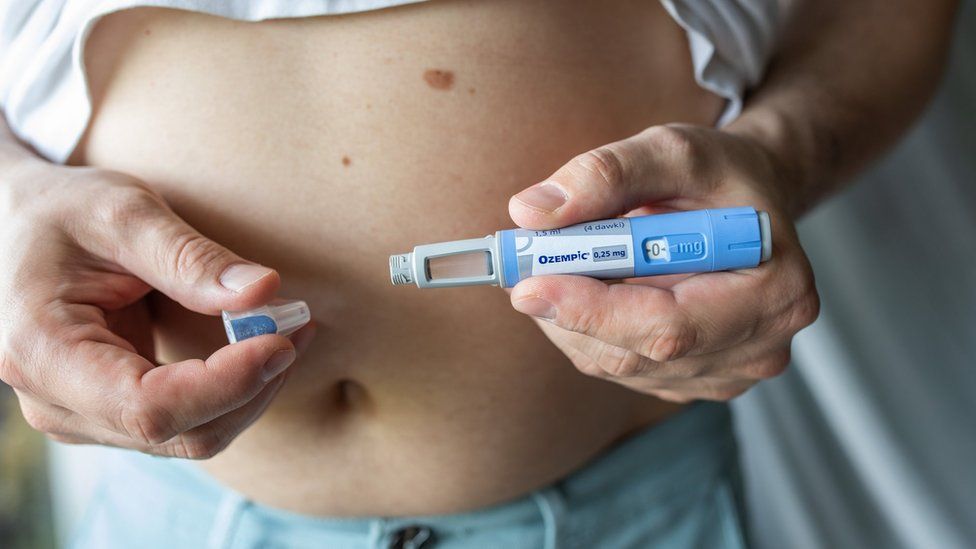
Published1 day agoShareclose panelShare pageCopy linkAbout sharingBy James GallagherInside Health presenter, BBC Radio 4You cannot escape the hype around weight-loss injections. Social media is full of before-and-after pictures. They are the source of wild gossip about Hollywood stars, and now the UK’s National Health Service is going to pay for them. You can understand the appeal. Excess weight affects our health and leads to stigma – and the mantra of “diet and exercise” has simply failed for most people.But should we be calling semaglutide, the drug in question, a “miracle” or “skinny jab” when some doctors think it is as controversial as treatments get? Does the hype match the reality? Or are we failing to tackle the causes of obesity and just consigning people to a lifetime of medication?Jan, from Kent, was one of the first people in the world to take part in the trials of semaglutide. It is sold as Wegovy for weight-loss and as Ozempic for diabetes, although some people have been buying this version to lose weight. We all know somebody like Jan, who has tried every diet, and she has been battling her waistline her whole life.Semaglutide mimics a hormone that is released when we eat. It tricks the brain into thinking we are full and dials down appetite so we eat less. Once Jan started having the injections, her relationship with food was so transformational that she told me it was either down to the drug or “I’ve been abducted by aliens”.For the first time she could go into a cafe, see some millionaire’s shortbread and not have her body screaming, “I need one”. Instead it was, “I don’t feel hungry… my body was saying you don’t want it, it wasn’t me using willpower,” she says.The results of semaglutide are undeniable – at least for a while.On average, people who were obese lost about 15% of their body weight when taking semaglutide alongside healthy lifestyle advice in a trial. Note this is not a “skinny jab” – 15% takes you from 20 stone down to 17. That study showed the weight came off over the first year and then stabilised for the remaining three months of the trial. We do not know what happens when people take the drug for years.Jan lost 28kg (more than four stone). It meant she could finally enjoy her 60th birthday present – a flight in a Tiger Moth aeroplane, having been over the maximum weight limit before. “I was flying in more ways than one, and boy did I enjoy it.”The results seem more compelling than your typical diet, which often starts well but then your depleted fat stores signal to the brain to seek food. That is why diets ultimately fail.”More than 90% of people tend to end up back at the weight they were before they started on their dietary journey,” says Prof Sir Stephen O’Rahilly, the director of the Medical Research Council’s Metabolic Diseases Unit.He sees these drugs as the “beginning of an exciting era” where drugs can help people who have “struggled for a long time” with weight that is damaging their health. Jan’s trial concluded, and she was no longer able to take semaglutide. Without the drug her brain was no longer being tricked into thinking she was full.”I was quite upset because the weight was going back on,” she told me – and she was “promising the world” to anybody who could give her the drug. She tried other weight-loss injections, but ultimately chose to have major surgery and a gastric sleeve to reduce the size of her stomach, so she would feel full faster. Jan has “no regrets” and still describes the drug as the “best thing that ever happened to me”. The weight comes backHowever, her experience is far from unique and the weight gain after coming off semaglutide is swift. The best long-term data we have shows people regain two-thirds of their lost weight within two years of stopping. “It’s a drug that seems to need to be kept taken in order to ensure that weight doesn’t return and that’s, for me, a big problem,” says Dr Margaret McCartney, a GP and champion of evidence in medicine. The NHS is offering semaglutide for only two years, which is how long people can access weight loss clinics. Given the weight gain after coming off the drug, it is fair to ask – what is the point?”It’s really pretty awful for many people who are wanting to lose weight, and have struggled usually for years. If you get something that ends up working for you, and then for the NHS to go and withdraw that again, it does seem to me to be a bit unfair,” says Dr McCartney. There are, of course, circumstances where temporarily losing weight may be beneficial. Some surgeries and treatments are only offered to people below a set threshold, for example.It is a new drug and the long-term safety is unknown. Side effects include vomiting, fatigue and an inflamed pancreas. Medical victory or societal failure?Personally, I cannot figure out whether we should celebrate that medicine has produced such a drug, or if it is actually the opposite – that we have failed so badly to tackle obesity throughout society that we now need drugs.”Many of us have been wrestling with that,” says Naveed Sattar, professor of metabolic medicine at the University of Glasgow.He comes down on the side of pragmatism. Half the planet is projected to be overweight or obese by 2035, and excess weight is linked to type 2 diabetes, heart disease and some cancers. Cheap calories have “fed into human biology of being tempted by food and overeating”, he says.And many NHS patients “have four or five conditions as a result of their excess weight, and at the moment we pay lip service to it”, he says.Meanwhile government obesity policies in the UK – 14 of them in the past three decades – have not turned the tide and that has largely been felt by the poorest people in the country. There is a clear link between deprivation and obesity. Dr McCartney argues we need to tackle how the world we live in fuels obesity rather than “expecting” people to put on weight “and then accept a medical intervention to treat it”.Listen to Inside Health on BBC Sounds: Is this a new era in tackling obesity?Semaglutide is changing the landscape of obesity – and alternatives are on the way.Prof O’Rahilly says that even if we solve the societal causes of obesity “there will be obese people and they will become ill”, so he thinks the drugs will move us to a world of treating obesity “properly as a medical condition”.But these drugs remain controversial – and we have only discussed their use for improving health. Further concerns are being raised about the impact on people, often young women, who are pressured to look a certain way when “beautiful” is often equated to “thin”. The role of celebrity culture, the availability of semaglutide privately through online-only consultations, and the impact on eating disorders are also fuelling questions.Whatever you think about semaglutide, the debate around this drug, and the hype, is clearly not going away.Follow James on Twitter. Inside Health was produced by Erika Wright. More from Inside HealthCold: What does an unheated room do to your body?Exercise: What’s the least we can get away with?Covid: Have I dodged it and what does it mean?Multiple sclerosis: Is a virus we all have causing MS?Long Covid: ‘I’ve had long Covid for two years now’More on this storyAppetite drug could mark ‘new era’ in obesity11 February 2021

Read more →

Are weight-loss injections the answer to obesity?

Published19 March 2023Shareclose panelShare pageCopy linkAbout sharingBy James GallagherInside Health presenter, BBC Radio 4You cannot escape the hype around weight-loss injections. Social media is full of before-and-after pictures. They are the source of wild gossip about Hollywood stars, and now the UK’s National Health Service is going to pay for them. You can understand the appeal. Excess weight affects our health and leads to stigma – and the mantra of “diet and exercise” has simply failed for most people.But should we be calling semaglutide, the drug in question, a “miracle” or “skinny jab” when some doctors think it is as controversial as treatments get? Does the hype match the reality? Or are we failing to tackle the causes of obesity and just consigning people to a lifetime of medication?Jan, from Kent, was one of the first people in the world to take part in the trials of semaglutide. It is sold as Wegovy for weight-loss and as Ozempic for diabetes, although some people have been buying this version to lose weight. We all know somebody like Jan, who has tried every diet, and she has been battling her waistline her whole life.Semaglutide mimics a hormone that is released when we eat. It tricks the brain into thinking we are full and dials down appetite so we eat less. Once Jan started having the injections, her relationship with food was so transformational that she told me it was either down to the drug or “I’ve been abducted by aliens”.For the first time she could go into a cafe, see some millionaire’s shortbread and not have her body screaming, “I need one”. Instead it was, “I don’t feel hungry… my body was saying you don’t want it, it wasn’t me using willpower,” she says.The results of semaglutide are undeniable – at least for a while.On average, people who were obese lost about 15% of their body weight when taking semaglutide alongside healthy lifestyle advice in a trial. Note this is not a “skinny jab” – 15% takes you from 20 stone down to 17. That study showed the weight came off over the first year and then stabilised for the remaining three months of the trial. We do not know what happens when people take the drug for years.Jan lost 28kg (more than four stone). It meant she could finally enjoy her 60th birthday present – a flight in a Tiger Moth aeroplane, having been over the maximum weight limit before. “I was flying in more ways than one, and boy did I enjoy it.”The results seem more compelling than your typical diet, which often starts well but then your depleted fat stores signal to the brain to seek food. That is why diets ultimately fail.”More than 90% of people tend to end up back at the weight they were before they started on their dietary journey,” says Prof Sir Stephen O’Rahilly, the director of the Medical Research Council’s Metabolic Diseases Unit.He sees these drugs as the “beginning of an exciting era” where drugs can help people who have “struggled for a long time” with weight that is damaging their health. Jan’s trial concluded, and she was no longer able to take semaglutide. Without the drug her brain was no longer being tricked into thinking she was full.”I was quite upset because the weight was going back on,” she told me – and she was “promising the world” to anybody who could give her the drug. She tried other weight-loss injections, but ultimately chose to have major surgery and a gastric sleeve to reduce the size of her stomach, so she would feel full faster. Jan has “no regrets” and still describes the drug as the “best thing that ever happened to me”. The weight comes backHowever, her experience is far from unique and the weight gain after coming off semaglutide is swift. The best long-term data we have shows people regain two-thirds of their lost weight within two years of stopping. “It’s a drug that seems to need to be kept taken in order to ensure that weight doesn’t return and that’s, for me, a big problem,” says Dr Margaret McCartney, a GP and champion of evidence in medicine. The NHS is offering semaglutide for only two years, which is how long people can access weight loss clinics. Given the weight gain after coming off the drug, it is fair to ask – what is the point?”It’s really pretty awful for many people who are wanting to lose weight, and have struggled usually for years. If you get something that ends up working for you, and then for the NHS to go and withdraw that again, it does seem to me to be a bit unfair,” says Dr McCartney. There are, of course, circumstances where temporarily losing weight may be beneficial. Some surgeries and treatments are only offered to people below a set threshold, for example.It is a new drug and the long-term safety is unknown. Side effects include vomiting, fatigue and an inflamed pancreas. Medical victory or societal failure?Personally, I cannot figure out whether we should celebrate that medicine has produced such a drug, or if it is actually the opposite – that we have failed so badly to tackle obesity throughout society that we now need drugs.”Many of us have been wrestling with that,” says Naveed Sattar, professor of metabolic medicine at the University of Glasgow.He comes down on the side of pragmatism. Half the planet is projected to be overweight or obese by 2035, and excess weight is linked to type 2 diabetes, heart disease and some cancers. Cheap calories have “fed into human biology of being tempted by food and overeating”, he says.And many NHS patients “have four or five conditions as a result of their excess weight, and at the moment we pay lip service to it”, he says.Meanwhile government obesity policies in the UK – 14 of them in the past three decades – have not turned the tide and that has largely been felt by the poorest people in the country. There is a clear link between deprivation and obesity. Dr McCartney argues we need to tackle how the world we live in fuels obesity rather than “expecting” people to put on weight “and then accept a medical intervention to treat it”.Listen to Inside Health on BBC Sounds: Is this a new era in tackling obesity?Semaglutide is changing the landscape of obesity – and alternatives are on the way.Prof O’Rahilly says that even if we solve the societal causes of obesity “there will be obese people and they will become ill”, so he thinks the drugs will move us to a world of treating obesity “properly as a medical condition”.But these drugs remain controversial – and we have only discussed their use for improving health. Further concerns are being raised about the impact on people, often young women, who are pressured to look a certain way when “beautiful” is often equated to “thin”. The role of celebrity culture, the availability of semaglutide privately through online-only consultations, and the impact on eating disorders are also fuelling questions.Whatever you think about semaglutide, the debate around this drug, and the hype, is clearly not going away.Follow James on Twitter. Inside Health was produced by Erika Wright. More from Inside HealthCold: What does an unheated room do to your body?Exercise: What’s the least we can get away with?Covid: Have I dodged it and what does it mean?Multiple sclerosis: Is a virus we all have causing MS?Long Covid: ‘I’ve had long Covid for two years now’More on this storyAppetite drug could mark ‘new era’ in obesityPublished11 February 2021

Read more →

Wyoming Becomes First State to Outlaw the Use of Pills for Abortion

The law is the only one in the nation to prohibit the use separate from an overall abortion ban and is part of a growing effort by conservative states to target the pills.Wyoming on Friday became the first state to explicitly ban the use of pills for abortion, adding momentum to a growing push by conservative states and anti-abortion groups to target medication abortion, the method now used in a majority of pregnancy terminations in the United States.Wyoming’s new law comes as a preliminary ruling is expected soon by a Texas judge that could order the U.S. Food and Drug Administration to withdraw its approval of mifepristone, the first pill in the two-drug medication abortion regimen. Such a ruling, if it stands, could upend how abortion is provided nationally, affecting states where abortion is legal as well as states with bans and restrictions.Legislation to ban or add restrictions on medication abortion has been introduced in several states this year, including a bill in Texas that would not only prohibit medication abortion but would also require internet service providers to take steps to block medication abortion websites so people in Texas could not view them.In these states, proposals to block or restrict abortion pills have typically been introduced along with other anti-abortion measures, a reflection of the range of obstacles to abortion these states have tried to erect since the Supreme Court overturned the national right to abortion last June.Medication abortion is already outlawed in states that have near-total bans, since those bans already prohibit all forms of abortion. But Wyoming became the first state to outlaw the use of pills for abortion separate from an overall ban.Gov. Mark Gordon of Wyoming, a Republican, signed that state’s medication abortion ban on the same day that he said he would allow another more sweeping measure banning abortion to become law without his signature. That law, which takes effect on Sunday, would ban abortion under almost all circumstances, making it a felony to provide an abortion.“I have acted without bias and after extensive prayer, to allow these bills to become law,” Mr. Gordon wrote in a letter to Wyoming’s secretary of state released on Friday evening.Mr. Gordon said in the letter that he withheld his signature from the broader abortion ban because he feared it would complicate matters in an ongoing legal battle over an earlier abortion ban passed by Wyoming legislators.The broader ban outlaws medication abortion as well, and the abortion pill measure, called the Prohibiting Chemical Abortions Act, would mostly have the effect of adding additional penalties for medication abortion providers.A previously enacted abortion ban in the state has so far been blocked by the courts after providers and others filed suit claiming that the law violated the Wyoming state Constitution’s guarantee of freedom in health care decisions. The newly enacted abortion ban is an attempt to circumvent that constitutional provision by declaring that abortion is not health care.Wyoming’s abortion pill law would take effect on July 1 and would make it illegal to “prescribe, dispense, distribute, sell or use any drug for the purpose of procuring or performing an abortion.” Doctors or anyone else found guilty of violating this law would be charged with a misdemeanor, punishable by up to six months in prison and a $9,000 fine. The law explicitly says that pregnant patients will be exempt from charges and penalties.Wyoming has only one clinic that has been providing abortions, Women’s Health & Family Care Clinic in Jackson, which provides only medication abortion, not the surgical procedure.“The impact of that legislation not only infringes on our constitutional rights, it actually causes harm,” said Dr. Giovannina Anthony, an obstetrician-gynecologist at the clinic. “Criminalizing evidence-based medicine is really what this boils down to, and that, in the end, honestly, will lead to maternal deaths and horrible outcomes for both mothers and babies.”Dr. Anthony is one of the plaintiffs in a lawsuit against Wyoming’s previously enacted abortion ban, which is pending review in the state’s court system. On Friday, the same plaintiffs filed a request for a temporary restraining order to block the new broader abortion ban, since that ban would otherwise take effect right away. A hearing on that request is scheduled for Wednesday, and Dr. Anthony said she and the other plaintiffs will also be filing a court challenge to the medication abortion ban.In the meantime, Dr. Anthony said, she will be canceling abortion appointments scheduled for Monday and Tuesday.“The number of women who pursue abortion in a rural state like this is relatively few compared to more highly populated states, but it still is a very chilling effect on our obstetric care,” she said. Adam Schwend, Western regional director for Susan B. Anthony Pro-Life America, an anti-abortion network, thanked Mr. Gordon for enacting the medication abortion ban, saying that “Wyoming’s new law will limit the abortion industry’s ability to jeopardize the health and safety of women and girls.”Mr. Schwend added that the law will help make Wyoming “one of the most pro-life states in the country.”Earlier versions of the medication abortion bill had named specific drugs: mifepristone and two brand-name versions of it as well as misoprostol, the second drug used in the medication abortion regimen.But doctors testified in objection, pointing out that misoprostol, in particular, had many other medical uses, including helping pregnant patients successfully give birth. The doctors raised concerns that pharmacists would be fearful of stocking any of the drugs, and some Republicans said names of abortion medications could simply be changed to get around the law. As a result, the final language was broadened to outlaw using any medication for abortion without mentioning specific drugs.At least three other bills have been introduced in 2023 that seek to ban medication abortion. In Iowa, the bill did not make it to a vote before the legislative session ended, and in Hawaii, a Democratic state, the bill seems unlikely to succeed.A bill introduced in Texas, a state that already bans abortion, includes many provisions that seek to close off any access to pills, including making it difficult for Texas patients to learn about or use abortion services outside of the state. The bill would make it illegal to manufacture, distribute or “provide an abortion-inducing drug in any manner to or from any person or location in this state.”It would also make it illegal to “create, edit, upload, publish, host, maintain, or register a domain name for an internet website, platform, or other interactive computer service that assists or facilitates a person’s effort in obtaining an abortion-inducing drug.”Many patients learn about abortion options from websites like Plan C, a clearinghouse of information about medication abortion. And a growing number of patients in states with abortion bans are arranging to receive pills through telemedicine websites like Aid Access, a European-based service that has pills shipped to any state from India, and Hey Jane, one of several American-based services that will provide pills to patients who travel to a state where abortion is legal and where they can receive the medication by mail in those states.In addition to Wyoming and states with near-total abortion bans, 15 states have enacted restrictions on access to medication abortion, according to the Guttmacher Institute, a research group supporting abortion rights. Those restrictions include requiring that the drugs be provided by a physician and requiring the patient have an in-person visit with a doctor. Several states, including Texas and Arizona, have outlawed the mailing of abortion pills, and bills to ban mailing pills have been introduced in at least three other states this year.“We are seeing efforts to further bar access to medication abortion because abortion opponents recognize that even with abortion bans in effect” patients are still able to obtain abortion pills, said Elizabeth Nash, state policy analyst for the Guttmacher Institute. “Now, abortion opponents have turned to the courts, attorneys general and state legislatures to further limit access to pills.”Since January, when newly elected legislatures began to convene for the first time since the Dobbs v. Jackson Women’s Health Organization decision ended the national right to an abortion, more than 500 bills in states across the country have been proposed that are related to abortion.Some states where Democratic legislatures have strong — or even unexpected — majorities are moving to strengthen abortion protections. In Minnesota, the first bill of the 2023 legislature, which made it harder for future legislatures and governors to water down those protections, was signed in January by Gov. Tim Walz, a Democrat. In Michigan, the legislature repealed an abortion ban, and Gov. Gretchen Whitmer, a Democrat, is expected to sign it.But a majority of new bills aim to restrict abortion access. And with several states now wrapping up their legislative sessions, bills are starting to land on governors’ desks.“These abortion bans should alarm everybody in every corner of our country,” said Mini Timmaraju, president of NARAL Pro-Choice America, which supports abortion rights. “This first-of-its-kind ban on medication abortion, as well as the total ban, are just the latest proof” of how far “anti-choice Republicans” will go to prohibit the procedure, she said.Under the other new Wyoming law, the Life Is a Human Right Act, performing an abortion or administering abortion medication would be considered a felony, punishable by up to five years in prison, and doctors would have their licenses revoked. The law bans abortion with narrow exceptions for rape, incest and dire risks to the pregnant patient’s life or health.“While other states are pushing an extreme abortion agenda, comparable to North Korea’s and China’s inhumane laws, Wyoming is a pro-life state, affirming that life is a human right and ensuring that women have real support,” said state Representative Rachel Rodriguez-Williams, the bill’s sponsor.Under the Wyoming Constitution, residents have the right to make their own health care decisions. So the new law stipulates: “Instead of being health care, abortion is the intentional termination of the life of an unborn baby.”

Read more →

¿El tiempo pasa rápido o lento? Tu corazón podría tener la respuesta

Los investigadores han creído durante mucho tiempo que el cerebro controla nuestro sentido del tiempo. Un nuevo estudio sugiere que el corazón desempeña un papel importante.Es una perogrullada que el tiempo parece expandirse o contraerse según nuestras circunstancias: cuando tenemos miedo, los segundos se pueden estirar. Si pasamos un día en soledad, puede pasar lento. Cuando queremos entregar algo a tiempo, las horas transcurren con rapidez.Un estudio publicado este mes en la revista Psychophysiology a cargo de psicólogos de la Universidad Cornell descubrió que, cuando se observa al nivel de microsegundos, algunas de estas distorsiones podrían ser generadas por los latidos del corazón, cuya duración es variable de un momento a otro.Los psicólogos sometieron a estudiantes universitarios a electrocardiogramas para medir la duración de cada latido con precisión y, después, les pidieron que estimaran la duración de tonos de audio breves. Los psicólogos descubrieron que tras un intervalo más largo de latido, los sujetos tendían a percibir que el tono era más largo; los intervalos más cortos llevaron a los participantes a evaluar el tono como más corto. Tras cada tono, los intervalos de latidos de los sujetos se alargaban.Saeedeh Sadeghi, una doctoranda en la Universidad Cornell y autora principal del estudio, mencionó que un ritmo cardiaco más bajo pareció ayudar a la percepción.“Cuando necesitamos percibir cosas del mundo exterior, los latidos del corazón son ruido para la corteza cerebral”, explica. “Puedes asimilar más el mundo —es más fácil procesar cosas— cuando el corazón está en silencio”.Sadeghi indica que el estudio brinda mayor evidencia, después de una era de investigación enfocada en el cerebro, de que “no es solo una parte del cerebro o del cuerpo la que lleva registro del tiempo, sino toda una red”. Y añadió: “El cerebro controla el corazón y el corazón, a su vez, impacta al cerebro”.El interés en la percepción del tiempo ha tenido un auge desde el inicio de la pandemia de la COVID-19, cuando las actividades fuera del hogar se detuvieron en seco para muchos y personas de todo el mundo se enfrentaron a tramos de tiempo que no podían diferenciar.Un estudio de la percepción del tiempo realizado durante el primer año de confinamiento en el Reino Unido halló que el 80 por ciento de los participantes reportaron percibir distorsiones en el tiempo, en distintas direcciones. En promedio, la gente de mayor edad y más aislada de contextos sociales reportó que el tiempo se ralentizaba; mientras que gente más joven y activa reportó que se aceleraba.“Nuestra experiencia del tiempo es afectada de maneras que se asemejan, en general, a nuestro bienestar”, explicó Ruth S. Ogden, catedrática de Psicología en la Universidad John Moores de Liverpool y autora del estudio durante el confinamiento: “Las personas con depresión experimentan una lentificación del tiempo y esa ralentización se percibe como un factor que empeora la depresión”.El nuevo estudio de Cornell aborda algo diferente: cómo percibimos el paso de los microsegundos. Odgen señaló que entender esos mecanismos podría ayudarnos a manejar el trauma, en el que experiencias instantáneas son recordadas como prolongadas.La académica manifestó que, cuando se intenta evaluar la importancia de una experiencia, “nuestro cerebro simplemente hace una retrospección y dice: ‘Bueno, ¿cuántos recuerdos generamos?’”.Y añadió: “Cuando tienes un recuerdo muy vívido, más intenso del que normalmente obtendrías de un periodo de 15 minutos de tu vida, tu mente puede hacerte creer que fue muy largo”.Hugo Critchley, un profesor de Psiquiatría en Brighton and Sussex Medical School que ha estudiado cómo los latidos afectan nuestra forma de recordar palabras y responder ante el miedo, afirmó que, hasta hace poco, la investigación sobre la percepción del tiempo se había enfocado en distintas áreas del cerebro.Critchley, quien no estuvo involucrado en el estudio de los latidos de Cornell, aseguró: “Creo que ahora se aprecia mucho más que las funciones cognitivas están vinculadas de manera íntima, tal vez incluso cimentadas, en el control del cuerpo, mientras que la mayoría de los estudios de psicología hasta la década de 1990 ignoraron el cuerpo desde el tronco encefálico”.El catedrático opinó que las investigaciones previas han explorado cómo la excitación física está conectada con el procesamiento del estrés y estados emocionales como la ansiedad y el pánico. El nuevo estudio ahonda en eso al centrarse en el papel del corazón en una función no emocional, la percepción del tiempo, que puede vincularse a distorsiones más grandes en el pensamiento.“La función cognitiva no se puede examinar en aislamiento”, añadió. “Incluso al entender cómo el cerebro se desarrolla y comienza a representar estados mentales internos, la gente ve la preeminencia de la información interna indispensable que se debe controlar para sobrevivir”.Adam K. Anderson, un profesor de psicología en Cornell y coautor del nuevo estudio, aseveró que una razón por la que el cuerpo podría estar íntimamente involucrado en la percepción del tiempo es que el tiempo está muy relacionado con las necesidades metabólicas.“El tiempo es un recurso”, concluyó Anderson. “Si el cuerpo fuera una batería o un tanque de gasolina, intentaría averiguar en tiempo real: ‘¿Cuánta energía tenemos?’. Percibimos que el tiempo corre más lento o más rápido según cuánta energía corporal tenemos”.Ellen Barry cubre salud mental. Ha sido jefa del buró del Times en Boston, corresponsal internacional jefa en Londres y jefa de los burós en Moscú y Nueva Delhi. Fue parte de un equipo que ganó el Pulitzer al Reportaje Internacional en 2011. @EllenBarryNYT

Read more →