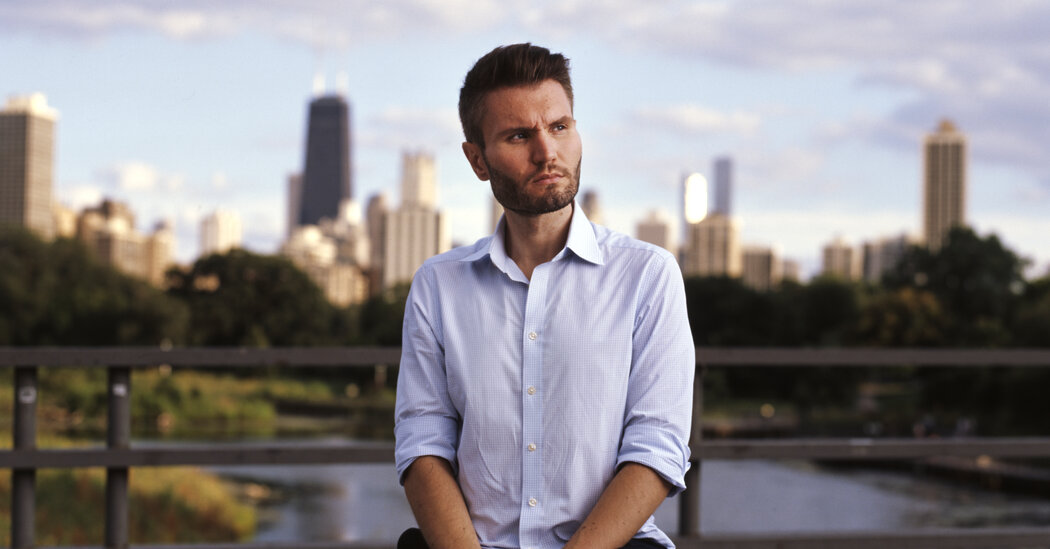
The Surgeon General’s New Mission: Adolescent Mental Health

In an interview with The Times, Dr. Vivek Murthy ascribed the mental health challenges among young people in part to “hustle culture” values.In December 2021, Surgeon General Vivek Murthy issued a rare warning: Mental health challenges were leading to “devastating effects” among young people. His statement came as the suicide rate for young Americans ages 10 to 19 jumped by 40 percent from 2001 to 2019, while emergency room visits for self-harm rose by 88 percent.Lately, Dr. Murthy has been using his position to highlight the issue, much as Dr. C. Everett Koop, who was surgeon general in the 1980s, famously addressed the dangers associated with smoking. Dr. Murthy has been on a listening tour of sorts, speaking with students, health care workers and community groups across the countryHe recently spoke with The New York Times about the growing intensity of his focus on this issue. This conversation has been edited for clarity and brevity.You have described mental health as “the defining public health crisis of our time.” Why?I think of mental health as the fuel that allows us to show up for our communities, our friends, our family and our lives. And when that fuel tank is low, it compromises our ability to be who we can be in our best moments and to show up at work or in school.Other generations have faced mental health challenges. Is something different today?There is something that’s worse. It’s not just about greater detection; yes, there is greater willingness to talk about their mental health, and that has contributed to increased reporting. But hospitalizations have gone up, and suicides have gone up. Those are real things. Something is driving the greater pain and despair.You’ve pointed to a number of causes, including the stigma that keeps young people from seeking help and insufficient treatment resources. What other causes do you see?There are factors driving the mental health crisis that we have to address if we really want to get at the root of the problem. Those include the growing crisis of loneliness and isolation; the fact that bullying is taking place not only offline but online; the fact that our kids are surrounded by an information environment that is coming at them 24/7 and that often stokes fear and anxiety.It’s also being driven by the fact that young people, when they think about the future, see the profound threats that we are facing today, like violence and racism and climate change, but they don’t see effective solutions.By the information environment, do you mean social media?Young people, particularly in early adolescence, are at a sensitive phase of development. Their brains are developing, their relationships with others are developing, their identity and self-esteem are also developing. And right now, when I talk to young people on the road, they consistently tell me three things about social media: They say it makes them feel worse about themselves; it makes them feel worse about their friendships; and they can’t get off it.This is not surprising, in part because these platforms have been designed to maximize the amount of time people spend on them, not necessarily to maximize how well you spend that time or how supported you are in your development of healthy relationships. Not only are adolescents spending many hours on social media each day, but that is time that they are taking away from sleep, from exercise, from in-person interaction with people, from schoolwork and from other activities that may bring them joy.There’s also the experience that many people have on social media of being exposed to harmful content, and of being immersed in a culture where they are constantly comparing themselves to other peoples’ profiles and posts, which often leads them to feel worse about themselves. This is despite the fact that what you see on social media is not always an accurate reflection of what’s happening.These platforms also allow young people to connect and to explore different ideas. How do you consider the tension between information overload and freedom of exploration and expression?Life is much more complicated for people today than it was 20 years ago and certainly 100 years ago. I don’t think we should we go back 100 years. But with more choices, the anchoring values that guide you in your definition of success become all the more important. Moments like this are ones where we have to ask, What are the values that are guiding us as a society?What’s the connection between values and mental health?Values are the filter that we use to help us make decisions when we are faced with choices. But our values are also what inform what we drive toward in life.Young people tell me they feel caught up in hustle culture. What they’re saying to me was that they felt that they were being asked to chase certain objectives — getting a job with a fancy title, making a lot of money, becoming famous, acquiring power. And not only did many of them say that they were exhausted, but they weren’t sure that was going to bring them happiness. This is where we have to pause and ask ourselves: Are we pushing our kids to pursue what’s really going to lead to their happiness and their fulfillment?

Read more →

West Lane Hospital: Mental health care 'chaotic and unsafe'

Published1 hour agoShareclose panelShare pageCopy linkAbout sharingImage source, Family HandoutsA mental health unit criticised over the deaths of three teenagers was “chaotic and unsafe”, a report found.An independent inquiry found “excessive and inappropriate” restraint was used at Middlesbrough’s West Lane Hospital.The report also found self-harm was “facilitated” with staff told not to intervene unless it could be fatal, while “insufficiently curious” leaders tolerated safety failures.Tees, Esk and Wear Valleys NHS Foundation Trust (TEWV) apologised.It said significant changes had been made.The report followed the deaths of Christie Harnett, Nadia Sharif, both 17, and Emily Moore, 18, who took their own lives in an eight-month period up to February 2020 under the trust’s care.West Lane, which closed following the deaths, provided specialist child and adolescent mental health services, including treatment for eating disorders.Tuesday’s report, commissioned by NHS England and undertaken by Niche Health and Social Care Consulting, found “clear synergies” between care failings delivered to all three.It is the latest in a series of reports which identified failings.’Girls’ care by criticised trust was soul-destroying’Government apologises after teenager deathsTeenagers died after failures at ‘unstable’ hospitalImage source, GoogleThe report’s authors spoke to former patients, their parents and staff as well as the families of the three teenagers who died.It found a “consistent failure to put the young people at the heart of care”.Young people interviewed said the care environment “facilitated self-harm” and they did not feel confident that they were safe.If you’ve been affected by issues in this article there is help and support at BBC Action Line.’Called a maniac’A key theme of powerlessness was identified from patient interviews, the report said.Patients spoke of being treated with a lack of dignity, with one saying staff made them feel “that I’m just a waste of a bed”.Another spoke of being restrained by male staff “when I was completely naked”.Some verbal interactions were described as judgemental, and at times abusive.”I was called a maniac, a stupid little girl – lots of comments like that,” said one patient. “I was told, if you really wanted to kill yourself, you would be dead by now.”Every parent spoken to as part of the investigation was unhappy with the care of their young person, the report’s authors said.Many felt “undermined” with reports of failures to inform them of incidents involving their children and one described feeling “manipulated into not making more fuss about things”.’Deeply sorry’The use of restraint at the hospital was excessive, inappropriate, and ultimately damaging to patients, as well as staff. Staff were struggling to cope with the complexity and demands of the patient cohort, the report found, and little support was given to staff to assist in de-escalating situations, which is likely to have contributed to an over-reliance on restraint.Image source, GoogleWest Lane was often described as a “closed culture” and there was insufficient curiosity within corporate governance regarding the culture there, the report said.And there was no evidence there was a collaborative effort by the trust or its partners to ensure there was a robust safeguarding framework in place to protect children and young people.The report made 12 recommendations which included dealing with complaints, staff training, communication between various care agencies and liaising with families after the death of a patient.It recommended NHS England reviewed progress within six months to a year.AnalysisBy Fiona Trott, BBC North of England CorrespondentFrom NHS England and the Care Quality Commission, right down to the hospital itself, the report finds weaknesses in mental health provision at every level – and patients at West Lane weren’t protected.One parent told me it made her feel like a terrible mother. A patient said he still can’t trust people because of the trauma he suffered.When you hear this, you understand why this report means so much to them. It says they weren’t listened to and their concerns and complaints were justified.Their next question is: “How was this allowed to happen in the first place?”They’re reading a report which says incident reporting at the hospital gave a false impression of what was going on and the board was overly accepting of verbal reassurances on quality and safety.That’s why – after years of letter writing to prime ministers, the Parliamentary Ombudsman or Freedom of Information requests – some families are still calling for a judge-led inquiry. TEWV chairman David Jennings said it was “deeply sorry” and they had met the families of the three young women and apologised.”This report covers a period of time where it was abundantly clear there were shortfalls in both care and leadership,” he said.”Over the last three years, how we care for people, how we involve patients, families and carers, and our leadership and governance structure have changed significantly.”We will continue to work hard to make sure we deliver safe and kind care to the people we support, as they have every right to expect.”Margaret Kitching, the chief nurse for NHS England, North East and Yorkshire, said: “We continue to closely monitor the trust’s progress to ensure all of the recommendations are fully addressed.”Miss Harnett, from Newton Aycliffe, County Durham, took her own life at West Lane Hospital in June 2019 and Miss Sharif, from Middlesbrough, died there two months later.Miss Moore, also from County Durham, took her own life in February 2020 at Lanchester Road Hospital. She had previously been treated at West Lane in 2018 and 2019.Follow BBC North East & Cumbria on Twitter, Facebook and Instagram. Send your story ideas to northeastandcumbria@bbc.co.uk.More on this story’Girls’ care by criticised trust was soul-destroying’18 minutes agoMinister apologises for teenager hospital deaths3 November 2022Teenagers died after failures at ‘unstable’ hospital2 November 2022Staff concerns ‘ignored’ at teenager deaths hospital3 November 2022

Read more →

‘We Were Helpless’: Despair at the CDC as the Covid Pandemic Erupted

Current and former employees recall rising desperation as Trump administration officials squelched research into the new coronavirus.In early March 2020, as the nation succumbed to a pandemic, a group of young scientists walked out of the Centers for Disease Control and Prevention in Atlanta. They left quietly, one or two at a time, through the building’s front doors, flashing their badges at guards, instead of through side exits where their departures would be recorded.Gathering in a small park across the street, they stood with their coffees in hand and agonized over some shocking developments.All through February 2020, agency scientists had been gathering evidence that the new coronavirus was being spread by people without symptoms. In early March, the C.D.C. said that any employee who had been deployed elsewhere to track Covid-19 must isolate at home for 14 days, whether or not he or she had symptoms.To the scientists gathered outside, trainees in the agency’s vaunted Epidemic Intelligence Service, the implication was clear: C.D.C. leaders realized that the virus was being spread not just by people who were coughing and sneezing, but also by people who were not visibly ill. But the agency had not yet warned the public.“All of us knew tens of thousands were going to die, and we were helpless to stop it,” said Dr. Daniel Wozniczka, one of the trainees. “It was really heartbreaking and difficult on a psychological level not to be able to do anything.”It is generally known that morale at the C.D.C. plummeted as Trump administration officials sought to squelch dissent among career scientists who disagreed with the White House’s handling of the pandemic. But few employees have described the despair inside the beleaguered agency as hospitals overflowed with patients and bodies piled up in makeshift morgues.Interviews with 11 current and former agency employees, including trainees at the E.I.S., as well as a review of text messages and other documents obtained by The New York Times, portray an agency under intense pressure from the country’s political leaders. Some younger staff members wrestled with guilt, anger and a rising sense of powerlessness as administration officials meddled with or simply disregarded important scientific research.Dr. Wozniczka, 35, left the C.D.C. in July 2021 and sought help from Whistleblower Aid, a nonprofit legal organization. He testified before a House subcommittee on the pandemic last August and October, describing a disconnect between what C.D.C.’s scientists were learning about the coronavirus in early 2020 and the agency’s public stance on the risks.Other scientists still at the C.D.C. spoke on the condition of anonymity because they feared repercussions at work. Many said they had sought therapy or had begun taking medication to cope with their frustration and disillusionment. Some said they were frequently in tears.“I’m angry about this every day,” one E.I.S. officer said of the agency’s treatment by Trump administration officials.By March 2020, some scientists at the C.D.C. in Atlanta felt it was clear that the virus was spreading asymptomatically and were upset the agency had not yet warned the public.Audra Melton for The New York TimesThe early days of the pandemic marked “an unprecedented and extremely challenging time for everyone working in public health,” the C.D.C. said in a statement, adding that it was “particularly challenging” for new E.I.S. officers who were deployed to places without the usual social support networks.“We were deeply concerned about maintaining the morale of our E.I.S. officers and provided multiple support systems for staff, including additional support by E.I.S. leadership,” the statement said.At the onset of a fast-moving, mysterious outbreak, it wasn’t always clear when scientific evidence had reached a tipping point, the agency said.“C.D.C. was clear at the beginning of the pandemic that Covid-19 was a new disease, and we were still learning how it spreads, the severity of illness it causes, and to what extent it may spread in the United States,” the agency said.The agency said its recommendation for staff to isolate, symptoms or not, was “based on the incubation period for Covid-19” and was consistent with guidance from the State Department for people who had traveled to certain countries.It was an extraordinarily difficult time even for veteran scientists at the agency, said Dr. Anne Schuchat, the C.D.C.’s principal deputy director until her retirement in May 2021.If they were silent about the risks to the public, it was only because government researchers were muzzled by the Trump administration, she said. But “most of the media was vilifying the agency.”Young researchers often see public health — and particularly the E.I.S. — as a sort of higher calling, far removed from politics and the marketplace.“It sounds so idealistic, but it is why you go into a job like that,” said Dr. Seema Yasmin, director of the Stanford Health Communication Initiative at Stanford University and an alumna of the E.I.S.“It’s not for glory, and certainly not for money,” she added.But the arrival of the pandemic laid to rest those illusions. The first big shock came in February 2020, when the Trump administration reprimanded Dr. Nancy Messonnier, a senior C.D.C. official, for warning Americans to prepare for a pandemic..css-1v2n82w{max-width:600px;width:calc(100% – 40px);margin-top:20px;margin-bottom:25px;height:auto;margin-left:auto;margin-right:auto;font-family:nyt-franklin;color:var(–color-content-secondary,#363636);}@media only screen and (max-width:480px){.css-1v2n82w{margin-left:20px;margin-right:20px;}}@media only screen and (min-width:1024px){.css-1v2n82w{width:600px;}}.css-161d8zr{width:40px;margin-bottom:18px;text-align:left;margin-left:0;color:var(–color-content-primary,#121212);border:1px solid var(–color-content-primary,#121212);}@media only screen and (max-width:480px){.css-161d8zr{width:30px;margin-bottom:15px;}}.css-tjtq43{line-height:25px;}@media only screen and (max-width:480px){.css-tjtq43{line-height:24px;}}.css-x1k33h{font-family:nyt-cheltenham;font-size:19px;font-weight:700;line-height:25px;}.css-1hvpcve{font-size:17px;font-weight:300;line-height:25px;}.css-1hvpcve em{font-style:italic;}.css-1hvpcve strong{font-weight:bold;}.css-1hvpcve a{font-weight:500;color:var(–color-content-secondary,#363636);}.css-1c013uz{margin-top:18px;margin-bottom:22px;}@media only screen and (max-width:480px){.css-1c013uz{font-size:14px;margin-top:15px;margin-bottom:20px;}}.css-1c013uz a{color:var(–color-signal-editorial,#326891);-webkit-text-decoration:underline;text-decoration:underline;font-weight:500;font-size:16px;}@media only screen and (max-width:480px){.css-1c013uz a{font-size:13px;}}.css-1c013uz a:hover{-webkit-text-decoration:none;text-decoration:none;}What we consider before using anonymous sources. Do the sources know the information? What’s their motivation for telling us? Have they proved reliable in the past? Can we corroborate the information? Even with these questions satisfied, The Times uses anonymous sources as a last resort. The reporter and at least one editor know the identity of the source.Learn more about our process.Two days later, on Feb. 27, C.D.C. employees were told that all messaging from the agency would be routed through Vice President Mike Pence, who had assumed leadership of the coronavirus task force.That day, Dr. Thomas R. Frieden, who led the C.D.C. during the swine flu pandemic of 2009, declared on Twitter that the coronavirus “pandemic is coming,” prompting one E.I.S. officer to remark: “Someday I hope to tweet with the freedom of a former C.D.C. Director.”Things were unfolding strangely on the ground, as well. E.I.S. officers were dispatched to airports around the country to screen passengers arriving from China for infection with the new virus — but told not to wear masks, so as not to alarm the public.“It was mind-boggling because, first, it defies common sense,” said one officer, who recalled that Chinese air passengers were arriving in N95 masks only to be evaluated by C.D.C. officials who were maskless.In February 2020, the Trump administration reprimanded Dr. Nancy Messonnier, a senior C.D.C. official, left, for warning Americans to prepare for a pandemic.Shawn Thew/EPA, via ShutterstockAt any rate, E.I.S. officers quickly saw the futility of screening for symptoms.In Honolulu, where Dr. Wozniczka was deployed, only one infected person had the symptoms the C.D.C. had identified early on, recalled Dr. Paul Kitsutani, Dr. Wozniczka’s supervisor. (Dr. Kitsutani retired from the C.D.C. in 2021.) A C.D.C. report in November concluded that the airport screening had identified just one case after screening 85,000 travelers.Data emerging from China and elsewhere strongly suggested asymptomatic spread, and the airport screenings seemed to support it. As Dr. Wozniczka became increasingly alarmed, Dr. Kitsutani encouraged him to share his concerns with superiors in Atlanta.When Dr. Wozniczka returned to Atlanta, he realized that the possibility of asymptomatic transmission was a surprise to no one. All through February, agency scientists had reviewed the increasingly compelling evidence, and data from the C.D.C.’s own investigation of residents at nursing homes in Seattle in early March confirmed it.Privately, many E.I.S. officers were already advising friends and family to cancel weddings and planned vacations, to stay home, and to wear masks and even goggles when they ventured outside.Some officers created social media accounts to talk frankly about the emerging evidence around asymptomatic spread of the coronavirus, and the best ways for people to protect themselves.In an internal memo on March 9, the C.D.C. said that any employee who had been deployed elsewhere to work on Covid-19 was required to isolate at home for 14 days — symptoms or not.Three days later, E.I.S. officers were told to stop posting about Covid on social media, according to internal communications obtained by The New York Times. (Dr. Wozniczka did not initially comply, but did so after he was threatened with dismissal.)It was only on March 30 that the C.D.C. director, Dr. Robert Redfield, warned of asymptomatic transmission of the novel coronavirus in a radio interview. On April 3, at a White House press briefing, the agency advised Americans to wear masks.Dr. Redfield did not respond to a request for comment, but he and other top officials at the C.D.C. told the House Select Subcommittee on the Coronavirus Crisis that the White House denied the agency’s requests to hold press briefings on mask guidance. “For a while, none of our briefings were approved,” Dr. Redfield told the committee last year.The delay in warning the public was a profound regret, Dr. Wozniczka said.“I wish I had taken my cellphone and just live streamed myself yelling at the top of my lungs,” he said. “More people would have been alive if I had done that.”As the months wore on, E.I.S. officers worked 16-hour days, seven days a week, at nursing homes, meatpacking plants, airports and cruise ships, doing shoe-leather epidemiology — recording patients’ symptoms, tracing their contacts and charting the spread of the virus.But many of their reports — including ones on when the virus arrived in the United States, guidance for meatpacking plants and religious services and on the risks to children — were suppressed or altered beyond recognition by the Trump administration, several said. (The House select subcommittee on the pandemic concluded that the Trump administration had meddled in or blocked at least 19 reports.)Morale plunged after a May 2020 report estimated that imposing social distancing measures one week earlier in March 2020 would have saved 36,000 lives.A visit to the C.D.C. led by its director, Dr. Robert Redfield, center, with President Trump and Alex Azar, the Health and Human Services Secretary, third from left, in March 2020.T.J. Kirkpatrick for The New York TimesIn August 2020, Michael R. Caputo, then the assistant secretary of public affairs at the Department of Health and Human Services, described C.D.C. scientists as lazy and as traitors engaging in sedition.“This is just downright hurtful,” one officer wrote at the time in a group conversation.“It’s like we’re in hell or the twilight zone,” wrote another.Outraged, a group of officers gathered in Piedmont Park in Atlanta on Sept. 15. Dr. Redfield was scheduled to host an agencywide meeting two days later. The officers came up with questions for him about the agency’s response and sent them in. The meeting was canceled.In October 2020, more than 1,000 current and former E.I.S. officers wrote an open letter condemning the Trump administration’s silencing of the C.D.C. Some of the trainees chose to remain anonymous. Some did not sign at all, fearful that they might somehow be identified.By the end of the year, many of even the most resilient officers were struggling. One recalled pleading with an older woman who had lung cancer and desperately needed medical help.The woman refused to go to the emergency department because her husband would not be allowed in with her, even though she knew she would die if she did not. After trying in vain to convince her, the officer left the woman and sat in her car, sobbing.When their two-year program ended, in June 2021, many fellows left the agency. Others stayed on, but with a starkly different life than they had imagined. Some said they have stopped mentioning their jobs in public.“One single person hearing that you work at the C.D.C. could ruin your day, because they’re just going to sort of scream at you,” said one officer.At a family gathering, her brother, who wanted to organize a rally against vaccine mandates, told her he did not trust “government scientists.”“I told him government scientists are people exactly like me, your sister — a person you hopefully trust,” she recalled. It made no difference. The officers could easily make twice as much money elsewhere, one still at the agency pointed out: “But that’s not how things get better.”

Read more →

Warnings against 'reckless' weight loss surgery abroad

Published5 hours agoShareclose panelShare pageCopy linkAbout sharingBy UK Insight teamBBC NewsSeven British patients who travelled to Turkey for weight loss surgery died after operations there, a BBC investigation into the trend has found. Others have returned home with serious health issues after having had gastric sleeve operations, during which more than 70% of the stomach is removed.The operations, used to treat morbid obesity, are carried out in the UK.But, because it can take years to get one through the NHS, some people are looking abroad for treatment.Social media advertising has helped fuel interest in travelling overseas for weight loss surgery in recent years. Katie (not her real name) from Belfast first considered travelling to Turkey after seeing an advert online.Like many others, she had watched “before and after” weight loss videos on social media – the TikTok hashtag #gastric sleeve has had 292 million views in the UK in the past three years.Katie flew out for surgery in October 2021. Soon after the procedure, she says she was in agony, but the Turkish clinic told her it was just trapped gas.After flying home and “squealing” in pain, she was rushed to hospital with sepsis and pneumonia days later.Katie spent almost a year in and out of hospital, contracting sepsis on six separate occasions. NHS doctors were forced to remove her entire stomach.She says the procedure has left her constantly tired and unable to continue in her job as a support worker for the elderly.”It’s the worst mistake I’ve ever made,” she says. “It’s ruined my life.”Katie says her treatment and care were “nothing like” the promotional material she saw online.Weight Loss Surgery: Getting Thin AbroadPresenter Alex Hollywell-Rolfe investigates if it’s safe to travel abroad for life-changing weight loss surgery.Watch the programme on BBC iPlayer (UK only) or on BBC Three at 21:00 on Tuesday 21 March. The BBC has spent months investigating the trend.British doctors say that they’re treating an increasing number of patients who have travelled to Turkey and returned with serious complications.About once a week, a “very unwell” patient arrives at Newcastle Airport from Turkey and is taken straight to hospital, according to Dr Sean Woodcock, a consultant at Northumbria Healthcare NHS Foundation Trust.Dr Ahmed Ahmed, a leading surgeon and member of council at the British Obesity and Metabolic Surgery Society, says he’s treated patients returning from Turkey who have had an entirely different operation to the one they understood they had paid for.There are no records of the number of people who have travelled to Turkey for this kind of treatment. But the BBC has learned that seven Britons have died after having weight loss surgery there since 2019. Turkey teeth: Are cut-price reality TV teeth worth it?One of those was 25-year-old Joe Thornley. The first his parents knew of his death was when the police visited their home. Officers passed on a phone number for the Turkish clinic – which Mick, Joe’s father, rang.”The doctor just turned around and says: ‘Oh he had low blood pressure, he had a heart attack.'”After Joe’s body was returned to the UK, a post-mortem examination revealed that he had actually died of internal bleeding at the site of his surgery.”We tried to ring the doctor back and he just wouldn’t answer the phone, refused emails, everything,” says Mick.Joe’s friends say he told them he had been feeling unhappy after trying everything he could to lose weight. His mother says his death was “a nightmare”.Treatment can be booked at some clinics in just a matter of minutes by messaging over WhatsApp. The cost can be as little as around £2,000 ($2455) – a fraction of the £10,000 ($12,274) charged by some private providers in the UK.The BBC has also been told that some people are being accepted for surgery who do not have a medical need for it.In the UK, weight loss surgery is usually only offered to someone with a Body Mass Index (BMI) of 40 or over. A person’s BMI is calculated using a formula which involves dividing their weight by their height – a healthy BMI is considered to be between 20 and 25. We contacted 27 Turkish clinics to see if they would accept someone for treatment who was considered to have a normal Body Mass Index (BMI) – this is considered to be between 20 and 25.Six of the clinics we approached were happy to accept someone with a BMI of 24.5 for extreme weight loss surgery.Separately, the BBC also found that some clinics who refused the treatment actually then encouraged patients to put on weight, to enable them to be accepted for surgery.One said: “You need to gain 6.7kg to have sleeve surgery. I think you can easily eat some food and then lose weight easily.” Another asked: “How soon can you gain weight?”Dr Ahmed says the practices are “reckless” and “unethical”.”It’s appalling – I’ve never come across a situation where somebody’s being told to eat more to put their weight up. They should not be offering any kind of surgery at a normal BMI.”The government says it is trialling new treatments for obesity and recommends that those travelling to Turkey consider risks and after-care needs.Dr Ahmed says the failure to provide this surgery has left the NHS with the twin costs of handling health complications caused by obesity and expensive after-care following botched surgery.The BBC has learned that the number of weight loss surgeries performed in England has fallen by a third from 6,818 procedures three years ago, to just 4,409 in 2022. But Dr Ahmed suspects that weight-loss tourism will continue while the long NHS waiting lists remain:”If you have to wait so long for a treatment to make you healthy, who’s going to do that? If you can afford it, you’re going to find other ways.”For details of organisations in the UK, which offer advice and support with body image and mental health, go online to bbc.co.uk/actionlineHave you travelled abroad for surgery? Share your experiences by emailing haveyoursay@bbc.co.uk.Please include a contact number if you are willing to speak to a BBC journalist. You can also get in touch in the following ways:WhatsApp: +44 7756 165803Tweet: @BBC_HaveYourSayUpload pictures or videoPlease read our terms & conditions and privacy policy

If you are reading this page and can’t see the form you will need to visit the mobile version of the BBC website to submit your question or comment or you can email us at HaveYourSay@bbc.co.uk. Please include your name, age and location with any submission.

Read more →

Emergence of extensively drug-resistant Shigella sonnei strain in France

Shigellosis, a highly contagious diarrheal disease, is caused by Shigella bacteria circulating in industrializing countries but also in industrialized countries. Scientists from the French National Reference Center for Escherichia coli, Shigella and Salmonella at the Institut Pasteur who have been monitoring Shigella in France for several years have detected the emergence of extensively drug-resistant (XDR) strains of Shigella sonnei. Bacterial genome sequencing and case characteristics (with most cases being reported in male adults) suggest that these strains, which originated in South Asia, mainly spread among men who have sex with men (MSM). This observation needs to be taken into account by clinicians and laboratories when testing for sexually transmitted infections (STIs) in MSM, and systematic antibiograms should be performed if a Shigella strain is isolated to improve treatment for patients infected with XDR strains. The results were published in the journal Nature Communications on January 26, 2023.
Shigellosis is a highly contagious diarrheal disease that spreads through fecal-oral transmission. Among the different types of Shigella, Shigella sonnei is the species that mainly circulates in industrialized countries. Shigella sonnei infections can cause short-term diarrhea (3-4 days) that resolves on its own. Antibiotic treatment is, however, necessary for moderate to severe cases (bloody diarrhea, risk of complications) or to prevent person-to-person transmission in epidemic situations. The acquisition of antibiotic resistance mechanisms by Shigella bacteria therefore restricts therapeutic options.
In this study, scientists from the National Reference Center for Escherichia coli, Shigella and Salmonella (CNR-ESS) at the Institut Pasteur demonstrate an increase in antibiotic resistance in S. sonnei isolates collected in France over the past 17 years. The study is based on an analysis of more than 7,000 S. sonnei isolates and epidemiological information gathered in connection with national shigellosis surveillance conducted by the CNR-ESS between 2005 and 2021. The CNR-ESS analyzes all the bacterial isolates sent by its network of private and public partner laboratories throughout France. Over this period, isolates described as “extensively drug resistant” (XDR) were identified for the first time in 2015. The scientists then observed that the proportion of XDR isolates, which are resistant to virtually all the antibiotics recommended for treating shigellosis, increased significantly and reached a peak in 2021, when 22.3% of all S. sonnei isolates (99 cases) were XDR.
Genome sequencing revealed that all these French XDR strains belonged to the same evolutionary lineage, which became resistant to a key antibiotic (ciprofloxacin) in around 2007 in South Asia. In several geographical regions of the world, including France, the strains then acquired different plasmids coding for resistance to other first-line antibiotics (especially third-generation cephalosporins and azithromycin). For severe cases, the only antibiotics that are still effective are carbapenems or colistin, which must be administered intravenously, resulting in more aggressive treatment that requires more complex monitoring in a hospital environment.
XDR isolates were observed in France in various contexts: in travelers returning from South Asia or South-East Asia, during an outbreak at a school in 2017 (more than 90 cases, leading to school closure; the index case had returned from South-East Asia) and in men who have sex with men (MSM). The latter were infected by an epidemic clone that has been spreading throughout Europe since 2020 but has also been found in North America and Australia. This subgroup of XDR strains circulating in MSM was the most widespread, accounting for 97% of XDR strains in France in 2021.
Frequent use of antibiotics in South and South-East Asia, together with repeat treatment for STIs in some people potentially exposed to this risk, increase the likelihood of selection of XDR Shigella strains. Further research is needed to understand the different clinical forms of infection, and especially whether there are asymptomatic forms that might cause the bacteria to spread more widely. Therapeutic trials are also crucial to identify effective oral antibiotics for treating these XDR Shigella strains.

Read more →

Study uses base editing to correct mutation that causes rare immune deficiency

A new UCLA-led study suggests that advanced genome editing technology could be used as a one-time treatment for the rare and deadly genetic disease CD3 delta severe combined immunodeficiency.
The condition, also known as CD3 delta SCID, is caused by a mutation in the CD3D gene, which prevents the production of the CD3 delta protein that is needed for the normal development of T cells from blood stem cells.
Without T cells, babies born with CD3 delta SCID are unable to fight off infections and, if untreated, often die within the first two years of life. Currently, bone marrow transplant is the only available treatment, but the procedure carries significant risks.
In a study published in Cell, the researchers showed that a new genome editing technique called base editing can correct the mutation that causes CD3 delta SCID in blood stem cells and restore their ability to produce T cells.
The potential therapy is the result of a collaboration between the laboratories of Dr. Donald Kohn and Dr. Gay Crooks, both members of the Eli and Edythe Broad Center of Regenerative Medicine and Stem Cell Research at UCLA and senior authors of the study.
Kohn’s lab has previously developed successful gene therapies for several immune system deficiencies, including other forms of SCID. He and his colleagues turned their attention to CD3 delta SCID at the request of Dr. Nicola Wright, a pediatric hematologist and immunologist at the Alberta Children’s Hospital Research Institute in Canada, who reached out in search of a better treatment option for her patients.

CD3 delta SCID is prevalent in the Mennonite community that migrates between Canada and Mexico. “Because newborns are not screened for SCID in Mexico, I often see babies who have been diagnosed late and are returning to Canada quite sick,” Wright said.
When Kohn presented Wright’s request to his lab, Grace McAuley, then a research associate who joined the lab at the end of her senior year at UCLA, stepped up with a daring idea.
“Grace proposed we try base editing, a very new technology my lab had never attempted before,” said Kohn, a distinguished professor of microbiology, immunology and molecular genetics, and of pediatrics.
Base editing is an ultraprecise form of genome editing that enables scientists to correct single-letter mutations in DNA. DNA is made up of four chemical bases that are referred to as A, T, C and G; those bases pair together to form the “rungs” in DNA’s double-helix ladder structure.
While other gene editing platforms, like CRISPR-Cas9, cut both strands of the chromosome to make changes to DNA, base editing chemically changes one DNA base letter into another — an A to a G, for example — leaving the chromosome intact.

“I had a very steep learning curve in the beginning, when base editing just wasn’t working,” said McAuley, who is now pursuing an M.D.-Ph.D. at UC San Diego and is the study’s co-first author. “But I kept pushing forward. My goal was help get this therapy to the clinic as fast as was safely possible.”
McAuley reached out to the Broad Institute’s David Liu, the inventor of base editing, for advice on how to evaluate the technique’s safety for this particular use. Eventually, McAuley identified a base editor that was highly efficient at correcting the disease-causing genetic mutation.
Because the disease is extremely rare, obtaining patient stem cells for the UCLA study was a significant challenge. The project got a boost when Wright provided the researchers with blood stem cells donated by a CD3 delta SCID patient who was undergoing a bone marrow transplant.
The base editor corrected an average of almost 71% of the patient’s stem cells across three laboratory experiments.
Next, McAuley worked with Dr. Gloria Yiu, a UCLA clinical instructor in rheumatology, to test whether the corrected cells could give rise to T cells. Yiu used artificial thymic organoids, which are stem cell-derived tissue models developed by Crooks’ lab that mimic the environment of the human thymus — the organ where blood stem cells become T cells.
When the corrected blood stem cells were introduced into the artificial thymic organoids, they produced fully functional and mature T cells.
“Because the artificial thymic organoid supports the development of mature T cells so efficiently, it was the ideal system to show that base editing of patients’ stem cells could fix the defect seen in this disease,” said Yiu, who is also a co-first author of the study.
As a final step, McAuley studied the longevity of the corrected stem cells by transplanting them into a mouse. The corrected cells remained four months after transplant, indicating that base editing had corrected the mutation in true, self-renewing blood stem cells. The findings suggest that corrected blood stem cells could persist long-term and produce the T cells patients would need to live healthy lives.
“This project was a beautiful picture of team science, with clinical need and scientific expertise aligned,” said Crooks, a professor of pathology and laboratory medicine. “Every team member played a vital role in making this work successful.”
The research team is now working with Wright on how to bring the new approach to a clinical trial for infants with CD3 delta SCID from Canada, Mexico and the U.S.
This research was funded by the Jeffrey Modell Foundation, the National Institutes of Health, the Bill and Melinda Gates Foundation, the Howard Hughes Medical Institute, the V Foundation and the A.P. Giannini Foundation.
The therapeutic approach described in this article has been used in preclinical tests only and has not been tested in humans or approved by the Food and Drug Administration as safe and effective for use in humans. The technique is covered by a patent application filed by the UCLA Technology Development Group on behalf of the Regents of the University of California, with Kohn and McAuley listed as co-inventors.

Read more →

Researchers uncover a protein deficiency in neurons of patients with neurodegenerative diseases that could be targeted by new gene therapy approach

TDP-43 is an RNA-binding protein that normally resides in the nucleus of neurons but is abnormally located in the cytoplasm of neurons in most patients with amyotrophic lateral sclerosis (ALS) and frontotemporal dementia, and up to half of patients with Alzheimer’s disease.
A team including investigators at Massachusetts General Hospital (MGH), a founding member of Mass General Brigham (MGB), previously showed that loss of nuclear TDP-43 leads to abnormalities in the RNA that encodes a protein essential for the ability of neurons to regenerate their axons after injury and to keep their connection with muscles to control movements.
In new research published in Science, the group has uncovered the details behind these deleterious effects and has developed an approach to fix them.
The protein that the investigators discovered to be most strongly affected by TDP-43 is called stathmin-2. The absence of nuclear TDP-43 leads to abnormal processing of stathmin-2 RNA, resulting in elevated levels of a non-functional truncated stathmin-2 RNA and a striking loss of stathmin-2 protein in neurons.
“Stathmin-2 disruption is a prominent abnormality observed in patients with a spectrum of neurodegenerative diseases, including almost all instances of sporadic and familial ALS, as well as a large portion of patients with dementia,” says Clotilde Lagier-Tourenne, MD, PhD, an associate professor of Neurology at MGH and Harvard Medical School.
In this latest work, Lagier-Tourenne and her collaborators at the University of California San Diego and the Jackson Laboratory found that nuclear TDP-43 blocks certain sites in stathmin-2 RNA to protect them from being misprocessed (or in technical terms, “misspliced”). This protection, which is critical for the production of normal stathmin-2 protein, is absent when TDP-43 is aberrantly located in the cytoplasm.
To restore this protection, the researchers, in collaboration with IONIS Pharmaceuticals, designed antisense oligonucleotides (ASOs) — short, synthetic, single strands of genetic material that can bind to RNA — that were capable of suppressing abnormal splicing and boosting stathmin-2 protein levels in TDP-43-deficient human neurons. The ASOs essentially took over the role of nuclear TDP-43 by binding to and protecting sites in stathmin-2 RNA.
Finally, in mice that were gene-edited to contain abnormal stathmin-2 RNA, injection of the ASOs into the cerebral fluid (an approach currently used in the clinic for approved ASOs) corrected stathmin-2 RNA missplicing and restored stathmin-2 protein levels.
“Among the most promising translational strategies of gene therapy for neurodegenerative diseases, ASOs have emerged as a viable, life-extending therapeutic approach by correcting fatal gene expression or RNA processing defects. This work demonstrates the in vitro and in vivo efficacy of ASOs in preventing missplicing of stathmin-2 in TDP-43- deficient neurons,” says Lagier-Tourenne. “Our next steps are to further the clinical development of ASOs targeting stathmin-2 misprocessing in TDP-43 proteinopathies and to conduct additional investigations to better understand stathmin-2’s role in neurons.”
Additional study authors include Michael W. Baughn, Ze’ev Melamed, Jone López-Erauskin, Melinda S. Beccari, Karen Ling, Aamir Zuberi, Maximilliano Presa, Elena Gonzalo-Gil, Roy Maimon,?Sonia Vazquez-Sanchez, Som Chaturvedi, Mariana Bravo-Hernández, Vanessa Taupin, Stephen Moore, Jonathan W. Artates, Eitan Acks, I. Sandra Ndayambaje, Ana R. Agra de Almeida Quadros, Paayman Jafar-nejad, Frank Rigo, C. Frank Bennett, Cathleen Lutz, and Don W. Cleveland.
This work was supported by the National Institute of Neurological Disorders and Stroke/ the National Institutes of Health, ALS Finding a Cure, the Massachusetts Center for Alzheimer Therapeutic Science, the Sean M. Healey & AMG Center for ALS at Mass General, U42 Mutant Mouse Resource Research Center, Ruth Kirschstein Institutional National Research Service Award, the Packard Center for ALS Research, the ALS association, MDA development grants, the BrightFocus Foundation, and a Cancer Center Support Grant to the Jackson Laboratory.

Read more →

Deadly Fungus Spread Rapidly During the Pandemic, C.D.C. Says

Candida auris, a drug-resistant fungus that health officials hoped to contain is now in more than half the states, according to a new research paper.A deadly fungus that is considered an urgent public health threat by the Centers for Disease Control and Prevention spread at an “alarming rate” during the pandemic, the C.D.C. said on Monday.The fungus, called Candida auris, preys primarily on older people with weakened immune systems and is particularly dangerous because it resists treatment by common antifungal medications. C. auris was first reported in the United States in 2016, showing up most notably in New York and Illinois, where public health officials hoped they could contain it by rigorous screening and infection control in long-term care facilities and nursing homes.But over the course of 2021, state and local health departments around the country reported 1,474 clinical cases, more than a 200 percent increase over 476 cases in 2019.The surge represents a “dramatic increase” in case load and transmission of C. auris, according to a research paper published Monday in the Annals of Medicine and compiled by researchers at the C.D.C. The fungus is now in half the states, many with just a handful of cases, but with higher concentrations in California, Nevada, Texas and Florida. The new paper did not include caseloads from 2022. However, a C.D.C. website that tracks the spread of the fungus shows that there were 2,377 infections reported last year, another sharp increase. Dr. Meghan Lyman, a medical officer in the mycotic diseases branch of the C.D.C., said that the agency did not have a good sense of how many deaths to attribute to the fungus. The reason is that people who become infected are also dealing with multiple other health challenges, so C. auris can be both a cause of death or something that, along with other poor-health factors, hastens it. It is likely that the coronavirus pandemic worsened the spread of C. auris, C.D.C. officials said. With attention focused on Covid-19, less emphasis was put on screening for C. auris. Also, the fungus tends to cling to nursing gowns, gloves and other personal protective gear that, under ideal conditions, would be changed frequently but that were reused during pandemic because of supply shortages. C. auris can also attach to ventilators or other medical equipment“We were worried what would happen during Covid,” Dr. Lyman said. She characterized the spread as “concerning but not surprising.”C. auris is not a particular threat to young healthy people, whose immune systems can fight it off, but can be transported on skin and clothing. The fungus commonly strikes older patients, particularly those who have many visits or prolonged visits to health care facilities, where it can be hard to clean or eradicate. The challenge in treating C. auris stems from the fact that it can be resistant to antifungal medications. During 2020, the research paper found, 86 percent of the germ samples tested by the C.D.C.’s Antimicrobial Resistance Laboratory Network were resistant to a class of drugs known as Azoles. More concerning to health officials is that 1.2 percent were resistant that year to a frontline treatment class of drugs called echinocandins. If resistance to echinocandins becomes more common as the germ evolves, C. auris could become extremely difficult, if not impossible, to treat, health officials said. Dr. Lyman also said that the news is not all bad. Intensive efforts to stop the spread of the germ in New York and Illinois appear to have been effective in containing C. auris within the health care systems in those states — even as the bug rooted elsewhere. “It’s not a hopeless situation,” Dr. Lyman said.

Read more →

Advanced brain imaging study hints at how DMT psychedelic alters perception of reality

Scientists have gleaned new insights into how psychedelics alter conscious experience via their action on brain activity.
In a study at Imperial College London, detailed brain imaging data from 20 healthy volunteers revealed how the potent psychedelic compound, DMT (dimethyltryptamine), alters brain function. During the immersive DMT experience there was increased connectivity across the brain, with more communication between different areas and systems. The changes to brain activity were most prominent in areas linked with ‘higher level’ functions, such as imagination.
DMT is a potent psychedelic found naturally in certain plants and animals. It occurs in trace amounts in the human body and is the major psychoactive compound in ayahuasca — the psychedelic brew prepared from vines and leaves and used in ceremonies in south and central America.
The study, published in the journal PNAS, is the first to track brain activity before, during and after the DMT experience in such detail.
Dr Chris Timmerman, from the Centre for Psychedelic Research at Imperial College London, and first author on the study, said: “This work is exciting as it provides the most advanced human neuroimaging view of the psychedelic state to-date.
“One increasingly popular view is that much of brain function is concerned with modelling or predicting its environment. Humans have unusually big brains and model an unusually large amount of the world. For example, like with optical illusions, when we’re looking at something, some of what we’re actually seeing is our brain filling in the blanks based on what we already know. What we have seen with DMT is that activity in highly evolved areas and systems of the brain that encode especially high-level models becomes highly dysregulated under the drug, and this relates to the intense drug ‘trip’.”
Unlike other classic psychedelics, such as LSD or psilocybin, DMT’s effects on the brain are relatively brief, lasting a matter of minutes, rather than hours. DMT can produce intense and immersive altered states of consciousness, with the experience characterised by vivid and bizarre visions, a sense of ‘visiting’ alternative realities or dimensions, and similarities with near death experiences. But exactly how the compound alters brain function to account for such effects has been unclear.

In the latest study, 20 healthy volunteers were given an injection of the drug while researchers from Imperial’s Centre for Psychedelic Research captured detailed imagery of their brains, enabling the team to study how activity changes before, during and after the trip.
Volunteers received a high dose of DMT (20mg, given intravenously), while simultaneously undergoing two types of brain imaging: functional magnetic resonance imaging (fMRI) and electroencephalography (EEG). The total psychedelic experience lasted about 20 minutes, and at regular intervals, volunteers provided a rating of the subjective intensity of their experience (on a 1 to 10 scale).
The fMRI scans found changes to activity within and between brain regions in volunteers under the influence of DMT. Effects included increased connectivity across the brain, with more communication between different areas and systems. These phenomena, termed ‘network disintegration and desegregation’ and increased ‘global functional connectivity’, align with previous studies with other psychedelics. The changes to activity were most prominent in brain areas linked with ‘higher level’, human-specific functions, such as imagination.
The researchers highlight that while their study is not the first to image the brain under the influence of psychedelics or the first to show the signatures of brain activity linked to psychedelics, it is the first to combine imaging techniques to study the brain during a highly immersive psychedelic experience. They explain the work provides further evidence of how DMT, and psychedelics more generally, exert their effects by disrupting high level brain systems.
Prof Robin Carhart-Harris, founder of the Centre for Psychedelic Research at Imperial College London, and senior author on the paper (now working at the University of California, San Francisco), commented: “Motivated by, and building on our previous research with psychedelics, the present work combined two complementary methods for imaging the brain imaging. fMRI allowed us to see the whole of the brain, including its deepest structures, and EEG helped us view the brain’s fine-grained rhythmic activity.
“Our results revealed that when a volunteer was on DMT there was a marked dysregulation of some of the brain rhythms that would ordinarily be dominant. The brain switched in its mode of functioning to something altogether more anarchic. It will be fascinating to follow-up on these insights in the years to come. Psychedelics are proving to be extremely powerful scientific tools for furthering our understanding of how brain activity relates to conscious experience.”
The Imperial team is now exploring how to prolong the peak of the psychedelic experience through continuous infusion with DMT, and some are also advising on a commercially run trial to assess DMT for patients with depression.
The research was funded by a donation from Patrick Vernon, mediated by The Beckley Foundation.

Read more →

Can lymph nodes boost the success of cancer immunotherapy?

Cancer treatment routinely involves taking out lymph nodes near the tumor in case they contain metastatic cancer cells. But new findings from a clinical trial by researchers at UC San Francisco and Gladstone Institutes shows that immunotherapy can activate tumor-fighting T cells in nearby lymph nodes.
The study, published March 16, 2023 in Cell, suggests that leaving lymph nodes intact until after immunotherapy could boost efficacy against solid tumors, only a small fraction of which currently respond to these newer types of treatments.
Most immunotherapies are aimed only at reinvigorating T cells in the tumor, where they often become exhausted battling the tumor’s cancer cells. But the new research shows that allowing the treatment to activate the immune response of the lymph nodes as well can play an important role in driving positive response to immunotherapy.
“This work really changes our thinking about the importance of keeping lymph nodes in the body during treatment,” said Matt Spitzer, PhD, an investigator for the Parker Institute for Cancer Immunotherapy and Gladstone-UCSF Institute of Genomic Immunology and senior author of the study.
Lymph nodes are often removed because they are typically the first place metastatic cancer cells appear, and without surgery, it can be difficult to determine whether the nodes contain metastases.
“Immunotherapy is designed to jump start the immune response, but when we take out nearby lymph nodes before treatment, we’re essentially removing the key locations where T cells live and can be activated,” Spitzer said, noting that the evidence supporting the removal of lymph nodes is from older studies that predate the use of today’s immunotherapies.

Aim for the Lymph Nodes, Not the Tumor
Researchers have largely been working under the assumption that cancer immunotherapy works by stimulating the immune cells within the tumor, Spitzer said. But in a 2017 study in mice, Spitzer showed that immunotherapy drugs are actually activating the lymph nodes.
“That study changed our understanding of how these therapies might be working,” said Spitzer. Rather than the immunotherapy pumping up the T cells in the tumor, he said, T cells in the lymph nodes are likely the source for T cells circulating in the blood. Such circulating cells can then go into the tumor and kill off the cancer cells.
Having shown that intact lymph nodes can temper cancer’s hold in mice, Spitzer’s team wanted to know whether the same would prove true in human patients. They chose to design a trial for patients with head and neck cancers because of the high number of lymph nodes in those areas.
The trial enrolled 12 patients whose tumors hadn’t yet metastasized past the lymph nodes. Typically, such patients would undergo surgery to remove the tumor, followed by other treatments if recommended.

Instead, patients received a single cycle of an immunotherapy drug called atezolizumab (anti-PD-L1) that is produced by Genentech, a sponsor of the trial. A week or two later, Spitzer’s team measured how much the treatment activated the patients’ immune systems.
The treatment also included surgically removing each patient’s tumor and nearby lymph nodes after immunotherapy and analyzing how the immunotherapy affected them.
The team found that, after immunotherapy, the cancer-killing T cells in the lymph nodes began springing into action. They also found higher numbers of related immune cells in the patients’ blood.
Spitzer attributes some of the trial’s success to its design, which allowed the team to get a lot of information from a small number of patients by looking at the tissue before and after surgery and running detailed analyses.
“Being able to collect the tissue from surgery shortly after the patients had been given the drug was a really unique opportunity,” he said. “We were able to see, at the cellular level, what the drug was doing to the immune response.”
That kind of insight would be challenging to get from a more traditional trial in patients with later-stage disease, who would not typically benefit from undergoing surgery after immunotherapy.
Metastases Inhibit Immune Response
Another benefit of the study design was that it allowed researchers to compare how the treatment affected lymph nodes with and without metastases, or a second cancer growth.
“No one had looked at metastatic lymph nodes in this way before,” said Spitzer. “We could see that the metastases impaired the immune response relative to what we saw in the healthy lymph nodes.”
It could be that the T cells in these metastatic nodes were less activated by the therapy, Spitzer said. If so, that could explain, in part, the poor performance of some immunotherapy treatments.
Still, the therapy prompted enough T-cell activity in the metastatic lymph nodes to consider leaving them in for a short period of time until treatment ends. “Removing lymph nodes with metastatic cancer cells is probably still important but taking them out before immunotherapy treatment may be throwing the baby out with the bathwater,” said Spitzer.
A subsequent goal of the current trial is to determine whether giving immunotherapy before surgery protects against the recurrence of tumors in the future. Researchers won’t know the answer to that until they’ve had a chance to monitor the participants for several years.
“My hope is that if we can activate a good immune response before the tumor is taken out, all those T cells will stay in the body and recognize cancer cells if they come back,” Spitzer said.
Next, the team plans to study better treatments for patients with metastatic lymph nodes, using drugs that would be more effective at reactivating their immune responses.

Read more →