Team designs molecule to disrupt SARS-CoV-2 infection

A team of scientists led by the Department of Energy’s Oak Ridge National Laboratory designed a molecule that disrupts the infection mechanism of the SARS-CoV-2 coronavirus and could be used to develop new treatments for COVID-19 and other viral diseases.
The molecule targets a lesser-studied enzyme in COVID-19 research, PLpro, that helps the coronavirus multiply and hampers the host body’s immune response. The molecule, called a covalent inhibitor, forms a strong chemical bond with its intended protein target and thus increases its effectiveness as an antiviral treatment.
“We’re attacking the virus from a different front, which is a good strategy in infectious disease research,” said Jerry Parks, who led the project and heads the Molecular Biophysics group at ORNL.
The research, detailed in Nature Communications, turned a previously identified noncovalent inhibitor of PLpro into a covalent one with higher potency, Parks said. Using mammalian cells, the team showed that the inhibitor molecule limits replication of the original SARS-CoV-2 virus strain as well as the Delta and Omicron variants.
The ORNL scientists used computational modeling to predict whether their designs would effectively bind to the enzyme and disrupt its function. They then synthesized the molecules and tested them at ORNL and partner company Progenra to confirm their predictions.
The protein was expressed and purified using the capabilities of the Center for Structural Molecular Biology at the Spallation Neutron Source, or SNS, at ORNL. The bright X-rays generated by the Stanford Synchrotron Radiation Lightsource, or SSRL, at SLAC National Accelerator Laboratory were used to map the molecule and examine the binding process at an atomic level, validating the simulations. The SNS and SSRL are DOE Office of Science user facilities.

Partners at the University of Tennessee Health Science Center and Utah State University performed the testing on mammalian cells infected with the virus. Other collaborators on the project include the Stanford University School of Medicine, Los Alamos National Laboratory, Brookhaven National Laboratory, the University of Chicago, Argonne National Laboratory, Lawrence Berkeley National Laboratory and Northeastern University.
“We took an existing compound and made it more potent by designing it to form a new chemical bond with PLpro,” said ORNL chemist and lead author Brian Sanders. “Our efforts are now to build on what we have developed to make better compounds that could one day be taken as a pill.”
Other ORNL scientists who collaborated on the project are Russell Davidson, Kevin Weiss, Qiu Zhang and Hugh O’Neill, while Audrey Labbe, Connor Cooper, Gwyndalyn Phillips, Stephanie Galanie and Marti Head are former staff.
Preparing for future virus outbreaks
The researchers are already working on a second generation of the covalent PLpro inhibitor that is more stable and better absorbed and distributed by the body, aiming to improve its suitability as an oral drug under the ORNL Technology Innovation Program.
The same design strategy of identifying a molecule, understanding how it binds to a target, and modifying it to make it more effective could be applied to understanding and combatting future viruses, the scientists noted.
“Antiviral drug discovery will always be needed and was one of the main motivations for this project,” Parks said.
“If a new coronavirus emerges, our models and compounds can be used to continue the efforts for new antiviral drugs,” Sanders said. “We are working on checking the boxes that a potential industry or pharmaceutical partner would want to see. I find that very exciting.”
This research was supported by the National Virtual Biotechnology Laboratory, a group of DOE national laboratories focused on responding to the COVID-19 pandemic with funding provided by the Coronavirus CARES Act; as well as DOE’s Office of Science, Office of Basic Energy Sciences and Office of Biological and Environmental Research. Additional support was provided by the National Institutes of Health’s National Institute of General Medical Sciences.

Read more →

Researchers discover two subtypes of insulin-producing cells

A team led by Van Andel Institute and Max Planck Institute of Immunobiology and Epigenetics scientists has identified two distinct subtypes of insulin-producing beta cells, or ß cells, each with crucial characteristics that may be leveraged to better understand and treat Type 1 and Type 2 diabetes.
ß cells are critical guardians of the body’s metabolic balance. They are the only cells capable of producing insulin, which regulates blood sugar levels by designating dietary sugar for immediate use or storage.
In Type 1 diabetes, ß cells are attacked by the body’s own immune system, rendering them unable to produce insulin.
Type 2 diabetes arises from insulin resistance; the resulting excess blood sugar from a person’s diet causes ß cells in the pancreas to work overtime. Eventually, ß cells can no longer keep up and blood sugar concentrations can rise to dangerously high levels.
Both diseases are treated by enhancing insulin action, either by providing insulin itself, or by augmenting its activity and release into the blood. Some people with Type 1 diabetes may elect to have a ß cell transplant, an experimental procedure in which functioning cells from a donor are implanted into the pancreas.
The new findings, published in Cell Metabolism, suggest several potential paths that could inform future diabetes treatments, such as adjusting the ratio of ß cell subtypes in transplants to ensure optimal function.

“All cells vary in some way, but these two ß cell subtypes are discretely and consistently different from one another. This indicates that they serve two different but necessary functions as insulin producers. They are specialists, each with their own roles,” said J. Andrew Pospisilik, Ph.D., a Van Andel Institute professor and senior author of the study. “We also see differences in the ratio of one subtype to another in diabetes. Understanding these two cell types — and their relationship to each other — gives us a clearer picture of diabetes and offers new opportunities for treatment.”
Scientists have long recognized differences among ß cells, but this study is the first to clearly delineate specific cell subtypes. The findings were identified in both mouse models and in human ß cell samples.
The two types — described by study authors as ßHI and ßLO — differ in specific function, size, shape, and epigenomic features, among other characteristics. They also exhibit contrasting patterns of surface markers, which help cells send and receive chemical messages. ßHI cells appear to be more prevalent in Type 2 diabetes.
Importantly, the subtypes can be separated by the presence or absence of a protein called CD24, which acts as a marker that allows targeting of one type and not the other. This distinction may inform development of more precise diabetes treatment strategies and offers a critical tool that enables diabetes researchers to better study each cell type in depth.
The findings also reshape what is known about how ß cells develop early in life. ß cells are among the longest-lived cells in the body, with lifespans of 30 to 40 years. Like all cells, the earliest ß cells arise from stem cells, which are blank slates that differentiate into the many cell types that comprise the body. This process is largely guided by specialized proteins called transcription factors, which switch genes “on” and “off.”
However, the study suggests ß cells may be an exception. The researchers identified epigenetic dosage rather than transcription factors as a driving force behind the decision of ß cells to be become ßHI or ßLO. This is the first time epigenetic dosage has been shown to change the ratio of related cell types.
Like transcription factors, epigenetic marks tell genes when to be active and when to be silent. Epigenetic dosage refers to the amount of these marks. In ß cells, the team previously identified an epigenetic mark called H3K27me3 as a key driver of differentiation. In this new study, they found that dosage of the same mark controls ßHI versus ßLO numbers and, as a result, offers a new target for potential new diabetes treatments.
“The beauty of this mechanism is its novelty — it’s purely driven by epigenetics with no help from transcription factors,” Pospisilik said. “The key here is that epigenetic changes can be reversed, which opens a whole host of questions with implications for treatment.”

Read more →

Molecular imaging offers insight into chemo-brain

A newly published literature review sheds light on how nuclear medicine brain imaging can help evaluate the biological changes that cause chemotherapy-related cognitive impairment (CRCI), commonly known as chemo-brain. Armed with this information, patients can understand better the changes in their cognitive status during and after treatment. This summary of findings was published ahead-of-print by The Journal of Nuclear Medicine.
CRCI describes a clinical condition characterized by memory and concentration impairment, difficulties with information processing and executive functioning, and mood and anxiety disorders. While CRCI has been widely investigated from a clinical perspective, little is known about the underlying biological mechanisms that cause chemo-brain.
“Nuclear medicine techniques can be used to investigate different physiopathological phenomena related to CRCI, such as cortical metabolism, dopamine transporter integrity, and neuroinflammation, with specific imaging probes,” said Agostino Chiaravalloti, MD, PhD, professor of nuclear medicine and nuclear medicine physician in the Department of Biomedicine and Prevention at University Tor Vergata in Rome, Italy. “However, nuclear medicine tests are not commonly considered in the work-up of patients with CRCI-related manifestations.”
To understand the current landscape of nuclear medicine and molecular imaging for chemo-brain, researchers undertook an extensive literature review. Following the PRISMA guidelines for literature searches, the researchers identified 22 relevant studies on two topics: 1) the effects of the most commonly used chemotherapy drugs on cognitive function and 2) the results of SPECT and PET examinations of CRCI. The findings confirmed the impact of chemotherapy drugs on cognitive function, such as impaired executive function, anxiety and trouble sleeping. They also highlighted the utility of various SPECT and PET imaging techniques to visualize glucose consumption, blood flow, or expression of receptors, all of which may play a role in CRCI.
In this context, nuclear medicine offers several instruments for the detailed evaluation of the physiopathological processes that underlie CRCI. “The findings presented could lead to a better understanding of the potential role of molecular imaging in the assessment of subtle changes in the brain after treatment and, possibly, in the monitoring of brain functions in patients treated with chemotherapy,” stated Chiaravalloti.
This study was made available online in February 2023.

Read more →

UK cosmetic procedure numbers recover after Covid

Published1 hour agoShareclose panelShare pageCopy linkAbout sharingImage source, Getty ImagesBy Annabel RackhamBBC NewsThe number of cosmetic procedures taking place in the UK has continued to increase following the pandemic, according to the British Association of Aesthetic Plastic Surgeons (BAAPS).Breast enlargement remains the most popular surgery for women, but the number of breast reductions is also on the rise.Women underwent 93% of all recorded cosmetic procedures, BAAPS says.Anyone thinking about surgery should consider the risks before deciding.BAAPS is an organisation that looks at improving safety and innovation in cosmetic surgery.Its president Marc Pacifico says “economic uncertainty and a decrease in overall consumer spending does not seem to the deterring patients from having cosmetic surgery”.The BAAPS yearly audit looks at surgery undertaken in the UK – mostly at private clinics – so does not reflect the growing number of people going abroad for cosmetic procedures.The NHS has offered advice for those considering travelling to another country for surgery.Most common cosmetic procedures in 2022Women:Breast enlargement: 6,640Breast reduction: 5,270Tummy tucks: 3,241Liposuction: 2,669 Blepharoplasty (eyelid surgery): 2,439Men:Rhinoplasty (nose job): 388Chest Reduction: 343Blepharoplasty: 339Liposuction: 333Otoplasty (ear correction): 251BAAPS says 31,057 procedures took place in 2022, which is a 102% rise from 2021 when there were 15,405 done.Private cosmetic procedures were not permitted during some of the coronavirus lockdowns.In 2019 – before the pandemic hit – BAAPS reported a total number of 28,347 surgeries taking place.Image source, Chrissi SainsburyChrissi Sainsbury, 43, decided to have a breast reduction last year after a lung scan revealed she had a lump on her breast.A mammogram showed it was non-cancerous, but due to the amount of breast tissue she had, she said she “would have never found it”.Chrissi described the incident as a “wake-up call”.”It was never a vanity thing for me,” she told the BBC.Chrissi had the surgery privately in November 2022, going from a bra size 34HH to a 34D.According to BAAPS, breast reduction has grown significantly in popularity year-on-year.It recorded 3,743 breast reductions in women in 2018. In 2022, that number increased to 5,270 – a 40% rise.The procedure is designed to help women unhappy with the shape, weight or droop of their breasts by making them smaller and more lifted. There is an eligibility checklist used by NHS, but many women are opting to pay privately for the procedure.Seven UK patients died after Turkey weight loss surgeryBrazilian Butt Lift can be made safer say surgeonsWomen ‘should be warned’ of breast implant illnessChrissi says: “Before the surgery, things like drying my hair would be so difficult. “Anything that involved lifting my arms above my head was just incredibly hard.”Things like the gym – I absolutely could not run, even with a proper fitted sports bra – it was like having a massive sandbag on your front.”Chrissi says she no longer struggles with shoulder and neck pain or shortness of breath – something she dealt with constantly before her surgery.”I can now function so much better,” she adds.The NHS advises it is important to research the surgeon and clinic you have chosen before committing to any treatment. You should also be offered a cooling-off period after any consultation. More on this storyWomen ‘should be warned’ of breast implant illness22 July 2019Women ‘spurn facelifts for photo filters’7 February 2018Brazilian Butt Lift can be made safer say surgeons10 October 2022

Read more →

Over-the-Counter Narcan Could Save More Lives. But Price and Stigma Are Obstacles

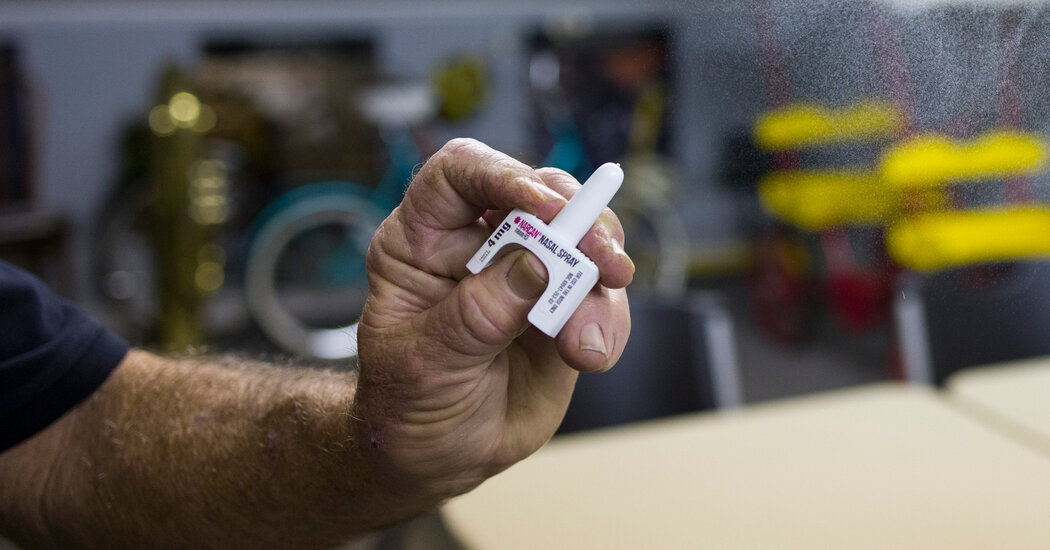
The Food and Drug Administration is expected this week to allow the overdose-reversal medication to be sold without a prescription, a step toward making it a common emergency tool.If Narcan, the nasal spray that saves lives by reversing opioid overdoses, receives approval to be sold over the counter, public health officials hope the palm-size plunger could one day become as commonplace as a kitchen fire extinguisher.The Food and Drug Administration is expected to authorize the switch from prescription status this week, a step long sought by state health officials and welcomed by parents worried about teens taking counterfeit, fentanyl-tainted pills and by owners of businesses from clubs to mall shops where people have succumbed to overdoses. By late summer, the rescue medication could be available in corner convenience stores, vending machines and through online retailers, and it could help to reduce national overdose deaths, which have exceeded 100,000 annually in the last two years.But clinics and harm reduction groups, who have long pressed for the switch, worry that several factors may still impede widespread access to the medication — namely its price and the stigma that surrounds it.Currently, a two-dose pack of prescription Narcan is often free to people covered by Medicaid or private insurance, or costs, at most, less than $10. But public and private insurance programs do not cover most over-the-counter medicines. Whether an exception will be made for Narcan could take months to resolve.This month, a big-box pharmacy in Manhattan was charging $98 for the two-dose box of Narcan to customers without insurance. Another pharmacy chain in New Jersey charged $73.Narcan’s manufacturer, Emergent BioSolutions, declined to disclose the price plans for an over-the-counter version, pending F.D.A. approval. The company said it would “work with public interest” groups, who are now charging about $47.50 a box. Health economists predict the new price could land somewhere between $35 and $65 — plus a retailer’s markup.So the cost of the new out-of-pocket Narcan could make the spray prohibitive for many individuals, especially for those who inject opioids, and, indirectly, for the organizations that buy the medication in bulk.“People who really need it won’t be able to afford it, so it is much more likely that it becomes an item that is shoplifted,” said Jim Thacker, who directs the Target4 Project, a statewide program based at the University of Kentucky that focuses on H.I.V. prevention and gives out free Narcan.And that, he said, may create another obstacle: “Then Narcan will probably be put behind the pharmacist’s counter or behind glass, which creates a barrier to the people who can afford it but don’t want to ask for it,” he said.An outreach worker with Prevention Point Philadelphia, a health services center, distributing Narcan sprays throughout the city’s Kensington neighborhood.Hilary Swift for The New York TimesMany community groups distribute a liquid, injectable version of naloxone, which works swiftly and is far cheaper than Narcan.Kendrick Brinson for The New York TimesWalgreens, CVS and Walmart would not comment on product placement for Narcan. A spokeswoman for the Consumer Healthcare Products Association, a trade group, would say only that “individual retailers work with manufacturers on in-store placements and make their own decisions regarding approaches to theft prevention.”Narcan is the nasal spray version of the drug naloxone, which blocks an opioid’s effect on the brain. It has become naloxone’s dominant brand, because even a panicky, untrained bystander can easily administer it. A major impetus behind making Narcan more accessible is to encourage onlookers to step up during emergencies. The Centers for Disease Control and Prevention said that in 2021, bystanders had been present at about 46 percent of fatal overdoses.Often bystanders are themselves people who have become dependent on opioids. Clinics and many harm reduction groups, who distribute millions of naloxone doses a year for free, fear that their ability to keep doing so could be compromised by the growing focus on the Narcan brand.That is because many groups distribute a different form of naloxone: a liquid, that comes in a vial with a small syringe. Some studies say the injectable version of the medication works more swiftly than the spray.Most critically, it is far less expensive. Maya Doe-Simkins, a co-director of Remedy Alliance, which distributes hundreds of thousands of injectable naloxone doses to community groups in 44 states, Washington, D.C., and Puerto Rico, said that as Narcan blankets the market, “States are spending their entire naloxone budget on expensive product, and there’s not enough money left for cheap injectable products.” Typically, these groups rely on state health department allotments, state and federal grants, plus newly released settlement funds from the national opioid litigation to pay for naloxone.Some health economists predict that Narcan prices will gradually decrease, as volume increases and competitors enter the over-the-counter market. Ironically, two of the likely competitors have ties to pharmaceutical companies that were targets of litigation for their role in the opioid epidemic.James Moore of Hattiesburg, Miss., lowers a purple flag to half-mast when someone in the area dies from an overdose. He gives out Narcan for free at his bicycle shop.Edmund D. Fountain for The New York TimesWhenever people ask for Narcan, Mr. Moore always trains them in how to use it.Edmund D. Fountain for The New York TimesOne, a naloxone nasal spray called RiVive, is awaiting F.D.A. approval. It is made by Harm Reduction Therapeutics, a nonprofit company whose goal is to develop a low-cost, over-the-counter naloxone spray to sell mostly to community groups and clinics, bypassing retailers’ markups. Since 2018, the company has received nearly $24 million from Purdue Pharma, the makers of the prescription painkiller OxyContin, a highly addictive opioid medication that is widely thought to have been a primary cause of the ongoing opioid epidemic.Purdue is going through bankruptcy proceedings to settle thousands of opioid lawsuits against it, and will be restructured into a public benefit corporation. Last week, a bankruptcy judge authorized Purdue to donate another $9 million to Harm Reduction Therapeutics. Both companies said that Purdue had no commercial stake in RiVive.Another naloxone nasal spray, currently available by prescription, is made by Teva Pharmaceuticals, a manufacturer of generic and branded drugs, including opioids. Teva will donate large quantities of its overdose reversal product as part of its opioid settlement agreements.Under naloxone access laws, every state already permits pharmacists to dispense the nasal sprays to anyone who asks for it, regardless of whether the person has a prescription. But according to a recent report by the Reagan-Udall Foundation, an independent group that analyzes issues facing the F.D.A., of the 16.95 million naloxone doses distributed in 2021 — an acknowledged underestimate — just 2.64 million went through pharmacies. Most doses are given to emergency responders, clinics and community outreach workers.That’s because in addition to price, there are other access barriers to naloxone. Studies show that independent pharmacists in particular, especially those in rural and impoverished urban areas, do not regularly stock the nasal sprays, often saying they do not want to engage with people who use drugs.“Because of stigma, a large percentage of pharmacists will not offer naloxone to patients,” said Evan Peet, a health economist at the Rand Corporation who favors over-the-counter naloxone but is concerned about out-of-pocket costs.Mr. Moore and his son, Jeffrey, who died in 2015 from an overdose. Mr. Moore hadn’t known about naloxone when Jeffrey was alive.Edmund D. Fountain for The New York TimesJeffrey’s childhood bicycle on the wall of Mr. Moore’s shop. Mr. Moore donates refurbished bikes to people who need transportation to and from drug court.Edmund D. Fountain for The New York TimesThat deeply embedded stigma, plus price, are why direct naloxone distribution by clinics and harm reduction groups nationwide is vital to the people who most often need the medication.James Moore, who owns a family-friendly bicycle shop in Hattiesburg, Miss., is trying to combat bias as well as the price of Narcan, which, he said, in his area can run well over $100 for a double-dose box without insurance. At his shop, he gives out free Narcan and training to anyone who asks for it.Mr. Moore said he was excited about the spray becoming available over the counter because he thought it could eventually help to ease the stigma toward people who struggle with addiction — people like his son Jeffrey, who died in 2015 from an overdose.Mr. Moore hadn’t known about naloxone when Jeffrey was alive. Ever since, he has worked tirelessly to educate families, students and law enforcement about its lifesaving properties. Television stations run his Narcan public service announcements.Addiction and overdose fatalities are often still hushed up in Hattiesburg, Mr. Moore said. So when he learns about someone local who has just died from an overdose, he lowers the American flag over his shop and flies a purple flag at half-mast for five days. He hosts annual candlelight services for friends and families of loved ones who struggle with addiction. He takes people enrolled in inpatient rehabilitation programs out for group bike rides, and donates refurbished bicycles to those needing transportation to and from drug court.But Mr. Moore, who receives Narcan from state mental health services, also worries about the out-of-pocket price for Narcan if it is approved for open shelf sales.“As much as I love Narcan’s existence,” he said, “it pains me to know what it costs an individual without insurance every time they go to buy it. So I’m anxious to see it go up on Walmart’s shelves, and for the competitors to come along. I want somebody to be able to buy Narcan for the price of a hamburger.”

Read more →

In Mississippi, a Choice to Forgo Medicaid Funds Is Killing Hospitals

Mississippi is one of 10 states, all with Republican-led legislatures, that continue to reject federal funding to expand health insurance for the poor, intensifying financial pressure on hospitals.GREENWOOD, Miss. — Since its opening in a converted wood-frame mansion 117 years ago, Greenwood Leflore Hospital had become a medical hub for this part of Mississippi’s fertile but impoverished Delta, with 208 beds, an intensive-care unit, a string of walk-in clinics and a modern brick-and-glass building.But on a recent weekday, it counted just 13 inpatients clustered in a single ward. The I.C.U. and maternity ward were closed for lack of staffing and the rest of the building was eerily silent, all signs of a hospital savaged by too many poor patients.Greenwood Leflore lost $17 million last year alone and is down to a few million in cash reserves, said Gary Marchand, the hospital’s interim chief executive. “We’re going away,” he said. “It’s happening.”Rural hospitals are struggling all over the nation because of population declines, soaring labor costs and a long-term shift toward outpatient care. But those problems have been magnified by a political choice in Mississippi and nine other states, all with Republican-controlled legislatures.They have spurned the federal government’s offer to shoulder almost all the cost of expanding Medicaid coverage for the poor. And that has heaped added costs on hospitals because they cannot legally turn away patients, insured or not.States that opted against Medicaid expansion, or had just recently adopted it, accounted for nearly three-fourths of rural hospital closures between 2010 and 2021, according to the American Hospital Association.Opponents of expansion, who have prevailed in Texas, Florida and much of the Southeast, typically say they want to keep government spending in check. States are required to put up 10 percent of the cost in order for the federal government to release the other 90 percent.But the number of holdouts is dwindling. On Monday, North Carolina became the 40th state to expand Medicaid since the option to cover all adults with incomes below 138 percent of the poverty line opened up in 2014 under the terms of the 2010 Affordable Care Act. The law, a major victory for President Barack Obama, has continued to defy Republican efforts to kill or limit it.“This argument about rural hospital closures has been an incredibly compelling argument to voters,” said Kelly Hall, the executive director of the Fairness Project, a national nonprofit that has successfully pushed ballot measures to expand Medicaid in seven states.In Mississippi, one of the nation’s poorest states, the missing federal health care dollars have helped drive what is now a full-blown hospital crisis. Statewide, experts say that no more than a few of Mississippi’s 100-plus hospitals are operating at a profit. Free care is costing them about $600 million a year, the equivalent of 8 percent to 10 percent of their operating costs — a higher share than almost anywhere else in the nation, according to the state hospital association.Expanding Medicaid would uncork a spigot of about $1.35 billion a year in federal funds to hospitals and health care providers, according to a 2021 report by the office of the state economist.And it would guarantee medical coverage to some 100,000 uninsured adults making less than $20,120 a year in a state whose death rates are at or near the nation’s highest for heart disease, stroke, diabetes, cancer, kidney disease and pneumonia. Infant mortality is also sky-high, and the Delta has the nation’s highest rate of foot and leg amputations because of diabetes or hypertension.Health officials blame those numbers in part on the high rate of uninsured residents who miss out on preventive care.“I can tell you I have a number of patients who are on dialysis with renal failure for the rest of their life because they couldn’t afford the medication for their blood pressure, and that caused their kidneys to go bad,” said Dr. John Lucas, a Greenwood Leflore surgeon.Alonzo Manuel, a wound care technician, caring for Linda Rogers, 71, whose leg was amputated at Greenwood Leflore.Erin Schaff/The New York TimesAmong Mississippi adults, only disabled people and parents with extremely low incomes, along with most pregnant women, are eligible for Medicaid. Many of the ineligible are also too poor to qualify for the tax credits for insurance under the Affordable Care Act, leaving them without affordable options.The same is true for close to two million other Americans who live in the states that have not expanded Medicaid. Three in five are adults of color, according to a 2021 study by the Center on Budget and Policy Priorities, a nonprofit research group. In Mississippi, more than half are Black.Gov. Tate Reeves, a Republican, and key G.O.P. state lawmakers argue that a bigger Mississippi program is not in taxpayers’ best interest. The governor says the state’s $3.9 billion surplus would be best used to help eliminate Mississippi’s income tax.“Don’t simply cave under the pressure of Democrats and their allies in the media who are pushing for the expansion of Obamacare, welfare and socialized medicine,” Mr. Reeves said in his annual State of the State address in January.Opponents also argue that the newly insured would become dependent on Medicaid and therefore be less likely to work. “I believe we should be working to get people off Medicaid as opposed to adding more people to it,” said Philip Gunn, the powerful Republican House speaker.Yet in Mississippi’s Delta, a flat swath of fields of corn, soybeans and other crops nearly as big as Delaware, access to any kind of medical care is drying up for lack of money. More than 300,000 people live here, nearly 35 percent of them Black. About the same percentage live in poverty, a rate three times the national average.Dr. Daniel P. Edney, the state’s top health officer, said he did not set Medicaid policy, and he has been careful not to take sides. But he predicted emerging health care deserts where women would have to travel long distances to deliver babies and more sick people would die because they could not gain access to care.Of the state’s hospitals, “I have maybe heard of two that are generating any profit,” he said. When he asks hospital executives if Medicaid expansion would help their balance sheets, he said, “they say it’s a game changer.”He predicted that five hospitals would soon downgrade into mere emergency rooms, where doctors work to stabilize patients, then transfer them to the nearest hospital.If that happens, some of the sickest will not make it, said Dr. Jeff Moses, an emergency room physician at Greenwood Leflore.“Where are they going? Davy Jones’s locker,” he said. “It is very dark, and I’m not exaggerating this. I just can’t imagine what will happen to this community if this hospital closes.”In Mississippi’s Delta, a flat swath of fields of corn, soybeans and other crops nearly as big as Delaware, access to any kind of medical care is drying up for lack of money.Erin Schaff/The New York TimesMore than 300,000 people live in the Delta, nearly 35 percent of them Black.Erin Schaff/The New York TimesNine years after states began expanding Medicaid, evidence is growing that broader coverage saves lives. In a 2021 analysis, researchers for the National Bureau of Economic Research estimated that in one four-year period, 19,200 more adults aged 55 to 64 survived because of expanded coverage, and nearly 16,000 more would have lived if that coverage was nationwide.Other studies suggest why: Making medical care more affordable led to increases in regular checkups, cancer screenings, diagnoses of chronic diseases and prescriptions for needed medicines.Especially during the first six years of the Medicaid expansion, when the federal government picked up 95 to 100 percent of the cost, many states found that the program was a net fiscal gain. Some states have imposed taxes on hospitals or health care providers to cover their share of the expense, the same strategy used to help fund other Medicaid costs.Now the federal government is offering a new incentive for the holdouts: As part of a 2021 pandemic relief measure, it agreed to temporarily pay a higher proportion of costs for some existing Medicaid patients if states broadened eligibility.Mississippi’s office of the state economist has estimated that for at least the first decade, those savings and others would fully cover the roughly $200 million a year that Medicaid expansion would cost the state government.Tim Moore, the president of the Mississippi Hospital Association, said expansion was “a no-brainer.” The state is so poor, he said, that for every dollar it spends on Medicaid, the federal government pumps four back in.Polls, including by Mississippi Today and Siena College, appear to show Mississippians support Medicaid expansion, regardless of their political affiliation. Brandon Presley, the Democratic candidate for governor, is highlighting hospital closures as a reason to deny Mr. Reeves a second term in elections this November.In a possible sign of political nervousness, the governor and the legislature recently agreed to extend Medicaid coverage to pregnant women for 12 months after they give birth, prolonging a federal pandemic-era policy.A man visiting a graveyard in Greenwood. Mississippi’s death rates are at or near the nation’s highest for heart disease, stroke, cancer, kidney disease and pneumonia.Erin Schaff/The New York TimesThe legislators are also trying to prop up the hospitals with a one-time infusion of $83 million or more. But that is a pittance compared with what the state has given up in Medicaid payments.The state has lost four hospitals since 2008, according to the hospital association, and Dr. Edney, the state health officer, said that it would inevitably lose more. He said he worried most about health care access in the Delta, where he grew up, the child of working-class parents with no health insurance.On Saturday, Representative Bennie Thompson, Democrat of Mississippi, said victims of a tornado that struck the Delta last week had to be ferried 50 miles away for medical treatment because the local hospital had no power. More Medicaid dollars, he said, would have equipped it with an emergency generator.An hour due west from Greenwood Leflore, another major hospital, run by Delta Health System, is also in serious trouble. Licensed for more than 300 beds, the hospital one day last month held just 72 inpatients.Thirty-two of them were kept in the emergency department, partly because of nursing cuts. One upshot is that patients seeking emergency care now wait an average of two hours, four times as long as they should, according to Amy Walker, the chief nursing officer. Some simply walk out.The neonatal intensive care unit closed last July. Now babies in trouble must be ferried by ambulance or helicopter 125 miles south to Jackson.Iris Stacker, the chief executive, said the hospital could remain open through the end of the year; after that, she makes no promises. She is hoping federal grants will help keep the doors open, despite the state’s failure to expand Medicaid.But she said, “It’s very hard to ask the federal government for more money when you have this pot of money sitting here that we won’t touch.”A top message on Greenwood Leflore’s website is now a request for donations. So far, the hospital has raised less than $12,000.Mike Hardin, a 70-year-old retiree, was one of a handful of inpatients one recent day. He had come to the emergency room two days before with slurred speech. Doctors quickly diagnosed a stroke and now were sending him home with revised medications.“They have to do something to keep this hospital open,” he said as he was wheeled out of his room. “The people around this area wouldn’t have any place else to go.”Mike Hardin, 70, was treated at Greenwood Leflore after having a stroke.Erin Schaff/The New York TimesDr. Abhash Thakur, a cardiologist, said he routinely saw patients in the late stages of congestive heart failure who had never seen a cardiologist or been prescribed heart medication.Erin Schaff/The New York TimesThe hospital’s outpatient clinics are largely still in business, and doctors there say their caseloads are full of impoverished patients who should have been treated earlier.Dr. Abhash Thakur, a cardiologist, said he routinely saw patients in the late stages of congestive heart failure who had never seen a cardiologist or been prescribed heart medication. Some have as little as 10 percent of their heart function left.“They are not the exception,” he said, before examining a 52-year-old man who uses a wheelchair because of his heart disease. “Every day, probably, I will see a few of them.” Dr. Raymond Girnys, a general surgeon, had just treated a man in his late 50s. He said that a week earlier, the man had punctured his foot on a sharp stick while walking in his tennis shoes in a field.The man did not seek medical attention until the foot became infected because he was poor and uninsured. Dr. Girnys pointed out the irony: If his patient lost his foot, he would become eligible for Medicaid because then he would be disabled.“If they had insurance, they wouldn’t be afraid to seek care,” he said.Experts say that no more than a few of Mississippi’s 100-plus hospitals are operating at a profit.Erin Schaff/The New York TimesMargot Sanger-Katz

Read more →

North Carolina Expands Medicaid After Republicans Abandon Their Opposition

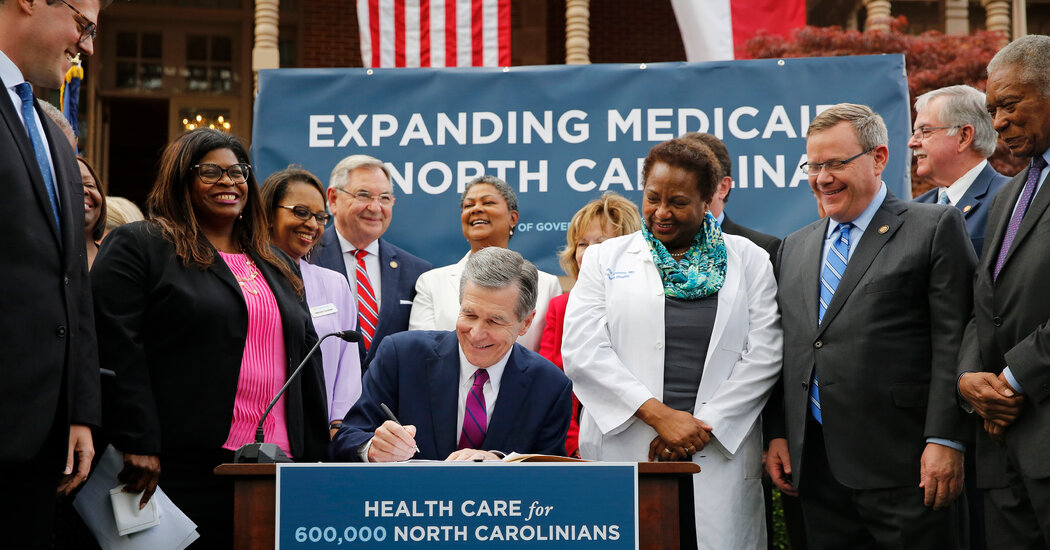
The state’s Democratic governor signed a bill expanding the health insurance program for low-income people days after the measure cleared the Republican-controlled legislature.RALEIGH, N.C. — North Carolina on Monday became the 40th state to expand Medicaid under the Affordable Care Act, the latest sign of how Republican opposition to the health measure has weakened more than a decade after President Barack Obama signed it into law.Gov. Roy Cooper, a Democrat, signed legislation expanding the state’s Medicaid program during a sunny afternoon ceremony on the lawn of the Executive Mansion, days after the Republican-controlled legislature gave final approval to the measure. He was surrounded by patients, advocates and some of the same Republican leaders who had previously blocked expansion in the state.The bill will expand Medicaid to adults who make less than 138 percent of the federal poverty level, or about $41,000 for a family of four. State officials say the expansion will cover an estimated 600,000 people. It will take effect when the state adopts a budget, likely by June, Mr. Cooper said in an interview before the signing ceremony.“Today is a historic step toward a healthier North Carolina,” the governor declared before signing the measure. When a reporter pressed him on when the expansion would take effect, he said, “It’s only a question of when, not if.”It has been nearly 11 years since the Supreme Court ruled that states did not have to expand Medicaid — the government health insurance program for low-income people — under the Affordable Care Act. Nearly half the states opted out. More recently, progressives have helped to expand Medicaid in seven states — all of them with either Republican-controlled or divided governments — by putting the question directly to voters; in November, South Dakota adopted Medicaid expansion via the ballot box.But getting Republican elected officials to abandon their opposition to expanding the program has not been easy. The last state where a Republican-controlled legislature voted to expand Medicaid was Virginia, in 2018. The governor at the time was a Democrat, Ralph Northam.The battle over Medicaid has been particularly intense in North Carolina. Supporters of expansion conducted hundreds of “Moral Mondays” protests at the State Capitol. In 2014, the Republican mayor of a town that lost its hospital walked all the way to Washington to build support for expansion.Monday’s bill signing leaves just 10 states — all with divided or Republican leadership, and most of them in the South — that have yet to expand Medicaid. Advocates say they now have their sights set on Alabama, where Gov. Kay Ivey, a Republican, can expand her state’s program with her own authority.In North Carolina, there are various reasons for Republicans’ recent change of heart. Much of the opposition in the state and elsewhere has been both ideological and partisan — a reflection of Republicans’ deep distaste for Mr. Obama. But it is now clear that the Affordable Care Act, known as Obamacare, is here to stay. Republicans in Washington have been unable to repeal the law and appear to have largely given up fighting it, helping to pave the way for expansion in North Carolina.“The argument that this is somehow an endorsement of Obamacare is losing a lot of political currency, even among conservatives,” said Frederick Isasi, the executive director of Families USA, a health care advocacy group based in Washington.Hospitals, especially struggling rural ones, are eager for the extra income that Medicaid reimbursement will bring. The federal government picks up 90 percent of the costs of reimbursement under the expansion, and in North Carolina, hospitals will pay the other 10 percent. The state has revamped its Medicaid program, moving it from a fee-for-service program to one that relies on managed care — a long-sought goal of Republicans.“This has been a long day coming, but it’s been as a result of a lot of reforms,” Tim Moore, the speaker of the state’s House of Representatives and a Republican, said during the signing ceremony. The changes, he said, “allowed us to be in the position that we’re in today to be able to expand this coverage.”For Mr. Cooper, who is in his second term and has been mentioned as a possible future Democratic candidate for Senate or even president, the bill signing was a significant victory. He sought to expand Medicaid when he first took office in 2017, and Republicans sued in federal court to stop him from doing it.The push for expansion picked up steam last year, when the state’s House and Senate approved separate measures. But the two chambers were unable to reconcile differences.The signing ceremony on Monday was at turns poignant and celebratory. Cassandra Brooks, who operates Little Believer’s Academy, a day care center in the Raleigh area, choked back tears as she recalled two of her teachers who had died, she said, because they could not afford health care.“They were excellent early childhood teachers who didn’t have health insurance and passed away due to preventable health conditions,” she said. She cast the expansion measure as a boon to small businesses that operate on thin margins and cannot afford to offer their employees coverage.“Here’s to Medicaid expansion in North Carolina,” she said. “Here’s to supporting small business in North Carolina. Here’s to continued growth in North Carolina. I believe in North Carolina.”

Read more →

Human body a breeding ground for antimicrobial resistance genes

The community of microbes living in and on our bodies may be acting as a reservoir for antibiotic resistance, according to new research from the Earlham Institute and Quadram Institute in Norwich.
The use of antibiotics leads to ‘collateral damage’ to the microbiome, ramping up the number of resistance genes being passed back and forth between strains in the microbiome.
The findings also suggest these genes spread so easily through a population that, regardless of your own health and habits, the number of resistance genes in your gut is heavily influenced by national trends in antibiotic consumption.
The rise of antimicrobial resistance (AMR) among human pathogens is widely seen as one of the most serious threats to global health in the coming decades. AMR is already believed to be contributing to tens of thousands of deaths in Europe each year.
Tracking the emergence and spread of genes that help these pathogens to shrug off antibiotics has generally been limited to samples taken from infected individuals. The majority of microbes living in the human body, however, are not pathogenic.
The human microbiome is a complex and dynamic community of millions of species of microbes, primarily living in the gut and coexisting with us. Microbiomes play an important role in health and disease, with the gut microbiome known to help with the digestion of food and the development of our immune system.

Professor Chris Quince, author of the research at the Earlham Institute and Quadram Institute, said: “Even a healthy individual, who hasn’t taken antibiotics recently, is constantly bombarded by microbes from people or even pets they interact with, which leads to resistance genes becoming embedded in their own microbiota.
“If they exist in a population with a heavy burden of antibiotic consumption, it leads to more resistance genes in their microbiome.”
To better understand the impact of antimicrobials on the gut microbiome, researchers at the Earlham Institute and Quadram Institute in Norwich, together with collaborators in the Republic of Korea, analysed over 3,000 gut microbiome samples, collected from healthy individuals across 14 countries.
They then compared the resistance genes identified in samples to those found in large genome collections in order to understand the movement of AMR genes between microbe and pathogen species.
“We deliberately focussed on samples from healthy people, or at least those we could be confident weren’t taking antibiotics,” explained Professor Quince. “We needed to see the gene profile in the gut microbiome without the influence of any antimicrobials.”
They carefully catalogued and recorded the number of antimicrobial resistance genes found in the samples by comparing data to the Comprehensive Antibiotic Resistance Database, a public health resource where resistance genes are documented.

The team identified a median of 16 AMR genes per stool sample analysed. They also found the median number of genes varied across the 14 countries for which they had data.
For example, they saw a five-fold variation in median resistance levels between the lowest in the Netherlands and the highest in Spain.
Using World Health Organization and ResistanceMap data, the team were able to show a strong correlation between the frequency of resistance genes present in a country and national antibiotic consumption levels.
“We found that, in countries where antibiotics are taken more regularly, their populations also have higher numbers of resistance genes in their gut microbiome,” said Professor Quince.
The reason this collateral damage is such a major problem is that microbes are constantly sharing genes with each other. Known as horizontal gene transfer, this process helps AMR genes to spread back and forth between species.
“Our bodies are continually importing and exporting microbes and pathogen strains,” explained Professor Quince. “These strains are themselves passing genes back and forth, which means the challenge of AMR has to be tackled at both the micro and macro level.
“Given our complex relationship with microbes, we need to do more research to understand how we maximise the benefits and minimise the risks when it comes to guiding treatment decisions and developing new medicines.”
Professor Falk Hildebrand, research author at the Quadram Institute and Earlham Institute, said: “We’ve known for some years that antimicrobial resistance genes can spread incredibly fast between gut bacteria.
“This study is so important because it can, for the first time, quantify the impact national antibiotic usage has on our commensal bacteria, as well as giving us insights into the common types of resistance we can expect to evolve.”
The researchers plan to carry out further research — and encourage others to — in order to investigate the relationship in more countries and inform public health strategies.
The research was funded by UKRI-Biotechnology and Biological Sciences Research Council, UKRI-Natural Environment Research Council, and the European Research Council.

Read more →

Beneficial bacteria in the infant gut uses nitrogen from breast milk to support baby's health

A University of Massachusetts Amherst nutrition scientist who has spent his career studying breast milk has demonstrated how beneficial microbes in the gut of infants use nitrogen from human milk to support pediatric nutrition and development.
“The molecules in breast milk not only feed the baby but also feed the baby’s microbiome,” says David Sela, associate professor of food science and director of the Fergus M. Clydesdale Center for Foods for Health and Wellness. “This changed the way people think about the role of human milk in infant nutrition.”
Microbes that feed on breast milk play key roles in an infant’s growth, from jump-starting the immune and digestive systems to aiding in brain development. The molecular underpinnings of these processes, however, are not well understood.
More than a decade ago, Sela and his team noticed that Bifidobacterium infantis, a beneficial bacterium that colonizes the infant gut, had the ability to degrade urea, a molecule that mammals excrete as waste in urine.
“There’s a lot of urea in breast milk and since it’s typically excreted out of the system, and this major colonizer has the ability to degrade it, we thought it’s possible that the microbes are utilizing this waste product as a nitrogen source within the infant gut,” Sela says.
In a paper published Monday, March 27, in the journal Gut Microbes, senior author Sela describes how B. infantisutilizes urea from human milk to recycle nitrogen in the infant’s gut microbiome. The paper lays the groundwork for applying this discovery to improve infant health around the world by identifying molecular targets to improve nitrogen metabolism efficiency.
“This might lead to nutritional interventions and diagnostic tools to address infant nutrition, not only in the Western world, but also in developing countries,” Sela says. “If we have a better understanding of how the microbiome contributes to nutrition, we have a better understanding of how to provide nourishment to not only healthy infants but also infants who are preterm or are more predisposed to diseases, sickness and conditions that are deleterious to their health.”
After years of research, Sela and his team in the Sela Lab have achieved an understanding of the process from the microbial side, which was “the overarching objective of the project.” Since 2021, Sela’s research has been funded by a five-year, $1.69 million grant from the National Institute of Child Health and Human Development.
To test their hypothesis, researchers in the Sela lab, including lead author Xiaomeng You, a graduate research assistant, demonstrated that the B. infantis bacteria, when fed urea, were able to use it as a nitrogen source.
They then tracked the urea nitrogen with a stable isotope. “It gets incorporated into all kinds of bacterial products that the bacteria makes, and that was really insightful,” Sela says. “It gives us the strongest evidence that the bacteria is utilizing urea nitrogen for its basic metabolism.”
The next step is to examine the process in the human system — “looking at mom’s milk, infant growth and development, and microbiome function as it pertains to urea utilization,” Sela says. “If we want to have clinical or nutritional relevancy in humans, we have to understand how it works in babies.”
Sela and his team are eager to tackle the ongoing challenges. “There are a lot of open questions that we generated from this study that we’re excited to follow up on.”

Read more →

Trio sets world record as most premature triplets to survive

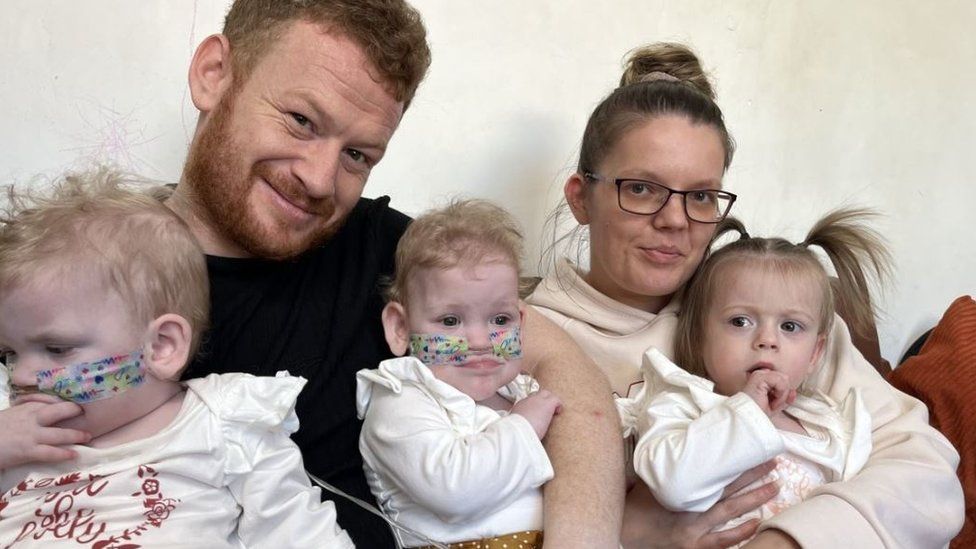
Published11 hours agoShareclose panelShare pageCopy linkAbout sharingImage source, PA MediaBy Sammy Jenkins, Cheryl Dennis & PA MediaBBC NewsThree sisters from Bristol have made it into the Guinness World Records book on two counts, for being the lightest and most premature triplets to survive.Rubi-Rose, Payton-Jane and Porscha-Mae Hopkins weighed a total of 2lb and 13oz (1,284g) when they were born at 22 weeks on Valentine’s Day in 2021.They spent 216 days in the neonatal intensive care unit (NICU) at Southmead Hospital, Bristol.Michaela White and Jason Hopkins said their girls had “come on leaps” since.”Since they’ve come out of hospital. They’ve just sprung and their health is improving”, Ms White, 32, said.They were born by Caesarean section just three weeks after Ms White found out she was pregnant with triplets. “It was mad,” and “the quickest pregnancy,” either parent had ever known, Mr Hopkins said. Image source, PA MediaMs White said the birth was traumatic and she did not see her girls when they were first born.They were quickly placed in incubators and swaddled in polythene wrapping to act like a womb and regulate their body temperature.The first 72 hours of the babies’ lives were the most critical and they each had to breathe independently for 10 seconds before doctors could intervene to provide them with oxygen. “The NICU journey on its own, any parent who has been through it, whether it’s been two days or, as we were 216 days, it’s one of the hardest journeys you’ll go through,” Mr Hopkins said. All three of the girls were born with cerebral palsy and have lifelong conditions that affect their movement and co-ordination. Born first at 10:21GMT at 467g (1lb), Rubi-Rose has a mild form of the condition, while her two sisters Payton-Jane and Porscha-Mae, who were born nearly two hours later weighing 402g (0.89lb) and 415g (0.91lbs), have mobility issues and were tube-fed.Mr Hopkins, 36, said it was a consultant who suggested the siblings might be the earliest surviving triplets in the UK.”So we got in touch with Guinness World Record,” he said.When they found out Ms White was pregnant at 19 weeks, they were facing eviction from their temporary accommodation and had lost their job due to the Covid-19 pandemic. “I think with the pressure, and stress of eviction and things, could have brought my waters on,” Ms White said. “No one knows why I went into labour that early.”It was a tough year for us losing our home and going into temporary accommodation.”Sharing their journey with more than 10,000 followers on TikTok, Ms White and Mr Hopkins said they wanted to raise awareness of Post Traumatic Stress Disorder and postnatal depression among fathers, and also to help support other parents of premature babies.Mr Hopkins, who has struggled with PTSD and post-natal depression said the experience of seeing his daughters in NICU was “very hard” but thanked the medical staff for all they did and continued to do for their two-year-olds.The couple also have two older children and acknowledged it was difficult to find time to themselves because life was “manic”, but said they had learned to “lean on each other” to get by.”Michaela is a wonder mum and she is absolutely amazing – I love her to bits. “Words can’t say how proud I am of that woman, she is amazing,” Mr Hopkins said.Follow BBC West on Facebook, Twitter and Instagram. Send your story ideas to: bristol@bbc.co.uk More on this storyMum makes clothes for premature babies29 December 2022UK’s most premature twins to survive turn one26 October 2022Care packs support parents of premature babies17 August 2022’We celebrated when he slept with no oxygen mask’20 November 2021Related Internet LinksGuinness World RecordsThe BBC is not responsible for the content of external sites.

Read more →