Leaps in artificial blood research aim to improve product safety, efficacy

Researchers have made huge strides in ensuring that red blood cell substitutes — or artificial blood — are able to work safely and effectively when transfused into the bloodstream.
The key is to make the artificial blood molecules big enough so they don’t leak from blood vessels into tissue and cause dangerous cardiovascular side effects, notes a new study led by researchers from The Ohio State University.
Although blood loss is typically treated by transfusing units of donated blood, in cases where transfusions aren’t readily available or time is too limited to screen for patient blood type compatibility (such as in certain rural areas or on the battlefield), artificial blood products offer medical professionals more flexibility for treatment. In clinical trials, previous generations of these blood substitutes often resulted in several poor health outcomes, as individuals experienced symptoms ranging from narrowing of blood vessels and high blood pressure to tissue injury.
In this study, researchers found that a certain sized fraction of red blood cell substitute can provide a range of health benefits, and can decrease the risk of cardiovascular side effects — if its components are the right size.
“We found that as you make the red blood cell substitute molecules bigger, you have fewer side effects,” said Alisyn Greenfield, lead author of the study and a PhD student in chemical and biomolecular engineering at Ohio State. “There’s even a particular size range that has better benefits when it comes to the kind of cardiovascular effects that were seen with with previous generations of this material.”
Their findings were published in the journal Biomacromolecules.

The researchers tested a red blood cell substitute called polymerized human hemoglobin — PolyhHb. Although past commercial versions have been explored in clinical settings, they did not receive FDA approval due to their many side effects.
To find a better solution, the team focused on identifying a target therapeutic size of PolyhHb by synthesizing material in four different-sized brackets and exploring the cardiovascular response in guinea pig models. Findings showed that the largest-sized brackets did not escape the blood vessels, or cause the blood vessels to narrow and elicit high blood pressure.
Study senior author Andre Palmer, professor of chemical and biochemical engineering at Ohio State, said the antioxidant status of guinea pigs is more similar to humans than other rodents, making them a good model for the study.
While these red blood cell substitutes aren’t meant to replace blood entirely, this research highlights the potential of these materials. If transfused into a person soon after injury, they could be used to buy the person enough time to be transported to a medical facility to receive a blood transfusion, said Palmer.
Additionally, because blood substitutes aren’t made with any surface antigens or markers on the outside of the red blood cell’s membrane, they can be transfused into anyone, regardless of their blood type. That said, artificial blood is still a long way from commercialization.
Even though it can be stored at room temperature for several years compared to the 42-day storage period for donated blood, artificial blood doesn’t come close to replicating the lifetime of real blood cells, said Palmer. Once produced, a typical red blood cell circulates in the human body for a period of about 120 days, yet the materials in current blood substitutes are made with only a half-life of about 24 hours after administration.
Further study is needed to more accurately determine the red blood cell substitute’s safety and efficacy in clinical settings. “By performing this study, we demonstrated that we can improve upon what currently exists and, hopefully, be able to move our research forward and translate those materials into the clinic,” said Greenfield.
This study was supported by the National Institutes of Health. Other Ohio State co-authors were Xiangming Gu, Ahmad Yahya, Amid Vahedi and Mohd. Asim Khan. Other co-authors came from the University of Maryland.

Read more →

Orkney cancer gene: My mum died not knowing she had it

Published2 hours agoShareclose panelShare pageCopy linkAbout sharingBy Laura GoodwinBBC Scotland Innovations CorrespondentWhen Jenner Ellis died of ovarian cancer in 2010 the specific mutation of the BRCA1 gene linked to Orkney had not yet been identified.It was known that certain mutations carried a higher risk of ovarian and breast cancer but the one Jenner had was not thought to be one of them.It was years later that researchers contacted her husband and children to say they thought they had found a new high-risk gene mutation and it was the one Jenner had carried.After years of research, a study published last month suggests that one in 100 people with grandparents from Orkney has a specific mutation of the BRCA1 gene.It found that most of them could trace their family ancestry back to the island of Westray.Jenner grew up in Kirkwall on Orkney and her great grandparents were from Westray.Her husband Dennis says that when Jenner was tested in 2010 they were told the BRCA1 mutation was not of any note or significance.”At that time they did not know this other mutation had any medical effects,” Dennis says. “So there was a sense of relief which turned out to be unfortunately not based in reality.”All three of Jenner and Dennis’s children were tested for the new Orkney mutation and found not to have it.This included his son. Although men are at a lower risk from the gene mutation, they can pass it on to their children.Dennis’s daughter Tanya says she was in her late 20s and did not have children but was keen to take the genetic test.She says testing is not something people usually want to go through but it is worth it to find out either way.”The clarification that you don’t carry it is great,” she says.”But then to know that you do gives you all those choices, whether it is preventative surgery or just being monitored.”Dennis says it is also important to know whether you are passing the gene mutation to your children, an option his wife did not have.He says if you don’t have the gene mutation it can’t be passed on.”Both you and your children can breathe a big sigh of relief,” he says.Dennis says “Ovarian cancer is the silent killer. There is no real warning. There is no screening you can do for it.”Jenner thought the symptoms were irritable bowel until it persisted and became painful. By then she had secondary cancer in the bowel and it was too late to treat with anything other than chemotherapy.She lived 11 years from her initial diagnosis but eventually died in 2010, at the age of 58.Testing will shortly begin for adults with Westray grandparents living on Westray but Prof Zosia Miedzbrodska, who carried out the research, says they have had people contacting them from all over the world. “We had to let NHS Grampian to take the limiter off the mailbox for phone messages. We have had since then some 200 phone calls to the helpline and somewhere like 400 email queries. “At least half of the contacts have come from outside Scotland.”More on this storyTesting offered over Orkney breast cancer gene17 MarchBreast cancer gene linked to Orkney islands16 March

Read more →

More people could have hidden bowel condition

Published8 hours agoShareclose panelShare pageCopy linkAbout sharingImage source, Victoria RennisonBy Smitha MundasadHealth reporter Many people may be suffering from an undiagnosed and misunderstood bowel condition, according to the charity Guts UK.Microscopic colitis is an inflammation of the large bowel and causes frequent watery diarrhoea, stomach pain, faecal incontinence, fatigue and weight loss.About 17,000 people are diagnosed each year in the UK, but experts say the real number is likely to be higher. Some standard tests for inflammatory bowel conditions do not spot it. But despite misdiagnoses, cases have risen in the UK in recent years. Biopsy samples Victoria Rennison, 33, from South London, was diagnosed with microscopic colitis last year, after more than a decade of symptoms. She saw a number of specialists but was told she had irritable bowel syndrome and “was left to get on with it”.When the condition was at its worst she would spend the entire day and many nights on the toilet, or running urgently to the bathroom. “The diarrhoea would come on suddenly and would be profuse and watery and the pain was like intense cramps,” said Victoria.”There were even times my infant son had to sit on a bouncer in the bathroom with me for hours.”She told BBC News: “I used to be sociable and outgoing but I found it harder and harder to go out.”I didn’t want to leave the house. I had to make a map of every toilet to do so.”Victoria was finally diagnosed after a gut specialist did a colonoscopy (camera test of her bowel) and – crucially – took biopsy samples of the inflamed bowel.On previous visits to doctors she had had colonoscopies, but no biopsy samples had been taken and the condition – which can be seen clearly when samples are put under a microscope – was missed. She says it was a huge relief to get a diagnosis and be given treatment. “It was not possible to keep living like that with a small child. I feel like I’ve finally regained some semblance of normality.”Image source, Victoria RennisonJulie Harrington, CEO of Guts UK, said it was crucial to provide training for healthcare providers, and continue to raise awareness, and invest in research.She added: “It is terribly sad that thousands of people are suffering with the debilitating symptoms of microscopic colitis. “Most people with the condition can be easily treated with a course of gut-specific steroids or with symptom-relieving medicines, but getting a diagnosis is the first, essential step.”Prof Chris Probert, at the University of Liverpool, said: “It is not clear why cases of the condition are on the increase, but it is likely to be due to a mixture of increased awareness of symptoms leading to more diagnoses, and environmental factors.”The good news is that effective treatments are available, so people experiencing symptoms could benefit enormously by talking with their GP.”More on this storyPortstewart woman warns of dangers of colitis4 April 2022But you don’t look sick12 September 2020Related Internet LinksPage not found – Guts UK.websiteUndiagnosed microscopic colitis a hidden cause of chronic diarrhoea and a frequently missed treatment opportunity Frontline.websiteThe BBC is not responsible for the content of external sites.

Read more →

How artificial intelligence is matching drugs to patients

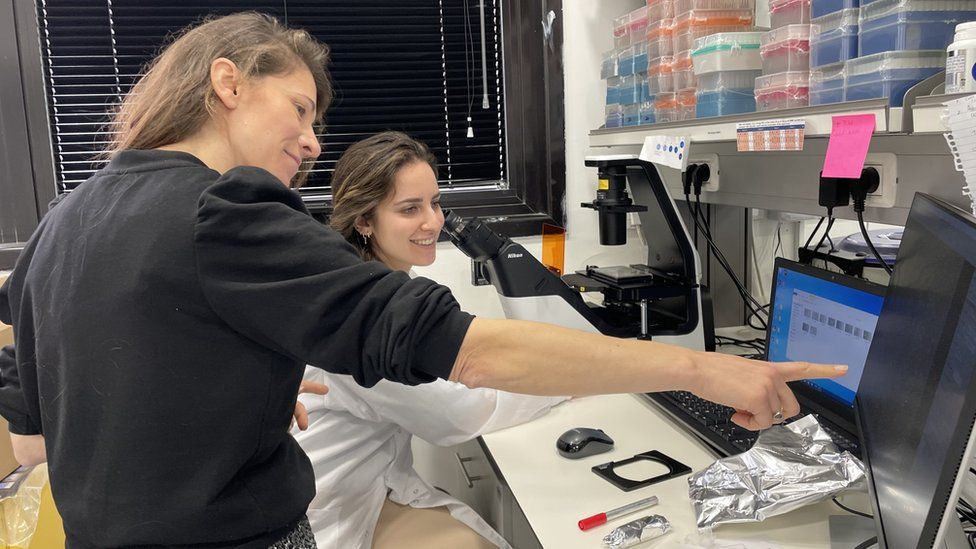
Published8 hours agoShareclose panelShare pageCopy linkAbout sharingImage source, Natalie LisbonaBy Natalie LisbonaBusiness reporter, Tel Aviv Dr Talia Cohen Solal sits down at a microscope to look closely at human brain cells grown in a petri dish.”The brain is very subtle, complex and beautiful,” she says.A neuroscientist, Dr Cohen Solal is the co-founder and chief executive of Israeli health-tech firm Genetika+.Established in 2018, the company says its technology can best match antidepressants to patients, to avoid unwanted side effects, and make sure that the prescribed drug works as well as possible.”We can characterise the right medication for each patient the first time,” adds Dr Cohen Solal.Genetika+ does this by combining the latest in stem cell technology – the growing of specific human cells – with artificial intelligence (AI) software.From a patient’s blood sample its technicians can generate brain cells. These are then exposed to several antidepressants, and recorded for cellular changes called “biomarkers”.This information, taken with a patient’s medical history and genetic data, is then processed by an AI system to determine the best drug for a doctor to prescribe and the dosage.Although the technology is currently still in the development stage, Tel Aviv-based Genetika+ intends to launch commercially next year.Image source, Getty ImagesAn example of how AI is increasingly being used in the pharmaceutical sector, the company has secured funding from the European Union’s European Research Council and European Innovation Council. Genetika+ is also working with pharmaceutical firms to develop new precision drugs.The company hopes its work will be in strong demand in the future. There are more than 280 million people globally who suffer from depression, according to the World Health Organization. And while taking antidepressants certainly won’t be the correct treatment for all, it has long been estimated that almost two thirds of initial prescriptions for depression or anxiety may not work properly.”We are in the right time to be able to marry the latest computer technology and biological technology advances,” says Dr Cohen Solal.Dr Heba Sailem says that the potential for AI to transform the global pharmaceutical industry, which generated revenues of $1.4 trillion (£1.1tn) in 2021, is huge.A senior lecturer of biomedical AI and data science at King’s College London, she says that AI has so far helped with everything “from identifying a potential target gene for treating a certain disease, and discovering a new drug, to improving patient treatment by predicting the best treatment strategy, discovering biomarkers for personalised patient treatment, or even prevention of the disease through early detection of signs for its occurrence”.New Tech Economy is a series exploring how technological innovation is set to shape the new emerging economic landscape.Yet fellow AI expert Calum Chace says that the take-up of AI across the pharmaceutical sector remains “a slow process”. “Pharma companies are huge, and any significant change in the way they do research and development will affect many people in different divisions,” says Mr Chace, who is the author of a number of books about AI. “Getting all these people to agree to a dramatically new way of doing things is hard, partly because senior people got to where they are by doing things the old way.”They are familiar with that, and they trust it. And they may fear becoming less valuable to the firm if what they know how to do suddenly becomes less valued.”However, Dr Sailem emphasises that the pharmaceutical sector shouldn’t be tempted to race ahead with AI, and should employ strict measures before relying on its predictions.”An AI model can learn the right answer for the wrong reasons, and it is the researchers’ and developers’ responsibility to ensure that various measures are employed to avoid biases, especially when trained on patients’ data,” she says.Hong Kong-based Insilico Medicine is using AI to accelerate drug discovery.”Our AI platform is capable of identifying existing drugs that can be re-purposed, designing new drugs for known disease targets, or finding brand new targets and designing brand new molecules,” says co-founder and chief executive Alex Zhavoronkov.Image source, Insilico MedicineIts most developed drug, a treatment for a lung condition called idiopathic pulmonary fibrosis, is now being clinically trialled. Mr Zhavoronkov says it typically takes four years for a new drug to get to that stage, but that thanks to AI, Insilico Medicine achieved it “in under 18 months, for a fraction of the cost”.He adds that the firm has another 31 drugs in various stages of development.Back in Israel, Dr Cohen Solal says AI can help “solve the mystery” of which drugs work.

Read more →

CoolSculpting Promised to Zap Fat. For Some, It Brought Disfigurement.

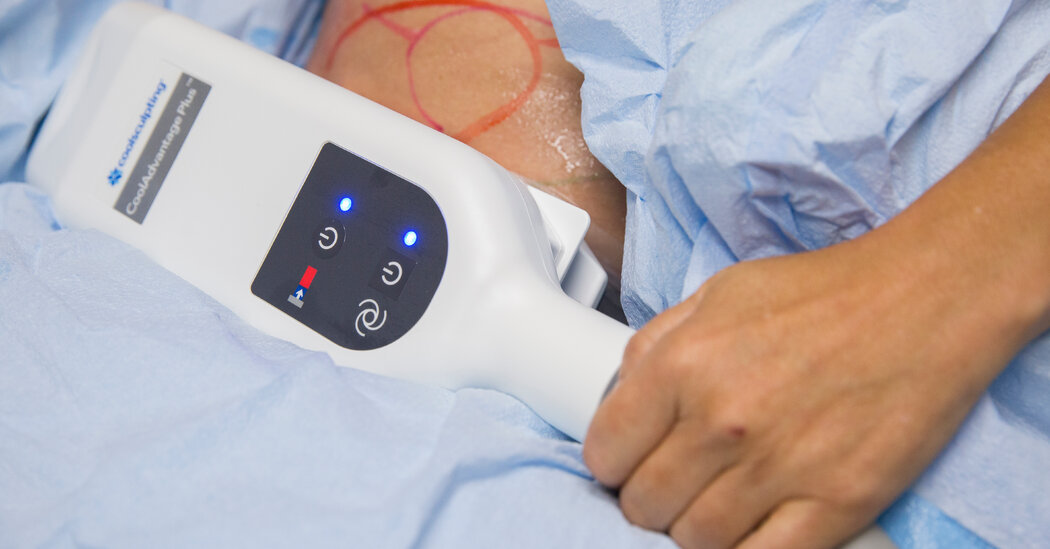
CoolSculpting is among the most popular fixes for unwanted bulges. But the risk of a serious side effect appears to be higher than previously known.More than a dozen years ago, a medical device hit the market with a tantalizing promise: It could freeze away stubborn pockets of fat quickly, painlessly and without surgery.The device, called CoolSculpting, was entering an already-crowded beauty industry selling flatter stomachs and tauter jaw lines, but it had an advantage: a vaunted scientific pedigree. The research behind its development came from a lab at Harvard Medical School’s primary teaching hospital, a detail noted routinely in news features and talk show segments.The pitch worked. CoolSculpting machines are now common in dermatology and plastic surgery offices and medical spas, and the technology has generated more than $2 billion in revenue.Cryolipolysis, the technical term for the procedure, involves placing a device onto a targeted part of the body to freeze fat cells. Patients typically undergo multiple treatments on the same area. In successful cases, the cells die and the body absorbs them.But for some people, the procedure results in severe disfigurement. The fat can grow, harden and lodge in the body, sometimes even taking on the shape of the device’s applicator. This side effect, called paradoxical adipose hyperplasia, usually requires surgery to correct. “It increased, not decreased, my fat cells and left me permanently deformed,” the supermodel Linda Evangelista wrote in 2021 of her experience with CoolSculpting.Allergan Aesthetics, a unit of the pharmaceutical giant AbbVie that now owns CoolSculpting, says this is rare, occurring in 0.033 percent of treatments, or about 1 in 3,000.But a New York Times examination — drawing on internal documents, lawsuits, medical studies and interviews — indicates that the risk to patients may be considerably higher.The supermodel Linda Evangelista in 2015, before undergoing CoolSculpting treatments that she has said left her “permanently deformed.”Astrid Stawiarz/Getty ImagesThe company behind CoolSculpting has retained consultants who have written about low risks of P.A.H. in medical journals and online channels. It has also restricted patients from talking about the problem through confidentiality agreements and, at one point, stopped reporting the side effect to federal regulators after an auditor from the Food and Drug Administration determined that it did not qualify as a life-threatening or serious injury.More than a dozen doctors interviewed by The Times said the manufacturer’s estimate of the risk was sharply lower than what they had observed in their practices or research — in part because the side effect can take many months to become visible, and patients don’t always connect it to CoolSculpting. Sometimes the effect is subtle, and patients believe they have just gained weight back.“P.A.H. is likely being underreported and misdiagnosed,” a 2020 study on paradoxical adipose hyperplasia found.In 2017, Dr. Jared Jagdeo, a dermatologist who was then a consultant for CoolSculpting’s manufacturer, and two co-authors wrote in a journal article that the side effect should be reclassified. Its increasing incidences, they wrote, met the World Health Organization’s criteria for a “common” or “frequent” adverse event, instead of a “rare” one.Since CoolSculpting’s debut, the reported frequency of P.A.H. has quietly and steadily climbed — even in company estimates — highlighting flaws in the way the F.D.A. clears medical devices for use and monitors them after they are on the market.The agency relies on hospitals, doctors, consumers and device manufacturers to report any “adverse events,” a system that has often been criticized as effectively turning patients into long-term test subjects. Hospitals and manufacturers are required to report deaths and serious injuries, while private doctors’ offices and consumers are not obligated to report anything.Allergan declined to respond to detailed questions from The Times. The company emailed two statements that read, in part, “CoolSculpting has been well studied with more than 100 scientific publications.” More than 17 million treatments have been sold, Allergan noted.The statements called the side effect rare and said it was well documented in the information the company provides for patients and doctors. Allergan also said, “We are compliant with all adverse event reporting requirements.”Gina D’Addario, 40, who used to sell cable TV and internet services door-to-door in Syracuse, N.Y., tried CoolSculpting on her stomach in 2017. “I just wanted to pamper myself,” she said.Ms. D’Addario said she noticed a large mass in her abdomen about nine months later. She thought it was weight gain, but dieting and exercise did not help. The bulge grew so large, she said, that her leg would bump into it when she tried to work out. It didn’t occur to her, or the many doctors she saw, that the mass could be connected to CoolSculpting, until Ms. Evangelista went public years later.“I just wanted to pamper myself,” said Gina D’Addario, who found a mass in her abdomen about nine months after receiving CoolSculpting on the area.Amrita Stuetzle for The New York TimesSince being diagnosed with P.A.H. in 2022, Ms. D’Addario has had multiple surgeries, including a tummy tuck and liposuction, and may need more. She said Allergan offered her $10,000 to help cover the costs, contingent on her signing a confidentiality agreement. She declined.“I wish I loved my body back then,” she said, referring to a time before she had CoolSculpting. “To go back to that day, I wish I could, because I would never have gotten it done.”Celebrity CachetThe F.D.A. initially cleared CoolSculpting in 2010 for use on love handles after Zeltiq, the small company that developed the device, submitted a study of 60 subjects. That study’s modest size is typical for medical devices, while drug approvals often require much larger clinical trials. Subsequent studies led to clearances for use on other body parts.CoolSculpting made an appearance on “Keeping Up With the Kardashians” and was praised on “The Dr. Oz Show” as a game-changing treatment that patients could get during their lunch hour. Goop, Gwyneth Paltrow’s wellness site, notes that it requires “little to no downtime.” The procedure became one of the most popular options in the body contouring industry.The cost of CoolSculpting varies depending on the provider and the number of sessions, but on average a consumer spends $3,200, according to the manufacturer.Part of its broad appeal is that it is not surgery. Dr. Terrence Keaney, a consultant for Allergan and a dermatologist in Arlington, Va., whose current practice has performed more than 4,000 CoolSculpting treatments since 2021, described it as the “gold standard in nonsurgical fat reduction.”“CoolSculpting has the best risk-benefit profile,” added Dr. Keaney, who has offered the treatment for more than a decade and said he had observed two patients develop P.A.H.But as CoolSculpting’s popularity rapidly grew, problems were quietly developing for some patients. In 2011, soon after the initial F.D.A. clearance, Zeltiq learned of a person whose treated fat had solidified into a noticeable mass, according to an internal company document obtained by The Times.The next year, two physicians on the company’s medical advisory board — Dr. R. Rox Anderson, an inventor of CoolSculpting, and Dr. Mathew Avram, director of the Massachusetts General Hospital Dermatology Laser and Cosmetic Center — wrote an internal review of 11 patients experiencing the side effect.Among the most popular body contouring treatments, CoolSculpting can be found in dermatology and plastic surgery offices and medical spas.In Pictures Ltd./Corbis, via Getty ImagesZeltiq notified the F.D.A. But it was not until 2014, more than two years after the company had learned of the side effect, that P.A.H. entered the medical literature, through an article in The Journal of the American Medical Association. Dr. Avram and Dr. Anderson were among its authors.In an interview, Dr. Avram said he had made a concerted effort to alert the public of the side effect as soon as he learned about it from Zeltiq in 2012.“The first thing we did was we published it out, so there could be as much awareness of it as possible,” he said.As to the gap between the company’s findings and the article’s publication, Dr. Avram said it had taken time to analyze the data, write the report and undergo the journal’s review process. In the interim, he said, he presented information about P.A.H. at medical conferences.Dr. Anderson did not respond to requests for comment.A War of NumbersWhen Dr. Avram and Dr. Anderson published information on the side effect in 2014, they estimated that its prevalence was 0.005 percent, or about 1 in every 20,000 treatments.The previous year, however, a doctor advising Zeltiq had estimated the risk to be more than double that number — 0.011 percent, or about 1 in every 10,000 treatments — according to a document sent to company executives, a copy of which was obtained by The Times.More discrepancies in data would follow, in part because the company and its consultants used the number of treatments to calculate the risk of P.A.H., while physicians observing the side effect usually used the number of patients.For example, if two patients each underwent 10 sessions of CoolSculpting and one developed P.A.H., the company’s method would yield an incidence of 1 in 20 treatments, or 5 percent. Calculating the frequency by patient, however, would produce an incidence of 1 in 2 patients, or 50 percent.Allergan advises getting at least two treatments, and many providers suggest more, increasing patients’ chances of ultimately developing the side effect.Evan Mayo-Wilson, an associate professor of epidemiology at the University of North Carolina Gillings School of Global Public Health, said he thought patients would prefer to be told their overall risk, not the risk per treatment. “I think a patient wants to know, ‘What is the probability that if I start this, I’m going to have an adverse reaction?’” he said.Dr. Jose Rodríguez-Feliz, a plastic surgeon in Miami, said he and his colleagues grew skeptical that the side effect was as rare as Zeltiq claimed.In 20 months, four patients out of 510 who underwent CoolSculpting at their practice — about 1 in every 128 — were diagnosed with P.A.H., according to a 2016 letter to the editor of a medical journal from Dr. Rodríguez-Feliz and two co-authors.“We felt that the difference was so big that we needed to put it out there,” Dr. Rodríguez-Feliz said in an interview.This became a pattern. In medical journals, doctors reported observing a significantly higher incidence than what the company was reporting. In 2017, a group of doctors published that slightly more than 1 percent — or about 1 in every 100 — of their CoolSculpting patients developed the side effect. At the same time, physicians and scientists who were consultants for the manufacturer published far lower percentages.For instance, Dr. Gordon Sasaki, a plastic surgeon who at the time consulted for Zeltiq, published a letter in response to Dr. Rodríguez-Feliz saying that the most recent incidence was 0.025 percent, or 1 in every 4,000 treatments.Last year, the Food and Drug Administration received more than 1,900 reports of adverse events from CoolSculpting treatments.Beth Hall for The New York TimesAllergan, which acquired Zeltiq for $2.5 billion in 2017, now tells patients and doctors that the incidence is about 1 in every 3,000 treatments — nearly seven times the initial estimates.The company calculates this based not on treatments performed, but on treatments sold, which can decrease the incidence it reports: Patients can buy multiple treatments in bundles and don’t necessarily use them all.CoolSculpting has been a huge moneymaker, bringing in more than $2.2 billion between 2011 and 2019, according to company financial reports and records filed with the Securities and Exchange Commission. (Allergan, which was acquired by AbbVie in 2020, declined to share more recent sales data.)One major beneficiary has been Massachusetts General Hospital, the Harvard-connected medical institution where the technology behind CoolSculpting was developed. In a 2011 S.E.C. filing, Zeltiq detailed a financial windfall for the hospital, including 7 percent of net sales and millions in lump sum payments tied to hitting various sales milestones.A representative for the hospital declined to say how much money it has received from CoolSculpting.‘That’s Not Me’In 2015, the F.D.A. appeared concerned that Zeltiq was overlooking the risk of P.A.H., according to correspondence obtained by The Times.The agency cautioned that a company study, examining patients up to 12 weeks after their procedures, may not have been sufficient because the fat bulges can emerge after that window of time.The F.D.A. also noted that as of April 2013, the company had stopped reporting P.A.H. cases to the agency, even though the condition does not resolve on its own and usually requires surgery to correct. F.D.A. guidelines around “serious adverse events” state that if surgical intervention is required, or if an injury results in hospitalization or permanent bodily damage, the issue should be reported.In this case, an F.D.A. auditor had told the company that the side effect did not meet the reporting criteria, the document said.The Times asked the F.D.A. why its auditor had made that judgment. A spokeswoman responded that “a statement or advice given by an F.D.A. employee orally is an informal communication that represents the best judgment of that employee at that time but does not necessarily represent the formal position of the F.D.A.”Allergan declined to respond to questions from The Times about the F.D.A. document, and the F.D.A. declined to explain what had happened after it questioned Zeltiq.In interviews, more than a dozen dermatologists and plastic surgeons, some of whom used to offer CoolSculpting, said they believed patients were at a higher risk for developing the side effect than the company’s numbers suggest.Dr. Erez Dayan, a plastic and reconstructive surgeon in Reno, Nev., said he had treated dozens of patients with these disfigurements. “A lot of times, they’ll feel that they caused it,” he said. “Like it’s their fault, like ‘I ate too much’ or ‘I didn’t exercise.’”Kathryn Black, 32, a data analyst in Colorado, underwent CoolSculpting in December 2021 and then again last year for her double chin. Months later, she noticed a mass in the shape of the applicator forming in the same area. In August, she was diagnosed with P.A.H.“The hardest part is seeing photos of myself, so I barely take any now,” she said. “When I see one, I think, ‘That’s not me.’”Surgery to fix the growths can cost tens of thousands of dollars and leave scars.Ms. D’Addario has had multiple surgeries to try to correct the side effect from CoolSculpting, and she may need more.Amrita Stuetzle for The New York TimesAllergan has helped cover the cost of surgery for some patients with P.A.H., but that can be preceded by difficult negotiations. The payment is usually part of a settlement agreement that includes a confidentiality requirement, patients and doctors said.The agreement is likely to discourage some patients from reporting their condition to the F.D.A., said Madris Kinard, a former public health analyst for the agency and the founder of Device Events, which analyzes medical device adverse event reports. Though patients can report anonymously, they may fear that it could be traced back to them, Ms. Kinard said.Confidentiality agreements can also make patients think twice before talking about P.A.H. even with friends — let alone on social media, an important forum for sharing such information, said Dr. Rita Redberg, a cardiologist at the University of California, San Francisco, who studies the regulatory process for medical devices.A Supermodel SuesIn 2021, Ms. Evangelista, one of the most recognizable supermodels of the 1980s and ’90s, said she had gone into a long seclusion after developing P.A.H. She sued Zeltiq and announced last summer that she had settled with the company. Ms. Evangelista declined to comment for this article.The year she went public, the F.D.A. received over 1,100 reports of adverse events from CoolSculpting treatments — more than in the entire previous decade. Last year, the agency received more than 1,900. A majority of all the reports refer to hyperplasia.Ms. Kinard said the spike, which she believes can be attributed in part to Ms. Evangelista, is “alarming because the device has been around for many years.”Ms. D’Addario, who reported her condition to the F.D.A., said that before she knew what P.A.H. was, she would work out constantly, trying to lose the fat that had emerged after CoolSculpting. Now, years later, she said, she understands that it was not her fault.But the “mental trauma” from the mysterious ways her body became deformed, and the months of not knowing what was happening, remain with her, she said: “I’m struggling now to this day. Probably worse.”Christina Jewett

Read more →

Michigan Paper Mill Fungal Infection Leaves 1 Dead and Nearly 100 Sickened

Local and federal investigators are investigating the source of a rare outbreak of blastomycosis at a paper mill in Escanaba, Mich.At least one person has died and nearly 100 people have gotten sick in a rare fungal outbreak at a paper mill in Michigan, the health authorities said, prompting the plant to temporarily close as local and federal investigators try to identify the source.The outbreak of blastomycosis at the Billerud paper mill in Escanaba, Mich., has escalated since February.Local health authorities initially identified about 15 likely cases. By mid-April, that number had grown to 21 confirmed cases and 76 probable cases. Twelve people have been hospitalized and one person has died.All of the reported cases have been among workers, contractors or visitors to the plant.Billerud, a Sweden-based paper and packaging company, said on Thursday that it planned to close the mill for three weeks to conduct a deep clean, inspect ventilation systems, replace filters and test various raw materials coming into the mill, which employs about 830 people. The additional cleaning requires large portions of the mill to be empty, it said.“Identifying the source can be difficult because the Blastomyces fungus is endemic to the area,” the company said in a statement. “There has never been an industrial outbreak of this nature documented anywhere in the U.S.”Twelve people have been hospitalized and one person has died from a fungal infection at the mill.BillerudBlastomycosis is an infection associated with the Blastomyces fungus, which grows in moist soil and decomposing matter, such as wood and leaves, and can become airborne if disturbed.Blastomycosis infections are rare. In 2019, the U.S. Centers for Disease Control and Prevention reported 240 cases of blastomycosis in total.On average over the past five years, only 26 cases have been reported in all of Michigan, according to the local health agency. However, the agency noted, the Upper Peninsula of Michigan is a known risk area for blastomycosis infection.According to the C.D.C., “Blastomycosis remains poorly understood.” The fungus mainly lives in Midwestern, South Central, and Southeastern states, especially in areas around the Ohio and Mississippi River valleys, the Great Lakes and the St. Lawrence River.Most people who breathe in Blastomyces spores will not get sick. Symptoms include a cough (sometimes with blood), fever, chest pain, difficulty breathing, night sweats, fatigue, weight loss, muscle aches and joint pain. Symptoms appear between three weeks to three months after exposure. Blastomycosis can be treated with antifungal medications.Symptoms for the initial patients began in January and February, the authorities said.A team led by the National Institute for Occupational Safety and Health visited the mill on March 27 and 28 after a request from Billerud, according to an April 7 letter from Marcia Stanton, a health scientist with the agency, which was posted by CBS.The agency advised the company to make N95 masks available to reduce potential exposure and to inspect the ventilation system and ductwork for “evidence of water incursion and microbial growth” while investigations continued.On Saturday, the C.D.C. said in a statement that it planned to return to the mill in late April to offer Blastomyces urine antigen screening tests for potential exposure. Participation would be voluntary.Investigators will use the test results and a questionnaire “to inform an environmental sampling strategy,” the agency said, adding that the data might help to narrow testing sites at the 2,000-acre mill.“Our top priority now and always is protecting the health and safety of our employees and contractors who work at our Escanaba mill,” Christoph Michalski, the president and chief executive of Billerud, said in a statement. “We care deeply about their well-being and are doing everything we can to protect them and identify and address the root cause of the blastomycosis fungal infections.”According to Billerud’s website, the Escanaba mill began making paper in 1911 as the Escanaba Pulp and Paper Company. Today, the mill produces graphic papers used in commercial printing, marketing materials and labels and has the capacity to produce about 660,000 tons of paper per year.

Read more →

Select cells 'home in on the skin like guided missiles' at birth to enhance immunity

Certain immune cells possess a homing property that directs them to the skin at birth to protect the baby, researchers from The University of Texas Health Science Center at San Antonio (UT Health San Antonio) discovered.
“These T cells home in on the skin like a guided missile,” said Na Xiong, PhD, professor of microbiology, immunology and molecular genetics in the health science center’s Joe R. and Teresa Lozano Long School of Medicine. “They have a different homing property than other T cells. We identified the mechanism through which this homing activity occurs.”
Localization of these T cells to the skin is important not only at birth but for lifelong immunity, said Xiong, senior author of an article that appeared on the cover of the February 2023 issue of Nature Immunology.
In the womb, a mother’s defenses protect a fetus against bacteria. At birth, the skin and other tissues such as the gut are exposed to commensal bacteria. These are harmless bacteria that are beneficial by keeping any disease-causing bacteria in check.
The skin-homing cells are called invariant killer T (iNKT) cells. These immune cells emanate from and are programmed in an organ called the thymus. In humans, this organ is located between the lungs.
The iNKT cells cooperate with the commensal bacteria to preserve skin health and act as a barrier for the body against bacterial pathogens, Xiong said.
“We found that if the iNKT cells do not properly go to the skin, or if there is no such population in the skin, there will be dysregulation of commensal bacteria in the skin and the bacterial composition will be changed,” Xiong said. “This can result in not enough friendly bacteria being present, enabling potentially pathogenic bacteria to overgrow.”
In a second important finding, the researchers observed that the skin-homing iNKT cells help promote hair follicle development. The cells situate preferentially around follicles and are not the only ones present there, Xiong said. “Within the hair follicle, there are also a lot of commensal bacteria. It is one place they like to stay,” he said.
The follicles themselves are critical sites of immune defense, he added.
Collaborators are from Pennsylvania State University. Funding is from the National Institute of Allergy and Infectious Diseases and the National Institute of Arthritis, Musculoskeletal and Skin Diseases of the National Institutes of Health.

Read more →

Million-year-old viruses help fight cancer, say scientists

Published2 days agoShareclose panelShare pageCopy linkAbout sharingImage source, Getty ImagesBy James GallagherHealth and science correspondentRelics of ancient viruses – that have spent millions of years hiding inside human DNA – help the body fight cancer, say scientists. The study by the Francis Crick Institute showed the dormant remnants of these old viruses are woken up when cancerous cells spiral out of control.This unintentionally helps the immune system target and attack the tumour.The team wants to harness the discovery to design vaccines that can boost cancer treatment, or even prevent it. The researchers had noticed a connection between better survival from lung cancer and a part of the immune system, called B-cells, clustering around tumours. Image source, Getty ImagesB-cells are the part of our body that manufactures antibodies and are better known for their role in fighting off infections, such as Covid. Precisely what they were doing in lung cancer was a mystery but a series of intricate experiments using samples from patients and animal tests showed they were still attempting to fight viruses.”It turned out that the antibodies are recognising remnants of what’s termed endogenous retroviruses,” Prof Julian Downward, an associate research director at the Francis Crick Institute, told me. Retroviruses have the nifty trick of slipping a copy of their genetic instructions inside our own. More than 8% of what we think of as “human” DNA actually has such viral origins Some of these retroviruses became a fixture of our genetic code tens of millions of years ago and are shared with our evolutionary relatives, the great apes Other retroviruses may have entered our DNA a few thousand years agoSome of these foreign instructions have, over time, been co-opted and serve useful purposes inside our cells, but others are tightly controlled to stop them spreading. However, chaos dominates inside a cancerous cell when it is growing uncontrollably and the once tight control of these ancient viruses is lost.These ancient genetic instructions are no longer able to resurrect whole viruses but they can create fragments of viruses that are enough for the immune system to spot a viral threat. “The immune system is tricked into believing that the tumour cells are infected and it tries to eliminate the virus, so it’s sort of an alarm system,” Prof George Kassiotis, head of retroviral immunology at the biomedical research centre, told me.The antibodies summon other parts of the immune system that kill off the “infected” cells – the immune system is trying to stop a virus but in this case is taking out cancerous cells. Prof Kassiotis says it is a remarkable role reversal for retroviruses which, in their heyday, “might have been causing cancer in our ancestors” due to the way they invade our DNA, but are now protecting us from cancer, “which I find fascinating”, he adds. The study, published in the journal Nature, describes how this happens naturally in the body but the researchers want to enhance that effect by developing vaccines to teach the body how to hunt for endogenous retroviruses. “If we can do that, then you can think not only of therapeutic vaccines, you can also think of preventative vaccines,” said Prof Kassiotis.The research came out of the TracerX study which has been tracking lung cancers in unprecedented detail and this week showed cancer’s “near infinite” ability to evolve. It led the researchers running the trial to call for more focus on preventing cancer as it was so hard to stop. Dr Claire Bromley, from Cancer Research UK, said: “All of us have ancient viral DNA in our genes, passed down from our ancestors, and this fascinating research has highlighted the role it plays in cancer and how our immune system can recognise and destroy cancer cells.”She said “more research” was needed to develop a cancer vaccine but “nevertheless, this study adds to the growing body of research that could one day see this innovative approach to cancer treatment become a reality.” Follow James on Twitter.

Read more →

Fuzzy first photo of a black hole gets a sharp makeover

Sign up for CNN’s Wonder Theory science newsletter. Explore the universe with news on fascinating discoveries, scientific advancements and more.

CNN
 — 

The first photo ever taken of a black hole looks a little sharper now.

Originally released in 2019, the unprecedented historic image of the supermassive black hole at the center of the galaxy Messier 87 captured an essentially invisible celestial object using direct imaging.

The image presented the first direct visual evidence that black holes exist, showcasing a central dark region encapsulated by a ring of light that looks brighter on one side. Astronomers nicknamed the object the “fuzzy, orange donut.”

Now, scientists have used machine learning to give the image a cleaner upgrade that looks more like a “skinny” doughnut, researchers said. The central region is darker and larger, surrounded by a bright ring as hot gas falls into the black hole in the new image.

In 2017, astronomers set out to observe the invisible heart of the massive galaxy Messier 87, or M87, near the Virgo galaxy cluster 55 million light-years from Earth.

The Event Horizon Telescope Collaboration, called EHT, is a global network of telescopes that captured the first photograph of a black hole. More than 200 researchers worked on the project for more than a decade. The project was named for the event horizon, the proposed boundary around a black hole that represents the point of no return where no light or radiation can escape.

To capture an image of the black hole, scientists combined the power of seven radio telescopes around the world using Very-Long-Baseline-Interferometry, according to the European Southern Observatory, which is part of the EHT. This array effectively created a virtual telescope around the same size as Earth.

‘Maximum resolution’ achieved

Data from the original 2017 observation was combined with a machine learning technique to capture the full resolution of what the telescopes saw for the first time. The new, more detailed image, along with a study, was released on Thursday in The Astrophysical Journal Letters.

“With our new machine learning technique, PRIMO, we were able to achieve the maximum resolution of the current array,” said lead study author Lia Medeiros, astrophysics postdoctoral fellow in the School of Natural Sciences at the Institute for Advanced Study in Princeton, New Jersey, in a statement.

“Since we cannot study black holes up-close, the detail of an image plays a critical role in our ability to understand its behavior. The width of the ring in the image is now smaller by about a factor of two, which will be a powerful constraint for our theoretical models and tests of gravity.”

Medeiros and other EHT members developed Principal-component Interferometric Modeling, or PRIMO. The algorithm relies on dictionary learning in which computers create rules based on large amounts of material. If a computer is given a series of images of different bananas, combined with some training, it might be able to tell if an unknown image does or doesn’t contain a banana.

Computers using PRIMO analyzed more than 30,000 high-resolution simulated images of black holes to pick out common structural details. This allowed the machine learning essentially to fill in the gaps of the original image.

“PRIMO is a new approach to the difficult task of constructing images from EHT observations,” said Tod Lauer, an astronomer at the National Science Foundation’s National Optical-Infrared Astronomy Research Laboratory, or NOIRLab. “It provides a way to compensate for the missing information about the object being observed, which is required to generate the image that would have been seen using a single gigantic radio telescope the size of the Earth.”

Advancing research of black holes

Black holes are made up of huge amounts of matter squeezed into a small area, according to NASA, creating a massive gravitational field that draws in everything around it, including light. These powerful celestial phenomena also have a way of superheating the material around them and warping space-time.

Material accumulates around black holes, is heated to billions of degrees and reaches nearly the speed of light. Light bends around the gravity of the black hole, which creates the photon ring seen in the image. The black hole’s shadow is represented by the dark central region.

The visual confirmation of black holes also acts as confirmation of Albert Einstein’s theory of general relativity. In the theory, Einstein predicted that dense, compact regions of space would have such intense gravity that nothing could escape them. But if heated materials in the form of plasma surround the black hole and emit light, the event horizon could be visible.

The new image can help scientists make more accurate measurements of the black hole’s mass. Researchers can also apply PRIMO to other EHT observations, including those of the black hole at the center of our Milky Way galaxy.

“The 2019 image was just the beginning,” Medeiros said. “If a picture is worth a thousand words, the data underlying that image have many more stories to tell. PRIMO will continue to be a critical tool in extracting such insights.”

Read more →

Black Pregnant Women Are Tested More Frequently for Drug Use, Study Suggests

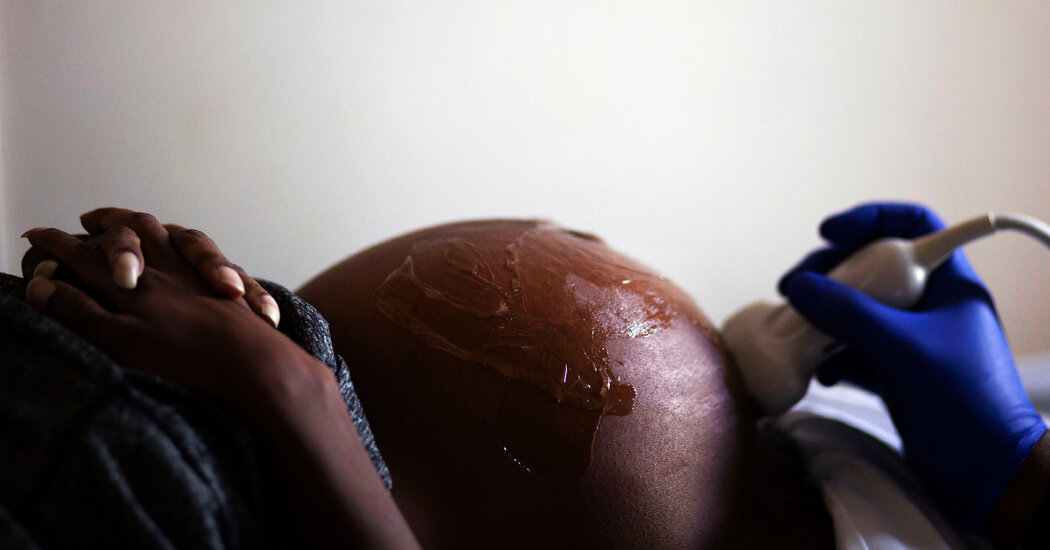
Researchers said racial bias was the only explanation for excessive testing of Black mothers at a Pennsylvania health system.Hospitals are more likely to give drug tests to Black women delivering babies than white women, regardless of the mother’s history of substance use, suggests a new study of a health system in Pennsylvania.And such excessive testing was unwarranted, the study found: Black women were less likely than white women to test positive for drugs.The study analyzed the electronic medical records of 37,860 patients who delivered a baby at a large health care system in Pennsylvania between March 2018 and June 2021. It was published on Friday in the journal JAMA Health Forum.The report comes amid a national conversation about health disparities and systemic racism in medicine, one that was triggered by the Covid-19 pandemic’s disproportionate toll on communities of color, and that has focused more recently on high maternal mortality rates among Black and Native American women.The authors of the new study urged hospitals to examine their drug testing practices in order to address racial biases.“Any given clinician may not be thinking about bias, but when you look at these kinds of data, you can see there is no other explanation,” said Marian Jarlenski, an associate professor of health policy and management at the University of Pittsburgh School of Public Health and the paper’s first author.The findings are a “clear illustration of disparate care,” said Dr. Alison Stuebe, a professor of obstetrics and gynecology at the University of North Carolina, who was not involved in the research. “This study is one example of how provider behavior causes Black women to distrust the health care system.”After controlling for various demographic and medical factors, the researchers calculated the probability of urine toxicology testing for different groups. Although more Black women had reported prior drug use, mostly of cannabis, the difference did not fully explain the results: Black patients had the highest probability of undergoing urine tests at delivery, regardless of their prior drug use.Among those who did report substance use in the previous year, the likelihood of being tested was 76 percent for Black women, compared with 68 percent for white women.Yet white women with a history of substance use were more likely to test positive: About 66.7 percent were likely to test positive, compared with 58 percent of Black patients with such histories.Even among women who had no history of drug use, Black women were more likely to be tested: About 7 percent of Black patients with no history of substance use were likely to be tested, compared with 4.7 percent of white patients with no history, the study estimated.Hospitals screen for drug use on labor and delivery wards in order to comply with federal and state regulations for safe care for infants affected by substance use during pregnancy.It’s not clear what led to greater drug testing of Black women at the Pennsylvania health system. All patients entering the labor and delivery department were screened verbally for substance use, with questions adapted from the National Institute on Drug Abuse’s quick verbal screening test. The policy called for running urine toxicology tests on patients with a positive result from the screening test, a history of substance use in the year before delivery, few prenatal visits or a poor birth outcome without a clear medical explanation.But substance use history couldn’t fully explain the results. And the researchers found no racial differences in the number of prenatal care visits or the rate of stillbirths.In addition to calculating probabilities, the study reported the raw number of patients who were tested for drugs. While about 21 percent of Black patients had reported a history of drug or alcohol use, 25 percent underwent urine testing. Most of the Black women had reported cannabis use.In contrast, 9 percent of white women had reported a history of drug use, including cannabis and opioids, while 10 percent were tested for drugs.Of the Black mothers tested, 40 percent had positive urine toxicology tests, compared with 51 percent of the white mothers.

Read more →