Walking on familiar streets: Insights on how neighborhood attachment may promote people's walking behavior

Physical activity has numerous health benefits. Often, someone’s physical environment or the way someone perceives their surroundings can impact their decision to engage in physical activity. Scientists refer to a person’s functional relationship with and feelings or emotions towards a place as “place attachment.” Place attachment results from a person’s interactions, over time, with their surroundings. Environmental factors such as housing quality, accessibility to destinations, and security encourage people to form place attachments. These factors suggest that, in the long run, place attachment can positively influence people’s daily routines.
To further understand this, researchers led by Associate Professor Mohammad Javad Koohsari from the Japan Advanced Institute of Science and Technology (JAIST), who is among the top 2% of most influential researchers worldwide across all scientific disciplines in 2021, conducted an exploratory study to investigate how place attachment linked to their residential neighborhood influences people’s tendency to engage in outdoor physical activity. The team of researchers included Professor Yukari Nagai at JAIST; Professor Koichiro Oka at Waseda University; Professor Tomoki Nakaya at Tohoku University; Professor Akitomo Yasunaga at Bunka Gakuen University; and Associate Professor Gavin R. McCormack at the University of Calgary in Canada. Their study was published in Landscape & Urban Planning journal, one of the top ranked journals in Urban Studies (Journal Citation Reports).
For the purpose of their study, the researchers surveyed 1,800 adults living in Calgary, Canada. They used walking for transportation or leisure and vigorous physical exercise as proxies for physical activity. Researchers also measured “built” features of neighborhoods, like perceived “walkability” (the self-reported ease with which a participant can walk through a defined area), to check whether they shape the relationship between place attachment and outdoor physical activity.
They found that physical activity, specifically walking for transport and leisure, is positively associated with participants’ place attachment. Moreover, the likelihood of engaging in these activities weekly and the total time spent on them were linked to place attachment. “Our findings suggest that place attachment is a relevant correlate of neighborhood-based physical activity, and thus future interventions should consider place attachment when investigating relationships between the built environment and physical activity,” explains Dr. Koohsari.
In the study, researchers measured two aspects or “dimensions” of place attachment — place identity and place dependence. While place identity reflects the importance of a place in a person’s life, place dependence indicates the extent to which a person depends on a place to engage in routines they enjoy. Results of the study suggest that both dimensions are positively linked to the likelihood of a participant walking around their residential neighborhood on a weekly basis and the total amount of time they devote to this activity.
A notable finding of the study that can inform health interventions attempting to increase people’s outdoor physical activity is that perceived walkability mediates the relationship between place attachment and physical activity. Research has shown that external built environments and perceptions of those environments do not always match. Assuming that place attachment is responsible for this discrepancy, changing the perceived environment can effectively boost physical activity in people.
“Our findings suggest that strategies for encouraging people to form stronger emotional bonds with their neighborhoods could potentially improve walkability perceptions and physical activity. When modifying the built environment is not possible, place attachment may be improved by offering local events or initiatives that encourage people to interact and become more familiar with their neighborhood surroundings, for instance through organized nature walks or park-based activities, besides encouraging social and community engagement that forge friendships and build trust, improving a sense of safety, and creating a sense of community” concludes Dr. Koohsari.
The study has revealed a clear association between place attachment and physical activity (walking, and not vigorous physical exercise) mediated by perceived walkability. Further studies will help to unravel the cause(s) for the link between place attachment, physical activity, and perceived walkability.
For now, the unique insights from this study certainly seem important from a policymaking perspective to add that necessary heathy push into our largely sedentary life.

Read more →

Early signs that may help predict ADHD risk

Information available at birth may help to identify children with higher likelihood of developing ADHD, according to new research from RCSI University of Medicine and Health Sciences.
The study, published in Development and Psychopathology, examined data from almost 10,000 children in the United States, showing information about pregnancy and birth may help to help predict the extent of ADHD symptoms in childhood.
The Adolescent Brain Cognitive Development (ABCD) study is an ongoing study of children in the US, born between 2005 and 2009. Children were enrolled to the study at age 9-10 and their parents were asked about aspects of the pregnancy and birth, as well as their child’s current mental health.
The RCSI researchers identified 40 factors that would typically be known by birth, including the sex of the baby, the age of the parents, any complications during the pregnancy or delivery, and the baby’s exposure in the womb to factors such as cigarette smoke. Using machine learning and statistical techniques, the researchers found that 17 of the 40 factors were particularly good at predicting the number of ADHD symptoms in childhood.
Co-lead researcher, Dr Niamh Dooley from the RCSI Department of Psychiatry, explained that few studies to date have looked at how prenatal and birth information could be useful in predicting ADHD: “We know that certain events during our time in the womb can have long-lasting consequences for our health. But not many studies have tried to quantify just how useful prenatal information could be to predicting childhood ADHD symptoms. We focused on readily available information about pregnancies and births, the kind that would be in antenatal records. This ensures our results can be compared to other studies using medical records and that they are relevant to public health.
“The other key element of this study was acknowledging the contribution of social, economic, and demographic factors to maternal and child health. For instance, prenatal information did not predict ADHD symptoms equally across the sexes, family income brackets, or racial/ethnic groups,” Dr Dooley said.
Professor Mary Cannon, Professor of Psychiatric Epidemiology and Youth Mental Health at RCSI and study co-lead, commented: “While we only explained up to 10% of the variation in childhood ADHD symptoms, this was with information typically available at birth. We cannot predict who will develop ADHD in childhood with birth information alone, but it may help identify which children are most in need of supports, particularly when combined with other factors like genetics or family history and the early life environment.
“In our study, mothers were asked about the pregnancy and birth of their child, 9-10 years earlier. The next step would be to carry out a study in a group that has been followed in real-time through pregnancy, birth and childhood. This would boost our confidence in this prenatal information, and confidence that it can help identify children at risk of developing ADHD, at a very early stage of life.”
Factors that stood out in the study as being useful in predicting ADHD symptoms in childhood included being male, as well as exposure to factors when in the womb such as cigarette smoke, recreational drugs, and the mother having urinary tract infections or low levels of iron.

Read more →

Human brains process social situations similarly — researchers discovered a brain network for social perception

A recent study conducted at the University of Turku in Finland shows that different people have similar brain activity when perceiving social situations. Researchers discovered an extensive neural network in the human brain that effectively processes various social information.
Social interaction is central to all aspects of human life. Interaction requires the perception and interpretation of the social environment as well as flexible reacting to other people’s behaviour. The human brain is capable of such perception and decision-making automatically and rapidly. However, the social information processing mechanisms of the brain remain unresolved.
The study conducted at the Turku PET Centre revealed an extensive neural network in the human brain that processes various social information. The study showed that the social perceptual world of humans consists of a limited set of main dimensions, such as antisocial behaviour, sexual or affiliative behaviour, and communication. These social dimensions are processed in various brain regions located mainly in the back of the brain, more specifically in the occipital and temporal lobes.
With neuroimaging, researchers observed that brain activity in the brain regions important for social perception is synchronised between different individuals when they watch movies depicting social situations. The synchronisation of brain activity means that the processing of information is, on average, similar between different individuals.
“Our findings indicate that the brains of different people process different social features similarly, and certain regions in the back of the brain are the most important hubs for social perception. People perceive things related to concrete and immediate action, such as pain and violence, more similarly than abstract social features, such as insecurity or trustworthiness of other people,” says Doctoral Researcher Severi Santavirta from the Turku PET Centre at the University of Turku.
Even though the study evaluated the occurrence of over a hundred social features in different social situations, the researchers discovered that the social perceptual world of humans consists of a limited set of main dimensions. The existence of these main dimensions means that for social information processing, it is important to perceive the basic elements of a social situation that create the basis for interpreting the situation.
“When we studied the perception of different social features, we discovered that certain features are often perceived simultaneously, such as sexuality and passion, which in practice always occurred simultaneously. Based on these simultaneous occurrences, we were able to group the social features to a limited set of main dimensions. Examples of such features are antisocial behaviour, sexuality or affection, eating, humour or playfulness, communication and bodily movement. These main dimensions represent the main areas of social interaction and the perception of them enables rapid interpretation of social situations,” continues Santavirta.
In the study, short movie clips of different social situations were shown to 97 participants while researchers measured the participants’ brain activity with functional magnetic resonance imaging (fMRI) in real time. Another group of participants were asked to evaluate the occurrence of over a hundred social features in the same movie clips.
“The synchronisation of brain responses across individuals demonstrates how similarly we perceive our social environment. Other people are our most important context and synchronised perception of the world is essential for working together,” notes Professor Lauri Nummenmaa from the Turku PET Centre.

Read more →

How to get your children to eat more fruits and vegetables

Their experiment shows that children will eat significantly more fruits and vegetables if they on average stay at the table for only ten minutes more — 30 minutes in total. On average, they ate about 100 grams more fruits and vegetables. This represents about one of the five recommended daily portions of fruits and vegetables and is as much as a small apple or a small bell pepper. The results of the study have been published in the US journal JAMA Network Open.
“This outcome has practical importance for public health because one additional daily portion of fruit and vegetables reduces the risk of cardiometabolic disease by 6 to 7 percent,” explains Jutta Mata, professor of health psychology at the University of Mannheim. “For such an effect, a sufficient quantity of fruits and vegetables must be available on the table — bite-sized pieces are best,” the health psychologist adds.
50 pairs of parents and 50 children participated in the study. The average age of children in the study was 8 years and the average age of parents was 43 years. An equal number of boys and girls participated. The participants were served a typical German dinner with sliced bread, cold cuts, and cheese, as well as fruits and vegetables cut into bite-sized pieces.
“The duration of the meal is one of the central components of a family meal which parents can vary to improve the diet of their children. We had already found hints of this relation in a meta-analysis on studies looking at the qualitative components of healthy family meals. In this new experimental study, we were able to prove a formerly only correlative relationship,” says Ralph Hertwig, Director at the Center for Adaptive Rationality of the Max Planck Institute for Human Development.
The study also shows that longer family meals did not lead to the children eating more bread or cold cuts; they also did not eat more dessert. Researchers assume that the bite-sized pieces of fruits and vegetables were easier to eat and thus more enticing.

Read more →

End racial disparities in maternal deaths – MPs

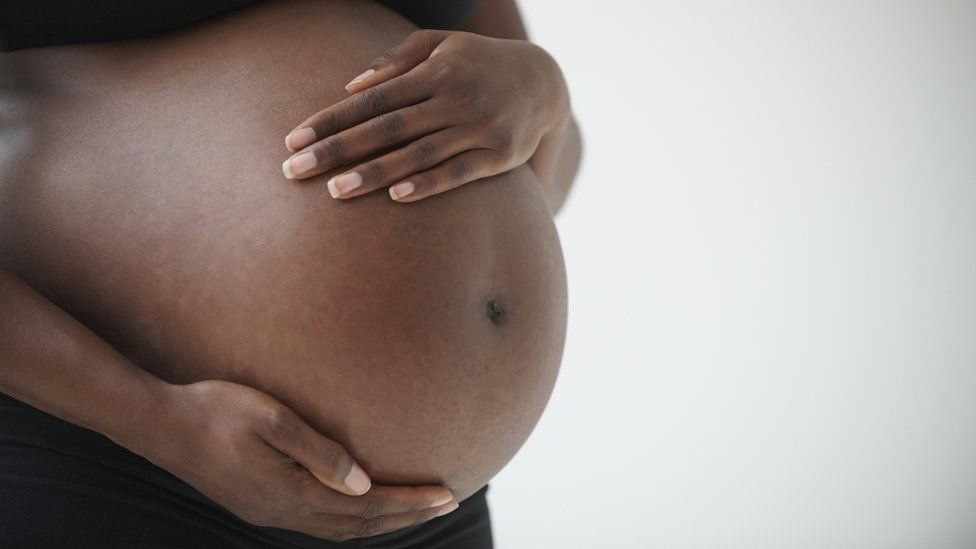
Published4 minutes agoShareclose panelShare pageCopy linkAbout sharingImage source, Getty ImagesBy Philippa RoxbyHealth reporterAn MPs’ report is calling for faster progress to tackle “appalling” higher death rates for black women and those from poorer areas in childbirth.The Women and Equalities Committee report says racism has played a key role in creating health disparities.But the many complex causes are “still not fully understood” and more funding and maternity staff are also needed.The NHS in England said it was committed to making maternity care safer for all women. The government said it had invested £165m in the maternity workforce and was promoting careers in midwifery, with an extra 3,650 training places a year. ‘Frankly shameful’Black women are nearly four times more likely than white women to die within six weeks of giving birth, with Asian women 1.8 times more likely, according to UK figures for 2018-20.And women from the poorest areas of the country, where a higher proportion of babies belonging to ethnic minorities are born, the report says, are two and a half times more likely to die than those from the richest.Caroline Nokes, who chairs the committee, said births on the NHS “are among the safest in the world” but black women’s raised risk was “shocking” and improvements in disparities between different groups were too slow.”It is frankly shameful that we have known about these disparities for at least 20 years – it cannot take another 20 to resolve,” she added.Sandra Igwe set up her own pressure group to campaigns for better care for black mothers, after the traumatic births of her two daughters.On both occasions, she says, she was not listened to.”I felt they had stereotyped me,” Sandra says. “They weren’t really kind or caring – they ignored my pain and they dismissed me when I cried and begged for pain relief.”They actually didn’t believe I was in pain.”Sandra complained about the way she had been treated, saying the system had been “working against me”.Tinuke Awe, who co-founded an organisation called Five X More after her own experience giving birth to her son, said her pain was “actively dismissed” which led to her needing a forceps delivery.”There is a stereotype of black women not feeling pain and being quite aggressive and loud, very strong, so we’re able to take more pain,” she told BBC Radio Four’s Today programme. “I was dismissed and not believed I was in labour – maybe I wasn’t shouting enough,” she said.Black and Asian women are dying from the same causes as other women but more frequently. The most common include heart problems, blood clots, sepsis and suicide.Out of more than two million women having babies in 2018-20, 229 died in childbirth. That equates to 10.47 in every 100,000 – up from 8.79 in 2017-19, although lower than rates 15 years ago.But death rates vary according to ethnicity:34 per 100,000 for black women16 per 100,000 for Asian womennine per 100,000 for white womeneight per 100,000 for Chinese womenThe committee’s report was compiled following two days of interviews with medical specialists, charities, experts and government ministers. It says a shortage of staff in maternity care is the biggest concern. But women belonging to ethnic minorities also feel they are not listened to or understood during pregnancy and childbirth. And the report stresses the government and NHS have underestimated racism’s key role in creating inequalities in care.Ms Awe from the Five X More organisation, which aims to change black women’s maternal health outcomes in the UK,

Read more →

How electricity can heal wounds three times as fast

Chronic wounds are a major health problem for diabetic patients and the elderly — in extreme cases they can even lead to amputation. Using electric stimulation, researchers in a project at Chalmers University of Technology, Sweden, and the University of Freiburg, Germany, have developed a method that speeds up the healing process, making wounds heal three times faster.
There is an old Swedish saying that one should never neglect a small wound or a friend in need. For most people, a small wound does not lead to any serious complications, but many common diagnoses make wound healing far more difficult. People with diabetes, spinal injuries or poor blood circulation have impaired wound healing ability. This means a greater risk of infection and chronic wounds — which in the long run can lead to such serious consequences as amputation.
Now a group of researchers at Chalmers and the University of Freiburg have developed a method using electric stimulation to speed up the healing process.
“Chronic wounds are a huge societal problem that we don’t hear a lot about. Our discovery of a method that may heal wounds up to three times faster can be a game changer for diabetic and elderly people, among others, who often suffer greatly from wounds that won’t heal,” says Maria Asplund, Associate Professor of Bioelectronics at Chalmers University of Technology and head of research on the project.
Electric guidance of cells for faster healing
The researchers worked from an old hypothesis that electric stimulation of damaged skin can be used to heal wounds. The idea is that skin cells are electrotactic, which means that they directionally ‘migrate’ in electric fields. This means that if an electric field is placed in a petri dish with skin cells, the cells stop moving randomly and start moving in the same direction. The researchers investigated how this principle can be used to electrically guide the cells in order to make wounds heal faster. Using a tiny engineered chip, the researchers were able to compare wound healing in artificial skin, stimulating one wound with electricity and letting one heal without electricity. The differences were striking.

“We were able to show that the old hypothesis about electric stimulation can be used to make wounds heal significantly faster. In order to study exactly how this works for wounds, we developed a kind of biochip on which we cultured skin cells, which we then made tiny wounds in. Then we stimulated one wound with an electric field, which clearly led to it healing three times as fast as the wound that healed without electric stimulation,” Maria Asplund says.
Hope for diabetes patients
In the study, the researchers also focused on wound healing in connection with diabetes, a growing health problem worldwide. One in 11 adults today has some form of diabetes according to the World Health Organization (WHO) and the International Diabetes Federation.
“We’ve looked at diabetes models of wounds and investigated whether our method could be effective even in those cases. We saw that when we mimic diabetes in the cells, the wounds on the chip heal very slowly. However, with electric stimulation we can increase the speed of healing so that the diabetes-affected cells almost correspond to healthy skin cells,” Asplund says.
Individualised treatment the next step
The Chalmers researchers recently received a large grant which will allow them to continue their research in the field, and in the long run enable the development of wound healing products for consumers on the market. Similar products have come out before, but more basic research is required to develop effective products that generate enough electric field strength and stimulate in the right way for each individual. This is where Asplund and her colleagues come into the picture:
“We are now looking at how different skin cells interact during stimulation, to take a step closer to a realistic wound. We want to develop a concept to be able to ‘scan’ wounds and adapt the stimulation based on the individual wound. We are convinced that this is the key to effectively helping individuals with slow-healing wounds in the future,” Asplund says.
More about the study: “Bioelectronic microfluidic wound healing: a platform for investigating direct current stimulation of injured cell collectives”was published in the journal Lab on a Chip. The article was written by Sebastian Shaner, Anna Savelyeva, Anja Kvartuh, Nicole Jedrusik, Lukas Matter, José Leal and Maria Asplund. The researchers work at the University of Freiburg in Germany and Chalmers University of Technology. In their study, the researchers showed that wound healing on artificial skin stimulated with electric current was three times faster than on the skin that healed naturally. The electric field was low, about 200 mV/mm, and did not have a negative impact on the cells. The method the researchers developed is based on a microfluidic biochip on which artificial skin can be grown, stimulated with an electric current and studied in an effective and controlled manner. The concept allows researchers to conduct multiple experiments in parallel on the same chip. The research project began in 2018 and is funded by the European Research Council (ERC). The project was recently granted more funding so the research can get one step closer to the market and the benefit of patients.

Read more →

No magic number for time it takes to form habits

Putting on your workout clothes and getting to the gym can feel like a slog at first. Eventually, you might get in the habit of going to the gym and readily pop over to your Zumba class or for a run on the treadmill. A new study from social scientists at Caltech now shows how long it takes to form the gym habit: an average of about six months.
The same study also looked at how long it takes health care workers to get in the habit of washing their hands: an average of a few weeks.
“There is no magic number for habit formation,” says Anastasia Buyalskaya (PhD ’21), now an assistant professor of marketing at HEC Paris. Other authors of the study, which appears in the journal Proceedings of the National Academy of Sciences, include Caltech’s Colin Camerer, Robert Kirby Professor of Behavioral Economics and director and leadership chair of the T&C Chen Center for Social and Decision Neuroscience, and researchers from the University of Chicago and the University of Pennsylvania. Xiaomin Li (MS ’17, PhD ’21), formerly a graduate student and postdoctoral scholar at Caltech, is also an author.
“You may have heard that it takes about 21 days to form a habit, but that estimate was not based on any science,” Camerer says. “Our works supports the idea that the speed of habit formation differs according to the behavior in question and a variety of other factors.”
The study is the first to use machine learning tools to study habit formation. The researchers employed machine learning to analyze large data sets of tens of thousands of people who were either swiping their badges to enter their gym or washing their hands during hospital shifts. For the gym research, the researchers partnered with 24 Hour Fitness, and for the hand-washing research, they partnered with a company that used radio frequency identification (RFID) technology to monitor hand-washing in hospitals. The data sets tracked more than 30,000 gymgoers over four years and more than 3,000 hospital workers over nearly 100 shifts.
“With machine learning, we can observe hundreds of context variables that may be predictive of behavioral execution,” explains Buyalskaya. “You don’t necessarily have to start with a hypothesis about a specific variable, as the machine learning does the work for us to find the relevant ones.”
Machine learning also let the researchers study people over time in their natural environments; most previous studies were limited to participants filling out surveys.
The study found that certain variables had no effect on gym habit formation, such as time of day. Other factors, such as one’s past behavior, did come into play. For instance, for 76 percent of gymgoers, the amount of time that had passed since a previous gym visit was an important predicator of whether the person would go again. In other words, the longer it had been since a gymgoer last went to the gym, the less likely they were to make a habit of it. Sixty-nine percent of the gymgoers were more likely to go to the gym on the same days of the week, with Monday and Tuesday being the most well attended.
For the hand-washing part of the study, the researchers looked at data from health care workers who were given new requirements to wear RFID badges that recorded their hand-washing activity. “It is possible that some health workers already had the habit prior to us observing them, however we treat the introduction of the RFID technology as a ‘shock’ and assume that they may need to rebuild their habit from the moment they use the technology,” Buyalskaya says.
“Overall, we are seeing that machine learning is a powerful tool to study human habits outside the lab,” Buyalskaya says.
The study titled “What can machine learning teach us about habit formation? Evidence from exercise and hygiene” was funded by the Behavior Change for Good Initiative, the Ronald and Maxine Linde Institute of Economics and Management Sciences at Caltech, and the Tianqiao and Chrissy Chen Institute for Neuroscience at Caltech.

Read more →

Spectacular galactic merger Arp 220

Shining like a brilliant beacon amidst a sea of galaxies, Arp 220 lights up the night sky in this view from NASA’s James Webb Space Telescope. Actually two spiral galaxies in the process of merging, Arp 220 glows brightest in infrared light, making it an ideal target for Webb. It is an ultra-luminous infrared galaxy (ULIRG) with a luminosity of more than a trillion suns. In comparison, our Milky Way galaxy has a much more modest luminosity of about ten billion suns.
Located 250 million light-years away in the constellation of Serpens, the Serpent, Arp 220 is the 220th object in Halton Arp’s Atlas of Peculiar Galaxies. It is the nearest ULIRG and the brightest of the three galactic mergers closest to Earth.
The collision of the two spiral galaxies began about 700 million years ago. It sparked an enormous burst of star formation. About 200 huge star clusters reside in a packed, dusty region about 5,000 light-years across (about 5 percent of the Milky Way’s diameter). The amount of gas in this tiny region is equal to all of the gas in the entire Milky Way galaxy.
Previous radio telescope observations revealed about 100 supernova remnants in an area of less than 500 light-years. NASA’s Hubble Space Telescope uncovered the cores of the parent galaxies 1,200 light-years apart. Each of the cores has a rotating, star-forming ring blasting out the dazzling infrared light so apparent in this Webb view. This glaring light creates diffraction spikes — the starburst feature that dominates this image.
On the outskirts of this merger, Webb reveals faint tidal tails, or material drawn off the galaxies by gravity, represented in blue — evidence of the galactic dance that is occurring. Organic material represented in reddish-orange appears in streams and filaments across Arp 220.
Webb viewed Arp 220 with its Near-Infrared Camera (NIRCam) and Mid-Infrared Instrument (MIRI).

Read more →

Graphene 'tattoo' treats cardiac arrhythmia with light

Researchers led by Northwestern University and the University of Texas at Austin (UT) have developed the first cardiac implant made from graphene, a two-dimensional super material with ultra-strong, lightweight and conductive properties.
Similar in appearance to a child’s temporary tattoo, the new graphene “tattoo” implant is thinner than a single strand of hair yet still functions like a classical pacemaker. But unlike current pacemakers and implanted defibrillators, which require hard, rigid materials that are mechanically incompatible with the body, the new device softly melds to the heart to simultaneously sense and treat irregular heartbeats. The implant is thin and flexible enough to conform to the heart’s delicate contours as well as stretchy and strong enough to withstand the dynamic motions of a beating heart.
After implanting the device into a rat model, the researchers demonstrated that the graphene tattoo could successfully sense irregular heart rhythms and then deliver electrical stimulation through a series of pulses without constraining or altering the heart’s natural motions. Even better: The technology also is optically transparent, allowing the researchers to use an external source of optical light to record and stimulate the heart through the device.
The study will be published on Thursday (April 20) in the journal Advanced Materials. It marks the thinnest known cardiac implant to date.
“One of the challenges for current pacemakers and defibrillators is that they are difficult to affix onto the surface of the heart,” said Northwestern’s Igor Efimov, the study’s senior author. “Defibrillator electrodes, for example, are essentially coils made of very thick wires. These wires are not flexible, and they break. Rigid interfaces with soft tissues, like the heart, can cause various complications. By contrast, our soft, flexible device is not only unobtrusive but also intimately and seamlessly conforms directly onto the heart to deliver more precise measurements.”
An experimental cardiologist, Efimov is a professor of biomedical engineering at Northwestern’s McCormick School of Engineering and professor of medicine at Northwestern University Feinberg School of Medicine. He co-led the study with Dmitry Kireev, a research associate at UT. Zexu Lin, a Ph.D. candidate in Efimov’s laboratory, is the paper’s first author.

Miracle material
Known as cardiac arrhythmias, heart rhythm disorders occur when the heart beats either too quickly or too slowly. While some cases of arrhythmia are not serious, many cases can lead to heart failure, stroke and even sudden death. In fact, complications related to arrythmia claim about 300,000 lives annually in the United States. Physicians commonly treat arrhythmia with implantable pacemakers and defibrillators that detect abnormal heartbeats and then correct rhythm with electrical stimulation. While these devices are lifesaving, their rigid nature may constrain the heart’s natural motions, injure soft tissues, cause temporary discomfort and induce complications, such as painful swelling, perforations, blood clots, infection and more.
With these challenges in mind, Efimov and his team sought to develop a bio-compatible device ideal for conforming to soft, dynamic tissues. After reviewing multiple materials, the researchers settled on graphene, an atomically thin form of carbon. With its ultra-strong, lightweight structure and superior conductivity, graphene has potential for many applications in high-performance electronics, high-strength materials and energy devices.
“For bio-compatibility reasons, graphene is particularly attractive,” Efimov said. “Carbon is the basis of life, so it’s a safe material that is already used in different clinical applications. It also is flexible and soft, which works well as an interface between electronics and a soft, mechanically active organ.”
Hitting a beating target
At UT, study co-authors Dimitry Kireev and Deji Akinwande were already developing graphene electronic tattoos (GETs) with sensing capabilities. Flexible and weightless, their team’s e-tattoos adhere to the skin to continuously monitor the body’s vital signs, including blood pressure and the electrical activity of the brain, heart and muscles.

But, while the e-tattoos work well on the skin’s surface, Efimov’s team needed to investigate new methods to use these devices inside the body — directly onto the surface of the heart.
“It’s a completely different application scheme,” Efimov said. “Skin is relatively dry and easily accessible. Obviously, the heart is inside the chest, so it’s difficult to access and in a wet environment.”
The researchers developed an entirely new technique to encase the graphene tattoo and adhere it to the surface of a beating heart. First, they encapsulated the graphene inside a flexible, elastic silicone membrane — with a hole punched in it to give access to the interior graphene electrode. Then, they gently placed gold tape (with a thickness of 10 microns) onto the encapsulating layer to serve as an electrical interconnect between the graphene and the external electronics used to measure and stimulate the heart. Finally, they placed it onto the heart. The entire thickness of all layers together measures about 100 microns in total.
The resulting device was stable for 60 days on an actively beating heart at body temperature, which is comparable to the duration of temporary pacemakers used as bridges to permanent pacemakers or rhythm management after surgery or other therapies.
Optical opportunities
Leveraging the device’s transparent nature, Efimov and his team performed optocardiography — using light to track and modulate heart rhythm — in the animal study. Not only does this offer a new way to diagnose and treat heart ailments, the approach also opens new possibilities for optogenetics, a method to control and monitor single cells with light.
While electrical stimulation can correct a heart’s abnormal rhythm, optical stimulation is more precise. With light, researchers can track specific enzymes as well as interrogate specific heart, muscle or nerve cells.
“We can essentially combine electrical and optical functions into one biointerface,” Efimov said. “Because graphene is optically transparent, we can actually read through it, which gives us a much higher density of readout.”
The study, “Graphene biointerface for cardiac arrhythmia diagnosis and treatment,” was supported by the National Institutes of Health (grant numbers R21-HL152324, 3OT2OD023848 and R01-HL141470), the Leducq Foundation (RHYTHM grant), the Office of Naval Research (grant number N00014-18-1-2706) and the Temple Foundation.

Read more →

Robert F. Kennedy Jr., Soon to Announce White House Run, Sows Doubts About Vaccines

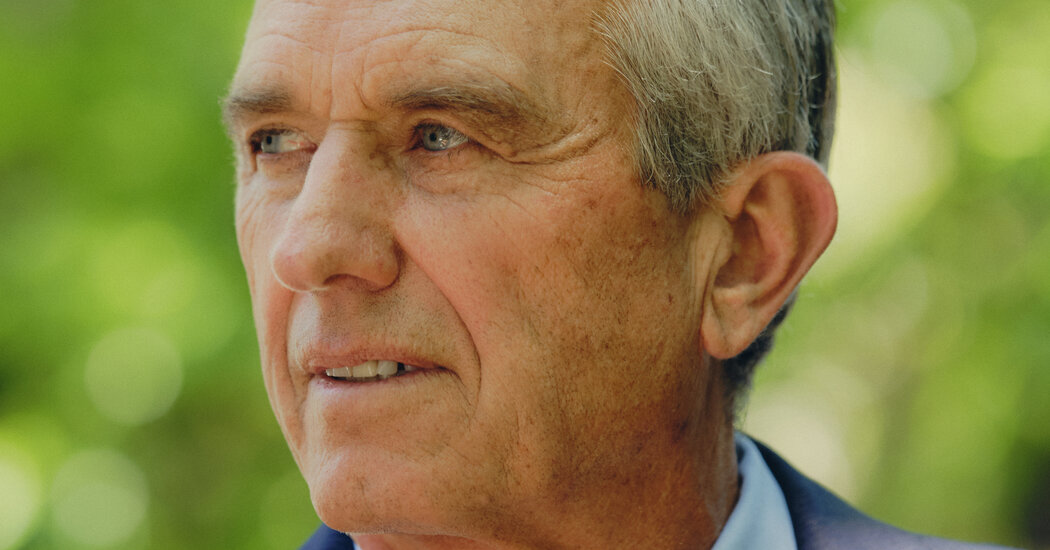
Mr. Kennedy, a Democrat who plans to kick off his campaign this week, says he wants to make vaccines safer, but he is spreading misinformation by twisting facts out of context.WASHINGTON — Robert F. Kennedy Jr. stood before the Lincoln Memorial in January 2022 and condemned the federal government’s coronavirus response by railing against totalitarianism. Jews in Nazi Germany, he suggested, had more freedom than Americans facing vaccination mandates and school, church and business closures in the era of Covid-19.“Even in Hitler’s Germany, you could cross the Alps to Switzerland,” he told a crowd of flag-waving anti-vaccine enthusiasts at a “Defeat the Mandates” rally. “You could hide in an attic like Anne Frank did.”Mr. Kennedy later apologized, though it was not the first time he had invoked the Holocaust. Over the past two decades, as he has pursued what he calls “safe vaccine activism,” Mr. Kennedy has evolved from an environmental lawyer concerned about mercury poisoning into a crusader for individual liberty — a path that has landed him, a scion of a storied Democratic clan, in the unlikely embrace of the American political right.On Wednesday, Mr. Kennedy, plans to formally announce that he is challenging President Biden for the Democratic nomination for president. His vaccine skepticism gives him something in common with another candidate: former President Donald J. Trump, who like Mr. Kennedy has blamed childhood vaccines for autism — a discredited theory that has been repudiated by more than a dozen peer-reviewed scientific studies in multiple countries.“Robert F. Kennedy could jump into the Republican primary for president and only DeSantis and Trump, I think, would do better,” Stephen K. Bannon, Mr. Trump’s former chief strategist, said recently on his podcast, referring to Gov. Ron DeSantis of Florida. Mr. Bannon said Mr. Kennedy had a “massive following” with his audience. “People love this guy,” he said.Vaccination is a singular public health success that has saved untold millions of lives. Vaccines have eradicated smallpox, averted millions of deaths from measles and sent naturally occurring polio cases plummeting, from an estimated 350,000 in 1988 to six reported cases worldwide in 2021, according to the World Health Organization.Mr. Kennedy condemned the federal government’s coronavirus response in front of the Lincoln Memorial in January 2022.Kenny Holston for The New York TimesMr. Kennedy has insisted that he is not opposed to vaccines and that his sole interest is in making them safer. “I’m not anti-vaccine, although I’m kind of the poster child for the anti-vax movement,” he said during a recent speech at Hillsdale College, a conservative Christian college in Michigan.But through his nonprofit, Children’s Health Defense, and his movies, speeches and books — including one that portrays Dr. Anthony S. Fauci as in the pocket of the pharmaceutical industry — Mr. Kennedy has used his platform and his family’s star power to sow doubts about vaccine safety, spreading misinformation by twisting facts out of context.In 2021, the Center for Countering Digital Hate named him one of its “Disinformation Dozen” — the 12 people whom the organization found to have been responsible for roughly three-quarters of anti-vaccine content on Facebook.Facebook and Instagram have removed the accounts of Children’s Health Defense, and Mr. Kennedy has accused them of censorship. He is also suing the Biden administration and Dr. Fauci, who for decades led the National Institute of Allergy and Infectious Diseases, accusing them of pressuring social media companies to censor free speech.Mr. Kennedy declined to be interviewed. In an email message, he said Children’s Health Defense had “an extremely robust fact-checking operation.” He also pointed to a response by Meta, Facebook’s parent company, disputing the “Disinformation Dozen” report. Meta critiqued the study’s design, saying that focusing on just 12 people “misses the forest for the trees.”Family BacklashMr. Kennedy, 69, is the third-eldest child of Robert and Ethel Kennedy and a nephew of former President John F. Kennedy, who urged Americans to take the Salk polio vaccine and signed the Vaccination Assistance Act of 1962 to help states and cities carry out childhood immunization programs.His activism, and now his political aspirations, have been wrenching for his family. Some of his family members have publicly rebuked him. His sister Rory Kennedy told CNN she was backing Mr. Biden, while his sister Kerry Kennedy said in a statement, “I love my brother Bobby, but I do not share or endorse his opinions on many issues.”Mr. Kennedy’s name and family reputation have opened doors for him. Dr. Fauci said he had met with Mr. Kennedy several times and had told him “that I believe that his intentions are not evil, but his information is incorrect, and he’s misguided and can inadvertently cause significant harm.” Dr. Fauci said that when Mr. Kennedy’s book about him, titled “The Real Anthony Fauci,” came out in 2021, he was “really shocked.”“The entire book is such a complete lie,” Dr. Fauci said.Mr. Kennedy, top left, is the third-eldest child of Robert and Ethel Kennedy, and a nephew of former President John F. Kennedy.Associated PressMr. Kennedy’s messages often have a grain of truth. The Children’s Health Defense website, for instance, says “vaccines contain many ingredients, some of which are known to be neurotoxic, carcinogenic and cause autoimmunity.” Vaccines do contain preservatives and additives, such as aluminum salts, which have been in use in vaccines for decades. Studies show adverse reactions are rare and typically involve skin allergies.The Children’s Health Defense website also states that certain vaccines are not tested against placebos in clinical trials, citing polio, hepatitis and meningitis vaccines as examples. That is misleading. Brand-new vaccines — from polio to measles to Covid-19 — are tested in large clinical trials that include placebo groups. But scientists agree it would be unethical to withhold lifesaving vaccines from study participants. For that reason, when older vaccines are reformulated or updated, studies do not include a placebo group.“Vaccine injuries can and do happen,” the website declares. That is true as well, but the federal government has an aggressive system to track and detect side effects so they can be addressed.The measles vaccine, for instance, lowers the platelet count in about one in every 25,000 to 30,000 people. That can cause red spots from bleeding under the skin — a problem that is usually “short-lived and self-resolving,” said Dr. Paul A. Offit, the director of the Vaccine Education Center at Children’s Hospital of Philadelphia. But measles causes that problem in one in 3,000 children — roughly 10 times as many as the vaccine, he said.“There are no risk-free choices, just choices to take different risks,” said Dr. Offit, who has been a vocal critic of Mr. Kennedy. “You could argue the greatest risk of vaccines is driving to the office to get them.”A Movement GrowsBy his own account, Mr. Kennedy was at first a reluctant critic of vaccination. He got involved in 2005, when he was an environmental lawyer suing coal-fired power plants to force them to reduce emissions of mercury and other toxic chemicals.The anti-vaccine movement in the United States had been growing amid debate over a rise in cases of autism. In 1998, a British doctor named Andrew Wakefield published a study of 12 children in The Lancet, a prestigious medical journal, that suggested a link between the measles, mumps and rubella vaccine and autism.The article was retracted in 2010, and Mr. Wakefield was later barred from practicing medicine. But in the years after its publication, another theory began to take hold: that thimerosal, a mercury-based preservative that had been used for decades to prevent bacteria from growing in multiple-dose vials of vaccines, caused autism.Mr. Kennedy examining a canal that supplied water from a natural spring to a Palestinian village in 2019. He got involved in the anti-vaccine movement when he was an environmental lawyer.Daniel Rolider for The New York TimesThe measles, mumps and rubella vaccine never contained thimerosal, but other vaccines given to infants did. The Centers for Disease Control and Prevention says there is “no evidence” that the low doses of thimerosal in vaccines cause harm, “except for minor reactions like redness and swelling at the injection site.”But in 1999, after Congress directed the Food and Drug Administration to look at mercury in all products, the American Academy of Pediatrics, federal health agencies and vaccine manufacturers agreed that thimerosal should be removed from childhood vaccines. The decision was made “out of an abundance of caution,” said Daniel Salmon, the director of the Institute for Vaccine Safety at the Johns Hopkins Bloomberg School of Public Health.But the move alarmed parents. As Mr. Kennedy traveled the country giving speeches, he has said, mothers of intellectually disabled children began buttonholing him, pressing him to investigate vaccines.“They would say to me in a very respectful but also kind of vaguely scolding way, ‘If you’re really interested in mercury exposures to children, you need to look at vaccines,’” he told the Hillsdale College audience.In 2005, Rolling Stone and Salon copublished an article by Mr. Kennedy, headlined “Deadly Immunity,” that blamed thimerosal in vaccines for fueling the rise in autism. Salon later retracted the article. Mr. Kennedy insisted Salon caved to pressure from government regulators and the pharmaceutical industry.Thimerosal is still used in flu vaccines. In 2015, shortly after Mr. Kennedy published a book about the preservative, he met Eric Gladen, an engineer who believes he was sickened by thimerosal in a tetanus vaccine and who made a film about his experience. The two joined forces. Mr. Gladen’s advocacy group, World Mercury Project, was later rebranded as Children’s Health Defense.“We had two huge tools to raise funds; we had my film, which is about 10 years of research put into 90 minutes, and his book,” Mr. Gladen said in an interview, adding, “Between him being a Kennedy, the film and his book, it compelled a lot of people to get involved.”The anti-vaccine movement was, at the time, largely the province of the political left. Mr. Kennedy found allies in Hollywood celebrities like Jim Carrey and Jenny McCarthy. In California, he waged an unsuccessful fight against a bill to eliminate the “personal belief” exemption that allowed parents to opt out of vaccinating their children.Mr. Kennedy speaking to an anti-vaccine rally at the New York State Capitol in Albany in 2020.Hans Pennink/Associated PressMr. Kennedy has been a vocal opponent of the Vaccine Injury Compensation Act, a 1986 federal law intended to promote the development of vaccines by shielding manufacturers from lawsuits. In 2003, at the height of the thimerosal controversy, a bipartisan measure to update the law by offering immunity to vaccine additive manufacturers collapsed in Congress.Mr. Kennedy points to such efforts as evidence that lawmakers and federal regulators are conspiring to protect drug companies, which he says lack incentives to focus on safety. During the fight over the California legislation, he invoked those arguments, said Dr. Richard Pan, a former state senator who was an author of the bill and met with Mr. Kennedy at the time.“He mainly focused on the F.D.A. being corrupt and in cahoots with the pharmaceutical companies to hide the danger of vaccines,” Dr. Pan said.Meeting With TrumpShortly before Mr. Trump was inaugurated in January 2017, Mr. Kennedy met with him at Trump Tower in Manhattan. Mr. Kennedy said afterward that the president-elect wanted him to lead a “vaccine safety and scientific integrity” commission. He told Science magazine that Mr. Trump had told him he had five friends whose healthy children “developed a suite of deficits” after being vaccinated.The commission never came to pass, but the coronavirus pandemic gave Mr. Kennedy an even bigger platform. As the country grew ever more polarized, with many of Mr. Trump’s followers shunning the vaccines and Dr. Fauci becoming a lightning rod, Mr. Kennedy’s book about Dr. Fauci became a best seller.Another book by Mr. Kennedy is due out in June, this time focusing on the controversy over the origins of the coronavirus. Titled “The Wuhan Cover-Up,” it claims that federal health officials “conspired with the Chinese military” to hide the pandemic’s origins — an assertion that appears to conflate experiments by the Chinese military at the Wuhan Institute of Virology with other work there funded by the U.S. government.How much Mr. Kennedy will talk about vaccine safety during his presidential campaign remains unclear. As he did during the rally at the Lincoln Memorial, he used his talk at Hillsdale College to cloak his activism in a broader point — that the government, the press and social media companies are trying to silence him, pushing the United States toward tyranny.“The founders, specifically Hamilton, Madison, Adams, said, ‘We put freedom of expression in the First Amendment because all the other amendments are dependent on it,’” Mr. Kennedy said. “Because if you give a government the right to silence their opponents, they now have a license for any atrocity.”

Read more →