Global research reveals countries where record-breaking heatwaves are likely to cause most harm

A new study has highlighted under-prepared regions across the world most at risk of the devastating effects of scorching temperatures.
The University of Bristol-led research, published today in Nature Communications, shows that unprecedented heat extremes combined with socioeconomic vulnerability puts certain regions, such as Afghanistan, Papua New Guinea, and Central America,most in peril.
Countries yet to experience the most intense heatwaves are often especially susceptible, as adaptation measures are often only introduced after the event. A high chance of record-breaking temperatures, growing populations, and limited healthcare and energy provision, increase the risks.
Beijing and Central Europe are also on the list of hotspots, as if record-breaking heatwaves occurred in these densely populated regions millions of people would be adversely affected.
In light of the findings, the researchers are calling for policy makers in hotspot regions to consider relevant action plans to reduce the risk of deaths and associated harms from climate extremes.
Lead author, climate scientist Dr Vikki Thompson at the University of Bristol Cabot Institute for the Environment, said: “As heatwaves are occurring more often we need to be better prepared. We identify regions that may have been lucky so far — some of these regions have rapidly growing populations, some are developing nations, some are already very hot. We need to ask if the heat action plans for these areas are sufficient.”
The researchers used extreme value statistics — a method to estimate the return periods of rare events — and large datasets from climate models and observations to pinpoint regions globally where temperature records are most likely to be broken soonest and the communities consequently in greatest danger of experiencing extreme heat.
The researchers also cautioned that statistically implausible extremes, when current records are broken by margins that seemed impossible until they occurred, could happen anywhere. These unlikely events were found to have transpired in almost a third (31%) of the regions assessed where observations were deemed reliable enough between 1959 and 2021, such as the 2021 Western North America heatwave.
Co-author Dann Mitchell, Professor in Atmospheric Sciences at the University of Bristol Cabot Institute for the Environment, said: “Being prepared saves lives. We have seen some of the most unexpected heatwaves around the world lead to heat-related deaths in the tens of thousands. In this study, we show that such record smashing events could occur anywhere. Governments around the world need to be prepared.”
Human-induced climate change is causing an increase in the frequency, intensity, and duration of heatwaves, which have the potential to lead to thousands more excess deaths globally.
Improving our understanding of where society may not be ready for climate extremes can help prioritise mitigation in the most vulnerable regions. In recognition of the dangerous consequences of climate change, evidenced by the work of its climate experts, in 2019 the University of Bristol became the first UK university to declare a climate emergency.

Read more →

Untangling Rosalind Franklin’s Role in DNA Discovery, 70 Years On

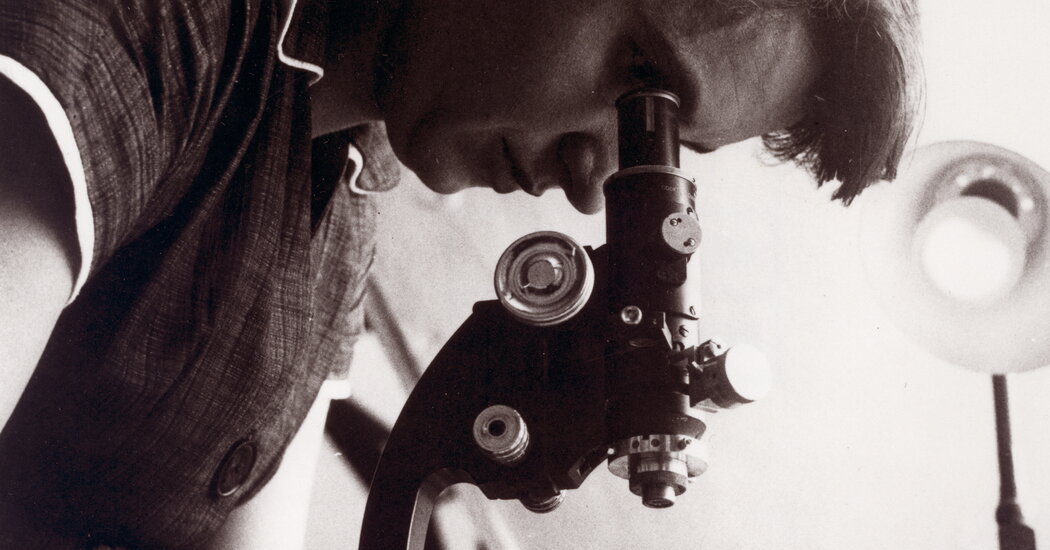
Historians have long debated the role that Dr. Franklin played in identifying the double helix. A new opinion essay argues that she was an “equal contributor.”On April 25, 1953, James Watson and Francis Crick published a landmark paper in Nature, proposing the double helix as the long elusive structure of DNA, a discovery that a decade later earned the men the Nobel Prize in Physiology or Medicine.In the final paragraph of the paper, they acknowledged that they had been “stimulated by a knowledge of the general nature of the unpublished experimental results and ideas” of two scientists at King’s College London, Maurice Wilkins and Rosalind Franklin.In the 70 years since, a less flattering story has emerged, thanks in large part to Dr. Watson’s own best-selling book, “The Double Helix.” In the book, he not only wrote disparagingly of Dr. Franklin, whom he called Rosy, but also said that he and Dr. Crick had used her data without her knowledge.“Rosy, of course, did not directly give us her data,” Dr. Watson wrote. “For that matter, no one at King’s realized they were in our hands.”This account became a parable of poor scientific behavior, leading to a backlash against Dr. Watson and Dr. Crick and turning Dr. Franklin into a feminist icon. It also set off a long-running debate among historians: Precisely what role did Dr. Franklin play in the discovery of the double helix, and to what extent was she wronged?In a new opinion essay, published in Nature on Tuesday, two scholars argue that what transpired “was less malicious than is widely assumed.” The scholars, Matthew Cobb, a zoologist and historian at the University of Manchester who is writing a biography of Dr. Crick, and Nathaniel Comfort, a historian of medicine at Johns Hopkins University who is writing a biography of Dr. Watson, draw upon two previously overlooked documents in Dr. Franklin’s archive.These documents, they say, suggest that Dr. Franklin knew that Dr. Watson and Dr. Crick had access to her data and that she and Dr. Wilkins collaborated with them. “We should be thinking of Rosalind Franklin, not as the victim of DNA, but as an equal contributor and collaborator to the structure,” Dr. Comfort said.Other experts said that the new documents were interesting but did not radically change the narrative; it has long been clear that Dr. Franklin played a key role in the discovery. “What this does is add a little new evidence to a trail, which leads directly to Franklin’s being a major participant,” said David Oshinsky, a historian of medicine at New York University.And regardless of what Dr. Franklin knew about who had access to her data, the new documents do not change the fact that she did not receive adequate recognition for her work, some historians said.“What is unequal and has always been unequal and is still unequal about Rosalind Franklin is the credit that she didn’t get in the aftermath of the discovery,” said Dr. Jacalyn Duffin, a hematologist and historian of medicine at Queen’s University, in Canada.Seeing doubleA crystallographic X-ray image from Dr. Franklin’s lab that helped identify the structure of DNA.Science History Images, via AlamyIn the early 1950s, Dr. Watson and Dr. Crick were working together at the University of Cambridge, in Britain, trying to piece together the structure of DNA, largely by building models of the molecule.At nearby Kings College London, Dr. Franklin and Dr. Wilkins were trying to solve the same puzzle experimentally, using X-rays to create images of DNA. (They had a famously fractious relationship, and largely worked separately.)In “The Double Helix,” Dr. Watson suggested that his breakthrough came after Dr. Wilkins showed him one of Dr. Franklin’s images, known as Photograph 51. “The instant I saw the picture my mouth fell open and my pulse began to race,” Dr. Watson wrote.That book was published in 1968, a decade after Dr. Franklin died of ovarian cancer at age 37, and it became the prevailing narrative of the discovery. But the real story was more complex.In December 1952, Dr. Crick’s supervisor, the molecular biologist Max Perutz, received a report on Dr. Franklin’s unpublished results during an official visit to King’s College. Dr. Perutz later gave this report to Dr. Crick and Dr. Watson.This data proved more useful to the pair than Photograph 51, said Dr. Cobb and Dr. Comfort, who found a letter that implies Dr. Franklin knew her results had made their way to Cambridge.In the letter, which was written in January 1953, Pauline Cowan, a scientist at King’s College, invited Dr. Crick to an upcoming talk by Dr. Franklin and her student. But, Dr. Cowan wrote, Dr. Franklin and her student said that Dr. Perutz “already knows more about it than they are likely to get across so you may not think it worthwhile coming.”That letter “strongly suggests” that Dr. Franklin knew the Cambridge researchers had access to her data and that she “doesn’t seem to have minded,” Dr. Cobb said.Dr. Cobb and Dr. Comfort also found a draft of a never-published Time magazine article about the discovery of the double helix. The draft characterized the research not as a race but as the product of two teams that were working in parallel and occasionally conferring with each other.“It portrays the work on the double helix, the solving of the double helix, as the work of four equal contributors,” Dr. Comfort said.A question of creditHistorians say there is no evidence of ill will from Dr. Franklin, who became friendly with Dr. Watson and Dr. Crick in the final years of her brief life.Science History Images, via AlamyElspeth Garman, a molecular biophysicist at the University of Oxford, said that she agreed with Dr. Comfort and Dr. Cobb’s conclusion, saying, “They got right that she was a full participant.”But Dr. Perutz’s sharing of Dr. Franklin’s unpublished data is “slightly iffy,” she said. (In 1969, Dr. Perutz wrote that the report was not confidential but that he should have asked for permission to share it “as a matter of courtesy.”)Still, other scientists and historians said they were puzzled by the arguments made in the Nature essay. Helen Berman, a structural biologist at Rutgers University, called them “sort of strange.” Of Dr. Franklin, she said, “If she was an equal member, then I don’t know that she was treated very well.”Dr. Franklin and Dr. Wilkins each published their own results in the same issue of Nature that included Dr. Watson and Dr. Crick’s report, as part of a package of papers. But Dr. Berman wondered why the scientists did not collaborate on a single paper with shared authorship. And several scholars said that they thought the new essay minimized the wrongdoing by the Cambridge team.Dr. Comfort said that he and Dr. Cobb were not “trying to exonerate” Dr. Watson and Dr. Crick, whom he said were “slow to fully acknowledge” Dr. Franklin’s contribution. Dr. Cobb said that the Cambridge scientists should have told Dr. Franklin that they were using her data. “They were ungallant,” he said. “They were not as open as they should have been.” But, he added, it wasn’t “theft.”There is no evidence that Dr. Franklin felt aggrieved by what happened, historians said, and she became friendly with the Cambridge duo in the final years of her brief life. “As far as I can tell, there was no bad feeling,” Dr. Oshinksy said.That might have changed had Dr. Franklin lived long enough to read “The Double Helix,” several scholars noted. “‘The Double Helix’ is just appalling,” Dr. Garman said. “It gives a very, very slanted view, and doesn’t give her the credit for the bits that they even used from her.”Dr. Franklin’s early death also meant she missed out on the Nobel Prize, but the Nobel Assembly could have found other ways to acknowledge her contribution, said Nils Hansson, a historian of medicine at Heinrich Heine University Düsseldorf, in Germany. Neither Dr. Watson nor Dr. Crick mentioned her when they accepted their awards, Dr. Hansson noted, although Dr. Wilkins, who also received the prize, did.“She truly did get a raw deal,” said Dr. Howard Markel, a physician and historian of medicine at the University of Michigan and the author of “The Secret of Life,” a book about the discovery of the double helix. “Everyone likes to receive proper credit for their work. Everyone should care enough about their colleagues to ensure the process of fair play.”

Read more →

‘Yoga for Jocks’ Keeps Golden State’s Kevon Looney Grounded

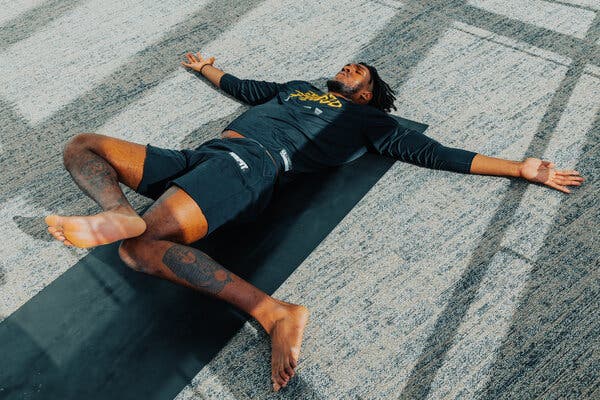
SAN FRANCISCO — Early Sunday morning, Kevon Looney of the Golden State Warriors decamped to a quiet atrium on the fourth floor of Chase Center, where floor-to-ceiling windows offered an expansive view of San Francisco Bay. The sun was beginning to burn through a hazy sky as Looney propped his iPad against a small metal column, unrolled his black yoga mat and greeted one of the more important figures in his professional life.A voice emanated from the iPad. It belonged to Jana Webb, the creator of a self-styled brand of yoga known as Joga, which she originally conceived as “yoga for jocks.” Webb, 47, appeared on a video conference call from her home in Toronto wearing a backward baseball cap. She is in Looney’s phone as “Jana Joga.”“How’s the body feeling?” she asked.“Really good,” Looney said.Moses Moody, one of Looney’s teammates, was also on the call, dialing in from his apartment near the arena. It was 8:30 a.m., about four hours before Game 4 of Golden State’s first-round playoff series against the Sacramento Kings. Webb spent the next 40 minutes guiding both players through a series of movements designed to loosen their joints, activate their muscles and center their psyches.“Reach, reach, reach,” she said as Looney, who is 6-foot-9, stood on his toes and extended his arms, a small pool of sweat forming on the mat below. “Get that fascial tension like you’re reaching for the net. Awesome. Now, hold.”(Webb was referring to the fascia, which is connective tissue throughout the body — and not to the face, though Looney appeared to have some tension there, too.)Looney does a virtual session of Joga — described as “yoga for jocks” — before each of Golden State’s games.Clara Mokri for The New York TimesEarlier in his career, Looney could not seem to escape injury. But over the past two seasons, he has emerged as Golden State’s sturdiest player, appearing in every one of his team’s games. He practices Joga before every game, at home and on the road.After Sunday’s session, Looney delivered against the Kings, finishing with 8 points, 14 rebounds and 6 assists to help the Warriors win their second straight game at home and even the series at two games apiece. In Game 3 on Thursday, he finished with 4 points, 20 rebounds and 9 assists while helping compensate for Draymond Green’s absence because of a suspension.Game 5 is Wednesday in Sacramento.“He’s always locked into the game plan,” Golden State Coach Steve Kerr said of Looney. “He never makes mistakes. He rebounds like crazy. He makes the right decision. The game is much simpler when Loon is out there for our guys.”Looney, who has won three championships with the Warriors, said his work with Webb had helped him cope with the physical and mental rigors of the N.B.A. Those demands are only heightened in the postseason.“It’s pretty brutal,” Looney said. “Every possession is intense. After the game, you’re just drained.”Clara Mokri for The New York TimesClara Mokri for The New York TimesAt this late stage of the season, when players are tired and stressed, game-day routines take on added significance. Players are looking for whatever edge they can get, especially this year, when injuries to stars like Paul George, Kawhi Leonard and Giannis Antetokounmpo are a factor in so many series. Some players prioritize their naps. Others lace up their lucky sneakers. Looney does Joga.“I love to have 30 minutes to be in my body and see how I really feel,” he said.Looney got a head start in yoga as a high school senior in Milwaukee. Lou Chapman, who was one of his early basketball trainers, introduced him to Bikram Yoga — also known as hot yoga — when a new studio opened up. Looney recalled that he had barely survived his first class.“I did a lot of laying on the mat,” he said. “I felt like I was a top athlete, but they destroyed me.”The competitive side of Looney kept him coming back. Also, Chapman had gotten them discounted memberships, and he wanted to make sure that they took advantage of the deal.“I think we went 90 straight days,” Chapman, 42, said.During his lone season at U.C.L.A., Looney succumbed to a busy schedule and drifted away from yoga. After Golden State selected him as the 30th pick in the 2015 N.B.A. draft, he missed most of his rookie year with hip injuries — he had twin surgeries to repair right and left labrum tears — and later dealt with chronic nerve pain. He broke his collarbone during the 2019 N.B.A. finals and then had core muscle surgery in 2020. He returned for the 2020-21 season but felt disappointed by his play.Looney goes through his pregame ritual before Game 4 at the scorer’s table.Clara Mokri for The New York Times“I wasn’t moving as well as I had in the past,” he said. “I didn’t have that same burst or coordination.”Following the season, Looney approached Dr. Rick Celebrini, Golden State’s director of sports medicine and performance, with a specific request: Did he know any yoga teachers?In fact, Dr. Celebrini had someone in mind. He connected Looney with Webb, a fellow Canadian who had worked with other athletes for years. Their first virtual session was a doozy.“I can’t say I loved it,” Looney said, “mostly because I stunk at it.”Webb was unsparing in an initial assessment that she sent to Kyle Barbour, Golden State’s head performance coach, citing several areas where Looney’s mobility was limited. But she saw potential, and Looney experienced the sort of post-session soreness — in his glutes and his abdominal muscles, specifically — that signaled to him that he had room for improvement.“We don’t do a lot of long static holds,” Webb said. “It’s really about duplicating the biomechanics of movement in sport.”Looney worked with Webb several times a week that summer and then paused their sessions at the start of the 2021-22 season. At the time, Looney thought that Joga might just be a part of his off-season routine.Jana Webb directing a yoga session.Rick Madonik/Toronto Star, via Getty ImagesLooney started doing yoga in high school in Milwaukee.Clara Mokri for The New York Times“But after six or seven games, I felt like my body was going back to how it was before,” he said. “My back was hurting, and different things weren’t moving as well. So I reached back out: ‘Can we do this on game days?’”By the middle of last season, Looney had become such a believer that he organized a Joga session for anyone in basketball operations — players, coaches and staff members — who wanted to learn more. As usual, Webb led the class remotely. Even from thousands of miles away, she could sense varied levels of interest.“Draymond clipped his toenails during it,” she said, laughing. “I was like, is this actually happening?”Moody’s prevailing takeaway was confusion. As a teenager in Little Rock, Ark., he had dabbled in yoga by taking classes at his local LA Fitness. But Webb might as well have been speaking a foreign language.“She was talking so fast about all these muscles we were supposed to be activating,” Moody said. “And I’m next to Loon, so I’m just trying to keep up with him, and I don’t know what I’m doing.”But Moody was also intrigued. After spending the next couple of weeks peppering Looney with questions about Joga and human anatomy, Moody called Webb. “She gave me the rundown,” he said.Looney has played in all 82 regular-season games for Golden State in each of the past two seasons.Clara Mokri for The New York TimesLooney invited Moody to join him at his next pregame Joga session and then paid for all of his classes for the remainder of the season. They have been inseparable Joga buddies ever since. If the team has a shootaround scheduled for 11 a.m., Looney and Moody will typically meet with their mats on the team’s practice court at 8:30 a.m. for 40 minutes of stretching, lunging, twisting and breathing.“I can really tell the difference when I don’t do it,” Moody said. “You just feel more fluid in your movements. When that ball comes off the rim, you kind of feel like Spider-Man a little bit.”After more than 200 remote sessions with Looney, Webb finally met both players for the first time when the Warriors were in Toronto in December to play the Raptors. “That was so special,” Webb said.On Sunday, Webb started their session by having them do a series of breathing exercises.“Relax your jaw for four,” she said. “Soften the ribs for three. Start to squeeze the lower belly for two. And now completely pull the breath and empty it there. Notice what you’re thinking about.”Before long, Webb had them working through dynamic movements, one after another. She reminded Moody to keep his fingers spread when he was in a plank position. She urged Looney to lift his “pelvic floor.” She referred to their hip joints and femur bones, their side intercostals and adductors.At the end of it, Looney lay flat on his back, closed his eyes and exhaled.Clara Mokri for The New York Times

Read more →

Can Africa Get Close to Vaccine Independence? Here’s What It Will Take.

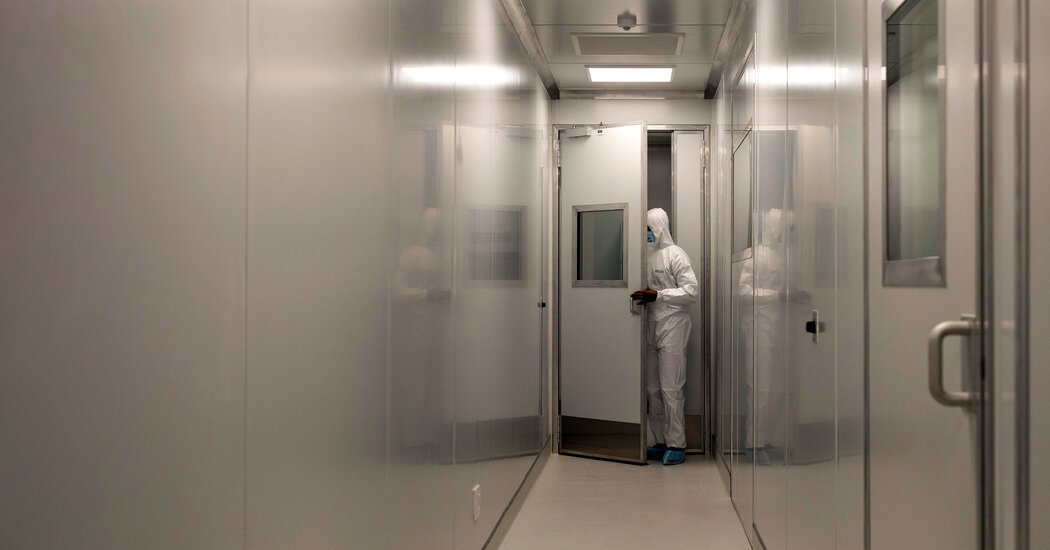
Leaders on the continent have vowed that if there is another pandemic, they won’t be shut out of the vaccine market.Just 3 percent of all Covid-19 vaccine doses delivered in 2021 went to Africa, home to a fifth of the world’s population, according to the World Health Organization. In the vast debacle of global vaccine inequity, it was Africa that was left furthest behind as the pandemic raged, and that had the least leverage to negotiate contracts.African leaders vowed to make sure that never happened again. High-income nations and philanthropic groups promised to help fund the effort to make vaccine access more equitable. There was a flurry of announcements of new partnerships and investments: plans to modernize the handful of existing pharmaceutical manufacturing operations in Africa; plans to build new ones; plans to send shipping containers from Europe with pop-up facilities to produce the new mRNA vaccines; plans for an mRNA production incubator that would dispense open-source technology around the continent.Now, some of the hype has subsided, and there are some signs of real progress. But it’s also become evident just how big the hurdles are.There aren’t many shortcuts in the decades-long process of developing a sophisticated biotechnology industry that can make a routine vaccine for export, let alone develop a shot to protect against a new pathogen.The African Union has set a goal of having 60 percent of all vaccines used on the continent produced in African nations by 2040 — up from 1 percent now — an plan that looks wildly ambitious given the current production landscape.The big issue, as always, is money. The many-step process of making vaccines needs high biosecurity and intense quality control. The expense of putting it all in place means that vaccines made in Africa are going to cost significantly more than those from the Indian pharmaceutical industry, which is the major supplier of routine vaccines used in Africa.Manufacturers such as the Serum Institute of India, the world’s largest vaccine maker, have achieved huge economies of scale and have taken over much of the market share that was held by European producers. But the Covid vaccine rollout made clear that despite the low price of Indian-made vaccines, African leaders cannot afford to rely on them. In March 2021, when millions of Serum-made doses of the AstraZeneca vaccine were bound for Africa, the Indian government imposed an export ban and rerouted those vaccines to its own population.The Africa Centers for Disease Control and Prevention says the continent’s existing vaccine market is worth an estimated $1.3 billion and is expected to grow to about $2.4 billion by 2030. But many who work in global health say buyers will have to pay a “resilience premium” — a higher price for African-made vaccines, the production of which helps build up the African industry. There is a lot less clarity about who is going to be willing to pay that higher price.The obvious candidate is Gavi, the organization that uses funds donated by high-income countries and major philanthropies to purchase routine and emergency vaccines for low- and middle-income countries. Gavi buys half the vaccines used in Africa today.Aurélia Nguyen, Gavi’s chief program strategy officer, says the organization is ready to sign advance purchase contracts with new vaccine makers in developing countries, to assure business owners of an income stream that will defray investments in expansion.“The traditional market economics that got us to a place where we have strong developing-country manufacturers in Asia and Latin America are not going to get us to a place where we’re going to have regional players in the African continent,” she said. “Gavi is in a position to bridge the market failure.”A vial of Johnson & Johnson’s Covid vaccine in Juba, South Sudan.Lynsey Addario for The New York TimesIf Gavi is able to provide that cushion, these are the projects that experts say are most likely to help the continent reach the goal of producing a majority of vaccines for Africans in Africa. Most will need at least three years before they have even a bottling-and-packaging line running.In SenegalThe Pasteur Institute of Dakar was making a million doses a year of yellow fever vaccine before Covid, and its business was flagging. But it has recently been a major target for new investment and has nearly completed a large expansion of its existing production plant. It is aiming to increase its production of yellow fever vaccine to 50 million doses a year. A second site will produce a low-cost rubella and measles vaccine for the African market, with a production target of 300 million doses.It will use a new bio-manufacturing production platform from Univercells, a Belgian start-up that aims to make vaccine ingredients more quickly and in a smaller space.“The progress in Dakar is the fastest I’ve seen anywhere in the world,” said Prashant Yadav, a medical supply chain expert at the Center for Global Development who visited the institute several times over the past year.In South AfricaAspen Pharmacare, one of the few serious pharmaceutical players in Africa before Covid, received an infusion of $30 million in philanthropic funds to build up a production process for four of the main childhood vaccines, including shots for pneumonia and rotavirus.In 2021, the World Health Organization set up an “mRNA production hub” at a small biotechnology company in Cape Town called Afrigen Biologics and Vaccines, with the goal of reverse-engineering the Moderna Covid vaccine and then sharing mRNA production knowledge across the global south. Afrigen will put its Covid shot into clinical trials in early 2024. There is no longer a market for Covid vaccines, but the hope is that the process of designing, testing and producing this product will build up technological know-how to make others including an mRNA shot for tuberculosis, an Afrigen priority.Afrigen’s production partner is the nearby BioVac Institute, which makes childhood vaccines for South Africa. BioVac signed a deal to bottle Pfizer’s Covid vaccine (a process called fill-finish), and has a new licensing and technology transfer deal to produce an oral cholera vaccine with the International Vaccine Institute, a South Korean nonprofit.In RwandaSix shipping containers arrived in the country in mid-March to form the first “BioNTainer, — a pop-up mRNA vaccine manufacturing line packaged in the containers — donated by BioNTech, the maker of the mRNA technology in Pfizer’s Covid vaccine. The modular site is intended to form the core of a new vaccine manufacturing center. It will be staffed by Europeans for the first five years, according to BioNTech.A key challenge here, Dr. Yadav noted, is that the site has no vaccine to make: There is no demand for the Covid vaccine, and BioNTech does not currently make any other product. A malaria or tuberculosis mRNA vaccine that could be useful for Rwanda and the region is most likely a decade away. The new capacity in the country is only for production; in Rwanda, as in most other African countries, there is no biotech industry capable of the kind of research and development that is essential when responding to a new pathogen, said Alain Alsalhani, a vaccines expert with Doctors Without Borders’ access-to-medicines campaign.And beyondTwo more companies — Biogeneric Pharma in Egypt, which will receive an mRNA technology transfer from Afrigen, and SENSYO Pharmatech in Morocco — have received significant investment to expand their production. And in Kenya, the government is having the Kenya BioVax Institute switch from producing animal vaccines to making human ones. It has tapped Dr. Michael Lusiola, an expatriate Kenyan who was a senior executive with AstraZeneca in the United Kingdom, to come home and run it.Ms. Nguyen said that having the ability to manufacture large numbers of vaccines would help to give Africa security in the event of another pandemic. The continent could build that capacity while making routine vaccines for the African market, she said.Research at the Pasteur Institute of Dakar.Seyllou/Agence France-Presse — Getty ImagesIn most cases, that will mean starting with fill-finish agreements for existing vaccines — putting a bulk vaccine made somewhere else into vials. Then companies can begin manufacturing the actual drug substance and, eventually, conduct the research and develop the vaccines, either for known pathogens or for new ones.Countries will need stronger regulatory agencies so their vaccines can be quickly approved for export. They will also need better supply chains of everything that goes into vaccines. The Africa C.D.C. hopes to create regional ones, in which some countries makes glass vials and others make drug substances, as a way to ensure equitable access in a future pandemic.Ms. Nguyen said she was encouraged by the number of African initiatives that were embracing new technologies that would allow them to “leapfrog.” In the past, making vaccines required a huge physical footprint, so that meant producing huge volumes to pay for it.“Having a small unit that can get up and running and do five or 10 million doses and then switch to something else — I think that really changes the established marketplace,” she said.Many of the new initiatives are heavily dependent on philanthropic funding, much of it from the Bill & Melinda Gates Foundation and the multilateral Coalition for Epidemic Preparedness Innovations, as well as low-cost bilateral loans. It’s not clear how long that enthusiasm will last. Martin Friede, who leads the vaccine research unit at the W.H.O., predicted “the Covid guilt will be over by this afternoon.” He added, “I just don’t see South Africa agreeing to buy vaccines from Nigeria at a higher price than vaccines from India or Europe — that’s a tough ask.”Patrick Tippoo, the head scientist at Biovac in Cape Town and a key player in the African network of manufacturers, said that was similar to what he and his colleagues were hearing in meetings. “There’s a lot of good will from development financing institutions,” he said, but concern about how manufacturers can repay loans. “That’s reliant on product volumes and access to markets,” he continued. “So we kind of go around in circles a little bit.”BioVac’s new cholera vaccine is a prime example of the promise of this new manufacturing capacity, and the obstacles it faces. There is a critical global shortage of that vaccine, and outbreaks are raging in several sub-Saharan countries. This will be the first time in decades that an African drugmaker will be developing a strategic vaccine, taking it through the full chain of clinical development and into manufacturing, regulatory authorization and, BioVac hopes, prequalification by the W.H.O. for global use. But it will be a many-year process — and will require construction of costly new facilities.“A number of things have advanced, and if half of them succeed we will be doing well,” Mr. Tippoo said. “It will take us closer — the question is, Will it take us close enough?”

Read more →

Poor air quality linked to cognitive problems in babies

Poor air quality could be causing cognitive deficits in babies and toddlers, according to new research from the University of East Anglia.
A new study published today reveals an association between poor air quality in India and impaired cognition in infants under two.
Without action, the negative impact on children’s long-term brain development could have consequences for life.
Lead researcher Prof John Spencer, from UEA’s School of Psychology, said: “Prior work has shown that poor air quality is linked to cognitive deficits in children, as well as to emotional and behavioural problems, which can have a severe impact on families.
“Very small particulate fragments in the air are a major concern as they can move from the respiratory tract into the brain.
“Until now, studies had failed to show a link between poor air quality and cognitive problems in babies, when brain growth is at its peak and the brain may be particularly sensitive to toxins. Our study is the first to show this association.

“We worked with families in rural India to see how in-home air quality affects infants’ cognition.”
The team collaborated with the Community Empowerment Lab in Lucknow, India — a global health research and innovation organization that works with rural communities to engage in science collaboratively.
They worked with families from a range of socio-economic backgrounds in Shivgarh, a rural community in Uttar Pradesh — one of the states in India that has been most strongly impacted by poor air quality.
They assessed the visual working memory and visual processing speed of 215 infants using a specially-designed cognition task from October 2017 to June 2019.
On one display, the tots were shown flashing coloured squares that were always the same after each ‘blink’. On a second display, one coloured square changed after each blink.

Prof Spencer said: “This task capitalises on infant’s tendency to look away from something that’s visually familiar and towards something new. We were interested in whether infants could detect the changing side and how well they did as we made the task harder by including more squares on each display.”
The team used air quality monitors in the children’s homes to measure emission levels and air quality. They also took into account and controlled for family socio-economic status.
“This research shows for the first time that there is an association between poor air quality and impaired visual cognition in the first two years of life, when brain growth is at its peak,” said Prof Spencer.
“Such impacts could carry forward across years, negatively impacting long-term development.
“Reversely, our research indicates that global efforts to improve air quality could have benefits to infants’ emerging cognitive abilities.
“This, in turn, could have a cascade of positive impacts because improved cognition can lead to improved economic productivity in the long term and reduce the burden on healthcare and mental health systems.
One key factor the team measured was the cooking fuel commonly used at home.
“We found that air quality was poorer in homes that used solid cooking materials like cow dung cake,” he added. “Therefore, efforts to reduce cooking emissions in homes should be a key target for intervention.”
Consistent with this aim and with the goal of improving maternal and child health, the Government of India has launched a national-level flagship program called the “Ujjwala Yojana” — a scheme that brings LPG fuel to women below the poverty line across the entire country.
This research was led by the University of East Anglia in collaboration with Durham University, the Community Empowerment Lab in Lucknow (India) and Brown University (US).
‘Poor air quality is associated with impaired visual cognition in the first two years of life: a longitudinal investigation’ is published in the journal eLife.
This publication is based on research funded in part by the Bill & Melinda Gates Foundation. The findings and conclusions contained within are those of the authors and do not necessarily reflect positions or policies of the Bill & Melinda Gates Foundation.

Read more →

NHS dentistry crisis: Crowdfunding my new teeth has changed my life

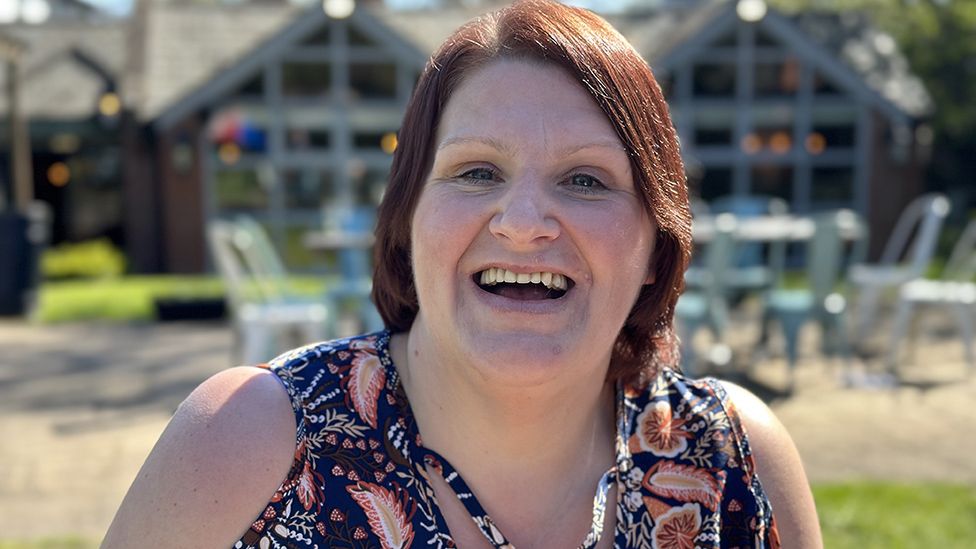
Published6 hours agoShareclose panelShare pageCopy linkAbout sharingBy Ruth Green & Dominic HughesBBC NewsA woman who extracted her own teeth because she couldn’t find an NHS dentist says crowdfunding a new set of dentures has transformed her life. On Tuesday afternoon, MPs will question dental experts from NHS England as part of an official inquiry prompted by a BBC investigation into the dentistry crisis. One by one, over several months, Danielle Watts pulled out 13 of her own teeth. For years she had been living with terrible pain and discomfort as a result of chronic gum disease, which meant that her teeth – otherwise healthy and unaffected by decay – were becoming loose and falling out.But Ms Watts, from Bury St Edmunds in Suffolk, found herself in a “dental desert” – an area where no dentists offer NHS care – and couldn’t afford the thousands of pounds of private treatment needed to fix her teeth. Image source, MIKE LIGGINS/BBCNow, a crowdfunding campaign has helped raise enough money to let her have a set of dentures fitted – meaning she can smile again.”I’ve got a mouthful of teeth, which feels amazing,” Ms Watts says. “I’m not ashamed any more.”The BBC featured her story last year – when our research revealed the extent to which people across the UK were struggling to access NHS dentistry. The Covid pandemic had left dental practices with severe backlogs of patients needing appointments, and this exacerbated an NHS funding gap which meant dentists had to take on more private work to survive. Our research showed:Nine in 10 NHS dental practices across the UK were not accepting new adult patients for treatment under the health serviceIn a third of the UK’s more than 200 council areas, no dentists were taking on adult NHS patients, and Eight in 10 NHS practices were not taking on childrenFollowing our investigation, the Health and Social Care Committee launched an inquiry into dentistry, and the cross-party committee is due to hear evidence from senior NHS England and government figures on Tuesday. The Department of Health in England says improving NHS access is a priority, and that it has made an extra £50m available “to help bust the Covid backlogs” – but tens of thousands of people, like Ms Watts, are still struggling to find an NHS dentist.Last August, she described how she no longer smiled at people and had stopped going out and socialising.”I won’t go out and meet new people. I avoid crowded situations. I walk with my head down all the time,” she told us. Describing herself as “quite a happy, smiley person”, she said she would hang her head to hide her mouth when she laughed in front of people, “because I know what they’re seeing”.Image source, Mike Liggins/BBCAt the time, Ms Watts’s despair was striking.”I’m 42 years old and I can’t eat and drink. I’m on painkillers every day. I’m not a 90-year-old woman. This shouldn’t be happening to me now,” she said. Not only was eating increasingly difficult, but her damaged gums were also at risk of infection. In fact, late last year she was hospitalised for three weeks after one such infection got out of control.But following our report, a friend persuaded her to set up a crowdfunding page to see if they could raise the money to get her teeth fixed.It raised about £2,500, which – along with some funds raised by her mother’s church – was enough to get Ms Watts fitted with a set of dentures.More on NHS dentistry crisis Full extent of NHS dentistry shortage revealed by far-reaching BBC researchPatients in pain as many struggle to find dental care’I did my own filling’She says the kindness of strangers has completely transformed her life.”I’m in no pain at all, there is no bleeding, my teeth are all facing the same way,” she says. “I don’t have to hide anymore. To be able to talk to somebody face-on, to be able to smile at somebody, is something I haven’t done for several years.”Disappearing dentistsSome people are going to extraordinary measures to do DIY dentistry as they struggle to find affordable dental care. Are we witnessing the death of NHS dentistry? Watch now on BBC iPlayer (UK Only)Ms Watts knows she is extremely lucky – and that not everyone will be able to benefit from the sort of crowdfunding campaign that helped her.”Part of me feels bad because there are so many people who are in my position, but they haven’t had that help – so I feel very guilty as well as being incredibly grateful.”She says she feels especially privileged because people donated money during a cost-of-living crisis. “People still put their hands in their pockets and gave what they could – it’s absolutely massive.”Have you resorted to DIY dentistry because of a lack of NHS dentists? Please share your experiences by emailing haveyoursay@bbc.co.uk.Please include a contact number if you are willing to speak to a BBC journalist. You can also get in touch in the following ways:WhatsApp: +44 7756 165803Tweet: @BBC_HaveYourSayUpload pictures or videoPlease read our terms & conditions and privacy policy

If you are reading this page and can’t see the form you will need to visit the mobile version of the BBC website to submit your question or comment or you can email us at HaveYourSay@bbc.co.uk. Please include your name, age and location with any submission. More on this story’I pulled out 11 teeth as no dentist was available’4 October 2021Full extent of NHS dentistry shortage revealed8 August 2022Patients in pain amid struggle to find dental care9 May 2022

Read more →

Researchers reveal an ancient mechanism for wound repair

It’s a dangerous world out there. From bacteria and viruses to accidents and injuries, threats surround us all the time. And nothing protects us more steadfastly than our skin. The barrier between inside and out, the body’s largest organ is also its most seamless defense.
And yet the skin is not invincible. It suffers daily the slings and arrows of outrageous fortune, and it tries to keep us safe by sensing and responding to these harms. A primary method is the detection of a pathogen, which kicks the immune system into action. But new research from the lab of Rockefeller’s Elaine Fuchs, published in Cell, reveals an alternative protective mechanism that responds to injury signals in wounded tissue — including low oxygen levels from blood vessel disruption and scab formation — and it doesn’t need an infection to get into gear.
The study is the first to identify a damage response pathway that is distinct from but parallel to the classical pathway triggered by pathogens.
At the helm of the response is interleukin-24 (IL24), whose gene is induced in skin epithelial stem cells at the wound edge. Once unleashed, this secreted protein begins to marshal a variety of different cells to begin the complex process of healing.
“IL24 is predominately made by the wound-edge epidermal stem cells, but many cells of the skin — the epithelial cells, the fibroblasts, and the endothelial cells — express the IL24 receptor and respond to the signal. IL24 becomes an orchestrator that coordinates tissue repair,” says Fuchs, head of the Robin Chemers Neustein Laboratory of Mammalian Cell Biology and Development.
Hints from pathogen-induced signaling
Scientists have long understood how the host responses protect our body from pathogen-induced threats: somatic cells recognize invading bacteria or viruses as foreign entities and induce a number of defense mechanisms with the help of signaling proteins such as type 1 interferons.

But how does the body respond to an injury that may or may not involve foreign invader? If we cut a finger while slicing a cucumber, for example, we know it instantly — there’s blood and pain. And yet how the detection of injury leads to healing is poorly understood on a molecular basis.
While type 1 interferons rely on the signaling factors STAT1 and STAT2 to regulate the defense against pathogens, previous research by the Fuchs lab had shown that a similar transcription factor known as STAT3 makes its appearance during wound repair. Siqi Liu, co-first author in both studies, wanted to trace STAT3’s pathway back to its origin.
IL24 stood out as a major upstream cytokine that induces STAT3 activation in the wounds.
Microbe-independent action
In collaboration with Daniel Mucida’s lab at Rockefeller, the researchers worked with mice under germ-free conditions and found that the wound-induced IL24 signaling cascade is independent of germs.

But what injury signals induced the cascade? Wounds often extend into the skin dermis, where capillaries and blood vessels are located.
“We learned that the epidermal stem cells sense the hypoxic environment of the wound,” says Yun Ha Hur, a research fellow in the lab and a co-first author on the paper.
When the blood vessels are severed and a scab forms, epidermal stem cells at the edge of the wound are starved of oxygen. This state of hypoxia is an alarm bell for cell health, and induced a positive feedback loop involving transcription factors HIF1a and STAT3 to amplify IL24 production at the wound edge. The result was a coordinated effort by a variety of cell types expressing the IL24 receptor to repair the wound by replacing damaged epithelial cells, healing broken capillaries, and generating fibroblasts for new skin cells.
Collaborating with Craig Thompson’s group at Memorial Sloan Kettering Cancer Center, the researchers showed that they could regulate Il24 gene expression by changing oxygen levels.
Once the researchers pinpointed the origin of the tissue-repair pathway in epidermal stem cells, they studied the wound repair process in mice that had been genetically modified to lack IL24 functionality. Without this key protein, the healing process was sluggish and delayed, taking days longer than in normal mice to completely restore the skin.
They speculate that IL24 might be involved in the injury response in other body organs featuring epithelial layers, which act as a protective sheath. In recent studies, elevated IL24 activity has been spotted in epithelial lung tissue of patients with severe COVID-19 and in colonic tissue in patients with ulcerative colitis, a chronic inflammatory bowel disease.
“IL24 could be working as a cue to signal the need for injury repair in many organs,” Hur says.
Linked by function and evolution
“Our findings provide insights into an important tissue damage sensing and repair signaling pathway that is independent of infections,” explains Fuchs.
An analysis with evolutionary biologist Qian Cong at UT Southwestern Medical Center revealed that IL24 and its receptors share close sequence and structure homology with the interferon family. Though they may not always be working in coordination at every moment, IL24 and interferons are evolutionarily related and bind to receptors sitting near each other on the surface of cells. The researchers suspect that these signaling molecules derive from a common molecular pathway dating far back in our past.
“We think that hundreds of millions of years ago, this ancestor might have diverged into two pathways — one being pathogen defense and the other being tissue injury,” Liu says.
Perhaps the split occurred to cope with an explosion of pathogens and injuries that caused a sea of troubles for life on Earth.

Read more →

This gel stops brain tumors in mice. Could it offer hope for humans?

Medication delivered by a novel gel cured 100% of mice with an aggressive brain cancer, a striking result that offers new hope for patients diagnosed with glioblastoma, one of the deadliest and most common brain tumors in humans.
“Despite recent technological advancements, there is a dire need for new treatment strategies,” said Honggang Cui, a Johns Hopkins University chemical and biomolecular engineer who led the research. “We think this hydrogel will be the future and will supplement current treatments for brain cancer.”
Cui’s team combined an anticancer drug and an antibody in a solution that self-assembles into a gel to fill the tiny grooves left after a brain tumor is surgically removed. The gel can reach areas that surgery might miss and current drugs struggle to reach to kill lingering cancer cells and suppress tumor growth. The results are published today in Proceedings of the National Academy of Sciences.
The gel also seems to trigger an immune response that a mouse’s body struggles to activate on its own when fighting glioblastoma. When the researchers rechallenged surviving mice with a new glioblastoma tumor, their immune systems alone beat the cancer without additional medication. The gel appears to not only fend off cancer but help rewire the immune system to discourage recurrence with immunological memory, researchers said.
Still, surgery is essential for this approach, the researchers said. Applying the gel directly in the brain without surgical removal of the tumor resulted in a 50% survival rate.
“The surgery likely alleviates some of that pressure and allows more time for the gel to activate the immune system to fight the cancer cells,” Cui said.

The gel solution consists of nano-sized filaments made with paclitaxel, an FDA-approved drug for breast, lung, and other cancers. The filaments provide a vehicle to deliver an antibody called aCD47. By blanketing the tumor cavity evenly, the gel releases medication steadily over several weeks, and its active ingredients remain close to the injection site.
By using that specific antibody, the team is trying to overcome one of the toughest hurdles in glioblastoma research. It targets macrophages, a type of cell that sometimes supports immunity but other times protects cancer cells, allowing aggressive tumor growth.
One of the go-to therapies for glioblastoma is a wafer co-developed by a team of researchers at Johns Hopkins and the Massachusetts Institute of Technology in the 1990s, commercially known as Gliadel. It is an FDA-approved, biodegradable polymer that also delivers medication into the brain after surgical tumor removal.
Gliadel showed significant survival rates in laboratory experiments, but the results achieved with the new gel are some of the most impressive the Johns Hopkins team has seen, said Betty Tyler, a co-author and associate professor of neurosurgery at the Johns Hopkins School of Medicine who played a pivotal role in the development of Gliadel.
“We don’t usually see 100% survival in mouse models of this disease,” Tyler said. “Thinking that there is potential for this new hydrogel combination to change that survival curve for glioblastoma patients is very exciting.”
The new gel offers hope for future glioblastoma treatment because it integrates anticancer drugs and antibodies, a combination of therapies researchers say is difficult to administer simultaneously because of the molecular composition of the ingredients.

“This hydrogel combines both chemotherapy and immunotherapy intracranially,” Tyler said. “The gel is implanted at the time of tumor resection, which makes it work really well.”
Johns Hopkins co-author Henry Brem, who co-developed Gliadel in addition to other brain tumor therapies currently in clinical trials, emphasized the challenge of translating the gel’s results in the lab into therapies with substantial clinical impacts.
“The challenge to us now is to transfer an exciting laboratory phenomenon to clinical trials,” said Brem, who is neurosurgeon-in-chief at Johns Hopkins Hospital.
Other Johns Hopkins authors are Feihu Wang, Qian Huang, Hao Su, Mingjiao Sun, Zeyu Wang, Ziqi Chen, Mengzhen Zheng, Rami W. Chakroun, Maya K. Monroe, Daiqing Chen, Zongyuan Wang, Noah Gorelick, Riccardo Serra, Han Wang, Yun Guan, Jung Soo Suk, and Justin Hanes.

Read more →

New machine-learning method predicts body clock timing to improve sleep and health decisions

A new machine-learning method could help us gauge the time of our internal body clock, helping us all make better health decisions, including when and how long to sleep.
The research, which has been conducted by the University of Surrey and the University of Groningen, used a machine learning programme to analyse metabolites in blood to predict the time of our internal circadian timing system.
To date the standard method to determine the timing of the circadian system is to measure the timing of our natural melatonin rhythm, specifically when we start producing melatonin, known as dim light melatonin onset (DLMO).
Professor Debra Skene, co-author of the study from the University of Surrey, said:
“After taking two blood samples from our participants, our method was able to predict the DLMO of individuals with an accuracy comparable or better than previous, more intrusive estimation methods.”
The research team collected a time-series of blood samples from 24 individuals — 12 men and 12 women. All participants were healthy, did not smoke and had regular sleeping schedules seven days before they visited the University clinical research facility. The research team then measured over 130 metabolite rhythms using a targeted metabolomics approach. These metabolite data were then used in a machine learning programme to predict circadian timing.
Professor Skene continued:
“We are excited but cautious about our new approach to predicting DLMO — as it is more convenient and requires less sampling than the tools currently available. While our approach needs to be validated in different populations, it could pave the way to optimise treatments for circadian rhythm sleep disorders and injury recovery.
“Smart devices and wearables offer helpful guidance on sleep patterns — but our research opens the way to truly personalised sleep and meal plans, aligned to our personal biology, with the potential to optimise health and reduce the risks of serious illness associated with poor sleep and mistimed eating.”
Professor Roelof Hut, co-author of the study from University of Groningen, said:
“Our results could help to develop an affordable way to estimate our own circadian rhythms that will optimize the timing of behaviors, diagnostic sampling, and treatment.”

Read more →

Testing antibiotic resistance with a fast, cheap, and easy method

“We have developed a technique in our laboratories that allows us to obtain an antibiogram within 2-4 hours — instead of the current 24 hours for the most common germs and one month for tuberculosis,” says Dr Sandor Kasas at EPFL. Professor Ronnie Willaert at Vrije Universiteit Brussel adds: “Our technique is not only faster but also simpler and much cheaper than all those existing now.”
Antibiotic resistance happens when bacteria develop the ability to defeat the drugs designed to kill them. It has now grown into a global public health issue. It was responsible for at least 1.27 million deaths worldwide in 2019 while being involved in nearly five million deaths. Every year, the US sees almost three million antimicrobial-resistant infections, with the cost of treating the six most common ones at over $4.6 billion. The EU sees almost 700,000 cases each year, which cost it an estimated €1.5 billion.
Antibiotic sensitivity testing (AST) uses culture methods that expose bacteria to antibiotics, or genetic methods to determine if bacteria possesses genes that confer resistance. Typical ASTs last up to 24 hours or even longer for slow-growing bacteria — a timeframe that can mean life or death in a clinical setting. There have been some faster ASTs developed in recent years, but they tend to be complex, needing sophisticated and expensive equipment.
Now, researchers led by Kasas and Willaert have developed a fast, cheap, and widely accessible method based on optical microscopy that can perform an AST with single-cell sensitivity and without needing to attach or label bacteria. The technique uses a basic, conventional optical microscope, a camera or mobile phone, and dedicated software. The joint research project is published in PNAS.
The new technique is called optical nanomotion detection (ONMD), and involves the monitoring of nanoscale vibrations of single bacterial before and while being exposed to antibiotics. The monitoring is performed with a basic optical microscope, a video camera or a mobile phone.
The ONMD technique monitors the microscopic oscillations of bacterial cells (nanomotion) that characterize living organism and can be considered as a “signature of life.” Indeed, nanomotion lasts as long the organism is alive but stops immediately when it is dead. In the ONMD technique, bacterial nanomotion is recorded in a movie in which all individual cell displacements are monitored with sub-pixel resolution.
The researchers used ONMD to successfully detect the sensitivity of numerous bacteria to antibiotics. Escherichia coli, Staphylococcus aureus, Lactobacillus rhamnosus, and Mycobacterium smegmatis (a non-pathogenic bacterial model for tuberculosis) sensitivities to the antibiotics ampicillin, streptomycin, doxycycline, and vancomycin was determined in less than two hours.
The ONMD not only monitors the bacteria life-death transitions upon exposure to different antibiotics but also highlights changes in the bacteria’s metabolism caused by the availability of nutrients. The tests showed that ONMD can assess the sensitivity or resistance of bacterial cells to antibiotics in a simple and rapid way by monitoring cellular oscillations.
The authors state: “The simplicity and efficiency of the method make it a game-changer in the field of AST” as it can be applied to a wide range of bacteria, which has significant implications for clinical and research applications.

Read more →