Biden Chooses Dr. Monica Bertagnolli to Lead National Institutes of Health
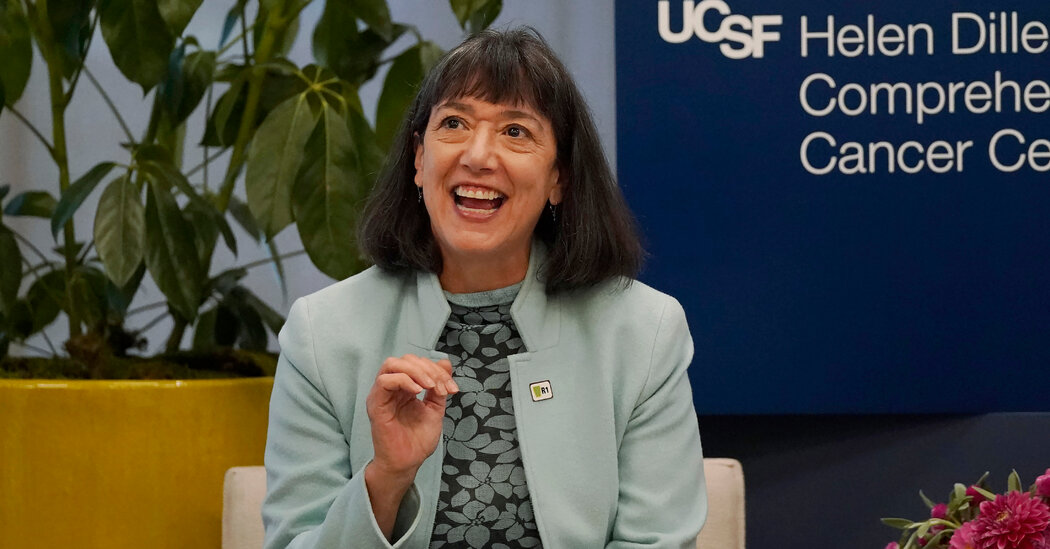
President Biden said on Monday that he had selected Dr. Monica M. Bertagnolli, who has led the National Cancer Institute since October, to be the next director of the National Institutes of Health.WASHINGTON — President Biden will announce on Monday that he will nominate Dr. Monica M. Bertagnolli, a cancer surgeon who became the director of the National Cancer Institute in October, to be the next director of the National Institutes of Health, filling a position that has been vacant for more than a year.Dr. Bertagnolli is also a cancer patient. She announced late last year that she had she received a diagnosis of early breast cancer.In a statement shared by the White House, Mr. Biden called her a “world-class physician-scientist” who had “spent her career pioneering scientific discovery and pushing the boundaries of what is possible to improve cancer prevention and treatment for patients, and ensuring that patients in every community have access to quality care.”Dr. Bertagnolli will need to be confirmed by the Senate. She is the first female director of the National Cancer Institute, which is part of the National Institutes of Health. She would be only the second woman to lead the N.I.H. on a permanent basis.For Mr. Biden, cancer research is deeply personal. His elder son, Beau Biden, died of brain cancer in 2015 at age 46. Last year, the president set a goal of reducing the death rate from cancer by at least 50 percent over the next 25 years — part of an effort, he said then, to “supercharge” the cancer “moonshot” program he initiated and presided over when he was vice president.On Monday, Mr. Biden praised Dr. Bertagnolli for advancing that initiative and for her efforts to promote research on childhood cancers and programs to expand access to cancer clinical trials.The announcement of her nomination was not a surprise; a number of news organizations, including The New York Times, reported last month that the president planned to nominate Dr. Bertagnolli. It is not clear why there was a delay.Fighting cancer is also personal for Dr. Bertagnolli. In mid-December, she announced her diagnosis and said she was “thankful to be receiving excellent care” at Brigham and Women’s Hospital and Dana-Farber Cancer Institute, where she had worked as a surgical oncologist before taking the helm of the National Cancer Institute.She said then that her prognosis was good and that she had enrolled in a clinical trial. In an interview with NPR in February, she said she was still in treatment.“I went in for my regular mammogram expecting it to be negative like all the others and got a nasty surprise,” she said. “And so now I know what it feels like.” She added: “First thing I asked my doctors was, is there anything available for me? And there was a study available for me, and I signed on.”Only one woman, Dr. Bernadine P. Healy, an appointee of President George H.W. Bush, has led the National Institutes of Health on a permanent basis. Dr. Ruth Kirschstein, a longtime federal scientist and N.I.H. administrator, did two stints as the agency’s acting director.If confirmed, Dr. Bertagnolli would replace Dr. Lawrence A. Tabak, who has led the agency in an acting capacity since its last permanent director, Dr. Francis S. Collins, left his post in December 2021. Dr. Collins, an appointee of President Barack Obama, served in that job for more than 12 years.As N.I.H. director, Dr. Bertagnolli would lead one of the world’s premier research agencies, a collection of 27 institutes and centers focusing on cancer, infectious disease, heart and lung ailments, mental health and drug abuse, among other medical matters. With an annual budget of more than $47 billion, the N.I.H. funds research around the world.A daughter of Italian and French Basque immigrants, Dr. Bertagnolli grew up on a ranch in southwestern Wyoming, studied engineering as an undergraduate at Princeton University and attended medical school at the University of Utah. Before joining the federal government, she was a professor of surgery specializing in surgical oncology at Harvard Medical School.

Read more →
Florida professor breaks record for time spent living underwater

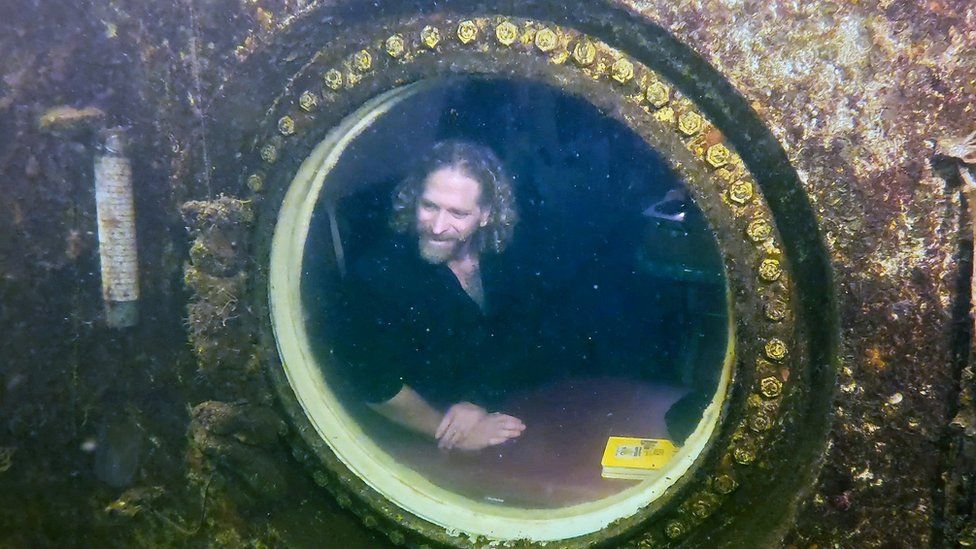
Published2 hours agoShareclose panelShare pageCopy linkAbout sharingImage source, ReutersBy Madeline HalpertBBC NewsA US researcher has broken the world record for the longest time spent living underwater without depressurisation.Joseph Dituri has spent more than 74 days at the bottom of a 30ft-deep lagoon in Key Largo, Florida.And he does not have plans to stop yet. On Sunday, he said he would stay in Jules’ Undersea Lodge for at least 100 days.”The curiosity for discovery has led me here,” he said. “My goal from day one has been to inspire generations to come, interview scientists who study life undersea and learn how the human body functions in extreme environments,” he added. The previous world record for most days spent living underwater at ambient pressure – 73 – was established by two professors in 2014 in the same Key Largo lodge. Unlike a submarine, the lodge does not use technology to adjust for the increased underwater pressure.This video can not be playedTo play this video you need to enable JavaScript in your browser.Prof Dituri – who goes by the nickname Dr Deep Sea – began his journey on 1 March at Jules’ Undersea Lodge, a small room that sits at the bottom of a lagoon in the Florida Keys. It is named after Jules Verne, who wrote the well-known sci-fi book 20,000 Leagues Under the Sea.For the project, called Project Neptune 100, the University of South Florida professor is studying how the human body reacts to long-term exposure to extreme pressure. Researchers are studying the 55-year-old’s health, as well as the psychological effects of being isolated and confined for so long, by running a series of medical tests. But his time underwater has not kept him from his professorial duties. Prof Dituri – who also served in the Navy for 28 years – is teaching his biomedical engineering classes online while he lives in the lagoon, according to the University of South Florida. To keep busy, the professor wakes up at 05:00 each day to exercise. He stays full by reportedly eating protein-heavy meals such as eggs and salmon that he can keep warm with his microwave.And while his underwater stay has proven ground-breaking, he is excited to get back to some above-ground activities. “The thing that I miss the most about being on the surface is literally the sun,” he told the Associated Press.More on this storyAquanaut attempts record-breaking 100 days underwaterPublished21 March

Read more →

ADHD: Private clinics exposed by BBC undercover investigation

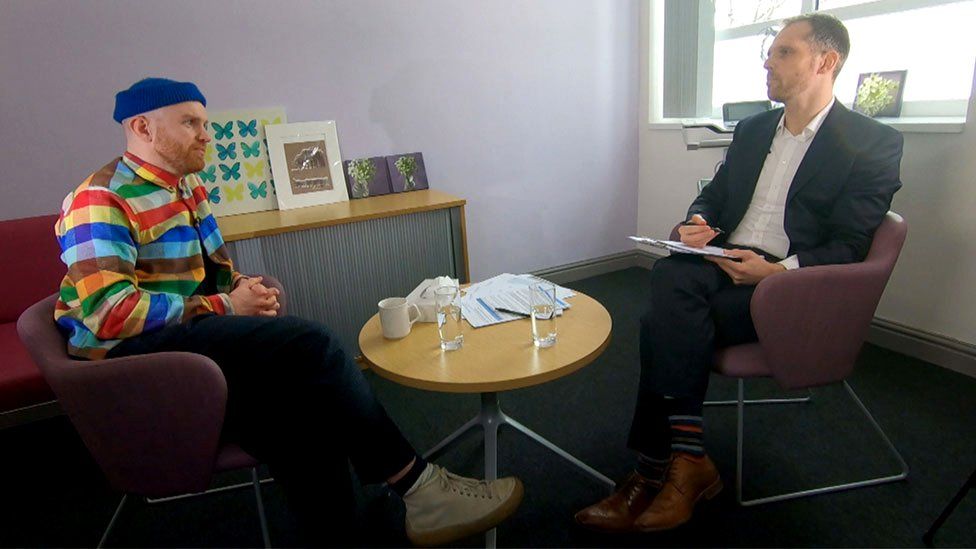
Published2 hours agoShareclose panelShare pageCopy linkAbout sharingThis video can not be playedTo play this video you need to enable JavaScript in your browser.Panorama teamBBC NewsPatients are being offered powerful drugs and told they have attention deficit hyperactivity disorder (ADHD) after unreliable online assessments, a BBC investigation has discovered.Three private clinics diagnosed an undercover reporter via video calls.But a more detailed, in-person NHS assessment showed he didn’t have the condition.The clinics say they conduct thorough assessments and follow national guidelines. Panorama spoke to dozens of patients and whistleblowers after receiving tip-offs about rushed and poor-quality assessments at some private clinics, including Harley Psychiatrists, ADHD Direct and ADHD 360. All three diagnosed undercover reporter Rory Carson with the neurodevelopmental disorder – a recognised medical condition which affects behaviour and can be considered a disability under the Equality Act 2010.The investigation found that: Clinics carried out only limited mental health assessments of patientsPowerful drugs were prescribed for long-term use, without advice on possible serious side effects or proper consideration of patients’ medical historyPatients posting negative reviews were threatened with legal actionThe NHS is paying for thousands of patients to go to private clinics for assessmentsCommenting on Panorama’s findings, Dr Mike Smith – an NHS consultant psychiatrist – said he was seriously concerned about the number of people who might “potentially have received an incorrect diagnosis and been started on medications inappropriately”.”The scale is massive.”Read Rory Carson’s story – I don’t have ADHD, but three private clinics say I doThere has been a big increase in the number of adults seeking ADHD diagnoses in recent years – because of the success of treatments and more awareness of the condition. Support groups say it has long been under-diagnosed. Discussion about ADHD is widespread on social media, with #ADHD attracting more than 20 billion hits on TikTok alone.In some areas, it can take more than five years to secure an NHS assessment – so many patients are instead prepared to pay hundreds of pounds to be seen at private clinics. The NHS is also picking up the bill for thousands of these private assessments, as part of the government’s drive to bring down waiting lists.Having ADHD can be considered a disability – it depends whether or not someone’s condition has a “substantial” and “long-term” negative effect on their ability to carry out normal day-to-day activities.Panorama’s undercover reporter answered questions about his symptoms truthfully throughout each of the assessments. Although, he didn’t tell the private clinics the real reason he’d booked the appointment.His first assessment was at a face-to-face meeting with Dr Smith – who leads a specialist adult ADHD service in the NHS.Carson and his family filled out questionnaires about his habits and childhood history ahead of an appointment that lasted more than three hours. It involved a full psychiatric assessment. His assessment followed the guidelines issued by the National Institute for Health and Care Excellence (NICE).Some of the symptoms of ADHD can include things many people experience, such as fidgeting, getting distracted and acting impulsively. But NICE guidelines say someone should only receive a diagnosis of ADHD if those symptoms severely impact their life.Dr Smith concluded that Carson does not have ADHD. There are 18 recognised symptoms that can indicate someone has ADHD and Carson was found not to meet the clinical threshold for a single one of them. But when the journalist went undercover at Harley Psychiatrists, he was scored 15 out of 18 – after a 45-minute video call with a psychologist. He paid £685 for his assessment and was told by the psychologist: “There’s no expiration date for this. You’re diagnosed for life.” Private ADHD Clinics ExposedMore and more people are turning to private clinics for an assessment to determine whether they have ADHD. Panorama investigates whether some are giving unreliable diagnosesWatch the full investigation on BBC iPlayer and on BBC One on Monday 15 May at 20:00 in England and Scotland and 20:30 in Wales and Northern IrelandThere was a follow-up appointment with a psychiatrist a week later, lasting less than 10 minutes, at which Carson was prescribed a stimulant called methylphenidate.This is a standard treatment for ADHD. The medication interacts with chemicals in the brain and can help someone with the condition concentrate better, be less impulsive and feel calmer. The drug is considered safe and effective for most people who have the condition, but can have serious side effects for some patients, such as those with heart problems or certain mental health issues.Being exposed to this medication if you don’t have ADHD can be a dangerous health risk, according to Dr Smith, and it can also exacerbate existing mental health conditions. Stimulants used to treat ADHD are Class B drugs – controlled substances under the Misuse of Drugs Act. ADHD advice from the NHSNational Institute for Health and Care Excellence (NICE) ADHD guidelinesHarley’s psychiatrists didn’t ask the BBC reporter any detailed questions about his mental health before prescribing the drugs and he wasn’t warned about the potential for serious side effects. Lawyers for Harley Psychiatrists told Panorama clinicians also take account of information in pre-assessment forms: “The suggestion there is a high risk our client is misdiagnosing adults with ADHD is untrue and unsubstantiated – as is the suggestion that adequate checks are not conducted.” They said, “diagnosis of ADHD… depends on the answers given by the patient”, and there have been “numerous patients who have not been diagnosed with ADHD”. The lawyers said the clinic accepted that Carson “should not have been able to obtain a prescription” and has updated its processes.Lawyers for the Harley psychologist who assessed Carson told us that while her testing produced results “indicative of a patient having ADHD”, such a “diagnosis is formally made by a psychiatrist”.Lawyers for the psychiatrist – who prescribed the drugs – said their client stood by his diagnosis. He would “normally take between 30 and 45 minutes” to complete consultations, they said, but in this case he “did not consider it necessary” because of the psychologist’s report.Carson also had an assessment with ADHD Direct, based in Glasgow. He was assessed by a nurse who was new to the clinic and being supervised by another nurse. NICE guidelines say assessments must be conducted by a psychiatrist or a suitably qualified clinician.The assessment lasted an hour and 40 minutes, and cost £1,095. The nurses asked more thorough questions than Harley Psychiatrists about Carson’s medical history – and he and his family were asked to fill out a questionnaire beforehand. But Carson says the assessment still felt “like a tick-box exercise”.Once again he was diagnosed with ADHD at a follow-up appointment and offered a prescription for stimulants. The journalist revealed to the clinic that he was an undercover reporter before going any further. Lawyers for ADHD Direct said there would have been more checks before Mr Carson got the drugs. They say his assessment included a “full developmental and psychiatric history” and the clinic “stands by its diagnosis”.”ADHD is under-identified, under-diagnosed and under-treated,” the lawyers added – stating that the clinic has “no incentive… to over diagnose” and that an audit had found that “10% of the patients seen did not have ADHD”.The undercover reporter also booked an online appointment with ADHD 360, a clinic based in Lincolnshire, which assesses thousands of NHS-funded patients.Patients and former staff had told the BBC that appointments were short and almost everyone who went there got diagnosed with ADHD.One clinician said that while working for ADHD 360 he would see a patient “on the hour, every hour” and that he didn’t think this was safe. ADHD 360 says clinicians are only expected to do two assessments a day.If you are affected by any of the issues in this story, visit the BBC Action Line. Carson was assessed by a pharmacist. He didn’t take a full psychiatric history but diagnosed the reporter with ADHD after an hour and 15 minutes. He also prescribed stimulant medication, without proper checks. ADHD 360 says it is regulated as an NHS provider and delivers “high standard assessment, diagnosis, treatment and care” for thousands of patients. Its “qualified clinicians” are trained in its own academy and its “assessments meet all accepted best practices”.It says on this occasion its “prescription policy was regrettably not followed” and “procedures have now been reviewed” and enhanced.People who spoke to Panorama also expressed their concerns about the quality of care being offered by private clinics to vulnerable patients who turn to their services in desperation because NHS waiting lists are so long. Casey faced a three-year wait for an ADHD assessment with the NHS and borrowed almost £700 to be seen by Harley Psychiatrists instead. She says she was diagnosed with ADHD – by the same psychologist as the BBC reporter – after a video call lasting about 40 minutes. Casey posted a number of negative reviews online, and the clinic sent her a letter – seen by Panorama – which said she had written “potentially unlawful” reviews and that the matter had been passed to the company’s legal department. The BBC is aware of a number of other apparent legal threats made to patients, after they left negative reviews about Harley Psychiatrists.Lawyers for the clinic said it was entitled to request the removal of false and defamatory reviews.There is no doubt that many people who go to private clinics will have ADHD, but experts say patients might not get the right treatment if the assessment was unreliable. “These people were supposed to help me and they took advantage of me,” Casey told the BBC. “I wasn’t someone who was struggling with their mental health and needed help, I was just money to them.” Follow BBC Panorama on Twitter

Read more →

Scrap tax on sunscreen, say cancer charities

Published6 hours agoShareclose panelShare pageCopy linkAbout sharingImage source, Getty ImagesBy Michelle RobertsDigital health editorValue added tax – better known as VAT – should be scrapped on sunscreen to make it more affordable, say several UK cancer charities. Sunscreen is classified as a “cosmetic” product and carries a 20% tax, adding around £1.50 to the cost of a bottle. Charities want high-factor protective creams to be VAT exempt, citing the cost-of-living crisis which has seen many struggling to buy essential items. Most skin cancers are caused by sun damage.There are several types of skin cancer, and melanoma is the most dangerous, as well as the most common type among young people in the UK – with cases on the rise. If untreated, the cancer can spread to other areas of the body.Sunbeds also increase the risk of skin cancer, with some delivering greater doses of UV rays than the midday tropical sun.Sunbed use at age 16 my biggest regret, says man with cancerI thought being black meant I couldn’t get skin cancer”Few realise that getting painful sunburn just once every two years can triple your risk of skin cancer,” said Dr Louise Soanes, Chief Nurse, Teenage Cancer Trust.”Preventing skin cancer by using an effective sun cream is essential – and sun cream shouldn’t be a luxury that only some can afford.”Image source, Kass BarkerCruise ship dancer Kass Barker, who says she used to be “really into sunbathing”, was diagnosed with melanoma in October 2020, at the age of 22. She had gone for a check-up of a mole on her wrist that had been worrying her. “I just had a gut-feeling something was wrong,” says Kass.Kass wants to warn others about how serious melanoma can be.”If there was a cream that people said could prevent breast cancer, then everyone would be buying it – but for some reason people do not see skin cancer as such a threat. “I’m a dancer and I love being tanned, but is it worth your life? I see people on social media joking about getting sunburnt, but it’s no joke. Melanoma can kill.”Image source, Kass BarkerPossible signs of skin cancerA mole that has changed shape, or colour, or looks and feels unusual.Or skin that:has a sore or lesion that does not heal within four weekslooks unusual – such as visible lumps or patcheshurts, itches, bleeds, crusts or scabsSee a doctor if you are concerned.Scottish National Party MP Amy Callaghan is running a campaign and petition urging government to act. She was diagnosed with melanoma at 19. “More people wearing sunscreen means fewer people getting melanoma,” said Ms Callaghan.”But when 52% of people in my constituency can’t afford to turn on the heating, it’s unlikely they’ll take on extra expenses like sunscreen. “That’s why we must make sunscreen more affordable, by removing VAT.” What is VAT?The charity Melanoma Focus surveyed 2,000 people in the UK aged 16 and over. Around half of them thought sunscreen was too expensive. One in 10 said they didn’t use it at all because of the cost. Other reasons given for not using it included a desire to tan, a belief their skin won’t burn, or a feeling that sunscreen is too messy – and unpleasant to apply or wear.Tanning itself is actually a sign of skin damage; people don’t have to burn to be at a higher risk of skin cancer. Claire Knight, from Cancer Research UK, said: “While price may be a barrier for some, it’s worth remembering that you don’t need to spend a lot on a sunscreen to get good protection – what matters is an SPF of at least 15, and a star rating of 4 or 5. “There may be other reasons people don’t use sunscreen – for example, not realising that you can burn on a cloudy day, or mistakenly thinking make-up with SPF in is sufficient. “But when it comes to sun safety, sunscreen is only part of it. Spending time in the shade and covering up with clothing are the best and cheapest ways to protect yourself against damage from too much of the sun’s UV rays.”The 20% standard VAT rate applies to most goods and services, including sunscreen products purchased over the counter at pharmacies. The exemption the campaigners are requesting would be for proven sun protection, but not foundation or other make-up containing SPF. This video can not be playedTo play this video you need to enable JavaScript in your browser.Staying safe in the sunWear protective clothingUse SPF 30+ sunscreen with at least four-star UVA protectionWear a wide-brimmed hatWear quality sunglassesSeek shade from the sun whenever possibleHow does sunscreen work? More on this storyAlexa Bliss cancer scare highlights sunbeds concernPublished27 MarchBurn fear as parents struggle with sun cream costPublished17 July 2022Hugh Jackman has new skin cancer scarePublished4 AprilRelated Internet LinksYoung Lives vs CancerMelanoma FocusTeenage Cancer TrustThe BBC is not responsible for the content of external sites.

Read more →

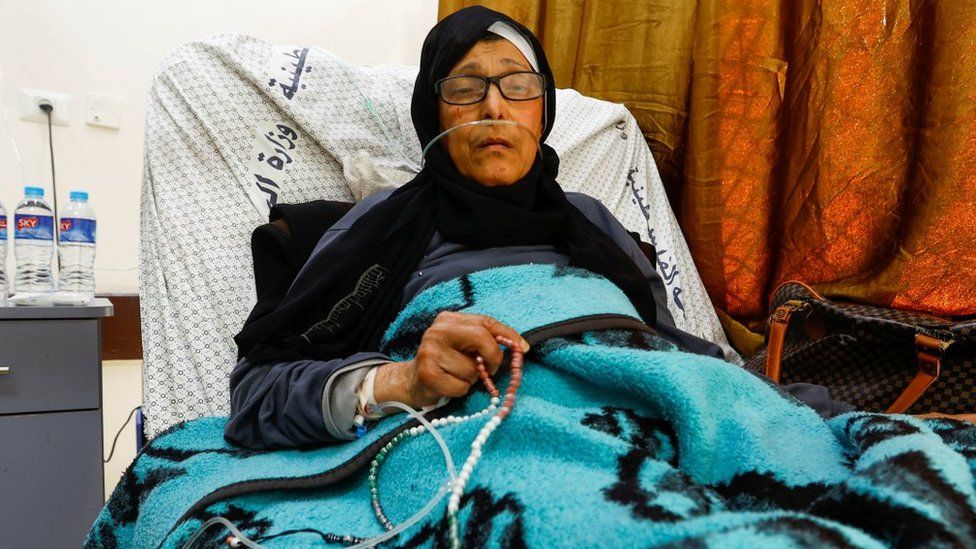
Gaza cancer patients face life-threatening treatment delays

Published1 day agoShareclose panelShare pageCopy linkAbout sharingImage source, ReutersBy Yolande Knell in Jerusalem & Rushdi Abualouf in Gaza StripBBC NewsFive days into the worst fighting in months between Israel and militant groups in Gaza, concern is mounting about the humanitarian situation in the Palestinian territory.It is estimated that more than 200 patients, mostly with cancer, are unable to leave for urgently needed treatment. They include children.Israel controls two crossings with Gaza – used for people and goods – which have been closed since the start of its military operation on Tuesday.Operators of the sole power plant in the impoverished strip – which relies on Israeli fuel imports – say it will be forced to close in three days.A spokesman told the BBC this would “lead to an exacerbation of the humanitarian problems”. The plant supplies about half of the electricity in the territory, where some 2.3 million Palestinians live.Image source, ReutersA British surgeon who is among an estimated 140 humanitarian workers currently stranded in Gaza says cancer patients are facing potentially life-threatening delays.Prof Nick Maynard, a consultant surgeon at Oxford University Hospitals, arrived in Gaza City last week as part of an aid programme teaching advanced cancer surgery to Palestinian doctors.”The doctors I work with here have got multiple examples of people who are in desperate need of cancer treatment,” Prof Maynard told the BBC.”These treatments are undoubtedly being delayed and potentially leading to deaths because of the delays now,” he added.Prof Maynard said he was one of about a dozen non-resident British nationals stuck in Gaza.Ziyad al-Za’noun, 70, has cancer of the spinal cord and is treated every week at Istishari Hospital in Ramallah, in the occupied West Bank.”I have been suffering from cancer for three years and there is no treatment for it here in Gaza,” he said.”On Tuesday, I was scheduled to go for a chemotherapy session in Ramallah, but we were surprised by the closure of Erez crossing.”My health condition is getting worse, and I am using painkillers to overcome the pain, and my psychological condition is also deteriorating,” Ziyad al-Za’noun added.Israel tightened its blockade of Gaza in 2007 after it was taken over by the Islamist militant group Hamas, citing security concerns. Hamas does not recognise Israel’s right to exist and is designated as a terrorist group by Israel and many other countries.Gaza’s hospitals face severe shortages of medical equipment and medicines largely due to the blockade, but also because of internal Palestinian political divisions. Many cancer patients need to leave for medical treatment; they have to apply for Israeli permits to exit via the Erez crossing. Most of those who get these are transferred to Augusta Victoria Hospital in occupied East Jerusalem.More than 90 patients – six of them children with cancer – were due to arrive there in the past week but could not travel, according to Dr Fadi al-Atrash, the hospital’s chief executive.”There is always a need to refer patients primarily to Augusta Victoria and even other hospitals in the West Bank,” Dr Fadi said. “It’s because of the lack of services in Gaza, lack of drugs, human resources and appropriate infrastructure.”When the current hostilities end, patients and relatives accompanying them will have to apply for new Israeli permits to leave Gaza.”When the checkpoints are open, there will be another process for permits. More time will be taken to arrange their exit from Gaza to the hospital and that will add to the delay in their treatment that they have suffered from in the past week,” Dr Fadi said.Already Gaza’s power plant is reducing the amount of electricity it generates, to try to save its fuel reserves. If it shuts down, this will have an impact on many different services.”Preventing the entry of fuel shipments threatens it with a complete stop and will prevent the Gaza Electricity Distribution Company from supplying vital facilities such as hospitals, waste pumps and treatment plants, potable water wells and desalination plants,” said Muhammad Thabet, a spokesman for the company.Normally, some 300 lorryloads of goods enter Gaza each day through the Kerem Shalom commercial crossing with Israel.In past conflicts, there would have been serious food shortages after several days of closure. However, recently Egypt has eased its tight restrictions on the Palestinian territory, which means food and other goods are continuing to enter.For now, supermarkets still have stocks of basic items – but many shelves are empty, prompting shoppers to form long queues as they start stockpiling.Israel’s military-run authority that controls entry into Gaza said its crossings had been under the constant threat of rocket fire and remained shut this week. The Israeli defence ministry said on Saturday that Palestinian Islamic Jihad (PIJ) militants had fired dozens of mortars at Erez and Kerem Shalom since Tuesday.It also posted what it said was security camera footage showing a blast caused by a mortar fired at Erez.This Twitter post cannot be displayed in your browser. Please enable Javascript or try a different browser.View original content on TwitterThe BBC is not responsible for the content of external sites.Skip twitter post by משרד הביטחוןAllow Twitter content?This article contains content provided by Twitter. We ask for your permission before anything is loaded, as they may be using cookies and other technologies. You may want to read Twitter’s cookie policy,

Read more →

Researcher uses mammal DNA to zoom into the human genome with unprecedented resolution

“Why do humans have disease if they went through millions of years of evolution?” It’s a question Steven Gazal, PhD, assistant professor of population and public health sciences at the Keck School of Medicine of USC, hopes to answer.
Gazal is part of an international team of researchers who have become the first to precisely identify base pairs of the human genome that remained consistent over millions of years of mammalian evolution, and which play a crucial role in human disease. The findings were published in a special Zoonomia edition of Science.
Gazal and his team analyzed the genomes of 240 mammals, including humans, zooming in with unprecedented resolution to compare DNA. They were able to identify base pairs that were “constrained” — meaning they remained generally consistent — across mammal species over the course of evolution. Individuals born with mutations on these genes may not have been as successful within their species or were otherwise not likely to pass down the genetic variation. “We were able to identify where gene mutations are not tolerated in evolution, and we demonstrated that these mutations are significant when it comes to disease,” explains Gazal.
The team found that 3.3% of bases in the human genome are “significantly constrained,” including 57.6% of the coding bases that determine amino acid position, meaning these bases had unusually few variants across species in the dataset. The most constrained base pairs in mammals were over seven times more likely to be causal for human disease and complex trait, and over 11 times more likely when researchers looked at the most constrained base pairs in primates alone.
The dataset was provided by the Zoonomia consortium, which according to the project website, “is applying advances in DNA sequencing technologies to understand how genomes generate the tremendous wealth of animal diversity.” Gazal gives credit to Zoonomia for making this type of data available to researchers and anticipates it will be widely used by human geneticists. “It’s a cheap resource to generate, as opposed to datasets generated in human genetic studies,” says Gazal.
His team’s findings are a significant step forward, as Gazal notes, “we do not understand 99% of the human genome, so it is fundamental to understand which part has been constrained by evolution and is likely to have an impact on human phenotypes.” Their discoveries and methods could become crucial tools for further research.
The next step for Gazal and his team is to repeat the process with a primate-only dataset. By restricting the subjects, they hope to focus on functions of DNA that appeared more recently in human evolution. “We expect this to be even more useful in determining information on human disease,” says Gazal.

Read more →

A look inside stem cells helps create personalized regenerative medicine

Organelles — the bits and pieces of RNA and protein within a cell — play important roles in human health and disease, such as maintaining homeostasis, regulating growth and aging, and generating energy. Organelle diversity in cells not only exists between cell types but also individual cells. Studying these differences helps researchers better understand cell function, leading to improved therapeutics to treat various diseases.
In two papers out of the lab of Ahmet F. Coskun, a Bernie Marcus Early Career professor in the Coulter Department of Biomedical Engineering at the Georgia Institute of Technology and Emory University, researchers examined a specific type of stem cell with an intracellular toolkit to determine which cells are most likely to create effective cell therapies.
“We are studying the placement of organelles within cells and how they communicate to help better treat disease,” said Coskun. “Our recent work proposes the use of an intracellular toolkit to map organelle bio-geography in stem cells that could lead to more precise therapies.”
Creating the Subcellular Omics Toolkit
The first study — published in Scientific Reports, a Nature portfolio journal — looked at mesenchymal stem cells (MSCs) that have historically offered promising treatments for repairing defective cells or modulating the immune response in patients. In a series of experiments, the researchers were able to create a data-driven, single-cell approach through rapid subcellular proteomic imaging that enabled personalized stem cell therapeutics.
The researchers then implemented a rapid multiplexed immunofluorescence technique in which they used antibodies designed to target specific organelles. By fluorescing antibodies, they tracked wavelengths and signals to compile images of many different cells, creating maps. These maps then enabled researchers to see the spatial organization of organelle contacts and geographical spread in similar cells to determine which cell types would best treat various diseases.

“Usually, the stem cells are used to repair defective cells or treat immune diseases, but our micro-study of these specific cells showed just how different they can be from one another,” said Coskun. “This proved that patient treatment population and customized isolation of the stem cells identities and their bioenergetic organelle function should be considered when selecting the tissue source. In other words, in treating a specific disease, it might be better to harvest the same type of cell from different locations depending on the patient’s needs.”
RNA-RNA Proximity Matters
In the next study published this week in Cell Reports Methods, the researchers took the toolkit a step further, studying the spatial organization of multiple neighboring RNA molecules in single cells, which are important to cellular function. The researchers evolved the tool by combining machine learning and spatial transcriptomics. They found that analyzing the variations of gene proximity for classification of cell types was more accurate that analyzing gene expression only.
“The physical interactions between molecules create life; therefore, the physical locations and proximity of these molecules play important roles,” said Coskun. “We created an intracellular toolkit of subcellular gene neighborhood networks in each cell’s different geographical parts to take a closer look at this.”
The experiment consisted of two parts: the development of computational methods and experiments at the lab bench. The researchers examined published datasets and an algorithm to group RNA molecules based on their physical location. This “nearest neighbor” algorithm helped determine gene groupings. On the bench, researchers then labeled RNA molecules with fluorescents to easily locate them in single cells. They then uncovered many features from the distribution of RNA molecules, such as how genes are likely to be in similar subcellular locations.
Cell therapy requires many cells with highly similar phenotypes, and if there are subtypes of unknown cells in therapeutic cells, researchers cannot predict the behavior of these cells once injected into patients. With these tools, more cells of the same type can be identified, and distinct stem cell subsets with uncommon gene programs can be isolated.
“We are expanding the toolkit for the subcellular spatial organization of molecules — a ‘Swiss Army Knife’ for the subcellular spatial omics field, if you will,” said Coskun. “The goal is to measure, quantify, and model multiple independent but also interrelated molecular events in each cell with multiple functionalities. The end purpose is to define a cell’s function that can achieve high energy, Lego-like modular gene neighborhood networks and diverse cellular decisions.”
This research is funded by Regenerative Engineering and Medicine at Georgia Tech, as well as the NSF Engineering Research Center for Cell Manufacturing Technologies (CMaT).

Read more →

Scientists discover a deadly brain cancer's hidden weakness

The difficult-to-treat brain cancer glioblastoma steals a person’s mental faculties as it spreads, yet the tumor’s insidious ability to infiltrate neighboring networks in the brain could also prove its undoing.
Scientists at UC San Francisco have discovered that neural activity in these deadly tumors can restructure connections in surrounding brain tissue, causing the cognitive decline associated with the disease, and that the drug gabapentin, commonly used to prevent seizures, could block this growth-causing activity in mice with glioblastoma.
The findings, appearing in Nature, provide a hopeful new direction for research on a disease that has defied even the most modern and sophisticated types of cancer drugs.
“Glioblastoma needs a win,” said neurosurgeon Shawn Hervey-Jumper, MD, who led the study along with postdoctoral scholar Saritha Krishna, PhD. “This study opens the door to a whole world of treatment possibilities for these patients and a new way of thinking about brain cancer.”
When Hervey-Jumper was beginning his study, scientists had recently discovered that brain tumors are fueled by a positive-feedback loop. It begins when cancer cells produce substances that can act as neurotransmitters. This “extra” supply of neurotransmitters spurs neurons to become hyperactive, which in turn stimulates the growth of the cancer cells.
Building on earlier studies done on mice and brain organoids (small bundles of neurons derived from human stem cells grown in petri dishes), Hervey-Jumper focused on what the feedback loop meant for human behavior and cognition in brain cancer.

The team recruited volunteers awaiting surgery for glioblastoma whose tumors had infiltrated the brain region controlling speech. Just before operating on the tumor, Hervey-Jumper placed a grid of tiny electrodes on the surface of the speech region, showed the volunteers pictures and asked them to name what they saw.
The research team then compared the results with normal-appearing non-tumor regions of the brain from the same participants. They found that the participants’ tumor-infiltrated brain regions used a broader neural network of brain area in the effort to identify what they were seeing.
Cancer as a Conversation Between Cells
Hervey-Jumper attributes this to degradation of information-processing power in that region of the brain. He likens it to an orchestra where it’s the musicians playing in synchrony that makes the music work.
“If you lose the cellos and the woodwinds, the remaining players just can’t carry the piece the way they could otherwise,” he said. The brain cells bound up in the tumor are so damaged that others must be recruited from farther out to perform the tasks that used to be controlled by a smaller area.

The study shows that it’s this interaction between cells that causes the cognitive decline associated with brain cancer, rather than inflammation and pressure from tumor growth, as scientists had thought.
“A brain tumor isn’t just sitting there dying,” said Hervey-Jumper. “It’s being regulated by the nervous system. It’s having conversations with the cells around it and actively integrating into brain circuits, remodeling the way they behave.”
We Haven’t Thought About Cancer in This Way
Now, the researchers knew that the tumors were taking advantage of the brain’s networks. So, they turned to gabapentin, which controls seizures by tamping down excess electrical activity in the brain, testing it in mice engrafted with human glioblastoma cells.
“Gabapentin actually kept the tumor from expanding,” said Krishna. “This makes us hopeful that combining gabapentin with other glioblastoma therapies could stave off some of the cognitive decline we see in patients and perhaps extend their lives.”
The findings will likely translate to other neural cancers, such as those of the spine, and may help explain why the brain is the first site of metastasis in many cancers.
Hervey-Jumper said the study encourages cancer specialists to consider communication networks between cells, like the positive-feedback loop in glioblastoma, as potential targets for treatments, along with genetic and immunological approaches.
“We haven’t thought about cancer in this way before,” he said. “The idea that there’s conversation between cancer cells and healthy brain cells is something of a paradigm shift.”
Funding: This study was supported by the National Institutes of Health (grants K08NS110919, P50CA097257, F30CA246808, T32GM007618, K99CA25200, R01NS100440, R00DC013828, R01NS092597, DP1NS111132, and K08CA212279; Robert Wood Johnson Foundation (grant 74259); and the American Brain Tumor Association (grant MSSF1900021).

Read more →

Brain-belly connection: Gut health may influence likelihood of developing Alzheimer's

Could changing your diet play a role in slowing or even preventing the development of dementia? We’re one step closer to finding out, thanks to a new UNLV study that bolsters the long-suspected link between gut health and Alzheimer’s disease.
The analysis — led by a team of researchers with the Nevada Institute of Personalized Medicine (NIPM) at UNLV and published this spring in the Nature journal Scientific Reports — examined data from dozens of past studies into the belly-brain connection. The results? There’s a strong link between particular kinds of gut bacteria and Alzheimer’s disease.
Between 500 and 1,000 species of bacteria exist in the human gut at any one time, and the amount and diversity of these microorganisms can be influenced by genetics and diet.
The UNLV team’s analysis found a significant correlation between 10 specific types of gut bacteria and the likelihood of developing Alzheimer’s disease. Six categories of bacteria — Adlercreutzia, Eubacterium nodatum group, Eisenbergiella, Eubacterium fissicatena group, Gordonibacter, and Prevotella9 — were identified as protective, and four types of bacteria — Collinsella, Bacteroides, Lachnospira, and Veillonella — were identified as a risk factor for Alzheimer’s disease.
Certain bacteria in humans’ guts can secrete acids and toxins that thin and seep through the intestinal lining, interact with the APOE (a gene identified as a major risk factor for Alzheimer’s disease), and trigger a neuroinflammatory response — affecting brain health and numerous immune functions, and potentially promoting development of the neurodegenerative disorder.
Researchers said their novel discovery of the distinct bacterial groups associated with Alzheimer’s disease provides new insights into the relationship between gut microbiota and the world’s most common form of dementia. The findings also advance scientists’ understanding of how an imbalance of that bacteria may play a role in the disorder’s development.
“Most of the microorganisms in our intestines are considered good bacteria that promote health, but an imbalance of those bacteria can be toxic to a person’s immune system and linked to various diseases, such as depression, heart disease, cancer, and Alzheimer’s disease,” said UNLV research professor Jingchun Chen. “The take-home message here is that your genes not only determine whether you have a risk for a disease, but they can also influence the abundance of bacteria in your gut.”
While their analysis established overarching categories of bacteria typically associated with Alzheimer’s disease, the UNLV team said further research is needed to drill down into the specific bacterial species that influence risk or protection.
The hope is to one day develop treatments that are customized for an individual patient and their genetic makeup, such as medications or lifestyle change. Studies have shown that changes in gut microbiome through probiotic use and dietary adjustments can positively impact the immune system, inflammation, and even brain function.
“With more research it would be possible to identify a genetic trajectory that could point to a gut microbiome that would be more or less prone to developing diseases such as Alzheimer’s,” said study lead author and UNLV graduate student Davis Cammann, “but we also have to remember that the gut biome is influenced by many factors including lifestyle and diet.”

Read more →

Metal-filtering sponge removes lead from water

Northwestern University engineers have developed a new sponge that can remove metals — including toxic heavy metals like lead and critical metals like cobalt — from contaminated water, leaving safe, drinkable water behind.
In proof-of-concept experiments, the researchers tested their new sponge on a highly contaminated sample of tap water, containing more than 1 part per million of lead. With one use, the sponge filtered lead to below detectable levels.
After using the sponge, researchers also were able to successfully recover metals and reuse the sponge for multiple cycles. The new sponge shows promise for future use as an inexpensive, easy-to-use tool in home water filters or large-scale environmental remediation efforts.
The study was published late yesterday (May 10) in the journal ACS ES&T Water. The paper outlines the new research and sets design rules for optimizing similar platforms for removing — and recovering — other heavy-metal toxins, including cadmium, arsenic, cobalt and chromium.
“The presence of heavy metals in the water supply is an enormous public health challenge for the entire globe,” said Northwestern’s Vinayak Dravid, senior author of the study. “It is a gigaton problem that requires solutions that can be deployed easily, effectively and inexpensively. That’s where our sponge comes in. It can remove the pollution and then be used again and again.”
Dravid is the Abraham Harris Professor of Materials Science and Engineering at Northwestern’s McCormick School of Engineering and director of global initiatives at the International Institute for Nanotechnology.

Sopping up spills
The project builds on Dravid’s previous work to develop highly porous sponges for various aspects of environmental remediation. In May 2020, his team unveiled a new sponge designed to clean up oil spills. The nanoparticle-coated sponge, which is now being commercialized by Northwestern spinoff MFNS Tech, offers a more efficient, economic, ecofriendly and reusable alternative to current approaches to oil spills.
But Dravid knew it wasn’t enough.
“When there is an oil spill, you can remove the oil,” he said. “But there also are toxic heavy metals — like mercury, cadmium, sulfur and lead — in those spills. So, even when you remove the oil, some of the other toxins might remain.
Rinse and repeat
To tackle this aspect of the issue, Dravid’s team, again, turned to sponges coated with an ultrathin layer of nanoparticles. After testing many different types of nanoparticles, the team found that a manganese-doped goethite coating worked best. Not only are manganese-doped goethite nanoparticles inexpensive to make, easily available and nontoxic to human, they also have the properties necessary to selectively remediate heavy metals.

“You want a material with a high surface area, so there’s more room for the lead ions to stick to it,” said Benjamin Shindel, a Ph.D. student in Dravid’s lab and the paper’s first author. “These nanoparticles have high-surface areas and abundant reactive surface sites for adsorption and are stable, so they can be reused many times.”
The team synthesized slurries of manganese-doped goethite nanoparticles, as well as several other compositions of nanoparticles, and coated commercially available cellulose sponges with these slurries. Then, they rinsed the coated sponges with water in order to wash away any loose particles. The final coatings measured just tens of nanometers in thickness.
When submerged into contaminated water, the nanoparticle-coated sponge effectively sequested lead ions. The U.S. Food and Drug Administration requires that bottled drinking water is below 5 parts per billion of lead. In filtration trials, the sponge lowered the amount of lead to approximately 2 parts per billion, making it safe to drink.
“We’re really happy with that,” Shindel said. “Of course, this performance can vary based on several factors. For instance, if you have a large sponge in a tiny volume of water, it will perform better than a tiny sponge in a huge lake.”
Recovery bypasses mining
From there, the team rinsed the sponge with mildly acidified water, which Shindel likened to “having the same acidity of lemonade.” The acidic solution caused the sponge to release the lead ions and be ready for another use. Although the sponge’s performance declined after the first use, it still recovered more than 90% of the ions during subsequent use cycles.
This ability to gather and then recover heavy metals is particularly valuable for removing rare, critical metals, such as cobalt, from water sources. A common ingredient in lithium-ion batteries, cobalt is energetically expensive to mine and accompanied by a laundry list of environmental and human costs.
If researchers could develop a sponge that selectively removes rare metals, including cobalt, from water, then those metals could be recycled into products like batteries.
“For renewable energy technologies, like batteries and fuel cells, there is a need for metal recovery,” Dravid said. “Otherwise, there is not enough cobalt in the world for the growing number of batteries. We must find ways to recover metals from very dilute solutions. Otherwise, it becomes poisonous and toxic, just sitting there in the water. We might as well make something valuable with it.”
Standardized scale
As a part of the study, Dravid and his team set new design rules to help others develop tools to target particular metals, including cobalt. Specifically, they pinpointed which low-cost and nontoxic nanoparticles also have high-surface areas and affinities for sticking to metal ions. They studied the performance of coatings of manganese, iron, aluminum and zinc oxides on lead adsorption. Then, they established relationships between the structures of these nanoparticles and their adsorptive properties.
Called Nanomaterial Sponge Coatings for Heavy Metals (or “Nano-SCHeMe”), the environmental remediation platform can help other researchers differentiate which nanomaterials are best suited for particular applications.
“I’ve read a lot of literature that compares different coatings and adsorbents,” said Caroline Harms, an undergraduate student in Dravid’s lab and paper co-author. “There really is a lack of standardization in the field. By analyzing different types of nanoparticles, we developed a comparative scale that actually works for all of them. It could have a lot of implications in moving the field forward.”
Dravid and his team imagine that their sponge could be used in commercial water filters, for environmental clean-up or as an added step in water reclamation and treatment facilities.
“This work may be pertinent to water quality issues both locally and globally,” Shindel said. “We want to see this out in the world, where it can make a real impact.”
Dravid and Northwestern have financial interests (equities, royalties) in MFNS Tech.

Read more →