9 in 10 Australian Teachers Are Stressed to Breaking Point

Nine out of 10 Australian teachers are experiencing severe stress, and nearly 70% say their workload is unmanageable, says UNSW Sydney research.
A new study from researchers at UNSW Sydney – the first to examine rates of depression, anxiety and stress in Australian teachers – has found they experience these mental health issues at three times the national norm.
The study ‘Teachers’ workload, turnover intentions, and mental health’ published in Social Psychology of Education surveyed nearly 5000 primary and secondary school teachers across the country.
Researchers found that 90% of teachers reported moderate to extremely severe levels of stress, while more than two-thirds experienced moderate to extremely severe symptoms of depression and anxiety. The figures for depression and anxiety alone are more than double the national averages and point to a profession under immense pressure.
“This is not just a well-being issue – it’s a workforce issue,” said lead researcher Dr Helena Granziera, from the School of Education at UNSW’s Faculty of Arts, Design & Architecture. “Our findings show that teachers are experiencing mental health symptoms at rates far above the general population, and that these symptoms are closely linked to their workload and intentions to leave the profession.”
Using validated psychological measures (the DASS test), the study revealed that teachers’ average scores for depression, anxiety, and stress were in the “extremely severe” range. Compared to national norms, teachers scored three times higher for depression and nearly four times higher for stress.
Causes of mental health issues
The research also found that workload manageability was a key factor influencing teachers’ mental health. Teachers who reported their workload as unmanageable were significantly more likely to experience depressive symptoms, which in turn were strongly associated with their intentions to leave the profession. Notably, 68.8% of teachers described their workload as largely or completely unmanageable.

“Teachers are telling us they’re overwhelmed – not by teaching itself, but by the growing burden of non-core tasks,” said Dr Granziera. “Administrative duties, compliance requirements, and excessive data collection are taking time away from lesson planning and student engagement. This is leading to burnout and a sense of professional disillusionment.”
Impact on education
The study’s findings come at a time when Australia is facing a critical teacher shortage. According to recent data from the Australian Institute for Teaching and School Leadership, up to 30% of teachers are considering leaving the profession before retirement age. The results shown in the paper add new urgency to these concerns, showing that poor mental health – particularly depression – is a significant predictor of turnover intentions.
“This research provides clear evidence that improving teachers’ working conditions is not just beneficial – it’s essential,” said Dr Granziera. “If we want to retain skilled educators and ensure quality education for all students, we must address the root causes of teacher stress and mental health decline.”
The study also highlighted disparities based on location, with teachers in rural and remote areas reporting higher levels of depressive symptoms. Female teachers were also more likely to report depressive symptoms and turnover intentions, reflecting broader trends in occupational mental health.
What needs to change
In response to these findings, the research team is calling for a multi-pronged approach to support teacher well-being, including: Policy reforms to reduce non-essential workload and streamline administrative processes School-level monitoring of teacher well-being and workload Investment in digital mental health programs tailored for educators, allowing flexible, self-paced support System-wide interventions to support teacher retention and reduce burnout.

The study took place between October 2022 and May 2024, with recruitment via the Black Dog Institute website and social media channels using targeted social media outreach and teacher-specific platforms.
“This is one of the largest and most comprehensive studies of teacher mental health in Australia,” said Dr Granziera. “It provides a clear and urgent message: our teachers are struggling, and they need support.”
The implications of these findings extend beyond the classroom. Poor teacher mental health has been linked to lower student achievement, reduced classroom quality, and diminished student well-being.
“Teachers’ mental health is intricately related to students’ outcomes, both in terms of students’ mental health themselves, but also students’ academic achievement,” says Dr Granziera.
“It’s clear improving teacher well-being should be a priority of policy makers not just for teachers but for our education system as a whole.”

Read more →

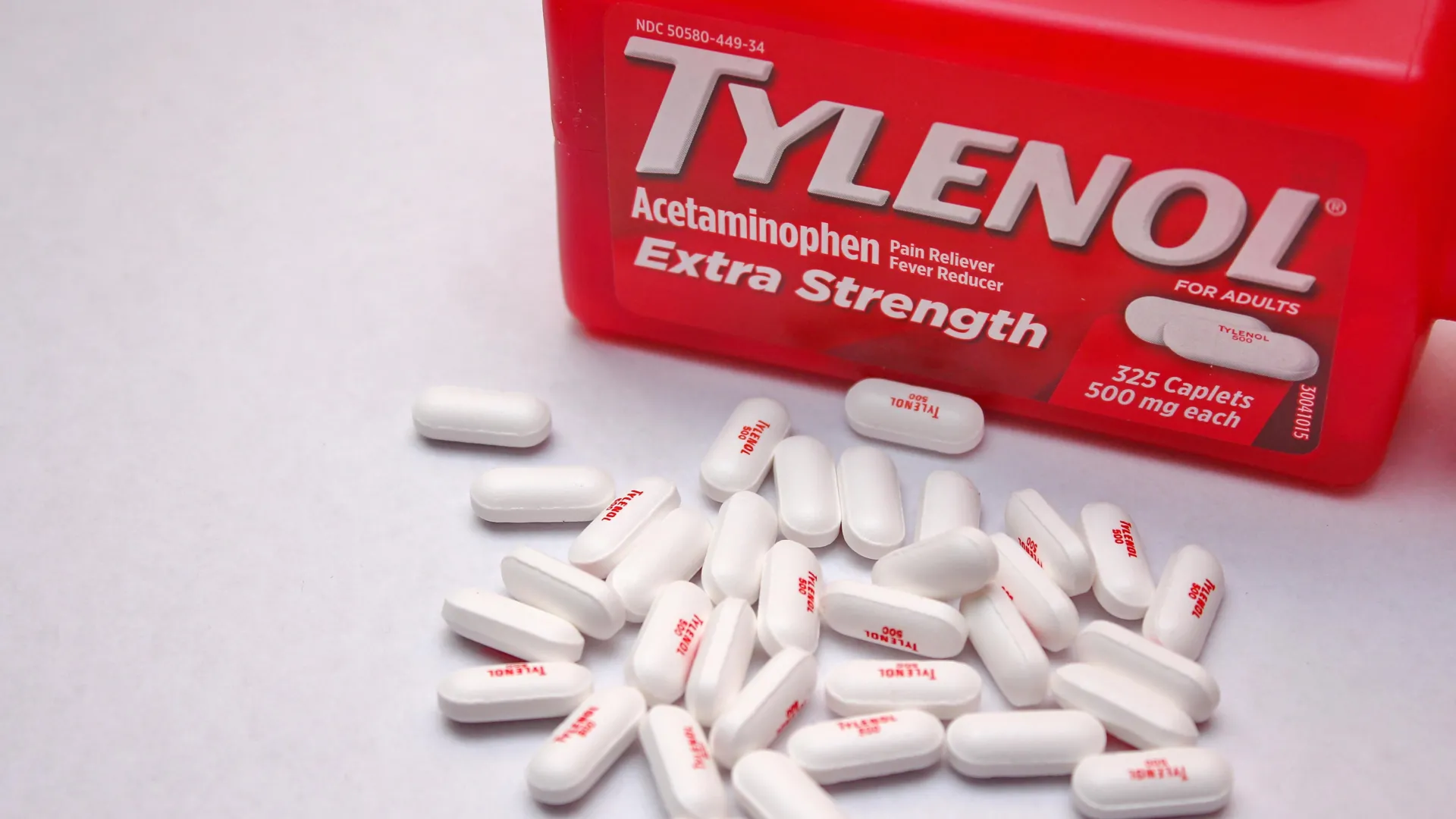
Common painkillers like Advil and Tylenol supercharge antibiotic resistance

Ibuprofen and acetaminophen (paracetamol) are common over-the-counter medications that many of us reach for when we’re sick. But new research from the University of South Australia shows that these trusted staples are quietly fuelling one of the world’s biggest health threats: antibiotic resistance.
In the first study of its kind, researchers found that ibuprofen and acetaminophen are not only driving antibiotic resistance when used individually but amplifying it when used together.
Assessing the interaction of non-antibiotic medications, the broad-spectrum antibiotic ciprofloxacin, and Escherichia coli (E. coli) — a common bacteria that causes gut and urinary tract infections ­­- researchers found that ibuprofen and acetaminophen significantly increased bacterial mutations, making E. coli highly resistant to the antibiotic.
It’s an important finding that has serious health implications, particularly for people in aged care homes, where multiple medications are regularly administered.
The World Health Organization reports that antimicrobial resistance is a global threat to public health, and that bacterial resistance was directly responsible for 1.27 million global deaths in 2019.
Lead researcher UniSA’s Associate Professor Rietie Venter says the findings raise important questions about the risks of polypharmacy in aged care.
“Antibiotics have long been vital in treating infectious diseases, but their widespread overuse and misuse have driven a global rise in antibiotic-resistant bacteria,” Assoc Prof Venter says.

“This is especially prevalent in residential aged care facilities, where older people are more likely to be prescribed multiple medications — not just antibiotics, but also drugs for pain, sleep, or blood pressure — making it an ideal breeding ground for gut bacteria to become resistant to antibiotics.
“In this study we looked at the effect of non-antibiotic medicines and ciprofloxacin, an antibiotic which is used to treat common skin, gut or urinary tract infections.
“When bacteria were exposed to ciprofloxacin alongside ibuprofen and acetaminophen, they developed more genetic mutations than with the antibiotic alone, helping them grow faster and become highly resistant. Worryingly, the bacteria were not only resistant to the antibiotic ciprofloxacin, but increased resistance was also observed to multiple other antibiotics from different classes.
“We also uncovered the genetic mechanisms behind this resistance, with ibuprofen and paracetamol both activating the bacteria’s defences to expel antibiotics and render them less effective.”
The study assessed nine medications commonly used in residential aged care: ibuprofen (an anti-inflammatory pain relief), diclofenac (an anti-inflammatory to treat arthritis), acetaminophen (paracetamol for pain and fever), furosemide (for high blood pressure), metformin (for high sugar levels linked to Diabetes), atorvastatin (to help lower cholesterol and fats in the blood), tramadol (a stronger pain medication post-surgery) , temazepam (used to treat sleeping problems), and pseudoephedrine (a decongestant).
Assoc Prof Venter says the study shows how antibiotic resistance is a more complex challenge than previously understood, with common non-antibiotic medications also playing a role.

“Antibiotic resistance isn’t just about antibiotics anymore,” Assoc Prof Venter says.
“This study is a clear reminder that we need to carefully consider the risks of using multiple medications — particularly in aged care where residents are often prescribed a mix of long-term treatments.
“This doesn’t mean we should stop using these medications, but we do need to be more mindful about how they interact with antibiotics — and that includes looking beyond just two-drug combinations.”
The researchers are calling for further studies into drug interactions among anyone on long-term medication treatment regimes so we can gain a greater awareness of how common medications may impact antibiotic effectiveness.

Read more →

Maui’s fires drove a 67% jump in deaths. Most went uncounted

New research unveils the true death toll of the deadly August 2023 wildfires which took place in Lāhainā, Maui, Hawaiʻi — and which temporarily made wildfire a leading cause of death in Maui. By comparing death rates over time, the scientists found that two-thirds more people died that August than would have been expected. To stop this happening again, the authors say, major policy changes are needed, ranging from removing flammable invasive vegetation to improving disaster preparedness.  
“Wildfires can cause a measurable, population-wide increase in mortality, beyond what is captured in official fatality counts,” said Michelle Nakatsuka of the Grossman School of Medicine, co-first author of the article in Frontiers in Climate. “This suggests the true toll of the Lāhainā wildfire was even broader than previously understood.”  
“It also points to the need for prevention strategies that go beyond reactive wildfire control,” added Nakatsuka. “As Native Hawaiians, the co-first authors are especially hopeful that wildfire mitigation strategies will center kānaka maoli perspectives, including the restoration of traditional agroecological systems.” 
Fire risk  
As the climate crisis makes wildfires more common and destructive, understanding the full extent of their impact is critical to mitigating it. To capture the wide range of possible deaths attributable to the fires, the authors calculated the all-cause excess death rate: this is how many more deaths took place over a given period than would have been expected. They trained a model on demographic data from Maui County from August 2018 to July 2023 and weighted the analysis to exclude deaths caused by Covid-19.  
“Wildfires can cause death in a variety of ways,” said Dr Kekoa Taparra of UCLA, co-first author. “In this case, recent reports suggest many deaths were due to direct exposure, smoke inhalation and burns. Others likely stemmed from disruptions in healthcare, like not being able to access critical medications or emergency treatment. Wildfires can also exacerbate pre-existing conditions.” 
The researchers found that in August 2023, 82 more deaths were reported than expected: an excess death rate of 67%. In the week of 19 August, the rate was 367% higher than expected compared to previous years. 80% of these deaths didn’t take place in a medical context, 12% higher than in other months, suggesting some people never reached medical care because of the fires. At the same time, the proportion of deaths with a non-medical cause rose from 68% to 80%.  
This differs slightly from the official fatality count of 102, although it’s very close to the 88 fire-related deaths reported in August 2023 by the CDC.  

“We think this might reflect a temporary drop in other causes of death, like car accidents, during the fire period, similar to what we saw during Covid-19, when deaths from some non-Covid causes dropped during lockdowns,” said Nakatsuka. “It’s also possible that some deaths occurred after the August time window we studied, for example from missed treatments or worsening of chronic conditions.” 
The scientists point out that there are some limitations to this analysis. For instance, the data is not geographically granular enough to identify whether the death toll was particularly high in Lāhainā itself.  
“Our study only covers a short time window, so we can’t speak to longer-term mortality impacts,” explained Nakatsuka. “Excess mortality models also can’t determine exact causes of death, and we didn’t have access to detailed death certificate data like toxicology reports or autopsy findings. Still, we believe this type of analysis offers important insights into the broader health impacts of disasters like the Lāhainā fire.” 
Planting the future 
To protect Hawaiʻi from similar tragedies in the future, the researchers call for improved disaster preparedness and investment in the restoration of Native Hawaiian plants and agroecological systems, which reduce the likelihood of destructive wildfires compared to modern monocultures and invasive plant species.  
“In the short term, it’s critical for people exposed to wildfires to get immediate medical treatment,” said Nakatsuka. “Fast, accessible emergency care can save lives.” 
“In the long term, we’d like to see more policy investment in wildfire prevention rooted in Native Hawaiian ecological knowledge,” said Taparra. “This includes restoring traditional agroecological systems, removing dry, non-native grasses, restoring traditional pre-colonial water systems, and improving fire risk modeling to better guide preparedness efforts.” 

Read more →

Ocean air may add years to your life, research shows

Living within miles of the ocean breeze may be linked to a longer life, but you shouldn’t count on the same benefits if you live in a riverside city, suggests a recent study.
Researchers from The Ohio State University analyzed population data — including life expectancy — in more than 66,000 census tracts throughout the U.S. and compared it based on proximity to waterways. Their study was published online in the journal Environmental Research.
A correlation between longer life expectancy and water was clear for those who live within about 30 miles of an ocean or gulf. But for those who live in urban settings and near an inland body of water larger than 4 square miles, the opposite was true. Rural residents who live near water may also reap some lifespan advantages, according to the research.
“Overall, the coastal residents were expected to live a year or more longer than the 79-year average, and those who lived in more urban areas near inland rivers and lakes were likely to die by about 78 or so. The coastal residents probably live longer due to a variety of intertwined factors,” said lead researcher Jianyong “Jamie” Wu.
The analysis suggested that milder temperatures, better air quality, more opportunities for recreation, better transportation, less susceptibility to drought, and higher incomes could all be contributors to a better outlook for coastal residents compared to those who live inland.
“On the other side, pollution, poverty, lack of safe opportunities to be physically active and an increased risk of flooding are likely drivers of these differences,” said Yanni Cao, a postdoctoral researcher who worked on the study.
The most critical difference the researchers found is that coastal areas experience fewer hot days and lower maximum temperatures compared to inland water areas.

Previous research has found a connection between living near water and better health measures, including higher physical activity levels, lower obesity rates and improved heart health. That prompted Wu to wonder if there could be a link between “blue space” living and longer lives, and how that relationship might differ depending on the type of neighborhood people call home, he said.
“We thought it was possible that any type of ‘blue space’ would offer some beneficial effects, and we were surprised to find such a significant and clear difference between those who live near coastal waters and those who live near inland waters,” said Wu, an assistant professor of environmental health sciences at The Ohio State University College of Public Health.
“We found a clear difference — in coastal areas, people are living longer,” said Wu, adding that the study is the first to comprehensively and systematically examine the relationship between various types of “blue space” and longevity in the U.S.
Cao said she was especially curious about how this data might provide insights into the trends in life expectancy in the U.S. compared to other wealthy nations. In the past several years, the U.S. experienced a sharper decline and a slower rebound in life expectancy than peer countries.
“It’s likely that various social determinants of health, including complex environmental factors, that contribute to health inequities are playing a key role in the differences we saw,” she said.
Ria Martins, a graduate student in public health, was also a co-author.

Read more →

Sitting up straight isn’t the only secret to good posture – here are three more tips

13 minutes agoShareSaveYasmin RufoBBC NewsShareSaveGetty Images”Sit up straight!” – we’ve all heard that command barked at us many times. For years we’ve been told that good posture means standing tall, shoulders back and your spine straight as a rod.But that might not actually be true. According to Dr Xand van Tulleken, a doctor and BBC presenter, much of what we think we know about posture is outdated.In fact, trying to hold yourself bolt upright all day could do more harm than good, he told Morning Live.As the end of summer looms and many people return to work and studying, here are his three suggestions to improve your posture and in turn help look after your back.1. Keep movingGetty ImagesPosture is dynamic, not static. The worst thing you can do is stay locked in one position for hours whether that’s being perched at a desk, lounging on the sofa or scrolling on your phone.Dr Xand says the key is to change it up.There are lots of posture corrector straps, back braces and chairs that promise to change your life but “you just need to be moving around in the day”.A lumbar cushion or an ergonomic chair can make sitting more comfortable and a wearable posture reminder might nudge you to stop hunching but none of these replace the basics of movement, strength and listening to your body.”You can have the best chair, but if you spend eight hours sitting in it you’ll still have back pain.”Dr Xand also cautions that some back gadgets marketed as improving posture can force you into one position that constrains and restricts your movement and that’s the opposite of what you want to be doing. Make sure you stand, stretch and take regular breaks – even small shifts can reset your muscles, he says.2. Build strength, not stiffnessGetty ImagesGood posture comes from strong muscles, but that doesn’t mean you need a gym membership or Olympic ambitions. Dr Xand suggests regular exercises to build a stronger core and back. Simple movements like raising your arms above your head and turning your head from side to side “can lift some tension and help you feel instantly better”. “What we want is for our body to support itself,” Dr Xand explains. Exercises like pilates and yoga can be a good way to stretch your body and target specific pain points, he says.The NHS website also suggests simple exercises which can be done at home to improve your strength.3. Change your mindsetGetty ImagesPosture isn’t just about muscles, it’s also about mindset. The way we sit, stand and move often reflects how stressed we’re feeling about what we’re doing.Hunched shoulders at a laptop can be as much about deadlines as desk set-up so it’s important to reflect on your attitude towards work or study. “Pain is not just about muscles, it’s emotional and psychological,” explains Dr Xand. He says that previously people would be told to focus on their desk set-up without taking into account that pain can be a result of “stress, the amount of time you’re doing your job and whether you do any exercise.””Your seat height is important but other facts are also important,” he adds.So, sometimes fixing your posture is as much about easing your schedule as it is about stretching your spine.In some cases poor posture (not just back pain) can be down to an underlying medical condition and you should check in with your GP if concerned.According to the NHS, if you’re suffering from back pain you should try and stay active, take anti-inflammatory medicines and try doing some exercises and stretches. You should see a GP if your back pain doesn’t improve after treating it at home for a few weeks or the pain is getting worse over time.Morning Live will be back on air on Monday 1st September.

Read more →

First human case of flesh-eating screwworm parasite confirmed in US

The first human case of a flesh-eating parasite infestation has been confirmed in the US, authorities say.New World screwworm (NWS) myiasis was found in a patient who returned to the US from El Salvador, the Department of Health and Human Services said on Monday. The case was confirmed on 4 August.NWS myiasis is a parasitic infestation of fly larvae, or maggots, caused by parasitic flies.The pest primarily affects livestock, and authorities have said the risk to US public health was currently “very low”.The Centers for Disease Control and Prevention (CDC) worked with Maryland’s health department to investigate the case.HHS spokesperson Andrew Nixon said it is the first human case of travel-associated NWS myiasis from an outbreak-affected country identified in the US.The devastating pest, which feeds on live tissue, is usually found in South America and the Caribbean.Despite efforts to halt its spread north, cases have now been confirmed in every Central American country, including Mexico.Humans, particularly those with an open wound, are susceptible to infestation and are at higher risk if they travel to those regions or if they are around livestock in rural areas where the flies are, the CDC says.The USDA’s Animal and Plant Health Inspection Service says it has partnered with other agriculture agencies, the state department and the Food and Agriculture Organization of the United Nations to respond to the outbreak. “When NWS fly larvae (maggots) burrow into the flesh of a living animal, they cause serious, often deadly damage to the animal,” according to the USDA. “NWS can infest livestock, pets, wildlife, occasionally birds, and in rare cases, people.”A screwworm outbreak in livestock could be have severe economic impacts, threatening more than $100bn (£73.9bn) in economic activity tied to the cattle and livestock industry, the USDA said earlier this month.

Read more →

Eating meat may protect against cancer, landmark research shows

Eating animal-sourced protein foods is not linked to a higher risk of death and may even offer protective benefits against cancer-related mortality, new research finds.
The study, published in Applied Physiology, Nutrition, and Metabolism, analyzed data from nearly 16,000 adults aged 19 and older using the National Health and Nutrition Examination Survey (NHAMES III).
Researchers examined how much animal and plant protein people typically consume and whether those patterns were associated with their risk of dying from heart disease, cancer or any cause.
They found no increased risk of death associated with higher intake of animal protein. In fact, the data showed a modest but significant reduction in cancer-related mortality among those who ate more animal protein.
“There’s a lot of confusion around protein – how much to eat, what kind and what it means for long-term health. This study adds clarity, which is important for anyone trying to make informed, evidence-based decisions about what they eat,” explains Stuart Phillips, Professor and Chair of the Department of Kinesiology at McMaster University, who supervised the research.
To ensure reliable results, the team employed advanced statistical methods, including the National Cancer Institute (NCI) method and multivariate Markov Chain Monte Carlo (MCMC) modelling, to estimate long-term dietary intake and minimize measurement error.
“It was imperative that our analysis used the most rigorous, gold standard methods to assess usual intake and mortality risk. These methods allowed us to account for fluctuations in daily protein intake and provide a more accurate picture of long-term eating habits,” says Phillips.

The researchers found no associations between total protein, animal protein or plant protein and risk of death from any cause, cardiovascular disease, or cancer. When both plant and animal protein were included in the analysis, the results remained consistent, suggesting that plant protein has a minimal impact on cancer mortality, while animal protein may offer a small protective effect.
Observational studies like this one cannot prove cause and effect; however, they are valuable for identifying patterns and associations in large populations. Combined with decades of clinical trial evidence, the findings support the inclusion of animal proteins as part of a healthy dietary pattern.
“When both observational data like this and clinical research are considered, it’s clear both animal and plant protein foods promote health and longevity,” says lead researcher Yanni Papanikolaou, MPH, president, Nutritional Strategies.
This research was funded by the National Cattlemen’s Beef Association (NCBA), a contractor to the Beef Checkoff. NCBA was not involved in the study design, data collection and analysis or publication of the findings.

Read more →

Artificial sweeteners could soon taste just like sugar

Some artificial sweeteners, such as saccharin and acesulfame K, have a bitter aftertaste that affects consumer acceptance of reduced-calorie foods and beverages. New research in FEBS Open Bio reveals the potential of compounds that inhibit bitter taste receptors to make artificial sweeteners more palatable.
Saccharin and acesulfame K are detected by two types of bitter taste receptors from the taste receptor type 2 (TAS2R) family: TAS2R31 and TAS2R43. When investigators measured the inhibitory effects of various compounds against TAS2R31, they found that menthols reduced the responses of TAS2R31-expressing cells to saccharin. Additionally, another compound called (R)-(-)-carvone (which gives spearmint leaves their sweetish minty smell) showed a strong inhibitory effect on TAS2R31 and TAS2R43 after the use of saccharin and acesulfame K.
Unlike menthol, (R)-(-)-carvone did not have a notable cooling sensation. As cooling sensation is often not desirable in food flavoring, (R)-(-)-carvone is a promising candidate for lessening the unpleasant aftertaste of artificial sweeteners.
“The bitter taste inhibitors identified in this study have potential applications in food products, suggesting their utility in enhancing the palatability of foods containing artificial sweeteners,” said corresponding author Takumi Misaka, PhD, of the University of Tokyo.

Read more →

A hidden sugar source in ketchup, salad dressing, and toothpaste

It turns out those cellulose-based thickening agents found in common foods can be digested.
Researchers at the University of British Columbia have shown that our gut bacteria can feed on these large molecules — something thought to not be possible — thanks to enzymes that normally help us break down dietary fiber.
“Researchers assumed that these thickening agents, which are artificial derivatives of natural cellulose, just pass right through the digestive system unaltered,” says Dr. Deepesh Panwar, a postdoctoral fellow at the Michael Smith Laboratories and lead author of the study published in the Journal of Bacteriology. “But our study provides a first glimpse at how these food additives are actually digested by our gut bacteria thanks to natural polysaccharides in our diets.”
The complex structure of these cellulose derivatives is what makes them valuable as thickening agents in popular products like ketchup, salad dressing and even toothpaste. This structure is also why gut bacteria have a harder time breaking them down — and why in higher concentrations, they’re even used as laxatives.
This new in vitro study, however, shows that if our gut bacteria are ‘primed’ with natural polysaccharides — long chains of sugars found in fruits, vegetables and cereals — the cellulose derivatives can be digested. This is because the natural polysaccharides activate enzymes that are produced on bacteria cell surfaces that can also break down artificial cellulose molecules.
The findings don’t challenge the fact that these compounds are safe to consume, proven by years of testing and history of use. However, the new research suggests that more work should be done to explore the physical, chemical and biological effects of the digestion of cellulose derivatives by gut bacteria.
One reason researchers may not have seen this before is because bacteria in the lab are often exposed to polysaccharides, including cellulose derivatives, in isolation, instead of in combinations that mimic our diet. On their own, these cellulose derivatives can’t activate the same enzymes, preventing their digestion.
“It was really unexpected for us to see that these cellulose derivatives are in fact used as a source of sugar for bacterial growth,” says Dr. Harry Brumer, a professor in the Michael Smith Laboratories and Department of Chemistry. “It is always a surprise when a new finding goes against the conventional wisdom, in this case showing that these common additives are not just inactive thickeners.”
Dr. Brumer also notes that the next steps in this research will be to look for this ability in a wider range of human gut bacteria, and eventually explore potential effects on nutrition in people.
So, next time you pair a green salad with a sweet dressing, know that your gut bacteria are hard at work helping to break down all parts of your meal.

Read more →

Your brain works overtime at night to burn fat and prevent sugar crashes

The brain controls the release of glucose in a wide range of stressful circumstances, including fasting and low blood sugar levels.
However, less attention has been paid to its role in day-to-day situations.
In a study published in Molecular Metabolism, University of Michigan researchers have shown that a specific population of neurons in the hypothalamus help the brain maintain blood glucose levels under routine circumstances.
Over the past five decades, researchers have shown that dysfunction of the nervous system can lead to fluctuations in blood glucose levels, especially in patients with diabetes.
Some of these neurons are in the ventromedial nucleus of the hypothalamus, a region of the brain that controls hunger, fear, temperature regulation and sexual activity.
“Most studies have shown that this region is involved in raising blood sugar during emergencies,” said Alison Affinati, M.D., Ph.D., assistant professor of internal medicine and member of Caswell Diabetes Institute.
“We wanted to understand whether it is also important in controlling blood sugar during day-to-day activities because that’s when diabetes develops.”
The group focused on VMHCckbr neurons, which contain a protein called the cholecystokinin b receptor.

They used mouse models in which these neurons were inactivated.
By monitoring the blood glucose levels, the researchers found that VMHCckbr neurons play an important role in maintaining glucose during normal activities, including the early part of the fasting period between the last meal of the day and waking up in the morning.
“In the first four hours after you go to bed, these neurons ensure that you have enough glucose so that you don’t become hypoglycemic overnight,” Affinati said.
To do so, the neurons direct the body to burn fat through a process called lipolysis.”In the first four hours after you go to bed, these neurons ensure that you have enough glucose so that you don’t become hypoglycemic overnight.”-Alison Affinati, M.D., Ph.D.The fats are broken down to produce glycerol, which is used to make sugar.

When the group activated the VMHCckbr neurons in mice, the animals had increased glycerol levels in their bodies.
These findings could explain what happens in patients with prediabetes, since they show an increase in lipolysis during the night.
The researchers believe that in these patients, the VMHCckbr neurons could be overactive, contributing to higher blood sugar.
These nerve cells, however, only controlled lipolysis, which raises the possibility that other cells might be controlling glucose levels through different mechanisms.
“Our studies show that the control of glucose is not an on-or-off switch as previously thought,” Affinati said.
“Different populations of neurons work together, and everything gets turned on in an emergency. However, under routine conditions, it allows for subtle changes.”
The team is working to understand how all the neurons in the ventromedial nucleus co-ordinate their functions to regulate sugar levels during different conditions, including fasting, feeding and stress.
They are also interested in understanding how the brain and nervous system together affect the body’s control of sugar, especially in the liver and pancreas.
The work was carried out by a team of U-M researchers at the Caswell Diabetes Institute who focus on the neuronal control of metabolism — the roles played by the brain and nervous system in metabolic control and disease.
Additional authors: Jiaao Su, Abdullah Hashsham, Nandan Kodur, Carla Burton, Amanda Mancuso, Anjan Singer, Jennifer Wloszek, Abigail J. Tomlinson, Warren T. Yacawych, Jonathan N. Flak, Kenneth T. Lewis, Lily R. Oles, Hiroyuki Mori, Nadejda Bozadjieva-Kramer, Adina F. Turcu, Ormond A. MacDougald and Martin G. Myers.
Funding/disclosures: Research support was provided by the Michigan Diabetes Research Center (NIH grant P30 DK020572), the Mouse Metabolic Phenotyping Center — Live (U2CDK135066) Physiology Phenotyping Core, the Michigan Nutrition and Obesity Center Adipose Tissue Core (P30 DK089503); Department of Veterans Affairs (IK2BX005715); the Warren Alpert Foundation; Endocrine Fellows Foundation; Marilyn H. Vincent Foundation and Novo Nordisk. This work was also supported in part by NIH grant K08 DK1297226.

Read more →