Is gel nail polish being banned?

Are gel nails banned in the UK?Other Side of the Story contacted Dr Naila Dinani, a consultant dermatologist at the Royal United Hospital in Bath. Dr Dinani appeared on the BBC Sounds Sliced Bread podcast to discuss nail polish and gels in August.She explained further about the TPO ban: “TPO is being banned in the EU because scientists found it could be harmful if used in very high amounts over a long time. The actual risk from having your nails done is probably very low, but EU law says if a chemical is labelled as possibly harmful, it can’t be used in cosmetics.“This doesn’t mean gel nails themselves are banned. Salons can still offer gel manicures – they just have to use different ingredients that don’t contain TPO. Many companies already have these alternatives.”But what about a UK ban? Dr Dinani added: “In the UK, there isn’t a ban at the moment. But because we often follow the EU on safety rules, it’s quite possible the same change will come here in the future.”There are some reports that a UK ban on TPO will follow in late 2026.

Read more →

Overworked neurons burn out and fuel Parkinson’s disease

Certain brain cells are responsible for coordinating smooth, controlled movements of the body. But when those cells are constantly overactivated for weeks on end, they degenerate and ultimately die. This new observation made by scientists at Gladstone Institutes may help explain what goes awry in the brains of people with Parkinson’s disease.
Researchers have long known that a particular subset of neurons die as Parkinson’s disease progresses, but they aren’t sure why. The new work, published in the scientific journal eLife, shows that in mice, chronic activation of these neurons can directly cause their demise. The scientists hypothesize that in Parkinson’s, neuron overactivation could be triggered by a combination of genetic factors, environmental toxins, and the need to compensate for other neurons that are lost.
“An overarching question in the Parkinson’s research field has been why the cells that are most vulnerable to the disease die,” says Gladstone Investigator Ken Nakamura, MD, PhD, who led the study. “Answering that question could help us understand why the disease occurs and point toward new ways to treat it.”
Too Much Buzz
More than 8 million people worldwide are living with Parkinson’s disease, a degenerative brain disease that causes tremors, slowed movement, stiff muscles, and problems walking and balancing.
Scientists know that a set of neurons that produce dopamine and support voluntary movements die in people with Parkinson’s. Many lines of evidence also suggest that the activity of these cells actually increases with disease, both before and after degeneration begins. But whether this change in activity can directly cause cell death is poorly understood.
In the new study, Nakamura and his colleagues tackled this question by introducing a receptor specifically into dopamine neurons in mice that allowed them to increase the cells’ activity by treating the animals with a drug, clozapin-N-oxide (CNO). Uniquely, the scientists added CNO to the animals’ drinking water, driving chronic activation of the neurons.

“In previous work, we and others have transiently activated these cells with injections of CNO or by other means, but that only led to short bursts of activation,” says Katerina Rademacher, a graduate student in Nakamura’s lab and first author of the study. “By delivering CNO through drinking water, we get a relatively continuous activation of the cells, and we think that’s important in modeling what happens in people with Parkinson’s disease.”
Within a few days of overactivating dopamine neurons, the animals’ typical cycle of daytime and nighttime activities became disrupted. After one week, the researchers could detect degeneration of the long projections (called axons) extending from some dopamine neurons. By one month, the neurons were beginning to die.
Importantly, the changes mostly affected one subset of dopamine neurons — those found in the region of the brain known as the substantia nigra, which is responsible for movement control — while sparing dopamine neurons in brain regions responsible for motivation and emotions. This is the same pattern of cellular degeneration seen in people with Parkinson’s disease.
A Link to Human Disease
To gain insight into why overactivation leads to neuronal degeneration, the researchers studied the molecular changes that occurred in the dopamine neurons before and after the overactivation. They showed that overactivation of the neurons led to changes in calcium levels and in the expression of genes related to dopamine metabolism.
“In response to chronic activation, we think the neurons may try to avoid excessive dopamine — which can be toxic — by decreasing the amount of dopamine they produce,” Rademacher explains. “Over time, the neurons die, eventually leading to insufficient dopamine levels in the brain areas that support movement.”
When the researchers measured the levels of genes in brain samples from patients with early-stage Parkinson’s, they found similar changes; genes related to dopamine metabolism, calcium regulation, and healthy stress responses were turned down.
The research did not reveal why activity of the dopamine neurons might increase with Parkinson’s disease, but Nakamura hypothesizes that there could be multiple causes, including genetic and environmental factors. The overactivity could also be part of a vicious cycle initiated early in disease. As dopamine neurons become overactive, they gradually shut down dopamine production, which worsens movement problems. Remaining neurons work even harder to compensate, ultimately leading to cell exhaustion and death.
“If that’s the case, it raises the exciting possibility that adjusting the activity patterns of vulnerable neurons with drugs or deep brain stimulation could help protect them and slow disease progression,” Nakamura says.

Read more →

Hidden viruses in our DNA could be medicine’s next big breakthrough

You are mostly but not entirely human. If we crunch the numbers, 8 percent of your genome actually comes from viruses that got stranded there. This viral detritus is a souvenir from our evolutionary past, a reminder that viruses have been with us from the very beginning.
Usually, this 8 percent of your DNA — the viral bits — are kept silent. Scientists call it part of the “dark matter” in your genome.
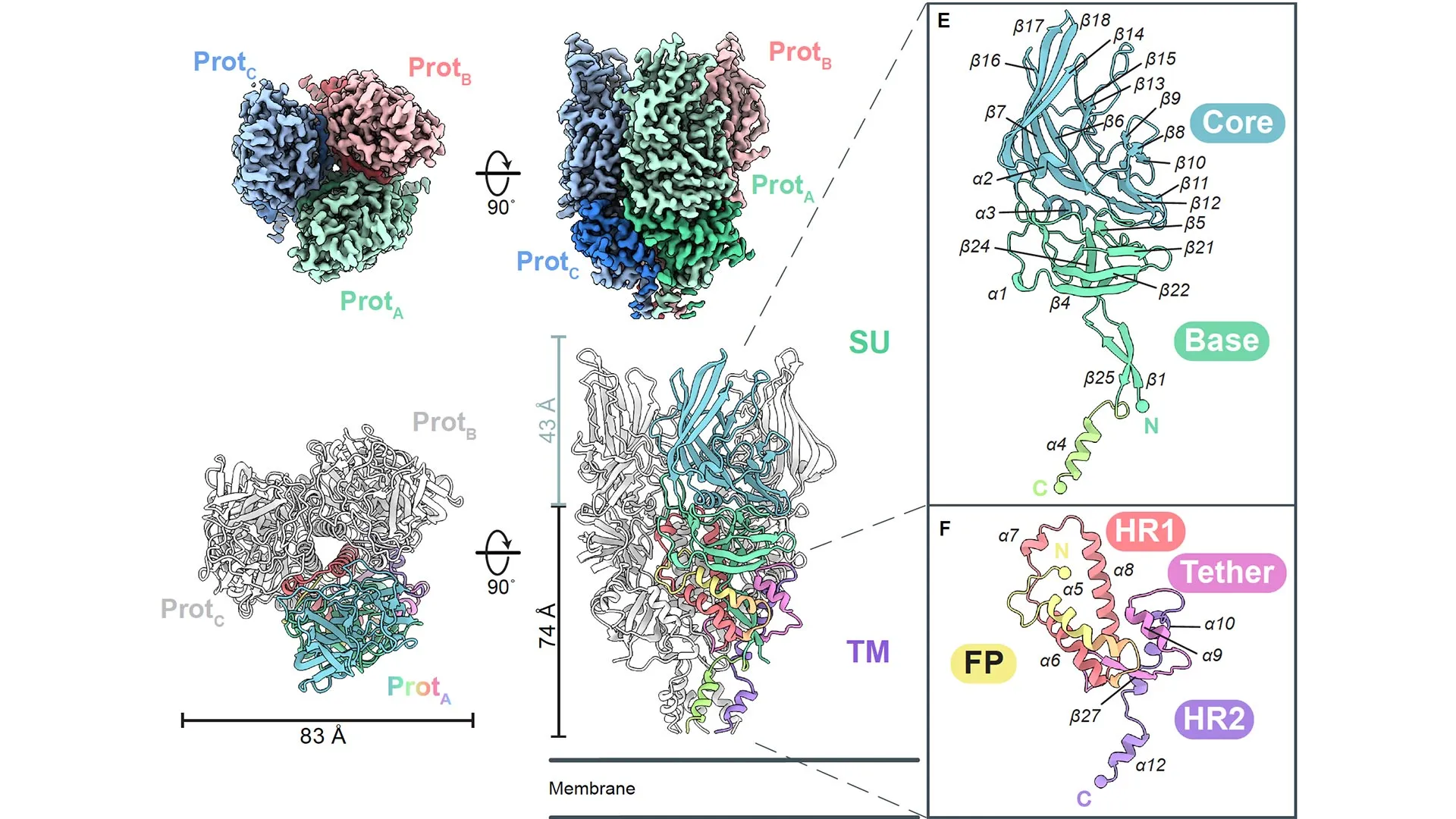
Now scientists at La Jolla Institute for Immunology (LJI) have published a first look at a key viral protein. In a study published in Science Advances, LJI researchers revealed the first three-dimensional structure of a protein from one of these ancient “human endogenous retroviruses (HERVs).”
The team mapped the surface envelope glycoprotein (Env), the antibody target of the most active HERV, marking a milestone in structural biology. “This is the first human HERV protein structure ever solved — and only the third retroviral envelope structure solved overall, after human immunodeficiency virus (HIV) and simian immunodeficiency virus (SIV),” says Erica Ollmann Saphire, Ph.D., MBA, LJI President, CEO, and Professor.
This discovery opens the door to new strategies for diagnosing and treating disease. Back in the evolutionary past, HERV-K Env proteins studded the outside of the HERV-K retroviruses. But in modern humans, HERV-K Env proteins show up on the surface of certain tumor cells and in patients with autoimmune and neurodegenerative diseases, making them a valuable target for developing novel diagnostics and therapies.
“In many disease states, like autoimmune diseases and cancer, these genes re-awaken and start making pieces of these viruses,” says Saphire. “Understanding the HERV-K Env structure, and the antibodies we now have, opens up diagnostic and treatment opportunities.”
An unexpected “twist”
Until now, HERV proteins had been invisible. They’ve proven too mobile — and too twitchy — to be seen with even the most sophisticated imaging techniques. Solving the structure of HERV-K Env was especially challenging because the LJI team needed to capture the protein’s delicate “pre-fusion” state.

Envelope proteins are full of potential energy — they’re essentially spring-loaded to merge with a host cell to start the infection process. This means pre-fusion proteins are prone to spontaneous switching to their later, post-fusion state. “You can look at them funny, and they’ll unfold,” says LJI Postdoctoral Fellow Jeremy Shek, who spearheaded the study as co-first author with LJI Postdoctoral Fellow Chen Sun, Ph.D.
To study the three-dimensional structure of HERV-K Env, the researchers introduced small substitutions to lock the protein’s structure in place, while preserving its natural shape. Saphire and her team have used this approach before to reveal the structures of key proteins on Ebola virus, Lassa virus, and more. The researchers also discovered and characterized specific antibodies that helped anchor different versions of the viral proteins.
After stabilizing their HERV-K Env structures, the LJI team used a high-resolution imaging technique called cryo-electron microscopy to capture 3D images of HERV-K Env at three key moments: cell surface, in the act of driving infection, and when it locks together with antibodies.
Many viral envelope glycoproteins have a trimer structure, but HERV-K Env is different from anything scientists had seen before, including trimers from other retroviruses. Unlike the shorter, squatter trimers made by HIV and SIV, the HERV-K Env is tall and lean. Further, the protein’s fold — the weaving together of strands and coils that build the working machine — is unlike any other retrovirus.
A new path for clinical research
The new LJI study opens the door to using HERV-K Env to our advantage. Understanding the HERV-K Env structure, and how antibodies target it, may prove useful for developing diagnostic tools or new therapeutics.

For example, many types of cancer cells — from breast cancers to ovarian cancers — but not healthy cells, are dotted with HERV-K Env proteins. This means antibodies against HERV could distinguish cancer cells from healthy cells. As Sun explains, scientists could develop cancer immunotherapies that zero in on HERV-K Env to track down tumor cells. “We can use it as a strategy to specifically target cancer cells,” says Sun.
People with autoimmune diseases such as lupus or rheumatoid arthritis also express HERV-K Env on their cells. Some scientists suspect that patients’ immune cells see these strange proteins and think the body is under attack. Just like during a normal viral infection, their B cells start making antibodies against HERV-K Env proteins.
“Understanding how antibodies recognize these proteins was challenging because there was no structure and precious few good antibodies yet available,” says Saphire.
So the LJI team made their own panel of antibodies to reveal how the immune system can target the different subunits of the molecule in all its different shapes. Once scientists understand how these antibody attacks work, they can try to intervene and stop harmful inflammation.
The scientists also tested the idea that their antibodies may also be useful tools for diagnosing many autoimmune diseases. They used the antibodies to try and hunt down immune cells in samples from patients with rheumatoid arthritis and lupus. When Saphire and her colleagues tagged these antibodies with a molecular flag, they were able to quickly detect HERV-K Env on neutrophils, a type of immune cell that can cause inflammation.
“These antibodies marked aberrant HERV display on neutrophils from rheumatoid arthritis and lupus patients, but not healthy controls,” says Saphire.
The interest in HERVs is quickly growing, and scientists are finding more and more diseases where HERV-K Env crops up. “We can really pick whatever disease we’re interested in and go down that route,” says Shek.
These projects may someday advance clinical care — and our fundamental understanding of human biology. After all, we’re all part virus. It’s time to get to know that part of ourselves.
Additional authors of the study, “Human endogenous retrovirus K (HERV-K) envelope structures in pre- and postfusion by cryo-EM,” were Elise M. Wilson, Fatemeh Moadab, Kathryn M. Hastie, Roshan R. Rajamanickam, Patrick J. Penalosa, Stephanie S. Harkins, Diptiben Parekh, Chitra Hariharan, Dawid S. Zyla, Cassandra Yu, Kelly C.L. Shaffer, Victoria I. Lewis, Ruben Diaz Avalos, and Tomas Mustelin,
This study was supported by a Curebound Discovery Grant (13502-01-000-408) and by LJI & Kyowa Kirin, Inc. (KKNA-Kyowa Kirin North America; and a Kirin North America Accelerator Grant [18030-01-000-408]).

Read more →

Why Alzheimer’s attacks the brain’s memory hub first

One of the first parts of the brain affected by Alzheimer’s disease is the entorhinal cortex — a region that plays a big role in memory, spatial navigation, and the brain’s internal mapping system.
With support from the Commonwealth of Virginia’s Alzheimer’s and Related Diseases Research Award Fund (ARDRAF), Fralin Biomedical Research Institute at VTC scientists Sharon Swanger and Shannon Farris are working to understand why this area is especially vulnerable.
Swanger studies how brain cells communicate across synapses in disease-susceptible brain circuits, while Farris focuses on how different circuits in the brain’s memory center function at the molecular level. Their overlapping expertise made the collaboration a natural fit.
“We’ve both been studying how circuits differ at the molecular level for a while,” said Swanger, an assistant professor at the research institute. “This new collaborative project brings together my work on synapses and Shannon’s on mitochondria in a way that addresses a big gap in the Alzheimer’s disease field.”
“This kind of state-level support is critical,” Farris said. “It gives researchers in Virginia the chance to ask questions that may eventually make a difference for people living with Alzheimer’s. It’s meaningful to be part of research that could help people facing that journey.”
A key focus of their research is mitochondria — tiny structures inside brain cells that provide the energy needed for a variety of cellular functions in neurons including synaptic transmission. In Alzheimer’s disease, mitochondria stop working properly in the course of the disease.
Farris and Swanger are investigating whether mitochondria in a vulnerable memory-related circuit may become overloaded with calcium, a key signaling chemical for multiple neuronal and synaptic processes. That overload could contribute to the early breakdown of memory circuits.
“The connection between these cells is one of the first to fail in Alzheimer’s,” Farris said. “We found that this synapse has unusually strong calcium signals in nearby mitochondria — so strong we can see them clearly under a light microscope. Those kinds of signals are hard to ignore. It gives us a model where we can really watch what’s happening as things start to go wrong.”
To test their hypothesis, the researchers will study brain tissue from healthy mice and mice with certain aspects of Alzheimer’s pathology. By comparing how mitochondria function and how brain cells communicate across synapses in each group, they hope to find early signs of stress or failure in the entorhinal cortex-hippocampus circuit.
Swanger and Farris are members of the Fralin Biomedical Research Institute’s Center for Neurobiology Research and also faculty in the Department of Biomedical Sciences and Pathobiology of the Virginia-Maryland College of Veterinary Medicine.

Read more →

Energy drinks to be banned for under 16s

The government is planning a new law in England to stop anyone under the age of 16 buying energy drinks such as Red Bull, Monster and Prime from shops, restaurants, cafes, vending machines and online.Up to a third of UK children are thought to consume these types of drinks every week, despite most supermarkets having already introduced a voluntary ban. Some popular drinks contain more caffeine than two cups of coffee. Health and Social Care Secretary Wes Streeting said he was acting on the concerns of parents and teachers and tackling the issue “head on”, to protect young people’s health.Lower-caffeine soft drinks, such Diet Coke, are not affected, and neither are tea and coffee.A consultation will now run for 12 weeks to gather evidence from health and education experts as well as the public and retailers and manufacturers.TV chef Jamie Oliver has repeatedly warned of the dangers and disruption energy drinks can cause, with kids coming into school “bouncing off the walls” having had energy drinks for breakfast. “We are talking about three, four shots of espresso in one of these things. Loads of sugar. So an absolute nightmare,” he said in a video posted on X last year. Excessive consumption is linked to headaches and sleep problems.Too much caffeine can cause a rapid heart rate, abnormal heart rhythms and seizures too. Although rare, there have been some deaths linked to excess caffeine. Under current labelling rules, any drink, other than tea or coffee, with over 150mg of caffeine per litre requires a warning label saying: “High caffeine content. Not recommended for children or pregnant or breast-feeding women.”Young people have smaller bodies and their brains are still developing, which can make them more sensitive to caffeine, say experts. For most adults, up to 400mg of caffeine a day, or about four cups of instant coffee or five cups of tea, is safe.”By preventing shops from selling these drinks to kids, we’re helping build the foundations for healthier and happier generations to come,” said Mr Streeting. Prof Steve Turner, president of the Royal College of Paediatrics and Child Health, said a ban was the “next logical step” in making children’s diets more healthy.And Prof Amelia Lake from Teesside University, who has studied the drinks’ impact on young people’s lives, said they had “no place” in the diets of children.”Our research has shown the significant mental and physical health consequences of children drinking energy drinks.”We know these drinks are part of youth culture and associated with sports, gaming, music and more, but there is a lack of clear signalling about their health consequences.”But Gavin Partington from the British Soft Drinks Association said manufacturers had already led the way with self regulation. “As with all government policy, it’s essential that any forthcoming regulation is based on a rigorous assessment of the evidence that’s available,” he added. Northern Ireland, Scotland and Wales are also considering a ban.

Read more →

Adults with learning difficulties die 20 years early, report finds

16 minutes agoShareSaveJim ReedHealth reporterShareSaveGetty ImagesPeople with learning disabilities and autism in England are dying almost 20 years younger than the rest of the population, a long-awaited report has said.The annual mortality review commissioned by NHS England was originally meant to be published last year but faced repeated delays.It found 39% of deaths of people with learning disabilities and autism were classed as avoidable in 2023, almost twice as high as the general population. NHS England said it was rolling out more training for staff and identifying patients with learning disabilities earlier so they can be given more “appropriate care”.The charity Mencap says about 1.5 million people in the UK have a learning disability which it defines as a lifelong reduced intellectual ability, usually identified soon after birth or in the early years.The Learning Disabilities Mortality Review (LeDeR) was created in 2015 to try to understand why so many in that group were dying younger than the wider population and from avoidable causes.The latest research, led by a team at King’s College London, looked at data from the deaths of 3,556 adults in 2023 and compared it to previous years.It found that while there had been some improvements, with life expectancy increasing slightly to 62.5 years old, those with learning disabilities and autism were still experiencing significant inequalities.”These stark new figures show people with a learning disability are dying a shocking 19.5 years younger than the general population,” said Mencap’s chief executive Jon Sparkes.”People with a learning disability and their families deserve better. In this day and age, no one should die early because they don’t get the right treatment.”In 2023 the most common causes of avoidable death in people with learning difficulties were influenza, pneumonia, cancers of the digestive tract and heart disease.’Hard to live with the knowledge’David Lodge, 40, lived with multiple learning disabilities including autism, dyspraxia and dysarthria, which prevented him speaking. In January 2022 he was taken to Hull Royal Infirmary after he was found severely dehydrated on the floor next to the body of his father Peter who had collapsed and died unexpectedly.His sister Dr Keri Lodge, a consultant psychiatrist, said there was an “overwhelming lack of urgency” when her brother arrived at hospital.”Any other 40-year-old man who had not drunk or eaten anything for days would be treated very quickly but with David there was none of that,” she said.”There was just this sense of: ‘We will put you in this side room and keep you away.'”A later inquest heard there were multiple failings in David’s care. He was not offered pain relief, basic examinations were not carried out, and he was transferred to an acute admissions unit instead of intensive care, where he died hours later.”They were side-tracked by the fact he had a learning disability,” says Dr Lodge. “I think he would have been treated very differently if that wasn’t the case and it’s so hard to live with that knowledge.”A spokeswoman for Humber Health Partnership, the NHS trust which runs the hospital, apologised to the family and said its processes have been changed to ensure patients with learning difficulties receive compassionate treatment at all times.’Not enough progress’The latest report found 37% of deaths of people with learning disabilities or autism involved some form of delay in care or treatment, while 28% reported instances where diagnosis and treatment guidelines were not met.Andre Strydom, the report’s chief investigator and a professor in intellectual disabilities at King’s College London, said progress had been made by the NHS in some areas but there was a need for initiatives such as annual health checks and better support for patients with learning difficulties who are admitted to hospital.Richard Keegan Bull, a research assistant with a learning disability from Kingston University who helped produce the report, told the BBC he found the findings “really upsetting”. “People [with learning difficulties] are still dying quite young in hospitals and are not getting the right support and care they need,” he said.”It could be me or it could be somebody I know and I want these deaths to be taken really seriously.”An NHS spokeswoman said the report showed progress was being made but it was clear more needs to be done to meet the needs of people with learning disabilities. “The NHS has rolled out training to more than three million health and care staff to improve the care offered to learning disability and autism patients, and all disabled people have a ‘reasonable adjustment digital flag’ so they are recognised and cared for appropriately when getting NHS support,” she added.

Read more →

Scientists discover how to wipe out breast cancer’s hidden cells

A first-of-its-kind, federally funded clinical trial has shown it’s possible to identify breast cancer survivors who are at higher risk of their cancer coming back due to the presence of dormant cancer cells and to effectively treat these cells with repurposed, existing drugs. The research, led by scientists from the Abramson Cancer Center of the University of Pennsylvania and Penn’s Perelman School of Medicine was published today in Nature Medicine.
While breast cancer survival continues to improve, thanks to advances in detection and treatment, when breast cancer relapses — or returns after initial treatment — it is still incurable. For the 30 percent of women and men who do relapse, the only option is continuous and indefinite treatment which cannot eliminate the cancer completely. Some breast cancers, like triple negative and HER2+, recur within a few years, and others like ER+ can recur decades later. Until now, there has not been a way to identify those breast cancer survivors who harbor the dormant cells that lead to recurrence in real time and to intervene with a treatment that can prevent incurable relapse.
In a randomized phase II clinical trial with 51 breast cancer survivors, existing drugs were able to clear dormant tumor cells from 80 percent of the study participants. The three-year survival rate without any disease recurrence was above 90 percent in patients who received one drug and 100 percent for patients who received both study drugs.
“The lingering fear of cancer returning is something that hangs over many breast cancer survivors after they celebrate the end of treatment,” said principal investigator Angela DeMichele, MD, MSCE, FASCO, the Mariann T. and Robert J. MacDonald Professor in Breast Cancer Research. “Right now, we just don’t know when or if someone’s cancer will come back — that’s the problem we set out to solve. Our study shows that preventing recurrence by monitoring and targeting dormant tumor cells is a strategy that holds real promise, and I hope it ignites more research in this area.”
Seizing a window of opportunity to wipe out cancer while it’s sleeping
The study builds on previous research that showed how dormant tumor cells continue to lay in wait in some patients after breast cancer treatment. These so-called “sleeper cells,” also referred to as minimal residual disease (MRD), can reactivate years or even decades later. Because they are not “active” cancer cells and can be scattered throughout the body, they do not show up on standard imaging tests that are used to watch for breast cancer recurrence.
Once the sleeper cells begin to expand and circulate in the bloodstream, it can lead to the spread of metastatic breast cancer. Patients who have MRD are more likely to experience breast cancer recurrence and have decreased overall survival.

Lewis Chodosh, MD, PhD, chair of Cancer Biology and senior author of the study, previously led research to identify the pathways that allow dormant tumor cells to survive in patients for decades.
“Our research shows that this sleeper phase represents an opportunity to intervene and eradicate the dormant tumor cells before they have the chance to come back as aggressive, metastatic disease,” Chodosh said. “Surprisingly, we’ve found that certain drugs that don’t work against actively growing cancers can be very effective against these sleeper cells. This tells us that the biology of dormant tumor cells is very different from active cancer cells.”
In the preclinical part of the latest research publication, Chodosh’s team conducted a series of experiments in mice to better understand the underlying mechanisms. They showed that two different drugs — approved by the FDA to treat other conditions — could effectively clear MRD in mice, resulting in longer survival without cancer recurrence. The drugs target autophagy and mTOR signaling, which the researchers found were key mechanisms to allow the tumor cells to remain dormant.
Translating science into original clinical trials
DeMichele’s team first enrolled breast cancer survivors who had completed treatment within the last five years and had clear scans into a screening study that looked for dormant tumor cells in participant’s bone marrow.
If dormant tumor cells were found, patients were then eligible to enroll in the Phase II CLEVER clinical trial, which randomized patients to receive six cycles of either monotherapy with one of two study drugs, or combination therapy with both drugs. The treatment cleared dormant tumor cells in most patients after six to 12 months. After a median follow-up time of 42 months, only two patients on the study have experienced a cancer recurrence.
“We want to be able to give patients a better option than ‘wait and see’ after they complete breast cancer treatment,” DeMichele said. “We’re encouraged by these results that we’re on the right track.”
The team is already enrolling patients in two larger, ongoing studies to confirm and extend the results of the CLEVER study: the Phase II ABBY clinical trial and the Phase II PALAVY clinical trial, available at several cancer centers across the country. Patients interested in learning more about these or other breast cancer clinical trials at Penn Medicine should contact [email protected].
The research was made possible with funding from the National Cancer Institute (R01CA208273) and Department of Defense (BC160784), with additional support from the V Foundation, Breast Cancer Research Foundation, QVC “Shoes on Sale,” Avon Foundation, Raynier Institute & Foundation, and generous philanthropic donations. DeMichele previously reported interim outcomes data from the study at the European Society for Medical Oncology (ESMO) Congress 2023.

Read more →

Study finds cannabis improves sleep where other drugs fail

Insomnia patients taking cannabis-based medical products reported better quality sleep after up to 18 months of treatment, according to a study published August 27 in the open-access journal PLOS Mental Health by Arushika Aggarwal from Imperial College London, U.K., and colleagues.
About one out of every three people has some trouble getting a good night’s rest, and 10 percent of adults meet the criteria for an insomnia disorder. But current treatments can be difficult to obtain, and the drugs approved for insomnia run the risk of dependence. To understand how cannabis-based medical products might affect insomnia symptoms, the authors of this study analyzed a set of 124 insomnia patients taking medical cannabis products. They examined the patient’s reports of their sleep quality, anxiety/depression, and quality of life changes between one and 18 months of treatment.
The patients reported improved sleep quality that lasted over the 18 months of treatment. They also showed significant improvements in anxiety/depression as well as reporting less pain. About nine percent of the patients reported adverse effects such as fatigue, insomnia, or dry mouth, but none of the side effects were life-threatening. While randomized controlled trials will be needed to prove that the products are safe and effective, the authors suggest that cannabis-based medical products could improve sleep quality in insomnia patients.
Co-author Dr. Simon Erridge, Research Director at Curaleaf Clinic, summarizes: “Over an 18-month period, our study showed that treatment for insomnia with cannabis-based medicinal products was associated with sustained improvements in subjective sleep quality and anxiety symptoms. These findings support the potential role of medical cannabis as a medical option where conventional treatments have proven ineffective, though further randomised trials are needed to confirm long-term efficacy.”
He adds: “Conducting this long-term study provided valuable real-world evidence on patient outcomes that go beyond what we typically see in short-term trials. It was particularly interesting to observe signs of potential tolerance over time, which highlights the importance of continued monitoring and individualized treatment plans.”

Read more →

Scientists reveal how breathwork unlocks psychedelic bliss in the brain

Breathwork while listening to music may induce a blissful state in practitioners, accompanied by changes in blood flow to emotion-processing brain regions, according to a study published August 27, 2025, in the open-access journal PLOS One by Amy Amla Kartar from the Colasanti Lab in the Department of Clinical Neuroscience at Brighton and Sussex Medical School, U.K., and colleagues. These changes occur even while the body’s stress response may be activated and are associated with reporting reduced negative emotions.
The popularity of breathwork as a therapeutic tool for psychological distress is rapidly expanding. Breathwork practices that increase ventilatory rate or depth, accompanied by music, can lead to altered states of consciousness (ASCs) similar to those evoked by psychedelic substances. High ventilation breathwork (HVB) might offer a non-pharmacological alternative, with fewer legal and ethical restrictions to large-scale adoption in clinical treatment. However, the neurobiological mechanisms and subjective experience underlying ASCs induced by HVB have not been studied extensively.
To fill this knowledge gap, Kartar and colleagues characterized ASCs induced by HVB in experienced practitioners by analyzing self-reported data from 15 individuals who participated online, 8 individuals who participated in the lab, and 19 individuals who underwent magnetic resonance imaging. Their task consisted of a 20- to 30-minute session of cyclic breathing without pausing while listening to music, followed by a series of questionnaires within 30 minutes of finishing the breathwork session.
The results showed that the intensity of ASCs evoked by HVB was proportional to cardiovascular sympathetic activation, as indicated by a decrease in heart rate variability, indicating a potential stress response. In addition, HVB-evoked ASCs were associated with a profound decrease in blood flow to the left operculum and posterior insula – brain regions implicated in representing the internal state of the body, including breathing. Also, despite HVB causing large and global reductions in blood flow to the brain, there was a progressive increase in blood flow during the session to the right amygdala and anterior hippocampus, which are brain regions involved in the processing of emotional memories. These blood flow changes correlated with psychedelic experiences, demonstrating that these alterations may underlie the positive effects of this breathwork.
During all experimental sessions, participants reported a reduction in fear and negative emotions, with no adverse reactions. Across participants and experimental settings, HVB reliably enhanced ASCs dominated by Oceanic Boundlessness (OBN), which is a term coined by Freud in 1920 that describes a set of related feelings including spiritual experience, insightfulness, blissful state, positively experienced depersonalization, and the experience of unity. OBN is considered as a defining aspect of ASCs evoked by psychedelic substances, such as psilocybin.
According to the authors, their study was novel and exploratory and requires replication by future research including larger sample sizes and a control group to separate the effects of music on the brain. Despite these limitations, the findings provide a better understanding of HVB and direct research to investigate its therapeutic applications.
The authors add: “Our research is the first to use neuroimaging to map the neurophysiological changes that occur during breathwork. Our key findings include that breathwork can reliably evoke profound psychedelic states. We believe that these states are linked to changes in the function of specific brain regions involved in self-awareness, and fear and emotional memory processing. We found that more profound changes in blood flow in specific brain areas were linked to deeper sensations of unity, bliss, and emotional release, collectively known as “oceanic boundlessness.”
Amy Kartar, lead author, adds: “Conducting this research was a fantastic experience. It was thrilling to explore such a novel area – while many people anecdotally recognize the health benefits of breathwork, this style of fast-paced breathing has received very little scientific attention. We are very grateful to our participants for making this work possible.”
Dr. Alessandro Colasanti, P.I., adds: “Breathwork is a powerful yet natural tool for neuromodulation, working through the regulation of metabolism across the body and brain. It holds tremendous promise as a transformative therapeutic intervention for conditions that are often both distressing and disabling.”

Read more →

The midlife crisis is over, but something worse took its place

A new survey-based study suggests that the “unhappiness hump” — a widely documented rise in worry, stress, and depression with age that peaks in midlife and then declines — may have disappeared, perhaps due to declining mental health among younger people. David Blanchflower of Dartmouth College, U.S., and colleagues present these findings in the open-access journal PLOS One on August 27, 2025.
Since 2008, a U-shaped trend in well-being with age, in which well-being tends to decline from childhood until around age 50 before rebounding in old age, has been observed in developed and developing countries worldwide. Data have also revealed a corresponding “ill-being” or unhappiness hump.
Recent data point to a worldwide decline in well-being among younger people, but most studies have not directly addressed potential implications for the unhappiness hump. To help clarify, Blanchflower and colleagues first analyzed data from U.S. and U.K. surveys that included questions about participants’ mental health. U.S. data included responses from more than 10 million adults surveyed by the Centers for Disease Control and Prevention between 1993 and 2024. U.K. data spanned 2009 through 2023 and were collected in the ongoing U.K. Household Longitudinal Study, which involves 40,000 households.
The analysis showed that, in the U.S. and the U.K., the ill-being hump has disappeared, such that ill-being / unhappiness now tends to decline over the course of a lifetime. Ill-being among people in their late 40s and older did not change significantly. Instead, the hump’s disappearance appears to be due to a decline in mental health among younger people.
Next, the researchers analyzed data on nearly 2 million people from 44 countries, including the U.S. and the U.K., from a mental health study called Global Minds. Covering the years 2020 through 2025, these data suggest the unhappiness hump has disappeared worldwide.
Reasons for the disappearance of the unhappiness hump are unclear. The authors suggest several possibilities, including long-term impacts of the Great Recession on job prospects for younger people, underfunded mental health care services, mental health challenges posed by the COVID-19 pandemic, and increased social media use. Further research is needed to determine whether any of these or other factors are at play.
The authors add: “Ours is the first paper to show that the decline in young people’s mental health in recent years means that today, both in the United States and the United Kingdom, mental ill-being is highest among the young and declines with age. This is a huge change from the past when mental ill-being peaked in middle-age. The reasons for the change are disputed but our concern is that today there is a serious mental health crisis among the young that needs addressing.”

Read more →