Sleepless nights may raise dementia risk by 40%, Mayo Clinic reveals

Chronic insomnia — trouble sleeping at least three days a week for three months or more — could speed up brain aging. People with chronic insomnia were 40% more likely to develop dementia or mild cognitive issues than people without insomnia. Insomnia with perceived reduced sleep was associated with lower cognition comparable to being four years older. Better sleep isn’t just beauty rest — it might protect your brain health.People with chronic insomnia may experience faster declines in memory and thinking skills as they age — along with brain changes that can be seen on imaging scans — than people who do not have chronic insomnia, according to a study published in the September 10, 2025, issue of Neurology, the medical journal of the American Academy of Neurology.The study found that people with chronic insomnia — trouble sleeping at least three days a week for three months or more — had a 40% higher risk of developing mild cognitive impairment or dementia than those without insomnia, which is the equivalent of 3.5 additional years of aging. The study does not prove that insomnia causes brain aging, it only shows an association.
“Insomnia doesn’t just affect how you feel the next day — it may also impact your brain health over time,” said study author Diego Z. Carvalho, MD, of the Mayo Clinic in Rochester, Minnesota, and a member of the American Academy of Neurology. “We saw faster decline in thinking skills and changes in the brain that suggest chronic insomnia could be an early warning sign or even a contributor to future cognitive problems.”
The study tracked a group of cognitively healthy older adults — 2,750 people with an average age of 70 — for an average of 5.6 years. Of participants, 16% had chronic insomnia.
At the start of the study, participants were asked whether they had been sleeping more or less than usual during the past two weeks. They also took yearly thinking and memory tests, and some had brain scans to look for white matter hyperintensities — areas where small vessel disease may have damaged brain tissue — and for amyloid plaques, a protein that can build up and is linked to Alzheimer’s disease.
During the study, 14% of the people with chronic insomnia developed mild cognitive impairment or dementia, compared to 10% of those who did not have insomnia.

After accounting for factors like age, high blood pressure, use of sleep medications and a diagnosis of sleep apnea, they found that people with insomnia were 40% more likely to develop mild cognitive impairment or dementia than those without insomnia. They also had faster declines on tests measuring different thinking skills.
Among those with insomnia, researchers determined the type: those getting less sleep than usual in the past two weeks; or those getting more sleep than usual in the past two weeks.
People who reported getting less sleep than usual were more likely to have lower cognitive test scores at the beginning of the study, comparable to being four years older. They also had more white matter hyperintensities and amyloid plaques. For amyloid, the effect was similar to what is seen in people with the APOE ε4 gene, a known genetic risk factor.
People who reported getting more sleep than usual, on the other hand, were more likely to have fewer white matter hyperintensities at the start of the study.
Some groups were especially vulnerable. Participants who carry the APOE ε4 gene — linked to higher Alzheimer’s risk — showed steeper declines in memory and thinking skills.
“Our results suggest that insomnia may affect the brain in different ways, involving not only amyloid plaques, but also small vessels supplying blood to the brain,” Carvalho said. “This reinforces the importance of treating chronic insomnia — not just to improve sleep quality but potentially to protect brain health as we age. Our results also add to a growing body of evidence that sleep isn’t just about rest — it’s also about brain resilience.”
A limitation of the study was that insomnia diagnoses came from medical records, which do not capture undiagnosed cases or reflect how severe symptoms are.
The study was supported by the National Institutes of Health, GHR Foundation, Mayo Foundation for Medical Education and Research, and a grant from Sleep Number Corporation to the Mayo Clinic.

Read more →

AI can now predict who will go blind, years before doctors can

Researchers have successfully used artificial intelligence (AI) to predict which patients need treatment to stabilise their corneas and preserve their eyesight, in a study presented today (Sunday) at the 43rd Congress of the European Society of Cataract and Refractive Surgeons (ESCRS). [1]
The research focused on people with keratoconus, a visual impairment that generally develops in teenagers and young adults and tends to worsen into adulthood. It affects up to 1 in 350 people. In some cases, the condition can be managed with contact lenses, but in others it deteriorates quickly and if it is not treated, patients may need a corneal transplant. Currently the only way to tell who needs treatment is to monitor patients over time.
The researchers used AI to assess images of patients’ eyes, combined with other data, and to successfully predict which patients needed prompt treatment and which could continue with monitoring.
The study was by Dr Shafi Balal and colleagues at Moorfields Eye Hospital NHS Foundation Trust, London, and University College London (UCL), UK. He said: “In people with keratoconus, the cornea – the eye’s front window – bulges outwards. Keratoconus causes visual impairment in young, working-age patients and it is the most common reason for corneal transplantation in the Western world.
“A single treatment called ‘cross-linking’ can halt disease progression. When performed before permanent scarring develops, cross-linking often prevents the need for corneal transplantation. However, doctors cannot currently predict which patients will progress and require treatment, and which will remain stable with monitoring alone. This means patients need frequent monitoring over many years, with cross-linking typically performed after progression has already occurred.”
The study involved a group of patients who were referred to Moorfields Eye Hospital NHS Foundation Trust for keratoconus assessment and monitoring, including scanning the front of the eye with optical coherence tomography (OCT) to examine its shape. Researchers used AI to study 36,673 OCT images of 6,684 different patients along with other patient data.
The AI algorithm could accurately predict whether a patient’s condition would deteriorate or remain stable using images and data from the first visit alone. Using AI, the researchers could sort two-thirds of patients into a low-risk group, who did not need treatment, and the other third into a high-risk group, who needed prompt cross-linking treatment. When information from a second hospital visit was included, the algorithm could successfully categorise up to 90% of patients.

Cross linking treatment uses ultraviolet light and vitamin B2 (riboflavin) drops to stiffen the cornea, and it is successful in more than 95% of cases.
Dr Balal said: “Our research shows that we can use AI to predict which patients need treatment and which can continue with monitoring. This is the first study of its kind to obtain this level of accuracy in predicting the risk of keratoconus progression from a combination of scans and patient data, and it uses a large cohort of patients monitored over two years or more. Although this study is limited to using one specific OCT device, the research methods and AI algorithm used can be applied to other devices. The algorithm will now undergo further safety testing before it is deployed in the clinical setting.
“Our results could mean that patients with high-risk keratoconus will be able to receive preventative treatment before their condition progresses. This will prevent vision loss and avoid the need for corneal transplant surgery with its associated complications and recovery burden. Low-risk patients will avoid unnecessary frequent monitoring, freeing up healthcare resources. The effective sorting of patients by the algorithm will allow specialists to be redirected to areas with the greatest need.”
The researchers are now developing a more powerful AI algorithm, trained on millions of eye scans, that can be tailored for specific tasks, including predicting keratoconus progression, but also other tasks such as detecting eye infections and inherited eye diseases.
Dr José Luis Güell, ESCRS Trustee and Head of the Cornea, Cataract and Refractive Surgery Department at the Instituto de Microcirugía Ocular, Barcelona, Spain, who was not involved in the research, said: “Keratoconus is a manageable condition, but knowing who to treat, and when and how to give treatment is challenging. Unfortunately, this problem can lead to delays, with many patients experiencing vision loss and requiring invasive implant or transplant surgery.
“This research suggests that we can use AI to help predict who will progress, even from their first routine consultation, meaning we could treat patients early before progression and secondary changes. Equally, we could reduce unnecessary monitoring of patients whose condition is stable. If it consistently demonstrates its effectiveness, this technology would ultimately prevent vision loss and more difficult management strategies in young, working-age patients.”
Notes ESCRS25-FP-2399, ‘Prediction Of Keratoconus Progression Using Multi-Modal Deep Learning’, Shafi Balal et al, session: Keratoconus clinics and diagnostics, 08.30 hrs CEST, Sunday 14 September, https://pag.virtual-meeting.org/escrs/escrs2025/en-GB/pag/session/97345Funding: ESCRS Digital Research Award, Frost Trust and the UK National Institute of Health and Research (NIHR).

Read more →

Cut and bulk: Teenagers explain why they want to get ripped

14 minutes agoShareSaveRuth CleggHealth and wellbeing reporterShareSaveGeorge HollandRipped. Shredded. Jacked. Swole. Which are you?Gym jargon such as this, which refers to the size and definition of muscles, has long been heard exchanged between pumped men in gym locker rooms – and now among teenagers too.TikTok videos show boys as young as 13 and 14 in school toilets, flexing veiny biceps which bulge out of their school uniforms.The quest for brick-like abs has become serious business – even if you’re still only in Year 8 – with posts on socials with hashtags like #shreddedphysique being viewed more than four billion times.The desire to get this look, for many, might mean doing a few deadlifts and drinking a protein shake from time to time. For others, it could be working out a few times a week, playing sport and eating a lot of chicken.But for a growing few it means going to the gym most nights, often following intense training regimes from social media, and learning how to “cut and bulk”.The cut and bulk cycle consists of eating hundreds of calories more than your recommended daily intake to get bigger, retaining some fat in the process, then several weeks later cutting calorie intake down to lose the fat for a leaner, more defined look.It can be all-consuming, and involves a lot of calorie counting, working out and dedication.Some sports nutritionists say it can be harmful – affecting hormone health, growth, and development, and could potentially lead to problems with eating disorders such as muscle dysmorphia – the idea your body is smaller and less muscly than it actually is.I’ve spoken to three teenagers, who all share a love of the gym, about what is driving them to get ripped this way.The 14-year-old body builderGeorge HollandWhen George Holland first walked on stage he thought he might feel nervous. The 14-year-old was by far the youngest contestant in the under-19s category of the National Amateur Body-Builders’ Association finals.Wearing fake tan and a pair of small trunks, it might have felt a bit exposing to start flexing his muscles before an audience of hundreds – but, George says, “I had practiced everything and I knew there was nothing to be worried about.” He went on to win the bronze medal.George joined a gym when he was 11, having watched some of the bodybuilding greats online who inspired him to give it a go. In the early days, he explains, he would work on each muscle group twice a week, lifting no more than 10kg – the heaviest permitted for a child under 16 at his local leisure centre.But, after changing gyms, for a “proper gym vibe”, he says, he could start to increase the load, working out alongside 20-30-year-olds.George HollandAfter seeking out more experienced men from whom to learn, George is now coached by a former Mr Universe, Eddie Ellwood. He’s bench-pressing 140kg, squatting 180kg, and deadlifting 200kg.His drive, he says, comes from looking at others in the gym and wanting to be as big as them. George eats six meals a day, goes to school, trains hard (four days on, one day off, four days on) and posts to his 140,000 followers on TikTok and Instagram.He’s currently in a “bulking” stage, he explains, consuming around 4,100 calories a day. After 16 weeks, he will start to cut, gradually reducing his calorie intake to 2,200 a day.When I ask if he’s worried about the intensity of his fitness regime and the desire to look big at such a young age, he’s very clear: “I completely disagree with that, going to the gym when you are young is dead good for you.”It’s good for your mental health, your overall fitness, and it gives you good discipline.”‘You can’t cheat getting bigger’George Hazard was 12 when he started working out. That was during lockdown and his home gym consisted of a pull-up bar, a few weights, and a plastic bench in his garage.Now 17, he says going to the gym has become a bit of an addiction – he’s there five or six nights a week – and along with his mates, he bulks out and cuts back.George feels it’s helped him stay mobile since recovering from a leg-lengthening operation where a nail was put through his femur bone, after he was born with one leg shorter than the other.He says you can get “fountains of knowledge” from social media, especially around optimal muscle growth. George HazardBut how do you distinguish between well-tested, science-based recommendations and other, less informed suggestions, I ask him?”Once you’ve spent a good few hours on TikTok for example, you get a feeling for what is a load of rubbish and what is good stuff,” George replies.”For a start – the decent ones put links to studies alongside their content.”He says you can workout and eat well, but it can be difficult being so young because you “can’t stick to a strict diet and tell your parents exactly what they have to make for tea”.George does eat lot of chicken, has several eggs for breakfast, and says his grandma is very good at giving him a high protein diet.There is a movement of young people who are interested in health, fitness and working out, he says, and he feels that’s no bad thing.”You work hard and see the results,” George says. “You can’t really cheat getting bigger.”The former ‘dirty bulker’Nat WalneySeeing his uncle powerlifting spurred Nat Walney into working out aged 12 – and he’s loved the gym since “day one”.Between the ages of 13 and 16, he tried “dirty bulking” – a process of eating huge amounts of food to get big. The more he worked out, the bigger he grew. But it became unsustainable.Nat, who is now 18, says he was eating 80% junk, 20% nutritious food and while he might have looked jacked on the outside, on the inside his “gut was a mess”.”I had really bad acne and I felt really self-conscious.”He tried cutting out fast food and other ultra-processed foods, then he found the carnivore diet and began to fast. The carnivore diet does not come without risks, but Nat is adamant it works for him. The 18-year-old shows me the main foods that that he eats: raw steak, eggs and raw milk.”It’s an ancestral diet,” Nat says, “which is what we survived off – it’s primal.”Ruth Clegg, BBCNat fasts for 20 hours a day, to improve his mental clarity, he says. He says his family have always been supportive of his choices, but even they have found it difficult to adjust to his regime.Some studies suggest intermittent fasting can have some positive effects as an adult, but it can be harmful for teenagers because they still need fuel for growth. Nat says he had a “spiritual awakening” after fasting for a week – using ChatGPT for advice and guidance. Fasting for more than three days can have an impact on major organs.Using AI bots to help devise fitness plans is something many do, but they should be used with caution – the quality of the information they provide is variable and may not have any credible evidence behind it. What’s his endgame I ask Nat, surely this kind of lifestyle is difficult to maintain? He wants to promote his way of life online, to “help others” he says. “I’ll keep going for as long as I can. I have recently read something that does not recommend fasting, so if I start to feel bad, then I can just change my diet.”Where does this go next?All the experts I’ve spoken to agree there’s nothing wrong with the desire to be fit and healthy, especially from a young age. But what does that mean? Is “fit and healthy” becoming increasingly wrapped up in a tight torso and sculpted pecs?”Too often, it’s about the look, rather than what healthy really means, which comes in all shapes and sizes,” children’s dietician Lucy Upton explains.She says this growing trend is not only pushing some teenagers to extremes, the advice online on how to achieve it often lacks credible evidence.”Sometimes content [on socials, for example] can nod to a scientific truth, but when examined that ‘truth’ is in a completely different context,” says Ms Upton.In the first instance, she recommends looking more closely at the person posting the content – thinking about whether it’s coming from personal experience or a clinical background, and whether it applies to your own situation.”And if someone is trying to sell something they are endorsing – then that’s a big red flag.”Meanwhile, Sam Grady-Graham, a GB Boxing coach, says following restrictive eating regimes in your teens is potentially harmful. He says the rate of growth between 12 and 18 is “exponential”, so the body needs a full and nutritious diet to fuel it.Foodwise that’s a balanced, holistic diet from the main food groups – fruit, vegetables, grains, proteins and dairy – and not going to extremes.When it comes to working out, and varying levels of intensity, he says don’t go too hard too quickly.”Movement over muscle is the way we look at it,” he says. “Get the movement right when you’re lifting. You might not see progress immediately, but long term, you set yourself a strong foundation to build upon.”More weekend picks

Read more →

Most quit breakthrough weight-loss drug within a year

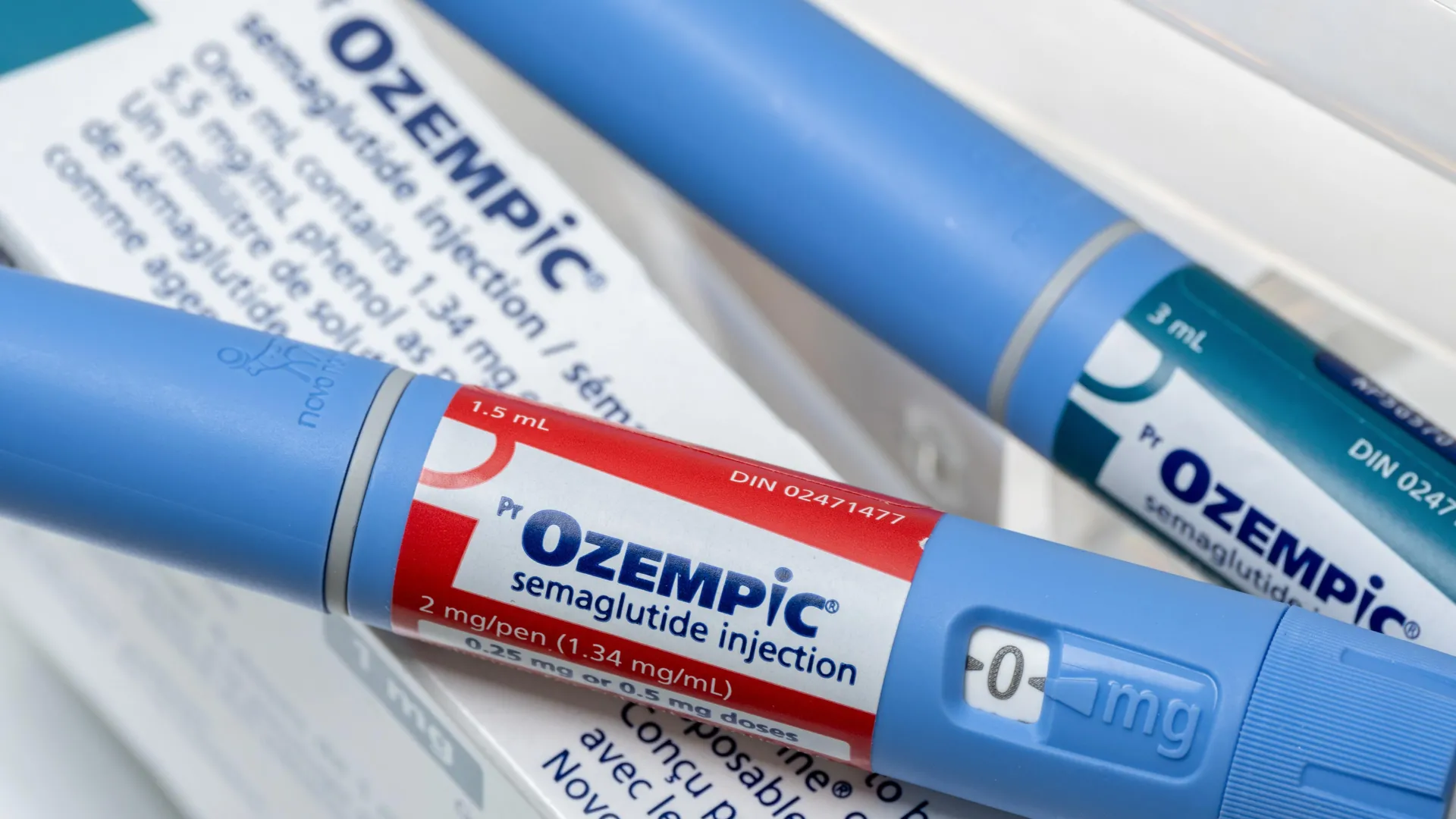
The new class of anti-obesity drugs, glucagon-like peptide-1 receptor agonists (GLP-1RAs), is proving remarkably effective at helping individuals lose weight. However, a new population-wide study being presented at this year’s Annual Meeting of The European Association for the Study of Diabetes (EASD), Vienna (15-19 Sept) finds that half of adults without diabetes who start taking the weight-loss drug semaglutide in Denmark discontinue treatment within a year.
“This level of drop off is concerning because these medications aren’t meant to be a temporary quick fix,” explained lead author Professor Reimar W. Thomsen from the Department of Clinical Epidemiology, Aarhus University and Aarhus University Hospital, Aarhus, Denmark. “For them to work effectively, they need to be taken long term. All of the beneficial effects on appetite control are lost if the medication is stopped.”
Originally developed for diabetes, GLP-1RAs have shown promise in promoting weight loss by reducing appetite and increasing satiety signals from the gut to the brain. However, GLP-1RAs are expensive and can potentially widen health disparities as obesity disproportionally affects marginalised racial, ethnic, and socioeconomic communities.
Moreover, weight regain is common once the medication is discontinued, indicating that people may need to remain on these drugs to keep off the pounds. However, there are growing concerns that many people may stop anti-obesity medications not long after starting them, but population-based data remain scarce.
To provide more evidence, researchers used data from nationwide health registries to examine the likelihood of, and reasons for, discontinuation of semaglutide use for weight loss in all adults (aged 18 or older) without diabetes who initiated treatment between the drug’s launch date in Denmark (December 1st, 2022) and October 1st, 2023.
Out of 77,310 first time users of semaglutide for weight loss identified, over half (40,262; median age 50 years, 72% women) were no longer taking it after one year — with 18%, 31% and 42% stopping treatment within 3, 6 and 9 months, respectively. So why do so many people discontinue the drug?
High costs
The analysis found that the most common factor influencing the likelihood of discontinuation was age, with younger users aged 18-29 years 48% more likely to stop treatment within the first year than those aged 45-59 years, after controlling for sex differences. Similarly, users living in low-income areas were 14% more likely to discontinue treatment within the first year than those living in high-income areas.

Both of these factors highlight the likely impact of high costs of these medications (2000 Euros per year for the lowest dose of semaglutide as of June 2025), which is an important barrier to treatment for many people.
Higher predisposition to adverse effects
Additionally, people who had previously used gastrointestinal medications — which may indicate they are more vulnerable to the common adverse gastrointestinal side-effects reported by GLP1-RA users, such as nausea, vomiting, diarrhea — were 9% more likely to discontinue semaglutide within the first year.
Similarly, people with a history of psychiatric medications were 12% more likely to discontinue treatment within the first year, while those living with cardiovascular disease or other chronic conditions were around 10% more likely to stop treatment early — also suggesting a higher likelihood of experiencing adverse effects. “This is particularly concerning given that people with obesity-related comorbidities may reap the greatest benefit from treatment,” said Professor Thomsen.
The study also found that men were 12% more likely to stop treatment within a year than women, which might reflect unsatisfactory weight loss given the better weight loss outcomes generally observed in women taking GLP-1RAs than men.
“These results are new and shed light on the reasons for high rates of early discontinuation of semaglutide for weight loss in a real-world setting,” said Professor Thomsen. “With over half of adults in Europe living with overweight or obesity, understanding who may benefit most from interventions that encourage adherence is essential to improving treatment use and subsequent health outcomes and quality of life.”
Despite the important findings, the authors acknowledge serval limitations of the study, including that anthropometric measures such as the exact BMI are not generally available in Danish health registries, and they could not assess individual-level income, insurance coverage, or out-of-pocket pay, which could partially affect the conclusions. They also note that milder side effects such as gastrointestinal complaints and other potential reasons for discontinuation cannot be captured fully in registries and were likely underestimated. Finally, the researchers did not have information on the amount of weight loss achieved after semaglutide initiation.

Read more →

Scientists just found out forever chemicals are shockingly acidic

One of the ways that per- and polyfluoroalkyl substances (PFAS) earn their “forever chemical” nickname and persist in the environment is their acidity.
Many of these toxic chemicals are highly acidic, meaning they easily give up their protons and become negatively charged. This allows them to dissolve and spread in water more easily.
Now, new research has found that some PFAS are even more acidic than previously thought — an insight critical for predicting their mobility in the environment and potential impacts on human health.
It comes from a University at Buffalo-led team that introduced a new and rigorous experimental method to determine the acidity of 10 types of PFAS and three of their common breakdown products.
Published last month in Environmental Science & Technology Letters, their measurements of these chemicals’ acid dissociation constant, or pKa, were mostly lower, in some cases dramatically, than those reported in experimental studies and predicted by computational chemistry models. In one case, the pKa of GenX, a replacement for perfluorooctanoic acid (PFOA) in the manufacturing of Teflon, was found to be about one thousand times lower than the measurement listed in a previous study.
The lower the pKa, the more likely a chemical is to give up a proton and exist in its charged form.
“These findings suggest that previous measurements have underestimated PFAS’ acidity. This means their ability to persist and spread in the environment has been mischaracterized, too,” says the study’s corresponding author, Alexander Hoepker, PhD, a senior research scientist with the UB RENEW Institute.

More accurate pKa measurements help efforts to understand the behavior of PFAS in the environment. A chemical’s pKa could mean the difference as to whether it remains dissolved in water, sticks to soil or a biological membrane or perhaps volatilizes into the air.
“If we’re going to understand how these concerning chemicals spread, it’s very important we have a reliable method for the accurate determination of their pKa values,” says Diana Aga, PhD, director of RENEW and SUNY Distinguished Professor and Henry M. Woodburn Chair in the UB Department of Chemistry.
The work was supported by the National Science Foundation and done in collaboration with Scott Simpson, PhD, professor and chair of the St. Bonaventure Department of Chemistry, and researchers from Spain’s Institute of Environmental Assessment and Water Research.
Combining experiments with computations
PFAS are made of a highly fluorinated, water-repelling tail and a more water-loving headgroup. Many of the most scrutinized PFAS have a highly acidic headgroup, making them more likely to give up a proton and exist in its charged form.
Whether a PFAS exists in its neutral or charged form depends on the pH level of their surrounding environment. That’s where pKa comes in. It tells scientists the pH level at which a given PFAS is equal to flip from neutral to charged, or vice versa.

But there has been much disagreement about the pKa measurements of some PFAS, like PFOA, with different teams coming up with widely different values. One of the reasons for this may be the glass used during their experiments.
“PFAS likes to stick to glass. When that happens, it throws off traditional, so-called bulk measurements that quantify how much PFAS is in a solution,” Hoepker says. “In other cases, too much organic solvent is used to get PFAS into solution, which similarly biases the pKa measurement.”
To address this challenge, the UB team used fluorine and proton (hydrogen) nuclear magnetic resonance (NMR) spectroscopy — think MRI for molecules. NMR places a sample in a strong magnetic field and probes its atomic nuclei with radio waves.
When a PFAS headgroup is negatively charged, nearby fluorine atoms respond at a different (radio) frequency.
Reading these atom-level signatures lets the researchers tell whether a PFAS molecule is charged or neutral — capabilities that other methods that have been used previously cannot provide.
“This unique measurement allows NMR to inherently account for PFAS losses to glass or other adsorption behaviors, so your pKa measurements don’t end up way off the mark,” Hoepker says.
Some PFAS are so acidic (pKa of less than zero) that generating them in their neutral form would require super-acidic conditions (a pH level of less than zero) that are impractical in standard labs. In those cases, the research team paired NMR experiments with electronic-structure calculations using density functional theory to predict the NMR shifts of the neutral and ionized forms.
“We augmented partial NMR datasets with computational predictions to arrive at more accurate pKa values,” Hoepker says. “This NMR-centered hybrid approach — integrating experimental measurements with computational analyses — enhanced our confidence in the results and, to our knowledge, has not previously been applied to PFAS acidity.”
Problem PFAS measured more accurately
The PFAS that has been the most difficult to measure is PFOA, once commonly used in nonstick pans and deemed hazardous by the Environmental Protection Agency last year.
The team found its pKa to be -0.27, meaning it will be negatively charged at practically any realistic pH level. Previous experimental studies had measured its pKa as high as 3.8 and more commonly around 1, while the computational methods COSMO-RS and OPERA had determined its pKa at 0.24 and 0.34, respectively.
Trifluoroacetic acid (TFA) — an emerging PFAS increasingly detected in waters worldwide and likely transported through the atmosphere and deposited by rain — was found to be far more acidic than previously reported, with a pKa of around 0.03. Earlier estimates had anywhere from 0.30 to 1.1.
Notably, the team determined the pKa values for several prominent emerging PFAS that had never been measured, such as 5:3 fluorotelomer carboxylic acid (5:3 FTCA), and PFAS ethers like NFDHA and PFMPA that are newer PFAS but are also likely to pose challenges for regulators due to their health effects.
“This new experimental approach of determining pKa values for PFAS will have wide-ranging applications, from being able to validate computationally derived values, to facilitating the development of machine learning models that can better predict pKa values of newly discovered PFAS contaminants when reference standards are not available,” Aga says. “In turn, knowledge of the pKa values of emerging PFAS will allow researchers to develop appropriate analytical methods, remediation technologies, and risk assessment strategies more efficiently.”
Aside from Simpson, other co-authors include Silvia Lacorte, a senior scientist with the Spanish Institute of Environmental Assessment and Water Research; Aina Queral Beltran, a University of Barcelona PhD student and former visiting student at UB; and UB Chemistry graduate students Damalka Balasuriya and Tristan Vick.

Read more →

Surprising giant DNA discovery may be linked to gum disease and cancer

Researchers including those at the University of Tokyo have made a surprising discovery hiding in people’s mouths: Inocles, giant DNA elements that had previously escaped detection. These appear to play a central role in helping bacteria adapt to the constantly changing environment of the mouth. The findings provide fresh insight into how oral bacteria colonize and persist in humans, with potential implications for health, disease and microbiome research.
You might think that modern medical science knows everything there is to know about the human body. But even within the last decade, small, previously unknown organs have been discovered, and there’s one area of human biology that is currently going through a research renaissance, the microbiome. This includes familiar areas such as the gut microbiome, but also the oral microbiome. Inspired in part by recent discoveries of extraneous DNA in the microbiome of soil, Project Research Associate Yuya Kiguchi and his team turned their sights to a large set of saliva samples collected by the Yutaka Suzuki Lab of the Graduate School of Frontier Sciences at the University of Tokyo. They wondered if they might find something similar in human saliva.
“We know there are a lot of different kinds of bacteria in the oral microbiome, but many of their functions and means of carrying out those functions are still unknown,” said Kiguchi. “By exploring this, we discovered Inocles, an example of extrachromosomal DNA — chunks of DNA that exist in cells, in this case bacteria, but outside their main DNA. It’s like finding a book with extra footnotes stapled to it, and we’re just starting to read them to find out what they do.”
Detecting Inocles was not easy, as conventional sequencing methods fragment genetic data, making it impossible to reconstruct large elements. To overcome this, the team applied advanced long-read sequencing techniques, which can capture much longer stretches of DNA. A key breakthrough came from co-first author Nagisa Hamamoto, who developed a method called preNuc to selectively remove human DNA from saliva samples, greatly improving the quality of sequencing long sections of other DNA. This allowed the researchers to assemble for the first time complete Inocle genomes, which turned out were hosted by the bacteria Streptococcus salivarius, though identifying the host itself was a difficult matter.
“The average genome size of Inocle is 350 kilobase pairs, a measure of length for genetic sequences, so it is one of the largest extrachromosomal genetic elements in the human microbiome. Plasmids, other forms of extrachromosomal DNA, are at most a few tens of kilobase pairs,” said Kiguchi. “This long length endows Inocles with genes for various functions, including resistance to oxidative stress, DNA damage repair and cell wall-related genes, possibly involved in adapting to extracellular stress response.”
The team aims to develop stable methods for culturing Inocle containing bacteria. This will allow them to investigate how Inocles function, whether they can spread between individuals, and how they might influence oral health conditions such as cavities and gum disease. Since many Inocle genes remain uncharacterized, researchers will use a mixture of laboratory experiments and also computational simulations such as AlphaFold to predict and model the roles Inocles may play.
“What’s remarkable is that, given the range of the human population the saliva samples represent, we think 74% of all human beings may possess Inocles. And even though the oral microbiome has long been studied, Inocles remained hidden all this time because of technological limitations,” said Kiguchi. “Now that we know they exist, we can begin to explore how they shape the relationship between humans, their resident microbes and our oral health. And there’s even some hints that Inocles might serve as markers for serious diseases like cancer.”

Read more →

Hidden gut molecule found to wreck kidneys

A molecule made by bacteria in the gut can hitch a ride to the kidneys, where it sets off a chain reaction of inflammation, scarring and fibrosis — a serious complication of diabetes and a leading cause of kidney failure — according to a new study from researchers at the University of Illinois Urbana-Champaign and Mie University in Japan.
After finding high levels of corisin — a small peptide produced by Staphylococcus bacteria in the gut — in the blood of patients with diabetic kidney fibrosis, the researchers used computer simulations and tissue and mouse experiments to track how corisin affects the kidneys, how it gets there from the gut, and a possible method of countering it with antibody treatment.
“Our earlier studies showed corisin can damage cells and worsen tissue scarring and fibrosis in other organs, so we suspected it might be a hidden driver of kidney fibrosis,” said Illinois animal sciences professor Isaac Cann, who led the study with Mie University immunology professor Dr. Esteban Gabazza. Cann and Gabazza are affiliates of the Carl R. Woese Institute for Genomic Biology at Illinois. “Our new findings suggest corisin is indeed a hidden culprit behind progressive kidney damage in diabetes, and that blocking it could offer a new way to protect kidney health in patients.”
The researchers published their findings in the journal Nature Communications.
Diabetic kidney fibrosis is a major cause of kidney failure worldwide, yet the key drivers of it have remained a mystery, and no treatments can stop the process, said Dr. Taro Yasuma of Mie University, a medical doctor and the first author of the manuscript.
“Many people with longstanding diabetes eventually develop kidney fibrosis, and once it progresses, there are limited options beyond dialysis or kidney transplantation. Current treatments mainly focus on controlling blood sugar and blood pressure, but there’s no cure that stops or reverses the scarring or fibrotic process,” Yasuma said.
The researchers began by screening the blood and urine of patients with diabetic kidney disease. They found that patients had significantly more corisin than their healthy counterparts, and that the amount of corisin in the blood correlated with the extent of kidney damage.

Upon seeing the same results in mice with kidney fibrosis, the researchers tracked what corisin was doing in the kidneys of the mice. They found that corisin speeds up aging in kidney cells, setting off a chain reaction from inflammation to cell death to a buildup of scar tissue, eventually resulting in the loss of kidney function and worsening fibrosis.
But how was corisin getting from the gut to the kidneys? Cann and Gabazza’s groups collaborated with U. of I. chemical and biomolecular engineering professor Diwakar Shukla’s group to produce computer simulations and laboratory experiments to follow corisin’s journey from the gut to the bloodstream. They found that corisin can attach to albumin, one of the most common proteins in blood, and ride it through the bloodstream. When it reaches the kidneys, corisin detaches from the albumin to attack the delicate structures that filter blood and urine.
To confirm that corisin was the main culprit behind the kidney damage, the researchers gave the mice antibodies against corisin. They saw a dramatic reduction in the speed of kidney damage.
“When we treated the mice with an antibody that neutralizes corisin, it slowed the aging of kidney cells and greatly reduced kidney scarring,” said Gabazza, who also is an adjunct professor of animal sciences at Illinois. “While no such antibody is currently approved for use in humans, our findings suggest it could be developed into a new treatment.”
Next, the researchers plan to test anticorisin treatments in more advanced animal models, such as pigs, to explore how they could be adapted for safe use in humans. The U. of I. and Mie University have a joint invention disclosure on corisin antibodies.
“Our work suggests that blocking corisin, either with antibodies or other targeted therapies, could slow down or prevent kidney scarring in diabetes and thus enhance the quality of life for patients,” Cann said.
This study was supported by the Japan Science and Technology Agency, the Japan Society for the Promotion of Science, the Takeda Science Foundation, the
Japan Association for Diabetes Education and Care, the Eli Lilly Japan Innovation Research Grant, the Daiwa Security Foundation and the Charles and Margaret Levin Family Foundation. Cann is also a professor of microbiology and nutritional sciences and a member of the Center for East Asian and Pacific Studies at Illinois.

Read more →