More parallel 'traffic' observed in human brains than in other animals

In a study comparing human brain communication networks with those of macaques and mice, EPFL researchers found that only the human brains transmitted information via multiple parallel pathways, yielding new insights into mammalian evolution.
When describing brain communication networks, EPFL senior postdoctoral researcher Alessandra Griffa likes to use travel metaphors. Brain signals are sent from a source to a target, establishing a polysynaptic pathway that intersects multiple brain regions “like a road with many stops along the way.”
She explains that structural brain connectivity pathways have already been observed based on networks (“roads”) of neuronal fibers. But as a scientist in the Medical Image Processing Lab (MIP:Lab) in EPFL’s School of Engineering, and a research coordinator at CHUV’s Leenaards Memory Centre, Griffa wanted to follow patterns of information transmission to see how messages are sent and received. In a study recently published in Nature Communications, she worked with MIP:Lab head Dimitri Van de Ville and SNSF Ambizione Fellow Enrico Amico to create “brain traffic maps” that could be compared between humans and other mammals.
To achieve this, the researchers used open-source diffusion (DWI) and functional magnetic resonance imaging (fMRI) data from humans, macaques, and mice, which was gathered while subjects were awake and at rest. The DWI scans allowed the scientists to reconstruct the brain “road maps,” and the fMRI scans allowed them to see different brain regions light up along each “road,” which indicated that these pathways were relaying neural information.
They analyzed the multimodal MRI data using information and graph theory, and Griffa says that it is this novel combination of methods that yielded fresh insights.
“What’s new in our study is the use of multimodal data in a single model combining two branches of mathematics: graph theory, which describes the polysynaptic ‘roadmaps’; and information theory, which maps information transmission (or ‘traffic’) via the roads. The basic principle is that messages passed from a source to a target remain unchanged or are further degraded at each stop along the road, like the telephone game we played as children.”
The researchers’ approach revealed that in the non-human brains, information was sent along a single “road,” while in humans, there were multiple parallel pathways between the same source and target. Furthermore, these parallel pathways were as unique as fingerprints, and could be used to identify individuals.

“Such parallel processing in human brains has been hypothesized, but never observed before at a whole-brain level,” Griffa summarizes.
Potential insights for evolution and medicine
Griffa says that the beauty of the researchers’ model is its simplicity, and its inspiration of new perspectives and research avenues in evolution and computational neuroscience. For example, the findings can be linked to the expansion of human brain volume over time, which has given rise to more complex connectivity patterns.
“We could hypothesize that these parallel information streams allow for multiple representations of reality, and the ability to perform abstract functions specific to humans.”
She adds that although this hypothesis is only speculative, as the Nature Communications study involved no testing of subjects’ computational or cognitive ability, these are questions that she would like to explore in the future.
“We looked at how information travels, so an interesting next step would be to model more complex processes to study how information is combined and processed in the brain to create something new.”
As a memory and cognition researcher, she is especially interested in using the model developed in the study to investigate if parallel information transmission could confer resilience to brain networks, and potentially play a role in neurorehabilitation after brain injury, or in the prevention of cognitive decline in pathologies of advanced age.
“Some people age healthily, while others experience cognitive decline, so we’d like to see if there is a relationship between this difference and the presence of parallel information streams, and whether they could be trained to compensate neurodegenerative processes.”

Read more →

Promising anticancer drug targeting KRAS protein

Through a highly collaborative research effort led by the laboratory of Saïd Sebti, Ph.D, at the VCU Massey Comprehensive Cancer Center, a team of scientists has successfully developed a groundbreaking targeted therapy that hones in on the KRAS protein that drives some of the deadliest human cancers, including pancreatic, lung and colon tumors. Their findings — published in Cancer Research Communications — suggest that a novel inhibitor drug could be used to target KRAS G12D, a subset of the notorious cancer-driving KRAS gene. This research involved the combined efforts of scientists from multiple cancer centers, including three National Cancer Institute-designated cancer centers (Moffitt Cancer Center, Montefiore Einstein Comprehensive Cancer Center, University of Florida Health Cancer Center) and the Cancer Center at Illinois.
“This discovery is a major step forward in our battle against some of the most aggressive forms of cancer,” said Sebti, the associate director for basic research and the Lacy Family Chair in Cancer Research at Massey. “Our collaborative effort signifies a leap forward in the development of targeted therapies against KRAS-driven cancers such as pancreatic cancer.”
For this particular study, Sebti’s team screened a library of compounds in partnership with the Cancer Center at Illinois to identify drugs that attach themselves to KRAS and thwart it, preventing it from causing cancer. The most potent drug they identified through this process, KRAS Binder-456 (KRB-456), was then evaluated by Sebti and his team to understand its biological mechanism of action. They demonstrated that KRB-456 significantly inhibits the growth in mice of mutant KRAS-addicted tumors derived from pancreatic cancer patients who had not responded to, or relapsed following, traditional chemotherapy or radiation therapy.
Sebti said further investigation is planned to test this drug in combination with standard-of-care therapeutic options to explore its potential as an effective supplement to cancer treatment, or to possibly inform the development of a more potent or selective drug against KRAS G12D-driven tumors.
“For every researcher in the field of oncology, the ultimate aspiration is to make a tangible difference in the lives of cancer patients. As we progress toward this goal, the excitement mounts, knowing that our work could directly impact those battling this devastating disease,” said Sebti, who is also a professor in the Department of Pharmacology and Toxicology at the VCU School of Medicine. “KRAS used to be called the ‘undruggable target.’ But we and others have now shown that it is druggable. We’re hoping that our continued work will lead to the development of effective drugs for KRAS G12D-driven cancers.”
More than 90% of pancreatic cancers, about 35% of colon tumors and roughly one-quarter of lung tumors have a mutant KRAS gene, Sebti said.
“It’s about targeting the mutation, not necessarily the disease,” Sebti said. “We anticipate that our findings will help identify a therapeutic option that would also work for lung and colon tumors that also have this specific KRAS G12D mutation.”
This builds on nearly a decade’s worth of research led by Sebti at different cancer centers investigating the KRAS gene’s involvement in cancer development.
Sebti’s laboratory at Massey, one of only two NCI-designated cancer centers in Virginia, is dedicated to research in cancer biology and therapeutic interventions. Through innovative collaborations and cutting-edge technology, the lab strives to unravel the complexities of cancer and develop novel strategies for effective treatment of disease.
Collaborators on this study include Aslamuzzaman Kazi, Ph.D., Alok Ranjan, Karthikeyan Subramanian, Vignesh Vudatha, M.D., and Rui Wang, Ph.D., of Massey and the VCU School of Medicine; Jose Trevino, M.D., surgeon-in-chief at Massey and formerly of the University of Florida; Evripidis Gavathiotis, Ph.D., Bogos Agianian, Ph.D., and Vasantha Kumar M.V. of the Albert Einstein College of Medicine; Paul J. Hergenrother, Ph.D, Martin Garcia Chavez, Ph.D., and Jonathan C.K. Quirke of the University of Illinois Urbana-Champaign; Francisca Beato, Liwei Chen Ph.D., Jason Fleming, M.D., Perry Kennedy, Ph.D., and Rajanikanth Vangipurapu, Ph.D., of Moffitt Cancer Center; and Patrick Underwood of the University of Florida.

Read more →

New method Ebola virus uses to infect cells

Understanding how viruses travel once inside the human body is critical to develop effective drugs and therapies that can stop viruses in their tracks. Scientists at Texas Biomedical Research Institute (Texas Biomed) recently published findings in the Journal of Infectious Diseases indicating that Ebola virus creates and uses intercellular tunnels to move from cell to cell and evade treatments.
“Our findings suggest that the virus can create its hiding place, hide and then move to new cells and replicate,” says Olena Shtanko, PhD, an Assistant Professor at Texas Biomed and senior paper author.
Specifically, the virus is generating something called tunneling nanotubes — dynamic connections between cells that allow the cells to communicate by exchanging particles over relatively long distances, up to 200 microns. While these structures have been shown to play a prominent role in promoting neurodegenerative diseases, cancer, HIV-1 and influenza, Dr. Shtanko is the first to investigate their role in disseminating Ebola virus.
“When we launched this project a couple of years ago, we thought the general model of spread of Ebola virus infection — where a viral particle infects a cell, replication begins, new virus particles are made and released into the body to infect neighboring cells — was a bit too simplistic,” says Dr. Shtanko.
Using state-of-the-art technology with live scanning electron and high-resolution 3D-microscopy, Dr. Shtanko and her team showed that Ebola virus infection in cells enhanced the formation of tunneling nanotubes containing viral particles. The tunneling nanotubes then promoted the transfer of these particles to other cells. Notably, the full virus was not required to trigger nanotube formation, only small sections of the virus coding for individual proteins were needed.
This happened even in the presence of treatments meant to stop Ebola virus.
“Importantly, we observed that Ebola virus infection could spread in cultures treated with virus entry inhibitors or therapeutic treatments that stop viruses from entering a cell,” Dr. Shtanko explains.
How exactly Ebola virus particles are transported through tunneling nanotubes is still an open question. Dr. Shtanko and her team plan to try to find answers using advanced technologies such laser microdissection, mass spectrometry and low-abundance RNA sequencing. They will also explore if related viruses, including deadly Sudan and Marburg viruses, exploit the same mechanism to spread infection. In collaboration with Texas Biomed Professor Ricardo Carrion, Jr., PhD, the team will analyze tissues from animal models for virus-containing nanotubes.
This research was funded by two R21 grants #AI151717 and #AI154336 from the National Institutes of Health National Institute of Allergy & Infectious Diseases and two Texas Biomedical Forum grants.

Read more →

Toothbrushing tied to lower rates of pneumonia among hospitalized patients

Researchers have found an inexpensive tool that may help reduce rates of pneumonia for hospitalized patients — and it comes with bristles on one end. A new study by investigators from Brigham and Women’s Hospital, a founding member of the Mass General Brigham healthcare system, and Harvard Pilgrim Health Care Institute examined whether daily toothbrushing among hospitalized patients is associated with lower rates of hospital-acquired pneumonia and other outcomes. The team combined the results of 15 randomized clinical trials that included more than 2,700 patients and found that hospital-acquired pneumonia rates were lower among patients who received daily toothbrushing compared to those who did not. The results were especially compelling among patients on mechanical ventilation. Their results are published in JAMA Internal Medicine.
“The signal that we see here towards lower mortality is striking — it suggests that regular toothbrushing in the hospital may save lives,” said corresponding author Michael Klompas, MD, MPH, hospital epidemiologist and an infectious disease physician in the Department of Medicine at BWH and Professor of Population Medicine at Harvard Pilgrim Health Care Institute. “It’s rare in the world of hospital preventative medicine to find something like this that is both effective and cheap. Instead of a new device or drug, our study indicates that something as simple as brushing teeth can make a big difference.”
Hospital-acquired pneumonia occurs when bacteria in the mouth enter a patient’s airways and infect their lungs. Patients experiencing frailty or patients with a weakened immune system are particularly susceptible to developing hospital-acquired pneumonia during their hospital stay. However, adopting a daily toothbrushing regimen can decrease the amount of bacteria in the mouth, potentially lowering the risk of hospital-acquired pneumonia from occurring.
The team conducted a systematic review and meta-analysis to determine the association between daily toothbrushing and hospital-acquired pneumonia. Using a variety of databases, the researchers collected and analyzed randomized clinical trials from around the world that compared the effect of regular oral care with toothbrushing versus oral care without toothbrushing on the occurrence of hospital-acquired pneumonia and other outcomes.
The team’s analysis found that daily toothbrushing was associated with a significantly lower risk for hospital-acquired pneumonia and ICU mortality. In addition, the investigators identified that toothbrushing for patients in the ICU was associated with fewer days of mechanical ventilation and a shorter length of stay in the ICU.
Most of the studies in the team’s review explored the role of a teeth-cleaning regimen in adults in the ICU. Only two of the 15 studies included in the authors’ analysis evaluated the impact of toothbrushing in non-ventilated patients. The researchers are hopeful that the protective effect of toothbrushing will extend to non-ICU patients but additional studies focusing on this population are needed to clarify if in fact this is the case.
“The findings from our study emphasize the importance of implementing an oral health routine that includes toothbrushing for hospitalized patients. Our hope is that our study will help catalyze policies and programs to assure that hospitalized patients regularly brush their teeth. If a patient cannot perform the task themselves, we recommend a member of the patient’s care team assist,” said Klompas.
Dr Ehrenzeller reported receiving nondirected funding for a research visit from Swiss Study Foundation during the conduct of the study. Dr Klompas reported receiving a grant from the Centers for Disease Control and Prevention, the Agency for Healthcare Research and Quality, and the Massachusetts Department of Public Health and royalties from UpToDate outside the submitted work.

Read more →

Secret vulnerabilities of cancer's 'death star' revealed

Researchers at the Centre for Genomic Regulation in Barcelona, Spain, and the Wellcome Sanger Institute near Cambridge, UK, have comprehensively identified the allosteric control sites found in the protein KRAS. These are highly sought after targets for drug development, representing secret vulnerabilities which can be exploited to control the effects of one of the most important causes of cancer. The study presents the first complete control map for any protein and is published today (18 December) in the journal Nature.
KRAS is one of the most frequently mutated genes in cancers of many types. It is found in 1 in 10 human cancers, with higher prevalence in deadly types such as pancreatic or lung cancers. It has been called the ‘Death Star’ protein because of its spherical shape and lack of a good site to target with drugs. For this reason, KRAS has been historically considered ‘undruggable’ since it was first discovered in 1982.
The only effective strategy to control KRAS has been by targeting its allostery communication system. These are molecular signals which work through a remote-control lock and key mechanism. To control a protein, you need a key (a chemical compound or drug) that can open a lock (active site). Proteins can also be influenced by a secondary lock (allosteric site) which lies elsewhere on its surface. When a molecule binds to an allosteric site, it causes a change in the protein’s shape, which can alter the protein’s activity or its ability to bind to other molecules, for example by changing the internal structure of its main lock.
Allosteric sites are often preferred for drug development as they offer greater specificity, reducing the likelihood of side effects. They can also change a protein’s activity more subtly, offering potential for fine-tuning its function. Drugs that target allosteric sites are generally safer and more effective compared to drugs targeting active sites.
However, allosteric sites are highly elusive. Despite four decades of research, tens of thousands of scientific publications, and more than three hundred published structures of KRAS, only two drugs have been approved for clinical use — sotorasib and adagrasib. The drugs work by attaching to a pocket adjacent to the active site, inducing an allosteric conformational change in the protein that prevents it from being activated.
“It took decades to produce a working drug against KRAS partly because we lacked tools to identify allosteric sites at scale, meaning we were looking for therapeutic target sites in the dark. In this study we demonstrate a new approach that can map allosteric sites systematically for entire proteins. For the purposes of drug discovery, it’s like turning the lights on and laying bare the many ways we can control a protein,” explains Dr. André Faure, staff scientist at the Centre for Genomic Regulation and co-author of the study.
Four promising targets for safer, more effective drugs
The authors of the study mapped the allosteric sites by using a technique called deep mutational scanning. It involved creating over 26,000 variations of the KRAS protein, changing only one or two building blocks (amino acids) at a time. The team checked how these different KRAS variations bind to six other proteins, including those critical for KRAS to cause cancer. The researchers used AI software to analyse the data, detect allostery and identify the location of known and new therapeutic target sites.

“The unique selling point of our method is its scalability. In this work alone we made more than 22,000 biophysical measurements, a similar number as the total ever made for all proteins before we started harnessing the remarkable strides in DNA sequencing and synthesis methodologies. This is an enormous acceleration and demonstrates the power and potential of the approach,” explains Chenchun Weng, first author of the study and postdoctoral researcher at the Centre for Genomic Regulation.
The technique revealed that KRAS has many more strong allosteric sites than expected. Mutations in these sites inhibited the protein’s binding to all three of its main partners, suggesting that broadly inhibiting the activity of KRAS is possible. A subset of these sites are particularly interesting as they are located in four different pockets easily accessible on the surface of the protein, and represent promising targets for future drugs.
The authors of the study highlight one in particular — ‘pocket 3’ — as particularly interesting. This pocket is located far away from the active site of KRAS and so has previously received very little attention from pharmaceutical companies.
The researchers also found that small alterations in KRAS can drastically change its behaviour with its partners, making the protein prefer one over another. This has important implications because it could lead to new strategies which control the aberrant activity of KRAS without hampering its normal function in non-cancerous tissues. Sparing normal versions of KRAS means fewer side effects, and safer, more effective treatments. Researchers could also use this knowledge to dig further into the biology of KRAS and explain how the protein behaves in various scenarios, which could be key to determining its role in different cancer types.
New blueprint to drug the ‘undruggable’
The study provides the first ever complete map of allosteric sites for any complete protein in any species. The research shows that with the right tools and techniques, like the ones they used to map KRAS, new vulnerabilities can be uncovered for many different medically-important proteins that have historically been considered ‘undruggable’.
“The big challenge in medicine isn’t knowing which proteins are causing diseases but not knowing how to control them. Our study represents a new strategy to target these proteins and speed up the development of drugs to control their activity. The nature of targeting allosteric sites means that the resulting drugs are likely to be safer, more effective treatments than the ones we have right now,” concludes ICREA Research Professor Dr. Ben Lehner, senior author of the study from the Centre for Genomic Regulation and the Wellcome Sanger Institute.

Read more →

Jeanne Hoff, Pioneering Transgender Psychiatrist, Dies at 85

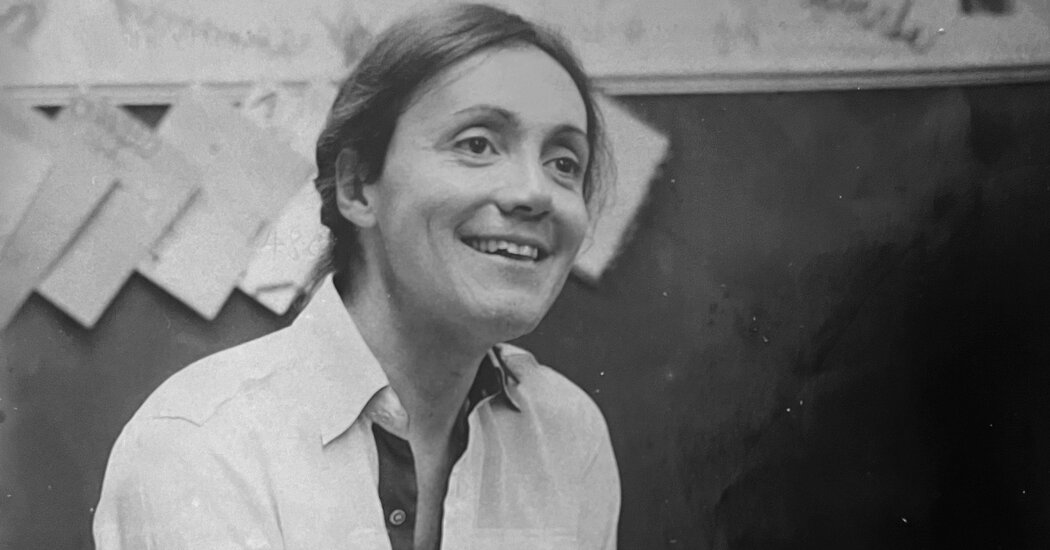
She shared the experience of her transition in a documentary to encourage her patients, many of whom were also transgender, to live openly and confidently.In December 1977, Dr. Jeanne Hoff, a 39-year-old psychiatrist, invited a television crew into her Manhattan home. The next day, they would accompany her to the operating room for her gender-affirming surgery.“Becoming Jeanne: A Search for Sexual Identity,” the resulting documentary about Dr. Hoff’s experience, was shown the next spring on NBC, with Lynn Redgrave and Frank Field as the hosts.“It’s a very lonely moment indeed,” Dr. Hoff, a slight figure with shoulder-length brown hair, said that evening. She added, “The things we do to our bodies and our lives are very disturbing to the people around us, and I can see that fear and that confusion written on their face even when they’ve known me a long time.”Her choice to undergo surgery was years in the making. Her choice to go public, however, which could have come at great cost to her livelihood and well-being, was easier. She wanted to make known her own difficulty in finding care, her interactions with doctors who didn’t have enough knowledge of transgender people. She hoped that her experience would inform the medical profession.In those years, the transgender figures in the public eye were few but notable. In the early 1950s, the glamorous Christian Jorgensen’s transition was fizzy tabloid news, though she was denied a marriage license a few years later because her birth certificate identified her as male. In 1974, the travel writer Jan Morris published “Conundrum,” a memoir of her own transition, to some acclaim. And in 1977, Renée Richards, the ophthalmologist and tennis player, had won a court order to play in the women’s division at the U.S. Open.But Dr. Hoff’s television debut was mostly done as an example for her patients. Since many were themselves transgender or gay, it didn’t seem possible, as she put it, for her to encourage them to live openly, confidently and free of shame without doing so herself.Dr. Hoff, perhaps the first openly transgender psychiatrist, died on Oct. 26 at her home in San Francisco. She was 85.The cause was Parkinson’s disease, said Carol Lucas, a friend. Her death, which was not reported at the time, was announced this month by Gay City News.Dr. Hoff had a private practice in Manhattan and, at the time of her transition, had also taken over the practice of Dr. Harry Benjamin, the German-born endocrinologist often described as the father of transgender care in the United States. Yet in the history of that care, Dr. Hoff is not well known, if she is known at all.Jules Gill-Peterson, an associate professor at Johns Hopkins University who studies sexuality, and transgender history in particular, recalled being surprised when she came across Dr. Hoff’s archives, which she had donated to the Kinsey Institute, when she was working on her 2018 book, “Histories of the Transgender Child.”“The idea that in the 1970s a trans woman would be openly practicing as a psychiatrist is revolutionary by itself, when the profession was still struggling to depathologize homosexuality,” Dr. Gill-Peterson said by phone. “But knowing that your psychiatrist understood what it was like to be in your shoes was a tidal shift.”In her research, Dr. Gill-Peterson learned that Dr. Hoff had argued successfully for the release of a Black transgender woman who had been institutionalized from age 15 to 30 because doctors had diagnosed her assertion of her gender identity as “mental retardation,” “delusion” and “sexual perversion.”“Through all the florid language of the reports there is an unmistakable moralistic disapproval of her effeminacy and homosexuality,” Dr. Hoff wrote in her analysis of the woman’s care, “but not the slightest hint that the diagnosis of transsexualism was suspected, even though it was quite evident from the details provided.”In “Becoming Jeanne,” Dr. Hoff talked about the reflexive, though less destructive, sexism of her own doctors, like the surgeon who thought her breast implants should be bigger; he was amazed, she said, that she didn’t want look like a showgirl. At one point in the documentary, Ms. Redgrave asked Dr. Hoff her thoughts about getting married. Dr. Hoff said that she was in a relationship with a man, but that she didn’t think the relationship would survive the transition. (As it happened, it didn’t.)“The marriage market for middle-aged spinsters is not a bull market,” she said. “I’m not going to die of grief if it doesn’t happen to me. I have an interesting occupation. I have a full life with friends who are affectionate and caring.” And that, she added, was “very much better than life was before.”Dr. Hoff was born on Oct. 16, 1938, in St. Louis, the only child of James and Mary (Salih) Hoff. Her father was a laborer and, by the 1950s, was working as a bottler in a brewery. Dr. Hoff didn’t speak very much about her upbringing, though she hinted that it was grim, marked by privation and disapproval, said Ms. Lucas, a friend since the 1980s. Her father, she told Ms. Lucas, was an alcoholic.“I got the sense that she raised herself,” Ms. Lucas said. “She was so smart they didn’t know what to do with her.” Dr. Hoff earned a half scholarship to Washington University in St. Louis, from which she received a B.A. in 1960. She then earned a master’s in science from Yale, followed by an M.D. in surgery from the College of Physicians and Surgeons at Columbia in 1963. She returned to Washington University from 1971 through 1976, first as an instructor in pathology and then as a resident in psychiatry.In the 1980s, Dr. Hoff sold her practice and moved to Hudson, in upstate New York. She worked for an outpatient clinic for the state in nearby Kingston, treating severely disabled, long-term psychiatric patients, including schizophrenics. After half a decade or so, she moved to a group practice in Pittsburgh, and finally ended up working in Oakland, Calif., treating the formerly incarcerated through a program with the California Department of Corrections. Her last job was at San Quentin, where she treated prisoners on death row. She retired in 1999, after a prisoner attacked her.“She did not recover well from that trauma,” Ms. Lucas said. “She said she couldn’t get mad, which would allow her to heal, because he was a patient. She would joke about it, ‘I thought it was going to happen today, but it only lasted a few seconds.’ She was enormously compassionate”No immediate family members survive.At the conclusion of “Becoming Jeanne,” Mr. Field asked Dr. Hoff how she would like to be treated. “What can we do, to accept you?”She did not hesitate in her answer. “It may not be necessary for you to go to a lot of trouble to learn about accepting transsexuals if you have a general principle and that is, ‘Mind your own business,’ I suppose. It boils down to that.”

Read more →

NHS Wales: Junior doctors to go on three-day strike

Published11 minutes agoShareclose panelShare pageCopy linkAbout sharingBy Jenny Rees & Catriona AitkenBBC NewsJunior doctors in Wales will strike in January after a huge majority voted for industrial action.A 72-hour full walkout will take place from 15 January over a pay dispute.The walkout could see more than 3,000 doctors withdraw their labour from hospitals and GP surgeries across Wales.The Welsh government called the decision “disappointing” and said it could not meet pay demands without more UK government money.Of the doctors eligible to vote in Wales, 65% responded and 98% of those supported the strike.The Welsh junior doctors committee made the decision to ballot members in August after being offered a below-inflation pay offer of 5%.In a joint statement, Dr Oba Babs-Osibodu and Dr Peter Fahey, co-chairs of BMA Cymru Wales’ junior doctors committee, said the ballot results showed the “strength of feeling”.”We are frustrated, in despair and angry… we can’t and we won’t take any further erosion of our pay,” they said.”Our members have been forced to take this difficult decision because junior doctors in Wales have experienced a pay cut of 29.6 per cent in real terms over the last 15 years.”They said members were not looking for a pay rise, but asking for pay to be restored in line with inflation, and the decision to strike had “not been made lightly”.”Pay needs to be fair and competitive with other healthcare systems across the world to retain and recruit doctors and NHS staff to provide much-needed care,” they added.’Crippling shortages and worsening care'”On top of this junior doctors are experiencing worsening conditions and so doctors are now looking to leave Wales to develop their careers for better pay and a better quality of life elsewhere. “Doctors are already voting with their feet and leaving the NHS and we are in a vicious cycle of crippling staffing shortages and worsening patient care.”The strike action will begin at 07:00 GMT on 15 January and end at the same time on 18 January.There are just under 4,000 junior doctors working in Wales, in hospitals and GP surgeries.The NHS in Wales has already been asked to find tens of millions of pounds in extra savings, with the Welsh government prepared to step in and bail out health board overspends.The strike announcement comes in the same week as the Welsh government’s budget is due to be announced.Image source, Getty ImagesA Welsh government spokesperson said: “While we wish to address their pay restoration ambitions, our offer is at the limits of the finances available to us and reflects the position reached with the other health unions for this year.  “Without additional funding from the UK government, we are not in a position to currently offer any more. We will continue to press them to pass on the funding necessary for full and fair pay rises for public sector workers.”Elsewhere, junior doctors in England are due to take strike action from 20-23 December and 3-9 January after five weeks of talks failed.The BMA is also due to ballot members in Northern Ireland in the new year, with a potential 24-hour strike scheduled for March.More on this storyDoctors warn health minister to prepare for strikePublished31 AugustJunior doctor strikes return, after talks collapsePublished5 December

Read more →

Hot-flushes menopause drug Veoza approved in UK

Published45 minutes agoShareclose panelShare pageCopy linkAbout sharingImage source, Getty ImagesBy Michelle RobertsDigital health editorA new type of non-hormonal menopause treatment has been approved in the UK, for hot flushes and night sweats.The daily pill, Veoza – or fezolinetant – works on the brain’s temperature-control centre to alleviate these troubling symptoms.At least one in four women going through the menopause experiences them – more than a million people in the UK – experts estimate. The drug has not yet been recommended for the NHS to prescribe though. That requires a review by the National Institute for Health and Care Excellence, expected next year. Regulating temperatureMenopause is a normal, natural change, usually between the ages of 45 and 55. As women approach the menopause – when their periods permanently stop – their levels of the hormone oestrogen fluctuate and drop, which can cause problematic symptoms.The body can think it is overheating, for example.Veoza helps with this by binding to and blocking the activities of brain receptor neurokinin B, involved in regulating temperature. But unlike hormone replacement therapy (HRT), it will not alleviate other menopausal symptoms such as mood changes or vaginal dryness. ‘Close review’Julian Beach, from the Medicines and Healthcare products Regulatory Agency (MHRA), said: “Hot flushes and night sweats caused by menopause are common and can have a significant impact on a woman’s daily life.”No medicine would be approved unless it met our expected standards of safety, quality and effectiveness and we continue to keep the safety of all medicines under close review.”The menopause – and the years leading up to it – affect women in different ways.Falling levels of oestrogen affect the brain, periods, skin, muscles and emotions.What is the menopause and what are the signs?What you need to know about HRTAre you going through the menopause? What do you think about the latest non-hormonal treatment? You can share your experience by emailing haveyoursay@bbc.co.uk.Please include a contact number if you are willing to speak to a BBC journalist. You can also get in touch in the following ways:WhatsApp: +44 7756 165803Tweet: @BBC_HaveYourSayUpload pictures or videoPlease read our terms & conditions and privacy policy

If you are reading this page and can’t see the form you will need to visit the mobile version of the BBC website to submit your question or comment or you can email us at HaveYourSay@bbc.co.uk. Please include your name, age and location with any submission. More on this storyLower cost HRT prescriptions in England from AprilPublished1 April

Read more →

Tongue-Tie Releases: What Parents Should Know

Tongue, lip and cheek-tie releases are often recommended to help with breastfeeding or to prevent health problems. Few studies have shown benefits.It’s an increasingly common scenario faced by new mothers across the country: A lactation consultant examines their newborn and suggests that cutting a “tongue-tie” may ease their difficulty breastfeeding.The quick procedure, known as a tongue-tie release, involves a dentist or doctor snipping a tight band of tissue connecting the tongue to the bottom of the mouth. In recent years, lactation consultants and dentists have aggressively promoted the procedures, even for babies with no signs of real tongue-ties and despite a modest risk of complications, a New York Times investigation recently found.Many parents, anxious and exhausted, agonize over whether to go through with the procedure, which is often done with a dental laser. Dentists, lactation consultants and pediatricians often disagree about whether it will help.The Times spent months investigating the evidence behind tongue-tie releases and talking to dozens of experts. Here’s what parents who are considering the procedure should know.Breastfeeding a newborn can be hard, even when it’s going well.The early days of nursing can be rough. One recent survey of more than 1,400 women found that nearly 40 percent struggled with at least one complication, such as latching pain, cracked nipples or sore breasts.We are having trouble retrieving the article content.Please enable JavaScript in your browser settings.Thank you for your patience while we verify access. If you are in Reader mode please exit and log into your Times account, or subscribe for all of The Times.Thank you for your patience while we verify access.Already a subscriber? 

Read more →

Tongue Tie Surgery: Inside the Business of Cutting Babies’ Tongues

Tess Merrell had breastfed three babies and never expected trouble with her fourth. But after a month of struggling with her newborn, she hired Melanie Henstrom for help.Ms. Henstrom, a lactation consultant, identified a culprit: The infant’s tongue was tethered to the bottom of her mouth. It was a common problem, she said, and could be fixed with a quick procedure at a dentist’s office.“It was touted as this miracle cure,” said Ms. Merrell, a high school soccer coach in Boise, Idaho.Ms. Henstrom recommended a dentist, who in December 2017 cut under the baby’s tongue with a laser. Within days, the infant, Eleanor, was refusing to eat and had become dangerously dehydrated, medical records show. She spent her first Christmas on a feeding tube.For centuries, midwives and doctors have been cutting such “tongue-ties” to ease breastfeeding. But the procedure’s popularity has exploded over the past decade as women face intensifying pressure to nurse.Lactation consultants and dentists have aggressively promoted the procedures, even for babies with no signs of genuine tongue-ties and despite a slight risk of serious complications, a New York Times investigation found.A small fraction of babies are born with a bundle of tissue that attaches the tip of their tongue to the bottom of their mouth. In some pronounced cases, doctors snip that tissue. But many tongue-ties are harmless, and the evidence that cutting them improves feeding is scant.Yet some lactation consultants and dentists pitch laser surgery to anxious and exhausted mothers like Ms. Merrell as a cure-all that will improve breastfeeding and prevent a litany of health problems, including sleep apnea, speech impediments and constipation, according to dozens of parents, dentists, doctors and consultants.Tongue-tie evangelists recommend lasering not only the tissue under the tongue but also the webbing that connects the lips and cheeks to the gums. Diagnosing and cutting these “oral ties” — often for hundreds of dollars — has become a niche industry.Tess Merrell, whose fourth child, Eleanor, had a tongue-tie release to help breastfeed in 2017.Natalie Behring for The New York TimesOne well-known dentist in Manhattan takes in millions of dollars a year from his tongue-tie practice. Lactation consultants who refer patients and assist dentists get paid, too. And companies that make lasers are also jumping on the trend.It is difficult to tally the volume of surgeries, which are often not covered by insurance. But by all accounts the numbers are soaring.Tongue releases done in hospitals — a small proportion of the total — grew more than 800 percent nationally between 1997 and 2012, to more than 12,000, one study found. Ear, nose and throat specialists in 25 states said they had seen sharp increases in requests for tongue-tie consultations, sometimes overwhelming their schedules. And searches for “tongue tie” on Google reached a record in June, more than doubling over the last five years.Many families swear by the procedures. But the tongue-tie boom has unnerved pediatricians across the country.In 2020, a large practice in New Jersey sent an email to families warning that babies were “being clipped, snipped and lasered at an alarming rate.” Last year, an office in Kentucky issued a similar alert, citing babies who refused to eat and were in “severe pain” after laser procedures. Dr. Charles Cavallo told The Times he wrote that alert in response to what he saw as a “money grab” by local dentists and lactation consultants.Serious complications are rare. But doctors said they had seen the cuts cause such pain that babies refused to eat, becoming dehydrated and malnourished. A few said newly floppy tongues blocked infants’ airways.Some parents said their guilt from seeing their babies suffer tipped them into depression. Others spent thousands of dollars on chiropractors and speech therapists who claimed their services were necessary for successful recoveries.Unlike most medical specialties in America, the tongue-tie world operates with little oversight. State dental boards accept complaints from the public, but they rarely suspend dentists’ licenses. And only three states regulate lactation consultants.Ms. Henstrom, for example, has continued to practice as a lactation consultant in Boise, despite health care workers and clients repeatedly filing complaints about her.In a brief phone call, Ms. Henstrom said she gave careful attention to each client. “I have literally thousands of people who are thrilled with what I’m doing,” she said. She did not respond to a list of detailed questions.Eleanor Merrell, Christmas 2017.via Tess Merrell‘Profit, Greed and Ignorance’The idea that tongue-ties can interfere with breastfeeding has been around for centuries. Midwives once used a long, sharp fingernail to rip the tissue beneath a baby’s tongue. In 1601, a royal surgeon cut the tongue-tie of Louis XIII, the future king of France.But doctors have also long raised alarms about the procedure. “Frequently the parents are deceived, for profit, greed and ignorance,” a German obstetrician wrote in 1791. “This aid is abused, and one unties where nothing is tied.”With the arrival of mass-produced formula in the 20th century, breastfeeding fell out of favor, and tongue-ties were rarely discussed. That began to change in the 1970s, as breastfeeding made a comeback.Sucking from a bottle is easy. But to breastfeed, infants must learn to use their tongues to extract milk.Specialized lactation consultants like Alison Hazelbaker emerged to teach nursing techniques. Some babies she saw in the 1980s had obvious tongue-ties that prevented them from nursing, she said, but pediatricians knew little about the condition. In 1993, she developed an assessment tool for tongue-ties that is still in use.At the time, pediatricians carried out the releases with scissors, typically on babies with ties under the front of their tongues.But in 2004, an article in the newsletter of the American Academy of Pediatrics suggested that a wider range of babies might benefit. A pediatric surgeon and a lactation consultant wrote that some patients had subtle tethers at the back of their tongues. Others had tissue tightly connecting their lips to their gums. Any of these ties, the authors warned, could impede breastfeeding.Despite relying on anecdotes, the article became influential. Ms. Hazelbaker said she watched with alarm as the diagnosis of tied tongues, cheeks and lips accelerated. Before long, Facebook groups about tongue-ties gained thousands of members. “Everything started to go to hell in a handbasket,” she said in an interview with The Times.In 2020, a panel of 16 leading ear, nose and throat specialists published guidelines warning that tongue-ties were being over-diagnosed and that cheek-tie releases simply “should not be performed.”With or without surgery, breastfeeding often improves over time, making it hard to sort out cause and effect. Many women credit the procedures for making nursing easier.Before the release, “I was sob-crying, it was so painful,” said Adrianne Parkey of Little Rock, Ark., whose baby was born this month. After, she said, she felt immediate relief. Some research has shown that the procedure reduces nipple pain.Searches for “Tongue Tie” Have Steadily RisenRelative monthly Google search volume for the term “tongue tie” in the U.S.

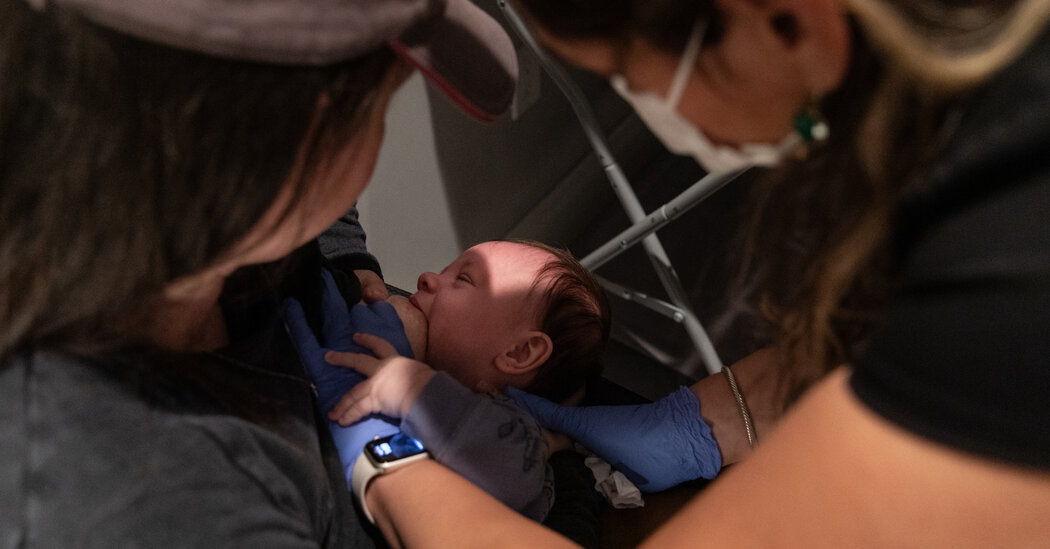
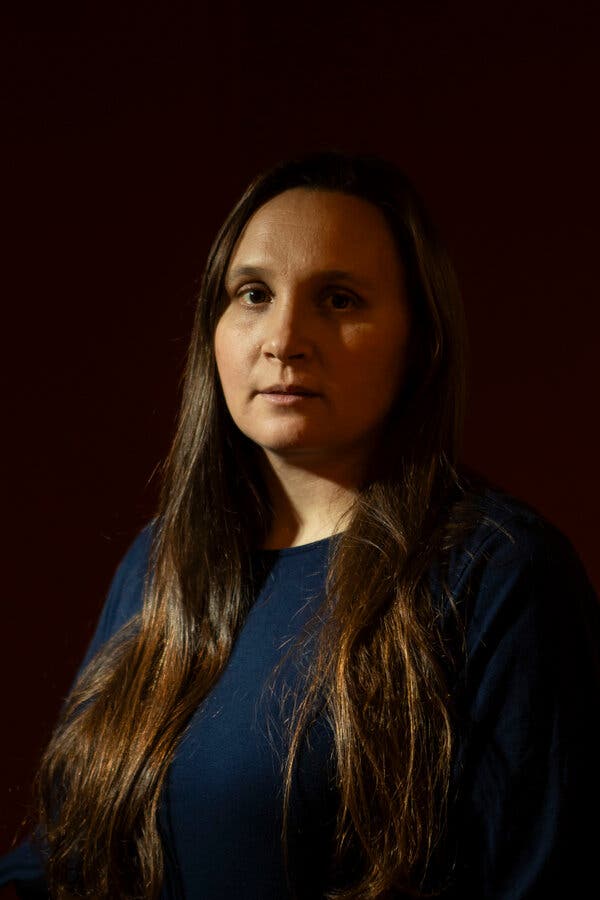
Source: GoogleBy The New York TimesThe procedures appear to be more popular than ever. Even some of their original proponents now worry the releases are performed too often.“I have huge concerns,” said Catherine Watson Genna, a lactation consultant in New York who co-wrote the 2004 newsletter article. Newer research, she said, has shown that some babies might be mistaken for having tongue-ties when in fact they have other conditions that restrict the tongue. “Everything looks like a nail because everybody’s got a hammer now.”While lasting problems from oral releases are rare, they can be wrenching for families.In Montana, a dentist released lip and tongue-ties on Clara Reck’s infant daughter in November 2022. Ms. Reck said her baby lost the ability to suck. Medical records show that she dropped from the 97th to the 15th percentile for weight in three months. Until last month, her daughter was still getting feeding therapy.In Delaware, Dr. Nicole Aaronson, a pediatric ear, nose and throat surgeon, said that last week, she saw an 11-day-old boy who was hospitalized for weight loss because of tongue damage from a laser procedure. “He will heal and eventually do fine, but my point is that these procedures are not without risk,” she said.And in Texas, Satina Bolton said she was pitched on “how we’re going to save your breastfeeding journey.” After two tongue-tie procedures, her daughter was hospitalized and needed a feeding tube.Lasers and TequilaDr. Scott Siegel, right, prepared a patient for a tongue-tie release at his Manhattan practice.Jackie Molloy for The New York TimesDr. Scott Siegel of Manhattan has been cutting babies’ tongues for two decades, ever since he took over the practice of one of the authors of the 2004 article.He said he sees up to 100 patients a week, charging $900 for a five-minute procedure to release oral ties.In November, Times reporters watched Dr. Siegel perform releases on three babies.Before each procedure, he met with the parents, listing what he described as tongue-tie symptoms, including spitting up, gas and falling asleep while trying to breastfeed.One mother came in because of trouble breastfeeding. Another had a fussy baby, and the third was hoping to avoid future health issues. Dr. Siegel told one family that the release could prevent problems like sleep apnea. “We’re looking at being proactive,” he said.Working with two assistants, he swaddled the babies and covered their eyes with protective glasses. The laser released a plume of white vapor as it cut tissue.Dr. Siegel acknowledged that few medical studies supported releasing oral ties. But his experience had convinced him that the procedures improved feeding and had other benefits. He has hundreds of five-star reviews online.Not every family has been satisfied. Lainie Goldwert’s lactation consultant referred her to Dr. Siegel because her newborn was constantly nursing, never seeming satiated. After the tongue release, she said, her daughter’s mouth became weak. Ms. Goldwert had to squeeze her cheeks to help her suck, even when using a bottle.“We went from a child who was breastfeeding voraciously to one who was not able to breastfeed,” she said. “It felt like, what the hell did I just do to my child?”Dr. Siegel said he had very low complication rates. As for Ms. Goldwert’s baby, “this is a case that I would most likely treat differently now,” he said, including by warning parents that the recovery process might be long and complicated.Companies that manufacture the lasers used by Dr. Siegel and other dentists are catering to this new market.One company, Biolase, sells an $80,000 laser machine. In April, it hosted a conference at a resort in Scottsdale, Ariz., for more than 100 pediatric dentists and their colleagues. It was called “Tequila and Tongue Ties.”Before rounds of tequila shots and margaritas, attendees were trained on how to perform tongue-tie releases and use social media to build their businesses. Dentists posed for photos with bottles of tequila against a backdrop that read, “Nacho average dental meeting.”Biolase’s chief executive, John Beaver, said he thought tongue-tie releases were beneficial to patients. He said the company’s financing plan meant dentists needed to perform only three procedures a month to break even and could generate a “huge” return on investment by doing more.Dr. Soham Roy, chair of the pediatric ear, nose and throat practice at Children’s Hospital Colorado, has operated on babies injured by lasers. “There are some folks out there who either buy or rent these lasers and they use them as cash-making machines,” he said.‘Trust Me’Melanie Henstrom’s lactation consultancy in Boise.Natalie Behring for The New York TimesMs. Henstrom, the lactation consultant in Idaho, was converted to the benefits of tongue-tie releases after undergoing the procedure herself in her 40s. She claimed that it improved her scoliosis and that she stopped getting migraines and acid reflux. “I immediately felt a release of tension not just in my mouth, but throughout my entire body,” she wrote on her website.After arriving in Boise in 2017, Ms. Henstrom got to work establishing her lactation consulting business, Baby Bonds, taking midwives out to lunch and offering free breastfeeding classes. Undiagnosed tongue-ties were always her focus.“If your baby is super fussy, chances are your babe has a missed tongue tie,” her website states.While the group that grants credentials for lactation consultants says they should not diagnose tongue-ties if they don’t have medical degrees, Ms. Henstrom often unequivocally tells parents that their infants are tongue-tied, sometimes without examining them in person, according to parents and her social media posts.“According to pics and video, babe is for sure tied,” Ms. Henstrom wrote in 2020 in response to a parent’s post on a tongue-tie Facebook group.In 2017, Ms. Merrell, fed up with trying to get Eleanor to nurse comfortably, contacted the local chapter of La Leche League, a well-known organization that promotes breastfeeding. Ms. Henstrom, a volunteer with the group, responded in a Facebook message that Eleanor’s problem was “likely” a tongue-tie.Ms. Merrell replied that her pediatrician, a physical therapist and a previous lactation consultant had all said that wasn’t the issue.“Trust me,” Ms. Henstrom said later in the exchange. “I have seen this hundreds of times and a revision always fixes it.”“I hope so,” Ms. Merrell responded. “It would be nice to have an easy fix.”After the surgery, Eleanor initially seemed to be improving. But then she stopped eating and became dehydrated. Her pediatrician sent her to the hospital. “We felt really stupid afterward because we paid to hurt our baby,” Ms. Merrell said.“I feel terrible for what the Merrell family had to endure,” said Dr. Joel Whitt, the dentist who performed the procedure. He said this was the only bad outcome of nearly 800 such surgeries he had performed. He referred The Times to two past clients, who confirmed that their babies had benefited from surgery.Dr. Whitt said he later dramatically reduced the volume of surgeries he was performing, in part because he worried that the benefits of releasing lip ties were being overstated.By early 2020, Ms. Henstrom was exclusively referring patients to another dentist, Dr. Samuel Zink. She also assisted during the procedures, holding babies down while Dr. Zink cut their numbed mouths with a laser, according to a recent podcast interview and interviews with her clients.Lauren Lavelle and her daughter, June. Ms. Henstrom advised June to undergo a tongue-tie release before meeting her.Natalie Behring for The New York TimesMs. Henstrom’s clients said she charged $150 for attending the tongue-tie release session, with optional follow-up visits. Parents said Dr. Zink’s fee was usually about $600. Insurance rarely covered the costs.Dr. Zink did not respond to requests for comment.Several of Ms. Henstrom’s clients said that when they expressed trepidation about the releases, she warned that untreated tongue-ties could lead to learning disabilities, scoliosis and sleep apnea.Lauren Lavelle hired Ms. Henstrom to help with breastfeeding before giving birth to her daughter, June. Without even meeting the 3-day-old baby, Ms. Henstrom warned that, absent laser surgery, “she will never breastfeed,” according to Ms. Lavelle. “She will never eat solids.”Two days after Dr. Zink performed the procedure, Ms. Henstrom visited Ms. Lavelle’s home and swept her fingers around June’s sore mouth. After that, the baby’s crying intensified and she began clawing at her face. Ms. Lavelle took her to the emergency room, where she said a doctor asked how such a tiny baby had such a large wound in her mouth and gave her pain medication.Ms. Lavelle said the experience made her question her ability as a mother.Several other parents said Ms. Henstrom also placed her fingers inside their babies’ mouths to prevent the tissue from reattaching, and she instructed the parents to do the same every six hours.There is no research supporting the use of such techniques, which some specialists said can cause babies to fear eating because they associate their mouth with pain.Courtney Wambeke tried to keep up with Ms. Henstrom’s instructions, prying her fingers into her daughter’s clenched mouth. But at a follow-up appointment, Ms. Henstrom said the tongue-tie had reattached. Ms. Wambeke was shocked when the consultant reached into the crying baby’s mouth and broke open the wound with her finger.A Barrage of ComplaintsAubrey Nobili with a freezer filled with breast milk at her home. Her daughter, Vivi, was recommended by Ms. Henstrom to undergo a tongue-tie release. After the procedure, Vivi never breastfed again.Natalie Behring for The New York TimesLast summer, an employee at St. Luke’s contacted the Boise police department, asking officers to check on the well-being of a 2-month-old who was being treated “for injuries from a tongue-tie,” according to a police report. The baby had lost weight “due to pain during eating.”Ms. Henstrom had recommended the procedure and later “put her fingers in the infant’s mouth to manipulate the area recently operated on,” the police report said.The investigation did not proceed, according to the report, because the baby had recovered and the parents said they were satisfied with Ms. Henstrom’s care.It wasn’t the first time that health care workers had raised concerns about her.In 2018, Ms. Henstrom worked part-time at a Boise midwifery practice. Soraya Mazloomi, a doula who also worked there, said several mothers complained about Ms. Henstrom’s pressuring them to get surgery for their babies. She was encouraged to leave. (The practice, Treasure Valley Midwives, is under new management, and a representative declined to comment.)Most states, including Idaho, do not regulate lactation consultants. But more than 19,000 of the consultants have credentials from the International Board of Lactation Consultant Examiners. That group has received at least three complaints about Ms. Henstrom since 2020.Kathy Strickland, a pediatric physical therapist, filed one that February. “I was getting referred to parents who were uncomfortable, who went in for follow-up and said it was traumatic, that she pushed so hard on their baby’s mouth,” she said in an interview.Later in 2020, Ms. Lavelle also complained to the board, describing how she had been traumatized by her daughter’s tongue-tie release.The lactation board, which reports its disciplinary decisions, has not taken action against Ms. Henstrom. A spokeswoman for the board, Susan Brayshaw, declined to comment on the complaints, citing a policy of confidentiality. “Some complaints take significantly longer than others due to the nature of the allegations and related investigations,” she said.Since 2002, the board has revoked the certifications of only three lactation consultants.Ms. Lavelle also filed a complaint against Dr. Zink with the Idaho board of dentistry. The board collected medical records and statements from Ms. Lavelle and Dr. Zink. Dr. Zink told the board that June’s procedure was “uneventful” but that an extremely small percentage of patients do not respond well to the procedure. He said none of his hundreds of other tongue-tie patients had previously complained.The board’s executive director informed Ms. Lavelle via email that the group “didn’t feel that further investigation was warranted.” It found that Dr. Zink was not at fault.Late last year, Ms. Henstrom recommended tongue, lip and cheek tie releases for an infant named Vivi. Sitting in Dr. Zink’s waiting room a few days later, Vivi’s mother, Aubrey Nobili, could hear her baby’s screams over the muffling hum of a noise machine.When Ms. Henstrom brought Vivi back into the room, the wailing infant couldn’t catch her breath. Ms. Nobili pulled her daughter close and smelled charred flesh.Vivi never breastfed again.Six months later, a specialist at St. Luke’s assessed Vivi because she was having difficulty swallowing and would sometimes choke while drinking from a bottle. The specialist wrote in her medical records afterward that the problems were “likely due to” the laser surgery.Ms. Nobili is a stay-at-home mother, and her husband, Ryan, works at Costco. They have four other young children. They said they ran up more than $5,000 in credit card debt paying for Vivi’s feeding therapies.She turned 1 in November. Her family decorated their home with red and pink balloons and dressed her up as a strawberry.Only one thing was missing: a birthday cake. Vivi still can’t eat solid food.Vivi at her first birthday party.via Aubrey NobiliSusan Beachy

Read more →