Autism may be the price of human intelligence

A new paper in Molecular Biology and Evolution, published by Oxford University Press, finds that the relatively high rate of Autism-spectrum disorders in humans is likely due to how humans evolved in the past.
About one in 31 (3.2%) children in the United States has been identified with Autism Spectrum Disorder. Globally, the World Health Organization estimates that around one in 100 children have autism. From an evolutionary perspective, many scientist believe that autism and schizophrenia may be unique to humans. It is very rare to find behaviors associated with the disorders in non-human primates. In addition, behaviors associated with those disorders generally involve cognitive traits like speech production and comprehension that are either unique to or much more sophisticated in humans.
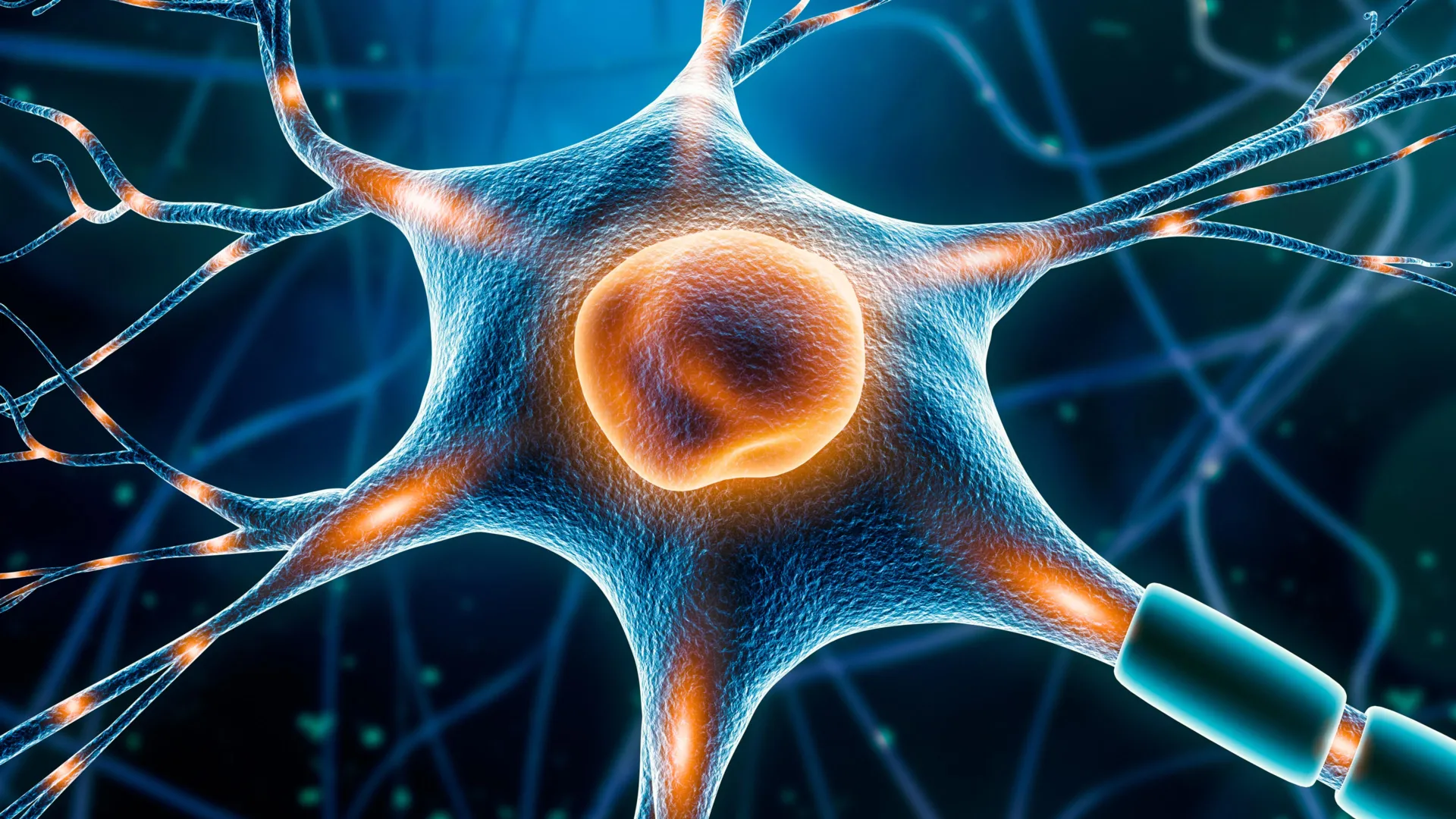
With the development of single cell RNA-sequencing, it became possible to define specific cell types across the brain. As investigators published more large-scale datasets, it became clear that the mammalian brain contains a staggering array of neuronal cell types. In addition, large-scale sequencing studies have identified extensive genetic changes in the brain unique to Homo sapiens — genomic elements that did not change much in mammalian evolution in general but evolved rapidly in humans.
While previous investigations found that some cell types have remained more consistent throughout evolution than others, the factors driving these differences in evolutionary rate remain unknown. Researchers here investigated recently published cross-species single-nucleus RNA sequencing datasets from three distinct regions of the mammalian brain. They found that the most abundant type of outer-layer brain neurons, L2/3 IT neurons, evolved exceptionally quickly in the human lineage compared to other apes. Surprisingly, this accelerated evolution was accompanied by dramatic changes in autism-associated genes, which was likely driven by natural selection specific to the human lineage. The researchers here explain that although the results strongly suggest natural selection for Autism Spectrum Disorder-associated genes, the reason why this conferred fitness benefits to human ancestors is unclear.
Answering this is difficult because we do not know what human-specific features of cognition, brain anatomy, and neuronal wiring gave human ancestors a fitness advantage, but the investigators here speculate that many of these genes are associated with developmental delay, so their evolution could have contributed to the slower postnatal brain development in humans compared to chimpanzees. Furthermore, the capacity for speech production and comprehension unique to humans is often affected by autism and schizophrenia.
It’s possible that the rapid evolution of autism-linked genes conferred a fitness advantage by slowing postnatal brain development or increasing the capacity for language; the lengthier brain development time in early childhood was beneficial to human evolution because it led to more complex thinking.
“Our results suggest that some of the same genetic changes that make the human brain unique also made humans more neurodiverse,” said the paper’s lead author, Alexander L. Starr.

Read more →

Four strange secrets scientists just found in beer and wine

Scientists regularly uncork fresh insights into beer and wine — even though they were invented thousands of years ago. Four recent discoveries go beyond buzz and bouquet, diving into the haziness and gluten content of beer as well as the astringent taste and potential health impacts of wine. Sip back and learn more about research published in ACS’ Journal of Agricultural and Food Chemistry.
1. Yeast extracts add haze to lager beer.
Hazy beer styles are becoming more popular, and their namesake characteristic usually comes from tiny particles made of barley proteins and hop polyphenols. Alternatively, to produce haziness, researchers have added yeast extracts to two brands of clear lager. The additions made both beverages extremely cloudy because of interactions between ribonucleic acids (RNA) in the extract and proteins in the beer. The researchers say that yeast RNA extracts could be another way to create desirable haziness levels.
2. Lateral flow test detects gluten in beer, food.
People who want or need to avoid gluten should know whether their drinks are safe to consume. A new lateral flow strip detects this protein in food and drinks, and it is sensitive to concentrations from 0 to more than 20 parts per million (ppm). The strip’s three lines indicate four ranges below the U.S. Food and Drug Administration’s gluten-free limit (20 ppm), showing results in less than three minutes with 98% accuracy. Researchers demonstrated the device’s effectiveness using real-world samples, including foods labeled gluten-free and a gluten-containing beer.
3. Tannins in red wine make you pucker.
A recent small-scale study examined why red wine has an astringent taste, often described as drying or lip-puckering. Trained tasting panelists rated red wines with higher tannin content as more astringent. The researchers found that tannins act like a lid for the tiny aquaporin channels in the tongue and salivary glands, letting water exit more than it enters. They say this discovery helps explain red wine’s drying mouthfeel and enhances the understanding of beverages’ perceived characteristics.
4. Wine sulfites change the gut microbiome.
Sulfites help wine last longer but can cause headaches or digestive issues for some people. So, researchers studied in lab tests how sulfites added to wine and an ethanol-containing liquid affect gut bacteria. They passed the samples through a three-stage process meant to mimic human digestion. After digestion, samples with sulfites contained lower amounts of some beneficial bacteria and greater amounts of bacteria related to negative health effects than before digestion. However, the changes were less in the real wine samples, which the researchers say suggests compounds, such as polyphenols, in wine offered slight protection

Read more →

Hidden Alzheimer’s warning signs found in Parkinson’s patients without dementia

A new research paper was published in Aging-US, titled “Age-related trends in amyloid positivity in Parkinson’s disease without dementia.”
In this study, led by first author Keiko Hatano and corresponding author Masashi Kameyama from the Tokyo Metropolitan Institute for Geriatrics and Gerontology in Japan, researchers found that patients with Parkinson’s disease (PD) diagnosed in their 80s showed a significantly higher rate of amyloid positivity — an indicator associated with Alzheimer’s disease — compared to those diagnosed at a younger age. Importantly, none of the participants had dementia. These findings suggest that older patients with PD may face a greater risk of future cognitive decline and could benefit from early screening for Alzheimer’s-related brain changes.
Amyloid-beta is considered a key marker of cognitive decline. While it is known that amyloid accumulation contributes to PD with dementia, its role in patients who have not developed cognitive problems remains less understood. This study aimed to explore how age influences amyloid buildup in people with PD who do not yet show signs of dementia.
The researchers analyzed data from 89 individuals with PD and no signs of dementia. Participants were divided into two age-based groups: those diagnosed before age 73 (LOW group) and those diagnosed at age 73 or older (HIGH group). Using cerebrospinal fluid samples, they measured levels of amyloid-beta, a standard method for detecting early Alzheimer’s-related changes. The findings revealed that 30.6% of the older group tested positive for amyloid, compared to just 10.0% in the younger group.
“[…] we elucidated the prevalence of amyloid positivity in patients with PD without dementia, whose mean age at diagnosis was 80.2 years, using CSF Aβ42 levels.”
Interestingly, both age groups of Parkinson’s patients had a lower rate of amyloid positivity than cognitively normal individuals of the same age in the general population. This unexpected result suggests that PD may alter how amyloid accumulates in the brain, possibly shortening the phase in which amyloid builds up silently before symptoms appear. The authors suggest that amyloid buildup could accelerate the transition from healthy cognition to dementia in patients with PD. The study also observed age-related associations with other biological markers of Alzheimer’s disease, such as tau protein levels.
As the global population continues to age and the number of older adults diagnosed with PD grows, identifying early warning signs of cognitive decline becomes increasingly important. These findings may help inform future screening approaches and support the development of therapies aimed at delaying or preventing dementia in people with Parkinson’s disease.

Read more →

Collagen: Do you drink it? Inject it? Rub it on your skin? And does it work?

1 day agoShareSaveRuth CleggHealth and wellbeing reporterShareSaveGetty ImagesWhen it comes to collagen – how do you take yours?There are parties where people even drink shots of the anti-ageing supplement, often followed by a hefty tequila – though the latter is probably not recommended in the quest for youthful, peachy skin.Collagen is the most abundant protein in the body, and forms the scaffolding that helps maintain the structural integrity of our skin and musculoskeletal system.In short, collagen helps to keep our skin plump, our joints and bones strong, and our hair and nails healthy.It’s become so treasured that some dermatologists recommend “banking” it – investing in our collagen supply early so we have surplus when the inevitable happens.Yes. The inevitable. Ageing. Sigh.Our collagen supply naturally starts to decrease, on average around 1% a year, as we reach our mid to late 20s.The speed of its decline depends on factors like our exposure to the sun, diet, and stress levels.But is there credible science to say supplements can replenish our dwindling supply? And if so, what’s the best way of getting it into our bodies?Kimberlie SmithKimberlie Smith started taking collagen about six months ago. The 33-year-old began using it after a “traumatic year” in 2024. Her son was born prematurely, and as a result of stress, the mother-of-three says her skin took a “huge hit”.She uses marine collagen, the type derived from fish, in a tropical-flavoured gel she drinks every day.”My skin definitely seems to be brighter and clearer, plus my hair has never looked better since I started taking it,” Kimberlie says. “As a sleep deprived mother, it’s definitely made a difference.”Emma Wedgeworth, a consultant dermatologist based on London’s Harley Street, says while there is some research to suggest taking collagen orally has an impact, she remains sceptical.She says the idea that collagen can make its journey through our body – not the easiest of quests – and land exactly where we need it to be is probably wishful thinking.For a start, it has to get through the gut without being completely broken down. Collagen is a large molecule so companies have now started to break it up into smaller pieces – collagen peptides – otherwise known as hydrolysed collagen.Even though this collagen – now in its smaller form – has a better chance of making its way through the intestinal wall and into the bloodstream, it still has a long way to go.It has to reach the skin to have an impact, and it could just as easily slip off to support other organs in the body. It’s a valuable resource.”There is little reliable evidence on this, but there is a theory that because our skin is the organ with the ‘fastest turnover’ of cells, it might be more likely to use these collagen peptides above other organs.”And that’s when you might get an increase in collagen being made in the skin cells.’You can’t risk stopping’That all seems very complicated – and uncertain. It may leave you asking: what about using collagen creams? They’re going directly onto the skin, so won’t they stand more chance of getting where they need to be?”No,” is Ms Wedgworth’s simple answer. “The collagen will just sit on the outer layer of your skin, it won’t reach the dermis – which is the middle layer.”There are three different types of collagen supplements: marine (from fish), bovine (from cows), and vegan. Of the three, the dermatologist recommends marine if you are taking collagen orally. This is because it contains more type 1 collagen – the most common of the five types and the one that gives structure to our skin cells, as well as playing a crucial role in the health of our bones, tendons and connective tissues.Vegan collagen is the least effective, says Ms Wedgeworth. Collagen is an animal-derived protein, so these products are not actually made of collagen, and instead contain a range of amino acids and vitamins.Matthew Montgomery”I’m trapped,” Ali Watson tells me as she points to packs of bovine collagen powder in her kitchen. “Yes, this one is for me and well, this one is for Tommy.”I look at the slender brown hound next me, grey whiskers poking out round his nose. He lifts an eyebrow in acknowledgement.Ali, a neuroanaesthetist who, by her own admission, “knows a lot about dosing”, feels like now she’s started taking collagen, she can’t stop – and nor can she stop giving it to her dog.”I started taking it as a powder a couple of years ago. At first, it wasn’t about my appearance, it was about my joints, I wanted to protect them because I do a lot of weight-lifting.”Ali’s not sure that she’s noticed any difference with her joints, but she has noticed a change elsewhere.”My skin feels like it glows more, my hair feels thicker and my nails feel stronger.”I glance down at Tommy, who seems more interested in his dog bowl than any powdered supplements.”I know, it seems mad,” Ali says, “but Tommy seemed a bit slower, a bit less enthusiastic just before summer, so I thought I would try him on dog collagen.”I wanted to see if it could help with his joints – he’s getting old now. And he is a bit brighter, but that might just be because the weather’s got colder again and he’s less hot and lethargic.”Ali’s not completely convinced the supplement is making a difference, and it’s costing her £60 a month to ensure she and Tommy get their daily dose.But she says she now can’t stop. “That’s the thing with these supplements,” the 46-year-old says, “life does have its ups and downs. You might take them when you’re on a down, then things pick up again – and it might have very little to do with the supplements.”But by that stage, you can’t risk stopping.”Professor Faisal Ali, a consultant dermatologist at Mid Cheshire NHS Trust, says one of the issues consumers and clinicians face is the amount of conflicting information and conflicting interests in supplement research.A recent, relatively small, study compared research funded by the wellness industry to studies that did not have the same conflict of interest.While industry-funded studies suggested collagen supplements significantly improved skin hydration, elasticity and wrinkles, those that did not receive funding from pharmaceutical companies revealed no effect on skin.Prof Ali says industry-funded studies are not “inherently bad”, it’s just such a varied picture. But he says there is a lack of robust evidence to suggest oral and topical collagen have any substantial effect.So if I could turn back time and start drinking and banking collagen in my 20s, would I have smoother, more youthful skin now, I ask him? Probably not, he says. It doesn’t stay in the body for that long – we haven’t got a collagen store cupboard that we can just dip into.Getty ImagesHowever, Prof Ali believes we can potentially boost collagen output and maintain elasticity in our skin by using special techniques such as laser collagen stimulation and microneedling.This means using a number of tiny, specialist needles or a laser to make small wounds to our skin, which then encourage a repair process, triggering new collagen formation.But that’s not cheap. You could be paying up to £300 for one session. Is there a less costly alternative?”The best thing you can do for your skin,” Prof Ali says, “is using decent sunblock. We know the sun has a huge impact on ageing our skin.”Sun cream, healthy diet, and if you smoke, stop.”These will have a far greater impact than collagen supplements.”More weekend picks

Read more →

Cocoa supplements show surprising anti-aging potential

Could cocoa extract supplements rich in cocoa flavanols reduce inflammation and, in turn, prevent age-related chronic diseases? In a new study from the COcoa Supplement and Multivitamin Outcomes Study (COSMOS), investigators from Mass General Brigham and their colleagues looked at changes in five age-related markers of inflammation among participants who received daily cocoa supplements over several years. They found that hsCRP — an inflammatory marker that can signal increased risk of cardiovascular disease — decreased in participants taking the cocoa extract supplement, suggesting its anti-inflammatory potential may help explain its heart-protective effects. Their results are published in Age and Ageing.
Nutritional interventions have become an increasingly attractive solution for slowing inflammatory aging, so called “inflammaging.” Cocoa extract has been shown in previous, smaller studies to reduce inflammatory biomarkers, thanks to flavanols — small, bioactive compounds found not only in the cocoa bean but also berries, grapes, tea, and other plant-based foods. To bridge the gap between these studies and humans, researchers launched the large-scale COSMOS trial, which examines the effects of cocoa extract on cardiovascular disease, and whether inflammaging may explain those effects.
“Our interest in cocoa extract and inflammaging started on the basis of cocoa-related reductions in cardiovascular disease,” said corresponding author Howard Sesso, ScD, MPH, associate director of the Division of Preventive Medicine and associate epidemiologist at Brigham and Women’s Hospital, a founding member of the Mass General Brigham healthcare system. “We also appreciate the important overlap between healthy aging and cardiovascular health, where aging-related inflammation can harden arteries and lead to cardiovascular disease. Because of that, we wanted to see whether multi-year cocoa extract supplementation versus a placebo could modulate inflammaging — and the data suggests it does.”
Between 2014 and 2020, Brigham and Women’s Hospital led the COSMOS trial, a large-scale, randomized, double-blind, placebo-controlled clinical trial with 21,442 participants over 60 years old, finding that cocoa extract supplementation decreased cardiovascular disease mortality by 27%.
In this new study, researchers collected and analyzed blood samples of 598 COSMOS participants to measure several inflammaging biomarkers: three pro-inflammatory proteins (hsCRP, IL-6, and TNF-α), one anti-inflammatory protein (IL-10), and one immune-mediating protein (IFN-γ). Comparing changes in these biomarkers measured at baseline, 1, and 2 years follow-up, hsCRP levels decreased by 8.4% each year compared with placebo, while the other biomarkers remained relatively consistent or increased modestly.
“Interestingly, we also observed an increase in interferon-γ, an immune-related cytokine, which opens new questions for future research,” said senior author Yanbin Dong, MD/PhD, Director of the Georgia Prevention Institute (GPI) and cardiologist/population geneticist at the Medical College of Georgia/Augusta University. “While cocoa extract is not a replacement for a healthy lifestyle, these results are encouraging and highlight its potential role in modulatingi nflammation as we age.
The decrease in hsCRP may help explain the cardio-protective effects seen with cocoa extract supplement in the larger COSMOS trial, where participants experienced a reduction in cardiovascular disease death. Researchers said that changes in the other inflammaging markers, including a small reduction in IL-6 observed in female but not male participants, warrant additional study. The team will continue to evaluate the COSMOS trial to determine whether the cocoa — and multivitamin — regimens can curb more severe inflammaging, as well as other important aging-related health outcomes.

“This study calls for more attention to the advantage of plant-based foods for cardiovascular health, including cocoa products rich in flavanols,” added Sesso. “It reinforces the importance of a diverse, colorful, plant-based diet — especially in the context of inflammation.”
Authorship: In addition to Sesso, Mass General Brigham authors include Sidong Li, Rikuta Hamaya, Allison Clar, Pamela M. Rist, and JoAnn E. Manson. In addition to Dong, Augusta University authors include Haidong Zhu and Ying Huang.
Disclosures: Manson and Sesso received investigator-initiated grants from Mars Edge, a segment of Mars Incorporated dedicated to nutrition research and products, for infrastructure support and donation of COSMOS study pills and packaging, and Pfizer Consumer Healthcare (now Haleon) for donation of COSMOS study pills and packaging during the conduct of the study. Sesso additionally reported receiving investigator-initiated grants from Pure Encapsulations, American Pistachio Growers, and Haleon, and honoraria and/or travel for lectures from the Council for Responsible Nutrition, BASF, Haleon, and NIH during the conduct of the study. No other authors reported any conflicts of interests for this study
Funding: This work is supported by the National Institutes of Health (HL157665). The COcoa Supplement and Multivitamin Outcomes Study (COSMOS) is supported by an investigator-initiated grant from Mars Edge, a segment of Mars dedicated to nutrition research and products, which included infrastructure support and the donation of study pills and packaging. Pfizer Consumer Healthcare (now Haleon) provided support through the partial provision of study pills and packaging. COSMOS is also supported in part by the National Institutes of Health (AG050657, AG071611, and EY025623). Neither company had a role in the trial design or conduct, data collection, data analysis, or manuscript preparation or review.

Read more →

What happens to your body when you eat too many ultra-processed foods

Ultra-processed foods (UPFs) are industrially altered products – like soda, snacks and processed meats – packed with additives and stripped of nutrients. Hundreds of new ingredients, previously unknown to the human body, now make up nearly 60% of the average adult’s diet and almost 70% of children’s diets in the United States.
These products reduce nutritional value, extend shelf life, and tend to increase how much people consume. In the U.S., UPFs account for about 60% of daily calorie intake. High consumption of these foods has been linked to greater risks of obesity, cancer, metabolic and cardiovascular diseases, mental health issues, and even premature death.
New research from Florida Atlantic University’s Charles E. Schmidt College of Medicine shows that people who consume the most UPFs have significantly higher levels of high-sensitivity C-reactive protein (hs-CRP), a sensitive marker of inflammation and a strong predictor of cardiovascular disease.
Until now, there have been limited data from nationally representative U.S. populations on the link between UPF intake and hs-CRP levels.
Results of the study, published in The American Journal of Medicine, show that participants consumed a median of 35% of their daily calories from UPFs, ranging from just 0% to 19% in the lowest group to 60% to 79% in the highest. After accounting for factors like age, gender, smoking, physical activity and other health indicators, researchers found that individuals in the highest UPF intake group (60% to 79% of daily calories) had an 11% higher likelihood of elevated hs-CRP levels compared to those in the lowest intake group. Even moderate UPF consumers (40% to 59%) showed a 14% increase in likelihood. Those with 20% to 39% intake had a smaller, nonsignificant 7% increase.
The likelihood was especially high in certain groups. Adults aged 50 to 59 had a 26% higher risk of elevated inflammatory markers compared to those aged 18 to 29. Obesity contributed to an 80% higher risk compared to people with a healthy weight. Current smokers also had a higher risk (17%) than people who never smoked. Interestingly, individuals who reported no physical activity did not have a statistically significant increase in risk compared to those who met activity guidelines.
“These findings, based on a large and nationally representative sample of U.S. adults, clearly show that people who consume the highest amounts of ultra-processed foods have significantly higher levels of high-sensitivity C-reactive protein, a key marker of inflammation,” said Allison H. Ferris, M.D., FACP, senior author, professor and chair of the FAU Department of Medicine. “These results carry important implications not only for clinical practice and public health strategies but also for future research aimed at understanding and reducing the health risks associated with ultra-processed food consumption.”
Researchers analyzed data from 9,254 U.S. adults in the National Health and Nutrition Examination Survey, including diet, hs-CRP and other health factors. UPF intake was measured as a percentage of total calories and grouped into four levels. They used statistical methods, including logistic regression, to examine the link between UPF consumption and inflammation.

“C-reactive protein is produced by the liver, and the hs-CRP protein test is a simple, affordable and highly sensitive measure of inflammation as well as a reliable predictor of future cardiovascular disease,” said Charles H. Hennekens, M.D., FACPM, FACC, co-author, the First Sir Richard Doll Professor of Medicine and Preventive Medicine, and senior academic advisor, Schmidt College of Medicine. “We believe that health care professionals may wish to consider actively engaging with their patients about the risks of UPFs and benefits of increasing whole food consumption.”
The authors also highlight a significant rise in colorectal cancer rates in the U.S., particularly among younger adults. They suggest that increased consumption of UPFs may be a contributing factor, along with its potential role in several other gastrointestinal diseases.
Drawing a parallel to the history of tobacco, the authors note that it took decades for mounting evidence and the efforts of progressive health officials to lead to policies discouraging cigarette use. They believe a similar trajectory is likely for UPFs, with growing awareness eventually driving meaningful public health action.
“The multinational companies that produce ultra-processed foods are very influential, much like tobacco companies were in the past, so policy changes to promote whole foods and reduce UPF consumption may take time,” said Hennekens. “However, government efforts to reduce harmful additives, improve food labeling, and promote healthier options in programs and schools are important steps in the right direction. At the same time, health care providers should be aware of the challenges many people face in accessing affordable, healthier choices, which calls for a broader and coordinated public health response.”
Study co-authors are Kevin Sajan, a medical student at Geisinger Commonwealth School of Medicine; Nishi Anthireddy, a medical student at FAU; Alexandra Matarazzo, a medical student at FAU; and Caio Furtado, M.D., a resident physician in FAU’s internal medicine residency program.

Read more →

Could your smartphone detect mental health risks before you notice them?

Data passively collected from cell phone sensors can identify behaviors associated with a host of mental health disorders, from agoraphobia to generalized anxiety disorder to narcissistic personality disorder. New findings show that the same data can identify behaviors associated with a wider array of mental disorder symptoms.
Colin E. Vize, assistant professor in the Department of Psychology in Pitt’s Kenneth P. Dietrich School of Arts and Sciences, is co-PI on this research, which broadens the scope of how clinicians might one day use this data to treat their patients.
The work was led by first author Whitney Ringwald (SOC WK ’18G, A&S ’21G), professor at the University of Minnesota who completed her graduate training at Pitt. Also on their team were former Pitt Professor Aiden Wright, now at the University of Michigan, and Grant King, one of Wright’s graduate students.
“This is an important step in the right direction,” Vize said, “but there is a lot of work to be done before we can potentially realize any of the clinical promises of using sensors on smartphones to help inform assessment and treatment.”
In theory, an app that could make use of such data would give clinicians access to substantially more, and more reliable, data about their patients’ lives between visits.
“We’re not always the best reporters, we often forget things,” Vize said of filling out self-assessments. “But with passive sensing, we might be able to collect data unobtrusively, as people are going about their daily lives, without having to ask a lot of questions.”
As the first steps to realizing such a tool, researchers investigated whether they could infer if people were behaving in ways associated with certain mental health conditions. Previous research has connected passive sensor readings with behaviors that point to specific illnesses, including depression and post-traumatic stress disorder. This new work, published July 3 in the journal JAMA Network Open, expands upon that research, showing that it can be linked to symptoms that are not specific to any one mental health condition.

This is important, Vize said, because many behaviors are associated with more than one disorder, and different people with the same disorder can look, act and feel very differently.
“The disorder categories tend to not carve nature at its joints,” he said. “We can think more transdiagnostically, and that gives us a little more accurate picture of some of the symptoms that people are experiencing.”
For this study, Vize and a team of researchers used a statistical analysis tool called Mplus to find correlations between sensor data and mental health symptoms reported at baseline. The scientists then had to determine whether sensor data correlated with a set of broad, evidence-based symptom dimensions: internalizing, detachment, disinhibition, antagonism, thought disorder and somatoform, or unexplained physical symptoms.
In addition to the six dimensions, they also looked at what has been called the p-factor. This is not a specific behavior or symptom, rather it represents an ineffable, shared feature that runs across all kinds of mental health symptoms.
“You can think about it sort of like a Venn diagram,” Vize said. If all the symptoms associated with all mental health issues were circles, the p-factor is the space where they all overlap. It is not a behavior in and of itself. “It’s essentially what’s shared across all dimensions.”
The researchers made use of the Intensive Longitudinal Investigation of Alternative Diagnostic Dimensions study (ILIADD), which was conducted in Pittsburgh in the spring of 2023. From ILIADD, they analyzed the data of 557 people who had filled out self-assessments and shared data from their cell phones, including (but not limited to): GPS data that indicated how long people stayed home and the maximum distance they traveled from home Time spent walking, running and stationary How long their screens were on How many calls they received and made Battery status Sleep timeUsing an app developed by researchers at the University of Oregon, the team was able to relate the sensor data to various mental health symptoms. Comparing the app’s findings to questionnaires filled out by participants, Vize and team determined that the six dimensions of mental health symptoms, which reflect symptoms represented among many disorders, did correlate to the sensor data.

Interestingly, they also found sensor data correlated to the p-factor, a general marker of mental health problems. The implications of these findings are several-fold — ultimately, it may one day be possible to use this kind of technology to better understand symptoms in a patient whose presentation doesn’t fit the category of any single disorder.
But for now, these data do not say anything about individuals’ mental health; they deal in averages. Mental health is complex. Behavior varies wildly. “These sensor analyses may more accurately describe some people than others.”
That’s one of the reasons Vize doesn’t see this kind of technology ever replacing a human clinician. “A lot of work in this area is focused on getting to the point where we can talk about, ‘How does this potentially enhance or supplement existing clinical care?’
“Because I definitely don’t think it can replace treatment. It would be more of an additional tool in the clinician’s toolbox.”

Read more →

Scientists uncover how to block pain without side effects

Scientists at the NYU Pain Research Center have identified which receptor in prostaglandins — the hormone-like substance targeted by common painkillers — causes pain but not inflammation. The findings, published in the journal Nature Communications, may help researchers to develop more selective drugs to treat pain with fewer side effects.
“Inflammation and pain are usually thought to go hand in hand. But being able to block pain and allow inflammation — which promotes healing — to proceed is an important step in improved treatment of pain,” said study author Nigel Bunnett, professor and chair of the Department of Molecular Pathobiology at NYU College of Dentistry and a faculty member in the NYU Pain Research Center.
Non-steroidal anti-inflammatory drugs, or NSAIDs, are among the most commonly taken medicines in the world, with an estimated 30 billion doses each year in the US alone. The drugs are available both over the counter (e.g., ibuprofen or aspirin) and as prescription medications. Unfortunately, long-term use of most NSAIDs carries serious risks, including damage to the lining of the stomach, increased bleeding, and issues with the heart, kidneys, and liver.
NSAIDs work by blocking enzymes that produce prostaglandins, reducing the level of prostaglandins, inflammation, and pain. Scientists commonly believe that getting rid of inflammation is what treats the pain. However, inflammation — the immune system’s response to injury or infection — can be protective.
“Inflammation can be good for you — it repairs and restores normal function,” said study author Pierangelo Geppetti, an adjunct professor at the NYU Pain Research Center, professor emeritus at the University of Florence, and former director of the Headache Center of Careggi University Hospital. “Inhibiting inflammation with NSAIDs may delay healing and could delay recovery from pain. A better strategy to treat prostaglandin-mediated pain would be to selectively reduce the pain without affecting inflammation’s protective actions.”
In their study, the researchers focused on prostaglandin E2 (PGE2), which is considered a main mediator of inflammatory pain, in Schwann cells. Schwann cells are found outside the brain in the peripheral nervous system and play an important role in migraine and other forms of pain.
PGE2 has four different receptors. Geppetti’s prior studies point to the EP4 receptor for PGE2 as the main receptor involved in producing inflammatory pain. However, in the Nature Communications study, the researchers used a more targeted approach and found that a different receptor — EP2 — was largely responsible for pain. Delivering drugs locally to silence only the EP2 receptor in Schwann cells removed pain responses in mice without affecting inflammation.

“To our great surprise, blocking the EP2 receptor in Schwann cells abolished prostaglandin-mediated pain but the inflammation took its normal course. We effectively decoupled the inflammation from the pain,” said Geppetti.
In additional studies in human and mouse Schwann cells, activating the EP2 receptor evoked a signal that sustained pain responses through a pathway independent from inflammatory responses, confirming the role of EP2 in pain but not inflammation.
“Antagonism of this ‘druggable’ receptor would thus control pain without the adverse effects of NSAIDs,” noted Bunnett.
The researchers are continuing pre-clinical studies to explore how drugs that target the EP2 receptor could be used to treat pain in conditions like arthritis that would usually be treated with NSAIDs.
“Selective EP2 receptor antagonists could be very useful. While more research is needed on side effects, especially with giving a drug systemically as a pill, targeted administration that acts locally on an area like a knee joint holds promise,” said Geppetti.
In addition to Bunnett and Geppetti, NYU study authors include Raquel Tonello, Chloe Peach, Dane Jensen, and Brian Schmidt, collaborating with Romina Nassini, Francesco De Logu, Lorenzo Landini, and Matilde Marini from the University of Florence; Jin Zhang of the University of California, San Diego; and Giulia Brancolini of FloNext, a company co-founded by Geppetti.
The research is supported by grants from the National Institutes of Health (NS102722, DE026806, DK118971, DE029951, R01 DK073368, R35 CA197622), the US Department of Defense (W81XWH1810431, W81XWH2210239), the European Research Council, and the European Union — Next Generation EU, National Recovery and Resilience Plan. The content is solely the responsibility of the authors and does not necessarily represent the official views of the National Institutes of Health nor the European Research Council.

Read more →

Kennedy Says U.S. Rejects Global Health Goals

The nation’s top federal health official said the United States could not support W.H.O. policies that he claimed promoted abortion and “radical gender ideology.”Health Secretary Robert F. Kennedy Jr. on Thursday said the United States would reject a United Nations declaration on chronic diseases, because it ignored “the most pressing health issues,” and more broadly because the Trump administration takes issue with policies that he described as promoting abortion and “radical gender ideology.”Mr. Kennedy, who gave his remarks to a U.N. meeting on preventing and combating chronic illnesses like cancer, cardiovascular disease and diabetes, did not elaborate on the issues he said had been ignored.The text of the U.N. declaration does not mention reproductive rights or gender ideology. The word “gender” appears several times in the document, but only in the context of the specific health challenges facing women.Despite opposition from the United States, the declaration is expected to win approval from a majority of the body’s 193 member states in October.President Trump, a frequent critic of the U.N., earlier this year ordered the United States to withdraw from the World Health Organization, a U.N. agency, over claims that it mishandled the coronavirus pandemic and for what he called its “failure to adopt urgently needed reforms.”Public health advocates said they were confounded and disappointed by Mr. Kennedy’s remarks, which were also posted on social media. Many of the U.N.’s aspirational goals for reducing noncommunicable disease would seem to dovetail with the health secretary’s Make America Healthy Again agenda, with its focus on chronic illness, childhood obesity and ultra processed food.We are having trouble retrieving the article content.Please enable JavaScript in your browser settings.Thank you for your patience while we verify access. If you are in Reader mode please exit and log into your Times account, or subscribe for all of The Times.Thank you for your patience while we verify access.Already a subscriber? Log in.Want all of The Times? Subscribe.

Read more →

Cambridge scientists created a gel that could end arthritis pain

Researchers have developed a material that can sense tiny changes within the body, such as during an arthritis flare-up, and release drugs exactly where and when they are needed.
The squishy material can be loaded with anti-inflammatory drugs that are released in response to small changes in pH in the body. During an arthritis flare-up, a joint becomes inflamed and slightly more acidic than the surrounding tissue.
The material, developed by researchers at the University of Cambridge, has been designed to respond to this natural change in pH. As acidity increases, the material becomes softer and more jelly-like, triggering the release of drug molecules that can be encapsulated within its structure.
Since the material is designed to respond only within a narrow pH range, the team say that drugs could be released precisely where and when they are needed, potentially reducing side effects.
If used as an artificial cartilage in arthritic joints, this approach could allow for the continuous treatment of arthritis, improving the efficacy of drugs to relieve pain and fight inflammation. Arthritis affects more than 10 million people in the UK, costing the NHS an estimated £10.2 billion annually. Worldwide it is estimated to affect over 600 million people.
While extensive clinical trials are needed before the material can be used in patients, the researchers say their approach could improve outcomes for people with arthritis, and for those with other conditions including cancer. Their results are reported in the Journal of the American Chemical Society.
The material developed by the Cambridge team uses specially engineered and reversible crosslinks within a polymer network. The sensitivity of these links to changes in acidity levels gives the material highly responsive mechanical properties.

The material was developed in Professor Oren Scherman’s research group in Cambridge’s Yusuf Hamied Department of Chemistry. The group specializes in designing and building these unique materials for a range of potential applications.
“For a while now, we’ve been interested in using these materials in joints, since their properties can mimic those of cartilage,” said Scherman, who is Professor of Supramolecular and Polymer Chemistry and Director of the Melville Laboratory for Polymer Synthesis. “But to combine that with highly targeted drug delivery is a really exciting prospect.”
“These materials can ‘sense’ when something is wrong in the body and respond by delivering treatment right where it’s needed,” said first author Dr Stephen O’Neill. “This could reduce the need for repeated doses of drugs, while improving patient quality of life.”
Unlike many drug delivery systems that require external triggers such as heat or light, this one is powered by the body’s own chemistry. The researchers say this could pave the way for longer-lasting, targeted arthritis treatments that automatically respond to flare-ups, boosting effectiveness while reducing harmful side effects.
In laboratory tests, researchers loaded the material with a fluorescent dye to mimic how a real drug might behave. They found that at acidity levels typical of an arthritic joint, the material released substantially more drug cargo compared with normal, healthy pH levels.
“By tuning the chemistry of these gels, we can make them highly sensitive to the subtle shifts in acidity that occur in inflamed tissue,” said co-author Dr Jade McCune. “That means drugs are released when and where they are needed most.”
The researchers say the approach could be tailored to a range of medical conditions, by fine-tuning the chemistry of the material. “It’s a highly flexible approach, so we could in theory incorporate both fast-acting and slow-acting drugs, and have a single treatment that lasts for days, weeks or even months,” said O’Neill.
The team’s next steps will involve testing the materials in living systems to evaluate their performance and safety in a physiological environment. The team say that if successful, their approach could open the door to a new generation of responsive biomaterials capable of treating chronic diseases with greater precision.
The research was supported by the European Research Council and the Engineering and Physical Sciences Research Council (EPSRC), part of UK Research and Innovation (UKRI). Oren Scherman is a Fellow of Jesus College, Cambridge.

Read more →