Natural molecule found in coffee and human body increases NAD+ levels, improves muscle function during aging

A research consortium led by Nestlé Research in Switzerland and the Yong Loo Lin School of Medicine, National University of Singapore (NUS Medicine) made a recent discovery that the natural molecule trigonelline present in coffee, fenugreek, and also in the human body, can help to improve muscle health and function. In an international collaboration among the University of Southampton, University of Melbourne, University of Tehran, University of South Alabama, University of Toyama and University of Copenhagen, the work builds on a previous collaborative study that described novel mechanisms of human sarcopenia.
Sarcopenia is a condition where cellular changes that happen during ageing gradually weaken the muscles in the body and lead to accelerated loss of muscle mass, strength and reduced physical independence.
One important problem during sarcopenia is that the cellular cofactor NAD+ declines during ageing, while mitochondria, the energy powerhouses in our cells, produce less energy. The study team discovered that levels of trigonelline were lower in older people with sarcopenia. Providing this molecule in pre-clinical models resulted in increased levels of NAD+, increased mitochondrial activity and contributed to the maintenance of muscle function during ageing.
NAD+ levels can be enhanced with different dietary precursors like the essential amino acid L-tryptophan (L-Trp), and vitamin B3 forms such as nicotinic acid (NA), nicotinamide (NAM), nicotinamide riboside (NR) and nicotinamide mononucleotide (NMN).
Assistant Professor Vincenzo Sorrentino from the Healthy Longevity Translational Research Programme at NUS Medicine added, “Our findings expand the current understanding of NAD+ metabolism with the discovery of trigonelline as a novel NAD+ precursor and increase the potential of establishing interventions with NAD+-producing vitamins for both healthy longevity and age-associated diseases applications.”
Nutrition and physical activity are important lifestyle recommendations to maintain healthy muscles during ageing. “We were excited to discover through collaborative research that a natural molecule from food cross-talks with cellular hallmarks of ageing. The benefits of trigonelline on cellular metabolism and muscle health during ageing opens promising translational applications,” said Jerome Feige, Head of the Physical Health department at Nestlé Research.
Read more →

Research offers hope for preventing post-COVID ‘brain fog’ by targeting brain’s blood vessels

Among the many confounding symptoms in patients recovering from a COVID-19 infection are memory loss and difficulty learning. Yet little is known about the mechanisms of cognitive impairments like these, commonly called brain fog.
In a new study, researchers at the University of Illinois Chicago have identified a mechanism that causes neurological problems in mice infected with SARS-CoV-2, the virus behind COVID-19. The researchers also found a treatment that helped prevent these changes. Sarah Lutz, assistant professor of anatomy and cell biology in the College of Medicine, led the research, which was published in the journal Brain.
The team focused on the blood-brain barrier, which plays a role in other neurological diseases, such as multiple sclerosis. Normally, this barrier protects the brain from potentially harmful cells or molecules circulating in the bloodstream. But the infected mice, researchers found, had leaky blood-brain barrier vessels and impaired memory or learning.
To understand why, the researchers looked at blood vessels from the brains of infected mice to see which genes were most altered. They found a significant decrease in a signaling pathway called Wnt/beta-catenin, which helps maintain the health of the blood-brain barrier and protects the brain from damage.
With these results, the team explored whether a gene therapy that stimulates the Wnt/beta-catenin pathway could prevent brain damage in mice who were infected with SARS-CoV-2.
Indeed, it did just that.
“They had less blood-brain barrier leakage and less immune cell infiltration of the brain, which led to improvements in learning and memory,” Lutz said.

Because age is a risk factor for cognitive impairment in humans with COVID-19, the team focused on older mice in their research. They specifically tracked mild infections in the mice. Mild, rather than severe, infections account for most COVID-19 cases in humans today, thanks to the vaccine. Yet even mild infections can cause cognitive impairment, Lutz said.
While the research is a long way from establishing a therapy for humans to prevent post-infection cognitive impairments, this study is an important step on that path, Lutz said.
“Anytime you can identify a molecular mechanism that contributes to a disease, you’re learning about basic biology and what causes disease in general,” she said. “This research suggests that improving blood-brain barrier integrity could have benefits in preventing complications of COVID-19.”
One major lesson from the COVID-19 pandemic is that even mild infections can profoundly affect organs, including the brain, explained Dr. Jalees Rehman, the Benjamin Goldberg Professor and head of the UIC Department of Biochemistry and Molecular Genetics and a co-author on the study.
“There is a need for more research on respiratory infections that can affect the brain,” Rehman said. “The good news is that by studying the molecular signals activated by the infection as well as during the subsequent inflammation when the immune system responds to infection, one can develop new targeted therapies which prevent further damage to the brain and other organs.”
The other UIC authors of the study are Troy Trevino, Avital Fogel, Guliz Otkiran, Seshadri Niladhuri, Mark Sanborn, Jacob Class, Ali Almousawi and Justin Richner.

Read more →

Overlooked No More: Yvonne Barr, Who Helped Discover a Cancer-Causing Virus

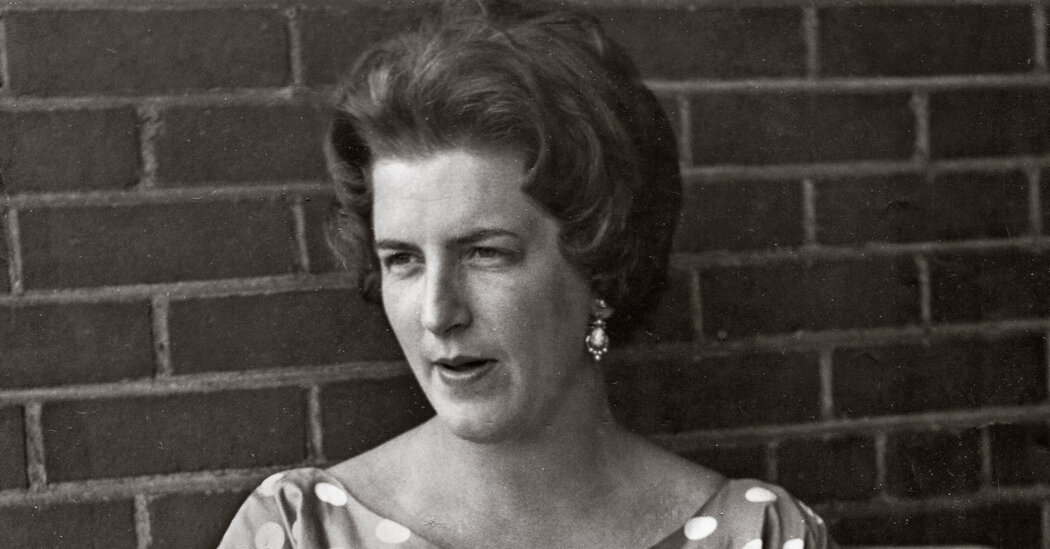
A virologist, she worked with the pathologist Anthony Epstein, who died last month, in finding for the first time that a virus that could cause cancer. It’s known as the Epstein-Barr virus.This article is part of Overlooked, a series of obituaries about remarkable people whose deaths, beginning in 1851, went unreported in The Times.Yvonne Barr was a 31-year-old research assistant seeking a new challenge when she was hired by a pathologist in London in 1963 to help find the cause of an unusual malignancy: exceptionally large facial tumors in Ugandan children.The pathologist, Anthony Epstein, was almost certain that the tumors were caused by a virus, but he was struggling to prove his hypothesis.Barr was by then known for her superior laboratory skills, having worked on the bacterium that causes Hansen’s disease, commonly called leprosy, as well as other projects.While she had mastered cell culture techniques — essentially promoting the growth of cells under controlled conditions — Epstein was having trouble sustaining the growth of cells in his lab.“This was a key to the research — propagating cells that can continue to grow and become experimental specimens,” said Gregory J. Morgan, author of “Cancer Virus Hunters: A History of Tumor Virology” (2022). “Yvonne Barr had experience producing and caring for cell cultures before coming to Epstein’s lab in 1963, and perhaps this is why he hired her.”We are having trouble retrieving the article content.Please enable JavaScript in your browser settings.Thank you for your patience while we verify access. If you are in Reader mode please exit and log into your Times account, or subscribe for all of The Times.Thank you for your patience while we verify access.Already a subscriber? Log in.Want all of The Times? Subscribe.

Read more →

Man ‘recovering well’ after pig kidney transplant

Published27 minutes agoShareclose panelShare pageCopy linkAbout sharingImage source, Getty ImagesBy Michelle RobertsDigital health editorA 62-year-old man is said to be recovering well and should leave hospital soon, after getting a new kidney from a pig that was genetically modified to reduce the risk of the organ being rejected.US surgeons say Rick Slayman is a “real hero” for trying the pioneering operation. The ultimate hope is to use animal organs for more transplants.Pig kidneys have been put into brain-dead people before as a test. The four-hour surgery, performed on 16 March, “marks a major milestone in the quest to provide more readily available organs to patients”, Massachusetts General Hospital said in a statement.Mr Slayman had a human kidney transplant at the same hospital in 2018 after being on dialysis for seven years before that, because his own kidneys were not working properly. Five years later, the transplant failed and he had to go back on dialysis in May 2023. His prospects were not looking good, say his doctors – getting the dialysis to work was difficult since his blood vessels had been repeatedly used for it many times. He encountered recurrent dialysis vascular access complications, requiring visits to the hospital every two weeks for de-clotting and surgical revisions, significantly affecting his quality of life, his doctors explained. Mr Slayman said he weighed up the pros and cons and decided to go ahead with the pig kidney transplant: “I saw it not only as a way to help me, but a way to provide hope for the thousands of people who need a transplant to survive.”There is a chronic shortage of human donor organs for people who need them. Animal donors might help solve that. Heart transplants from pigs to humans have been tried recently too. The special pig kidney was provided by eGenesis of Cambridge, Massachusetts. The animal had been genetically edited to remove genes that could be harmful to a human recipient and to add certain human genes to improve compatibility.Mr Slayman is still taking anti-rejection drugs though, and it is not clear for how long his new kidney will function. This is unchartered territory. One of the transplant team, Dr Tatsuo Kawai, said: “Our hope is that this transplant approach will offer a lifeline to millions of patients worldwide who are suffering from kidney failure.”More on this storyPig kidney transplanted into brain-dead personPublished21 October 2021US man gets pig heart in world-first transplantPublished11 January 2022Related Internet LinksMassachusetts General HospitalThe BBC is not responsible for the content of external sites.

Read more →

Toddlers Smell Like Flowers, Teens Smell ‘Goatlike,’ Study Finds

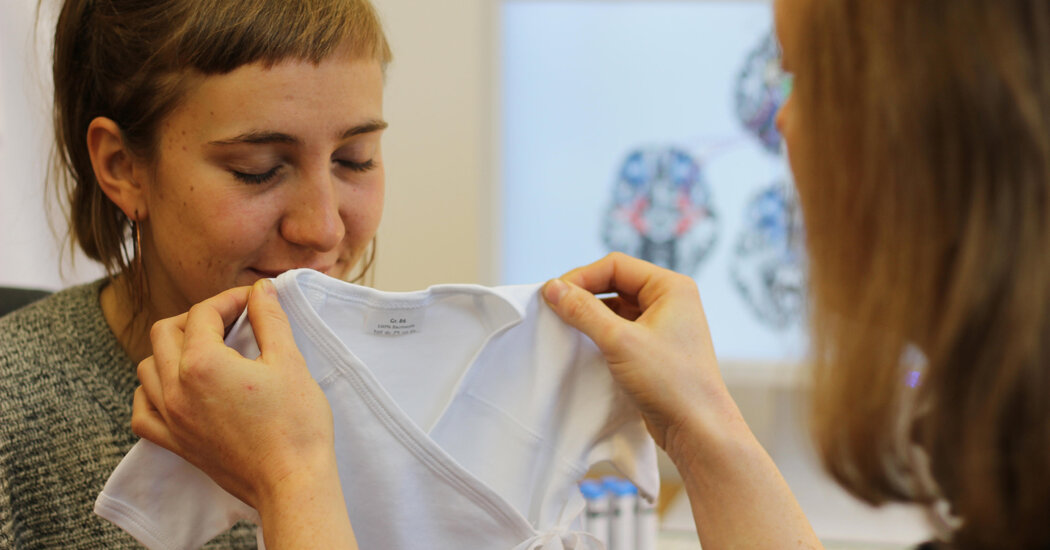
Two musky steroids, and higher levels of odorous acids, distinguish the body odors of teens and tots, a new study finds.Few parents would describe the smells emanating from their adolescent children as redolent of sandalwood. But one of the distinct components of teenage body odor is a compound that evokes that warm, woody fragrance, according to a small new study, which compared the scents of adolescents to those of infants and toddlers.Unfortunately, that’s just about where the good news ended for teenagers (and their parents). Although there were many similarities between the chemicals wafting from teens and tots, the differences tended to favor the younger children, whose body odor samples had higher levels of a compound with a flowery fragrance. Adolescents, on the other hand, produced a compound that smelled like sweat and urine and had higher levels of substances described as smelling cheesy, musty and “goatlike.”The authors of the study, which was published in the journal Communications Chemistry on Thursday, would not go so far as to say that the results proved that adolescents smelled worse than babies. But the differences they documented “may contribute to a less pleasant body odor of teenagers,” said Diana Owsienko, who conducted the study as part of her doctoral research at the University of Erlangen–Nuremberg in Germany. (She is now a researcher at RISE Research Institutes of Sweden.)Body odor is a complex blend of airborne chemicals, many of which are produced when sweat and sebum, an oily substance typically secreted through hair follicles, are broken down by skin microbes or react with other compounds in the air. The differences in scent between young children and teens probably stem from puberty-driven changes in sweat and sebum production, the researchers said.The study was based on samples from 18 young children, who were age 3 or younger, and 18 adolescents who had gone through puberty. To collect the body odor samples, the scientists sewed small cotton patches into the armpits of T-shirts and body suits, which the children and teens wore overnight. (Participants were asked to refrain from using scented hygiene products and eating especially fragrant foods, such as onions and garlic, for 48 hours beforehand.)In the lab, the scientists extracted and analyzed the chemical compounds that had permeated the patches, pooling together samples from multiple children in the same age group.We are having trouble retrieving the article content.Please enable JavaScript in your browser settings.Thank you for your patience while we verify access. If you are in Reader mode please exit and log into your Times account, or subscribe for all of The Times.Thank you for your patience while we verify access.Already a subscriber? Log in.Want all of The Times? Subscribe.

Read more →

The Psychedelic Evangelist

Before he died last year, Roland Griffiths was arguably the world’s most famous psychedelics researcher. Since 2006, his work has suggested that psilocybin, found in magic mushrooms, can induce mystical experiences, and that those experiences, in turn, can help treat anxiety, depression, addiction and the terror of death.Dr. Griffiths and his colleagues at Johns Hopkins University received widespread recognition among scientists and the popular press, helping to pull the psychedelic field from the deep backwater of the 1960s hippie movement. This second wave of research on the hallucinogenic compounds bolstered political campaigns to decriminalize them and spurred biotech investment.Dr. Griffiths was known to friends and colleagues as an analytical thinker and a religious agnostic, and he warned fellow researchers against hype. But he also saw psychedelics as more than mere medicines: Understanding them could be “critical to the survival of the human species,” he said in one talk. Late in life, he admitted to taking psychedelics himself, and said he wanted science to help unlock their transformative power for humanity.Perhaps unsurprisingly, he held a vaunted, even prophetic role among psychonauts, the growing community of psychedelic believers who want to bring the drugs into mainstream society. For years, critics have denounced the outsize financial and philosophical influence of these advocates on the insular research field. And some researchers have quietly questioned whether Dr. Griffiths, in his focus on the mystical realm, made some of the same mistakes that doomed the previous era of psychedelic science.Now, one of his longtime collaborators is airing a more forceful critique. “Dr. Griffiths has run his psychedelic studies more like a ‘new-age’ retreat center, for lack of a better term, than a clinical research laboratory,” reads an ethics complaint filed to Johns Hopkins last fall by Matthew Johnson, who worked with Dr. Griffiths for nearly 20 years but resigned after a charged dispute with colleagues.Roland Griffiths, director of the Center for Psychedelic and Consciousness Research at Johns Hopkins, in 2021.Matt Roth for The New York TimesWe are having trouble retrieving the article content.Please enable JavaScript in your browser settings.Thank you for your patience while we verify access. If you are in Reader mode please exit and log into your Times account, or subscribe for all of The Times.Thank you for your patience while we verify access.Already a subscriber? Log in.Want all of The Times? Subscribe.

Read more →

What is pregabalin and why can it be dangerous?

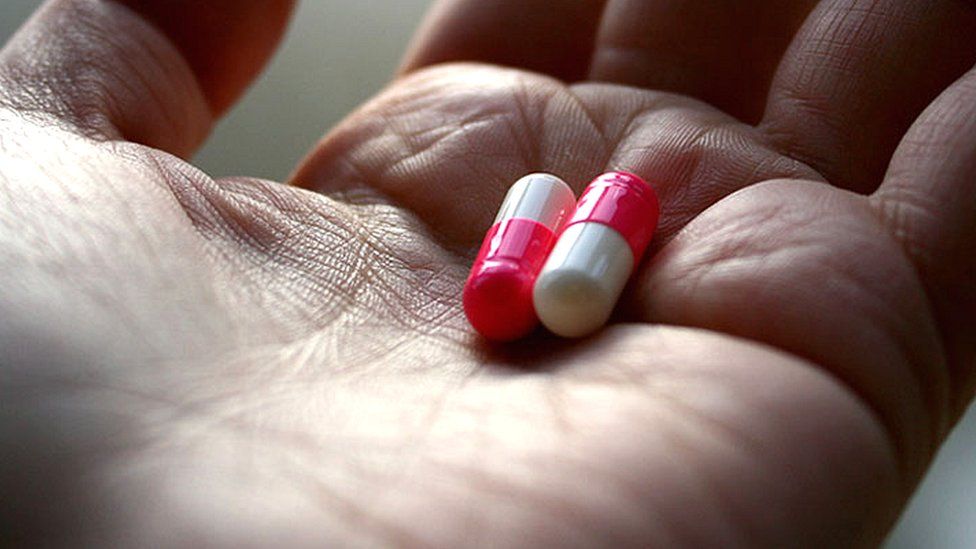
Published18 hours agoShareclose panelShare pageCopy linkAbout sharingImage source, Getty ImagesThe prescription drug pregabalin has been linked to a number of deaths in the UK and around the world. Many users buy the drug illegally on the black market, often from unregulated websites.What is pregabalin and what is it used for?Pregabalin is used to treat conditions including epilepsy, nerve pain and anxiety on the NHS. It comes as tablets, capsules or in liquid form, and may be called Alzain, Axalid or Lyrica, depending on the brand. More than eight million pregabalin prescriptions were dispensed in England in 2022. Prescription rates are showing signs of levelling off across the UK, but doctors say it can be a very useful treatment for patients when taken correctly, and should remain available. What are the side effects of pregabalin?Some call pregabalin the new Valium or “Bud” (as in Budweiser beer) because it can make users feel relaxed, in a similar way to tranquilisers or alcohol. Taking too much of it – particularly when combined with other street drugs that also have a sedative effect – can cause drowsiness and breathing problems. Patients who are prescribed pregabalin are advised to avoid alcohol. Life on Lyrica: A user’s perspectivePrescription drug made my son a zombieHow many deaths have been linked to pregabalin in the UK?Records in England suggest most deaths between 2004 and 2020 involving pregabalin happened when it was taken alongside another medicine such as methadone or morphine. In many cases, the drugs had not been prescribed.Taken together, opiates and pregabalin slow down breathing. An emergency antidote called naloxone that works against opiates does nothing to counteract pregabalin’s effects. Image source, GettyThe 2022 data for England and Wales lists 441 deaths related to pregabalin. There have also been a significant number of deaths in Northern Ireland.According to the latest data from the NI Statistics and Research Agency (Nisra), 71 of the 213 drug-related deaths recorded in 2021 mentioned pregabalin on the death certificate. That compares to one death in 2013, nine in 2016, rising to 77 in 2019 before falling back. The number of deaths linked to pregabalin and the similar drug gabapentin in Scotland peaked in 2020, at 502. This dropped to 472 in 2021, and 367 in 2022. Can you get addicted to pregabalin?Pregabalin’s calming effect – sometimes described as a “gentle high” – can mean some users underestimate the drug’s addictive nature over time. Dependence on pregabalin is especially dangerous for those with a prior history of drug abuse or addiction.Bereaved mother warns of pregabalin dangersAlmost 250,000 ‘incredibly dangerous’ illegal tablets seized on their way to NIHow can you come off it, and is withdrawal an issue? Some people find it hard to stop taking pregabalin. Withdrawal symptoms can include mood changes such as anger and irritability, anxiety and panic as well as physical symptoms like sweating, nausea and chills. Anyone trying to come off the drug should seek health advice first.You should not suddenly stop taking pregabalin unless advised by your doctor. The dose is usually reduced over a week or longer.Is non-prescription pregabalin illegal?The Misuse of Drugs Act 1971 divides drugs into three categories, class A, B and C, according to the harm they cause when misused. Pregabalin was made a class C drug in 2019. That means it is illegal to possess pregabalin without a valid prescription, or to supply it to others.Police Service of Northern Ireland (PSNI) statistics show pregabalin is the fourth most commonly seized drug behind cannabis, cocaine and benzodiazepines.Between July 2021 and June 2022, pregabalin was seized by officers on 804 occasions.In the following twelve months, that figure rose to 1,081 – an increase of more than 34%.How is pregabalin used in other countries?Since being introduced in the US and UK in 1993, pregabalin has spread across the world. A study published by the medical journal Nature Communications estimates that the number of doses of pregabalin and gabapentin taken daily around the world rose more than fourfold between 2008 and 2018. There has also been a global increase in pregabalin abuse and deaths. Australia’s 2023 Annual Overdose Report highlighted 887 deaths linked to pregabalin and gabapentin between 2000 and 2021 – 93% involving pregabalin.Official reports suggest pregabalin is also being increasingly abused in Saudi Arabia and Jordan.In 2017, the United Arab Emirates (UAE) National Rehabilitation Centre said pregabalin and gabapentin were the most commonly abused drugs by under-30s.Large quantities of illegally-traded pregabalin have been captured in the UAE and Kuwait. In March, almost three million pills were seized in the UAE. In 2023, Kuwaiti authorities recovered 15 million pregabalin capsules and half a tonne of the drug in powder form.If you have been affected by addiction, help and support is available at BBC Action Line.If you live in Northern Ireland, you can also call the 24-hour helpline Lifeline, on 0808 808 8000.

Read more →

Surgeons Transplant Pig Kidney Into a Patient, a Medical Milestone

The man continues to improve, doctors said. Organs from genetically engineered pigs one day may make dialysis obsolete.Surgeons in Boston have transplanted a kidney from a genetically engineered pig into an ailing 62-year-old man, the first procedure of its kind. If successful, the breakthrough offers hope to hundreds of thousands of Americans whose kidneys have failed.So far, the signs are promising. The new kidney began producing urine shortly after the surgery last weekend and the patient’s condition continues to improve, according to physicians at Massachusetts General Hospital, known as Mass General. He is already walking the halls of the hospital and may be discharged soon.The patient is a Black man, and the procedure may have special significance for Black patients, who suffer high rates of end-stage kidney disease.A new source of kidneys “could solve an intractable problem in the field — the inadequate access of minority patients to kidney transplants,” said Dr. Winfred Williams, associate chief of the nephrology division at Mass General and the patient’s primary kidney doctor.If kidneys from genetically modified animals can be transplanted on a large scale, dialysis “will become obsolete,” said Dr. Leonardo V. Riella, medical director for kidney transplantation at Mass General. The hospital’s parent organization, Mass General Brigham, developed the transplant program. Over 800,000 Americans have kidney failure and require dialysis, a procedure that filters toxins from the blood. Over 100,000 are on a waiting list to receive a transplanted kidney from a living or dead human donor.We are having trouble retrieving the article content.Please enable JavaScript in your browser settings.Thank you for your patience while we verify access. If you are in Reader mode please exit and log into your Times account, or subscribe for all of The Times.Thank you for your patience while we verify access.Already a subscriber? Log in.Want all of The Times? Subscribe.

Read more →

Long Before Amsterdam’s Coffee Shops, There Were Hallucinogenic Seeds

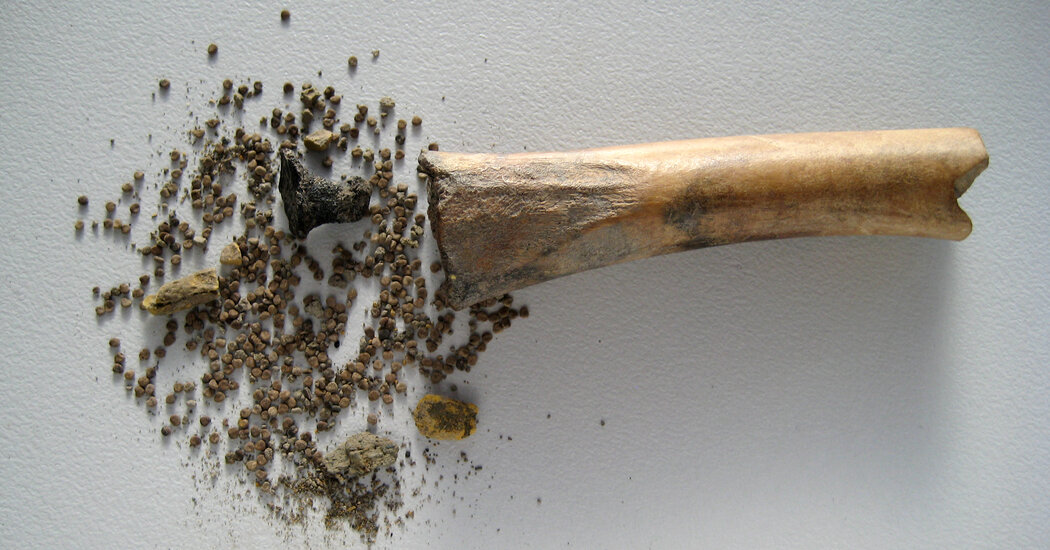
A nearly 2,000-year-old stash pouch provides the first evidence of the intentional use of a powerful psychedelic plant in Western Europe during the Roman Era.In 2011, archaeologists in the Netherlands discovered an ancient pit filled with 86,000 animal bones at a Roman-Era farmstead near the city of Utrecht. It fell to Martijn van Haasteren, an archaeozoologist at the Cultural Heritage Agency of the Netherlands, to sort through them.Deep into the cataloging process, Mr. van Haasteren was cleaning the mud from yet another bone when something unexpected happened: Hundreds of black specks the size of poppy seeds came pouring out from one end.The specks turned out to be seeds of black henbane, a potently poisonous member of the nightshade family that can be medicinal or hallucinogenic depending on the dosage. The bone — hollowed-out and sealed with a tar plug — was an ancient stash pouch that had kept the seeds safe for some 1,900 years.Researchers determined that the bone was deposited in the pit somewhere between A.D. 70 and 100 — a time when the Netherlands represented the Roman Empire’s northern border. Parts of the container were smooth, suggesting frequent handling.This “very special” discovery provides the first definitive evidence that Indigenous people living in such a far-flung Roman province had knowledge of black henbane’s powerful properties, said Maaike Groot, an archaeozoologist at the Free University of Berlin and a co-author of a paper published in the journal Antiquity last month describing the finding.At the time that the original owner stuffed the container full of seeds, the properties of black henbane were already well known in Rome. Writings by Pliny the Elder and others testify to the medicinal use of black henbane seeds and leaves, but warn that an overindulgence will result in mind-altering effects.We are having trouble retrieving the article content.Please enable JavaScript in your browser settings.Thank you for your patience while we verify access. If you are in Reader mode please exit and log into your Times account, or subscribe for all of The Times.Thank you for your patience while we verify access.Already a subscriber? Log in.Want all of The Times? Subscribe.

Read more →

Healing eyes with contact lenses

A cross-disciplinary University of Waterloo team has developed a new contact lens material that could act as a bandage for corneal wounds while releasing drugs in a controlled manner to help the eye heal faster.
Typically, corneal abrasion patients spend seven to 10 days wearing a clear, oxygen-permeable bandage contact lens, often instilled with eyedrops containing antibiotics. However, the one-time antibiotic application makes it difficult to ensure enough drugs stay on the eye for sustained treatment.
“It’s a targeted-release drug delivery system that is responsive to the body,” said Dr. Lyndon Jones, a professor at Waterloo’s School of Optometry & Vision Science and director of the Centre for Ocular Research & Education (CORE). “The more injured you are, the more drug gets delivered, which is unique and potentially a game changer.”
Jones knew there was a market for a drug-delivering bandage contact lens that could simultaneously treat the eye and allow it to heal. The question was how to develop it.
As the University of Waterloo has several researchers and entrepreneurs building technology to disrupt the boundaries of health, Jones was able to team up with Dr. Susmita Bose (PhD’23), Dr. Chau-Minh Phan (PhD’16) and Dr. Evelyn Yim, an associate professor of chemical engineering working on collagen-based materials. Rounding out the team were Dr. Muhammad Rizwan, a former postdoctoral fellow, and John Waylon Tse (MASc’18), a former graduate student, both with Yim’s lab.
Collagen is a protein naturally found in the eye that’s also often involved in the wound healing process — however, it’s too soft and weak to be a contact lens material. Yim found a way to transform gelatin methacrylate, a collagen derivative, into a biomaterial 10 times stronger.
One unique property of collagen-based materials is that they degrade when exposed to an enzyme called matrix metalloproteinase-9 (MMP-9), which is naturally found in the eye.

“These enzymes are very special because they’re involved in wound healing, and when you have a wound, they’re released in greater quantity,” Phan said. “If you have a material that can be degraded in the presence of this enzyme, and we add a drug to this material, we can engineer it so it releases the drug in a way that is proportional to the amount of enzymes present at the wound. So, the bigger the wound, the higher the amount of drug released.”
The team used bovine lactoferrin as a model wound-healing drug and entrapped it in the material. In human cell culture study, the researchers achieved complete wound healing within five days using the drug-releasing novel contact lens material.
Another benefit of the material is that it only becomes activated at eye temperatures, providing an inbuilt storage mechanism.
The next step is fine-tuning the material, including entrapping different drugs in it.
The scientists believe their material has great potential — not only for the eye but potentially for other body sites, especially large skin ulcers.
A study outlining the researchers’ work was recently published in the journal Pharmaceutics.

Read more →