Judge Orders Timely Housing for Migrant Children Waiting at Border

The decision established that minors at open-air sites were in legal custody of the Department of Homeland Security and thus must receive safe shelter, even if they had not yet been formally processed.The federal government is required to “expeditiously” house migrant children who cross into the United States unlawfully, rather than allow them to remain in unsafe open-air sites along the border, a Federal District Court judge ruled Wednesday night.The decision, handed down by Judge Dolly M. Gee of the United States District Court of Central California, sided mostly with the lawyers representing the children in a class-action lawsuit. It established that minors at the sites were in legal custody of the Department of Homeland Security and thus were entitled to certain rights and protections, such as a safe and sanitary environment, even if they had not yet been formally processed.The ruling comes amid a fierce political and cultural debate over the rights of migrants — including children — who enter the United States without permission. Because of an influx in crossings at the U.S.-Mexico border, immigration processing centers in southern San Diego County are strained, and migrants have waited for hours or sometimes days at makeshift camps to be taken into custody.The outdoor areas where migrants have been waiting lack shelter, food and sanitation, which has given way to an array of public health concerns for the most vulnerable. Unaccompanied children and young families sometimes arrive in poor health, according to aid workers and medical volunteers at the sites, suffering from traumatic injuries or chronic health conditions that require medications that have long since run out.During the hot desert days, dehydration and heat stroke have become common problems, according to aid groups, and nighttime temperatures, wind and rain are creating conditions ripe for hypothermia. Doctors are particularly concerned about those elements for children, since many have lower body fat than adults and may be malnourished from their journeys.The government had argued that the children were not yet in U.S. custody so it had no obligation to provide services. The judge cited Border Patrol agents’ control over the minors’ ability to leave the sites — and their power to affect whether the children have access to aid and medical treatment — as the rationale for her ruling.We are having trouble retrieving the article content.Please enable JavaScript in your browser settings.Thank you for your patience while we verify access. If you are in Reader mode please exit and log into your Times account, or subscribe for all of The Times.Thank you for your patience while we verify access.Already a subscriber? Log in.Want all of The Times? Subscribe.

Read more →

A.L.S. Drug Relyvrio Will Be Taken Off the Market, Its Maker Says

Results of a large clinical trial found the treatment did not work any better than a placebo.The maker of the newest treatment approved for amyotrophic lateral sclerosis said Thursday that it would withdraw the drug from the market because a large clinical trial did not produce evidence that the treatment worked.The company, Amylyx Pharmaceuticals, said in a statement that it had started the process of withdrawing the drug in the United States, where it is called Relyvrio, and in Canada, where it is called Albrioza. As of Thursday, no new patients will be able to start the drug, while current patients who wish to continue taking the medication can be transitioned to a free drug program, the company said.The medication is one of only a few treatments for the severe neurological disorder. When the Food and Drug Administration approved it in September 2022, the agency concluded there was not yet sufficient evidence that the medication could help patients live longer or slow the progression of the disease.It decided to greenlight the medication anyway, instead of waiting two years for results of a large clinical trial, citing data showing the treatment to be safe and the desperation of A.L.S. patients. The disease robs patients of their ability to control muscles, speak and breathe without assistance and often causes death in two to five years.Since then, about 4,000 patients in the United States have received the treatment, a powder that is mixed with water and either drunk or ingested through a feeding tube. Its list price was $158,000 a year.Last month, Amylyx, of Cambridge, Mass., announced that the results of a 48-week trial of 664 patients showed that the treatment did not work better than a placebo. The company said then that it would consider withdrawing the drug from the market.We are having trouble retrieving the article content.Please enable JavaScript in your browser settings.Thank you for your patience while we verify access. If you are in Reader mode please exit and log into your Times account, or subscribe for all of The Times.Thank you for your patience while we verify access.Already a subscriber? Log in.Want all of The Times? Subscribe.

Read more →

Thousands of people to trial Alzheimer’s blood tests

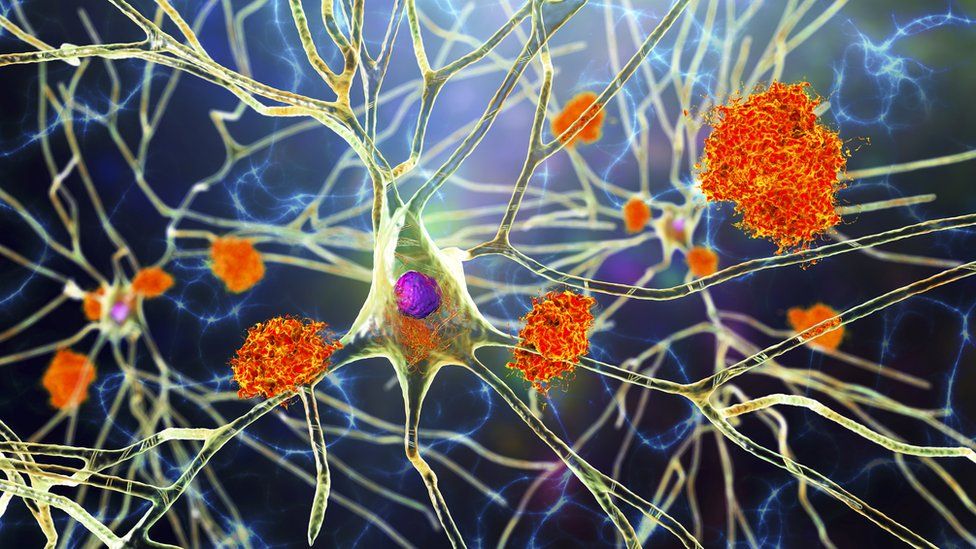
Published9 minutes agoShareclose panelShare pageCopy linkAbout sharingImage source, Getty ImagesBy Fergus WalshMedical editor Memory clinics across the UK are to begin trialling blood tests to see if they can accurately diagnose dementia.The hope is that more people will be able to access care, support and new drug treatments at an earlier stage.The research, by University College London and the University of Oxford, will involve around 5,000 volunteers. The five-year project will study blood tests for Alzheimer’s disease and other forms of dementia.Currently, around a third of patients with dementia never get a formal diagnosis and are left with worry and uncertainty about their condition.Rogue proteinsOnly around 2% of patients have one of the ‘gold standard’ tests for Alzheimer’s – either a specialist PET brain scan or a spinal lumbar puncture.Both can show the presence of rogue proteins in the brain such as amyloid and tau which start to accumulate up to 20 years before symptoms emerge – but tests are expensive. The Oxford team will be looking at a range of blood tests, which could be a cheaper and easier way for doctors to spot early signs of the disease. One blood test will look for traces of these proteins in the blood in order to diagnose Alzheimer’s disease, the most common form of dementia. Some tests will also look for potential biomarkers for vascular and frontotemporal dementia, and dementia with Lewy bodies. The researchers will also look at whether the blood tests can help detect these diseases at various stages.NHS ‘not ready’ for new Alzheimer’s drugsNHS exploring Alzheimer’s disease blood testsHow common is early Alzheimer’s?Dr Vanessa Raymont, from the University of Oxford, is leading a study which will recruit volunteers from more than 50 UK trial sites, which are all NHS memory clinics. She told the BBC that although several dementia blood tests had already shown promising results, they had limitations. “Research has tended to exclude the very elderly, ethnic minorities and those with other medical conditions so we need to understand what the data looks like in the real world, which is why these projects are so important.”The University College London (UCL) team will focus on the most promising biomarker for Alzheimer’s disease, called p-tau217, which can indicate levels of amyloid and tau in the brain.Its trial will see if measuring p-tau217 in the blood can increase the rate of diagnosis for Alzheimer’s disease in people with early dementia, but also those with mild but progressive memory problems.Access to new treatmentsJonathan Schott, professor of neurology at UCL, who is leading the trial, said: “An early, accurate diagnosis of Alzheimer’s disease is already important, allowing people to access appropriate care and medications. “If, as we hope, new treatments that can slow down Alzheimer’s disease become available soon, then this will be vital,” he said.”This would pave the way for fair and equitable access to new and potentially life-changing treatments to all who might benefit.”Two treatments have shown in trials that they can slow the progression of early stage Alzheimer’s. Doctors say the benefits are modest but they represent the first ‘disease-modifying’ drugs. The drugs, lecanemab and donanemab, are currently being considered by the MHRA, the body which approves drugs in the UK. Even if they are granted licences, they would then need to be given the green light by health assessment bodies which consider their cost-effectiveness for the NHS, before being rolled out to patients. Dr Sheona Scales, director of research at Alzheimer’s Research UK, said: “We’ve seen the enormous potential that blood tests are showing for improving the diagnostic process for people and their loved ones in other disease areas.”She said it was important to see “the same step-change in dementia”, which is the greatest health challenge facing the UK.The Blood Biomarker Challenge is being funded by Alzheimer’s Society, Alzheimer’s Research UK, the National Institute for Health and Research and Gates Ventures, including £5m from People’s Postcode Lottery.More on this storyNHS ‘not ready’ for new Alzheimer’s drugsPublished12 FebruaryNHS exploring Alzheimer’s disease blood testsPublished9 November 2023New drugs for Alzheimer’s hailed as turning pointPublished17 July 2023Fiona Phillips: How common is early Alzheimer’s?Published5 July 2023Blood test for early Alzheimer’s ‘shows promise’Published29 July 2020First drug that can slow Alzheimer’s dementiaPublished22 October 2019Lifestyle changes that could lower your dementia riskPublished14 July 2019

Read more →

Life expectancy increased as world addressed major killers including diarrhea, lower respiratory infections, and stroke

Global life expectancy increased by 6.2 years since 1990 according to a new study published in The Lancet. Over the past three decades, reductions in death from leading killers fueled this progress, including diarrhea and lower respiratory infections, as well as stroke and ischemic heart disease. When the COVID-19 pandemic arrived in 2020, however, it derailed progress in many locations. This is the first study to compare deaths from COVID-19 to deaths from other causes globally.
Despite the challenges presented by the COVID-19 pandemic, the researchers found that the super-region of Southeast Asia, East Asia, and Oceania had the largest net gain in life expectancy between 1990 and 2021 (8.3 years), largely due to reductions in mortality from chronic respiratory diseases, stroke, lower respiratory infections, and cancer. The super-region’s strong management of the COVID-19 pandemic helped preserve these gains. South Asia had the second-largest net increase in life expectancy among super-regions between 1990 and 2021 (7.8 years), primarily thanks to steep declines in deaths from diarrheal diseases.
“Our study presents a nuanced picture of the world’s health,” said Dr. Liane Ong, co-first author of the study and a Lead Research Scientist at the Institute for Health Metrics and Evaluation (IHME). “On one hand, we see countries’ monumental achievements in preventing deaths from diarrhea and stroke,” she said. “At the same time, we see how much the COVID-19 pandemic has set us back.”
The study also highlights how COVID-19 radically altered the top five causes of death for the first time in 30 years. COVID-19 displaced a long-dominant killer — stroke — to become the second-leading cause of death globally. The research presents updated estimates from the Global Burden of Disease Study (GBD) 2021. The authors found that the super-regions where the COVID-19 pandemic hit hardest were Latin America and the Caribbean and sub-Saharan Africa, which lost the most years of life expectancy due to COVID-19 in 2021. While documenting the enormous loss of life caused by the COVID-19 pandemic, the researchers also pinpointed the reasons behind the improvements in life expectancy in every super-region. Looking across different causes of death, the study reveals sharp drops in deaths from enteric diseases — a class of diseases that includes diarrhea and typhoid. These improvements increased life expectancy worldwide by 1.1 years between 1990 and 2021. Reductions in deaths from lower respiratory infections added 0.9 years to global life expectancy during this period. Progress in preventing deaths from other causes also drove up life expectancy around the world, including stroke, neonatal disorders, ischemic heart disease, and cancer. For each disease, reductions in deaths were most pronounced between 1990 and 2019.
At the regional level, Eastern sub-Saharan Africa experienced the largest increase in life expectancy, which jumped by 10.7 years between 1990 and 2021. Control of diarrheal diseases was the leading force behind improvements in this region. East Asia had the second-largest gain in life expectancy; the region’s success in slashing deaths from chronic obstructive pulmonary disease played a key role.
The GBD 2021 study measures mortality by cause of death and years of life lost at global, regional, national, and subnational levels. The analysis links specific causes of death to changes in life expectancy.
The study illuminates not only the diseases that have driven increases and decreases in life expectancy, but also looks at how patterns of disease have shifted across locations over time, presenting, as the authors write, an “opportunity to deepen our understanding of mortality-reduction strategies…[which] might reveal areas where successful public health interventions have been implemented.”
GBD 2021 highlights places that have made huge strides in preventing deaths from major diseases and injuries. It also emphasizes how some of the most burdensome diseases are now concentrated in certain locations, underscoring opportunities for intervention. For example, in 2021, deaths from enteric diseases were largely concentrated in sub-Saharan Africa and South Asia. For another disease, malaria, the researchers found that 90% of deaths occurred in an area inhabited by just 12% of the world’s population in a stretch of land ranging from Western sub-Saharan Africa through Central Africa to Mozambique.

“We already know how to save children from dying from enteric infections including diarrheal diseases, and progress in fighting this disease has been tremendous,” said Professor Mohsen Naghavi, the study’s co-first author and the Director of Subnational Burden of Disease Estimation at IHME. “Now, we need to focus on preventing and treating these diseases, strengthening and expanding immunization programs, and developing brand-new vaccines against E. coli, norovirus, and Shigella,” he added.
In addition to providing new insights on COVID-19, the study reveals growing threats from non-communicable diseases, such as diabetes and kidney diseases, which are increasing in every country. The researchers also point to uneven progress against conditions such as ischemic heart disease, stroke, and cancer. High-income countries have driven down deaths from many types of non-communicable diseases, but many low-income countries have not.
“The global community must ensure that the lifesaving tools that have cut deaths from ischemic heart disease, stroke, and other non-communicable diseases in most high-income countries are available to people in all countries, even where resources are limited,” said Eve Wool, senior author of the study and a Senior Research Manager at IHME.

Read more →

Exercise habits in youth create better health outcomes for some

Forming a long-term recreational exercise habit as a young person has a beneficial impact on physical and mental health later in life, but some groups, such as females and academic high-achievers, miss out on these benefits disproportionately.
A University of Adelaide study found females, people with low self-efficacy, reluctant exercisers, higher academic achievers, and those experiencing socioeconomic disadvantage are all most at risk of failing to establish regular exercise patterns during the transition from adolescence to young adulthood.
The finding was made by examining data collected as part of the Longitudinal Survey of Australian Youth (LSAY), which also showed young Australians on average exercise less regularly every year after transitioning from high school to university and work.
“It is well known that sustained regular exercise in young people improves fitness, physical health, self-esteem, reduces distress and sets up long-term patterns that reduce disease risk in adulthood,” said Associate Professor Oliver Schubert from the University of Adelaide’s Adelaide Medical School and the Northern Adelaide Local Health Network.
“There seems to be a critical period in people’s teens, around the age of 15, to establish these behaviours.”
While women’s sport is increasing in prominence, the researchers say multiple factors contribute to the gender disparity.
“The disadvantage experienced by females is influenced by reduced opportunity, lower access, and lack of sports diversity, but also divergent parental and cultural expectations, stereotypes, and role models,” says Dr Julie Morgan, Clinical Associate Lecturer at the University of Adelaide’s Discipline of Psychiatry and lead author of the study.

“Psychological factors, such as perceived sports competency and self-efficacy, may play an additional role. Our study highlights that more needs to be done to promote long-term regular of exercise to female adolescents.”
Females were not the only at-risk group that came as a surprise to the researchers.
“The risk for academic high achievers was unexpected and highlights the need to promote a balance between study and self-care to this group,” said Associate Professor Scott Clark, Head of the University of Adelaide’s Discipline of Psychiatry.
Prior research has shown similar findings regarding the benefits of forming exercise habits, but the LSAY data provides a clearer understanding than previously possible.
“The large size and high follow-up rate of LSAY, which follows Australian youth as they transition from school to study or work, makes it an extremely valuable resource for analysing the impact of changes in society and policy that can influence educational, occupational and physical- and mental-health outcomes,” says Jana Bednarz, a senior statistician from the University of Adelaide who conducted the longitudinal modelling analyses.
“Our trajectory-based analysis of repeated measurements provides more robust data than previous cross-sectional studies, where data are collected only once, and therefore provides good evidence for youth exercise policy development in Australia.”
The researchers say outreach is required at an early stage to encourage the at-risk groups they’ve identified to develop long-term exercise habits.

“Given the predictors of these patterns are identifiable at age 15, there is a key role for secondary school, especially in the last years, when academic achievements become more central for young people,” said Associate Professor Schubert.
“Equally, universities and vocational training institutions could run programs to support and encourage physical activity and sport.
“State governments and local councils need to ask whether the current leisure infrastructure supports the needs of young people. Funding and support for grass-roots community sport across gender and socioeconomic groups is critical.”

Read more →

Pig kidney transplant patient leaves hospital

Published40 minutes agoShareclose panelShare pageCopy linkAbout sharingImage source, Massachussets General HospitalBy Nadine YousifBBC NewsThe first man to receive a genetically modified kidney transplant from a pig has been discharged from hospital. The 62-year-old was sent home on Wednesday, two weeks after the ground-breaking surgery at Massachusetts General Hospital (MGH). Organ transplants from genetically modified pigs have failed in the past. But the success of this procedure so far has been hailed by scientists as a historic milestone in the field of transplantation. The news was shared in a press release on Wednesday by MGH, which is Harvard Medical School’s largest teaching hospital in the US city of Boston. Are pigs the future of organ transplants?In the release, the hospital said the patient, Richard “Rick” Slayman of Weymouth, Massachusetts, had been battling end-stage kidney disease and required an organ transplant. His doctors successfully transplanted a genetically-edited pig kidney into his body over a four-hour-long surgery on 16 March.They said Mr Slayman’s kidney is now functioning well and he is no longer on dialysis. In a statement, Mr Slayman said being able to leave hospital and go home was “one of the happiest moments” of his life.”I’m excited to resume spending time with my family, friends, and loved ones free from the burden of dialysis that has affected my quality of life for many years.”In 2018, he had a human kidney transplant from a deceased donor, however it began to fail last year, and doctors raised the idea of a pig kidney transplant.”I saw it not only as a way to help me, but a way to provide hope for the thousands of people who need a transplant to survive,” he said.The new pig kidney he received was modified by Cambridge-based pharmaceutical company eGenesis to remove “harmful pig genes and add certain human genes to improve its compatibility with humans,” it said. For the procedure, the hospital said it drew from its history as being behind the world’s first successful human organ transplant – a kidney – in 1954, as well as research it had conducted with eGenesis on xenotransplantation (interspecies organ transplants) over the past five years.Image source, Massachussets General HospitalThe procedure was greenlit by the Food and Drug Administration, who offered a single Expanded Access Protocol – also known as compassionate use – that is used for patients with life-threatening illnesses to grant them access to experimental treatment.The team behind the transplant hailed it as a historic step that can provide a potential solution to the world’s organ shortage, especially to those from ethnic minority communities whom the shortage disproportionately affects. “An abundant supply of organs resulting from this technological advance may go far to finally achieve health equity and offer the best solution to kidney failure – a well-functioning kidney – to all patients in need,” said Winfred Williams, Mr Slayman’s doctor at MGH. According to data by US non-profit United Network for Organ Sharing, more than 100,000 Americans need a lifesaving organ transplant. Meanwhile, the number of donors – deceased and living – in 2023 was just under 23,500.It is estimated that 17 people die each day in the US while waiting for an organ, and kidneys are the most common organ needed for a transplant. While this is the first pig kidney transplanted into a human, it is not the first pig organ to be used in an transplant procedure. Two other patients have received pig heart transplants, but those procedures were unsuccessful as the recipients had died a few weeks later. In one case, there were signs that the patient’s immune system had rejected the organ, which is a common risk in transplants. More on this storyThree ethical issues around pig heart transplantsPublished11 January 2022Man ‘recovering well’ after pig kidney transplantPublished21 March

Read more →

NHS cannot meet autism or ADHD demand, report says

Published5 minutes agoShareclose panelShare pageCopy linkAbout sharingImage source, Getty ImagesBy Aurelia FosterHealth reporter, BBC NewsThe “extraordinary” rise in demand for autism assessments and ADHD treatments in England has overtaken the NHS’s capacity to meet it, a think tank says.Since 2019, there has been a 400% rise in people waiting to see an autism specialist and a 51% increase in prescriptions for ADHD medication, according to the Nuffield Trust.”Pumping more money” into the current system would not help, it warned.Instead, a “radical rethink” was needed for the NHS to keep up with demand.Nuffield Trust chief executive Thea Stein said it was “frankly impossible to imagine how the system can grow fast enough to fulfil this demand”.”We’re at a really critical point as a society, where we’re actually understanding neurodiversity and the fact that it’s a much greater spectrum for the whole of society than we’ve ever had before,” she told BBC News. “It’s a really complicated issue for us to all collectively understand as a society.”Waiting timeOne out of every 100 people is on the autistic spectrum, it is estimated, while 2.6 million people in the UK haveattention deficit hyperactivity disorder (ADHD) .The Nuffield Trust said 24% of patients referred for ADHD in England were having to wait one to two years for an assessment. And 172,000 adults and children are on a waiting list for an autism assessment – the highest recorded figure – according to NHS data analysed by the think tank, Between October and December 2023, the median time spent on a waiting list after an autism referral rose to over nine months, compared with four months in the same period in 2019.And in Derbyshire, the waiting time was two and half years, according to the report.The way NHS Digital collects data has changed since 2019 – but Ms Stein is confident it remains robust.The rise in demand was probably due to greater awareness of the conditions and changing social attitudes, the Nuffield Trust said.And the number of prescriptions for ADHD medication for adults has grown even faster than for children and teenagers, according to separate data.’Finding out I was autistic saved my life’Autism referral waiting times hit 100 daysMs Stein warned long waits would have a “serious effect” on children in particular, as many schools provided extra support only after a diagnosis.”We’ve certainly got to have a different approach within educational services that says you don’t need that letter in your hand,” she said.People should not have to have a diagnosis just “to get a label out of it”.And wider societal change was needed “to allow ourselves to include more people who present with more neurodiversity”.”We are going to need to think in a much more creative way than simply have a conversation that says we need more NHS resources, as that isn’t the solution,” Ms Stein added.’Taking action’The charity Child Autism said the spike since 2019 may be party due to the suspension of some services during the pandemic, causing a backlog.Its chief executive, Suzy Yardley, agreed a new “coherent UK-wide plan” was needed.”Autistic children have huge amounts to contribute, and we need an overhaul of the system to ensure this can happen”, she said.Dr James Cusack, chief executive of the charity Autistica, said: “It has been evident for some time that services need to adapt to the knowledge that there are more neurodivergent people than we used to think.”And there was a “need to focus on each person’s strengths and needs so that they get the support they need earlier”.A Department of Health and Social Care official said: “We know it’s vital to have a timely diagnosis of autism or ADHD and we are taking action to reduce assessment delays.”NHS England has published a national framework to help speed up autism assessments and is establishing a new ADHD taskforce alongside the government, to improve care for people living with the condition.”In addition, our £13m partnership with NHS England will help improve specialist support for neurodiverse children in primary schools.”More on this story’Finding out I was autistic saved my life’Published3 days agoDocumentary on neurodivergent artists is releasedPublished22 MarchSchool refusers often have autism – parents’ surveyPublished17 MarchAutism diagnosis wait times hit 300 days – NHS dataPublished15 December 2023’My autistic daughter has not been in school for 10 months’Published14 December 2023ADHD diagnosis ‘helps me to understand my brain’Published22 November 2023Related Internet LinksDepartment of Health and Social Care – GOV.UKHome – Nuffield TrustNHS EnglandThe BBC is not responsible for the content of external sites.

Read more →

New tools reveal how genes work and cells organize

Researchers from Aarhus University and the Italian Institute of Technology have discovered how certain proteins can attach to special structures in RNA, called G-quadruplexes. Additionally, they have developed computational tools capable of predicting these protein-RNA interactions. The newfound ability to predict these interactions can help future work in understanding molecular pathways in the cell and pave the way for developing drugs targeting these RNA G-quadruplex binding proteins, that are found to be involved in disease such as cancer.
Proteins binding to RNA are important in many processes in the cell and can mediate a range of biological functions. A specialized structure in both DNA and RNA, the G-quadruplex, are regulatory elements involved in gene expression in both DNA and RNA. In the present work the researchers use theoretical predictions and molecular biology experiments to show that many chromatin-binding proteins bind to RNA G-quadruplexes. With this information they can classify proteins based on their potential to bind RNA G-quadruplexes.
The study uses a combination of experimental identification of RNA G-quadruplex-binding proteins and computational methods to build a prediction tool that identify the probability that a protein binds to RNA G-quadruplexes. The findings show that predicted proteins show a high degree of protein disorder and hydrophilicity, suggesting an involvement in both transcription and phase-separation into membrane-less organelles.
Ulf Ørom’s group has previously shown that RNA-DNA dual binding proteins are likely to have an involvement in the DNA damage response, linking DNA and RNA binding properties to a number of proteins. In the new study, the researchers expanded the knowledge of RNA-binding proteins to identify RNA G-quadruplex binding proteins.
The researchers have also developed a computational tool to assess RNA G-quadruplex-binding potential of proteins that can be accessed at http://service.tartaglialab.com/new_submission/clever_G4_classifier.
With these new results, the researchers identify properties of protein-RNA interactions, and provide means to identify G-quadruplex binding properties that can potentially be targeted therapeutically in disease.
The findings have just been published in Nature Communications.

Read more →

Large language models respond differently based on user’s motivation

A new study recently published in the Journal of the American Medical Informatics Association (JAMIA) reveals how large language models (LLMs) respond to different motivational states. In their evaluation of three LLM-based generative conversational agents (GAs) — ChatGPT, Google Bard, and Llama 2, PhD student Michelle Bak and Assistant Professor Jessie Chin of the School of Information Sciences at the University of Illinois Urbana-Champaign found that while GAs are able to identify users’ motivation states and provide relevant information when individuals have established goals, they are less likely to provide guidance when the users are hesitant or ambivalent about changing their behavior.
Bak provides the example of an individual with diabetes who is resistant to changing their sedentary lifestyle.
“If they were advised by a doctor that exercising would be necessary to manage their diabetes, it would be important to provide information through GAs that helps them increase an awareness about healthy behaviors, become emotionally engaged with the changes, and realize how their unhealthy habits might affect people around them. This kind of information can help them take the next steps toward making positive changes,” said Bak.
Current GAs lack specific information about these processes, which puts the individual at a health disadvantage. Conversely, for individuals who are committed to changing their physical activity levels (e.g., have joined personal fitness training to manage chronic depression), GAs are able to provide relevant information and support.
“This major gap of LLMs in responding to certain states of motivation suggests future directions of LLMs research for health promotion,” said Chin.
Bak’s research goal is to develop a digital health solution based on using natural language processing and psychological theories to promote preventive health behaviors. She earned her bachelor’s degree in sociology from the University of California Los Angeles.
Chin’s research aims to translate social and behavioral sciences theories to design technologies and interactive experiences to promote health communication and behavior across the lifespan. She leads the Adaptive Cognition and Interaction Design (ACTION) Lab at the University of Illinois. Chin holds a BS in psychology from National Taiwan University, an MS in human factors, and a PhD in educational psychology with a focus on cognitive science in teaching and learning from the University of Illinois.

Read more →

Developing a vaccine for the ‘zombie drug’ xylazine

Xylazine is an FDA-approved sedative and pain reliever for use in animals, but it has severe adverse effects when used in humans. It is now illicitly being added to opioids, like fentanyl and heroin, as well as cocaine — leading to a sharp rise in overdose deaths.
Now, Scripps Research chemical biologists have developed a vaccine to block the effects of xylazine’s toxicity. The vaccine works by training the immune system to attack the drug, which is described in a new paper published in Chemical Communications on April 1, 2024.
“We demonstrated that a vaccine can reverse the symptoms of a xylazine overdose in rodents,” says study senior author Kim D. Janda, PhD, the Ely R. Callaway, Jr. Professor of Chemistry at Scripps Research. “There is currently no remedy for xylazine poisoning other than supportive care, thus, we believe our research efforts and the data we have provided will pave the way for an effective treatment in humans.”
The rapid increase in lethal drug overdoses attributed to xylazine combined with fentanyl prompted the White House Office of National Drug Control Policy to declare this combination an emerging threat to the United States. Xylazine intoxication presents similarly to opioid overdose, causing respiratory and central nervous system depression, and it can heighten the effects of opioids. However, naloxone — typically administered to reverse the effects of opioids — does not tackle the impact of xylazine, highlighting the need for effective measures to treat acute toxicity caused by xylazine.
Researchers suspect xylazine works by reducing blood flow to the brain, among other areas of the body. The drug also causes non-healing skin lesions and wounds, often located on the forearms and lower legs, that can require amputation in some cases — giving it the nickname “zombie drug.”
Although no treatment currently exists, targeted vaccines may offer a solution. Vaccines nudge the immune system to create antibodies to fend off invaders. Antibodies can target viruses, bacteria and toxins. However, sometimes molecules are too small to initiate an immune response, as is the case with xylazine. So, to circumvent this problem, the researchers created a vaccine using a design principle that Janda pioneered, which relies on pairing the drug molecule (called a hapten) with a larger carrier molecule (a protein) and an adjuvant.
In this study, the scientists combined a xylazine hapten with multiple different protein types, to see which combination would create a robust immune response against xylazine. The team tested three vaccine formulations (termed TT, KLH and CRM197, based on the protein involved) to see which vaccine cocktail could help rodents after being challenged with xylazine. One of the three vaccines (TT) significantly increased movement in mice given xylazine after 10 minutes, while two of the three vaccines (TT and KLH) led to an improvement in breathing.

The scientists also examined how these vaccines would limit xylazine blood brain barrier, (BBB) permeation, a filtering mechanism that scrutinizes drug penetration. When xylazine was injected, it immediately crossed into the brain to bind with receptors. Antibodies typically cannot navigate the BBB; however, two of the three vaccines (TT and KLH) showed a strong ability to stop xylazine from reaching its receptors in the brain, limiting its detrimental effects.
A provisional patent has been filed on the research. In the future, his team will build off this work to create a bifunctional antibody that will reverse both fentanyl and xylazine’s toxicity simultaneously, something that naloxone cannot do.
“A monoclonal antibody treatment could be given in tandem with the vaccine to provide both immediate and long-term protection from both opioid substance use disorders as well as opioid-xylazine overdoses,” says Janda. “This strategy could make a significant impact on the opioid epidemic.”
“Evaluation of a Hapten Conjugate Vaccine Against the ‘Zombie Drug’ Xylazine” was co-authored by Mingliang Lin, Lisa M. Eubanks, Bin Zhou, and Kim D. Janda, all of Scripps Research.
Funding for the study was provided by the Shadek family and Pearson Foundation.

Read more →